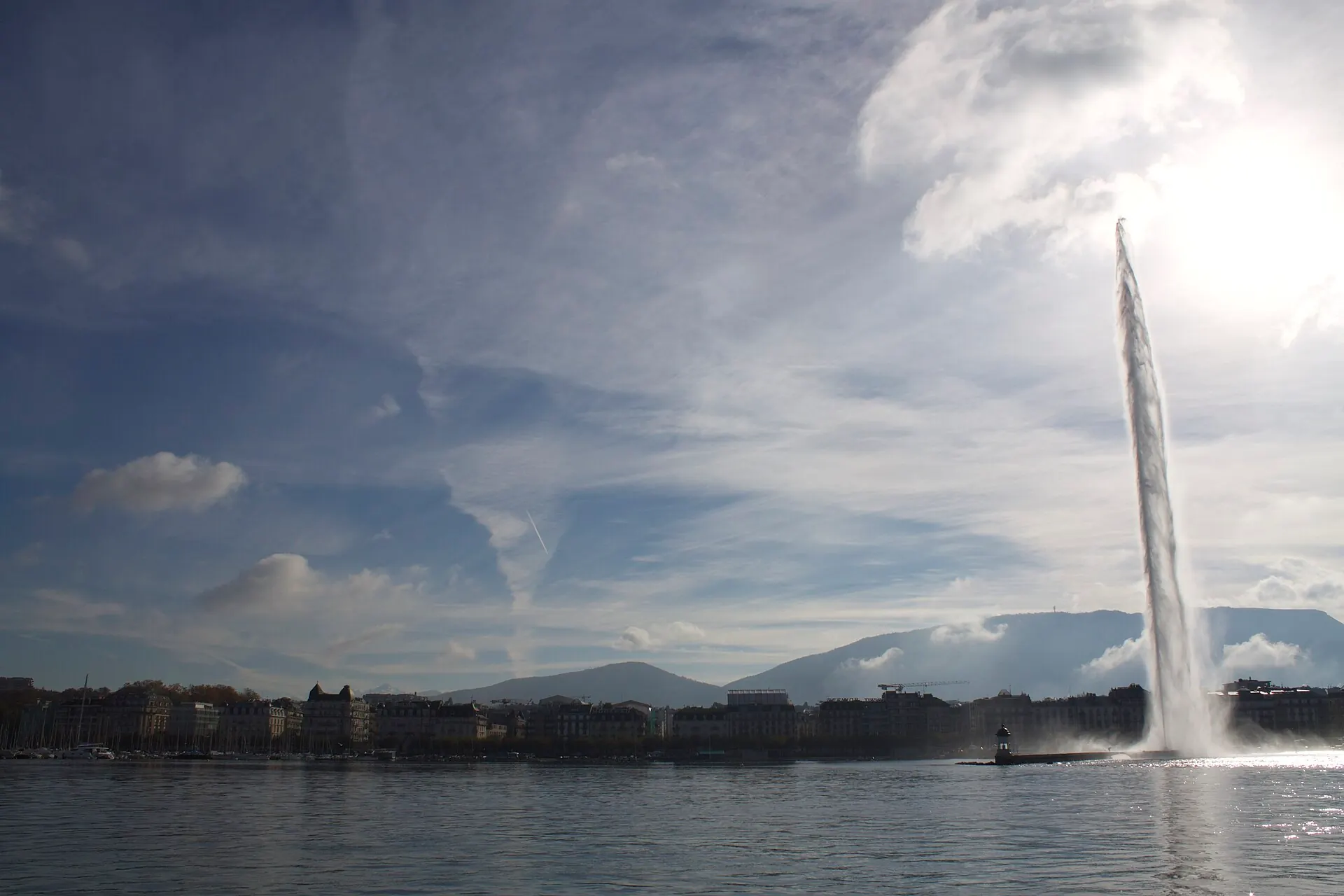
Geneva
Genève
Code SZ · 4 walking zones
Geneva is a compact lake city: do the old town on the hill in the morning, walk the quays in the afternoon, and let the airport train and the tram carry every bag.
Our quick read of Geneva, scored 1–5 (friction is out of 100). Cash need: how often you still need notes. Heat risk: how hot days get. Stroller: how easy wheels are. Friction: overall effort for a first visit. Desk judgements, so check before relying on them.
- Local time
- --:--
- Weather
- forecast below
- Currency
- CHF
- Best months
- Mar · Apr · May · Jun · Jul · Aug · Sep · Oct
- Airport
- Geneva (GVA)
Walking zones: the 4 areas this guide plans a day around. Each is a district you can cover on foot, so you do one zone per half-day and ride the train between them. The code (SZ 01, SZ 02…) is just the zone's number on the Geneva line; the line under each name says how bags fare there and how much time it needs.
Map of Geneva
Use the switches to show or hide each kind of pin. A switch that is on shows its pins on the map; tap it again to hide them. "Show only" keeps just the pins that match (for example, places that fit a suitcase). Tap any pin for its name and a link to its page.
- Where to sleep
- Places
- Eat
- Walking clusters
- Rest stops
From the airport Geneva (GVA) to your bed
Tap a pin for its card. Places without their own coordinates are shown by their walking cluster.
Why Geneva
Geneva's sights are small and close, but it is one of Europe's most expensive cities and the old town is a hill of cobbles. Trips go wrong when bags meet the slope, when a Sunday closes the shops, or when the Jet d'Eau is switched off for wind. Four walking clusters cover a first visit; Lausanne, Montreux and the Alps are trips away from one kept bed.
See first
- 1
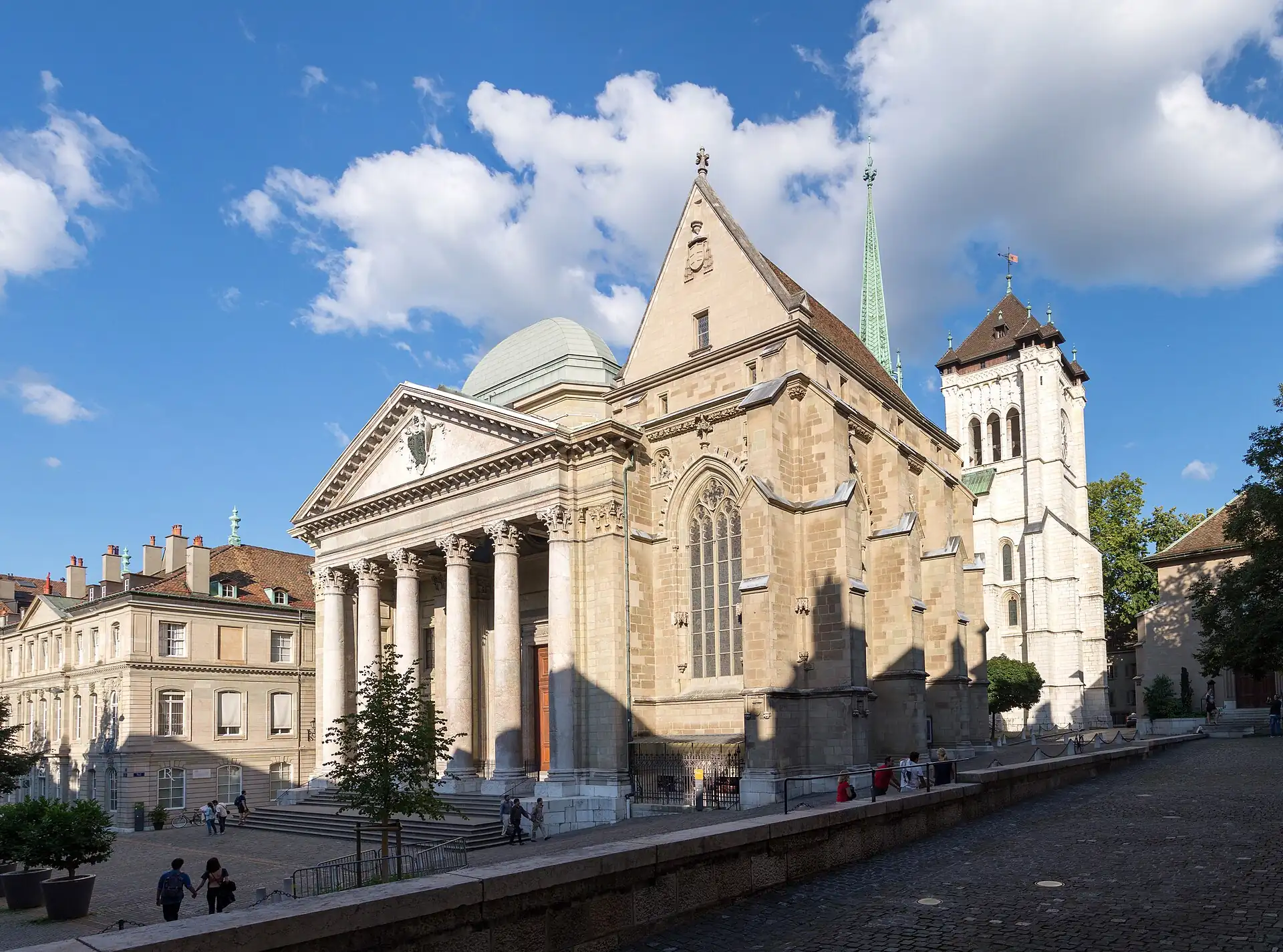 St Pierre Cathedral and the old town · 1.5–2 h
- 2
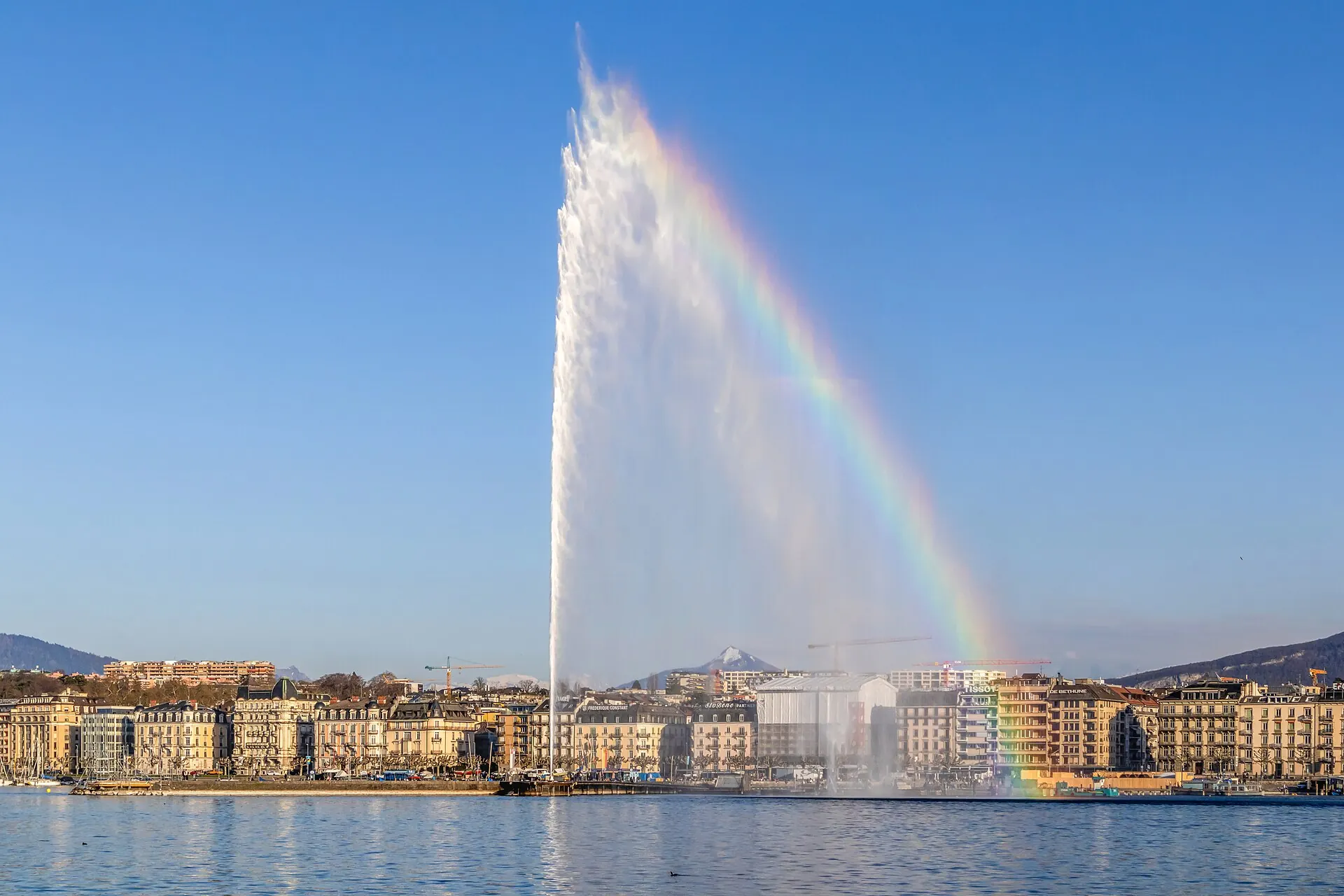 The Jet d’Eau from the quay · 30–45 min
- 3
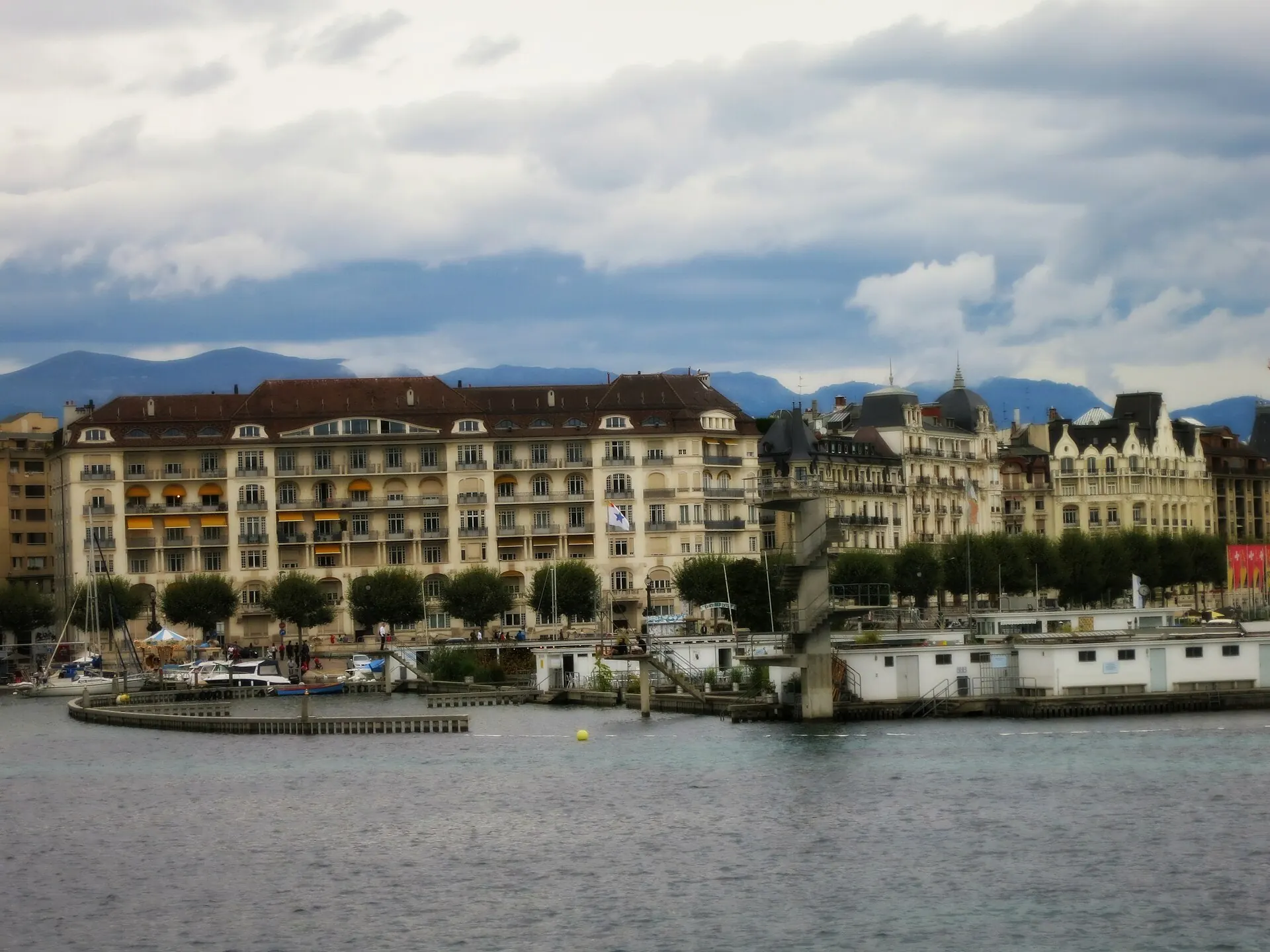 Bains des Pâquis · 1–2 h
- 4
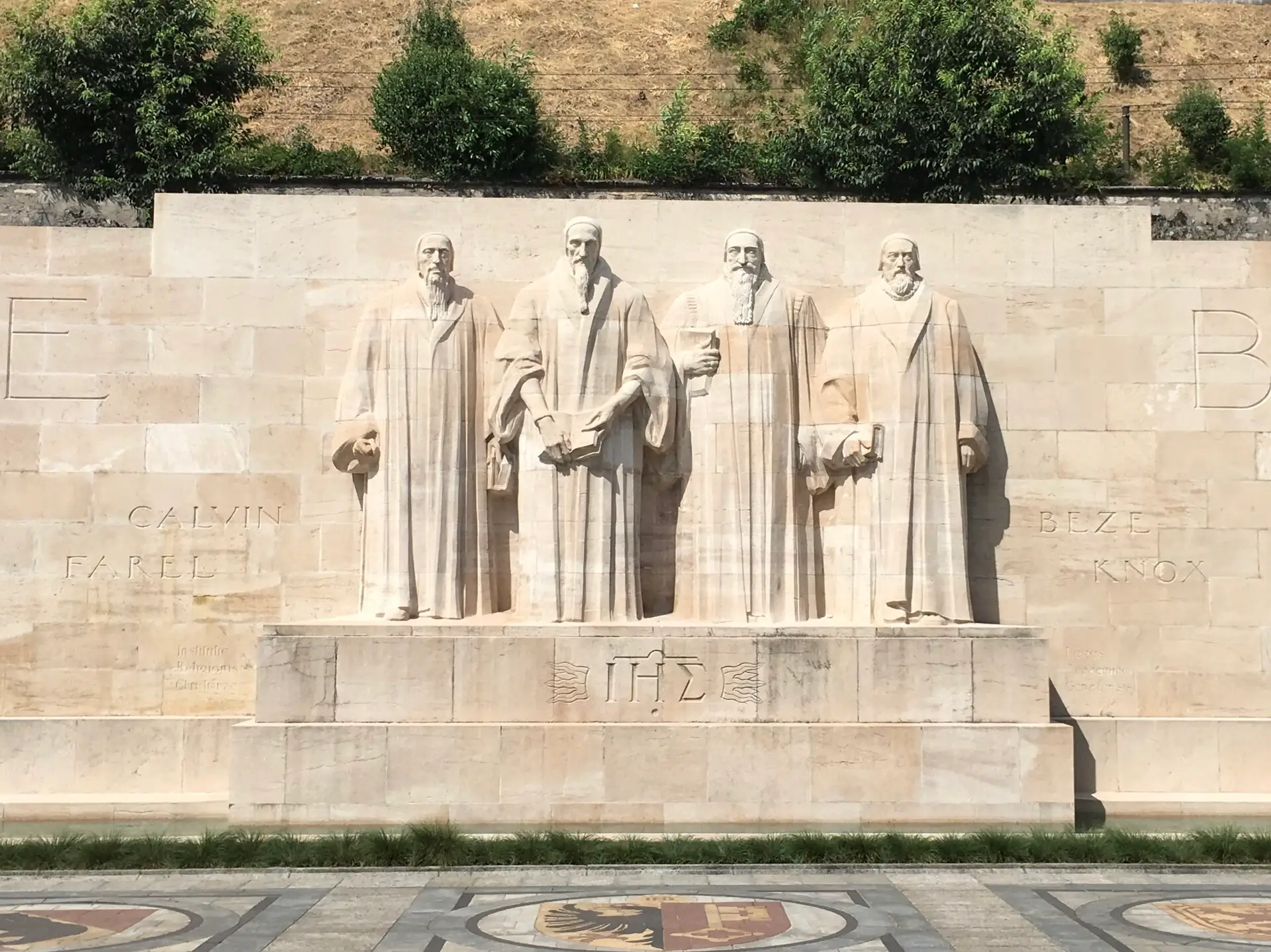 Reformation Wall · 15–20 min
- 5Maison Tavel · 45 min
Fits
- Short city breaks
- Travellers with a rail-first trip
- Lake walks and museums
Does not fit
- Budget travellers
- Strollers and wheelchairs on the old-town hill
- Travellers who want nightlife
How long
- 2 daysOld town morning + quays afternoon
- 3 daysFour clusters, mornings and evenings
- 5 daysFour clusters + a Lausanne or Montreux day + one slow day
Good for
- First timers
- Families
- Budget
- Couples
- Wheelchair
About Geneva
Geneva is a small, rich, international city at the western end of Lake Geneva, almost surrounded by France. About 200,000 people live in the city itself and roughly a million in the cross-border metropolitan area. It hosts the European seat of the United Nations, the Red Cross and dozens of other international bodies.
The old town sits on a hill on the south bank, with the cathedral at its top. The lake and the Rhône split the city into a left bank (old town, Plainpalais) and a right bank (Pâquis, Cornavin, the international district). Most sights are within a 3 km walk of each other.
Two things shape a visit. First, prices are among the highest in Europe. Second, Sundays and evenings are quiet: shops close early and on Sundays, while the lake stays open.
Good to know
- Geneva is both the city and the canton; the airport is on the city's north edge and next to the French border.
- Geneva Tourism has an information desk near Cornavin station (check the address and hours on geneve.com).
- Hotels give guests a free public-transport card for the stay: ask at check-in and keep it with you.
Go deeper 11 min read · 7 chapters
Geneva is a small city with an outsized role: a Roman frontier town, a Protestant capital, the birthplace of the Red Cross, a home for the League of Nations and the UN, and today one of the most expensive places to visit in Europe. This deep dive reads the city by its layers, from the cathedral hill to the lake, so that a short walk becomes a short course in European history.
1From Roman border town to city-state2 min
Geneva sits where Lake Geneva narrows into the Rhône, a natural crossing. The Romans knew it as Genava, a fortified town at the border of Gaul, and Julius Caesar mentions it in 58 BCE in his account of the Gallic wars. Later it became a bishopric, and by the Middle Ages it was a trading town on routes between France, Italy and Germany, with fairs that drew merchants from across Europe.
For centuries the city was pulled between the Bishop of Geneva, the Counts and Dukes of Savoy and its own citizens. Free-town institutions grew, and alliances with Bern and Fribourg helped the citizens resist Savoy. In 1536 Geneva adopted the Protestant Reformation and expelled its bishop, an event that shaped everything that followed.
For the next two and a half centuries Geneva was a small republic and a magnet for refugees. Its walls, guilds and councils gave it a strong civic identity, and the city became known for education, printing and watchmaking. Jean-Jacques Rousseau, born in 1712, wrote about the city with both pride and criticism, and his ideas about citizenship and education spread far beyond it.
The republic ended in the upheavals of the French Revolution: France annexed Geneva in 1798. After Napoleon’s defeat, the city regained independence, and in 1815 it joined the Swiss Confederation as a canton, gaining territory from France and Savoy. The 19th century then brought the demolition of the old fortifications, the building of the quays and the growth of the city around the lake.
Today the old town on its hill preserves the medieval and Reformation layers, while the quays and the streets around Cornavin station show the later, wealthier city. Reading the two together is the easiest way to understand how a small republic became an international city. A first-time visitor can cover the old town in a morning and the quays in an afternoon, then use the evening for a fondue.
- Roman name
- Genava
- Reformation
- 1536
- French annexation
- 1798–1813
- Joined the Swiss Confederation
- 1815
- Canton and city
- Canton of Geneva; city population about 200,000
2Calvin and the Reformation1 min
In 1536 the citizens of Geneva voted to adopt the Reformation. That same year a young French reformer, Jean Calvin, stopped in the city on his way elsewhere and was persuaded to stay. Calvin was expelled in 1538 and recalled in 1541, and over the next two decades he built the city into a model Reformed community, with the Consistory overseeing morals and the Academy, founded in 1559, training pastors and teachers.
Geneva became a refuge for Protestants fleeing France, the Netherlands, Italy, England and Scotland. Many stayed and brought skills that changed the city’s economy: printers, goldsmiths, cloth workers and, above all, watchmakers. The Huguenot refugees strengthened Geneva’s links with France and helped set its reputation for careful craft and learning.
Calvin’s legacy is mixed. The city he shaped was strict, with rules on dress, festivals and behaviour, and it executed the theologian Michael Servetus for heresy in 1553. It also produced a culture of literacy, public education and civic responsibility that influenced Protestant Europe and North America. Visitors often find the tone quieter and more reserved than in other lake cities.
The Reformation Wall, in the Parc des Bastions, carves Calvin, William Farel, Théodore de Bèze and John Knox in stone, alongside kings and leaders who supported the movement. The cathedral where Calvin preached still stands on the hill, and its plain interior shows how Reformed churches stripped away images and altars.
A short walk from the wall to the cathedral takes about ten minutes. Give it forty-five to sixty minutes, and combine it with Maison Tavel, a free museum in the city’s oldest house, for a dry indoor stop. Check the cathedral’s opening hours and the tower ticket, which changes by season, and note that the interior is plain by design, so allow your time for the view from the tower instead.
- Calvin arrives
- 1536
- Academy founded
- 1559
- Reformation Wall statues
- Calvin, Farel, de Bèze and Knox at the centre
- Cathedral
- Calvin’s church, now Protestant
3International Geneva2 min
Geneva’s modern identity is international. In 1863 Henri Dunant, a Genevan businessman who had seen the aftermath of the battle of Solferino, and four colleagues founded the body that became the International Committee of the Red Cross. In 1864 governments signed the first Geneva Convention here, laying the foundation for modern humanitarian law.
After the First World War, the League of Nations chose Geneva as its home in 1920, drawn by Swiss neutrality and its central position. The League failed to prevent the Second World War, but it left behind the Palais des Nations, an enormous complex in the Ariana park, which became the UN’s European headquarters after 1946. Today the city hosts the World Health Organization, the World Trade Organization, the UN Human Rights bodies and many others.
Science is part of the story too. CERN, the European particle-physics laboratory founded in 1954 just west of the city on the Swiss–French border, is where the World Wide Web was first proposed by Tim Berners-Lee in 1989, and where the Higgs boson was observed in 2012. CERN runs free exhibitions for visitors, and the tram line from the centre makes a half-day visit possible. Check opening days, since exhibitions are usually closed on Sundays, and bring a passport for any guided tour.
For a visitor, the international district is a short tram ride from Cornavin. The Palais des Nations offers guided tours, which need advance booking and a passport, and the Red Cross museum tells the humanitarian story. Outside the Palais the giant Broken Chair, a sculpture calling for a ban on landmines, is a free photo stop.
Expect to see many diplomats, interpreters and staff of international bodies in the city’s cafés, which explains the languages you hear and the high prices in the centre. Security checks and passport rules apply at the Palais des Nations, so allow extra time and confirm the current visiting arrangements before you go.
- Red Cross founded
- 1863
- First Geneva Convention
- 1864
- League of Nations
- From 1920
- CERN founded
- 1954
- UN Geneva
- European headquarters since 1946
4The lake, the Jet d’Eau and the water2 min
Lake Geneva, or Lac Léman, is one of the largest lakes in Western Europe, about 580 square kilometres shared between Switzerland and France. Geneva sits at its south-western tip, where the lake narrows and the Rhône leaves it in a wide, pale-blue stream. The lake gives the city its light, its weather and its summer swimming.
The Jet d’Eau is the city’s emblem. It first ran in 1886 as a safety valve for a hydraulic power plant, then in 1891 it was moved to its present spot as a display for the national festival. Today it shoots water about 140 metres into the air from the end of a jetty, at a high speed, and it is lit at night. It does not run in strong wind or hard frost, so check from the quay first.
The quays are the city’s promenade. From Jardin Anglais and its Flower Clock, the path runs along the lake to the jetty, with cafés, benches and swimming ledges. On the north shore, the Bains des Pâquis is a public bathing area with a pier, a sauna, a buvette and, in winter, cheese fondue on the pier. Entry costs a few francs.
The wind matters. The bise is a cold, dry northerly that can blow for days in winter and early spring, making the lakeside feel far colder than the temperature suggests. In summer, the joran and the vent can turn the lake choppy, and sailing boats and the yellow Mouettes water taxis change their schedules.
Lake boats are an efficient way to see the shore. Short crossings on the Mouettes connect the two banks, and the CGN steamers run to Lausanne, Montreux and the Château de Chillon. Many are Belle Époque paddle steamers, still working, and a summer day on one is a good use of a spare day. Check the season and the day’s timetable before you go, since services thin out in autumn and winter and the weather can change quickly.
- Lake area
- About 580 km² (224 sq mi), shared with FranceAbout 224 sq mi (580 km²), shared with France
- Jet d’Eau height
- About 140 m
- Bains des Pâquis entry
- About CHF 2–5 (check)
- Cold wind
- The bise, mostly November to March
5Food, watches and money2 min
Geneva’s reputation for watches goes back to Reformation-era refugees, who brought goldsmithing skills, and to the Calvinist ban on jewellery, which pushed craftsmen towards watchmaking. By the 18th century, Geneva was a centre of the trade. Names such as Patek Philippe, founded here in 1839, and Vacheron Constantin, founded in 1755, remain part of the city’s identity, and watch and jewellery shops line the Rue du Rhône.
Banking followed a similar path: Protestant refugees brought capital, and private banks grew up along the lake. Today the city’s wealth shows in its prices: a coffee costs CHF 4–5, a lunch dish CHF 20–30, and a fondue dinner CHF 35–60 in the old town. Visitors on a budget can eat well by choosing lunch menus, picnics from markets and the counters in Pâquis.
Local food is Alpine and lakeside. Fondue moitié-moitié, made with Gruyère and Vacherin, is the dish most visitors want, and it tastes best in cold weather. Filets de perche from the lake, longeole, a fennel-flavoured sausage, and cardon, a thorny vegetable served in a gratin at Christmas, are local specialities. Local white wines come from Geneva, Vaud and Valais.
The Escalade in December adds a chocolate cauldron filled with marzipan vegetables, a tradition marking the night in 1602 when the city resisted a surprise attack by Savoy. Chocolate itself is a Swiss habit: buy it in supermarkets such as Migros and Coop for a lower price than in tourist shops.
Practical rules help. Service is included, so tipping is optional; a carafe of tap water is free and safe; and Sundays are quiet, with most shops closed. Restaurants often close between lunch and dinner, so check hours, and book fondue in winter and at weekends. If the price of a set menu shocks you, remember that a good lunch dish of the day at a neighbourhood café is often half the cost of dinner.
- Patek Philippe founded
- 1839
- Vacheron Constantin founded
- 1755
- Fondue base
- Gruyère and Vacherin
- Escalade
- 11–12 December
6Neighbourhoods and getting around1 min
Geneva is compact, and the neighbourhoods are easy to learn. The old town rises on the left bank around St Pierre Cathedral and Bourg-de-Four, the city’s oldest square. Below it are the Rive shopping streets and the lake. Across the Rhône, the right bank holds Cornavin station, the Pâquis waterfront and, further north, the international district and its park.
South of the old town, Plainpalais is a large open square with market days and the university, and further on is Carouge, a town laid out by the King of Sardinia in the 18th century, now known for its low houses, workshops and Wednesday and Saturday market. Tram 12 links Rive, Plainpalais and Carouge in about 15 minutes.
Public transport is efficient and cheap by Swiss standards. A single ticket costs CHF 3–3.50 for an hour, and hotels give guests a free transport card for their stay, so ask at check-in. The airport train reaches Cornavin in 6–8 minutes, and a free ticket is often available at the arrivals hall. There is no metro, but trams and buses run frequently, and the yellow Mouettes lake taxis cross the harbour.
The best plan is to walk inside a cluster and use trams between them. The old town is a morning on foot with cobbles and stairs, the quays are an afternoon and evening on the flat, and Plainpalais fits a market morning. Taxis are expensive, so use them for bags and late nights.
For bags, avoid the old town’s cobbles and steps. Most hotels near Cornavin are a flat walk from the station. If you arrive late, the last airport trains run late in the evening, so check the timetable before you land, and keep your free airport ticket and check how long it stays valid on trams and buses.
- Old town
- Cathedral, Bourg-de-Four, Reformation Wall
- Right bank
- Cornavin, Pâquis, international district
- Single ticket
- CHF 3–3.50 (check)
- Airport train
- 6–8 minutes to Cornavin
7Seasons and planning1 min
Geneva has four clear seasons, and the choice changes the trip. Winter, from December to February, is cold and often grey, with highs near 5 °C and the bise wind off the lake. It brings fondue, Christmas markets and the Escalade, and shorter daylight for sightseeing. Spring brings flowers to the parks and the replanted Flower Clock, cool days and occasional rain.
Summer, June to August, is the lake season. Highs reach 25–28 °C, the light lasts until after 21:00 and the Bains des Pâquis, the quays and terraces are full. It is the busiest time for hotels, so book early, and note that some museums have shorter hours. Autumn is quieter, with mild days, vineyards and fewer visitors, though rain and dark evenings arrive in November.
Events change hotel prices. Watches and Wonders in April fills hotels and pushes prices up, and other trade fairs do the same during the year. Christmas is busy, and around 1 August and the Jeûne genevois in September shops close. Check dates against your trip before you book, and look at the fair calendar of the Palexpo exhibition centre when a stay falls in April, September or October.
Sundays deserve a plan. Most shops and many restaurants close, but the lake, the quays and the museums stay open, and lake cafés do a good trade. Buy groceries on Saturday, and book Sunday dinner ahead.
Costs need a plan too. Budget CHF 120–250 a day excluding a bed, and more in a mid-range hotel. Use lunch menus, picnics and the free museums, and remember that a free transport card comes with most hotel stays. For a longer stay, day trips to Lausanne, Montreux, Chamonix and Annecy are frequent and easy by train or bus. Check the weather before mountain trips, and carry a passport for France.
- Coldest months
- December to February
- Busiest months
- June to August and December
- Trade-show peak
- Watches and Wonders, April
- Sunday
- Most shops closed
Read, watch, wordsSources
Read for this deep dive
Background reading only: the text above is written by Voykit, not copied from these pages.
Photos
Bains des Pâquis, Geneva Photo: Patrick Nouhailler's…, CC BY-SA 3.0
Flower Clock, Geneva Photo: Nereidas, CC BY-SA 3.0
Jet d'Eau, Geneva Photo: Photograph by Mike Peel ( www.mikepeel.net )., CC BY-SA 4.0
Reformation Wall, Geneva Photo: Schweiz41, Public domain
Pont de la Machine (footbridge over the Rhone in the city of Geneva, Switzerland) Photo: Basilicofresco, CC BY-SA 4.0
Rules in force · 8Non-EU visitors get 90 days in any rolling 180-day window…
- Europe ↗Non-EU visitors get 90 days in any rolling 180-day window, counted across all 29 Schengen states together — not per country; the Entry/Exit System now logs each crossing, so an overstay is detected automatically.
- Europe ↗On the first Schengen entry since EES began, non-EU travellers give four fingerprints and a face photo at the border instead of a passport stamp; there is nothing to apply for or pay in advance.
- Central Europe ↗Six of the nine countries here — Austria, Switzerland, Czechia, Slovakia, Hungary and Slovenia — charge a time-based motorway vignette, mostly digital and linked to the number plate; buy it before the first motorway past the border, because cameras, not toll booths, do the checking.
- Central Europe ↗Temporary police checks at internal Schengen borders are common in this region in 2026 (Germany, Austria, Poland, Slovenia among others — check): keep your passport on you on every cross-border train, bus and road even though there is no fixed control post.
- Switzerland ↗Switzerland is in the Schengen area but not the EU: check entry rules, the EU Entry/Exit System and any travel authorisation requirement for your passport on official sources.
- Switzerland ↗Switzerland is outside the EU customs area: allowances on meat, alcohol and tobacco are strict and checked at borders.
- Switzerland ↗Motorways need a vignette (sticker or e-vignette) before you drive on them.
- Lake Geneva Region ↗Trains between Geneva, Lausanne and Montreux run all day; check the last train home before a late dinner.
Entry rules depend on your passport. Full visa guide
Emergency numbers for Geneva117 ▾
Tap a number to call from your phone. These are the numbers listed in this guide; a row marked check has not been verified.
Planning is the full guide. I'm here keeps what is open and the cheat card.
Right now
Checking the weather…
Working out what is open near you…
What is open nowclock, closures, places open
Now in Geneva
Local time in Geneva
--:--
Loads in your browser · Europe/Zurich
This month
Month verdict appears here.
Closed today
See the weekly grid below.
| Weekly closure | Mon | Tue | Wed | Thu | Fri | Sat | Sun |
|---|---|---|---|---|---|---|---|
| Most museumscheckMany museums close on Mondays: check before you go. | ✕ | · | · | · | · | · | · |
If today is a closure day: It is Sunday or a public holiday: most shops are closed, so use the lake, the museums and a lakeside café; buy groceries on Saturday.
Weekly closures come from our place pages; Christmas and Easter change opening hours.
Cheat cardthe pocket version
Cheat card
The essentials on one card: save it as an image for your phone, share it, or print it.
Geneva
Genève
- Money
- Cards work almost everywhere; keep about CHF 50 in small notes for kiosks and markets.
- SIM
- Install an eSIM before you fly; Switzerland is outside EU roaming plans.
- Ride app
- Uber and taxi apps
- Emergency
- 117 police · 144 ambulance · 118 fire (not 911, 999 or 000)
- Plugs
- Sockets J. US/Canada (A/B): adapter · UK/Ireland (G): adapter · Australia/NZ (I): adapter. 230 V: US 120 V-only devices (hair dryers) need a converter; most chargers are dual-voltage.
Top 5
- St Pierre Cathedral and the old town
- The Jet d’Eau from the quay
- Bains des Pâquis
- Reformation Wall
- Maison Tavel
EssentialsQuick answers, what things cost and how to get around
Essentials
Quick answers, what things cost and how to get around
Quick answers
The questions people ask first about Geneva, one line each. Tap a card for the full answer.
- Cash or card?Cards and contactless almost everywhere; keep a little cash for kiosks and markets.
- SIM or eSIMInstall an eSIM before you fly; Switzerland is outside EU roaming plans.
- Ride-hailing appUber and taxi apps.
- Tap waterTap water is safe; public fountains are drinkable unless marked.
- TippingService is included; round up or leave a few francs for good service.
- Plugs & powerSockets J. US/Canada (A/B): adapter · UK/Ireland (G): adapter · Australia/NZ (I): adapter. 230 V: US 120 V-only devices (hair dryers) need a converter; most chargers are dual-voltage.
Show all 14 answers
- Safe at night?Take more care after dark in Cornavin and Pâquis.
- What to wearLayers and a waterproof jacket in every season
- Emergency numbers117 police · 144 ambulance · 118 fire (not 911, 999 or 000)
- Your embassyEmbassies are in Bern; many countries also have missions in Geneva.
- Closed which day?Mon: 1 on our list shut.
- Sundays & holidaysShops close early evening and on Sundays; museums often close on Mondays.
- Rainy-day planRain and cold are common outside summer: keep a museum for the wet hour and a café for the cold.
- Landing lateGVA: last train to Geneva Cornavin about 23:30, then taxi or ride-hail car from GVA to your door.GVA: last train to Geneva Cornavin about 11:30 PM, then taxi or ride-hail car from GVA to your door.
Cost cheat-sheetwhat everyday things cost
Cost cheat-sheet
Typical prices for the everyday things, as ranges. Change the currency right here; the local price stays first.
2026 desk estimate · check
- CoffeeCoffee at a caféCHF 4–5 (≈ US$5–7)
- Sit-down mealFondue dinner, per personCHF 35–60 (≈ US$45–75)
- Metro or bus rideTram single ticketCHF 3–3.50 (≈ US$4–5)
- SIM or eSIM, a weekTourist eSIM, about a week of dataCHF 10–25 (≈ US$13–35)
- Museum or sight ticketMuseum ticket (paid museums)CHF 10–25 (≈ US$13–35)
- Budget bedHostel dorm bed, a night, per personCHF 45 (≈ US$60)
- Mid-range bedHotel double room, a night, per roomCHF 250 (≈ US$350)
- High-end bedHotel double room, a night, per roomCHF 520 (≈ US$650)
A day, not counting the bed: Budget CHF 110 (≈ US$140) · Mid CHF 230 (≈ US$300) · High CHF 480 (≈ US$600)
Local prices, with USD next to them (rates 2026-09 (approximate); change it in the header). Ranges are desk estimates: check locally. Every price and the budget calculator →
Source: Prices in Geneva
Draft
Written from desk research. Not yet compared with the official source.
No official source is recorded for this figure.
Prices are 2026 desk estimates, not yet compared with an official source. Check on the day.
Not checked in the last 12 months (no check date on file).
DecideWho it suits, the trade-offs and when to go
Decide
Who it suits, the trade-offs and when to go
Best months at a glance
The guide's verdict for each month
Jan
Care
5°C (41°F)41°F (5°C)
Feb
Care
7°C (45°F)45°F (7°C)
Mar
Best
12°C (54°F)54°F (12°C)
Apr
Best
16°C (61°F)61°F (16°C)
May
Best
20°C (68°F)68°F (20°C)
Jun
Best
24°C (75°F)75°F (24°C)
Jul
Best
27°C (81°F)81°F (27°C)
Aug
Best
26°C (79°F)79°F (26°C)
Sep
Best
22°C (72°F)72°F (22°C)
Oct
Best
16°C (61°F)61°F (16°C)
Nov
Care
9°C (48°F)48°F (9°C)
Dec
Care
5°C (41°F)41°F (5°C)
Best: Mar–Oct. Mixed: Nov–Feb. Month by month →
Warmest Jul (27°C (81°F)81°F (27°C)), coolest Jan (0°C (32°F)32°F (0°C) low), wettest May (12 rain days), driest Feb (8). Averages, not a forecast.
Geneva across the year
Best-looking months for Geneva: May, Jun, Sep.
| Measure | Jan | Feb | Mar | Apr | May | Jun | Jul | Aug | Sep | Oct | Nov | Dec |
|---|---|---|---|---|---|---|---|---|---|---|---|---|
| Weather | Mixed (care) | Mixed (care) | Good (good) | Good (good) | Great (good) | Great (good) | Great (good) | Great (good) | Great (good) | Good (good) | Mixed (care) | Mixed (care) |
| Crowds | Medium (ok) | High (care) | Medium (ok) | Low (good) | Low (good) | Medium (ok) | High (care) | High (care) | Medium (ok) | Low (good) | Low (good) | High (care) |
| Prices | High (care) | High (care) | Medium (ok) | Medium (ok) | Low (good) | Medium (ok) | High (care) | High (care) | Medium (ok) | Medium (ok) | Low (good) | High (care) |
| Events | None listed (ok) | None listed (ok) | 1 event (care) | 1 event (ok) | None listed (ok) | 1 event (ok) | None listed (ok) | 1 event (ok) | 1 event (ok) | None listed (ok) | None listed (ok) | 3 events (care) |
Green is good news, amber needs planning, red is a month to avoid; dashed grey with a question mark means our data does not say. Open the year heatmap →
Not checked in the last 12 months (no check date on file).
Source: Months, temperatures and crowds
Draft
Written from desk research. Not yet compared with the official source.
Monthly highs, rain and crowd levels are climate averages and desk estimates for the city, not a forecast.
Understand the cityUnderstand · Districts
Orientation & districts
Everything a first visit needs sits in a box about 3 km across: the old town on its hill, the lake quays, the Pâquis waterfront, and Plainpalais to the south. Trams connect them.
Geneva uses quartier names (Pâquis, Plainpalais, Eaux-Vives, Carouge); address a taxi by street and number.
Shaded shapes: walking areas (click one). Black pins: sleep areas. Grey dots: places. Round badges: arrivals. Click the map to turn on scroll-wheel zoom.
Hover, tap or tab to an area to see what it is like. Pins are sleep areas; arrows at the edge point to the airport.
Off the map: Geneva Airport (GVA) (8–15 min by the usual route).
Where’s what, as a list:
- Old Town and Rive (Vieille-Ville, Rive): Cobbled hills and small hotels; steep for bags, quiet at night. Suits: First visit, history, cafés. Price band $$$.
- Lake quays (Quais): Flat promenades from Jardin Anglais to the Jet d’Eau and Bains des Pâquis. Suits: Walks, sunsets, swimming in summer.
- Cornavin and Pâquis (Cornavin, Pâquis): Next to the station and the lake, with the widest choice of hotels; some streets are busy at night. Suits: Arrival day, budget and mid-range hotels, cheaper food. Price band $$$.
- Plainpalais (Plainpalais): A big open square with markets, and the university nearby. Suits: Markets, museums, students.
- Sleep area Cornavin and Pâquis: suits Arrival day, budget and mid-range hotels, cheaper food, price band $$$.
- Sleep area Old Town and Rive: suits First visit, history, cafés, price band $$$.
- Geneva Airport (GVA), 8–15 min by the usual route.
Neighbourhoods at a glance
One tab per area, pulled together from this guide’s districts table, area notes, sleep-area scores and place pages. Scores are desk judgements (1–5); prices are estimates, check before you book.
Old Town and Rive
$$$Vieille-Ville, Rive
Cobbled hills and small hotels; steep for bags, quiet at night.
- Suits:
- First visit, history, cafés · History, walking, calm evenings
- Best time:
- Morning and dusk
- Rooms:
- CHF 170–400 per room per night (mid-range to upper).
Pick this if: Quiet evenings, walks in the old town, a fixed base for a few nights
Skip this if: You arrive late with big bags or need step-free access
- Quiet nights4/5 High
- Nightlife3/5 Medium
- Families3/5 Medium
- Late arrival3/5 Medium
Why these scores
- Quiet nights: Quiet after dark except near the squares.
- Nightlife: Small bars and cafés.
- Families: Steep streets are hard with prams.
- Late arrival: Small hotels may have limited night desks: confirm.
Getting around from here
- 12–18 min walk to Lake quays and Jet d'Eau
- 22–30 min walk to Cornavin and Pâquis
- Walk: about 13 min to Plainpalais and the university quarter
Lake quays
Quais
Flat promenades from Jardin Anglais to the Jet d’Eau and Bains des Pâquis.
- Suits:
- Walks, sunsets, swimming in summer
- Best time:
- Late afternoon
Pick this if: Everyone
Watch out for: Midday in strong bise.
Getting around from here
- Walk: about 14 min to Old Town (Vieille Ville)
- Walk: about 15 min to Cornavin and Pâquis
- Walk: about 25 min to Plainpalais and the university quarter
Plainpalais
Plainpalais
A big open square with markets, and the university nearby.
- Suits:
- Markets, museums, students
- Best time:
- Market mornings
Pick this if: Markets, museums
Watch out for: Empty on non-market days.
Getting around from here
- Walk: about 13 min to Old Town (Vieille Ville)
- Walk: about 25 min to Lake quays and Jet d'Eau
- Walk: about 22 min to Cornavin and Pâquis
Decide
The honest trade-off: what you will enjoy, what will wear you down.
You will like
- Lake walks
- Compact old town
- Trains to the mountains
You will hate
- Swiss prices
- Cobbles with bags
- Sunday closures
Similar citiesif this one is not quite right
Similar cities
If Geneva does not fit your dates or budget, these match it on season, cost and feel.
- Vaduz
Liechtenstein
- Good in the same months: Mar, Apr, May, Jun and 4 more
- A mid-range day costs about the same (≈US$238 vs US$288, excl. bed)
- Works well for couples
- A similar climate through the year
- Dublin
Ireland
- Good in the same months: Apr, May, Jun, Jul and 3 more
- A mid-range day costs about the same (≈US$198 vs US$288, excl. bed)
- Works well for first-timers, couples
- New York
United States
- Good in the same months: Mar, Apr, May, Jun and 2 more
- A mid-range day costs about the same (≈US$220 vs US$288, excl. bed)
- Works well for first-timers, families, couples
- A similar climate through the year
When
Best months: Mar, Apr, May, Jun, Jul, Aug, Sep, Oct. Month-by-month verdicts below, with the live forecast first. When to go, month by month →
Geneva: next 7 days
Loading forecast…
Forecast: Open-Meteo (CC BY 4.0), model data for this point.
Air quality
Loading…
Model estimate (CAMS via Open-Meteo), not a street-level station; readings near busy roads run higher.
Month by month, all 12best Mar, Apr, May, Jun, Jul, Aug, Sep, Oct
Cold, grey, bise wind.
Cold; ski-week crowds in the Alps.
Cool, improving.
Mild; spring flowers.
Warm, long days.
Warm; lake swimming begins.
Warm and busy; book ahead.
Aug 1 National Day; heat some years.
Mild; Jeûne genevois holiday.
Cool, clear days.
Grey and damp.
Cold; Escalade festival; Christmas closures.
Climate, calendar and eventsClimate · Calendar · Events · Packing by season
Climate
| Jan | Feb | Mar | Apr | May | Jun | Jul | Aug | Sep | Oct | Nov | Dec | |
|---|---|---|---|---|---|---|---|---|---|---|---|---|
| High | 5°C (41°F)41°F (5°C) | 7°C (45°F)45°F (7°C) | 12°C (54°F)54°F (12°C) | 16°C (61°F)61°F (16°C) | 20°C (68°F)68°F (20°C) | 24°C (75°F)75°F (24°C) | 27°C (81°F)81°F (27°C) | 26°C (79°F)79°F (26°C) | 22°C (72°F)72°F (22°C) | 16°C (61°F)61°F (16°C) | 9°C (48°F)48°F (9°C) | 5°C (41°F)41°F (5°C) |
| Low | 0°C (32°F)32°F (0°C) | 0°C (32°F)32°F (0°C) | 3°C (37°F)37°F (3°C) | 6°C (43°F)43°F (6°C) | 10°C (50°F)50°F (10°C) | 14°C (57°F)57°F (14°C) | 16°C (61°F)61°F (16°C) | 16°C (61°F)61°F (16°C) | 12°C (54°F)54°F (12°C) | 8°C (46°F)46°F (8°C) | 4°C (39°F)39°F (4°C) | 1°C (34°F)34°F (1°C) |
| Rain days | 9 | 8 | 9 | 10 | 12 | 11 | 9 | 9 | 8 | 9 | 9 | 10 |
| Verdict |
- Winters are cold and grey, with the bise wind off the lake; pack a warm hat and scarf.
- June to September is the lake season: warm days, long light and swimming at the Pâquis.
Events by month
Watches and Wonders
eventApril (check) · Palexpo(check dates)
Hotels fill and prices rise; book early.
Fête de la Musique
festivalAround 21 June (check) · Across the city(check dates)
Free concerts; busy evenings.
Swiss National Day
holiday1 August · Lakeside
Fireworks; some shops close.
Jeûne genevois
holidayThursday after the first Sunday of September · Canton of Geneva
Local public holiday; shops closed.
Escalade
festivalAround 11–12 December · Old Town
Costumed parade and closed streets.
Christmas markets
festivalLate November to December · Old Town and Plainpalais(check dates)
Stalls and crowds; higher hotel rates.
Festivals and events that change the plan
| When | What | Effect on your plan |
|---|---|---|
| Aug 1 | Swiss National Day | Fireworks over the lake; some shops and restaurants close. |
| Thursday after the first Sunday of September | Jeûne genevois | Local public holiday; shops closed. |
| Around Dec 12 | Escalade | Costumed parades in the old town; crowds and closed streets. |
| Every Sunday | Sunday closing | Most shops and many restaurants close; museums and lake cafés stay open. |
What to pack, by season
From Geneva’s own climate table: the coldest, warmest and wettest three months, and what to bring for each.
Coldest months
Dec–Feb
0° to 6°
A warm coat and layers.
Warmest months
Jun–Aug
15° to 26°
Light clothes, sunglasses and sunscreen; a thin layer for air conditioning.
Wettest months
Apr–Jun
11 rain days a month
A compact umbrella.
Arrive & moveGetting in, getting around, and your bags
Arrive & move
Getting in, getting around, and your bags
I land at…
Enter your landing time: what still runs from the airport, where you can eat when you get in, and which areas let you check in that late.
Geneva Airport (GVA)
Out of the airport about 23:4611:46 PM (00:40 (next day)12:40 AM (next day) if immigration and bags are slow); in town about 00:06 (next day)12:06 AM (next day).
Transport from the airport
- GoneTrain to Geneva Cornavin. Last one about 23:30: gone by the time you are out.
- Any hourTaxi or ride-hail car from GVA to your door. Any hour.
- Last resortOvernight near the airport. If nothing else works.
Places to eat open when you get in
We have no confirmed hours for the places to eat here yet. Plan on a convenience store or your hotel. What is open late →
Where to sleep with a late arrival
- Lets you inCornavin and Pâquis 24-hour desk. Many 24-hour desks and the station nearby.
- Call aheadOld Town and Rive Desk closes 22:00: arrange a late check-in. Small hotels may have limited night desks: confirm.
Typical times from our airport data, not a timetable: check the last departure on the day. Full airport-to-bed plan for Geneva Airport (GVA) →
Arrive
Each gateway has its own airport-to-bed page with timings and the last safe connection.
Getting in, in detailGet in
Get in by rail and road
| Station | Mode | Serves | Where | To the centre |
|---|---|---|---|---|
| Cornavin stationGare Cornavinuse | Train | Airport (6–8 min), Lausanne, Zurich, Paris (TGV) and Lyon | Right bank, next to the Pâquis · Cornavin | Walk 15–20 min or tram 3–5 minBuy tickets on the SBB app or at the machine; the airport train is the easiest way in. |
| Bus stationGare routière de Genèveuse | Bus | International coaches to France, Italy and beyond (FlixBus and others) | Place Dorcière, near Cornavin | Walk 10 minCheck the pickup point: some coaches leave from the airport. |
| Eaux-Vives stationGare des Eaux-Vivesuse | Train | Léman Express to French towns such as Annemasse | Left bank, east side | Tram 5–10 minFor French destinations and cross-border commuters. |
- A free public-transport ticket is often available at the airport and from hotels: ask.
- Booking Swiss trains early on SBB gives cheaper Saver fares.
Move
The default way around, when a pass pays off, and when the last trains go.
- Default
- Walk inside a cluster; tram or bus between clusters.
- Passes
- Hotel guests get a free public-transport card: use it before buying tickets.
- Last trains
- Trams and buses run late but thin; the last airport train is around midnight (check the SBB app).desk estimate
- Other modes
- Other modes (Rome2Rio) ↗
Getting around, in detailGet around · Connect
Get around
Walk inside a cluster and take a tram between them. There is no metro; trams, buses and lake boats do the rest, and a free hotel card covers the stay.
| Mode | Verdict | Fare | Use it for | What breaks |
|---|---|---|---|---|
| Walking | use | Free | Old town, quays, Pâquis | Flat by the lake, steep and cobbled in the old town. |
| Tram and bus (TPG) | use | CHF 3–3.50 (≈ US$4–5) for one hour (check) | Between clusters and to the airport area | Buy before you board; inspectors fine fare-dodgers. |
| Mouettes (lake taxi boats) | use | CHF 2.50–3.50 (≈ US$4–5) (check) | Crossing the harbour | The yellow boats connect Pâquis and the old-town side. |
| Taxi | maybe | CHF 20–35 (≈ US$25–45) across town | Bags and late nights | Expensive; use trams by day. |
City buses a visitor actually uses
| Bus | Route | Useful for | Fare | Note |
|---|---|---|---|---|
| Tram 15 | Cornavin ↔ Nations (Palais des Nations) | The international district | CHF 3–3.50 (≈ US$4–5) | A frequent line; check the timetable.(check) |
| Tram 12 | Rive ↔ Plainpalais ↔ Carouge | Carouge and the market | CHF 3–3.50 (≈ US$4–5) | (check) |
Taxis and ride-hailing
Taxi stands
street
At Cornavin and major squares.
Ride-hailing apps
app
Available; pricey.
On foot and car-free hours
| Where | When | Note |
|---|---|---|
| Lake quays | Any time | Flat promenade from Jardin Anglais to the Pâquis. |
More on getting around
Public transport is free for hotel guests during their stay via the Geneva Transport Card; ask at check-in.
Connect
| Option | Verdict | What breaks |
|---|---|---|
| Tourist eSIM before you fly | use | Switzerland is outside EU roaming plans; check your plan. |
| Swiss carrier shops (Swisscom, Sunrise, Salt) | caution | Prepaid SIMs need an ID and can be costly; compare with an eSIM. |
TPG (Geneva transport)
Tram and bus timetables
Real-time departures and ticket purchase in the app.
SBB Mobile
Trains in Switzerland
Timetables and tickets for the airport train and day trips.
Uber and taxi apps
Rides
Available, but pricey: use trams for most trips.
- Wi-Fi
- Free in many cafés, hotels and public places (check).
Luggage
Where big bags are a problem, and how to get rid of them for the day.
Rule
- Lockers
- Lockers at Cornavin station; hotels hold bags after check-out.
- Forwarding
- Swiss rail offers luggage services from stations (check the SBB site); most visitors keep the bag at the hotel.
- Dead zone
- Late flights: keep the bag at the hotel or the Cornavin lockers.
Bags, area by area
4 walking areas rated
- Bags painful
- Bags ok
Lake quays and Jet d'EauCornavin and PâquisPlainpalais and the university quarter
Lockers, forwarding and the gap between check-out and check-in are covered once, under Luggage.
See & doWalking clusters, day plans and the places worth the time
See & do
Walking clusters, day plans and the places worth the time
Clusters
Plan by cluster: each is a walkable area with a rescue point and a bag rule.
Morning cluster: the cathedral, Bourg-de-Four and the Reformation Wall on cobbles and slopes; steep, quiet before 10:00.
rescue 100% · max p90 5.1′ · half
Afternoon-and-evening cluster: the lakeside promenade from Jardin Anglais to the Jet d'Eau and the Bains des Pâquis pier; flat, breezy, exposed.
rescue 100% · max p90 5.2′ · half
Arrival and night cluster: the station, Rue du Mont-Blanc and the Pâquis streets with the most cafés and hotels; flat, urban.
rescue 100% · max p90 5.1′ · half
Half-day cluster: the big Plaine square, its market days and the museum streets; flat, less visited.
rescue 100% · max p90 4.9′ · half
Days
Ready-made day plans, timed against opening hours and walking distances.
How long are you staying?
Loose outlines in the city’s rhythm: old town on the hill by day, lake and evening after.
1 day
A stopover or a day between flights
- 09:00St Pierre Cathedral — St Pierre Cathedral and the old town
- 12:30Chez Ma Cousine — Lunch at Chez Ma Cousine
- 15:00Jet d'Eau — Lake promenade and the Jet d’Eau
Skip: The museums and the UN.
Geneva in 3 days
3 daysOld town on foot in the morning, the lake quays by tram in the afternoon, and the last day ends with the bags already at Cornavin.
Day by day
Day 1 — Old town on foot, a 12:30 lunch table
- 08:30St Pierre Cathedral
- Reformation Wall (optional)
- Maison Tavel (optional)
- 12:30Lunch table 12:30 (old town)
Day 2 — Jet d'Eau, the pier and a lakeside snack
Day 3 — Plainpalais, train to the airport at 12:00
- Patek Philippe Museum (optional)
- 12:00Train to the airport at 12:00
Places
“Best time” is when to arrive for the fewest crowds, for example “before 08:30”; “Go any time” means the hour makes little difference. More sights follow under “More sights and museums”.
7 places. Filters use the guide’s own ratings; a place with no rating is left out when a filter is on.
If you do ten things in Geneva
Ranked for a first visit of 2–4 days. Prices are 2026 estimate.
- 1
St Pierre Cathedral and the old town
The best view over the city from the tower and a walk through the cobbled lanes.
- Time
- 1.5–2 h
- Best
- Morning
- Cost
- Tower CHF 5–10 (≈ US$7–13) (check)
- 2
The city’s landmark, best seen on a walk from Jardin Anglais.
- Time
- 30–45 min
- Best
- Late afternoon
- Cost
- Free
- 3
Swim, sauna or a coffee on the pier with the lake behind.
- Time
- 1–2 h
- Best
- Summer afternoons; winter fondue
- Cost
- About CHF 2–5 (≈ US$3–7)
- 4
- 5
- 6
The classic meal in a classic old-town room.
- Time
- 1.5–2 h
- Best
- Evening
- Cost
- CHF 30–50 (≈ US$40–65)
Good for…
Verdict is how well Geneva works for that traveller, not how nice it is.
Compact and easy, with trams and clear signs.
- 1St Pierre Cathedral — The overview.
- 2Jet d'Eau — The classic view.
Flat quays, parks and safe streets.
- 1Bains des Pâquis — Swimming and a pier.
- 2
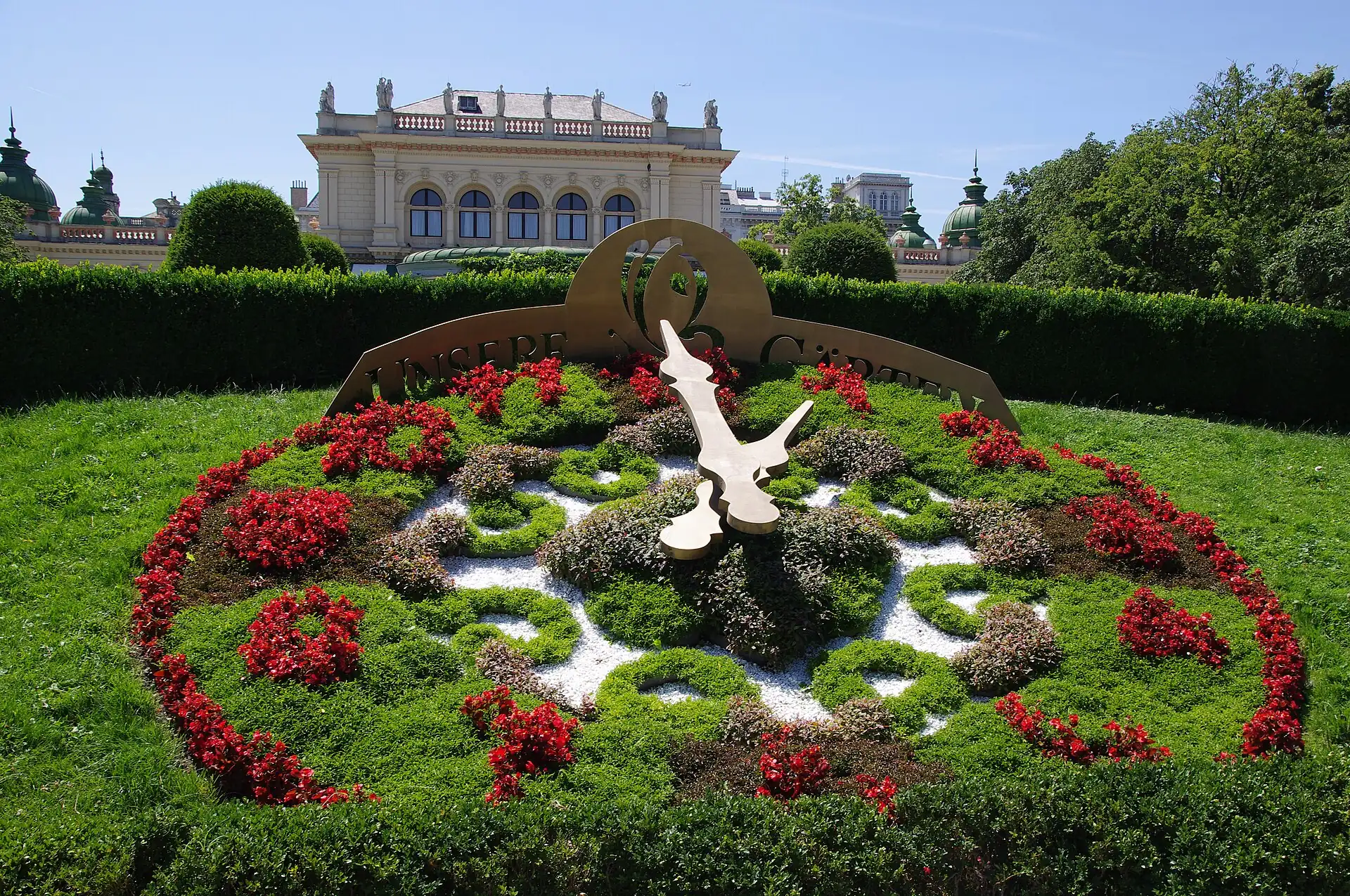 Flower Clock (Jardin Anglais) — A short easy stop.
One of Europe’s most expensive cities.
- 1Plainpalais market stalls — Picnic food.
- 2Pâquis Lebanese and falafel counters — The cheapest hot meals.
Lake sunsets, old-town lanes and fondue.
- 1Les Armures — A romantic old-town dinner.
Low-floor trams and flat quays; the old town is cobbled.
- 1Jet d'Eau — Flat and accessible.
Tours and classes: book or skip
Book through the hotel or an operator with written inclusions and a cancellation policy.
| Tour or class | Verdict | Typical price | Why | Check before paying |
|---|---|---|---|---|
| Old-town walking tour | maybe | CHF 20–40 (≈ US$25–50) (check) | Context for the lanes and the Reformation. | Language, group size and meeting point. |
| Lake cruise or CGN steamer | book | CHF 20–60 (≈ US$25–75) (check) | The lake is the city’s best view. | Season, timetable and whether a day pass includes the trip. |
| UN and Red Cross tour | book | CHF 15–20 (≈ US$19–25) (check) | The best-known international sights. | Book ahead and bring a passport. |
What each season brings
Spring
Mar–May
Flowers in the parks and the Flower Clock replanted; cool days.
Watch: Trade-show weeks fill hotels.
Summer
Jun–Aug
Swimming, terraces and long light.
Watch: Heat at midday; high hotel demand.
Autumn
Sep–Nov
Vineyards and mild days; fewer crowds.
Watch: Rain and early dark from November.
Winter
Dec–Feb
Fondue, Christmas markets and the Escalade.
Watch: Cold, grey and the bise.
Photo spots and the light
Light times are for clear days.
| Spot | Best light | Tip |
|---|---|---|
| Jet d’Eau from the jetty | 17:30–sunset | Shoot with the lake and the Alps behind when the air is clear. |
| View from the cathedral tower | Morning | Face the lake and the old-town roofs. |
| Flower Clock | Morning | Stand low and include the lake. |
Geneva travel FAQ
Answers are 2026 desk estimates; items marked (check) change.
Is Geneva expensive?
Yes. Budget CHF 120–250 (≈ US$150–350) a day excluding a bed. Eat the lunch menu and picnic from markets.
Can I use euros?
Some shops accept them at poor rates; use francs or a card.
Do I need to book fondue?
Yes for dinner in winter and at weekends.
Is the tap water safe?
Yes: ask for a carafe of tap water in restaurants.
How do I get from the airport to the centre?
Train to Cornavin in 6–8 minutes; a free ticket is often available at arrivals.
More to see and doSee & do · Learn & work · Rain & heat · Free things
Free things to do
Sights in Geneva that cost nothing to enter. Each is described under Places or More sights; extra costs inside are marked there.
See & do
8 of 8
Palais des Nations (UN Geneva)Palais des Nations
landmarkThe UN’s European seat; bring a passport and book a guided tour in advance.
Petit-Saconnex · Guided tours; book ahead · About CHF 15 (≈ US$19) (check)(check)
Musée d’art et d’histoire
MuseumsGeneva’s largest art and history museum; the permanent collection is free.
Old Town edge · Tue–Sun (check) · Free permanent collection(check)
International Red Cross and Red Crescent Museum
MuseumsThe story of humanitarian action and its origins in Geneva.
Petit-Saconnex · Closed Tuesday (check) · About CHF 15 (≈ US$19) (check)(check)
CERN (Globe and Microcosm)
scienceFree exhibitions at the particle-physics lab, a tram ride from the centre.
Meyrin · Check; free exhibitions · Free (check)(check)
Conservatoire et jardin botaniques
GardensA free botanical garden by the lake with greenhouses and paths.
Petit-Saconnex · Daylight · Free(check)
- water
A lakeside public bath with a pier, swimming and a buvette.
Pâquis · Daily; seasonal (check) · About CHF 2–5 (≈ US$3–7)(check)
Lake cruise (CGN or the Mouettes)
boatCross the harbour or take a steamer to Lausanne, Montreux or Chillon.
Quais · Seasonal (check) · CHF 3–60 (≈ US$4–75) depending on the route(check)
Fondue evening
foodThe classic Swiss dinner; book on weekends.
Old Town · Evenings · CHF 35–60 (≈ US$45–75)(check)
- Booking
- Book fondue, UN tours and lake cruises ahead in summer and December.
Learn & work
| What | Where | Cost | Note |
|---|---|---|---|
| French language courses | Alliance Française and language schools in Geneva | CHF 300–600 (≈ US$400–750) a month for short courses (check) | Bring your passport and confirm visa needs.(check) |
| Diplomacy and international studies | Graduate Institute and University of Geneva | Fees vary (check) | Public lectures are sometimes open to visitors.(check) |
Working here
- Tourist entry
- Schengen rules apply; check your nationality.
- Work permit
- Work needs an employer-sponsored permit and a residence permit; check with the canton.
Rain-day and heat-day plan
Rain day
Rain and cold are common outside summer: keep a museum for the wet hour and a café for the cold.
- 01Maison Tavel — Free museum in the old town.
- 02Patek Philippe Museum — Indoor hour with watches (check days).
- 03Musée d’art et d’histoire — Large free permanent collection; check hours.
Heat day
Above 28 °C, swim at the Pâquis, walk the lake early and rest at noon.
- 07:30Jet d'Eau — Cool air and empty quays.
- 12:00Bains des Pâquis — Swim and shade.
- 19:00Flower Clock (Jardin Anglais) — Cooler light and a walk to the Jet d’Eau.
Day-trips and nearby
Places you can reach from Geneva in a day or with one night away, with the route and what it costs. Door to door, not ride time.
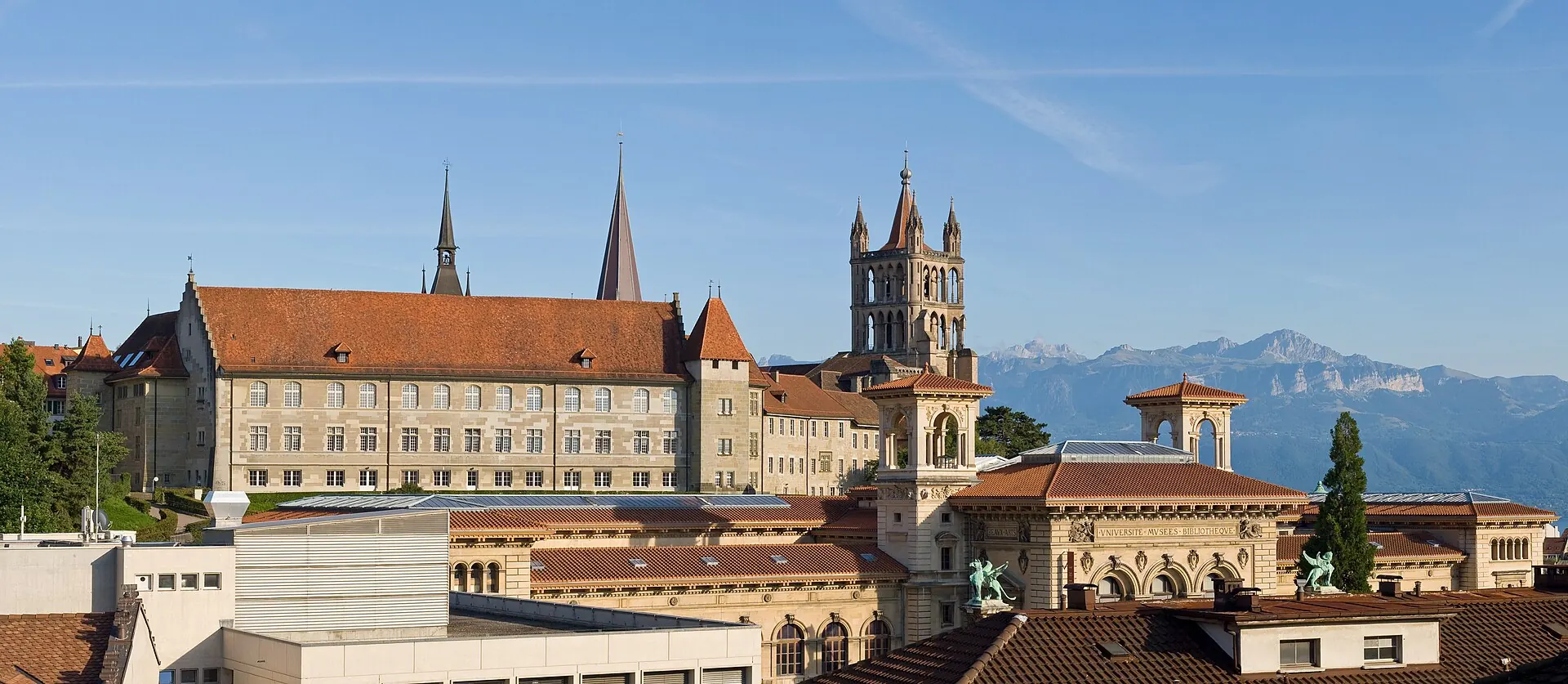 Photo: Christian Mehlführer, CC BY-SA 3.0
Lausanne
goTrain from Cornavin, about 40 min
Old town, cathedral and lake; trains are frequent.
- Time
- Full day
Montreux and Chillon
goTrain about 1 h 10 min to Montreux, then a walk or bus to the castle
Lake path and castle.
- Time
- Full day
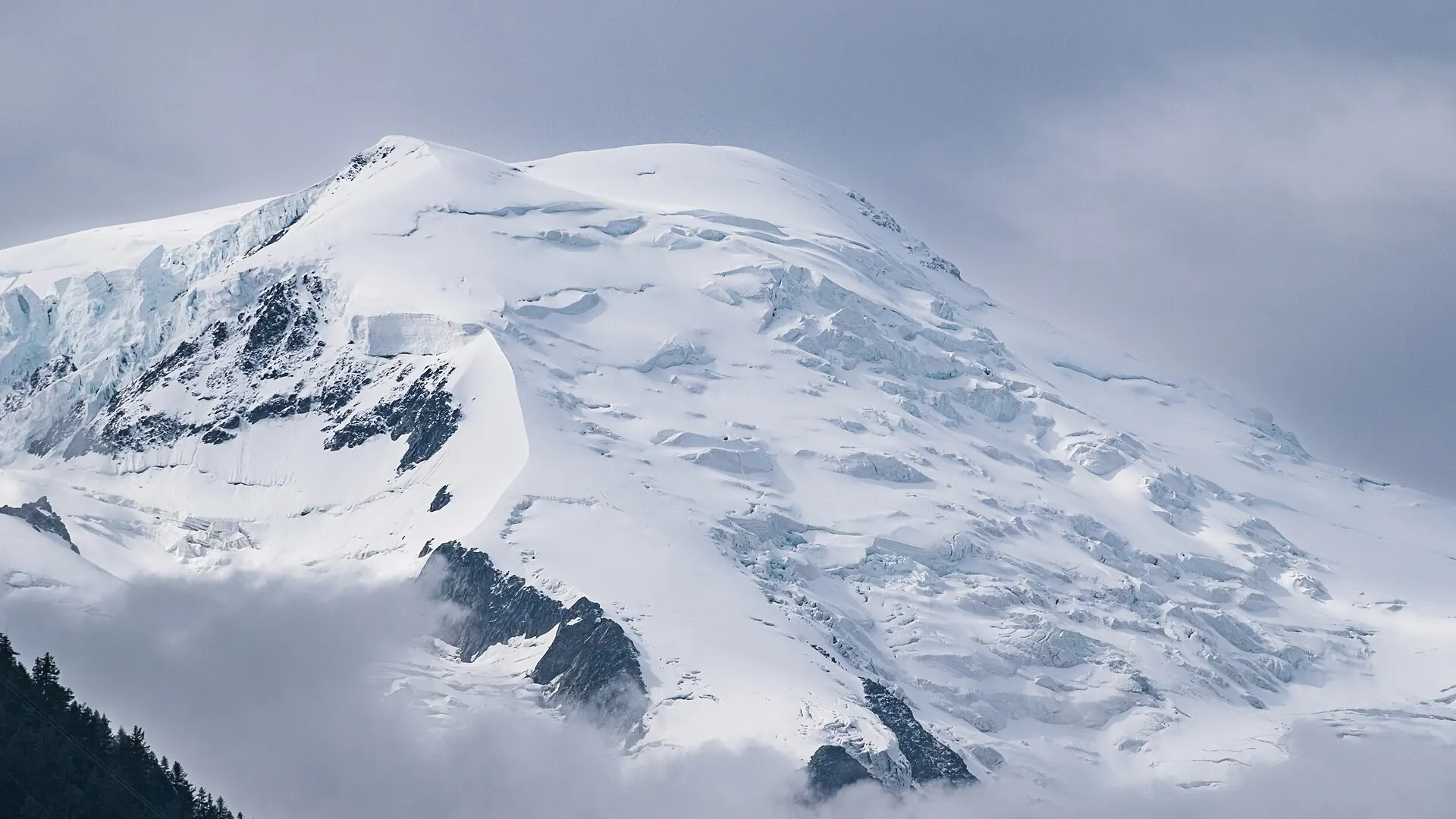 Photo: Christian David, CC BY-SA 4.0
Chamonix (France)
go off seasonBus or shuttle about 1 h 30 min
Cross-border trip; check the weather and your entry rules.
- Time
- Full day
Go next
Annecy (France)
goDoor to door: About 2 h
Bus or train via Annemasse, about 1 h 30
Lakeside old town.
Eat & sleepWhere to eat and which area to sleep in
Eat & sleep
Where to eat and which area to sleep in
Eat
A short list of places worth crossing the city for, each with how to get a seat.
Restaurant finder: filter every place to eat in Geneva →
Vegetarian-friendly score
3.5 / 5 · Good
- Country diet noteOur country guide rates vegetarian eating as easy.2 / 2
- Places to eat in this guide3 of 5 places with a known answer are vegetarian-friendly, 1 partly.1.05 / 1.5
- Budget eating lines0 vegetarian lines in "Eat by budget".0 / 0.6
- Meat-free national dishes4 meat-free dishes in the country food list.0.4 / 0.4
- Dedicated vegetarian kitchens1 mention of vegetarian restaurants, Buddhist or fasting kitchens.0.1 / 0.5
Country note: Easy: cheese dishes and Hiltl in Zurich (the world's oldest vegetarian restaurant).
Vegetarian places near me →Make a diet card →
How we score
- Country diet note (up to 2): easy 2, workable 1, mixed 0.75, hard 0; no note 0.5.
- City places to eat (up to 1.5): 1.5 × (vegetarian-friendly + half of partly friendly) ÷ places with a known answer; needs 3 or more known places.
- Budget eating lines marked vegetarian (up to 0.6): 0.2 each.
- Meat-free national dishes (up to 0.4): 0.1 each.
- Dedicated vegetarian kitchens mentioned — Buddhist chay, shōjin ryōri, Jain, fasting food, vegan cafés (up to 0.5): 0.1 each.
- Total rounded to the nearest half point, 0 to 5. Built from our own pages only, not from reviews.
Eating and drinking guideEat by budget · Drink
Before you sit down to eat
Short version; full text linked
- Queues and hours
- Per person, one dish or one meal, 2026 estimate. More →
- Late nights
- Bars generally close around midnight to 02:00 on weekends. More →
House rules to know
- Ask for tap water: “une carafe d’eau”.
- Restaurants may close on Sunday: check.
Eat by budget
Under CHF 20 (≈ US$25) a meal
| Where | Order | Area | Price | Note |
|---|---|---|---|---|
| Pâquis Lebanese and falafel counters | Falafel or shawarma wrap | Pâquis | CHF 9–15 (≈ US$12–19) | Fast and filling. |
| Plainpalais market stalls | Picnic of bread, cheese and fruit | Plainpalais | CHF 10–20 (≈ US$13–25) | Market days only. |
Dishes to know
| Dish | What it is | Where to look | When | Price |
|---|---|---|---|---|
| Cheese fondueFondue moitié-moitié | Gruyère and Vacherin melted with white wine | Old-town restaurants | Dinner, winter best | CHF 30–45 (≈ US$40–60) |
| LongeoleLongeole | A Geneva sausage with fennel seeds | Traditional restaurants | Lunch and dinner | CHF 25–35 (≈ US$35–45) |
| Perch filletsFilets de perche | Lake perch fried in butter | Lakeside restaurants | Lunch | CHF 35–45 (≈ US$45–60) |
- Ask for tap water: “une carafe d’eau”.
- Lunch menus of the day are far cheaper than dinner.
- Restaurants may close on Sunday: check.
Drink & nightlife
| Where | What | Until | Note |
|---|---|---|---|
| Pâquis bars and the lake | Casual drinks and summer terraces | About 24:00 (check)About 12:00 AM (check) | Prices are high; check the menu. |
| Old-town cafés and wine bars | Local wines and cheese | About 23:00About 11:00 PM | Try Geneva and Vaud wines by the glass. |
By style
| Style | What | Where | Price | Until |
|---|---|---|---|---|
| Local wine | Whites from Geneva, Vaud and ValaisAsk the server for a local white. | Wine bars in the old town | CHF 6–12 (≈ US$8–15) a glass | About 23:00 |
| Fondue and a glass | Cheese fondue with white wine or teaIn winter; book ahead. | Old-town restaurants | CHF 30–45 (≈ US$40–60) | Late |
Rules that bite
- Zero tolerance for drink-driving: use trams and taxis.
- Tap water is safe and free; ask for “une carafe d’eau”.
Sleep
Pick the area first: it decides your walk home at night and your first morning.
Which neighborhood fits you
Three questions, one recommendation, with the reasons.
Your best fit
- Cathedral, museums and the lake are a short walk.
- Quiet after dark except near the squares.
Watch out: Expensive: fewer rooms and higher prices.
Next best: Cornavin and Pâquis
Built from our 1–5 desk scores per area; your answers stay in this browser.
More on sleepingSleep by budget · Your area · With kids
Sleep by budget
| Band | Price | Where | Room types | What to expect |
|---|---|---|---|---|
| budget | CHF 45–80 (≈ US$60–100) dorm bed · CHF 110–170 (≈ US$140–250) double | Cornavin and Pâquis | Hostels and small hotels | Small rooms, shared bathrooms at the low end. |
| mid | CHF 180–320 (≈ US$250–400) | Cornavin, Pâquis and the old town | 3–4 star hotels | Breakfast is often extra; ask for the Geneva Transport Card. |
Booking checks
- Ask about the free Geneva Transport Card at check-in.
- Expect higher rates during trade shows and in December.
Which area is yours
| If you are | Sleep in | Because |
|---|---|---|
| First visit, arrival day and bags | Cornavin and Pâquis | Train from the airport in 6–8 minutes and a flat walk to a hotel. |
| History and quiet evenings | Old Town and Rive | Live in the old town and accept cobbles and a higher price. |
First-timers: a short walk from the airport train, most hotels have a 24-hour desk, and the tram reaches the old town in 10–15 minutes.
A quieter, slower base on the hill: cobbled lanes, steep streets and fewer hotels with a night desk; choose one with a lift.
Areas are in our default order until you tick a priority.
Scores are 1–5 desk judgements per priority (2026).
With kids
- Trams and lake boats are cheap and easy with prams; the quays are flat.
- The Jardin botanique, Parc des Eaux-Vives and the Bains des Pâquis have space to run.
- Museums like the Natural History Museum (free) suit rainy days: check hours.
PracticalMoney, essentials, safety and the pocket card
Practical
Money, essentials, safety and the pocket card
Money
What a day costs at three comfort levels, and how to pay.
- Budget
- CHF 70–110 (≈ US$90–140) excl. bed / day
- Mid
- CHF 110–200 (≈ US$140–250) excl. bed / day
- High
- CHF 200 (≈ US$250)+ excl. bed / day
- Transit card
- No transit card needed: the airport ticket and the Geneva Transport Card for hotel guests cover local trips.
- Cash rule
- Cards work almost everywhere; keep about CHF 50 (≈ US$65) in small notes for kiosks and markets.
More on moneyCosts · Budget · Buy
What things cost
- Lunch dish of the dayCHF 20–30 (≈ US$25–40)
- Bottle of water, shopCHF 2–3 (≈ US$3–4)
- Taxi from the airport to the centreCHF 35–50 (≈ US$45–65)
- Old-town tower ticketCHF 5–10 (≈ US$7–13)
Trip budget
| Hotel double room1 × 3 nights × CHF 250 | CHF 750 |
| Food, local transport, entries2 × 3 days × CHF 230 | CHF 1,380 |
| Airport train, both ways2 × CHF 0 · A free ticket is often given at the airport; check. | CHF 0 |
| Day trip to Lausanne or Montreux2 × CHF 40 | CHF 80 |
| eSIM2 × CHF 20 | CHF 40 |
| Buffer 10%Price creep, a taxi you did not plan, one splurge | CHF 225 |
| Trip total≈ CHF 413 per person per day, bed included | CHF 2,475≈ US$3,500 |
2026 estimate in Swiss francs; flights, visas and tours excluded. Your choices decide the total.
Prices of common things
| Lunch dish of the day | CHF 20–30 (≈ US$25–40) |
| Bottle of water, shop | CHF 2–3 (≈ US$3–4) |
| Taxi, airport to centre | CHF 35–50 (≈ US$45–65) |
2026 estimate; check locally.
Buy
- Bargaining
- Prices are fixed in shops, restaurants and markets: do not haggle. A short, polite check of the price is fine at the Plainpalais market.
- Fixed-price check
- Watches, chocolate and Swiss army knives cost more in the tourist streets than in a supermarket; compare before you buy.
Markets and shopping streets
| Where | What | When | Haggle | Note |
|---|---|---|---|---|
| Plainpalais market | Fresh food, cheese, flowers and crafts | Usually Tue, Fri and Sun mornings (check) | no | A good place to buy a picnic. |
| Carouge market | Produce and crafts in the 18th-century town | Usually Wed and Sat mornings (check) | no | Reach it by tram 12. |
Shops by what they sell
| For | Where | Hours | Note |
|---|---|---|---|
| Chocolate, cheese, souvenirs | Rue du Rhône, Old Town, supermarkets | About 09:00–18:30; closed Sunday | Migros and Coop sell good chocolate and cheese cheaper than tourist shops. |
| Watches | Rue du Rhône and the Quai du Mont-Blanc | Shop hours | Prices are high; buy only from an authorised dealer with a warranty. |
Changing money
| Where | Verdict | Why |
|---|---|---|
| Banks and the airport | use | Fair rates; use a card where possible. |
| Exchange counters near the station | caution | Poor rates and fees; compare before you exchange. |
ATMs
- Where
- Bank ATMs across the city; the airport and station have several.
- Fees
- Fees are set by your own bank and the machine (2026 estimate); a card is accepted almost everywhere, so you may need little cash.
Essentials and accessEssentials · Access
Essentials
- Plugs & power
- 230 V; Swiss type J sockets (also fits type C plugs). Bring an adapter for other types.
- Toilets
- Cafés, stations and museums; public toilets sometimes charge a coin.
- Health
- Cold winters, the bise wind, strong sun at altitude on trips out. Travel insurance with medical cover: care is expensive.
- Accessibility
- Trams are low-floor; the old town is cobbled and steep; the quays and Cornavin are flat.
- Laundry
- Hotels offer laundry at high prices; self-service laundries are few.
- Emergency numbers
- 112 works; 117 police, 144 ambulance, 118 fire.
Pack
- Layers and a waterproof jacket in every season
- Comfortable shoes for cobbles
- A warm hat and scarf for the bise from November to March
- A reusable water bottle to refill at fountains
Accessibility
Trams and buses are low-floor and the quays are flat. The old town is cobbled and steep, and some museums are in older buildings.
- Pavements
- Wide and well kept outside the old town; cobbles and steep lanes in it.
- Public transport
- Low-floor trams and buses with ramps; station lifts (check each stop).
Sights, step-free or not
| Jet d'Eau | step-free | Flat promenade. |
| St Pierre Cathedral | with help | Steps and cobbles; the tower is stairs only. |
| Flower Clock (Jardin Anglais) | step-free | Level paths. |
| Patek Philippe Museum | step-free | Modern building with lifts. |
Survive
Safety basics, the lines not to cross, and practical habits that save the day.
Safety
- Pickpockets around Cornavin and on trams: keep phones and bags in front.
- Cycle lanes and trams share streets: look both ways at tracks.
- The bise wind in winter is cold and can switch off the Jet d'Eau.
- Emergency: 112 works; 117 police, 144 ambulance, 118 fire.
Red lines
- Cathedral: quiet, covered shoulders.
- Do not swim outside marked areas or in a storm.
- Tap water is safe; refill at public fountains.
Practical
- Toilets: cafés, stations and museums; some public toilets charge.
- Tap water is safe to drink.
More on staying safeStay safe · Stay healthy · Safety map · Solo & women · Etiquette · Cope · Scams
After dark, by area
1 flagged area
- Take care
Day = about 07:00–19:00. What to watch in each area, day and night →
Scams and red flags
Walk away if you see these
- Street petition or bracelet offers near Cornavin end in a demand for money: walk on.
- Unlicensed drivers offering rides in the arrivals hall: use the taxi rank or the train.
- Shops near the station that exchange money at poor rates: use a bank or a card.
- Fake ticket sellers at the Jet d'Eau boats: buy at the official booth.
Stay safe
Crossing the road
- 01Trams and cars stop at crossings; look for bikes on shared lanes.
- 02Trams run on tracks in the road: do not stand on the rails.
Hustles specific to this city
| Hustle | Where | The tell | What to do |
|---|---|---|---|
| Petition or bracelet offers | Near Cornavin | A stranger puts a bracelet on your wrist or asks you to sign | Say “non merci” and walk on. |
| Unlicensed taxis | Airport and station | Drivers approaching you in the hall | Use the taxi rank or the train. |
- Pickpockets
- Most common on crowded trams and at Cornavin; keep bags closed.
- Emergency
- 112 from any phone.
Stay healthy
Air quality by month
| Jan | Feb | Mar | Apr | May | Jun | Jul | Aug | Sep | Oct | Nov | Dec |
|---|---|---|---|---|---|---|---|---|---|---|---|
| ok | ok | ok | ok | ok | ok | ok | ok | ok | ok | ok | ok |
Air is generally good; winter inversions can trap haze.
- Cold
- Bise wind chill in winter: hat, scarf and gloves.
- Sun
- Strong on the water and at altitude: sunscreen and sunglasses.
- Water
- Tap water is safe; public fountains are drinkable unless marked.
Hospitals and clinics: see Cope.
Safety by area and hour
| Area | Day | Night | What to watch |
|---|---|---|---|
| Old Town | fine | fine | Quiet at night; watch the cobbles when wet. |
| Cornavin and Pâquis | fine | caution | Pickpockets near the station and busy streets; keep bags closed. |
| Lake quays | fine | fine | Do not leave bags on benches or swimming ledges. |
- Keep phone and wallet in a front pocket on crowded trams.
- Use a tram or taxi after late nights rather than dark side streets.
Solo, women and LGBTQ+ travellers
Solo
- Very safe and easy; hostels near the station and cafés are social.
- Walk and use trams; book a fondue seat early.
Women
- Safe at all hours in the main areas; take a tram late at night instead of side streets.
- Dress is casual; cover up in churches.
LGBTQ+
- Same-sex relations are legal and marriage is recognised; Geneva is relaxed.
- Public displays are common and accepted.
Etiquette in Geneva
- Greetings
- Say “Bonjour” when entering a shop or café; it is expected.
- Quiet hours
- Sundays and evenings are quiet; avoid laundry, mowing and loud music.
- Punctuality
- Be on time for trains and appointments.
- Tipping
- Service is included; round up or add a few francs for good service.
- Water
- Tap water is drinkable; ask for a carafe.
Cope
Hospitals and clinics that handle foreigners
| Where | Area | Use it for |
|---|---|---|
| HUG (Hôpitaux universitaires de Genève) | Plainpalais and Cluse | The main hospital with a 24-hour emergency department; a Swiss health insurance card or travel insurance is needed. |
| Pharmacies | Across the city | Pharmacies post a rota for evenings and Sundays. |
Visa extensions
- Entry
- Switzerland is in the Schengen area: check the current entry rules for your nationality.
- Extending
- Ask the cantonal population office (OCPM) in Geneva; short visits cannot usually be extended.
Embassies and consulates
| Country | Address | Phone | Note |
|---|---|---|---|
| Most countries | Embassies are in Bern; many countries also have missions in Geneva | check | (check) |
- Lost passport
- Police report at the nearest station, then your embassy or consulate.
- Emergency
- 112 works from a mobile; 117 police, 144 ambulance, 118 fire.
Apps and offline kitOffline kit
Offline kit
Set up before you leave, so Geneva still works with no signal or a dead roaming plan.
On your phone
- Maps: open the city in Google Maps, tap the place name, then Download offline map (or use an offline-maps app).
- Data: install an eSIM or buy a local SIM before the first taxi; the apps in this guide depend on it.
- Translation: download the local language for camera translation.
- Screenshots: booking confirmations, hotel address in the local script, and the emergency numbers.
This guide
Save the Geneva guide and its pages on this device; it opens without a connection.
Phrases that do the work
Greeting
Hello
Bonjour
bohn-zhoor
Thanks
Thank you
Merci
mehr-see
Café
The bill, please
L'addition, s'il vous plaît
lah-dee-syon see voo pleh
Taxi
To this address, please
À cette adresse, s'il vous plaît
ah set ah-dress see voo pleh
Food
I am vegetarian
Je suis végétarien
zhuh swee vay-zhay-tah-ree-ehn
Café
A table for two
Une table pour deux
oon tahbl poor duh
Transit
Which stop is this?
C'est quel arrêt ?
say kel ah-reh
Help
Help!
Au secours !
oh suh-koor
Pocket card
Fill in, then print or save as PDF
Stays in this browser only; nothing is sent anywhere.
GenevaGenève
Pocket card · Voykit
My bed tonight
—
—
—
À cette adresse, s’il vous plaîtPlease take me to this address
Emergency
- Police117
- Ambulance144
- Fire118
- All emergencies112
Embassy
Embassies are in Bern; many countries also have missions in Geneva.
My embassy: —
Fare anchors (2026 estimate)
- Airport to Cornavin, train: 6–8 min; free ticket at arrivals (check)
- Airport to centre, taxi: CHF 35–50 (≈ US$45–65), 15–25 min
- Tram or bus ticket: CHF 3–3.50 (≈ US$4–5) for one hour (check)
Give the street name and number; your hotel can write it on a card.
Deep diveHistory, reading, photos and every source
Deep dive
History, reading, photos and every source
Sources
- officialGeneva Tourism (official)
- officialSwitzerland Tourism
- secondaryWikivoyage — Geneva
Ask about Geneva
Loading…
Was this useful?