Havana
La Habana
Code CU · 4 walking zones
Havana is a cash-and-slack city: do the old squares and the Capitolio in the morning, keep a cool midday, carry enough cash for the whole stay, and treat power cuts and fuel shortages as part of the plan.
Our quick read of Havana, scored 1–5 (friction is out of 100). Cash need: how often you still need notes. Heat risk: how hot days get. Stroller: how easy wheels are. Friction: overall effort for a first visit. Desk judgements, so check before relying on them.
- Local time
- --:--
- Weather
- forecast below
- Currency
- CUP
- Best months
- Jan · Feb · Mar · Apr · Dec
- Airport
- José Martí (HAV)
Walking zones: the 4 areas this guide plans a day around. Each is a district you can cover on foot, so you do one zone per half-day and ride the train between them. The code (CU 01, CU 02…) is just the zone's number on the Havana line; the line under each name says how bags fare there and how much time it needs.
Map of Havana
Use the switches to show or hide each kind of pin. A switch that is on shows its pins on the map; tap it again to hide them. "Show only" keeps just the pins that match (for example, places that fit a suitcase). Tap any pin for its name and a link to its page.
- Where to sleep
- Places
- Walking clusters
- Rest stops
From the airport José Martí (HAV) to your bed
Tap a pin for its card. Places without their own coordinates are shown by their walking cluster.
Why Havana
Havana's sights are close together and easy to walk by day, but the trip runs on cash, patience and a host who books your rides. The trips that go wrong arrive late with no booked car, rely on a card that does not work, or pack a day too tightly for a city where buses and taxis stop when fuel or power runs short. Four clusters cover a first visit: Habana Vieja, the Prado and Capitolio, the Malecón and La Punta, and Vedado.
See first
- 1
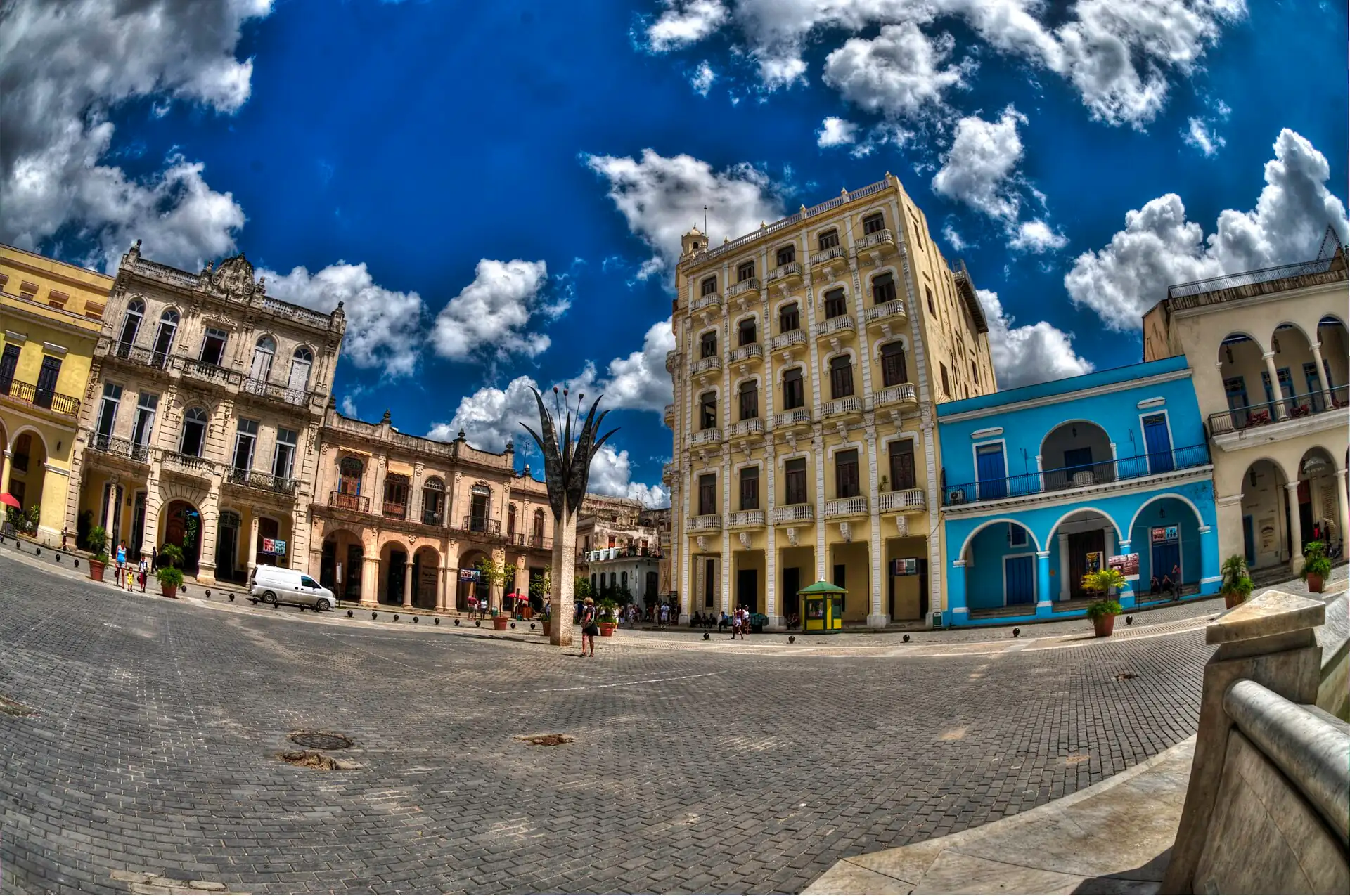 Plaza Vieja · 30–45 min
- 2
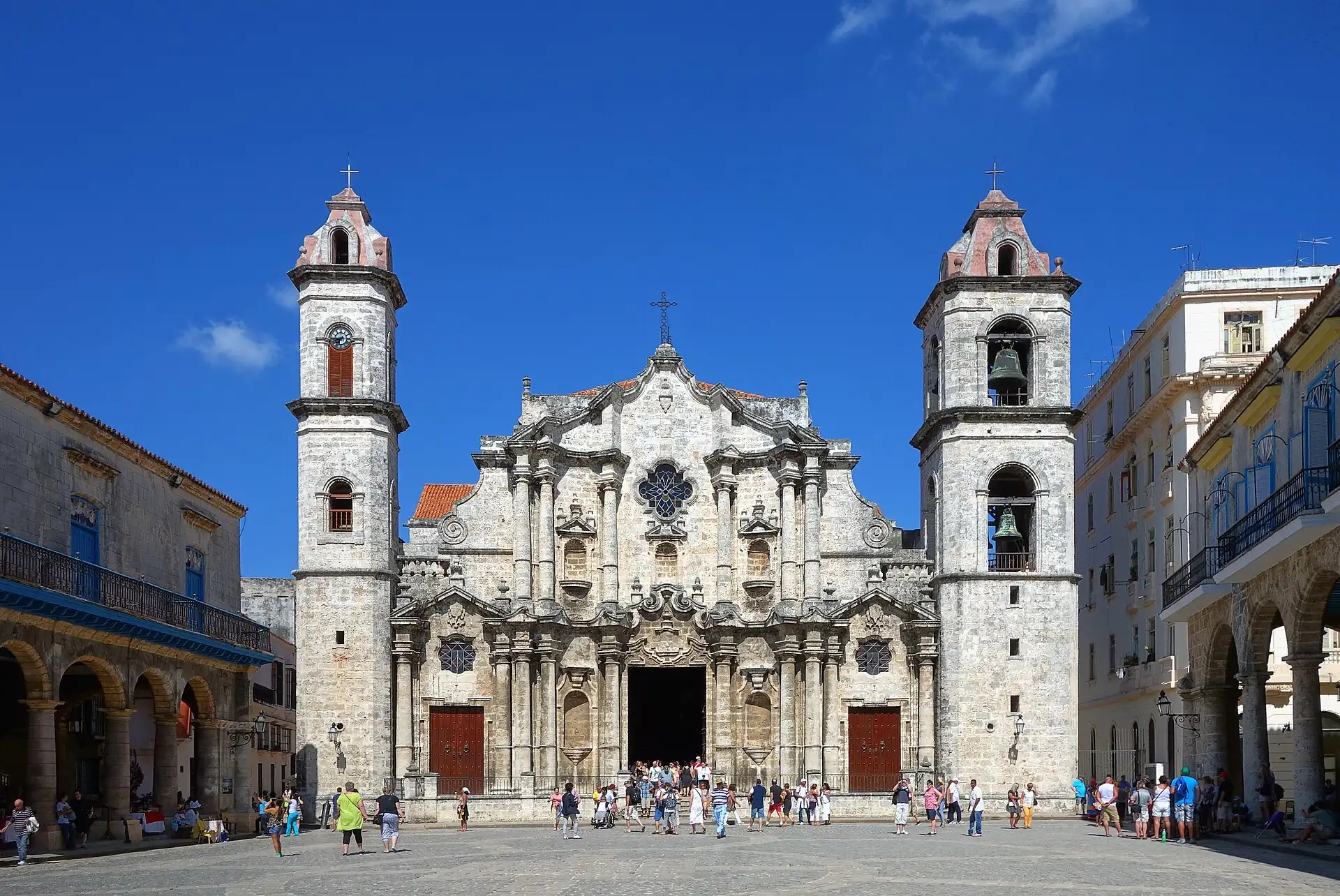 Havana Cathedral · 30 min
- 3
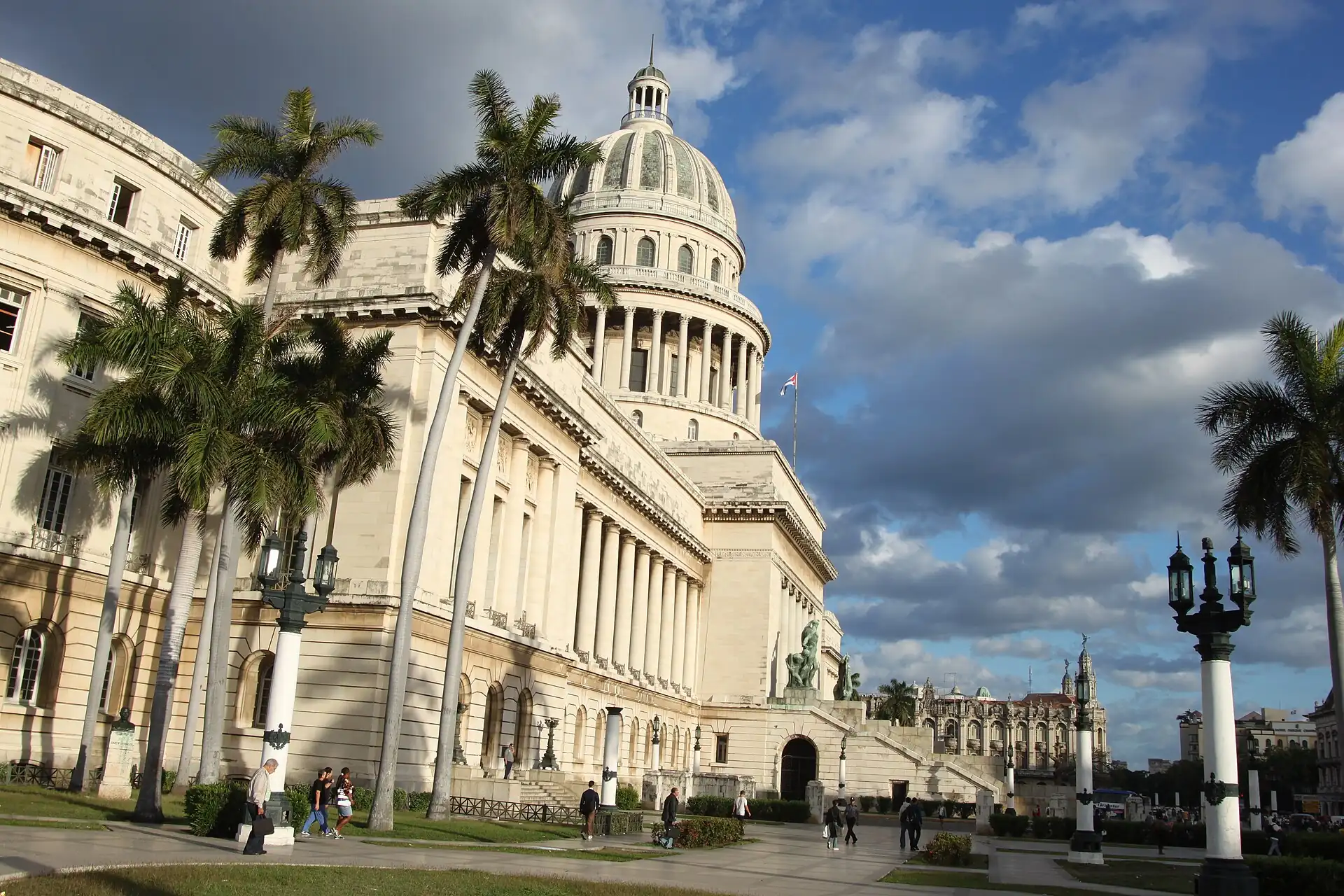
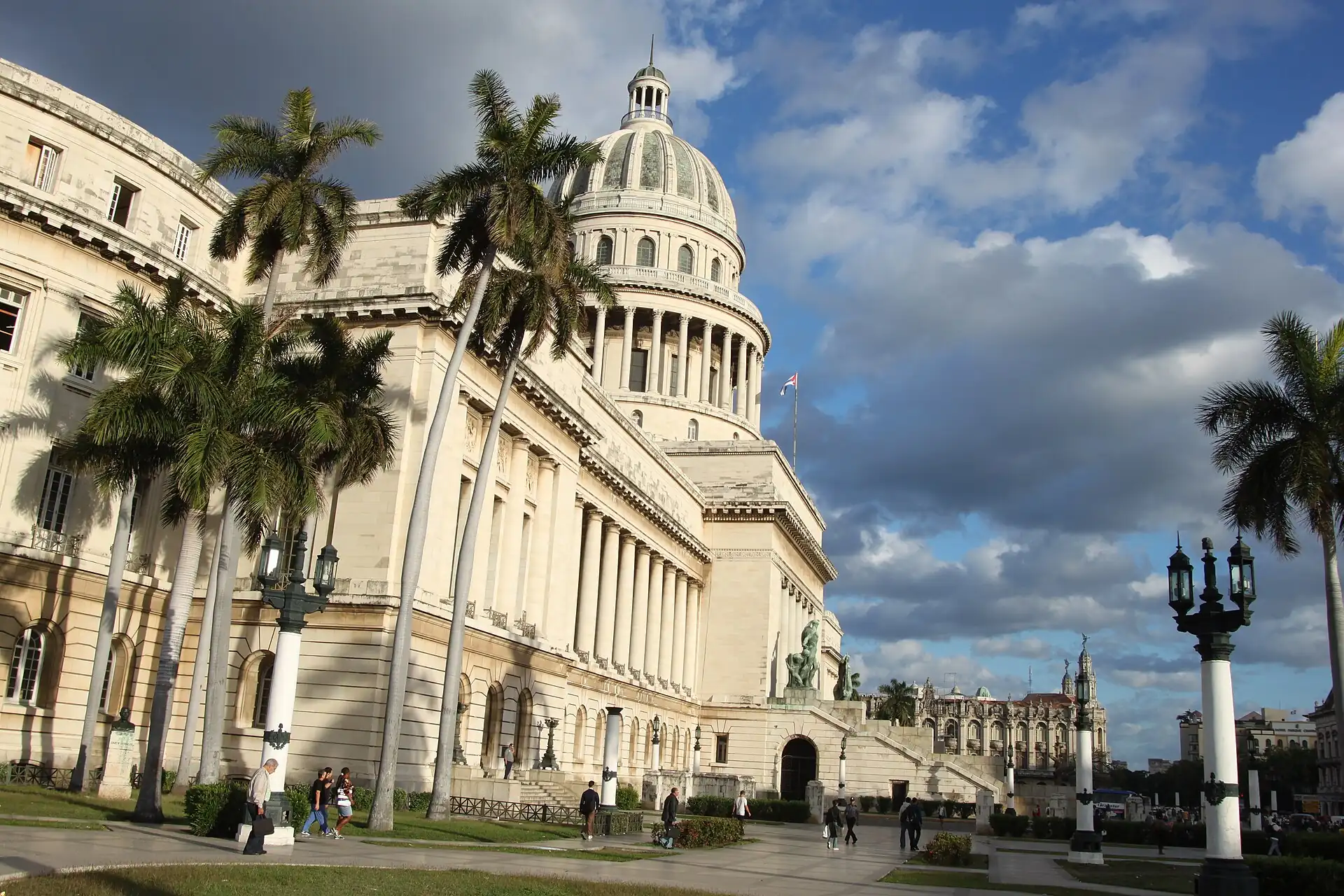 El Capitolio · 45 min
- 4Museo de Bellas Artes, Cuban Art · 1–1.5 h
- 5Museo de la Revolución · 1–1.5 h
Fits
- Walking and architecture trips
- Music and food trips with cash to spend
- Travellers who plan slack days
Does not fit
- Card-only travellers
- Tight schedules
- Anyone who needs reliable power, phone data or medicines on demand
How long
- 2 daysHabana Vieja and the Prado/Capitolio, Vedado in the evening
- 3 daysFour clusters, mornings and evenings only, with a midday break
- 5 daysFour clusters + a Viñales or beach day + one slack day
Good for
- First timers
- Foodies
- Budget
- Couples
- Families
- Luxury
About Havana
Havana was founded by the Spanish in 1519 on a deep, sheltered harbour. By the 1600s it was the main gathering port for the treasure fleets that carried silver and goods from the Americas to Spain, and it became the capital of the colony in 1607. The old walled city, Habana Vieja, was later declared a UNESCO World Heritage site.
In 1898 the explosion of the US battleship Maine in the harbour led to the Spanish-American war, and Cuba became independent in 1902. In the 20th century Havana grew into a glamorous resort and casino city, and in 1959 a revolution led by Fidel Castro changed the country. Later, US sanctions and the loss of Soviet support after 1991 brought years of shortage known as the Special Period.
Good to know
- Habana Vieja is the old walled city; Centro Habana lies between it and Vedado, and the Malecón sea road runs along all of them.
- There is no single reliable tourist office; your casa host is the best source of maps, rides and restaurant bookings.
- State agencies and private operators run tours; compare two written quotes.
Go deeper 8 min read · 5 chapters
Havana is a city of long sea walls, crumbling colonnades and quick, warm conversation, and it is one of the few places where five centuries of history are visible from a single street corner. It was a treasure-fleet port, a colonial capital, a casino resort and a revolutionary capital, and it now runs on cash, improvisation and music. This deep dive explains how that history shaped the districts you walk through, why the buildings look the way they do, what people eat and drink, and how ordinary days work in a city where blackouts and shortages are part of the plan.
1History2 min
Spanish settlers founded Havana in 1519 on its present harbour, after earlier settlements on the coast were moved. The harbour, a deep, narrow-mouthed bay, was ideal for shelter, and from the mid-16th century Havana became the meeting point of the treasure fleets that carried silver, gold and goods from the Americas to Spain. Forts were built to guard the harbour, and in 1607 Havana was made the capital of the colony. The walls that enclosed the old town, mostly torn down in the 19th century, gave Habana Vieja its shape.
The city was captured only once. In 1762 a British force took Havana after a siege, held it for eleven months and then traded it back to Spain for Florida. During the brief British rule, trade opened up, and the colony's sugar economy grew fast afterward, driven by enslaved African labour. Slavery lasted in Cuba until 1886, and Havana's Afro-Cuban culture, in music, religion and food, is central to the city.
In 1898 the explosion of the US battleship Maine in Havana harbour led to the Spanish-American war, and Cuba became independent in 1902 under heavy US influence. In the early 20th century Havana boomed with new buildings, from the Capitolio in 1929 to the Hotel Nacional in 1930, and became a resort and casino city, popular with visitors from the United States. Vedado and Miramar grew as leafy residential districts.
The revolution of 1959, led by Fidel Castro, changed the country. Property was nationalised, US relations broke, and Havana became the capital of a state-run economy allied with the Soviet Union. When Soviet support ended in 1991, Cuba entered the Special Period of severe shortages, and the city adapted with private restaurants, family-run rooms and small trades. Since then Havana has lived with sanctions, reforms, tourism booms and periodic crises, including blackouts and fuel shortages in recent years.
- Founded on the present harbour
- 1519
- Capital of the colony
- 1607
- British occupation
- 1762–63
- Independence
- 1902
- Revolution
- 1959
- UNESCO World Heritage listing of the old city
- 1982
2Neighbourhood stories2 min
Habana Vieja is the old core, with narrow streets, arcaded plazas and buildings from four centuries. Plaza de Armas and Plaza de la Catedral date from the 1500s and 1700s; Plaza Vieja, once a market, was restored from a run-down square into a lively space with cafes and a camera obscura. The area was the first in Cuba to receive a large restoration programme, and it now holds many casas, paladares and museums, with a heavy tourist presence at midday.
West of Habana Vieja the Prado is a tree-lined promenade that leads to the Capitolio and the Parque Central. The Gran Teatro, the fine arts museum and old hotels line the route. Beyond it, Centro Habana is a dense, faded district of tall tenements and busy streets, less polished than the old town and full of everyday life. It is where you find the Callejón de Hamel with its Afro-Cuban murals and Sunday rumba.
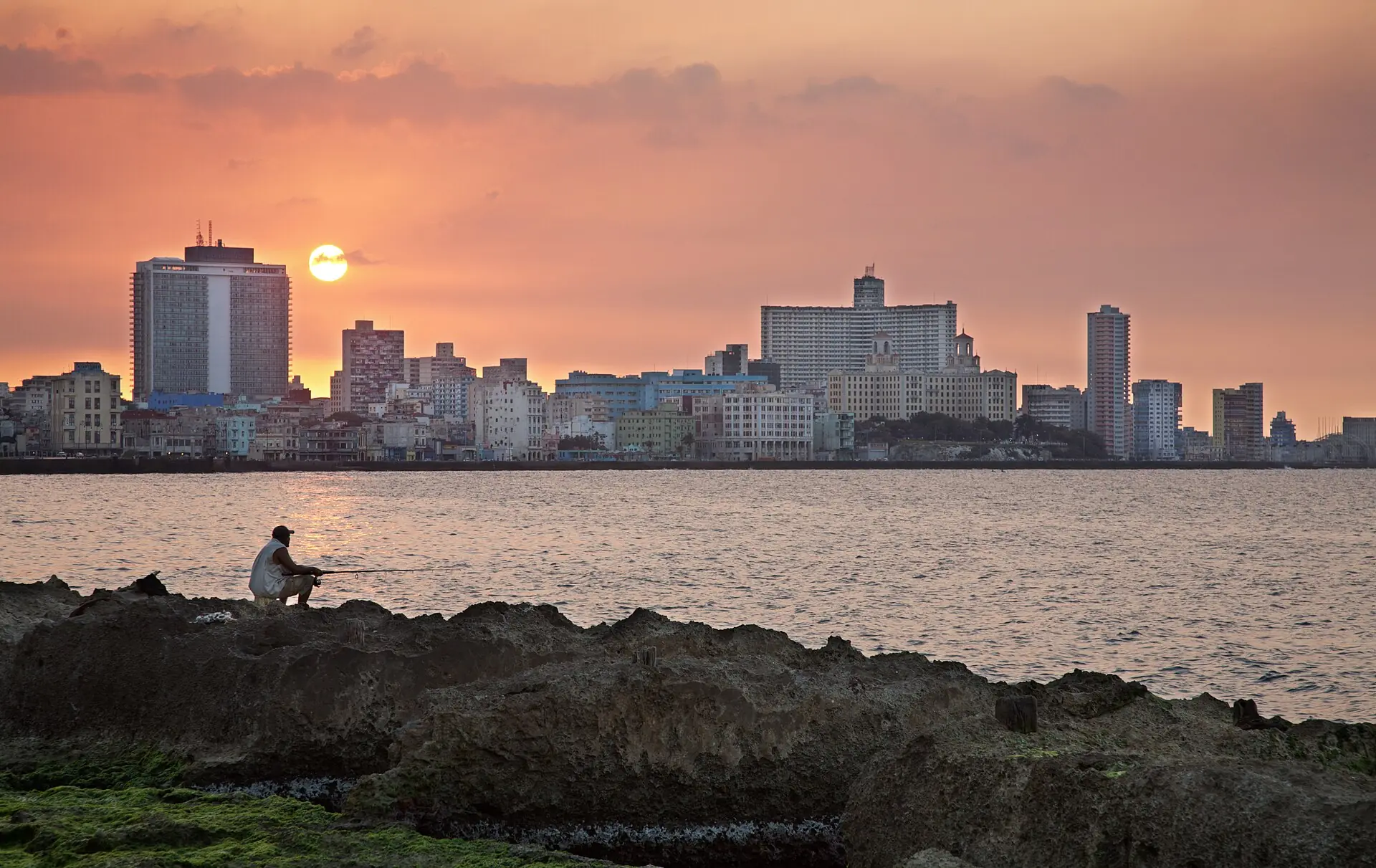
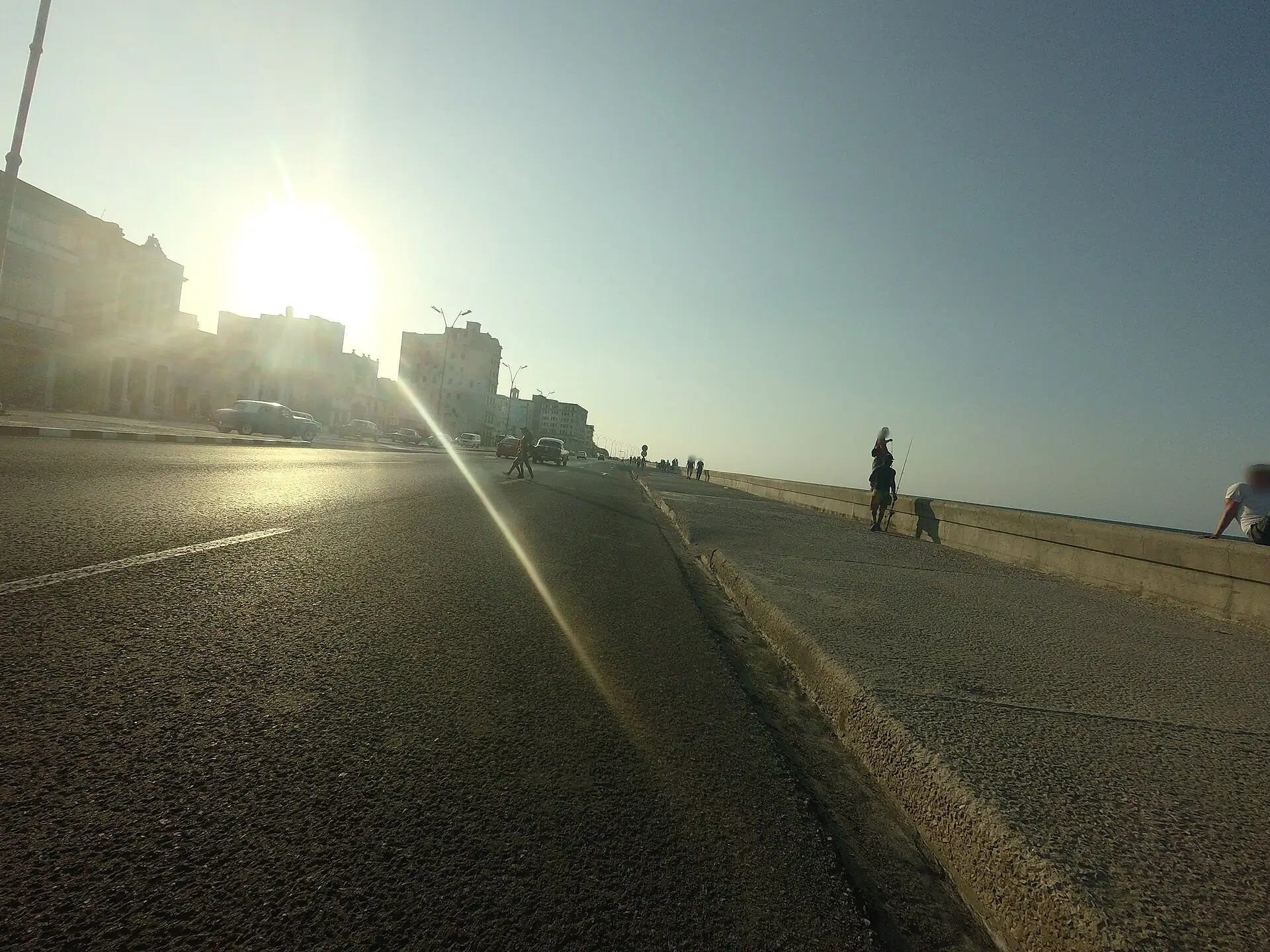
The Malecón is the sea road that runs about eight kilometres along the north shore, from Habana Vieja through Centro Habana to Vedado. It is a promenade, a fishing spot and a social room: couples, friends, musicians and fishermen sit on the wall in the evening. When a north swell hits, waves spray across the road, and the wall edge should be avoided.
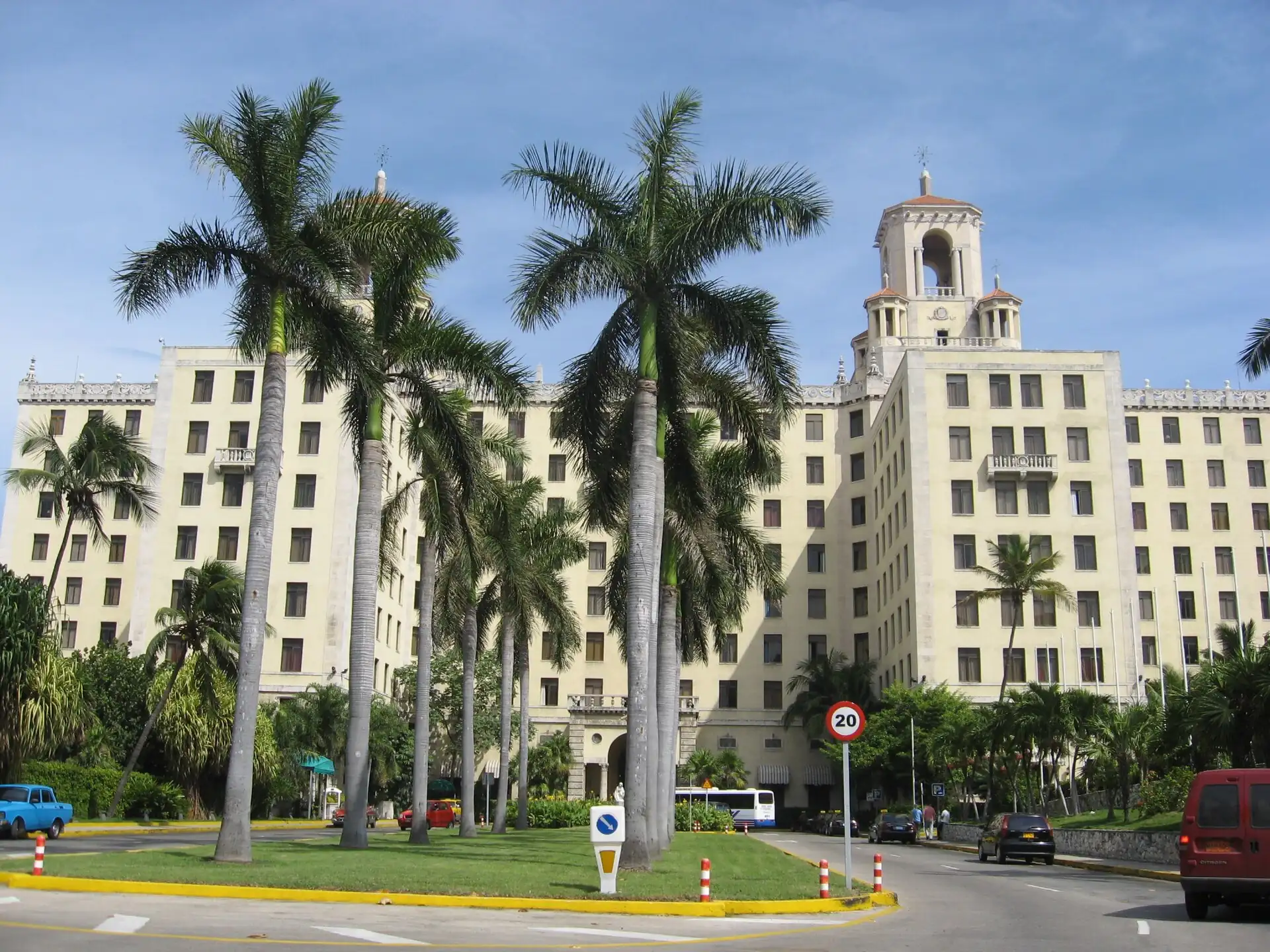
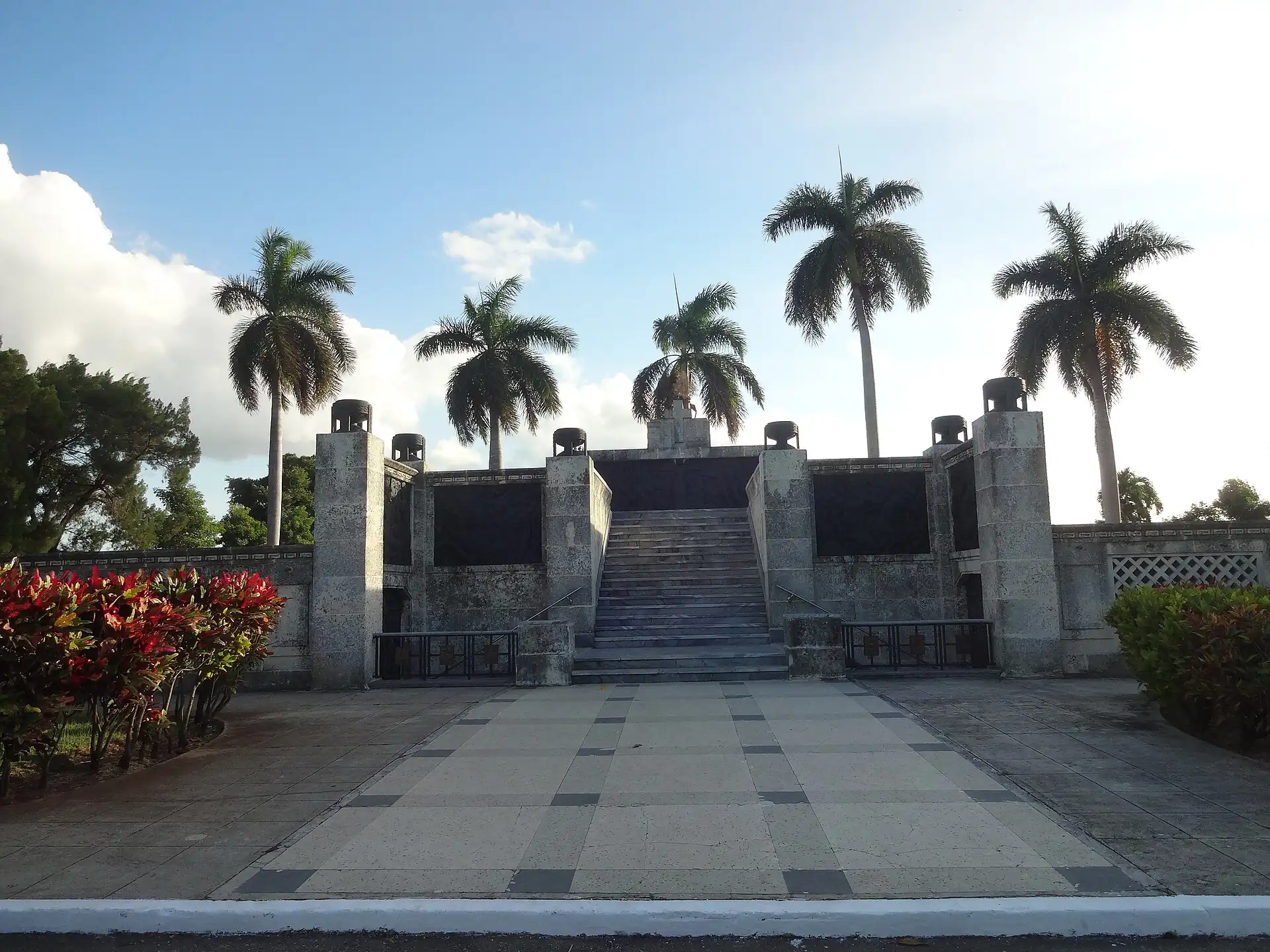
Vedado, laid out in the early 20th century on a grid with lettered and numbered streets, is leafy and quieter, with large houses, hotels, universities, theatres and Coppelia. The Hotel Nacional sits above the sea, and the Necrópolis Cristóbal Colón, one of the largest cemeteries in the Americas, lies to the south-west. Beyond it Miramar has embassies, wide avenues and the coast. Each district is a different Havana, and moving between them is a taxi ride, not a walk. A useful rule is to walk within a district in the morning and take a taxi between districts, because the distances are longer than they look on a map and the midday heat is strong.
- Habana Vieja
- Old walled city, UNESCO listed
- Malecón
- About 8 km (5 mi) of sea wall along the north shoreAbout 5 mi (8 km) of sea wall along the north shore
- Vedado
- Grid of lettered and numbered streets
- Prado
- Tree-lined promenade to the Capitolio
3Architecture and the faded city2 min
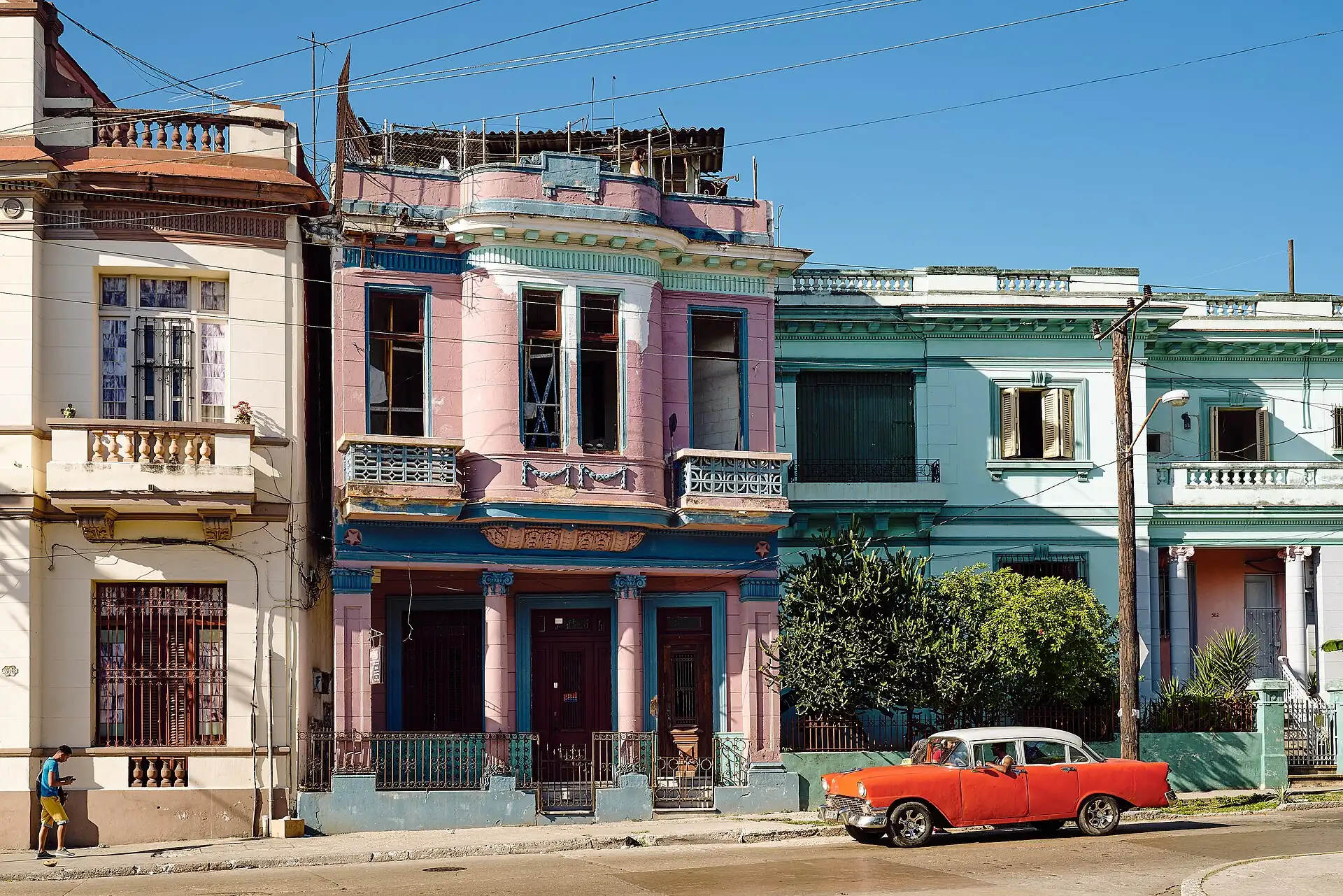
Havana's buildings tell the story of its wealth. The oldest are Spanish colonial: thick stone walls, courtyards, wooden balconies and the baroque cathedral, built from coral limestone in the 18th century. Rows of arcades, called portales, shade the pavements, a design meant for a hot climate. Many façades are stained and cracked, and behind them lie tall, cool rooms around courtyards.
In the early 20th century the city added neoclassical, art nouveau and art deco buildings. The Capitolio, modelled on the US Capitol but taller, is the best-known example. The Bacardí Building and the Hotel Nacional are among the finest art deco landmarks. Vedado's mansions mix Spanish, Moorish and American styles, and many are now casas, embassies or offices.
The famous decay is real: salt air, humidity, hurricanes and years of little maintenance have taken their toll, and buildings collapse from time to time. Restoration is uneven; Habana Vieja has been renovated street by street, while Centro Habana remains largely as it was. The result is a city where restored and crumbling buildings sit side by side, and where a fresh coat of paint can be the most recent event on a street. The best way to read these buildings is to look up: balconies, iron railings, stained-glass fanlights and painted ceilings survive above shopfronts that have been changed many times, and courtyards behind plain doors often hold staircases and tiles that are older than the street outside. Ask your host if you may look into a courtyard; many people are happy to show one.
Cars belong to the picture. Many American cars from the 1940s and 1950s, kept running with improvised parts, still work as taxis, while others are Soviet-era Ladas and newer imports. They are a practical reminder of the years when imports stopped. If you take a ride in one, agree the price first, and remember that a vintage car can be slow and hot. Ask the driver to open a window, keep water with you, and remember that these cars often have no seat belts in the back, which matters for children.
- Cathedral stone
- Coral limestone
- Capitolio opened
- 1929
- Hotel Nacional opened
- 1930
- Arcades
- Portales shade the pavements
4Food and drink2 min
Cuban home food is built on a few simple things: rice and beans, pork, chicken, plantain, cassava and citrus. Moros y cristianos, black beans cooked with white rice, is the standard side. Lechón asado, slow-roast pork, is the festive dish, and ropa vieja, shredded beef stewed in tomato sauce, is the classic plate. Tostones, fried plantain, and yuca with garlic sauce are common sides. Seafood, especially lobster, appears in resorts and paladares.
For many years the state controlled restaurants, and food supplies were limited. The private paladares, first allowed in the 1990s, changed that: family-run restaurants, often in rooms of a home, offered better food and a warmer welcome. Today paladares range from simple rooms with a short menu to smart restaurants with a wine list, and they are where most visitors eat. Supply problems still affect them: menus shrink, and prices shift with the cost of imported ingredients.
Coffee is a daily habit. The cafecito is a small, very strong, sweet shot, drunk standing at a street window called a ventanita. A cortadito adds a splash of milk. Sugar is often stirred in before it is served, so ask for 'sin azúcar' if you prefer it plain. Street windows also sell simple snacks such as pastries, croquetas and pan con lechón, roast-pork sandwiches.
Drinks are part of the story. The daiquiri, the mojito and the Cuba libre are said to have been born or perfected in Havana bars, and rum, from light to dark aged, is the national spirit. Bars near Plaza Vieja and Habana Vieja serve them at tourist prices, so ask before you order. Breakfast is often eaten at your casa: fruit, eggs, bread, coffee and juice. And at the end of a hot day, Coppelia's ice cream, queue and all, is a Havana ritual. If you plan to eat late, book ahead: kitchens often close by 22:00, and popular paladares fill by 20:00.
- Standard side
- Moros y cristianos, black beans and rice
- Festive dish
- Lechón asado, roast pork
- Daily coffee
- Cafecito at a ventanita
- Private restaurants
- Paladares, since the 1990s
5City life2 min
Life in Havana is lived outdoors, on doorsteps, balconies and the Malecón, and conversation is the main entertainment. People are curious, quick and generous, and a greeting and a smile open most doors. Music is everywhere: son, rumba, salsa, timba, trova and jazz spill out of bars, courtyards and radios. Sundays bring rumba to the Callejón de Hamel, and jazz clubs and cultural centres fill in the evenings.
Daily life is shaped by shortages. Blackouts can last for hours, fuel shortages limit buses and taxis, and food and medicine are sometimes hard to find. Many households depend on remittances from relatives abroad and on small private work. Visitors see the effects in slower service, changing menus and shops with little stock. The best response is to carry cash, keep slack in your plans, and treat setbacks as normal.
The money system is confusing. The Cuban peso is the local currency, but the exchange rate on the street differs from the official one, and many tourist prices are quoted in dollars or euros. The old tourist currency, the CUC, was withdrawn in 2021. Ask which currency and which rate a price uses, and agree it before you pay. Cards from many countries do not work reliably, so plan to bring all your cash.
Some etiquette rules help. Avoid political arguments with strangers, ask before photographing people, and do not photograph police, soldiers or military sites. Give your host your arrival time and your food needs, tip in small notes, and treat touts politely but firmly. A stay in a casa particular is the best introduction: your host will arrange rides, meals and music, and will explain how the city really works. If you have a slack day, use it to sit on the Malecón or in a plaza and watch the city go by, because much of what makes Havana rewarding happens between the listed sights.
- Rumba on Sundays
- Callejón de Hamel, Centro Habana
- CUC currency
- Withdrawn in 2021
- Language
- Spanish; English among hosts and tourism staff
- Emergency numbers
- Police 106, fire 105, ambulance 104
Rules in force · 9Several islands (Turks and Caicos above all, also the Bah…US State DepartmentUS citizens and US residents (US persons) may not travel …No cards
- Caribbean ↗Several islands (Turks and Caicos above all, also the Bahamas and Jamaica) jail visitors for a single stray bullet or cartridge in their luggage; empty every bag and pocket before you pack.
- Caribbean ↗From August to October keep a free last day before your flight home and check the national hurricane centre daily; airports close when a named storm approaches.
- Caribbean ↗Wearing camouflage clothing is illegal for civilians in several islands, including Barbados, Antigua, Saint Lucia, Saint Vincent, Grenada, Dominica, Trinidad and Tobago and Jamaica; leave it at home, children's clothes included.
- Cuba ↗US State Department: Level 2, exercise increased caution (in place since 2025; the US Embassy reported another island-wide blackout on 18 September 2026). UK FCDO: against all but essential travel (updated 25 September 2026). Canada: avoid non-essential travel (updated 28 September 2026). Australia: reconsider your need to travel. Read your own government's advice and check your insurance still covers Cuba before booking (checked 2026-09).
- Cuba ↗Check entry rules for your passport with the Cuban embassy or official sources; most visitors need an e-visa (formerly the tourist card) and the online D'Viajeros form, and requirements change.
- Cuba ↗US citizens and US residents (US persons) may not travel to Cuba as tourists. The trip must fit one of 12 OFAC general-licence categories: family visits; official government business; journalism; professional research and meetings; educational activities; religious activities; public performances, clinics, workshops, competitions and exhibitions; support for the Cuban people; humanitarian projects; private foundations and research institutes; information and informational materials; and certain export transactions. Most independent travellers use 'support for the Cuban people', which needs a full-time schedule of activities with Cuban people and private businesses (casas, paladares, private guides), and records kept for 5 years. US persons may not stay at properties on the State Department's Cuba Prohibited Accommodations List (11 more Havana hotels added 14 July 2025) or deal directly with entities on the Cuba Restricted List (GAESA and other military-linked businesses). Rules tightened in 2025–26; check OFAC before booking (checked 2026-09).
- Cuba ↗Medical insurance is compulsory for entry: carry proof of a policy valid in Cuba, or buy a Cuban (Asistur) policy on arrival. US-based insurers are generally not accepted in Cuba; flights from the US include a Cuban medical policy in the fare — keep the boarding pass as proof (check with your airline). Hospital bills are payable in cash only, so buy cover with medical evacuation as well (checked 2026-09).
- Cuba ↗No cards: US-issued debit and credit cards have never worked in Cuba because of the embargo, and since 6 June 2026 Visa and Mastercard cards from any country are no longer accepted (Cuban Central Bank, after a foreign processor dropped FINCIMEX under US Executive Order 14404). Bring enough US dollars or euros in cash for the whole stay plus an emergency reserve (checked 2026-09).
- Havana area ↗Keep one slack day in each week for fuel shortages, cancelled buses and power cuts.
Entry rules depend on your passport. Full visa guide
Emergency numbers for Havanaopen ▾
- Police106 (check)
- Fire105 (check)
- Ambulance104 (check)
Tap a number to call from your phone. These are the numbers listed in this guide; a row marked check has not been verified.
Planning is the full guide. I'm here keeps what is open and the cheat card.
Right now
Checking the weather…
Working out what is open near you…
What is open nowclock, closures, places open
Now in Havana
Local time in Havana
--:--
Loads in your browser · America/Havana
This month
Month verdict appears here.
Closed today
See the weekly grid below.
If today is a closure day: Confirm your airport ride and your first night's casa in writing before you fly, and carry cash for the whole stay.
Power cuts, fuel shortages and holiday closures can change any plan: keep a slack half-day each day.
Open now
The sights and places to eat on our list that are open at this moment, in the city's time, nearest first from where you are staying.
Loads in your browser with the city's local time.
Hours marked (check) are typical, not confirmed. Walking times are straight-line estimates. Open at another time →
Cheat cardthe pocket version
Cheat card
The essentials on one card: save it as an image for your phone, share it, or print it.
Havana
La Habana
- Money
- Do not plan on ATMs: bring the full trip budget in cash in small, clean notes and split it between two places on you.
- SIM
- A tourist SIM or data package from the state operator ETECSA at the airport or an office, with your passport…
- Ride app
- La Nave and other local taxi apps
- Emergency
- 106 (check) police · 105 (check) fire · 104 (check) ambulance (not 911, 999 or 000)
- Plugs
- Sockets A/B. US/Canada (A/B): fits · UK/Ireland (G): adapter · Australia/NZ (I): adapter. 110 V: UK and AU 230 V-only devices need a converter; most chargers are dual-voltage.
Top 5
- Plaza Vieja
- Havana Cathedral
- El Capitolio
- Museo de Bellas Artes, Cuban Art
- Museo de la Revolución
EssentialsQuick answers, what things cost and how to get around
Essentials
Quick answers, what things cost and how to get around
Quick answers
The questions people ask first about Havana, one line each. Tap a card for the full answer.
- Cash or card?Cash for the whole stay.
- SIM or eSIMA tourist SIM or data package from the state operator ETECSA at the airport or an office, with your passport; or use Wi-Fi in hotels…
- Ride-hailing appLa Nave and other local taxi apps.
- Tap waterDo not drink tap water; use sealed bottled water or filtered water.
- TippingAbout 10 percent in restaurants if service is not included, US$1–2 for a musician or a guide, and small tips for cleaners and porters…
- Plugs & powerSockets A/B. US/Canada (A/B): fits · UK/Ireland (G): adapter · Australia/NZ (I): adapter. 110 V: UK and AU 230 V-only devices need a converter; most chargers are dual-voltage.
Show all 14 answers
- Safe at night?Take more care after dark in Habana Vieja, Prado and Capitolio, Malecón and La Punta.
- What to wearCasual and light is fine; cover shoulders and knees in churches, and wear a shirt off the beach.
- Emergency numberscheck106 (check) police · 105 (check) fire · 104 (check) ambulance (not 911, 999 or 000)
- Your embassycheckUS, UK, Canada embassies listed with addresses (check before you go).
- Sundays & holidaysPower cuts, fuel shortages and holiday closures can change any plan: keep a slack half-day each day.
- Late at nightNo formal curfew; bars and clubs run late on weekends, but blackouts and fuel shortages can close venues early.
- Rainy-day planAfternoon storms in the wet season flood streets: do outdoor stops in the morning and use museums and cafes in the afternoon.
- Landing lateHAV: pre-booked car through your host to the door runs all night.
Cost cheat-sheetwhat everyday things cost
Cost cheat-sheet
Typical prices for the everyday things, as ranges. Change the currency right here; the local price stays first.
2026 desk estimate · check
- Sit-down mealPaladar lunch or dinner, per personUS$8–25
- Street or quick mealCafecito at a street windowUS$0.50–1.50
- Taxi, about 5 km (3 mi)Taxi, about 3 mi (5 km)Taxi across the centreAgree first.US$5–12
- SIM or eSIM, a weekTourist SIM or data packageUS$10–30 (check)
- Museum or sight ticketMuseum entryUS$3–10
- Budget bedCasa particular room, a night, per roomCUP 30
- Mid-range bedHotel double room, a night, per roomCUP 140
- High-end bedHotel double room, a night, per roomCUP 280
A day, not counting the bed: Budget CUP 40 · Mid CUP 85 · High CUP 180
Local prices, with USD next to them (rates 2026-09 (approximate); change it in the header). Ranges are desk estimates: check locally. Every price and the budget calculator →
Source: Prices in Havana
Draft
Written from desk research. Not yet compared with the official source.
No official source is recorded for this figure.
Prices are 2026 desk estimates, not yet compared with an official source. Check on the day.
Not checked in the last 12 months (no check date on file).
DecideWho it suits, the trade-offs and when to go
Decide
Who it suits, the trade-offs and when to go
Best months at a glance
The guide's verdict for each month
Jan
Best
26°C (79°F)79°F (26°C)
Feb
Best
27°C (81°F)81°F (27°C)
Mar
Best
28°C (82°F)82°F (28°C)
Apr
Best
29°C (84°F)84°F (29°C)
May
Care
31°C (88°F)88°F (31°C)
Jun
Care
32°C (90°F)90°F (32°C)
Jul
Care
33°C (91°F)91°F (33°C)
Aug
Avoid
33°C (91°F)91°F (33°C)
Sep
Avoid
32°C (90°F)90°F (32°C)
Oct
Avoid
30°C (86°F)86°F (30°C)
Nov
Care
28°C (82°F)82°F (28°C)
Dec
Best
27°C (81°F)81°F (27°C)
Best: Dec–Apr. Mixed: May–Jul, Nov. Avoid: Aug–Oct. Month by month →
Warmest Jul (33°C (91°F)91°F (33°C)), coolest Jan (18°C (64°F)64°F (18°C) low), wettest Sep (13 rain days), driest Feb (5). Averages, not a forecast.
Havana across the year
Best-looking months for Havana: Jan, Feb, Apr. Rated avoid: Aug, Sep, Oct.
| Measure | Jan | Feb | Mar | Apr | May | Jun | Jul | Aug | Sep | Oct | Nov | Dec |
|---|---|---|---|---|---|---|---|---|---|---|---|---|
| Weather | Great (good) | Great (good) | Great (good) | Great (good) | Mixed (care) | Mixed (care) | Mixed (care) | Avoid (avoid) | Avoid (avoid) | Avoid (avoid) | Mixed (care) | Great (good) |
| Crowds | High (care) | High (care) | High (care) | Medium (ok) | Low (good) | Low (good) | Medium (ok) | Medium (ok) | Low (good) | Low (good) | Medium (ok) | High (care) |
| Prices | High (care) | High (care) | High (care) | Medium (ok) | Low (good) | Low (good) | Medium (ok) | Medium (ok) | Low (good) | Low (good) | Medium (ok) | High (care) |
| Events | 2 events (ok) | 1 event (ok) | None listed (ok) | 1 event (ok) | 2 events (ok) | 1 event (ok) | 4 events (care) | 2 events (ok) | 1 event (ok) | 1 event (ok) | 3 events (ok) | 1 event (ok) |
Green is good news, amber needs planning, red is a month to avoid; dashed grey with a question mark means our data does not say. Open the year heatmap →
Not checked in the last 12 months (no check date on file).
Source: Months, temperatures and crowds
Draft
Written from desk research. Not yet compared with the official source.
Monthly highs, rain and crowd levels are climate averages and desk estimates for the city, not a forecast.
Understand the cityUnderstand · Districts
Orientation & districts
Havana runs along the sea. Habana Vieja is the old walled core in the east, the Prado and Capitolio sit on its western edge, Centro Habana is the dense district beyond, and Vedado is the green district in the west. The Malecón sea road links them along the north shore.
Addresses are given by street and cross-street (for example, 'Obispo entre Bernaza y Villegas'): show the address on your phone and give a landmark.
Shaded shapes: walking areas (click one). Black pins: sleep areas. Grey dots: places. Round badges: arrivals. Click the map to turn on scroll-wheel zoom.
Hover, tap or tab to an area to see what it is like. Pins are sleep areas; arrows at the edge point to the airport.
Off the map: José Martí International Airport (HAV) (35–60 min by the usual route).
Not drawn yet (no coordinates in this guide): Centro Habana, Miramar and the west. They are in the neighbourhood cards below.
Where’s what, as a list:
- Habana Vieja: Restored plazas, the cathedral, museums and many casas and paladares; busy with tourists at midday. Suits: First-time visitors, walkers, casa stays. Price band $.
- Prado and Capitolio: The Capitolio, the Parque Central and the Prado promenade; a short walk from Habana Vieja. Suits: A morning of big buildings.
- Malecón and La Punta: The sea wall, the Museo de la Revolución and the fine arts museum; a good evening walk. Suits: Sunset, museums, people-watching.
- Vedado: Leafy streets, Hotel Nacional, Coppelia, the Necrópolis and many bars; a taxi ride from Habana Vieja. Suits: Longer stays, nightlife, quieter streets. Price band $$.
- Centro Habana: Dense, faded and lively streets between the old city and Vedado; more raw and less polished. Suits: A walk with a local.
- Miramar and the west: Wider streets, embassies and the coast; a taxi ride from the centre. Suits: Embassies, cabarets, the coast.
- Sleep area Habana Vieja casa particular: suits First-time visitors, walkers, casa stays, price band $.
- Sleep area Vedado casa or hotel: suits Longer stays, nightlife, quieter streets, price band $$.
- José Martí International Airport (HAV), 35–60 min by the usual route.
Neighbourhoods at a glance
One tab per area, pulled together from this guide’s districts table, area notes, sleep-area scores and place pages. Scores are desk judgements (1–5); prices are estimates, check before you book.
Habana Vieja
$Restored plazas, the cathedral, museums and many casas and paladares; busy with tourists at midday.
- Suits:
- First-time visitors, walkers, casa stays
- Best time:
- Morning or late afternoon
- Rooms:
- US$180–350+ (from the sleep guide)
Pick this if: First-time visitors, walkers
Watch out for: Midday sun and touts.
- Quiet nights2/5 Low
- Nightlife4/5 High
- Families3/5 Medium
- Late arrival3/5 Medium
Why these scores
- Quiet nights: Music and voices in the evenings; ask for an interior room.
- Nightlife: Bars and live music within a short walk.
- Families: Character and space, but stairs and a lot of noise.
- Late arrival: Arrange the arrival time with your host in advance.
Getting around from here
- 20–28 min walk to Prado and Capitolio
- Walk north-west: about 20 min to Malecón and La Punta
Prado and Capitolio
The Capitolio, the Parque Central and the Prado promenade; a short walk from Habana Vieja.
- Suits:
- A morning of big buildings
- Best time:
- Morning
Pick this if: A morning of sights
Watch out for: Walking after dark.
See
Getting around from here
- Walk east: about 20 min to Habana Vieja
- Walk north: about 12 min to Malecón and La Punta
Malecón and La Punta
The sea wall, the Museo de la Revolución and the fine arts museum; a good evening walk.
- Suits:
- Sunset, museums, people-watching
- Best time:
- 17:00–20:005:00 PM–8:00 PM
Pick this if: Sunset and museums
Watch out for: Standing at the wall edge in a swell.
Getting around from here
- Walk south: about 12 min to Prado and Capitolio
- Walk south-east: about 20 min to Habana Vieja
Vedado
$$Leafy streets, Hotel Nacional, Coppelia, the Necrópolis and many bars; a taxi ride from Habana Vieja.
- Suits:
- Longer stays, nightlife, quieter streets
- Best time:
- Any time
- Rooms:
- US$60–140 (from the sleep guide)
Pick this if: Longer stays, evenings
Watch out for: Expecting the old-town look.
- Quiet nights4/5 High
- Nightlife4/5 High
- Families4/5 High
- Late arrival4/5 High
Why these scores
- Quiet nights: Quieter residential streets, though busy near La Rampa.
- Nightlife: Clubs, jazz and art venues nearby.
- Families: More space and greenery.
- Late arrival: Larger hotels and casas handle late arrivals if warned.
Getting around from here
- 40–55 min walk to Malecón and La Punta
- Car east: about 25 min to Habana Vieja
Centro Habana
Dense, faded and lively streets between the old city and Vedado; more raw and less polished.
- Suits:
- A walk with a local
Miramar and the west
Wider streets, embassies and the coast; a taxi ride from the centre.
- Suits:
- Embassies, cabarets, the coast
Decide
The honest trade-off: what you will enjoy, what will wear you down.
You will like
- Old squares and faded buildings
- Live music
- Slow, talkative evenings
You will hate
- Cash-only payment
- Power and fuel cuts
- Heat and humidity in summer
Similar citiesif this one is not quite right
Similar cities
If Havana does not fit your dates or budget, these match it on season, cost and feel.
- Kingstown
Saint Vincent and the Grenadines
- Good in the same months: Jan, Feb, Mar, Apr, Dec
- Works well for tight budgets, couples
- A similar climate through the year
- Kolonia
Federated States of Micronesia
- Good in the same months: Jan, Feb, Mar, Apr, Dec
- Works well for couples
- A similar climate through the year
- San Ignacio
Belize
- Good in the same months: Jan, Feb, Mar, Apr, Dec
- Works well for tight budgets, couples
- A similar climate through the year
When
Best months: Jan, Feb, Mar, Apr, Dec. Month-by-month verdicts below, with the live forecast first. When to go, month by month →
Havana: next 7 days
Loading forecast…
Forecast: Open-Meteo (CC BY 4.0), model data for this point.
Air quality
Loading…
Model estimate (CAMS via Open-Meteo), not a street-level station; readings near busy roads run higher.
Month by month, all 12best Jan, Feb, Mar, Apr, Dec
Dry and warm; best walking weather.
Dry; cool evenings.
Dry and warm; Semana Santa crowds late in the month.
Warm; last easy month.
Hot and humid; rains begin.
Wet and hot; hurricane season opens.
Hot; storms; Jul 26 holiday.
Peak heat and hurricane risk.
Peak of the hurricane season.
Storms and rain; hurricane risk.
Drying out; hurricane season closes.
Dry, mild; Christmas crowds.
Climate, calendar and eventsClimate · Calendar · Events · Packing by season
Climate
| Jan | Feb | Mar | Apr | May | Jun | Jul | Aug | Sep | Oct | Nov | Dec | |
|---|---|---|---|---|---|---|---|---|---|---|---|---|
| High | 26°C (79°F)79°F (26°C) | 27°C (81°F)81°F (27°C) | 28°C (82°F)82°F (28°C) | 29°C (84°F)84°F (29°C) | 31°C (88°F)88°F (31°C) | 32°C (90°F)90°F (32°C) | 33°C (91°F)91°F (33°C) | 33°C (91°F)91°F (33°C) | 32°C (90°F)90°F (32°C) | 30°C (86°F)86°F (30°C) | 28°C (82°F)82°F (28°C) | 27°C (81°F)81°F (27°C) |
| Low | 18°C (64°F)64°F (18°C) | 18°C (64°F)64°F (18°C) | 19°C (66°F)66°F (19°C) | 21°C (70°F)70°F (21°C) | 22°C (72°F)72°F (22°C) | 24°C (75°F)75°F (24°C) | 24°C (75°F)75°F (24°C) | 24°C (75°F)75°F (24°C) | 24°C (75°F)75°F (24°C) | 23°C (73°F)73°F (23°C) | 21°C (70°F)70°F (21°C) | 19°C (66°F)66°F (19°C) |
| Rain days | 6 | 5 | 5 | 5 | 8 | 12 | 11 | 12 | 13 | 11 | 7 | 6 |
| Verdict |
- The dry season runs about November to April: warm, sunny and the best time to visit; nights can be cool in January and February.
- June to October is hot, humid and wet; afternoon storms and flooded streets are common.
- Hurricane season runs June to November, peaking August to October; a storm can close airports and streets.
Events by month
New Year and Liberation Day
public_holiday1 January · Citywide
Public holiday; many places close.
Havana Book Fair and Habano Festival
festivalCheck the year · La Cabaña and other venues(check dates)
Busy hotels and cultural events.
Holy Week
religiousMoves yearly · Churches
Quiet services; some closures.
Labour Day
public_holiday1 May · Plaza de la Revolución
Large march; road closures.
National Rebellion Day
public_holiday26 July · Citywide
Public holiday.
Havana Carnival
festivalCheck the year · The Malecón(check dates)
Parades and music.
Anniversary of Havana
festival16 November · Habana Vieja
Ceremonies at the Templete.
Jazz Plaza and the Film Festival
festivalCheck the year · Theatres and clubs(check dates)
Music and screenings; hotels fill.
Festivals and events that change the plan
| When | What | Effect on your plan |
|---|---|---|
| Feb (check) | Havana Book Fair and the Habano Festival | Busy hotels and cultural events; book early. |
| 1 May | Labour Day | A march in the Plaza de la Revolución; roads close and transport is limited. |
| 26 July | National Rebellion Day | A public holiday; official events and some closures. |
| Jul–Aug (check) | Havana Carnival | Street parades and music along the Malecón when it runs; check the year. |
| 16 Nov | Anniversary of the founding of Havana | Ceremonies around the Templete and Plaza de Armas in Habana Vieja. |
| Dec | Jazz Plaza and the Havana Film Festival | Concerts and screenings around the city; hotels fill and prices rise. |
| Jun–Nov | Hurricane season | A storm can close flights and streets for days; keep a spare night and insurance. |
What to pack, by season
From Havana’s own climate table: the coldest, warmest and wettest three months, and what to bring for each.
Coldest months
Dec–Feb
18° to 27°
Light layers; evenings can still feel cool.
Warmest months
Jun–Aug
24° to 33°
Light, breathable clothes, a sun hat and sunscreen; plan midday indoors and carry water.
Wettest months
Jul–Sep
12 rain days a month
A compact umbrella or rain jacket and shoes that can get wet.
Arrive & moveGetting in, getting around, and your bags
Arrive & move
Getting in, getting around, and your bags
I land at…
Enter your landing time: what still runs from the airport, where you can eat when you get in, and which areas let you check in that late.
José Martí International Airport (HAV)
Out of the airport about 00:13 (next day)12:13 AM (next day) (01:45 (next day)1:45 AM (next day) if immigration and bags are slow); in town about 00:48 (next day)12:48 AM (next day).
Transport from the airport
- Any hourPre-booked car through your host to the door. Runs all night.
- Any hourAirport taxi from the rank — agree the fare and the currency before you get in. Any hour.
- Last resortWait in the terminal until morning. If nothing else works.
Places to eat open when you get in
We have no confirmed hours for the places to eat here yet. Plan on a convenience store or your hotel. What is open late →
Where to sleep with a late arrival
- Lets you inVedado casa or hotel Desk hours not confirmed: message the hotel with your flight number. Larger hotels and casas handle late arrivals if warned.
- Call aheadHabana Vieja casa particular Desk hours not confirmed: message the hotel with your flight number. Arrange the arrival time with your host in advance.
Typical times from our airport data, not a timetable: check the last departure on the day. Full airport-to-bed plan for José Martí International Airport (HAV) →
Arrive
Each gateway has its own airport-to-bed page with timings and the last safe connection.
Getting in, in detailGet in
Get in by rail and road
| Station | Mode | Serves | Where | To the centre |
|---|---|---|---|---|
| José Martí International Airport taxi rankAeropuerto José Martíuse | taxi | The main gateway for visitors | About 15 km south of the centre | Taxi 30–45 minPre-book a car through your host or agree the fare before you get in. |
| Viazul bus stationTerminal de ómnibus Viazuluse | Bus | Long-distance buses to Viñales, Varadero, Trinidad and beyond | Nuevo Vedado (check) | Taxi 20–30 minBook seats ahead; buses run to a timetable and can be late. |
| Cruise port at Terminal Sierra MaestraTerminal Sierra Maestracaution | cruise | Cruise ships in the old harbour | Habana Vieja waterfront | WalkHabana Vieja is busy on cruise days: go to the plazas early. |
| Estación Central (rail)Estación Central de Ferrocarrileslimited | Train | Long-distance trains (slow and unreliable) | Near Habana Vieja | Walk 10 minTrains are slow and delayed; use buses or a car for planning.(check) |
- There is no metro. Buses and shared taxis are crowded and unreliable; hired cars and taxis are the practical choice.
- Book long-distance buses and cars a day or two ahead.
Move
The default way around, when a pass pays off, and when the last trains go.
- Default
- Walk inside a cluster; a taxi or shared car (colectivo) between clusters, agreed before you get in.
- Passes
- No pass. Fix the fare and the currency before you ride; fares change with fuel supply.
- Last trains
- No metro; buses are crowded and unreliable. Have your casa host or a driver you trust book the airport and any late ride.desk estimate
- Other modes
- Other modes (Rome2Rio) ↗
Getting around, in detailGet around · Connect
Get around
Walk in Habana Vieja and the Prado in the shade of the morning, use a taxi between clusters and after dark, and agree fares and currency before you get in.
| Mode | Verdict | Fare | Use it for | What breaks |
|---|---|---|---|---|
| Walking | use | Free | Habana Vieja, the Prado, the Malecón | Pavements are broken: watch your step, especially at night. |
| Taxi (state or private) | use | US$5–12 across the centre (agree first) | Between clusters, bags, night | Agree the price and the currency before you set off. |
| Classic-car taxi | ok | US$30–50 an hour | A short tour of the Malecón and Vedado | A popular way to see the city; agree the hourly price and the route. |
| Shared taxi (almendrón) | caution | Under US$1 (pesos, check) | Fixed routes if you know them | Cheap but crowded and hard to use as a visitor. |
| Bicitaxi and coco-taxi | caution | US$3–8 (agree first) | Short rides in Habana Vieja | Agree the total price, not 'per person'. |
| City buses and hop-on tour bus | ok | Check | A tourist loop (hop-on) rather than commuting | Public buses are crowded and unreliable. |
| Car with driver for a day | use | US$60–120 (check) | Day trips and full-city days | Book through your host. |
Taxis and ride-hailing
State taxis
metered
Ask for the meter or agree the fare.
Private taxis and classic cars
unmetered
Agree the price and the currency first.
On foot and car-free hours
| Where | When | Note |
|---|---|---|
| Habana Vieja (Obispo, Plaza Vieja, Plaza de Armas) | Morning and late afternoon | The best walking district; shade is limited at midday. |
| The Malecón from La Punta to Vedado | Late afternoon | A long walk; take a taxi back after dark. |
More on getting around
Addresses use a street and two cross-streets ('entre'): give the street and one cross-street to a taxi driver and show the address on your phone. Vedado has lettered and numbered streets, so give both.
Fares and rules change with fuel and power: keep a spare half-day each day and confirm your airport transfer a day ahead.
Connect
| Option | Verdict | What breaks |
|---|---|---|
| ETECSA offices and airport kiosk | use | A tourist SIM or data package needs your passport; check current packages and prices. |
| Roaming on your home plan | caution | Often not supported or very costly: check before you fly. |
| Street sellers of Wi-Fi cards | ok | Wi-Fi cards for public hotspots are sold in parks and shops; check the price. |
La Nave and other local taxi apps
Cars
Local ride apps exist and change; ask your host which to use (check).
Maps.me or offline maps
Walking
Download offline maps before you go: data is patchy.
Contacting hosts
Widely used for casas and drivers, over Wi-Fi or a local SIM.
- Wi-Fi
- Hotels, some cafes and public hotspots on scratch cards; speeds are slow and outages happen.
Luggage
Where big bags are a problem, and how to get rid of them for the day.
Rule
- Lockers
- No public lockers; casas hold bags after check-out.
- Forwarding
- No forwarding culture; leave the big bag with your host for a day trip.
- Dead zone
- Early flights out: agree the car the day before, since taxis at night can be scarce.
Bags, area by area
4 walking areas rated
- Bags painful
- Bags ok
Lockers, forwarding and the gap between check-out and check-in are covered once, under Luggage.
See & doWalking clusters, day plans and the places worth the time
See & do
Walking clusters, day plans and the places worth the time
Clusters
Plan by cluster: each is a walkable area with a rescue point and a bag rule.
Morning cluster: Plaza de Armas, Plaza Vieja and the cathedral on foot; start by 08:30 and be under a roof by 12:30.
rescue 100% · max p90 5.1′ · half
Late-morning cluster: the Capitolio, the Gran Teatro and Parque Central along the Paseo del Prado; shade under the Prado's trees.
rescue 100% · max p90 5.1′ · half
Late-afternoon cluster: the sea road, the Punta fortress and the revolution museum; go at golden hour, not at noon.
rescue 100% · max p90 5.1′ · half
Evening cluster: tree-lined blocks, the hotel gardens and an ice-cream park; take a booked car there and back.
rescue 100% · max p90 5.1′ · half
Days
Ready-made day plans, timed against opening hours and walking distances.
How long are you staying?
Loose outlines in the city's rhythm: mornings on foot in the shade, middays inside, evenings by the sea or at a show. Keep a slack half-day for blackouts.
1 day
A cruise stop or a day between flights
- 08:30Plaza Vieja — Plaza Vieja
- 09:30Havana Cathedral — Havana Cathedral
- 12:30Paladar lunch in Habana Vieja — Paladar lunch
- 14:30Museo Nacional de Bellas Artes, Cuban Art — Cuban art at the museum
- 17:30Malecón sea wall and La Punta — Sunset on the Malecón
Skip: Vedado and the Necrópolis: they need their own morning.
Havana in 3 days
3 daysMornings on foot in the shade, middays indoors, evenings by car; the last day ends with the bags already in the car.
Day by day
Day 1 — Habana Vieja plazas, a 13:00 lunch table
- 08:30Havana Cathedral
- Plaza Vieja (optional)
- El Chanchullero (optional)
- 13:00Lunch table 13:00 (Habana Vieja)
Day 2 — The Capitolio and the revolution museum
Day 3 — Vedado, car to José Martí at 14:00
- 09:00Hotel Nacional de Cuba
- Necrópolis Cristóbal Colón (optional)
- Coppelia ice-cream park (optional)
- 14:00Car to José Martí at 14:00
Places
“Best time” is when to arrive for the fewest crowds, for example “before 08:30”; “Go any time” means the hour makes little difference. More sights follow under “More sights and museums”.
8 places. Filters use the guide’s own ratings; a place with no rating is left out when a filter is on.
Show 2 more placesShow fewer
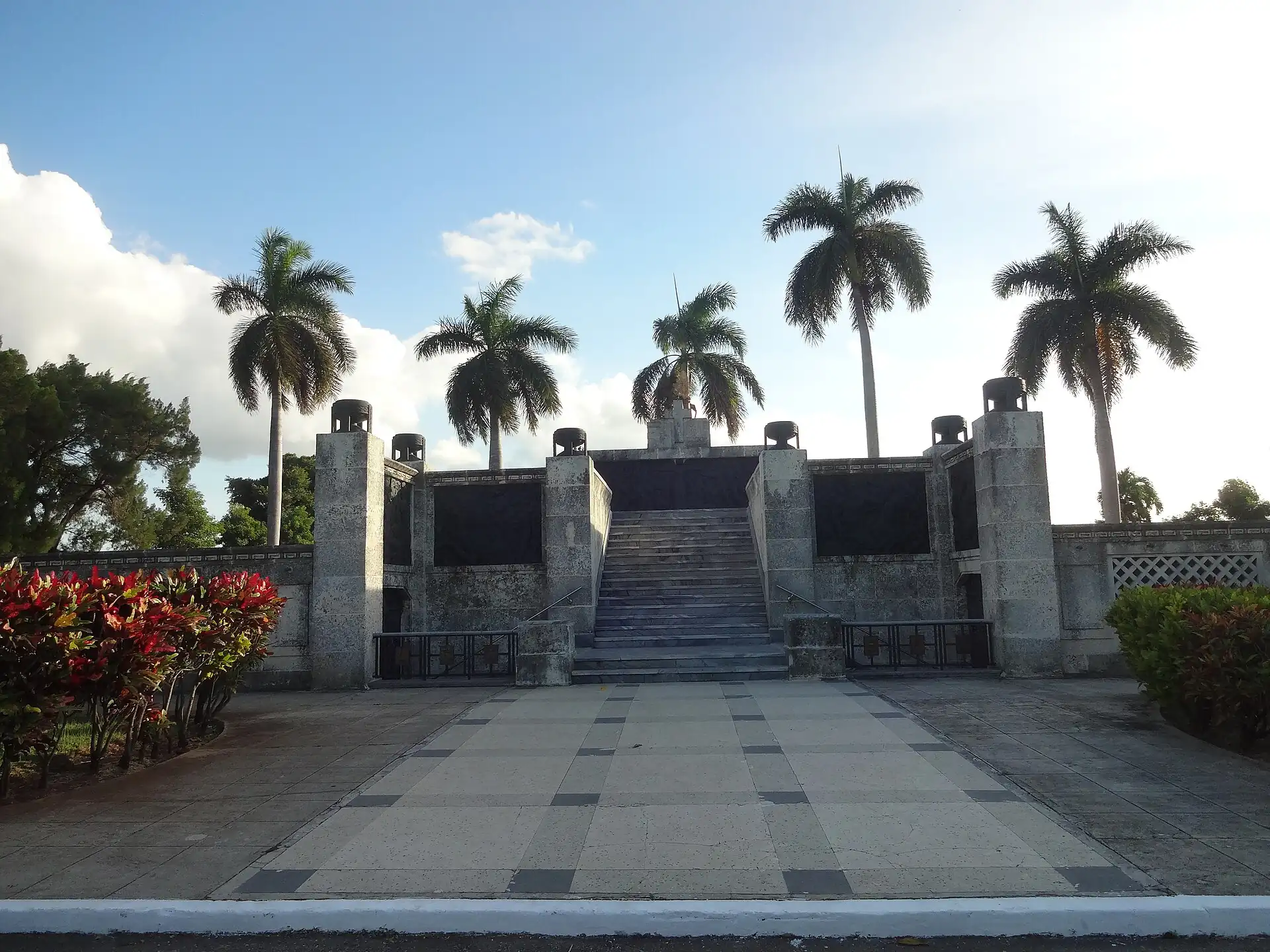
Tours, classes and shows in Havana →
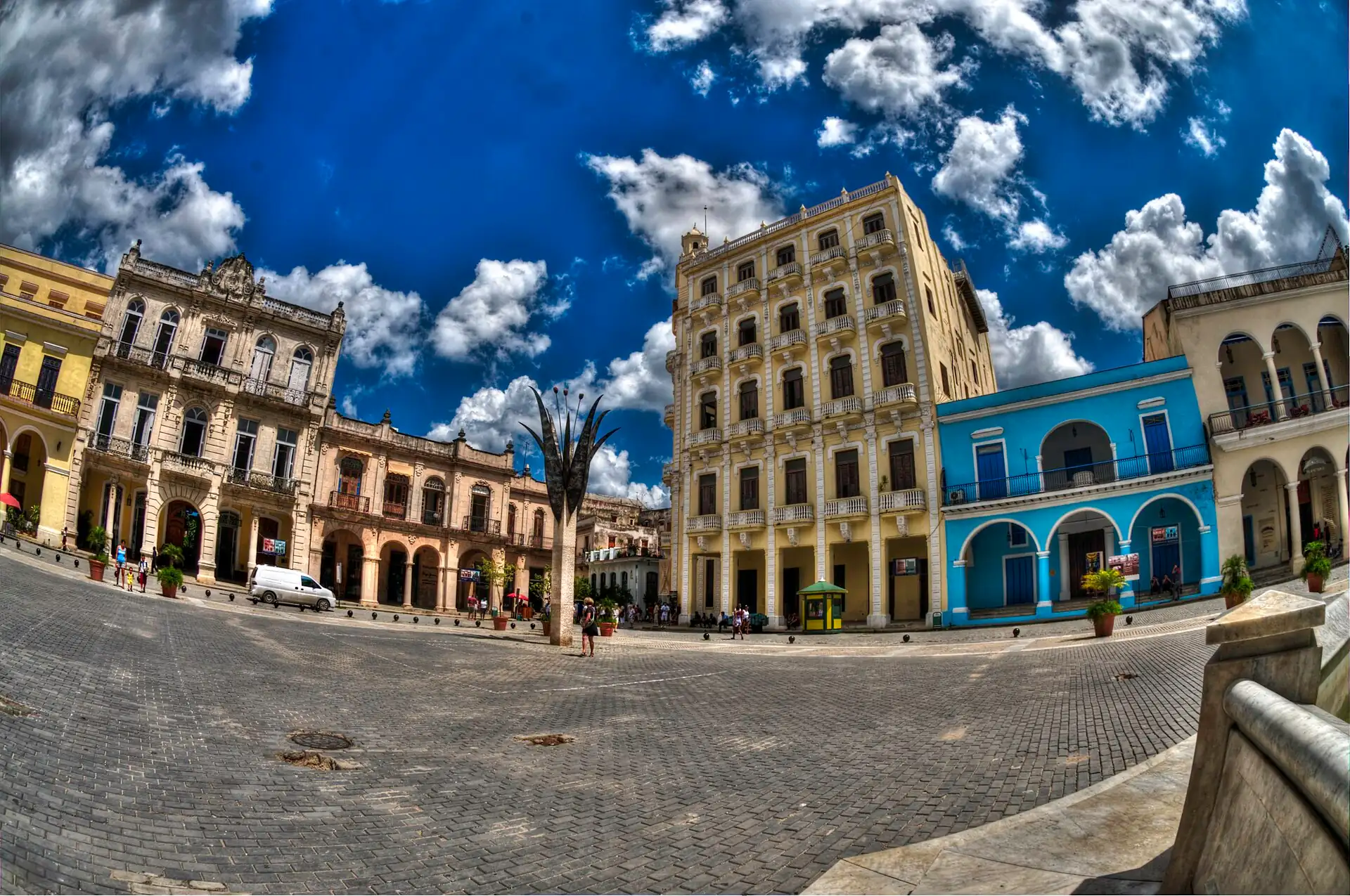
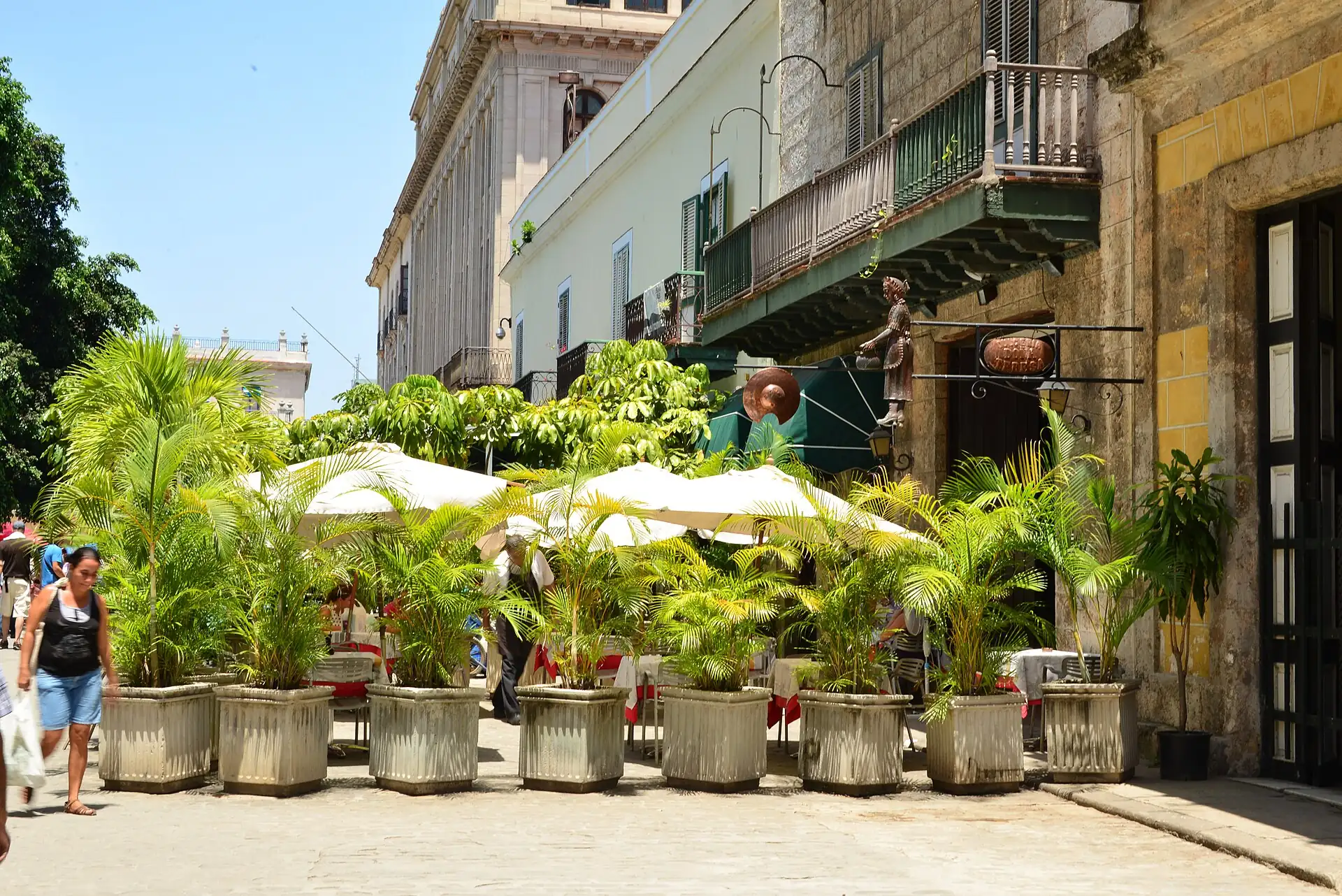
If you do ten things in Havana
Ranked for a first visit of 3–4 days. Prices are 2026 estimates in US dollars.
- 1
A restored 16th-century square with arcades and cafes: the old city at its best.
- Time
- 30–45 min
- Best
- Morning
- Cost
- Free
- 2
The baroque cathedral and its narrow square.
- Time
- 30 min
- Best
- Morning
- Cost
- Free or donation
- 3
- 4
Museo de Bellas Artes, Cuban Art
The best indoor hour: Cuban art in a cool building.
- Time
- 1–1.5 h
- Best
- Afternoon
- Cost
- About US$5–8
- 5
The former palace and the story of the 20th century.
- Time
- 1–1.5 h
- Best
- Afternoon
- Cost
- About US$8
- 6
The sea wall and the city's social scene.
- Time
- 45–75 min
- Best
- 17:30–19:00
- Cost
- Free
- 7
A 1930s hotel with a garden terrace above the sea.
- Time
- 1 h
- Best
- Late afternoon
- Cost
- Free; drinks extra
- 8
A huge marble cemetery: a surprisingly calm morning.
- Time
- 1–1.5 h
- Best
- Morning
- Cost
- About US$5–10
- 9
Roast pork, beans and rice in a private restaurant.
- Time
- 1–1.5 h
- Best
- 12:30–14:00
- Cost
- US$8–25
- 10
Viñales
Tobacco farms and limestone hills, three hours west.
- Time
- Overnight
- Best
- Dry season
- Cost
- Car and casa, ask your host
Good for…
Verdict is how well Havana works for that traveller, not how nice it is.
Rewarding but hands-on: plan your rides, carry all your cash and keep slack days.
- 1Plaza Vieja — the old city on foot.
- 2Malecón sea wall and La Punta — the city's evening rhythm.
Simple, hearty food; paladares are the best of it.
- 1Paladar lunch in Habana Vieja — roast pork, beans and rice.
- 2Ventanita coffee window — strong sweet coffee.
Casas and street coffee keep costs low; cash is required.
- 1Breakfast at your casa particular — a home breakfast.
- 2Malecón sea wall and La Punta — free and worth the walk.
- 1Malecón sea wall and La Punta — sunset and music on the sea wall.
- 2
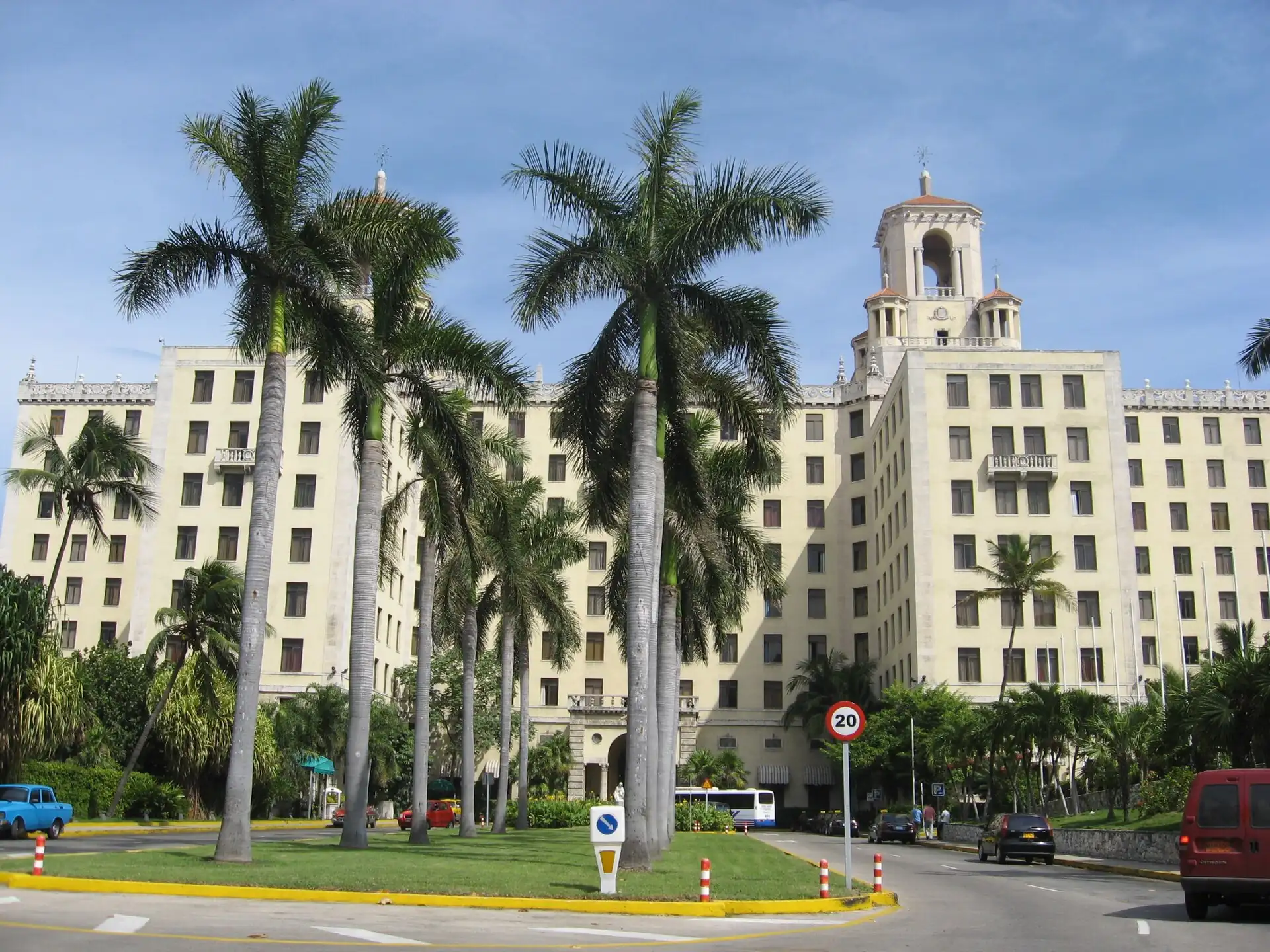 Hotel Nacional de Cuba — a drink on the garden terrace.
Heat, broken pavements and short supplies make it tiring; plan slowly.
- 1Plaza Vieja — open space and shade.
- 2Coppelia ice-cream park — a treat that children remember.
- 1A historic hotel in Habana Vieja — backup power, a pool and airport transfers.
- 2A private car and guide — removes the fare and language friction.
Broken pavements, steps and few lifts: plan by car.
- 1Hotel Nacional de Cuba — level access and a terrace.
Tours and classes: book or skip
Book through your casa host or a licensed operator with written inclusions and a cancellation policy. Prices per person, group tour unless stated.
| Tour or class | Verdict | Typical price | Why | Check before paying |
|---|---|---|---|---|
| Classic-car city tour | maybe | US$30–50 an hour (check) | A fun way to see Vedado and the Malecón in an hour. | Hourly rate, route and whether a photo stop is included. |
| Walking tour of Habana Vieja | book | US$15–30 (check) | A guide explains the plazas and the old walls. | Group size and whether entries are included. |
| Viñales day trip | maybe | US$60–100 (check) | A long day: better as an overnight. | Return time, lunch and the horse ride. |
| Private car with driver | book | US$60–120 a day (check) | Solves the transport and the fuel-shortage risk. | Currency, fuel and hours included. |
What each season brings
Dry season
Nov–Apr
Sunny, warm and the best time to visit; cooler nights in Jan and Feb.
Watch: High season: book casas early and expect higher prices in Dec–Feb.
Hot and humid
May
Hot with growing humidity; fewer crowds.
Watch: Heat and the start of storms.
Wet and hot
Jun–Oct
Green and cheaper; afternoon storms.
Watch: Hurricane risk peaks Aug–Oct; heavy rain and flooding.
Photo spots and the light
Ask before photographing people; do not photograph police, soldiers or military sites.
| Spot | Best light | Tip |
|---|---|---|
| Plaza Vieja arcades | 08:30–10:00 | Soft light and empty plaza before the groups. |
| The cathedral facade | Morning | The baroque towers against a blue sky. |
| The Malecón at sunset | 17:30–19:00 | Warm light on the sea wall and the city. |
| Hotel Nacional garden | Late afternoon | The sea and the terrace at golden hour. |
Havana travel FAQ
Answers are 2026 desk estimates; fares and rules marked (check) change.
Do I need cash?
Yes: bring all you need in clean euros or US dollars in small notes. Cards and ATMs are unreliable.
Is Havana safe?
Violent crime is uncommon; the main problems are touts, pickpockets and scams. Use taxis at night.
Do I need a visa?
Many travellers need a tourist card and an online traveller form (D'Viajeros), plus health insurance: check the current rules for your passport.
Can I use my phone and the internet?
Buy a tourist SIM or Wi-Fi cards: coverage is patchy and slow. Download offline maps.
What about blackouts and fuel shortages?
They happen: carry a torch, a power bank and water, and keep slack time in the day.
Is tap water safe?
No: drink sealed bottled water.
What is the best time to go?
November to April is dry and warm; the wet season and hurricane season run June to November.
How many days do I need?
Three days cover the four clusters; add a night in Viñales for the countryside.
Should I stay in Habana Vieja or Vedado?
Habana Vieja for a first visit and walking; Vedado for quiet, nightlife and a longer stay.
How do I get from the airport?
Pre-book a car through your host (about US$25–35) or agree a taxi fare before you set off.
More to see and doSee & do · Learn & work · Rain & heat · Free things · Wheelchair and stroller
Free things to do
Sights in Havana that cost nothing to enter. Each is described under Places or More sights; extra costs inside are marked there.
Wheelchair and stroller, place by place
How each place in this guide works for wheels, from its own page. Ratings are desk estimates unless a page says it was checked on the ground.
| Place | Step-free | Wheelchair | Stroller | What to know |
|---|---|---|---|---|
| Museo Nacional de Bellas Artes, Cuban Art | check | check | ok | Older building: ask staff about ramps and lifts. |
| El Capitolio | check | check | caution | Grand entrance steps; ask about a side entrance or lift for the upper halls. |
| Havana Cathedral | check | caution | caution | Steps at the doors and a cobbled square; the tower has a narrow stair and no lift. |
| Hotel Nacional de Cuba | yes | ok | ok | Ground-level lobby and terrace; gentle paths in the garden. |
| Malecón sea wall and La Punta | yes | caution | ok | A wide, level promenade with some steps and broken sections; the wall edge has no rail in places. |
| Museo de la Revolución | check | check | caution | Grand staircase; ask about lift access to the upper floors. |
| Necrópolis Cristóbal Colón | check | caution | ok | Paved avenues, but distances are long and the surface is uneven in places. |
| Plaza Vieja | yes | ok | ok | Level paved square with cobbled approaches; some arcades have steps. |
See & do
14 of 14
- church
The baroque cathedral on its narrow square: 15 minutes inside, then coffee on the plaza.
Habana Vieja · Daytime; Mass times (check) · Free or a donation
- plaza
A restored square with arcades, cafes and a camera obscura.
Habana Vieja · Open all day · Free
- monument
The domed former parliament; go inside if it is open to visitors.
Prado · Daytime (check) · About US$10–15(check)
- Museums
The former presidential palace, a museum of the revolution.
Centro Habana · Daytime; closed Mondays (check) · About US$8(check)
Cuban painting and sculpture from the colonial period to today.
Centro Habana · Daytime; closed Mondays (check) · About US$5–8(check)
- waterfront
The sea wall and the city's living room at dusk.
Malecón · Open all day; best at sunset · Free
- Architecture
The 1930s hotel with a garden terrace above the sea.
Vedado · Daytime (check) · Free when open
- cemetery
A huge 19th-century cemetery of marble tombs and chapels.
Vedado · Daytime (check) · About US$5–10(check)
Fortress and the nightly cannon ceremony (La Cabaña)
fortThe huge 18th-century fortress across the bay with the nightly cannon-firing ceremony; go by taxi.
Across the bay · Day and evening (cannon at 21:00, check)Day and evening (cannon at 9:00 PM, check) · About US$8–10 (check)
Live music night
musicSon, salsa and jazz in small clubs and open-air venues; check tickets and drink prices first.
Habana Vieja and Vedado · From about 21:00From about 9:00 PM · US$5–20 (check)
Classic-car ride along the Malecón
ActiveA convertible tour of the sea road: agree the hourly price and the route first.
Parque Central to Vedado · Daytime or late afternoon · US$30–50 an hour
Cigar or rum factory visit
ClassesBook through your casa or a licensed guide; check what is included.
Habana Vieja and Centro Habana (check) · Weekday daytime · US$10–20 (check)
Ballet or a show at the Gran Teatro
performanceThe Ballet Nacional de Cuba and other companies perform in the grand old theatre; check the season.
Prado · Evenings (check) · US$15–40 (check)
Rumba on a Sunday
musicLive rumba and Afro-Cuban dance in an alley of murals; go by taxi and keep your bag close.
Callejón de Hamel, Centro Habana · Sunday from about noon · Free or small donation
- Booking
- Shows and tours are best booked through your casa host a day ahead; small clubs take walk-ins.
Learn & work
| What | Where | Cost | Note |
|---|---|---|---|
| Spanish lessons | Private teachers and language schools (ask your host) | US$8–15 an hour (check) | One-to-one lessons are common and cheap. |
| Salsa and rumba dance lessons | Dance studios and private teachers in Vedado and Habana Vieja | US$10–20 an hour (check) | Book through your casa for a good teacher. |
| Cuban cooking classes | Paladares and casas offering classes (check) | US$25–50 (check) | Learn ropa vieja and moros y cristianos. |
Working here
- Tourist entry
- Tourist entry does not allow paid work. Check the current rules for your passport.
- Work and study visas
- Working in Cuba needs a sponsor and formal visa; students usually arrange it through a school.
- Remote work
- Slow, costly internet and frequent blackouts make remote work hard; check with your host before planning it.
Rain-day and heat-day plan
Rain day
Afternoon storms in the wet season flood streets: do outdoor stops in the morning and use museums and cafes in the afternoon.
- 01Museo Nacional de Bellas Artes, Cuban Art — An indoor gallery of Cuban art.
- 02Museo de la Revolución — Indoor museum in the former palace.
- 03El Capitolio — Indoor halls, if open to visitors.
- 04Paladar lunch in Habana Vieja — A long, dry lunch.
Heat day
Above 30 °C from June to September: outdoor sights before 11:00 and after 16:30, indoors in between, water every hour.
- 08:30Plaza Vieja — Quiet and cool before the tour groups.
- 10:00Havana Cathedral — Cool stone interior.
- 12:30Paladar lunch in Habana Vieja — A cool room and a long lunch.
- 14:30Museo Nacional de Bellas Artes, Cuban Art — Indoor art during the hottest hours.
- 17:30Malecón sea wall and La Punta — Sea breeze and sunset.
Day-trips and nearby
Places you can reach from Havana in a day or with one night away, with the route and what it costs. Door to door, not ride time.
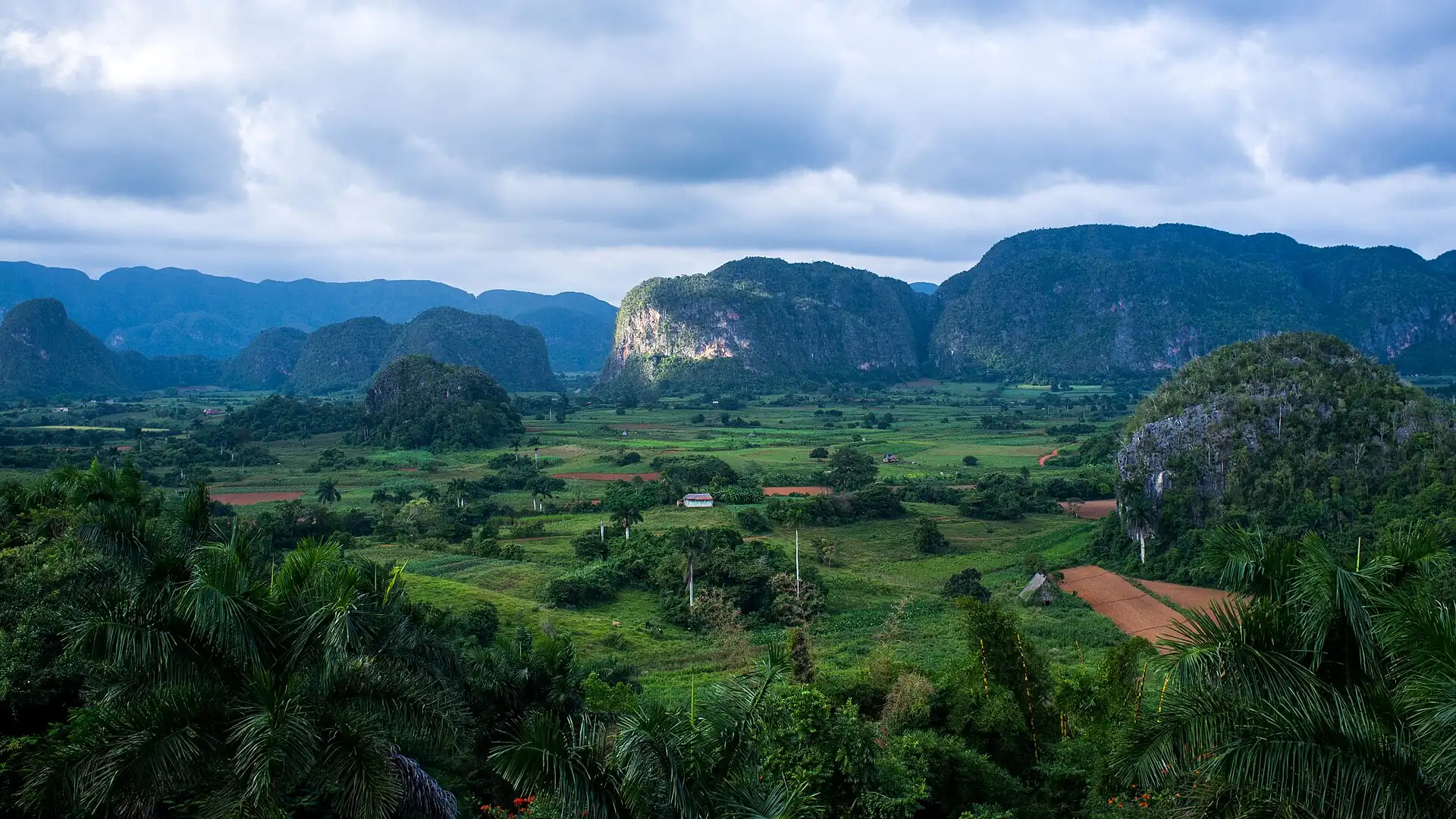 Photo: Severin.stalder, CC BY-SA 3.0
Viñales valley
overnightCar with driver or Viazul bus, about 2.5–3 h west
Tobacco farms, limestone hills and horse riding; a long day trip, so consider a night.
- Time
- Full day, better overnight
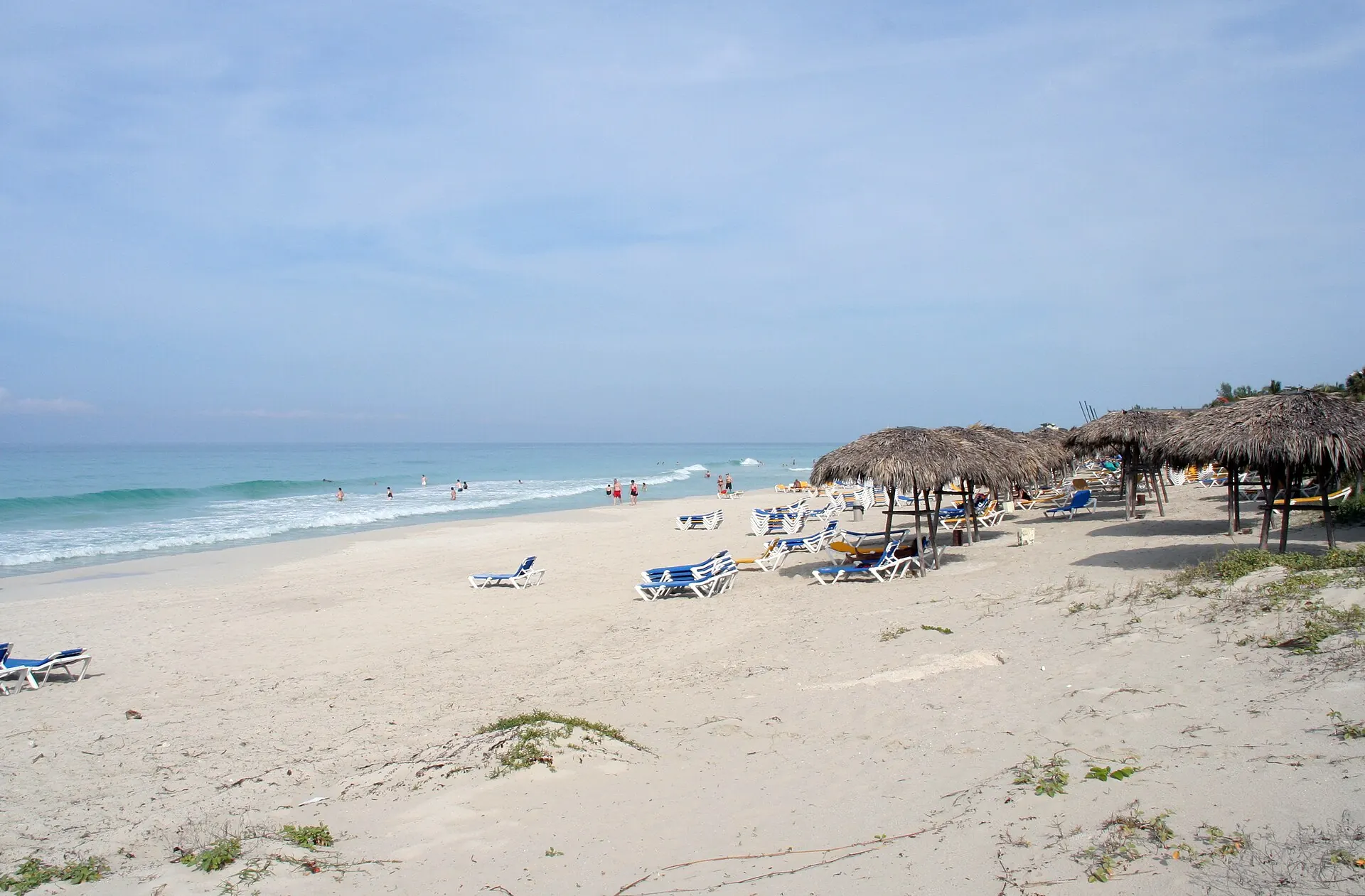 Photo: Tony Hisgett from Birmingham, UK, CC BY 2.0
Varadero beach
maybeCar or bus, about 2–2.5 h east
The main resort beach; better as an overnight or a beach stop if you want white sand.
- Time
- Full day
Las Terrazas and Soroa
goCar, about 1–1.5 h west
Cloud forest, waterfalls and a rural community; a cooler, greener day out.
- Time
- Full day
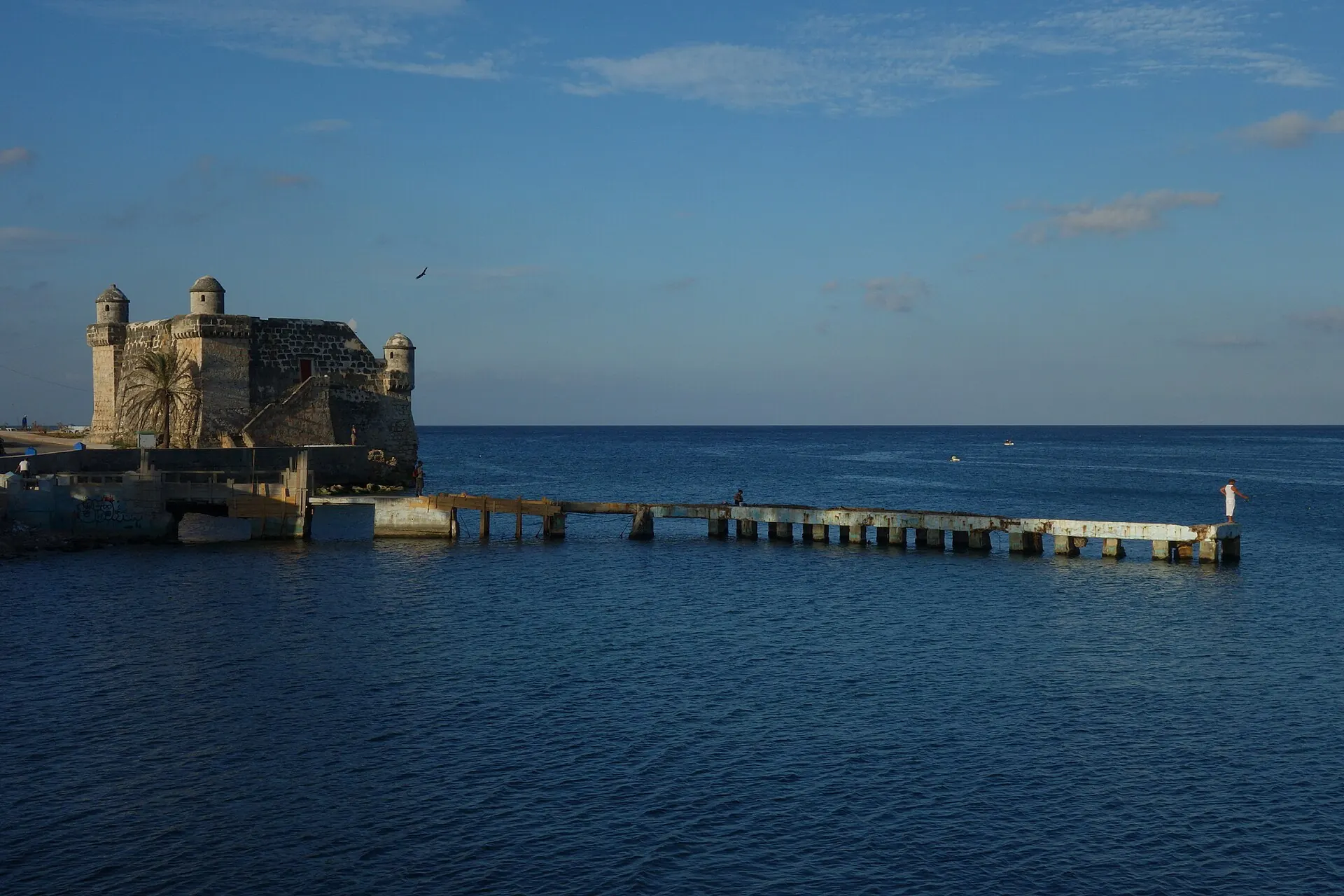 Photo: Christian Pirkl, CC BY-SA 4.0
Playas del Este
goCar or bus, about 30–40 min east
The city beaches; go on a weekday in dry weather.
- Time
- Half day
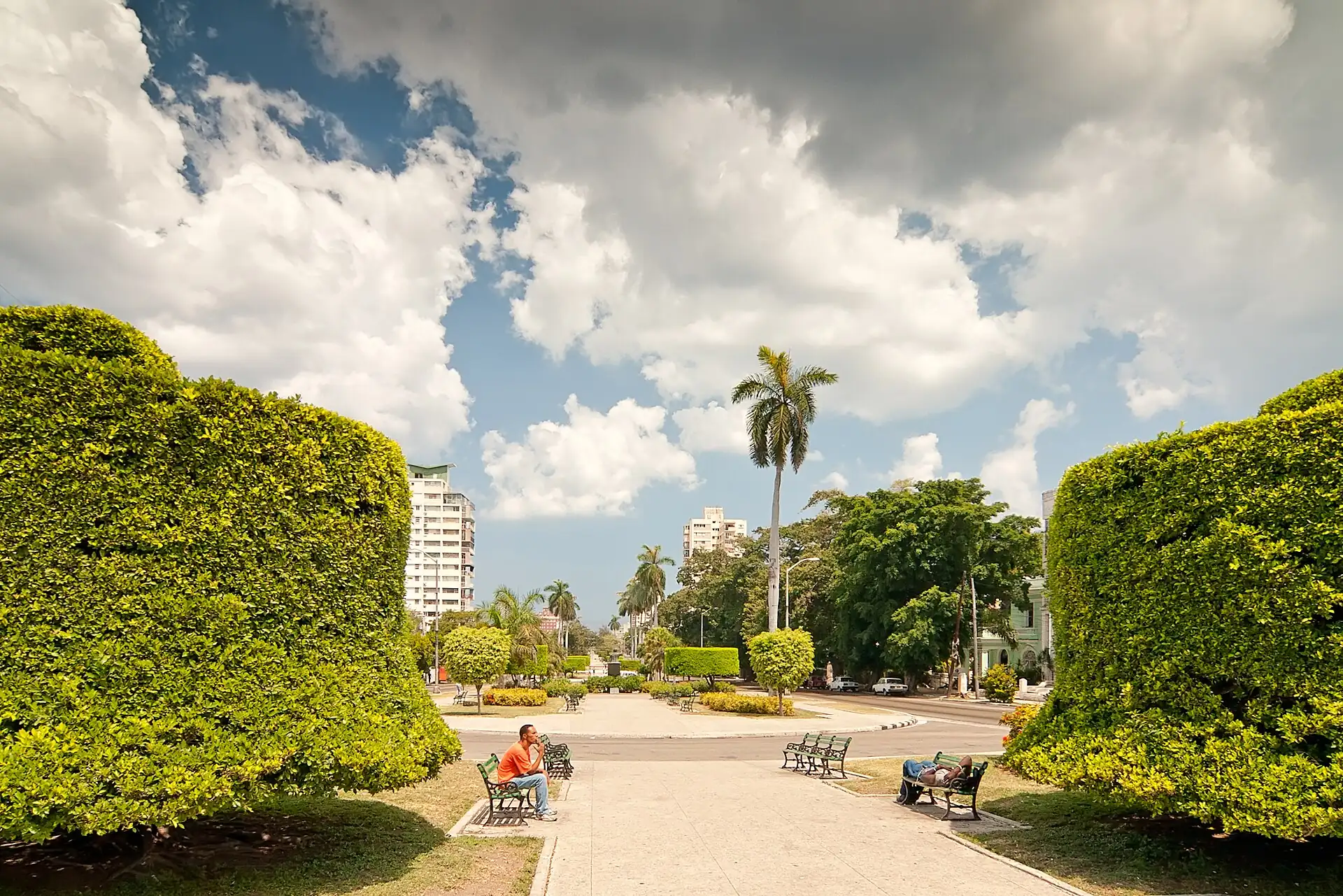
Cojímar and the Hemingway sights
goCar or taxi, about 20–30 min east
A fishing village linked with Hemingway; combine with the fortresses across the bay.
- Time
- Half day
Go next
Door to door: 5–6 h
Car or Viazul bus, about 5–6 h
A colonial town on the south coast: needs a night or more.
Eat & sleepWhere to eat and which area to sleep in
Eat & sleep
Where to eat and which area to sleep in
Eat
A short list of places worth crossing the city for, each with how to get a seat.
Restaurant finder: filter every place to eat in Havana →
Vegetarian-friendly score
2.5 / 5 · Workable
- Country diet noteOur country guide rates vegetarian eating as workable.1 / 2
- Places to eat in this guide1 of 3 places with a known answer are vegetarian-friendly, 2 partly.1 / 1.5
- Budget eating lines0 vegetarian lines in "Eat by budget".0 / 0.6
- Meat-free national dishes4 meat-free dishes in the country food list.0.4 / 0.4
- Dedicated vegetarian kitchens0 mentions of vegetarian restaurants, Buddhist or fasting kitchens.0 / 0.5
Country note: Possible but monotonous: rice, beans, eggs, plantain; beans are often cooked with pork.
Vegetarian places near me →Make a diet card →
How we score
- Country diet note (up to 2): easy 2, workable 1, mixed 0.75, hard 0; no note 0.5.
- City places to eat (up to 1.5): 1.5 × (vegetarian-friendly + half of partly friendly) ÷ places with a known answer; needs 3 or more known places.
- Budget eating lines marked vegetarian (up to 0.6): 0.2 each.
- Meat-free national dishes (up to 0.4): 0.1 each.
- Dedicated vegetarian kitchens mentioned — Buddhist chay, shōjin ryōri, Jain, fasting food, vegan cafés (up to 0.5): 0.1 each.
- Total rounded to the nearest half point, 0 to 5. Built from our own pages only, not from reviews.
Eating and drinking guideEat by budget · Drink
Before you sit down to eat
Short version; full text linked
Eat by budget
Under US$6 a meal
| Where | Order | Area | Price | Note |
|---|---|---|---|---|
| Ventanita coffee window | Coffee and a snack | Habana Vieja | US$0.50–3 | |
| Breakfast at your casa particular | Fruit, eggs, bread and coffee | Your casa | US$5–10 | |
| Coppelia ice-cream park | Ice cream | Vedado | US$1–5 | Queues and stock vary. |
Dishes to know
| Dish | What it is | Where to look | When | Price |
|---|---|---|---|---|
| Ropa vieja | Shredded beef stewed in tomato sauce | Paladares | Lunch, dinner | US$8–15 |
| Moros y cristianos | Black beans cooked with white rice | Everywhere | Lunch, dinner | US$2–5 as a side |
| Lechón asado | Slow-roast pork | Paladares | Lunch, dinner | US$8–15 |
| Tostones and yuca | Fried plantain and boiled cassava | Paladares and homes | Any meal | US$2–5 |
| Cafecito | A small, strong, sweet coffee | Ventanitas and cafes | Any time | US$0.50–1.50 |
| Pan con lechón | A roast-pork sandwich | Street windows | Snack | US$1–3 |
| Mojito and Cuba libre | Rum cocktails | Bars | Evening | US$3–8 |
- Ask the price and the currency before you order.
- Eat where the room is busy and the food is hot.
- Book paladares through your host for dinner.
Drink & nightlife
| Where | What | Until | Note |
|---|---|---|---|
| Habana Vieja bars | Cocktail bars and live music | About midnight | Old-town bars with live son and salsa; check drink prices first. |
| Vedado clubs and music venues | Jazz, clubs and open-air spaces | Late at weekends | The livelier scene for evenings; go by taxi. |
| Malecón at dusk | Sea wall social scene | Late | Locals gather with music and bottles; take your own care. |
| Fábrica de Arte Cubano (check) | Art, music and drinks in one building | Late, Thursday to Sunday (check) | A popular evening venue in Vedado; check days and entry. |
By style
| Style | What | Where | Price | Until |
|---|---|---|---|---|
| Mojito and daiquiri | Rum cocktails with lime and mint, or frozenPrices vary widely: ask before you order. | Bars in Habana Vieja and Vedado | US$3–8 | Evening |
| Cuba libre | Rum and cola with lime | Everywhere | US$2–5 | Evening |
| Craft beer and Cristal | Local lager and a few craft beers | Plaza Vieja and other bars | US$2–5 | Evening |
| Coffee | Cafecito and cortaditoStrong and sweet. | Ventanitas and cafes | US$0.50–2 | Daytime |
Rules that bite
- Agree drink prices before you order in bars with live music.
- Take a taxi home after dark: do not walk between districts.
Sleep
Pick the area first: it decides your walk home at night and your first morning.
Which neighborhood fits you
Three questions, one recommendation, with the reasons.
Your best fit
- The cathedral, plazas and museums on foot.
- Many casas from about US$30–60 a night.
Watch out: Music and voices in the evenings; ask for an interior room.
Next best: Vedado casa or hotel
Built from our 1–5 desk scores per area; your answers stay in this browser.
More on sleepingSleep by budget · Your area · With kids
Sleep by budget
| Band | Price | Where | Room types | What to expect |
|---|---|---|---|---|
| budget | US$30–50 | Habana Vieja and Vedado casas | Casa particular rooms | A private room with bathroom and AC, breakfast extra; the host arranges rides. |
| mid | US$60–140 | Habana Vieja and Vedado | Boutique casas and 3-star hotels | AC, a lift in some, a restaurant, more reliable hot water. |
| splurge | US$180–350+ | Habana Vieja and Vedado | Historic and 5-star hotels | Pools, spas, better backup power and airport transfers. |
Booking checks
- Ask about backup power, hot water and AC: outages are common.
- Send your flight number and arrival time to the host before you fly.
- Casas register your passport with the police as required: this is normal.
Which area is yours
| If you are | Sleep in | Because |
|---|---|---|
| First visit, 3–5 nights | Habana Vieja casa particular | The plazas, museums and paladares are on foot. |
| Longer stay, quiet, nightlife by taxi | Vedado casa or hotel | More space and a livelier evening scene. |
| Families and older travellers | Vedado casa or hotel | Larger rooms and quieter streets; ask about a lift. |
First-timers: a licensed casa in the old city puts every sight on foot; ask your host to meet you and book the airport car both ways.
Quieter nights, wider streets and bigger buildings; a car ride from the old squares, so pick it for evenings out and easier taxi drop-offs.
Areas are in our default order until you tick a priority.
Scores are 1–5 desk judgements per priority (2026).
With kids
- Pavements are broken and traffic is heavy: a carrier works better than a stroller.
- The Malecón, the plazas and the Coppelia queue are easy child-friendly stops; keep visits short and in the shade.
- Supplies such as nappies, formula and medicines are often short: bring what you need.
- Cars rarely have child seats: bring a travel booster.
PracticalMoney, essentials, safety and the pocket card
Practical
Money, essentials, safety and the pocket card
Money
What a day costs at three comfort levels, and how to pay.
- Budget
- CUP 10,000–18,000 excl. bed / day
- Mid
- CUP 18,000–35,000 excl. bed / day
- High
- CUP 35,000+ excl. bed / day
- Transit card
- No transit card: walking, booked cars and shared taxis. Prices are often quoted in US dollars or euros; agree the currency before you order or ride.
- Cash rule
- Do not plan on ATMs: bring the full trip budget in cash in small, clean notes and split it between two places on you.
More on moneyCosts · Budget · Buy
What things cost
- Breakfast at a casa particularUS$5–10
- Cuba libre or mojito at a barUS$3–8
- Bottle of water, shopUS$1–2
- Classic-car tour, per hourUS$30–50
Trip budget
| Casa particular room1 × 4 nights × CUP 45 | CUP 180 |
| Food, local transport, entries2 × 4 days × CUP 85 | CUP 680 |
| Airport taxi, both ways1 × CUP 60 · one taxi per 4 people | CUP 60 |
| Tourist SIM or Wi-Fi cards, about a week2 × CUP 15 | CUP 30 |
| Buffer 20%Price creep, a taxi you did not plan, one splurge | CUP 190 |
| Trip total≈ CUP 143 per person per day, bed included | CUP 1,140 |
2026 estimate in US dollars, since most tourist prices are quoted in dollars or euros; flights, visa and tours excluded. Your choices stay in this browser.
Prices of common things
| Cafecito | US$0.50–1.50 |
| Paladar meal | US$8–25 |
| Mojito | US$3–8 |
| Water bottle | US$1–2 |
2026 estimate; check locally.
Buy
- Bargaining
- Bargain at craft and street markets with a smile: start at about half the first price and settle around two thirds. Do not bargain in fixed-price shops or paladares.
- Fixed-price check
- State shops and the official cigar shops have fixed prices; use them as your reference for cigars and rum, and keep receipts.
Markets and shopping streets
| Where | What | When | Haggle | Note |
|---|---|---|---|---|
| Feria de artesanía at Plaza de la Catedral and the Almacenes San José | Crafts, paintings, souvenirs, guayaberas | Daytime | hard | Aimed at tourists; prices start high. |
| Agropecuario (food markets) | Fruit, vegetables, meat and herbs | Mornings | light | Where locals shop; prices are usually in pesos. |
| Libros de segunda mano (Plaza de Armas book market) | Second-hand books, posters, coins, memorabilia | Daytime | light | A pleasant browse; ask about export rules for old books. |
| Official cigar shops (Casa del Habano) | Cigars, rum, coffee | About 09:00–18:00About 9:00 AM–6:00 PM | no | Fixed prices, receipts, and a guarantee that the cigars are genuine. |
Shops by what they sell
| For | Where | Hours | Note |
|---|---|---|---|
| Cigars and rum | Casa del Habano and state shops | Shop hours | Buy from an official shop and keep the receipt for customs. |
| Coffee and chocolate | State shops and cafes | Shop hours | Good gifts and light to carry. |
| Art and prints | Galleries in Vedado and Habana Vieja | Gallery hours | Original art may need an export certificate: ask the gallery. |
Changing money
| Where | Verdict | Why |
|---|---|---|
| Your casa host | use | Often gives the best practical rate for small sums; ask the rate before you agree. |
| Cadeca (official exchange offices) | ok | Official rate; queues can be long. |
| Bank branches and hotel desks | ok | Official rates and limited cash. |
| Street changers | avoid | Fake notes and short change are common. |
ATMs
- Cards and ATMs
- Do not rely on cards or ATMs. US-issued cards often fail; carry all your cash.
- Notes
- Bring clean, undamaged euros or US dollars in small denominations; torn notes may be refused.
- Fees
- Currency exchange can cost a commission; ask before you change.
Essentials and accessEssentials · Access
Essentials
- Paying
- Cash for the whole stay. Bring euros or US dollars in small, clean notes (US-issued cards and some foreign cards often do not work, and ATMs are unreliable). Many tourist businesses quote in dollars or euros; the peso (CUP) is used by locals at a rate that varies. Ask your host for the current rate, count your change, and do not accept old CUC notes, which were withdrawn.
- Plugs & power
- 110 V, 60 Hz in most places (some hotels have 220 V); type A and B sockets (two flat pins), sometimes type C. Bring an adapter and a power bank, and check the voltage on chargers.
- Toilets
- Hotels, cafes and museums; carry tissues and coins for attendants, since paper and seats are not always provided.
- Opening hours
- Museums usually open about 09:00–17:00 and close on Mondays; shops and cafes vary; power cuts and fuel shortages can shorten any hours.Museums usually open about 9:00 AM–5:00 PM and close on Mondays; shops and cafes vary; power cuts and fuel shortages can shorten any hours.
- Health
- Heat and humidity are the main issues, plus dengue and other mosquito-borne diseases in some years: use repellent. Travel medical insurance is required for entry and may be checked; bring your own medicines, because pharmacies are often short of common items.
- Accessibility
- Pavements are broken and cobbled, and buildings are old with steps and few lifts; plan door-to-door rides and choose a casa or hotel with a lift or ground-floor room.
- Laundry
- Casas often wash by the kilo or the item; ask your host.
- Emergency numbers
- Police 106, fire 105, ambulance 104 (confirm with your host).
Pack
- Light, breathable clothes and a hat for the sun
- A power bank, torch and a small first-aid kit for blackouts
- Basic supplies: sunscreen, repellent, toiletries, and any medicines you need, since shops run short
- Small gifts for hosts (soap, pens, toiletries) are welcome but not required
Accessibility
Havana is hard going on wheels. Pavements are broken or cobbled, buildings are old with steps and few lifts, and taxis are the reliable step-free option.
- Pavements
- Broken, cobbled and narrow in Habana Vieja; smoother on some main roads.
- Getting around
- Taxis and hired cars; buses and shared taxis are not step-free.
- Hotels and casas
- A few hotels have lifts and adapted rooms; casas often have stairs: ask in writing.
- Toilets
- Accessible toilets are rare outside hotels.
Sights, step-free or not
| Plaza Vieja | step-free | Level square with cobbled approaches. |
| Havana Cathedral | with help | Steps at the doors and cobbles. |
| El Capitolio | with help | Steps; ask about a side entrance or lift. |
| Hotel Nacional de Cuba | step-free | Level lobby and terrace. |
| Malecón sea wall and La Punta | step-free | Wide, level promenade with some broken sections. |
Survive
Safety basics, the lines not to cross, and practical habits that save the day.
Safety
- Power cuts are frequent: carry a torch, a power bank and drinking water.
- Emergency: police 106, fire 105, ambulance 104 — confirm with your casa host.
- Keep cash split between several places; petty theft and hustlers exist in tourist areas.
Red lines
- Do not photograph police, military or government buildings.
- Ask before photographing people; some will expect a tip.
- Avoid political discussions with strangers.
Practical
- Toilets: hotels, cafés and museums; carry tissues, and coins for attendants.
- Do not drink tap water; use bottled or filtered water.
More on staying safeStay safe · Stay healthy · Safety map · Solo & women · Etiquette · Cope · Scams
After dark, by area
3 flagged areas
- Take care
- Take care
- Take care
Day = about 07:00–19:00. What to watch in each area, day and night →
Scams and red flags
Walk away if you see these
- Jineteros (touts) who offer cigars, restaurants, a casa or a private taxi at a 'special price': they take a commission from the seller, so the price to you is higher. Decline politely and choose your own.
- Street-sold cigars 'from the factory': many are fake or poor. Buy from an official shop (casa del habano) and keep the receipt.
- Bicitaxi and taxi drivers who quote a price 'per person' or change the currency at the end: agree the total and the currency before you get in.
- Strangers who invite you to a 'concert' or a bar and then present a large bill: choose the venue yourself and check the prices before you order.
- Requests for milk, medicine or clothes for a child in exchange for a shop purchase: decline, or donate directly to a charity.
Stay safe
Crossing the road
- 01Traffic is fast and drivers do not always yield: cross at a clear gap.
- 02Broken pavements and open manholes: watch your step, especially at night.
Hustles specific to this city
| Hustle | Where | The tell | What to do |
|---|---|---|---|
| Jinetero (tout) | Plazas, Obispo, the Malecón | Friendly stranger who offers a cigar, casa or bar | Decline politely and choose your own. |
| Fake cigars | Street sellers | A 'factory price' offered on the street | Buy from an official shop with a receipt. |
| Currency swap | Taxis, bars | The price changes from pesos to dollars or 'per person' | Agree the total and the currency before you start. |
- Police
- Report thefts at the nearest station with your host's help; insurers need the written report.
- Bags and phones
- Snatching is possible in crowded places and on the Malecón at dusk: keep bags in front.
- Night
- Use a taxi; streets can be dark during blackouts.
- Blackouts
- Carry a torch and a power bank; keep your phone charged.
Stay healthy
- Mosquito-borne disease
- Dengue and other viruses occur: use repellent, wear long sleeves at dusk and sleep with AC or screens.
- Heat
- Shade, water and rest in the afternoon; sunscreen and a hat.
- Food and water
- Bottled water; eat hot, freshly cooked food; skip ice if unsure.
- Medicines
- Bring enough of your own medicines and basic first-aid supplies: pharmacies are often short.
- Insurance
- Travel medical insurance is required for entry and may be checked.
Hospitals and clinics: see Cope.
Safety by area and hour
| Area | Day | Night | What to watch |
|---|---|---|---|
| Habana Vieja | fine | caution | Touts and pickpockets in crowds; streets can be dark during blackouts. |
| Prado and Capitolio | fine | caution | Quiet and poorly lit after dark; use a taxi. |
| Malecón and La Punta | fine | caution | Busy at sunset; watch phones and bags. |
| Vedado | fine | fine | Generally calmer; still use a taxi late. |
- Keep cash split between several places and only carry what you need.
- Use a taxi after dark: pavements are broken and lighting can fail.
Solo, women and LGBTQ+ travellers
Solo
- Manageable with care: book your first night and your airport ride, carry cash, use taxis at night, and ignore touts.
- Casas are a good way to meet people and get advice.
Women
- Catcalls and attention from touts are common but rarely go further; a firm 'no, gracias' and a steady walk usually ends it.
- Dress lightly for the heat but cover up at churches; use taxis at night.
LGBTQ+
- Same-sex relations are legal and same-sex marriage has been recognised since 2022, and Havana has a visible, relaxed gay scene.
- Public affection is tolerated in tourist areas; attitudes are more conservative outside Havana.
Etiquette in Havana
- Greetings
- Say 'buenos días' or 'buenas tardes' before you ask for anything; a kiss on one cheek is common between acquaintances.
- Tipping
- About 10 percent in restaurants and small tips for guides, musicians and cleaners; small dollar tips are welcome.
- Photos
- Ask before photographing people, some will expect a tip; never photograph police, soldiers or military sites.
- Politics
- Avoid political arguments with strangers; listen and change the subject if needed.
- Casa etiquette
- Give your host your arrival time and any diet needs, ask before bringing guests, and keep noise low late at night.
- Dress
- Casual and light is fine; cover shoulders and knees in churches, and wear a shirt off the beach.
Cope
Hospitals and clinics that handle foreigners
| Where | Area | Use it for |
|---|---|---|
| Clínica Central Cira García | Miramar (check) | A clinic that treats foreign patients for a fee; pay in cash or by insurance (check). Ask your host for the current address. |
| Hospital Hermanos Ameijeiras | Centro Habana (check) | A large public hospital; ask your host for guidance. |
| Pharmacies | Citywide | Often short of common medicines: bring your own supplies. |
Visa extensions
- Entry
- Check the current entry rules for your passport: many travellers need a tourist card and an online traveller form (D'Viajeros) before arriving, plus health insurance.
- Extending a stay
- Tourist stays can be extended at an immigration office for a fee (check the current rule).
- Overstay
- Fines and delays are possible: resolve any visa problem before you go to the airport.
Embassies and consulates
| Country | Address | Phone | Note |
|---|---|---|---|
| United States | Embassy in Havana (check current services) | — | (check) |
| United Kingdom | Embassy in Miramar (check) | — | (check) |
| Canada | Embassy in Miramar (check) | — | (check) |
| Spain | Embassy in Havana (check) | — | (check) |
| Mexico | Embassy in Havana (check) | — | (check) |
- Lost passport
- Report to the police and your embassy; expect delays and paperwork.
- Consular support
- Services can be limited: tell someone at home where you are staying.
- Gyms and pools
- Hotel gyms and pools accept day visitors for a fee (check).
- Co-working
- Almost none: Wi-Fi is slow and costs money; plan for offline work.
- Laundry
- Casas wash by the kilo or the item.
Apps and offline kitOffline kit
Offline kit
Set up before you leave, so Havana still works with no signal or a dead roaming plan.
On your phone
- Maps: open the city in Google Maps, tap the place name, then Download offline map (or use an offline-maps app).
- Data: install an eSIM or buy a local SIM before the first taxi; the apps in this guide depend on it.
- Translation: download the local language for camera translation.
- Screenshots: booking confirmations, hotel address in the local script, and the emergency numbers.
This guide
Save the Havana guide and its pages on this device; it opens without a connection.
Phrases that do the work
Greeting
Hello / good day
Hola / buenos días
OH-lah / BWEH-nos DEE-ahs
Thanks
Thank you
Gracias
GRAH-see-ahs
Market
How much is it?
¿Cuánto cuesta?
KWAN-toh KWEH-stah
Food
The bill, please
La cuenta, por favor
lah KWEN-tah por fah-VOR
Food
Without ice, please
Sin hielo, por favor
sin YEH-loh por fah-VOR
Taxi
Please take me to this address
Lléveme a esta dirección, por favor
YEH-veh-meh ah ES-tah dee-rek-see-ON por fah-VOR
Taxi
How much to go to Vedado?
¿Cuánto cuesta ir al Vedado?
KWAN-toh KWEH-stah eer al veh-DAH-doh
Everyday
What's up? (friendly greeting)
¿Qué bolá?
keh boh-LAH
Help
I need a doctor
Necesito un médico
neh-seh-SEE-toh oon MEH-dee-koh
Pocket card
Fill in, then print or save as PDF
Stays in this browser only; nothing is sent anywhere.
HavanaLa Habana
Pocket card · Voykit
My bed tonight
—
—
—
Lléveme a esta dirección, por favorPlease take me to this address
Emergency
- Police106 (check)
- Fire105 (check)
- Ambulance104 (check)
Embassy
Write your own embassy's 24-hour line below.
My embassy: —
Fare anchors (2026 estimate)
- Airport → Habana Vieja, taxi: US$25–35, 30–45 min
- Taxi across the centre: US$5–12, agree first
Show the address on your phone: streets are given as street and cross-street.
Deep diveHistory, reading, photos and every source
Deep dive
History, reading, photos and every source
Sources
- officialCuba Travel (official tourism information)
- secondaryWikivoyage — Havana
Ask about Havana
Loading…
Was this useful?