
Rio de Janeiro
Code BZ · 5 walking zones
Rio works on a beach-and-viewpoint rhythm: go up the mountains early before the cloud, keep the beach for mid-morning, and take a licensed car or app at night instead of walking.
Our quick read of Rio de Janeiro, scored 1–5 (friction is out of 100). Cash need: how often you still need notes. Heat risk: how hot days get. Stroller: how easy wheels are. Friction: overall effort for a first visit. Desk judgements, so check before relying on them.
- Local time
- --:--
- Weather
- forecast below
- Currency
- BRL
- Best months
- Apr · May · Jun · Jul · Aug · Sep · Oct
- Airport
- Rio de Janeiro–Galeão (GIG)
Walking zones: the 5 areas this guide plans a day around. Each is a district you can cover on foot, so you do one zone per half-day and ride the train between them. The code (BZ 01, BZ 02…) is just the zone's number on the Rio de Janeiro line; the line under each name says how bags fare there and how much time it needs.
Map of Rio de Janeiro
Use the switches to show or hide each kind of pin. A switch that is on shows its pins on the map; tap it again to hide them. "Show only" keeps just the pins that match (for example, places that fit a suitcase). Tap any pin for its name and a link to its page.
- Where to sleep
- Places
- Eat
- Walking clusters
- Rest stops
From the airport de Janeiro–Galeão (GIG) to your bed
Tap a pin for its card. Places without their own coordinates are shown by their walking cluster.
Why Rio de Janeiro
Rio's sights are spread between mountains and bays, so distance is not the trouble: cloud on the peaks, queues at the lifts, and phone theft on crowded beaches and buses are. Five walking clusters cover a first visit; the two trips that decide the plan are Christ the Redeemer and Sugarloaf, and both need a clear-sky morning. Keep one bed in Copacabana or Ipanema and go out from it by app car.
See first
- 1
 Christ the Redeemer · 2–3 h with the train
- 2
 Sugarloaf Mountain · 2–3 h
- 3
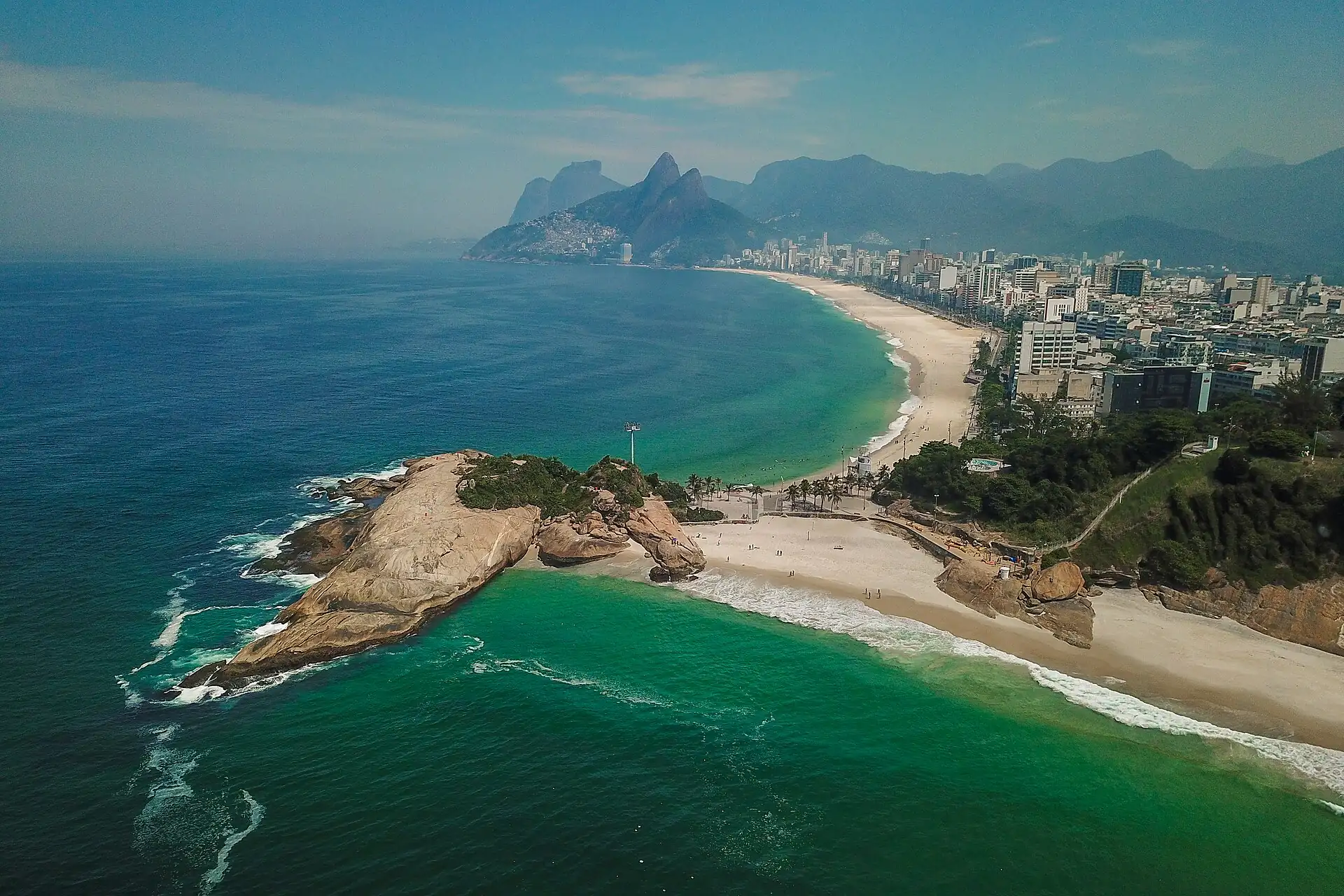 Sunset at Arpoador · 60–90 min
- 4Copacabana promenade · 45–90 min
- 5
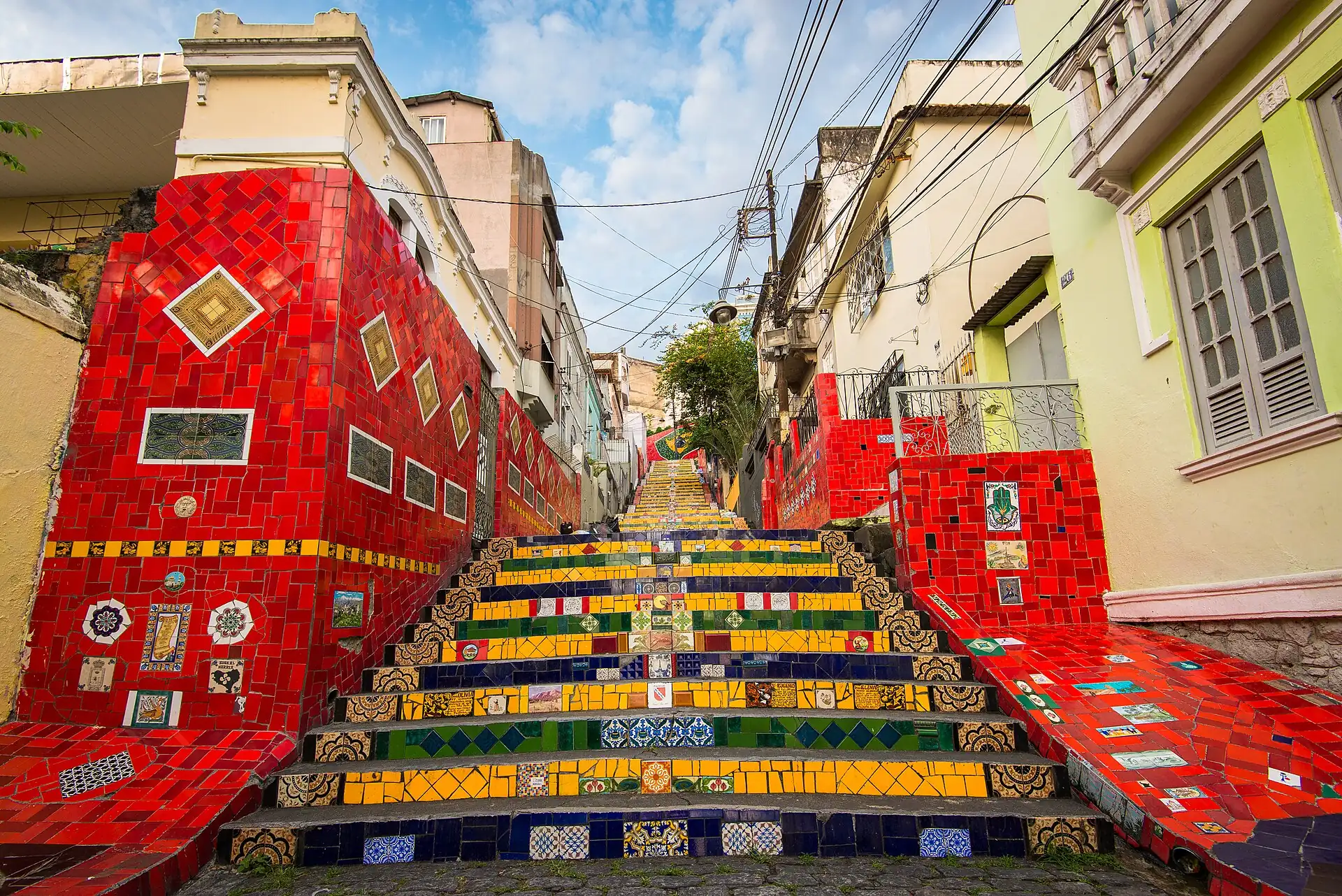 Selarón steps · 15–25 min
Fits
- First trips to Brazil
- Beach and viewpoint trips
- Travellers who use ride-hailing
Does not fit
- Travellers who want to walk everywhere at night
- Strict budgets in New Year and Carnival weeks
- Wheelchair users on the hill routes (Santa Teresa, Corcovado)
How long
- 2 daysChrist the Redeemer + Sugarloaf on clear mornings; one beach afternoon
- 3 daysFive clusters: two viewpoint mornings, Lapa and Selarón, Copacabana and Ipanema on foot
- 5 daysFive clusters + Tijuca forest or Paraty as a day trip + one slow beach day
Good for
- First timers
- Foodies
- Budget
- History
- Families
- Wheelchair
About Rio de Janeiro
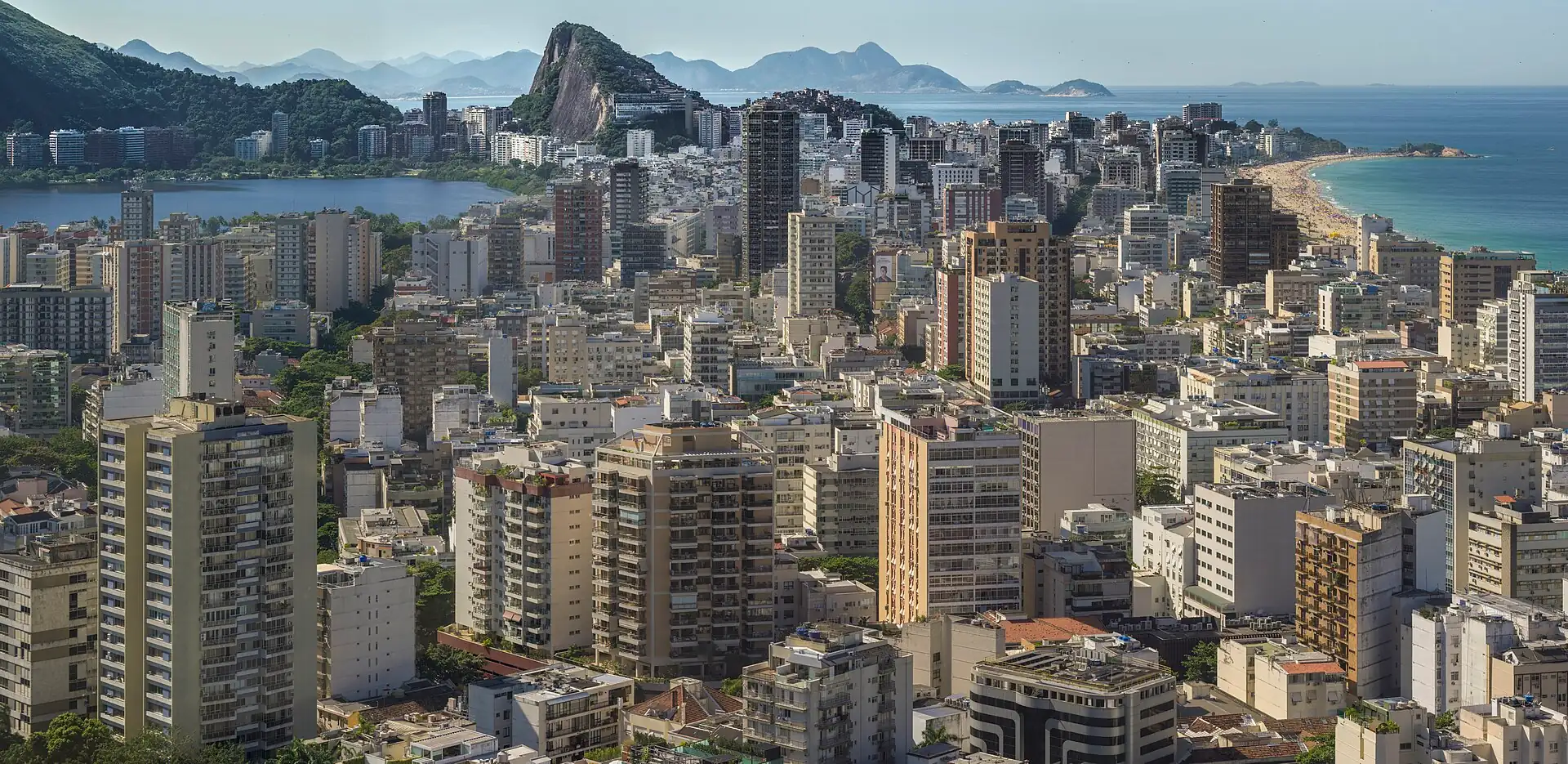
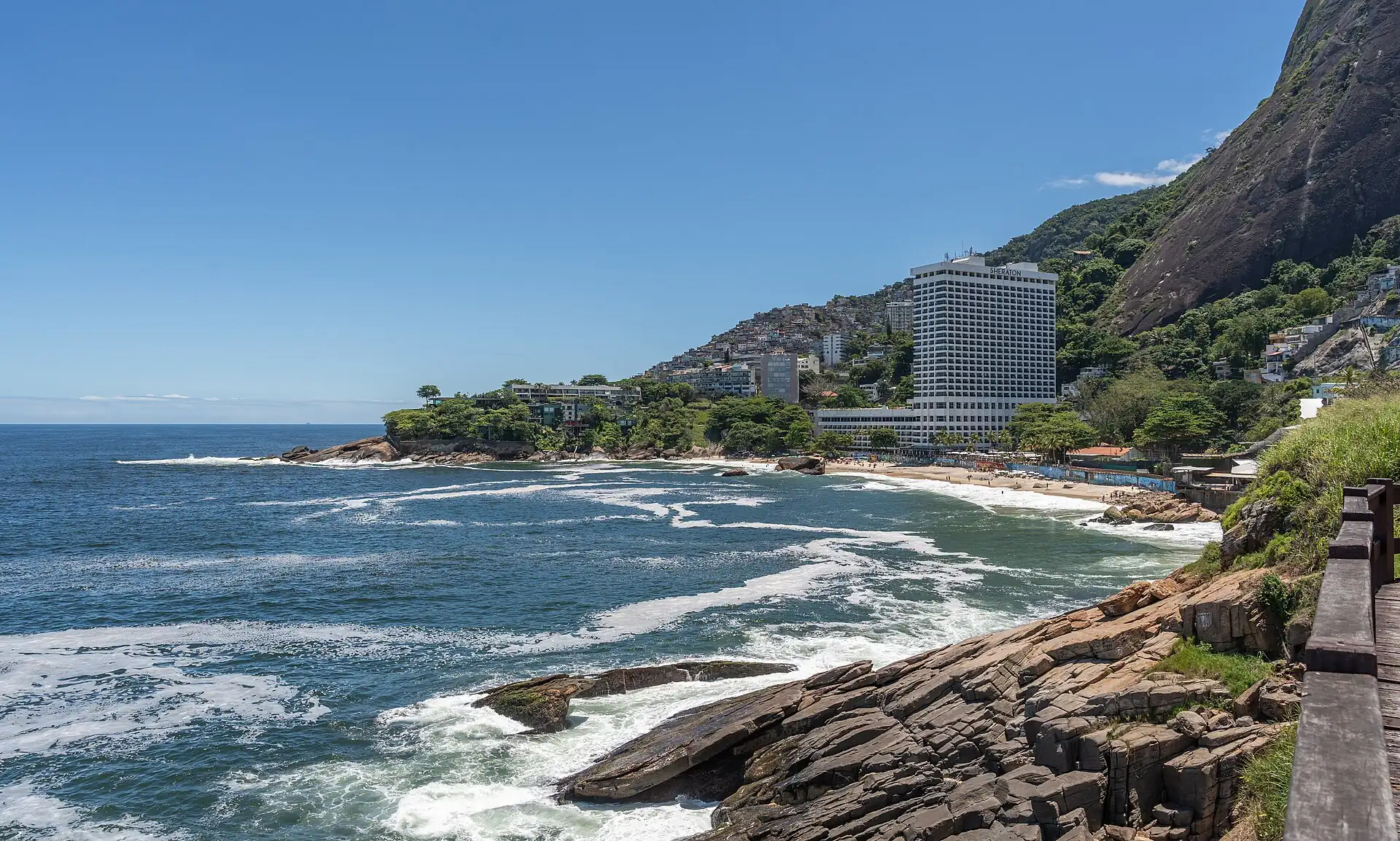
Rio sits between the Atlantic and steep granite hills, on the western shore of Guanabara Bay. The mountains squeeze the city into strips along the water, which is why the beach neighbourhoods are separated by tunnels and headlands, and why the views from the peaks are the main event.
Portuguese sailors reached the bay in January 1502 and took it for a river mouth, hence 'January River'. The French settled briefly, the Portuguese founded the city in 1565, and Rio became the capital of the colony, then of the whole Portuguese empire when the royal court fled Napoleon and landed here in 1808. It stayed the national capital until Brasília took over in 1960.
Good to know
- Rio de Janeiro is both the city and the state: Paraty, Búzios and Petrópolis are state trips, not city clusters.
- There are tourist information kiosks on Copacabana's Avenida Atlântica and at the airport (check hours); hotel desks are the most useful source.
- Buy Christ the Redeemer and Sugarloaf tickets on the official sites or at the official counters, not from people on the pavement.
Go deeper 10 min read · 6 chapters
Rio de Janeiro is a big city squeezed between granite peaks and the Atlantic, and almost everything visitors do here is shaped by that squeeze. This deep dive covers how the city grew, how its neighbourhoods line up along the shore, what to eat and drink, how Carnival and samba work, and how to plan a short visit around weather, cloud on the peaks and the practical risks of a large city.
1History2 min
Portuguese sailors entered Guanabara Bay in January 1502 and, taking it for the mouth of a river, named it the January River, Rio de Janeiro. The bay was already home to Tupi-speaking peoples, and for the first decades it was contested between the Portuguese and a French colony that had settled on an island in the bay. In 1565 the Portuguese founded the city of São Sebastião do Rio de Janeiro at the foot of the Sugarloaf, on the site now called Urca, and within a few years moved it to the hill of Castelo in what is now the city centre.
For two centuries Rio was a colonial port. It shipped sugar, later gold from Minas Gerais and then coffee, and it was also one of the largest ports of arrival for enslaved Africans in the Americas. The Valongo Wharf, in the old port area, is where hundreds of thousands were landed in the early 19th century, and it was listed as a UNESCO World Heritage site in 2017 for that reason. That history is also visible in the city's music, religion and food.
In 1763 Rio became the capital of the Portuguese colony of Brazil. In 1808, when Napoleon's army approached Lisbon, the royal court sailed to Rio, and the city suddenly became the capital of an empire. Brazil declared independence in 1822 under Pedro I, and Rio remained the national capital through the empire, the republic declared in 1889 and the first decades of the 20th century.
The Zona Sul beach neighbourhoods are a late development. Tunnels through the hills, first to Botafogo and then to Copacabana in 1892, opened the coast to building. The Copacabana Palace hotel opened in 1923, the Christ statue on Corcovado was inaugurated in 1931, and by mid-century Ipanema and Leblon were fashionable. In 1960 the federal capital moved to Brasília, and Rio became a state capital with an economy built on oil, tourism, television and services.
In 2012 UNESCO inscribed the Carioca landscapes between the mountain and the sea as a World Heritage site, recognising the way the city fits into its setting. Rio hosted the Summer Olympics in 2016. Today it is a city of about six million, with a large metropolitan area, deep inequality and a strong local identity: people from Rio call themselves cariocas.
- Founded
- 1565, at the foot of the Sugarloaf
- Capital of Brazil
- 1763–1960
- UNESCO
- Carioca Landscapes listed 2012; Valongo Wharf 2017
2Mountain, sea and the neighbourhoods between2 min
The best way to understand Rio's layout is to look at it as a shoreline. Guanabara Bay opens to the Atlantic between two granite peaks, the Sugarloaf on the Urca side and a smaller headland across the water. From there the coast runs south and then west: Botafogo and Flamengo face the bay, then Copacabana, Ipanema and Leblon face the open ocean, then São Conrado and Barra da Tijuca continue west. Behind them the hills of the Tijuca massif rise to Corcovado, the peak with the Christ statue, which is 710 metres high.
Copacabana is the long curve of beach that most visitors picture. It has the widest range of hotels, a metro line, a flat promenade with a black-and-white wave pattern in the paving, and a mixed crowd: tourists, retirees, families and workers. Ipanema is next door, separated by the little rock of Arpoador. It is calmer, wealthier and better for restaurants, and its evening ritual is to gather on Arpoador for the sunset.
Urca, tucked under the Sugarloaf, feels like a village. It has low houses, a small waterfront and Bar Urca, where people sit on the sea wall with a beer. Cosme Velho is a leafy station street at the foot of Corcovado, where the cog train departs. Inland of the bay, the centre (Centro) holds the historic buildings, museums and the cathedral, empty on Sundays and busy on weekdays.
Lapa and Santa Teresa are inland and uphill. Lapa is the old nightlife district, known for its white aqueduct, the Arcos da Lapa, and its live-music halls. Santa Teresa climbs the hill behind it, with narrow streets, old villas and the little tram. The Selarón steps, a staircase covered in tiles by the artist Jorge Selarón, connect the two.
Barra da Tijuca is a different Rio: wide roads, malls, gated apartments and the Olympic park, twenty or more kilometres from Copacabana. Most short visits never need it. The important point for a visitor is that distances are less about kilometres than about tunnels, one-way avenues and traffic: a five-kilometre ride can take 15 minutes at 10:00 and 45 minutes at 18:00.
- Corcovado
- 710 m high, the Christ statue on top
- Copacabana beach
- about 4 km (2.5 mi) longabout 2.5 mi (4 km) long
3Beaches, peaks and how to time them2 min
Two things define a Rio day: the views from the top and the beach in the middle. The two big viewpoints are Christ the Redeemer on Corcovado and the Sugarloaf. Both are at their best in the morning, before clouds gather around the peaks, and both have queues by mid-morning. A sensible plan is to go up at opening, spend an hour or two on top, come back down for lunch, and give the middle of the day to the beach or a shaded café.
Clouds are the main gamble. Rio's peaks can be clear at 07:30 and covered by 10:00, and a bright day on the beach can mean a white-out at the top. Both operators publish live cameras on their websites, and the simplest habit is to look at them before you leave your hotel. If the peak is covered, swap the day: do the beach, the fort or Lapa, and go up the next morning.
Beaches in Rio are public and free, and they are organised by lifeguard posts (postos). Copacabana runs from Posto 1 at the Leme end to Posto 6 at the Fort; Ipanema has posts 7 to 9. Locals use the posts as meeting points. Chairs and umbrellas are rented from kiosks by the day; vendors walk the sand selling coconut water, grilled cheese, snacks and sunglasses. The sea can be rough and cool, with strong currents: swim near the lifeguards and obey the flags.
Sunset at Arpoador is a Rio ritual. People climb the rock an hour before the sun goes down, grab a spot and, on a clear evening, some applaud as it drops behind the hills. Go early for a place, keep valuables to a minimum, and take a ride home afterwards rather than walking the dark beach.
For something greener, the Tijuca Forest, a large secondary rainforest inside the city, has walking trails, lookouts and waterfalls. It is best with a guide or a clear route, in the morning, and outside the wettest months. The Botanical Garden and Parque Lage, at the foot of Corcovado, are easier options for a half-day with a café.
4Food and drink1 min
Rio's food is Brazilian food shaped by the beach and the bar. The national dish is feijoada, a stew of black beans with pork cuts, served with rice, sautéed greens, farofa (toasted manioc flour) and orange slices. It is a long, heavy lunch, traditionally on Wednesdays and Saturdays, and restaurants that specialise in it usually offer half portions. Casa da Feijoada in Ipanema is a straightforward place to try it.
The everyday meal is the prato feito, or PF: a plate of rice, beans, a piece of meat or fish and a side, at a fixed price. It is what workers eat, it is cheap, and it is the safest bet for a good lunch. Por-quilo restaurants, where you fill a plate and pay by weight, are another good-value option.
Snacks are a big part of the culture. Pão de queijo, warm cheese bread made with tapioca flour, is served everywhere. Bolinho de bacalhau, fried salt-cod fritters, is the classic bar snack. Pastel, a thin fried pastry, is sold at street markets with cane juice. On the beach, vendors sell grilled cheese on a stick, and kiosks on the promenade sell coconut water in the shell.
Fruit juice bars are a Rio institution. A counter will offer dozens of fruits, some you may not know: cupuaçu, caju, graviola, maracujá. Açaí, blended into a thick frozen bowl with banana and granola, is a popular breakfast or snack, and it is sweeter than the version many visitors know.
For drinks, the caipirinha is a mix of cachaça (sugarcane spirit), lime and sugar, and it is strong. The everyday beer is a very cold draft lager called chope, poured at a botequim, the corner bar that is the centre of local social life. A 10% service charge is usually added to restaurant bills, and it is normal to pay it. Ask prices at beach kiosks first; a bill can grow quickly.
5Carnival, samba and football2 min
Carnival is the year's biggest event, held in the four days before Ash Wednesday, in February or early March. There are two versions. The official parades take place in the Sambadrome, a concrete avenue built in 1984, where the top samba schools each march for about an hour with floats, drums and thousands of dancers. The street version, the blocos, are neighbourhood parades that take over roads all over the city for weeks before and after.
Samba as a music comes from the Afro-Brazilian communities of Rio, with roots in the early 20th century and in the neighbourhoods near the port. It is played in schools, in rodas (informal circles around a table) and in clubs. Lapa is the best-known venue area, with live bands most evenings, and a few halls have been running for decades. A samba night is a good Rio experience, but go in a group, book ahead if you can, and take a car door to door.
Other music is part of the mix: bossa nova, born in the 1950s in the apartments of Ipanema and Copacabana; funk carioca from the favelas; forró from the northeast, played at fairs such as the São Cristóvão one. Football is the other public religion. The Maracanã stadium, rebuilt for the 2014 World Cup, hosts matches of the big Rio clubs, Flamengo, Fluminense, Vasco and Botafogo. Attending a match is a strong local experience, but do it with a guide or a group and follow security advice.
New Year's Eve, Réveillon, is the other great gathering. Millions of people, dressed in white, go to Copacabana beach for a concert and fireworks, and it is also the night people leave offerings to Iemanjá, the sea goddess, in the Afro-Brazilian tradition. Hotels sell out and prices rise steeply. Book the bed early and plan how you will get home.
Both Carnival and Réveillon mean crowded streets, closed roads and higher prices. If your dates fall in these weeks, book flights and beds months ahead, and keep your plan simple: fewer sights, more waiting around, a car ordered ahead.
6Getting around and staying safe2 min
Most first-time visits split into a beach half and a viewpoint half, and the moves between them are short. The metro is fast and clean between Copacabana, Ipanema, Botafogo and the centre, and closes overnight. Ride-hailing apps, chiefly Uber and 99, are the default for everything else: the fare is shown up front, the car and plate are in the app, and it works well at night. Buses go everywhere but are hard for a newcomer to read and are a phone-snatching risk.
Rio has real crime, and most of it aimed at visitors is opportunistic theft. Phone snatching, often from someone on a bicycle or moped, or grab-and-run at a bus stop or on the beach, is the main problem. The simple habits work: carry only the cash and card you need, keep the phone in a front pocket or a zipped bag, leave the passport and any second phone at the hotel, and do not hold your phone out at the kerb.
After dark, use a ride-hailing car door to door, especially in Lapa, Santa Teresa, Cosme Velho and along the beach. Avoid empty streets, empty beaches and hill paths at night. If you are robbed, do not resist: hand over the phone and walk away. Report it at the tourist police station in Leblon or a local station for an insurance copy.
Favelas, the hillside communities, are home to roughly a fifth of the city's people. They are not tourist attractions in themselves, and some are controlled by armed groups. Visit only with a reputable, ideally resident-led operator, and follow their rules about where to go and what to photograph.
Health is mostly about sun, water and mosquitoes. UV is strong all year, the sea has rip currents, and dengue circulates in the wet season, so use repellent at dawn and dusk. Ask a travel clinic whether you should be vaccinated against yellow fever for the state of Rio before you fly. Carry travel insurance, and check that it covers a private hospital.
- Emergency numbers
- 190 police, 192 ambulance, 193 fire
- Rush hours
- About 07:00–09:30 and 17:00–19:30About 7:00 AM–9:30 AM and 5:00 PM–7:30 PM
Read, watch, wordsSources
Read for this deep dive
- Wikivoyage — Rio de Janeiro ↗
- UNESCO — Rio de Janeiro, Carioca Landscapes between the Mountain and the Sea ↗
- UK FCDO travel advice — Brazil ↗
Background reading only: the text above is written by Voykit, not copied from these pages.
Photos
Capybara Hydrochoeris hydrochaeris in Petrópolis, Rio de Janeiro, Brazil Photo: Wilfredor, CC0
Centro Financeiro do Rio de Janeiro Photo: Marinelson Almeida - Traveling through Brazil from Niteroi, Brasil, CC BY 2.0
Rio de Janeiro Copacabana- -RM Photo: Ermell, CC BY-SA 4.0
Rules in force · 8Above 2,500 m (Bogotá, Quito, Cusco, La Paz) keep the fir…
- South America ↗Above 2,500 m (Bogotá, Quito, Cusco, La Paz) keep the first day light; sleep lower where you can (Sacred Valley before Cusco) and descend if headache comes with vomiting or confusion.
- South America ↗A yellow fever certificate is required on arrival in French Guiana, and asked for on some routes into Bolivia, Paraguay, Suriname and Guyana, or when arriving from Amazon areas — vaccinate at least 10 days before travel and carry the card.
- South America ↗Overnight buses are the norm in Argentina, Chile and Peru, but pick top-tier companies and keep valuables on your body; on-board thefts from overhead racks are the common loss.
- Brazil ↗US, Canadian and Australian citizens need an e-visa (about US$81 — check) applied for online at the official VFS portal before travel; EU and UK citizens do not. Check your passport with Brazil's Ministry of Foreign Affairs before booking.
- Brazil ↗Yellow fever vaccination is recommended for many areas, including the Amazon and Pantanal; check with a travel clinic at least 10 days before travel.
- Brazil ↗Keep your phone out of sight in the street and on beaches; phone theft is the most common crime against visitors in big cities.
- Brazil ↗Carnival 2027 runs about 5–10 February (Tuesday 9 February; Salvador from 4 February): book Rio, Salvador and Recife/Olinda months ahead or avoid those dates.
- Rio de Janeiro area ↗Cloud hides the mountain views on many mornings: keep the Christ the Redeemer and Sugarloaf days flexible.
Entry rules depend on your passport. Full visa guide
Emergency numbers for Rio de Janeiro190 ▾
Tap a number to call from your phone. These are the numbers listed in this guide; a row marked check has not been verified.
Planning is the full guide. I'm here keeps what is open and the cheat card.
Right now
Checking the weather…
Working out what is open near you…
What is open nowclock, closures, places open
Now in Rio de Janeiro
Local time in Rio de Janeiro
--:--
Loads in your browser · America/Sao_Paulo
This month
Month verdict appears here.
Closed today
See the weekly grid below.
If today is a closure day: Go up Christ the Redeemer and Sugarloaf before 10:00 on a clear morning, keep the beach for mid-day, and use a car after dark — see the rio_night_walk policy above.
Weekly closures come from our place pages; public holidays and Carnival can add closures not shown here.
Cheat cardthe pocket version
Cheat card
The essentials on one card: save it as an image for your phone, share it, or print it.
Rio de Janeiro
- Money
- Cards and tap-to-pay work almost everywhere; keep R$100 in small notes for kiosks…
- SIM
- Buy a local SIM at the airport or a phone shop with your passport, or use an eSIM…
- Ride app
- Uber · 99
- Emergency
- 190 police · 192 ambulance (samu) · 193 fire (not 911, 999 or 000)
- Plugs
- Sockets C. US/Canada (A/B): adapter · UK/Ireland (G): adapter · Australia/NZ (I): adapter. 127 V: UK and AU 230 V-only devices need a converter; most chargers are dual-voltage.
Top 5
- Christ the Redeemer
- Sugarloaf Mountain
- Sunset at Arpoador
- Copacabana promenade
- Selarón steps
EssentialsQuick answers, what things cost and how to get around
Essentials
Quick answers, what things cost and how to get around
Quick answers
The questions people ask first about Rio de Janeiro, one line each. Tap a card for the full answer.
- Cash or card?Cards and tap-to-pay work almost everywhere, including kiosks and taxis.
- SIM or eSIMBuy a local SIM at the airport or a phone shop with your passport, or use an eSIM; ask your hotel which operator covers your area best.
- Ride-hailing appUber · 99.
- Tap waterTap water is treated, but many visitors and locals drink bottled or filtered water.
- TippingA 10% service charge is usually added to restaurant bills; it is optional but normal to pay it.
- Plugs & powerSockets C. US/Canada (A/B): adapter · UK/Ireland (G): adapter · Australia/NZ (I): adapter. 127 V: UK and AU 230 V-only devices need a converter; most chargers are dual-voltage.
Show all 14 answers
- Safe at night?Take more care after dark in Copacabana, Ipanema and Arpoador, Cosme Velho and more.
- What to wearSwimwear stays on the beach and the promenade; cover up in shops, restaurants and museums.
- RestroomsCafés, beachfront kiosks, malls and metro stations; buy a coffee or a water to use a café toilet.
- Emergency numbers190 police · 192 ambulance (samu) · 193 fire (not 911, 999 or 000)
- Your embassycheckUS, UK embassies listed with addresses (check before you go).
- Sundays & holidaysWeekly closures come from our place pages; public holidays and Carnival can add closures not shown here.
- Rainy-day planSummer storms are short but heavy: plan the outdoor stop before noon, and keep an indoor fallback for the afternoon.
- Landing lateGIG: ride-hailing car or official taxi to the door runs all night.
Cost cheat-sheetwhat everyday things cost
Cost cheat-sheet
Typical prices for the everyday things, as ranges. Change the currency right here; the local price stays first.
2026 desk estimate · check
- CoffeeCoffee (café)R$8–15 (≈ US$2–3)
- Sit-down mealFeijoada for one at a sit-down restaurantR$70–130 (≈ US$13–25)
- BeerDraft beer (chope)R$10–18 (≈ US$2–4)
- Taxi, about 5 km (3 mi)Taxi, about 3 mi (5 km)Ride-hailing car between clustersSurge pricing at rush hour and on rainy evenings.R$15–35 (≈ US$3–7)
- Metro or bus rideMetro single rideCheck the current fare.R$7–9 (≈ US$2)
- SIM or eSIM, a weekTourist SIM or eSIM, about a weekR$50–120 (≈ US$10–25)
- Budget bedHostel dorm bed, a night, per personR$90 (≈ US$17)
- Mid-range bedHotel double room, a night, per roomR$750 (≈ US$140)
- High-end bedHotel double room, a night, per roomR$2,000 (≈ US$400)
A day, not counting the bed: Budget R$300 (≈ US$60) · Mid R$650 (≈ US$130) · High R$1,300 (≈ US$250)
Local prices, with USD next to them (rates 2026-09 (approximate); change it in the header). Ranges are desk estimates: check locally. Every price and the budget calculator →
Source: Prices in Rio de Janeiro
Draft
Written from desk research. Not yet compared with the official source.
No official source is recorded for this figure.
Prices are 2026 desk estimates, not yet compared with an official source. Check on the day.
Not checked in the last 12 months (no check date on file).
DecideWho it suits, the trade-offs and when to go
Decide
Who it suits, the trade-offs and when to go
Best months at a glance
The guide's verdict for each month
Jan
Care
30°C (86°F)86°F (30°C)
Feb
Care
31°C (88°F)88°F (31°C)
Mar
Care
30°C (86°F)86°F (30°C)
Apr
Best
28°C (82°F)82°F (28°C)
May
Best
26°C (79°F)79°F (26°C)
Jun
Best
25°C (77°F)77°F (25°C)
Jul
Best
25°C (77°F)77°F (25°C)
Aug
Best
25°C (77°F)77°F (25°C)
Sep
Best
25°C (77°F)77°F (25°C)
Oct
Best
26°C (79°F)79°F (26°C)
Nov
Care
27°C (81°F)81°F (27°C)
Dec
Care
29°C (84°F)84°F (29°C)
Best: Apr–Oct. Mixed: Nov–Mar. Month by month →
Warmest Feb (31°C (88°F)88°F (31°C)), coolest Jul (18°C (64°F)64°F (18°C) low), wettest Jan (13 rain days), driest Jun (6). Averages, not a forecast.
Rio de Janeiro across the year
Best-looking months for Rio de Janeiro: Apr, May, Jun.
| Measure | Jan | Feb | Mar | Apr | May | Jun | Jul | Aug | Sep | Oct | Nov | Dec |
|---|---|---|---|---|---|---|---|---|---|---|---|---|
| Weather | Mixed (care) | Mixed (care) | Mixed (care) | Great (good) | Great (good) | Great (good) | Great (good) | Great (good) | Great (good) | Good (good) | Mixed (care) | Mixed (care) |
| Crowds | High (care) | High (care) | Medium (ok) | Medium (ok) | Low (good) | Medium (ok) | High (care) | Medium (ok) | Medium (ok) | Medium (ok) | Medium (ok) | High (care) |
| Prices | High (care) | High (care) | Medium (ok) | Medium (ok) | Low (good) | Medium (ok) | Medium (ok) | Medium (ok) | Medium (ok) | Medium (ok) | Medium (ok) | High (care) |
| Events | 1 event (care) | 2 events (ok) | 1 event (ok) | 2 events (ok) | 1 event (ok) | 1 event (care) | None listed (ok) | None listed (ok) | 1 event (ok) | None listed (ok) | 1 event (ok) | 3 events (care) |
Green is good news, amber needs planning, red is a month to avoid; dashed grey with a question mark means our data does not say. Open the year heatmap →
Not checked in the last 12 months (no check date on file).
Source: Months, temperatures and crowds
Draft
Written from desk research. Not yet compared with the official source.
Monthly highs, rain and crowd levels are climate averages and desk estimates for the city, not a forecast.
Understand the cityUnderstand · Districts
Orientation & districts
A first visit covers five clusters: Copacabana and Ipanema on the beachfront, Urca and Sugarloaf on the bay, Cosme Velho and Corcovado in the hills, and Lapa with Santa Teresa inland. Everything else (Centro, Botafogo, Leblon, Barra) is a ride away.
Give the driver the street name and number, or a landmark such as a beach lifeguard post (posto); Ipanema and Copacabana use posto numbers as meeting points.
Shaded shapes: walking areas (click one). Black pins: sleep areas. Grey dots: places. Round badges: arrivals. Click the map to turn on scroll-wheel zoom.
Hover, tap or tab to an area to see what it is like. Pins are sleep areas; arrows at the edge point to the airport.
Off the map: Rio de Janeiro–Galeão International Airport (GIG) (55–95 min by the usual route).
Not drawn yet (no coordinates in this guide): Centro, Barra da Tijuca. They are in the neighbourhood cards below.
Where’s what, as a list:
- Copacabana: The long curve of beach with the promenade and the widest choice of hotels. Busy and mixed; keep the phone out of sight and use a car at night. Suits: First visit, budget and mid-range beds, the metro, big-city beach life. Price band $$.
- Ipanema and Leblon: Flatter, calmer and more expensive; the safest-feeling streets after dark. Suits: Quieter evenings, restaurants, sunset at Arpoador. Price band $$$.
- Urca: A small, quiet residential neighbourhood under the Sugarloaf; go by car and stay for Bar Urca. Suits: A morning at Sugarloaf and a beer on the sea wall.
- Cosme Velho: The station at the foot of the mountain; not a place to stay. Suits: Christ the Redeemer via the Corcovado train.
- Lapa and Santa Teresa: Inland and hilly; good by day, and a car door to door after dark. Suits: The Selarón steps, samba nights with a car, art and old houses.
- Centro: Busy on weekdays and empty on Sundays and evenings; go by day. Suits: Museums and historic buildings on a weekday.
- Barra da Tijuca: Newer, car-based and far from the sights; a long ride to Zona Sul. Suits: Long stays, families, events at the Olympic park.
- Sleep area Copacabana: suits First visit, budget and mid-range beds, the metro, big-city beach life, price band $$.
- Sleep area Ipanema: suits Quieter evenings, restaurants, sunset at Arpoador, price band $$$.
- Rio de Janeiro–Galeão International Airport (GIG), 55–95 min by the usual route.
Neighbourhoods at a glance
One tab per area, pulled together from this guide’s districts table, area notes, sleep-area scores and place pages. Scores are desk judgements (1–5); prices are estimates, check before you book.
Copacabana
$$The long curve of beach with the promenade and the widest choice of hotels. Busy and mixed; keep the phone out of sight and use a car at night.
- Suits:
- First visit, budget and mid-range beds, the metro, big-city beach life
- Best time:
- Morning and early evening
- Rooms:
- R$150–350 (from the sleep guide)
Pick this if: First visit, the metro, a beach morning
Watch out for: Leaving valuables on the sand.
- Quiet nights2/5 Low
- Nightlife3/5 Medium
- Families4/5 High
- Late arrival4/5 High
Why these scores
- Quiet nights: Busy avenue and beach noise; ask for a higher floor or a side street.
- Nightlife: Bars and restaurants close by; use a car to go to Lapa.
- Families: Flat beachfront and pharmacies nearby.
- Late arrival: Many hotels have 24-hour desks.
Getting around from here
- 30–40 min walk to Ipanema and Arpoador
- Car east: about 18 min to Urca and Sugarloaf
Ipanema and Leblon
$$$Flatter, calmer and more expensive; the safest-feeling streets after dark.
- Suits:
- Quieter evenings, restaurants, sunset at Arpoador
- Best time:
- Late afternoon
- Rooms:
- R$500–1,000 (from the sleep guide)
Pick this if: Restaurants, sunset
Watch out for: Walking the dark beach home.
- Quiet nights4/5 High
- Nightlife3/5 Medium
- Families4/5 High
- Late arrival4/5 High
Why these scores
- Quiet nights: Calmer side streets and quieter nights.
- Nightlife: Good restaurants and bars; fewer late-night crowds.
- Families: Safe-feeling streets and a good beach.
- Late arrival: 24-hour desks in the bigger hotels; confirm for small guesthouses.
Getting around from here
- 30–40 min walk to Copacabana beachfront
- Car north: about 20 min to Cosme Velho and Corcovado
Urca
A small, quiet residential neighbourhood under the Sugarloaf; go by car and stay for Bar Urca.
- Suits:
- A morning at Sugarloaf and a beer on the sea wall
- Best time:
- Morning or sunset
Pick this if: Sugarloaf and Bar Urca
Watch out for: Turning up after the last cable car.
Getting around from here
- Car west: about 18 min to Copacabana beachfront
Cosme Velho
The station at the foot of the mountain; not a place to stay.
Feels: A leafy station at the foot of Corcovado
- Suits:
- Christ the Redeemer via the Corcovado train
- Best time:
- Early morning
Pick this if: Christ the Redeemer
Watch out for: Walking around after dark.
Getting around from here
- Car north-east: about 18 min to Lapa and Escadaria Selarón
- Car south: about 20 min to Ipanema and Arpoador
Lapa and Santa Teresa
Inland and hilly; good by day, and a car door to door after dark.
- Suits:
- The Selarón steps, samba nights with a car, art and old houses
- Best time:
- Morning
Pick this if: The Selarón steps by day, samba with a car
Watch out for: Walking between venues at night.
Getting around from here
- Car south: about 18 min to Cosme Velho and Corcovado
- Car south-east: about 25 min to Copacabana beachfront
Centro
Busy on weekdays and empty on Sundays and evenings; go by day.
- Suits:
- Museums and historic buildings on a weekday
Barra da Tijuca
Newer, car-based and far from the sights; a long ride to Zona Sul.
- Suits:
- Long stays, families, events at the Olympic park
Ward by ward
4 area guides. Open one for the short answer, the key facts and what the area is like; the full guide is linked inside. Prices marked (check) are estimates.
CentroBest for: Museums, colonial churches, Lapa samba bars, weekday business
Stay in Centro only if you want museums, Lapa nightlife and metro access on a weekday trip; the streets empty and feel unsafe after dark, so most visitors sleep in Zona Sul and come here by metro. Choose Centro for 1–2 nights near Cinelândia or Lapa, or skip it as a base and visit by day.
- Best for:
- Museums, colonial churches, Lapa samba bars, weekday business
- Worst for:
- Beach time, families, anyone uneasy walking at night
- Metro:
- Line 1 stops at Cinelândia, Carioca, Uruguaiana, Central; Line 2 transfers at Central
- Airport:
- Santos Dumont (SDU) is inside Centro; VLT light rail links it to Praça XV
- Night safety:
- Quiet and poorly lit away from Lapa; take taxis or the metro, not side streets (check)
- Typical stay:
- 1–2 nights, or day trips from Zona Sul (check)
What Centro is like
Centro is Rio's downtown: the business, banking and government district, sitting between the port zone to the north and the Santa Teresa hill to the southwest. It holds most of the city's notable churches and museums, including the Museum of Modern Art, the National Library and the Municipal Theatre, plus the colonial Carioca Aqueduct (the Arcos da Lapa) and the first public park in the Americas, Passeio Público.
On weekdays it is loud, crowded and full of office workers; by early evening the commercial streets empty fast. The exception is Lapa, where 19th-century buildings fill with bars and live samba, forró and choro, and the nearby hill district of Santa Teresa draws artists and visitors. That contrast — dead-quiet blocks a few minutes from a packed music street — is the thing to understand before booking.
Full Centro guideShould you stay here
Centro works as a base if your trip is about culture and nightlife rather than the beach, and if you are comfortable using the metro and taxis after dark. Staying near Cinelândia puts the Municipal Theatre, National Library and Museum of Modern Art within a short walk, and Line 1 connects you to Zona Sul beaches in roughly 15–25 minutes. Staying in Lapa puts the bars outside your door.
It does not work for a beach holiday, for families with young children, or for anyone who wants to walk home late at night without thinking about it. The usual pattern is to sleep in Zona Sul (Copacabana, Ipanema, Botafogo) and visit Centro by metro during the day, then take a taxi back after a Lapa night out. If you do stay, keep to the Cinelândia–Lapa–Santa Teresa edge rather than the office blocks around Avenida Presidente Vargas.
Zona Norte
Stay in Zona Norte only if your trip is built around Maracanã, the airport or a samba night at Mangueira; for a first visit, sleep in Zona Sul and come north for one or two trips. Base in Tijuca if you want metro access and lower hotel prices, and use taxis or the metro after dark rather than walking.
- Best reason to go:
- Maracanã stadium, Feira de São Cristóvão, Mangueira samba school, Rio Zoo
- Best base if you stay:
- Tijuca, on metro Line 1 (Saens Peña, São Francisco Xavier, Afonso Pena)
- Airport:
- Galeão (GIG) sits in Zona Norte, on the BRT TransCarioca
- Interstate buses:
- Rodoviária Novo Rio, Av. Francisco Bicalho, Santo Cristo
- Getting around:
- Metro Lines 1 and 2 meet at Estácio; SuperVia suburban trains from Central do Brasil (check)
- After dark:
- Taxis or metro; avoid walking quiet streets (check)
- Typical stay:
- 1–2 nights, or day trips from Zona Sul (check)
What Zona Norte is like
Zona Norte is the working north of Rio: Tijuca's apartment blocks and shopping streets, the old imperial quarter around São Cristóvão, the stadium district at Maracanã, and the samba strongholds of Mangueira and Madureira further out. It is not a beach district and it is not laid out for visitors, which is exactly why hotel prices run below Copacabana and Ipanema.
Most travellers touch Zona Norte twice without noticing: landing at Galeão airport and leaving from the Rodoviária Novo Rio bus terminal. Between those two points sit the reasons to give it a half-day or a night — a football match, the northeastern food and forró market at São Cristóvão, and the Mangueira samba school rehearsals.
The district is large and uneven. Tijuca and the streets around Maracanã are ordinary residential Rio with metro stations and taxis. Some favela areas, including Complexo do Alemão and parts of Mangueira, are visited on guided tours or for samba, not wandered into independently.
Full Zona Norte guideShould you stay in Zona Norte?
For a first trip to Rio, no. Zona Sul puts you within walking distance of the beaches, the main sights and the restaurant strip, and the extra cost buys convenience you will use every day. Zona Norte makes sense in three cases: an early flight from Galeão, a football match at Maracanã, or a trip where you want a cheaper base with metro access and do not mind riding 20–30 minutes south for the beach.
If you do stay, Tijuca is the practical choice. Metro Line 1 runs through it at Afonso Pena, São Francisco Xavier and Saens Peña, so Centro, Lapa and the Zona Sul beaches are reachable without a car. Hotels and apart-hotels here are simple rather than resort-style. São Cristóvão is handier for the airport and the bus terminal but thinner on places to eat at night.
Treat Zona Norte as a base, not a place to stroll after dark. Take taxis or the metro in the evening, keep to lit main roads, and ask your hotel which streets to avoid. The same advice applies in much of Rio, but it matters more here because there are fewer other visitors around.
Zona OesteBest for: Barra da Tijuca beaches, shopping malls, modern condos, families
Stay in Zona Oeste only if you want Barra da Tijuca's beaches, malls and modern condos, or you are visiting friends or family in the west. It is far from the classic sights: 40–60 minutes by metro or BRT to Zona Sul. First-timers should base in Zona Sul or Centro instead.
- Best for:
- Barra da Tijuca beaches, shopping malls, modern condos, families
- Worst for:
- First-timers wanting Copacabana, Ipanema, Santa Teresa or nightlife on foot
- Distance to Zona Sul:
- About 25–35 km (16–22 mi); 40–60 minutes by metro or BRT (check)About 16–22 mi (25–35 km); 40–60 minutes by metro or BRT (check)
- Metro:
- Line 4 to Jardim Oceânico, Barra da Tijuca
- Getting around:
- Spread out; car or BRT along Avenida das Américas is easiest
- Safety:
- Varies sharply by neighborhood; check local advice for your area (check)
- Beaches:
- Barra da Tijuca, Recreio, Prainha, Grumari (check)
What Zona Oeste is like
Zona Oeste is Rio's western zone, the farthest from the centre and the most spread out. It holds both some of the richest and some of the poorest neighborhoods in the city, so 'Zona Oeste' covers very different places: high-rise Barra da Tijuca and Recreio dos Bandeirantes on the coast, and working inland districts such as Bangu, Realengo and Santa Cruz.
Barra da Tijuca is the part most visitors mean. It is Rio's fastest-growing area, built around Avenida das Américas with large shopping centres, cinemas, bowling alleys and clubs, plus a long beach. Recreio, just west, is quieter and greener, with the Atlantic Forest and Pedra Branca park behind it.
The zone is not walkable in the way Zona Sul is. Distances are long, blocks are large, and the metro only reaches the eastern edge of Barra. Plan on metro, BRT or a car rather than strolling between sights.
Full Zona Oeste guideShould you stay here?
Choose Zona Oeste if your trip is about Barra's beach and malls, if you are travelling with children and want a modern hotel with a pool, or if you have friends or family in the west. It also suits travellers who want a newer, calmer base and do not mind commuting to the classic sights.
Skip it on a first trip if you want to walk to Copacabana, Ipanema, the Sugarloaf cable car or Santa Teresa. Those are in Zona Sul and Centro, and the daily trip from Barra costs you 40–60 minutes each way. Skip it too if you want evening nightlife on foot; Barra's clubs need a taxi or app car between them.
If you stay, pick a hotel near Jardim Oceânico metro or along Avenida das Américas so you are not dependent on a car for every meal.
Zona SulBest for: First trips: beach, metro, hotels, restaurants
Yes — stay in Zona Sul if you want beaches, the metro and most of Rio's hotels within one walkable strip. Copacabana, Ipanema and Leblon suit first trips; Botafogo and Flamengo are cheaper and closer to Centro. Skip it if you want quiet nights or a car-based stay.
- Best for:
- First trips: beach, metro, hotels, restaurants
- Main neighborhoods:
- Copacabana, Ipanema, Leblon, Botafogo, Flamengo, Catete, Glória, Laranjeiras, Urca
- Metro:
- Line 1 runs from Centro and Zona Norte to Ipanema (Praça General Osório); Line 4 continues to Leblon (check)
- Airport transfer:
- Direct buses from Galeão (GIG) and Santos Dumont (SDU) to Zona Sul; taxi or app 30–60 min depending on traffic (check)
- Beach safety:
- Take only a towel and small cash; leave phone and documents at the hotel
- Typical stay:
- 4–5 nights for a first Rio trip
- Best months:
- Apr–Oct (drier, milder)
What Zona Sul is like
Zona Sul is the coastal south of Rio, a chain of neighborhoods squeezed between the Atlantic beaches and the granite peaks of Corcovado and Sugar Loaf. It holds most of the city's hotels, from five-star Copacabana addresses to hostels a block from Ipanema, and it is where most visitors spend their whole stay.
The western beach neighborhoods — Copacabana, Ipanema and Leblon — are separated by canals and headlands, each with its own beach and evening crowd. Ipanema and Leblon are divided by the canal that drains Lagoa Rodrigo de Freitas into the sea. Further east and closer to downtown, Glória, Catete, Flamengo, Laranjeiras and Botafogo are residential, cheaper and full of everyday Carioca life; Urca, under Sugar Loaf, is small and quiet.
Distances are short but traffic is heavy. The metro is the reliable way to move along the strip; buses fill the gaps to Urca, Corcovado and the Jardim Botânico.
Full Zona Sul guideShould you stay here
Stay in Zona Sul if you want to walk to a beach in the morning, eat out at night and reach Centro or the main sights without long transfers. It is the default for first trips and for anyone without a car.
Look elsewhere if you want calm nights — Copacabana's seafront road is busy around the clock — or if your trip is built around the port, the Maracanã or business in Centro, where Zona Norte or Centro itself can cut daily travel. Zona Oeste is a different trip: far beaches and long drives.
Decide
The honest trade-off: what you will enjoy, what will wear you down.
You will like
- Beaches
- Mountain viewpoints
- Live samba
- Walkable beachfront neighbourhoods
You will hate
- Cloud that hides the views
- Beach crowds and touts
- Phone theft worries
Similar citiesif this one is not quite right
Similar cities
If Rio de Janeiro does not fit your dates or budget, these match it on season, cost and feel.
- Saint-Gilles
Réunion
- Good in the same months: Apr, May, Jun, Jul and 3 more
- A mid-range day costs about the same (≈US$122 vs US$120, excl. bed)
- Works well for first-timers, families
- A similar climate through the year
- Apia
Samoa
- Good in the same months: May, Jun, Jul, Aug and 2 more
- Works well for first-timers, families
- A similar climate through the year
- Victoria Falls
Zimbabwe
- Good in the same months: Apr, May, Jun, Jul and 2 more
- A mid-range day costs about the same (≈US$120 vs US$120, excl. bed)
- Works well for first-timers
- A similar climate through the year
When
Best months: Apr, May, Jun, Jul, Aug, Sep, Oct. Month-by-month verdicts below, with the live forecast first. When to go, month by month →
Rio de Janeiro: next 7 days
Loading forecast…
Forecast: Open-Meteo (CC BY 4.0), model data for this point.
Air quality
Loading…
Model estimate (CAMS via Open-Meteo), not a street-level station; readings near busy roads run higher.
Month by month, all 12best Apr, May, Jun, Jul, Aug, Sep, Oct
Hot and humid, heavy rain showers; peak beach crowds.
Hot; Carnival some years (dates move; book months ahead).
Still hot and wet; Carnival some years.
Heat eases; fewer crowds.
Dry and mild; clearer views.
Mild, dry; sea is cool.
Dry, mild; school holidays fill hotels.
Dry, clear mornings; strong winds some days.
Warming up; spring showers begin.
Warm; good month for both mountains and beaches.
Warm with afternoon storms building.
Hot and humid; hotels and flights fill before New Year.
Climate, calendar and eventsClimate · Calendar · Events · Packing by season
Climate
| Jan | Feb | Mar | Apr | May | Jun | Jul | Aug | Sep | Oct | Nov | Dec | |
|---|---|---|---|---|---|---|---|---|---|---|---|---|
| High | 30°C (86°F)86°F (30°C) | 31°C (88°F)88°F (31°C) | 30°C (86°F)86°F (30°C) | 28°C (82°F)82°F (28°C) | 26°C (79°F)79°F (26°C) | 25°C (77°F)77°F (25°C) | 25°C (77°F)77°F (25°C) | 25°C (77°F)77°F (25°C) | 25°C (77°F)77°F (25°C) | 26°C (79°F)79°F (26°C) | 27°C (81°F)81°F (27°C) | 29°C (84°F)84°F (29°C) |
| Low | 24°C (75°F)75°F (24°C) | 24°C (75°F)75°F (24°C) | 23°C (73°F)73°F (23°C) | 22°C (72°F)72°F (22°C) | 20°C (68°F)68°F (20°C) | 19°C (66°F)66°F (19°C) | 18°C (64°F)64°F (18°C) | 19°C (66°F)66°F (19°C) | 20°C (68°F)68°F (20°C) | 21°C (70°F)70°F (21°C) | 22°C (72°F)72°F (22°C) | 23°C (73°F)73°F (23°C) |
| Rain days | 13 | 10 | 12 | 10 | 8 | 6 | 6 | 6 | 9 | 11 | 12 | 12 |
| Verdict |
- May to September is the best window: dry, mild and clearer on the peaks. Water is cool for swimming.
- December to March is hot and humid with heavy afternoon showers; start early and keep the middle of the day for shade.
- Cloud can sit on Corcovado and Sugarloaf on any day: check the live cameras at the operators' sites before you go up.
Events by month
Carnival
festivalMoves yearly; the four days before Ash Wednesday · Sambadrome, street blocos citywide(check dates)
Hotels triple in price; transport and streets close for parades.
Tiradentes Day
holiday21 April · Nationwide
Public holiday; museums and some shops closed.
São Jorge Day
holiday23 April · Rio state
State holiday; processions and parties.
Labour Day
holiday1 May · Nationwide
Public holiday; banks and offices closed.
Independence Day
holiday7 September · Nationwide
Public holiday; parades and full beaches.
Black Consciousness Day
holiday20 November · Nationwide
Public holiday; some shops and museums closed.
New Year's Eve (Réveillon)
festival31 December · Copacabana beachfront
Huge beach party; hotels sell out and streets close.
Festivals and events that change the plan
| When | What | Effect on your plan |
|---|---|---|
| Feb or Mar (dates move) | Carnival | Street blocos and the Sambadrome parades; hotels triple in price and book out months ahead. Check the year's dates. |
| 31 Dec | Réveillon on Copacabana | Very large beach party; the beachfront closes to cars and the metro runs late. Book the bed by summer. |
| 2 Feb | Festa de Iemanjá | Offerings to the sea goddess on the beaches; a local rather than tourist event, best watched from the edge. |
| 21 Apr | Tiradentes Day | National holiday; museums and some shops closed, beaches full on a long weekend. |
| 7 Sep | Independence Day | National holiday; parades in the centre and busy beaches. |
| Every two years (check) | Rock in Rio | A large music festival in the west of the city; hotels and cars book up around the dates. |
What to pack, by season
From Rio de Janeiro’s own climate table: the coldest, warmest and wettest three months, and what to bring for each.
Coldest months
Jun–Aug
19° to 25°
Light layers; evenings can still feel cool.
Warmest months
Jan–Mar
24° to 30°
Light, breathable clothes, a sun hat and sunscreen; plan midday indoors and carry water.
Wettest months
Nov–Jan
12 rain days a month
A compact umbrella or rain jacket and shoes that can get wet.
Arrive & moveGetting in, getting around, and your bags
Arrive & move
Getting in, getting around, and your bags
I land at…
Enter your landing time: what still runs from the airport, where you can eat when you get in, and which areas let you check in that late.
Rio de Janeiro–Galeão International Airport (GIG)
Out of the airport about 23:5011:50 PM (01:02 (next day)1:02 AM (next day) if immigration and bags are slow); in town about 00:45 (next day)12:45 AM (next day).
Transport from the airport
- Any hourRide-hailing car or official taxi to the door. Runs all night.
- Any hourAirport bus to the Zona Sul beachfront hotels. Any hour.
- Last resortOvernight near the airport. If nothing else works.
Places to eat open when you get in
We have no confirmed hours for the places to eat here yet. Plan on a convenience store or your hotel. What is open late →
Where to sleep with a late arrival
- Lets you inCopacabana 24-hour desk. Many hotels have 24-hour desks.
- Lets you inIpanema 24-hour desk. 24-hour desks in the bigger hotels; confirm for small guesthouses.
Typical times from our airport data, not a timetable: check the last departure on the day. Full airport-to-bed plan for Rio de Janeiro–Galeão International Airport (GIG) →
Arrive
Each gateway has its own airport-to-bed page with timings and the last safe connection.
Getting in, in detailGet in
Get in by rail and road
| Station | Mode | Serves | Where | To the centre |
|---|---|---|---|---|
| Rodoviária Novo Rio (bus station)Rodoviária Novo Riouse | Bus | São Paulo, Paraty, Petrópolis, Búzios and beyond | Near the port, north of the centre | Car 20–40 min to Zona SulBuy tickets on the operator's site or at the counter; take an app car from the official pickup. |
| Santos Dumont airport (SDU)use | Air | Domestic shuttle flights, including São Paulo | Centro, by the bay | Car 20–30 min to CopacabanaThe closest airport for domestic flights; separate from international Galeão. |
| Metro and VLT interchange stationsuse | metro | Zona Sul, the centre and Barra | Across the city | On the lineMetro runs on lines through Copacabana and Ipanema; check line status and hours. |
- Take the bus to Paraty or Petrópolis from Novo Rio and buy the seat ahead in holiday weeks.
- Use ride-hailing or the official taxi counter at the bus station rather than people who approach you.
Move
The default way around, when a pass pays off, and when the last trains go.
- Default
- Walk inside a cluster; ride-hailing car (Uber, 99) between clusters, especially after dark.
- Passes
- No pass. The metro is fast between Zona Sul and the centre in daytime; a car ride between clusters is usually a few minutes and cheap.
- Last trains
- The metro closes overnight (check the operator's hours); ride-hailing runs all night.desk estimate
- Other modes
- Other modes (Rome2Rio) ↗
Getting around, in detailGet around · Connect
Get around
Walk along the beachfront by day, use the metro for Zona Sul to the centre, and use ride-hailing between clusters and always after dark.
| Mode | Verdict | Fare | Use it for | What breaks |
|---|---|---|---|---|
| Walking | use | Free | Copacabana, Ipanema and Arpoador by day | Flat on the beachfront; hills elsewhere. |
| Ride-hailing (Uber, 99) | use | R$15–35 (≈ US$3–7) between clusters | Between clusters, at night, with bags | Match the plate to the app and sit in the back. |
| Metro | use | R$7–9 (≈ US$2) (check) | Copacabana, Ipanema, Botafogo and the centre | Clean and fast in daytime; closes overnight (check). |
| Street taxi | ok | Metered; agree a fare if they refuse | Short daytime hops | Use a radio taxi or an app for safety at night. |
| Bus | caution | R$5–7 (≈ US$1–2) (check) | Not for a first visit | Hard to read and a theft risk with a phone in your hand. |
| Cable car and tram | use | Sold by the operator | Sugarloaf, and the Santa Teresa tram (check its current operation) | Check operating hours and closures before you go. |
Taxis and ride-hailing
Ride-hailing apps
app
The default for a visitor: fixed price shown before you start.
Airport taxi counter
fixed
Pay at the counter for a fixed price; ignore the touts in the hall.
On foot and car-free hours
| Where | When | Note |
|---|---|---|
| Copacabana promenade | Daylight | The classic walk; keep the phone in a front pocket. |
| Ipanema to Arpoador | Late afternoon | A flat 15-minute walk along the beach; take a car after sunset. |
More on getting around
The metro is the simplest way to go between Copacabana, Ipanema, Botafogo and the centre. It closes overnight, so use a ride-hailing car late.
Traffic peaks around 07:00–09:30 and 17:00–19:30; a ride to Cosme Velho or the airport can double in that window. Rain adds more time.
Connect
| Option | Verdict | What breaks |
|---|---|---|
| Phone shop with your passport | use | Reliable data; compare the local operators' tourist plans. |
| Airport counters | ok | Convenient, at a higher price. |
| eSIM before you fly | use | Works on landing; check your phone is unlocked. |
Uber
Cars between clusters and after dark
The default for visitors; check the licence plate against the app.
99
A second ride-hailing app
Use it when Uber prices surge or cars are scarce.
Moovit or Google Maps
Metro, bus and walking directions
Coverage is good for the metro; buses are harder to read.
Hotels, tours and restaurants
The normal way to book and to reach a driver.
- Wi-Fi
- Hotels, cafés and malls; free Wi-Fi on the beach is patchy.
- Power
- Type N sockets; bring a universal adapter and a power bank.
Luggage
Where big bags are a problem, and how to get rid of them for the day.
Rule
- Lockers
- Few public lockers; hotels hold bags after check-out.
- Forwarding
- No forwarding service culture; keep the big bag at the Rio hotel for trips away.
- Dead zone
- Late flights: ask the hotel to hold bags and for a shower room; many do for a small fee.
Bags, area by area
5 walking areas rated
- Bags forbidden
- Bags painful
- Bags ok
Lockers, forwarding and the gap between check-out and check-in are covered once, under Luggage.
See & doWalking clusters, day plans and the places worth the time
See & do
Walking clusters, day plans and the places worth the time
Clusters
Plan by cluster: each is a walkable area with a rescue point and a bag rule.
Beach-and-promenade cluster: the walk along Avenida Atlântica is flat and lit, but use a car after dark and keep the phone out of sight.
rescue 100% · max p90 5.7′ · half
Sunset cluster: Arpoador rock for the evening light, Ipanema beach mid-morning, cafés and restaurants on Rua Visconde de Pirajá; flat and walkable.
rescue 100% · max p90 6′ · half
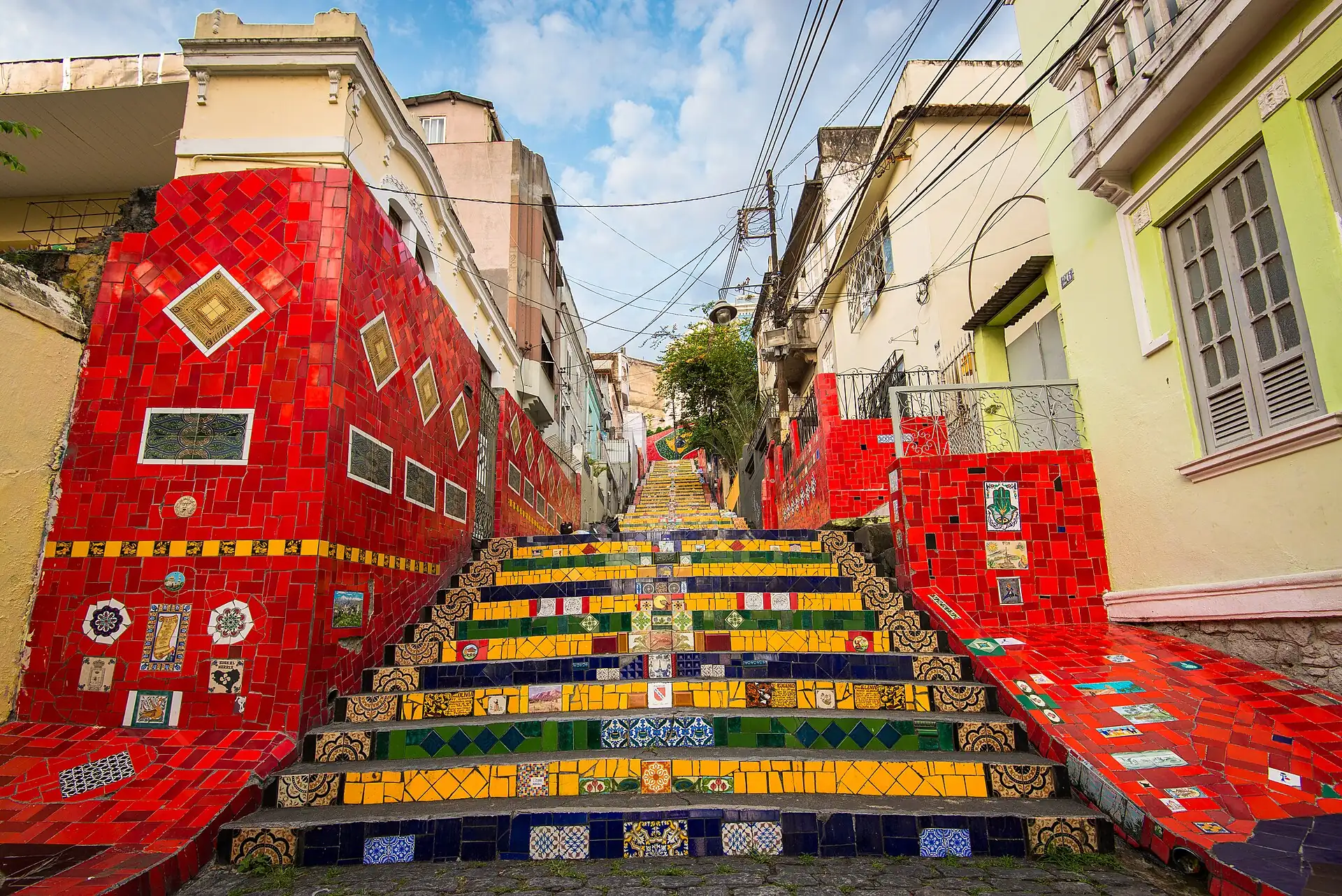
Daytime-only cluster: Selarón steps and the Arcos da Lapa before 16:00, then leave; the area gets rough late and the cafés along Mem de Sá suit lunch.
rescue 100% · max p90 5.7′ · half
Half-day cluster on the Pão de Açúcar side: cable car early on a clear morning, then the Urca wall walk; flat and shaded on the seafront path.
rescue 100% · max p90 5.7′ · half
Half-day cluster at the base of the Corcovado railway: book the first trains, go up before cloud, and come back down before 13:00.
rescue 100% · max p90 5.7′ · half

Days
Ready-made day plans, timed against opening hours and walking distances.
How long are you staying?
Loose outlines in the city's rhythm: viewpoints in the clear early morning, beach and shade at midday, sunset by car.
1 day
A stopover with one clear morning
- 07:30Christ the Redeemer (Cristo Redentor) — Christ the Redeemer on the first train
- 11:00Copacabana promenade and beach — Copacabana promenade and a coconut
- 13:00Casa da Feijoada — Feijoada lunch
- 17:00Arpoador Rock — Sunset at Arpoador, then a car home
Skip: Sugarloaf and Lapa: each needs its own morning.
Rio de Janeiro in 3 days
3 daysTwo viewpoint mornings, one beach morning; lunch tables fixed, evenings by car, and the last day ends with the bags already in the car.
Day by day
Day 1 — Sugarloaf at opening, a 13:00 feijoada
- 08:00Sugarloaf Mountain (Pão de Açúcar)
- Bar Urca (optional)
- 13:00Lunch table 13:00 (Ipanema)
Day 2 — Christ the Redeemer, then the Selarón steps
Day 3 — Copacabana walk, car to Galeão at 13:00

Places
“Best time” is when to arrive for the fewest crowds, for example “before 08:30”; “Go any time” means the hour makes little difference. More sights follow under “More sights and museums”.
6 places. Filters use the guide’s own ratings; a place with no rating is left out when a filter is on.
Tours, classes and shows in Rio de Janeiro →
Things to do in Rio de Janeiro: shows, nightlife and activities →
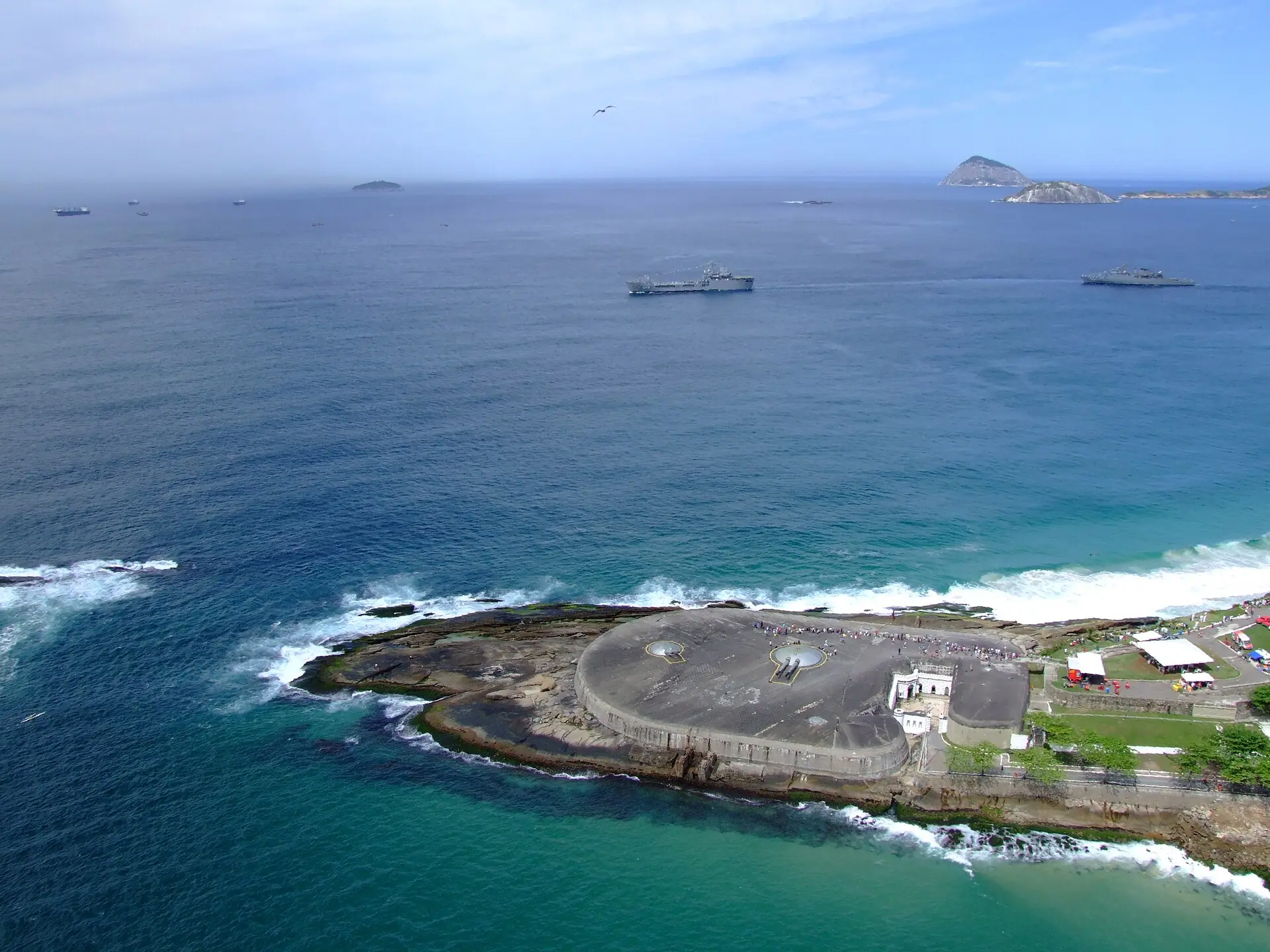

If you do ten things in Rio de Janeiro
Ranked for a first visit of 2–3 days. Prices are 2026 estimates in R$.
- 1
The statue on Corcovado and the best single view of the city.
- Time
- 2–3 h with the train
- Best
- First train, clear morning
- Cost
- R$100–130 (≈ US$19–25) (check)
- 2
Two cable cars and a granite peak at the mouth of the bay.
- Time
- 2–3 h
- Best
- Opening or late afternoon
- Cost
- R$150–230 (≈ US$30–45) (check)
- 3
A rock at the end of Ipanema with the best evening light.
- Time
- 60–90 min
- Best
- An hour before sunset
- Cost
- Free
- 4
- 5
A tiled staircase, an art piece by one man over decades.
- Time
- 15–25 min
- Best
- Morning
- Cost
- Free
- 6
A fort with a history museum and views along the beach.
- Time
- 60–90 min
- Best
- Morning
- Cost
- R$10–25 (≈ US$2–5) (check)
- 7
The national dish, done properly, at a sit-down lunch.
- Time
- 90 min
- Best
- 12:30–14:00
- Cost
- R$70–130 (≈ US$13–25)
- 8
Beer and bolinho by the bay, with the Sugarloaf above.
- Time
- 60–90 min
- Best
- Late afternoon
- Cost
- R$50–110 (≈ US$10–25)
- 9
Coconut water and grilled cheese on the promenade.
- Time
- 20–40 min
- Best
- Mid-morning
- Cost
- R$25–50 (≈ US$5–10)
Good for…
Verdict is how well Rio works for that traveller, not how nice it is.
A great first-trip city if you go up early, use ride-hailing at night and keep the phone out of sight.
- 1Christ the Redeemer (Cristo Redentor) — the view that defines the city.
- 2Copacabana promenade and beach — an easy first walk.
Feijoada, juice bars, botequins and grilled cheese on the beach; better for local flavour than fine dining.
- 1Casa da Feijoada — the national dish.
- 2Bar Urca — a classic bar on the sea wall.
Prato feito lunches, por-quilo buffets and beach days are cheap; beds and cable cars are not.
- 1Juice bars and padarias in Ipanema — a cheap breakfast or lunch.
Imperial and colonial history in the centre and the fort, alongside the views.
- 1
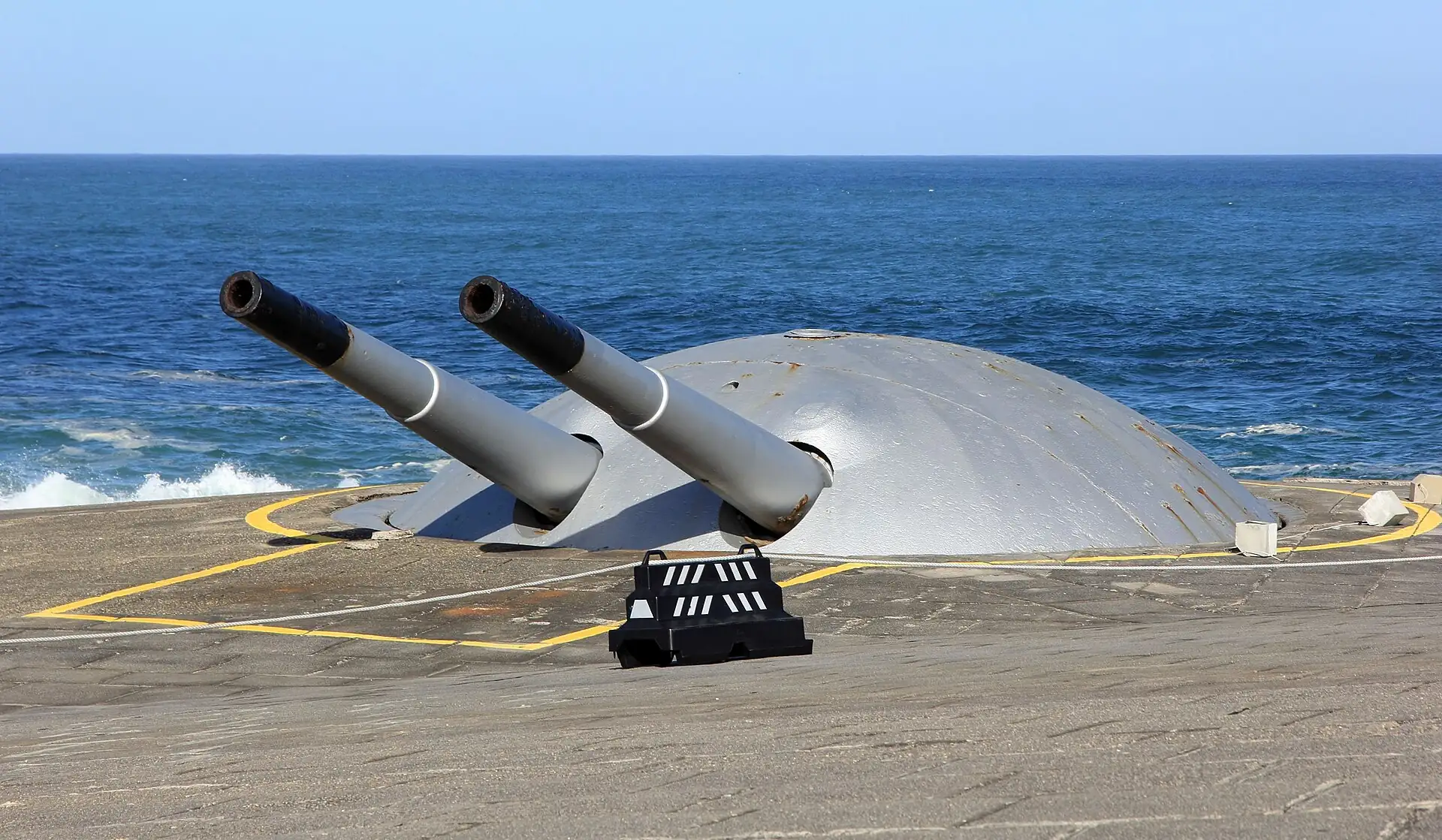 Copacabana Fort — fort, museum and views.
A flat beachfront, kiosks and pharmacies; heat, sun and currents need watching.
- 1Copacabana promenade and beach — flat and easy.
The beachfront is fine; the hills and summits need planning and a car.
- 1Copacabana or Ipanema hotel with a lift — flat streets and car-to-door drop-off.
Tours and classes: book or skip
Book through the hotel or an operator with written inclusions and a cancellation policy. Prices per person, group tour unless stated.
| Tour or class | Verdict | Typical price | Why | Check before paying |
|---|---|---|---|---|
| Tijuca Forest half-day with a guide | book | R$200–400 (≈ US$40–75) (check) | A guide handles trail choice, transport and safety in the forest. | Trail choice, group size, the hotel pickup and a clear cancellation policy. |
| Christ and Sugarloaf combined tour | maybe | R$300–600 (≈ US$60–120) (check) | Saves planning, but you lose control of timing; queues are not skipped. | Whether tickets are included, the number of stops and the return time. |
| Favela tour | maybe | R$150–300 (≈ US$30–60) (check) | Can be done well with a resident-led operator, badly with a vehicle safari. | That the operator is community-run, pays residents and does not photograph people without asking. |
| Petrópolis or Paraty day trip | maybe | R$300–700 (≈ US$60–130) (check) | Long days by road; Paraty is better as an overnight. | Departure time, stops and the return leg. |
What each season brings
Dry and mild
May–Sep
Clear mornings and cool evenings; the best months for viewpoints.
Watch: Cool sea, some windy days and school-holiday crowds in July.
Warm-up
Oct–Nov
Warm and less crowded than summer.
Watch: Afternoon storms start to build.
Hot and wet
Dec–Mar
Beach weather and the big festivals: Réveillon and Carnival.
Watch: Heat, humidity, peak prices and heavy showers.
Late summer
Apr
Heat eases; fewer crowds.
Watch: Some rain remains.
Photo spots and the light
Light times are for clear days. Keep the phone in a pocket between shots on the beach and at the steps.
| Spot | Best light | Tip |
|---|---|---|
| Arpoador at sunset | An hour before sunset | Arrive early; stay off wet rock. |
| Corcovado summit | Early morning, before cloud | Go with the first train and check the live camera. |
| Sugarloaf at sunset | Late afternoon | Book the 17:00 slot and stay for the lights. |
| The Selarón steps | Morning | Ask permission before photographing people; hold the phone tight. |
Rio de Janeiro travel FAQ
Answers are 2026 desk estimates; fares and rules marked (check) change.
Is Rio safe for visitors?
Most trips are fine if you keep the phone out of sight, carry only what you need, avoid empty streets and beaches after dark and use a ride-hailing car at night. Phone snatching is the main problem; check your government's advice.
Do I need a visa?
It depends on your passport; some nationalities need an e-visa. Check the current rule before you book.
Do I need cash?
Cards work almost everywhere. Carry R$100–200 (≈ US$19–40) in small notes for beach vendors, kiosks and tips.
Is tap water safe to drink?
It is treated, but many visitors use bottled or filtered water.
How many days do I need in Rio?
Three days cover the two summits, the beach, Lapa and one sunset; add two for Tijuca or a day trip.
When is the best time to visit?
May to September for dry, clear weather; December to March is hot and wet but has the festivals.
Christ or Sugarloaf first?
Whichever has the clearer sky; both are best at opening on a clear morning. Check the live cameras.
Is Rio good for a beach holiday?
Yes: city beaches are free and flat, but the water can be rough and cool; swim near lifeguards.
More to see and doSee & do · Learn & work · Rain & heat · Free things
Free things to do
Sights in Rio de Janeiro that cost nothing to enter. Each is described under Places or More sights; extra costs inside are marked there.
See & do
11 of 11
The statue on Corcovado and the view over the bay; go on a clear morning.
Cosme Velho · Daytime, from about 08:00 (check)Daytime, from about 8:00 AM (check) · R$100–130 (≈ US$19–25) (check)
Two cable cars to a granite peak at the mouth of the bay; best at opening or before sunset.
Urca · About 08:00–20:00 (check)About 8:00 AM–8:00 PM (check) · R$150–230 (≈ US$30–45) (check)
A staircase tiled by Jorge Selarón with pieces from many countries; go by day and hold the phone in a pocket.
Lapa · Open street; daylight · Free
- Views
A rock at the end of Ipanema for the sunset; arrive early for a spot.
Ipanema · Open; best before sunset · Free
The long beach walk with wave-pattern paving; good for a first morning.
Copacabana · Open · Free
- history
An old fort at the southern end of the beach with a museum and views.
Copacabana · Daytime, closed some days (check) · R$10–25 (≈ US$2–5) (check)
Beach afternoon at Ipanema or Copacabana
beachRent a chair and an umbrella at a kiosk and swim near the lifeguard post.
Zona Sul · Daylight · Free; chair R$15–30 (≈ US$3–6)
Samba night in Lapa
musicLive samba in a club; book with your hotel and take a car door to door.
Lapa · Evening · R$30–100 (≈ US$6–19) cover (check)
Tijuca Forest half-day
natureA guided walk through the rainforest inside the city with lookouts and waterfalls.
Tijuca National Park · Morning · R$200–400 (≈ US$40–75) with a guide (check)
Sunset at Arpoador
ViewsA rock, a crowd, and applause when the sun drops.
Ipanema · About an hour before sunset · Free
Football at the Maracanã (check)
SportAttend a match with a guide or in a group; check fixtures, tickets and safety advice.
Maracanã · Match days · R$50–300 (≈ US$10–60) (check)
- Booking
- Cable car and Corcovado tickets are cheaper and safer bought on the official sites; book samba and Tijuca tours through the hotel.
Learn & work
| What | Where | Cost | Note |
|---|---|---|---|
| Portuguese classes | Language schools in Zona Sul (check) | Varies | Brazilian Portuguese; short courses are widely offered. |
| Samba and forró classes | Dance studios in Lapa and Botafogo (check) | R$60–150 (≈ US$12–30) a class (check) | Ask your hotel for a studio that welcomes beginners. |
| Surf and stand-up paddle lessons | Arpoador and Barra (check) | R$150–300 (≈ US$30–60) (check) | Book with a school that has insurance and a lifeguard. |
Working here
- Tourist entry
- Visa rules depend on nationality; check the current rule (some need an e-visa). Tourist entry does not allow paid work.
- Work permit
- Legal work needs a work visa or residence permit; expect legalised documents from home.
- Remote work
- A digital-nomad visa exists; check the current requirements and taxes.
Rain-day and heat-day plan
Rain day
Summer storms are short but heavy: plan the outdoor stop before noon, and keep an indoor fallback for the afternoon.
- 01Copacabana Fort — Museum halls and a café; about an hour and a half.
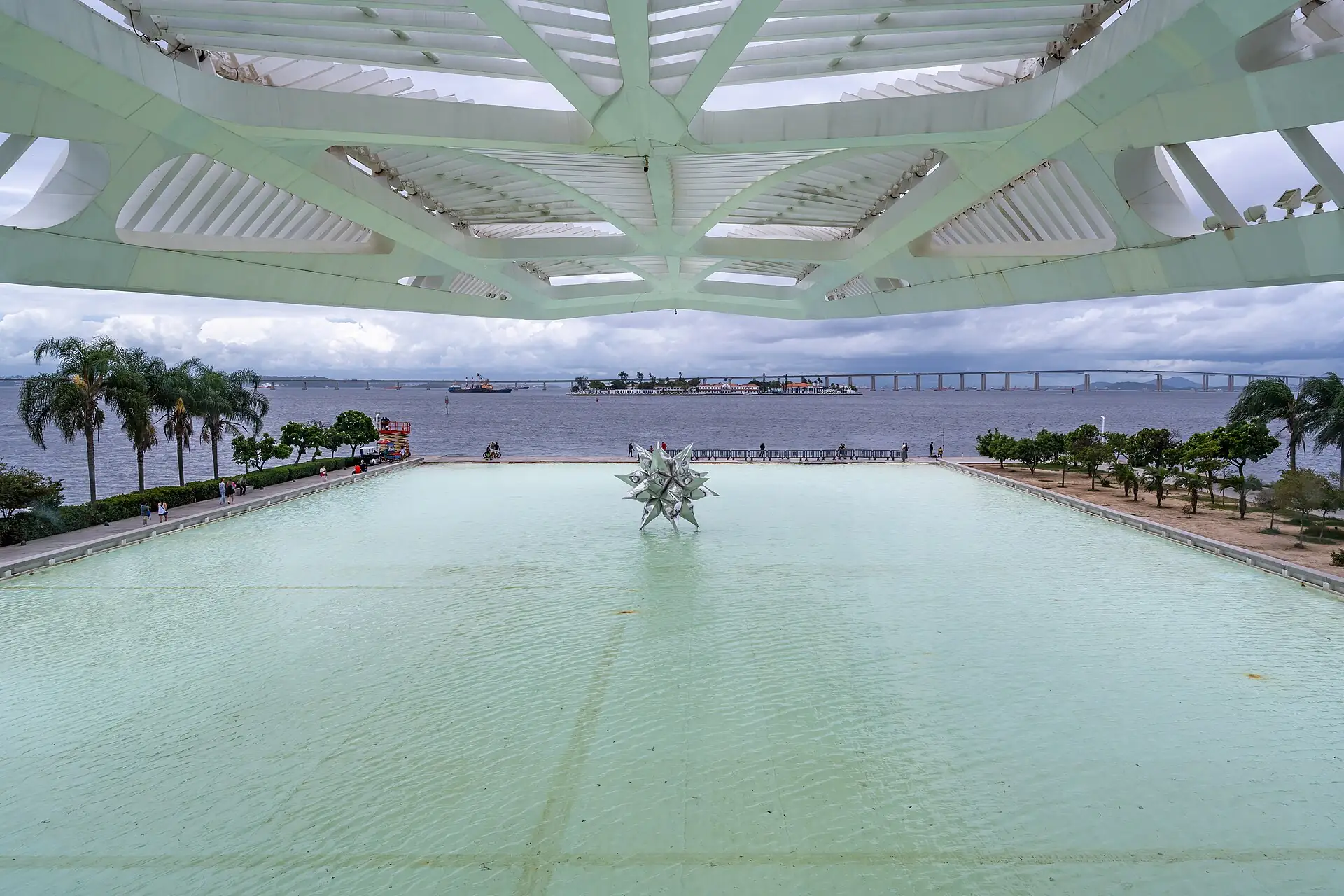
- 02Museu do Amanhã and the port area (check) — Indoor science museum in the centre.
- 03Confeitaria Colombo (check) — A historic café for a long coffee.
Heat day
Above 30 °C with high humidity: outdoor stops before 10:30 and after 16:00, and the beach or a shaded café in between.
- 08:00Sugarloaf Mountain (Pão de Açúcar) — Fewer queues and clearer views.
- 10:30Copacabana promenade and beach — Walk and swim near lifeguards.
- 13:00 — Lunch and shade.
- 17:00Arpoador Rock — Sunset from the rock; take a car after.
Day-trips and nearby
Places you can reach from Rio de Janeiro in a day or with one night away, with the route and what it costs. Door to door, not ride time.
 Photo: xiquinhosilva, CC BY 4.0
Tijuca National Park
goRide-hailing car or a guided tour, about 30 min
Forest walks and viewpoints inside the city; go in the morning and confirm which trails are open.
- Time
- Half day
 Photo: Wilfredor, CC0
Petrópolis
maybeBus from Novo Rio bus station, about 1.5 h each way
The old imperial summer city in the mountains; cooler air and a palace museum.
- Time
- Full day
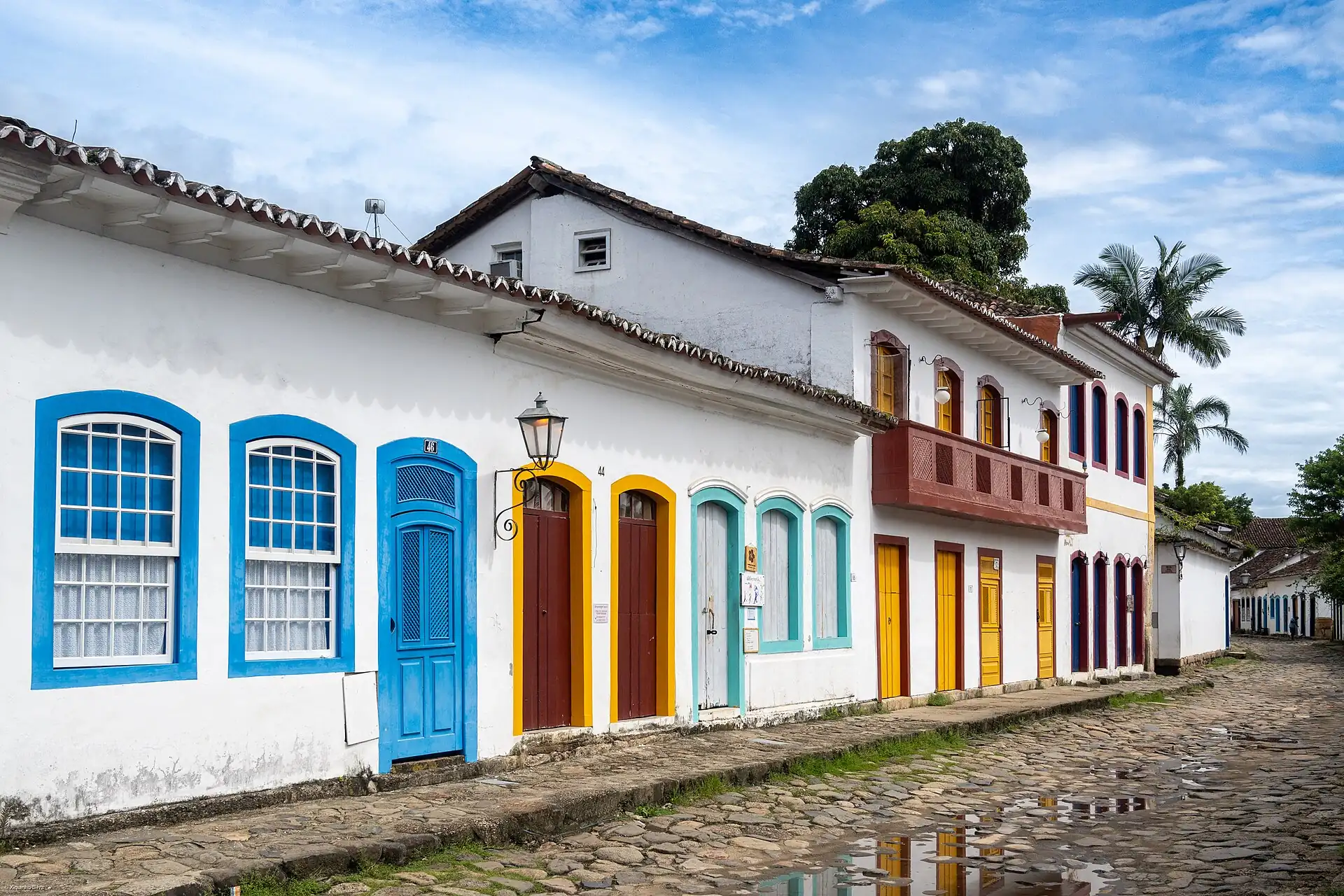 Photo: xiquinhosilva, CC BY 4.0
Paraty
overnightBus, about 4–5 h each way, or a tour
A well-preserved colonial town on the coast; long for a day trip, better as a night or two.
- Time
- Overnight better
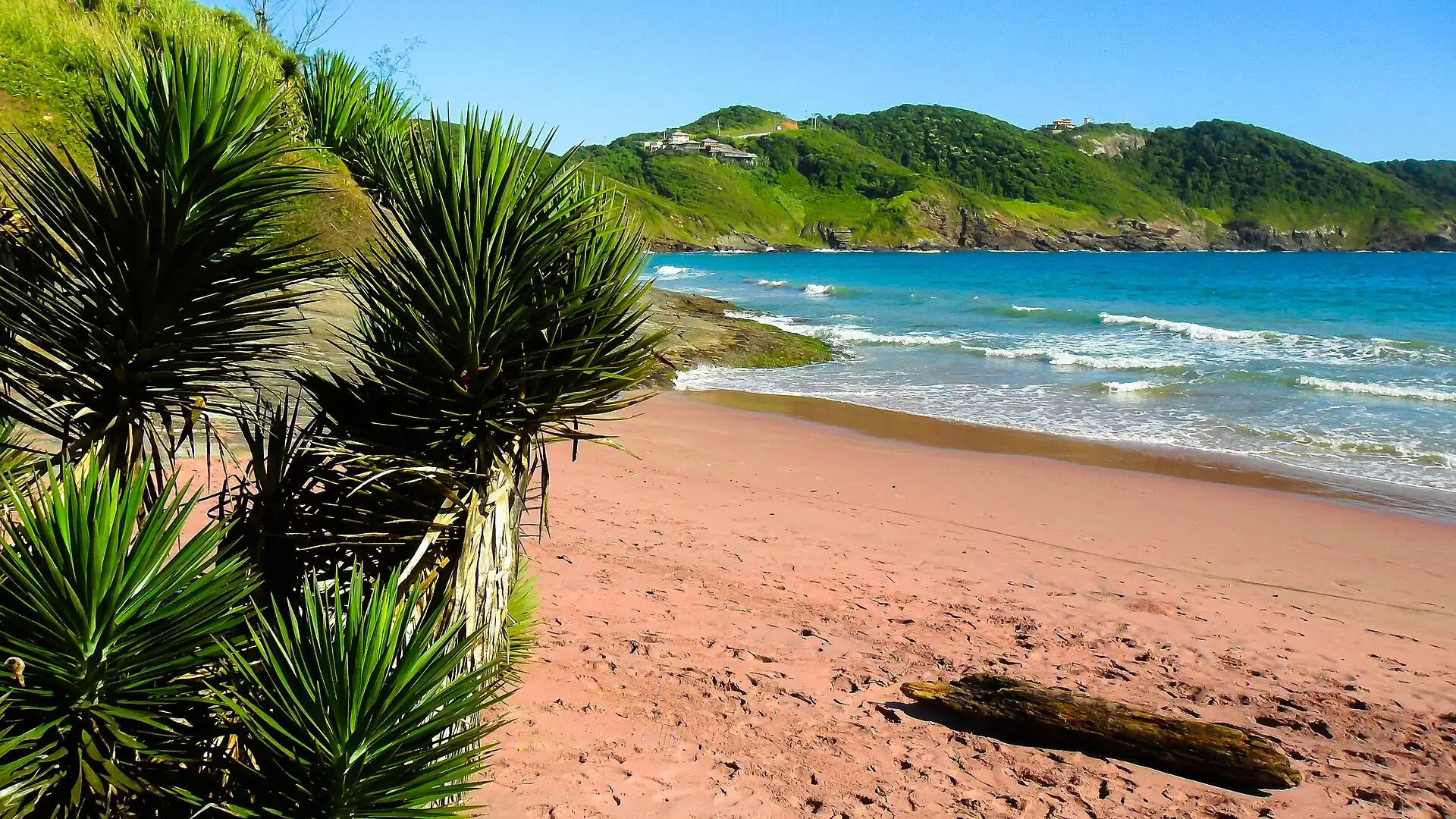 Photo: Diego Rego Monteiro, CC BY-SA 3.0
Búzios
maybeBus, about 3 h each way
Beaches and a resort town; busy in high season.
- Time
- Overnight better
Go next
Door to door: About 3.5 h by air
Flight about 1 h or bus 6 h
Short flights run all day; check airports and traffic.
Eat & sleepWhere to eat and which area to sleep in
Eat & sleep
Where to eat and which area to sleep in
Eat
A short list of places worth crossing the city for, each with how to get a seat.
Restaurant finder: filter every place to eat in Rio de Janeiro →
Vegetarian-friendly score
4.0 / 5 · Easy
- Country diet noteOur country guide rates vegetarian eating as easy.2 / 2
- Places to eat in this guide2 of 3 places with a known answer are vegetarian-friendly, 1 partly.1.25 / 1.5
- Budget eating lines2 vegetarian lines in "Eat by budget".0.4 / 0.6
- Meat-free national dishes3 meat-free dishes in the country food list.0.3 / 0.4
- Dedicated vegetarian kitchens0 mentions of vegetarian restaurants, Buddhist or fasting kitchens.0 / 0.5
Country note: Easy in big cities; buffets have salads and beans (ask if beans contain pork).
Vegetarian places near me →Make a diet card →
How we score
- Country diet note (up to 2): easy 2, workable 1, mixed 0.75, hard 0; no note 0.5.
- City places to eat (up to 1.5): 1.5 × (vegetarian-friendly + half of partly friendly) ÷ places with a known answer; needs 3 or more known places.
- Budget eating lines marked vegetarian (up to 0.6): 0.2 each.
- Meat-free national dishes (up to 0.4): 0.1 each.
- Dedicated vegetarian kitchens mentioned — Buddhist chay, shōjin ryōri, Jain, fasting food, vegan cafés (up to 0.5): 0.1 each.
- Total rounded to the nearest half point, 0 to 5. Built from our own pages only, not from reviews.
Eating and drinking guideEat by budget · Drink
Before you sit down to eat
Short version; full text linked
Eat by budget
Under R$50 (≈ US$10) a meal
| Where | Order | Area | Price | Note |
|---|---|---|---|---|
| Juice bars and padarias in Ipanemaveg | Juice, pão de queijo or a prato feito | Ipanema | R$20–50 (≈ US$4–10) | |
| Beach kiosks on the Copacabana promenadeveg | Grilled cheese, coconut water and a snack | Copacabana | R$25–50 (≈ US$5–10) |
Dishes to know
| Dish | What it is | Where to look | When | Price |
|---|---|---|---|---|
| Feijoada | Black-bean stew with pork, served with rice, greens, farofa and orange | Restaurants, mainly Wednesday and Saturday | Lunch | R$70–130 (≈ US$13–25) |
| Prato feito (PF) | A plate of rice, beans, meat or fish and a side | Everyday restaurants | Lunch | R$35–60 (≈ US$7–12) |
| Pão de queijo | Warm cheese bread rolls | Padarias and cafés | Breakfast, snack | R$5–12 (≈ US$1–3) |
| Bolinho de bacalhau | Fried salt-cod fritters | Botequins and Bar Urca | Evening | R$30–55 (≈ US$6–11) |
| Açaí na tigela | Frozen açaí pulp with banana and granola | Juice bars | Breakfast, snack | R$18–35 (≈ US$4–7) |
| Queijo coalho | Grilled cheese on a stick | Beach vendors and kiosks | Beach snack | R$8–15 (≈ US$2–3) |
- Lunch is the main meal for many locals: prato feito plates and por-quilo (pay by weight) buffets are the good-value choice.
- A 10% service charge is usually on the bill; you can decline it but most people pay.
- Ask the price of fish and drinks first at beach kiosks.
Drink & nightlife
| Where | What | Until | Note |
|---|---|---|---|
| Bar Urca | Corner bar on the sea wall | Evening (check) | Beer and bolinho de bacalhau on the wall by the bay; go for sunset and take a car home. |
| Botequins in Ipanema and Leblon | Corner bars | Late | The classic Rio bar: draft beer, snacks, standing at the counter. |
| Lapa's samba venues | Samba and live music | Late | Go with a group or a guide, and take a car door to door. |
| Beach kiosks | Quiosques | Around midnight (check) | Coconut water, beer and caipirinha on the promenade. |
By style
| Style | What | Where | Price | Until |
|---|---|---|---|---|
| Caipirinha | Cachaça, lime and sugarStrong; it is easy to have three before you notice. | Bars and kiosks | R$25–45 (≈ US$5–9) | Late |
| Chope | Cold draft lagerThe everyday drink; ask for it 'bem gelado'. | Botequins | R$10–18 (≈ US$2–4) | Late |
| Fresh juice and coconut water | Açaí, guava, passion fruit, coconutAsk for less sugar if you do not want it sweet. | Juice bars and kiosks | R$10–25 (≈ US$2–5) | Daytime |
Rules that bite
- Drinking on the beach and promenade is common, but do not drink from unlicensed sellers at night and never leave a drink unattended.
- Move by ride-hailing car after dark and do not walk between bars in Lapa.
Sleep
Pick the area first: it decides your walk home at night and your first morning.
Which neighborhood fits you
Three questions, one recommendation, with the reasons.
Your best fit
- The metro and cars reach Sugarloaf, Christ and Lapa quickly.
- The widest range of prices in the city.
- Many hotels have 24-hour desks.
Watch out: Busy avenue and beach noise; ask for a higher floor or a side street.
Next best: Ipanema
Built from our 1–5 desk scores per area; your answers stay in this browser.
More on sleepingSleep by budget · Your area · With kids
Sleep by budget
| Band | Price | Where | Room types | What to expect |
|---|---|---|---|---|
| budget | R$150–350 (≈ US$30–65) | Copacabana hostels and small hotels | Hostels and small hotels | AC, small room, basic breakfast, a few blocks from the beach. |
| mid | R$500–1,000 (≈ US$95–190) | Copacabana and Ipanema hotels | 3–4 star hotels | AC, breakfast, a 24-hour desk and a short walk to the beach. |
| splurge | R$1,500–4,000 (≈ US$300–750)+ | Beachfront hotels in Copacabana and Ipanema | Beachfront and boutique hotels | Pool, sea views, concierge and airport transfers. |
Booking checks
- Book months ahead for Carnival and New Year; prices triple and minimum stays apply.
- Ask for a higher floor and a room away from the avenue if you want a quiet night.
Which area is yours
| If you are | Sleep in | Because |
|---|---|---|
| First visit, 3 nights, budget to mid | Copacabana | The widest choice, the metro at the door and quick rides to the sights. |
| Restaurants, quieter evenings, sunset at Arpoador | Ipanema | Flatter, calmer and easy on foot in the evening. |
| Bay views and a slower base | Santa Teresa or Botafogo (check) | Character and views, but steeper streets and longer rides. |
First-timers: the metro, the beach and many restaurants are at the door; choose a hotel with a 24-hour desk one or two blocks off Avenida Atlântica.
02Ipanema
Quieter and pricier: better restaurants, safe-feeling streets after dark and the sunset rock a walk away; the metro is 10 minutes on foot.
Areas are in our default order until you tick a priority.
Scores are 1–5 desk judgements per priority (2026).
With kids
- The Copacabana and Ipanema beaches are flat and easy with a stroller on the promenade; sand is heavier going.
- Swim only where lifeguards are posted and keep children within arm's reach: currents are strong.
- Christ the Redeemer and Sugarloaf involve queues and summit crowds: go first thing and bring water and a hat.
- Aquário (AquaRio) in the port area and the Jardim Botânico are calmer options for a hot or wet day.
PracticalMoney, essentials, safety and the pocket card
Practical
Money, essentials, safety and the pocket card
Money
What a day costs at three comfort levels, and how to pay.
- Budget
- R$250–450 (≈ US$50–85) excl. bed / day
- Mid
- R$450–900 (≈ US$85–170) excl. bed / day
- High
- R$900 (≈ US$170)+ excl. bed / day
- Transit card
- No transit card needed: ride-hailing cars and walking cover a short trip; the metro is useful between Copacabana, Ipanema and the centre.
- Cash rule
- Cards and tap-to-pay work almost everywhere; keep R$100 (≈ US$19) in small notes for kiosks, and use ATMs inside banks or malls in daytime.
More on moneyCosts · Budget · Buy
What things cost
- Prato feito (plate lunch) at a plain restaurantR$35–60 (≈ US$7–12)
- Coconut water on the beachR$10–15 (≈ US$2–3)
- Caipirinha at a barR$25–45 (≈ US$5–9)
- Ride-hailing car between Copacabana and IpanemaR$15–30 (≈ US$3–6)
- Car from Galeão airport to Copacabana or IpanemaR$90–170 (≈ US$17–35)
Trip budget
| Hotel double room1 × 3 nights × R$750 | R$2,250 |
| Food, local transport, entries2 × 3 days × R$650 | R$3,900 |
| Airport car, both ways1 × R$300 · one car per 4 people | R$300 |
| Tourist SIM or eSIM, about a week2 × R$80 | R$160 |
| Buffer 15%Price creep, a taxi you did not plan, one splurge | R$992 |
| Trip total≈ R$1,267 per person per day, bed included | R$7,602≈ US$1,500 |
2026 estimate in R$; flights, visas and tours excluded. Your choices stay in this browser.
Prices of common things
| Prato feito lunch | R$35–60 (≈ US$7–12) |
| Coconut water | R$10–15 (≈ US$2–3) |
| Cable car (Sugarloaf), adultCheck the operator; prices move by season. | R$150–230 (≈ US$30–45) |
2026 estimate; check locally.
Buy
- Bargaining
- Haggle politely at craft fairs and with beach vendors, and never in shops, supermarkets or at restaurants with printed prices. Start at about 70% of the first price.
- Fixed-price check
- Check the price of a bottle of water or a coconut in a padaria first: that is your ceiling for the beach.
Markets and shopping streets
| Where | What | When | Haggle | Note |
|---|---|---|---|---|
| Feira Hippie de Ipanema | Crafts, art, leather, jewellery, souvenirs | Sunday, daytime (check) | some | In Praça General Osório; a popular Sunday stop. Carry only what you will spend. |
| Feira Livre (street fruit-and-veg markets) | Fruit, pastel, fish, flowers | Weekday mornings, a different neighbourhood each day (check) | none | Try tropical fruit and a fresh pastel with sugarcane juice; fixed prices on the boards. |
| Feira de São Cristóvão | Northeastern Brazilian food, crafts and music | Most of the week, evenings at weekends (check) | none | A big covered fair with food from the northeast; go by car and come back by car. |
Shops by what they sell
| For | Where | Hours | Note |
|---|---|---|---|
| Beachwear and sandals | Ipanema and Copacabana shops, Rua Visconde de Pirajá | About 10:00–20:00 | Brazilian bikini, swim-short and flip-flop brands are the local buy; prices are marked. |
| Supermarkets and pharmacies | Copacabana and Ipanema | Many open late or 24 hours | The cheap way to buy water, sunscreen and snacks. |
Changing money
| Where | Verdict | Why |
|---|---|---|
| Bank ATMs inside malls or banks | use | Daytime only; use a card with low foreign fees. |
| Currency exchange offices (casas de câmbio) | ok | Compare the rate and the fee; bring your passport. |
| Hotel desk | ok | Fine for a small amount at a weaker rate. |
| Street changers | avoid | Short-changing and counterfeit risk. |
ATMs
- Where
- Use ATMs inside banks, malls or hotel lobbies in daylight; skip street-side machines at night.
- How much
- Take out a modest amount, and carry the card and the cash in separate pockets.
- Cards
- Contactless works nearly everywhere; keep R$100–200 (≈ US$19–40) in cash for kiosks and tips.
Essentials and accessEssentials · Access
Essentials
- Plugs & power
- Type N sockets (type C plugs often fit). Voltage is 127 V in much of Rio and 220 V in some hotels: read the socket label before you plug in.
- Opening hours
- Shops open about 09:00–19:00 (malls to 22:00); restaurants serve lunch 12:00–15:00 and dinner from 19:30. Many museums close on Mondays.Shops open about 9:00 AM–7:00 PM (malls to 10:00 PM); restaurants serve lunch 12:00 PM–3:00 PM and dinner from 7:30 PM. Many museums close on Mondays.
- Health
- Sun, heat and dengue-carrying mosquitoes are the everyday risks. Ask a travel clinic about yellow fever vaccination for the state of Rio, and carry travel insurance.
- Accessibility
- The beachfront is flat and paved; the hills, Santa Teresa and the viewpoints have steps, cobbles and cable-car or train boardings.
- Laundry
- Hotels charge per item; self-service laundries (lavanderias) exist in Copacabana and Ipanema.
- Emergency numbers
- 190 police, 192 ambulance (SAMU), 193 fire. The tourist police station (DEAT) is in Leblon (check).
Pack
- Light clothes, a rain jacket for Nov–Mar showers and a layer for the cable-car summits
- Sunscreen, hat, sunglasses and a refillable bottle
- A zipped bag or a phone strap; leave the second phone and the passport at the hotel
- Repellent for dusk
- Cash in small notes plus a card that works abroad
Accessibility
The beachfront is flat and paved, but the hills, Santa Teresa and the summit viewpoints add steps, cobbles and boardings. Plan car rides and confirm accessibility for each summit.
- Promenades
- Wide, flat and paved along Copacabana and Ipanema.
- Metro
- Stations have lifts, but not every entrance; check the route.
- Beach
- Sand is hard on wheels; some beaches provide accessible paths and amphibious chairs (check).
- Hills
- Cobbled and steep in Santa Teresa and Lapa: use a car.
Sights, step-free or not
| Copacabana promenade and beach | good | Flat, paved and wide; sand is hard on wheels. |
| Sugarloaf Mountain (Pão de Açúcar) | with help | Cable cars are step-free (check); some paths at the top have steps. |
| Christ the Redeemer (Cristo Redentor) | with help | Lifts and escalators reach the platform (check); boardings can be crowded. |
| Arpoador Rock | with help | Rock steps and uneven ground at the viewpoint; the promenade to it is flat. |
| Escadaria Selarón (Selarón Steps) | hard | A steep flight of steps on cobbles. |
| Copacabana Fort | with help | Ramps and slopes inside; some stairs (check). |
Survive
Safety basics, the lines not to cross, and practical habits that save the day.
Safety
- Phone and bag theft is the main risk: keep the phone out of sight and carry only the cash and card you need.
- Do not walk on empty beaches, streets or hill paths after dark; use a ride-hailing car.
- Only enter favelas on a tour with a reputable local operator.
- Sea currents are strong on many beaches: swim where lifeguards are posted.
- Emergency: 190 police, 192 ambulance (SAMU), 193 fire.
Red lines
- Keep valuables in the hotel safe when you go to the beach.
- Do not photograph people at close range without asking, especially at Selarón and on the beach.
- Do not buy drinks from unlicensed street sellers at night.
Practical
- Toilets: cafés, kiosks on the beachfront and metro stations; carry small change.
- Tap water is usually treated but many visitors drink bottled water.
More on staying safeStay safe · Stay healthy · Safety map · Solo & women · Etiquette · Cope · Scams
After dark, by area
4 flagged areas
- Avoid after dark
- Avoid after dark
- Take care
- Take care
Day = about 07:00–19:00. What to watch in each area, day and night →
Scams and red flags
Walk away if you see these
- Phone snatching and grab-and-run theft on the beach, at bus stops and near the Selarón steps: keep the phone in a front pocket or zipped bag.
- Taxi drivers at the airport and in front of hotels who quote a fixed high fare or say the meter is broken: use a ride-hailing app or the official airport taxi counter.
- Beach vendors and 'guides' who put an item in your hand, then ask for money: say 'não, obrigado' and do not take the item.
- Restaurants without printed prices, especially near the beach: ask the price of the fish and drinks first, and check the bill for a service charge you did not expect.
- Fake 'police' or people who offer to change money or sell tickets at the viewpoints: buy tickets only at the official ticket office or on the official site.
Stay safe
Crossing the road
- 01Traffic on the beachfront avenues is fast: cross at the lights and look for cyclists on the promenade paths.
- 02Buses and mopeds run close to the kerb; do not step out from between parked cars.
Hustles specific to this city
| Hustle | Where | The tell | What to do |
|---|---|---|---|
| Phone snatch | Beach, bus stops, Selarón steps | Someone brushes past or a bike passes close | Keep the phone in a front pocket or zipped bag and do not hold it near the kerb. |
| Airport taxi tout | Airport hall | A driver approaches you and quotes a flat fare | Use the app or the official taxi counter. |
| Overpriced beach kiosk | Beach kiosks | No price on the menu | Ask the price first and check the bill. |
- Police
- Report thefts at the tourist police station (DEAT) in Leblon (check) and get a copy for your insurer.
- Beach
- Swim only where there are lifeguards, and do not swim after drinking.
- Night
- Use a ride-hailing car door to door and share your ride status.
Stay healthy
- Sun
- High UV all year: sunscreen, hat and shade from 10:00 to 15:00.High UV all year: sunscreen, hat and shade from 10:00 AM to 3:00 PM.
- Dengue and zika
- Mosquito-borne: repellent at dusk and morning, and a room with a screen or AC.
- Yellow fever
- Vaccination is recommended for parts of Brazil, including areas of Rio state: ask a travel clinic before you fly.
- Food and water
- Fresh juices and street food are common; choose busy stalls and sealed or filtered water if your stomach is sensitive.
- Sea
- Rip currents are strong on many beaches: obey the flags and lifeguards.
Hospitals and clinics: see Cope.
Safety by area and hour
| Area | Day | Night | What to watch |
|---|---|---|---|
| Copacabana | fine | caution | Keep the phone in a front pocket, stay on the lit promenade, and take a car after dark. |
| Ipanema and Arpoador | fine | caution | Fine by day; go home by car after Arpoador sunset rather than along the dark beach. |
| Urca | fine | fine | A quiet residential neighbourhood; use a car home from the bar if you have been drinking. |
| Cosme Velho | fine | avoid | A station area by day; not a place to walk at night. |
| Lapa and Santa Teresa | caution | avoid | Go by day; keep to the main street and take a car to the door after dark. |
- Do not resist a robbery: hand over the phone and walk away.
- Do not enter favelas without a reputable local guide and an operator you have checked.
- Leave passports and second phones at the hotel; carry a photo or a copy.
Solo, women and LGBTQ+ travellers
Solo
- Fine in the Zona Sul by day; use ride-hailing at night and share your ride status with someone.
- Beach days are safest near the lifeguard posts and in groups; do not leave a bag unattended.
Women
- Beach clothes are for the beach and the promenade; a cover-up is normal away from it.
- Catcalling happens; a firm 'não' and keeping walking works. Use a car at night.
LGBTQ+
- Rio is one of Brazil's more open cities, and Ipanema's Farme de Amoedo area and parts of Copacabana are popular with LGBTQ visitors.
- Same-sex marriage is legal and Rio has an active scene; outside tourist areas attitudes vary, so use judgement about public affection.
Etiquette in Rio de Janeiro
- Greetings
- A greeting and a smile before you ask anything; cheek kisses among friends, handshakes for strangers.
- Beach dress
- Swimwear stays on the beach and the promenade; cover up in shops, restaurants and museums.
- Queueing
- There are separate lines for seniors and pregnant travellers; respect them, and expect some line-jumping in crowds.
- Photos
- Ask before photographing people up close, and do not photograph favela residents from tour vehicles without permission.
- Tipping
- 10% service is normally added; pay it. Leave small change with kiosk staff if the service is good.
- Time
- Social meetings run late; a booked tour or a cable-car slot does not.
Cope
Hospitals and clinics that handle foreigners
| Where | Area | Use it for |
|---|---|---|
| Private hospitals in the Zona Sul | Copacabana, Botafogo, Leblon | Ask your hotel for the hospital they use; check that your insurer covers you. |
| Pharmacies (farmácias) | Every neighbourhood | Many open late or 24 hours; pharmacists can advise on minor problems. |
Visa extensions
- Office
- Federal Police (Polícia Federal) handles visa extensions; check the office and the online booking system before you go.
- Extending
- Tourist stays can often be extended once with the Federal Police; apply well before the stay ends.
- Overstay
- Fines apply per day; sort it out before the day of departure.
Embassies and consulates
| Country | Address | Phone | Note |
|---|---|---|---|
| United States | Consulate General, Rio de Janeiro | — | (check) |
| United Kingdom | Consulate General, Rio de Janeiro | — | (check) |
| France | Consulate General, Rio de Janeiro | — | (check) |
- Tourist police
- The tourist police station (DEAT) in Leblon handles reports from visitors (check hours and address).
- Lost passport
- Make a police report first, then contact your consulate for an emergency document.
- Gyms and pools
- Hotels have pools and gyms; there are outdoor exercise stations on the beachfront.
Apps and offline kitOffline kit
Offline kit
Set up before you leave, so Rio de Janeiro still works with no signal or a dead roaming plan.
On your phone
- Maps: open the city in Google Maps, tap the place name, then Download offline map (or use an offline-maps app).
- Data: install an eSIM or buy a local SIM before the first taxi; the apps in this guide depend on it.
- Translation: download the local language for camera translation.
- Screenshots: booking confirmations, hotel address in the local script, and the emergency numbers.
This guide
Save the Rio de Janeiro guide and its pages on this device; it opens without a connection.
Phrases that do the work
Greeting
Good morning
Bom dia
bom JEE-ah
Thanks
Thank you
Obrigado / Obrigada
oh-bree-GAH-doo / -dah
Market
How much is it?
Quanto custa?
KWAN-too KOOS-tah
Food
No chili, please
Sem pimenta, por favor
sem pee-MEN-tah, poor fah-VOR
Café
The bill, please
A conta, por favor
ah KON-tah, poor fah-VOR
Taxi
Please take me to this address
Pode me levar a este endereço?
POH-jee mee leh-VAR ah ES-chee en-deh-REH-soo
Everyday
I don't speak Portuguese
Não falo português
nowng FAH-loo por-too-GEZ
Pocket card
Fill in, then print or save as PDF
Stays in this browser only; nothing is sent anywhere.
Rio de JaneiroRio de Janeiro
Pocket card · Voykit
My bed tonight
—
—
—
Pode me levar a este endereço?Please take me to this address
Emergency
- Police190
- Ambulance (SAMU)192
- Fire193
Embassy
Note your consulate's 24-hour line and your hotel's number before you go out.
My embassy: —
Fare anchors (2026 estimate)
- Airport → Copacabana or Ipanema, app car: R$90–170 (≈ US$17–35), 45–95 min depending on traffic
- Copacabana → Ipanema, app car: R$15–30 (≈ US$3–6), 10–20 min
- Metro, single ride: R$7–9 (≈ US$2) (check)
Give the driver a street and a number, or a beach lifeguard post.
Deep diveHistory, reading, photos and every source
Deep dive
History, reading, photos and every source
Sources
- officialRiotur (Rio tourism)
- officialUK FCDO travel advice: Brazil
- secondaryWikivoyage — Rio de Janeiro
Ask about Rio de Janeiro
Loading…
Was this useful?