Vienna
Wien
Code AI · 4 walking zones
Vienna works as a walk-and-tram city: put the Ringstrasse sights in the morning, a coffeehouse in the afternoon, and book Schönbrunn for opening — the queues, not the distances, are the risk.
Our quick read of Vienna, scored 1–5 (friction is out of 100). Cash need: how often you still need notes. Heat risk: how hot days get. Stroller: how easy wheels are. Friction: overall effort for a first visit. Desk judgements, so check before relying on them.
- Local time
- --:--
- Weather
- forecast below
- Currency
- EUR
- Best months
- Mar · Apr · May · Jun · Sep · Oct
- Airport
- Vienna (VIE)
Walking zones: the 4 areas this guide plans a day around. Each is a district you can cover on foot, so you do one zone per half-day and ride the train between them. The code (AI 01, AI 02…) is just the zone's number on the Vienna line; the line under each name says how bags fare there and how much time it needs.
Map of Vienna
Use the switches to show or hide each kind of pin. A switch that is on shows its pins on the map; tap it again to hide them. "Show only" keeps just the pins that match (for example, places that fit a suitcase). Tap any pin for its name and a link to its page.
- Where to sleep
- Places
- Eat
- Walking clusters
- Rest stops
From the airport Vienna (VIE) to your bed
Tap a pin for its card. Places without their own coordinates are shown by their walking cluster.
Why Vienna
Vienna's centre is compact and flat, and the U-Bahn, trams and S-Bahn reach everything else. The trips that go wrong are the ones that try to see the Hofburg, Schönbrunn and a museum in one day, or arrive on a Sunday or public holiday when shops are shut and the big museums have short queues but short hours. Four clusters cover a first visit; the Wachau and Bratislava are trips away from one kept bed.
See first
- 1
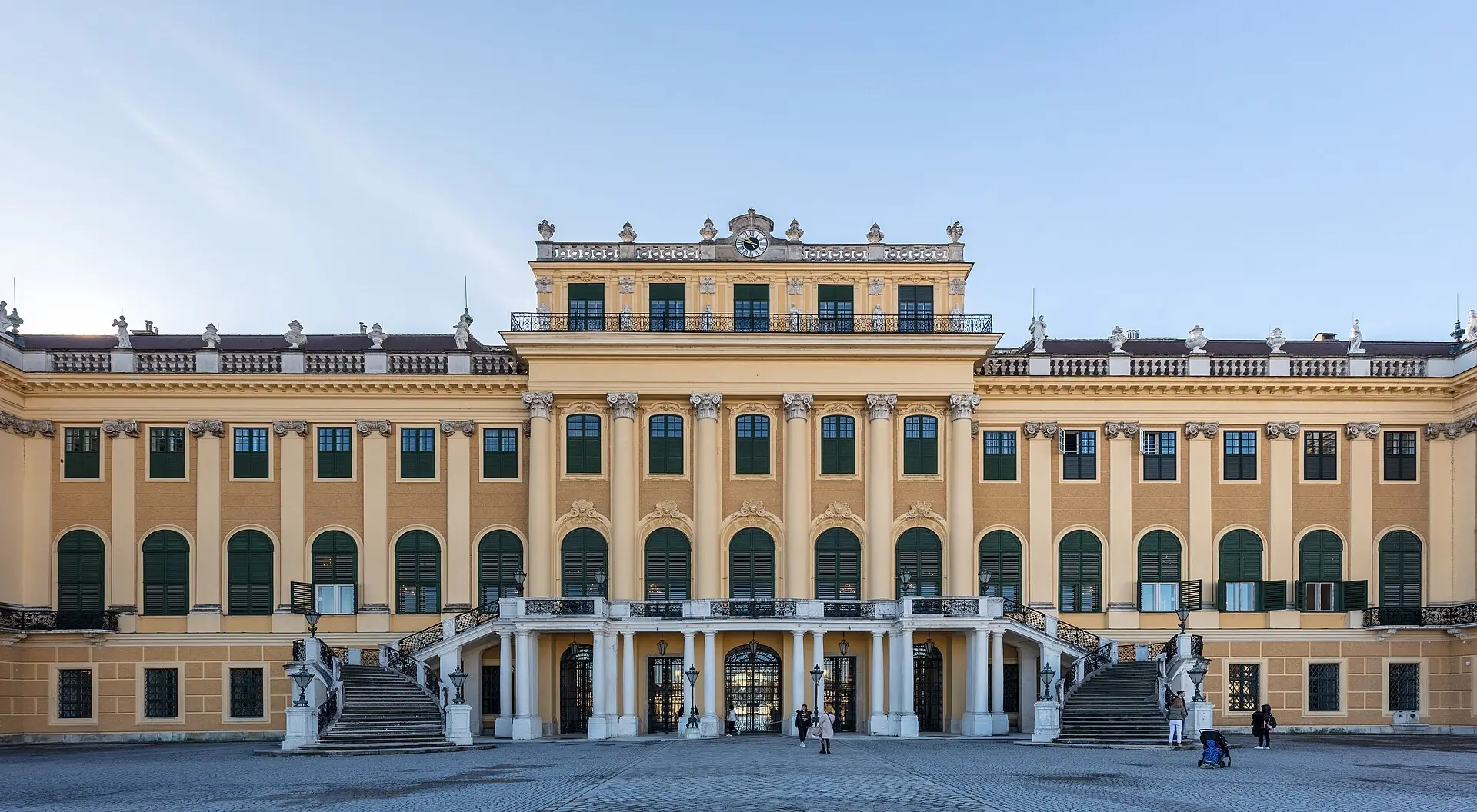 Schönbrunn Palace · 2–3 h
- 2Hofburg and Sisi Museum · 1.5–2 h
- 3
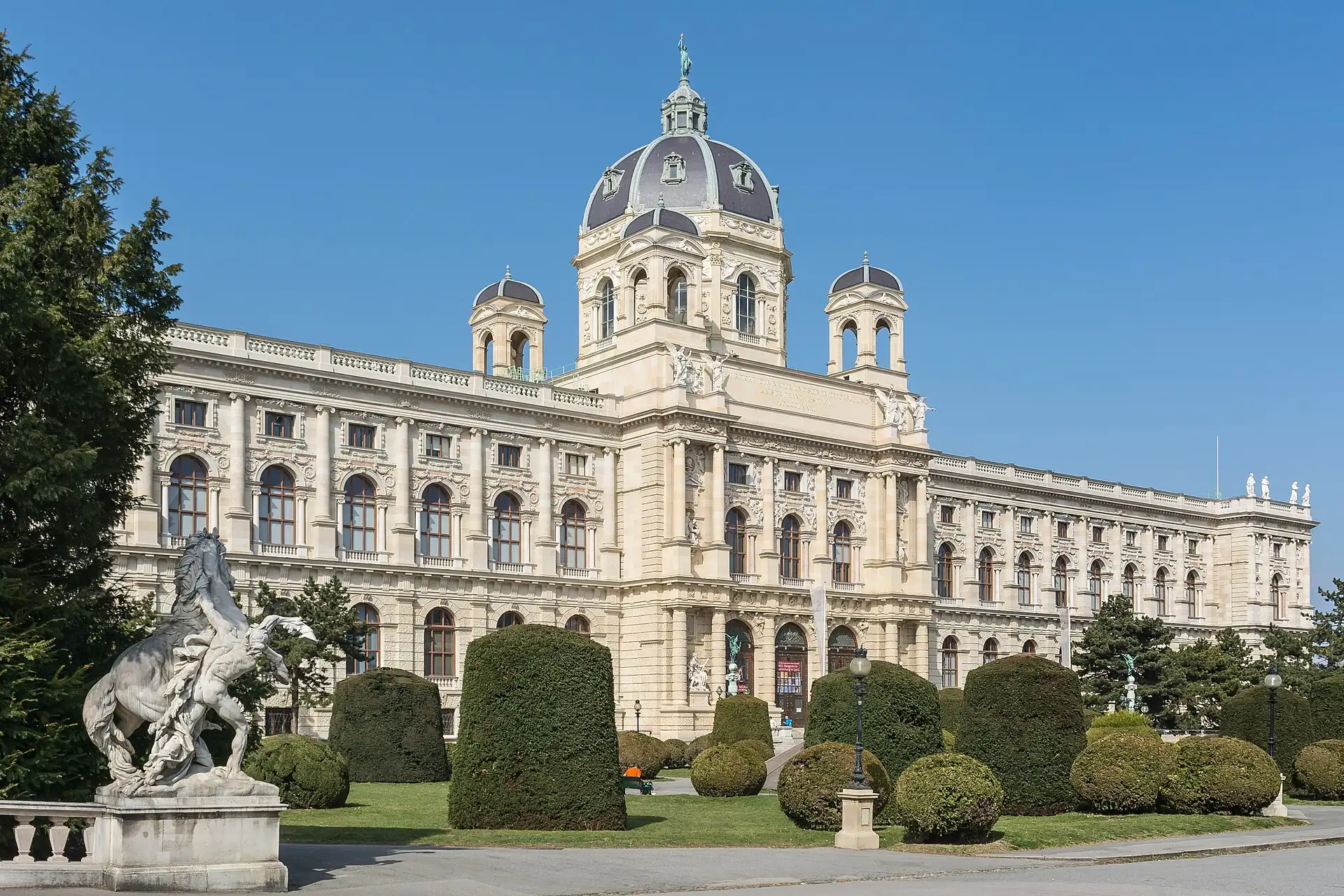 Kunsthistorisches Museum · 1.5–2 h
- 4
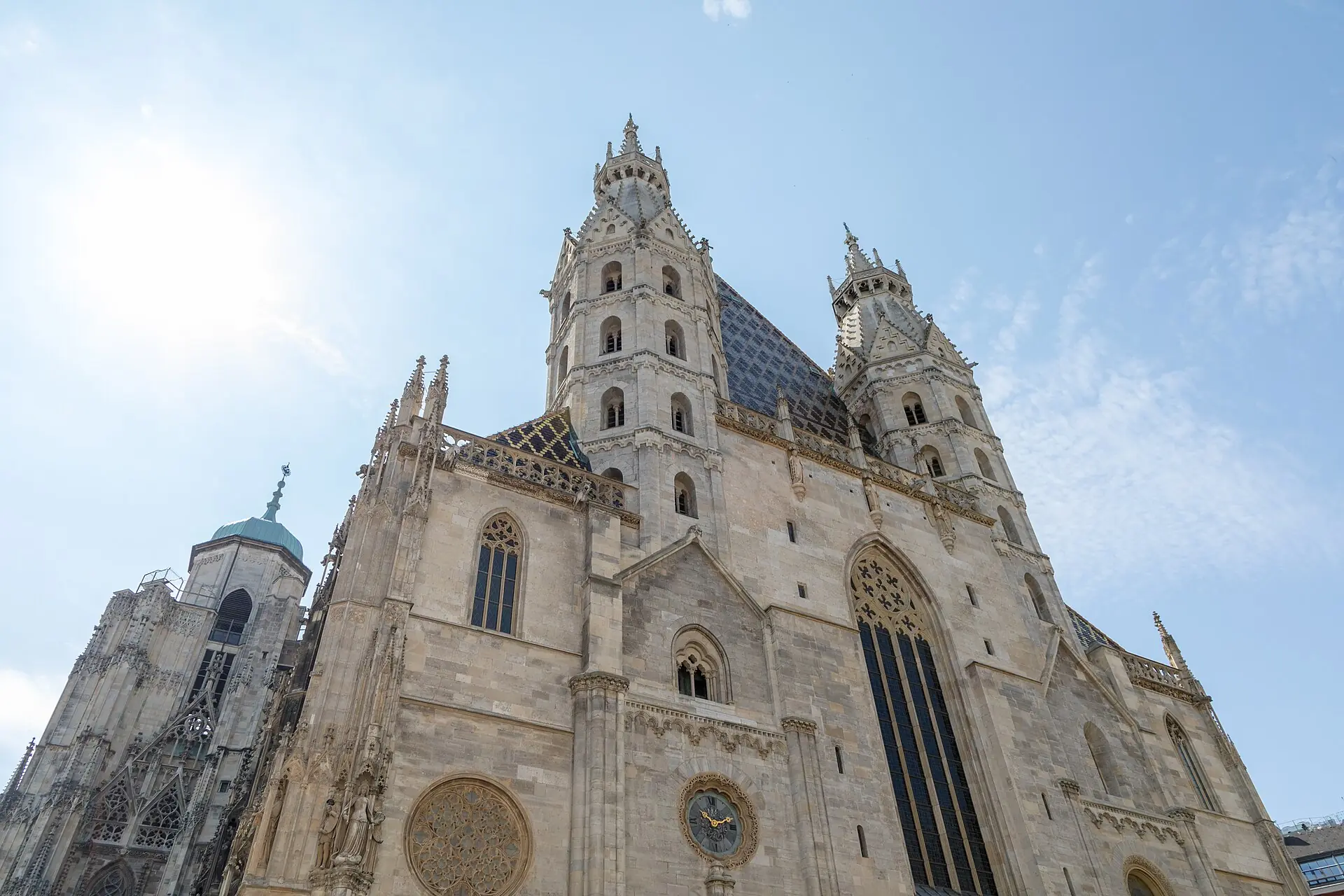 Stephansdom · 30–45 min
- 5
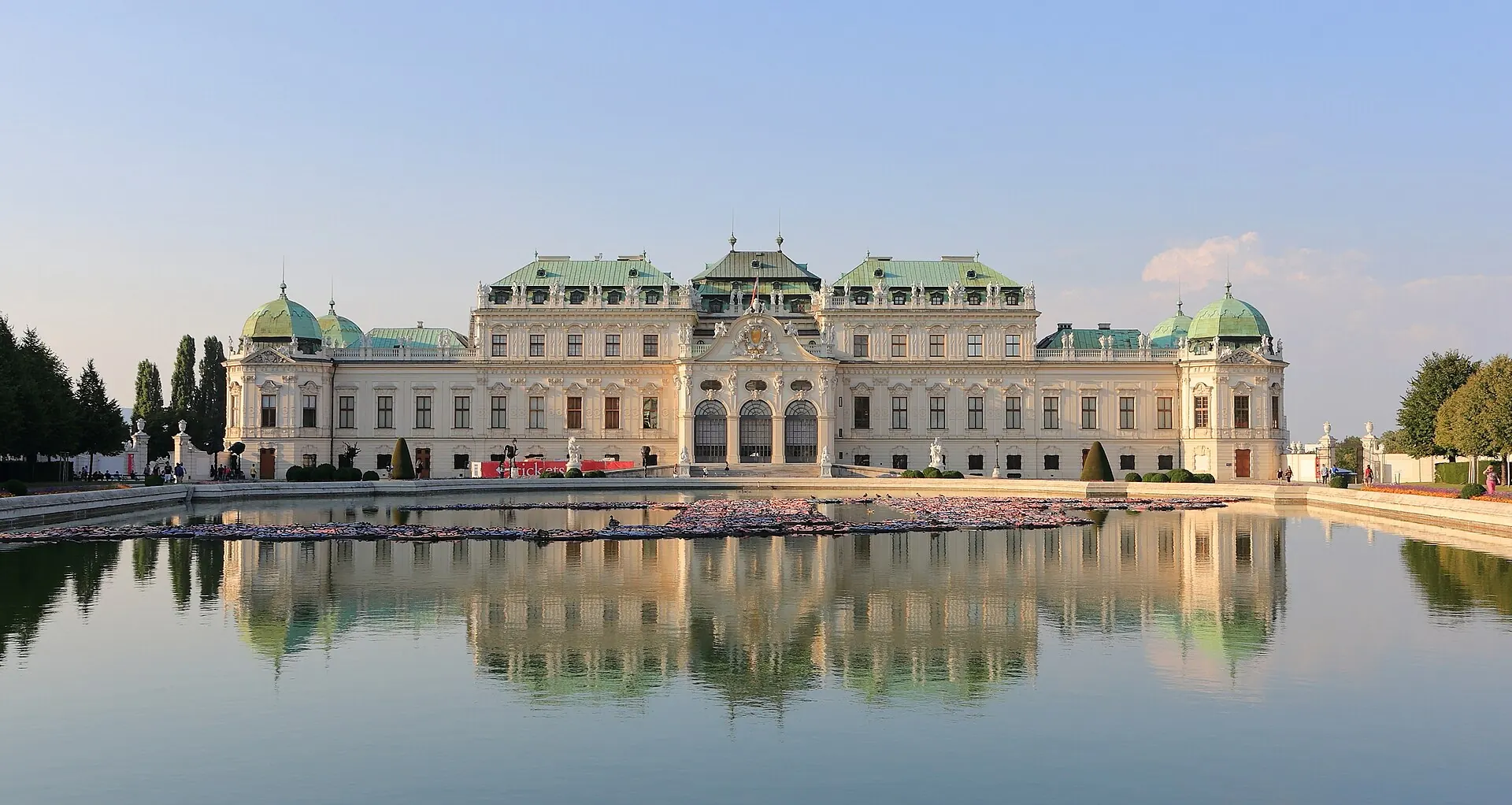 Upper Belvedere · 1–1.5 h
Fits
- Museum and music trips
- Coffeehouse and food walkers
- Short city breaks by rail
- Winter trips with Christmas markets
Does not fit
- Travellers who want nightlife until dawn
- Sunday shoppers
- Anyone booking Schönbrunn for midday in July
How long
- 2 daysInnere Stadt + Ringstrasse museums
- 3 daysFour clusters: old centre, museums, Naschmarkt, Schönbrunn
- 5 daysFour clusters + Wachau valley day trip + one slow coffeehouse day
Good for
- First timers
- Foodies
- Budget
- Couples
- Families
- Luxury
About Vienna
Vienna is the capital of Austria and its largest city, with about 2 million people in the city and roughly 2.9 million in the wider region (rounded). For six centuries it was the seat of the Habsburg dynasty, and the palaces, museums, opera house and coffeehouses that visitors come for are the leftovers of an empire that once ruled central Europe from here.
Today it is a calm, well-run city of trams and U-Bahn lines, apartment blocks and parks, regularly ranked near the top for quality of life. Almost all of it is flat, the centre is compact, and public transport is cheap, so a first visit is about choosing what to see, not how to get there.
Good to know
- Innere Stadt is the 1st district inside the Ringstrasse; the Ringstrasse itself is the boulevard around it, and Schönbrunn is a separate palace in the south-west, not part of the old centre.
- The Vienna Tourist Board runs an information point at the airport and an online site with a current events list; check hours before you go.
- Museums and palaces sell timed tickets online; buy Schönbrunn, the Kunsthistorisches Museum and any opera or concert ahead in season.
Go deeper 11 min read · 6 chapters
Vienna was the capital of an empire for six centuries, and it still looks and behaves like one: an inner city ringed by a grand boulevard, palaces with names known worldwide, and cafés where a single coffee buys a table for the afternoon. This deep dive reads the city in layers, from the Habsburg court to the coffeehouse, so that a walk from the cathedral to the palace to a café becomes a walk through 800 years of a very particular kind of city.
1History: from a Roman camp to an empire and back2 min
Vienna began as a Roman military camp called Vindobona, on a bend of the Danube, in the first century. Roman walls and streets shaped the plan of what is now the Innere Stadt for centuries after the soldiers left, and the curve of the Graben and the line of the Tiefer Graben still trace the old ditch. In the Middle Ages the town became the seat of the Babenberg dukes, who made it a trading centre, and from 1278 the Habsburg family held the duchy. They would keep it, in various forms, until 1918.
The Habsburg centuries gave Vienna its shape. Stephansdom, begun in the 12th century and rebuilt in Gothic style, rose as the parish church of a growing city. The Hofburg, the palace of the court, expanded over 600 years from a medieval fortress into a complex of wings, courtyards and chapels. Twice the Ottoman army besieged the city, in 1529 and in 1683, and the relief of the second siege opened a period of confidence and building. The baroque palaces, the Karlskirche and Schönbrunn belong to that period, along with the Belvedere, built for Prince Eugene of Savoy, the general who helped defeat the Ottomans.
In the 19th century Vienna became one of the great cities of Europe. Emperor Franz Joseph ordered the medieval walls torn down in 1857 and had the Ringstrasse laid out in their place, with the opera house, the Parliament, the town hall, the university and the great museums along it. The city also became the capital of music, with Haydn, Mozart, Beethoven, Schubert and Strauss, and around 1900 of ideas, with Freud, Klimt, Schiele, Mahler and Wittgenstein all working in the city.
The 20th century was harder. The First World War ended the empire, and in 1918 Vienna went from capital of a state of about 50 million people to capital of a small republic. Political crisis, the Nazi annexation of 1938 and the Second World War followed. From 1945 to 1955 the city was divided among four Allied powers, in a period remembered in old films. In 1955 Austria became independent and neutral, and Vienna slowly recovered as a centre of diplomacy, home to United Nations offices and international organisations.
For a visitor the past is easy to read. The Ring shows the 19th-century self-image of the empire, the inner city the baroque and medieval layers beneath, and the museums the collections that emperors built. The city also remembers its complicated modern history: memorials, plaques and Stolpersteine, small brass stones set in pavements, mark the homes of people who were deported in the 1930s and 1940s.
- Roman camp
- Vindobona, first century
- Habsburg rule
- 1278 to 1918
- Ottoman sieges
- 1529 and 1683
- The Ringstrasse
- Ordered 1857; the ring boulevard about 5 km (3.1 mi) longOrdered 1857; the ring boulevard about 3.1 mi (5 km) long
- Allied occupation
- 1945 to 1955
2How the city is laid out2 min
Vienna is easy to read because it is built in rings. At the centre is the Innere Stadt, the 1st district, a walkable medieval core with Stephansdom at its middle and the Hofburg at its south-west edge. Around it runs the Ringstrasse, a boulevard about 5 kilometres long that replaced the old walls in the 1860s. Beyond the Ring, districts 2 to 9 form an inner belt of apartment blocks and museums, and the Gürtel, a second ring road, marks the edge of that belt. Districts 10 to 23 lie further out.
Districts are numbered clockwise from the centre. The 2nd, Leopoldstadt, lies across the Danube canal, with the Prater. The 3rd is east, the 4th and 5th to the south, the 6th and 7th to the west, and the 13th, Hietzing, to the south-west, with Schönbrunn. Postal codes mirror this: 1010 is the centre, 1060 the 6th district, 1130 the 13th. You can read the district from any address.
Four walking areas cover a first visit. The Innere Stadt is the morning cluster, with the cathedral, the Graben, the Hofburg and the grand cafés. The Ringstrasse and the Museum Quarter hold the Kunsthistorisches Museum and the Natural History Museum facing each other across a square, with the Museumsquartier next to them. The Naschmarkt and Karlsplatz area, south of the centre, has the market, the baroque Karlskirche and the Secession. Schönbrunn, in the south-west, is a separate half day, reached by the U4 in about 15 minutes.
Public transport binds it together. Five U-Bahn lines cross the city, trams run around the Ring and out to the suburbs, and S-Bahn trains reach the airport. Tickets work on all of them, and a 24, 48 or 72-hour ticket pays off quickly. Most visitors walk between sights inside a cluster and ride between clusters.
The city’s edges are worth knowing. The Danube runs along the north-east, with an island for swimming and cycling and the modern towers of the UN complex. To the west and north, the Vienna Woods begin at the end of the tram lines, and small wine villages such as Grinzing, Nussdorf and Stammersdorf lie on the slopes. In September and October, you can walk between vineyards inside the city limits.
- Districts
- 23, numbered clockwise from the centre
- The Ring
- About 5 km (3.1 mi); trams 1 and 2 circle itAbout 3.1 mi (5 km); trams 1 and 2 circle it
- U-Bahn
- Five lines (U1, U2, U3, U4, U6); all-night service Friday and Saturday
- Schönbrunn
- U4, about 15 minutes from Karlsplatz
3Architecture: Gothic, baroque and the Ring2 min
Vienna’s buildings can be read in three main layers. The oldest is Gothic: Stephansdom, with its steep tiled roof, is the finest example, and its South Tower, about 136 metres tall, is a symbol of the city. Smaller Gothic churches and courtyards are tucked into the old lanes around it.
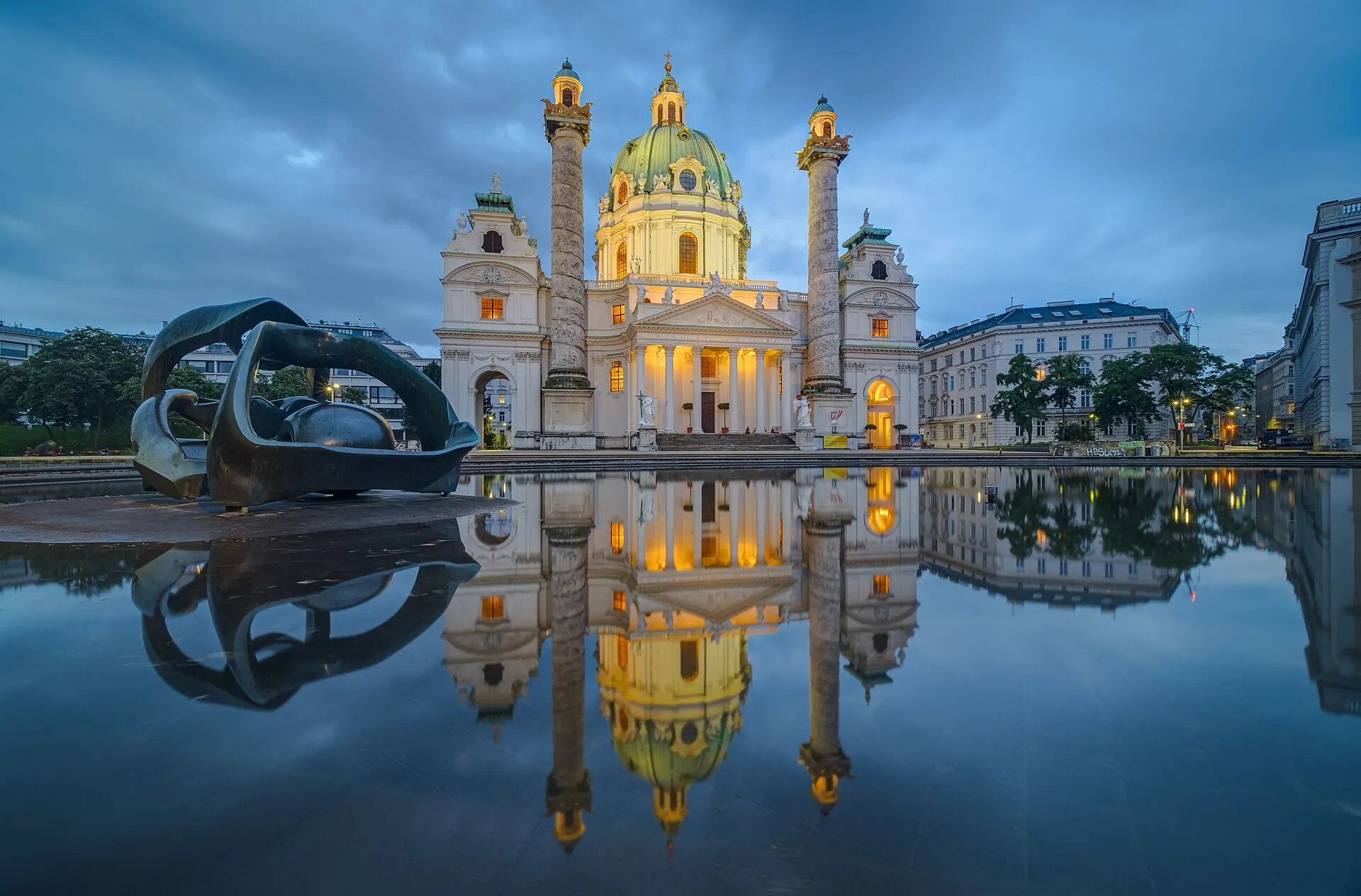
The second layer is baroque, from the decades after the Ottoman siege of 1683, when the city grew with confidence. Johann Bernhard Fischer von Erlach and Johann Lukas von Hildebrandt were the main architects. Fischer von Erlach designed the Karlskirche, with its green copper dome and two pillars modelled on Trajan’s Column, and the first plans for Schönbrunn. Hildebrandt built the Belvedere for Prince Eugene, with the upper and lower palaces linked by formal gardens. The Hofburg also gained baroque wings, and the Spanish Riding School’s hall dates from the 18th century.
The third layer is the Ringstrasse, built from 1858 in the historicist style, in which each building copied a period appropriate to its purpose. The Opera is neo-Renaissance, the Parliament is Greek revival because Greece is the cradle of democracy, the Rathaus is Gothic to recall free medieval cities, the university is Italian Renaissance and the Burgtheater is baroque. The Kunsthistorisches Museum and the Natural History Museum, facing each other across Maria-Theresien-Platz, are twins in the neo-Renaissance style, designed by Gottfried Semper and Carl von Hasenauer.
Around 1900 a new style arrived. Otto Wagner, Joseph Maria Olbrich and Josef Hoffmann led the Vienna Secession, and their work, from the gold-leaf dome of the Secession building to the stations of the old city railway, shaped Art Nouveau in Vienna. The Karlsplatz pavilions by Wagner, and Klimt’s paintings in the Belvedere, come from the same movement.
After 1918 Vienna became known for social housing. The municipal blocks of Red Vienna, such as the Karl-Marx-Hof, remain a large share of the city’s homes, and rents are lower than in many capitals. The city today is a mix: baroque façades, Ring monuments, Secession details, and modern towers on the Danube.
- South Tower of Stephansdom
- About 136 m; 343 steps
- Karlskirche
- Baroque, begun 1716; green dome and twin columns
- Ringstrasse buildings
- Opera, Parliament, Rathaus, university, museums; built from 1858
- Secession
- The 1898 exhibition hall with a gilded dome, next to Karlsplatz
4Music and ideas2 min
Vienna is a city of music. Haydn, Mozart, Beethoven and Schubert all lived and worked here, and Johann Strauss the Younger made the waltz the sound of the 19th century. Brahms, Bruckner and Mahler followed, and in the early 20th century Schoenberg, Berg and Webern started the Second Viennese School. You can still hear these composers in the city’s concert halls and opera house every week of the season.
The Vienna State Opera on the Ring is the central stage, with a season from September to June. The Musikverein, with its gilded Golden Hall, hosts the Vienna Philharmonic and the New Year’s Concert, which is allocated by lottery. Smaller concerts in churches and palaces cater to visitors, with a wide range of quality; look for a venue and programme you recognise, and avoid costumed ticket sellers on the street.
The city was also a centre of ideas. Around 1900 Sigmund Freud practised in Berggasse and started psychoanalysis. Gustav Klimt, Egon Schiele and Oskar Kokoschka painted in styles that broke with tradition, and their work is concentrated in the Belvedere and other museums. Ludwig Wittgenstein, Karl Popper and the Vienna Circle changed philosophy. Vienna’s coffeehouses were the meeting places for many of them.
The coffeehouse itself is a cultural institution. Inscribed on the UNESCO list of intangible heritage, the Viennese coffeehouse gives you a table for as long as you want in return for a single order, with a glass of water and a newspaper. The ritual is quiet and unhurried, and the interiors, with marble tables, bentwood chairs and high ceilings, are a big part of the appeal.
For a visitor the plan is simple. Book one concert or opera, or take a standing-room ticket at the Opera for a few euros, and spend one afternoon in a coffeehouse. Between them, you will have touched the music and the ideas that made the city famous.
- State Opera season
- September to June; standing room from about €15 (2026 estimate)
- Musikverein
- Home of the Vienna Philharmonic; the New Year’s Concert is by lottery
- Coffeehouse culture
- On the UNESCO list of intangible cultural heritage
- Freud’s home
- Berggasse 19, now a museum (check hours)
5Coffee, cake and the Viennese table2 min
Viennese food is a mix of the empire’s kitchens: Austrian, Bohemian, Hungarian, Italian and Jewish traditions all turn up on the menu. The national dish is the Wiener Schnitzel, a breaded and fried cutlet of veal by law and often of pork in restaurants, served with a wedge of lemon and potato salad. Tafelspitz, boiled beef with horseradish and apple, was Emperor Franz Joseph’s favourite, and goulash, a Hungarian import, is a staple of the coffeehouse menu.
The sweet side is equally central. Apfelstrudel and Topfenstrudel are baked in every coffeehouse. The Sachertorte, a chocolate cake with apricot jam, has a long-running rivalry with Demel’s Anna Torte. Kaiserschmarrn, a torn-up caramelised pancake with plum compote, is a dessert and a lunch. Melange, the milky coffee of the city, and Einspänner, a black coffee under whipped cream, are the standard orders.
The coffeehouse etiquette is easy. Sit where you like, and wait for the waiter: he will come. Order coffee and a slice of cake, and a glass of water arrives on a small tray. You can stay for hours. When you want to pay, call the waiter and say zahlen, bitte, and say the total you want to pay, including a tip of 5 to 10 percent, instead of leaving money on the table.
Beyond cafés, there is the Beisl, a traditional tavern with a short menu and a local crowd, the Würstelstand, a sausage stand open late, and the Heuriger, a wine tavern that sells its own new wine and a cold buffet. A green branch over the door means the Heuriger is open. Grinzing is the best-known village, but taverns in Nussdorf and Stammersdorf are quieter. Wine is grown inside the city limits, and Grüner Veltliner and Gemischter Satz, a field blend of whites, are the local styles.
The market culture is strong. The Naschmarkt is the biggest and most visited, with a Saturday flea market on the west end, but neighbourhood markets in Karmelitermarkt and Brunnenmarkt give a more local view. Shops close on Sundays, so buy on Saturday or eat at a café. Prices are moderate for a western European capital, with a sausage at €5 to €8, a coffee at €4.50 to €6.50 and a Schnitzel at €16 to €28 (2026 estimates).
- Schnitzel
- Veal by law when called Wiener; pork is common and cheaper
- Melange
- Milky coffee; the standard coffeehouse order
- Tip
- Round up or add 5 to 10 percent; say the total when you pay
- Heuriger
- A wine tavern; a green branch means open
6The year and daily life2 min
Vienna’s year follows the season of the opera and the weather. From September to June the opera and concert calendar is full, and in July and August it thins as the State Opera breaks for summer. January and February are the ball season, when Vienna holds hundreds of formal balls, including the Opera Ball on the Thursday before Ash Wednesday. From mid-November to Christmas, markets fill the squares.
The rhythm of a day is regular. Cafés open early, and the morning is for museums and shopping. Shops close by about 18:00 to 20:00 on weekdays, earlier on Saturday, and stay closed all Sunday and on public holidays. Restaurants serve lunch from noon to 14:30 and dinner from 18:00, and the kitchens of many close by 21:30. Museums often close one weekday, commonly Monday, so check before you go.
Sunday is quiet. Families walk, eat lunch and visit relatives, and the shops are shut. Coffeehouses and restaurants stay open, and stations and airports have small shops. If you need groceries on a Sunday, buy them on Saturday or at a station shop.
Public transport and manners are part of daily life. Validate your ticket before you board, stand to the right on escalators, and give a seat to an older person. Say Grüß Gott or Guten Tag when you enter a shop or lift. Punctuality matters: be on time for a tour or a table. Quiet hours apply after 22:00 and on Sundays in residential streets.
The climate is continental. Winters are cold and grey, with temperatures around zero and occasional snow. Summers are warm to hot, with spells above 30 degrees and thunderstorms. Spring and autumn are the easiest seasons for walking. In every season, a rain layer and comfortable shoes for cobbles are a good idea.
Vienna is also a green city. About half of its area is parkland, woods, vineyards and water, and the city regularly ranks near the top for quality of life. The Prater, the Danube Island, the Vienna Woods and the palace gardens make an easy contrast with the museums. A walk in a park with a coffee afterwards is as Viennese as an opera.
- Ball season
- Roughly January to Ash Wednesday
- Christmas markets
- Mid-November to 24 December
- Shops
- Closed on Sunday and public holidays; open until about 18:00–20:00 on weekdaysClosed on Sunday and public holidays; open until about 6:00 PM–8:00 PM on weekdays
- National Day
- 26 October; a public holiday
Read, watch, wordsGlossary · Sources
Glossary
| Term | Local | Meaning |
|---|---|---|
| Melange | Melange | Coffee with steamed milk and foam, like a cappuccino. |
| Beisl | A traditional Viennese tavern with a short menu. | |
| Heuriger | A wine tavern that sells its own new wine; a green branch means open. | |
| Würstelstand | A sausage stand, often open late. | |
| Ringstrasse | The boulevard around the old city, built from 1858. | |
| Innere Stadt | The 1st district, the old city inside the Ring. | |
| Gürtel | The outer ring road, marking the edge of the inner districts. | |
| Sturm | Cloudy new wine, sold in early autumn. | |
| Zahlen, bitte | Zahlen, bitte | The bill, please; say the total you want to pay. |
Read for this deep dive
Background reading only: the text above is written by Voykit, not copied from these pages.
Photos
Farmersmarket on a saturday at the Karmelitermarkt, Vienna Photo: Hubertl, CC BY-SA 4.0
Rules in force · 8Non-EU visitors get 90 days in any rolling 180-day window…
- Europe ↗Non-EU visitors get 90 days in any rolling 180-day window, counted across all 29 Schengen states together — not per country; the Entry/Exit System now logs each crossing, so an overstay is detected automatically.
- Europe ↗On the first Schengen entry since EES began, non-EU travellers give four fingerprints and a face photo at the border instead of a passport stamp; there is nothing to apply for or pay in advance.
- Central Europe ↗Six of the nine countries here — Austria, Switzerland, Czechia, Slovakia, Hungary and Slovenia — charge a time-based motorway vignette, mostly digital and linked to the number plate; buy it before the first motorway past the border, because cameras, not toll booths, do the checking.
- Central Europe ↗Temporary police checks at internal Schengen borders are common in this region in 2026 (Germany, Austria, Poland, Slovenia among others — check): keep your passport on you on every cross-border train, bus and road even though there is no fixed control post.
- Austria ↗Austria is in the EU and the Schengen area: check entry rules, the EU Entry/Exit System and any travel authorisation requirement for your passport on official sources.
- Austria ↗Motorways and expressways need a vignette (digital or sticker); driving on them without one brings on-the-spot fines.
- Austria ↗Winter tyres or chains are required in winter conditions; hire cars from outside Austria may not have them fitted.
- Vienna and Lower Austria ↗For rail day trips, buy a return or a day ticket for the region; regional trains outside Vienna are not covered by the Vienna city ticket.
Entry rules depend on your passport. Full visa guide
Emergency numbers for Vienna112 ▾
Tap a number to call from your phone. These are the numbers listed in this guide; a row marked check has not been verified.
Planning is the full guide. I'm here keeps what is open and the cheat card.
Right now
Checking the weather…
Working out what is open near you…
What is open nowclock, closures, places open
Now in Vienna
Local time in Vienna
--:--
Loads in your browser · Europe/Vienna
This month
Month verdict appears here.
Closed today
See the weekly grid below.
| Weekly closure | Mon | Tue | Wed | Thu | Fri | Sat | Sun |
|---|---|---|---|---|---|---|---|
| Shops and supermarketsClosed; stations and airports have exceptions. | · | · | · | · | · | · | ✕ |
| Some museumscheckCheck the weekly closing day before you go. | ✕ | · | · | · | · | · | · |
| BanksClosed; ATMs still work. | · | · | · | · | · | ✕ | ✕ |
If today is a closure day: Shops, supermarkets and most small businesses are closed on Sundays and public holidays; buy food on Saturday or at a station shop. Many museums close on one weekday, often Monday.
Open every day: Albertina, Upper Belvedere, Gloriette and garden hill, Hofburg and Sisi Museum, Karlskirche, Kunsthistorisches Museum, Naschmarkt, Schönbrunn Palace, St Stephen’s Cathedral.
Coffeehouses and restaurants stay open on Sundays; plan lunch and dinner there.
Open now
The sights and places to eat on our list that are open at this moment, in the city's time, nearest first from where you are staying.
Loads in your browser with the city's local time.
Hours marked (check) are typical, not confirmed. Walking times are straight-line estimates. Open at another time →
Cheat cardthe pocket version
Cheat card
The essentials on one card: save it as an image for your phone, share it, or print it.
Vienna
Wien
- Money
- Keep €30–50 in coins and small notes for coffeehouse tips and small bakeries; use bank ATMs, not exchange booths.
- SIM
- An eSIM before you fly works across the EU; SIM kiosks in arrivals need a passport.
- Ride app
- WienMobil · Bolt or Uber
- Emergency
- 112 Any emergency · 133 police · 144 ambulance (not 911, 999 or 000)
- Plugs
- Sockets C/F. US/Canada (A/B): adapter · UK/Ireland (G): adapter · Australia/NZ (I): adapter. 230 V: US 120 V-only devices (hair dryers) need a converter; most chargers are dual-voltage.
Top 5
- Schönbrunn Palace
- Hofburg and Sisi Museum
- Kunsthistorisches Museum
- Stephansdom
- Upper Belvedere
EssentialsQuick answers, what things cost and how to get around
Essentials
Quick answers, what things cost and how to get around
Quick answers
The questions people ask first about Vienna, one line each. Tap a card for the full answer.
- Cash or card?Cards and phones work in most shops and restaurants; some coffeehouses, markets and small bakeries still prefer cash.
- SIM or eSIMAn eSIM before you fly works across the EU; SIM kiosks in arrivals need a passport.
- Ride-hailing appWienMobil · Bolt or Uber.
- Tap waterTap water comes from Alpine springs and is safe and free; fountains are marked as drinking water.
- TippingRound up or add about 5–10% in restaurants and coffeehouses; say the total you want when you pay, do not leave money on the table.
- Plugs & powerSockets C/F. US/Canada (A/B): adapter · UK/Ireland (G): adapter · Australia/NZ (I): adapter. 230 V: US 120 V-only devices (hair dryers) need a converter; most chargers are dual-voltage.
Show all 14 answers
- Safe at night?Take more care after dark in Naschmarkt and Karlsplatz, Praterstern and the Gürtel.
- Emergency numbers112 Any emergency · 133 police · 144 ambulance (not 911, 999 or 000)
- Your embassycheckUS, UK, Canada, Australia, NZ, Ireland embassies listed with addresses (check before you go).
- Closed which day?Sun: 2 on our list shut · Mon: 1 on our list shut.
- Sundays & holidaysShops close by about 18:00–20:00 on weekdays and are shut on Sundays; museums often close one weekday, commonly Monday.Shops close by about 6:00 PM–8:00 PM on weekdays and are shut on Sundays; museums often close one weekday, commonly Monday.
- Late at nightThere is no fixed closing hour: coffeehouses close about 22:00 to midnight, wine bars and bars in the Bermuda Triangle and along the Gürtel stay open…There is no fixed closing hour: coffeehouses close about 10:00 PM to midnight, wine bars and bars in the Bermuda Triangle and along the Gürtel stay open…
- Rainy-day planShowers pass in 20 to 30 minutes: step into a coffeehouse or museum and wait.
- Landing latecheckVIE: last s7 S-Bahn to Wien Mitte about 23:30, then taxi from the rank to your door (check the fare before you go).VIE: last s7 S-Bahn to Wien Mitte about 11:30 PM, then taxi from the rank to your door (check the fare before you go).
Cost cheat-sheetwhat everyday things cost
Cost cheat-sheet
Typical prices for the everyday things, as ranges. Change the currency right here; the local price stays first.
2026 desk estimate · check
- CoffeeCoffee (Melange)€4.50–6.50 (≈ US$6–8)
- Sit-down mealWiener Schnitzel main course€16–28 (≈ US$19–35)
- Street or quick mealSausage stand snack€4–7 (≈ US$5–9)
- BeerHalf litre of beer€4.50–6.50 (≈ US$6–8)
- Metro or bus rideSingle public transport ticket€2.40–3 (≈ US$3–4)
- Museum or sight ticketMain museum ticket€15–25 (≈ US$18–30)
- Budget bedFamily room or apartment, a night, per room€130 (≈ US$160)
- Mid-range bedHotel double room, a night, per room€150 (≈ US$180)
- High-end bedHotel double room, a night, per room€280 (≈ US$350)
A day, not counting the bed: Budget €60 (≈ US$70) · Mid €100 (≈ US$120) · High €180 (≈ US$250)
Local prices, with USD next to them (rates 2026-09 (approximate); change it in the header). Ranges are desk estimates: check locally. Every price and the budget calculator →
Source: Prices in Vienna
Draft
Written from desk research. Not yet compared with the official source.
No official source is recorded for this figure.
Prices are 2026 desk estimates, not yet compared with an official source. Check on the day.
Not checked in the last 12 months (no check date on file).
DecideWho it suits, the trade-offs and when to go
Decide
Who it suits, the trade-offs and when to go
Best months at a glance
The guide's verdict for each month
Jan
Care
3°C (37°F)37°F (3°C)
Feb
Care
5°C (41°F)41°F (5°C)
Mar
Best
10°C (50°F)50°F (10°C)
Apr
Best
16°C (61°F)61°F (16°C)
May
Best
21°C (70°F)70°F (21°C)
Jun
Best
24°C (75°F)75°F (24°C)
Jul
Care
27°C (81°F)81°F (27°C)
Aug
Care
26°C (79°F)79°F (26°C)
Sep
Best
21°C (70°F)70°F (21°C)
Oct
Best
15°C (59°F)59°F (15°C)
Nov
Care
8°C (46°F)46°F (8°C)
Dec
Care
4°C (39°F)39°F (4°C)
Best: Mar–Jun, Sep–Oct. Mixed: Jul–Aug, Nov–Feb. Month by month →
Warmest Jul (27°C (81°F)81°F (27°C)), coolest Jan (−2°C (28°F)28°F (−2°C) low), wettest May (9 rain days), driest Feb (7). Averages, not a forecast.
Vienna across the year
Best-looking months for Vienna: Apr, May, Oct.
| Measure | Jan | Feb | Mar | Apr | May | Jun | Jul | Aug | Sep | Oct | Nov | Dec |
|---|---|---|---|---|---|---|---|---|---|---|---|---|
| Weather | Mixed (care) | Mixed (care) | Good (good) | Great (good) | Great (good) | Great (good) | Mixed (care) | Mixed (care) | Great (good) | Great (good) | Mixed (care) | Mixed (care) |
| Crowds | Medium (ok) | High (care) | Medium (ok) | Low (good) | Medium (ok) | Medium (ok) | High (care) | High (care) | Medium (ok) | Low (good) | Low (good) | High (care) |
| Prices | Medium (ok) | High (care) | Medium (ok) | Low (good) | Medium (ok) | Medium (ok) | High (care) | High (care) | Medium (ok) | Medium (ok) | Low (good) | High (care) |
| Events | 3 events (ok) | 1 event (ok) | 2 events (care) | 1 event (care) | 2 events (ok) | 2 events (ok) | 3 events (care) | 2 events (care) | 1 event (ok) | 2 events (ok) | 2 events (ok) | 2 events (care) |
Green is good news, amber needs planning, red is a month to avoid; dashed grey with a question mark means our data does not say. Open the year heatmap →
Not checked in the last 12 months (no check date on file).
Source: Months, temperatures and crowds
Draft
Written from desk research. Not yet compared with the official source.
Monthly highs, rain and crowd levels are climate averages and desk estimates for the city, not a forecast.
Understand the cityUnderstand · Districts
Orientation & districts
Vienna has 23 districts (Bezirke), numbered outward from the centre. This guide uses four working areas: the Innere Stadt (1st) old centre, the Ringstrasse museums, the Naschmarkt and Karlsplatz area (4th and 6th), and Schönbrunn in the 13th. Two sleep areas cover most visitors.
Addresses start with the postcode, where the middle two digits are the district: 1010 is the 1st, 1060 the 6th, 1130 the 13th.
Shaded shapes: walking areas (click one). Black pins: sleep areas. Grey dots: places. Round badges: arrivals. Click the map to turn on scroll-wheel zoom.
Hover, tap or tab to an area to see what it is like. Pins are sleep areas; arrows at the edge point to the airport.
Off the map: Vienna International Airport (VIE) (25–35 min by the usual route).
Not drawn yet (no coordinates in this guide): Leopoldstadt (2nd), Grinzing and Döbling (19th). They are in the neighbourhood cards below.
Where’s what, as a list:
- Innere Stadt (1st): Stephansdom, the Hofburg, the Graben, the Albertina and the grand cafés; busy and pricey. Suits: First-timers, short stays, sights on foot. Price band $$$.
- Ringstrasse and Museum Quarter (1st and 7th): The Kunsthistorisches Museum, the Naturhistorisches Museum, the Parliament and the Museumsquartier. Suits: Museum days.
- Wieden and Margareten (4th and 5th): Karlsplatz is the hub; the Naschmarkt runs along the 4th and 6th. Suits: Naschmarkt, Karlskirche and neighbourhood cafés.
- Neubau and Mariahilf (7th and 6th): Trendy streets and the Mariahilfer Strasse shopping road; U3 to the centre. Suits: Independent cafés, shops and cheaper beds. Price band $$.
- Hietzing (13th): A quiet residential district in the south-west; the U4 reaches it in about 15 minutes. Suits: Schönbrunn Palace and its gardens.
- Leopoldstadt (2nd): North across the Danube canal; a separate half day if you have time. Suits: The Prater and the Riesenrad (Ferris wheel).
- Grinzing and Döbling (19th): A wine village on the edge of the Vienna Woods; a tram and bus ride in the evening. Suits: Heurige wine taverns.
- Sleep area Innere Stadt (1st district): suits First-timers, short stays, sights on foot, price band $$$.
- Sleep area Neubau and Mariahilf (6th and 7th districts): suits Independent cafés, shops and cheaper beds, price band $$.
- Vienna International Airport (VIE), 25–35 min by the usual route.
Neighbourhoods at a glance
One tab per area, pulled together from this guide’s districts table, area notes, sleep-area scores and place pages. Scores are desk judgements (1–5); prices are estimates, check before you book.
Innere Stadt (1st)
$$$Stephansdom, the Hofburg, the Graben, the Albertina and the grand cafés; busy and pricey.
- Suits:
- First-timers, short stays, sights on foot · Sights and cafés
- Best time:
- Early morning and evening
- Rooms:
- €150–320 per room per night (mid-range to upper); more at Christmas and New Year
Pick this if: First visits, walking to the cathedral and the Hofburg, evenings out
Skip this if: You are on a tight budget or hate crowds around Stephansplatz
- Quiet nights3/5 Medium
- Nightlife3/5 Medium
- Families3/5 Medium
- Late arrival3/5 Medium
Why these scores
- Quiet nights: Cathedral bells and tourist crowds by day; calmer at night.
- Nightlife: Wine bars and the Bermuda Triangle are a short walk.
- Families: Central, with parks and cafés.
- Late arrival: U-Bahn and night buses; check the schedule.
Getting around from here
- 12–18 min walk to Ringstrasse and Museum Quarter
- 15–22 min walk to Naschmarkt and Karlsplatz
Ringstrasse and Museum Quarter (1st and 7th)
The Kunsthistorisches Museum, the Naturhistorisches Museum, the Parliament and the Museumsquartier.
- Best time:
- Weekday mornings
Pick this if: Museum days
Watch out for: Rainy weekends
Getting around from here
- Walk east: about 12 min to Innere Stadt (Stephansplatz and Hofburg)
- Walk or tram south-east: about 15 min to Naschmarkt and Karlsplatz
Wieden and Margareten (4th and 5th)
Karlsplatz is the hub; the Naschmarkt runs along the 4th and 6th.
- Suits:
- Naschmarkt, Karlskirche and neighbourhood cafés
- Best time:
- Before noon
Pick this if: Food and a wander
Watch out for: Saturday midday
Getting around from here
- Walk north-west: about 15 min to Ringstrasse and Museum Quarter
- U-Bahn one stop or walk: about 15 min to Innere Stadt (Stephansplatz and Hofburg)
Neubau and Mariahilf (7th and 6th)
$$Trendy streets and the Mariahilfer Strasse shopping road; U3 to the centre.
- Suits:
- Independent cafés, shops and cheaper beds · Museum days
- Best time:
- Weekday mornings
- Rooms:
- €90–170 per room per night (mid-range)
Pick this if: Value, cafés and the Museum Quarter
Skip this if: You want the cathedral at your door
- Quiet nights3/5 Medium
- Nightlife4/5 High
- Families3/5 Medium
- Late arrival4/5 High
Why these scores
- Quiet nights: Lively streets; ask for a courtyard room.
- Nightlife: Bars and restaurants around Neubaugasse.
- Families: Playgrounds and cafés; a little farther from the centre.
- Late arrival: U3 and night lines.
Getting around from here
- 18–26 min walk to Innere Stadt (Stephansplatz and Hofburg)
Hietzing (13th)
A quiet residential district in the south-west; the U4 reaches it in about 15 minutes.
- Suits:
- Schönbrunn Palace and its gardens
- Best time:
- At opening
Pick this if: A half day
Watch out for: July midday
Getting around from here
- U4 to Karlsplatz: about 20 min to Naschmarkt and Karlsplatz
- U4 and walk: about 25 min to Innere Stadt (Stephansplatz and Hofburg)
Leopoldstadt (2nd)
North across the Danube canal; a separate half day if you have time.
- Suits:
- The Prater and the Riesenrad (Ferris wheel)
Grinzing and Döbling (19th)
A wine village on the edge of the Vienna Woods; a tram and bus ride in the evening.
- Suits:
- Heurige wine taverns
Ward by ward
13 area guides. Open one for the short answer, the key facts and what the area is like; the full guide is linked inside. Prices marked (check) are estimates.
AlsergrundBest for: Quiet nights, university and hospital district, Sigmund Freud Museum, good tram and U-Bahn coverage
Stay in Alsergrund if you want a quiet, residential Vienna base with fast U-Bahn links and student-priced food, and you do not mind walking or riding 10–15 minutes to the big sights. Skip it if you want the Ringstrasse, palaces and cafés on your doorstep — Innere Stadt or Wieden suit that better.
- Best for:
- Quiet nights, university and hospital district, Sigmund Freud Museum, good tram and U-Bahn coverage
- Not for:
- First-timers who want palaces, cafés and the Ringstrasse within a 5-minute walk
- District number:
- 9th district (Alsergrund), north of the city centre
- Population:
- About 42,000 (check)
- U-Bahn:
- U6 on the north edge, U4 on the west, U2 at the south edge
- Trams:
- D, 5, 37, 38, 40, 41, 42, 43, 44; bus 40A
- Rail:
- Wien Franz-Josefs-Bahnhof for regional trains north; Wien Spittelau for U4/U6 interchange
- Walk to Innere Stadt:
- About 20–25 minutes from Schottentor to Stephansplatz (check)
- Typical hotel price:
- 2026 estimate: €90–180 double per night, cheaper than Innere Stadt (check)
What Alsergrund is like
Alsergrund is Vienna's 9th district, a dense, mostly residential wedge north of the Ringstrasse. It holds large parts of the University of Vienna, TU Wien and BOKU, plus several hospitals, the biggest being the AKH general hospital. That mix means the streets are busy with students, staff and patients during the day and quiet at night.
The district's fame is literary and medical rather than monumental. Franz Schubert was born here, Beethoven died at Schwarzspanierstraße 15, and Sigmund Freud lived and worked at Berggasse 19 from 1891 until he left for England in 1938. The square in front of the Votivkirche was renamed for Freud, who crossed it often.
Architecturally, expect solid 19th-century apartment blocks, a few grand set pieces (the Votivkirche, the Liechtenstein Garden Palace, the Josephinum) and the odd curiosity, such as the Narrenturm, a round former asylum tower now holding a pathological-anatomical collection. It is not a postcard district; it is a working one.
Full Alsergrund guideShould you stay here?
Yes, if you value a calm base and easy transit over doorstep sightseeing. Alsergrund sits between the U6, U4 and U2 lines, with trams D, 5, 37, 38, 40, 41, 42, 43 and 44 threading through it, so most of central Vienna is 10–25 minutes away. Hotel rates are usually below Innere Stadt and Wieden, and student cafés and cheap eats keep daily costs down.
No, if this is your first Vienna trip and you want to step out into the Ringstrasse, coffee houses and palace district. Innere Stadt puts you inside that, Wieden and Landstraße are close behind, and Neubau next door has more nightlife and shopping. Alsergrund is better as a second-visit or longer-stay choice, or for anyone visiting the university or a hospital.
HietzingBest for: Palace and zoo visits, families, green space, quiet nights
Stay in Hietzing if you want Schönbrunn Palace, the zoo and the Lainzer Tiergarten on foot and a quiet, green base on the U4, about 15–20 minutes from Karlsplatz (check current timings). Skip it if you want bars, late dinner or a five-minute walk to the museums — choose Innere Stadt or Neubau instead.
- Best for:
- Palace and zoo visits, families, green space, quiet nights
- Worst for:
- Nightlife, late restaurants, first-timers who want everything walkable
- To the centre:
- U4 to Karlsplatz about 15–20 minutes
- Green space:
- About three-quarters of the district is green, including the Lainzer Tiergarten
- Main sights:
- Schönbrunn Palace, Schönbrunn Zoo, Schönbrunn Park, Wagenburg, Hermesvilla, Otto Wagner Hofpavillon
- Terrain:
- Walkable but hilly away from the U4 corridor
- Prices:
- 2026 estimate; palace and zoo tickets are the main costs
What Hietzing is like
Hietzing is Vienna's 13th district, on the western edge of the city along the Wien River. It grew from a village into a district because Schönbrunn Palace was built beside it, and the streets around the palace still hold old villas and gardens rather than apartment blocks.
Roughly three-quarters of the district is green space, most of it the Lainzer Tiergarten, a wooded former Habsburg hunting area that is now a nature reserve with walking trails. The Austrian public broadcaster ORF has its headquarters on the Küniglberg, but otherwise Hietzing is residential and low-rise.
The district is quiet in the evening. That is the trade: you get gardens, the palace park and the zoo, and you give up the density of cafés, bars and restaurants you find closer to the centre.
Full Hietzing guideShould you stay in Hietzing?
Yes, if Schönbrunn is a priority and you would rather walk to it than ride across town. Families do well here: the zoo, the park and the palace are all close, and the streets are calm. It also suits travellers who have seen central Vienna before and want a slower base.
No, if this is your first visit and you plan to spend most evenings in the centre. The U4 ride is short, but you will make it twice a day, and you should check the last connections on the Wiener Linien timetable before booking a late dinner in town. Central districts such as Innere Stadt, Neubau or Wieden put dinner and the museums on foot.
A middle option: stay in Hietzing for two or three nights around a Schönbrunn day, then move inward for the rest of the trip. Changing hotels once in Vienna is cheap and quick by U-Bahn.
Inner EastBest for: Green space, the Prater, family stays, cheaper beds than the Innere Stadt
Stay in the Inner East if you want the Prater, green space and quick U-Bahn links at lower prices than the centre. Base near Praterstern or Karmeliterviertel for food and transit; skip it if you want the Ringstrasse on foot. Families and longer stays gain most.
- Best for:
- Green space, the Prater, family stays, cheaper beds than the Innere Stadt
- Main hub:
- Praterstern: U1, U2, S-Bahn, trams and long-distance trains
- Airport link:
- S7 S-Bahn from Praterstern; Wien Mitte for the City Airport Train
- Walk to centre:
- 10–20 minutes across the Donaukanal bridges to the Innere Stadt
- Districts:
- Leopoldstadt (2) and Brigittenau (20)
- Quiet at night:
- Yes outside Praterstern and the Karmeliterviertel bar strip
- Prices:
- 2026 estimate; mid-range doubles below Innere Stadt rates (check)
What the area is like
The Inner East is the island between the Danube and the Donaukanal, made up of Leopoldstadt (2) in the south and Brigittenau (20) in the north. Most of the ground was reclaimed in the late 19th century, so expect Gründerzeit blocks and 1920s housing rather than an old town.
Leopoldstadt runs from the wild southern Prater up through the formal park and the Wurstelprater funfair at Praterstern, then north into dense streets and the Karmeliterviertel, the historic Jewish quarter and today the centre of Jewish life in Vienna. Brigittenau is plainer, mostly housing from the Danube regulation of 1870–75, with no historic core.
The feel changes street by street: leafy and quiet near the Prater, busy and commercial around Praterstern, café-and-bar territory in the Karmeliterviertel, and residential north of the Augarten.
Full Inner East guideShould you stay here or not
Stay if you want space, parks and a fast U-Bahn ride into the centre, or if you are travelling with children and want the Prater on the doorstep. Beds are generally cheaper than in the Innere Stadt, and Praterstern puts you on U1, U2, S-Bahn and tram lines at once.
Do not stay if your trip is about the Ringstrasse, the museums and the coffee houses, or if you want to walk out of your door into the postcard centre. The southern Prater area is thinly served by public transport, so a hotel deep in the park means buses, walking or taxis.
Innere StadtBest for: First visits, short city breaks, walking to the main sights
Stay in Innere Stadt if you want Vienna's sights on foot and can pay for it: Stephansdom, Hofburg and the museums sit inside the Ring, and the centre is pedestrianised. Skip it if you want lower prices or a residential feel — Neubau, Wieden or Alsergrund are a short U-Bahn ride out (check times).
- Best for:
- First visits, short city breaks, walking to the main sights
- Not for:
- Budget beds, nightlife, driving, quiet residential streets
- Walk across the centre:
- About 20–25 minutes end to end
- U-Bahn:
- U1 and U3 at Stephansplatz; U3 at Herrengasse; U1, U2, U4 at Karlsplatz
- From the airport:
- CAT or S7 to Wien Mitte, then U3 to Stephansplatz (check current times)
- Population:
- About 16,000 residents
- Driving:
- Most streets are pedestrian or bus/taxi only; park outside and walk in (check)
Should you stay here?
Stay if this is your first trip to Vienna and you want to walk out of the hotel into the old town, or if you have two or three nights and no time to lose on transfers. It also suits travellers who want a short walk home after an evening concert or opera.
Skip it if you are watching the budget or prefer a local neighbourhood feel. Neubau, Wieden and Alsergrund are a few U-Bahn stops out (check times) and often cheaper for the same standard of room. Landstraße and the Inner East across the Donaukanal are also close and worth comparing.
A middle option many travellers use: sleep outside the Ring and spend the day inside it. The U-Bahn makes the centre a short ride from most inner districts, and you keep the lower price.
Full Innere Stadt guideEating and drinking
The centre covers everything from coffee and cake to formal dinner. Classic Viennese coffee houses are the cheapest way to sit down for an hour: a Melange and a slice of cake, with the bill rounded up or about 10% added when you pay.
For a full meal, look at the side streets off Graben and Kärntner Straße rather than the main shopping axis, where prices track the foot traffic. Wiener schnitzel, boiled beef (Tafelspitz) and goulash are the standard dishes; portions are large, so one main between two works for a light lunch.
Vegetarian food is easy to find in the centre, and most kitchens can explain what is in a dish in English. Book ahead for dinner on weekends and in December.
JosefstadtBest for: Couples and longer stays wanting calm, central, residential Vienna
Stay in Josefstadt if you want a quiet, central residential district 10–15 minutes on foot from the Ring, with lower room rates than Innere Stadt and U6 and U2 metro access at its edges. Skip it if you want nightlife at the door or a view of the big sights — those are a short tram or walk away, not outside your window.
- Best for:
- Couples and longer stays wanting calm, central, residential Vienna
- Walk to the Ring:
- About 10–15 minutes from most of the district (check)
- Metro:
- U6 along the western Gürtel edge; U2 on the eastern border (check)
- Trams and bus:
- Trams 2 and 5 and bus 13A cross the district (check)
- District size:
- Vienna's smallest district; about 25,000 residents
- Room rates:
- Generally below Innere Stadt for the same dates (2026 estimate) (check)
- Quiet at night:
- Yes — mostly residential streets, few bars (check)
What Josefstadt is like
Josefstadt is Vienna's 8th district and its smallest, a dense grid of 18th- and 19th-century streets between Alser Straße in the north, the 2er Linie in the east, Lerchenfelder Straße in the south and the Gürtel in the west. Noble families built palaces here in the 1700s and 1800s; today it is a well-off residential quarter of about 25,000 people, with offices, schools, small shops and a handful of theatres.
The feel is lived-in rather than touristic. You get a bakery, a pharmacy and a supermarket on the corner, plus a few streets — Josefstädter Straße, Lange Gasse, Laudongasse — where cafés and restaurants cluster. The big set pieces of Vienna are close but not in the district: the Ring is a short walk east, the MuseumsQuartier and Neubau are next door to the south.
Full Josefstadt guideShould you stay here?
Yes, if your priority is a calm base within walking distance of the centre. Josefstadt suits couples, older travellers, families and anyone staying four nights or more who wants a neighbourhood rather than a hotel strip. It also works well for repeat visitors who have already done the palaces and want to live in the city for a few days.
No, if you want to step out of your hotel into bars, or if you want the Stephansdom, Hofburg and museum quarter within two minutes. Neubau and the Innere Stadt do that better. Josefstadt is also not the pick if you are arriving by car and want to park easily — this is dense inner-city parking, so use a garage or leave the car behind.
LandstraßeBest for: Museum and palace visitors, airport arrivals, rail day-trippers
Stay in Landstraße if you want the Belvedere, the Wien Mitte rail hub and the airport train within reach, and rooms generally below Innere Stadt prices (check current rates). Skip it if you want old-town lanes at your door or a guaranteed quiet room on a main road.
- Best for:
- Museum and palace visitors, airport arrivals, rail day-trippers
- Airport link:
- City Airport Train and S-Bahn S7 to Wien Mitte; journey time and fares check (check)
- Main station:
- Wien Mitte (Landstraße): U3, U4, S-Bahn, CAT
- Walk to Belvedere:
- From Wien Mitte roughly 15–25 minutes on foot (check); Quartier Belvedere S-Bahn is closer (check)
- Walk to Stephansdom:
- About 15–20 minutes, or two U3 stops
- Room prices:
- Mid-range doubles roughly €90–160 in 2026 estimate; compare with Innere Stadt before booking (check)
- Noise:
- Landstraßer Hauptstraße and Rennweg carry traffic; ask for a courtyard room
- Tap water:
- Drinkable in Vienna
What the district is like
Landstraße is Vienna's third district, the largest of the inner numbered ones, sitting southeast of the centre. The Wien River and the Wien Canal mark its northern edge; the Belvedere gardens and the rail tracks running south from Hauptbahnhof mark the east. It holds around 91,000 residents, so it reads as a working district with a tourist core rather than a museum quarter.
The district has several distinct faces. Around Wien Mitte you get offices, the Landstraßer Hauptstraße shopping street and hotels. West of there, residential blocks hold the Hundertwasserhaus. South and east, the Rennweg corridor runs past embassies and the Belvedere to former industrial land and the Erdberg bus station.
One naming trap: there is no street called Landstraße in the district. The main street is Landstraßer Hauptstraße, running southeast from the Wien Mitte station.
For orientation, the U3 crosses the district and the U4 touches its northern edge. The palace, the station, hotels and restaurants cluster within a walk of Wien Mitte, though exact times vary by address.
Full Landstraße guideShould you stay here
Yes, if your trip leans on museums, the Belvedere or the train. Wien Mitte puts you on the U3 and U4 and on the S-Bahn trunk line, and the airport train ends there. From the station, Stephansdom is two U3 stops or a 15–20 minute walk, and Belvedere is a walk of roughly 15–25 minutes (check the route for your hotel).
No, if you want to step out of your hotel into the old town, or if you are a light sleeper who books late and gets a street-facing room. The Innere Stadt is a short ride away, not a walk from every Landstraße address.
Where inside the district matters. Near Wien Mitte you pay for convenience and hear traffic. Around Rennweg and the Belvedere you get embassies and a longer walk to the metro. Near Erdberg you are close to the bus station and the U3 but far from the sights.
Book a courtyard-facing room if you are on Landstraßer Hauptstraße or Rennweg, and check whether your hotel is uphill from the station if you are arriving with luggage.
MargaretenBest for: Budget and mid-range stays, longer trips, travellers who want a residential district
Stay in Margareten if you want a lived-in Vienna district with lower rents, quick U4 access and real neighbourhood food, not a sight-heavy base. Skip it if you want palaces, museums and the old town on your doorstep: those sit 10–20 minutes away by U-Bahn, and Margareten itself is mostly housing, streets and local squares.
- Best for:
- Budget and mid-range stays, longer trips, travellers who want a residential district
- Not for:
- First-timers who want the old town, palaces and museums within walking distance
- Main transit:
- U4 along the north edge (Pilgramgasse, Margaretengürtel); buses 13A and 14A cross the district
- To Innere Stadt:
- About 10–15 minutes by U4 and a short walk (check)
- Character:
- 19th-century housing, 1920s–30s municipal blocks along Margaretengürtel, local squares
- Typical Beisl main:
- €8–16 (2026 estimate)
- Quiet at night:
- Yes, apart from the Gürtel and Margaretenstraße edges
- Prices:
- Lower than Innere Stadt for rooms and food (2026 estimate)
What Margareten is like
Margareten is Vienna's fifth district, a wedge of the city bounded by the Wien river to the north and the Gürtel ring road to the west and south. It grew as working-class housing in the 19th century and is still mostly residential: apartment blocks, courtyards, small squares and a busy shopping street, with few headline sights.
The district's most distinctive layer is the municipal housing built between 1919 and 1933, when the city put up around 65,000 high-quality flats for workers. Several of the best-known blocks sit on a short stretch of the Margaretengürtel — Reumannhof, Metzleinstaler Hof and Matteottihof — ranging from Art Deco to modernist, with courtyards and fortress-like fronts. People live in them, so treat them as housing, not as an attraction.
The centre of gravity for visitors is Margaretenplatz and the streets around it, plus Margaretenstraße running north to the U4. This is where the cafés, shops and neighbourhood restaurants cluster.
Full Margareten guideShould you stay here?
Yes, if you are staying several nights, watching your budget, or have already seen Vienna's core and want a quieter base with fast transit. Rooms here cost less than in the Innere Stadt or Neubau, and you are still one U4 ride from the centre.
No, if this is your first visit and you picture stepping out into the old town. Margareten has no palace, no major museum and no landmark square; you will spend 10–20 minutes on transit each time you go sightseeing. Families and light sleepers do well here because evenings are calm away from the Gürtel.
It also suits travellers who prefer a normal neighbourhood — supermarket, bakery, laundry, local Beisl — over a hotel zone.
MariahilfBest for: Market food, shopping, bars, mid-range hotels, first-time visitors who want a central base
Stay in Mariahilf if you want the Naschmarkt, Mariahilfer Straße shopping and Gumpendorfer Straße bars within a 15-minute walk of the centre, with U3, U4 and U6 on the edges. Skip it if you want quiet nights or a postcard old-town address; then pay more in Innere Stadt.
- Best for:
- Market food, shopping, bars, mid-range hotels, first-time visitors who want a central base
- Skip if:
- You want silence at night or a historic old-town address
- Metro:
- U3 north edge, U4 south edge, U6 west edge (check)
- Walk to Innere Stadt:
- About 15–20 minutes from Mariahilfer Straße to the Ring
- Naschmarkt:
- Market stalls Mon–Sat; busiest Saturday morning (check)
- District number:
- Vienna's 6th district, population about 31,700
- Room prices:
- Mid-range double roughly €90–160 a night in 2026 (check)
What Mariahilf is like
Mariahilf is Vienna's 6th district, a wedge between Mariahilfer Straße on the north side, the Gürtel ring road to the west and the Wien River to the south. It is small, dense and central: from the middle of the district you can walk to the Museumsquartier or the State Opera in about 20 minutes, and the U-Bahn puts the rest of the city within a few stops.
The district has two moods. Along Mariahilfer Straße, the city's main shopping street, you get chain stores, department stores and crowds through the day. South of it, around Gumpendorfer Straße and the Naschmarkt, the streets are older and rougher-edged, with bars, small galleries, late-night food and a long-standing bohemian and queer scene. The Naschmarkt itself, on the district's southern edge along the Wien River, is the city's best-known market: produce, spices, cheese and olives by day, restaurants and bars in the evening.
Sights are modest rather than grand. The draw is the everyday city: the market, the shopping street, the Theater an der Wien opera house, the Haus des Meeres aquarium inside a WWII flak tower, and Haydn's last home. If you want palaces and imperial interiors, those are a short walk or ride away in Innere Stadt.
Full Mariahilf guideShould you stay in Mariahilf?
Yes for most first-time visitors who want a central, well-connected base without old-town prices. Hotels cluster along Mariahilfer Straße and near the Naschmarkt, and the U3, U4 and U6 lines run along the district borders, so you can reach Stephansplatz, Schönbrunn or the main station without changing more than once. Food and nightlife are on the doorstep.
No if you are a light sleeper who wants a quiet street, or if the point of your trip is to wake up inside the historic centre. Gumpendorfer Straße and the Naschmarkt area stay loud late, and Mariahilfer Straße carries tram and pedestrian traffic from early morning. Innere Stadt is quieter at night but costs more; Neubau next door is similar in character with slightly fewer hotels.
NeubauBest for: Museums, cafés, bars, independent shops; short walk to the centre
Stay in Neubau if you want MuseumsQuartier museums, Spittelberg lanes and Neubaugasse shopping within a 10–20 minute walk of the Innere Stadt, with U3 and U6 links. Skip it if you want quiet nights or a short walk to the main station: Westbahnhof sits at the district's western edge, not its middle.
- Best for:
- Museums, cafés, bars, independent shops; short walk to the centre
- Not for:
- Quiet nights, families wanting space, anyone wanting a car
- Metro:
- U3 along the south edge, U6 on the west, U2 at MuseumsQuartier/Volkstheater
- Walk to Innere Stadt:
- About 10–20 minutes from MuseumsQuartier
- District:
- Vienna's 7th district (Neubau), population about 32,000 (check)
- Prices:
- 2026 estimate; mid-range double €100–180 a night in season (check)
What the area is like
Neubau is Vienna's 7th district, west of the Innere Stadt. Its southern border is Mariahilfer Straße, the Gürtel runs along the west, and Lerchenfelder Straße marks the north. The district runs from the MuseumsQuartier, next to the old town, through Spittelberg and Neubaugasse out to Westbahnhof.
The tone is young and mixed: contemporary art museums, small galleries, coffee houses, bars and independent shops rather than palaces. Spittelberg keeps low Biedermeier houses on lanes that are quiet by day and busy in the evening. Neubaugasse and the streets around it are ordinary city shopping, not a tourist strip.
MuseumsQuartier is the anchor. It opened as a cultural district in 2001 and works as a public square too: people sit on the large outdoor sofas, meet on the grass in summer, and use the cafés and open-air bars. Combination tickets sold at the MQ entrance cost less than buying each museum ticket separately.
Full Neubau guideShould you stay here
Yes, if you want to walk to the museums and the centre and have bars and food close at night. The trade-off is noise: courtyards and street-facing rooms in Spittelberg and around Neubaugasse can be loud until late, and the Gürtel side carries traffic.
No, if you want a calm residential base, a garden, or easy parking. Neubau is dense and parking is scarce and expensive; use the metro. If your priority is the main station or the Belvedere, look at Landstraße or the Inner East instead. If you want the old town itself, pay more in Innere Stadt.
For a first Vienna trip, Neubau works well as a base for 3–4 nights: you are close enough to walk to the Ring and Hofburg, and the U3 gets you anywhere else quickly.
Outer EastBest for: Drivers, families, longer stays, UNO City and Donauturm visits
Stay in the Outer East only if you want space, parking and easy U-Bahn access to the centre, or you are here for UNO City, the Donauturm or Danube-side green space. It is a residential, post-war half of Vienna, not a sightseeing base; pick it for a car, a family flat or a cheaper bed, and skip it if you want to walk to the museums.
- Districts:
- Floridsdorf (21) and Donaustadt (22), on the east bank of the Danube
- Best for:
- Drivers, families, longer stays, UNO City and Donauturm visits
- Not for:
- First-timers who want the Ringstrasse, museums and coffee houses on foot
- To the centre:
- U1, U2 or U6 to Stephansplatz or Schwedenplatz, roughly 15–25 minutes (check)
- Parking:
- Easier and cheaper than the inner districts; short-stay zones still apply on many streets (check)
- Green space:
- Lobau wetlands (Danube-Auen National Park) and the Bisamberg slopes
- Airport:
- S-Bahn and trains from the east stop at Floridsdorf or Stadlau (check)
What the area is like
The Outer East is the part of Vienna on the far side of the Danube: Floridsdorf (21) in the north, Donaustadt (22) stretching east and south. Floridsdorf grew around its own town centre and still reads as a separate town that happens to have a U-Bahn. Donaustadt is the larger, looser half: farms, villages, housing blocks, the UN campus and the Danube Tower, plus Seestadt Aspern, one of the biggest urban development projects in Central Europe.
Most of this was built after World War II. Until the 1990s parts of it still felt rural, and you can still walk through old village cores such as Stammersdorf, Aspern and Süßenbrunn that kept low houses and gardens. Alongside them sit the big 1920s housing estates of Red Vienna, the modern towers of Donau City and the artificial lake and timber buildings of Seestadt.
The Danube shapes everything. The Lobau, a section of the Danube-Auen National Park, and the Bisamberg slopes give the district a green edge that inner Vienna does not have. If your picture of Vienna is palaces and cafés, this is not that; if you want a quiet flat with a balcony and a fast train into town, it is.
Full Outer East guideShould you stay here?
Stay if you are driving. The A22 and S2 motorways cut through the district, hotels here usually include or sell parking at inner-city prices, and you can leave the car and ride the U-Bahn in. That is the single strongest reason to book here.
Stay if you are visiting UNO City, the Donauturm or Seestadt, or if you are in Vienna for more than a few days and want a larger, cheaper flat. Families do well: apartments are bigger, streets are calmer and the Danube island and Lobau are close.
Skip it on a first trip of two or three nights. The Ringstrasse, the museums, the coffee houses and the nightlife are all across the river, and you will spend 30–50 minutes a day in transit. The Inner East, Wieden and Neubau put you inside that world; the Outer East does not.
Outer SouthBest for: Stays near Hauptbahnhof, longer trips, cemetery and park visits, U6 and U1 access
Stay in Outer South only if you want a base near Wien Hauptbahnhof, a quieter residential area or the Central Cemetery, and you accept a U-Bahn or tram ride to the centre. First-trip sightseeing is better based in Innere Stadt or Neubau. Pick Favoriten or Meidling near a U6 stop for the straightest run in.
- Districts:
- Favoriten (10), Simmering (11), Meidling (12), Liesing (23)
- Best for:
- Stays near Hauptbahnhof, longer trips, cemetery and park visits, U6 and U1 access
- Not for:
- First-trip sightseeing on foot; the big sights are a U-Bahn or tram ride away
- Main rail hub:
- Wien Hauptbahnhof sits just northeast of the area
- Metro:
- U6 west side, U1 east side, U4 along the northern edge
- Tram to the cemetery:
- Tram 71 from Schwarzenbergplatz, or U3 to Simmering then tram 71 or 6
- Central Cemetery entry:
- Free; gates open roughly 07:00–19:00 depending on seasonFree; gates open roughly 7:00 AM–7:00 PM depending on season (check)
What the area is like
Outer South is the belt of districts south of the centre: Favoriten (10), Simmering (11), Meidling (12) and Liesing (23). Favoriten, Simmering and Meidling grew as worker districts, and they still read that way — ordinary apartment blocks, workshops, markets for residents rather than visitors, and far fewer hotels and cafés than the inner districts.
That is the point of staying here. You trade walking distance to the sights for a residential setting and everyday prices (check current room rates against the inner districts before booking). Liesing, the southernmost part, is greener and more suburban, with the Vienna Woods edge and the start of the Wienerwald hills close by.
The one sight that pulls visitors this far south is the Zentralfriedhof, the Central Cemetery in Simmering: nearly 3 million graves over almost 2.5 km² (1 sq mi), one of the largest in Europe, opened in 1874 and used as a weekend park ever since. Beethoven, Brahms, Schubert, Strauss and Schönberg are buried in the graves of honour in section 32C; Mozart's stone is only a memorial. The Jugendstil Karl-Borromäus church by Max Hegele, built in 1911, stands inside the grounds, and the small Funeral Museum sits next to gate 2.The one sight that pulls visitors this far south is the Zentralfriedhof, the Central Cemetery in Simmering: nearly 3 million graves over almost 1 sq mi (2.5 km²), one of the largest in Europe, opened in 1874 and used as a weekend park ever since. Beethoven, Brahms, Schubert, Strauss and Schönberg are buried in the graves of honour in section 32C; Mozart's stone is only a memorial. The Jugendstil Karl-Borromäus church by Max Hegele, built in 1911, stands inside the grounds, and the small Funeral Museum sits next to gate 2.
Elsewhere, the OstLicht photography gallery occupies part of the former Ankerbrot factory in Favoriten, and Neugebäude Palace, a 16th-century complex in Simmering, opens for guided tours by registration.
Full Outer South guideShould you stay here or not
Choose Outer South if you want a quiet residential base with a supermarket downstairs, if you are staying a week or more, or if you are arriving or leaving by train from Wien Hauptbahnhof, which sits at the northeast edge of the area. Families and long-stay visitors do well in Meidling and Liesing.
Skip it on a first trip of three or four nights. Vienna's core sights — the Ring, the museums, the palaces — cluster in Innere Stadt and the districts just outside it, and every trip in and out costs you time you could spend walking the centre. If you want a base that is still close to the sights, look at Neubau or Alsergrund instead.
A middle option: stay in Favoriten or Meidling within a few minutes of a U6 station, so the ride to the centre is one straight line rather than a tram plus a change.
Outer WestBest for: Longer stays, budget beds, vineyards and forest walks, families with a car-free base
Stay in Outer West if you want cheaper beds, vineyards and the Wienerwald on the doorstep, and you accept 20–30 minutes by U-Bahn or tram to the centre. Skip it for a first weekend if you plan to walk to the Ring and the museums each morning. Best for longer stays, families and repeat visitors.
- Districts:
- Penzing (14), Rudolfsheim-Fünfhaus (15), Ottakring (16), Hernals (17), Währing (18), Döbling (19)
- Best for:
- Longer stays, budget beds, vineyards and forest walks, families with a car-free base
- Skip if:
- You have 2–3 nights and want the Ring, museums and coffee houses on foot
- To the centre:
- U3 from Ottakring or U4 from Hütteldorf to the inner city, roughly 20–30 min (check)
- Main rail hub:
- Wien Westbahnhof (U3, U6, trams); Westbahn trains from Salzburg and Linz
- Second rail hub:
- Heiligenstadt (U4, S45) for trains to Krems, Tulln and the Waldviertel
- Green edge:
- Wienerwald forest and the Kahlenberg–Nussdorf vineyard hills in Döbling
- Quiet hours:
- Vienna's night rules apply; keep noise down in residential Gemeindebau blocks
What the area is like
Outer West covers the six districts on Vienna's north-western side, from Rudolfsheim-Fünfhaus around Westbahnhof out to the wooded Wienerwald hills. It is not one place. District 15 is dense, mixed and busy around the station; Ottakring (16) is a multicultural quarter with a growing bar and food scene; Döbling (19) climbs into vineyards and 19th-century villas above the Danube canal.
The forest edge is the reason many visitors come. The Wienerwald was an imperial hunting ground and so was never cleared, which is why Vienna has a real wood with walking trails inside the city limits. Döbling adds the Kahlenberg and Nussdorf wine hills, where heuriger taverns pour the year's wine.
Expect ordinary city life rather than a sightseeing zone: supermarkets, tram stops, schools, and housing blocks such as Karl-Marx-Hof, the long red Gemeindebau in Heiligenstadt. Sights are spread out, so plan on public transport rather than walking between them.
Full Outer West guideShould you stay here?
Yes if your trip is four nights or more, if you want a cheaper room than the inner districts, or if you are travelling with children and value parks and forest over nightlife. The trade is travel time: most addresses sit 20–30 minutes from Stephansplatz by U-Bahn or tram, and late nights mean a taxi or a night bus.
No if this is a short first visit. With two or three nights you will spend your days around Innere Stadt, the museums and the palaces, and the extra commute eats the time you came for. In that case look at Innere Stadt, Wieden or Neubau instead.
Between the districts, pick by mood: Westbahnhof and Rudolfsheim-Fünfhaus for rail links and cheap hotels, Ottakring for food and U3 access, Währing and Döbling for quiet streets, vineyards and family apartments.
WiedenBest for: First-timers, rail arrivals, museum and market days on foot
Stay in Wieden if you want to walk to Karlsplatz, the State Opera and the Naschmarkt, and to sleep near Wien Hauptbahnhof for early trains. It suits first-timers and rail travellers; skip it if you want quiet lanes or a village feel — Neubau or Alsergrund fit that better.
- Best for:
- First-timers, rail arrivals, museum and market days on foot
- Skip if:
- You want quiet streets or a low-rise village feel
- Walk to Karlsplatz:
- About 10–15 minutes from most of the district
- Main rail hub:
- Wien Hauptbahnhof sits on the district's south edge
- Metro:
- U1 and U4 cross the district (check)
- Nightly hotel range:
- 2026 estimate: about €90–200 for a mid-range double (check)
- Quietest nights:
- Side streets off Wiedner Hauptstraße, away from the Gürtel
What Wieden is like
Wieden is Vienna's fourth district, the wedge that starts just south of the State Opera and runs down to Wien Hauptbahnhof. The Wien river marks its north edge, the Gürtel the south, and Prinz-Eugen-Straße the east. Karlsplatz, with the Karlskirche and the Otto Wagner Stadtbahn pavilion, is the part most visitors see first.
The middle is a working district rather than a postcard: the Vienna University of Technology, offices, small galleries, a run of hair salons and a compact cluster of Asian shops and restaurants around Wiedner Hauptstraße that locals call the city's small Chinatown. Streets are busy on weekdays and calm on Sundays, when most shops close.
It is central without being the old town. You get opera, markets and the main station on foot, but the lanes are ordinary Viennese streets with bakeries, pharmacies and neighbours, not a museum quarter.
Full Wieden guideShould you stay in Wieden
Yes for a first trip of three or four nights, especially if you arrive or leave by train: Wien Hauptbahnhof is in the district, so a 6am departure costs you a short walk rather than a taxi across town. Karlsplatz, the Naschmarkt and the Opera are all reachable on foot, and the U-Bahn puts the rest of the city within a few stops.
No if your priority is quiet. The Gürtel and the station forecourt are loud, and Wiedner Hauptstraße carries traffic all day. Travellers who want cobbled calm, independent shops and a slower evening usually prefer Neubau or Alsergrund, and those who want to be inside the old town pay more for Innere Stadt.
Families and light sleepers should ask for a room facing a courtyard, not the street. Solo travellers do well here: the station area has the widest spread of budget rooms and hostels in the city.
District guidesAll district guides in Vienna →
Famous streetsAll famous streets in Vienna →
Decide
The honest trade-off: what you will enjoy, what will wear you down.
You will like
- Palaces and museums
- Coffeehouses
- Efficient public transport
You will hate
- Queues at Schönbrunn
- Crowds at Christmas markets
- Shops closed on Sunday
Similar citiesif this one is not quite right
Similar cities
If Vienna does not fit your dates or budget, these match it on season, cost and feel.
- Prague
Czech Republic
- Good in the same months: Mar, Apr, May, Jun and 2 more
- A mid-range day costs about the same (≈US$124 vs US$116, excl. bed)
- Works well for first-timers, couples, comfort
- A similar climate through the year
- Paris
France
- Good in the same months: Mar, Apr, May, Jun and 2 more
- A mid-range day costs about the same (≈US$140 vs US$116, excl. bed)
- Works well for first-timers, food trips, couples
- A similar climate through the year
- Zagreb
Croatia
- Good in the same months: Mar, Apr, May, Jun and 2 more
- A mid-range day costs about the same (≈US$93 vs US$116, excl. bed)
- Works well for first-timers, food trips, couples
- A similar climate through the year
When
Best months: Mar, Apr, May, Jun, Sep, Oct. Month-by-month verdicts below, with the live forecast first. When to go, month by month →
Vienna: next 7 days
Loading forecast…
Forecast: Open-Meteo (CC BY 4.0), model data for this point.
Air quality
Loading…
Model estimate (CAMS via Open-Meteo), not a street-level station; readings near busy roads run higher.
Month by month, all 12best Mar, Apr, May, Jun, Sep, Oct
Cold, short days; museums quiet; New Year events.
Cold; ball season, some hotels full.
Cool, improving; short queues.
Mild; Easter markets and crowds at Easter.
Warm, long days; good month.
Warm; outdoor cafés open.
Hot spells; Schönbrunn queues; opera season break.
Hot; some venues close for summer.
Warm and settled.
Crisp; good walking.
Grey and cold; Christmas markets open mid-month.
Christmas markets: crowded centre, book beds early.
Climate, calendar and eventsClimate · Calendar · Events · Packing by season
Climate
| Jan | Feb | Mar | Apr | May | Jun | Jul | Aug | Sep | Oct | Nov | Dec | |
|---|---|---|---|---|---|---|---|---|---|---|---|---|
| High | 3°C (37°F)37°F (3°C) | 5°C (41°F)41°F (5°C) | 10°C (50°F)50°F (10°C) | 16°C (61°F)61°F (16°C) | 21°C (70°F)70°F (21°C) | 24°C (75°F)75°F (24°C) | 27°C (81°F)81°F (27°C) | 26°C (79°F)79°F (26°C) | 21°C (70°F)70°F (21°C) | 15°C (59°F)59°F (15°C) | 8°C (46°F)46°F (8°C) | 4°C (39°F)39°F (4°C) |
| Low | −2°C (28°F)28°F (−2°C) | −1°C (30°F)30°F (−1°C) | 2°C (36°F)36°F (2°C) | 6°C (43°F)43°F (6°C) | 11°C (52°F)52°F (11°C) | 14°C (57°F)57°F (14°C) | 16°C (61°F)61°F (16°C) | 16°C (61°F)61°F (16°C) | 12°C (54°F)54°F (12°C) | 7°C (45°F)45°F (7°C) | 3°C (37°F)37°F (3°C) | 0°C (32°F)32°F (0°C) |
| Rain days | 8 | 7 | 8 | 7 | 9 | 9 | 8 | 8 | 7 | 7 | 8 | 9 |
| Verdict |
- Winters are cold and grey, with the Christmas markets the exception; dress in layers and plan indoor stops.
- Summer days reach the high 20s, with short heat spells above 30 °C (86 °F); museums and coffeehouses are the shade.Summer days reach the high 20s, with short heat spells above 86 °F (30 °C); museums and coffeehouses are the shade.
- April, May, September and early October are the easiest months for walking and terraces.
- Showers and thunderstorms pass quickly; a compact umbrella works in every season.
Events by month
New Year’s Concert and Epiphany
national1 and 6 January · Musikverein and citywide
Public holidays; shops closed, and the New Year’s Concert is by lottery.
Spring Festival and Easter markets
religiousMid-March to Easter · Schönbrunn and Freyung
Easter crowds; Sunday and Monday closures.
Labour Day and Ascension
national1 May and Ascension Thursday · Citywide
Public holidays; shops closed, parades on the Ring.
Vienna Pride and Donauinselfest
culturalJune · Ringstrasse and the Danube Island
Crowds and road closures; hotels fill up.
Wine harvest and Sturm
culturalSeptember and October · Heurige in Grinzing and Nussdorf
New wine, called Sturm, appears; busy weekends.
Austrian National Day
national26 October · Heldenplatz and citywide
Public holiday; free entry at some museums and events; shops closed.
All Saints’ Day
religious1 November · Cemeteries
Public holiday; shops closed.
Festivals and events that change the plan
| When | What | Effect on your plan |
|---|---|---|
| Mid-Nov to Dec 24 | Christmas markets | Rathausplatz, Schönbrunn and other markets fill the evenings; hotels and rail seats sell out at weekends. |
| Jan–Feb | Ball season | Evening streets around the Hofburg and Rathaus are closed for traffic; formal dress crowds restaurants. |
| Easter weekend | Easter | Markets and family crowds; shops and many restaurants closed Sunday and Monday. |
| Late Jun–Aug | Summer stage and Film Festival at Rathausplatz | Open-air films and food stalls at the Rathaus each evening; noisy but free. |
| Oct 26 | Austrian National Day | Free museum entry in some places and Heldenplatz events; shops closed. |
What to pack, by season
From Vienna’s own climate table: the coldest, warmest and wettest three months, and what to bring for each.
Coldest months
Dec–Feb
-1° to 4°
Warm coat, hat, gloves and a thermal layer.
Warmest months
Jun–Aug
15° to 26°
Light clothes, sunglasses and sunscreen; a thin layer for air conditioning.
Wettest months
May–Jul
9 rain days a month
A compact umbrella.
Arrive & moveGetting in, getting around, and your bags
Arrive & move
Getting in, getting around, and your bags
I land at…
Enter your landing time: what still runs from the airport, where you can eat when you get in, and which areas let you check in that late.
Vienna International Airport (VIE)
Out of the airport about 23:4811:48 PM (00:45 (next day)12:45 AM (next day) if immigration and bags are slow); in town about 00:18 (next day)12:18 AM (next day).
Transport from the airport
- GoneS7 S-Bahn to Wien Mitte. Last one about 23:30: gone by the time you are out.
- Any hourTaxi from the rank to your door (check the fare before you go). Any hour.
- Last resortOvernight near the airport. If nothing else works.
Places to eat open when you get in
We have no confirmed hours for the places to eat here yet. Plan on a convenience store or your hotel. What is open late →
Where to sleep with a late arrival
- Lets you inInnere Stadt (1st district) 24-hour desk. U-Bahn and night buses; check the schedule.
- Lets you inNeubau and Mariahilf (6th and 7th districts) 24-hour desk. U3 and night lines.
Typical times from our airport data, not a timetable: check the last departure on the day. Full airport-to-bed plan for Vienna International Airport (VIE) →
Arrive
Each gateway has its own airport-to-bed page with timings and the last safe connection.
Getting in, in detailGet in
Get in by rail and road
| Station | Mode | Serves | Where | To the centre |
|---|---|---|---|---|
| Vienna International Airport (VIE)Flughafen Wien-Schwechatuse | Air | International and European flights | Schwechat, 18 km south-east of the centre | S7 train to Wien Mitte about 25 min; taxi €35–45 (≈ US$45–55) about 25–40 minTrains and airport buses (Vienna Airport Lines) are the best value; taxis have fixed fares via an app. |
| Wien HauptbahnhofWien Hbfuse | Train | Long-distance and regional trains (ÖBB and Westbahn) | South of the centre, 10th district | U1 to Stephansplatz about 8 minThe main station for Salzburg, Budapest, Prague and Munich; lockers on site. |
| Wien WestbahnhofWien Westbahnhofuse | Train | Some Westbahn trains and regional services | West of the centre, 15th district | U3 to Stephansplatz about 10 minCheck which station your train uses. |
| Vienna International Bus Terminal (Erdberg)VIBuse | Coach | FlixBus and long-distance coaches | Erdberg, 3rd district | U3 to Stephansplatz about 8 minCheap but slower than the train. |
- A rail journey from Salzburg, Budapest or Munich often beats flying; book early for saver fares.
- The S7 runs about every 30 minutes; check the last train if you land late.
- Validate your ticket on the platform if it is not an e-ticket.
Move
The default way around, when a pass pays off, and when the last trains go.
- Default
- Walk inside a cluster; U-Bahn or tram between clusters.
- Passes
- A 24-hour ticket pays back after about three rides; a 72-hour ticket suits a three-day stay.
- Last trains
- U-Bahn runs all night on Friday, Saturday and the eve of public holidays; other nights it stops around midnight and night buses take over (check the WienMobil timetable).desk estimate
- Other modes
- Other modes (Rome2Rio) ↗
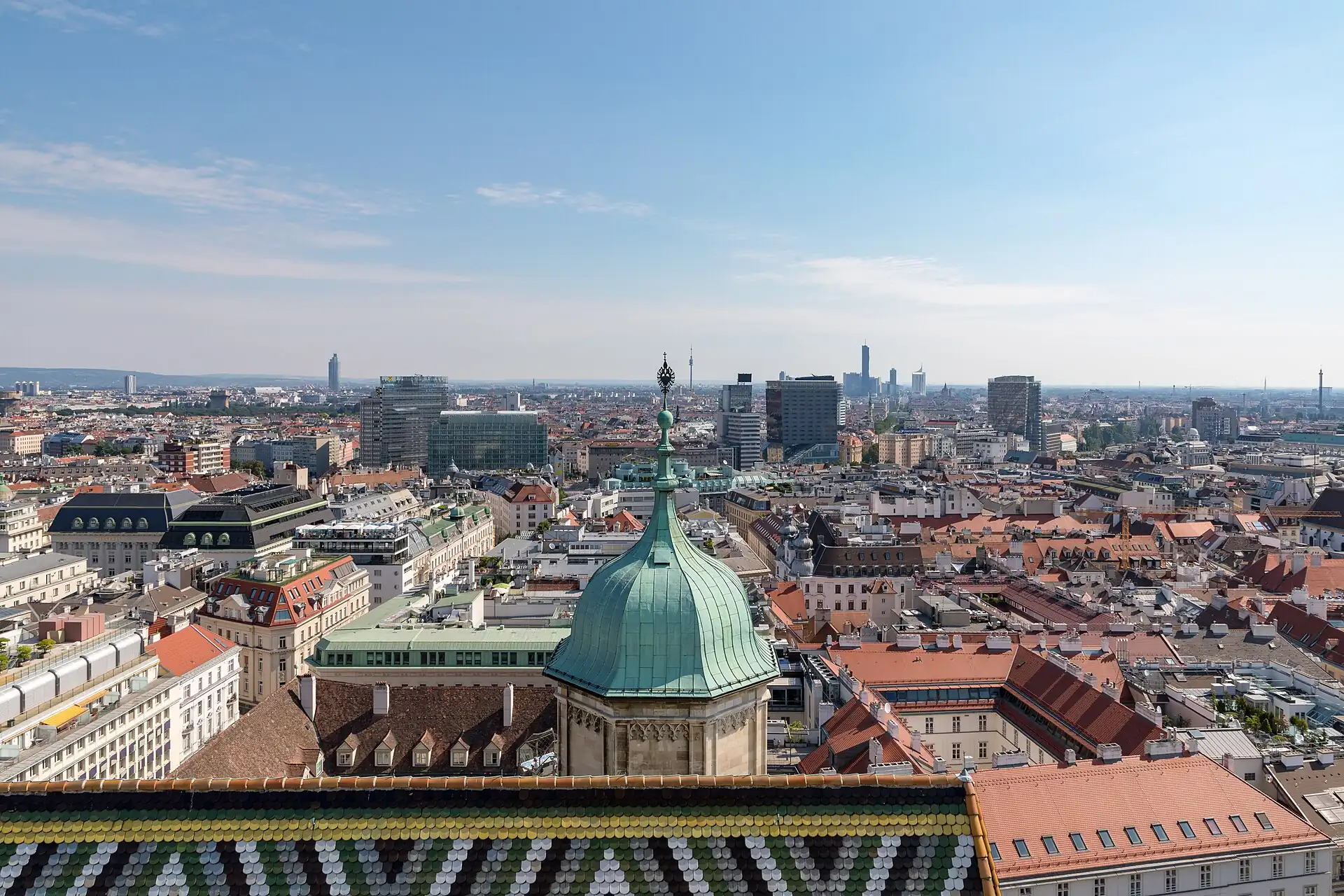
Getting around, in detailGet around · Connect
Get around
Walk inside a cluster; use the U-Bahn, trams and S-Bahn between them. Taxis and rides are cheap enough for late nights. A 24, 48 or 72-hour ticket pays back after about three rides a day.
| Mode | Verdict | Fare | Use it for | What breaks |
|---|---|---|---|---|
| Walking | use | Free | The Innere Stadt, the Ringstrasse and the Museum Quarter | Flat, but cobbled in the old core; wear comfortable shoes. |
| U-Bahn | use | €2.40–3 (≈ US$3–4) single; 72-hour ticket about €17–20 (≈ US$20–25) (2026 estimate) | Between clusters, Schönbrunn and the airport connection | Five lines (U1 to U6); validate before you board. Runs all night on Friday, Saturday and holiday eves; otherwise stops about midnight. |
| Tram | use | Same ticket | The Ring and the inner districts | Lines 1 and 2 circle the Ringstrasse; it is a cheap sightseeing ride. |
| Bus and night bus | use | Same ticket | Late-night connections after the U-Bahn stops | Night lines run from Schwedenplatz and Karlsplatz (check the timetable). |
| S-Bahn and regional train | use | Same ticket within the city zone | The airport and day trips | The S7 serves the airport. |
| Taxi or app | maybe | €8–15 (≈ US$10–18) across the centre (2026 estimate) | Late nights and heavy bags | Bolt and Uber work; use ranks or licensed cabs. |
| Bicycle | maybe | City bike about €1 (≈ US$2) an hour (check) | The Danube Island and the Prater | Bike lanes are marked; do not ride on pavements. |
| Fiaker (horse carriage) | avoid | €90 (≈ US$110) or more for 20–30 min | A short romantic ride | Expensive; agree the price in advance. |
Taxis and ride-hailing
Taxi ranks and phone apps
phone
Call 40100, 31300 or 60160 for a cab, or use Bolt or Uber; the airport has a rank.
On foot and car-free hours
| Where | When | Note |
|---|---|---|
| Stephansplatz to the Hofburg via the Graben | Morning | A 15-minute walk through the old core; cobbles and crowds after 10:30.A 15-minute walk through the old core; cobbles and crowds after 10:30 AM. |
| The Ring on foot | Dusk | Opera, Parliament, Rathaus and the museums are lit up. |
More on getting around
Validate paper tickets in the blue box before you board a tram or U-Bahn; inspectors check and fines are immediate. Buy in the WienMobil app to skip validation.
The city has a Vienna City Card with transport and museum discounts; it pays off only if you visit three or more of its partner sights (check the current terms).
The U-Bahn can be packed at peak hours; stay off the U1 and U6 between 07:30 and 09:00 with big bags.
Connect
| Option | Verdict | What breaks |
|---|---|---|
| eSIM before you fly | use | Works across the EU; the simplest option for a short stay. |
| Prepaid SIM in a shop or supermarket | use | Bring your passport for registration; typically €10 to €20 (≈ US$12–25) for a week of data (2026 estimate). |
| Home roaming | caution | US carriers often charge a daily fee; UK, Canadian, Australian and New Zealand plans vary, so check. |
WienMobil
Public transport routes, tickets and bike or car sharing
The official Wiener Linien app; buy tickets in the app.
Google Maps or Apple Maps
Directions and opening hours
Both work well in Vienna.
Bolt or Uber
Taxis
Both operate; a metered taxi also works from ranks.
- Wi-Fi
- Free in many cafés, museums and hotels; the city runs free hotspots at some squares.
- Mobile coverage
- Good throughout the city and on the U-Bahn.
Luggage
Where big bags are a problem, and how to get rid of them for the day.
Rule
- Lockers
- Lockers at Wien Hauptbahnhof and Wien Mitte; hotels hold bags after check-out.
- Forwarding
- No forwarding culture for tourists; keep the big bag at the Vienna hotel for day trips.
- Dead zone
- Late flights: ask the hotel to hold bags; the airport is 25–40 minutes by S-Bahn.
Bags, area by area
4 walking areas rated
- Bags forbidden
- Bags painful
Innere Stadt (Stephansplatz and Hofburg)Ringstrasse and Museum QuarterNaschmarkt and Karlsplatz
Lockers, forwarding and the gap between check-out and check-in are covered once, under Luggage.
See & doWalking clusters, day plans and the places worth the time
See & do
Walking clusters, day plans and the places worth the time
Clusters
Plan by cluster: each is a walkable area with a rescue point and a bag rule.
Morning cluster: the cathedral on foot from Stephansplatz, then the Hofburg and the Graben; flat, cobbled, crowded after 10:30.
rescue 100% · max p90 5.5′ · half
Museum-day cluster: pick two big museums, not four; the Ring gives flat, shaded walking between them.
rescue 100% · max p90 5.9′ · full
Late-morning to lunch cluster: market stalls before 12:00, the Karlskirche and the Secession, then a coffeehouse.
rescue 100% · max p90 5.5′ · half
Book the first entry slot: palace interior, then the gardens and the Gloriette hill before the tour buses.
rescue 100% · max p90 5.9′ · half
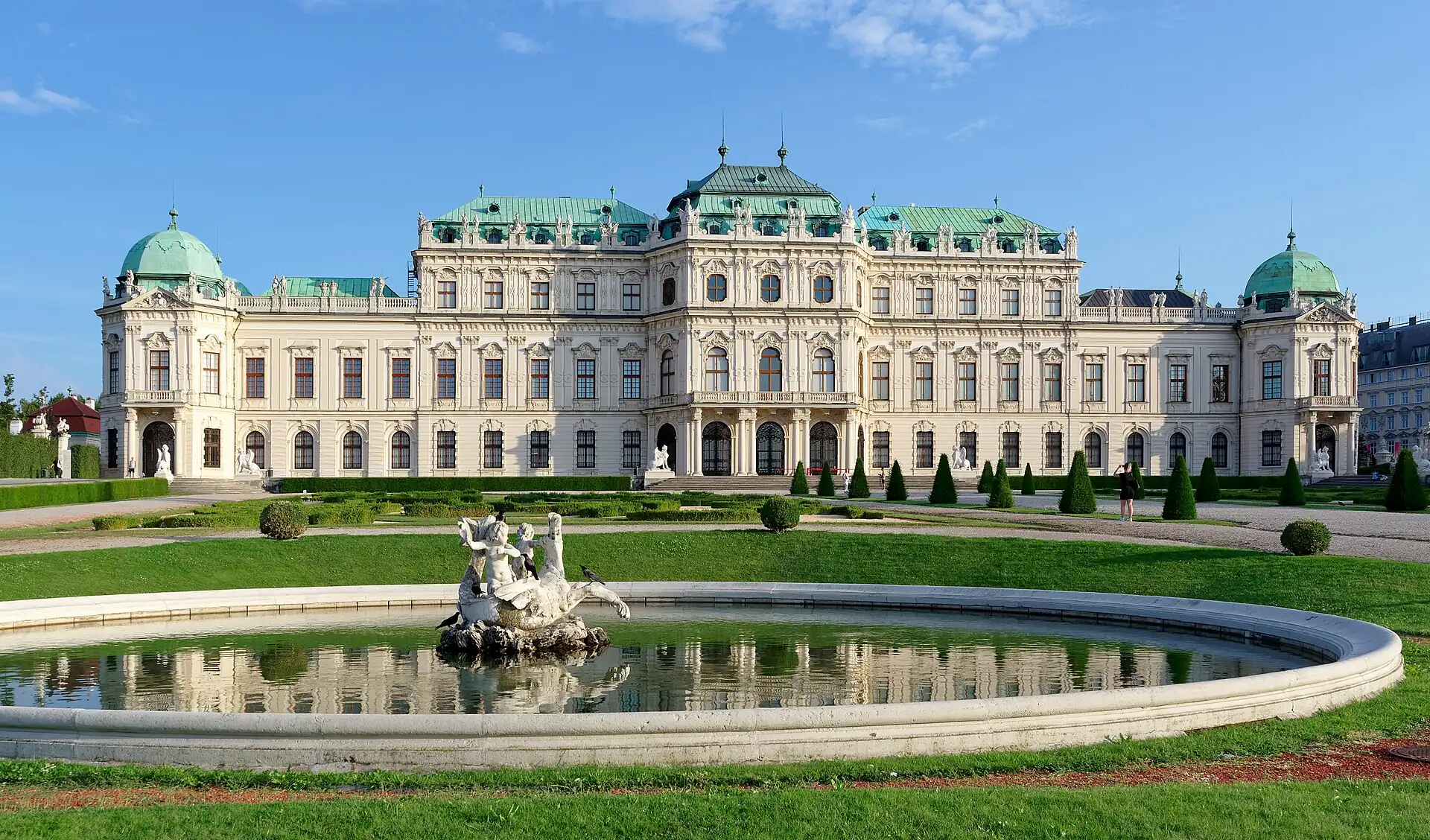
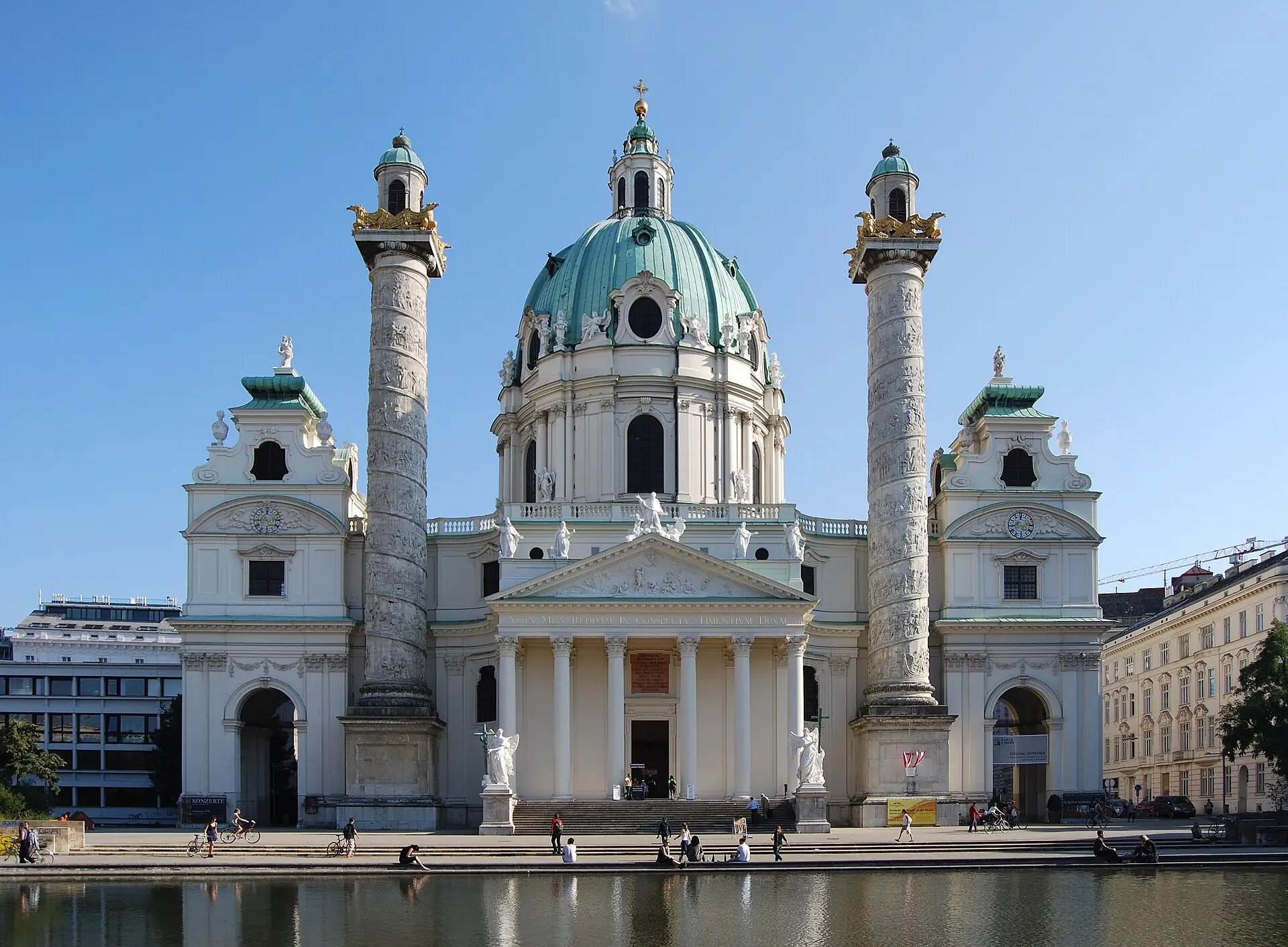
Days
Ready-made day plans, timed against opening hours and walking distances.
How long are you staying?
Loose outlines: palaces early, museums in the middle, cafés after 15:00.
2 days
A short weekend
Day 1
- 08:30St Stephen’s Cathedral — Stephansdom
- 10:00Hofburg and Sisi Museum — Hofburg
- 12:30Lunch in the centre
- 15:00Café Central — Coffeehouse
Day 2
- 09:00Kunsthistorisches Museum — Kunsthistorisches Museum
- 12:00Naschmarkt — Naschmarkt
- 15:00Karlskirche — Karlskirche
- 16:00Café Sperl — Café Sperl
Skip: Schönbrunn: it needs a half day of its own.
Vienna in 3 days
3 daysOld centre in the morning, museums and the market in the middle, Schönbrunn at opening; the last day ends with the bags already at the hotel door.
Day by day
Day 1 — Stephansdom, Hofburg, a 12:30 lunch table
- 08:30St Stephen’s Cathedral
- Hofburg and Sisi Museum
- Albertina (optional)
- 12:30Lunch table 12:30 (Innere Stadt)
Day 2 — Museum morning, Naschmarkt, a coffeehouse
Day 3 — Schönbrunn at opening, bags to the airport at 12:30
- 08:15Schönbrunn Palace
- Gloriette and garden hill (optional)
- 12:30Bags and S-Bahn to the airport at 12:30
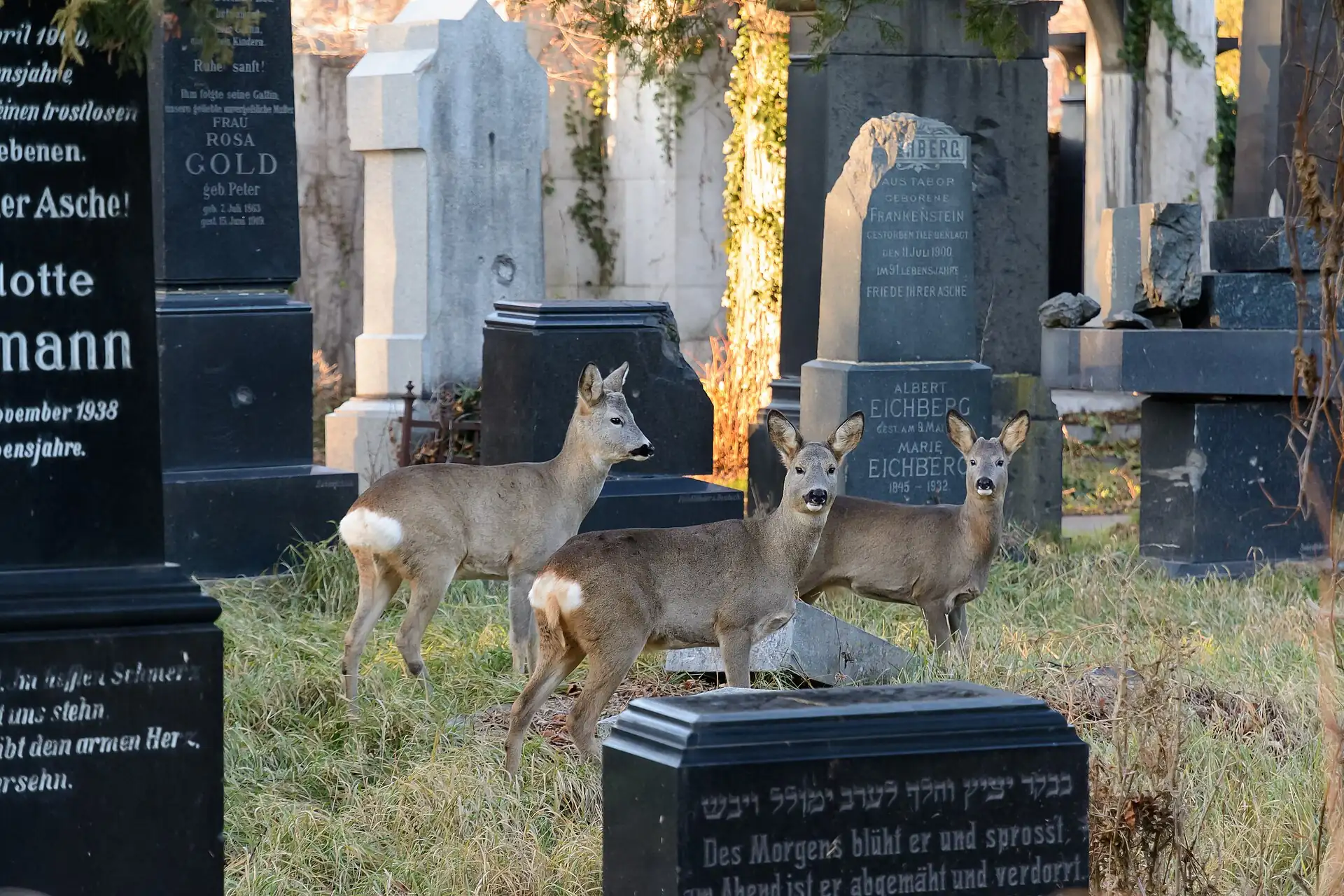
Places
“Best time” is when to arrive for the fewest crowds, for example “before 08:30”; “Go any time” means the hour makes little difference. More sights follow under “More sights and museums”.
9 places. Filters use the guide’s own ratings; a place with no rating is left out when a filter is on.
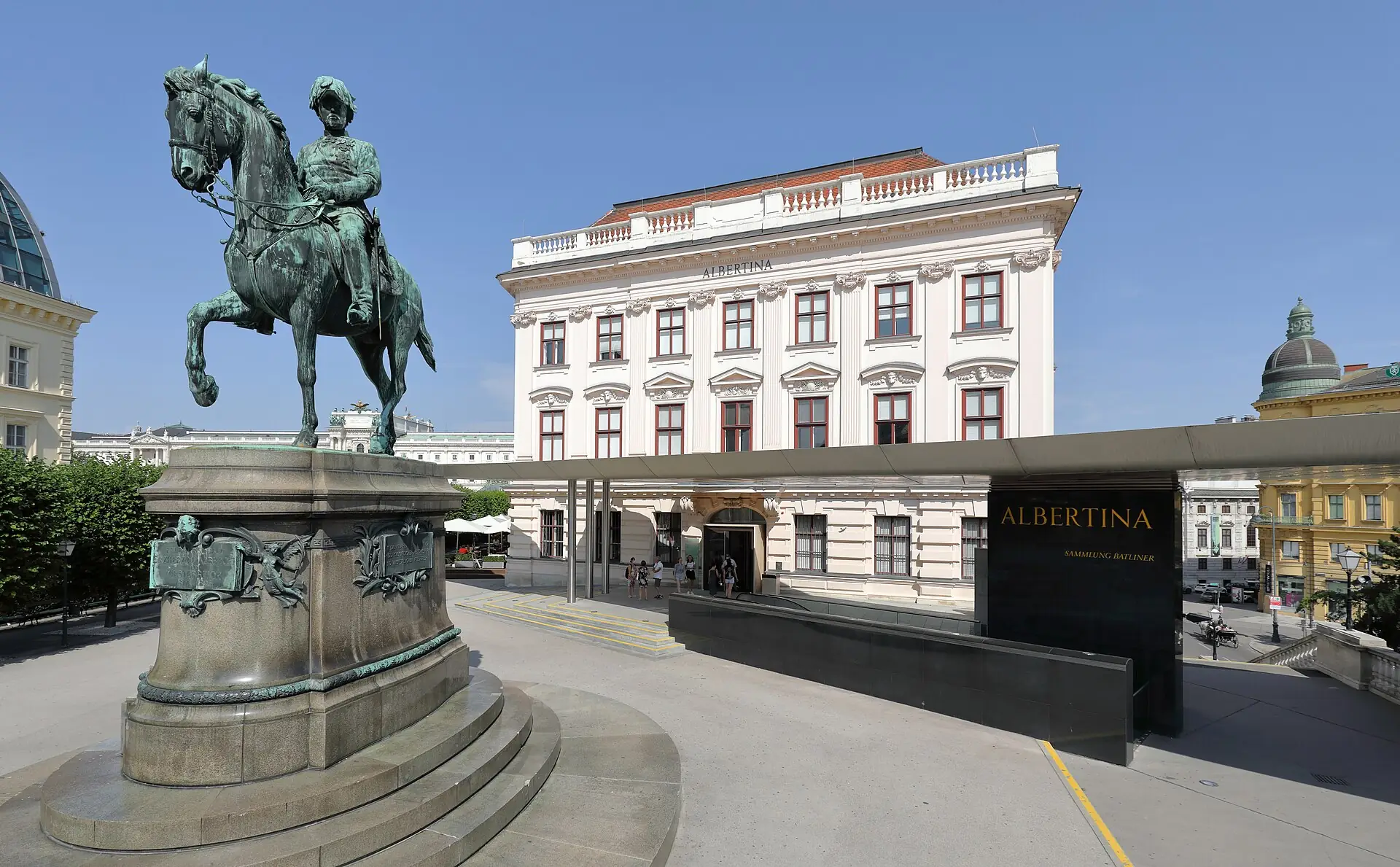
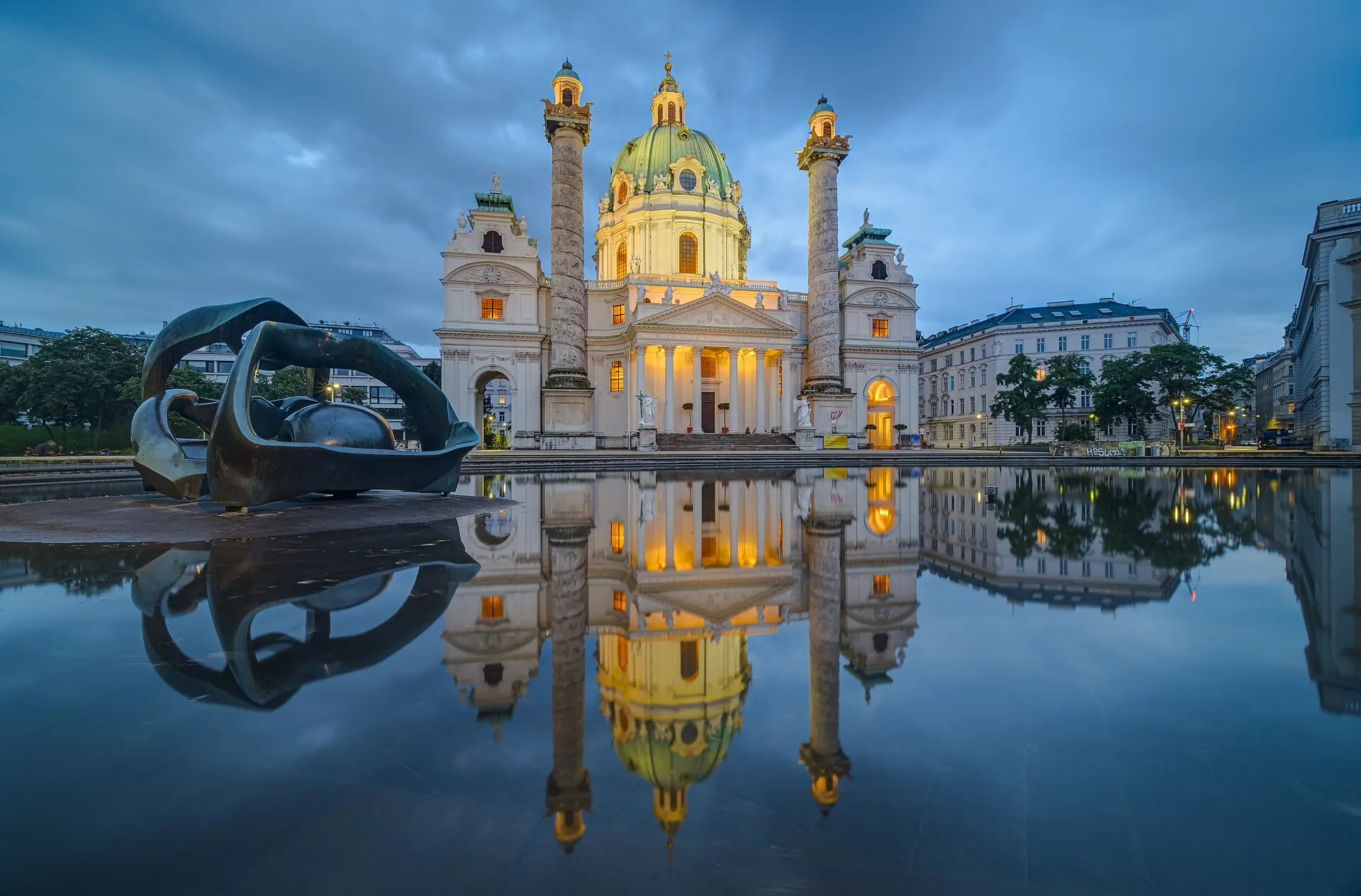
Show 3 more placesShow fewer
Tours, classes and shows in Vienna →
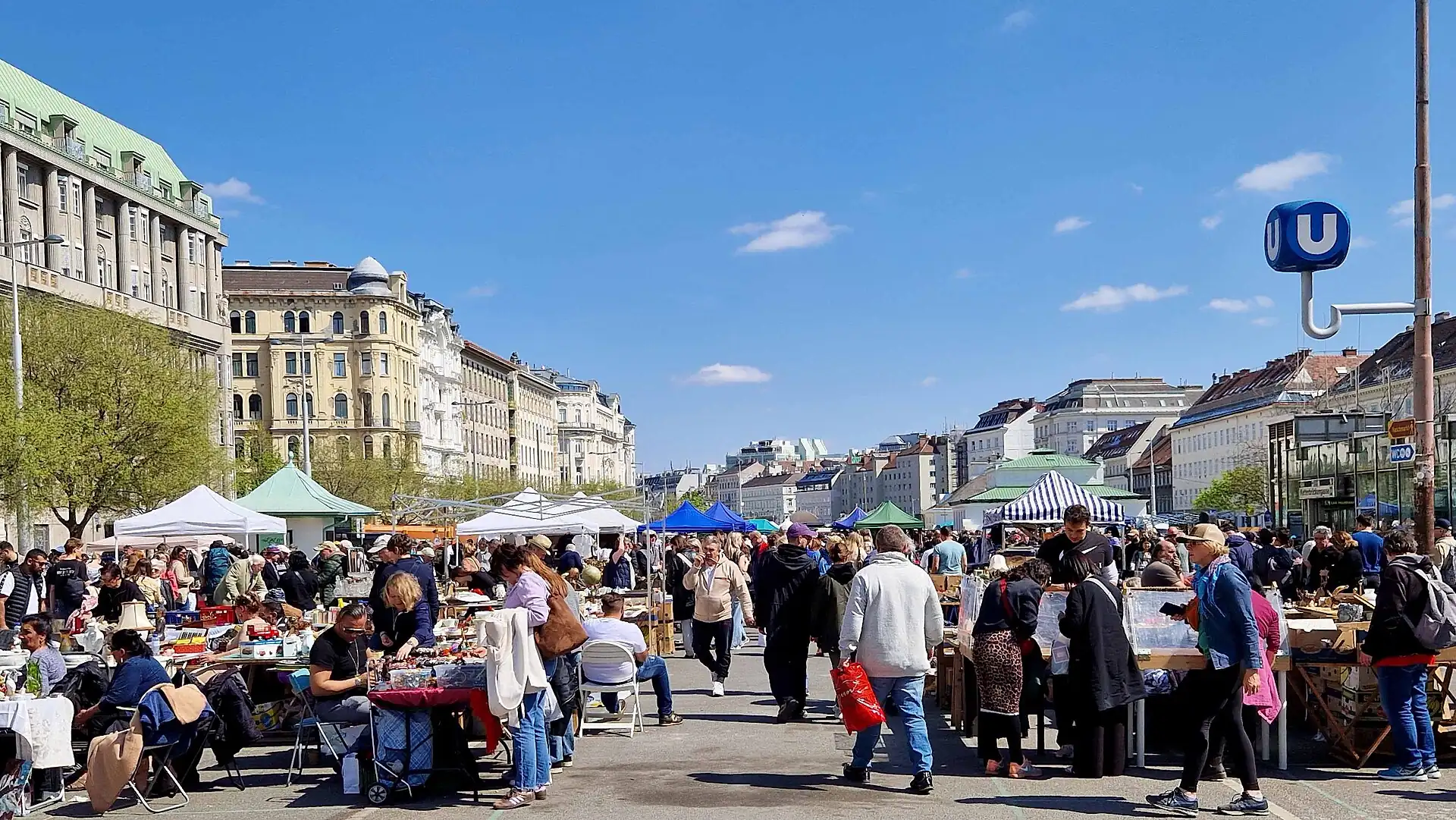
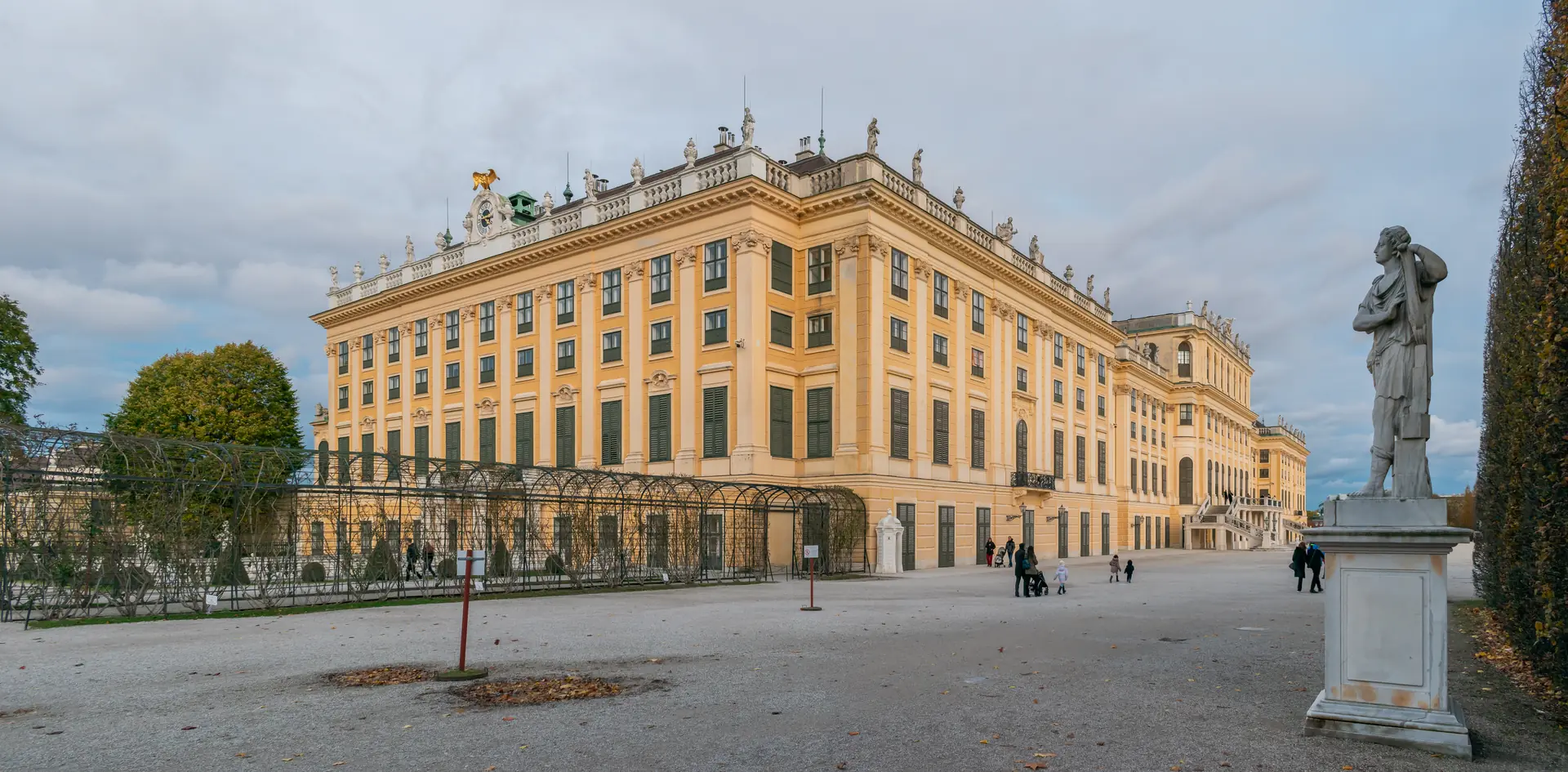
If you do ten things in Vienna
Ranked for a first visit of 3 days. Prices are 2026 estimates in euros.
- 1
The Habsburg summer palace and gardens; the best palace in the city.
- Time
- 2–3 h
- Best
- First timed slot
- Cost
- €27–40 (≈ US$35–50)
- 2
The imperial apartments and the empress’s story.
- Time
- 1.5–2 h
- Best
- Opening or after 15:00
- Cost
- €18–20 (≈ US$25)
- 3
Bruegel, Vermeer and Titian in a domed building.
- Time
- 1.5–2 h
- Best
- Weekday morning
- Cost
- €22–25 (≈ US$30)
- 4
The Gothic cathedral at the centre of the city.
- Time
- 30–45 min
- Best
- At opening
- Cost
- Free (tower extra)
- 5
Klimt’s The Kiss in a baroque palace.
- Time
- 1–1.5 h
- Best
- Morning
- Cost
- €18–22 (≈ US$25–30)
- 6
A long food market and a Saturday flea market.
- Time
- 40–60 min
- Best
- Before noon
- Cost
- Free to walk
- 7
A baroque dome you can see up close in a lift.
- Time
- 25–40 min
- Best
- Weekday morning
- Cost
- €9–10 (≈ US$11–12)
- 8
The city’s best ritual: coffee, cake and a newspaper.
- Time
- 1 h
- Best
- After 15:00
- Cost
- €10–18 (≈ US$12–25)
- 9
Good for…
Verdict is how well Vienna works for that traveller, not how nice it is.
A compact centre, clear public transport and unmissable sights.
- 1Hofburg and Sisi Museum — the imperial city in one visit.
- 2St Stephen’s Cathedral — the anchor of the old town.
Schnitzel, cake, sausages and wine taverns.
- 1Figlmüller Wollzeile — the classic Schnitzel.
- 2
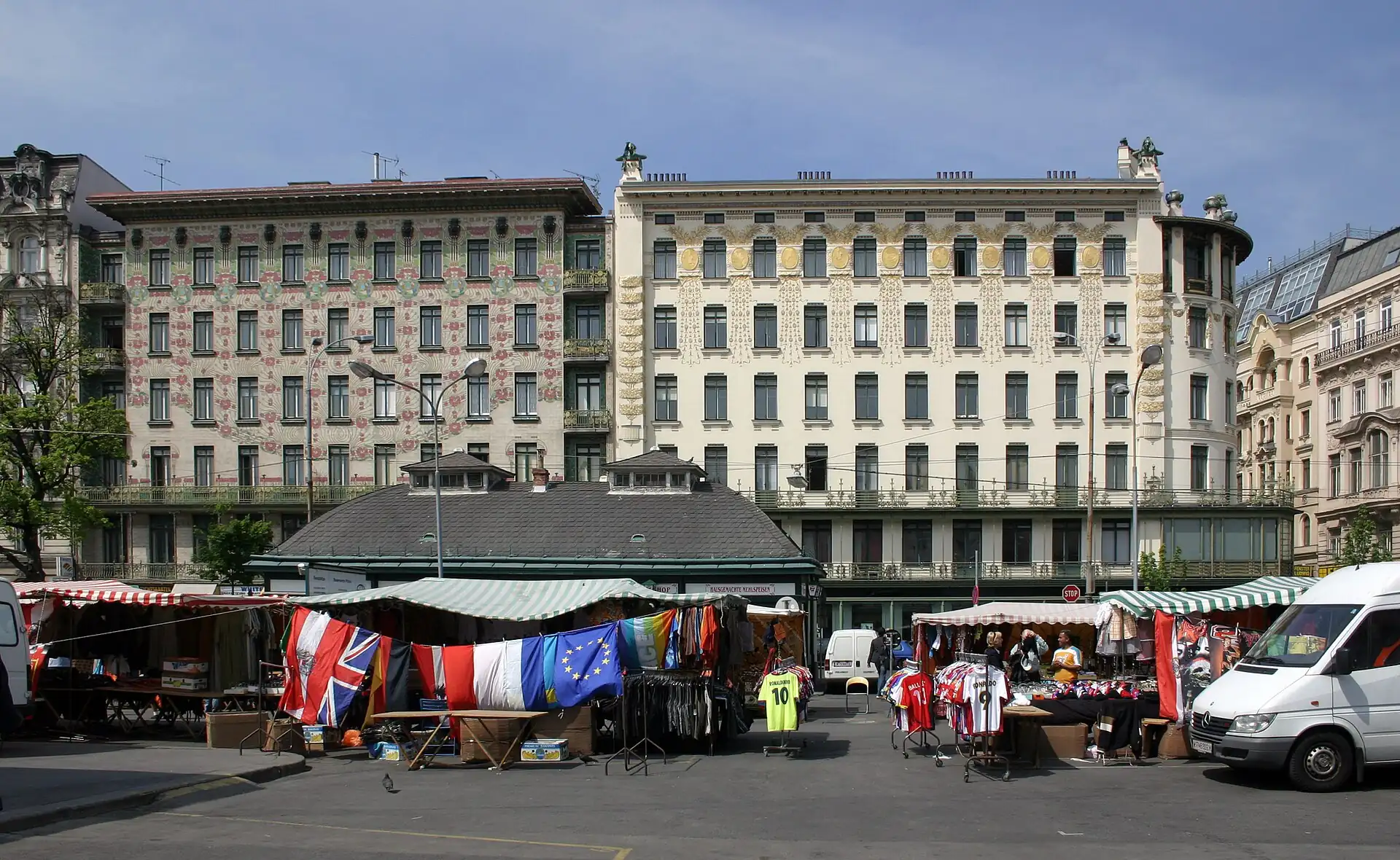 Naschmarkt — market grazing.
Beds are mid-priced, but the transit pass, standing-room opera and sausage stands keep costs low.
- 1Bitzinger Würstelstand — a cheap and fast lunch.
Palaces, concerts and wine taverns.
- 1Gloriette and garden hill — a view and a café.
- 2Upper Belvedere — gardens and art.
Zoo, parks, and easy transit.
- 1Schönbrunn Palace — gardens and the zoo on one ticket area.
Grand hotels, opera and fine pastries.
- 1Demel — a court confectioner’s.
Lifts and low-floor trams; cobbles slow you in the old core.
- 1Kunsthistorisches Museum — lifts to all floors.
Neighbourhoods in one line
One line per area. The districts table covers where to sleep; this is about how each place feels.
| Area | Feel | Suits | Go | Avoid |
|---|---|---|---|---|
| Innere Stadt | Dense, stately and crowded from 10:30Dense, stately and crowded from 10:30 AM | Sights and cafés | Early morning and evening | Midday tour-group hours |
| Ringstrasse museums | Grand, wide and formal | Museum days | Weekday mornings | Rainy weekends |
| Naschmarkt and Karlsplatz | Lively, mixed and busy | Food and a wander | Before noon | Saturday midday |
| Schönbrunn | Formal gardens and a big palace | A half day | At opening | July midday |
Tours and classes: book or skip
Book through official sites or trusted operators. Prices per person unless stated (2026 estimate).
| Tour or class | Verdict | Typical price | Why | Check before paying |
|---|---|---|---|---|
| Schönbrunn guided tour | book | €27–40 (≈ US$35–50) | The palace explained room by room with an audio guide or a guide. | The timed slot and which tour tier the ticket includes. |
| Walking tour of the old town | maybe | €15–30 (≈ US$18–35) or tip-based | A quick orientation to the centre. | Group size and the language. |
| Wachau day trip by train and boat | book | €60–100 (≈ US$70–120) | A valley of vineyards and an abbey. | The boat schedule and season. |
| Coffeehouse and pastry walk | maybe | €50–80 (≈ US$60–95) | Learn the order and the etiquette. | What is included in the price. |
| Heuriger evening tour | maybe | €60–90 (≈ US$70–110) | Transport and a tasting in one. | The return transport. |
What each season brings
Spring
Mar–May
Blossom, terraces and short queues.
Watch: Easter crowds; cold snaps in March.
Summer
Jun–Aug
Open-air film and long days.
Watch: Heat spells; opera season break in July and August; Schönbrunn queues.
Autumn
Sep–Oct
Wine harvest, Sturm and clear light.
Watch: National Day crowds on 26 October.
Winter
Nov–Feb
Christmas markets, ball season and concerts.
Watch: Cold, early dark and full hotels at Christmas and New Year.
Photo spots and the light
Light times are for clear days.
| Spot | Best light | Tip |
|---|---|---|
| Gloriette view | Morning | The palace and the city in one frame. |
| Belvedere garden | Morning and late afternoon | The upper palace across the pond. |
| Stephansplatz | Early morning | The tiled roof without the crowd. |
| Karlskirche across the pond | Dusk | The dome lit up. |
| Museum staircase | Any time | The domed hall and staircase (photos allowed; check flash rules). |
Vienna travel FAQ
Answers are 2026 desk estimates; prices and rules marked (check) change.
How many days do I need in Vienna?
Three days cover the old centre, the museums, the Naschmarkt and Schönbrunn. Add a fourth or fifth for the Wachau valley or a slow coffeehouse day.
Do I need to book Schönbrunn ahead?
Yes, book the first timed slot online; midday queues are long, especially in summer.
What is the best public transport ticket?
A 24, 48 or 72-hour ticket pays off after about three rides a day; validate it before your first ride.
Are shops open on Sunday?
No. Shops and supermarkets are closed on Sundays and public holidays; stations and the airport are exceptions.
How much should I tip?
Round up or add 5 to 10%; say the total when you pay.
Can I drink the tap water?
Yes; it comes from Alpine springs and is free and safe.
Is Vienna safe?
Yes; the risks are pickpockets on the U-Bahn and at Stephansplatz, and cyclists in marked lanes.
What is a Melange?
Coffee with steamed milk, like a cappuccino; the standard order in a coffeehouse.
How do I get from the airport to the centre?
The S7 train takes about 25 minutes to Wien Mitte; a taxi costs €35 to €45 (≈ US$45–55).
Do I need a visa?
US, UK, Canadian, Australian, New Zealand and Irish citizens can normally stay 90 days in any 180 without a visa; check ETIAS rules for the start date.
More to see and doSee & do · Learn & work · Rain & heat · Free things · Wheelchair and stroller
Free things to do
Sights in Vienna that cost nothing to enter. Each is described under Places or More sights; extra costs inside are marked there.
Wheelchair and stroller, place by place
How each place in this guide works for wheels, from its own page. Ratings are desk estimates unless a page says it was checked on the ground.
| Place | Step-free | Wheelchair | Stroller | What to know |
|---|---|---|---|---|
| Albertina | yes | good | good | None on the lift route. |
| Upper Belvedere | yes | good | ok | None on the lift route. |
| Gloriette and garden hill | partial | caution | ok | A flight of steps at the top; a longer step-free route around exists (check). |
| Hofburg and Sisi Museum | yes | good | ok | A few steps on the standard route; lifts available. |
| Karlskirche | yes | ok | ok | A few steps at the entrance ramps; the dome platform is by lift and stairs. |
| Kunsthistorisches Museum | yes | good | good | None on the lift route. |
| Naschmarkt | yes | ok | ok | None on the main lane. |
| Schönbrunn Palace | yes | good | ok | Some steps on the standard route; a lift route is available. |
| St Stephen’s Cathedral | yes | ok | ok | The South Tower has 343 steps; the North Tower has a lift. |
See & do
17 of 17
- church
The Gothic cathedral with a tiled roof at the city’s centre.
Innere Stadt · Daily, visiting hours vary (check) · Nave free; tower and catacombs extra
- palace
The imperial palace with the Sisi Museum and apartments.
Innere Stadt · Daily 09:00–17:30 (check)Daily 9:00 AM–5:30 PM (check) · €18–20 (≈ US$25) (2026 estimate)
- Museums
State rooms and an art collection with Impressionist works.
Innere Stadt · Daily (check) · €18–20 (≈ US$25)
- Museums
Old Masters, Egyptian rooms and the Kunstkammer.
Ringstrasse · Tue to Sun (check) · €22–25 (≈ US$30)
- Markets
The long market of food stalls and small restaurants.
Wieden and Mariahilf · Mon to Sat, closed Sunday · Free to walk
- church
A baroque church with a green dome and a lift to the dome.
Wieden · Daily (check) · €9–10 (≈ US$11–12)
- palace
The Upper Belvedere with Klimt’s painting The Kiss and formal gardens.
Landstrasse · Daily (check) · €18–22 (≈ US$25–30)
- palace
The Habsburg summer palace: book the first slot.
Hietzing · Daily from 08:30 (check)Daily from 8:30 AM (check) · €27–40 (≈ US$35–50)
A hilltop colonnade with a view over the palace and the city.
Hietzing · Daylight · Free to reach; platform about €4–5 (≈ US$5–6)
Museumsquartier
MuseumsA large courtyard of modern museums and cafés.
Neubau · Courtyard open daily; museums vary · Courtyard free
Prater and Riesenrad
parkA fairground and park with a 19th-century Ferris wheel.
Leopoldstadt · Riesenrad daily (check) · About €14–16 (≈ US$17–19) for the Ferris wheel
Opera or concert
eveningBook ahead or queue for standing room; dress smart.
Innere Stadt · Evenings; opera season Sept to June · Standing from about €15 (≈ US$18); seats €30–250 (≈ US$35–300)
Coffeehouse afternoon
caféCoffee and cake at a grand café; go after 15:00 to skip the queue.Coffee and cake at a grand café; go after 3:00 PM to skip the queue.
Innere Stadt · 15:00–17:003:00 PM–5:00 PM · €5–14 (≈ US$6–17)
Heuriger evening
eveningNew wine and a cold buffet at a wine tavern on the edge of the city.
Grinzing · From 16:00 (check)From 4:00 PM (check) · €15–35 (≈ US$18–45)
Danube Island walk or ride
outdoorsA long park on an island with swimming spots in summer.
Donaustadt · Daylight · Free; bike hire extra
Vienna Woods hike
outdoorsTrails from the tram stops on the western edge.
Döbling · Daylight · Transit ticket
Ring tram ride
tourLines 1 and 2 circle the boulevard for the price of a ticket.
Ringstrasse · Daytime · Transit ticket
- Booking
- Book Schönbrunn, the Kunsthistorisches Museum and any opera online; buy tickets only from the official sites or trusted agents.
- City card
- The Vienna City Card includes transport and discounts; check the partner list against your plans.
Learn & work
| What | Where | Cost | Note |
|---|---|---|---|
| German for travellers | Volkshochschule Wien (adult education) and language schools | From about €100 (≈ US$120) for a short course (check) | Short courses and taster classes exist; book ahead. |
| Viennese cooking | Market food tours and cooking schools | €60–120 (≈ US$70–140) | Schnitzel and strudel workshops; check group size. |
| Waltz lessons | Dance schools in the centre | €30–60 (≈ US$35–70) for a group class | Popular in ball season. |
Working here
- Tourist entry
- Tourists cannot work; a Schengen stay is for leisure and short business only.
- Work permit
- Employers sponsor permits; the Red-White-Red Card is for skilled workers (check requirements).
- Remote work
- Fast Wi-Fi in cafés and hotels; some coworking spaces sell day passes for about €20–30 (≈ US$25–35).
Rain-day and heat-day plan
Rain day
Showers pass in 20 to 30 minutes: step into a coffeehouse or museum and wait. Build the day around one indoor anchor.
- 01Kunsthistorisches Museum — A whole morning under cover with a domed café.
- 02Café Central — A grand coffeehouse for a wet afternoon; go at 15:00.A grand coffeehouse for a wet afternoon; go at 3:00 PM.
- 03Café Sperl — Marble tables and billiards for a slow hour.
- 04Albertina — A museum with state rooms and modern art near the Hofburg.
Heat day
Hot spells reach 30 to 35 °C in July and August: do outdoor stops before 11:00 and museums in the afternoon.
- 08:30Schönbrunn Palace — The first timed slot avoids both the queues and the heat.
- 10:00Gloriette and garden hill — Uphill in the cool of the morning; the café has shade.
- 14:00Kunsthistorisches Museum — Air-conditioned rooms in the hottest hours.
- 17:00Naschmarkt — The market cools as the sun drops.
Day-trips and nearby
Places you can reach from Vienna in a day or with one night away, with the route and what it costs. Door to door, not ride time.
Wachau valley (Melk and Dürnstein)
goTrain to Melk about 1 h; boat or bus onward
Abbey, vineyards and the Danube; best April to October.
- Time
- Full day — leave by 08:30Full day — leave by 8:30 AM
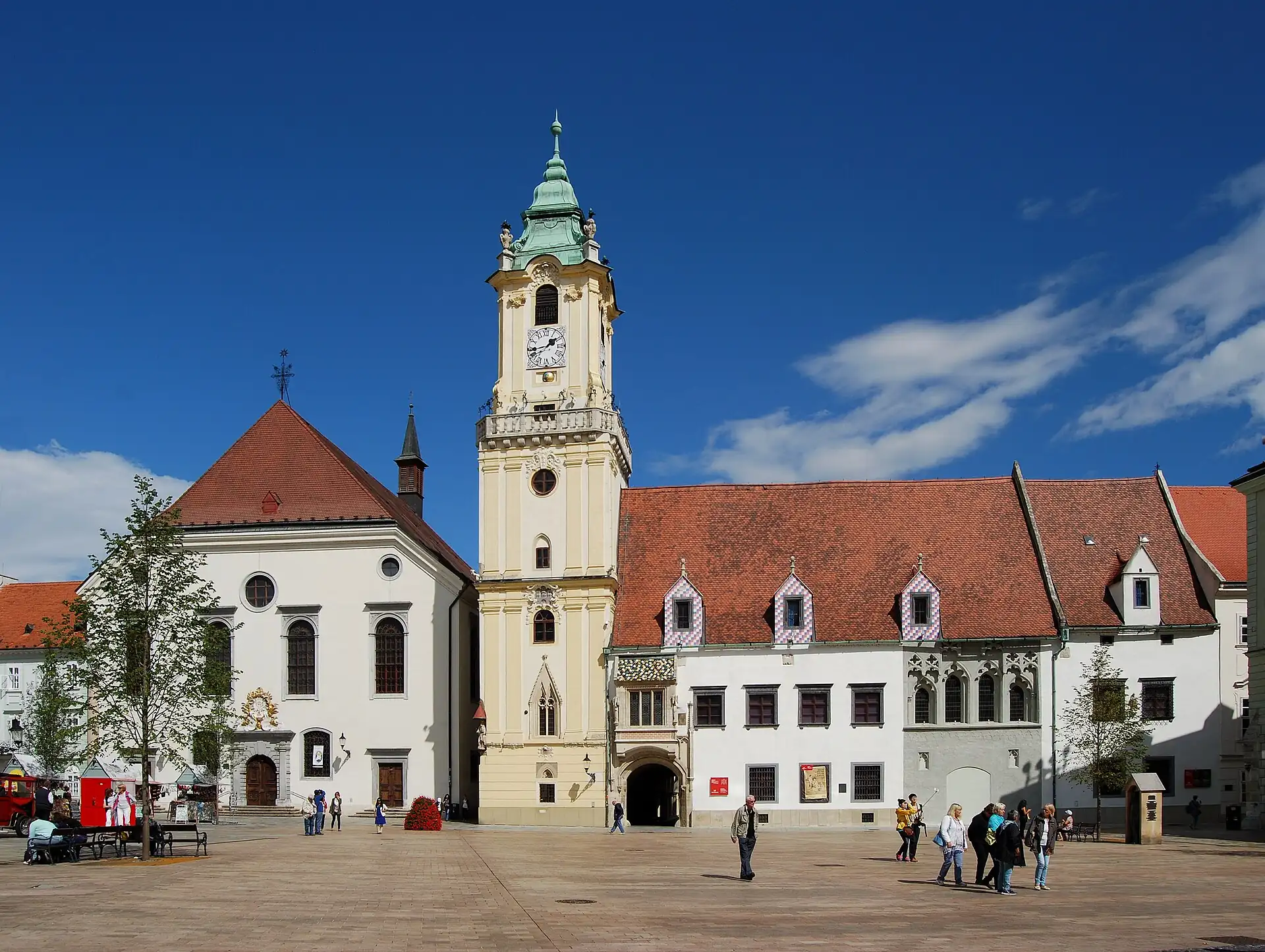 Photo: Felix König, CC BY 3.0
Bratislava
goTrain about 1 h to the main station
Compact old town; check that your passport rules cover the crossing.
- Time
- Half to full day
Schloss Hof and Eckartsau (Marchfeld palaces)
go off seasonCar or seasonal shuttle
Limited public transport; check the season before you go.
- Time
- Half day
Semmering railway
goTrain from Hauptbahnhof about 1–1.5 h
A mountain railway with walking trails; check the timetable and weather.
- Time
- Full day
Go next
Salzburg
goDoor to door: About 3 h
Train about 2.5 h from Hauptbahnhof
A long day trip; better as a stop on the way to Munich.
Budapest
goDoor to door: About 3 h
Train about 2.5 to 3 h
Frequent trains; book ahead for cheaper fares.
Prague
maybeDoor to door: About 4.5 h
Train about 4 h
A long day trip; better as an overnight.
Eat & sleepWhere to eat and which area to sleep in
Eat & sleep
Where to eat and which area to sleep in
Eat
A short list of places worth crossing the city for, each with how to get a seat.
Restaurant finder: filter every place to eat in Vienna →
Vegetarian-friendly score
3.5 / 5 · Good
- Country diet noteOur country guide rates vegetarian eating as easy.2 / 2
- Places to eat in this guide5 of 7 places with a known answer are vegetarian-friendly, 2 partly.1.29 / 1.5
- Budget eating lines0 vegetarian lines in "Eat by budget".0 / 0.6
- Meat-free national dishes5 meat-free dishes in the country food list.0.4 / 0.4
- Dedicated vegetarian kitchens0 mentions of vegetarian restaurants, Buddhist or fasting kitchens.0 / 0.5
Country note: Good in Vienna and Graz; huts always have a cheese or egg dish.
Vegetarian places near me →Make a diet card →
How we score
- Country diet note (up to 2): easy 2, workable 1, mixed 0.75, hard 0; no note 0.5.
- City places to eat (up to 1.5): 1.5 × (vegetarian-friendly + half of partly friendly) ÷ places with a known answer; needs 3 or more known places.
- Budget eating lines marked vegetarian (up to 0.6): 0.2 each.
- Meat-free national dishes (up to 0.4): 0.1 each.
- Dedicated vegetarian kitchens mentioned — Buddhist chay, shōjin ryōri, Jain, fasting food, vegan cafés (up to 0.5): 0.1 each.
- Total rounded to the nearest half point, 0 to 5. Built from our own pages only, not from reviews.
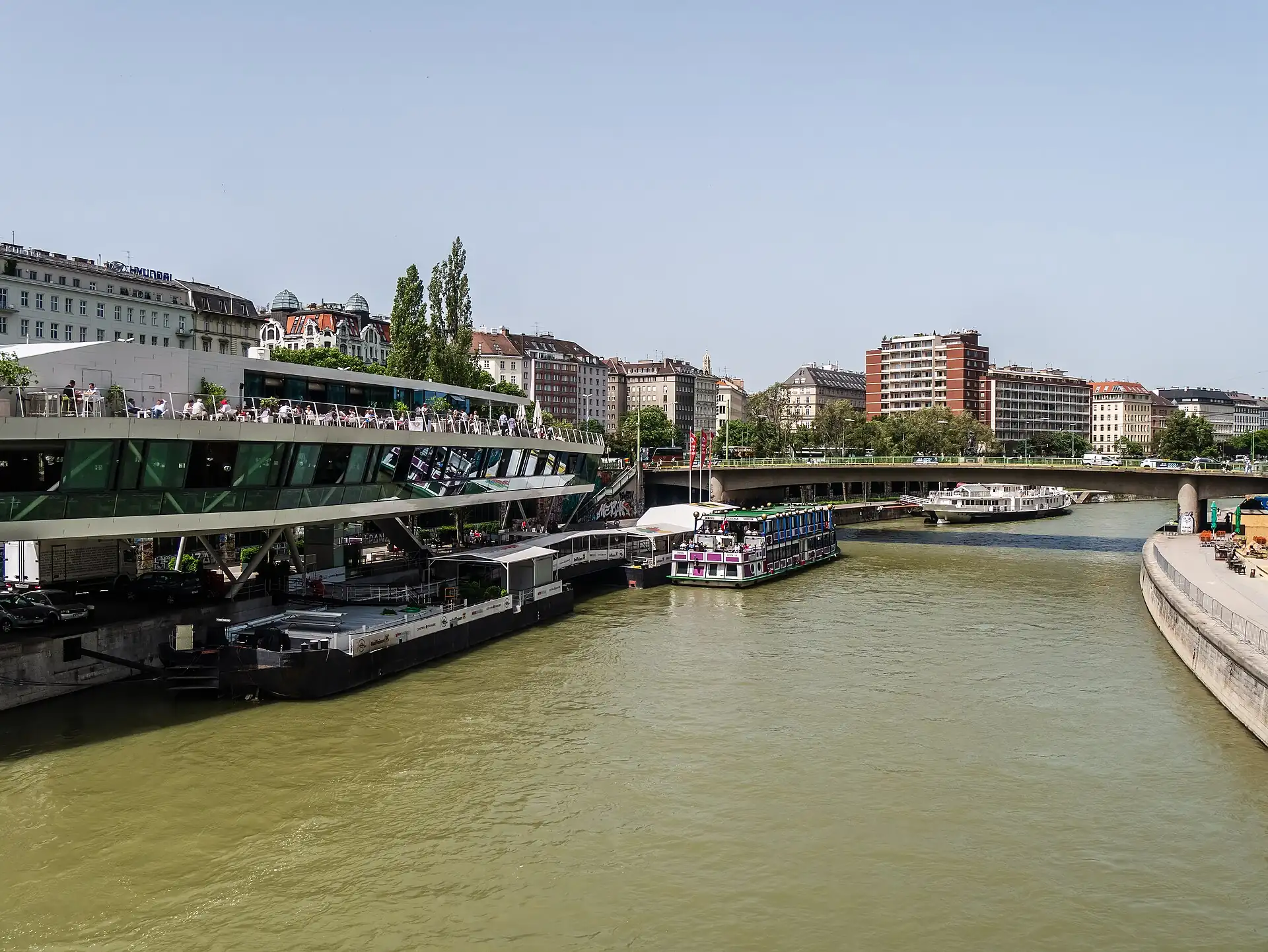
Eating and drinking guideEat by budget · Drink
Eat by budget
Under €12 (≈ US$14) a meal
| Where | Order | Area | Price | Note |
|---|---|---|---|---|
| Bitzinger Würstelstand | Käsekrainer sausage and a beer | Albertinaplatz | €6–10 (≈ US$7–12) | |
| Bakery lunch: pretzel, Leberkäse roll | Bakeries and supermarkets | €3–7 (≈ US$4–9) | ||
| Market snacks at the Naschmarkt | Naschmarkt | €5–10 (≈ US$6–12) |
Dishes to know
| Dish | What it is | Where to look | When | Price |
|---|---|---|---|---|
| Wiener Schnitzel | A veal cutlet in breadcrumbs, fried, with potato salad | Beisl and restaurants | Lunch, dinner | €16–28 (≈ US$19–35) |
| Tafelspitz | Boiled beef with horseradish and apple; a Habsburg favourite | Traditional restaurants | Lunch, dinner | €18–30 (≈ US$25–35) |
| Apfelstrudel | Apple strudel with vanilla sauce | Coffeehouses | Afternoon | €6–9 (≈ US$7–11) |
| Sachertorte | Chocolate cake with apricot jam and cream | Cafés | Afternoon | €6–9 (≈ US$7–11) |
| Käsekrainer | A sausage with cheese from a Würstelstand | Sausage stands | Anytime | €4–7 (≈ US$5–9) |
| Kaiserschmarrn | Shredded caramelised pancake with plum compote | Restaurants and cafés | Lunch, dessert | €9–14 (≈ US$11–17) |
| Melange | Coffee with steamed milk, like a cappuccino | Coffeehouses | Anytime | €4.50–6.50 (≈ US$6–8) |
- Coffeehouses serve food all day and let you sit for hours; you do not need to order more.
- A cover charge (Gedeck) or a bread basket can be added; check the menu.
- Wine taverns list hours by opening a green branch (Buschenschank); check before you go.
- Sunday is the traditional family lunch: book on Saturday.
Drink & nightlife
| Where | What | Until | Note |
|---|---|---|---|
| Coffeehouses | Traditional café | About 22:00 to midnightAbout 10:00 PM to midnight | For a Melange and a slow hour; you pay when you leave. |
| Heurige (wine taverns) | Seasonal wine tavern in Grinzing, Nussdorf and Stammersdorf | About 23:00 (check)About 11:00 PM (check) | A green branch or sign means open; buffet food and new wine. |
| Bermuda Triangle (Bermudadreieck) | Bar district near Schwedenplatz | Late; varies | Lively and mixed; check tabs and prices. |
| Gürtel bars | Bars and clubs under the old railway arches | Late | A younger crowd; a taxi home is easy. |
By style
| Style | What | Where | Price | Until |
|---|---|---|---|---|
| Beer | Half litre (Seidel or Krügerl) of lager, or a smaller SeidlOttakringer and Stiegl are common. | Beisl, beer halls, wine taverns | €4.50 to €6.50 (≈ US$6–8) (2026 estimate) | Late |
| Wine | Grüner Veltliner, Riesling, Zweigelt, or a wine spritzer (G’spritzter)Gemischter Satz is a Viennese field blend. | Wine taverns and wine bars | €4 to €7 (≈ US$5–9) a glass | Late |
| Coffee | Melange, Einspänner, VerlängerterA glass of water arrives with the coffee; ask for another. | Coffeehouses | €4.50 to €6.50 (≈ US$6–8) | About 22:00 |
Rules that bite
- Public drinking is allowed in most places, but bans apply at some squares and stations; look for the signs.
- Smoking is banned inside restaurants and bars; terraces are exempt.
- Say the total you want to pay and round up: 5 to 10% is normal.
Sleep
Pick the area first: it decides your walk home at night and your first morning.
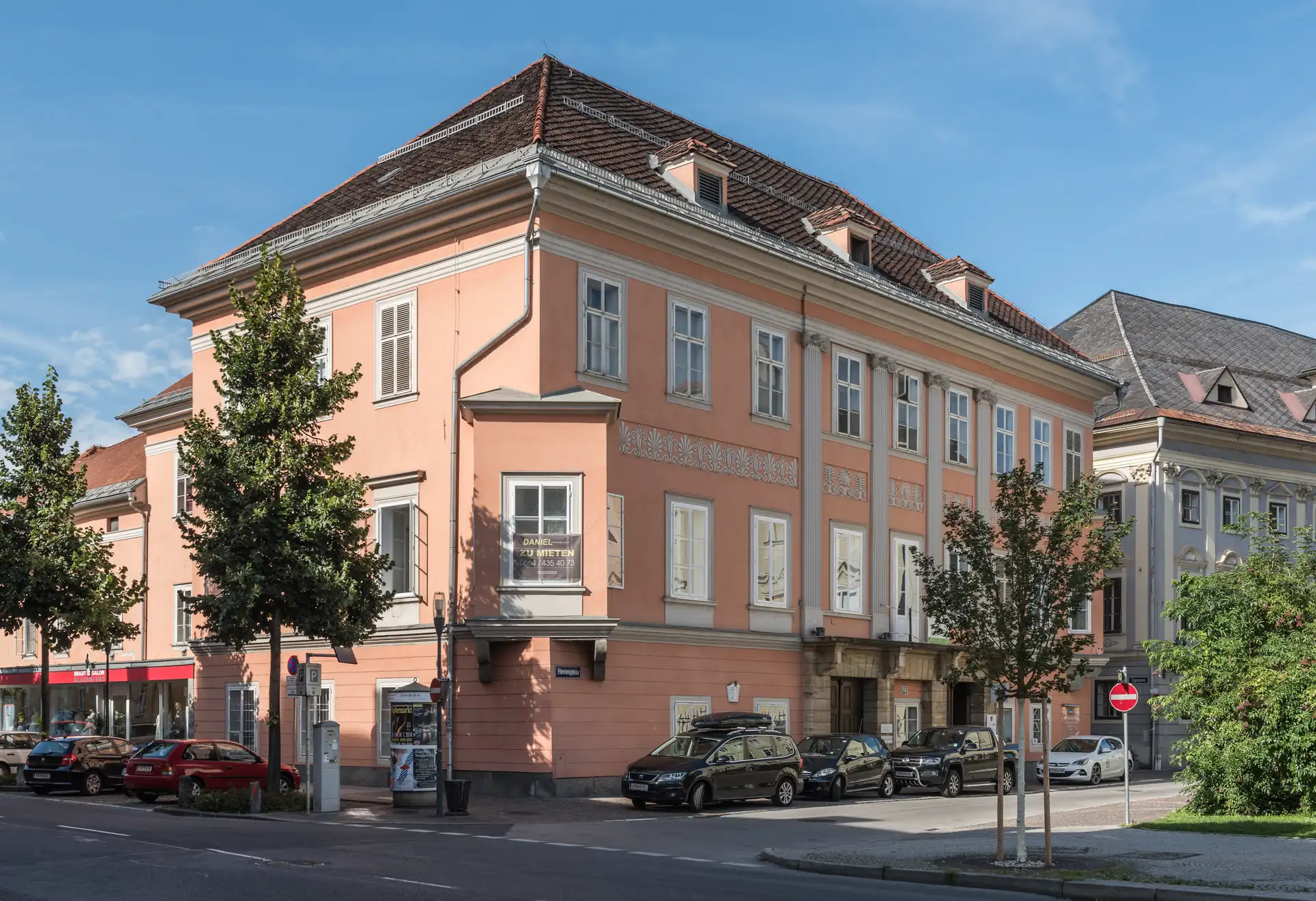
Which neighborhood fits you
Three questions, one recommendation, with the reasons.
Your best fit
- Stephansdom, the Hofburg and the cafés are on foot.
Watch out: The priciest beds in the city.
Next best: Neubau and Mariahilf (6th and 7th districts)
Built from our 1–5 desk scores per area; your answers stay in this browser.
More on sleepingSleep by budget · Your area · With kids
Sleep by budget
| Band | Price | Where | Room types | What to expect |
|---|---|---|---|---|
| budget | €60–100 (≈ US$70–120) | Neubau, Mariahilf, outer districts | Hostels, guesthouses and small hotels | A private room, breakfast extra, some stairs. |
| mid | €110–200 (≈ US$130–250) | Innere Stadt edge, Neubau, Wieden | Three and four-star hotels | Lift, breakfast, air conditioning in newer buildings. |
| high | €250 (≈ US$300)+ | Innere Stadt and the Ring | Grand hotels and design hotels | Historic building, concierge, central setting. |
Booking checks
- Book Christmas market weekends and ball season 3 to 4 months ahead.
- A city tax (about 3.2%, check) is added to the room price.
- Ask for a courtyard room if your street is busy; older buildings are noisy.
Which area is yours
| If you are | Sleep in | Because |
|---|---|---|
| First visit, short stay | Innere Stadt (1st district) | Everything is on foot, and you can go back to the room after lunch. |
| Budget, food and cafés | Neubau and Mariahilf (6th and 7th districts) | Cheaper rooms with the U3 and a walk to the museums. |
First-timers: walk to the cathedral, the Hofburg and the Ring; choose a hotel with a 24-hour desk on a side street, not a pension that locks at midnight.
Cheaper rooms, independent cafés and shops; U3 or a 15-minute walk to the old centre and the museums.
Areas are in our default order until you tick a priority.
Scores are 1 to 5 desk judgements per priority (2026).
With kids
- Vienna is easy with children: playgrounds in most parks, low-floor trams and free public transport for children under 6, with reduced fares up to 15 (check).
- The Schönbrunn Zoo, the Prater with its old Ferris wheel and fairground, and the Natural History Museum are the reliable child pleasers.
- Cafés welcome children, but a long sit needs a colouring book or a snack; ask for a child portion of Schnitzel.
- Cobbles make strollers bumpy in the old streets; U-Bahn stations have lifts, and trams are low-floor.
- Nursing rooms and baby-changing tables are found in museums and larger shops; ask at reception.
PracticalMoney, essentials, safety and the pocket card
Practical
Money, essentials, safety and the pocket card
Money
What a day costs at three comfort levels, and how to pay.
- Budget
- €45–70 (≈ US$55–85) excl. bed / day
- Mid
- €70–130 (≈ US$85–160) excl. bed / day
- High
- €130 (≈ US$160)+ excl. bed / day
- Transit card
- A 24-, 48- or 72-hour Vienna transit ticket, or single tickets; validate before boarding.
- Cash rule
- Keep €30–50 (≈ US$35–60) in coins and small notes for coffeehouse tips and small bakeries; use bank ATMs, not exchange booths.
More on moneyCosts · Budget · Buy
What things cost
- Slice of cake€5–8 (≈ US$6–10)
- Sausage stand (Würstelstand) snack€4–7 (≈ US$5–9)
- Bottle of water, shop€0.80–1.50 (≈ US$1–2)
- Taxi from the airport to the centre€35–45 (≈ US$45–55)
- Schönbrunn Palace ticket€25–40 (≈ US$30–50)
Trip budget
| Hotel double room1 × 3 nights × €150 | €450 |
| Food, local transport, entries2 × 3 days × €100 | €600 |
| 72-hour transit ticket2 × €18 · Covers trams, U-Bahn, buses and the S-Bahn within the city. | €36 |
| Schönbrunn palace ticket2 × €30 · Pick a timed slot; prices vary by tour. | €60 |
| Kunsthistorisches Museum ticket2 × €22 | €44 |
| Opera or concert ticket2 × €60 · From standing room at a few euros to €200 or more. | €120 |
| Buffer 10%Price creep, a taxi you did not plan, one splurge | €131 |
| Trip total≈ €240 per person per day, bed included | €1,441≈ US$1,700 |
2026 estimate in euros; flights and insurance excluded. Your choices stay in this browser.
Prices of common things
| Slice of cake | €5–8 (≈ US$6–10) |
| Wiener Schnitzel | €16–28 (≈ US$19–35) |
| Taxi from the airport | €35–45 (≈ US$45–55) |
2026 estimate; check locally.
Buy
- Bargaining
- There is no haggling in shops or markets; prices are fixed. Flea markets and antique stalls may accept a small reduction if you ask politely.
- Fixed-price check
- Shop prices include VAT (20%). Non-EU visitors can claim a refund on larger purchases with a tax-free form at the shop and the customs stamp at the airport (check the minimum spend and the current rules).
Markets and shopping streets
| Where | What | When | Haggle | Note |
|---|---|---|---|---|
| Naschmarkt | Food stalls, spices, olives, cheese and restaurants; Saturday flea market at the west end | Mon to Sat, from about 06:00 to 19:30 (check); shops closed SundayMon to Sat, from about 6:00 AM to 7:30 PM (check); shops closed Sunday | no | Tourist-front stalls are pricier; ask for prices. |
| Christmas markets | Punch, roasted chestnuts and crafts | Mid-Nov to 24 Dec | no | Rathausplatz is the biggest and the busiest. |
| Farmers’ markets (Karmelitermarkt, Brunnenmarkt) | Fruit, vegetables, cheese and street food | Weekdays and Saturday morning | no | Local shopping; closed Sunday. |
Shops by what they sell
| For | Where | Hours | Note |
|---|---|---|---|
| Mozartkugeln, chocolates and Sachertorte | Confectioners in the Innere Stadt (Demel, Sacher) and supermarkets | Mon to Sat; some tourist shops open Sunday | Supermarket packs are much cheaper than gift boxes. |
| Austrian wine and Schnapps | Wine shops and the Naschmarkt | Mon to Sat | Ask for a tasting before you buy a bottle. |
| Traditional clothing (Tracht) and loden coats | Specialist shops in the centre | Mon to Sat | Expensive but well made; check the label for origin. |
| Pharmacies and drugstores (Apotheke, dm, Bipa) | Everywhere | Mon to Sat; on-duty pharmacies open at night and Sunday | A sign on the door gives the nearest on-duty pharmacy. |
Changing money
| Where | Verdict | Why |
|---|---|---|
| Bank ATMs | use | The best rate; choose to be charged in euros, not your home currency. |
| Exchange booths and airport counters | avoid | Poor rates and high commissions. |
| Cards and phones | use | Widely accepted; a few coffeehouses, markets and small bakeries prefer cash. |
ATMs
- Availability
- ATMs (Bankomat) are on every main street and in stations.
- Fees
- Your bank may charge a foreign fee, and some ATMs add their own; check before you go.
- Plan
- Keep €30 to €50 (≈ US$35–60) in coins and small notes for coffeehouse tips, toilets and market stalls.
Essentials and accessEssentials · Access
Essentials
- Plugs & power
- 230 V; types C and F. Bring an adapter for UK, US and Asian plugs.
- Toilets
- Cafés, museums and paid public toilets near stations.
- Health
- Cold snaps and ice in winter; summer heat spells. Bring your EU health card if you have one, otherwise travel insurance.
- Accessibility
- Flat centre with step-free U-Bahn stations and low-floor trams; cobbles in the old streets and some steps at older churches.
- Laundry
- Self-service laundrettes in most districts; hotels charge per item.
- Emergency numbers
- 112 for any emergency; 133 police; 144 ambulance; 122 fire.
Pack
- Layers and a waterproof jacket in every season
- Comfortable shoes for cobbles
- A warm coat and gloves for November to March
- A smart layer if you plan an opera or concert
Accessibility
Vienna is one of the easier cities on wheels: a flat centre, step-free U-Bahn stations and low-floor trams. Cobbles and older church steps are the limit.
- Pavements
- Wide and smooth in most districts; cobbles in the old core and around Stephansplatz.
- Public transport
- All U-Bahn stations have lifts; trams and buses are low-floor, with ramps (check line-by-line).
- Hotels
- Most central hotels have lifts; ask for a step-free room and the door width.
- Toilets
- Cafés, museums and paid public toilets; step-free toilets are marked in the Wiener Linien app and at stations.
Sights, step-free or not
| St Stephen’s Cathedral | step-free | Step-free nave; the tower stairs are steep. |
| Hofburg and Sisi Museum | step-free | A step-free route is available; ask at the desk. |
| Kunsthistorisches Museum | good | Lifts to all floors. |
| Naschmarkt | step-free | A level lane, crowded at weekends. |
| Karlskirche | step-free | A step-free nave; a lift to the dome in season. |
| Schönbrunn Palace | step-free | Lift available; ask at the entrance. |
| Gloriette and garden hill | with help | A gentle slope and steps at the top; a step-free route around the garden is longer. |
Survive
Safety basics, the lines not to cross, and practical habits that save the day.
Safety
- Pickpockets work the U-Bahn, Stephansplatz and the Naschmarkt; keep bags closed in front of you.
- Cyclists use marked lanes on pavements: do not stand in them.
- Emergency: 112 (any emergency), 133 police, 144 ambulance.
Red lines
- Do not walk on tram tracks or block the Ringstrasse cycle lanes.
- Keep quiet in churches; no flash and no photos during services.
- Standing on the left of an escalator blocks locals: stand right, walk left.
Practical
- Toilets: cafés (buy a drink), museums and paid public toilets (about €0.50–1); carry coins.
- Tap water is high quality and safe to drink.
More on staying safeStay safe · Stay healthy · Safety map · Solo & women · Etiquette · Cope · Scams
After dark, by area
2 flagged areas
- Take care
Praterstern and the Gürtel
Take care
Day = daylight. What to watch in each area, day and night →
Scams and red flags
Walk away if you see these
- Costumed touts near Stephansplatz sell concert tickets at high prices: buy from the venue or a known agent.
- Unlicensed drivers offer rides at the airport arrivals hall: use the taxi rank, an app or the train.
- Restaurants near the Graben and Hofburg add cover charges or bread you did not order: check the menu for Gedeck or Couvert.
- Petition and clipboard sellers at Karlsplatz and Stephansplatz: do not sign or give money.
Stay safe
Crossing the road
- 01Look both ways for cyclists and trams; marked cycle lanes cross the pavement.
- 02Do not stand or walk on tram tracks.
Hustles specific to this city
| Hustle | Where | The tell | What to do |
|---|---|---|---|
| Concert ticket touts | Stephansplatz and the Graben | A costumed seller offers concert tickets | Buy from the venue, an official site or a known agent. |
| Petition sellers | Karlsplatz and Stephansplatz | A clipboard and a request for a donation | Walk on; do not sign or give money. |
| Unlicensed taxi drivers | Airport arrivals | A driver approaches you in the hall | Use the rank, an app or the S7 train. |
| Restaurant add-ons | Near the Hofburg and the Graben | Bread or a cover charge you did not order | Check the menu for Gedeck and the bill line by line. |
- Police
- Call 133 or 112; get a written report for insurance.
- Pickpockets
- Common at Stephansplatz, the Naschmarkt and on the U-Bahn; keep a bag closed in front.
- Cyclists
- They are fast and quiet; keep out of the marked lanes.
Stay healthy
- Water
- Tap water comes from Alpine springs and is safe and free.
- Heat
- Hot spells above 30 °C (86 °F) in July and August; carry water and use museums as shelter.Hot spells above 86 °F (30 °C) in July and August; carry water and use museums as shelter.
- Winter
- Icy pavements and short days; wear shoes with grip.
- Ticks
- Ticks can carry tick-borne encephalitis in the Vienna Woods; wear long trousers on trails and check yourself (check the vaccine advice).
- Health cover
- Bring travel insurance; EU health cards work for EU residents.
Hospitals and clinics: see Cope.
Safety by area and hour
| Area | Day | Night | What to watch |
|---|---|---|---|
| Innere Stadt | fine | fine | Pickpockets at Stephansplatz and on the Graben; touts sell concert tickets. |
| Ringstrasse museums | fine | fine | Cyclists in marked lanes; bag theft in crowded queues. |
| Naschmarkt and Karlsplatz | fine | caution | Karlsplatz station and the market have petition sellers and pickpockets; the area is livelier late. |
| Schönbrunn | fine | fine | Queues attract pickpockets; garden paths close at dusk. |
| Praterstern and the Gürtel | fine | caution | Rowdy late-night stations; use a taxi after midnight if you are alone. |
- Keep bags closed and in front of you on the U-Bahn and in queues.
- Stand right on escalators, and stay out of marked cycle lanes on the pavements.
Solo, women and LGBTQ+ travellers
Solo
- A very easy city alone: cafés let you sit for hours, and a table for one is normal.
- Book Schönbrunn and any opera or concert ahead; standing-room tickets go on sale about an hour before curtain.
- After midnight, take a taxi or the night bus; the U-Bahn runs all night on Friday and Saturday.
Women
- Harassment is uncommon; theft is more common. Keep bags closed and in front on the U-Bahn.
- Dress is casual; cover shoulders and knees in churches.
- Late at night, use a licensed taxi or an app, and share your route.
LGBTQ+
- Vienna is generally relaxed: same-sex marriage has been legal since 2019, and the city hosts a large Pride parade in June.
- Public affection is fine in most central districts; small towns and villages are more traditional.
- The Naschmarkt and Mariahilf areas have a number of LGBTQ-friendly cafés and bars.
Etiquette in Vienna
- Greetings
- Say Grüß Gott or Guten Tag when you enter a shop, café or lift, and Auf Wiedersehen when you leave.
- Coffeehouses
- Sit where you like, wait for the waiter, order, and pay when you leave; no one hurries you and the glass of water is free.
- Tipping
- Round up or add 5 to 10%: say the total you want when you pay, and do not leave coins on the table.
- Transport
- Validate your ticket before boarding, stand on the right of escalators, and give up seats to elderly or pregnant people.
- Quiet hours
- Sundays and after 22:00 are quiet in residential streets; keep noise low.Sundays and after 10:00 PM are quiet in residential streets; keep noise low.
- Dress
- Smart casual suits most restaurants; a jacket or dress for the opera and the ball season.
- Punctuality
- Be on time for tables and tours; a late booking can be given away.
- Churches
- No visits during services; cover shoulders and keep phones on silent.
Cope
Hospitals and clinics that handle foreigners
| Where | Area | Use it for |
|---|---|---|
| Emergency doctor and pharmacy on duty | Citywide | Call 141 for an emergency doctor (check) or 144 for an ambulance; on-duty pharmacies are posted on any pharmacy door. |
| AKH Vienna (general hospital) | 9th district | A large public hospital; travellers with EU cards are treated like locals. |
| Private clinics | Central districts | Shorter waits for a fee; keep travel insurance details ready. |
Visa extensions
- Visa
- US, UK, Canadian, Australian, New Zealand and Irish citizens can normally stay up to 90 days in any 180 in the Schengen area without a visa; check the ETIAS rules for the start date and fee.
- Passport
- Keep your passport valid for at least three months beyond your departure date; carry ID.
- Extending
- Extensions are rare; ask the immigration office (MA 35) if you must.
Embassies and consulates
| Country | Address | Phone | Note |
|---|---|---|---|
| United States | Boltzmanngasse 16, 1090 Vienna (check) | — | (check) |
| United Kingdom | Jaurèsgasse 12, 1030 Vienna (check) | — | (check) |
| Canada | Laurenzerberg 2, 1010 Vienna (check) | — | (check) |
| Australia | Mattiellistrasse 2 to 4, 1040 Vienna (check) | — | (check) |
| New Zealand | Salesianergasse 15, 1030 Vienna (check) | — | (check) |
| Ireland | Rotenturmstrasse 16 to 18, 1010 Vienna (check) | — | (check) |
- Lost passport
- Report to the police (Polizei), then your embassy for an emergency document; keep a photo of the passport page.
- Lost transport ticket
- Buy a new one; you cannot ride without a validated ticket.
- Pharmacies
- Pharmacies close by about 18:00 and on Sunday; the on-duty sign lists the nearest open one.Pharmacies close by about 6:00 PM and on Sunday; the on-duty sign lists the nearest open one.
- Laundry
- Self-service laundrettes exist in most districts; hotels charge per item.
Apps and offline kitOffline kit
Offline kit
Set up before you leave, so Vienna still works with no signal or a dead roaming plan.
On your phone
- Maps: open the city in Google Maps, tap the place name, then Download offline map (or use an offline-maps app).
- Data: install an eSIM or buy a local SIM before the first taxi; the apps in this guide depend on it.
- Translation: download the local language for camera translation.
- Screenshots: booking confirmations, hotel address in the local script, and the emergency numbers.
This guide
Save the Vienna guide and its pages on this device; it opens without a connection.
Phrases that do the work
Greeting
Hello
Grüß Gott
groos got
Greeting
Hello (any time)
Guten Tag
goo-ten tahk
Thanks
Thank you
Danke
dahn-keh
Café
One coffee with milk, please
Einen Melange, bitte
eye-nen may-lahnzh bit-eh
Café
The bill, please
Zahlen, bitte
tsah-len bit-eh
Food
Is this vegetarian?
Ist das vegetarisch?
ist dahs veg-eh-tah-rish
Transport
Where is the U-Bahn?
Wo ist die U-Bahn?
voh ist dee oo-bahn
Taxi
To this address, please
Zu dieser Adresse, bitte
tsoo dee-zer ah-dress-eh bit-eh
Pocket card
Fill in, then print or save as PDF
Stays in this browser only; nothing is sent anywhere.
ViennaWien
Pocket card · Voykit
My bed tonight
—
—
—
Bitte bringen Sie mich zuPlease take me to
Emergency
- Any emergency112
- Police133
- Ambulance144
- Fire122
Embassy
Write your country’s embassy phone here. Vienna hosts embassies for the US, UK, Canada, Australia, New Zealand and Ireland.
My embassy: —
Fare anchors (2026 estimate)
- Single transit ticket: €2.40 to €3 (≈ US$3–4); validate before boarding
- Airport taxi: €35 to €45 (≈ US$45–55) to the centre
- S7 train from the airport: Roughly €4 to €5 (≈ US$5–6) to the centre (check)
A €20 note and a few coins cover most small purchases; cards work for the rest.
Deep diveHistory, reading, photos and every source
Deep dive
History, reading, photos and every source
Sources
- officialVienna Tourist Board
- officialWiener Linien (public transport)
- secondaryWikivoyage — Vienna
Ask about Vienna
Loading…
Was this useful?