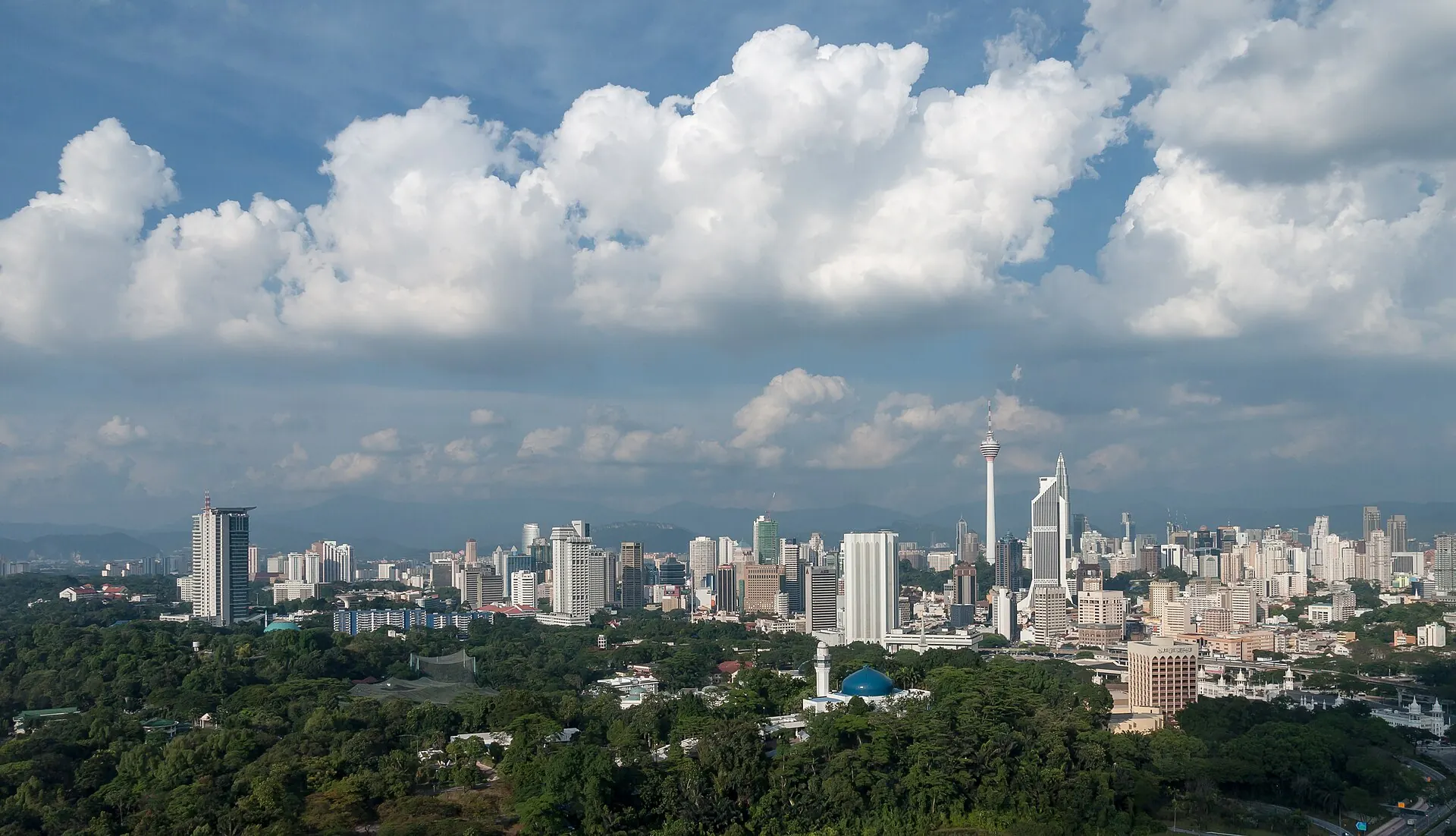
Kuala Lumpur
Code KL · 4 walking zones
Kuala Lumpur is an air-conditioned city with a hot street on top: do the towers and the heritage core before 11:00, go indoors from 14:00 when the storm comes, and eat on Jalan Alor or in Chinatown after 18:00.Kuala Lumpur is an air-conditioned city with a hot street on top: do the towers and the heritage core before 11:00 AM, go indoors from 2:00 PM when the storm comes, and eat on Jalan Alor or in Chinatown after 6:00 PM.
Our quick read of Kuala Lumpur, scored 1–5 (friction is out of 100). Cash need: how often you still need notes. Heat risk: how hot days get. Stroller: how easy wheels are. Friction: overall effort for a first visit. Desk judgements, so check before relying on them.
- Local time
- --:--
- Weather
- forecast below
- Currency
- MYR
- Best months
- Jan · Feb · Mar · Jun · Jul
- Airport
- Kuala Lumpur (KUL)
Walking zones: the 4 areas this guide plans a day around. Each is a district you can cover on foot, so you do one zone per half-day and ride the train between them. The code (KL 01, KL 02…) is just the zone's number on the Kuala Lumpur line; the line under each name says how bags fare there and how much time it needs.
Map of Kuala Lumpur
Use the switches to show or hide each kind of pin. A switch that is on shows its pins on the map; tap it again to hide them. "Show only" keeps just the pins that match (for example, places that fit a suitcase). Tap any pin for its name and a link to its page.
- Where to sleep
- Places
- Eat
- Walking clusters
- Rest stops
From the airport Kuala Lumpur (KUL) to your bed
Tap a pin for its card. Places without their own coordinates are shown by their walking cluster.
Why Kuala Lumpur
The sights are clustered around four rail stations, but the walks between them are hot, wet and partly on broken pavement. The trips that go wrong are the ones that walk between clusters in the afternoon, queue for a timed tower slot without a booking, or land at KLIA at 21:00 with no plan for the 55 km ride. Four clusters cover a first visit; Batu Caves and Putrajaya are trips away from one kept bed.
See first
- 1
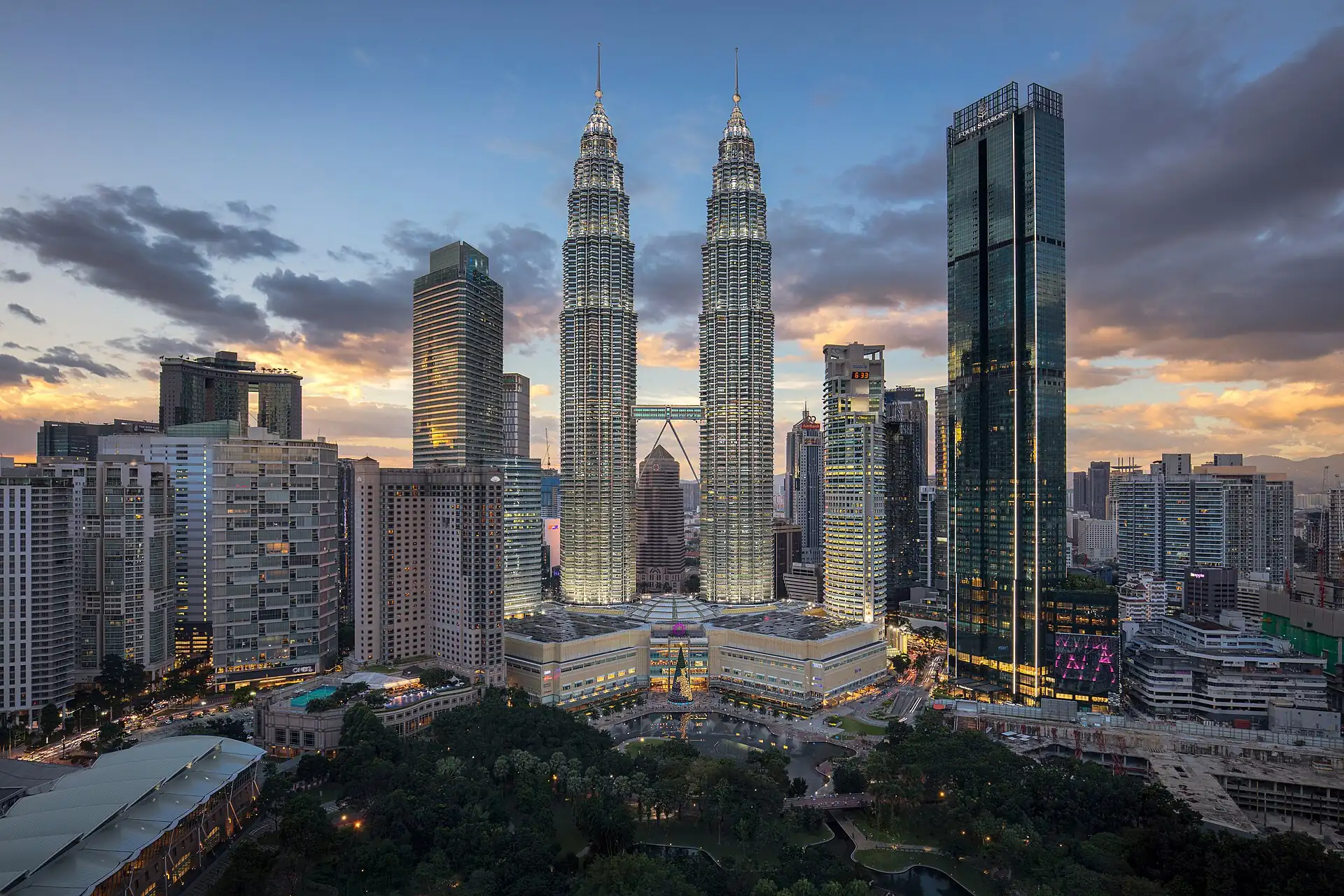 Petronas Twin Towers · 1.5–2 h
- 2
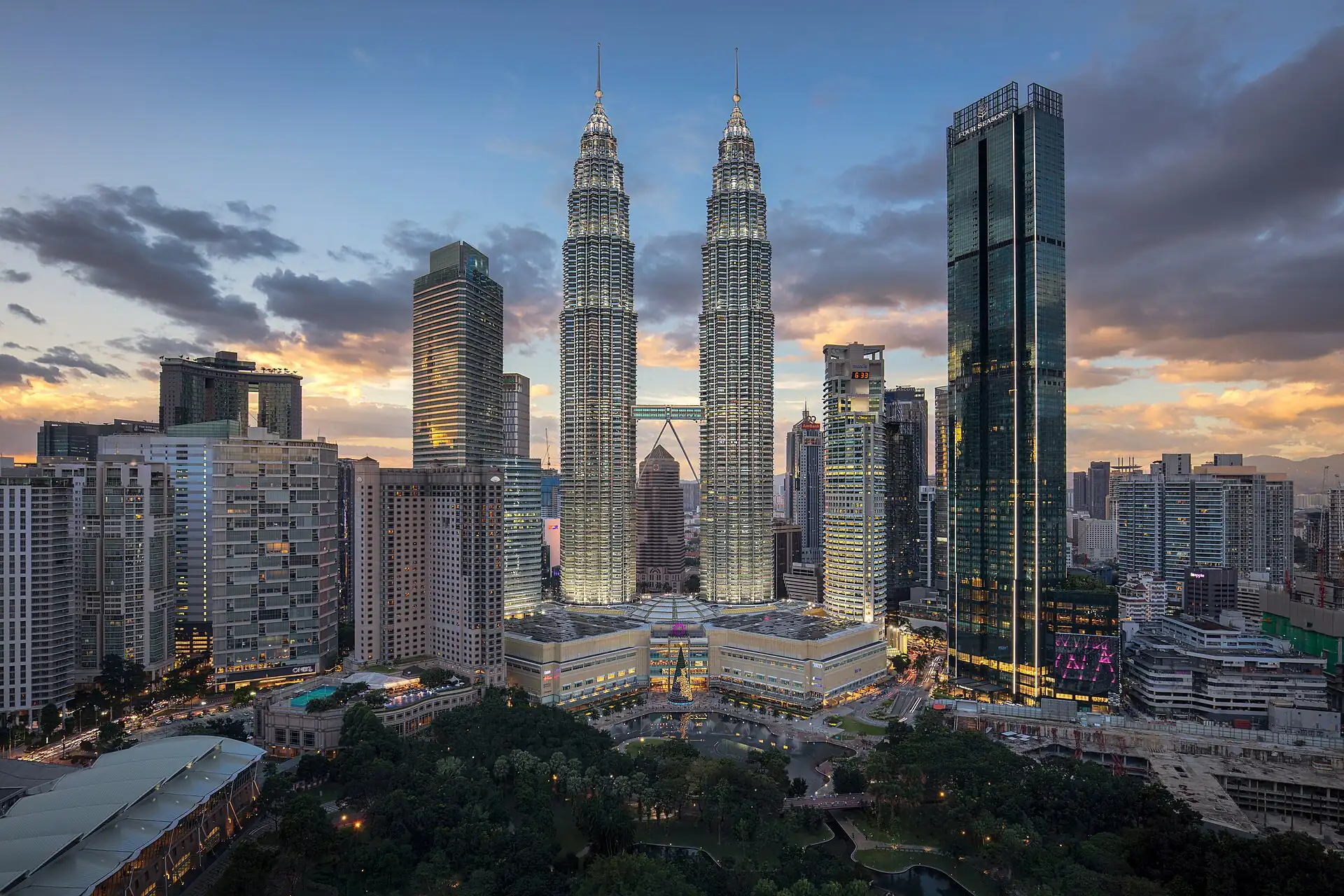 KLCC Park · 30–60 min
- 3
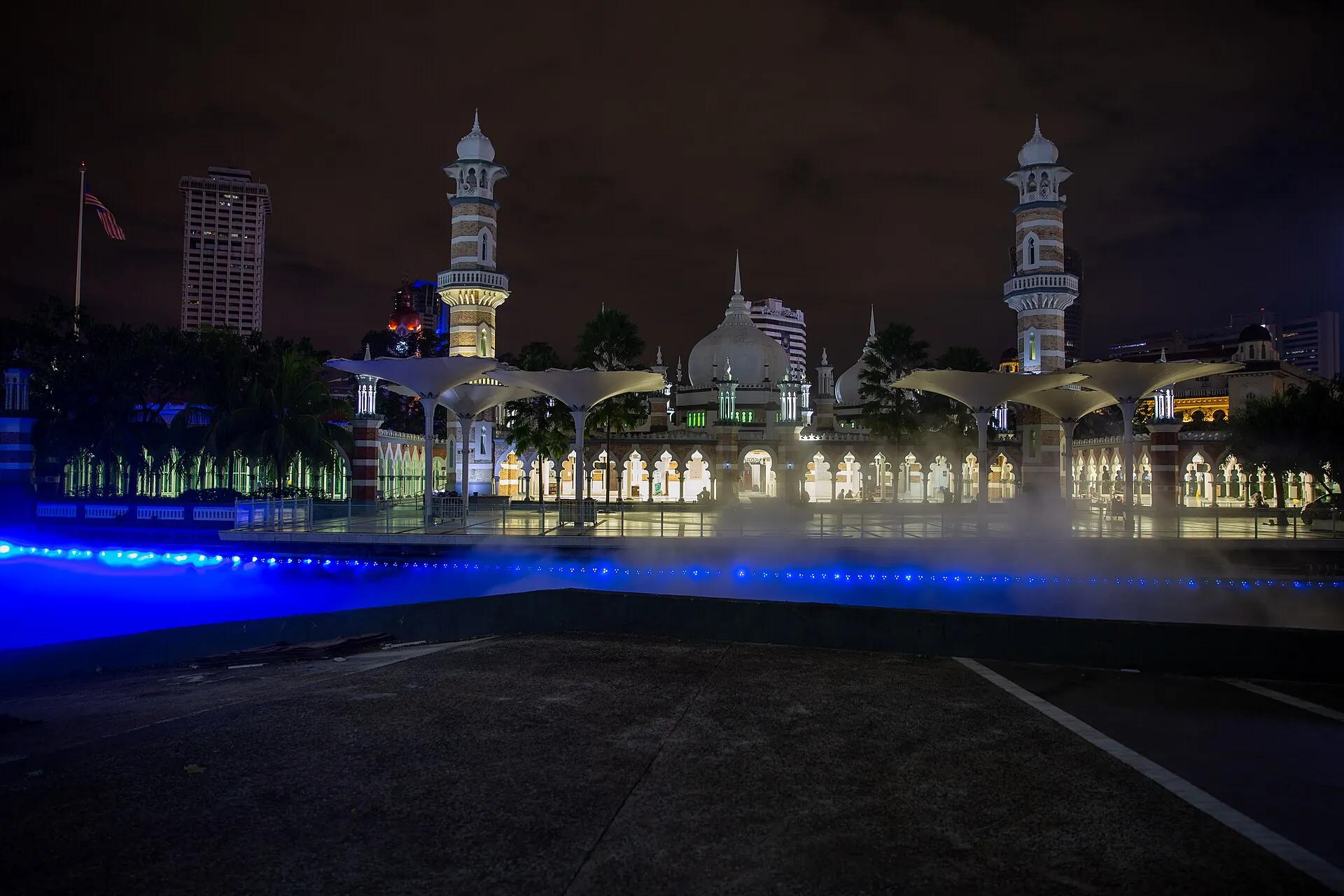
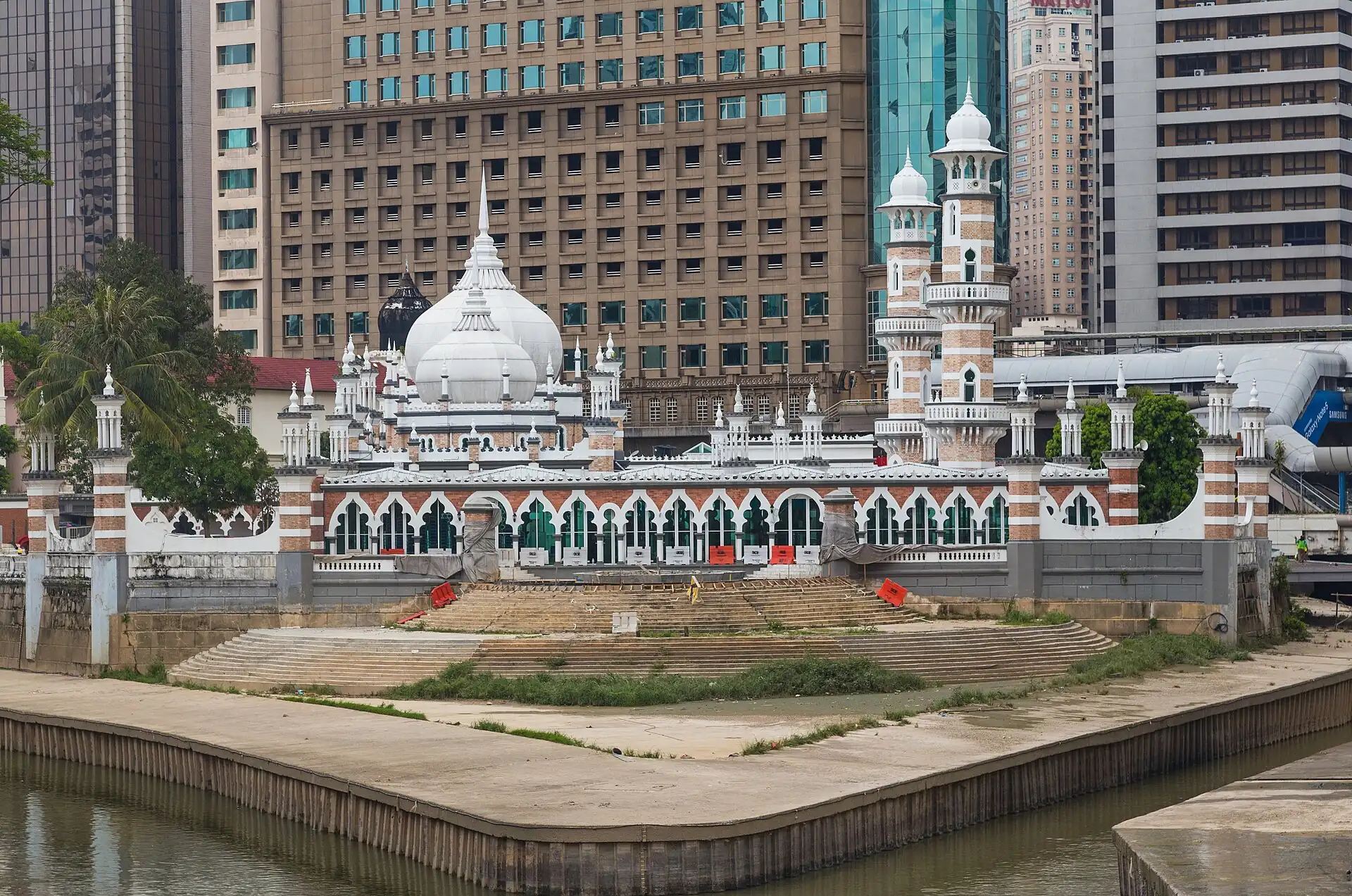 Jamek Mosque · 20–30 min
- 4
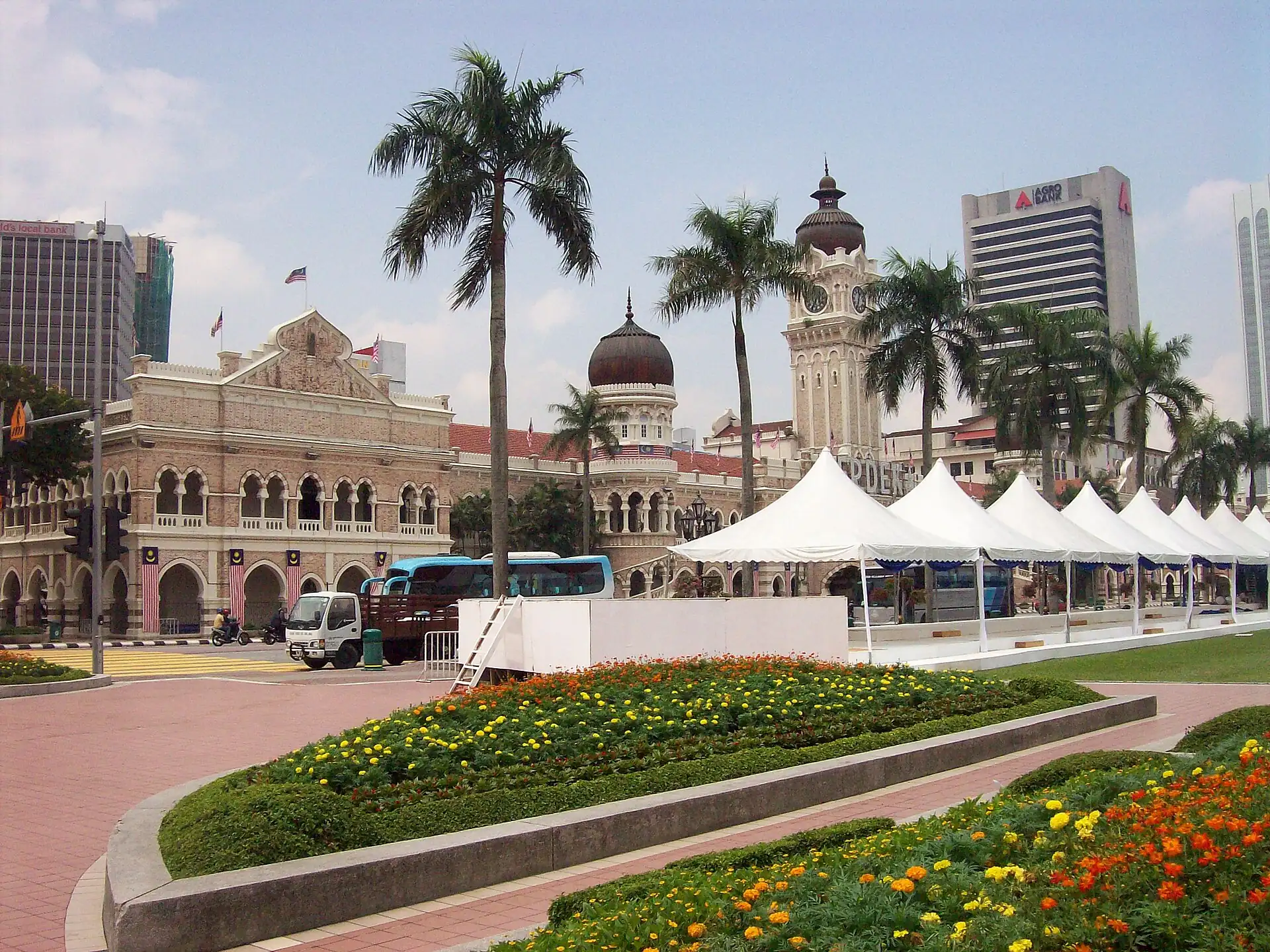
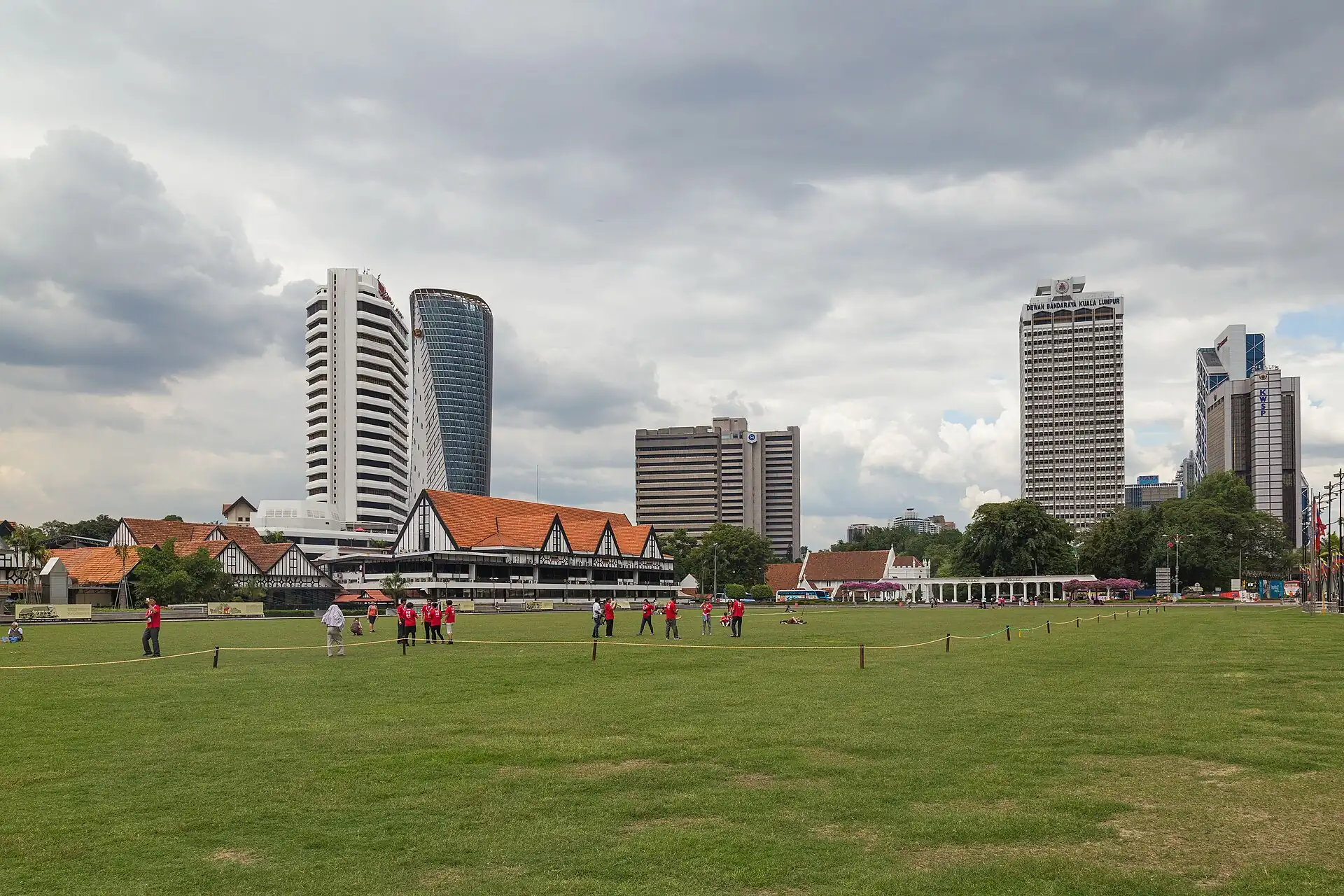 Merdeka Square · 30–45 min
- 5
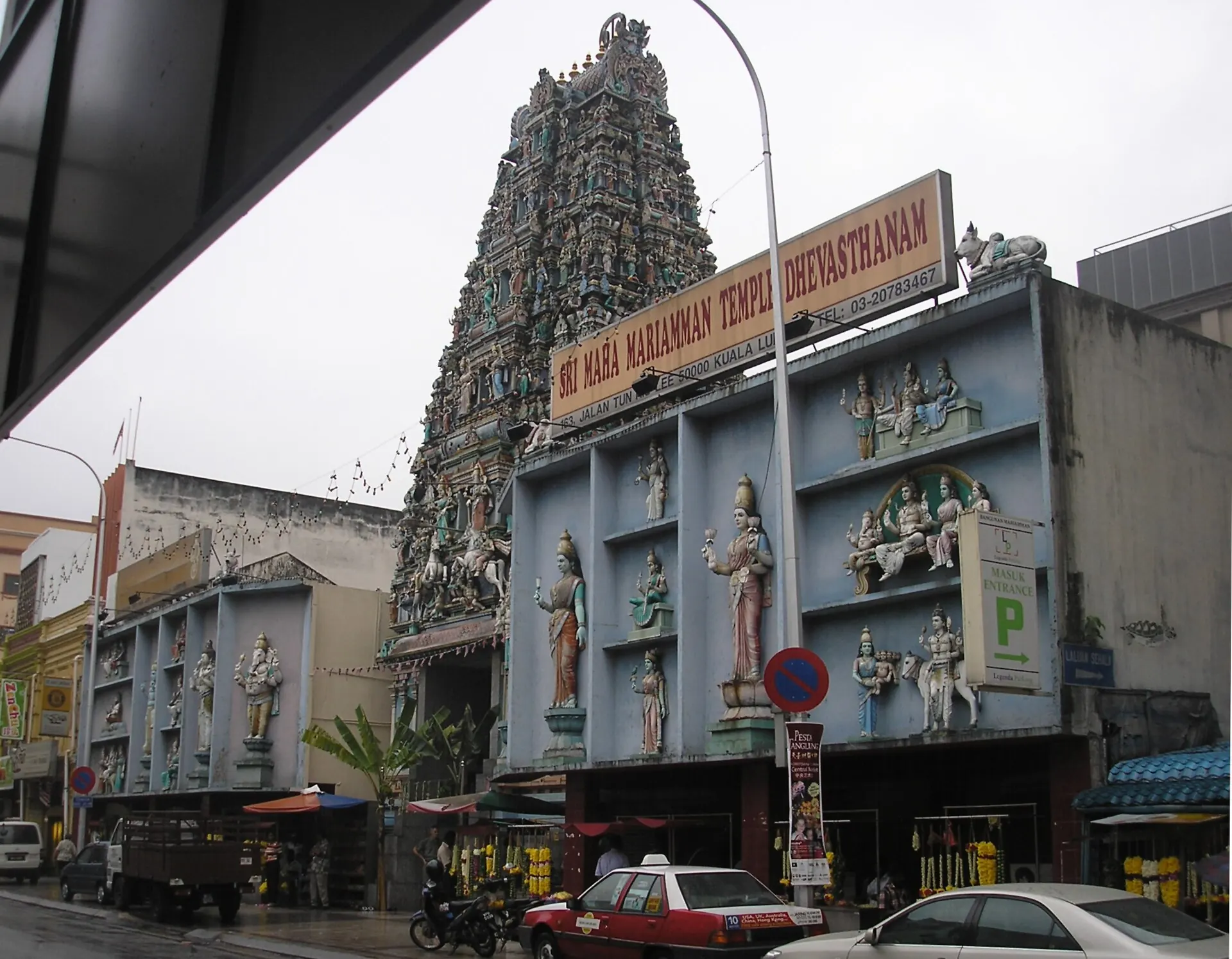
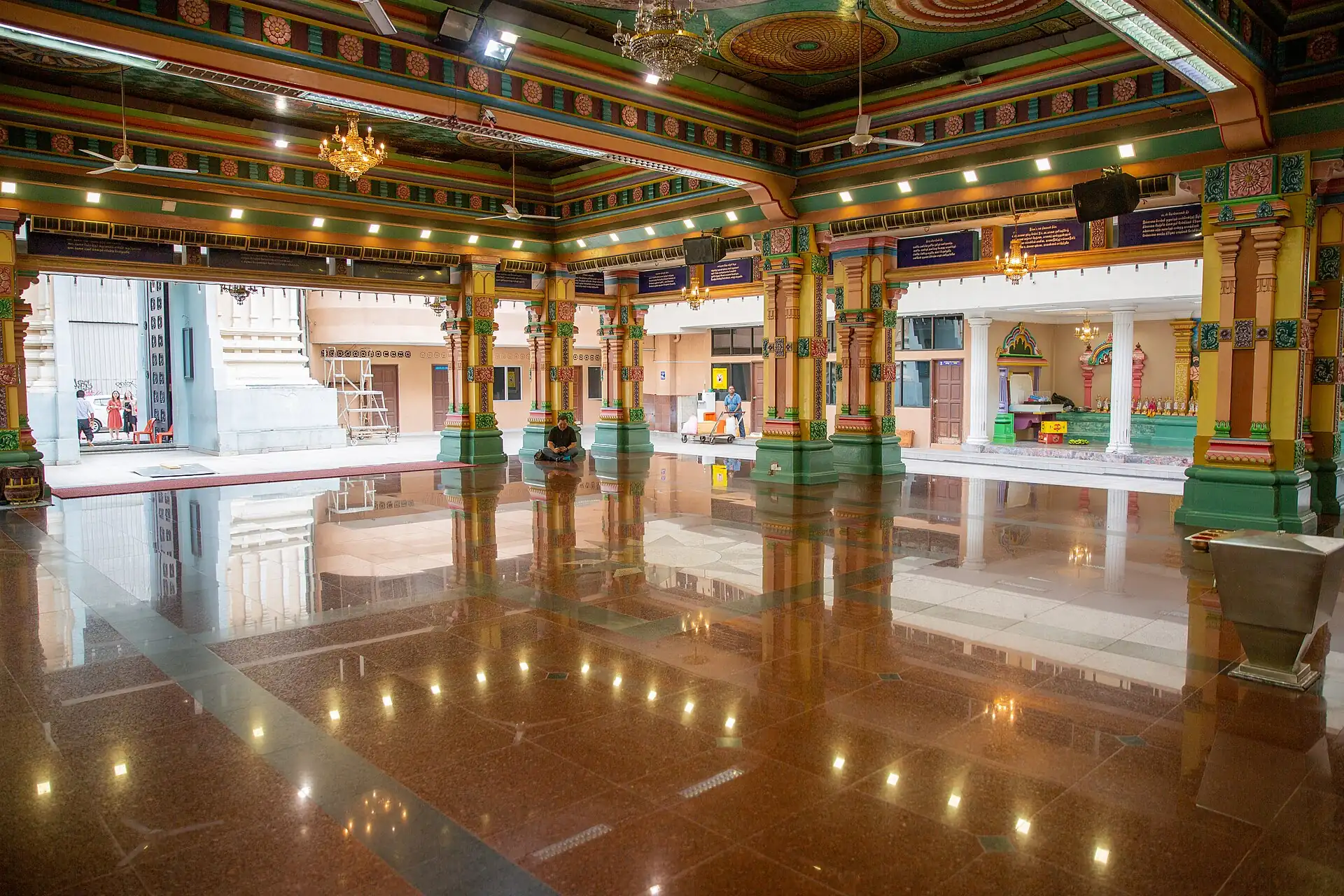 Sri Mahamariamman Temple · 20–30 min
Fits
- Food-first trips
- City breaks with rail transit
- Short stopovers
- Shopping and mall days
Does not fit
- Strollers and wheelchairs on old pavements
- Travellers who dislike heat and humidity
- Travellers who want a walkable old town
How long
- 2 daysKLCC morning, heritage core and Chinatown
- 3 daysFour clusters, indoors after 14:00
- 5 daysFour clusters + Batu Caves + Putrajaya + one slow day
Good for
- First timers
- Families
- Budget
- Couples
- Wheelchair
About Kuala Lumpur
Kuala Lumpur is Malaysia's capital and its biggest city, with about two million people in the city itself and some eight million in the wider Klang Valley. The name means 'muddy confluence', for the spot where the Klang and Gombak rivers meet. It grew from a tin-mining camp in the 1850s into a colonial administrative centre and, after 1957, the capital of an independent country.
The city is a mix of Malay, Chinese and Indian communities, and you can see it in the streets: mosques, Chinese temples, Hindu shrines and Christian churches within a few blocks. Food follows the same map: Malay, Chinese and Indian dishes share almost every street.
Good to know
- KLCC is both the twin-tower district and a rail station; Bukit Bintang is the shopping and food district, not the hill.
- Tourism Malaysia runs information counters at KLIA and near KLCC (check the addresses and hours).
- Foreign visitors are asked to submit the Malaysia Digital Arrival Card before arrival: check the current rules.
Go deeper 10 min read · 6 chapters
Kuala Lumpur is a young capital that grew fast: a tin-mining camp in the 1850s, a colonial administrative centre by the 1890s, and by the 1990s a city with the tallest towers in the world. Its centre is compact on a map but hot, wet and hilly on foot, and its food, its mosques, its temples and its malls all tell the same story of Malay, Chinese and Indian communities living side by side. This deep dive reads the city in layers and explains how to plan around the weather.
1From tin camp to capital2 min
The name Kuala Lumpur means 'muddy confluence', and it describes the place exactly: the spot where the Klang and Gombak rivers meet. In 1857 a group of Chinese miners went upriver in search of tin and set up a camp at that confluence. The tin was rich, the camp grew, and within a few years there was a market town with shophouses, gambling dens and warring mining factions.
The most famous early leader was Yap Ah Loy, a Chinese Kapitan who rebuilt the town after fires and floods and helped it survive civil wars between Malay rulers in the 1870s. By 1880 the British colonial administration had moved the state capital of Selangor to Kuala Lumpur, and in 1896 it became the capital of the Federated Malay States.
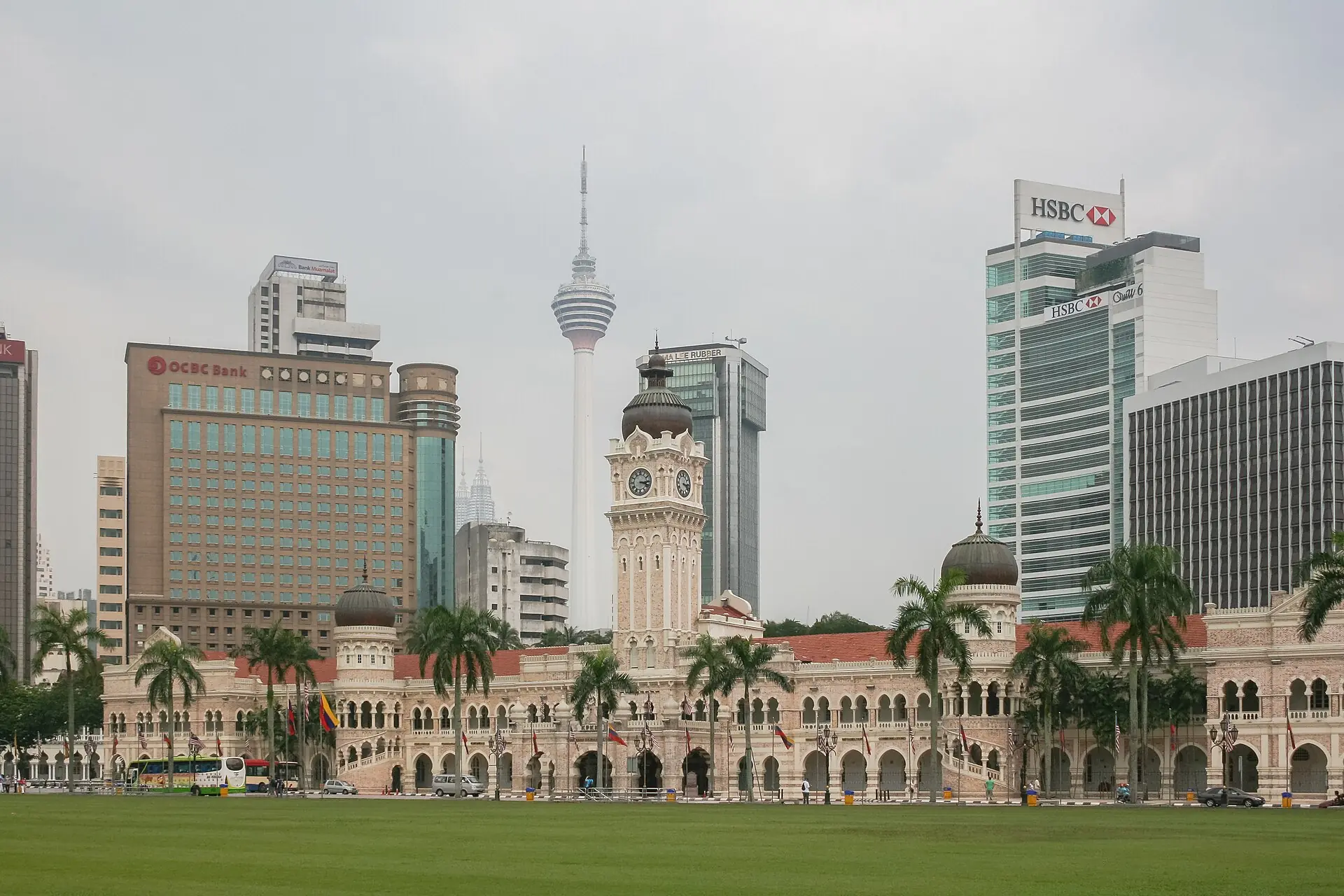
Colonial architects then gave the centre its look. The Sultan Abdul Samad Building of 1897 faces a cricket field, now called Merdeka Square, and its brick, copper domes and clock tower mix Moorish and Victorian styles. The Jamek Mosque opened in 1909 at the river confluence, and the railway station and the Art Deco Central Market came later.
On 31 August 1957 the flag of Malaya was raised on the field, and the city became the capital of an independent country. In 1963 it became the capital of the larger federation of Malaysia. The decades since have been marked by rapid growth, a business district around KLCC and the towers of 1998.
Today the city has about two million residents and lies at the heart of the Klang Valley, where some eight million people live. The federal government has moved much of its administration to Putrajaya, but Kuala Lumpur remains the business, cultural and transport centre. A short walk in the centre shows every layer of that history at once: mining-era shophouses, colonial arcades, a river mosque and glass towers.
- Founded
- 1857 at the river confluence
- Federal capital of the Malay States
- 1896
- Independence declared
- 31 August 1957
- Petronas Towers open
- 1998
2The towers and KLCC2 min
The Petronas Twin Towers are the image of modern Malaysia. They rise 452 metres over KLCC, the city centre district built on a former racecourse, and they held the record as the world's tallest buildings from 1998 to 2004. The design uses Islamic geometric motifs in the floor plans, and the steel and glass skin catches the light differently through the day.
You cannot go all the way up, but you can go far. A skybridge links the two towers at the 41st and 42nd floors, and an observation deck sits higher, on the 86th floor of Tower 2. Tickets are sold for timed slots, in limited numbers, and they often sell out, so book ahead. The towers are usually closed on Mondays, and bags are searched at the entrance. Allow about an hour.
At the base is Suria KLCC, a large air-conditioned mall with a food court, a concert hall and connections to the park. The mall is your refuge on a hot afternoon, and the covered walkway links it to Bukit Bintang. This is the easiest place in the city to escape a storm.
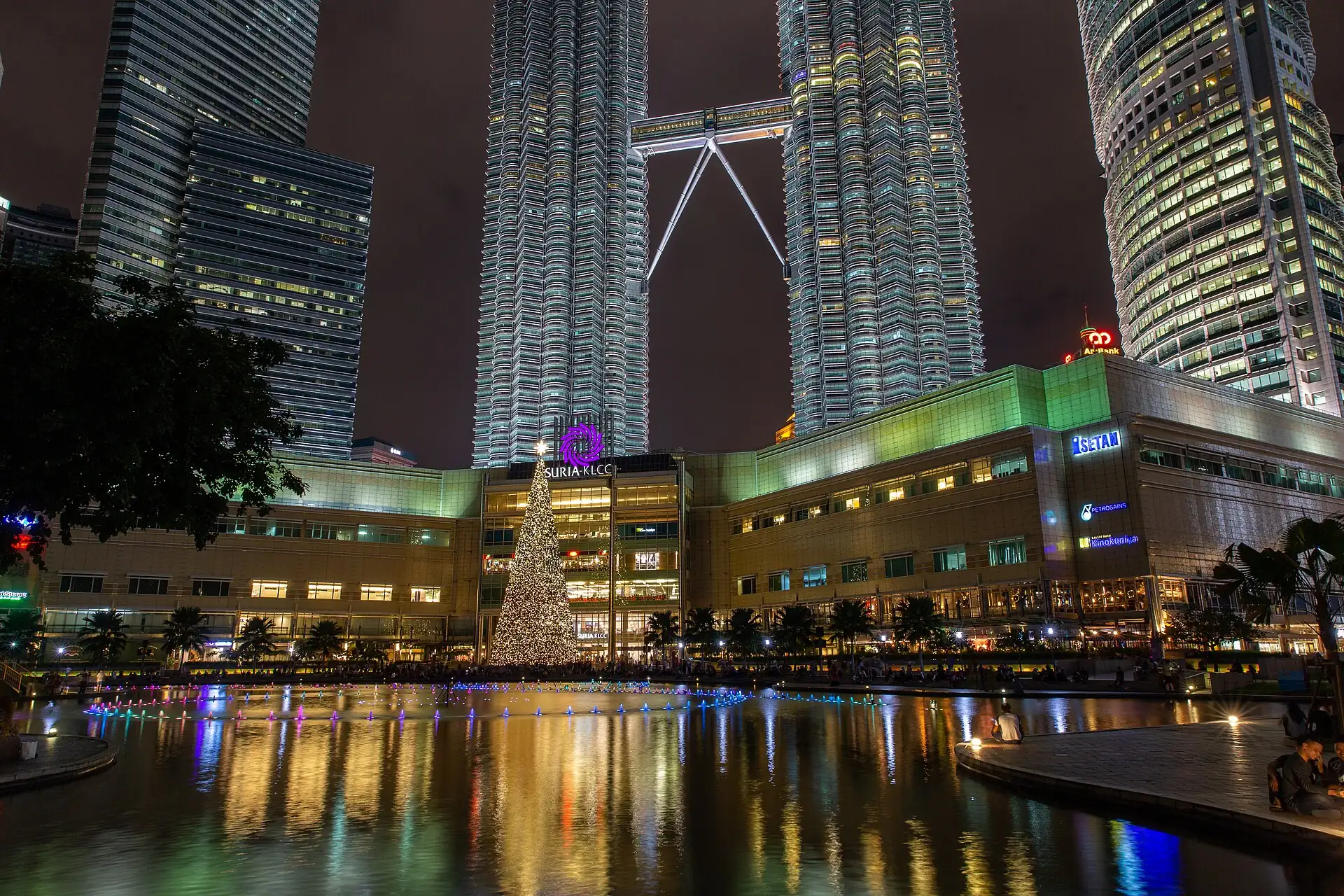
KLCC Park lies behind the towers: a lake, a jogging track, a playground with a splash area and shaded paths. Early morning is the best time, when the air is cool and the towers reflect in the water. In the evening the towers are lit and a fountain show runs on a timetable that changes; check it locally.
A cheaper view comes from KL Tower on Bukit Nanas hill, a 421-metre telecommunications tower with a viewing deck, and the towers themselves appear in the skyline from there. If you have only one morning, do KLCC first: the light is better, the queues are shorter and the heat is bearable until about 11:00.
The area is modern and easy: pavements are smooth, lifts are common and the walkways are covered. It is also the least characterful part of the city. For history and food, you head south and east.
- Height
- About 452 m
- World's tallest
- 1998 to 2004
- Skybridge
- Floors 41 and 42
- Book ahead
- Timed tickets; often closed Monday
3The colonial core and the river2 min
Merdeka Square and the streets around it are the historical heart of the city. The field was once a cricket ground for British officials, and now it is where Malaysians gather on national days. On one side stands the Sultan Abdul Samad Building, with its long arcade, copper domes and clock tower, and beside it the Royal Selangor Club and other colonial buildings. A giant flagpole marks where the flag rose in 1957.
A short walk to the north-east is the Jamek Mosque, at the confluence where the city began. It is small, elegant and built of red brick and white domes in a Moorish style, with palm trees and a riverside courtyard. Visitors are welcome outside prayer times, dressed with covered shoulders and knees; robes are lent at the entrance and shoes go off. Visiting hours change on Friday and around prayer times, so check on the day.
Beyond the mosque is the old river, which locals say gave the city its name. It was once a working waterway, and now it has been cleaned and dressed with walkways and lights. The stretch between Masjid Jamek station and Central Market is a short walk that gathers several eras.
Central Market, a blue-and-cream Art Deco hall of the 1930s, is now an air-conditioned craft market with batik, pewter and wood carving. Prices are not the cheapest, but the hall is cool and a good place to compare items before you shop elsewhere.
The colonial core is best in the early morning, before the sun is high and the traffic heavy. Go at 08:00, walk the field, step into the mosque courtyard and finish in the market hall as the heat rises. Take rail, not a walk, back to your hotel.
Other sights lie a little further, such as the National Mosque, the Islamic Arts Museum and the Perdana Botanical Garden, all in one green district to the west. They are easy by rail and ride-hail car and make a good second morning if you want a quieter, cooler day.
- Sultan Abdul Samad Building
- 1897
- Jamek Mosque
- 1909
- Independence
- 31 August 1957
- Mosque dress
- Covered shoulders and knees; shoes off
4Chinatown, temples and the market street2 min
Chinatown is where the old town's shophouses survive. Petaling Street, a covered lane of stalls, sits at its heart, and around it stand temples, clan halls, herbal shops and old coffee houses. It is loud, crowded and hot, and it is also the cheapest and most human district for a visitor on a budget.
The Sri Mahamariamman Temple, on Jalan Tun H.S. Lee, is the oldest Hindu temple in the city. Founded in the 19th century by Tamil settlers, it has a tall gopuram tower carved with bright deities and a shrine hall that opens onto the street. Visitors are welcome, with shoes off and shoulders and knees covered. Do not photograph worshippers or the inner shrine.
Nearby, the Guan Di Temple and the Chan See Shu Yuen clan hall show the Chinese side of the story. Each was built by a clan or a trade group to look after its members, and each is a quiet interior a few steps from the market. Check the hours, and keep your voice low.
Petaling Street itself is a bargaining market. It is known for souvenirs, snacks, watches and copies of branded goods. Start at about half the first price and settle near two-thirds, and skip anything sold as branded: it is almost always a copy. It is better in the late afternoon and evening, when the lights come on and the street food carts are out.
For food, a kopitiam is the answer. These old-style coffee shops serve kaya toast, soft-boiled eggs and white coffee in the morning, and noodles and rice at lunch. Try a char kway teow from a cart at night, and bak kut teh, a pork rib soup with herbs, at a Chinese-run restaurant.
Chinatown works as a base if you want cheap beds and the rail line is close: Pasar Seni station is a short walk. It is noisy, however, and pavements are narrow and uneven, so do not plan to push a stroller. If you stay elsewhere, come for a morning and an evening.
- Oldest Hindu temple in the city
- Sri Mahamariamman
- Bargaining
- Start near half; settle near two-thirds
- Best hours
- Late afternoon and evening
- Breakfast
- Kopitiam kaya toast
5Eating in three cuisines2 min
Kuala Lumpur is a food city before it is anything else. The three big communities, Malay, Chinese and Indian, each brought a cuisine, and the city mixes them on almost every street. You can breakfast on Malay nasi lemak, lunch on Chinese noodles, take Indian roti in the afternoon and eat grilled seafood at night, all within a few blocks.
Nasi lemak is the national breakfast: rice cooked in coconut milk, served with sambal, anchovies, peanuts and egg, usually in a small packet for RM 5 to 12. Roti canai, a flaky flatbread with dhal or curry, costs RM 2 to 5 and is served at mamak stalls, the Indian-Muslim open-air restaurants that stay open late. A glass of teh tarik, milk tea poured between two cups to make foam, goes with it.
Jalan Alor, a short walk from Bukit Bintang, is the best-known street-food row, with rows of plastic tables, grilled meats, noodles and seafood, from about 18:00. It is loud, hot and open-air. Some stalls charge tourists more or hide the price of seafood, so ask the price per weight before you order, choose a busy stall and pay attention to the bill.
Food courts are the easy option: air-conditioned, fixed prices and many cuisines in one room. The mall food court under the towers is a good lunch in the storm window, and a set meal costs RM 15 to 35. For a full sit-down meal with drinks, expect RM 30 to 80 per person.
Halal food is widespread, and most Malay and mamak stalls are halal. Chinese-run places often serve pork, and alcohol is available in Chinese-run and non-Muslim areas such as Bukit Bintang but is taxed and expensive. Vegetarian food is easy in Indian restaurants around Brickfields, but check the sambal and stock.
A simple approach: eat at busy places, wash your hands, drink bottled water and ask for less chilli if you need it. Service charge and a government tax are often added to a restaurant bill, so read the total. Tipping is not expected.
- Nasi lemak
- RM 5–12
- Roti canai
- RM 2–5
- Food-court meal
- RM 15–35
- Jalan Alor
- Evenings from about 18:00Evenings from about 6:00 PM
6Heat, rain and how to plan a day2 min
The weather defines the daily rhythm. Temperatures are close to 32 °C in the day and 23 °C at night in every month, and humidity is high. Heavy afternoon storms are common, especially from about March to May and from October to November. Some months are drier, such as January, February, June and July, but the pattern is the same: hot mornings, storms around 14:00 to 17:00 and warm nights.
So plan your day around it. Go outdoors between 07:00 and 11:00, when the air is coolest and the queues are shortest. From about noon to 16:00, move indoors: a mall, a museum, a food court or your hotel pool. Come out again after 17:30 for dinner and the night markets. Carry a compact umbrella, drink water often and take an air-conditioned break every hour or so.
Rail is the best way between districts. The LRT, MRT and monorail run to most sights, tickets cost RM 1 to 6, and a Touch 'n Go card or eWallet avoids queues. Trains stop around midnight, so use a Grab car late at night and in storms, when prices rise. From the airport, the KLIA Ekspres takes about 28 minutes to KL Sentral.
Pavements are broken in many places, drains are open and crossings are not always respected, so look down and cross with locals. Carry the bag on the side away from the road, since snatch theft by motorbike happens. Emergency numbers are 999 and 112.
Behaviour and dress matter at religious sites. Cover shoulders and knees in mosques and temples, take off your shoes and keep your voice low. Use the right hand to give and receive. Same-sex acts are illegal in Malaysia, so be discreet.
A three-day plan works well: KLCC and the towers on Day 1, the colonial core and Jamek Mosque on Day 2, Chinatown and Central Market on Day 3. Add a half-day at Batu Caves, a Hindu shrine up 272 steps and best in the early morning, or a trip to Putrajaya. Keep afternoons light and evenings for food.
- Typical day
- 32 °C (90 °F), 23 °C (73 °F) at night90 °F (32 °C), 73 °F (23 °C) at night
- Storm window
- About 14:00 to 17:00About 2:00 PM to 5:00 PM
- KLIA Ekspres
- About 28 min to KL Sentral
- Emergency
- 999 or 112
Read, watch, wordsReading · Glossary · Sources
Reading
- Wikivoyage — Kuala Lumpur — Wikivoyage contributorsA community travel guide to compare against this one.
Glossary
| Term | Local | Meaning |
|---|---|---|
| Kopitiam | Kopitiam | An old-style coffee shop serving toast, eggs and noodles. |
| Mamak | Mamak | An Indian-Muslim open-air stall or restaurant, often open late. |
| Nasi lemak | Nasi lemak | Coconut rice with sambal, anchovies, peanuts and egg. |
| Masjid | Masjid | Mosque. |
Read for this deep dive
Background reading only: the text above is written by Voykit, not copied from these pages.
Photos
Kuala Lumpur, Park KLCC, Fontanna na jeziorze Symphony Photo: Marcin Konsek, CC BY-SA 4.0
Kuala Lumpur, Meczet Jamek Photo: Marcin Konsek, CC BY-SA 4.0
Kuala Lumpur street scene Photo: Zh9567, CC BY-SA 4.0
Kuala Lumpur, Sabah: Stairs to Planetarium Negara (National Planetarium) Photo: CEphoto, Uwe Aranas, CC BY-SA 3.0
Kuala Lumpur street scene Photo: Zh9567, CC BY-SA 4.0
Rules in force · 6Drug trafficking can carry the death penalty in Singapore…
- Southeast Asia ↗Drug trafficking can carry the death penalty in Singapore, Malaysia, Indonesia, Vietnam, Laos, Thailand, Brunei and Myanmar; never carry a bag or parcel for anyone.
- Southeast Asia ↗Carry a passport valid for at least six months from entry with two blank pages; airlines refuse boarding on less.
- Malaysia ↗Most foreign visitors must submit the Malaysia Digital Arrival Card (MDAC) online shortly before arrival; use only the official immigration site.
- Malaysia ↗Remove shoes before entering mosques, temples and homes; cover shoulders and knees, and use the robes on loan at major mosques.
- Malaysia ↗Cards and e-wallets are common in cities; keep some ringgit in small notes for hawker stalls, taxis and tolls.
- Klang Valley ↗Weekday rush hours (roughly 07:30–09:30 and 17:00–20:00) double road times; schedule car legs outside them.
Entry rules depend on your passport. Full visa guide
Emergency numbers for Kuala Lumpur112 ▾
Tap a number to call from your phone. These are the numbers listed in this guide; a row marked check has not been verified.
Planning is the full guide. I'm here keeps what is open and the cheat card.
Right now
Checking the weather…
Working out what is open near you…
What is open nowclock, closures, places open
Now in Kuala Lumpur
Local time in Kuala Lumpur
--:--
Loads in your browser · Asia/Kuala_Lumpur
This month
Month verdict appears here.
Closed today
See the weekly grid below.
| Weekly closure | Mon | Tue | Wed | Thu | Fri | Sat | Sun |
|---|---|---|---|---|---|---|---|
| Some museumscheckCheck each place before you go. | ✕ | · | · | · | · | · | · |
| Mosques for visitorscheckVisiting hours change on Friday. | · | · | · | · | ✕ | · | · |
If today is a closure day: It is mid-afternoon: the storm usually arrives about now, so go indoors to a mall or a museum and come out for dinner.
Public holidays and Ramadan change hours; check ahead.
Cheat cardthe pocket version
Cheat card
The essentials on one card: save it as an image for your phone, share it, or print it.
Kuala Lumpur
- Money
- Keep RM100 in small notes; use ATMs in malls or bank branches, not on dark streets.
- SIM
- Install an eSIM before you fly, or buy a prepaid SIM at the airport or a mall (passport needed).
- Ride app
- Grab
- Emergency
- 112 All emergencies (mobile) · 999 police and ambulance · 994 fire
- Plugs
- Sockets G. US/Canada (A/B): adapter · UK/Ireland (G): fits · Australia/NZ (I): adapter. 240 V: US 120 V-only devices (hair dryers) need a converter; most chargers are dual-voltage.
Top 5
- Petronas Twin Towers
- KLCC Park
- Jamek Mosque
- Merdeka Square
- Sri Mahamariamman Temple
EssentialsQuick answers, what things cost and how to get around
Essentials
Quick answers, what things cost and how to get around
Quick answers
The questions people ask first about Kuala Lumpur, one line each. Tap a card for the full answer.
- Cash or card?Ringgit (RM).
- SIM or eSIMInstall an eSIM before you fly, or buy a prepaid SIM at the airport or a mall (passport needed).
- Ride-hailing appGrab.
- Tap waterTap water is not recommended for drinking; use bottled or filtered water.
- TippingTipping is not expected.
- Plugs & powerSockets G. US/Canada (A/B): adapter · UK/Ireland (G): fits · Australia/NZ (I): adapter. 240 V: US 120 V-only devices (hair dryers) need a converter; most chargers are dual-voltage.
Show all 14 answers
- Safe at night?Take more care after dark in Merdeka Square and Jamek, Chinatown, Bukit Bintang.
- What to wearCover shoulders and knees, take off your shoes and keep voices low.
- Emergency numbers112 All emergencies (mobile) · 999 police and ambulance · 994 fire
- Your embassyEmbassies are in Kuala Lumpur, many around Jalan Ampang.
- Closed which day?Mon: 1 on our list shut · Fri: 1 on our list shut.
- Sundays & holidayscheckPublic holidays and Ramadan change hours; check ahead.
- Rainy-day planStorms arrive in the afternoon: keep a mall or museum for 14:00 to 17:00 and carry a compact umbrella.Storms arrive in the afternoon: keep a mall or museum for 2:00 PM to 5:00 PM and carry a compact umbrella.
- Landing lateKUL: ride-hailing car or coupon taxi to the door runs all night.
Cost cheat-sheetwhat everyday things cost
Cost cheat-sheet
Typical prices for the everyday things, as ranges. Change the currency right here; the local price stays first.
2026 desk estimate · check
- CoffeeCoffee at a kopitiamRM 3–6
- Sit-down mealSit-down restaurant meal, per personRM 30–80
- Street or quick mealHawker mealRM 8–20
- Taxi, about 5 km (3 mi)Taxi, about 3 mi (5 km)Ride-hail car across the centreRM 8–25
- Metro or bus rideLRT or MRT rideRM 1–6
- SIM or eSIM, a weekTourist eSIM, about a week of dataRM 20–50
- Budget bedHostel dorm bed, a night, per personRM40
- Mid-range bedHotel double room, a night, per roomRM300
- High-end bedHotel double room, a night, per roomRM650
A day, not counting the bed: Budget RM110 · Mid RM250 · High RM550
Local prices, with USD next to them (rates 2026-09 (approximate); change it in the header). Ranges are desk estimates: check locally. Every price and the budget calculator →
Source: Prices in Kuala Lumpur
Draft
Written from desk research. Not yet compared with the official source.
No official source is recorded for this figure.
Prices are 2026 desk estimates, not yet compared with an official source. Check on the day.
Not checked in the last 12 months (no check date on file).
DecideWho it suits, the trade-offs and when to go
Decide
Who it suits, the trade-offs and when to go
Best months at a glance
The guide's verdict for each month
Jan
Best
32°C (90°F)90°F (32°C)
Feb
Best
33°C (91°F)91°F (33°C)
Mar
Best
33°C (91°F)91°F (33°C)
Apr
Care
33°C (91°F)91°F (33°C)
May
Care
33°C (91°F)91°F (33°C)
Jun
Best
32°C (90°F)90°F (32°C)
Jul
Best
32°C (90°F)90°F (32°C)
Aug
Care
32°C (90°F)90°F (32°C)
Sep
Care
32°C (90°F)90°F (32°C)
Oct
Care
32°C (90°F)90°F (32°C)
Nov
Care
32°C (90°F)90°F (32°C)
Dec
Care
32°C (90°F)90°F (32°C)
Best: Jan–Mar, Jun–Jul. Mixed: Apr–May, Aug–Dec. Month by month →
Warmest Feb (33°C (91°F)91°F (33°C)), coolest Jan (23°C (73°F)73°F (23°C) low), wettest Nov (20 rain days), driest Feb (12). Averages, not a forecast.
Kuala Lumpur across the year
Best-looking months for Kuala Lumpur: Feb, Mar, Jun.
| Measure | Jan | Feb | Mar | Apr | May | Jun | Jul | Aug | Sep | Oct | Nov | Dec |
|---|---|---|---|---|---|---|---|---|---|---|---|---|
| Weather | Good (good) | Great (good) | Great (good) | Mixed (care) | Mixed (care) | Great (good) | Great (good) | Mixed (care) | Mixed (care) | Mixed (care) | Mixed (care) | Mixed (care) |
| Crowds | Medium (ok) | High (care) | Medium (ok) | Medium (ok) | Medium (ok) | Medium (ok) | High (care) | High (care) | Medium (ok) | Low (good) | Low (good) | High (care) |
| Prices | Medium (ok) | High (care) | Medium (ok) | Medium (ok) | Medium (ok) | Medium (ok) | High (care) | High (care) | Medium (ok) | Low (good) | Low (good) | High (care) |
| Events | 2 events (ok) | 2 events (ok) | 2 events (care) | 1 event (ok) | None listed (ok) | None listed (ok) | None listed (ok) | 1 event (ok) | 1 event (ok) | 1 event (ok) | 1 event (ok) | None listed (ok) |
Green is good news, amber needs planning, red is a month to avoid; dashed grey with a question mark means our data does not say. Open the year heatmap →
Not checked in the last 12 months (no check date on file).
Source: Months, temperatures and crowds
Draft
Written from desk research. Not yet compared with the official source.
Monthly highs, rain and crowd levels are climate averages and desk estimates for the city, not a forecast.
Understand the cityUnderstand · Districts
Orientation & districts
A first visit fits four areas along the rail lines: KLCC and the towers, the colonial and river heart around Merdeka Square, Chinatown and Central Market, and Bukit Bintang for shopping and food. Each is a short train ride from the others.
Use the rail station or the mall name for directions; street names are long and change in the same district.
Shaded shapes: walking areas (click one). Black pins: sleep areas. Grey dots: places. Round badges: arrivals. Click the map to turn on scroll-wheel zoom.
Hover, tap or tab to an area to see what it is like. Pins are sleep areas; arrows at the edge point to the airport.
Where’s what, as a list:
- KLCC (Kuala Lumpur City Centre): The twin towers, the park and a large mall; flat and modern. Suits: Towers, park, malls, air-conditioned mornings.
- Merdeka Square and Jamek (Dataran Merdeka): Colonial buildings, the river and the mosque; compact but hot. Suits: History, architecture, the mosque.
- Chinatown and Central Market (Petaling Street): Markets, temples and hostels; busy and noisy. Suits: Street food, temples, budget beds. Price band $.
- Bukit Bintang (Bukit Bintang): The main shopping and entertainment district with Jalan Alor. Suits: Malls, food and nightlife, first-time bed. Price band $$.
- Sleep area Bukit Bintang: suits Malls, food and nightlife, first-time bed, price band $$.
- Sleep area Chinatown & Pasar Seni: suits Street food, temples, budget beds, price band $.
- Kuala Lumpur International Airport (KUL, KLIA Terminal 1), about 44 km (27 mi)27 mi (44 km) from the centre, 55–90 min by the usual route.
Neighbourhoods at a glance
One tab per area, pulled together from this guide’s districts table, area notes, sleep-area scores and place pages. Scores are desk judgements (1–5); prices are estimates, check before you book.
KLCC
Kuala Lumpur City Centre
The twin towers, the park and a large mall; flat and modern.
- Suits:
- Towers, park, malls, air-conditioned mornings
- Best time:
- Morning and after dark
Pick this if: Views, shopping
Watch out for: Midday heat outdoors.
Getting around from here
- Walk or rail: about 18 min to Bukit Bintang & Jalan Alor
- Rail west: about 14 min to Merdeka Square & Masjid Jamek
- KUL: about 45 km (28 mi) in a straight line (arrival ride 55–90 min)KUL: about 28 mi (45 km) in a straight line (arrival ride 55–90 min)
Merdeka Square and Jamek
Dataran Merdeka
Colonial buildings, the river and the mosque; compact but hot.
- Suits:
- History, architecture, the mosque
- Best time:
- Morning
Pick this if: History, photography
Watch out for: Afternoon storms.
Getting around from here
- Walk south or rail one stop: about 10 min to Chinatown, Central Market & Petaling Street
- Rail east: about 14 min to KLCC: Petronas Towers & park
- KUL: about 44 km (27 mi) in a straight line (arrival ride 55–90 min)KUL: about 27 mi (44 km) in a straight line (arrival ride 55–90 min)
Chinatown and Central Market
$Petaling Street
Markets, temples and hostels; busy and noisy.
- Suits:
- Street food, temples, budget beds
- Best time:
- Late afternoon and evening
- Rooms:
- RM 40–90 dorm bed · RM 130–220 double (from the sleep guide)
Pick this if: Food, budget
Watch out for: Midday crowds.
- Quiet nights2/5 Low
- Nightlife4/5 High
- Families2/5 Low
- Late arrival4/5 High
Why these scores
- Quiet nights: Market noise by day, bars at night.
- Nightlife: Cheap bars and street food.
- Families: Crowded and noisy.
- Late arrival: Many hostels and 24-hour cafés.
Getting around from here
- 10–15 min walk to Merdeka Square & Masjid Jamek
- 20–28 min walk to Bukit Bintang & Jalan Alor
- KUL: about 44 km (27 mi) in a straight line (arrival ride 55–90 min)KUL: about 27 mi (44 km) in a straight line (arrival ride 55–90 min)
Bukit Bintang
$$Bukit Bintang
The main shopping and entertainment district with Jalan Alor.
- Suits:
- Malls, food and nightlife, first-time bed
- Best time:
- Evening
- Rooms:
- RM 250–550 (from the sleep guide)
Pick this if: Shopping, dining
Watch out for: Weekend late nights if you want sleep.
- Quiet nights2/5 Low
- Nightlife5/5 Very high
- Families3/5 Medium
- Late arrival5/5 Very high
Why these scores
- Quiet nights: Busy streets and late noise; ask for a higher floor.
- Nightlife: The main bar and restaurant district.
- Families: Malls and food at the door, but crowded.
- Late arrival: 24-hour food and many late desks.
Getting around from here
- 18–24 min walk to KLCC: Petronas Towers & park
- 20–28 min walk to Chinatown, Central Market & Petaling Street
- KUL: about 44 km (27 mi) in a straight line (arrival ride 55–90 min)KUL: about 27 mi (44 km) in a straight line (arrival ride 55–90 min)
Ward by ward
6 area guides. Open one for the short answer, the key facts and what the area is like; the full guide is linked inside. Prices marked (check) are estimates.
Brickfields and BangsarBest for: Airport-train arrivals, Little India food, budget and mid-range hotels, longer stays
Stay here if you want KL Sentral on foot: Brickfields is the practical base for airport trains, Little India food and budget rooms, and Bangsar adds expat restaurants and bars 10–15 minutes away by taxi. Skip it if your trip is about the KLCC skyline or Chinatown street life — those sit 15–25 minutes north by train.
- Best for:
- Airport-train arrivals, Little India food, budget and mid-range hotels, longer stays
- Not for:
- KLCC tower views, Chinatown night market, first-night street-life atmosphere
- Main hub:
- KL Sentral — KLIA Ekspres, LRT Kelana Jaya, MRT, KTM Komuter, monorail
- Airport train:
- KLIA Ekspres non-stop to KL Sentral, about 28–35 min (check current timetable)
- Bangsar LRT:
- Bangsar station is on Jalan Bangsar, not Bangsar Baru — bus 822 or T850 onward
- Walkability:
- Brickfields is walkable; Bangsar Baru and Mid Valley need a bus, taxi or train
- Budget room:
- Hostel dorms and budget hotels cluster along Jalan Tun Sambanthan (2026 estimate)
- Heat and rain:
- Plan outdoor walks before 11am or after 5pm; afternoon storms are common
What the area is like
Brickfields is Kuala Lumpur's official Little India, a grid of shophouses along Jalan Tun Sambanthan selling Indian clothing, spices, provisions and food. The name comes from the late 1800s, when a flood and fire pushed the British administration to require brick buildings; this clay-rich ground south of the centre became the brick-making site, and railway workers brought from South India and Sri Lanka settled here.
The old railway depot is now KL Sentral, the city's main transport hub, ringed by office towers. That single fact shapes the neighborhood: it is the most convenient place in Kuala Lumpur to sleep if you arrive or leave by train, and the least scenic if you want a view.
Bangsar, immediately west across the Klang River, is a low-rise residential district popular with expats, with restaurants, cafés, shopping malls and bars concentrated in Bangsar Baru and around Bangsar Shopping Centre. Robson Heights, east of the river, is quieter and mostly residential.
Both areas are south of the city centre. Neither has the skyline drama of the Golden Triangle or the heritage streets of the Old City Centre, and that is the trade-off you are making: transport and food over postcard views.
Full Brickfields and Bangsar guideShould you stay here or not
Stay in Brickfields if your trip involves early flights, late arrivals or onward trains. KL Sentral puts the KLIA Ekspres, the LRT Kelana Jaya line, the MRT, KTM Komuter and the monorail within a few minutes of your bed, and the streets around it have the densest cluster of budget and mid-range rooms in the city.
Stay in Bangsar if you want a residential base with good restaurants and bars and do not mind taking a bus or taxi for everything. It suits longer stays, remote workers and travellers who have already seen the centre.
Do not stay here if this is your first visit and you want to walk out of your hotel into the Petronas Towers, Bukit Bintang or Chinatown. Those are 15–25 minutes away by train or taxi, and the last leg home at night is the part most people underestimate.
A practical compromise: book two nights in the Golden Triangle for the skyline and food streets, then move to Brickfields for the night before your flight.
East
Stay in East only if you want residential calm, Korean and Middle Eastern food, or an embassy-adjacent base; most first-timers should sleep in the Golden Triangle and visit Ampang for a meal. The Ampang LRT line reaches the area in about 20–25 minutes from the centre, so a day trip costs little and a hotel swap costs you nightlife.
- Who it suits:
- Repeat visitors, expat families, Korean and Middle Eastern food fans, longer stays
- Who should skip it:
- First-timers wanting walkable nightlife, malls and the towers on foot
- Main transit:
- LRT Ampang Line to Ampang station; taxis and buses are slower
- Drive in:
- Ampang–Kuala Lumpur Elevated Highway (AKLEH), tolled
- Signature dish:
- Ampang yong tau foo — Hakka tofu and vegetables stuffed with fish paste
- Little Korea:
- Korean restaurants and shops cluster along Jalan Ampang Utama, Ampang Jaya
- Typical main dish:
- RM15–60 depending on venue (2026 estimate)
- Best time of day:
- Early morning and after 17:00; midday heat and afternoon storms are realEarly morning and after 5:00 PM; midday heat and afternoon storms are real
What the area is like
East Kuala Lumpur is the residential side of the city, running from the embassy belt along Jalan Ampang out to Ampang Jaya and the Selangor border. It is not a sightseeing district. There are no towers to queue for and no backpacker strip; instead you get low-rise housing estates, diplomatic compounds, a handful of malls and a food scene built for people who live here.
Two things give the area its character. The first is Little Korea, a cluster of Korean restaurants, groceries and karaoke rooms around Ampang Jaya, which grew up alongside the embassies. The second is Ampang's Hakka Chinese heritage, still visible in the yong tau foo shops of Pekan Ampang that claim to be the original. Middle Eastern restaurants also took root here, so a single evening can move from kimchi to hummus within a few blocks.
Expect heat and traffic. Jalan Ampang is a long, congested artery, and walking between clusters is unpleasant in the middle of the day. Plan on the LRT, a taxi or a rideshare for anything beyond your immediate block.
Full East guideShould you stay here or not
Choose East if your trip is about living in Kuala Lumpur rather than ticking off its landmarks: a longer stay, a serviced apartment with a kitchen, a family that wants quiet at night, or a specific interest in Korean or Middle Eastern food. Hotel rates here are often lower than the Golden Triangle for the same standard (2026 estimate), which is the main practical argument.
Skip it on a first visit of three or four nights. The Golden Triangle puts you within walking distance of the towers, the main malls and the evening food streets, and the Old City Centre gives you heritage and cheap eats. From East you will spend 20–40 minutes each way to reach those, twice a day, in traffic.
A middle path works well: stay centrally, then give East one evening. Take the LRT to Ampang, eat yong tau foo or Korean barbecue, and ride back. That captures the food without paying the commute tax every day.
NorthBest for: Batu Caves, FRIM canopy walk, Zoo Negara, Orang Asli Museum
North Kuala Lumpur is a day-trip zone, not a base: stay only if you want quiet residential streets and easy KTM access to Batu Caves, and accept 20–40 minutes to the city centre. Most visitors sleep in the Golden Triangle and ride the KTM Komuter north for the caves.
- Best for:
- Batu Caves, FRIM canopy walk, Zoo Negara, Orang Asli Museum
- Stay here if:
- You want cheaper residential hotels and a car or KTM line at the door
- Skip staying if:
- You want to walk to KLCC, Bukit Bintang or Chow Kit food streets
- Batu Caves entry:
- Free; 272 steps up
- Batu Caves by KTM Komuter:
- From KL Sentral, roughly 30 minutes, RM1–2, every 15–30 minutes (check)
- Dark Cave tours:
- Temporarily closed; tours were RM35 adult, RM28 child (check)
- Orang Asli Museum:
- Free, 10:00–16:00, closed Fridays (check)Free, 10:00 AM–4:00 PM, closed Fridays (check)
- Heat and storms:
- Go early; afternoon downpours are routine
What the area is like
North Kuala Lumpur is the belt of suburbs running up from Chow Kit past Gombak, Kepong and Batu Caves. It is mostly housing, light industry and limestone hills, with a few big draws spaced kilometres apart. There is no single walkable centre the way there is in the Golden Triangle or the Old City Centre.
That spacing is the point to plan around. Batu Caves sits about 13 km (8.1 mi) north of the centre on the MRR2 highway. FRIM's forest reserve is at Kepong, the national zoo at Hulu Klang, and the Orang Asli Museum out at Gombak on the road toward Genting. Each is a separate trip, and each is easier with a car or a train stop at the gate.That spacing is the point to plan around. Batu Caves sits about 8.1 mi (13 km) north of the centre on the MRR2 highway. FRIM's forest reserve is at Kepong, the national zoo at Hulu Klang, and the Orang Asli Museum out at Gombak on the road toward Genting. Each is a separate trip, and each is easier with a car or a train stop at the gate.
The limestone caves at Batu Caves have been used as Hindu temples since the late 1870s, and the site now carries a tall statue at the foot of 272 steps. Thaipusam in January or February fills it with pilgrims, some carrying kavadis from the city centre; on that day the trains run packed and the roads close.
Full North guideShould you stay here
For a first visit, no. Kuala Lumpur's sightseeing, food and nightlife cluster in the centre, and North adds a commute to every evening. Book the Golden Triangle or the Old City Centre and treat North as a half-day or full-day outing.
Stay north if you have a specific reason: a hotel near a KTM Komuter station for an early Batu Caves start, a longer stay where you want a residential neighbourhood and parking, or a stopover on the way to Genting Highlands or Fraser's Hill. Families with a car often like the space and the cheaper rooms.
Check the last train and the walk from the station to your hotel before booking. Some northern stations open onto highways and industrial lots, not a lit shopping street.
North of City CentreBest for: Budget stays, Malay and Indian food, wet-market shopping, nightlife on Heritage Row
Stay here if you want cheap food, traditional shopping and easy rail access, not polished streets. Kampung Baru and Chow Kit suit budget travellers and food-first trips; Jalan TAR and Masjid India suit shoppers. Skip it for a quiet, green or luxury base — the Golden Triangle or Old City Centre fit that better.
- Best for:
- Budget stays, Malay and Indian food, wet-market shopping, nightlife on Heritage Row
- Worst for:
- Quiet evenings, green space, upscale hotels
- Walkable core:
- Jalan TAR to Jalan Masjid India, roughly 15–20 minutes on foot
- Main rail stops:
- Bandaraya LRT, Medan Tuanku and Chow Kit monorail, Kampung Baru LRT
- Airport link:
- MRT Putrajaya Line from Hospital Kuala Lumpur or Raja Uda toward Putrajaya; check the KLIA connection
- Budget room:
- RM60–150 per night for a basic double — 2026 estimate, check
- Best hours:
- Morning for the wet market, after dark for Jalan Haji Hussein and Heritage Row
What the area is like
This district sits directly north of the old city core and is really three places in one. Along Jalan Tuanku Abdul Rahman (Jalan TAR) you get a long shopping artery of textile shops, gold traders and budget stores. East of it, Jalan Masjid India is packed with sari and Indian apparel shops, which is why the strip is often called Little India, though Brickfields makes the same claim.
Further north, Chow Kit is the bargain end: the Chow Kit Wet Market, traditional Malay medicine stalls, and the night street market on Jalan Haji Hussein selling clothes, bags and cooked food. Kampung Baru, just east, is a low-rise Malay kampung that has survived in the middle of the city — wooden houses, small eateries and a slower pace than the towers around it.
The southern edge along Jalan Sultan Ismail has become a nightlife strip nicknamed Heritage Row, with restaurants and bars in old terrace houses on Jalan Doraisamy and Jalan Yap Ah Shak. Expect traffic, noise and pavement clutter during the day; the area is functional rather than pretty.
Full North of City Centre guideShould you stay here or not
Stay here if your trip is about food and markets, you want to keep costs down, or you value being a short rail hop from both the old centre and the towers. Kampung Baru is the calmest pocket; Chow Kit is the busiest and cheapest.
Do not stay here if you want a quiet, green or upscale base, or if you plan to spend most evenings in the Golden Triangle. The trade-off is real: rooms are cheaper and food is better value, but streets are louder, pavements are uneven and some blocks feel rough after dark.
Old City CentreBest for: First-timers, heritage walks, budget stays, hawker food
Yes for a first visit of 2–3 nights: Merdeka Square, Masjid Jamek, Chinatown and Pasar Seni sit within a 20-minute walk, with LRT/MRT stations at Pasar Seni and Masjid Jamek. Choose it for heritage and cheap food; skip it if you want malls, nightlife or a pool-and-gym hotel — that is the Golden Triangle.
- Best for:
- First-timers, heritage walks, budget stays, hawker food
- Not for:
- Pool resorts, late-night bars, air-conditioned mall shopping
- Walkable core:
- Merdeka Square to Chinatown, about 15–20 minutes on foot
- Rail:
- Pasar Seni (LRT Kelana Jaya, MRT Kajang), Masjid Jamek (LRT Ampang, Sri Petaling, Kelana Jaya)
- From KL Sentral:
- Kelana Jaya LRT to Masjid Jamek or Pasar Seni, roughly 10 minutes
- Budget room:
- RM60–150 per night for a Chinatown guesthouse or budget hotel, 2026 estimate
- Heat and rain:
- Walk before 11am or after 5pm; afternoon storms are common
- Quietest day:
- Friday midday, when parts of the area slow around prayers
What the area is like
Old City Centre is where Kuala Lumpur started: the colonial administrative grid west of the Klang and Gombak river confluence, and the old commercial streets east of it. The two halves feel different. Around Merdeka Square you get wide lawns, the Sultan Abdul Samad Building, the Royal Selangor Club and the National Mosque, all within a few blocks. Across the river, Chinatown and Pasar Seni are dense, noisy and cheap, with shophouses, market stalls and food courts.
It is a working district, not a resort. Offices empty in the evening, some lanes go dark, and the streets smell of drains after rain. What you get in return is the city's best concentration of free sights and its most accessible everyday food. Most of the classic stops are within a 20-minute walk of each other, which is unusual in a city built around highways.
The area is also a transport hub. Pasar Seni and Masjid Jamek are the two stations you will use most, and almost every RapidKL bus route in the city starts or ends around Pasar Seni. If you are moving between neighbourhoods, this is a convenient base.
Full Old City Centre guideShould you stay here
Stay here if you want to walk to the main heritage sights, eat cheaply and be close to public transport. It suits first-time visitors on a 2–3 night city stop, solo travellers, and anyone who would rather spend on food than on a hotel. Chinatown has the widest choice of budget rooms; the streets nearer Merdeka Square have mid-range and boutique conversions in old buildings.
Do not stay here if your trip is about shopping malls, rooftop bars or a hotel pool. Those are in the Golden Triangle, 10–15 minutes away by rail or a short taxi ride. Families with small children may also prefer the quieter, greener streets near the Lake Gardens, and light sleepers should avoid rooms directly over Chinatown's food streets.
Two practical checks before booking: confirm the room has a window and working air conditioning, and check the walk from the station at night. Some budget blocks sit on unlit lanes, and a five-minute walk can feel longer after dark.
WestBest for: Families, long stays, expats, repeat visitors with a car or ride-hailing budget
Stay in West only if you want a quiet, residential base with strong international food and easy driving — not for first-trip sightseeing. Damansara, Hartamas and Mont Kiara sit 10–20 minutes by car from the city centre, so pick them for families, long stays or repeat visitors, and choose the Golden Triangle instead if you want to walk to the main sights.
- Best for:
- Families, long stays, expats, repeat visitors with a car or ride-hailing budget
- Skip if:
- First trip and you want to walk to KLCC, Bukit Bintang or Merdeka Square
- Distance to city centre:
- About 10–20 minutes by car or taxi, traffic dependent
- Taxi from centre:
- About RM 10 in the source's older pricing; expect more in 2026 — check
- Nearest rail:
- Segambut KTM Komuter for Sri Hartamas/Mont Kiara; TTDI MRT for Damansara
- Bus:
- RapidKL route 190 from Jalan Tuanku Abdul Rahman to Mont Kiara/Sri Hartamas
- Food strength:
- Korean BBQ, steamboat, Japanese and other international kitchens, plus food courts that fill after 20:00Korean BBQ, steamboat, Japanese and other international kitchens, plus food courts that fill after 8:00 PM
- Walkability:
- Low between neighbourhoods; pavements and crossings are patchy — check
- Coordinates:
- 3.15774, 101.64611 (approximate, area centre)
What the area is like
West Kuala Lumpur is the residential, middle- to upper-middle-class side of the city: Damansara running toward the Selangor border and merging into Petaling Jaya, and Hartamas, including Sri Hartamas and Desa Sri Hartamas, plus the tower-block district of Mont Kiara next door.
There is little here in the way of headline sights. What the area does have is everyday city life at a comfortable level: condominium towers, international schools, supermarkets, cafés, and a dense cluster of restaurants that cater to the expatriate community. Desa Sri Hartamas in particular has grown into a compact eating district where Korean, Japanese, Thai, Western and steamboat places sit within a few streets of each other.
The trade-off is straightforward. You get space, quieter nights and better value on larger rooms, and you give up the ability to step out of your hotel and walk to the Petronas Towers or the old colonial core. Almost everything here is a car or ride-hailing trip away, and the afternoon storm makes waiting for one part of the routine.
Full West guideShould you stay here or not
Choose West if your trip is not built around the classic Kuala Lumpur checklist. Families with children, travellers staying a week or more, people visiting friends or working remotely, and repeat visitors who have already done the towers and Batu Caves all do well here. The food is a genuine reason on its own: you can eat Korean BBQ, steamboat or a late food court meal without the tourist markup of the centre.
Skip it on a first trip of two or three nights. The Golden Triangle puts you within walking distance of the main sights, and the Old City Centre gives you heritage, markets and cheap eats on foot. West also makes a poor base if you plan early starts for day trips, because you add a car journey before you even reach the highway.
If you do stay, pick your exact street carefully. Mont Kiara is the most polished and the most expensive, with towers, bars and a steady expat crowd. Desa Sri Hartamas is cheaper and better for eating. Damansara is the most residential and the most spread out, and parts of it are effectively Petaling Jaya, which matters for taxi fares and addresses.
Decide
The honest trade-off: what you will enjoy, what will wear you down.
You will like
- Street food and malls
- Rail transit
- A mix of Malay, Chinese and Indian food
You will hate
- Humidity
- Afternoon storms
- Broken pavements
Similar citiesif this one is not quite right
Similar cities
If Kuala Lumpur does not fit your dates or budget, these match it on season, cost and feel.
- Da Nang
Vietnam
- Good in the same months: Feb, Mar, Jun, Jul
- A mid-range day costs about the same (≈US$53 vs US$59, excl. bed)
- Works well for first-timers, tight budgets, couples
- A similar climate through the year
- Ho Chi Minh City
Vietnam
- Good in the same months: Jan, Mar
- A mid-range day costs about the same (≈US$61 vs US$59, excl. bed)
- Works well for first-timers, tight budgets, couples
- A similar climate through the year
- Bangkok
Thailand
- Good in the same months: Jan, Feb
- A mid-range day costs about the same (≈US$62 vs US$59, excl. bed)
- Works well for first-timers, tight budgets, couples
- A similar climate through the year
When
Best months: Jan, Feb, Mar, Jun, Jul. Month-by-month verdicts below, with the live forecast first. When to go, month by month →
Kuala Lumpur: next 7 days
Loading forecast…
Forecast: Open-Meteo (CC BY 4.0), model data for this point.
Air quality
Loading…
Model estimate (CAMS via Open-Meteo), not a street-level station; readings near busy roads run higher.
Month by month, all 12best Jan, Feb, Mar, Jun, Jul
Drier; Thaipusam and Chinese New Year crowds some years.
Driest month; Chinese New Year some years.
Warm; storms building; Ramadan some years.
Wetter; storms most afternoons.
Hot and humid; showers.
Drier; haze possible.
Drier; haze possible.
Haze possible; Merdeka Day events.
Haze possible; wetter towards the end.
Wet season starts; storms most afternoons.
Wettest; flash flooding possible.
Wet; holiday crowds.
Climate, calendar and eventsClimate · Calendar · Events · Packing by season
Climate
| Jan | Feb | Mar | Apr | May | Jun | Jul | Aug | Sep | Oct | Nov | Dec | |
|---|---|---|---|---|---|---|---|---|---|---|---|---|
| High | 32°C (90°F)90°F (32°C) | 33°C (91°F)91°F (33°C) | 33°C (91°F)91°F (33°C) | 33°C (91°F)91°F (33°C) | 33°C (91°F)91°F (33°C) | 32°C (90°F)90°F (32°C) | 32°C (90°F)90°F (32°C) | 32°C (90°F)90°F (32°C) | 32°C (90°F)90°F (32°C) | 32°C (90°F)90°F (32°C) | 32°C (90°F)90°F (32°C) | 32°C (90°F)90°F (32°C) |
| Low | 23°C (73°F)73°F (23°C) | 23°C (73°F)73°F (23°C) | 24°C (75°F)75°F (24°C) | 24°C (75°F)75°F (24°C) | 24°C (75°F)75°F (24°C) | 24°C (75°F)75°F (24°C) | 23°C (73°F)73°F (23°C) | 23°C (73°F)73°F (23°C) | 23°C (73°F)73°F (23°C) | 24°C (75°F)75°F (24°C) | 24°C (75°F)75°F (24°C) | 23°C (73°F)73°F (23°C) |
| Rain days | 14 | 12 | 16 | 18 | 16 | 12 | 13 | 14 | 16 | 19 | 20 | 18 |
| Verdict |
- Temperatures barely change: it is hot and humid all year, with the wettest months October to November.
- January to February and June to July are drier, but haze can come in the middle of the year.
Events by month
Thaipusam
festivalJanuary or February (check) · Batu Caves(check dates)
Huge crowds and road closures.
Chinese New Year
holidayJanuary or February (check) · Chinatown(check dates)
Many shops close for days.
Ramadan and Hari Raya
festivalDates move (check) · Across the city(check dates)
Evening bazaars; some closures.
Merdeka Day
holiday31 August · Merdeka Square
Parades and road closures.
Malaysia Day
holiday16 September · Across the country
Public holiday.
Deepavali
festivalOctober or November (check) · Little India(check dates)
Lights and some closures.
Festivals and events that change the plan
| When | What | Effect on your plan |
|---|---|---|
| January or February (dates move) | Thaipusam | A Hindu festival at Batu Caves; large crowds and closed roads. |
| January or February (dates move) | Chinese New Year | Many Chinese-run shops close for days; Chinatown is lit up. |
| About March or April (dates move) | Ramadan and Hari Raya Aidilfitri | Evening bazaars in Ramadan; some shops close during Hari Raya. |
| 31 August | Merdeka Day | Independence Day; parades and road closures near Merdeka Square. |
| October or November (dates move) | Deepavali | Hindu festival of lights; some shops close. |
What to pack, by season
From Kuala Lumpur’s own climate table: the coldest, warmest and wettest three months, and what to bring for each.
Coldest months
Jul–Sep
23° to 32°
Light layers; evenings can still feel cool.
Warmest months
Mar–May
24° to 33°
Light, breathable clothes, a sun hat and sunscreen; plan midday indoors and carry water.
Wettest months
Oct–Dec
19 rain days a month
A compact umbrella or rain jacket and shoes that can get wet.
Arrive & moveGetting in, getting around, and your bags
Arrive & move
Getting in, getting around, and your bags
I land at…
Enter your landing time: what still runs from the airport, where you can eat when you get in, and which areas let you check in that late.
Kuala Lumpur International Airport (KUL, KLIA Terminal 1)
Out of the airport about 00:12 (next day)12:12 AM (next day) (01:30 (next day)1:30 AM (next day) if immigration and bags are slow); in town about 01:07 (next day)1:07 AM (next day).
Transport from the airport
- Any hourRide-hailing car or coupon taxi to the door. Runs all night.
- GoneKLIA Ekspres train to KL Sentral, then a short ride-hail or rail leg. Stops about 23:30.Stops about 11:30 PM.
- Last resortOvernight at the airport. If nothing else works.
Places to eat open when you get in
We have no confirmed hours for the places to eat here yet. Plan on a convenience store or your hotel. What is open late →
Where to sleep with a late arrival
- Lets you inBukit Bintang Desk hours not confirmed: message the hotel with your flight number. 24-hour food and many late desks.
- Lets you inChinatown & Pasar Seni Desk hours not confirmed: message the hotel with your flight number. Many hostels and 24-hour cafés.
Typical times from our airport data, not a timetable: check the last departure on the day. Full airport-to-bed plan for Kuala Lumpur International Airport (KUL, KLIA Terminal 1) →
Arrive
Each gateway has its own airport-to-bed page with timings and the last safe connection.
Getting in, in detailGet in
Get in by rail and road
| Station | Mode | Serves | Where | To the centre |
|---|---|---|---|---|
| KL SentralKL Sentraluse | Train | KLIA Ekspres, LRT, MRT, monorail, KTM Komuter and long-distance trains | Brickfields, south-west of the centre · Brickfields | Rail 10–15 minThe main hub; check-in is available for some airlines at the station. |
| TBS bus terminalTerminal Bersepadu Selatanuse | Bus | Long-distance buses to Melaka, Penang and Singapore | South of the centre, by rail | Rail 25–30 minBuy tickets ahead for holidays. |
- The KLIA Ekspres is fast but pricey; the KLIA Transit stops at more stations.
- Book long-distance buses and trains ahead for weekends and festivals.
Move
The default way around, when a pass pays off, and when the last trains go.
- Default
- LRT and MRT between clusters; walk inside a cluster; ride-hailing car late at night and for the airport.
- Passes
- No pass needed. Single fares are small; a rechargeable card avoids queues at ticket machines.
- Last trains
- Rail stops around midnight (check the last train on your line); ride-hailing runs all night and prices rise after storms.desk estimate
- Other modes
- Other modes (Rome2Rio) ↗
Getting around, in detailGet around · Connect
Get around
Use rail between clusters and walk inside them. Ride-hailing cars are cheap and the best late at night and in storms.
| Mode | Verdict | Fare | Use it for | What breaks |
|---|---|---|---|---|
| Rail (LRT, MRT, monorail) | use | RM 1–6 | Between districts | Cool and fast; keep off rush hour. |
| Walking | maybe | Free | Inside a cluster | Hot, wet and uneven. |
| Ride-hail car | use | RM 8–25 across the centre | Late nights, storms and bags | Prices rise after storms. |
| Taxi | maybe | Meter or agreed price | Backup | Insist on the meter. |
City buses a visitor actually uses
| Bus | Route | Useful for | Fare | Note |
|---|---|---|---|---|
| GoKL city bus | A free loop around the centre | Short hops | Free | Check whether the service runs on your day.(check) |
Taxis and ride-hailing
Taxi ranks
street
At malls and stations.
Grab
app
The main app.
On foot and car-free hours
| Where | When | Note |
|---|---|---|
| KLCC and the covered link to Bukit Bintang | Any time | Air-conditioned in parts. |
More on getting around
A Touch 'n Go card or eWallet is worth having for rail.
Connect
| Option | Verdict | What breaks |
|---|---|---|
| Tourist eSIM before you fly | use | Fast and simple; check your plan. |
| Airport or mall SIM counters | use | Prepaid tourist SIMs need a passport; coverage is good in the city. |
Grab
Ride-hailing and food delivery
The main ride app; check the price before you confirm.
Touch 'n Go eWallet
Rail and small payments
A card or app avoids queues at ticket machines.
Google Maps
Directions and timetables
Works well for rail lines.
- Wi-Fi
- Free in malls, cafés and many hotels (check).
Luggage
Where big bags are a problem, and how to get rid of them for the day.
Rule
- Lockers
- Lockers at KL Sentral; most hotels hold bags after check-out.
- Forwarding
- No forwarding service culture; keep the big bag at the KL hotel for trips away.
- Dead zone
- Late departures: ask the hotel to hold bags; the KLIA Ekspres check-in at KL Sentral may be available for some airlines (check the operator).
Bags, area by area
4 walking areas rated
- Bags painful
Merdeka Square & Masjid JamekChinatown, Central Market & Petaling StreetBukit Bintang & Jalan Alor
- Bags ok
Lockers, forwarding and the gap between check-out and check-in are covered once, under Luggage.
See & doWalking clusters, day plans and the places worth the time
See & do
Walking clusters, day plans and the places worth the time
Clusters
Plan by cluster: each is a walkable area with a rescue point and a bag rule.
Morning cluster: the colonial buildings around Merdeka Square, the Jamek Mosque and the river confluence, all on flat ground and covered by the Masjid Jamek rail hub; go before 11:00.
rescue 100% · max p90 6.1′ · half
Late-morning and evening cluster: Central Market's air conditioning, the Hindu temple and the covered Petaling Street stalls; crowded and hot at midday, better after 17:30.
rescue 100% · max p90 4.9′ · half
Morning cluster: a booked tower slot, the park and the mall's air conditioning; the plaza is exposed, so go early, and use the mall when the storm comes.
rescue 100% · max p90 6′ · half
Evening cluster: malls with air conditioning by day, Jalan Alor's food street from about 18:00; very busy, loud, and full of touts.
rescue 100% · max p90 6.8′ · half
Days
Ready-made day plans, timed against opening hours and walking distances.
How long are you staying?
Loose outlines: towers and heritage by morning, indoors at midday, food at night.
1 day
A long layover
- 08:30Petronas Twin Towers (Skybridge and observation deck) — KLCC park and towers
- 12:30KLCC mall food court — Lunch in the mall
- 18:30Jalan Alor food street — Jalan Alor
Skip: Chinatown and Merdeka Square.
Kuala Lumpur in 3 days
3 daysTowers and heritage in the morning, malls and the train in the afternoon, food in the evening; the last day ends with the bags already in the car.
Day by day
Day 1 — KLCC in the morning, a 12:30 lunch table
- 08:30Petronas Twin Towers (Skybridge and observation deck)
- KLCC Park (optional)
- 12:30Lunch table 12:30 (Bukit Bintang)
Day 2 — Merdeka Square, Jamek Mosque, Central Market
Day 3 — Chinatown, car to KLIA at 12:00
- 08:30Chinatown kopitiam (optional)
- Central Market (AC)
- Sri Mahamariamman Temple
- Petaling Street market (optional)
- 12:00Car to KLIA at 12:00
Places
“Best time” is when to arrive for the fewest crowds, for example “before 08:30”; “Go any time” means the hour makes little difference. More sights follow under “More sights and museums”.
7 places. Filters use the guide’s own ratings; a place with no rating is left out when a filter is on.
Tours, classes and shows in Kuala Lumpur →
Things to do in Kuala Lumpur: shows, nightlife and activities →
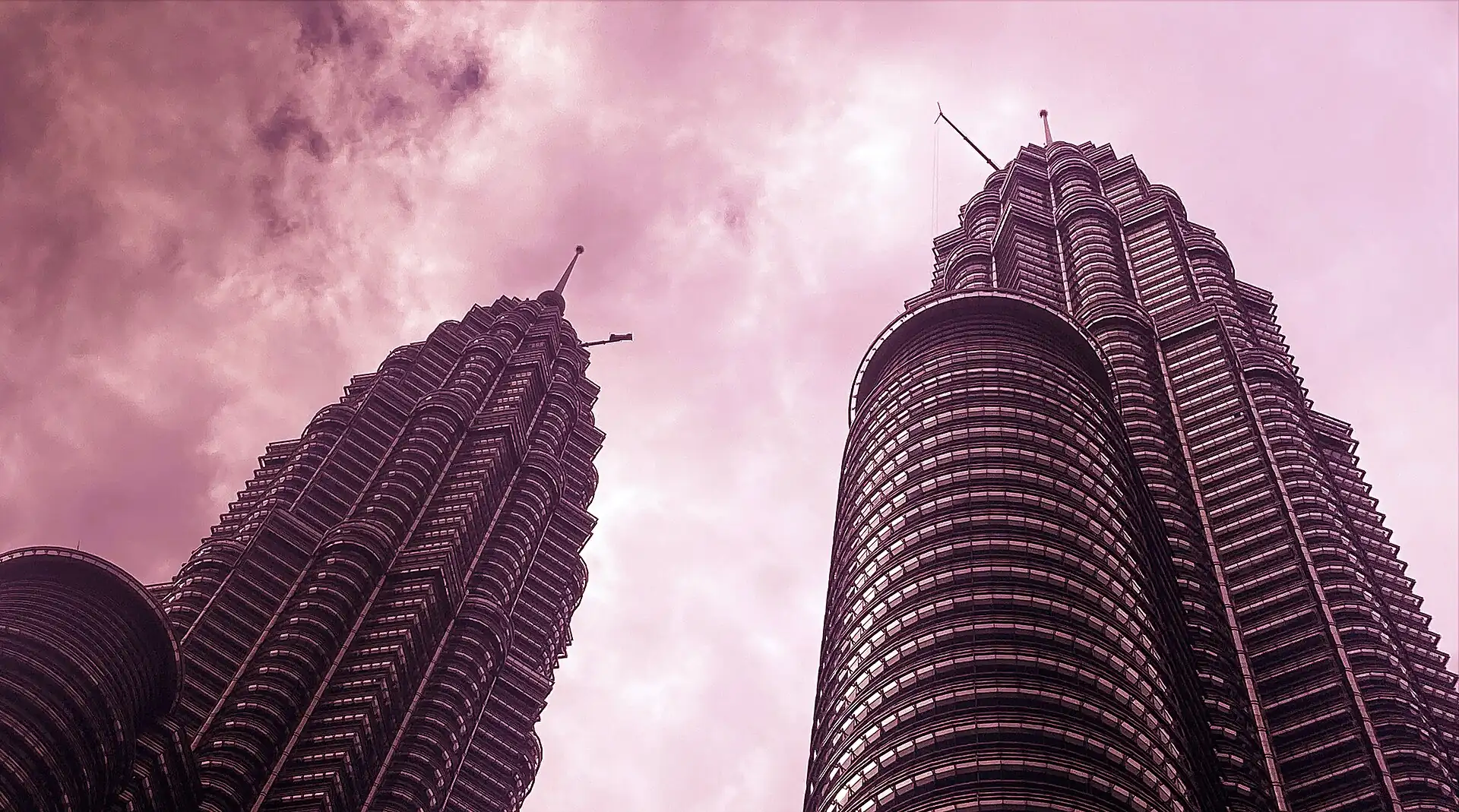
If you do ten things in Kuala Lumpur
Ranked for a first visit of 2–4 days. Prices are 2026 estimate.
- 1
The skyline landmark and a booked skybridge view.
- Time
- 1.5–2 h
- Best
- Morning
- Cost
- RM 100–150 (check)
- 2
- 3
A river mosque of 1909 at the confluence.
- Time
- 20–30 min
- Best
- Morning, outside prayer times
- Cost
- Free
- 4
- 5
- 6
Good for…
Verdict is how well Kuala Lumpur works for that traveller, not how nice it is.
Clear landmarks, cheap food and easy rail.
- 1Petronas Twin Towers (Skybridge and observation deck) — The skyline.
- 2Jalan Alor food street — The food row.
Malls and parks help, but heat and pavements are hard.
- 1KLCC Park — Lake and playground.
Cheap food and rail.
- 1Mamak stall (roti canai) — The cheapest meal.
- 2Chinatown kopitiam — A cheap breakfast.
Skybridge views and street-food dinners.
- 1Petronas Twin Towers (Skybridge and observation deck) — A sunset view.
Rail and malls work; pavements and old areas do not.
- 1KLCC Park — Paved paths.
Tours and classes: book or skip
Book through the hotel or an operator with written inclusions and a cancellation policy.
| Tour or class | Verdict | Typical price | Why | Check before paying |
|---|---|---|---|---|
| Street-food walking tour | book | RM 100–200 (check) | A guide explains the dishes and the stalls. | Group size, halal and dietary options. |
| Batu Caves half-day tour | maybe | RM 60–120 (check) | Saves finding the train; go early. | Start time and dress code. |
| Heritage walking tour | maybe | RM 50–120 (check) | Context for the colonial and river heart. | Route and start time. |
What each season brings
Dry spell
Jan–Feb
The driest weather and festivals.
Watch: Crowds at Thaipusam and Chinese New Year.
Mid-year
Jun–Aug
Fewer storms.
Watch: Haze in some years.
Wet season
Oct–Nov
Fewer visitors and lower prices.
Watch: Heavy storms and flash floods.
Year-end
Dec
Holiday lights.
Watch: Crowds and wet days.
Photo spots and the light
Light times are for clear days.
| Spot | Best light | Tip |
|---|---|---|
| The towers from KLCC Park | Sunset and after dark | Use the lake reflection. |
| Sultan Abdul Samad Building | Morning | Stand on the field facing the clock tower. |
| The mosque at the confluence | Morning | Shoot from the river bank. |
Kuala Lumpur travel FAQ
Answers are 2026 desk estimates; items marked (check) change.
Is Kuala Lumpur safe?
Generally yes; watch for snatch theft and use a ride-hail car at night.
What is the best time of day?
Outdoors 07:00 to 11:00, indoors 13:00 to 17:00 and out again for dinner.Outdoors 7:00 AM to 11:00 AM, indoors 1:00 PM to 5:00 PM and out again for dinner.
Do I need cash?
Cards work in malls, but keep cash for hawkers and mamak stalls.
How do I get from KLIA to the centre?
The KLIA Ekspres takes about 28 minutes to KL Sentral; a ride-hail car is cheaper for two or more.
Is the tap water safe?
Drink bottled or filtered water.
More to see and doSee & do · Learn & work · Rain & heat · Free things · Wheelchair and stroller
Free things to do
Sights in Kuala Lumpur that cost nothing to enter. Each is described under Places or More sights; extra costs inside are marked there.
Wheelchair and stroller, place by place
How each place in this guide works for wheels, from its own page. Ratings are desk estimates unless a page says it was checked on the ground.
| Place | Step-free | Wheelchair | Stroller | What to know |
|---|---|---|---|---|
| Central Market (AC) | yes | check | check | Step-free hall with lifts. |
| KLCC Park | yes | check | check | Paved paths. |
| Merdeka Square | yes | check | check | Level paved and grassed areas. |
| Petaling Street market | no | check | check | Narrow and crowded lane. |
| Sri Mahamariamman Temple | partial | check | check | Steps at the entrance. |
See & do
9 of 9
KL TowerMenara Kuala Lumpur
ViewsA 421 m tower on a hill with a viewing deck; a cheaper view than the twin towers.
Bukit Nanas · Daily (check) · RM 50–100 (check)(check)
National MosqueMasjid Negara
mosqueA large modern mosque near the museums; robes are lent.
Perdana · Visiting hours change (check) · Free(check)
Islamic Arts Museum
MuseumsThe region's biggest Islamic arts collection in an air-conditioned building.
Perdana · Daily (check) · RM 20–30 (check)(check)
Little IndiaBrickfields
NeighbourhoodsSari shops, spice stalls and vegetarian food.
Brickfields · Daily · Free(check)
Perdana Botanical Garden
GardensA large green park with an orchid garden and a bird park nearby.
Perdana · Daylight · Free(check)
The skybridge and observation deck; book a timed slot.
KLCC · Tue–Sun (check) · RM 100–150 (check)(check)
- walk
A lake, a playground and a jogging track beneath the towers.
KLCC · Daylight · Free(check)
Aquaria KLCC
aquariumAn indoor aquarium below the convention centre.
KLCC · Daily (check) · RM 70–100 (check)(check)
Street food night on Jalan Alor
foodA street of hawker stalls and seafood tables; check prices.
Bukit Bintang · From 17:00From 5:00 PM · RM 30–80(check)
- Booking
- Book the Petronas Towers slot and Batu Caves trips ahead in peak months.
Learn & work
| What | Where | Cost | Note |
|---|---|---|---|
| Malay language courses | Language centres and universities (check) | Varies (check) | Short courses run year-round.(check) |
| Cooking classes | Chinatown and Bangsar (check) | RM 150–300 (check) | Book a market-and-cook class.(check) |
Working here
- Tourist entry
- Tourist visas do not allow work; check the rules for your nationality.
- Work permit
- Work needs an employment pass or work visa arranged by an employer.
Rain-day and heat-day plan
Rain day
Storms arrive in the afternoon: keep a mall or museum for 14:00 to 17:00 and carry a compact umbrella.
- 01Petronas Twin Towers (Skybridge and observation deck) — The mall below is dry and cool.
- 02Central Market (AC) — An air-conditioned hall.
- 03Islamic Arts Museum — A large air-conditioned museum near the National Mosque; check hours.
Heat day
The heat is constant: outdoors before 11:00, indoors from noon to 16:00 and out again after 17:30.
- 08:00KLCC Park — Cool air and joggers.
- 13:00Central Market (AC) — Air-conditioned hall.
- 19:00Merdeka Square — Lit buildings after dark.
Day-trips and nearby
Places you can reach from Kuala Lumpur in a day or with one night away, with the route and what it costs. Door to door, not ride time.
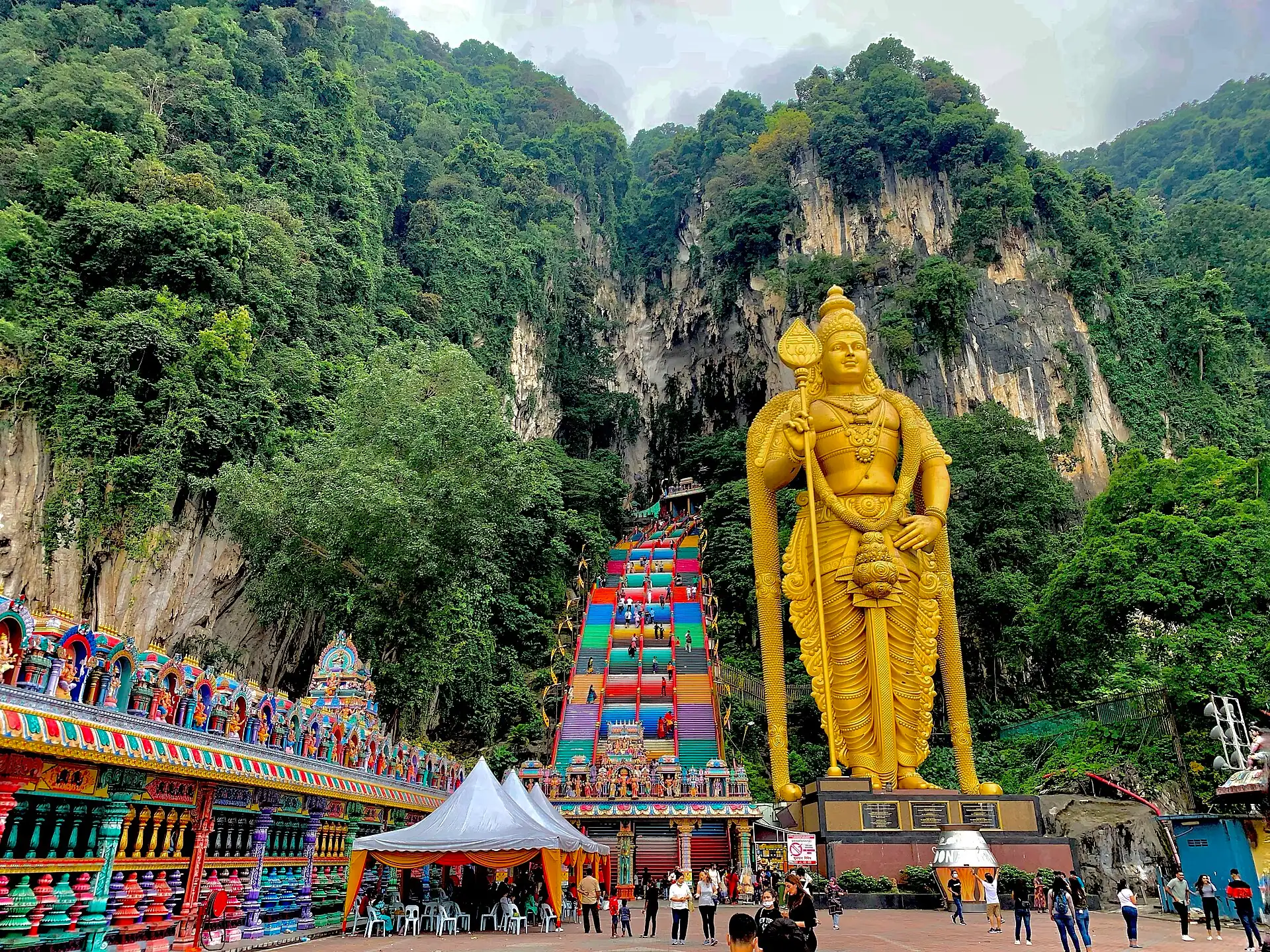 Photo: Chainwit., CC BY-SA 4.0
Batu Caves
goKTM Komuter from KL Sentral, about 30 min
A Hindu shrine up 272 steps; go early, watch the monkeys and dress modestly.
- Time
- Half day
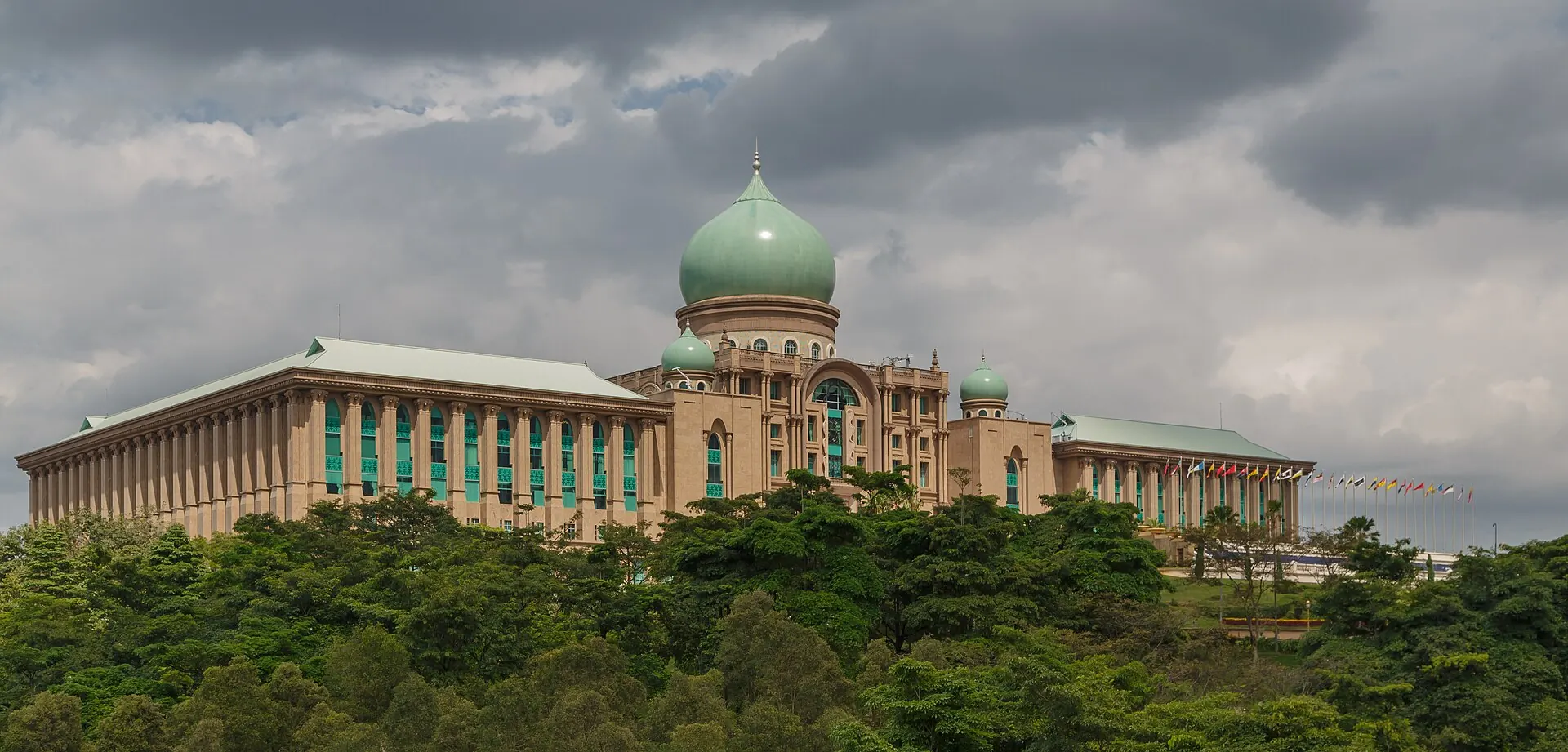 Photo: CEphoto, Uwe Aranas, CC BY-SA 3.0
Putrajaya
goKLIA Transit or a car, about 30–45 min
A planned government city with a big mosque and lakes.
- Time
- Half day
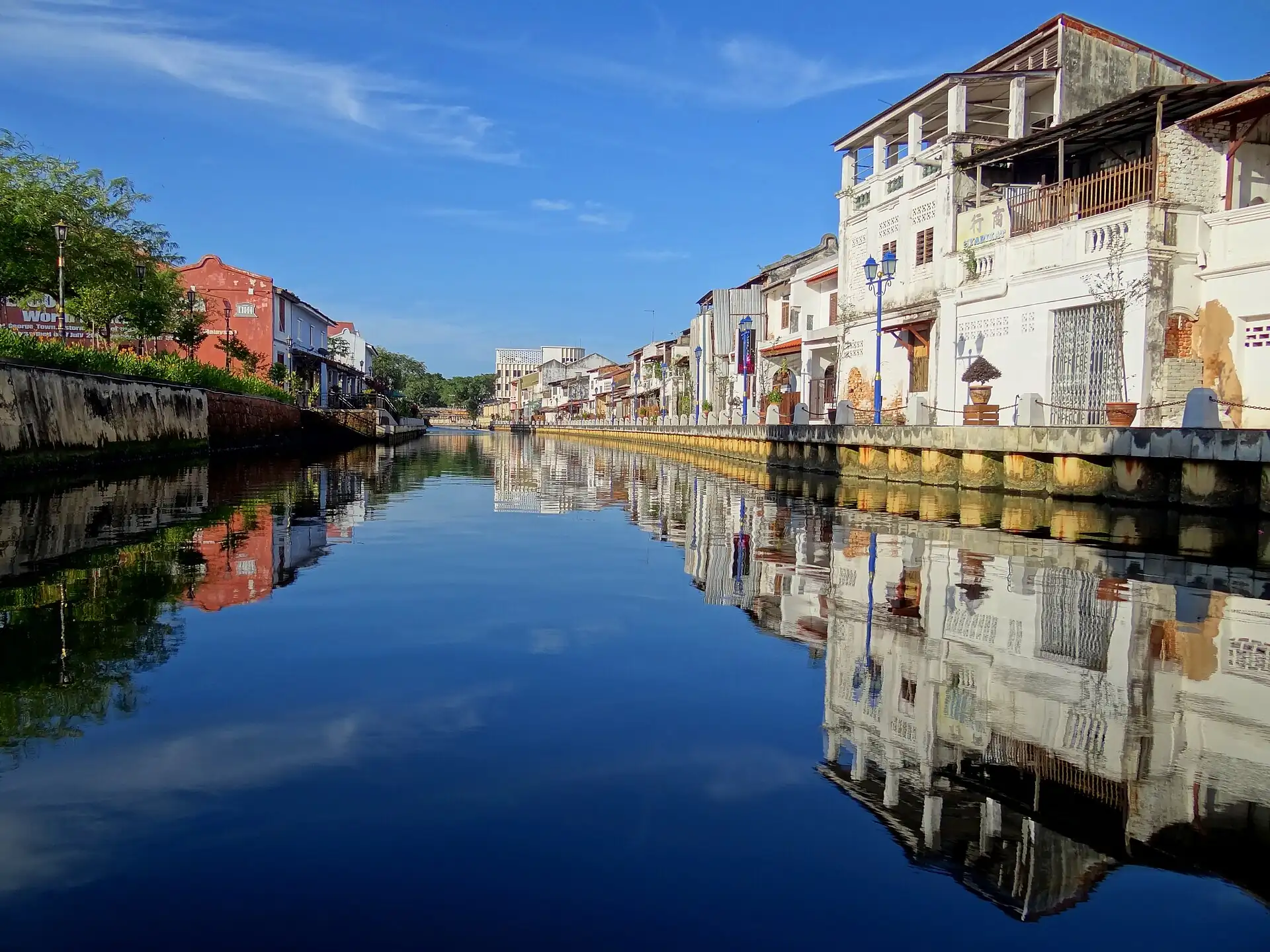 Photo: Bjørn Christian Tørrissen, CC BY-SA 3.0
Melaka
maybeBus about 2 h
A UNESCO old town; better as an overnight.
- Time
- Full day
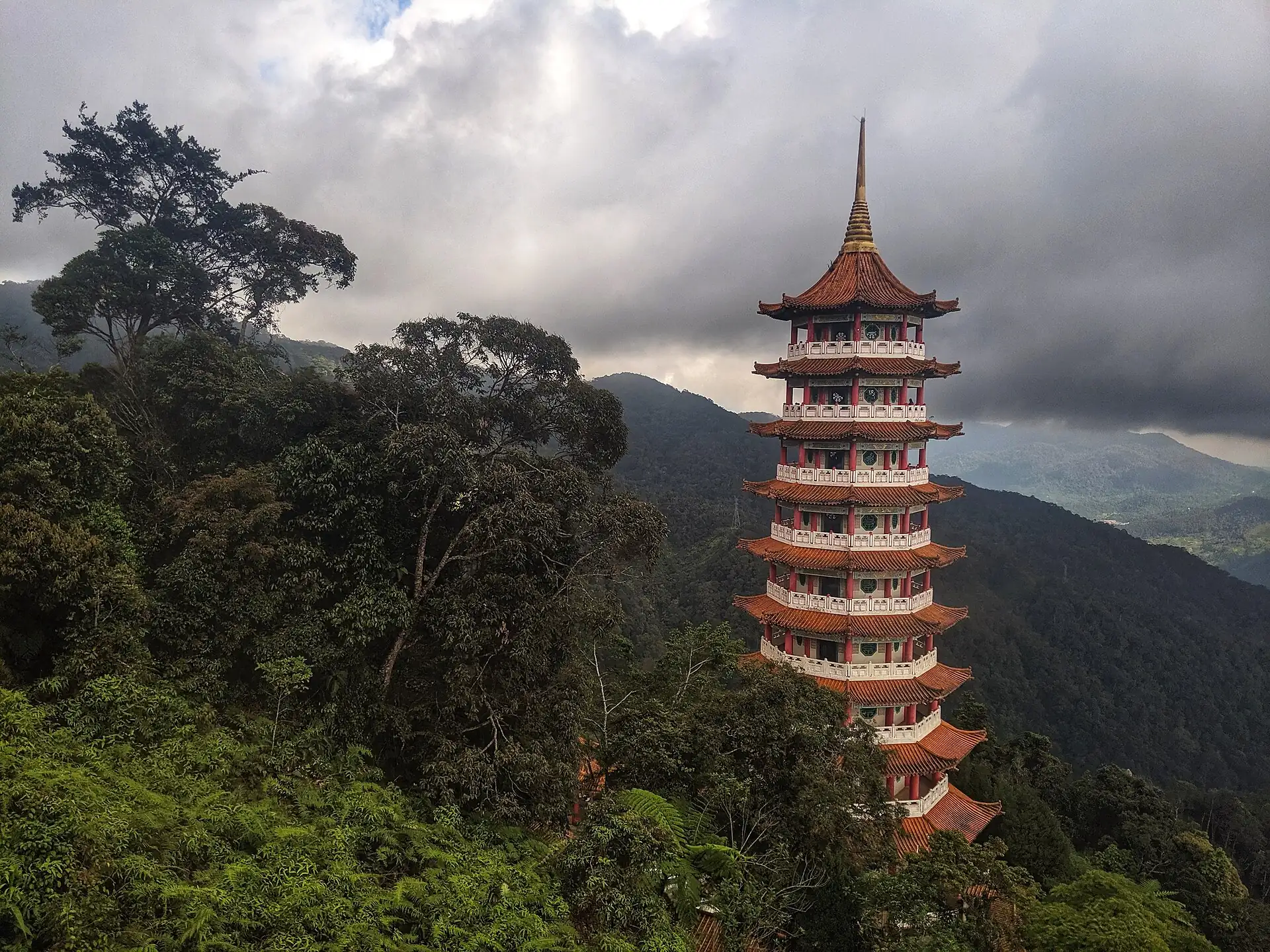 Photo: Pooventhan Supramaniam, CC BY-SA 4.0
Genting Highlands
maybeBus or car about 1 h 15
A hilltop resort with cool air and a casino.
- Time
- Half day
Go next
Cameron Highlands
maybeDoor to door: About 3 h 30
Bus or car about 3 h
Cool hills and tea farms.
Eat & sleepWhere to eat and which area to sleep in
Eat & sleep
Where to eat and which area to sleep in
Eat
A short list of places worth crossing the city for, each with how to get a seat.
Restaurant finder: filter every place to eat in Kuala Lumpur →
Vegetarian-friendly score
3.5 / 5 · Good
- Country diet noteOur country guide rates vegetarian eating as easy.2 / 2
- Places to eat in this guide2 of 5 places with a known answer are vegetarian-friendly, 3 partly.1.05 / 1.5
- Budget eating lines0 vegetarian lines in "Eat by budget".0 / 0.6
- Meat-free national dishes2 meat-free dishes in the country food list.0.2 / 0.4
- Dedicated vegetarian kitchens1 mention of vegetarian restaurants, Buddhist or fasting kitchens.0.1 / 0.5
Country note: Easy in Indian and Chinese Buddhist vegetarian restaurants; belacan (shrimp paste) hides in Malay sambal.
Vegetarian places near me →Make a diet card →
How we score
- Country diet note (up to 2): easy 2, workable 1, mixed 0.75, hard 0; no note 0.5.
- City places to eat (up to 1.5): 1.5 × (vegetarian-friendly + half of partly friendly) ÷ places with a known answer; needs 3 or more known places.
- Budget eating lines marked vegetarian (up to 0.6): 0.2 each.
- Meat-free national dishes (up to 0.4): 0.1 each.
- Dedicated vegetarian kitchens mentioned — Buddhist chay, shōjin ryōri, Jain, fasting food, vegan cafés (up to 0.5): 0.1 each.
- Total rounded to the nearest half point, 0 to 5. Built from our own pages only, not from reviews.
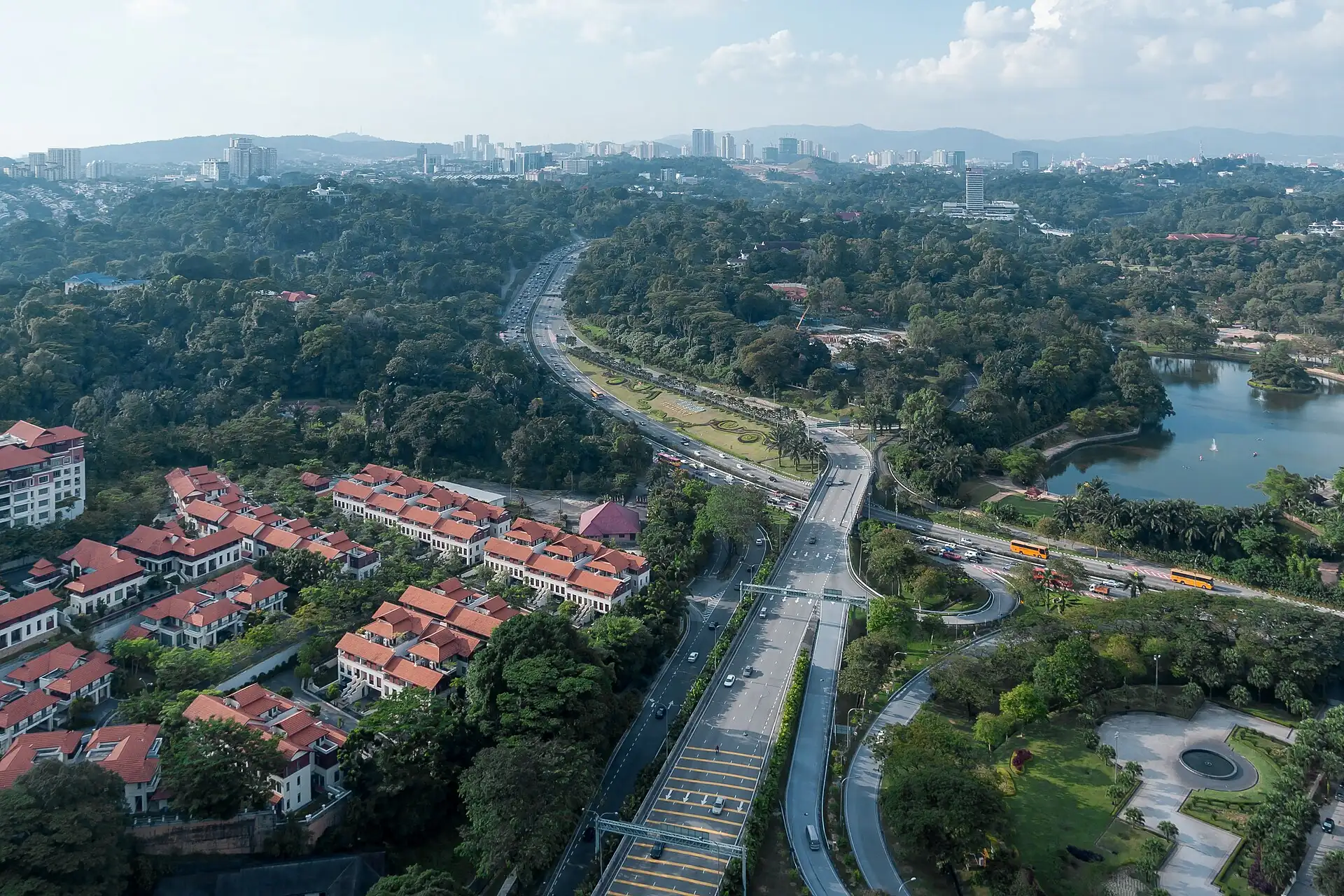
Eating and drinking guideEat by budget · Drink
Before you sit down to eat
Short version; full text linked
- Tipping
- Tipping is not expected. More →
- Paying
- Ringgit (RM). More →
- Queues and hours
- Per person, one dish or one meal, 2026 estimate. More →
- Late nights
- Bars in Bukit Bintang and Changkat run to about 02:00. More →
House rules to know
- Wash hands and choose busy stalls.
Eat by budget
Under RM 15 a meal
| Where | Order | Area | Price | Note |
|---|---|---|---|---|
| Mamak stall (roti canai) | Roti canai and teh tarik | Bukit Bintang | RM 4–9 | Open late. |
| Nasi lemak stall | Nasi lemak with egg and sambal | Merdeka Square | RM 5–12 | Best in the morning. |
| Chinatown kopitiam | Kaya toast and white coffee | Chinatown | RM 6–12 | A classic breakfast. |
Dishes to know
| Dish | What it is | Where to look | When | Price |
|---|---|---|---|---|
| Nasi lemakNasi lemak | Coconut rice with sambal, anchovies, peanuts and egg | Malay stalls and cafés | Breakfast | RM 5–12 |
| Roti canaiRoti canai | Flaky flatbread with dhal or curry | Mamak stalls | Any time | RM 2–5 |
| Char kway teowChar kway teow | Stir-fried flat noodles with prawns and egg | Hawker stalls | Lunch and dinner | RM 8–15 |
| Bak kut tehBak kut teh | Pork rib soup with herbs | Chinese-run restaurants | Breakfast and dinner | RM 15–30 |
- Halal, pork-free and vegetarian places are marked; ask if unsure.
- Wash hands and choose busy stalls.
- Ask the price of seafood by weight before you order.
Drink & nightlife
| Where | What | Until | Note |
|---|---|---|---|
| Changkat Bukit Bintang | Bars and restaurants on a busy street | About 02:00About 2:00 AM | Pricey; check happy hours. |
| Chinatown and Petaling Street bars | Casual and local | About 24:00About 12:00 AM | Beer at kopitiams is cheaper than in bars. |
By style
| Style | What | Where | Price | Until |
|---|---|---|---|---|
| Beer | Local lager and imported beerDuty makes beer costly. | Kopitiams, bars and clubs | RM 15–30 | Late |
| Teh tarik | Pulled milk teaThe local drink. | Mamak stalls | RM 2–4 | 24 hours in places |
Rules that bite
- Do not drink in public near mosques.
- Do not drink and drive: use a ride-hail car.
Sleep
Pick the area first: it decides your walk home at night and your first morning.
Which neighborhood fits you
Three questions, one recommendation, with the reasons.
Your best fit
- Central Market, the temple and Merdeka Square are on foot.
- Cheapest beds in the city.
- Many hostels and 24-hour cafés.
Watch out: Market noise by day, bars at night.
Next best: Bukit Bintang
Built from our 1–5 desk scores per area; your answers stay in this browser.
More on sleepingSleep by budget · Your area · With kids
Sleep by budget
| Band | Price | Where | Room types | What to expect |
|---|---|---|---|---|
| budget | RM 40–90 dorm bed · RM 130–220 double | Chinatown | Hostels and small hotels | Small rooms; ask about noise. |
| mid | RM 250–550 | Bukit Bintang and KLCC | 3–4 star hotels | Pool and breakfast are common; ask for a room away from the road. |
Booking checks
- Ask whether the room price includes tax and the tourism tax.
- Choose a hotel within a short walk of a rail station.
Which area is yours
| If you are | Sleep in | Because |
|---|---|---|
| First visit, malls and food | Bukit Bintang | Rail, malls and Jalan Alor in one area. |
| Budget and heritage | Chinatown & Pasar Seni | Cheap beds and a walk to Central Market and the temple. |
First-timers: rail, malls and food at the door, but pick a hotel a few blocks off the main junction and ask about the late arrival protocol.
Cheaper beds next to the Pasar Seni rail hub; hotels are smaller, and streets are busy and hot; ask about night access before you book.
Areas are in our default order until you tick a priority.
Scores are 1–5 desk judgements per priority (2026).
With kids
- Malls have play areas and cool air; the aquarium at KLCC is a rain-day option.
- Pavements are broken: use a carrier or a light stroller and take rail or a car between areas.
- Change food is easy: roti canai, noodles and rice suit children; ask for less spice.
PracticalMoney, essentials, safety and the pocket card
Practical
Money, essentials, safety and the pocket card
Money
What a day costs at three comfort levels, and how to pay.
- Budget
- RM80–150 excl. bed / day
- Mid
- RM150–350 excl. bed / day
- High
- RM350+ excl. bed / day
- Transit card
- A Touch 'n Go card or eWallet works on the LRT, MRT and monorail; contactless bank cards work on some lines.
- Cash rule
- Keep RM100 in small notes; use ATMs in malls or bank branches, not on dark streets.
More on moneyCosts · Budget · Buy
What things cost
- Roti canai at a mamak stallRM 2–5
- Hawker or food-court mealRM 8–20
- Bottle of waterRM 1.50–3
- KLIA Ekspres to KL SentralRM 55–60
- Petronas Towers observation deck ticketRM 100–150
Trip budget
| Hotel double room1 × 3 nights × RM300 | RM900 |
| Food, local transport, entries2 × 3 days × RM250 | RM1,500 |
| KLIA Ekspres, both ways2 × RM110 | RM220 |
| Petronas Towers ticket2 × RM120 | RM240 |
| Batu Caves trip2 × RM15 | RM30 |
| eSIM2 × RM30 | RM60 |
| Buffer 10%Price creep, a taxi you did not plan, one splurge | RM295 |
| Trip total≈ RM541 per person per day, bed included | RM3,245≈ US$800 |
2026 estimate in ringgit; flights and tours excluded. Your choices decide the total.
Prices of common things
| Roti canai | RM 2–5 |
2026 estimate; check locally.
Buy
- Bargaining
- Prices are fixed in malls and supermarkets. Bargain politely at Petaling Street, Central Market stalls and night markets; start at about half and settle near two-thirds.
- Fixed-price check
- Souvenirs at Central Market and Petaling Street vary widely: compare three stalls before you buy.
Markets and shopping streets
| Where | What | When | Haggle | Note |
|---|---|---|---|---|
| Petaling Street market | Souvenirs, clothes, copy goods and street food | About 10:00–22:00About 10:00 AM–10:00 PM | yes | Bargain hard and avoid fakes sold as branded. |
| Central Market | Crafts, batik and souvenirs in an Art Deco hall | About 10:00–21:00About 10:00 AM–9:00 PM | little | Air-conditioned and easy for a first hour. |
| Jalan Alor night stalls | Fruit, snacks and street food | From about 17:00From about 5:00 PM | no | Check prices before you order. |
Shops by what they sell
| For | Where | Hours | Note |
|---|---|---|---|
| Malls | Pavilion, Suria KLCC and Bukit Bintang | About 10:00–22:00 | Air-conditioned and fixed prices; sales in the mid-year and year-end periods. |
| Local snacks and coffee | Supermarkets and Chinatown | About 08:00–22:00 | Buy white coffee and dried snacks as gifts. |
Changing money
| Where | Verdict | Why |
|---|---|---|
| Licensed money changers | use | Rates are often better than banks or the airport; compare two. |
| Airport counters | caution | Poor rates; change only a small amount. |
ATMs
- Where
- ATMs in malls, banks and rail stations.
- Fees
- Fees are set by your own bank and the machine (2026 estimate); choose ringgit, not your home currency.
Essentials and accessEssentials · Access
Essentials
- Paying
- Ringgit (RM). Cards and contactless work in malls, hotels and many restaurants; keep cash for hawker stalls, mamak stalls and markets. E-wallets such as Touch 'n Go are common.
- Tipping
- Tipping is not expected. A 10% service charge and a government tax are often added to restaurant bills; check the total.
- Plugs & power
- 240 V; type G sockets (three rectangular pins). Bring a UK-style adapter.
- Toilets
- Malls, stations and cafés; carry tissues and a little cash, as some are paid or lack paper.
- Opening hours
- Malls open about 10:00–22:00. Some museums close on Monday; mosques limit visits at prayer times and on Friday.Malls open about 10:00 AM–10:00 PM. Some museums close on Monday; mosques limit visits at prayer times and on Friday.
- Health
- Heat and humidity, afternoon storms, haze in some months, and mosquitoes. Travel insurance with medical cover.
- Accessibility
- Rail is step-free at most stations, but pavements are broken and drains are open; malls and skybridges are easier.
- Laundry
- Hotels and self-service laundries near Bukit Bintang and Chinatown do same-day service.
- Emergency numbers
- 999 (police and ambulance), 994 (fire); 112 works from a mobile.
Pack
- Light, breathable clothes and a compact umbrella
- Something with sleeves and long trousers or a skirt for mosques and temples
- A light layer for freezing malls and trains
- Sun cream and insect repellent
Accessibility
Rail stations are step-free in most cases, and malls are easy, but pavements are broken, kerbs are high and drains are open. Petaling Street and the river area are hard for wheelchairs.
- Pavements
- Uneven slabs and open drains; use covered walkways where possible.
- Public transport
- Lifts at most stations; check each stop.
Sights, step-free or not
| Petronas Twin Towers (Skybridge and observation deck) | step-free | Lifts and ramps. |
| KLCC Park | step-free | Paved paths. |
| Jamek Mosque | with help | Steps and shoes off. |
| Petaling Street market | avoid | Crowded and uneven. |
Survive
Safety basics, the lines not to cross, and practical habits that save the day.
Safety
- Snatch theft from motorbikes: carry the bag on the side away from the road.
- Heat and storms: AC stop every 60–90 minutes; move indoors when the sky darkens.
- Pavements: open drains and uneven slabs; look down at night.
- Emergency: 999 police and ambulance, 994 fire, 112 from a mobile phone (draft figures).
Red lines
- Mosques and temples: shoulders and knees covered, shoes off, keep voices low.
- Do not photograph worshippers at prayer without asking.
- Do not carry parcels for strangers at the airport or the station.
Practical
- Toilets: malls, stations and cafés; carry tissues.
- Tap water is not for drinking.
- Power: 240 V, plug type G.
More on staying safeStay safe · Stay healthy · Safety map · Solo & women · Etiquette · Cope · Scams
After dark, by area
3 flagged areas
- Take care
- Take care
- Take care
Day = about 07:00–19:00. What to watch in each area, day and night →
Scams and red flags
Walk away if you see these
- Taxi drivers at the airport or near the towers who refuse the meter or name a flat price: use the ride-hailing app or the KLIA Ekspres.
- Touts near Petaling Street and the mosques who offer a free tour or a discount on a tailor: walk on.
- Fake goods sold as branded on Petaling Street: bargain hard or skip.
- Restaurants on Jalan Alor that do not show prices: ask the price of seafood by weight before you order.
Stay safe
Crossing the road
- 01Traffic does not always stop at crossings: wait for a gap and cross with locals.
- 02Motorbikes use pavements in places: look before stepping.
Hustles specific to this city
| Hustle | Where | The tell | What to do |
|---|---|---|---|
| Taxi meter refusal | Airport and towers | A flat price named up front | Use the app or insist on the meter. |
| Free tour touts | Petaling Street and mosques | An offer to guide you for free | Politely walk on. |
- Snatch theft
- Carry the bag on the side away from the road; do not use the phone at the kerb.
- Emergency
- 999 or 112.
Stay healthy
Air quality by month
| Jan | Feb | Mar | Apr | May | Jun | Jul | Aug | Sep | Oct | Nov | Dec |
|---|---|---|---|---|---|---|---|---|---|---|---|
| ok | ok | ok | ok | ok | ok | ok | ok | ok | ok | ok | ok |
Haze from regional fires can hit between about June and October.
- Heat
- Drink water often and take an AC break every 60 to 90 minutes.
- Mosquitoes
- Use repellent: dengue exists in the region.
- Water
- Drink bottled or filtered water.
Hospitals and clinics: see Cope.
Safety by area and hour
| Area | Day | Night | What to watch |
|---|---|---|---|
| KLCC | fine | fine | Tourist touts near the towers. |
| Merdeka Square and Jamek | fine | caution | Quiet at night; take a ride. |
| Chinatown | fine | caution | Crowded; pickpockets and bag snatchers. |
| Bukit Bintang | fine | caution | Late bars; watch drinks and phones. |
- Carry the bag on the side away from the road.
- Do not use your phone at the kerb: motorbike snatchers exist.
Solo, women and LGBTQ+ travellers
Solo
- Very easy: rail, cafés and hostels are social.
- Use Grab at night.
Women
- Generally safe; dress modestly in mosques and be careful on quiet streets at night.
- Take a ride-hail car after dark.
LGBTQ+
- Same-sex acts are illegal in Malaysia; be discreet in public and avoid public displays of affection.
Etiquette in Kuala Lumpur
- Greetings
- A nod and a smile are enough; wait for a woman to offer a hand.
- Mosques and temples
- Cover shoulders and knees, take off your shoes and keep voices low.
- Right hand
- Use the right hand to give and receive and to eat.
- Pointing
- Point with the thumb, not the index finger.
- Tipping
- Not expected; a service charge is often added.
Cope
Hospitals and clinics that handle foreigners
| Where | Area | Use it for |
|---|---|---|
| Private hospitals | Across the city (for example near KLCC and Bangsar) | Good quality and short waits; bring travel insurance and expect to pay upfront. |
| Pharmacies | Malls and shopping streets | Pharmacies stock common medicines; many open until late. |
Visa extensions
- Entry
- Malaysia is not in the Schengen area: check the entry rules for your nationality, including the digital arrival card.
- Extending
- Ask an immigration office in the city; short visits are hard to extend.
Embassies and consulates
| Country | Address | Phone | Note |
|---|---|---|---|
| Most countries | Embassies are in Kuala Lumpur, many around Jalan Ampang | check | (check) |
- Lost passport
- Police report at the nearest station, then your embassy.
- Emergency
- 999 for police and ambulance, 994 for fire, 112 from a mobile.
Apps and offline kitOffline kit
Offline kit
Set up before you leave, so Kuala Lumpur still works with no signal or a dead roaming plan.
On your phone
- Maps: open the city in Google Maps, tap the place name, then Download offline map (or use an offline-maps app).
- Data: install an eSIM or buy a local SIM before the first taxi; the apps in this guide depend on it.
- Translation: download the local language for camera translation.
- Screenshots: booking confirmations, hotel address in the local script, and the emergency numbers.
This guide
Save the Kuala Lumpur guide and its pages on this device; it opens without a connection.
Phrases that do the work
Greeting
Hello
Selamat pagi
seh-LAH-mat PAH-gee
Thanks
Thank you
Terima kasih
tuh-REE-mah KAH-see
Market
How much is it?
Berapa harganya?
buh-RAH-pah HAR-gah-nyah
Café
The bill
Bil, tolong
bill, TOH-long
Taxi
To this address
Ke alamat ini, tolong
kuh AH-lah-mat EE-nee, TOH-long
Food
Not spicy
Tak pedas, tolong
tak PUH-das, TOH-long
Food
I am vegetarian
Saya vegetarian
SAH-yah veh-jeh-TAH-ree-an
Help
Help!
Tolong!
TOH-long
Pocket card
Fill in, then print or save as PDF
Stays in this browser only; nothing is sent anywhere.
Kuala LumpurKuala Lumpur
Pocket card · Voykit
My bed tonight
—
—
—
Ke alamat ini, tolongPlease take me to this address
Emergency
- All emergencies (mobile)112
- Police and ambulance999
- Fire994
Embassy
Embassies are in Kuala Lumpur, many around Jalan Ampang.
My embassy: —
Fare anchors (2026 estimate)
- KLIA Ekspres to KL Sentral: About 28 min; RM 55–60
- Airport ride-hail to the centre: RM 80–130; about 50–70 min
- LRT or MRT ride: RM 1–6
Show the hotel name and mall; the driver will need a landmark, not a street number.
Deep diveHistory, reading, photos and every source
Deep dive
History, reading, photos and every source
Sources
- officialTourism Malaysia
- officialMalaysia Airports (KLIA)
- secondaryWikivoyage — Kuala Lumpur
Ask about Kuala Lumpur
Loading…
Was this useful?