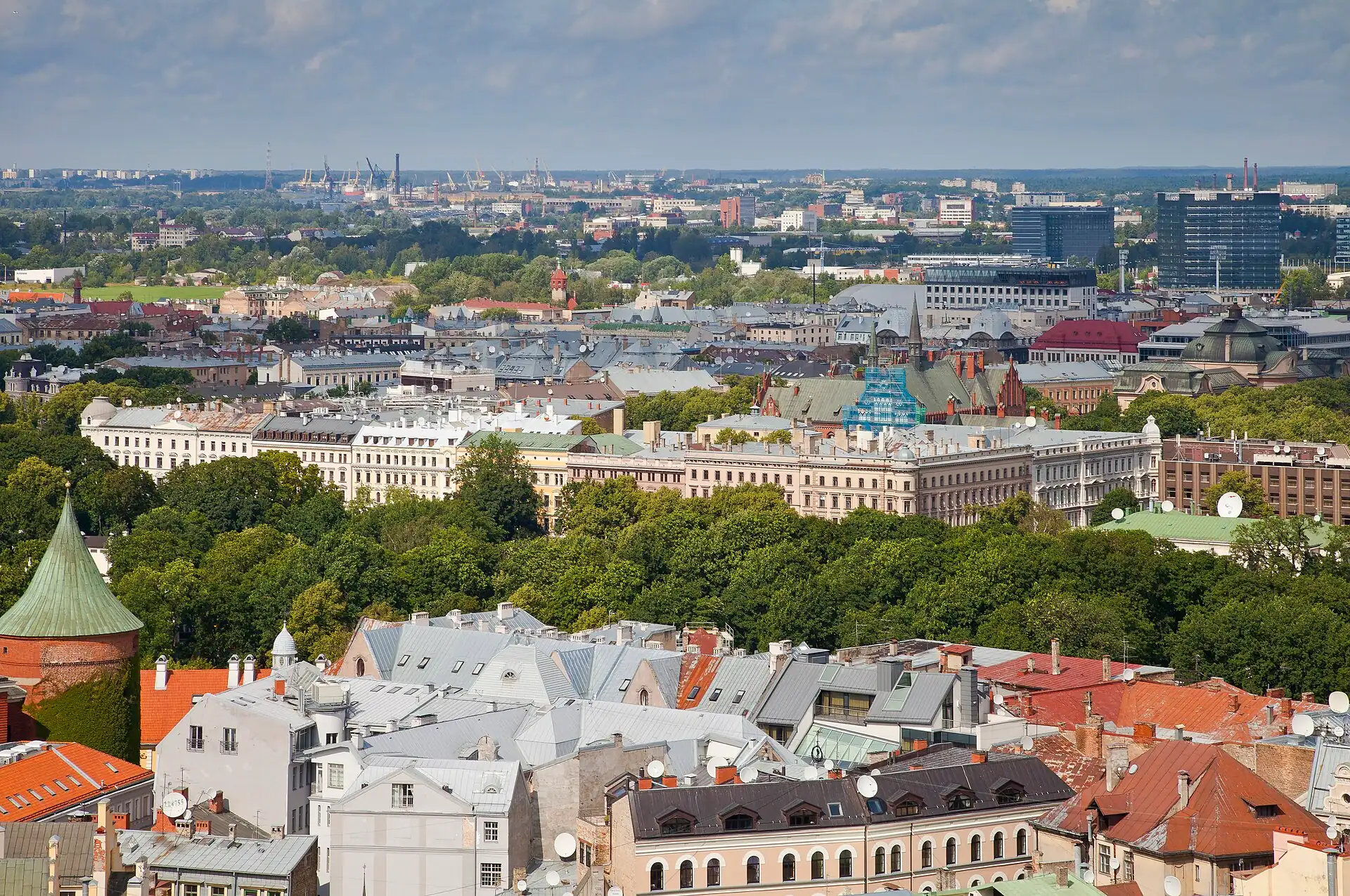
Riga
Rīga
Code LA · 4 walking zones
Riga is a two-to-three-night city: do the Old Town early before the tour groups, give one morning to the Art Nouveau streets and the Central Market, and keep Sigulda or Jūrmala as a day trip.
Our quick read of Riga, scored 1–5 (friction is out of 100). Cash need: how often you still need notes. Heat risk: how hot days get. Stroller: how easy wheels are. Friction: overall effort for a first visit. Desk judgements, so check before relying on them.
- Local time
- --:--
- Weather
- forecast below
- Currency
- EUR
- Best months
- Apr · May · Jun · Jul · Aug · Sep · Oct
- Airport
- Riga (RIX)
Walking zones: the 4 areas this guide plans a day around. Each is a district you can cover on foot, so you do one zone per half-day and ride the train between them. The code (LA 01, LA 02…) is just the zone's number on the Riga line; the line under each name says how bags fare there and how much time it needs.
Map of Riga
Use the switches to show or hide each kind of pin. A switch that is on shows its pins on the map; tap it again to hide them. "Show only" keeps just the pins that match (for example, places that fit a suitcase). Tap any pin for its name and a link to its page.
- Where to sleep
- Places
- Eat
- Walking clusters
- Rest stops
From the airport Riga (RIX) to your bed
Tap a pin for its card. Places without their own coordinates are shown by their walking cluster.
Why Riga
Riga's sights are close together and flat, so distance is not the problem. The failures are cobbles and winter ice for suitcases, inflated bills in a few Old Town bars, and midsummer (Jāņi, Jun 23–24) when the city empties and much of it closes. Four walking clusters cover a first visit; Jūrmala, Sigulda and Rundāle are trips away from one kept bed.
See first
- 1
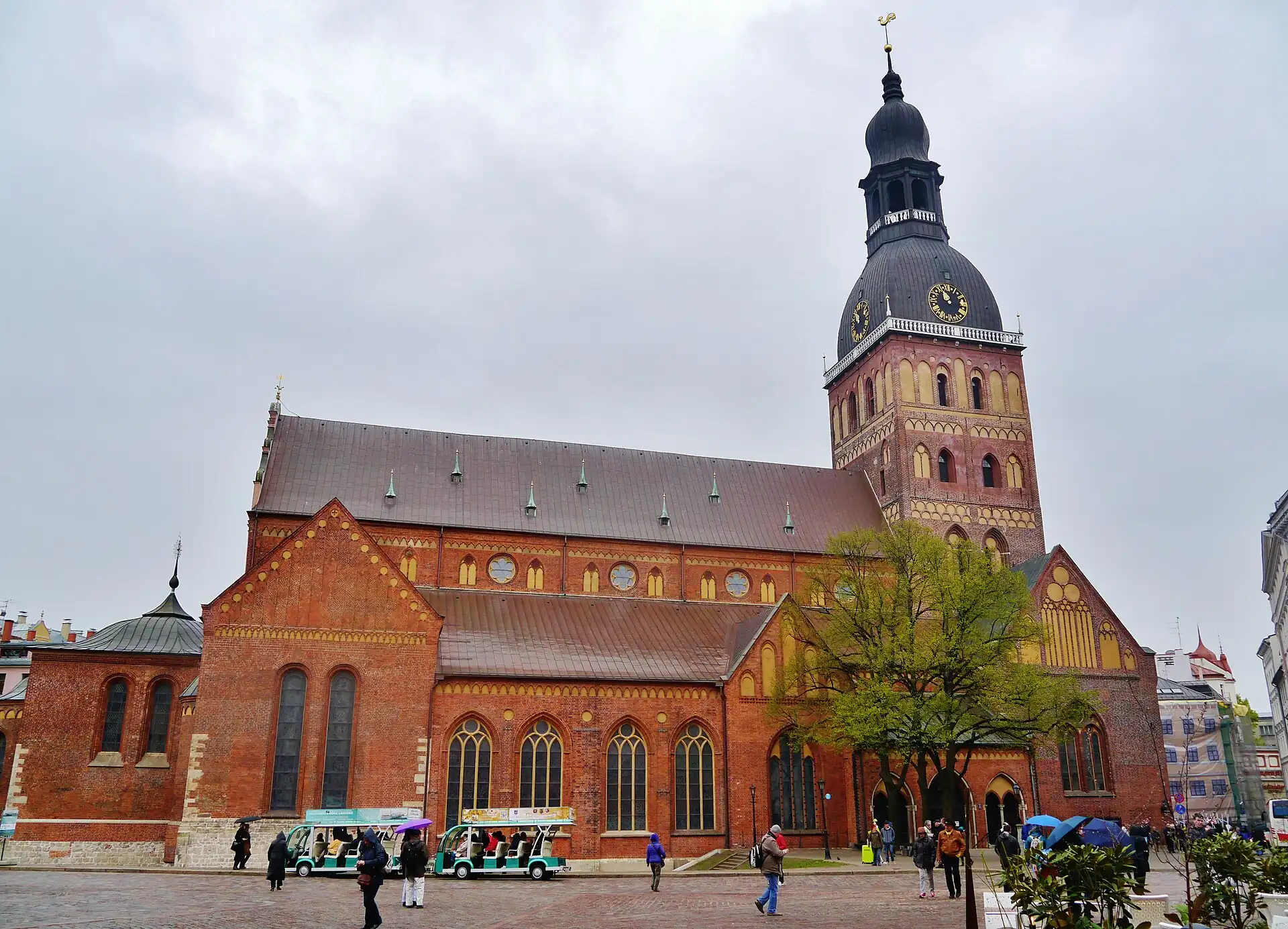
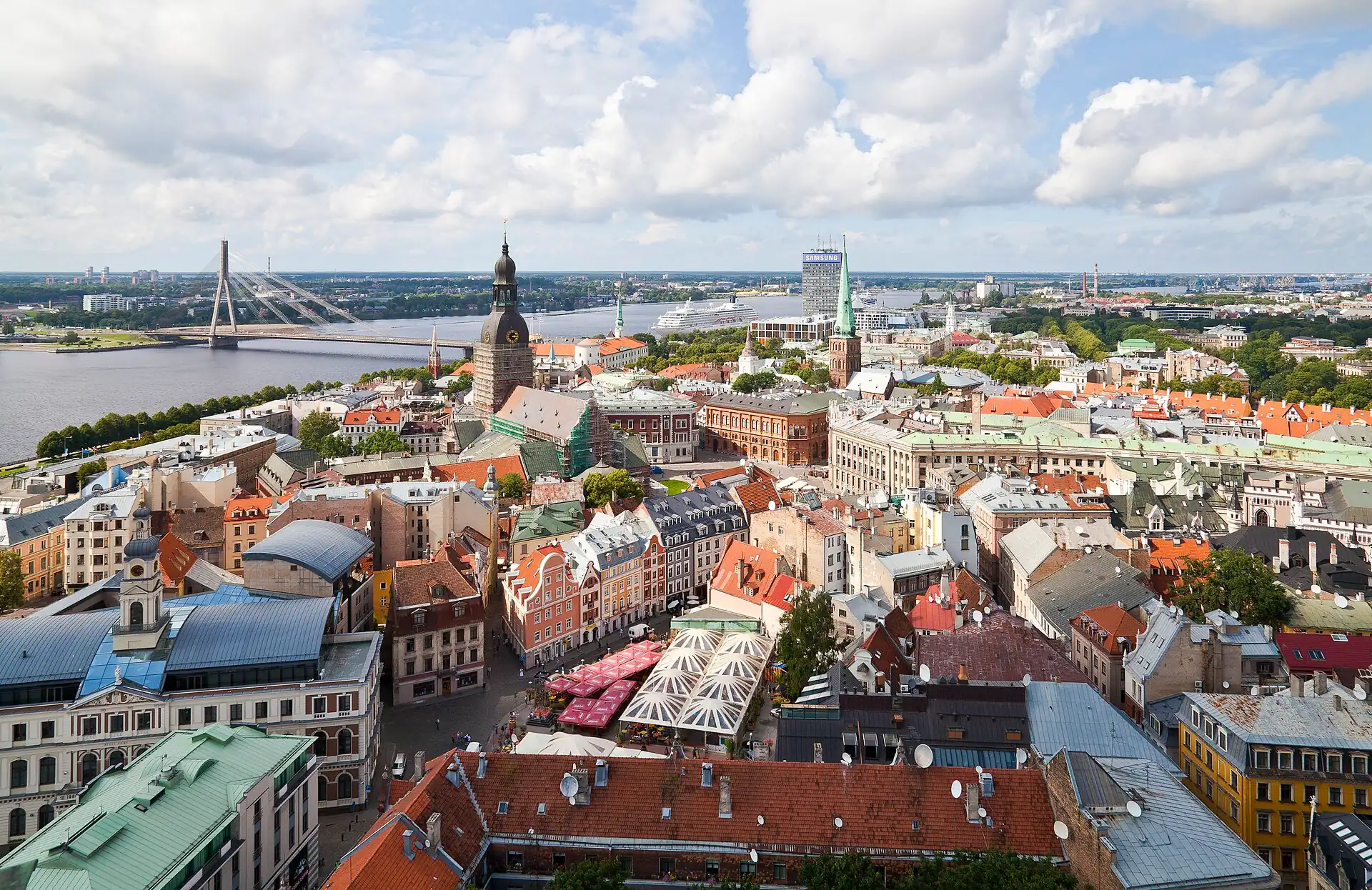 Riga Cathedral · 30–45 min
- 2Town Hall Square and the Blackheads house · 20–30 min
- 3
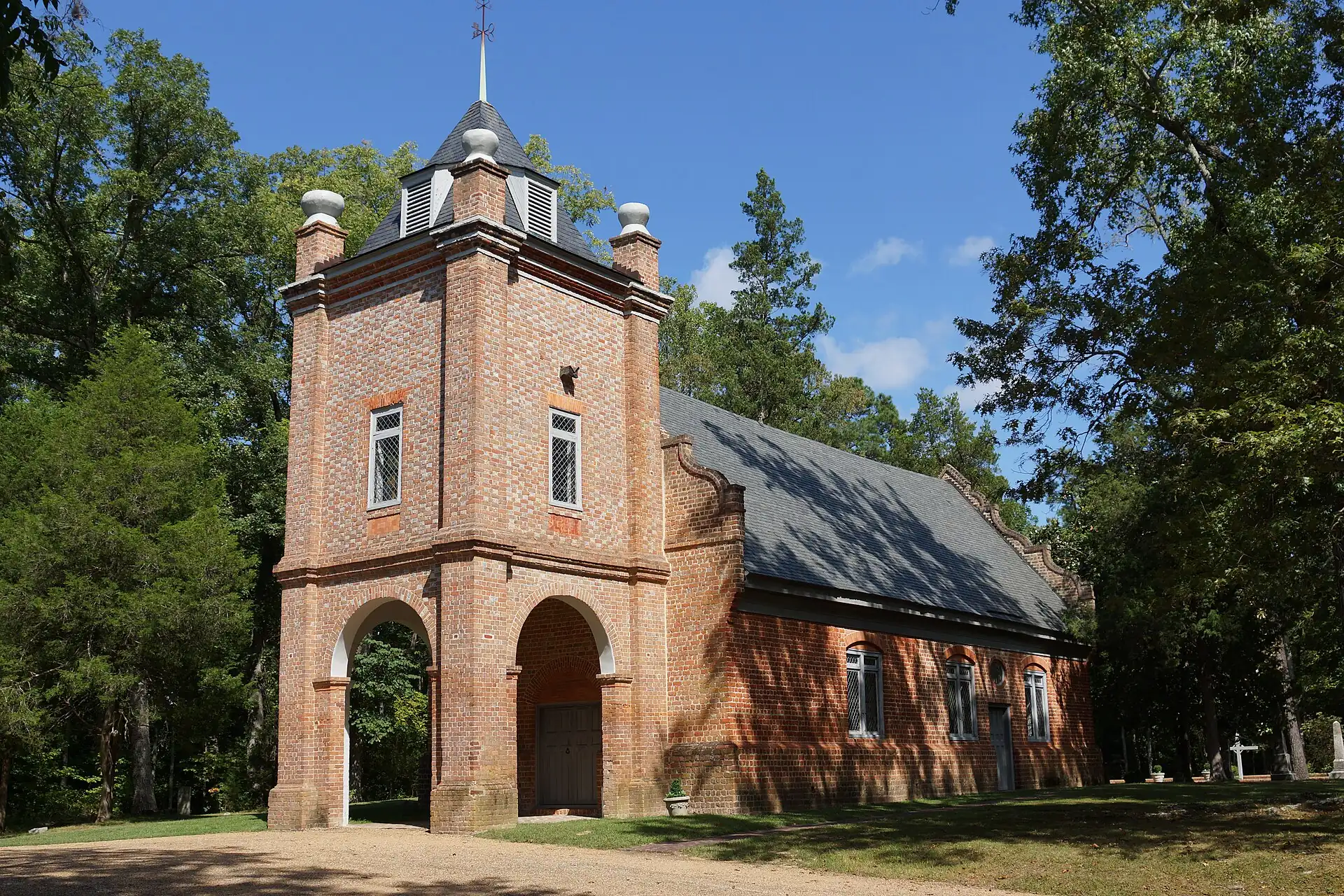 St Peter’s Church and its tower view · 30–45 min
- 4
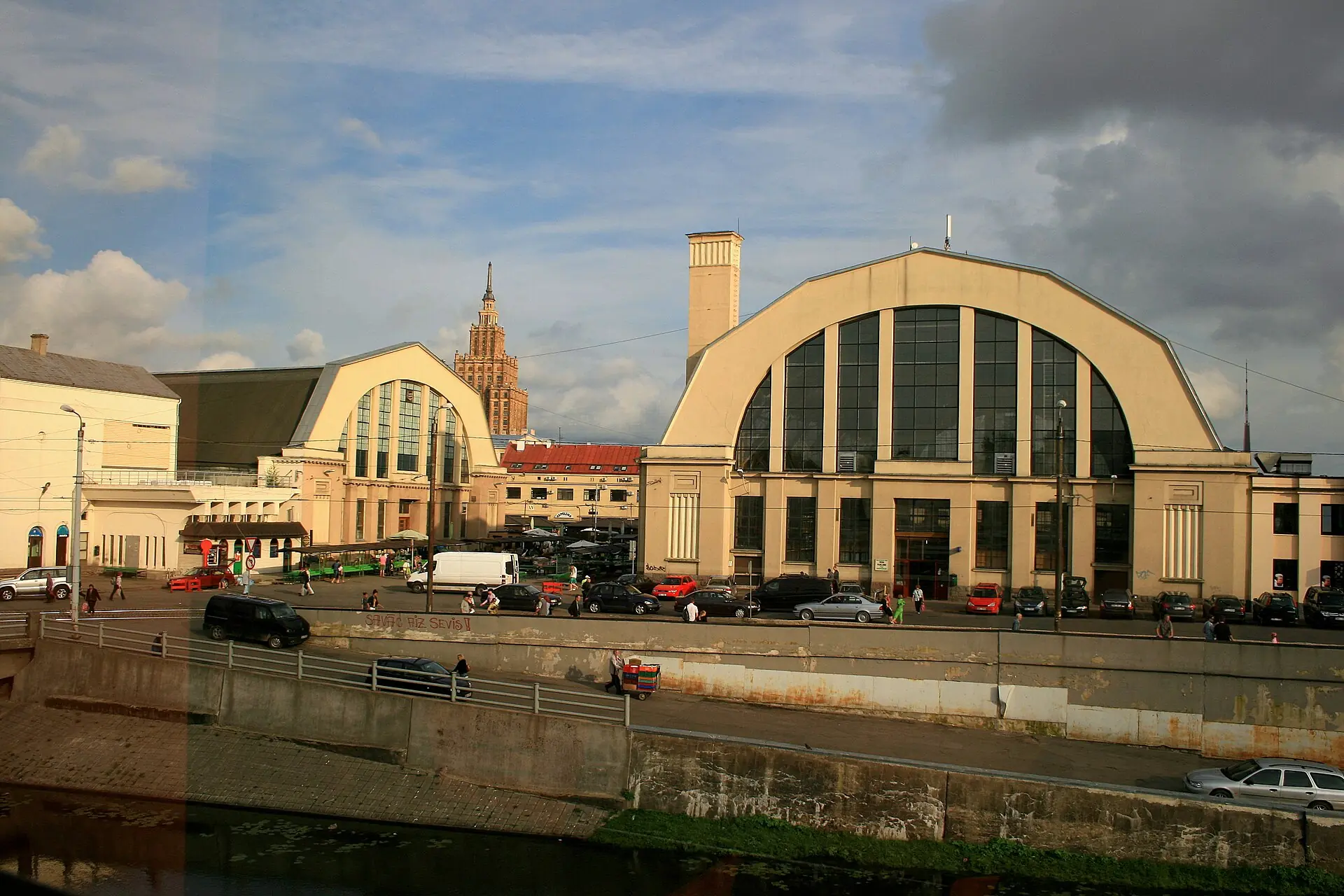 Riga Central Market · 60–90 min
- 5Alberta iela and the Art Nouveau Quarter · 60–90 min
Fits
- Short city breaks
- Architecture and market lovers
- Baltic loop travellers
Does not fit
- Strollers and wheelchairs on cobbles
- Winter visitors without warm clothes
- Travellers who want big timed-ticket sights
How long
- 2 daysOld Town and the Freedom Monument; Central Market and Art Nouveau streets
- 3 daysFour clusters, mornings on foot, café afternoons
- 5 daysFour clusters + Sigulda or Jūrmala day trip + one slow day
Good for
- First timers
- Foodies
- Budget
- Couples
- Solo
- Families
About Riga
Riga sits on the Daugava river, about 15 km from the Baltic Sea, and is the largest city in the three Baltic states, with roughly 600,000 people in a country of about 1.9 million. It was founded in 1201 by the German bishop Albert of Buxhoeveden as a base for the crusading order that converted the region, and it grew rich as a Hanseatic trading port linking Russia, Poland and the Baltic Sea. German merchants ran the city for centuries, and the guild houses, warehouses and church spires of the Old Town come from that period.
Good to know
- Riga's Old Town (Vecrīga) is the medieval core on the river; the Art Nouveau district is north of the boulevards, and the Central Market is south-east of the Old Town by the bus and train stations.
- Live Riga runs tourist information points and a website; the main office is in the Old Town (check the current address and hours).
- The Riga Card bundles public transport and some museum entries for 24 to 72 hours (check the price and what is included).
Go deeper 11 min read · 6 chapters
Riga is a Baltic port with a German medieval core, a Russian-imperial boom of iron and Art Nouveau, and a 20th century of occupations and a regained republic. All three layers sit within a 3 km walk, and the city makes sense once you can read them apart: the spires and guild houses of the Old Town, the carved facades of the Art Nouveau quarter, the Freedom Monument and the market halls built from Zeppelin hangars.
1History2 min
Riga was founded in 1201 by Albert of Buxhoeveden, Bishop of Livonia, who brought crusaders and merchants to a settlement on the Daugava river, close to its mouth on the Baltic Sea. Livonian tribes, Latvians and Livs had lived there before, and a trading site existed at the river bend. The bishop’s aim was to control the region and its trade, and in 1202 he founded the military order of the Brothers of the Sword, which merged into the Teutonic Order. Riga became a city of German merchants, and in 1282 it joined the Hanseatic League, the network of northern trading towns.
The trade was in timber, grain, flax, wax and furs, moving between the Russian hinterland and the Baltic Sea. The wealth built the guild halls, warehouses and churches that survive: the Cathedral begun in 1211, St Peter’s Church, and the two guild halls on Amatu iela. The Reformation reached Riga in the 1520s, and the city turned Lutheran. Sweden took it in 1621 and held it until 1710, when Russian troops under Peter the Great captured it after a siege and a plague that killed a large share of the population.
Under Russia, Riga grew into one of the empire’s great ports and industrial cities. The old walls were pulled down in the 1850s and the boulevard ring and parks replaced them, so the medieval core has a green belt around it. Railways, factories and a growing Latvian population changed the city: by the late 19th century Latvians were the largest group and were building a national movement. The song festivals began in 1873, and the first of them made a cultural claim before a political one.
The 20th century shaped what you see and what is missing. Latvia declared independence on 18 November 1918, in the aftermath of the First World War, and held it for 22 years. The Soviet Union occupied the country in 1940, Nazi Germany in 1941 and the Soviet Union again in 1944. Riga lost a large part of its people to deportation, war and the Holocaust; Riga’s Jewish population was almost destroyed, with tens of thousands murdered in the ghetto and at Rumbula in 1941. Independence was restored in 1991, and Latvia joined NATO and the EU in 2004. The euro followed in 2014.
- Founded
- 1201, by Bishop Albert of Buxhoeveden
- Hanseatic League
- Joined in 1282
- Independence
- Declared 18 November 1918; restored 1991
- Population
- About 600,000 in the city; about 1.9 million in Latvia (rounded, check)
2The Old Town and the Hanseatic city2 min
The Old Town, Vecrīga, is a tight web of lanes between the Daugava river and the boulevard ring, and it is the part of the city that looks and feels medieval. Most of it is reconstruction: wars, fires and the 20th century destroyed much of it, and buildings such as the House of the Blackheads were rebuilt in the 1990s after being wrecked in the Second World War. UNESCO listed the historic centre of Riga in 1997, for both the medieval layout and the Art Nouveau districts.
The rhythm of the district follows its trade. Town Hall Square (Rātslaukums) was the market and civic centre; the Blackheads house, a guild for unmarried foreign merchants, faces the Roland statue, a symbol of city rights that many Hanseatic cities used. Dome Square (Doma laukums) holds the Cathedral, where the largest medieval church in the Baltics stands beside a cloister and an organ built in the 1880s. St Peter’s Church, with a tall spire, is the main landmark; a lift takes visitors to a platform for a view over roofs and river.
Amatu iela, the street of craftsmen, holds the Great Guild and the Small Guild halls, each with a stepped gable and a hall for meetings and concerts. The Three Brothers, on Mazā Pils iela, are a row of medieval houses of different ages: the oldest dates from the 15th century. The Swedish Gate, cut through the old wall in 1698, and the Powder Tower survive from the fortifications. The Cat House on Meistaru iela is known for two black cats on its roof, a joke played by a merchant on the Great Guild after being refused membership.
Practical points matter here. The cobbles are hard on wheels, and many buildings have steep stairs and small lifts. Bars are dense on Kaļķu iela and Līvu laukums and some of them add large charges: check the menu and price before you order, and do not follow a stranger who offers a drink. The best time for walking is early morning or evening, when tour groups are absent and the light is low on the stone.
- UNESCO
- Historic Centre of Riga, listed 1997
- Landmarks
- Cathedral, St Peter’s, the Blackheads house, the guild halls
- Fortifications
- Swedish Gate (1698) and the Powder Tower
- Best hours
- Before 10:00 and after 17:00Before 10:00 AM and after 5:00 PM
3Art Nouveau and the boom years2 min
Around 1900 Riga was one of the fastest-growing cities in the Russian Empire, and its new middle class built apartment blocks in the fashion of the day: Art Nouveau, called Jugendstil in the German-speaking world. Between about 1899 and 1914 architects filled the districts north of the boulevards with facades covered in masks, garlands, sphinxes, birds and stylised plants. More than 700 Art Nouveau buildings survive, roughly a third of the buildings in the central district, and UNESCO counts Riga as having one of the finest collections in Europe.
The district around Alberta iela and Elizabetes iela is the showcase. Mikhail Eisenstein, an architect whose son was the film director Sergei Eisenstein, designed some of the boldest facades, with large faces, columns and sculpted figures. Konstantīns Pēkšēns designed a building at Alberta iela 12 in which the Art Nouveau Museum now stands, in an apartment restored to its 1903 to 1905 furnishings. The facades are not only decorative; they announced the wealth and taste of the owners, and some of them show a national romantic strain, using Latvian motifs.
The buildings are homes and offices, not exhibits, so the way to see them is from the pavement across the street: look up, and look above the doors. Some staircases and lobbies are visible through open doors; do not enter courtyards or photograph through windows. On a dry morning, when tour groups are absent and the light is low, the street is quiet and the stone shows its relief. In winter the facades are darker, and rain makes the colour deeper but the walk less pleasant.
Not all the facades are restored; some are cracked and scaffolded, a reminder of how the 20th century left them. Renovation has been steady since the 1990s, and the growing appreciation of the style has brought a few small museums and walking tours. If you want more, tours led by guides explain the symbols; if you want less, a 45-minute walk from the boulevard to Alberta iela and back is enough.
- Period
- About 1899 to 1914
- Count
- More than 700 Art Nouveau buildings in the city (rounded, check)
- Key street
- Alberta iela, with Elizabetes iela nearby
- Museum
- Art Nouveau Museum at Alberta iela 12 (check hours)
4Freedom, occupation and memory2 min
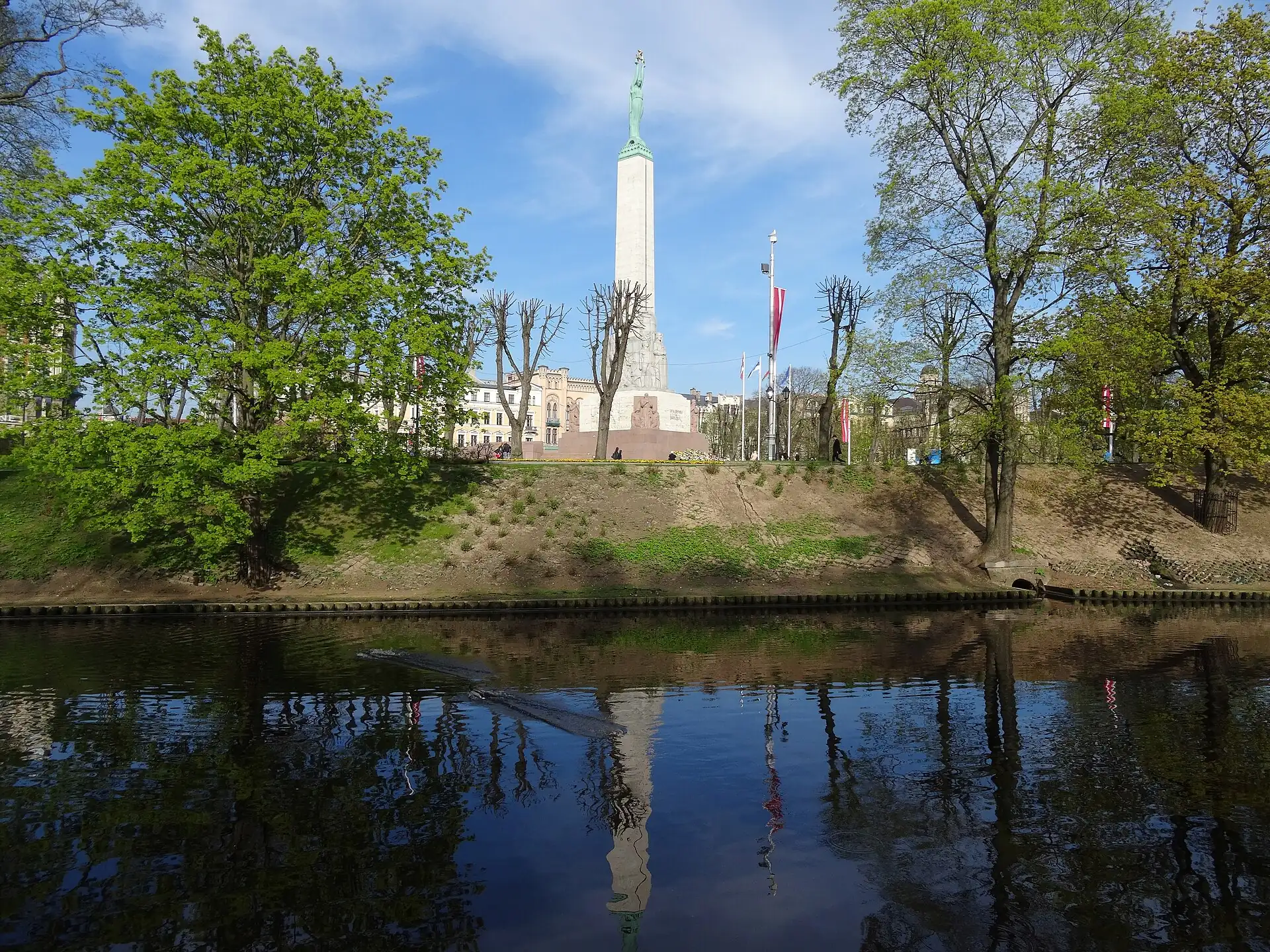
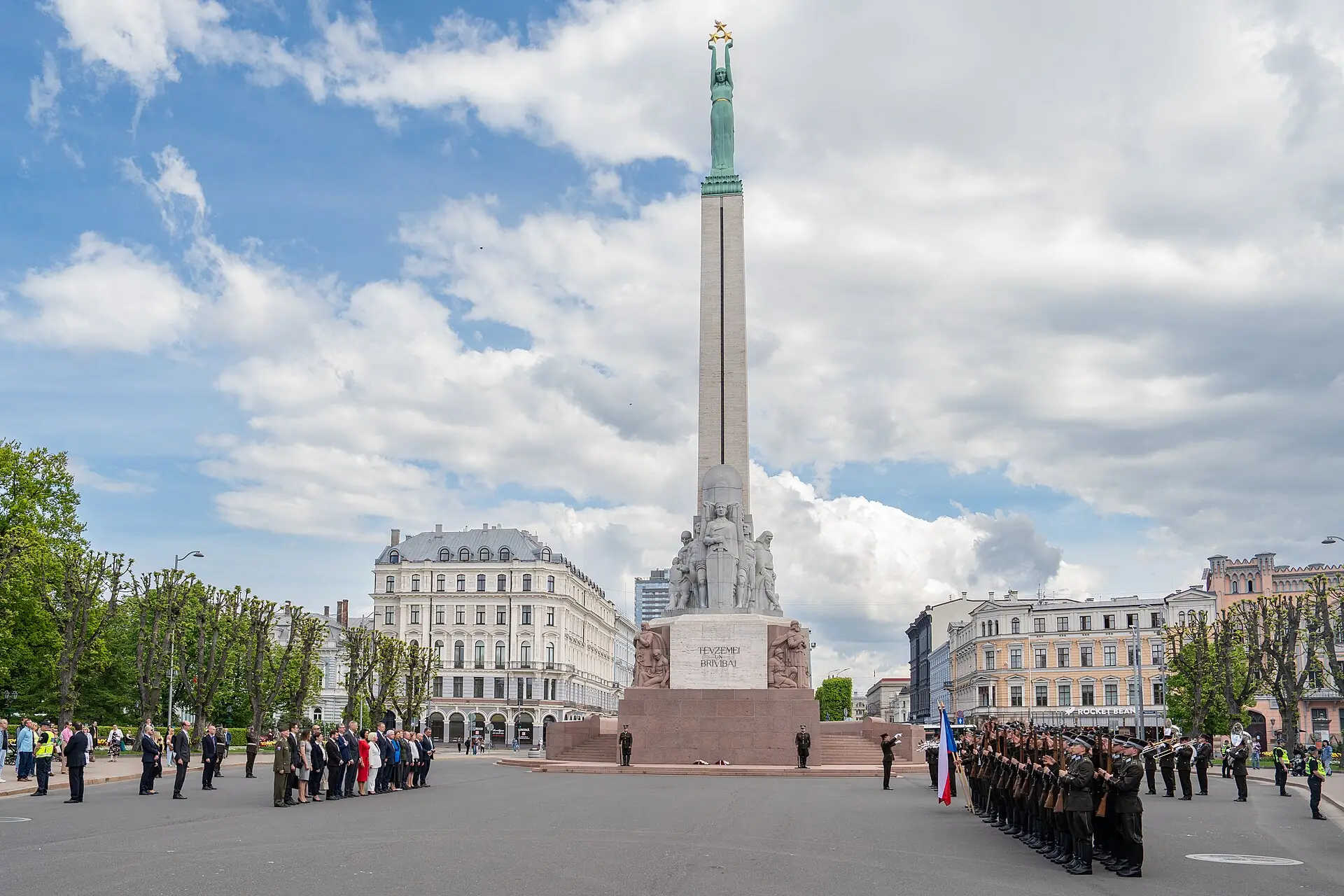
The Freedom Monument stands on the boulevard where the Old Town meets the modern centre, and it explains more of Latvia than any building. It was unveiled on 18 November 1935, funded by public donations, and designed by the sculptor Kārlis Zāle with the architect Ernests Štālbergs. A tall column rises 42 metres, carrying a female figure known as Milda who holds three stars above her head, standing for the historic regions of Latvia. The inscription reads ‘For Fatherland and Freedom’.
The Soviet authorities left it standing after 1944, possibly because it was hard to remove and the figure could be read as ‘Mother Russia’. It stayed a place of quiet resistance. In 1987 a first public demonstration laid flowers at its base, an act that helped begin the Singing Revolution, the peaceful movement that led to independence. In 1989 about two million people across Estonia, Latvia and Lithuania linked hands in a human chain, the Baltic Way, across 600 kilometres. In January 1991, as Soviet forces moved in Vilnius and Riga, people built barricades in the streets of the Old Town.
Memory here is real and recent. The Latvian Occupation Museum tells the story of the three occupations; the Riga Ghetto and Latvian Holocaust Museum recalls the destruction of the city’s Jewish community; and the Central Market’s Zeppelin hangars, the Freedom Monument and the Saeima (parliament) all appear in that story. A visit is best made with quiet respect: photograph the monument from a distance, do not sit on the base, and treat ceremonies as ceremonies.
The honour guard at the base changes on the hour, and on 18 November, 4 May and 11 November the square fills with people, flags and candles. The dates matter: Proclamation Day, Restoration of Independence Day and Lāčplēsis Day mark the state’s beginning, its return and its defenders. If you visit on one of them, plan for road closures and crowds, and check for museum hours.
- Unveiled
- 18 November 1935; 42 m tall
- Milda
- A female figure holding three stars
- Baltic Way
- 23 August 1989; a human chain of about two million people
- Key dates
- 4 May, 11 November and 18 November
5The market and the table2 min
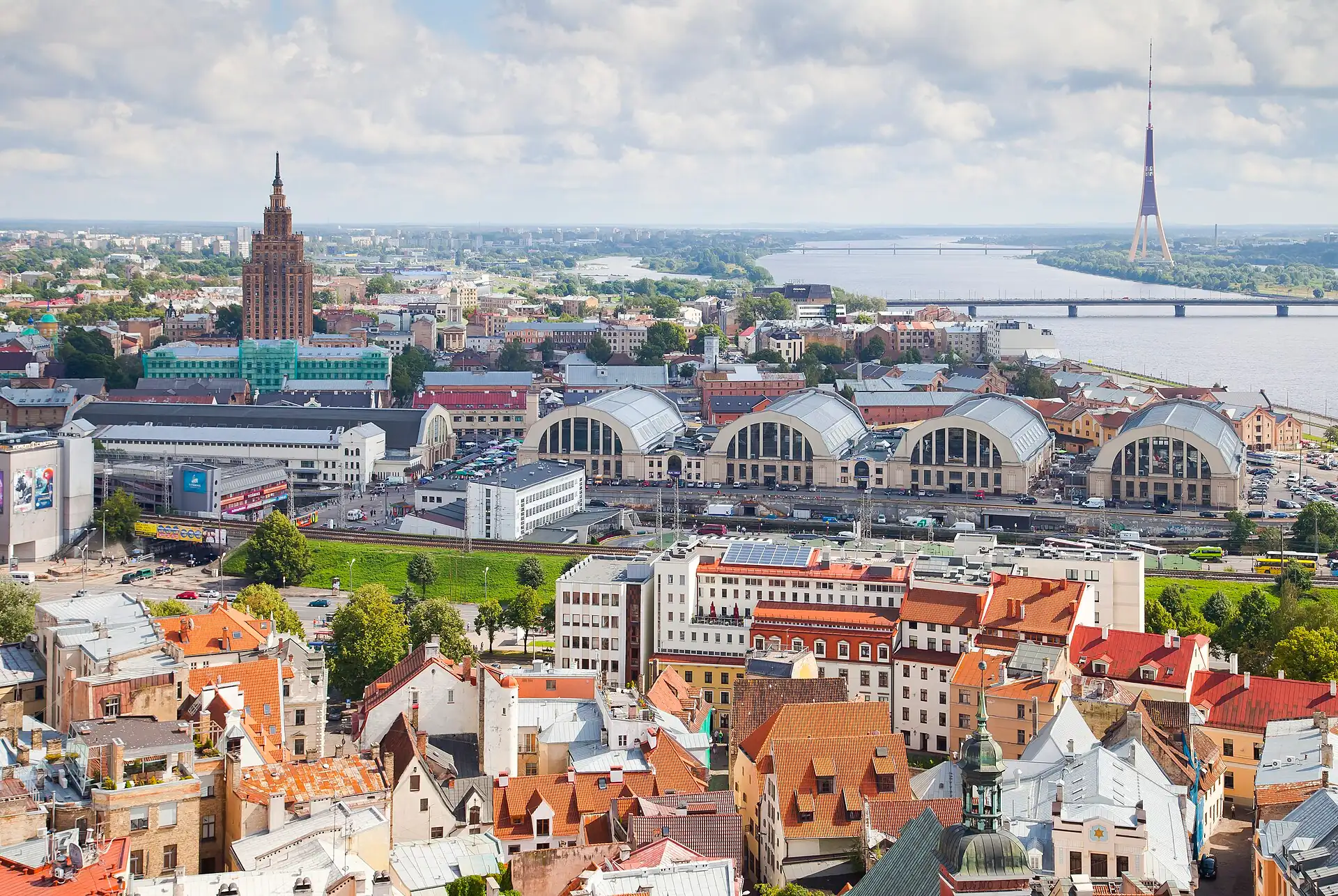
Riga’s Central Market is the best single introduction to what Latvians eat. It was opened in 1930 in five large pavilions built from German airship (Zeppelin) hangars, brought from the Vaiņode airfield after the First World War, and it is one of the largest markets in Europe. Meat, fish, dairy, and vegetables have their own pavilions, and open-air stalls sell fruit and flowers. The building is part of the UNESCO-listed historic centre.
The dishes are hearty and simple. Rye bread (rupjmaize) is the staple: dark, dense and slightly sweet, it is eaten with butter, herring and cheese, and it is the base of a cold dessert too. Grey peas with bacon (pelēkie zirņi ar speķi) is a national dish. Smoked fish, from herring to eel, is a specialty of the coast. In summer the cold beetroot soup, aukstā zupa, is a pink, tangy dish with kefir and dill. Bacon buns (speķa pīrāgi) are the standard snack, and sklandrausis, a pie with carrot and potato in a rye crust, is a regional sweet.
Drinks matter too. Riga Black Balsam, a herbal liqueur made to a recipe from 1752, is the traditional souvenir: dark, bitter and sweet, 45% alcohol, tried in coffee or with blackcurrant juice. Latvian beer has both large brands and craft brewers, and kvass, a mild bread drink, is a summer favourite. Mead and honey drinks appear in Old Town bars and markets. Shops may not sell alcohol at night, and bars vary in their prices, so check.
The practical advice is to eat where locals eat. A self-service canteen such as Lido gives a full lunch for €6–12; the market pavilions offer soup and pies for less; and a dumpling counter gives a hot bowl for about €5. For a dinner, book a table and check the menu prices, especially in the Old Town. Avoid places with a tout at the door and a menu without prices.
- Market
- Opened 1930 in five former Zeppelin hangars
- Staple
- Rye bread, grey peas, smoked fish
- Signature drink
- Riga Black Balsam, from 1752, 45%
- Lunch cost
- About €6–12 in a canteen (2026 estimate)
6Language, song and the year2 min
Latvian is an Indo-European language of the Baltic branch, and its closest living relative is Lithuanian. About 1.3 million people speak it as a first language. It has long vowels marked by a macron, soft consonants marked with a comma or a caron, and stress on the first syllable of a word. A large Russian-speaking minority lives in Riga, which is the legacy of the Soviet years, and Russian is widely heard in shops and streets. In tourist areas English is the easiest choice, and a Sveiki or a Paldies is appreciated.
Song is the national art. The first Latvian song festival was held in 1873, and the tradition became the focus of national feeling under both empires. A Song and Dance Festival is held about every five years, with tens of thousands of singers in massed choirs, and UNESCO recognised the Baltic tradition in 2003. The open-air stage at Mežaparks, north of the centre, holds thousands of singers, and the last festival was held in 2023. Folk songs, called dainas, are short verses of four lines that carry the country’s myths and seasons.
The year is a cycle of markers. Midsummer, Līgo and Jāņi on 23 and 24 June, is the biggest holiday: people leave the city for the countryside, wear wreaths of oak leaves and flowers, eat caraway cheese and drink beer, and light bonfires. Shops and restaurants in Riga close for much of it. Lāčplēsis Day on 11 November honours those who fought for independence, with candles along the river. Proclamation Day on 18 November marks the 1918 declaration, and the Christmas market in Dome Square runs from late November, with a claim to the first decorated Christmas tree in Europe in 1510.
For travellers, the year decides the trip. Midsummer is beautiful but closed; November is dark but full of events; summer is light and crowded on the beaches; winter is cold but cosy, with a market and warm interiors. Plan the Old Town for early morning, the market for before 11:00, and Art Nouveau for a dry morning, and leave space in the day for a café. Latvians are reserved, and their reserve is not coldness; a quiet, kind tone works better than a loud one.
- Language
- Latvian, about 1.3 million first-language speakers
- Song festival
- About every five years; the last was in 2023
- Midsummer
- 23–24 June; much of the city closes
- Key holidays
- 4 May, 11 November and 18 November
Read, watch, wordsGlossary · Sources
Glossary
| Term | Local | Meaning |
|---|---|---|
| Iela | iela | Street; Alberta iela is Albert Street. |
| Laukums | laukums | Square; Rātslaukums is Town Hall Square. |
| Vecrīga | Vecrīga | Old Riga, the medieval core. |
| Jūgendstils | jūgendstils | Art Nouveau (Jugendstil) in Latvian. |
| Rupjmaize | rupjmaize | Dark rye bread. |
| Jāņi | Jāņi | Midsummer, 23–24 June. |
| Dziesmu svētki | Dziesmu svētki | The Song Festival. |
| Paldies | paldies | Thank you. |
| Sveiki | sveiki | Hello. |
Read for this deep dive
- Live Riga (official city tourism) ↗
- Riga International Airport ↗
- UNESCO — Historic Centre of Riga ↗
- Wikivoyage — Riga ↗
Background reading only: the text above is written by Voykit, not copied from these pages.
Photos
Riga Sunset - panoramio Photo: Dmitrijs Purgalvis, CC BY 3.0
Riga - Pedestrian Bridge - gājēju tilts - panoramio Photo: Edgar El, CC BY 3.0
Buildings in the Tirgoņu Street, Riga, Latvia Photo: Diego Delso, CC BY-SA 3.0
Vecrīga, Central District, Riga, LV-1050, Latvia Photo: DizzyDJC, CC BY 3.0
20150504 11 Riga - Old City Photo: Sjaak Kempe from Groningen, The Netherlands, CC BY 2.0
Rules in force · 8Non-EU visitors get 90 days in any rolling 180-day window…Treat the Estonian, Latvian and Lithuanian borders with R…
- Europe ↗Non-EU visitors get 90 days in any rolling 180-day window, counted across all 29 Schengen states together — not per country; the Entry/Exit System now logs each crossing, so an overstay is detected automatically.
- Europe ↗On the first Schengen entry since EES began, non-EU travellers give four fingerprints and a face photo at the border instead of a passport stamp; there is nothing to apply for or pay in advance.
- Baltic states ↗Treat the Estonian, Latvian and Lithuanian borders with Russia and Belarus as closed to your plans: crossings are restricted, change within hours, and sit under advisories on the far side.
- Baltic states ↗Book open-jaw flights (into Tallinn or Vilnius, out of the other) so the line runs one way; Riga is the biggest airport if you need a single hub.
- Baltic states ↗Midsummer (23–24 June) is the biggest holiday in all three countries: cities empty, many businesses close and island and coast transport sells out.
- Latvia ↗Latvia is in the EU and the Schengen area; the EU Entry/Exit System applies to non-EU visitors. Check the official EU and Latvian sources for your passport.
- Latvia ↗Borders with Russia and Belarus are not routes for casual travel; check your government's advice before going near them.
- Latvia ↗Validate public transport tickets when you board in Riga; inspectors fine unvalidated riders.
Entry rules depend on your passport. Full visa guide
Emergency numbers for Riga112 ▾
Tap a number to call from your phone. These are the numbers listed in this guide; a row marked check has not been verified.
Planning is the full guide. I'm here keeps what is open and the cheat card.
Right now
Checking the weather…
Working out what is open near you…
What is open nowclock, closures, places open
Now in Riga
Local time in Riga
--:--
Loads in your browser · Europe/Riga
This month
Month verdict appears here.
Closed today
See the weekly grid below.
| Weekly closure | Mon | Tue | Wed | Thu | Fri | Sat | Sun |
|---|---|---|---|---|---|---|---|
| Many museumscheckSeveral close on Monday; confirm on the official page. | ✕ | · | · | · | · | · | · |
If today is a closure day: Monday: many museums are closed, so use the day for the Old Town churches, the market and a walk in the Art Nouveau quarter. Sunday: shops keep shorter hours and some restaurants close in the evening. On public holidays such as 18 November and 23–24 June much of the city closes.
Open every day: Alberta iela Art Nouveau street, Riga Central Market, Freedom Monument, Riga Cathedral (Dom), St Peter’s Church, Town Hall Square and the House of the Blackheads.
- check Central Market: Open most days; hours vary by pavilion.
- check Riga Cathedral: Open daily; services and concerts limit visits.
Weekly closures come from our place pages; bank holidays add closures not shown here.
Cheat cardthe pocket version
Cheat card
The essentials on one card: save it as an image for your phone, share it, or print it.
Riga
Rīga
- Money
- Cards work almost everywhere; keep €20–30 in small notes for markets and small stalls; use bank ATMs.
- SIM
- Install an eSIM before you fly, or buy a SIM at the airport or a phone shop (passport needed).
- Ride app
- Bolt · Uber
- Emergency
- 112 police, ambulance, fire · 110 State Police (non-urgent, check) (not 911, 999 or 000)
- Plugs
- Sockets C/F. US/Canada (A/B): adapter · UK/Ireland (G): adapter · Australia/NZ (I): adapter. 230 V: US 120 V-only devices (hair dryers) need a converter; most chargers are dual-voltage.
Top 5
- Riga Cathedral
- Town Hall Square and the Blackheads house
- St Peter’s Church and its tower view
- Riga Central Market
- Alberta iela and the Art Nouveau Quarter
EssentialsQuick answers, what things cost and how to get around
Essentials
Quick answers, what things cost and how to get around
Quick answers
The questions people ask first about Riga, one line each. Tap a card for the full answer.
- Cash or card?Cards and contactless work almost everywhere; carry a little cash for market stalls and small kiosks.
- SIM or eSIMInstall an eSIM before you fly, or buy a SIM at the airport or a phone shop (passport needed).
- Ride-hailing appBolt · Uber.
- Tap waterTap water is treated and generally safe to drink; many visitors still choose bottled.
- TippingAbout 10% in sit-down restaurants if not already added; round up for taxis.
- Plugs & powerSockets C/F. US/Canada (A/B): adapter · UK/Ireland (G): adapter · Australia/NZ (I): adapter. 230 V: US 120 V-only devices (hair dryers) need a converter; most chargers are dual-voltage.
Show all 14 answers
- Safe at night?Take more care after dark in Old Riga, Central Market and the station, Moscow District (Maskavas forštate).
- Emergency numberscheck112 police, ambulance, fire · 110 State Police (non-urgent, check) (not 911, 999 or 000)
- Your embassycheckUS, UK, Canada, Ireland embassies listed with addresses (check before you go).
- Closed which day?Mon: 1 on our list shut.
- Sundays & holidaysShops open about 10:00–20:00; many museums close on Mondays; many businesses close on midsummer and holidays.Shops open about 10:00 AM–8:00 PM; many museums close on Mondays; many businesses close on midsummer and holidays.
- Late at nightBars in the Old Town serve late, often until 02:00 or later on weekends.Bars in the Old Town serve late, often until 2:00 AM or later on weekends.
- Rainy-day planRain is often steady rather than heavy.
- Landing lateRIX: taxi or ride-hailing car to the door runs all night.
Cost cheat-sheetwhat everyday things cost
Cost cheat-sheet
Typical prices for the everyday things, as ranges. Change the currency right here; the local price stays first.
2026 desk estimate · check
- CoffeeCoffee in a café€2.50–4.00 (≈ US$3–5)
- Sit-down mealSit-down dinner main course€12–25 (≈ US$14–30)
- BeerBeer in a bar€4–7 (≈ US$5–9)
- Metro or bus rideTram or bus ticketAn e-ticket is cheaper than paying the driver.€1.50–2.50 (≈ US$2–3)
- SIM or eSIM, a weekTourist eSIM, about a week€10–20 (≈ US$12–25)
- Museum or sight ticketRiga Cathedral entry€5–8 (≈ US$6–10)
- Budget bedHostel dorm bed, a night, per person€18 (≈ US$25)
- Mid-range bedHotel double room, a night, per room€105 (≈ US$130)
- High-end bedHotel double room, a night, per room€200 (≈ US$250)
A day, not counting the bed: Budget €45 (≈ US$55) · Mid €85 (≈ US$100) · High €170 (≈ US$200)
Local prices, with USD next to them (rates 2026-09 (approximate); change it in the header). Ranges are desk estimates: check locally. Every price and the budget calculator →
Source: Prices in Riga
Draft
Written from desk research. Not yet compared with the official source.
No official source is recorded for this figure.
Prices are 2026 desk estimates, not yet compared with an official source. Check on the day.
Not checked in the last 12 months (no check date on file).
DecideWho it suits, the trade-offs and when to go
Decide
Who it suits, the trade-offs and when to go
Best months at a glance
The guide's verdict for each month
Jan
Care
0°C (32°F)32°F (0°C)
Feb
Care
1°C (34°F)34°F (1°C)
Mar
Care
5°C (41°F)41°F (5°C)
Apr
Best
11°C (52°F)52°F (11°C)
May
Best
17°C (63°F)63°F (17°C)
Jun
Best
20°C (68°F)68°F (20°C)
Jul
Best
23°C (73°F)73°F (23°C)
Aug
Best
22°C (72°F)72°F (22°C)
Sep
Best
17°C (63°F)63°F (17°C)
Oct
Best
11°C (52°F)52°F (11°C)
Nov
Care
5°C (41°F)41°F (5°C)
Dec
Care
1°C (34°F)34°F (1°C)
Best: Apr–Oct. Mixed: Nov–Mar. Month by month →
Warmest Jul (23°C (73°F)73°F (23°C)), coolest Jan (−5°C (23°F)23°F (−5°C) low), wettest Jan (16 rain days), driest Apr (10). Averages, not a forecast.
Riga across the year
Best-looking months for Riga: Apr, May, Jun.
| Measure | Jan | Feb | Mar | Apr | May | Jun | Jul | Aug | Sep | Oct | Nov | Dec |
|---|---|---|---|---|---|---|---|---|---|---|---|---|
| Weather | Mixed (care) | Mixed (care) | Mixed (care) | Good (good) | Great (good) | Great (good) | Great (good) | Great (good) | Good (good) | Good (good) | Mixed (care) | Mixed (care) |
| Crowds | Low (good) | Low (good) | Low (good) | Low (good) | Medium (ok) | High (care) | High (care) | High (care) | Medium (ok) | Low (good) | Low (good) | Medium (ok) |
| Prices | Low (good) | Low (good) | Low (good) | Low (good) | Medium (ok) | High (care) | High (care) | High (care) | Medium (ok) | Low (good) | Low (good) | Medium (ok) |
| Events | 2 events (ok) | None listed (ok) | 1 event (ok) | None listed (ok) | 2 events (ok) | 2 events (ok) | None listed (ok) | 2 events (ok) | None listed (ok) | None listed (ok) | 4 events (ok) | 4 events (ok) |
Green is good news, amber needs planning, red is a month to avoid; dashed grey with a question mark means our data does not say. Open the year heatmap →
Not checked in the last 12 months (no check date on file).
Source: Months, temperatures and crowds
Draft
Written from desk research. Not yet compared with the official source.
Monthly highs, rain and crowd levels are climate averages and desk estimates for the city, not a forecast.
Understand the cityUnderstand · Districts
Orientation & districts
A first visit fits inside a 3 km box: the Old Town on the river’s east bank, the boulevard ring and the Freedom Monument north-east of it, the Art Nouveau quarter a 20–25 minute walk north, and the Central Market south-east by the railway. Most sights are flat and walkable; the Art Nouveau quarter and the market are easy by tram or a short ride.
Street signs are in Latvian: iela means street, laukums square, bulvāris boulevard and tilts bridge. Google Maps and the Rīgas Satiksme app route trams and buses.
Shaded shapes: walking areas (click one). Black pins: sleep areas. Grey dots: places. Round badges: arrivals. Click the map to turn on scroll-wheel zoom.
Hover, tap or tab to an area to see what it is like. Pins are sleep areas; arrows at the edge point to the airport.
Off the map: Riga International Airport (RIX) (25–40 min by the usual route).
Not drawn yet (no coordinates in this guide): Miera iela and Čaka iela, Āgenskalns and Pārdaugava, Mežaparks. They are in the neighbourhood cards below.
Where’s what, as a list:
- Old Riga (Vecrīga) (Vecrīga): Cobbles, steps and late bar noise; touts around some bars; hotels here have small lifts (check). Suits: First visit, medieval streets, churches, bars. Price band $$$.
- Centrs and the boulevards (Centrs): Wide streets and parks; better sleep than the Old Town, and many restaurants. Suits: A quieter base, a short walk to the Old Town and the Art Nouveau streets. Price band $$.
- Art Nouveau Quarter (Jūgendstila kvartāls): Alberta iela and Elizabetes iela have the ornate facades; quiet outside tour hours. Suits: Architecture walks and a museum stop.
- Central Market and the Riverside (Centrāltirgus): Five pavilions by the station; go before 11:00; watch bags.Five pavilions by the station; go before 11:00 AM; watch bags. Suits: A market morning and a river walk.
- Miera iela and Čaka iela (Čaka iela): North-east of the centre; a working neighbourhood with a growing café scene. Suits: Cafés and a local evening.
- Āgenskalns and Pārdaugava (Pārdaugava): Across the river; a tram from the centre; Kalnciema Quarter market on Saturdays (check). Suits: Saturday market, wooden houses and local life.
- Mežaparks (Mežaparks): North of the centre by tram; the zoo and the big song-festival stage. Suits: A forest park and lakeside walks.
- Sleep area Centrs (north of the boulevards): suits A quieter base, a short walk to the Old Town and the Art Nouveau streets, price band $$.
- Sleep area Old Riga (Vecrīga): suits First visit, medieval streets, churches, bars, price band $$$.
- Riga International Airport (RIX), 25–40 min by the usual route.
Neighbourhoods at a glance
One tab per area, pulled together from this guide’s districts table, area notes, sleep-area scores and place pages. Scores are desk judgements (1–5); prices are estimates, check before you book.
Old Riga (Vecrīga)
$$$Vecrīga
Cobbles, steps and late bar noise; touts around some bars; hotels here have small lifts (check).
- Suits:
- First visit, medieval streets, churches, bars · First timers, history fans
- Best time:
- Before 10:00 or after 17:00Before 10:00 AM or after 5:00 PM
- Rooms:
- €100–220 per room per night (mid-range); more in midsummer
Pick this if: Short stays in the medieval core
Skip this if: You have big bags or want quiet nights
- Quiet nights1/5 Very low
- Nightlife5/5 Very high
- Families2/5 Low
- Late arrival3/5 Medium
Why these scores
- Quiet nights: Bars until late; ask for a back room.
- Nightlife: Bars and restaurants on every street.
- Families: Cobbles and late noise.
- Late arrival: Some smaller hotels close the desk; confirm the night code.
Getting around from here
- 10–14 min walk to Freedom Monument and the Boulevards
- 12–16 min walk to Central Market and the Riverside
- 20–26 min walk to Art Nouveau Quarter
Centrs and the boulevards
$$Centrs
Wide streets and parks; better sleep than the Old Town, and many restaurants.
- Suits:
- A quieter base, a short walk to the Old Town and the Art Nouveau streets · A walk between sights
- Best time:
- Morning
- Rooms:
- €80–170 per room per night (mid-range); more in midsummer and the Christmas market
Pick this if: First visits, walks to every cluster
Skip this if: You want medieval lanes at the door
- Quiet nights4/5 High
- Nightlife3/5 Medium
- Families4/5 High
- Late arrival4/5 High
Why these scores
- Quiet nights: Quieter than the Old Town at night.
- Nightlife: Restaurants and bars a short walk away.
- Families: Space, lifts and parks close by.
- Late arrival: Most hotels have 24-hour desks; confirm a code.
Getting around from here
- 5–8 min walk to Art Nouveau Quarter
- 10–15 min walk to Old Riga (Vecrīga)
- 20–26 min walk to Central Market and the Riverside
Art Nouveau Quarter
Jūgendstila kvartāls
Alberta iela and Elizabetes iela have the ornate facades; quiet outside tour hours.
- Suits:
- Architecture walks and a museum stop
- Best time:
- Morning
Pick this if: Architecture fans and photographers
Watch out for: Midday tour groups.
Getting around from here
- Walk south: about 10 min to Freedom Monument and the Boulevards
Central Market and the Riverside
Centrāltirgus
Five pavilions by the station; go before 11:00; watch bags.Five pavilions by the station; go before 11:00 AM; watch bags.
- Suits:
- A market morning and a river walk
- Best time:
- Before 11:00Before 11:00 AM
Pick this if: Foodies and budget travellers
Watch out for: Weekend midday crowds; watch bags.
Getting around from here
- Walk north-west: about 12 min to Old Riga (Vecrīga)
Miera iela and Čaka iela
Čaka iela
North-east of the centre; a working neighbourhood with a growing café scene.
- Suits:
- Cafés and a local evening
- Best time:
- Afternoon
Pick this if: Slow coffee and a walk
Watch out for: Winter evenings.
Āgenskalns and Pārdaugava
Pārdaugava
Across the river; a tram from the centre; Kalnciema Quarter market on Saturdays (check).
- Suits:
- Saturday market, wooden houses and local life
- Best time:
- Saturday morning
Pick this if: Local life
Watch out for: Late weekday evenings.
Mežaparks
Mežaparks
North of the centre by tram; the zoo and the big song-festival stage.
- Suits:
- A forest park and lakeside walks
Ward by ward
4 area guides. Open one for the short answer, the key facts and what the area is like; the full guide is linked inside. Prices marked (check) are estimates.
CentrsBest for: Art Nouveau, museums, quieter evenings, easy walk to Old Town
Stay in Centrs if you want Art Nouveau streets, quieter nights than Vecrīga and a 10–15 minute walk to the Old Town and central station. It suits first-time visitors and anyone arriving by bus or train. Choose Vecrīga instead if you want to step out into the postcard lanes, or Pārdaugava for cheaper, greener stays.
- Best for:
- Art Nouveau, museums, quieter evenings, easy walk to Old Town
- Walk to Vecrīga:
- About 1 km (0.6 mi), 10–15 minutes from the Freedom MonumentAbout 0.6 mi (1 km), 10–15 minutes from the Freedom Monument
- Walk to central station:
- 10–20 minutes depending on where you stay
- Trams through the district:
- 3, 6 and 11, plus bus and trolleybus lines
- Coach station:
- West of the central railway station, buses to Tallinn and Vilnius
- Night-time feel:
- Quieter than Vecrīga; some streets near the station are rougher after dark
- Currency:
- Euro (EUR)
What Centrs is like
Centrs means Centre: the district immediately northeast of the Old Town, on the same side of the Daugava. Its spine is Brīvības iela and its landmark is the Freedom Monument, with the park and canal belt on one side and dense 19th- and early 20th-century blocks on the other. This is where Riga works and shops, not just where it poses for photographs.
The district's fame is its Art Nouveau. Alberta iela and Elizabetes iela hold the densest run of facades, many by Mikhail Eisenstein, with more around the Freedom Monument, Raiņa bulvāris and Strelnieku iela. The streets are wide, the buildings tall, and the scale is walkable: most sights sit within 20 minutes of each other.
The eastern edge, Latgales apkaime along the Daugava, has some of Riga's oldest buildings but also a reputation for disrepair and rough edges; the part closest to the centre is changing fastest. Treat it as a daytime look rather than a base.
Expect a working city rhythm: offices, cafés, embassies, students. Evenings are calmer than in Vecrīga, which is either the point or the drawback depending on your trip.
Full Centrs guideShould you stay here
Yes for most first trips. Centrs gives you Art Nouveau on your doorstep, the central station and coach station within walking distance, and the Old Town a short stroll away, without the stag-party noise that can reach parts of Vecrīga. It is also the practical choice if you arrive or leave by bus or train.
Skip it if your whole trip is the postcard Old Town and you want to open your door into it, or if you want cheaper, greener, quieter nights and don't mind crossing the river: Pārdaugava is the alternative. Families and light sleepers often prefer Centrs over Vecrīga for exactly the same reason others avoid it.
Within Centrs, the streets closest to the Freedom Monument and the park belt are the calmest and prettiest; the blocks immediately around the central station are busier and less appealing at night. Book by street, not just by district name.
Outer East BankBest for: Cheaper rooms, parks, industrial and wooden architecture, local daily life
Stay in the Outer East Bank only for quiet, cheaper rooms and a local Riga, not for sightseeing on foot. It is the east bank outside Old Riga and Centrs: 15–30 minutes by tram or trolleybus to the centre, with Mežaparks, the Ethnographic Open Air Museum and the Motor Museum as the main draws. Choose it with a car or a transit pass; skip it on a first trip.
- Best for:
- Cheaper rooms, parks, industrial and wooden architecture, local daily life
- Worst for:
- First-timers who want Old Town, bars and sights on foot
- Walk to Old Town:
- Several km from most points of interest; not a walking base
- Main transit:
- Trams, buses and trolleybuses; buy a Rīgas satiksme ticket or day pass
- Top sights:
- Mežaparks, Ethnographic Open Air Museum (Jugla), Riga Motor Museum, Grīziņkalns
- Motor Museum entry:
- About €10; daily 10:00–18:00 (check)About €10; daily 10:00 AM–6:00 PM (check) (check)
- Typical room rate:
- Below Centrs and Old Town levels; 2026 estimate
What the area is like
Outer East Bank means the eastern side of the Daugava minus Vecrīga and Centrs. It is not one neighborhood but a ring of them: Grīziņkalns and the old industrial streets behind it, Čiekurkalns with its wooden houses, leafy Mežaparks on the northern edge, Jugla around its lake, and the housing blocks further out.
This is where Riga works and lives rather than where it performs for visitors. You get 19th-century factory buildings, gas holders, churches, cemeteries, water towers and long tram lines. Distances are real: the Motor Museum sits about 8 km (5 mi) from the Old Town, and the Ethnographic Open Air Museum is out at Jugla.This is where Riga works and lives rather than where it performs for visitors. You get 19th-century factory buildings, gas holders, churches, cemeteries, water towers and long tram lines. Distances are real: the Motor Museum sits about 5 mi (8 km) from the Old Town, and the Ethnographic Open Air Museum is out at Jugla.
The trade is straightforward. You give up walkability and evening choice and get lower prices, green space and a slice of the city that tourists rarely see.
Full Outer East Bank guideShould you stay here or not
Stay if you have been to Riga before, if you are travelling by car, or if you want a quiet base and do not mind 15–30 minutes on public transport each way. Families do well around Mežaparks, where the park and lake are on the doorstep.
Do not stay if this is your first visit and your plan is Old Town, the Central Market and Art Nouveau streets on foot. You would spend the trip on trams. Centrs or Vecrīga is the better first-trip base; Pārdaugava is the other quieter option, on the west bank.
A middle path works well: keep your main hotel in the centre and give the Outer East Bank one half-day for Mežaparks and the open-air museum.
PārdaugavaBest for: Quiet nights, families, longer stays, early flights, wooden architecture
Stay in Pārdaugava if you want a quieter, more residential base and don't mind crossing the river by tram or bus to reach the centre; it also suits an early flight, since the airport is on this side. Skip it if you want Old Town sights and nightlife within a short walk.
- Character:
- Residential west-bank districts, greener and calmer than Vecrīga or Centrs
- Tram to centre:
- Trams 2, 4 and 5 cross to the east bank (check current routes and times with Rīgas satiksme) (check)
- Airport:
- Riga airport (RIX) is on this side of the river; bus 22 runs between it and Central Station
- Room prices:
- Often below Vecrīga and Centrs for the same standard (2026 estimate) (check)
- Walkability:
- Good within Āgenskalns and Ķīpsala; other parts are spread out
- Best for:
- Quiet nights, families, longer stays, early flights, wooden architecture
- Skip if:
- You want bars, restaurants and sights within a two-minute walk
What Pārdaugava is like
Pārdaugava means "across the Daugava": the parts of Riga on the west bank of the river, from the airport in the south-west to the streets behind the Botanical Garden. It is a group of districts rather than one place, and tourists see far less of it than the Old Town or Centrs.
The most useful part for a visitor is Āgenskalns, a 19th-century district of wooden houses and early 20th-century apartment blocks, with cafés and a market along Kalnciema iela (check opening days). North of it, Ķīpsala island sits closest to the centre and has a summer beach. Further out are the National Library, the Botanical Garden and the airport with its aviation museum. The TV Tower stands on Zaķusala, an island in the Daugava rather than part of the west-bank mainland.
It is residential and green, with trams and trolleybuses doing the work that walking does on the east bank. Expect fewer restaurants per block, more locals, and lower prices.
Full Pārdaugava guideShould you stay here
Yes, if you value quiet nights and a short tram ride over the river, and you are happy to plan around public transport. Āgenskalns suits couples, families and longer stays; the area around the airport suits one-night stopovers before an early departure.
No, if your trip is two nights and you want to walk out of your door into Vecrīga. Crossing the river costs time each way, and late at night the tram frequency drops.
A middle option: stay in Centrs or Vecrīga and visit Pārdaugava as a half-day, especially for the wooden streets and the Kalnciema market.
VecrīgaBest for: First trips, 2–3 nights, walking everywhere
Stay in Vecrīga if you want the Old Town, station and nightlife within a 15-minute walk and accept higher prices and tourist-menu restaurants. Skip it for cheaper, quieter nights in Centrs or Pārdaugava. It suits first trips of 2–3 nights; light sleepers should pick a courtyard room.
- Best for:
- First trips, 2–3 nights, walking everywhere
- Walk to Central Station:
- 5–10 minutes from most Old Town addresses
- Airport bus:
- Route 22 to the station area, roughly 30 minutes (check)
- Car parking in Vecrīga:
- From about €15 per 24 hours; most streets are pedestrianised
- Quietest rooms:
- Courtyard-facing, away from Livu laukums and Kalku iela
- Currency:
- Euro (EUR)
What the area is like
Vecrīga is the walled old town on the east bank of the Daugava, bounded roughly by Krišjāņa Valdemāra iela, the city canal and the railway. It is a UNESCO World Heritage site, and almost everything a short-break visitor comes to Riga for sits inside it: the Cathedral, St Peter's Church, the House of the Blackheads, the Three Brothers and the guild buildings.
The street plan is medieval and small — you can cross the whole district in about 15 minutes. That compactness is the main reason to base yourself here. It is also the reason it feels busy: coach groups by day, stag and hen parties at night, and restaurant touts on the main lanes.
The Central Station and the bus station sit on the south-eastern corner, so day trips to Jūrmala, Sigulda or Cēsis start a few minutes from your door. The Central Market, in the old zeppelin hangars, is a short walk south past the station.
Full Vecrīga guideShould you stay here or not
Stay in Vecrīga if this is your first visit and you want to walk to the sights, eat late and not think about transport. It is the most convenient base in Riga and the only one where you can step out of a hotel into the postcard.
Do not stay here if you are price-sensitive, a light sleeper, or in Riga for more than three nights. Centrs, just east of the canal, has the same walkability with Art Nouveau streets, better-value apartments and far less noise. Pārdaugava, across the river, is cheaper again and 10–15 minutes away by tram or bridge walk.
Within Vecrīga, the quietest pockets are the northern lanes near the Small Guild and the streets behind the Cathedral. The loudest are around Livu laukums and the lower end of Kalku iela, where bars cluster.
Decide
The honest trade-off: what you will enjoy, what will wear you down.
You will like
- Compact walkable centre
- Markets and Art Nouveau streets
- Good-value restaurants
You will hate
- Winter cold and ice
- Tourist-trap bars
- Cobblestones with bags
Similar citiesif this one is not quite right
Similar cities
If Riga does not fit your dates or budget, these match it on season, cost and feel.
- Vilnius
Lithuania
- Good in the same months: Apr, May, Jun, Jul and 3 more
- A mid-range day costs about the same (≈US$93 vs US$99, excl. bed)
- Works well for first-timers, tight budgets, couples
- A similar climate through the year
- Tallinn
Estonia
- Good in the same months: Apr, May, Jun, Jul and 2 more
- A mid-range day costs about the same (≈US$105 vs US$99, excl. bed)
- Works well for first-timers, food trips, couples
- A similar climate through the year
- Brussels
Belgium
- Good in the same months: Apr, May, Jun, Jul and 2 more
- A mid-range day costs about the same (≈US$128 vs US$99, excl. bed)
- Works well for first-timers, food trips, tight budgets
- A similar climate through the year
When
Best months: Apr, May, Jun, Jul, Aug, Sep, Oct. Month-by-month verdicts below, with the live forecast first. When to go, month by month →
Riga: next 7 days
Loading forecast…
Forecast: Open-Meteo (CC BY 4.0), model data for this point.
Air quality
Loading…
Model estimate (CAMS via Open-Meteo), not a street-level station; readings near busy roads run higher.
Month by month, all 12best Apr, May, Jun, Jul, Aug, Sep, Oct
Cold, dark early, icy pavements.
Cold and grey.
Cold, thawing; snow can return.
Cool, brighter days.
Mild; terraces open.
Long light; Jun 23–24 midsummer closes much of the city.
Warm; busy with visitors and Jūrmala beach days.
Warm; occasional heat and storms.
Mild; crowds ease.
Cool, some rain.
Cold and dark; Nov 18 national holiday.
Cold but the Christmas market is a highlight; dark by 16:00.Cold but the Christmas market is a highlight; dark by 4:00 PM.
Climate, calendar and eventsClimate · Calendar · Events · Packing by season
Climate
| Jan | Feb | Mar | Apr | May | Jun | Jul | Aug | Sep | Oct | Nov | Dec | |
|---|---|---|---|---|---|---|---|---|---|---|---|---|
| High | 0°C (32°F)32°F (0°C) | 1°C (34°F)34°F (1°C) | 5°C (41°F)41°F (5°C) | 11°C (52°F)52°F (11°C) | 17°C (63°F)63°F (17°C) | 20°C (68°F)68°F (20°C) | 23°C (73°F)73°F (23°C) | 22°C (72°F)72°F (22°C) | 17°C (63°F)63°F (17°C) | 11°C (52°F)52°F (11°C) | 5°C (41°F)41°F (5°C) | 1°C (34°F)34°F (1°C) |
| Low | −5°C (23°F)23°F (−5°C) | −5°C (23°F)23°F (−5°C) | −2°C (28°F)28°F (−2°C) | 2°C (36°F)36°F (2°C) | 7°C (45°F)45°F (7°C) | 11°C (52°F)52°F (11°C) | 14°C (57°F)57°F (14°C) | 13°C (55°F)55°F (13°C) | 9°C (48°F)48°F (9°C) | 5°C (41°F)41°F (5°C) | 1°C (34°F)34°F (1°C) | −3°C (27°F)27°F (−3°C) |
| Rain days | 16 | 13 | 12 | 10 | 11 | 12 | 13 | 12 | 12 | 14 | 16 | 16 |
| Verdict |
- Winters are cold and dark: sunset near 15:45 in December, snow on the ground for weeks and ice on cobbles. Pack thermal layers, a warm hat and shoes with grip.Winters are cold and dark: sunset near 3:45 PM in December, snow on the ground for weeks and ice on cobbles. Pack thermal layers, a warm hat and shoes with grip.
- Summers are mild and light: sunset near 22:30 in June, warm days around 23 °C (73 °F) in July, and a few hot spells. The nights are short and the terraces stay open.Summers are mild and light: sunset near 10:30 PM in June, warm days around 23 °C (73 °F) in July, and a few hot spells. The nights are short and the terraces stay open.Summers are mild and light: sunset near 22:30 in June, warm days around 73 °F (23 °C) in July, and a few hot spells. The nights are short and the terraces stay open.Summers are mild and light: sunset near 10:30 PM in June, warm days around 73 °F (23 °C) in July, and a few hot spells. The nights are short and the terraces stay open.
- May, June and September are the sweet spots: long light, mild weather and fewer tour groups than July. Midsummer (23–24 June) empties the city.
Events by month
New Year’s Day
holiday1 January · Whole city(check dates)
Most shops and sights closed; some restaurants open in the evening.
Easter weekend
holidayMoves each year (March or April) · Whole city(check dates)
Good Friday and Easter Monday are public holidays; shops close.
Labour Day
holiday1 May · Whole city
A public holiday; shops and sights closed.
Restoration of Independence Day
holiday4 May · Whole city
A public holiday with events; some closures.
Līgo and Jāņi (midsummer)
holiday23–24 June · Whole city
The city empties to the countryside; many shops and restaurants close; flower wreaths and bonfires.
Riga Opera Festival
festivalLate June (check) · Latvian National Opera(check dates)
Opera performances; book early.
Riga City Festival
festivalAround 10–20 August (check) · Old Town and Esplanade(check dates)
Concerts and fireworks; crowded evenings.
Riga Jazz Festival
festivalVaries (check) · Venues across the city(check dates)
Concerts; hotels and bars fill.
Lāčplēsis Day
culture11 November · Old Town and the Freedom Monument
A torchlit procession and candles along the riverside.
Proclamation Day
holiday18 November · Whole city
National holiday with events; some closures.
Staro Rīga light festival
festivalAround 17–20 November (check) · Old Town(check dates)
Light installations across the Old Town; crowded evenings.
Christmas market
festivalLate November to early January · Dome Square and Livu laukums
Stalls, mulled wine and crowds; higher hotel prices.
Christmas Eve to Boxing Day
holiday24–26 December · Whole city
Most restaurants and museums close for part of the days.
New Year’s Eve
holiday31 December · Old Town
Fireworks and street events; book dinner early.
Festivals and events that change the plan
| When | What | Effect on your plan |
|---|---|---|
| Jun 23–24 | Līgo and Jāņi (midsummer) | The city empties to the countryside; many shops and restaurants close. |
| Nov 18 | Proclamation Day | National holiday with events; some closures. |
| Late Nov–Dec | Christmas market | Old Town squares busy; hotel prices rise. |
| Dec 25–26 and Jan 1 | Christmas and New Year | Many restaurants and museums close; transport reduced. |
What to pack, by season
From Riga’s own climate table: the coldest, warmest and wettest three months, and what to bring for each.
Coldest months
Dec–Feb
-4° to 1°
Warm coat, hat, gloves and a thermal layer.
Warmest months
Jun–Aug
13° to 22°
Layers: warm days, cooler evenings.
Wettest months
Nov–Jan
16 rain days a month
A compact umbrella or rain jacket and shoes that can get wet.
Arrive & moveGetting in, getting around, and your bags
Arrive & move
Getting in, getting around, and your bags
I land at…
Enter your landing time: what still runs from the airport, where you can eat when you get in, and which areas let you check in that late.
Riga International Airport (RIX)
Out of the airport about 23:4511:45 PM (00:35 (next day)12:35 AM (next day) if immigration and bags are slow); in town about 00:10 (next day)12:10 AM (next day).
Transport from the airport
- Any hourTaxi or ride-hailing car to the door. Runs all night.
- GoneAirport bus 22 to the Old Town / Central Station, then a short walk or taxi. Stops about 23:00.Stops about 11:00 PM.
- Last resortOvernight near the airport. If nothing else works.
Places to eat open when you get in
We have no confirmed hours for the places to eat here yet. Plan on a convenience store or your hotel. What is open late →
Where to sleep with a late arrival
- Lets you inCentrs (north of the boulevards) 24-hour desk. Most hotels have 24-hour desks; confirm a code.
- Lets you inOld Riga (Vecrīga) 24-hour desk. Some smaller hotels close the desk; confirm the night code.
Typical times from our airport data, not a timetable: check the last departure on the day. Full airport-to-bed plan for Riga International Airport (RIX) →
Arrive
Each gateway has its own airport-to-bed page with timings and the last safe connection.
Getting in, in detailGet in
Get in by rail and road
| Station | Mode | Serves | Where | To the centre |
|---|---|---|---|---|
| Riga Central StationRīgas Centrālā stacijause | Train | Regional trains to Jūrmala, Sigulda and Jelgava; long-distance connections | Next to the Central Market, south-east of the Old Town · Central | Walk 10–15 min to the Old Town; tram or taxiBuy tickets at the station or on the Vivi app (check). |
| Riga International Coach TerminalRīgas Starptautiskā autoostause | Bus | Lux Express, FlixBus and Ecolines to Tallinn, Vilnius, Warsaw and beyond | Prāgas iela, beside the Central Market · Central | Walk 10–15 min or take a tramLeft-luggage at the terminal (check). |
| Riga International AirportStarptautiskā lidosta Rīgause | Air | International flights | About 10 km west of the centre · Mārupe | Bus 22 about 30–40 min; taxi 20–30 minSee the gateway page for timings. |
| Riga Passenger PortRīgas pasažieru ostalimited | Ferry | Overnight ferries to Stockholm (check the schedule) | Riverside near Krasta iela · Andrejsala or the port area (check) | Taxi or Bolt 10 minCheck the route and schedule. |
- Rail Baltica, a planned high-speed line to Tallinn and Vilnius, is not open; buses are the standard link.
- Buy coach tickets ahead for weekends and holidays; prices vary by date.
- The airport is not on rail: use bus 22, a taxi or Bolt.
Move
The default way around, when a pass pays off, and when the last trains go.
- Default
- Walk inside a cluster; tram, bus or a ride-hailing car between clusters; a train to Jūrmala or Sigulda.
- Passes
- No pass for a short stay; the e-ticket app or a paper ticket is enough. Check current fares before buying a multi-day ticket.
- Last trains
- Trams and buses stop around midnight (check current times); taxis and ride-hailing (Bolt) run all night.desk estimate
- Other modes
- Other modes (Rome2Rio) ↗
Getting around, in detailGet around · Connect
Get around
Walk in the Old Town and Centrs, use a tram for the market and the Art Nouveau quarter, and use the train for Jūrmala and Sigulda. Buses and trams stop around midnight; Bolt and taxis run all night.
| Mode | Verdict | Fare | Use it for | What breaks |
|---|---|---|---|---|
| Walking | use | Free | Old Town, Centrs, Freedom Monument | 10–20 minutes between clusters; cobbles in the Old Town. |
| Tram | use | About €1.50–2.50 (≈ US$2–3) (check) | Central Market, Pārdaugava, Mežaparks | Buy an e-ticket or pay the driver; validate on board. |
| Bus and trolleybus | use | About €1.50–2.50 (≈ US$2–3) (check) | Airport bus 22, the suburbs | An e-ticket app saves change. |
| Bolt and Uber | use | About €4–10 (≈ US$5–12) across the centre | Night, luggage, rain | Fixed price before you ride. |
| Taxi | ok | About €5–12 (≈ US$6–14) across the centre | Short rides | Use a marked cab or Bolt; agree a price if there is no meter. |
| Bicycle and e-scooters | ok | A few euros per hour (check) | The riverfront and the boulevards | Cobbles are hard on bikes; helmets advised. |
| Train | use | About €2–4 (≈ US$3–5) to Jūrmala | Jūrmala and Sigulda | Check the last train home. |
City buses a visitor actually uses
| Bus | Route | Useful for | Fare | Note |
|---|---|---|---|---|
| 22 | Riga Airport ↔ Central Station ↔ the Old Town area | Airport on a budget | About €2–3 (≈ US$3–4) (check) | About every 20–30 minutes in the day; 30–40 min.(check) |
| Tram lines | Centre ↔ Pārdaugava, Mežaparks and more | Getting across the city | About €1.50–2.50 (≈ US$2–3) | Check the route on the app.(check) |
Taxis and ride-hailing
Bolt
app
The main ride app; fixed price.
Uber
app
Also common; compare prices.
Radio taxi firms
phone
Ask the hotel to call one; confirm the fare.
Taxi ranks
metered
Use ranks at stations and malls; check the meter.
Airport taxi rank
airport
Fixed-price desk and metered cabs; agree the fare.
On foot and car-free hours
| Where | When | Note |
|---|---|---|
| Old Town lanes and Livu laukums | Morning | Cobbled and quiet before 10:00.Cobbled and quiet before 10:00 AM. |
| Boulevard ring and Bastejkalns | Day | Green paths with benches. |
| Daugava riverside promenade | Day and evening | A flat riverside path with views of the Old Town. |
More on getting around
Street names end in iela (street), laukums (square) or bulvāris (boulevard). Numbers follow the street; the Old Town is a tight grid of lanes, so use a map with a compass.
Connect
| Option | Verdict | What breaks |
|---|---|---|
| Tourist eSIM bought before you fly | use | No counter, no queue; data only on most plans. |
| LMT, Tele2 or Bite shop or kiosk | use | Prepaid SIMs are cheap; bring your passport (check). |
| Airport SIM vending machine | caution | Convenient after a flight; check the price and the data allowance. |
| Roaming on an EU plan | use | EU plans roam at home rates in Latvia; US and other plans may add fees (check). |
Rīgas Satiksme (Riga transport)
Trams, buses and trolleybuses
Buy an e-ticket or check the route and times.
Bolt
Ride-hail
The main ride app; fixed price shown before the ride.
Uber
Ride-hail
Also works in Riga; compare prices with Bolt.
Google Maps
Walking and transit routes
Reliable for walking times; add time on cobbles.
Forus and Riga Card apps
Tickets and a city pass
Check what is included before you buy.
- Wi-Fi
- Free in most cafés, hotels and malls; the password is on the receipt or the wall.
- Power
- 230 V, two-pin sockets (types C and F). A universal adapter is enough.
Luggage
Where big bags are a problem, and how to get rid of them for the day.
Rule
- Lockers
- Left-luggage lockers at the central bus and train stations; hotels hold bags after check-out.
- Forwarding
- No forwarding culture; keep the big bag at the Riga hotel for day trips.
- Dead zone
- Late flights: ask the hotel to hold bags and for a room to shower.
Bags, area by area
4 walking areas rated
- Bags forbidden
- Bags painful
Freedom Monument and the BoulevardsArt Nouveau QuarterCentral Market and the Riverside
Lockers, forwarding and the gap between check-out and check-in are covered once, under Luggage.
See & doWalking clusters, day plans and the places worth the time
See & do
Walking clusters, day plans and the places worth the time
Clusters
Plan by cluster: each is a walkable area with a rescue point and a bag rule.
Early-morning and evening cluster: the Cathedral, Town Hall Square and the Blackheads house; go before 10:00 or after 17:00, and keep away from touts.
rescue 100% · max p90 5.9′ · half
Short cluster on the boulevard ring: the Freedom Monument, the Nativity Cathedral and the Esplanade park; 45–60 minutes on the way between Old Town and the Art Nouveau streets.
rescue 100% · max p90 4.4′ · 90m
One morning: walk Alberta iela and Elizabetes iela to see the Art Nouveau facades; flat and quiet, 60–90 minutes.
rescue 100% · max p90 5′ · 90m
A morning cluster: the market's five pavilions, then the river; go before 11:00 when the stalls are fresh, and watch your bag in the crowd.
rescue 100% · max p90 5.7′ · half
Days
Ready-made day plans, timed against opening hours and walking distances.
How long are you staying?
Loose outlines in the city’s rhythm: the Old Town early, the market before 11:00, Art Nouveau on a dry morning. The timed day plans check walking and closing times.
1 day
A stopover or a day before a coach trip
- 09:00Riga Cathedral (Dom) — Riga Cathedral
- 10:15Town Hall Square and the House of the Blackheads — Town Hall Square and the Blackheads house
- 11:00St Peter’s Church — St Peter’s tower view
- 12:30Lido Old Town — Lunch at Lido
- 14:00Freedom Monument — Freedom Monument and the boulevards
- 15:30Alberta iela Art Nouveau street — Art Nouveau streets
- 19:00Rozengrāls — Dinner at Rozengrāls
Skip: The market and day trips.
Riga in 3 days
3 daysThe Old Town before the tour groups, the market and Art Nouveau on the second morning, and the last day ends with the bag already in the car.
Day by day
Day 1 — Riga Cathedral, Town Hall Square, a 13:00 lunch table
- 09:00Riga Cathedral (Dom)
- Town Hall Square and the House of the Blackheads (optional)
- 13:00Lunch table 13:00 (Old Riga)
Day 2 — Central Market, then the Art Nouveau streets
Day 3 — Freedom Monument, a coffee, car to the airport at 12:00
- 09:30Freedom Monument
- Black Magic Bar (optional)
- 12:00Car to Riga Airport at 12:00
Places
“Best time” is when to arrive for the fewest crowds, for example “before 08:30”; “Go any time” means the hour makes little difference. More sights follow under “More sights and museums”.
6 places. Filters use the guide’s own ratings; a place with no rating is left out when a filter is on.
Tours, classes and shows in Riga →
If you do ten things in Riga
Ranked for a first visit of 2–4 days. Prices are 2026 estimates; hours marked (check) on the linked pages still need confirmation.
- 1
The largest medieval church in the Baltics, with a large organ.
- Time
- 30–45 min
- Best
- Morning
- Cost
- €5–8 (≈ US$6–10)
- 2
Town Hall Square and the Blackheads house
The heart of the Old Town, rebuilt after the war.
- Time
- 20–30 min
- Best
- Before 10:00
- Cost
- Free
- 3
St Peter’s Church and its tower view
A lift to a viewing platform over the Old Town.
- Time
- 30–45 min
- Best
- Clear afternoon
- Cost
- €9–12 (≈ US$11–14)
- 4
A big food market in five former Zeppelin hangars.
- Time
- 60–90 min
- Best
- Before 11:00
- Cost
- Free entry
- 5
Alberta iela and the Art Nouveau Quarter
Streets of ornate facades and a museum apartment.
- Time
- 60–90 min
- Best
- Dry morning
- Cost
- Free
- 6
- 7
Latvian National Museum of Art
A large art museum with Latvian painters.
- Time
- 1–1.5 h
- Best
- Rainy afternoon
- Cost
- €8–12 (≈ US$10–14)
- 8
Jūrmala beach day
A long sandy beach and wooden villas, 30–40 minutes by train.
- Time
- Half day
- Best
- Warm summer day
- Cost
- €5 (≈ US$6) fare
- 9
Sigulda and Turaida castles
Medieval castles and forest paths in the Gauja valley.
- Time
- Full day
- Best
- Dry day
- Cost
- €10–25 (≈ US$12–30)
- 10
Riga’s herbal liqueur, tried in a café bar.
- Time
- 20–40 min
- Best
- Afternoon
- Cost
- €8–15 (≈ US$10–18)
Good for…
Verdict is how well Riga works for that traveller, not how nice it is.
Compact and easy; four clusters fit a first visit.
- 1Riga Cathedral — the anchor of the Old Town.
- 2Riga in 3 days — the 3-day plan checks walking and closing times.
- 3Sleep in Centrs — quiet and close to everything.
Good market, hearty local food and a growing restaurant scene at fair prices.
- 1Central Market food counters — the market lunch.
- 2Lido Old Town — a buffet of Latvian classics.
- 3Rozengrāls — a themed dinner.
One of the cheaper capitals in the EU; markets and buffets help.
- 1Central Market food counters — €6–10 (≈ US$7–12) lunch.
- 2Pelmeņi XL — a cheap hot meal.
- 3Supermarket picnic — the cheapest meal.
Old Town evenings, canal walks and a rooftop drink.
- 1Rooftop bar — a view and a cocktail.
- 2Rozengrāls — a candlelit dinner.
Safe and social; hostels and free sights.
- 1Riga Central Market — grazing alone.
- 2A walking tour — a group for a few hours.
Parks and buffets help; cobbles slow strollers.
- 1Open-Air Museum — space to run.
- 2Lido Old Town — child-friendly buffet.
Flat but cobbled; taxis are cheap.
- 1Riga Cathedral (Dom) — seated and indoor.
- 2A taxi for the market — saves the walk.
A few good hotels and tasting menus; not a large luxury scene.
- 1A tasting-menu dinner — book weeks ahead.
- 2A spa evening — a sauna and massage.
Cobbles and stairs make the Old Town slow; the boulevards and market are easier.
- 1
 Freedom Monument — level.
- 2Riga Central Market — flat and covered.
Tours and classes: book or skip
Book through the operator’s own site or the hotel, with written inclusions and a cancellation policy. Prices per person, group tour unless stated.
| Tour or class | Verdict | Typical price | Why | Check before paying |
|---|---|---|---|---|
| Old Town walking tour | book | Free (tip) or €15–30 (≈ US$18–35) | A guide makes the medieval streets make sense. | Operator name, group size and meeting point. |
| Art Nouveau walking tour | book | €15–30 (≈ US$18–35) | A guide explains the facades. | Route and language. |
| Market food tour | maybe | €25–45 (≈ US$30–55) | A guided tasting saves guesswork. | Number of tastings and diet options. |
| Riga Canal boat cruise | maybe | €10–15 (≈ US$12–18) | A short, easy view from the water. | Season and the start point. |
| Sigulda and Gauja day tour | book | €45–75 (≈ US$55–90) | A tour handles timetables. | Stops, entrance fees and return time. |
| Rundāle Palace tour | book | €45–70 (≈ US$55–85) | A palace 80 km (50 mi) away; a tour is easier than the bus.A palace 50 mi (80 km) away; a tour is easier than the bus. | Whether entry is included. |
| Hop-on hop-off bus | skip | €20–25 (≈ US$25–30) | The centre is walkable. | Only if mobility is limited. |
| Jūrmala by train | do it yourself | €5 (≈ US$6) return | Easy by train; no tour needed. | The last train. |
What each season brings
Spring
Mar–May
Terraces open in May and days lengthen quickly.
Watch: Cool and unsettled in March and April.
Summer
Jun–Aug
Long light, Jāņi and beach days at Jūrmala.
Watch: Peak prices; Jāņi closes much of the city.
Autumn
Sep–Nov
Mild weather in September, then dark and rain in November.
Watch: Short days by November; Lāčplēsis Day and Proclamation Day.
Winter
Dec–Feb
Christmas market and snow on cobbles.
Watch: Dusk by 16:00, ice and closures on 24–26 December.
Photo spots and the light
Light times are for clear days; overcast days flatten the colours.
| Spot | Best light | Tip |
|---|---|---|
| Blackheads house facade | Morning | Shoot from the square’s corner to fit the gables. |
| Alberta iela facades | Morning | Shoot from the pavement across the street; look up. |
| View from the tower platform | Clear afternoon | Shoot west over the Old Town roofs and the river. |
| Freedom Monument with the boulevard | Blue hour | A wide lens from the pavement across the square. |
| Three Brothers houses | Morning | Shoot along Mazā Pils iela; be careful of cobbles. |
| Daugava riverfront at sunset | Golden hour | Shoot from the left bank for the Old Town skyline. |
| Cat House on Meistaru iela | Any | Two black cats on the roof; from the street. |
Riga travel FAQ
Answers are 2026 desk estimates; fares and rules marked (check) change.
How many days do I need in Riga?
Two full days for the Old Town, the market and the Art Nouveau streets; three with a day trip, and four or five with Jūrmala and Sigulda.
Is Riga safe?
Yes for violence toward visitors; the common problems are pickpockets, inflated bar bills and winter ice. Avoid touts and use Bolt at night.
Is Riga expensive?
No: it is one of the cheaper EU capitals. Budget €45 (≈ US$55) a day excluding a bed on a tight plan; the market and Lido buffets help.
What is the best month to visit?
May, June and September for long light and mild weather; December for the Christmas market. Midsummer (23–24 June) closes much of the city.
How do I get from the airport to the centre?
Bus 22 costs about €2–3 (≈ US$3–4) and takes 30–40 minutes; a taxi or Bolt costs €15–25 (≈ US$18–30) and takes 20–30 minutes. There is no train.
Do I need cash?
Rarely: cards and contactless work almost everywhere. Keep €20–40 (≈ US$25–50) for the market and small stalls.
Should I go to the Central Market?
Yes, before 11:00: it is one of Europe’s biggest markets, and a market lunch costs €6–10 (≈ US$7–12).
What is Black Balsam?
A herbal liqueur made in Riga since 1752; 45% alcohol, bitter and sweet. Try it in coffee.
Is tap water safe?
Generally yes; some visitors still choose bottled.
Do I tip?
About 10% in a sit-down restaurant if service is not on the bill; round up for taxis.
What should I pack?
Warm layers and grippy shoes from November to March, a rain jacket in every season, comfortable shoes for cobbles and a universal adapter.
Are Old Town bars safe?
Most are fine, but a few add large charges. Check the menu prices and avoid places a tout leads you to.
Is there a metro?
No. Trams, buses and trolleybuses cover the city.
How do I get to Jūrmala?
Train from Riga Central, about 30–40 minutes; check the last train home.
Do I need a visa?
Most visitors from the US, UK, Canada, Australia and New Zealand can stay up to 90 days without one; check the current rules.
Is Riga good in winter?
Yes for the Christmas market and cosy cafés; expect dark days, cold and icy cobbles.
Is English spoken?
Yes in tourist areas and among younger people; Russian is also widely spoken.
Are museums closed on Monday?
Many are; check the official page for the one you want.
Where should I stay?
Centrs for quieter nights and an easy walk to everything; the Old Town for atmosphere, with a lift and a back room.
Can I use euros?
Yes, Latvia uses the euro.
More to see and doSee & do · Learn & work · Rain & heat · Free things · Wheelchair and stroller
Free things to do
Sights in Riga that cost nothing to enter. Each is described under Places or More sights; extra costs inside are marked there.
Wheelchair and stroller, place by place
How each place in this guide works for wheels, from its own page. Ratings are desk estimates unless a page says it was checked on the ground.
| Place | Step-free | Wheelchair | Stroller | What to know |
|---|---|---|---|---|
| Alberta iela Art Nouveau street | yes | good | good | None on the main route. |
| Riga Central Market | yes | ok | poor | A few at some pavilion doors. |
| Freedom Monument | yes | good | good | None on the main route. |
| Riga Cathedral (Dom) | yes | good | good | A few at side doors. |
| St Peter’s Church | check | ok | ok | A few at the entrance. |
| Town Hall Square and the House of the Blackheads | check | ok | ok | A few at the house entrance. |
See & do
28 of 28
- cathedral
The largest medieval church in the Baltics, with a large organ and a cloister.
Old Riga · Daily; check services and concerts · €5–8 (≈ US$6–10)(check)
- church
A church with a tall spire and a lift to a viewing platform.
Old Riga · Daily (check) · €9–12 (≈ US$11–14) for the tower(check)
Town Hall Square and the House of the Blackheads
Citadel & old cityThe Blackheads house, the Roland statue and the square at the heart of the Old Town.
Old Riga · Free
- Citadel & old city
The national symbol, with an honour guard changing each hour.
Boulevards · Free
Alberta iela Art Nouveau street
ArchitectureA street of ornate facades, best on a dry morning.
Art Nouveau Quarter · Free
- Markets
Five pavilions in former Zeppelin hangars with meat, fish, dairy and bread.
Central Market · Daily (check) · Free entry
Art Nouveau MuseumRīgas Jūgendstila muzejs
MuseumsA restored 1900s apartment with original furniture.
Alberta iela · Tue–Sun (check) · €8–12 (≈ US$10–14)(check)
Three BrothersTrīs Brāļi
Citadel & old cityThe oldest group of houses in Riga, on Mazā Pils iela; part holds the Museum of Architecture (check).
Old Riga · Free from outside
House of the BlackheadsMelngalvju nams
Citadel & old cityA rebuilt guild house with a museum inside (check).
Town Hall Square · Tue–Sun (check) · €8–12 (≈ US$10–14)(check)
Powder Tower and War Museum
MuseumsA medieval tower with a small war museum.
Old Riga · Daily (check) · Free (check)(check)
Latvian National Museum of Art
MuseumsA large art museum in a domed building near the boulevards.
Boulevards · Tue–Sun (check) · €8–12 (≈ US$10–14)(check)
Latvian Ethnographic Open-Air Museum
MuseumsOld farmhouses and windmills moved to a forest site by a lake; a half day.
Mežaparks · Daily in season (check) · €6–9 (≈ US$7–11)(check)
Riga Motor Museum
MuseumsClassic cars and Soviet-era vehicles.
Pārdaugava · Daily (check) · €8–12 (≈ US$10–14)(check)
Latvian National Library (Castle of Light)
ArchitectureA glass building on the left bank with views from the upper floors (check).
Riverside · Daily (check) · Free entrance; some exhibitions ticketed (check)(check)
St Jacob’s Cathedral and the Swedish Gate
Citadel & old cityA small cathedral and the last gate of the old walls.
Old Riga · Free
Riga Canal boat tour
harbourA 50-minute cruise on the canal and the river.
Bastejkalns · Daily in season (check) · €10–15 (≈ US$12–18)(check)
Jūrmala beach
coastA long sandy beach and wooden villas; 30–40 minutes by train.
Jūrmala (train) · Free; a small resort fee may apply (check)
Sigulda castles and Turaida
Citadel & old cityMedieval castles and forest paths; a full day by train.
Gauja National Park · €6–12 (≈ US$7–14) per site (check)(check)
Organ concert at Riga Cathedral
Shows & musicThe cathedral organ is one of the largest in Europe; check the concert programme.
Old Riga · Evening (check) · €10–25 (≈ US$12–30)(check)
Old Town walking tour
ActiveA 2-hour walk through the medieval core; check group size.
Old Riga · Morning or afternoon (check) · Free (tip) or €15–30 (≈ US$18–35)(check)
Art Nouveau walking tour
ActiveA guide explains the facades; check the meeting point.
Art Nouveau Quarter · Morning (check) · €15–30 (≈ US$18–35)(check)
Market food tasting
Food toursA guided tasting of smoked fish, dairy, rye bread and pickles.
Central Market · Morning (check) · €25–45 (≈ US$30–55)(check)
Rooftop drink or a skyline bar
Shows & musicA city view with a cocktail; reserve a window seat.
Centrs · Evening (check) · €8–15 (≈ US$10–18) a drink(check)
Jūrmala beach day
ActiveA summer half day; check the last train.
Jūrmala · Daylight · €5 (≈ US$6) return train plus lunch(check)
Sigulda castle and cable car day
ActiveCastles, caves and a cable car over the valley.
Sigulda · Full day · €10–25 (≈ US$12–30)(check)
Latvian cooking class
ClassesLearn to make rye bread, pancakes and smoked fish dishes; book ahead.
Centre · 3 h · €45–80 (≈ US$55–95)(check)
Sauna and spa evening
Spa & massageSaunas are a Latvian habit; check swimwear rules.
City spas · Evening (check) · €20–45 (≈ US$25–55)(check)
Riga Song Festival grounds (Mežaparks) visit
Shows & musicAn open-air stage that holds tens of thousands; ask about events.
Mežaparks · Event days · Free or ticketed(check)
- Booking
- Riga has few timed-ticket sights. Book organ concerts, the tower and Sigulda trips a day ahead in summer; walking tours and markets need no booking.
Learn & work
| What | Where | Cost | Note |
|---|---|---|---|
| Latvian language courses | University of Latvia and language schools | From about €150 (≈ US$180) for a short course (check) | Short courses are open to visitors; many use English.(check) |
| Cooking and baking classes | Cooking schools in Old Riga | €45–80 (≈ US$55–95) | Rye bread and smoked fish are common menus. |
| Amber and craft workshops | Craft shops | €25–60 (≈ US$30–70) | Book ahead; a small piece takes 1–2 hours. |
| Song and folk dance classes | Cultural centres | Varies (check) | Ask about a taster session; classes run in the season. |
Working here
- Tourist entry
- A visitor cannot work in Latvia on a tourist stay; the Schengen rules apply.
- Work permits
- Non-EU workers need a work permit tied to an employer; the process takes months (check the Office of Citizenship and Migration Affairs).
- Working holiday
- Latvia has a few working-holiday agreements (check the current list).
- Remote work
- Latvia has a digital nomad visa in some form (check the eligibility and income rules).
- Coworking
- Coworking spaces and cafés with fast Wi-Fi are common in Centrs and the Old Town.
Rain-day and heat-day plan
Rain day
Rain is often steady rather than heavy. Do the outdoor sight in a dry gap, then use an indoor stop: the cathedral, the Central Market pavilions, a museum or a Lido buffet.
- 01Riga Cathedral (Dom) — Indoor and free of queues; check whether a concert or service limits visiting.
- 02Riga Central Market — The five pavilions are covered; go before 11:00.The five pavilions are covered; go before 11:00 AM.
- 03St Peter’s Church — The church is indoors, but the tower platform is best on a clear day.
- 04Art Nouveau Museum (Alberta iela 12) — A restored apartment; book or check hours.
- 05Latvian National Museum of Art — A large museum for a long rainy stop (check hours).
- 06A Lido buffet or a café — Warm and cheap; a seat for an hour.
Heat day
Above 27 °C is a hot day in Riga: carry water, use the market’s shade, and go to Jūrmala or the parks in the afternoon.
- 08:30Alberta iela Art Nouveau street — Cool and quiet streets.
- 10:30Riga Central Market — Covered pavilions; go before the crowd.
- 14:00Riga Cathedral (Dom) — Cool stone interior.
- 17:00Bastejkalns park or the riverfront — Shade and a breeze.
Day-trips and nearby
Places you can reach from Riga in a day or with one night away, with the route and what it costs. Door to door, not ride time.
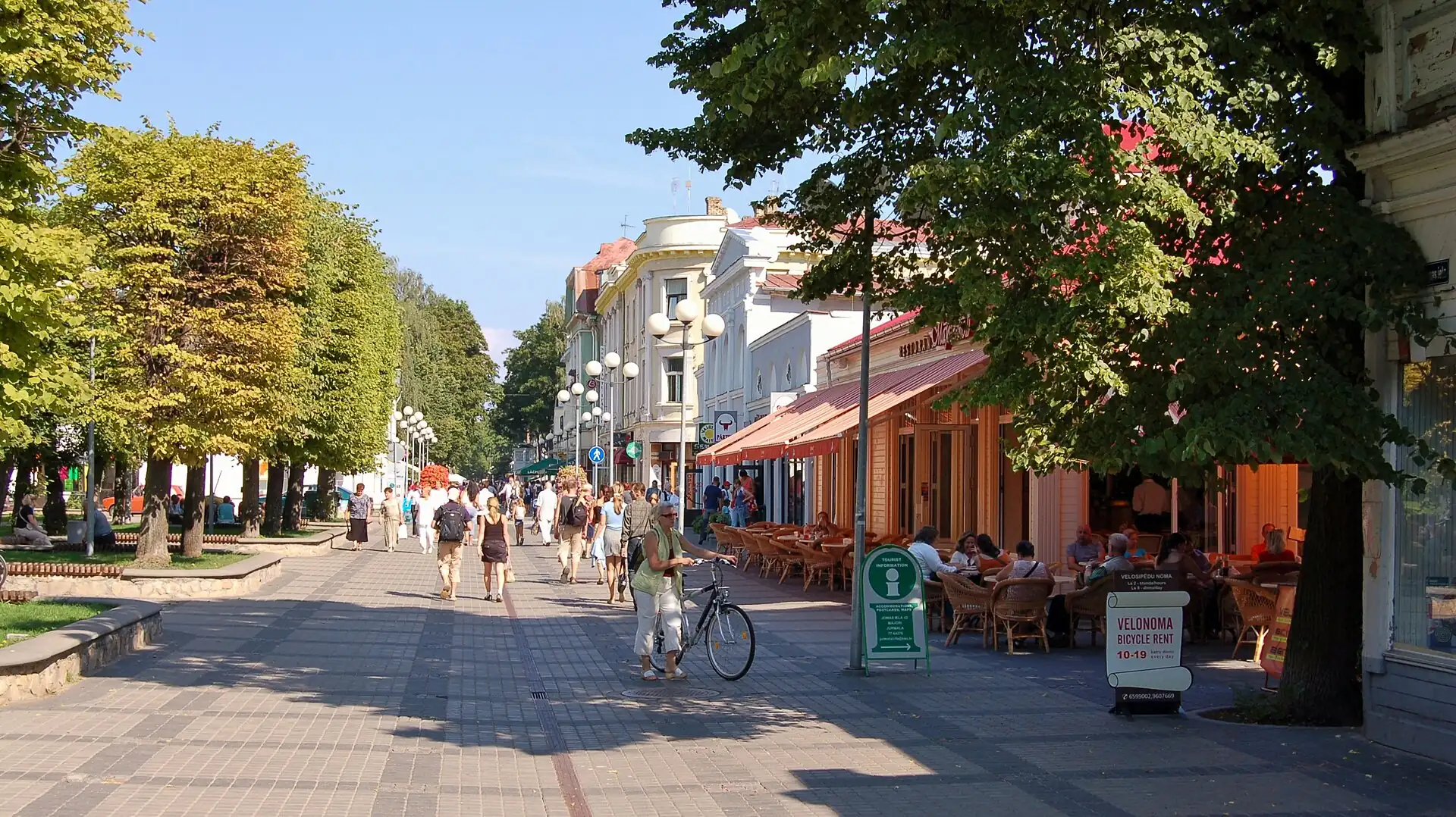 Photo: Bahnfrend, CC BY-SA 4.0
Jūrmala
goTrain from Riga Central about 30–40 min
Beach and wooden villas; best May to September.
- Time
- Half day
Sigulda and Gauja National Park
goTrain about 1 h each way
Castles and cable car; check the last train back.
- Time
- Full day
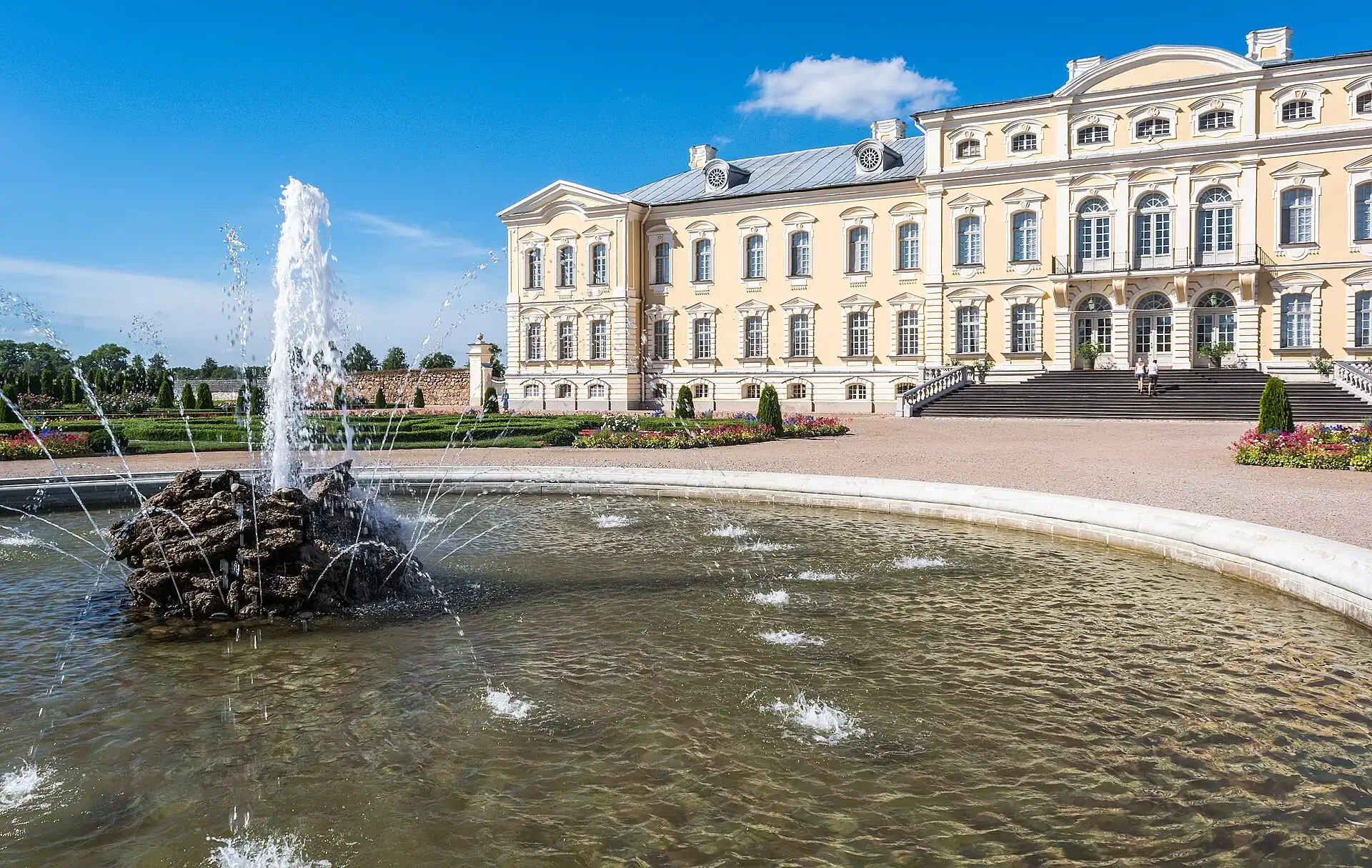 Photo: Jelena Maksimova, CC BY-SA 4.0
Rundāle Palace
goBus or tour about 1–1.5 h each way
Baroque palace; a tour is easier than the bus.
- Time
- Half to full day
Go next
Cēsis
goDoor to door: 2 h
Train or bus about 1.5–2 h
A medieval castle and a small town; can pair with Sigulda.
Tallinn
overnightDoor to door: 4.5–5.5 h
Bus about 4–5 h
A different capital; better with a night.
Vilnius
overnightDoor to door: 4–4.5 h
Bus about 4 h
A Baltic loop stop; buses run all day (check).
Kuldīga and the west coast
overnightDoor to door: 3 h
Car or bus about 2.5–3 h
A small town with a wide waterfall; better with a night.
Stockholm by overnight ferry
cautionDoor to door: 17 h
Ferry from Riga port, about 17 h
A cabin ferry (check the current schedule).
Eat & sleepWhere to eat and which area to sleep in
Eat & sleep
Where to eat and which area to sleep in
Eat
A short list of places worth crossing the city for, each with how to get a seat.
Restaurant finder: filter every place to eat in Riga →
Vegetarian-friendly score
3.0 / 5 · Good
- Country diet noteOur country guide rates vegetarian eating as easy.2 / 2
- Places to eat in this guide0 of 5 places with a known answer are vegetarian-friendly, 5 partly.0.75 / 1.5
- Budget eating lines0 vegetarian lines in "Eat by budget".0 / 0.6
- Meat-free national dishes6 meat-free dishes in the country food list.0.4 / 0.4
- Dedicated vegetarian kitchens0 mentions of vegetarian restaurants, Buddhist or fasting kitchens.0 / 0.5
Country note: Fine in Riga; harder in the countryside where bacon flavours much.
Vegetarian places near me →Make a diet card →
How we score
- Country diet note (up to 2): easy 2, workable 1, mixed 0.75, hard 0; no note 0.5.
- City places to eat (up to 1.5): 1.5 × (vegetarian-friendly + half of partly friendly) ÷ places with a known answer; needs 3 or more known places.
- Budget eating lines marked vegetarian (up to 0.6): 0.2 each.
- Meat-free national dishes (up to 0.4): 0.1 each.
- Dedicated vegetarian kitchens mentioned — Buddhist chay, shōjin ryōri, Jain, fasting food, vegan cafés (up to 0.5): 0.1 each.
- Total rounded to the nearest half point, 0 to 5. Built from our own pages only, not from reviews.
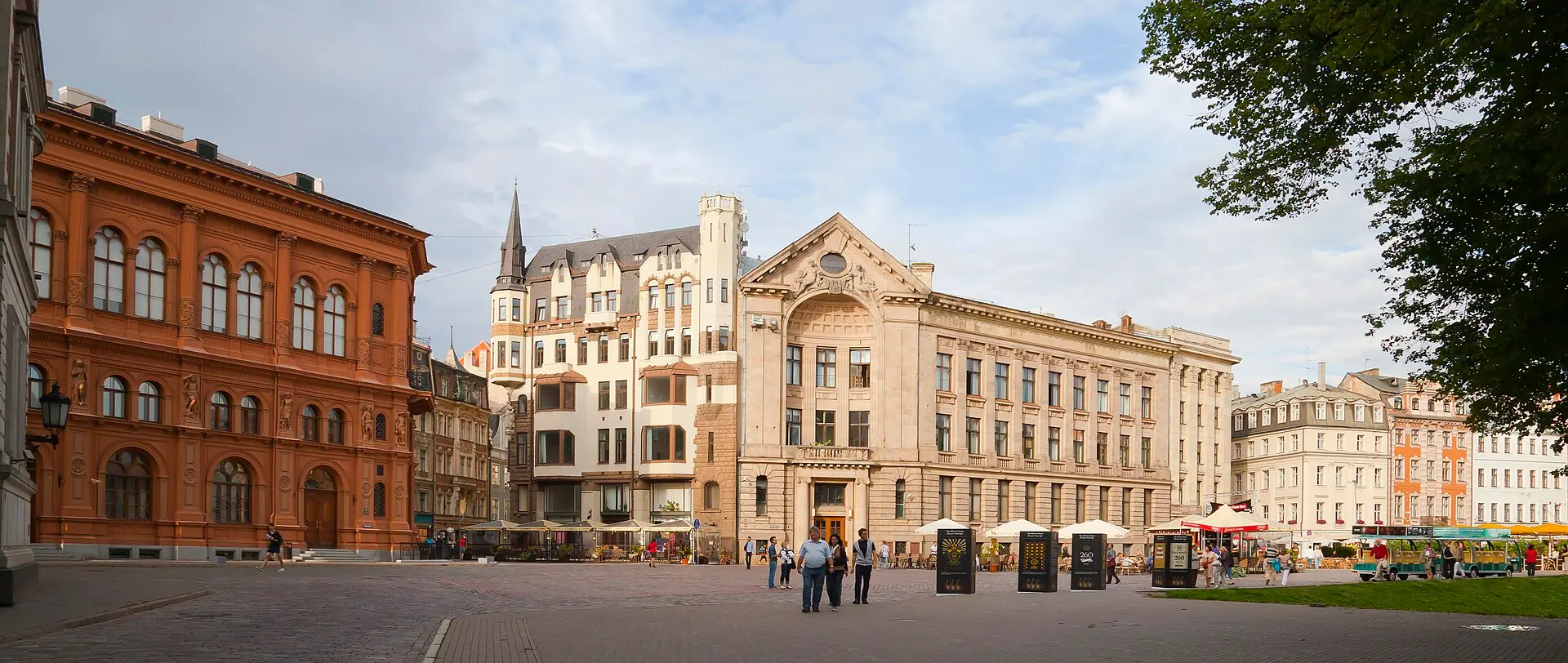
Eating and drinking guideEat by budget · Drink
Before you sit down to eat
Short version; full text linked
- Queues and hours
- Per person, one dish or one meal, 2026 estimate. More →
Eat by budget
Under €10 (≈ US$12) a meal
| Where | Order | Area | Price | Note |
|---|---|---|---|---|
| Central Market food counters | Market lunch: soup, bread and a pie | Central Market | €5–10 (≈ US$6–12) | Go before 11:00.Go before 11:00 AM. |
| Lido Old Town | Self-service Latvian buffet | Old Town | €6–12 (≈ US$7–14) | Pick from counters; a wet-day lunch. |
| Pelmeņi XL | Dumplings with sour cream | Old Town | €5–9 (≈ US$6–11) | Quick and filling. |
| Supermarket picnic | Rye bread, cheese and fruit | Any Rimi or Maxima | €3–6 (≈ US$4–7) | The cheapest lunch. |
Dishes to know
| Dish | What it is | Where to look | When | Price |
|---|---|---|---|---|
| Grey peas with baconPelēkie zirņi ar speķi | Boiled grey peas with fried bacon and onion; often with kefir | Pubs and Lido | Lunch or dinner | €5–9 (≈ US$6–11) |
| Rye breadRupjmaize | Dense, dark, slightly sweet rye bread | Bakeries and markets | Any time | €1.50–4 (≈ US$2–5) a loaf |
| Cold beetroot soupAukstā zupa | A pink summer soup with kefir, cucumber, egg and dill | Cafés and Lido in summer | Lunch in summer | €3–6 (≈ US$4–7) |
| Smoked fishKūpināta zivs | Smoked herring, salmon, eel and sprats | Central Market and restaurants | Any time | €4–12 (≈ US$5–14) |
| Bacon bunsSpeķa pīrāgi | Yeast buns filled with bacon and onion | Bakeries and markets | Snack | €0.80–1.50 (≈ US$1–2) |
| DumplingsPelmeņi | Filled dumplings with sour cream | Cafés and chains | Lunch | €5–9 (≈ US$6–11) |
| Glazed curd snackBiezpiena sieriņš | A sweet curd bar dipped in chocolate | Supermarkets and kiosks | Snack | €0.70–1.50 (≈ US$1–2) |
| SklandrausisSklandrausis | A rye-crust pie filled with carrot and potato with caraway | Bakeries | Coffee | €2–4 (≈ US$3–5) |
| Riga Black BalsamRīgas Melnais balzams | A herbal liqueur, strong and bitter | Bars and shops | After dinner | €3–6 (≈ US$4–7) a shot |
| KvassKvass | A mild fermented bread drink | Markets and cafés | Summer | €1.50–3 (≈ US$2–4) |
| Riga spratsRīgas šprotes | Smoked sprats in oil, a Latvian classic | Supermarkets | Snack or gift | €2–4 (≈ US$3–5) a tin |
- Look for a busy café with a short menu; a menu in six languages with photos is a tourist trap.
- Check whether service is already on the bill; if it is, no extra tip is needed.
- Avoid Old Town bars where a tout brings you in; check the menu prices before you sit.
Drink & nightlife
| Where | What | Until | Note |
|---|---|---|---|
| Black Magic Bar (Kaļķu iela) | Café-bar built around Riga Black Balsam | About 22:00 (check)About 10:00 PM (check) | A coffee with the liqueur; check prices before ordering. |
| Skyline Bar at a high-rise hotel | Rooftop cocktail bar with a city view | Late | Reserve a window seat; drinks are pricey. |
| Craft beer bars around Miera iela and the Old Town | Local and Baltic beers on tap | Late | Confirm locally: names change; a beer costs €4–7 (≈ US$5–9). |
| Lido Alus Sēta (Old Town) | Large beer hall with local food | Late (check) | A large hall with beer and a self-service buffet. |
| Wine bars in the Art Nouveau quarter | Quiet small bars | Late (check) | Confirm locally. |
| Summer terraces on Līvu laukums | Open-air beer terraces | Late in summer | Popular; check prices before you sit. |
By style
| Style | What | Where | Price | Until |
|---|---|---|---|---|
| Riga Black Balsam | A herbal liqueur made to a recipe from 1752; strong, bitter and sweetTry it in coffee or with blackcurrant. | Bars and shops | €3–6 (≈ US$4–7) a shot | Bar hours |
| Latvian beer | Lagers, dark beers and craft ales, with brands such as Cēsu and AldarisLook for a local craft beer on tap. | Bars and supermarkets | €4–7 (≈ US$5–9) in a bar | Bar hours |
| Kvass | A mild fermented bread drink, low in alcoholA summer drink; sweet and tangy. | Markets and cafés | €1.50–3 (≈ US$2–4) | Café hours |
| Mead and honey drinks | Honey wine and herbal drinksTry a small glass first. | Old Town bars and markets | €4–6 (≈ US$5–7) | Bar hours |
Rules that bite
- Drink-drive limit is 0.5 per mille for most drivers (lower for new drivers); do not drive after a drink. Take a taxi or Bolt.
- Some Old Town bars add large charges: check the menu and the bill, and decline offers from touts.
- Alcohol is not sold in shops at night: buy before 22:00.Alcohol is not sold in shops at night: buy before 10:00 PM.
- Do not follow strangers to a bar or club; those venues can add extra charges.
Sleep
Pick the area first: it decides your walk home at night and your first morning.
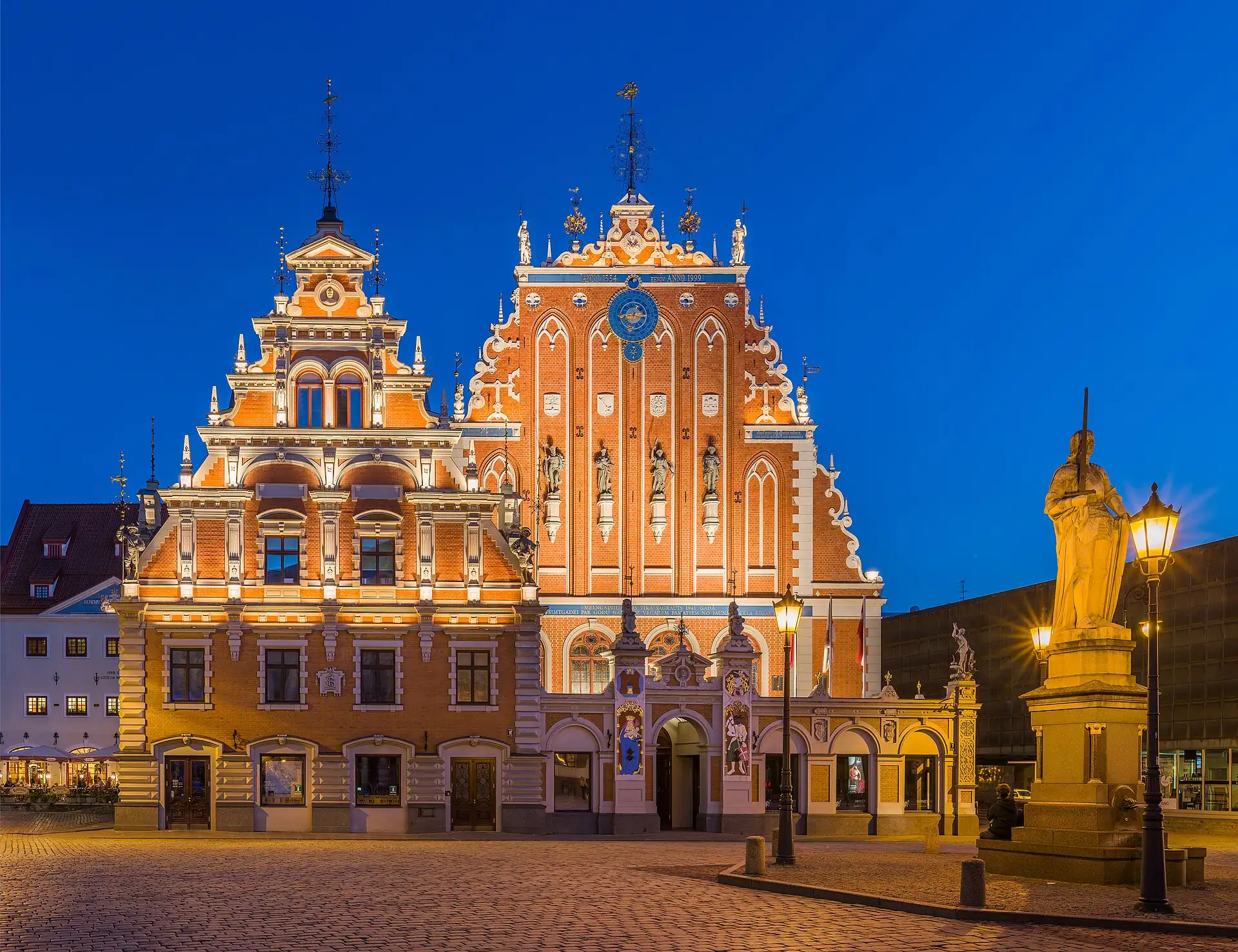
Which neighborhood fits you
Three questions, one recommendation, with the reasons.
Your best fit
Centrs (north of the boulevards)
- The Old Town and the Art Nouveau quarter are both 10–20 minutes on foot.
- Quieter than the Old Town at night.
- Most hotels have 24-hour desks; confirm a code.
Next best: Old Riga (Vecrīga)
Built from our 1–5 desk scores per area; your answers stay in this browser.
More on sleepingSleep by budget · Your area · With kids
Sleep by budget
| Band | Price | Where | Room types | What to expect |
|---|---|---|---|---|
| budget | €18–35 (≈ US$25–45) dorm bed · €50–80 (≈ US$60–95) double | Old Riga, Centrs | Hostels, guesthouses | Small rooms, shared bathrooms in the cheapest, and street noise in the Old Town. |
| mid | €90–160 (≈ US$110–190) | Centrs, Old Riga | 3–4 star hotels, boutique | A lift in modern hotels, breakfast and a 24-hour desk. |
| high | €170–280 (≈ US$200–350) | Old Riga, Centrs | 4–5 star hotels | Larger rooms, restaurants and spas; ask for a quiet room. |
| splurge | €300 (≈ US$350)+ | Old Riga | 5-star and heritage hotels | Concierge, spas and a courtyard or view. |
Booking checks
- Book Old Town rooms with a lift and check street noise: bars run late.
- Centrs is quieter and better for sleep; taxis and the Old Town are short.
- Christmas and summer weekends sell out; book early.
- Ask about breakfast: it is often extra; a bakery is cheaper.
- Check the stairs and the lift before you book: old buildings often have neither.
Which area is yours
| If you are | Sleep in | Because |
|---|---|---|
| First visit, 2–4 nights, a quiet base | Centrs (north of the boulevards) | A short walk to the Old Town and the Art Nouveau streets; better sleep. |
| Atmosphere, short trip, bars | Old Riga (Vecrīga) | Medieval streets at the door; ask for a back room and a lift. |
| Families or a week | Centrs (north of the boulevards) | More space and calmer streets; a tram to the market. |
First-timers: a hotel between the Old Town and the Art Nouveau streets keeps every sight within a 15-minute walk and gives quieter nights and a car-accessible door.
The most atmospheric base: medieval lanes at the door, but cobbles, stairs and late bar noise; choose a hotel with a lift and a street-facing drop-off.
Areas are in our default order until you tick a priority.
Scores are 1–5 desk judgements per priority (2026).
With kids
- Riga is compact and safe for families, but cobbles make strollers hard in the Old Town; a lightweight stroller or carrier helps, and the boulevards and parks are easier.
- Free parks and playgrounds are close: Bastejkalns, Vērmanes Garden and Esplanade all have space to run; the Riga Zoo and the Ethnographic Open-Air Museum suit a dry half-day (check hours).
- The Motor Museum, the Museum of Decorative Arts and Design and the Art Nouveau Museum are child-friendly indoor stops (check ticket prices).
- Jūrmala’s beach is a train ride away and suits small children on warm days; shallow water and dune paths are easy.
- Supermarket food and self-service Lido buffets are cheap and suit picky eaters; kids’ portions are available in many cafés.
- Apartments in Centrs give more space than Old Town hotel rooms, and a lift saves the stroller on stairs.
PracticalMoney, essentials, safety and the pocket card
Practical
Money, essentials, safety and the pocket card
Money
What a day costs at three comfort levels, and how to pay.
- Budget
- €35–60 (≈ US$45–70) excl. bed / day
- Mid
- €60–120 (≈ US$70–140) excl. bed / day
- High
- €120 (≈ US$140)+ excl. bed / day
- Transit card
- The centre is walkable; for trams and buses use the e-ticket app or a ticket machine, and validate on board.
- Cash rule
- Cards work almost everywhere; keep €20–30 (≈ US$25–35) in small notes for markets and small stalls; use bank ATMs.
More on moneyCosts · Budget · Buy
What things cost
- Taxi or ride-hail from the airport to the centre€15–25 (≈ US$18–30)
Trip budget
| Hotel double room1 × 3 nights × €105 | €315 |
| Food, local transport, entries2 × 3 days × €85 | €510 |
| Airport taxi, both ways1 × €40 · one car per 4 people; bus 22 is about €2–3 each way | €40 |
| eSIM or tourist SIM2 × €12 | €24 |
| Buffer 10%Price creep, a taxi you did not plan, one splurge | €89 |
| Trip total≈ €163 per person per day, bed included | €978≈ US$1,200 |
Summer weekends and Christmas: add 20–50%.
2026 estimate in euro; flights, visas and tours excluded. Your choices stay in this browser.
Prices of common things
| Market or self-service lunchLido and market food courts are the best value. | €6–12 (≈ US$7–14) |
| Taxi or ride-hail from the airport to the centre | €15–25 (≈ US$18–30) |
| Airport bus 22 to the centreAbout 30–40 min. | €2–3 (≈ US$3–4) |
| St Peter’s Church tower ticket | €9–12 (≈ US$11–14) |
| Riga Black Balsam, small bottle | €8–15 (≈ US$10–18) |
2026 estimate; check locally.
Buy
- Bargaining
- There is no haggling in shops. At the Central Market a small friendly ask for a lower price on a bulk purchase is acceptable, but the posted price is normal in most stalls.
- Fixed-price check
- Compare amber, linen and knitwear across two shops: Old Town souvenir shops are higher than market or specialist shops. Ask for the amber certificate on expensive pieces.
Markets and shopping streets
| Where | What | When | Haggle | Note |
|---|---|---|---|---|
| Riga Central Market | Meat, fish, dairy, bread, fruit, honey and cheap lunch | Daily, about 07:00–17:00 (check)Daily, about 7:00 AM–5:00 PM (check) | light | Five pavilions in former Zeppelin hangars; go before 11:00.Five pavilions in former Zeppelin hangars; go before 11:00 AM. |
| Kalnciema Quarter market | Local producers, bread, crafts and street food | Saturday (check) | none | Across the river in Pārdaugava; a weekend outing (check dates). |
| Āgenskalns Market | Fruit, vegetables and local food | Daily (check) | light | A local market in a wooden hall, across the river. |
| Christmas market on Dome Square | Crafts, mulled wine and hot snacks | Late November to early January | none | Crowded in the evening; a stall lunch is easy. |
Shops by what they sell
| For | Where | Hours | Note |
|---|---|---|---|
| Baltic amber jewellery | Specialist shops in the Old Town and the Central Market | About 10:00–19:00 | Ask for a certificate on any expensive piece; fakes exist. |
| Riga Black Balsam | Supermarkets, the Black Magic shop and duty-free | Shop hours | A herbal liqueur, 45% ABV; a small bottle is a common gift. |
| Laima chocolate and sweets | Laima shops and supermarkets | About 10:00–20:00 | A Latvian chocolate brand; a box travels well. |
| Knitted mittens and woollens | Craft shops and markets in the Old Town | About 10:00–19:00 | Patterns mean regions and blessings; a pair costs €15–40 (≈ US$18–50). |
| Linen, wood crafts and ceramics | Craft shops on Amatu iela and Jauniela | About 10:00–18:00 | Look for a maker’s tag. |
| Rye bread, honey and smoked fish | Central Market and supermarkets | Market hours | Vacuum-packed fish and dark bread are fine for a flight; check limits. |
Changing money
| Where | Verdict | Why |
|---|---|---|
| Your card, tapped or in a machine | use | Best rate; the euro is the currency, so no conversion inside the eurozone. |
| Bank ATMs (Swedbank, SEB, Luminor) | use | Small fees at most; bank ATMs are safer than stand-alone machines. |
| Currency exchange offices in the Old Town | caution | Only needed for non-euro cash; rates are worse in the tourist area. |
| Stand-alone Euronet-style ATMs | avoid | They offer a home-currency conversion; always choose euro. |
ATMs
- Cash
- Cards work almost everywhere; carry €20–40 (≈ US$25–50) in small notes for the market and small stalls.
- Fees
- Bank ATMs usually have no local fee; your home bank may charge one.
- Currency choice
- If a terminal offers to charge in your home currency, choose euro.
- VAT refund
- Non-EU visitors can claim VAT back on purchases over a minimum; ask the shop for a tax-free form and check the current rules.
Essentials and accessEssentials · Access
Essentials
- Plugs & power
- 230 V; two-pin sockets (types C and F). Bring a universal adapter.
- Toilets
- Cafés, malls, stations and museums; some are paid, so carry coins.
- Health
- Ticks in forests and meadows (spring–autumn); winter cold and ice. Travel insurance with medical cover; EU visitors carry their health card.
- Accessibility
- Cobbles and stairs in the Old Town; trams have low-floor cars; newer hotels and malls have lifts.
- Laundry
- Self-service and drop-off laundries in the centre; hotels charge per item.
- Emergency numbers
- 112.
Pack
- Warm layers and grippy shoes from November to March
- A rain jacket in every season
- Comfortable shoes for cobbles
- A universal plug adapter
Accessibility
Riga is flat but old. Cobbles and stairs are the main problem in the Old Town; the Centrs boulevards are smoother. Trams have low floors, and newer hotels and malls have lifts; many cafés and small shops have a step.
- Pavements
- Cobbles in the Old Town; asphalt and paving in Centrs with kerb ramps at most crossings.
- Trams and buses
- Many trams and buses have low floors or ramps; check the vehicle marked for accessibility.
- Taxis
- Bolt and taxi firms can send a larger car; ask for wheelchair-accessible vehicles in advance.
- Stairs
- Old buildings often have stairs and no lift; ask hotels before you book.
- Museums
- Newer museums have ramps and lifts; older ones have steps (check each).
- Winter
- Snow and ice make cobbles slippery; wear grip soles and plan taxis.
Sights, step-free or not
| Riga Cathedral (Dom) | step-free | A ramp to the main door and a level nave (check the cloister). |
| Freedom Monument | step-free | A paved square; level access. |
| Riga Central Market | step-free | Flat and covered, but crowded and uneven at the stalls. |
| Alberta iela Art Nouveau street | step-free | Paved pavements; a few kerbs. |
| Town Hall Square and the House of the Blackheads | with help | Cobbles and uneven stone; slow with a wheelchair. |
| St Peter’s Church | step-free | A lift to the tower platform (check); a step at the door. |
Survive
Safety basics, the lines not to cross, and practical habits that save the day.
Safety
- Pickpockets work Old Town streets, the Central Market and the bus and train stations: keep bags closed and in front.
- Some Old Town bars add large charges: check prices first and avoid places that touts lead you to.
- Winter ice on cobbles and pavements: wear shoes with grip, and treat steep stairs with care.
- Emergency: 112.
Red lines
- Churches: quiet voices; ask before photographing services.
- Freedom Monument: the honour guard is on duty; do not climb or lean on the base.
- Do not photograph military or border sites.
Practical
- Toilets: cafés, malls, stations and museums; some public toilets are paid.
- Tap water is treated and generally safe to drink; many visitors still choose bottled.
More on staying safeStay safe · Stay healthy · Safety map · Solo & women · Etiquette · Cope · Scams
After dark, by area
3 flagged areas
- Take care
Central Market and the station
Take careMoscow District (Maskavas forštate)
Take care
Day = about 07:00–19:00. What to watch in each area, day and night →
Scams and red flags
Walk away if you see these
- Bars that add 'service' or large cover charges after the order: check the menu prices and the bill.
- Strangers who invite you to a bar or club: decline; those venues can add large charges.
- Unlicensed cars offering a lift at the airport or station: use the taxi rank or Bolt.
- Fake 'Latvian souvenir' stalls selling imports: buy amber and crafts from shops with clear labels.
Stay safe
Crossing the road
- 01Look both ways: trams share streets with cars and cross with little warning.
- 02Use the green-man signal; trams have priority even on a green light for pedestrians.
- 03Do not walk on tram tracks; they are slippery in ice.
- 04Cross at marked crossings; drivers usually stop but check the tram.
Hustles specific to this city
| Hustle | Where | The tell | What to do |
|---|---|---|---|
| Old Town bar bills | Kaļķu iela and side streets | A tout or a stranger invites you to a bar; no menu with prices | Check the menu before you sit; leave if prices are not shown. |
| Unlicensed taxis | Airport and stations | A driver approaches you with an offer of a lift | Use a marked cab or Bolt; agree the fare. |
| Pickpockets | Old Town, the market, the station | A crowd or a distraction | Keep bags closed in front; do not put a phone in a back pocket. |
| Fake souvenir stalls | Old Town | Imported goods sold as Latvian crafts | Buy from shops with clear labels. |
| Overpriced currency exchange | Old Town kiosks | A poor rate or a commission | Use your card instead. |
- Police
- 112 for police, ambulance and fire; report theft to the State Police.
- Tout warning
- Latvian police warn about bars that add large charges; avoid invitations from strangers.
- Night
- Use Bolt or a licensed taxi after midnight.
Stay healthy
Air quality by month
| Jan | Feb | Mar | Apr | May | Jun | Jul | Aug | Sep | Oct | Nov | Dec |
|---|---|---|---|---|---|---|---|---|---|---|---|
| ok | ok | ok | ok | ok | ok | ok | ok | ok | ok | ok | ok |
Air quality in Riga is generally good; winter heating and traffic can raise particles on still, cold days (check a live AQI app if you have asthma).
- Tap water
- Treated and generally safe to drink; some visitors choose bottled.
- Ticks
- Ticks live in forests and meadows from spring to autumn; check yourself after walks in Gauja or Mežaparks and consider tick-borne encephalitis advice.
- Cold and ice
- Winter falls on ice are the main injury; wear grip soles.
- Sun
- UV can be high in summer, especially at Jūrmala; use sun cream.
- Alcohol
- Black Balsam is strong (45%); pace yourself.
- Insurance
- EU visitors carry an EHIC or GHIC; others need travel insurance with medical cover.
Hospitals and clinics: see Cope.
Safety by area and hour
| Area | Day | Night | What to watch |
|---|---|---|---|
| Old Riga | fine | caution | Touts and inflated bar bills; pickpockets in crowded squares. |
| Freedom Monument and the boulevards | fine | fine | Crossing trams and traffic; dark park paths late. |
| Art Nouveau Quarter | fine | fine | Quiet at night; stay on lit streets. |
| Central Market and the station | fine | caution | Pickpockets in the crowd; quiet and unlit late at night. |
| Moscow District (Maskavas forštate) | fine | caution | A rougher area beyond the market; avoid alone at night. |
| Riverside promenade | fine | fine | Wind; a few dark stretches after midnight. |
- Do not follow anyone offering a night out: the bars that touts recommend can add large charges.
- After midnight, use Bolt or a licensed taxi rather than walking through parks.
Solo, women and LGBTQ+ travellers
Solo
- A very easy city alone: cafés, markets and hostels are social, and a table for one is normal.
- Book the Cathedral organ concerts and the tower on the day; lines are short.
- After midnight, use Bolt or a licensed taxi, and stay away from touts.
Women
- Riga is generally safe for women; harassment is uncommon in the centre.
- Avoid walking alone through parks late at night; use a taxi.
- In churches, cover shoulders during services; otherwise dress is casual.
LGBTQ+
- Latvia has become more open: a partnership law exists (check the current rules) and Riga Pride is held in the summer.
- Public affection is best kept low-key outside a few venues.
- Check the current legal situation and local advice before you go.
Etiquette in Riga
- Greeting
- A quiet nod and a short greeting; Latvians are reserved at first and warm once talking.
- Tipping
- About 10% in restaurants if service is not included; round up for taxis; not expected in cafés.
- Churches
- Quiet voices, no photos during services, and cover shoulders at services.
- Language
- A Sveiki and Paldies are appreciated; Russian is widely spoken but sensitive: start in English or Latvian.
- Honour guard
- At the Freedom Monument the guard changes each hour; do not touch or stand in the way.
- Shoes indoors
- In private homes, take off your shoes at the door; many hotels also ask for clean shoes.
- Public drinking
- Avoid drinking in the street; drink in venues.
- Politics
- The war in Ukraine and history with Russia are sensitive topics; let locals lead.
Cope
Hospitals and clinics that handle foreigners
| Where | Area | Use it for |
|---|---|---|
| Pauls Stradiņš Clinical University Hospital | Pilsoņu iela, Centrs | Large hospital with an emergency department (check the address). |
| Riga East Clinical University Hospital | Hipokrāta iela (check) | A second public hospital with emergency care. |
| Pharmacies (Benu and others) | Across the centre | Pharmacists advise on minor problems; some drugs need a prescription. |
| Private clinics | Centrs | Non-emergency care is paid upfront; ask your insurer about direct billing. |
Visa extensions
- Entry
- Latvia is in the Schengen area: most visitors from the US, UK, Canada, Australia and New Zealand can stay up to 90 days in any 180 days without a visa (check the current rules, including ETIAS if it has started).
- Office
- The State Border Guard and the Office of Citizenship and Migration Affairs handle longer stays; check the address online.
- Extending
- Extensions are rare; apply before your stay ends and check the current rules.
Embassies and consulates
| Country | Address | Phone | Note |
|---|---|---|---|
| United States | Samnera Velsa iela 1, Riga (check) | — | (check) |
| United Kingdom | J. Alunāna iela 5, Riga (check) | — | (check) |
| Canada | Baznīcas iela 20/22, Riga (check) | — | (check) |
| Ireland | Check the honorary consulate or the nearest embassy | — | (check) |
- Emergency
- 112 for police, ambulance and fire.
- Lost passport
- Report it to the State Police, then contact your embassy; carry a photo of your passport page.
- Police
- The State Police handle reports for insurance; ask your hotel for the nearest station.
- Pharmacies
- Benu and other chains sell over-the-counter drugs; a few stay open late (check).
Apps and offline kitOffline kit
Offline kit
Set up before you leave, so Riga still works with no signal or a dead roaming plan.
On your phone
- Maps: open the city in Google Maps, tap the place name, then Download offline map (or use an offline-maps app).
- Data: install an eSIM or buy a local SIM before the first taxi; the apps in this guide depend on it.
- Translation: download the local language for camera translation.
- Screenshots: booking confirmations, hotel address in the local script, and the emergency numbers.
This guide
Save the Riga guide and its pages on this device; it opens without a connection.
Phrases that do the work
Greeting
Hello
Sveiki
SVAY-kee
Greeting
Goodbye
Uz redzēšanos
ooz RED-zay-shah-nos
Thanks
Thank you
Paldies
PAL-dee-ess
Please
Please / you're welcome
Lūdzu
LOO-dzoo
Market
How much is it?
Cik tas maksā?
tsik tahs MAK-saa
Café
The bill, please
Rēķinu, lūdzu
RAY-tyi-noo LOO-dzoo
Directions
Where is the toilet?
Kur ir tualete?
koor ir too-ah-LE-te
Yes/No
Yes / no
Jā / nē
yaa / nay
Pocket card
Fill in, then print or save as PDF
Stays in this browser only; nothing is sent anywhere.
RigaRīga
Pocket card · Voykit
My bed tonight
—
—
—
Lūdzu, aizvediet mani uz šo adresiPlease take me to this address
Emergency
- Police, ambulance, fire112
- State Police (non-urgent, check)110
Embassy
Write your own embassy’s emergency line on this page before you go; the US embassy is in Centrs.
My embassy: —
Fare anchors (2026 estimate)
- RIX → centre, taxi or Bolt: €15–25 (≈ US$18–30), 20–35 min
- RIX → centre, bus 22: About €2–3 (≈ US$3–4), 30–40 min (check)
- Centre → Jūrmala, train: About €2–3 (≈ US$3–4), 30–40 min (check)
English works in tourist areas; a written address helps with a taxi driver.
Deep diveHistory, reading, photos and every source
Deep dive
History, reading, photos and every source
Sources
- officialLive Riga (official city tourism)
- officialRiga International Airport
- secondaryWikivoyage — Riga
Ask about Riga
Loading…
Was this useful?