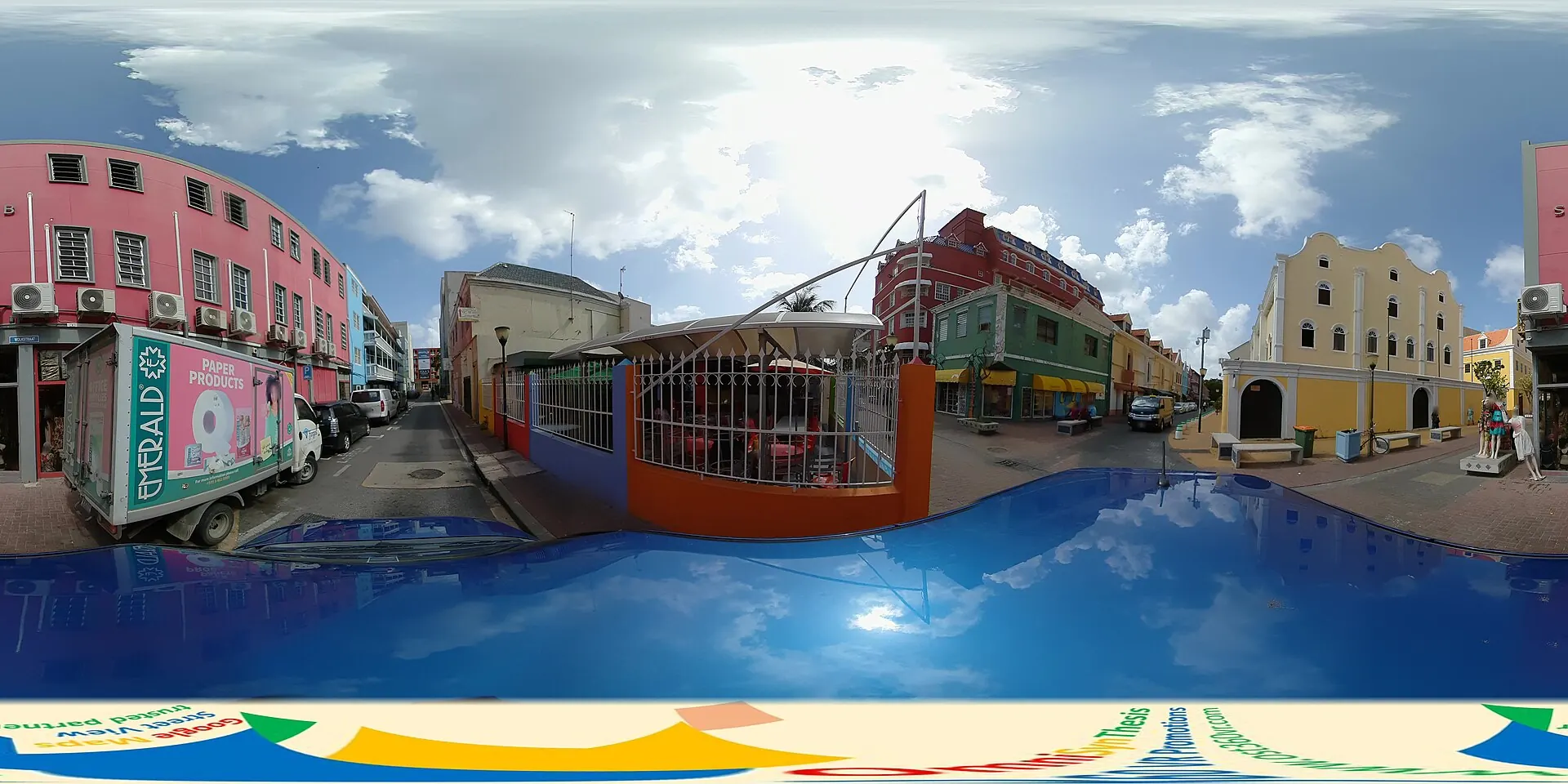
Willemstad
Code CR · 4 walking zones
Willemstad is a two-day harbour town: do Punda and Otrobanda on foot before 11:00 and after 16:00, spend the hot middle of the day at a beach or indoors, and rent a car for anything outside town.Willemstad is a two-day harbour town: do Punda and Otrobanda on foot before 11:00 AM and after 4:00 PM, spend the hot middle of the day at a beach or indoors, and rent a car for anything outside town.
Our quick read of Willemstad, scored 1–5 (friction is out of 100). Cash need: how often you still need notes. Heat risk: how hot days get. Stroller: how easy wheels are. Friction: overall effort for a first visit. Desk judgements, so check before relying on them.
- Local time
- --:--
- Weather
- forecast below
- Currency
- XCG
- Best months
- Jan · Mar · Apr · May · Jun · Jul · Aug · Sep
- Airport
- Curaçao (CUR)
Walking zones: the 4 areas this guide plans a day around. Each is a district you can cover on foot, so you do one zone per half-day and ride the train between them. The code (CR 01, CR 02…) is just the zone's number on the Willemstad line; the line under each name says how bags fare there and how much time it needs.
Map of Willemstad
Use the switches to show or hide each kind of pin. A switch that is on shows its pins on the map; tap it again to hide them. "Show only" keeps just the pins that match (for example, places that fit a suitcase). Tap any pin for its name and a link to its page.
- Where to sleep
- Places
- Eat
- Walking clusters
- Rest stops
From the airport Curaçao (CUR) to your bed
Tap a pin for its card. Places without their own coordinates are shown by their walking cluster.
Why Willemstad
Willemstad's old town is small and flat: two shores joined by a floating bridge, both walkable in a morning. The trips that go wrong walk the harbour at noon in full sun, plan around a bridge that swings open for ships, or try to reach the west-end beaches without a car. Four clusters cover a first visit: Punda and Otrobanda for the sights, Pietermaai for bars and dinner, and Scharloo for the quiet old houses.
See first
- 1Handelskade at sunrise · 30–45 min
- 2
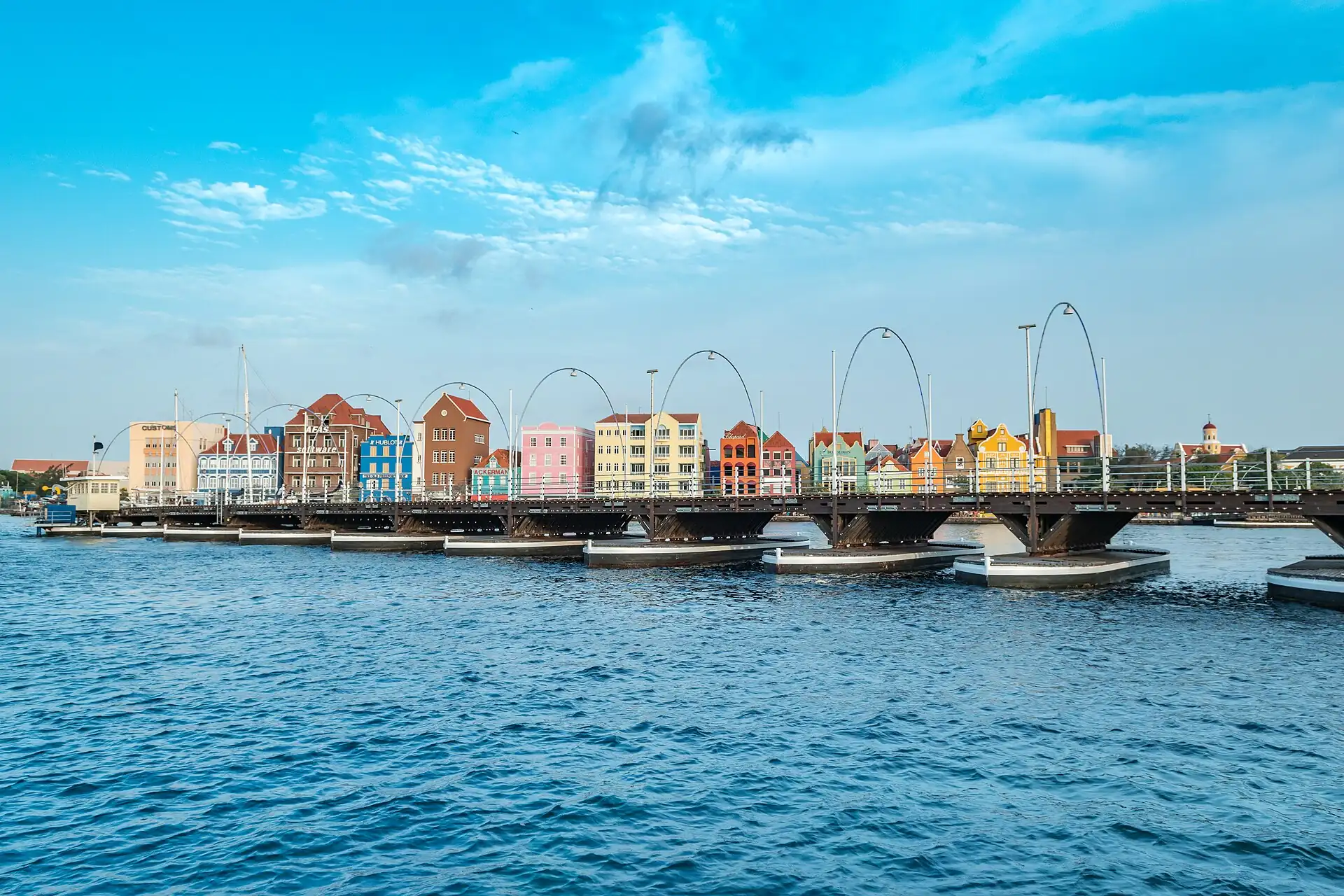
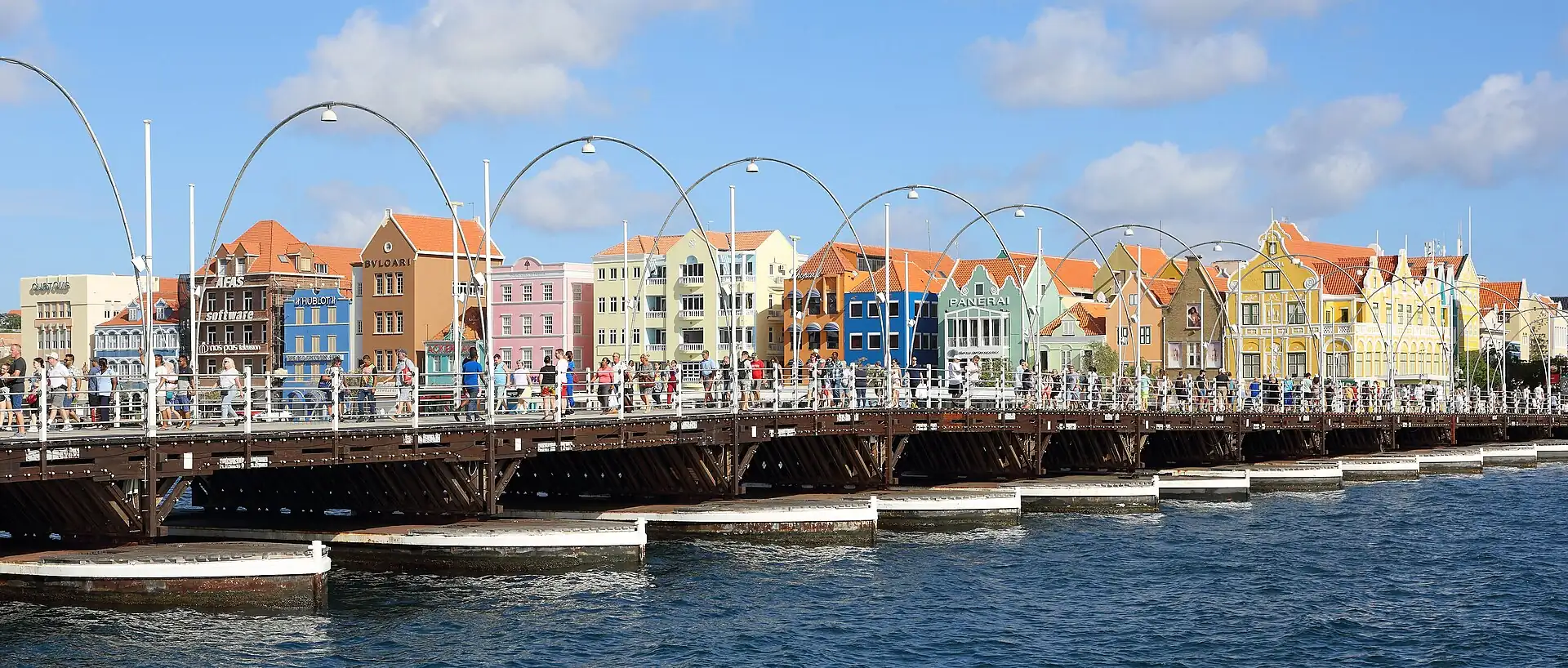 Queen Emma Bridge · 15 min
- 3
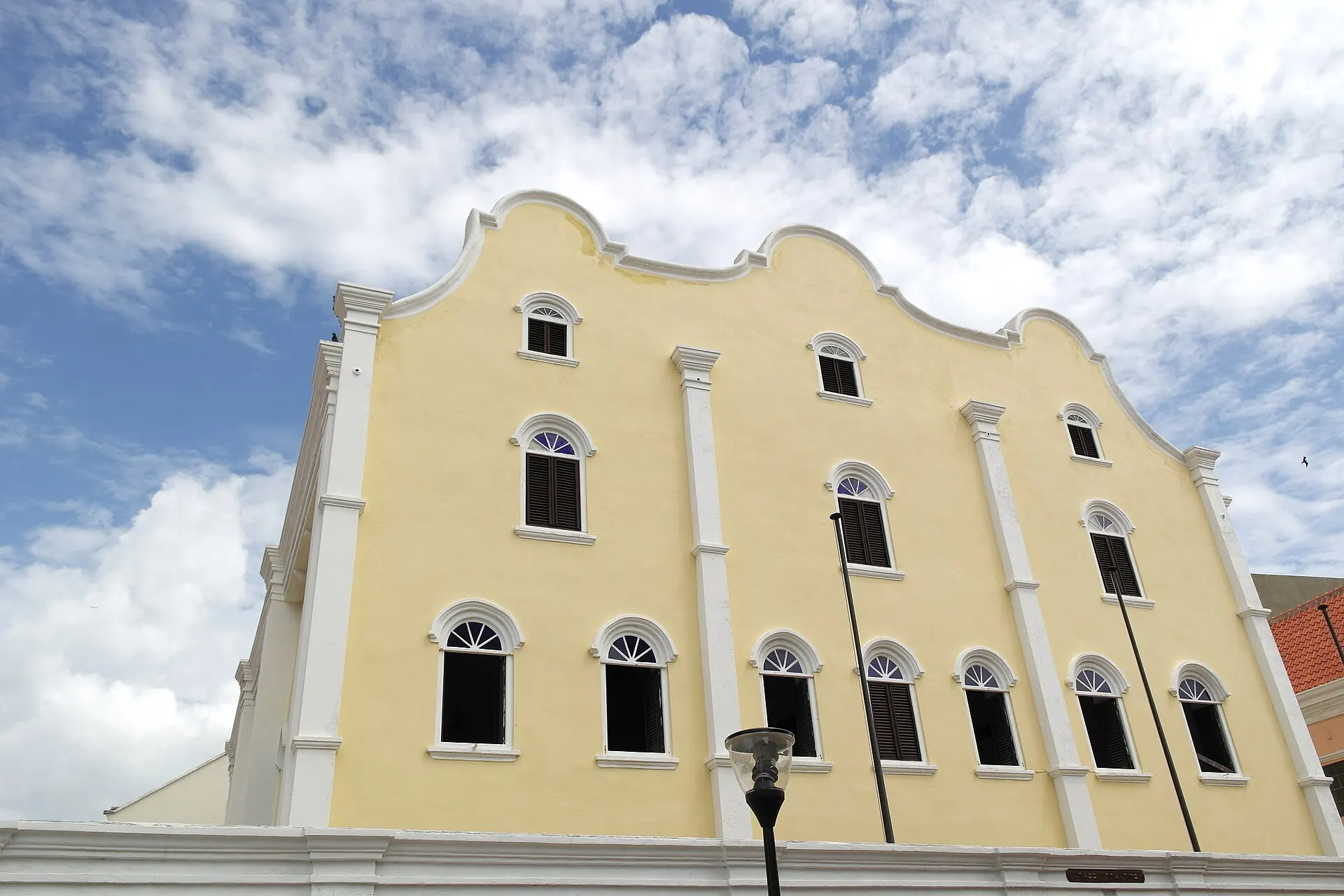
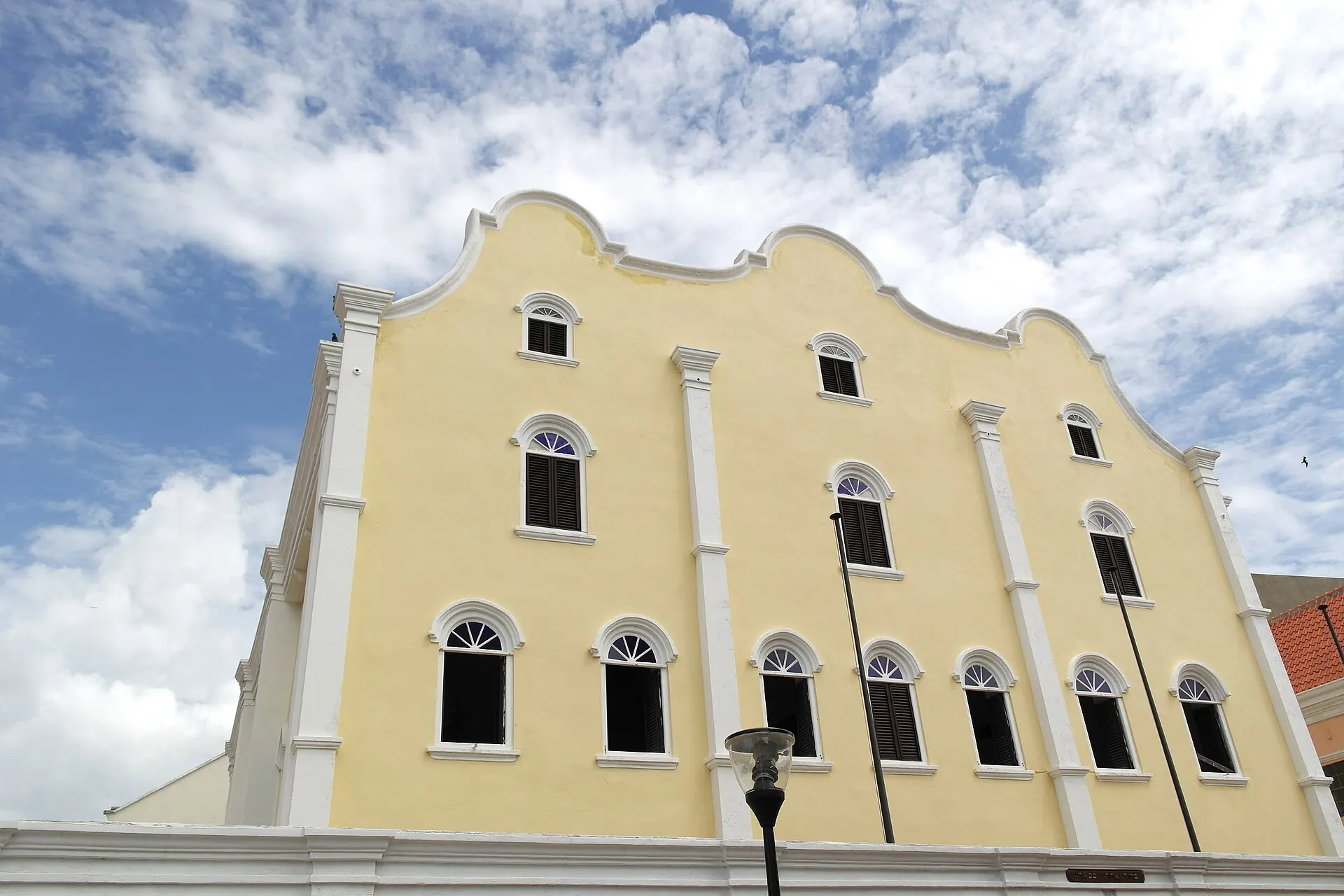 Mikvé Israel-Emanuel Synagogue · 45 min
- 4
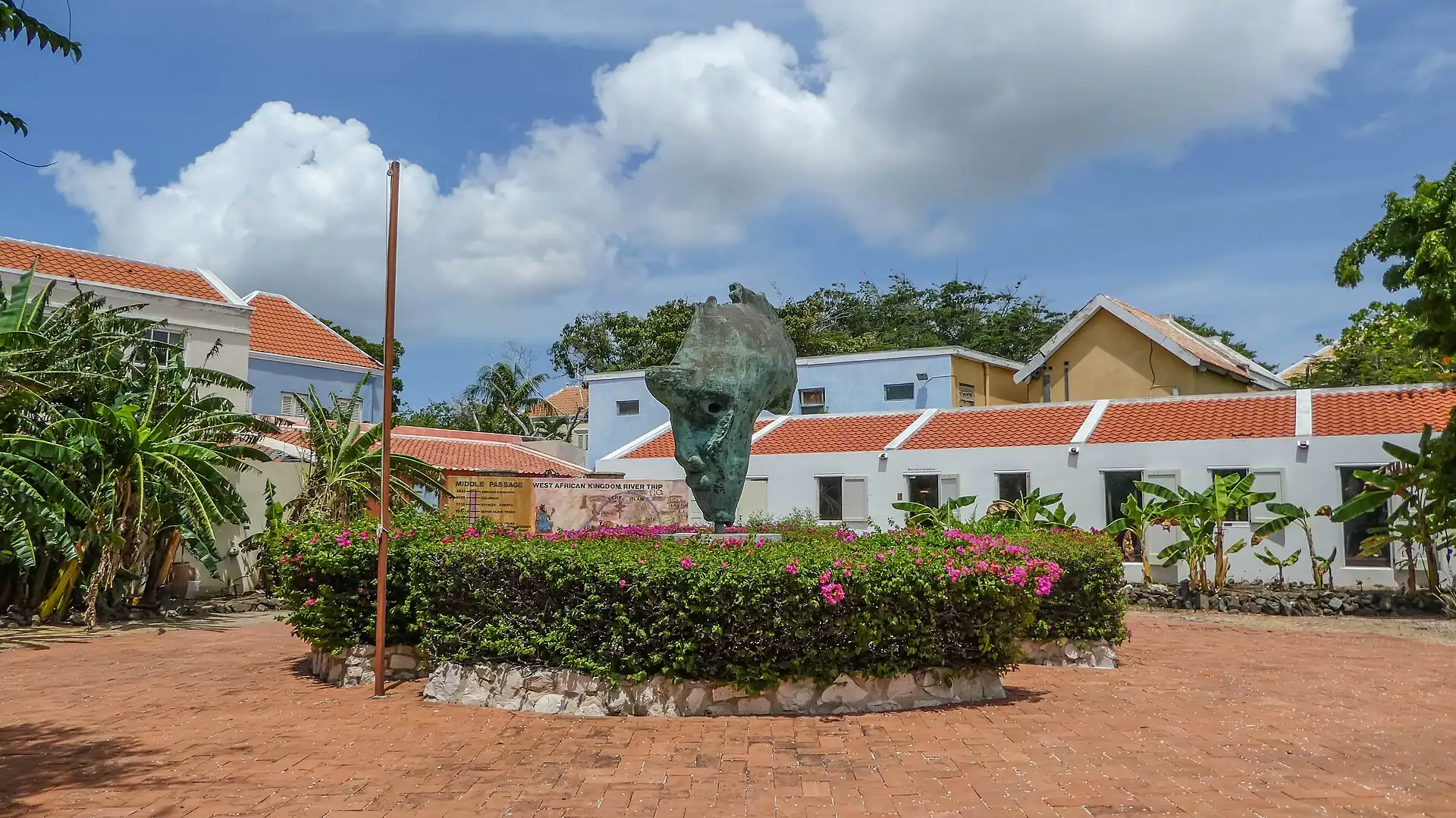
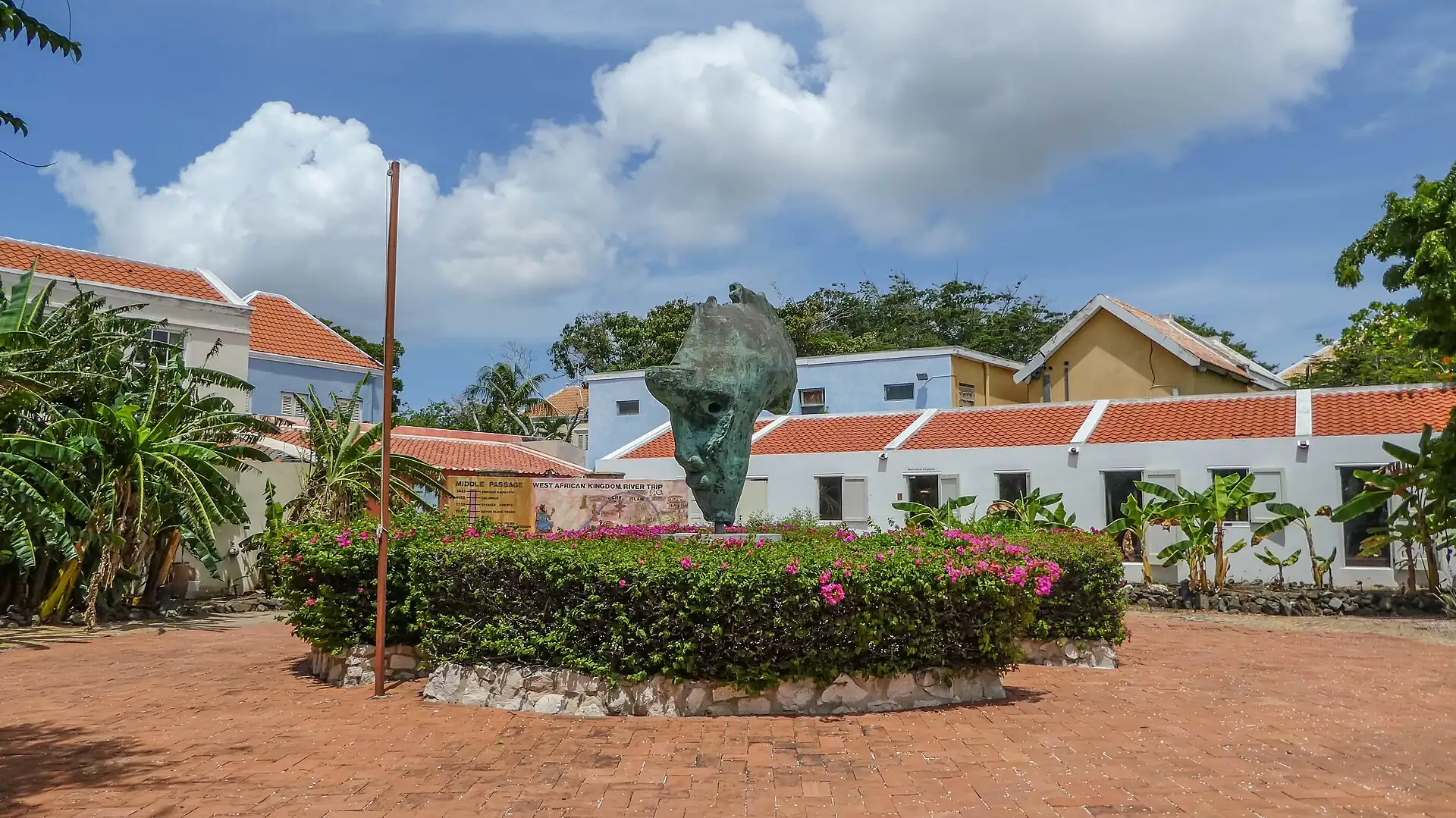 Kura Hulanda Museum · 1.5 h
- 5Lunch at Plasa Bieu · 45 min
Fits
- Short harbour-town stays
- Beach trips with a town base
- Travellers happy to rent a car
Does not fit
- Anyone without a car who wants the west-end beaches
- Midday walkers
- Long stays with no beach time
How long
- 1 daysPunda and Otrobanda on foot, dinner in Pietermaai
- 2 daysBoth shores, a museum, an afternoon at a beach by car
- 3 daysTwo town days + a west-end or beach day by rental car
Good for
- First timers
- Foodies
- Budget
- Couples
- Families
- Luxury
About Willemstad
Willemstad is the capital of Curaçao, a constituent country of the Kingdom of the Netherlands in the southern Caribbean, about 65 km off Venezuela. The historic core (Punda, Otrobanda, Scharloo and Pietermaai) is a UNESCO World Heritage Site because it kept its 17th- to 19th-century Dutch colonial harbour town almost intact.
The Dutch West India Company took the island from Spain in 1634 and built Fort Amsterdam at the mouth of Sint Annabaai. The harbour became a trading and slave-trade hub. Sephardic Jews arrived in the 1650s and built the synagogue that still stands, and slavery was abolished in 1863.
Good to know
- Punda is the old town east of the Sint Annabaai channel and Otrobanda ('the other side') is the west shore; the airport is in Hato, 12 km away, and the west-end beaches are an hour's drive.
- The Curaçao Tourist Board site lists events and operators; hotel desks and the cruise terminal information desks are the practical first stop for maps and tours.
- On cruise-ship days (usually several a week in season) Punda and Otrobanda fill by 09:30: do the sights before then.
Go deeper 15 min read · 7 chapters
Willemstad is a small harbour town with a long memory: a Dutch trading post, a Sephardic merchant community, a slave-trade transit port, an oil boom town and now a World Heritage site painted in pastel colours. This deep dive reads the old town layer by layer, so that a walk from Handelskade over the Queen Emma Bridge and into Otrobanda becomes a walk through nearly four centuries.
1History2 min
Willemstad began as a fort. In 1634 the Dutch West India Company took Curaçao from Spain, and within a few years it built Fort Amsterdam on the east side of the narrow channel that leads into the huge natural harbour of Sint Annabaai. The site made sense: the bay is deep and sheltered, and the channel is short enough to guard with a chain and a few guns. The settlement that grew up around the fort was named after the Dutch prince, and the streets of Punda, the east bank, still follow the lines of that first trading town.
The company was not interested in farming the dry island; it wanted a base for trade. Curaçao became a hub for shipping, smuggling and the Atlantic slave trade, with enslaved people brought from West Africa and sold on to plantations across the Caribbean and South America. The island’s own dry land produced little sugar, but its harbour made money on people and goods passing through. That history is not a side note in Willemstad. It is built into the warehouses of Handelskade and the merchants’ houses on the west bank that now hold the Kura Hulanda Museum.
A second community shaped the town: Sephardic Jews, many of them arriving from Amsterdam and Brazil in the 1650s. They founded the congregation that later built the Mikvé Israel-Emanuel synagogue in 1732, and their merchant families dominated trade for two centuries. In the 19th century they built the large houses of Scharloo, north of Punda, while the enslaved and free Black population lived and worked mostly across the channel in Otrobanda. Slavery in the Dutch Caribbean ended in 1863.
The 20th century added oil. Shell opened a refinery at Emmastad in 1915 to process Venezuelan crude, and the island filled with workers from other Caribbean islands and Europe. Curaçao went from trading post to one of the busiest ports in the world, and its population grew fast. In 1954 the island became an autonomous part of the Kingdom of the Netherlands as one of the Netherlands Antilles, and on 10 October 2010 that federation was dissolved: Curaçao became a constituent country, with its own government and the Dutch king as head of state. In 2025 the Caribbean guilder replaced the older Antillean guilder, still pegged to the US dollar.
UNESCO listed the historic core in 1997 as the Historic Area of Willemstad, Inner City and Harbour, because so much of the old harbour town survives with its street pattern and buildings intact. Walk from Fort Amsterdam through Punda and across the bridge and you cover nearly four centuries of trade, faith and empire in about an hour.
- Founded
- Dutch West India Company, 1634; Fort Amsterdam is the oldest part
- Abolition of slavery
- 1863 in the Dutch Caribbean
- World Heritage
- Historic Area of Willemstad, Inner City and Harbour, listed 1997
- Constitutional status
- Constituent country of the Kingdom of the Netherlands since 10 October 2010
2How the town is laid out2 min
Willemstad is easier to read than most old harbour towns because it is built around one piece of water. Sint Annabaai is a deep, narrow channel that leads from the Caribbean into a large inner harbour called the Schottegat. On the east side of the channel is Punda, the old trading quarter. On the west side is Otrobanda, whose name means "the other side". Everything visitors want to see sits within a short walk of the channel, and the way you cross it is the first practical decision of any day.
The most famous crossing is the Queen Emma Bridge, a floating pontoon bridge for walkers that dates from 1888 and swings open on a hinge for ships. When it is open it can cut the two banks apart for 10 to 20 minutes, which is why locals plan around it and why a free ferry runs meanwhile. A high road bridge, the Queen Juliana Bridge, was built in 1974 for traffic and rises about 56 metres above the water; it lets big ships pass beneath it and is the route for taxis and buses. A third bridge, the Queen Wilhelmina, crosses the Waaigat inlet north of Punda and connects it to Scharloo.
Punda is the hub: the harbour quay of Handelskade, the shops of Breedestraat and Heerenstraat, the Old Market and the synagogue. Otrobanda is quieter and more residential, with Kura Hulanda, the rebuilt Rif Fort and narrow lanes that were once the homes of sailors, workers and free people. East of Punda along the sea is Pietermaai, an older district that was outside the walls and is now full of restored townhouses, terraces and hotels. Scharloo, north of Punda, is a grid of wider streets with the grand houses that merchants built in the 19th century.
Beyond the old town the island stretches about 60 kilometres north-west to south-east: beaches and dive sites on the west and south-west coasts, salt flats and lagoons on the east, rocky cliffs on the north. The airport is at Hato, about 12 kilometres north-west of Punda. You do not need a car for the four old-town districts, but you do for nearly everything else.
The best way to learn the layout is on foot in the cooler hours. Start at Handelskade at sunrise, cross the bridge, walk Rif Fort and the Kura Hulanda lanes, then come back to Punda for lunch. The whole loop is about three kilometres and takes half a day with stops.
- Queen Emma Bridge
- Floating pontoon bridge, 1888; opens for ships
- Queen Juliana Bridge
- High road bridge, 1974; about 56 m above the water
- Airport
- Hato (CUR), about 12 km (7.5 mi) from PundaHato (CUR), about 7.5 mi (12 km) from Punda
- Old-town districts
- Punda, Otrobanda, Scharloo and Pietermaai
3Colour and architecture2 min
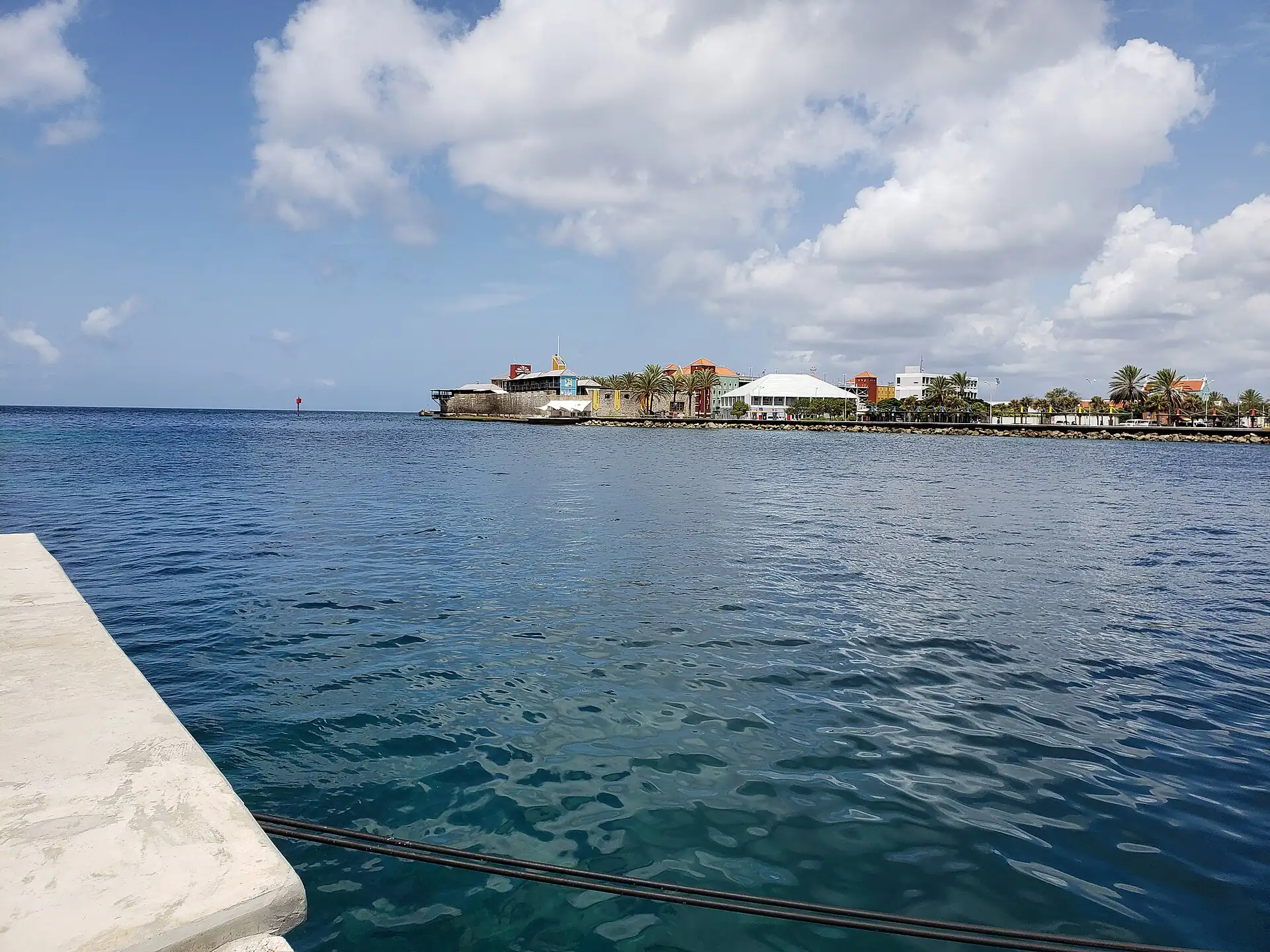
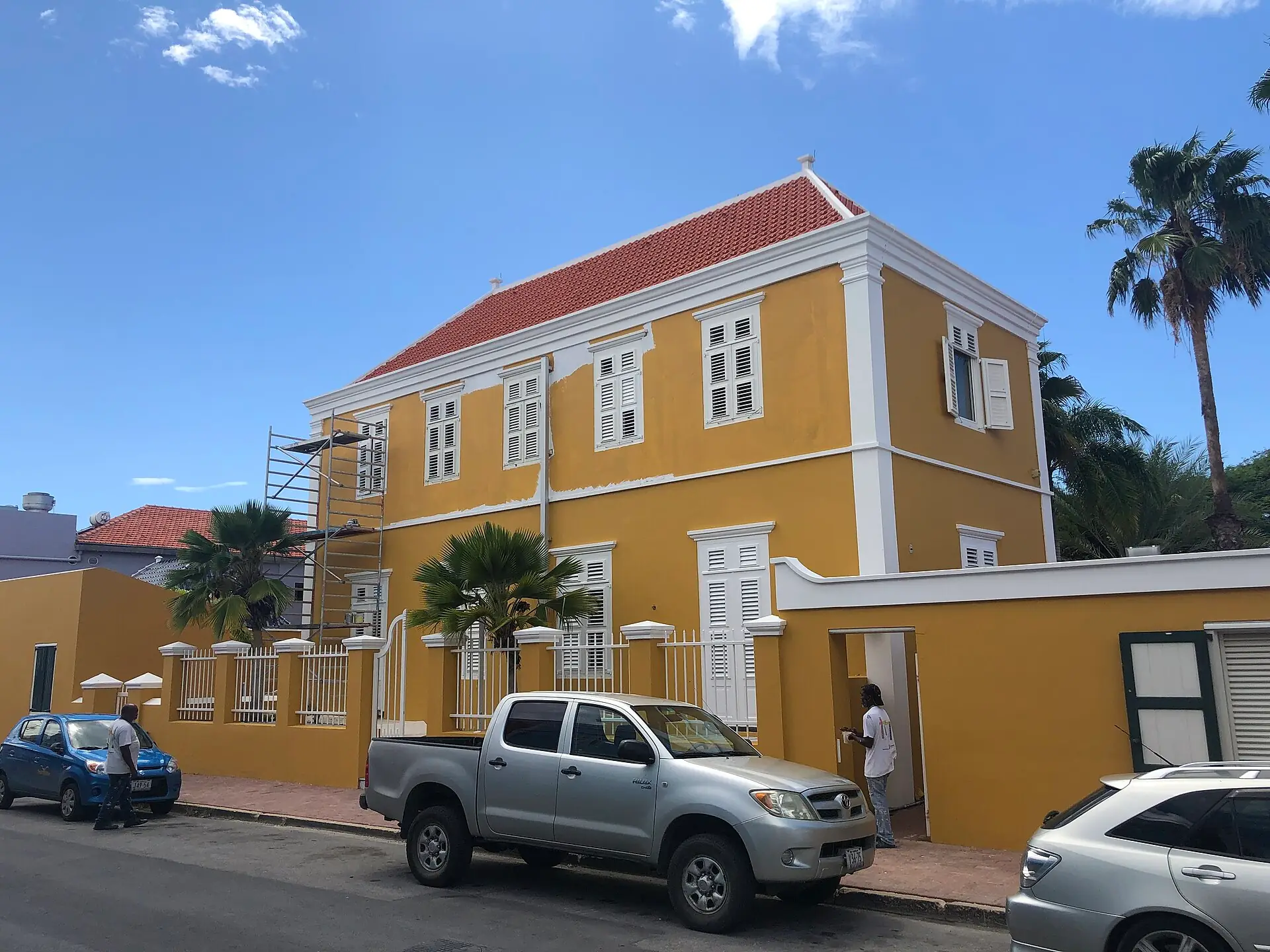
The pastel houses of Handelskade are the image most people carry of Willemstad. The row of tall, narrow gables painted yellow, pink, blue, green and orange faces the harbour like a stage set. The buildings are Dutch in shape, with stepped or curved gables, sash windows and steep roofs, and tropical in adaptation, with deep eaves, shutters, high ceilings and thick walls that keep out the heat. Many date from the 18th and 19th centuries, and the ones that are not original were rebuilt in the same style after fires and neglect.
The story about the colours is told to every visitor. In the early 19th century, so the tale goes, the governor complained that the white lime walls of the town reflected so much sun that he had headaches, and he ordered the houses painted in colour. Some historians doubt it, and the colour habit may simply have come from local taste and the availability of pigments, but the version about the governor persists because it is simple and good-humoured. Nowadays a heritage body approves the colours of restored buildings, and the palette is one of the things that make the World Heritage listing tangible.
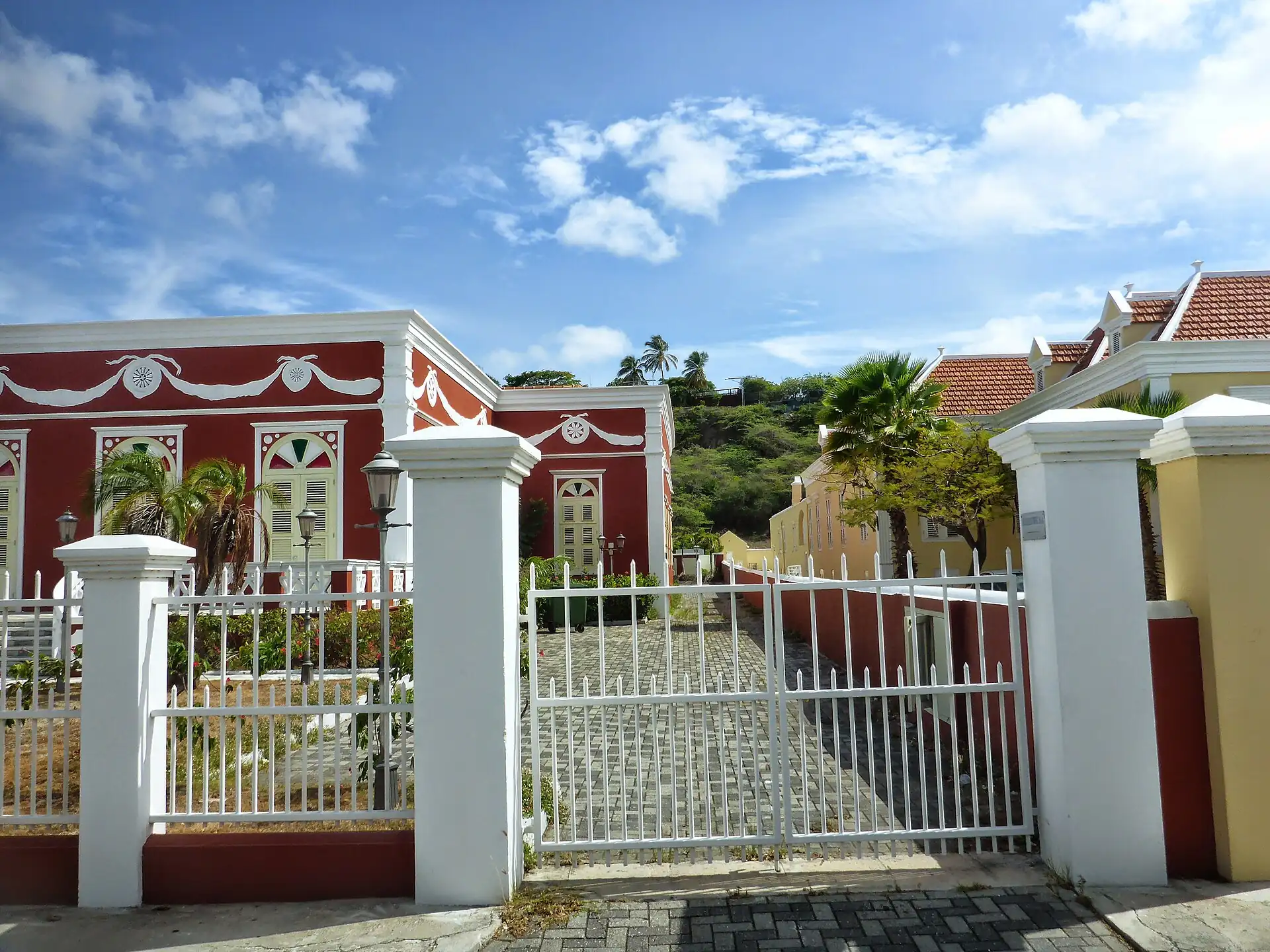
Each district has its own architectural feel. Punda is the merchant town: shops on the ground floor, warehouses and offices above, and tall narrow plots because the land was scarce. Otrobanda is lower and more domestic, with some of the oldest working-class houses on the island. Scharloo is the wealthy quarter, with large villas that mix Dutch style with neo-classical detail and decorated porches. Pietermaai is older still, an early suburb where restored townhouses now hold hotels, courtyards and restaurants.
Fort Amsterdam and the Waterfort arches show the military side. The Waterfort is a row of arched vaults on the harbour front, and the fort behind it holds government buildings and a church whose wall has a cannonball lodged in it. Rif Fort, on the opposite bank, was built in 1828 to guard the channel and was later restored and rebuilt as a courtyard with shops and cafés.
The best way to see the architecture is to look up. Ground floors have been remodelled for shops for a century; the upper floors and gables often have the original windows and details. A slow walk down Handelskade, followed by a look at the Scharloo street fronts, gives a clear picture of how the town was built and why it has lasted.
- Style
- Dutch colonial with tropical changes: deep eaves, shutters, thick walls
- Colour story
- A governor ordered colour to cut the glare; the tale is popular but not proven
- Handelskade
- The quay row of pastel gables in Punda
- Rif Fort
- Built 1828, restored as a courtyard of shops and cafés
4Slavery, revolt and memory2 min
Curaçao’s prosperity was built on trade, and a large part of that trade was in people. Through the 17th and 18th centuries the harbour of Willemstad was one of the main transit points in the Caribbean for enslaved Africans, who were held in the town before being sold on to the mainland or to other islands. Many thousands were kept on Curaçao itself, working in the town, on ships and on the island’s plantations and salt pans. Any honest account of the old town has to include that fact, and the town increasingly does.
Resistance was constant. The best-known uprising began on 17 August 1795 at a plantation in the west of the island, where a man known as Tula, together with other leaders, led several hundred enslaved people in a revolt. They demanded freedom and the end of forced labour, and the rebellion spread across the west. It was crushed within weeks, and Tula and his lieutenants were executed. He is remembered today as a national hero, and the date is marked in commemorations and school lessons. Tula’s revolt is a reminder that abolition, which came in 1863, followed decades of pressure and resistance.
The Kura Hulanda Museum in Otrobanda is the town’s most direct treatment of the subject. It sits in a walled complex of restored 18th-century houses that were once part of the trade district and holds collections on West African kingdoms, the slave trade and the Middle Passage, and on how the island fits into the wider Atlantic story. It is a serious museum with a heavy subject, and it suits an unhurried visit of an hour and a half. Check the current opening hours before you cross the bridge.
Memory is also part of the calendar. Emancipation Day on 1 July marks the abolition of 1863 with commemorations and cultural events. Other days recall the 1795 revolt and its leaders. In the months around these dates the town’s museums, schools and cultural centres hold programmes, and they are worth checking for events that are open to visitors.
For visitors the practical advice is simple: give the subject time and do not treat it as a photo stop. Go to Kura Hulanda when you are fresh, ideally in the late morning before the cruise groups, and leave a quiet half hour afterwards. The contrast with the pastel waterfront outside is part of the lesson.
- Tula revolt
- Began 17 August 1795 in the west; suppressed and its leaders executed
- Emancipation
- 1863; commemorated each year on 1 July
- Museum
- Kura Hulanda in Otrobanda, in restored 18th-century houses
- Trade role
- A regional transit point in the Atlantic slave trade
5Language and people2 min
Four languages are used in Willemstad and many people move between them in a single conversation. Papiamentu is the language of the island: a creole that grew from Portuguese and Spanish with Dutch, African and other influences, spoken at home, in markets, on the radio and, since the 20th century, in schools and newspapers. Dutch is the language of government and higher education, and English and Spanish are common in shops, hotels and tourism. Visitors do fine with English, but a few words of Papiamentu, such as Bon dia and Danki, change how you are received.
The island’s population is about 150,000 to 160,000, of whom around half live in or near Willemstad. Most Curaçaoans descend from enslaved Africans, with additions from the Dutch, Sephardic Jewish, Portuguese, Lebanese, Chinese, and Latin American communities, and many have family in the Netherlands. Migration works both ways, and Dutch is heard in the street as often as visitors expect. There is also a large community from Venezuela and neighbouring islands, and trade with the mainland has shaped the town for centuries.
Music and festival are strong. Tumba is the island’s own rhythm, with a heavy drum-led beat, and it is the heart of the Carnival season. Carnival runs for weeks from January and ends with a grand parade on the Sunday before Ash Wednesday, with costume groups, floats and street parties. Seú, a harvest festival with music and dance, is held around Easter. National days such as 1 July, 2 July (Flag Day) and 10 October (Curaçao Day) are marked with flags and concerts.
Manners are relaxed but attentive. Greet people when you enter a shop or restaurant, with Bon dia, Bon tardi or Bon nochi. Dress casually but cover swimwear in town. Ask before photographing people, and treat slavery memorials as places of remembrance. Tipping is common but check bills for a service charge, and remember that the word dushi, "sweet", is the local term of affection for people, food and places.
Willemstad is a small place with an open attitude to visitors. The island depends on tourism and is used to English speakers, but people like being asked about their own town, and a stop for a conversation at a bakery or a market counter is often the best part of the day.
- Languages
- Papiamentu, Dutch, English and Spanish; all are used daily
- Population
- About 150,000–160,000 on the island (rounded, check the latest census)
- Carnival
- January to February; grand parade on the Sunday before Ash Wednesday
- Key phrases
- Bon dia (good morning), Danki (thank you), Kuantu ta? (how much?)
6Food and drink2 min
The island’s food is a mix of its peoples. From West Africa come stews, cornmeal and fried plantain; from the Dutch, cheese and bread; from Latin America and the wider Caribbean, spice and fish; from the Sephardic tradition, some of the pastries and habits of a merchant town. The result is a small but distinct cuisine that you can eat cheaply at lunch and expensively at dinner, and that rewards a few visits to the right kind of counter.
The signature dishes are worth naming. Stobá is a slow-cooked stew, most often of goat (kabritu stobá) or beef, served with funchi, a cornmeal side like polenta, and rice. Keshi yena is a hollowed round of Edam cheese stuffed with spiced meat or fish and baked; it is a local classic that dates from the era when cheese was a prized import. Pastechi is a fried turnover with cheese, beef or tuna, eaten for breakfast or as a snack, and pan bati is a pan-fried flat bread. Kri kri are small fried fish, eaten crunchy with hot sauce.
Where you eat matters. Plasa Bieu, the old market hall in Punda, has family-run counters serving plates for a few dollars at lunch. Bakeries sell pastechi and coffee from early morning. In the evening, bread trucks known as truk’i pan sell grilled meat in bread. Pietermaai and Rif Fort have the more expensive terrace restaurants with fish, steak and international menus. Menus tend to be priced in both XCG and US dollars, and many add a service charge.
The island’s best-known drink is a liqueur. Curaçao liqueur is made from the dried peel of the laraha, a bitter orange that grew from Valencia oranges the Spanish planted and that turned out too bitter to eat. The peel, though, has an aromatic oil that was found to make a good flavouring, and the liqueur has been produced at Landhuis Chobolobo since the 19th century. It comes in orange, blue and other colours, and features in cocktails around the world. The local beer, Amstel Bright, is brewed on the island and is the default in the heat.
For a first-time visitor the practical plan is simple: pastechi for breakfast, a stobá or fried fish lunch at Plasa Bieu before 13:00, a drink at Rif Fort at sunset and dinner in Pietermaai, booked ahead on weekends. Keep small bills for the counters and check the bill for service charge before you tip.
- Signature dishes
- Kabritu stobá, keshi yena, pastechi, pan bati, kri kri
- Curaçao liqueur
- From the peel of the laraha orange; made on the island since the 19th century
- Lunch counters
- Plasa Bieu; go 11:30–13:00 with cashPlasa Bieu; go 11:30 AM–1:00 PM with cash
- Local beer
- Amstel Bright, brewed on Curaçao
7The year and how the town lives2 min
Willemstad’s rhythm is set by the sun, the wind and the ships. The island lies well south of the main hurricane path, and the weather is dry for most of the year, with a steady north-east trade wind that keeps the heat bearable in the shade and hides how strong the sun is. The wetter months run from October to January, with November the wettest, but the rain comes in short heavy bursts rather than long days. Most visitors find February to September the most comfortable, with sunny days around 30 to 32 degrees Celsius and sea temperatures of about 26 to 29 all year.
The year has a few fixed points. Carnival runs from January to the Sunday before Ash Wednesday and fills hotels and streets. King’s Day on 27 April is celebrated as a Dutch holiday with orange clothes and street parties. Emancipation Day on 1 July marks the abolition of slavery, and Flag Day on 2 July celebrates the island flag. Curaçao Day on 10 October marks the 2010 change of status. December and early January are the peak of the tourist season, with Christmas markets and New Year fireworks over the harbour.
The second rhythm is cruise ships. On a busy day several ships dock at the Otrobanda and Mega Pier terminals, and thousands of passengers arrive in Punda and Otrobanda between about 09:30 and 16:00. The old town changes character: the quays fill, shops open on Sundays and restaurants raise their prices. The easy fix is to do the sights early or late, eat in Pietermaai, and use the middle of the day for a beach or a museum.
The third rhythm is the bridge. The Queen Emma Bridge opens for ships several times a day, and the town has learned to plan around it. Locals use the free ferry, take the high bridge or simply wait and chat. Visitors who leave a buffer of 20 minutes before a fixed appointment on the far bank rarely have a problem.
For a short stay the plan is the same as the one this guide builds: walk Punda and Otrobanda before 11:00, rest in the middle of the day, return to the fort for sunset, eat in Pietermaai, and give one day to a west-end beach by rental car. It is a small town, and it works best when you let its schedule set yours.
- Best months
- February to September: dry, breezy, sunny
- Wetter months
- October to January, wettest in November
- Peak season
- Mid-December to early January, and Carnival in January–February
- Bridge
- Opens for ships several times a day; a free ferry runs meanwhile
Rules in force · 7Several islands (Turks and Caicos above all, also the Bah…
- Caribbean ↗Several islands (Turks and Caicos above all, also the Bahamas and Jamaica) jail visitors for a single stray bullet or cartridge in their luggage; empty every bag and pocket before you pack.
- Caribbean ↗From August to October keep a free last day before your flight home and check the national hurricane centre daily; airports close when a named storm approaches.
- Caribbean ↗Wearing camouflage clothing is illegal for civilians in several islands, including Barbados, Antigua, Saint Lucia, Saint Vincent, Grenada, Dominica, Trinidad and Tobago and Jamaica; leave it at home, children's clothes included.
- Curaçao ↗Curaçao sets its own entry rules as part of the Kingdom of the Netherlands: every visitor completes the free Digital Immigration Card at dicardcuracao.com before travel, and airlines check it at boarding.
- Curaçao ↗Leave nothing in a parked car at beaches, viewpoints and trailheads: break-ins are the most common crime against visitors.
- Curaçao ↗Buses are infrequent outside Willemstad: rent a car for the beaches and parks.
- Willemstad area ↗Rent a car for the beaches and parks: a rental costs less than repeated taxis and lets you start before the heat.
Entry rules depend on your passport. Full visa guide
Emergency numbers for Willemstadopen ▾
- Police / ambulance / fire911 (check; ask your hotel for the direct medical number)
- Curaçao Medical CenterSave the number from your hotel or insurer offline
Tap a number to call from your phone. These are the numbers listed in this guide; a row marked check has not been verified.
Planning is the full guide. I'm here keeps what is open and the cheat card.
Right now
Checking the weather…
Working out what is open near you…
What is open nowclock, closures, places open
Now in Willemstad
Local time in Willemstad
--:--
Loads in your browser · America/Curacao
This month
Month verdict appears here.
Closed today
See the weekly grid below.
| Weekly closure | Mon | Tue | Wed | Thu | Fri | Sat | Sun |
|---|---|---|---|---|---|---|---|
| Most Punda shopsClosed on Sundays unless a cruise ship is in port. | · | · | · | · | · | · | ✕ |
| Synagogue museumClosed on the Jewish sabbath and holidays. | · | · | · | · | · | ✕ | · |
If today is a closure day: Do the harbour walk before 11:00. On cruise days, Punda is busiest 10:00–16:00: eat in Pietermaai or Otrobanda instead and return to Punda at 16:30.
Bridge openings, cruise schedules and public holidays change what is open: check your hotel notice board and the Punda tourist information desk.
Open now
The sights and places to eat on our list that are open at this moment, in the city's time, nearest first from where you are staying.
Loads in your browser with the city's local time.
Hours marked (check) are typical, not confirmed. Walking times are straight-line estimates. Open at another time →
Cheat cardthe pocket version
Cheat card
The essentials on one card: save it as an image for your phone, share it, or print it.
Willemstad
- Money
- Keep XCG 50 in small notes for beach entry, snack trucks and tips; withdraw at bank ATMs in town.
- SIM
- US and Canadian carriers charge roaming rates; an eSIM or a local prepaid SIM from the airport or a phone shop is…
- Ride app
- Local taxi dispatch through your hotel
- Emergency
- 911 (check; ask your hotel for the direct medical number) police / ambulance / fire · Save the number from your hotel or insurer offline Curaçao Medical Center (not 911, 999 or 000)
- Plugs
- Sockets A/B. US/Canada (A/B): fits · UK/Ireland (G): adapter · Australia/NZ (I): adapter. 127 V: UK and AU 230 V-only devices need a converter; most chargers are dual-voltage.
Top 5
- Handelskade at sunrise
- Queen Emma Bridge
- Mikvé Israel-Emanuel Synagogue
- Kura Hulanda Museum
- Lunch at Plasa Bieu
EssentialsQuick answers, what things cost and how to get around
Essentials
Quick answers, what things cost and how to get around
Quick answers
The questions people ask first about Willemstad, one line each. Tap a card for the full answer.
- Cash or card?Cards work in hotels, restaurants and shops; carry XCG 50–100 in small notes or US dollars for market lunches, beach entry and tips.
- SIM or eSIMUS and Canadian carriers charge roaming rates; an eSIM or a local prepaid SIM from the airport or a phone shop is cheaper (passport needed).
- Ride-hailing appLocal taxi dispatch through your hotel.
- Tap waterTap water is safe to drink (desalinated seawater).
- TippingcheckMany restaurants add a service charge of about 10–12% (check the bill).
- Plugs & powerSockets A/B. US/Canada (A/B): fits · UK/Ireland (G): adapter · Australia/NZ (I): adapter. 127 V: UK and AU 230 V-only devices need a converter; most chargers are dual-voltage.
Show all 14 answers
- Safe at night?Take more care after dark in Punda, Otrobanda, Scharloo and more.
- Emergency numberscheck911 (check; ask your hotel for the direct medical number) police / ambulance / fire · Save the number from your hotel or insurer offline Curaçao Medical Center (not 911, 999 or 000)
- Your embassycheckUS embassies listed with addresses (check before you go).
- Closed which day?Sat: 1 on our list shut · Sun: 1 on our list shut.
- Sundays & holidaysShops open about 09:00–18:00 Monday to Saturday; many Punda shops close early on Saturday afternoon and stay closed on Sunday…Shops open about 9:00 AM–6:00 PM Monday to Saturday; many Punda shops close early on Saturday afternoon and stay closed on Sunday…
- Late at nightBars and terraces in Pietermaai run late on Friday and Saturday; most restaurants stop serving food by about 22:30.Bars and terraces in Pietermaai run late on Friday and Saturday; most restaurants stop serving food by about 10:30 PM.
- Rainy-day planRain is short and heavy: shelter for 15–30 minutes rather than cancelling.
- Landing lateCUR: taxi or hotel-booked car to the door runs all night.
Cost cheat-sheetwhat everyday things cost
Cost cheat-sheet
Typical prices for the everyday things, as ranges. Change the currency right here; the local price stays first.
2026 desk estimate · check
- CoffeeCoffee or cappuccinoXCG 6–10 (US$3–6)
- Sit-down mealRestaurant dinner mainXCG 35–70 (US$20–40)
- BeerLocal beer, barXCG 6–10 (US$3–6)
- Taxi, about 5 km (3 mi)Taxi, about 3 mi (5 km)Taxi, short ride in townFixed zone fares; ask first.US$8–15
- Metro or bus ridePublic bus (konvooi), single rideabout XCG 3–4 (check)
- Museum or sight ticketMuseum entryabout US$8–12
- Budget bedApartment or family room (up to 4), a night, per roomXCG 130
- Mid-range bedGuesthouse or small hotel double, a night, per roomXCG 150
- High-end bedGuesthouse or small hotel double, a night, per roomXCG 240
A day, not counting the bed: Budget XCG 75 · Mid XCG 140 · High XCG 260
Local prices, with USD next to them (rates 2026-09 (approximate); change it in the header). Ranges are desk estimates: check locally. Every price and the budget calculator →
Source: Prices in Willemstad
Draft
Written from desk research. Not yet compared with the official source.
No official source is recorded for this figure.
Prices are 2026 desk estimates, not yet compared with an official source. Check on the day.
Not checked in the last 12 months (no check date on file).
DecideWho it suits, the trade-offs and when to go
Decide
Who it suits, the trade-offs and when to go
Best months at a glance
The guide's verdict for each month
Jan
Best
30°C (86°F)86°F (30°C)
Feb
Care
30°C (86°F)86°F (30°C)
Mar
Best
30°C (86°F)86°F (30°C)
Apr
Best
31°C (88°F)88°F (31°C)
May
Best
31°C (88°F)88°F (31°C)
Jun
Best
32°C (90°F)90°F (32°C)
Jul
Best
32°C (90°F)90°F (32°C)
Aug
Best
32°C (90°F)90°F (32°C)
Sep
Best
33°C (91°F)91°F (33°C)
Oct
Care
32°C (90°F)90°F (32°C)
Nov
Care
31°C (88°F)88°F (31°C)
Dec
Care
30°C (86°F)86°F (30°C)
Best: Jan, Mar–Sep. Mixed: Feb, Oct–Dec. Month by month →
Warmest Sep (33°C (91°F)91°F (33°C)), coolest Jan (25°C (77°F)77°F (25°C) low), wettest Nov (12 rain days), driest Mar (3). Averages, not a forecast.
Willemstad across the year
Best-looking months for Willemstad: Jan, Apr, May.
| Measure | Jan | Feb | Mar | Apr | May | Jun | Jul | Aug | Sep | Oct | Nov | Dec |
|---|---|---|---|---|---|---|---|---|---|---|---|---|
| Weather | Great (good) | Mixed (care) | Great (good) | Great (good) | Great (good) | Good (good) | Good (good) | Good (good) | Good (good) | Mixed (care) | Mixed (care) | Mixed (care) |
| Crowds | High (care) | High (care) | High (care) | Medium (ok) | Medium (ok) | Medium (ok) | High (care) | Medium (ok) | Low (good) | Low (good) | Low (good) | High (care) |
| Prices | High (care) | High (care) | High (care) | Medium (ok) | Medium (ok) | Medium (ok) | Medium (ok) | Medium (ok) | Low (good) | Low (good) | Low (good) | High (care) |
| Events | 4 events (ok) | 2 events (ok) | 1 event (care) | 2 events (ok) | None listed (ok) | None listed (ok) | 1 event (ok) | None listed (ok) | None listed (ok) | 2 events (ok) | 1 event (ok) | 3 events (care) |
Green is good news, amber needs planning, red is a month to avoid; dashed grey with a question mark means our data does not say. Open the year heatmap →
Not checked in the last 12 months (no check date on file).
Source: Months, temperatures and crowds
Draft
Written from desk research. Not yet compared with the official source.
Monthly highs, rain and crowd levels are climate averages and desk estimates for the city, not a forecast.
Understand the cityUnderstand · Districts
Orientation & districts
Willemstad is easy to read: the Sint Annabaai channel splits the old town in two. Punda (east) and Otrobanda (west) are joined by the Queen Emma pontoon bridge; Pietermaai runs east along the sea from Punda and Scharloo sits just north of Punda across the Waaigat inlet. Everything on this guide is inside a 25-minute walk of the bridge.
Addresses use street names in Dutch or Papiamentu (Kaya, Straat, Weg); a taxi driver knows the hotel or restaurant name, not the number.
Shaded shapes: walking areas (click one). Black pins: sleep areas. Grey dots: places. Round badges: arrivals. Click the map to turn on scroll-wheel zoom.
Hover, tap or tab to an area to see what it is like. Pins are sleep areas; arrows at the edge point to the airport.
Off the map: Curaçao International Airport (CUR) (20–35 min by the usual route).
Not drawn yet (no coordinates in this guide): Salinja and Otrobanda outskirts, Mambo Beach and Jan Thiel. They are in the neighbourhood cards below.
Where’s what, as a list:
- Punda: The main sights and the Old Market; shops shut by early evening and on Sundays. Suits: A first morning: bridge, harbour, synagogue, market.
- Otrobanda: Kura Hulanda and Rif Fort; lanes are dim after dark, so keep to the main streets. Suits: Museum and fort, quieter hotels. Price band $$.
- Pietermaai: Restored townhouse hotels and terraces; a 10-minute walk to Punda; busy on weekend nights. Suits: First-time base, dinner and bars. Price band $$.
- Scharloo: Big restored merchant houses on wide streets; few cafés, so bring water. Suits: A quiet architecture walk.
- Salinja and Otrobanda outskirts: Landhuis Chobolobo is here; otherwise these are residential and industrial areas. Suits: Distillery visit only.
- Mambo Beach and Jan Thiel: 15–20 minutes east by car; beach clubs and resorts, outside the walking town. Suits: Beach resorts.
- Sleep area Otrobanda: suits Museum and fort, quieter hotels, price band $$.
- Sleep area Pietermaai: suits First-time base, dinner and bars, price band $$.
- Curaçao International Airport (CUR), 20–35 min by the usual route.
Neighbourhoods at a glance
One tab per area, pulled together from this guide’s districts table, area notes, sleep-area scores and place pages. Scores are desk judgements (1–5); prices are estimates, check before you book.
Punda
The main sights and the Old Market; shops shut by early evening and on Sundays.
- Suits:
- A first morning: bridge, harbour, synagogue, market
- Best time:
- 08:00–11:00 and 16:00–18:008:00 AM–11:00 AM and 4:00 PM–6:00 PM
Pick this if: A first morning, lunch
Watch out for: Noon in the sun
Getting around from here
- Walk over the bridge: about 8 min to Otrobanda
- Walk east: about 10 min to Pietermaai
Otrobanda
$$Kura Hulanda and Rif Fort; lanes are dim after dark, so keep to the main streets.
- Suits:
- Museum and fort, quieter hotels
- Best time:
- 16:00–21:004:00 PM–9:00 PM
- Rooms:
- US$70–120 (from the sleep guide)
Pick this if: Afternoons, sunset drinks
Watch out for: Dim side streets after dark
- Quiet nights4/5 High
- Nightlife2/5 Low
- Families3/5 Medium
- Late arrival3/5 Medium
Why these scores
- Quiet nights: Quieter after dark than Pietermaai.
- Nightlife: A few bars; the strip is across the bridge.
- Families: Fine by day; dim lanes at night.
- Late arrival: Confirm night access for small properties.
Getting around from here
- 8–14 min walk to Punda
Pietermaai
$$Restored townhouse hotels and terraces; a 10-minute walk to Punda; busy on weekend nights.
- Suits:
- First-time base, dinner and bars
- Best time:
- From 18:00From 6:00 PM
- Rooms:
- US$140–250 (from the sleep guide)
Pick this if: Dinner and nightlife
Watch out for: Sleeping early on weekends
- Quiet nights2/5 Low
- Nightlife5/5 Very high
- Families3/5 Medium
- Late arrival4/5 High
Why these scores
- Quiet nights: Bars and restaurants run late on weekends.
- Nightlife: The main evening area in the old town.
- Families: Flat and safe by day; noisy at night.
- Late arrival: Most hotels have a night porter.
Getting around from here
- 10–15 min walk to Punda
- Walk north-west: about 8 min to Scharloo
Scharloo
Big restored merchant houses on wide streets; few cafés, so bring water.
- Best time:
- Mornings
Pick this if: A quiet architecture walk
Watch out for: Expecting cafés
Getting around from here
- Walk south: about 8 min to Punda
- Walk east: about 8 min to Pietermaai
Salinja and Otrobanda outskirts
Landhuis Chobolobo is here; otherwise these are residential and industrial areas.
- Suits:
- Distillery visit only
- Best time:
- 16:00–21:004:00 PM–9:00 PM
Pick this if: Afternoons, sunset drinks
Watch out for: Dim side streets after dark
Mambo Beach and Jan Thiel
15–20 minutes east by car; beach clubs and resorts, outside the walking town.
- Suits:
- Beach resorts
Decide
The honest trade-off: what you will enjoy, what will wear you down.
You will like
- Colourful old houses and a floating market
- Short walks
- Beach time by car
You will hate
- Noon sun
- Bridge delays
- Having no car
Similar citiesif this one is not quite right
Similar cities
If Willemstad does not fit your dates or budget, these match it on season, cost and feel.
- Livingstone
Zambia
- Good in the same months: Mar, Apr, May, Jun and 3 more
- Works well for first-timers, couples
- A similar climate through the year
- Victoria
Seychelles
- Good in the same months: Mar, Apr, May, Jun and 3 more
- Works well for first-timers, couples
- A similar climate through the year
- Maun
Botswana
- Good in the same months: Apr, May, Jun, Jul and 2 more
- Works well for first-timers, couples
- A similar climate through the year
When
Best months: Jan, Mar, Apr, May, Jun, Jul, Aug, Sep. Month-by-month verdicts below, with the live forecast first. When to go, month by month →
Willemstad: next 7 days
Loading forecast…
Forecast: Open-Meteo (CC BY 4.0), model data for this point.
Air quality
Loading…
Model estimate (CAMS via Open-Meteo), not a street-level station; readings near busy roads run higher.
Month by month, all 12best Jan, Mar, Apr, May, Jun, Jul, Aug, Sep
Dry and breezy; busy in Carnival build-up.
Carnival closes streets; hotels fill.
Dry, warm; steady breeze.
Dry; Easter crowds.
Dry, hot afternoons.
Hot; steady trade winds.
Hot; steady trade winds.
Hottest month; book air conditioning.
Hot; short showers possible.
Rain showers, higher humidity.
Wettest period; showers pass quickly.
Peak season; short rain spells.
Climate, calendar and eventsClimate · Calendar · Events · Packing by season
Climate
| Jan | Feb | Mar | Apr | May | Jun | Jul | Aug | Sep | Oct | Nov | Dec | |
|---|---|---|---|---|---|---|---|---|---|---|---|---|
| High | 30°C (86°F)86°F (30°C) | 30°C (86°F)86°F (30°C) | 30°C (86°F)86°F (30°C) | 31°C (88°F)88°F (31°C) | 31°C (88°F)88°F (31°C) | 32°C (90°F)90°F (32°C) | 32°C (90°F)90°F (32°C) | 32°C (90°F)90°F (32°C) | 33°C (91°F)91°F (33°C) | 32°C (90°F)90°F (32°C) | 31°C (88°F)88°F (31°C) | 30°C (86°F)86°F (30°C) |
| Low | 25°C (77°F)77°F (25°C) | 25°C (77°F)77°F (25°C) | 25°C (77°F)77°F (25°C) | 26°C (79°F)79°F (26°C) | 26°C (79°F)79°F (26°C) | 26°C (79°F)79°F (26°C) | 26°C (79°F)79°F (26°C) | 26°C (79°F)79°F (26°C) | 26°C (79°F)79°F (26°C) | 26°C (79°F)79°F (26°C) | 26°C (79°F)79°F (26°C) | 25°C (77°F)77°F (25°C) |
| Rain days | 8 | 5 | 3 | 3 | 4 | 5 | 6 | 6 | 6 | 9 | 12 | 10 |
| Verdict |
- Curaçao sits south of the main hurricane belt and is dry for most of the year; the wetter months are Oct to Jan, with Nov the wettest.
- The north-east trade wind keeps the heat bearable on the sea side and makes the sun feel weaker than it is: sunburn is the main weather risk.
- Sea temperature stays about 26–29 °C (79–84 °F) all year, so beach days work in any month.Sea temperature stays about 79–84 °F (26–29 °C) all year, so beach days work in any month.
Events by month
Carnival build-up (weekly jump-ups)
festivalFrom January · Streets around Punda and Otrobanda(check dates)
Music and street events; some roads close in the evenings.
Carnival Grand Parade
festivalSunday before Ash Wednesday · Route through central Willemstad(check dates)
Streets closed; hotels full.
Easter
religiousMoves yearly · Churches and beaches
Family holiday; beaches busy.
King’s Day
national27 April · Punda and Otrobanda
Public holiday; orange-clad street parties.
Emancipation Day
national1 July · Kura Hulanda and Tula memorial sites
Public holiday; commemorations.
Curaçao Day
national10 October · Island-wide
Public holiday; concerts and flags.
Christmas and New Year
religious25 December and 31 December · Island-wide
Peak season; New Year fireworks over the harbour.
Festivals and events that change the plan
| When | What | Effect on your plan |
|---|---|---|
| Jan – Feb (Sunday before Ash Wednesday) | Carnival | Weeks of parades and jump-ups; the grand parade (Sunday before Ash Wednesday) closes central Willemstad streets, and hotels fill and raise prices. |
| April 27 | King’s Day (Dutch national holiday) | Orange-clad street parties in Punda and Otrobanda; shops and offices close. |
| July 1 | Emancipation Day (Dia di Emansipashon) | Public holiday marking the 1863 abolition of slavery; events at Kura Hulanda and Tula memorial sites. |
| October 10 | Curaçao Day (Dia di Pais Kòrsou) | Public holiday marking 2010 constituent-country status; flags, concerts and closed offices. |
| Oct – Jan | Rainy season | Short heavy showers, especially Nov; road flooding is brief and the sun returns quickly. |
| Dec – early Jan | Christmas and New Year | Peak season: book rooms and rental cars early; fireworks over Sint Annabaai on New Year’s Eve. |
What to pack, by season
From Willemstad’s own climate table: the coldest, warmest and wettest three months, and what to bring for each.
Coldest months
Jan–Mar
25° to 30°
Light layers; evenings can still feel cool.
Warmest months
Jul–Sep
26° to 32°
Light, breathable clothes, a sun hat and sunscreen; plan midday indoors and carry water.
Wettest months
Oct–Dec
10 rain days a month
A compact umbrella.
Arrive & moveGetting in, getting around, and your bags
Arrive & move
Getting in, getting around, and your bags
I land at…
Enter your landing time: what still runs from the airport, where you can eat when you get in, and which areas let you check in that late.
Curaçao International Airport (CUR)
Out of the airport about 23:5111:51 PM (00:42 (next day)12:42 AM (next day) if immigration and bags are slow); in town about 00:11 (next day)12:11 AM (next day).
Transport from the airport
- Any hourTaxi or hotel-booked car to the door. Runs all night.
- Any hourSecond taxi arranged by your hotel or the airport rank — check the zone fare first. Any hour.
- Last resortOvernight in a hotel with a 24-hour desk. If nothing else works.
Places to eat open when you get in
We have no confirmed hours for the places to eat here yet. Plan on a convenience store or your hotel. What is open late →
Where to sleep with a late arrival
- Lets you inOtrobanda 24-hour desk. Confirm night access for small properties.
- Lets you inPietermaai 24-hour desk. Most hotels have a night porter.
Typical times from our airport data, not a timetable: check the last departure on the day. Full airport-to-bed plan for Curaçao International Airport (CUR) →
Arrive
Each gateway has its own airport-to-bed page with timings and the last safe connection.
Getting in, in detailGet in
Get in by rail and road
| Station | Mode | Serves | Where | To the centre |
|---|---|---|---|---|
| Hato airport (CUR)Curaçao International Airportuse | Bus | Direct flights from US, Canada, Europe and Caribbean hubs | Hato, about 12 km north-west of Willemstad | Taxi 15–30 minFixed zone fares from the taxi rank outside arrivals; ask for the fare list. |
| Bus terminalsKonvooi terminals in Punda and Otrobandacaution | Bus | Minibus routes across the island | Central Willemstad (check exact stops) | On the edge of PundaCheap but infrequent and light on weekends; no timetable for visitors, so ask locally. |
| Cruise terminalsCuraçao Cruise Terminal and Mega Pieruse | Coach | Cruise passengers | Otrobanda and the Mega Pier | Rif Fort area is next to the Otrobanda terminalCruise days fill Punda: plan visits early or late. |
- Book a taxi from the airport rank and pay the fixed fare; keep US$ in small bills.
- No rail or train link; a rental car or taxi covers most trips outside the old town.
Move
The default way around, when a pass pays off, and when the last trains go.
- Default
- Walk inside Punda and Otrobanda; taxi between neighbourhoods; rent a car for the rest of the island.
- Passes
- No pass. Taxis run on fixed zone fares: ask the fare before you get in.
- Last trains
- No rail; buses thin out after dark: use a taxi arranged by your hotel or restaurant.desk estimate
- Other modes
- Other modes (Rome2Rio) ↗
Getting around, in detailGet around · Connect
Get around
Walk inside Punda, Otrobanda and Pietermaai; use a taxi or the free ferry between shores when the pontoon bridge is open; rent a car for the beaches.
| Mode | Verdict | Fare | Use it for | What breaks |
|---|---|---|---|---|
| Walking | use | Free | Inside the old town before 11:00 and after 16:00 | Bring a hat and water; uneven brick. |
| Taxi | use | US$8–15 in town; posted zone fares to beaches | Between shores, at night and to the airport | Fixed zone fares; ask before you get in. |
| Free pontoon ferry | use | Free | Crossing Sint Annabaai when the bridge is open | Runs while the Queen Emma Bridge is swung open; check that it is running. |
| Public bus (konvooi) | caution | About XCG 3–4 | Cheap trips along fixed routes | Thin after dark and on Sundays; ask a local for the route. |
| Rental car | use | US$40–75 a day | West-end beaches and parks | Book early in high season; drive on the right; do not leave valuables inside. |
| Ride-hailing | caution | n/a | Not available | There is no Uber; book taxis through your hotel. |
Taxis and ride-hailing
Airport taxi rank
rank
Fixed zone fares; ask for the fare list.
Hotel-booked taxi
phone
The safest choice at night; agree the fare first.
On foot and car-free hours
| Where | When | Note |
|---|---|---|
| Handelskade to Queen Emma Bridge to Rif Fort | Before 11:00Before 11:00 AM | Flat and short; add 10–20 minutes for a bridge opening. |
| Pietermaai to Punda | Late afternoon | About 10 minutes along the sea road. |
More on getting around
The Queen Emma Bridge is a floating swing bridge that opens for ships: it can cut the two shores for 10–20 minutes. The free ferry runs while it is open, and taxis can cross via the Queen Juliana Bridge.
Most restaurants and hotels will book a taxi for you; carry cash for fares and tip about 10%.
Connect
| Option | Verdict | What breaks |
|---|---|---|
| Airport or phone shops in Punda | use | Prepaid data SIM with your passport; good coverage across the island. |
| eSIM bought before you fly | use | Easiest for most US and UK phones; check that your phone is unlocked. |
| Home roaming | caution | Rates vary; check your plan before you rely on it. |
Google Maps
Walking and driving
Reliable in town; download the offline map for the west end.
Local taxi dispatch through your hotel
Cars
There is no Uber; taxis are hailed at ranks or booked through hotels and restaurants.
Booking tours and messaging hosts
Widely used by tour operators and guesthouses.
- Wi-Fi
- Free in hotels, cafés and Rif Fort; speeds vary.
Luggage
Where big bags are a problem, and how to get rid of them for the day.
Rule
- Lockers
- Few public lockers; hotels hold bags after check-out.
- Forwarding
- No forwarding culture; keep the big bag at the town hotel when you sleep on the west end.
- Dead zone
- Late flights out: ask the hotel to hold bags and for a shower room; many do.
Bags, area by area
4 walking areas rated
Lockers, forwarding and the gap between check-out and check-in are covered once, under Luggage.
See & doWalking clusters, day plans and the places worth the time
See & do
Walking clusters, day plans and the places worth the time
Clusters
Plan by cluster: each is a walkable area with a rescue point and a bag rule.
Morning cluster: the floating bridge, the harbour front, the synagogue and the old market; be done by 11:00.
rescue 100% · max p90 5.1′ · half
Late-afternoon cluster: the museum, the rebuilt fort and narrow lanes on the west shore; go after the harbour walk from Punda.
rescue 100% · max p90 5.1′ · half
Evening cluster: restored townhouses turned hotels, restaurants and bars along the sea road; a 10-minute walk from Punda.
rescue 100% · max p90 5.1′ · half
Quiet-quarter cluster: restored merchant houses on wide streets north of Punda; a short walk for the buildings, with few cafés.
rescue 100% · max p90 5.1′ · 90m
Days
Ready-made day plans, timed against opening hours and walking distances.
How long are you staying?
Loose outlines: outdoors before 11:00 and after 16:00, indoors or at a beach in the middle.
1 day
A cruise stop or long layover
- 08:00Queen Emma Bridge — Handelskade and Queen Emma Bridge
- 09:00Mikvé Israel-Emanuel Synagogue — Synagogue and museum
- 11:30Plasa Bieu — Lunch at Plasa Bieu
- 13:00Kura Hulanda Museum — Kura Hulanda in the air-conditioned galleries
- 16:30Rif Fort — Rif Fort at golden hour
- 19:00Pietermaai dinner terrace — Dinner in Pietermaai
Skip: The west-end beaches: they need a car and a full day.
Willemstad in 3 days
3 daysMornings and late afternoons on foot, the hot middle of the day at a café or beach; the last day ends with the bags already in the car.
Day by day
Day 1 — Punda: the bridge, the synagogue, market lunch
Day 2 — Otrobanda: the museum and the fort
Day 3 — Harbour at sunrise, taxi to Hato at 11:30
- 08:00Queen Emma Bridge
- 11:30Taxi to Hato at 11:30
Places
“Best time” is when to arrive for the fewest crowds, for example “before 08:30”; “Go any time” means the hour makes little difference. More sights follow under “More sights and museums”.
9 places. Filters use the guide’s own ratings; a place with no rating is left out when a filter is on.
Show 3 more placesShow fewer
Tours, classes and shows in Willemstad →
Things to do in Willemstad: shows, nightlife and activities →
If you do ten things in Willemstad
Ranked for a first visit of 2–3 days. Prices are 2026 estimates.
- 1
The pastel gables facing the harbour, best before the cruise crowd.
- Time
- 30–45 min
- Best
- Before 09:00
- Cost
- Free
- 2
A floating bridge that swings open for ships and joins the two shores.
- Time
- 15 min
- Best
- Morning
- Cost
- Free
- 3
Mikvé Israel-Emanuel Synagogue
A working synagogue with a sand floor, built in 1732.
- Time
- 45 min
- Best
- Morning, weekdays
- Cost
- about US$8–12
- 4
A serious museum on the Atlantic slave trade in Curaçao’s own setting.
- Time
- 1.5 h
- Best
- Late morning
- Cost
- about US$8–12
- 5
Local stews, funchi and fried fish at shared tables.
- Time
- 45 min
- Best
- 11:30–13:00
- Cost
- XCG 18–30
- 6
A drink with a view of the channel and the bridge lights.
- Time
- 45 min
- Best
- 17:00–18:30
- Cost
- Free entry
- 7
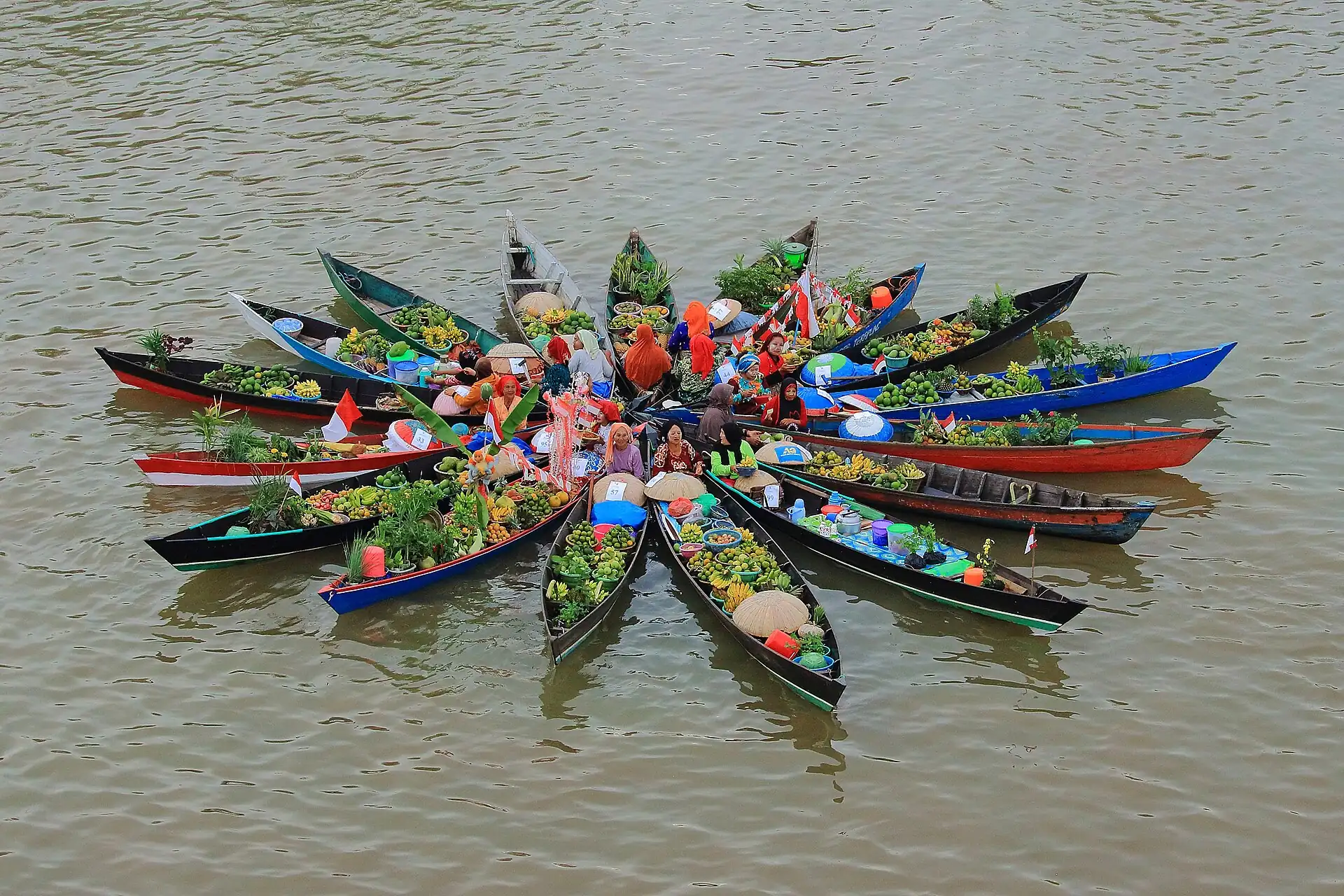
Boats selling fruit and fish from the quay (check current scale).
- Time
- 30 min
- Best
- Early morning
- Cost
- Free
- 8
- 9
- 10
Playa Kenepa (Grote Knip)
The best-known beach on the island, 45–60 minutes west by car.
- Time
- Full day
- Best
- Before 10:00
- Cost
- Car hire; small parking or beach fee (check)
Good for…
Verdict is how well Willemstad works for that traveller, not how nice it is.
Compact, safe and easy in English.
- 1Queen Emma Bridge — the defining sight, done in minutes.
- 2Handelskade waterfront — the postcard colours, best at sunrise.
Good local plates and a growing dinner scene.
- 1Plasa Bieu — stobá and fried fish at counter prices.
- 2Pietermaai dinner terrace — a dinner in a restored townhouse.
Free sights and cheap local lunches; hotels and cars are the cost.
- 1Free sights — Handelskade, Scharloo, Rif Fort and the bridge cost nothing.
- 2Truk’i pan (evening food trucks) — a cheap late dinner.
A pretty setting with terraces and short walks.
- 1Rif Fort terrace at sunset — sunset drinks over the channel.
Short distances, but sun and stairs; add a beach day.
- 1Mambo Beach and the Sea Aquarium — calm water and an easy half-day.
Boutique hotels rather than large resorts in town.
- 1A restored townhouse hotel in Pietermaai — a pool and terrace in the old town.
Flat but with uneven brick, steps and a floating bridge; use taxis.
- 1Handelskade waterfront — a flat promenade.
Tours and classes: book or skip
Book through your hotel or a licensed operator with written inclusions and a cancellation policy. Prices per person.
| Tour or class | Verdict | Typical price | Why | Check before paying |
|---|---|---|---|---|
| Historic Willemstad walking tour | book | US$25–45 (check) | Explains the colours, the synagogue and the two shores in two hours. | Group size and whether entry fees are included. |
| West-end island tour by van | maybe | US$60–100 (check) | Solves parking and driving if you do not want a rental car. | Which beaches are included and how long you stay at each. |
| Klein Curaçao boat trip | maybe | US$100–150 (check) | Clear water and a lighthouse; the crossing can be rough. | Boat size, seasickness policy and whether lunch is included. |
| Liqueur distillery tour | maybe | Free or small fee (check) | Short and informative; useful for a hot afternoon. | Weekday hours and whether tastings are included. |
What each season brings
Dry, breezy season
Feb–Sep
Sunny, steady trade winds and calm nights.
Watch: Strong sun: the breeze hides it.
Wetter season
Oct–Jan
Short heavy showers; greener land; fewer tourists in Oct–Nov.
Watch: Nov is the wettest; roads flood for an hour.
Carnival and peak season
Dec–Feb
Parades, music and full hotels.
Watch: Prices rise and rooms sell out early.
Photo spots and the light
Light times are for clear days; the morning sun hits Handelskade first.
| Spot | Best light | Tip |
|---|---|---|
| Handelskade gables | 07:00–08:30 | Shoot from the Otrobanda quay across the channel for the whole row. |
| Queen Emma Bridge from Punda | Sunrise | Wait for a bridge opening for a shot with a moving deck; keep clear of the swing area. |
| Sunset view from Rif Fort | 17:30–18:30 | Warm light on the Punda side and bridge lights coming on. |
| Scharloo facades | Morning | Wide streets allow full-face shots without traffic. |
Willemstad travel FAQ
Answers are 2026 desk estimates; fares and rules marked (check) change.
How many days do I need in Willemstad?
Two days covers the old town at an easy pace; add a day for the west-end beaches by rental car.
Do I need a rental car?
Not for the old town, which is walkable. For the west-end beaches and parks, a car is far easier than taxis.
Is there Uber?
No. Use hotel-booked taxis or the taxi rank; fares are posted by zone.
Do I need US dollars or local currency?
Both work. The Caribbean guilder (XCG) is pegged to the dollar at 1.79; small US bills are accepted almost everywhere.
What is the Digital Immigration Card?
An online arrival form all visitors complete before landing (check the official site for the current window and fee).
Is the tap water safe?
Yes; it is desalinated seawater and safe to drink.
What if the bridge is open?
It can cut the two shores for 10–20 minutes. Use the free ferry or a taxi via the Queen Juliana Bridge, and leave a buffer.
When is the best time to visit?
Feb to Sep is dry and breezy; Oct to Jan is wetter but quieter (Carnival is Jan–Feb).
Is Willemstad safe?
Generally yes. The main risk is theft from parked cars; keep valuables out of sight and use taxis at night.
More to see and doSee & do · Learn & work · Rain & heat · Free things · Wheelchair and stroller
Free things to do
Sights in Willemstad that cost nothing to enter. Each is described under Places or More sights; extra costs inside are marked there.
Wheelchair and stroller, place by place
How each place in this guide works for wheels, from its own page. Ratings are desk estimates unless a page says it was checked on the ground.
| Place | Step-free | Wheelchair | Stroller | What to know |
|---|---|---|---|---|
| Floating market | yes | ok | good | None. |
| Fort Amsterdam and Fort Church | partial | caution | ok | A few at the church. |
| Handelskade waterfront | yes | ok | good | None. |
| Kura Hulanda Museum | partial | caution | caution | A few between courtyards and upper floors. |
| Mikvé Israel-Emanuel Synagogue | partial | caution | ok | A few at the courtyard entrance. |
| Pietermaai promenade | yes | ok | good | None. |
| Queen Emma Bridge | partial | caution | ok | None, but floor moves with the tide. |
| Rif Fort | yes | ok | good | A few on the rampart. |
| Scharloo houses walk | yes | ok | good | None. |
See & do
15 of 15
- landmark
The floating pedestrian bridge that joins the two shores.
Punda–Otrobanda · Always open, except when swung open for ships · Free
- Architecture
The rows of pastel Dutch gables facing the harbour; best at sunrise.
Punda · Always open · Free
Mikvé Israel-Emanuel Synagogue
synagogueA working synagogue with a sand floor and a museum next door.
Punda · Mon–Fri day hours (check) · about US$8–12
The 1635 fort at the harbour mouth, now government offices and a church with a cannonball in its wall.
Punda · Day hours (check) · Free
- Markets
Boats selling produce and fish along the quay.
Punda · Mornings (check) · Free
- Museums
A museum about the Atlantic slave trade in a walled group of old merchants’ houses.
Otrobanda · Daily except Sun (check) · about US$8–12
- fort
A rebuilt fort with cafés and shops and a view of the channel.
Otrobanda · Day to evening (shops keep their own hours) · Free
- Architecture
A quiet walk past restored merchant houses.
Scharloo · Always open · Free
- waterfront
The sea-side stroll and evening dining strip.
Pietermaai · Always open · Free
Landhuis Chobolobo (Curaçao liqueur distillery)
Food toursA short tour of the liqueur made from laraha orange peel.
Salinja · Weekday tour hours (check) · Free or small fee (check)
Sunset drink at Rif Fort
eveningA terrace above the channel as the bridge lights come on.
Otrobanda · From 17:00From 5:00 PM · XCG 15–30 a drink
Snorkel or dive at a west-end beach
waterClear, calm water at Playa Kenepa and Cas Abao; go early.
West end · Morning · Gear rental US$10–25
Guided walking tour of Punda and Otrobanda
tourTwo hours with a local guide on the history behind the colours.
Punda–Otrobanda · Morning · US$25–45 (check)
Dinner in Pietermaai
foodTerrace dining in restored townhouses; book on weekends.
Pietermaai · From 18:00From 6:00 PM · XCG 60–140 for two courses and a drink
Snorkel or beach day at Mambo Beach
beachCalm water and beach clubs, 15–20 minutes by car.
East side · Day · Entry US$0–10 (check)
- Booking
- Boat trips, diving and tours are best booked a day or two ahead through your hotel or a licensed operator with written inclusions.
Learn & work
| What | Where | Cost | Note |
|---|---|---|---|
| Papiamentu basics | Local language schools and private tutors (check) | Varies | Short conversation lessons exist for visitors; ask at your hotel. |
| Scuba certification | Dive shops on the west end and Jan Thiel | US$300–500 (check) | Curaçao is a steady, calm diving destination; book ahead. |
| Local cooking class | Hotel and private hosts (check) | US$60–120 | Stobá or keshi yena; ask your host. |
Working here
- Tourist entry
- Most visitors stay up to 30–90 days without a visa (check your passport); paid work is not allowed on tourist entry.
- Work permit
- Employer-sponsored permit and residence rules apply; check with the immigration department.
- Remote work
- A remote-worker or digital-nomad option has been reported (check current rules and fees before relying on it).
Rain-day and heat-day plan
Rain day
Rain is short and heavy: shelter for 15–30 minutes rather than cancelling. A wet day is a museum day: Kura Hulanda and the synagogue museum.
- 01Kura Hulanda Museum — Indoor galleries, about 90 minutes.
- 02Mikvé Israel-Emanuel Synagogue — Indoor synagogue and museum, about 45 minutes.
- 03Café on Handelskade — Covered seating with a view of the boats.
Heat day
Do the harbour on foot before 11:00 and after 16:00; middays belong to a beach, a museum or a café.
- 08:00Queen Emma Bridge — Cool morning breeze, few crowds.
- 09:30Mikvé Israel-Emanuel Synagogue — Indoor and shaded.
- 12:00Plasa Bieu — Lunch under cover before the counters close.
- 16:30Rif Fort — Breeze and late sun over the channel.
Day-trips and nearby
Places you can reach from Willemstad in a day or with one night away, with the route and what it costs. Door to door, not ride time.
Playa Kenepa (Grote Knip) and the west-end beaches
goRental car west, 45–60 min
The best beaches are on the west end; arrive before 10:00 for parking and shade.
- Time
- Full day
Christoffel National Park and Shete Boka
goRental car north-west, 45–60 min
Christoffel: hike early; Shete Boka: rough north-coast cliffs, no swimming.
- Time
- Half day each
Klein Curaçao
maybeCatamaran or fast boat from Jan Thiel or Willemstad, 90 min each way
Uninhabited islet with a lighthouse and clear water; choppy crossing, book with a licensed operator.
- Time
- Full day
Landhuis Chobolobo (Curaçao liqueur distillery)
goTaxi or car, 10–15 min
Short tour of the liqueur made from laraha orange peel; check hours and weekday tour times.
- Time
- 1 hour
Mambo Beach and Curaçao Sea Aquarium
maybeCar or taxi, 15–20 min east
Easiest beach day without a long drive; busy with cruise passengers.
- Time
- Half day
Go next
Bonaire
maybeDoor to door: 3–4 h airport to airport
Short flight from Hato, about 25 min in the air
A diving-first island; check flight schedules and baggage limits.
Aruba
maybeDoor to door: 3–4 h airport to airport
Short flight from Hato, about 30 min in the air
Bigger resort scene; usually not worth a day trip.
Eat & sleepWhere to eat and which area to sleep in
Eat & sleep
Where to eat and which area to sleep in
Eat
A short list of places worth crossing the city for, each with how to get a seat.
Restaurant finder: filter every place to eat in Willemstad →
Vegetarian-friendly score
2.5 / 5 · Workable
- Country diet noteOur country guide rates vegetarian eating as workable.1 / 2
- Places to eat in this guide3 of 5 places with a known answer are vegetarian-friendly, 2 partly.1.2 / 1.5
- Budget eating lines0 vegetarian lines in "Eat by budget".0 / 0.6
- Meat-free national dishes4 meat-free dishes in the country food list.0.4 / 0.4
- Dedicated vegetarian kitchens0 mentions of vegetarian restaurants, Buddhist or fasting kitchens.0 / 0.5
Country note: Doable in town; local plates are meat-heavy.
Vegetarian places near me →Make a diet card →
How we score
- Country diet note (up to 2): easy 2, workable 1, mixed 0.75, hard 0; no note 0.5.
- City places to eat (up to 1.5): 1.5 × (vegetarian-friendly + half of partly friendly) ÷ places with a known answer; needs 3 or more known places.
- Budget eating lines marked vegetarian (up to 0.6): 0.2 each.
- Meat-free national dishes (up to 0.4): 0.1 each.
- Dedicated vegetarian kitchens mentioned — Buddhist chay, shōjin ryōri, Jain, fasting food, vegan cafés (up to 0.5): 0.1 each.
- Total rounded to the nearest half point, 0 to 5. Built from our own pages only, not from reviews.
Eating and drinking guideEat by budget · Drink
Before you sit down to eat
Short version; full text linked
Eat by budget
Under XCG 30 a meal
| Where | Order | Area | Price | Note |
|---|---|---|---|---|
| Plasa Bieu | Local lunch plate: stew, funchi and fried fish | Punda | XCG 18–30 | Go before 13:00; cash preferred.Go before 1:00 PM; cash preferred. |
| Neighbourhood bakery (panaderia) breakfast | Pastechi and coffee | Punda and Otrobanda | XCG 5–12 | |
| Truk’i pan (evening food trucks) | Bread trucks: grilled meat, chicken or fish in bread | Waaigat and Punda evenings | XCG 10–25 | Check where the trucks park that night. |
Dishes to know
| Dish | What it is | Where to look | When | Price |
|---|---|---|---|---|
| Kabritu stobá | Slow-cooked goat stew | Plasa Bieu and local restaurants | Lunch, dinner | XCG 20–40 |
| Keshi yena | Baked Edam cheese stuffed with spiced meat | Local restaurants | Lunch, dinner | XCG 25–45 |
| Funchi | Cornmeal side dish, similar to polenta | Any local plate | Lunch, dinner | Part of the meal |
| Pastechi | Fried turnover with cheese, beef or tuna | Bakeries and snack bars | Breakfast, any time | XCG 3–6 |
| Kri kri | Small fried local fish | Plasa Bieu and seafood counters | Lunch | XCG 15–30 |
| Pan bati | Pan-fried bread, often with honey or savoury fillings | Bakeries and food trucks | Breakfast, snack | XCG 3–8 |
| Curaçao liqueur | Orange liqueur made from the laraha peel | Bars and the distillery | Evening | XCG 8–20 |
- Lunch is the main local meal: go at 11:30–13:00.Lunch is the main local meal: go at 11:30 AM–1:00 PM.
- Check the bill for a service charge before you tip.
- Small counters take cash; bring XCG or small US dollars.
Drink & nightlife
| Where | What | Until | Note |
|---|---|---|---|
| Pietermaai terraces and bars | Restaurant terraces and cocktail bars | Late, especially Fri–Sat | The main evening area; walk back only along the lit main street. |
| Rif Fort waterfront | Bars and cafés | About 23:00 (check)About 11:00 PM (check) | Sunset drinks with a view of the bridge and channel. |
| Punda late bars | Bars and clubs | Varies | Punda empties after 18:00 outside cruise days.Punda empties after 6:00 PM outside cruise days. |
| Beach clubs at Mambo Beach | Beach bars and clubs | Late weekends | 15–20 minutes by taxi; arrange the ride back. |
By style
| Style | What | Where | Price | Until |
|---|---|---|---|---|
| Local beer | Amstel Bright, brewed on the islandThe standard hot-afternoon drink. | Any bar or shop | XCG 6–10 a bottle | Any time |
| Curaçao liqueur cocktails | Blue Curaçao and orange-based cocktailsMost cocktails come sweet; ask for less sugar. | Hotel and Pietermaai bars | XCG 14–25 | Late |
| Rum and cola | Standard imported spirits | Bars | XCG 10–18 | Late |
| Fresh juice and cold coffee | Non-alcoholic options | Cafés and market stalls | XCG 5–9 | Daytime |
Rules that bite
- Drinking in public streets is discouraged; drink at the terrace.
- Book the ride home before your last drink: there is no ride-hailing.
Sleep
Pick the area first: it decides your walk home at night and your first morning.
Which neighborhood fits you
Three questions, one recommendation, with the reasons.
Your best fit
- Kura Hulanda and Rif Fort on foot; Punda across the bridge.
- Quieter after dark than Pietermaai.
Next best: Pietermaai
Built from our 1–5 desk scores per area; your answers stay in this browser.
More on sleepingSleep by budget · Your area · With kids
Sleep by budget
| Band | Price | Where | Room types | What to expect |
|---|---|---|---|---|
| budget | US$70–120 | Otrobanda, Pietermaai guesthouses | Guesthouses and small hotels | Fan or AC, breakfast may be extra. |
| mid | US$140–250 | Pietermaai, Otrobanda | Restored townhouse hotels | AC, small pool, breakfast, staffed desk. |
| splurge | US$300–600+ | Pietermaai, resorts on Mambo Beach | Boutique or beach resorts | Pool, restaurant, beach access. |
Booking checks
- Ask about the sound of Pietermaai bars if you sleep early.
- Book rooms and rental cars early for Carnival and December.
- Confirm a night desk if your flight lands late.
Which area is yours
| If you are | Sleep in | Because |
|---|---|---|
| First visit, evening dining and bars | Pietermaai | Restaurants on the doorstep; a short walk to the sights. |
| Museum-first, quieter nights | Otrobanda | Kura Hulanda and Rif Fort a walk away; less night noise. |
First-timers: restored townhouse hotels with a 24-hour desk, restaurants on the doorstep and a 10-minute walk to Punda; a taxi drops at the door.
Quieter nights on the west shore, close to the fort and the museum, and a bridge walk from Punda; check the bridge before you plan a fixed time.
Areas are in our default order until you tick a priority.
Scores are 1–5 desk judgements per priority (2026).
With kids
- Distances are short and flat, but pavements are narrow and the pontoon bridge deck is uneven: carriers are easier than strollers in Punda.
- Curaçao Sea Aquarium and Mambo Beach are the easiest child-friendly half-day; the water is calm and shallow at Mambo Beach.
- Kura Hulanda deals with the slave trade in a serious way and suits older children; the synagogue’s sand floor is a hit with younger ones.
- Sun and heat are the real risk: hats, shade, water and a rest indoors from 12:00 to 15:00.Sun and heat are the real risk: hats, shade, water and a rest indoors from 12:00 PM to 3:00 PM.
- Car seats: rental firms provide them for a fee; taxis rarely have them, so bring a travel booster if you rely on taxis.
PracticalMoney, essentials, safety and the pocket card
Practical
Money, essentials, safety and the pocket card
Money
What a day costs at three comfort levels, and how to pay.
- Budget
- XCG 90–150 excl. bed / day
- Mid
- XCG 150–300 excl. bed / day
- High
- XCG 300+ excl. bed / day
- Transit card
- No transit card: walking, taxis and a rental car. Buses are infrequent outside town.
- Cash rule
- Keep XCG 50 in small notes for beach entry, snack trucks and tips; withdraw at bank ATMs in town.
More on moneyCosts · Budget · Buy
What things cost
- Plasa Bieu local lunch plateXCG 18–30 (US$10–17)
- Restaurant main course, Pietermaai or OtrobandaXCG 35–70 (US$20–40)
- Rental car, per dayUS$40–75 incl. basic insurance (high season more)
Trip budget
| Boutique hotel, Pietermaai or Otrobanda1 × 4 nights × XCG 200 | XCG 800 |
| Food, local transport, entries2 × 4 days × XCG 140 | XCG 1,120 |
| Rental car, per day1 × XCG 55 · Needed for the west end; not needed inside town. | XCG 55 |
| Airport taxi, one way1 × XCG 30 | XCG 30 |
| eSIM or local SIM2 × XCG 15 | XCG 30 |
| Buffer 15%Price creep, a taxi you did not plan, one splurge | XCG 305 |
| Trip total≈ XCG 293 per person per day, bed included | XCG 2,340 |
2026 estimate in US dollars; flights and tours excluded. Your choices stay in this browser.
Prices of common things
| Local lunch plate (Plasa Bieu) | XCG 18–30 (US$10–17) |
| Rental car, per day | US$40–75 |
| Bottle of water, shop | XCG 2–4 |
2026 estimate; check locally.
Buy
- Bargaining
- Shops and restaurants have fixed prices. A little friendly haggling is fine only for souvenirs at the Punda market stalls and from street vendors.
- Fixed-price check
- Duty-free liquor, perfume and electronics in Punda have posted prices; compare two shops before buying.
Markets and shopping streets
| Where | What | When | Haggle | Note |
|---|---|---|---|---|
| Floating market (Sha Caprileskade) | Fruit, vegetables and fish sold from boats | Mornings (check) | light | Smaller than it once was; check that the boats are in before you go. |
| Plasa Bieu (Old Market) | Local lunch counters | Lunch, Mon–Sat (check) | no | Eat here rather than shop; prices are on the counter. |
| Punda Breedestraat and Heerenstraat | Duty-free goods, liquor, jewellery, souvenirs | About 09:00–18:00About 9:00 AM–6:00 PM | no | Many shops close on Sunday unless a cruise ship is in. |
| Rif Fort shops | Souvenirs, crafts, cafés | About 10:00–21:00About 10:00 AM–9:00 PM | no | Fixed prices; useful for gifts after a museum visit. |
Shops by what they sell
| For | Where | Hours | Note |
|---|---|---|---|
| Curaçao liqueur (blue and orange) | Punda shops and the Chobolobo distillery | Shop hours | Cheaper at the distillery; check airline liquid rules for hand luggage. |
| Hand-painted tiles and local art | Otrobanda and Pietermaai galleries | Varies | Ask for a receipt for anything you ship home. |
| Goat cheese, hot sauce, local sweets | Supermarkets and the Old Market area | About 08:00–20:00 | Pack sauces in checked luggage. |
Changing money
| Where | Verdict | Why |
|---|---|---|
| Bank ATMs in Punda and Otrobanda | use | Pay in XCG or US dollars; decline any currency conversion offered by the machine. |
| Hotel front desk | ok | Fine for a small amount; the rate is weaker than a bank. |
| Street changers | avoid | Not needed: US dollars are accepted almost everywhere. |
ATMs
- Availability
- Bank ATMs in Punda and Otrobanda and at the airport dispense XCG, sometimes US dollars.
- Fees
- Local fee plus your own bank foreign-transaction fee (check both).
- Safety
- Use machines inside banks or shopping areas in daylight.
Essentials and accessEssentials · Access
Essentials
- Plugs & power
- 127 V, 50 Hz. US and Canadian plugs (type A and B) fit; UK and EU visitors need an adapter and should check that chargers accept 127 V.
- Toilets
- Cafés, museums, Rif Fort and the Old Market area; carry small change for pay toilets.
- Health
- Sun and dehydration first, mosquito-borne dengue second. Use reef-safe sunscreen and repellent; no vaccine is required for most visitors (check the CDC page for your route).
- Accessibility
- Punda and Pietermaai are flat, but pavements are narrow, brick or uneven, and the pontoon bridge is a floating deck. Taxis are the step-free option.
- Laundry
- Hotels offer laundry by the piece; a few coin or drop-off laundries in Otrobanda (ask the front desk).
- Emergency numbers
- Police 911 (check); ambulance and fire numbers in your hotel welcome pack. Save the Curaçao Medical Center number offline.
Pack
- Hat, sunglasses and reef-safe sunscreen
- Water shoes for rocky beaches
- Light long sleeves for sun and mosquitoes
- A dry bag for boat trips
- US dollars in small bills
- Copy of your Digital Immigration Card confirmation
Accessibility
Willemstad is flat but old: narrow, uneven brick pavements, kerbs and steps at many shopfronts. Taxis and the free ferry help; the pontoon bridge is a floating deck that moves with the water and is not easy on wheels.
- Pavements
- Narrow, uneven brick in Punda and Otrobanda; smoother along the Pietermaai promenade.
- Getting around
- Taxis are the step-free option; some hotels can book a van with a lift (ask ahead). Buses are not step-free.
- Hotels
- Larger hotels have lifts; restored townhouses often have steps at the entrance: ask about ground-floor rooms.
- Toilets
- Accessible toilets at larger museums and malls; few elsewhere.
- Bridge
- The Queen Emma Bridge is a floating deck; use the Queen Juliana Bridge taxi ride or the ferry if it is closed.
Sights, step-free or not
| Queen Emma Bridge | with help | Floating deck with a slight slope; wheelchair users can cross with care or use a taxi via the high bridge. |
| Handelskade waterfront | step-free | Flat waterfront promenade. |
| Mikvé Israel-Emanuel Synagogue | with help | A few steps at the entrance and sand floors inside; ask staff. |
| Kura Hulanda Museum | with help | Old buildings, some steps; check for a lift and ramp. |
| Rif Fort | step-free | Mostly level courtyard. |
| Pietermaai promenade | step-free | Flat sea-side promenade. |
Survive
Safety basics, the lines not to cross, and practical habits that save the day.
Safety
- Sun and wind: reapply sunscreen and drink water even on cloudy days.
- Leave nothing in a parked car at beaches.
- Emergency: 911.
Red lines
- Cover up away from the beach: swimwear is not for town or restaurants.
- Ask before photographing people at the floating market.
- Stay off the rough north coast for swimming.
Practical
- Toilets: cafés, museums and the Punda market area; carry small change.
- Tap water is safe to drink.
More on staying safeStay safe · Stay healthy · Safety map · Solo & women · Etiquette · Cope · Scams
After dark, by area
4 flagged areas
Parked cars at beaches and lookouts
Avoid after dark- Take care
- Take care
- Take care
Day = about 07:00–19:00. What to watch in each area, day and night →
Scams and red flags
Walk away if you see these
- Taxis follow a posted zone fare list: ask for the fare before you get in and ask for the list if the driver quotes above it. Ask the hotel for the usual fare to your beach.
- Cruise-ship days bring pushy tour touts at the Otrobanda and Punda waterfront: book beach and boat trips through your hotel or a licensed operator with a written price.
- Do not leave anything visible in a parked rental car at beaches or lookout points; break-ins happen even with people nearby.
- Restaurants may add a service charge plus a 6% turnover tax: check the bottom of the bill before you add a tip.
Stay safe
Crossing the road
- 01Drive on the right; cross where cars slow, and watch for scooters on narrow streets.
- 02Bridge openings block traffic: leave time before a fixed ferry or flight.
Hustles specific to this city
| Hustle | Where | The tell | What to do |
|---|---|---|---|
| Overpriced taxi | Waterfront and cruise terminals | A quote above the posted zone fare | Ask for the fare list or agree the fare with your hotel first. |
| Touts selling beach or boat trips | Cruise terminal areas | Unrequested offers with a set price today only | Book through your hotel or a licensed operator with a written price. |
| Parked-car break-ins | Beaches, lookouts, trailheads | Bags or phones visible in the car | Take valuables, open the glove box, park where staff or people are present. |
- Police
- Report thefts at the nearest police station and get a written report for insurance.
- Sea safety
- North-coast beaches have strong waves: swim only at marked or sheltered bays.
- Night
- Main streets in Pietermaai are fine; take a taxi rather than walking Otrobanda side streets.
Stay healthy
- Sun and heat
- Reef-safe SPF, a hat, water and a rest indoors 12:00–15:00; sunburn happens on cloudy windy days.Reef-safe SPF, a hat, water and a rest indoors 12:00 PM–3:00 PM; sunburn happens on cloudy windy days.
- Dengue
- Mosquito-borne; use repellent, especially at dawn and dusk; no vaccine.
- Water
- Tap water is safe; bottled water is cheap.
- Marine life
- Sea urchins and sharp coral on rocky beaches: water shoes help.
- Travel clinics
- Check the CDC page for routine vaccines before you go; there is no yellow-fever certificate needed for most routes (check).
Hospitals and clinics: see Cope.
Safety by area and hour
| Area | Day | Night | What to watch |
|---|---|---|---|
| Punda | fine | caution | Empties out after 18:00 outside cruise days; keep to the main streets.Empties out after 6:00 PM outside cruise days; keep to the main streets. |
| Otrobanda | fine | caution | Some lanes are dim; take a taxi from restaurants rather than walking side streets alone. |
| Pietermaai | fine | fine | Busy on weekend nights; the usual bar-area care with drinks and phones. |
| Scharloo | fine | caution | Few people around after dark; go by day. |
| Parked cars at beaches and lookouts | caution | avoid | Break-ins are the most common crime against visitors: take valuables with you and leave the glove box open. |
- Leave nothing in a parked car; break-ins at beaches are the most reported problem for visitors.
- Check your government’s travel advice before you go (the US level for Curaçao has been low, check the current one).
Solo, women and LGBTQ+ travellers
Solo
- Easy and low-risk: the old town is compact, English is widely spoken and restaurants are used to single diners.
- Stay in Pietermaai or Otrobanda for company after dark; taxis home are cheap.
Women
- Low reported harassment in the old town; the usual care on quiet streets after dark.
- Swimwear stays at the beach; cover up in town and in the synagogue.
LGBTQ+
- Curaçao recognises same-sex relationships, and the town is generally relaxed; there are LGBTQ-friendly hotels and bars (check current listings).
- Public displays of affection are usually fine in Pietermaai and Punda; be more discreet in rural areas.
Etiquette in Willemstad
- Greetings
- Say Bon dia, Bon tardi or Bon nochi when you enter a shop or restaurant; it is the norm and it changes the service.
- Dress
- Swimwear is for the beach; cover up in town, restaurants and the synagogue (shoulders and knees).
- Synagogue
- Modest clothes, quiet voice; no flash photography inside (check the current rule).
- Photos
- Ask before photographing people at the floating market or on doorsteps.
- Tipping
- Check for a service charge on the bill; if none, 10–15%.
- Slavery memorials
- Treat Kura Hulanda and Tula memorials as places of remembrance, not photo sets.
Cope
Hospitals and clinics that handle foreigners
| Where | Area | Use it for |
|---|---|---|
| Curaçao Medical Center | Willemstad (west of Otrobanda) | The main hospital with a 24-hour emergency department; take insurance details and a card. |
| Private clinics and GPs | Willemstad | For non-urgent care; pay upfront and claim later. |
| Pharmacies (apotheek) | Punda and Otrobanda | Rotating late-night duty; ask your hotel which is open. |
Visa extensions
- Digital Immigration Card
- All visitors complete the online Digital Immigration Card before arrival (check the official site for the window and fee).
- Extending
- Ask the immigration department if you need to stay longer than the period you were granted; most stays are short.
- Overstay
- Fines and exit problems: sort it out before you go to the airport.
Embassies and consulates
| Country | Address | Phone | Note |
|---|---|---|---|
| United States | Consulate General, J.B. Gorsiraweg, Willemstad | — | (check) |
| Netherlands | Government of the Kingdom, Fort Amsterdam area | — | (check) |
| Venezuela | Consulate, Willemstad (limited services, check) | — | (check) |
- Lost passport
- Report to the police, then your embassy or consulate; expect a wait for an emergency travel document.
- Gyms and pools
- Hotel gyms and pools; day passes at beach clubs on Mambo Beach.
- Co-working
- A handful of cafés and co-working spaces in Punda and Pietermaai; hotel lobbies also work.
- Laundry
- Ask your hotel; many offer a next-day service by the piece.
Apps and offline kitOffline kit
Offline kit
Set up before you leave, so Willemstad still works with no signal or a dead roaming plan.
On your phone
- Maps: open the city in Google Maps, tap the place name, then Download offline map (or use an offline-maps app).
- Data: install an eSIM or buy a local SIM before the first taxi; the apps in this guide depend on it.
- Translation: download the local language for camera translation.
- Screenshots: booking confirmations, hotel address in the local script, and the emergency numbers.
This guide
Save the Willemstad guide and its pages on this device; it opens without a connection.
Phrases that do the work
Morning greeting
Good morning
Bon dia
bohn DEE-ah
Afternoon greeting
Good afternoon
Bon tardi
bohn TAR-dee
Evening greeting
Good evening
Bon nochi
bohn NO-chee
Thanks
Thank you
Danki
DAHN-kee
Please
Please
Por fabor
por fah-BOR
Price
How much is it?
Kuantu ta?
KWAHN-too tah
Parting
Goodbye
Ayó
ah-YOH
Warm word
Sweet, lovely (used for people and places)
Dushi
DOO-shee
Pocket card
Fill in, then print or save as PDF
Stays in this browser only; nothing is sent anywhere.
WillemstadWillemstad
Pocket card · Voykit
My bed tonight
—
—
—
Por fabor, bai ku mi naPlease take me to
Emergency
- Police / ambulance / fire911 (check; ask your hotel for the direct medical number)
- Curaçao Medical CenterSave the number from your hotel or insurer offline
Embassy
Write your country’s consulate or the nearest embassy number and address here.
My embassy: —
Fare anchors (2026 estimate)
- Airport (Hato) to Punda or Pietermaai: About US$25–35, fixed fare, 15–30 min
- Pietermaai to Otrobanda by taxi: About US$8–12
- Rental car, per day: US$40–75
US dollars and XCG are both accepted. Write down the number of your hotel and the fixed taxi fare list.
Deep diveHistory, reading, photos and every source
Deep dive
History, reading, photos and every source
Sources
- officialCuraçao Tourist Board (official)
- secondaryWikivoyage — Willemstad
- officialCuraçao Tourist Board — Willemstad
- officialCuraçao Digital Immigration Card
- officialUS State Department — Curaçao travel advisory
- officialUK FCDO travel advice — Curaçao
- officialUNESCO — Historic Area of Willemstad, Inner City and Harbour
Ask about Willemstad
Loading…
Was this useful?