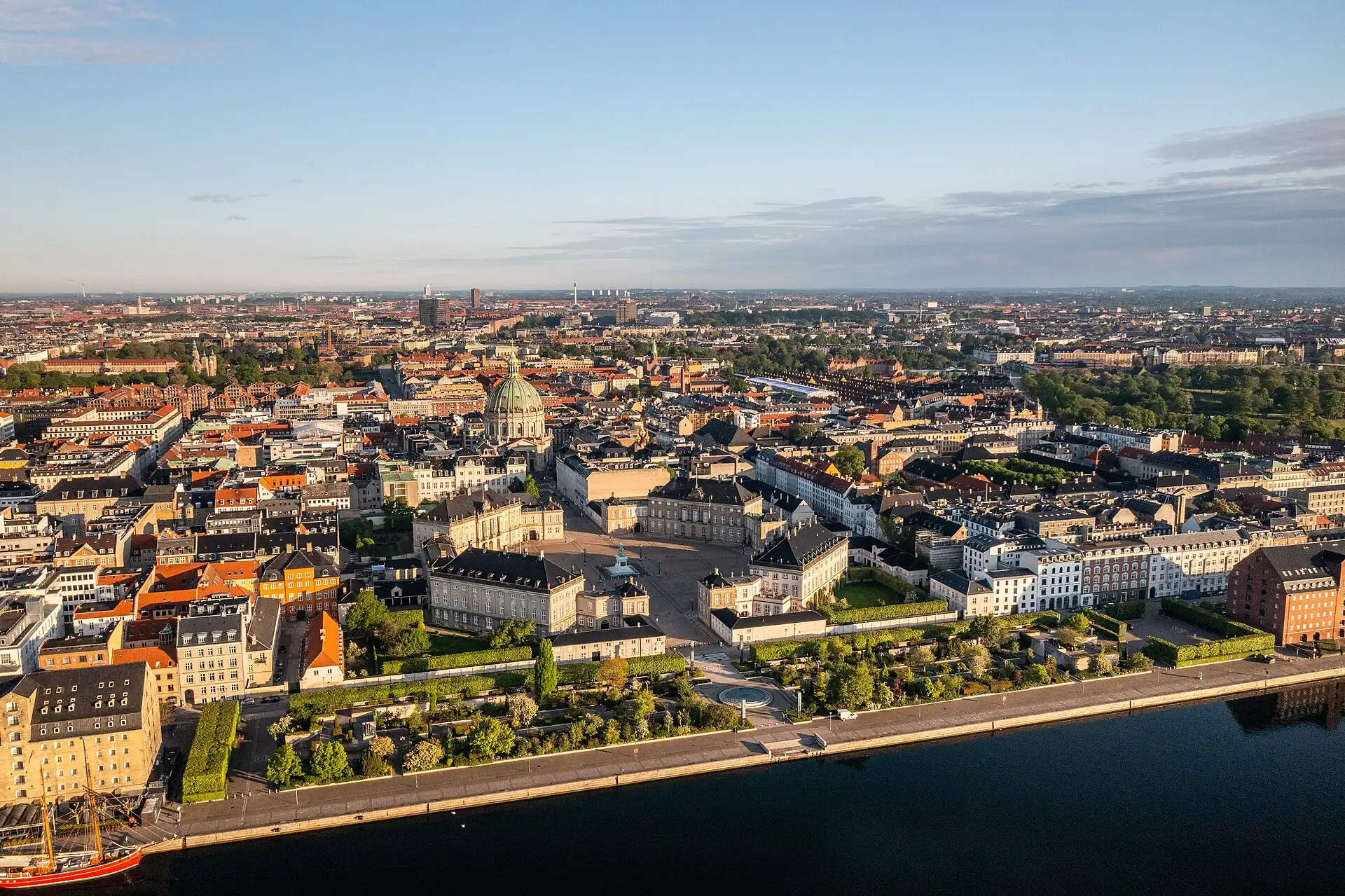
Copenhagen
København
Code DN · 4 walking zones
Copenhagen is a bike-and-daylight city: sights close together, expensive meals, and short winter days; plan the outdoors for midday and eat at the food halls rather than sit-down dinners.
Our quick read of Copenhagen, scored 1–5 (friction is out of 100). Cash need: how often you still need notes. Heat risk: how hot days get. Stroller: how easy wheels are. Friction: overall effort for a first visit. Desk judgements, so check before relying on them.
- Local time
- --:--
- Weather
- forecast below
- Currency
- DKK
- Best months
- Mar · Apr · May · Jun · Jul · Aug · Sep
- Airport
- Copenhagen Airport, Kastrup (CPH)
Walking zones: the 4 areas this guide plans a day around. Each is a district you can cover on foot, so you do one zone per half-day and ride the train between them. The code (DN 01, DN 02…) is just the zone's number on the Copenhagen line; the line under each name says how bags fare there and how much time it needs.
Map of Copenhagen
Use the switches to show or hide each kind of pin. A switch that is on shows its pins on the map; tap it again to hide them. "Show only" keeps just the pins that match (for example, places that fit a suitcase). Tap any pin for its name and a link to its page.
- Where to sleep
- Places
- Eat
- Walking clusters
- Rest stops
From the airport , Kastrup (CPH) to your bed
Tap a pin for its card. Places without their own coordinates are shown by their walking cluster.
Why Copenhagen
Copenhagen is flat, small and costly. The trips that go wrong walk in cycle lanes, book sit-down dinners at every meal, or arrive in December without daylight. Four walking clusters cover a first visit; Roskilde, Helsingør and Malmö are day trips from one kept bed.
See first
- 1
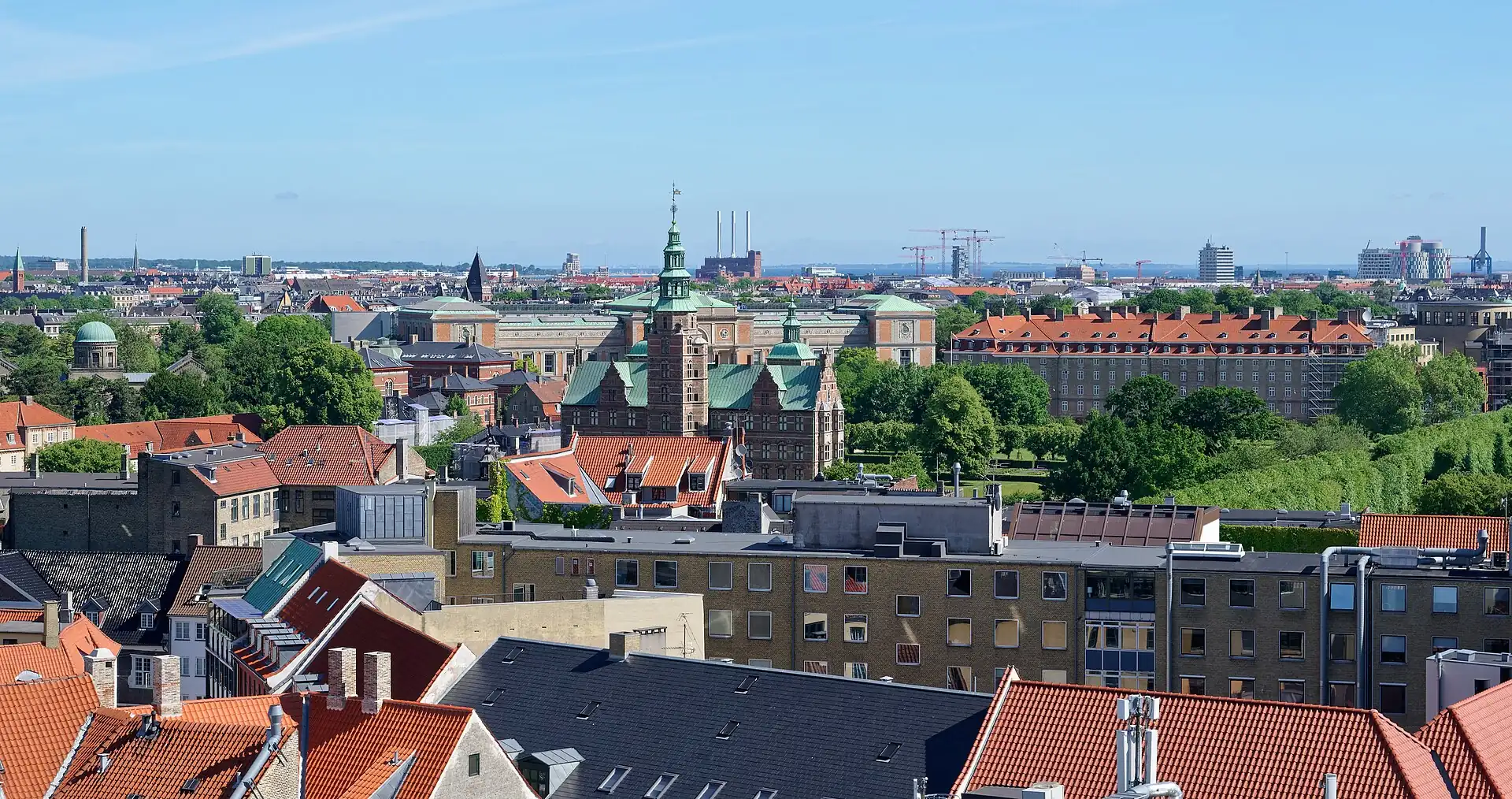 Rosenborg Castle and the King’s Garden · 1.5–2.5 h
- 2
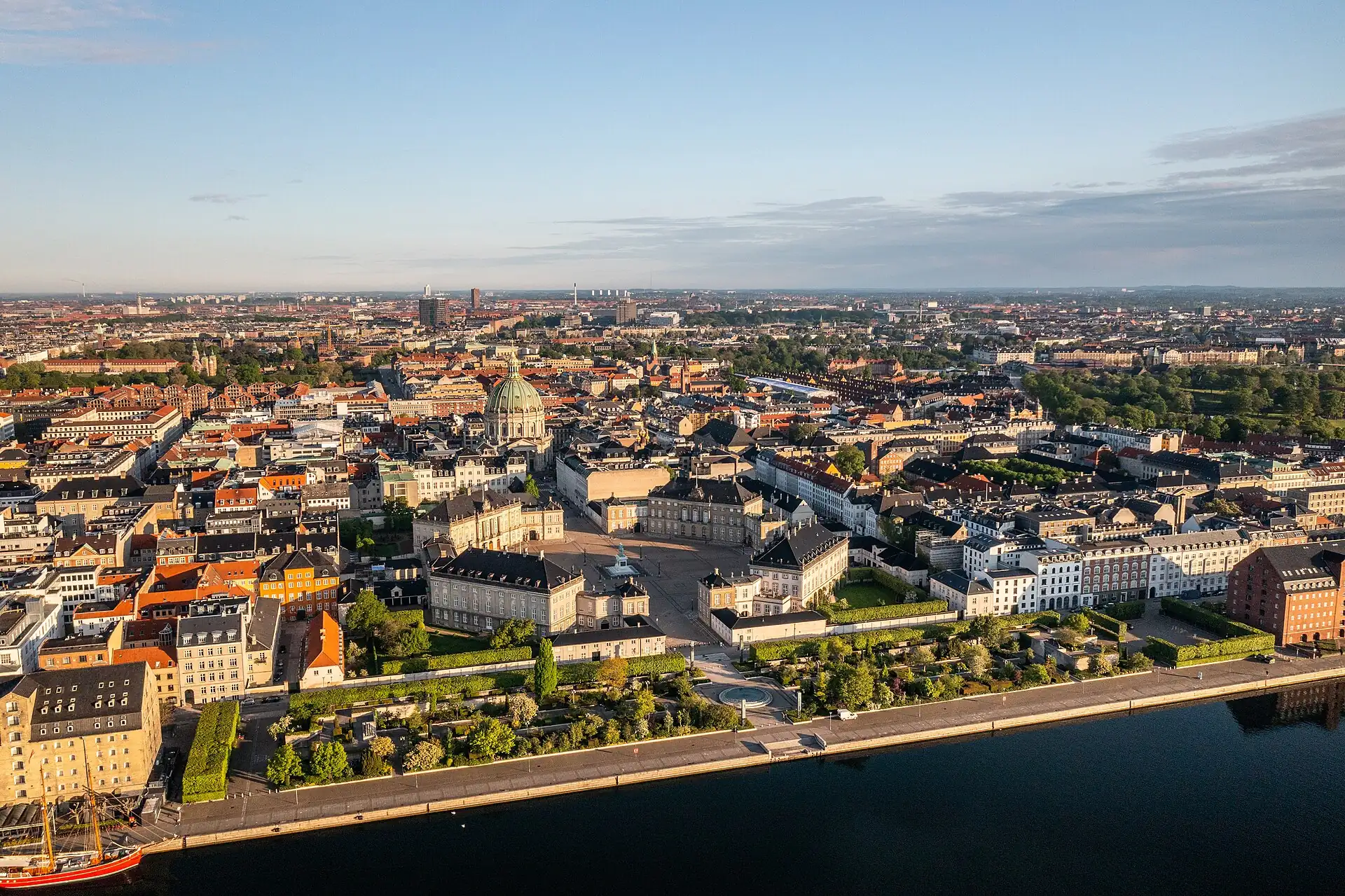 Amalienborg Palace · 1–1.5 h
- 3
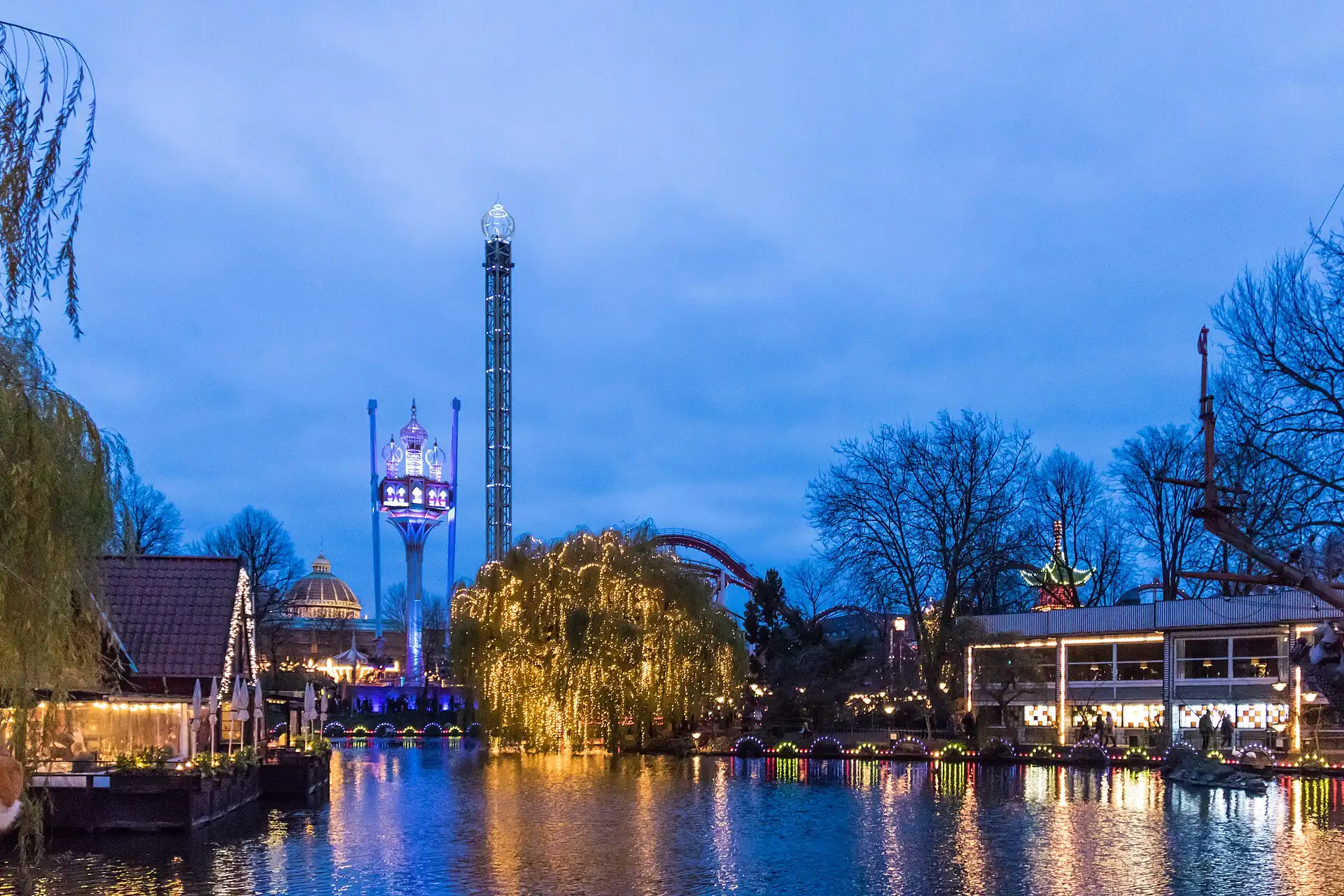 Tivoli Gardens · 2–4 h
- 4
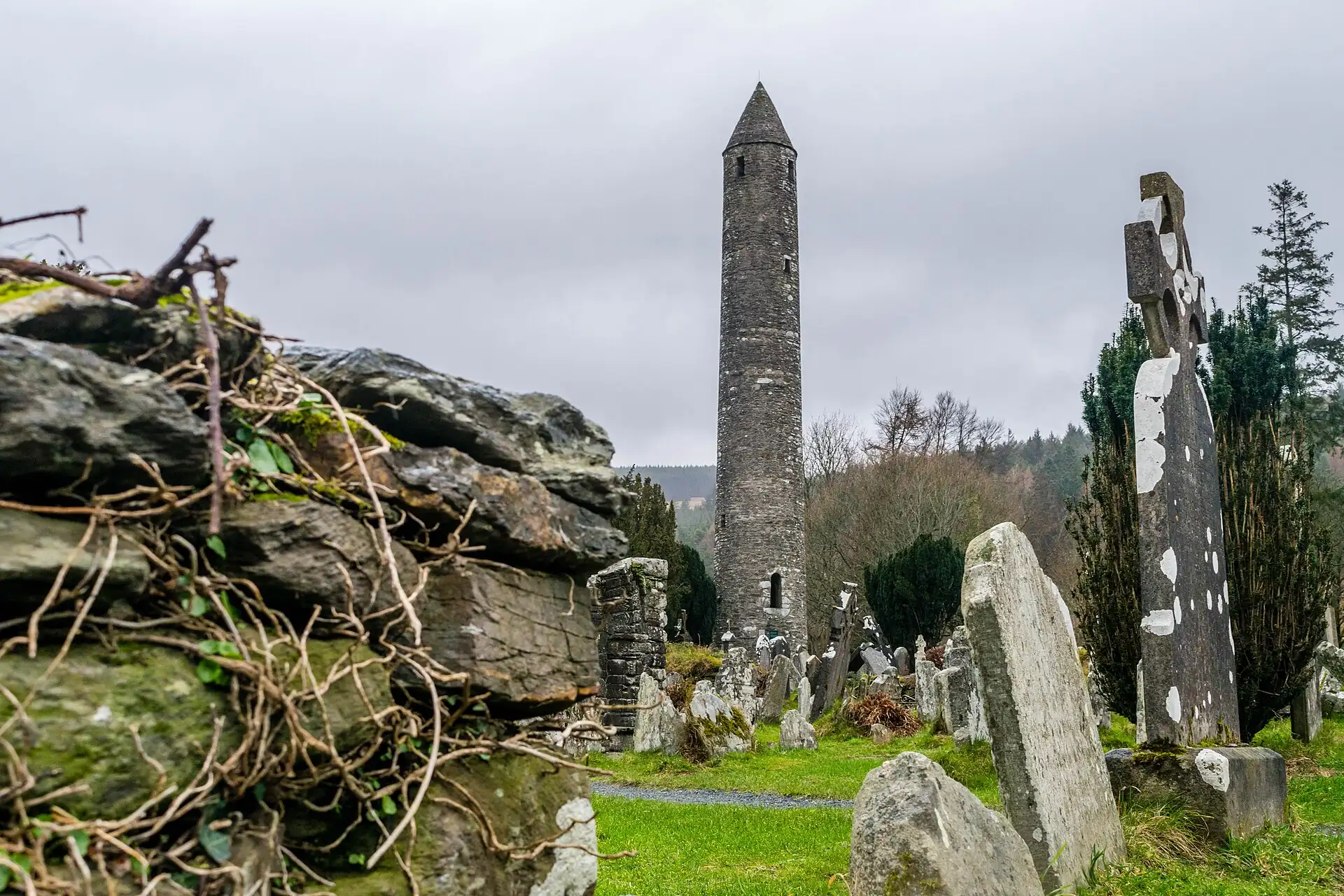 The Round Tower · 20–40 min
- 5
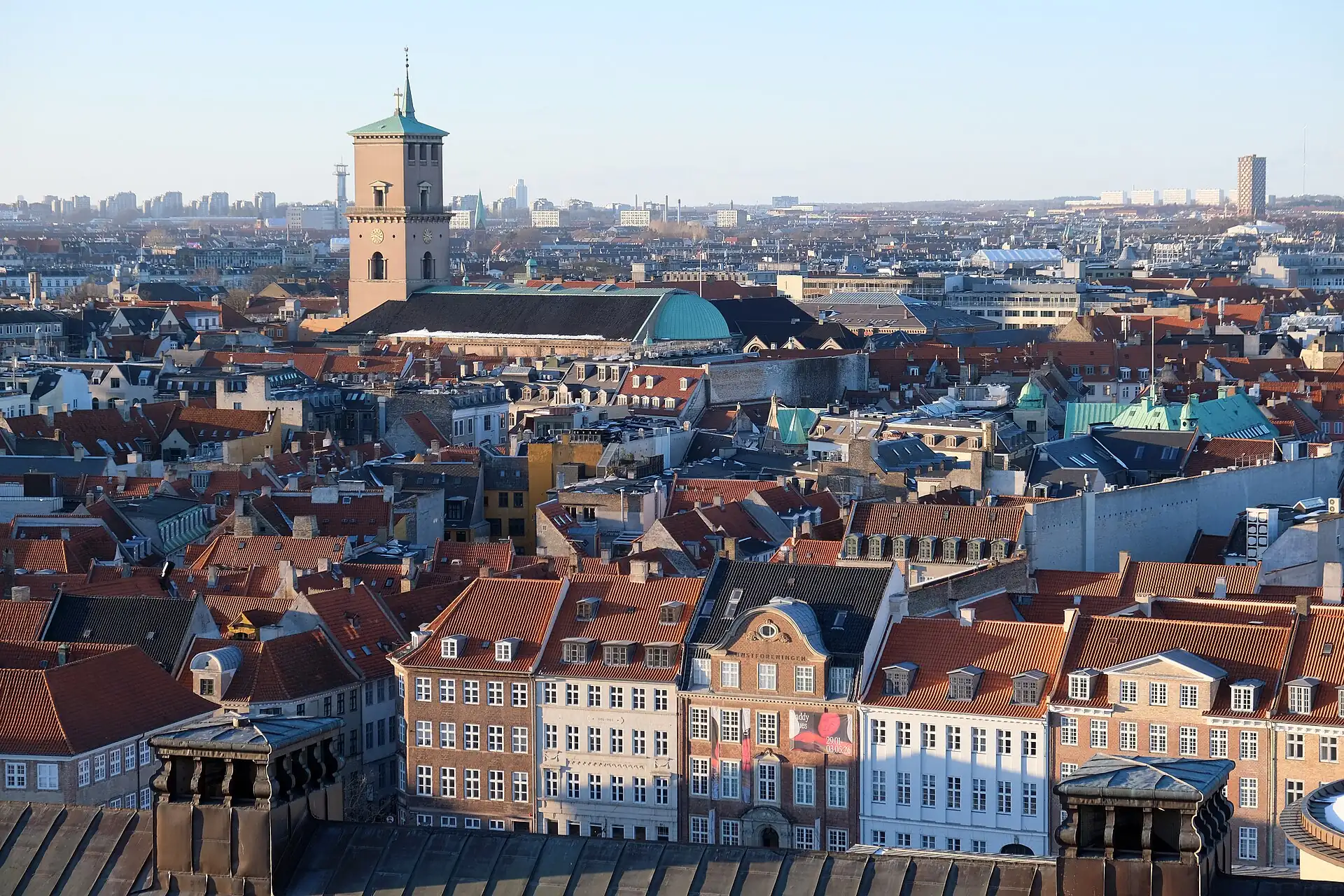 Christiansborg Palace and its tower · 45–120 min
Fits
- Short city breaks
- Design and food trips
- Travellers who cycle
Does not fit
- Budget-led trips
- December visitors who want daylight
- Beach-first trips
How long
- 2 daysRosenborg, Nyhavn, Strøget
- 3 daysFour clusters; one meal at a food hall
- 5 daysAdd Roskilde, Helsingør or Malmö by train
Good for
- First timers
- Foodies
- Budget
- Couples
- Solo
- Families
About Copenhagen
Copenhagen (København) grew from a fishing and trading harbour; the name means roughly "merchants’ harbour". A bishop, Absalon, built a fort on the islet of Slotsholmen around 1167, and Christiansborg Palace stands on that ground today.
The city has been the capital of Denmark since 1443 and the seat of a kingdom that once ran Norway and Iceland. Kings built the city you walk: Christian IV in the early 1600s (Rosenborg, the Round Tower, Nyhavn), then a run of 18th-century royal building around Amalienborg.
Fires and bombs remade the centre. Big fires in 1728 and 1795 and the British bombardment of 1807 destroyed much of the medieval city, so the old core reads as 18th- and 19th-century stone rather than medieval timber.
Good to know
- Indre By is the old centre; Vesterbro is the district behind the central station; Christianshavn is across the harbour and not the same as Christiania.
- The tourist office by the central station and hotel receptions hand out the free city map and sell the Copenhagen Card.
- Museum staff are a better source for same-day ticket questions than third-party apps.
Go deeper 10 min read · 6 chapters
Copenhagen is a harbour town that became a royal capital, then a bicycle city and a design and food destination. This deep dive reads it in layers: the bishop’s fort under the parliament, the king who built the skyline, the fires that reshaped the centre, the lanes built for bikes, and the food and design habits that make the city feel lived in rather than staged.
1History2 min
The name København means roughly "merchants’ harbour", and that is where the story starts. A sheltered strait, a herring trade and a fishing settlement on the east coast of Zealand made a natural port. Around 1167 Bishop Absalon, a churchman and soldier, built a fortress on the small island of Slotsholmen to protect the harbour from pirates. Every palace on that island since is a descendant of that fort, and the ruins of Absalon’s castle are open to visitors under Christiansborg Palace today.
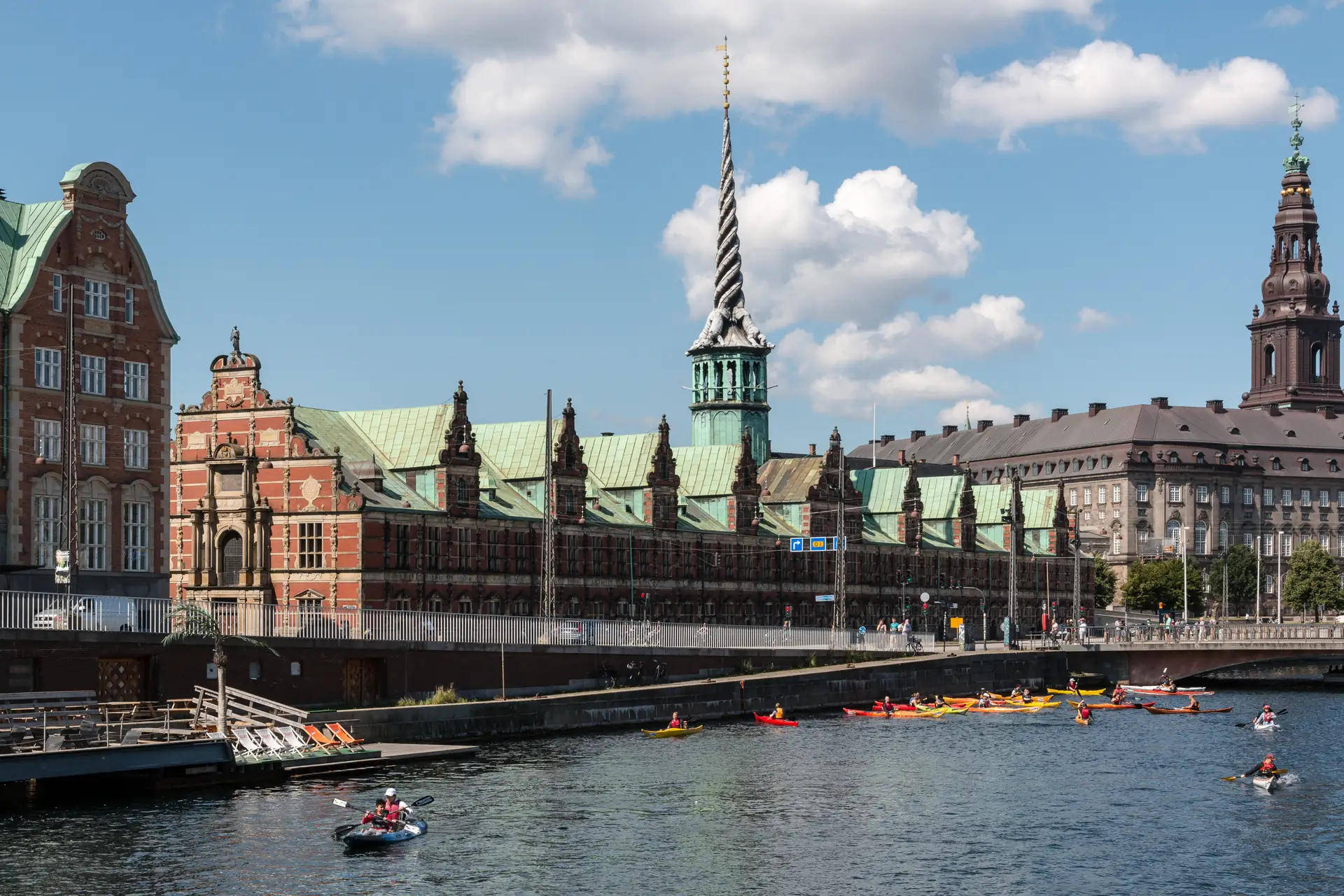
The town grew through trade and taxes on ships passing through the Øresund strait, and in 1443 it became the capital of Denmark. For the next four centuries it was the seat of a kingdom that included Norway, Iceland and, for a long time, parts of what is now Sweden and northern Germany. Kings made the city: the largest builder was Christian IV, who ruled from 1588 to 1648 and left Rosenborg, the Round Tower, the Stock Exchange with its twisted dragon spire, and the canal at Nyhavn.
Disaster reshaped the centre more than once. A large fire in 1728 destroyed much of the medieval city, and another in 1795 burned about a quarter of the remaining buildings. In 1807 a British fleet bombarded Copenhagen and seized the Danish navy. The rebuilt streets are why the old centre reads as 18th- and 19th-century stone, not the timber and half-timbered lanes of other northern cities.
Denmark was occupied by Germany from April 1940 to May 1945, and in October 1943 most of the country’s Jewish community, about 7,000 people, was ferried across the strait to Sweden by fishermen and resistance groups in a few days. Museums and memorials mention it; it is one of the things Copenhageners are quiet and proud about. Since the war the city has grown across the water: the Øresund bridge opened in 2000, and Copenhagen and Malmö now work as one commuter region.
- Fortress on Slotsholmen
- About 1167, Bishop Absalon
- Capital of Denmark since
- 1443
- Christian IV’s reign
- 1588 to 1648
- Big city fires
- 1728 and 1795
- British bombardment
- 1807
- Occupation
- 1940 to 1945
- Øresund bridge opened
- 2000
2Kings, palaces and the royal centre2 min
Copenhagen still has a working monarchy, and the city’s biggest sights are shaped by it. Christiansborg Palace is the third palace on its site: the first two burned, in 1794 and again in 1884, and the present building was completed in 1928. It houses the Danish parliament, the Supreme Court and the prime minister’s office, plus the royal reception rooms that the monarch uses for state occasions. That the same building holds the government and the ceremonial rooms is unusual and very Danish.
Rosenborg is the older royal story. Christian IV built it as a summer house in the early 1600s, in a Dutch Renaissance style, and it stayed a residence until the early 1700s. Today it holds the Danish crown jewels and the regalia in a strongroom in the basement, and the surrounding King’s Garden is a public park. The castle is small and you can see it in an hour and a half, which makes it easy to fit before lunch.
Amalienborg is where the royal family actually lives. After Christiansborg burned in 1794, the family moved into four mansions built in the 1750s around an octagonal square, and they have stayed. The guard changes at noon when it is on duty, and the flag on the roof tells you whether the family is at home. One of the four palaces holds a museum of royal life; the others are the family’s private home and offices, which is why you cannot wander the whole complex.
The practical point for a visitor is that royal Copenhagen is compact. Rosenborg, Amalienborg and Christiansborg are three separate visits with different opening days, and several close one weekday in the off-season. Check each one for your date rather than assuming they share a schedule. If you have only time for one, Rosenborg is the easiest and the most rewarding for an hour and a half.
- Christiansborg completed
- 1928, the third palace on the site
- Rosenborg built
- From 1606
- Amalienborg family home since
- 1794, four mansions from the 1750s
- Crown jewels
- Rosenborg treasury
- Guard change
- Around 12:00 when the guard is on dutyAround 12:00 PM when the guard is on duty
3Bikes, streets and how the city was rebuilt2 min
The first thing a visitor notices is the bicycles: more people commute by bike in Copenhagen than by car, and the city treats bike lanes as a road network with rules. That did not happen by accident. In the 1960s Copenhagen, like most European cities, was making room for cars. In 1962 the main shopping street, Strøget, was closed to traffic, and it became one of the first large pedestrian streets in Europe. Merchants said it would kill trade; it did the opposite, and the idea spread through the centre.
In the 1970s the oil crisis and a growing cycling movement changed the politics. Protests demanded safer streets, and the city responded over the following decades with protected lanes, bike bridges over the harbour and traffic signals timed for cyclists. Today there are hundreds of kilometres of lanes, often with a kerb between the bike and the car, and cyclists have their own traffic lights. The practical rule for a visitor is that a lane is a road, not a pavement.
The rules are simple. Ride on the right, signal with your arm before you turn or stop, and do not stop in the lane. Locals cycle fast, so a slow rider should keep to the right, and a pedestrian should never wait or walk in the lane while checking a map. Helmets are common but not required; lights are required after dark. If you rent a bike, photograph it before you go, lock it every time, and read the terms in the app about return fees.
Public transport follows the same logic. The metro runs around the clock, is driverless and has lifts at every station, and the S-train and bus network use the same zone tickets. A new circle line, the Cityringen, opened in 2019 and links the districts around the centre. The result is a city where you can go to the airport, a beach and a castle without a car, which is why the city’s own tourism materials call it a walking and cycling city.
- Strøget pedestrianised
- 1962
- Metro runs
- Around the clock; driverless
- Cityringen opened
- 2019
- Bike rule
- A lane is a road; do not stand or walk in it
- Airport to centre by metro
- About 15 minutes
4Food: smørrebrød, bakeries and the food halls2 min
Danish food starts with rye bread. Rugbrød is dark, dense, sour and a little sweet, and it carries the classic lunch: smørrebrød, an open sandwich with a topping such as marinated herring, roast beef with remoulade, liver pâté with pickled beetroot, or egg and shrimp. There is an order to it: fish first, then meat, then cheese, with a small glass of chilled snaps and a beer. The tradition lives in lunch restaurants such as Schønnemann, open since 1877, where a table for two hours is the point, not the fuel.
The other classic is the bakery. A Danish pastry, wienerbrød, means "Vienna bread", and the story is that Danish bakers went on strike in the 1850s and Austrian bakers were brought in, whose laminated dough became the local pastry. A bakery counter is the cheapest respectable breakfast in the city, with a pastry and a coffee at around DKK 70 to 100. A confectioner such as La Glace, open since 1870, is the sit-down version, where the layered sports cake is the house order.
Since the early 2000s the city has also been a testing ground for the New Nordic cooking movement, which turned to local ingredients, foraging and fermenting. That is the high end and the reason the city has a large number of Michelin-starred restaurants; it is also expensive and booked weeks ahead. Most visitors are better served by the middle: food halls such as Torvehallerne, street-food markets and lunch menus at neighbourhood restaurants.
Costs shape how you eat. Restaurant dinners are among the dearest in Europe, and lunch menus cost noticeably less than the same kitchen at night. A hot dog from a cart is the cheapest hot meal, a bakery sandwich is the next, and supermarkets sell good rye bread and cheese for a picnic in the King’s Garden. Service is included in the price and tips are not expected. Tap water is free in restaurants if you ask for "postevand".
- Rye bread
- Rugbrød, dense and dark
- Schønnemann open since
- 1877
- La Glace open since
- 1870
- Pastry name
- Wienerbrød, "Vienna bread"
- Service
- Included in the price
5The harbour, Christianshavn and the districts2 min
Copenhagen is a water city. The harbour, once an industrial port, is now clean enough that the city has public harbour baths on summer days, and the old docklands have become housing, offices and food halls. The best way to understand this is a canal boat tour, or a harbour bus, which runs as public transit along the water past the Opera House and the new waterfront blocks.
Christianshavn, across the inner harbour, was laid out in the 1600s as a merchant and naval district, with canals modelled on Amsterdam. It has the Church of Our Saviour, whose spiral outside stair climbs the spire, and a quiet, canal-side village feeling a short walk from the centre. Confusingly, it is next to Freetown Christiania, a self-governing community set up in 1971 in former army barracks. Christiania is a neighbourhood where about 1,000 people live. Its rules are posted at the gate: do not run, do not photograph in the market street.
Vesterbro, west of the central station, was a working-class and red-light district a generation ago and is now the main area for bars, restaurants and the old Meatpacking District, Kødbyen. It is where many younger visitors and residents eat and drink. The streets right behind the station are rougher at night, while the blocks further in are lively and mixed. Nørrebro, to the north-west, is a multicultural residential area with cafés and independent shops, about a bus or bike ride from the centre.
Two ideas help you plan. First, the centre is small: you can see Rosenborg, Strøget and Nyhavn in a day on foot. Second, the districts have different rhythms, so pick a base that matches your trip: Indre By for sights on the doorstep, Vesterbro for evenings and value. Beyond the city, the strait is busy: trains cross to Sweden in about half an hour, and Roskilde, Helsingør and Louisiana are half-day trips.
- Christianshavn founded
- Early 1600s as a merchant and naval district
- Christiania founded
- 1971 in former army barracks
- Vesterbro anchor
- Kødbyen, the old Meatpacking District
- Malmö by train
- About 35 minutes
- Roskilde by train
- About 25 minutes
6Design, hygge and how the city lives2 min
Danish design is not a decorative label but a habit of making everyday things well. In the mid-20th century a group of Danish architects and cabinetmakers, among them Arne Jacobsen, Finn Juhl and Hans Wegner, made chairs, lamps and tables that were meant for ordinary homes and still sell today. The Design Museum Denmark, in a former hospital, tells that story, and shops around Amagertorv on Strøget sell current designs and Royal Copenhagen porcelain.
You see the same habit in the city’s public spaces. Benches, bike racks, street lights and the harbour baths are all designed, and the results are clean and functional. Tivoli Gardens, opened in 1843, is an older example: a garden of lights, lakes and small rides designed for a pleasant evening, not for extreme thrills. Its designers wanted something calm, not loud, and much of the layout is still from the 19th century. It says something about Danish taste that the country’s best-known amusement park is a garden with a pantomime theatre.
Then there is hygge, the untranslatable word for a cosy, unhurried togetherness: candles, blankets, coffee and a slow evening. It is real and it is seasonal. Winter dark starts by about 16:00, and the city answers with candlelight in cafés and windows, Christmas markets and warm drinks. In summer the same habit moves outdoors, with picnics in parks, evening swims at the harbour and long terraces on the water.
For a visitor the everyday points are practical. Shops close early on Saturday and many stay closed or short on Sunday. Cards are accepted almost everywhere, and some cafés no longer take cash. People queue politely and speak quietly on the metro, and almost everyone speaks English. The main risk is not crime but the bike lane, so look both ways before you step off a pavement. Prices are high, so plan your spending around lunch, bakeries and free sights, and keep the expensive dinner for one evening you will remember.
- Design tradition
- Mid-20th-century Danish furniture and lighting
- Tivoli opened
- 1843
- Winter daylight
- About 7 hours in late December
- Sunday trading
- Many shops closed or short
- Card use
- Almost universal
Read, watch, wordsReading · Glossary
Reading
- The Almost Nearly Perfect People — Michael BoothA humorous, critical look at the Nordic countries; read it as opinion, not a guide.
- Copenhagen (Wikivoyage guide) — Wikivoyage contributorsA free travel guide with district-by-district practical notes; check details before you go.
Glossary
| Term | Local | Meaning |
|---|---|---|
| Indre By | Indre By | The Inner City, the old centre between the station and the harbour. |
| Smørrebrød | Smørrebrød | An open sandwich on dark rye bread. |
| Hygge | Hygge | A cosy, unhurried togetherness, usually with candles and coffee. |
| Snaps | Snaps | A small glass of chilled spirit, often caraway-flavoured, served with herring. |
| Slotsholmen | Slotsholmen | The island in the harbour where Christiansborg Palace stands. |
Rules in force · 8Non-EU visitors get 90 days in any rolling 180-day window…
- Europe ↗Non-EU visitors get 90 days in any rolling 180-day window, counted across all 29 Schengen states together — not per country; the Entry/Exit System now logs each crossing, so an overstay is detected automatically.
- Europe ↗On the first Schengen entry since EES began, non-EU travellers give four fingerprints and a face photo at the border instead of a passport stamp; there is nothing to apply for or pay in advance.
- Nordic countries ↗Decide light or dark before anything else: summer trips (June–August) and aurora trips (September–March in the Arctic) need different countries, clothes and bases.
- Nordic countries ↗Sweden, Norway, Finland, Iceland and the Faroes sell stronger alcohol only in state shops with short hours; buy before evening and before Sundays and holidays.
- Denmark ↗Denmark is in the EU and the Schengen area. Check the entry rules for your passport on official sources; Greenland and the Faroe Islands have separate entry arrangements.
- Denmark ↗Bike lanes are busy fast lanes: do not walk or stand in them, and signal before you stop if you cycle.
- Denmark ↗Denmark is close to cashless: cards and phone payments work almost everywhere, even for small amounts.
- Copenhagen and Zealand ↗Buy train tickets in the DOT or DSB app before you board; check the last return before you leave.
Entry rules depend on your passport. Full visa guide
Emergency numbers for Copenhagen112 ▾
Tap a number to call from your phone. These are the numbers listed in this guide; a row marked check has not been verified.
Planning is the full guide. I'm here keeps what is open and the cheat card.
Right now
Checking the weather…
Working out what is open near you…
What is open nowclock, closures, places open
Now in Copenhagen
Local time in Copenhagen
--:--
Loads in your browser · Europe/Copenhagen
This month
Month verdict appears here.
Closed today
See the weekly grid below.
| Weekly closure | Mon | Tue | Wed | Thu | Fri | Sat | Sun |
|---|---|---|---|---|---|---|---|
| Many museumscheckA number of Copenhagen museums close on Monday; check each one. | ✕ | · | · | · | · | · | · |
If today is a closure day: Weekday mornings are the quietest time for Rosenborg and Amalienborg; weekends and July fill the palaces and Nyhavn.
- check Tivoli Gardens: Open in seasons only; check the calendar.
Weekly closures come from our place pages; public holidays and Christmas add closures not shown here.
Open now
The sights and places to eat on our list that are open at this moment, in the city's time, nearest first from where you are staying.
Loads in your browser with the city's local time.
Hours marked (check) are typical, not confirmed. Walking times are straight-line estimates. Open at another time →
Cheat cardthe pocket version
Cheat card
The essentials on one card: save it as an image for your phone, share it, or print it.
Copenhagen
København
- Money
- Cash is rarely needed; keep a card or phone payment ready and DKK 200 in notes for a rare cash-only stall.
- SIM
- Install an eSIM before you fly, or buy a SIM at the airport or a phone shop (passport needed).
- Ride app
- Uber / Bolt / local taxi apps
- Emergency
- 112 All services · 1813 Non-emergency medical helpline (not 911, 999 or 000)
- Plugs
- Sockets C/K. US/Canada (A/B): adapter · UK/Ireland (G): adapter · Australia/NZ (I): adapter. 230 V: US 120 V-only devices (hair dryers) need a converter; most chargers are dual-voltage.
Say it
- Hello: Hej (hi)
- Thank you: Tak (tahk)
- How much is it?: Hvad koster det? (vahth KOS-ter deh)
- The bill, please: Regningen, tak (RY-ning-en, tahk)
- Cheers!: Skål! (skawl)
Top 5
- Rosenborg Castle and the King’s Garden
- Amalienborg Palace
- Tivoli Gardens
- The Round Tower
- Christiansborg Palace and its tower
EssentialsQuick answers, what things cost and how to get around
Essentials
Quick answers, what things cost and how to get around
Quick answers
The questions people ask first about Copenhagen, one line each. Tap a card for the full answer.
- Cash or card?Cards and phone payments are the norm and some cafés no longer take cash.
- SIM or eSIMInstall an eSIM before you fly, or buy a SIM at the airport or a phone shop (passport needed).
- Ride-hailing appUber / Bolt / local taxi apps.
- Tap waterTap water is safe to drink; ask for "postevand" in a restaurant to get it free.
- TippingNot expected; service is included.
- Plugs & powerSockets C/K. US/Canada (A/B): adapter · UK/Ireland (G): adapter · Australia/NZ (I): adapter. 230 V: US 120 V-only devices (hair dryers) need a converter; most chargers are dual-voltage.
Show all 14 answers
- Safe at night?Take more care after dark in Tivoli and the central station, Christiania.
- What to wearA rain jacket in every season
- Emergency numbers112 All services · 1813 Non-emergency medical helpline (not 911, 999 or 000)
- Your embassycheckUS, UK, Canada embassies listed with addresses (check before you go).
- Closed which day?Mon: 1 on our list shut.
- Sundays & holidaysShops open about 10:00–18:00 on weekdays and close earlier on Saturday; many are shut or short on Sunday.Shops open about 10:00 AM–6:00 PM on weekdays and close earlier on Saturday; many are shut or short on Sunday.
- Rainy-day planRain can arrive any month with little warning; keep a museum as the standing rain-day plan.
- Landing lateCPH: ride-hailing car or taxi to the door runs all night.
Cost cheat-sheetwhat everyday things cost
Cost cheat-sheet
Typical prices for the everyday things, as ranges. Change the currency right here; the local price stays first.
2026 desk estimate · check
- CoffeeCoffee at a caféDKK 40–55 (≈ US$7–9)
- Sit-down mealDinner at a sit-down restaurant, per personDKK 300–600 (≈ US$50–95)
- Street or quick mealLunch (smørrebrød or a sandwich), per personDKK 90–200 (≈ US$15–35)
- BeerPint of beer in a barDKK 55–85 (≈ US$9–14)
- Metro or bus ridetwo zonesDKK 24–30 (≈ US$4–5)
- Museum or sight ticketTivoli entry (rides extra)DKK 150–170 (≈ US$25–30)
- Budget bedHotel double room, a night, per roomDKK 900 (≈ US$150)
- Mid-range bedHotel double room, a night, per roomDKK 1,500 (≈ US$250)
- High-end bedHotel double room, a night, per roomDKK 2,800 (≈ US$450)
A day, not counting the bed: Budget DKK 450 (≈ US$75) · Mid DKK 800 (≈ US$130) · High DKK 1,500 (≈ US$250)
Local prices, with USD next to them (rates 2026-09 (approximate); change it in the header). Ranges are desk estimates: check locally. Every price and the budget calculator →
Source: Prices in Copenhagen
Draft
Written from desk research. Not yet compared with the official source.
No official source is recorded for this figure.
Prices are 2026 desk estimates, not yet compared with an official source. Check on the day.
Not checked in the last 12 months (no check date on file).
DecideWho it suits, the trade-offs and when to go
Decide
Who it suits, the trade-offs and when to go
Best months at a glance
The guide's verdict for each month
Jan
Care
3°C (37°F)37°F (3°C)
Feb
Care
4°C (39°F)39°F (4°C)
Mar
Best
7°C (45°F)45°F (7°C)
Apr
Best
12°C (54°F)54°F (12°C)
May
Best
17°C (63°F)63°F (17°C)
Jun
Best
20°C (68°F)68°F (20°C)
Jul
Best
22°C (72°F)72°F (22°C)
Aug
Best
22°C (72°F)72°F (22°C)
Sep
Best
18°C (64°F)64°F (18°C)
Oct
Care
12°C (54°F)54°F (12°C)
Nov
Care
8°C (46°F)46°F (8°C)
Dec
Care
4°C (39°F)39°F (4°C)
Best: Mar–Sep. Mixed: Oct–Feb. Month by month →
Warmest Jul (22°C (72°F)72°F (22°C)), coolest Jan (−1°C (30°F)30°F (−1°C) low), wettest Nov (17 rain days), driest Apr (10). Averages, not a forecast.
Copenhagen across the year
Best-looking months for Copenhagen: May, Jun, Jul.
| Measure | Jan | Feb | Mar | Apr | May | Jun | Jul | Aug | Sep | Oct | Nov | Dec |
|---|---|---|---|---|---|---|---|---|---|---|---|---|
| Weather | Mixed (care) | Mixed (care) | Good (good) | Good (good) | Great (good) | Great (good) | Great (good) | Great (good) | Good (good) | Mixed (care) | Mixed (care) | Mixed (care) |
| Crowds | Low (good) | Low (good) | Low (good) | Medium (ok) | Medium (ok) | High (care) | High (care) | High (care) | Medium (ok) | Low (good) | Medium (ok) | Medium (ok) |
| Prices | Low (good) | Low (good) | Medium (ok) | Medium (ok) | Medium (ok) | High (care) | High (care) | High (care) | Medium (ok) | Medium (ok) | Medium (ok) | High (care) |
| Events | None listed (ok) | None listed (ok) | 2 events (care) | 1 event (ok) | 1 event (ok) | 3 events (ok) | 3 events (ok) | 2 events (ok) | None listed (ok) | 1 event (ok) | 1 event (ok) | 3 events (care) |
Green is good news, amber needs planning, red is a month to avoid; dashed grey with a question mark means our data does not say. Open the year heatmap →
Not checked in the last 12 months (no check date on file).
Source: Months, temperatures and crowds
Draft
Written from desk research. Not yet compared with the official source.
Monthly highs, rain and crowd levels are climate averages and desk estimates for the city, not a forecast.
Understand the cityUnderstand · Districts
Orientation & districts
The old centre (Indre By) sits between the central station and the harbour. Strøget runs through it, east to west. Vesterbro lies west of the station, Nørrebro north-west, and Christianshavn across the inner harbour to the south-east. Everything a first visit needs is inside about 3 km of the station.
Metro, bus and bike beat walking when clusters are more than about 20 minutes apart. Google Maps and the DOT and Rejseplanen apps route transit well.
Shaded shapes: walking areas (click one). Black pins: sleep areas. Grey dots: places. Round badges: arrivals. Click the map to turn on scroll-wheel zoom.
Hover, tap or tab to an area to see what it is like. Pins are sleep areas; arrows at the edge point to the airport.
Off the map: Copenhagen Airport, Kastrup (CPH) (25–40 min by the usual route).
Not drawn yet (no coordinates in this guide): Nørrebro, Christianshavn and Christiania. They are in the neighbourhood cards below.
Where’s what, as a list:
- Indre By (Inner City) (Indre By): Flat, central and expensive; the busiest by day. Suits: A first visit; walking to Strøget, the Round Tower and the palaces. Price band $$$.
- Nyhavn and Frederiksstaden (Nyhavn og Frederiksstaden): Nyhavn is a photo stop with high prices; walk a block inland for cheaper meals. Suits: The harbour canal, Amalienborg and the Design Museum.
- Nørreport and Rosenborg (Nørreport): A morning cluster with the best public transit hub. Suits: The castle, the King’s Garden and the food halls.
- Vesterbro (Vesterbro): The area right behind the central station is rougher at night; the streets further in are livelier and calmer. Suits: A younger base, food and bars, and the Meatpacking District. Price band $$.
- Nørrebro (Nørrebro): A residential district a bus or bike ride from the centre. Suits: Cafés, independent shops and a multicultural high street.
- Christianshavn and Christiania (Christianshavn): Christianshavn is not the same as Christiania; the second is a separate community with its own rules. Suits: Canals, the Church of Our Saviour and the free town of Christiania.
- Sleep area Indre By (Inner City): suits A first visit; walking to Strøget, the Round Tower and the palaces, price band $$$.
- Sleep area Vesterbro & Central Station: suits A younger base, food and bars, and the Meatpacking District, price band $$.
- Copenhagen Airport, Kastrup (CPH), 25–40 min by the usual route.
Neighbourhoods at a glance
One tab per area, pulled together from this guide’s districts table, area notes, sleep-area scores and place pages. Scores are desk judgements (1–5); prices are estimates, check before you book.
Indre By (Inner City)
$$$Indre By
Flat, central and expensive; the busiest by day.
- Suits:
- A first visit; walking to Strøget, the Round Tower and the palaces
- Best time:
- Before 10:00 or after 19:00Before 10:00 AM or after 7:00 PM
- Rooms:
- DKK 1,200–2,200 (from the sleep guide)
Pick this if: First visits, shoppers, lunch
Watch out for: Sitting at the first tourist café you see on the pedestrian street.
- Quiet nights3/5 Medium
- Nightlife3/5 Medium
- Families4/5 High
- Late arrival4/5 High
Why these scores
- Quiet nights: Busy by day around Strøget, calmer on side streets after 21:00.
- Nightlife: Bars around Kongens Nytorv; the livelier zone is Vesterbro.
- Families: Flat and safe; sights are close.
- Late arrival: Most hotels have a staffed desk; confirm night check-in.
Getting around from here
- 16–22 min walk to Rosenborg & Nørreport
- 22–30 min walk to Nyhavn, Kongens Nytorv & Amalienborg
Nyhavn and Frederiksstaden
Nyhavn og Frederiksstaden
Nyhavn is a photo stop with high prices; walk a block inland for cheaper meals.
- Suits:
- The harbour canal, Amalienborg and the Design Museum
- Best time:
- Early morning or evening
Pick this if: Photographers and the guard change
Watch out for: Eating on the quay at full price.
Getting around from here
- Walk west along Strøget: about 15 min to Strøget & the Latin Quarter
Nørreport and Rosenborg
Nørreport
A morning cluster with the best public transit hub.
Feels: A green garden beside a bustling station
- Suits:
- The castle, the King’s Garden and the food halls
- Best time:
- At opening
Pick this if: A slower morning
Watch out for: Rush hour at the station.
Getting around from here
- Walk south-west: about 10 min to Strøget & the Latin Quarter
- Walk south-east: about 15 min to Nyhavn, Kongens Nytorv & Amalienborg
Vesterbro
$$Vesterbro
The area right behind the central station is rougher at night; the streets further in are livelier and calmer.
- Suits:
- A younger base, food and bars, and the Meatpacking District
- Best time:
- After 17:00After 5:00 PM
- Rooms:
- DKK 200–350 dorm bed · DKK 700–1,100 double (from the sleep guide)
Pick this if: Evenings and a budget bed
Watch out for: Walking back alone late on the streets behind the station.
- Quiet nights3/5 Medium
- Nightlife5/5 Very high
- Families3/5 Medium
- Late arrival4/5 High
Why these scores
- Quiet nights: Livelier at night on the main strips; quieter on side streets.
- Nightlife: The main bar and restaurant zone.
- Families: Parks and cafés; some late-night noise on weekends.
- Late arrival: Close to the station and the airport metro.
Getting around from here
- 19–26 min walk to Strøget & the Latin Quarter
- 6–9 min walk to Tivoli & Central Station
Nørrebro
Nørrebro
A residential district a bus or bike ride from the centre.
- Suits:
- Cafés, independent shops and a multicultural high street
Christianshavn and Christiania
Christianshavn
Christianshavn is not the same as Christiania; the second is a separate community with its own rules.
- Suits:
- Canals, the Church of Our Saviour and the free town of Christiania
Ward by ward
11 area guides. Open one for the short answer, the key facts and what the area is like; the full guide is linked inside. Prices marked (check) are estimates.
AmagerBest for: Airport nights, Ørestad architecture, budget hotels, Islands Brygge harbour swimming
Stay on Amager if you want airport convenience, modern architecture or lower hotel prices, and you are happy to ride the metro 10–15 minutes into the centre. Skip it if your trip is about Nyhavn, Strøget and nightlife on foot — the old city is a better base for a short first visit.
- Best for:
- Airport nights, Ørestad architecture, budget hotels, Islands Brygge harbour swimming
- Worst for:
- Walking to the old city; Amager is a separate island southeast of the centre
- Metro to Kongens Nytorv:
- About 10–15 minutes from Islands Brygge or Amagerbro (check)
- Airport to city centre:
- Metro M2 runs from the airport to the centre in about 15 minutes (check)
- Local food street:
- Amagerbrogade — bakeries, shawarma, pizza, cafés
- Swimming:
- Islands Brygge harbour bath, free, open in the summer season (check)
- Green space:
- Kalvebod Fælled, a large wetland and bird area on the west side
- Day trip:
- Dragør old fishing town, bus 350S from Amagerbro (check)
What Amager is like
Amager is the island immediately southeast of central Copenhagen, connected to the city by bridges and the metro. It holds the airport, the new Ørestad district, long-established working-class neighborhoods along Amagerbrogade, and the old fishing town of Dragør at the southern tip. Population is around 196,000, so it is a city in its own right rather than a suburb.
The island changed fast after the Øresund Bridge to Malmö opened and two metro lines were built. Ørestad and Havneholmen are now the modern-architecture showpieces, while Islands Brygge has a harbour bath and a waterfront promenade that locals use all summer. Further out, Kalvebod Fælled is a flat wetland of grass, water and birds — good for a bike ride, with wind and little shade.
The northern housing blocks keep a strong local identity, and Amagerbrogade is the everyday shopping street: bakeries, greengrocers, kebab and pizza places, and cafés that mostly serve residents rather than visitors.
Full Amager guideShould you stay here?
Choose Amager for a short stopover, an early flight, or a cheaper room with a metro station outside. The metro makes the centre easy: from Islands Brygge or Amagerbro you reach Kongens Nytorv in roughly 10–15 minutes, and the airport is on the same line. Ørestad suits travellers who want new buildings, big hotels and the Field's shopping centre next door.
Do not base a first Copenhagen trip here if you plan to walk everywhere. The old city — Nyhavn, Strøget, the Round Tower — is across the harbour, and Amager's own streets are residential. Vesterbro, Nørrebro or Indre By put you closer to restaurants and nightlife on foot.
Families and cyclists often do well on Amager: quieter streets, the beach at Amager Strandpark, and bike paths that run to the centre and to Dragør.
BallerupBest for: Budget beds, families with a car, travellers visiting Ballerup for work or relatives
Stay in Ballerup only if you want a cheap, quiet suburban base with fast S-train links to central Copenhagen — about 30–40 minutes to the centre. Most first-time visitors should sleep in Indre By, Vesterbro or Nørrebro and treat Ballerup as a half-day trip for its local-history museum and open farmland.
- Best for:
- Budget beds, families with a car, travellers visiting Ballerup for work or relatives
- Skip if:
- You want Copenhagen's nightlife, harbour or restaurants on your doorstep
- S-train to Copenhagen:
- Lines C and H from Ballerup St, about 30–40 minutes
- Distance to city centre:
- About 15 km (9.3 mi) northwest of central CopenhagenAbout 9.3 mi (15 km) northwest of central Copenhagen
- Population:
- About 48,000 in the municipality
- Tickets:
- Single ticket or City Pass via the DOT Tickets app or station machines (check)
- Local museum entry:
- 30 kr, 2026 estimate (check)
What Ballerup is like
Ballerup is a municipality in Copenhagen's northern suburbs, roughly 15 km (9.3 mi) northwest of the centre, and the name covers both the administrative area and its main town. It is not a sightseeing district. It is a working suburb of low apartment blocks, detached houses, schools, offices and small shopping streets, with farmland and village remnants at its edges.Ballerup is a municipality in Copenhagen's northern suburbs, roughly 9.3 mi (15 km) northwest of the centre, and the name covers both the administrative area and its main town. It is not a sightseeing district. It is a working suburb of low apartment blocks, detached houses, schools, offices and small shopping streets, with farmland and village remnants at its edges.
The municipality runs international partnerships, and some public art and sculpture around town comes from those exchanges. The most visitor-relevant corner is Pederstrup, a small cluster of old thatched houses just outside the main town, where the local-history museum occupies four of the buildings. Next door, Grantoftegård is an organic farm with a restaurant and a farm shop.
Expect Danish suburbia: quiet evenings, supermarkets, bakeries and a station square rather than bars and galleries. English is spoken almost everywhere, prices are in Danish kroner, and tipping is already included in bills.
Full Ballerup guideShould you stay in Ballerup
Choose Ballerup if the trip is about something other than Copenhagen sightseeing: visiting family, a course or office nearby, a Legoland-style family stopover, or simply the cheapest bed you can find within the S-train network. Hotel and guesthouse rates here undercut central Copenhagen, and parking is far easier if you have a car.
Do not choose it if you have three or four days and want the city. Commuting in for Tivoli, the harbour and dinner in Vesterbro costs you 60–80 minutes of train time a day, and the last trains back run before the city's nightlife ends. Travellers who want a residential feel but still walk to sights are better off in Frederiksberg, Østerbro or Amager.
A middle option: stay two nights in Ballerup for the suburban quiet and move into Indre By or Vesterbro for the rest of the trip.
Christiania
Christiania is worth a half-day visit, not a base: it is a car-free, self-governing community of about 850–1,000 residents on 7.7 hectares in Christianshavn, with no hotels and no open cannabis trade since April 2024. Stay in Indre By or Vesterbro and come by metro to Christianshavn, then walk 6 minutes.
- What it is:
- Self-governing community founded 1971 on a former military barracks site; about 850–1,000 residents on 7.7 hectares
- Where:
- Christianshavn, on Amager, about 500 m from Christianshavn metro station
- Stay overnight here:
- No hotels or hostels inside; book in Indre By, Vesterbro or Christianshavn instead
- Cannabis trade:
- Open trade on Pusher Street shut down in April 2024 with police and a majority of residents
- Photography:
- Signs restrict photography in parts of the area; follow what is posted on site (check)
- Time needed:
- 2–3 hours on foot, plus a meal
- Getting in:
- Metro to Christianshavn + 6-minute walk, or bus 9A to the entrance
What the area is like
Christiania began in 1971 when squatters took over the Bådsmandsstræde barracks and set up a self-governing community. It still runs its own affairs inside the Danish state, with its own local administration, and covers 7.7 hectares of former fortifications and ramparts in Christianshavn, on the Amager side of the harbour.
The built fabric is the reason to walk it: 19th-century army buildings such as Fredens Ark, the largest half-timbered house in Northern Europe, sit next to self-built homes in every shape and colour, with graffiti and murals throughout. The old ramparts and bastions, including Vilhelms Bastion with the 1665 Krudthuset powder house, are still there, now mixed with stables, playgrounds and a riding school.
The area is car-free. It is also a residential neighbourhood, not a theme park: people live, work and raise children here, and the community has repeatedly pushed back on heavy tourism and on the drug trade that once defined its outside image. The open cannabis market on Pusher Street was shut down in April 2024 in a joint effort by police and a majority of residents, so the stalls that drew many visitors are gone.
Full Christiania guideShould you stay here or not
Short answer: no. There are no hotels, hostels or short-term rentals inside Christiania, and the community has long resisted commercial accommodation. Treat it as a visit, not a base.
Stay nearby instead. Christianshavn itself is quiet, canal-side and 6 minutes on foot from the entrance, but has few beds and higher prices. Indre By puts you within a 20–25 minute walk or a short metro hop; Vesterbro and Nørrebro are cheaper, livelier and 15–25 minutes away by metro and bike. If you want the full Copenhagen picture before choosing, compare the city guide and the other neighbourhood pages linked below.
Who should come: anyone interested in alternative housing, 1970s counterculture, street art or Danish social history, and families in daylight hours. Who can skip it: travellers with only two days in Copenhagen, or anyone expecting a market or nightlife district. It is a 2–3 hour stop, best in the morning or early afternoon.
ChristianshavnBest for: Canal-side calm, food, architecture; 10–15 min walk or one metro stop to the centre
Stay in Christianshavn if you want canal views, quiet streets and a 10-minute walk or one metro stop to the centre; skip it if you want nightlife at your door or the lowest hostel prices. It suits couples, first-timers who value calm, and anyone using the metro to reach the airport.
- Best for:
- Canal-side calm, food, architecture; 10–15 min walk or one metro stop to the centre
- Not for:
- Late-night bar crowds and the cheapest beds; those are in Nørrebro and Vesterbro
- Metro:
- Christianshavn station, lines M1 and M2, Zone 1 (check)
- Airport:
- Metro M2 direct, about 15–20 min (check)
- Landmark:
- Church of Our Saviour, external spiral staircase to the top (check)
- Free town:
- Freetown Christiania, own rules, no photography in some areas (check)
- Bike:
- Cycle lanes on Knippelsbro and along the canals; bikes have priority
- Prices:
- 2026 estimate: hotel double 1,000–1,800 kr; hostel dorm 250–450 kr; main dish 150–250 kr
What the area is like
Christianshavn is an artificial island and peninsula east of the inner city, laid out in the early 17th century under Christian IV as a fortified merchant and naval quarter. Canals cut through it in a grid, and the older houses, warehouses and boatyards still line the water. It was a working-class district for centuries and kept its own identity; residents still call themselves Christianshavners before Copenhageners.
The northern part, Holmen, was a naval base. Its old buildings and docks have been converted, and the area now holds the Danish royal architecture school and new housing. The result is a district that feels like a small town inside a big city: low-rise, water on most sides, and quiet at night.
Two things define a visit. First, the Church of Our Saviour with its external spiral staircase, the classic view over the canals and the harbour. Second, Freetown Christiania, the self-declared community on the old military land, which has its own rules and is not a normal sightseeing stop. Between them sit the canal-side streets, the food halls and the harbour baths.
Full Christianshavn guideEating and drinking
The district's food runs from old sailors' bodegas serving beer and snaps to modern kitchens along the canals and in the former warehouse areas. Lunch is the easier meal: smørrebrød, bakery pastries and harbour-side plates cost less than dinner. Book ahead for the well-known dinner rooms, especially Thursday to Saturday in summer.
Christiania has its own cheap, casual food spots, and the streets around Christianshavn station have bakeries and takeaway for a picnic on the ramparts. Supermarkets are small and central; for a bigger shop, cross to Amager or the inner city.
Tipping is included in Danish prices; round up only for good service. Tap water is safe to drink and free to ask for.
FrederiksbergBest for: Families, longer stays, park access, calm evenings
Stay in Frederiksberg if you want quiet streets, parks and villas 10–20 minutes by metro from the centre, and you value calm over nightlife. Skip it if you want bars, harbour swimming or sights on your doorstep — Indre By, Vesterbro or Nørrebro fit that better. It is a residential municipality inside Copenhagen, not a sightseeing district.
- What it is:
- A separate municipality (about 105,000 people) enclosed by Copenhagen
- Best for:
- Families, longer stays, park access, calm evenings
- Metro to the centre:
- Forum or Frederiksberg station to Kongens Nytorv, roughly 10–12 minutes (check)
- Walk to the centre:
- Eastern edge to Copenhagen Central Station, about 20–25 minutes
- Parks:
- Frederiksberg Have and Søndermarken, plus the Copenhagen Zoo next door
- Parking:
- Zone 2000; free 00:00–07:00, Saturday from 17:00, Sundays and public holidays; day ticket 95 kr, week 475 kr (check)Zone 2000; free 12:00 AM–7:00 AM, Saturday from 5:00 PM, Sundays and public holidays; day ticket 95 kr, week 475 kr (check)
- Low emission zone:
- In force since 1 October 2023 (check)
What the area is like
Frederiksberg is an enclave: a municipality of its own completely surrounded by Copenhagen. On a map it reads as one more inner district, and on the ground the join is invisible — you cross a street and the street signs change. What does change is the texture. Frederiksberg has wider avenues, more trees, larger apartments and detached villas with gardens, and it has kept a reputation as the wealthier, quieter side of the city.
The centre of gravity is Frederiksberg Allé and the shopping stretch around Frederiksberg Centret, where the metro station opens straight into the mall. North of there the streets turn residential: five-storey blocks from around 1900, courtyards, bakeries, and a low hum rather than a crowd. The two big green spaces, Frederiksberg Have and Søndermarken, run along the southern edge and connect to the zoo and to Vesterbro.
For a visitor the practical effect is simple. You get a calm base with fast metro links and good everyday food, and you trade away the harbour, the nightlife and the feeling of stepping out of your door into the postcard.
Full Frederiksberg guideShould you stay here
Yes, if your trip is about parks, museums, family time and sleep, or if you are staying a week or more and want a kitchen and a laundromat rather than a hotel corridor. The metro puts Kongens Nytorv and the airport within easy reach, and the eastern edge is a walk from the Central Station.
No, if you want to walk out into bars, the lakes, the harbour baths or Nyhavn. Frederiksberg evenings are quiet, and the last metro or bus back matters more here than in Indre By. It is also a poor fit if you plan to drive into the centre daily: parking rules are stricter than in the rest of Copenhagen and much of the municipality sits in a low emission zone.
Indre ByBest for: First trips, short stays, walkers, anyone without a bike
Yes for a first visit: stay in Indre By if you want Tivoli, Strøget, Nyhavn and Nørreport within a 20-minute walk, and accept higher hotel prices and tourist crowds. Choose Vesterbro or Nørrebro instead if you want cheaper rooms, quieter nights or a more local food scene.
- Best for:
- First trips, short stays, walkers, anyone without a bike
- Walk across the old town:
- About 20 minutes from Rådhuspladsen to Kongens Nytorv
- Airport to Indre By:
- Metro M2 to Nørreport or Kongens Nytorv, about 15 minutes; 3-zone ticket (2026 estimate)
- Main stations:
- København H (Central), Nørreport, Kongens Nytorv, Rådhuspladsen
- Trade-off:
- Highest room rates and the busiest streets in the city
- Quieter alternative:
- Frederiksberg or Østerbro, 15–25 minutes out by metro or bike
- Book ahead:
- May–September and December; rates climb sharply (check)
What the area is like
Indre By means the inner city: the medieval core plus Slotsholmen, the island that holds Christiansborg and the parliament. It is bounded by the harbour on the east and the lakes on the west and north. Almost everything on a short Copenhagen list sits inside it — Tivoli, Strøget, Nyhavn, Rosenborg, the Round Tower, the National Museum.
The street plan is old and irregular. Strøget, the pedestrian spine, runs from Rådhuspladsen to Kongens Nytorv and is the busiest shopping stretch; the side streets off it are calmer and hold most of the small bars and restaurants worth finding. Slotsholmen is a cluster of museums, archives and the stock exchange building, Børsen, whose spire was lost to fire in April 2024.
The old fortifications survive as water and green space. The lakes — Søerne — mark the western edge and are popular with runners; on the north side, Østre Anlæg, the Botanical Garden and Ørstedsparken form a chain of parks. The gate names Østerport, Nørreport and Vesterport are now stations, but they mark where the city walls once opened.
Full Indre By guideShould you stay here
Stay in Indre By if this is your first Copenhagen trip, if you have two or three nights, or if you would rather walk than work out the metro. You can leave your hotel and be at Nyhavn, the Round Tower or Tivoli in under 20 minutes on foot, and the main transport hubs are inside the district.
Look elsewhere if you are price-sensitive, staying more than four nights, or want evenings that feel less like a tourist centre. Vesterbro and Nørrebro have cheaper rooms and better everyday food; Frederiksberg and Østerbro are quieter and still 15–25 minutes away by metro or bike. Indre By is also the least convenient base if you plan to spend your days outside the city.
NørrebroBest for: Budget beds, Middle Eastern and shawarma food, nightlife near the Lakes, local daily life
Stay in Nørrebro if you want cheaper beds, everyday Copenhagen and food from many kitchens, and you accept a 10–20 minute bus, bike or metro ride to the centre. Skip it if you want sights on your doorstep or a quiet street at night; the area around Nørrebrogade and Sankt Hans Torv is busy and loud.
- Best for:
- Budget beds, Middle Eastern and shawarma food, nightlife near the Lakes, local daily life
- Not for:
- First-timers who want Nyhavn, Tivoli and Strøget within a 5-minute walk
- Getting in:
- Metro M3 (Cityringen) stops in the district; S-train line F at Nørrebro and Bispebjerg; bus 5A runs the length of Nørrebrogade
- From the airport:
- Bus 5A runs from the airport through the centre to Nørrebrogade and Nørrebro station (check current route)
- Walk to the centre:
- Nørreport station is about 15–20 minutes on foot from the southern end near the Lakes
- Bike:
- The fastest way around; dedicated lanes on Nørrebrogade (check)
- Quietest streets:
- North-west of the S-train tracks (Nord-Vest), away from Nørrebrogade
- Prices:
- 2026 estimate; Copenhagen is expensive, Nørrebro is the cheaper end for beds and food
What the area is like
Nørrebro is an inner district north-west of the centre, and the most mixed part of Copenhagen. Nørrebrogade is the spine: a long, busy street of groceries, clothing and jewellery shops with signs in Arabic and Turkish, plus a run of cheap shawarma and kebab places. The area around it has been called Little Arabia; the label is contested, but the food and shops are real.
South of Nørrebrogade, near the Lakes and Sankt Hans Torv, the district turns into bars, cafés and a younger crowd. North-west of the S-train tracks, often called Nord-Vest or Bispebjerg, is older working-class Copenhagen: few sights, few cafés, and two of the city's cheapest places to sleep.
There is no blockbuster sight here. You come for the street life, the food, the bars and the fact that you are living in a normal Copenhagen neighbourhood rather than a hotel zone.
Full Nørrebro guideShould you stay here
Yes, if budget matters and you are happy to travel into the centre each day. Nørrebro has the cheapest accommodation in inner Copenhagen, a strong everyday food scene and good nightlife near the Lakes. It suits repeat visitors, students, longer stays and anyone who would rather spend on food than on a room.
No, if this is your first trip and you want to walk out to the harbour, Tivoli or Strøget. Those are in Indre By, 15–30 minutes away by bus, metro or bike. Also think twice if you want quiet: Nørrebrogade and the streets around Sankt Hans Torv carry traffic and bar noise late into the night.
A middle option is to stay near Nørreport or the Lakes, where you can walk into the centre in about 15 minutes and still use Nørrebro's food and bars.
Northern suburbsBest for: Families, repeat visitors, green space and Dyrehaven, not first-timers
Stay here only if you want green space, Dyrehaven and Klampenborg's coast, and you accept S-train rides of roughly 15–20 minutes to the centre. For a first Copenhagen trip, sleep in Indre By, Vesterbro or Nørrebro and visit the northern suburbs as a day trip, picking one cluster; families and repeat visitors get more from a night in Lyngby or Klampenborg.
- Best for:
- Families, repeat visitors, green space and Dyrehaven, not first-timers
- S-train to centre:
- About 15 min to Hellerup, 20 min to Klampenborg and Lyngby (check) (check)
- S-train frequency:
- Every 10 min daytime, every 20 min in the evening
- Kystbanen coastal line:
- Every 6–14 min most of the day; fewer stops, but some trains skip Klampenborg
- Getting around locally:
- Attractions are spread out; a bike or car helps
- Taxi ranks:
- Klampenborg and Lyngby stations, until late evening
- Currency:
- Danish krone (DKK); cards accepted almost everywhere
What the area is like
The northern suburbs are a string of former villages and wealthy residential districts running north from Copenhagen along the Øresund coast and inland towards Lyngby, Holte and Farum. Locals usually name them after the nearest S-train station. The area was heavily forested and that heritage survives in its parks, lakes and woods, which is the main reason a visitor comes.
In the early industrial era this was a Sunday excursion destination: trams and trains filled with city dwellers heading for entertainment north of town. Most of those places have closed, but Dyrehavsbakken, the world's oldest still-operating amusement park, remains, next to the horse racing track and Dyrehaven forest. The Mølleå river valley kept some of Denmark's earliest water-powered mills and factories, and many of those buildings still stand in green surroundings.
Since the 1970s the old villages have merged into large suburban patches, with the old village houses now among the most expensive homes in the country. The most interesting parts for a traveller are old Lyngby and the Øresund coast; the rest is mostly residential.
Full Northern suburbs guideShould you stay here
For a first trip to Copenhagen, no. The sights, restaurants and nightlife are in the centre, and you would spend 20 minutes each way on the S-train before your day starts. Stay in Indre By, Vesterbro or Nørrebro and treat the northern suburbs as a day trip, choosing one cluster rather than trying to cover the whole district.
Stay here if you want quiet, green surroundings and a base for Dyrehaven, the coast at Klampenborg and the museums around Lyngby, or if you are travelling with children and want space. It also works for a second or third visit. If you plan to continue north towards Helsingør and the castles, check current train connections and travel times before you commit to a base here.
One practical warning: the district is spread out. Attractions, restaurants and hotels sit some distance from each other and from bus stops, and buses run relatively infrequently. A bike or a car makes the area much easier; without one, plan around the S-train stations.
ØsterbroBest for: Quiet nights, families, longer stays, cyclists, café mornings
Stay in Østerbro if you want a quiet, residential base 10–15 minutes from the centre by metro or bike, with good cafés and the lakes on your doorstep. Skip it if you want nightlife or to walk to the main sights. Families and longer stays gain most; a two-night first visit loses little by staying in Indre By instead.
- Best for:
- Quiet nights, families, longer stays, cyclists, café mornings
- Not for:
- Nightlife, walking to Tivoli or Strøget, first-timers with two nights
- Metro to the centre:
- About 6–10 minutes from Østerport or Trianglen area stations to Kongens Nytorv (check)
- On foot to Indre By:
- About 20–30 minutes from the southern edge around the lakes
- Typical hotel band:
- Mid-range and up; fewer hostels than Vesterbro or Nørrebro (2026 estimate) (check)
- Green space:
- The lakes (Søerne), Fælledparken, Østre Anlæg, Kastellet and the harbour at Nordhavn
- Food style:
- Neighborhood cafés, bakeries and a few destination restaurants; not a nightlife strip
- Getting in from the airport:
- Metro M2 to Østerport, or train to Østerport, then walk or bus (check)
What Østerbro is like
Østerbro sits just north of the old city, between the lakes and the Sound. It grew as Copenhagen expanded past its fortifications in the 1850s, and it has been an upper-middle-class district since: wide streets, apartment blocks with courtyards, embassies, and a population of academics and families. Locals joke about the latte-and-spelt reputation, but the practical effect for a visitor is a calm, well-kept area that feels lived-in rather than touristed.
The district runs from the lakes in the south up to the harbour and Nordhavn in the north-east. The busiest visitor pockets are around Østerport station and the southern end near the lakes, along Østerbrogade and Trianglen, and around the green spaces: Fælledparken, Østre Anlæg, the Kastellet citadel and the waterfront at Nordhavn. Most of the rest is residential, which is the point.
It is not a sightseeing district in itself. You come here to sleep well, eat breakfast, run or cycle, and reach the centre quickly. The Little Mermaid, the Design Museum and Amalienborg are all within a walk or a short ride from the southern edge.
Full Østerbro guideShould you stay in Østerbro?
Yes, if your priorities are quiet, space and easy transport rather than being in the middle of things. The metro and the S-train put you in the centre in minutes, and cycling is flat and fast. Families do well here: Fælledparken has playgrounds and open lawns, and streets are calm.
No, if this is a short first trip and you want to step out of your hotel into the main sights, or if you want bars and late food within walking distance. Indre By, Vesterbro and Nørrebro all put more of that on your doorstep. Østerbro's evenings are quiet, and several restaurants close early by big-city standards.
A middle path: stay two nights in the centre and move to Østerbro for a longer, calmer stretch, especially if you are working remotely or travelling with children.
VestegnenBest for: Budget hostels, Arken museum, Ishøj beach on a sunny day
Skip Vestegnen as a base unless you want cheap beds or the Arken art museum and 7 km (4.3 mi) of beach at Ishøj. It is a string of suburbs, 20–40 minutes by S-train from the centre, with sights far apart. Stay in Indre By or Vesterbro instead if you want to walk to Copenhagen's main attractions.Skip Vestegnen as a base unless you want cheap beds or the Arken art museum and 4.3 mi (7 km) of beach at Ishøj. It is a string of suburbs, 20–40 minutes by S-train from the centre, with sights far apart. Stay in Indre By or Vesterbro instead if you want to walk to Copenhagen's main attractions.
- Best for:
- Budget hostels, Arken museum, Ishøj beach on a sunny day
- Worst for:
- Walking to sights; attractions are far apart
- S-train to centre:
- About 15–30 minutes from most Vestegnen stations (check)
- Train frequency:
- Lines A, B and E run about every 20 minutes, more often in daytime
- Beach:
- About 7 km (4.3 mi) of white sand at Ishøj and Brøndby StrandAbout 4.3 mi (7 km) of white sand at Ishøj and Brøndby Strand
- Art museum:
- Arken in Ishøj, one of Copenhagen's main modern art museums
- Getting between suburbs:
- Up to an hour by public transport, e.g. Albertslund to Solrød Strand
What Vestegnen is like
Vestegnen is the suburban belt west and southwest of inner Copenhagen, mostly built up in the 1970s and 1980s. Locals treat it as a string of separate towns, usually named after the nearest S-train station: Hvidovre, Rødovre, Brøndby, Glostrup, Albertslund, Taastrup, Vallensbæk, Ishøj, Hundige, Greve and Solrød Strand.
It is not a sightseeing district. Housing blocks, industrial parks, shopping centres and station squares dominate, and the interesting stops are spread out. Travelling between two of them, say Albertslund and Solrød Strand, can take up to an hour on public transport. Plan Vestegnen as one or two specific trips, not as a place to wander.
The exceptions are real, though: a long sandy beach along the bay at Ishøj and Brøndby Strand, and Arken, the modern art museum by the water at Ishøj. Both are reachable on the same S-train line.
Full Vestegnen guideShould you stay here?
Stay in Vestegnen if your priority is a cheap bed and you do not mind a train ride to the centre. Some of Copenhagen's better hostels sit out here, and rooms cost less than in Indre By, Vesterbro or Nørrebro. The trade-off is real: you will spend 20–40 minutes each way on the S-train, and late nights mean checking the last departure.
Do not stay here if this is your first visit and you want the harbour, Nyhavn, Tivoli and the food scene on foot. Base yourself in Indre By for the classic first trip, or in Vesterbro or Nørrebro for cheaper rooms with nightlife and cafés nearby. Amager and Østerbro are the middle options: still in the city, still on the metro.
A middle path works well: stay in the city and give Vestegnen one afternoon for Arken and the beach, or one evening if a hostel price decides it for you.
VesterbroBest for: Nightlife, coffee, casual eating, easy station access
Stay in Vesterbro if you want to walk out of your door into Copenhagen's densest run of bars, coffee and casual food, with the central station about 10 minutes away on foot. Skip it if you want quiet nights or a canal-side postcard; Indre By or Østerbro suit that better. Book early for summer weekends.
- Best for:
- Nightlife, coffee, casual eating, easy station access
- Skip if:
- You want quiet evenings or classic canal views
- Walk to Copenhagen Central Station:
- About 10–15 minutes from most of the district (check)
- Metro:
- No metro station in Vesterbro; use S-train at Dybbølsbro or København H (check)
- Rough edges:
- Istedgade and the area around Halmtorvet still see street dealing and prostitution, mostly late at night (check)
- Typical hotel band:
- Mid-range doubles roughly 900–1,600 kr per night in high season (2026 estimate) (check)
- Getting around:
- Bike lanes and pavements; the district is flat and compact (check)
What Vesterbro is like
Vesterbro sits immediately west of Copenhagen's old centre, on the far side of the line where the Western Gate (Vesterport) once stood. The gate came down in 1856, and the name refers to the paved road that ran through it, not to a bridge. Today the district runs from the central station area out past Enghave and Sydhavnen toward Valby and Vanløse.
The western half of the centre is the part most visitors mean by Vesterbro: a grid of 19th-century blocks around Istedgade, Vesterbrogade and the meatpacking district (Kødbyen). It has gone from one of the city's poorest quarters to one of its most sought-after addresses, and the change shows in the mix on any single street: old kebab shops and cheap supermarkets next to design studios, natural-wine bars and hotel lobbies.
It is also the least polished central district. Parts of Istedgade and the blocks around Halmtorvet still have street-level drug dealing and prostitution, mostly after dark. Police presence has increased and the main streets feel ordinary at most hours, but this is not a neighbourhood to pick if you want a sanitised, empty-street version of Copenhagen.
Full Vesterbro guideShould you stay in Vesterbro
Choose Vesterbro for a trip built on eating, drinking and walking. You can leave a hotel near Istedgade and be at a coffee bar, a bakery, a brewpub and a late dinner without planning a single taxi. Copenhagen Central Station (København H) is at the district's eastern edge, which makes airport trains and day-trips to Roskilde or Helsingør simple.
Look elsewhere if your priority is quiet. Vesterbro's nightlife runs late and the streets between Istedgade and the meatpacking district carry noise into the small hours on weekends. Travellers who want canals, museums at the door and calm evenings are usually happier in Indre By; those who want a residential, family feel with parks and embassies tend to prefer Østerbro or Frederiksberg.
For families, the trade-off is space. Vesterbro apartments are small and rooms are tight; Frederiksberg and the northern suburbs give more room for the same money, at the cost of a longer ride into the centre.
Decide
The honest trade-off: what you will enjoy, what will wear you down.
You will like
- Flat walking
- Food halls
- Harbour evenings
You will hate
- High prices
- Short winter days
- Cycle-lane collisions
Similar citiesif this one is not quite right
Similar cities
If Copenhagen does not fit your dates or budget, these match it on season, cost and feel.
- Oslo
Norway
- Good in the same months: Apr, May, Jun, Aug, Sep
- A mid-range day costs about the same (≈US$129 vs US$125, excl. bed)
- Works well for first-timers, couples, solo travel
- A similar climate through the year
- Luxembourg City
Luxembourg
- Good in the same months: Mar, Apr, May, Jun and 3 more
- A mid-range day costs about the same (≈US$128 vs US$125, excl. bed)
- Works well for first-timers, couples, families
- A similar climate through the year
- Stockholm
Sweden
- Good in the same months: Apr, May, Jun, Jul and 2 more
- A mid-range day costs about the same (≈US$158 vs US$125, excl. bed)
- Works well for first-timers, couples, solo travel
- A similar climate through the year
When
Best months: Mar, Apr, May, Jun, Jul, Aug, Sep. Month-by-month verdicts below, with the live forecast first. When to go, month by month →
Copenhagen: next 7 days
Loading forecast…
Forecast: Open-Meteo (CC BY 4.0), model data for this point.
Air quality
Loading…
Model estimate (CAMS via Open-Meteo), not a street-level station; readings near busy roads run higher.
Month by month, all 12best Mar, Apr, May, Jun, Jul, Aug, Sep
Cold and dark by 16:00.Cold and dark by 4:00 PM.
Cold; grey.
Cool; light returns.
Mild; Easter closures.
Long light; terraces open.
Long light; Midsummer bonfires Jun 23.
Warm; some restaurants close in July.
Warm; busy.
Mild; good light.
Cool; autumn holiday week.
Cold and dark early.
Cold; Christmas markets; Dec 24–26 closures.
Climate, calendar and eventsClimate · Calendar · Events · Packing by season
Climate
| Jan | Feb | Mar | Apr | May | Jun | Jul | Aug | Sep | Oct | Nov | Dec | |
|---|---|---|---|---|---|---|---|---|---|---|---|---|
| High | 3°C (37°F)37°F (3°C) | 4°C (39°F)39°F (4°C) | 7°C (45°F)45°F (7°C) | 12°C (54°F)54°F (12°C) | 17°C (63°F)63°F (17°C) | 20°C (68°F)68°F (20°C) | 22°C (72°F)72°F (22°C) | 22°C (72°F)72°F (22°C) | 18°C (64°F)64°F (18°C) | 12°C (54°F)54°F (12°C) | 8°C (46°F)46°F (8°C) | 4°C (39°F)39°F (4°C) |
| Low | −1°C (30°F)30°F (−1°C) | −1°C (30°F)30°F (−1°C) | 1°C (34°F)34°F (1°C) | 4°C (39°F)39°F (4°C) | 8°C (46°F)46°F (8°C) | 12°C (54°F)54°F (12°C) | 15°C (59°F)59°F (15°C) | 14°C (57°F)57°F (14°C) | 11°C (52°F)52°F (11°C) | 7°C (45°F)45°F (7°C) | 4°C (39°F)39°F (4°C) | 1°C (34°F)34°F (1°C) |
| Rain days | 16 | 12 | 12 | 10 | 11 | 12 | 13 | 13 | 13 | 15 | 17 | 17 |
| Verdict |
- Daylight swings from about 7 hours in late December to about 17 in June: plan outdoor sights for midday in winter and use the long light in summer.
- Wind off the water makes any temperature feel a few degrees colder, especially at Nyhavn and on the harbour.
- Rain comes in any month with little warning: pack a light waterproof and keep a museum as the standing rain plan.
Events by month
CPH:DOX documentary film festival
festivalMid to late March · Cinemas across the centre(check dates)
Screenings and talks; some cinemas sell out.
Easter
holidayMoves each year · Citywide(check dates)
Maundy Thursday, Good Friday and Easter Monday are public holidays with shop and museum closures.
Copenhagen Marathon
sportMid May · Route across the centre(check dates)
Road closures along the route; hotels fill.
Sankt Hans (midsummer eve)
cultureJun 23 · Harbour and beaches
Bonfires on the evening of Jun 23; transport is full.
Roskilde Festival
festivalLate June to early July · Roskilde, 30 km west(check dates)
Trains to Roskilde are very full.
Copenhagen Jazz Festival
festivalEarly July, ten days · Venues across the city(check dates)
Concerts everywhere; small venues sell out.
Copenhagen Pride
festivalMid August · Centre and City Hall Square(check dates)
A parade and events; streets close for the parade.
Culture Night (Kulturnatten)
cultureMid October, one Friday · Museums and venues across the city(check dates)
Museums open late with a single wristband ticket; crowded.
Christmas markets and Tivoli Christmas
festivalMid November to Dec 23 · Nyhavn, Kongens Nytorv, Tivoli(check dates)
Crowds and higher hotel prices.
Christmas Eve, Dec 24, and Dec 25–26
holidayDec 24–26 · Citywide
Most shops and many museums are shut; restaurants may be booked or closed.
Festivals and events that change the plan
| When | What | Effect on your plan |
|---|---|---|
| Mid-June to late August | Long light and Tivoli in season | Late sunsets; Tivoli and the terraces stay busy late; hotels are dearest. |
| Late June | Sankt Hans (midsummer eve, Jun 23) | Bonfires on the beaches and by the water on the evening of Jun 23; buses and metro are full. |
| Late June to early July | Roskilde Festival | A large music festival 30 km west; trains between the city and Roskilde are full. |
| Early July | Copenhagen Jazz Festival | Concerts across the city over ten days; small venues fill early. |
| Mid-August | Copenhagen Pride | A parade and events in the centre; some streets close for the parade. |
| Mid-November to Dec 23 | Christmas markets and Tivoli Christmas | Markets in Nyhavn, at Kongens Nytorv and in Tivoli; crowds and higher hotel prices. |
What to pack, by season
From Copenhagen’s own climate table: the coldest, warmest and wettest three months, and what to bring for each.
Coldest months
Dec–Feb
0° to 4°
Warm coat, hat, gloves and a thermal layer.
Warmest months
Jun–Aug
14° to 21°
Layers: warm days, cooler evenings.
Wettest months
Nov–Jan
17 rain days a month
A compact umbrella or rain jacket and shoes that can get wet.
Arrive & moveGetting in, getting around, and your bags
Arrive & move
Getting in, getting around, and your bags
I land at…
Enter your landing time: what still runs from the airport, where you can eat when you get in, and which areas let you check in that late.
Copenhagen Airport, Kastrup (CPH)
Out of the airport about 23:5011:50 PM (00:40 (next day)12:40 AM (next day) if immigration and bags are slow); in town about 00:15 (next day)12:15 AM (next day).
Transport from the airport
- Any hourRide-hailing car or taxi to the door. Runs all night.
- GoneMetro M2 to Kongens Nytorv or Nørreport (night frequency unverified). Stops about 23:30.Stops about 11:30 PM.
- Last resortOvernight near the airport. If nothing else works.
Places to eat open when you get in
We have no confirmed hours for the places to eat here yet. Plan on a convenience store or your hotel. What is open late →
Where to sleep with a late arrival
- Lets you inIndre By (Inner City) 24-hour desk. Most hotels have a staffed desk; confirm night check-in.
- Lets you inVesterbro & Central Station 24-hour desk. Close to the station and the airport metro.
Typical times from our airport data, not a timetable: check the last departure on the day. Full airport-to-bed plan for Copenhagen Airport, Kastrup (CPH) →
Arrive
Each gateway has its own airport-to-bed page with timings and the last safe connection.
Getting in, in detailGet in
Get in by rail and road
| Station | Mode | Serves | Where | To the centre |
|---|---|---|---|---|
| Copenhagen Central StationKøbenhavn Huse | Train | Intercity trains to Jutland and Funen, S-trains, regional trains, the airport train | By Tivoli and the Vesterbro edge, in the centre | Walkable; Strøget is 10 minutes on foot |
| Nørreport Stationuse | Train | S-trains and the metro; the hub for the castle and the food halls | North edge of the old centre | A 10-minute walk to Strøget |
| Copenhagen Airport, KastrupKøbenhavns Lufthavnuse | Air | International flights; the metro and trains run to the city | About 8 km south-east | Metro about 15 minutes to Kongens Nytorv; train about 13 minutes to Central |
| Øresund trains from Swedenuse | Train | Trains from Malmö and Sweden over the bridge | Arrives at Central Station and the airport | Same as the airport metroCarry a passport; ID checks at the border can happen. |
| Ferries and coachesok | Bus | Overnight ferries from Oslo and coach routes | Various harbour and station stops | Metro or bus |
- Long-distance trains sell cheaper tickets in advance on the DSB app; last-minute fares rise.
- The metro from the airport is faster and cheaper than a taxi for most trips.
Move
The default way around, when a pass pays off, and when the last trains go.
- Default
- Walk or cycle inside a cluster; metro between clusters, taxi late.
- Passes
- A city pass helps only if you use several museums; single tickets or a 24-hour ticket cover most trips.
- Last trains
- The metro runs around the clock; night buses fill in for trains (frequency unverified).desk estimate
- Other modes
- Other modes (Rome2Rio) ↗
Getting around, in detailGet around · Connect
Get around
Walk inside a cluster; metro, bus or a bike between clusters. The compact centre means few journeys take more than 20–25 minutes.
| Mode | Verdict | Fare | Use it for | What breaks |
|---|---|---|---|---|
| Walking | use | Free | Inside any one cluster | Flat; cobbles in the old centre. |
| Metro | use | DKK 24–45 (≈ US$4–8) depending on zones; day and multi-day passes available | Between clusters and to the airport | Runs around the clock; driverless; fully step-free. |
| Bus | use | Same tickets as the metro | Routes the metro does not reach | Numbered A lines are the frequent ones. |
| S-train and regional train | use | Same zone system | Day trips and the north and west suburbs | Validate your ticket before boarding. |
| Bike | ok | DKK 100–200 (≈ US$16–35) a day | Flat, quick trips once you are confident in traffic | Follow the lane rules; hand signals; no cycling on pavements. |
| Taxi or ride-hail | ok | Metered; ride-hail apps show the fare | Late night or with bags | Taxis are among the dearest in Europe. |
| Harbour bus | ok | Same tickets as the metro | A harbour ride to the Opera House and Refshaleøen | Runs as public transit; check the stops. |
Taxis and ride-hailing
Taxa 4x35 and Dantaxi
metered
Two of the larger licensed fleets; book by app or at a rank.
Uber / Bolt
app
Available; the fare shows before the ride.
On foot and car-free hours
| Where | When | Note |
|---|---|---|
| Strøget and the Latin Quarter | Any time | Pedestrian streets; only bikes and delivery cross. |
| Nyhavn to Amalienborg | Any time | Paved harbour paths; watch for cyclists. |
More on getting around
Buy tickets in the DOT app or at machines and validate. A day pass pays off after about three rides; on a day spent mostly on foot, single tickets are cheaper. Inspectors fine on the spot.
Connect
| Option | Verdict | What breaks |
|---|---|---|
| eSIM bought before you fly | use | Works when you land; no counter or queue. |
| Carrier shop or airport | use | Tourist SIMs sold at telecom shops; passport needed. |
DOT (Din Offentlige Transport)
Metro, train and bus tickets
The official ticket app; you can also buy at station machines.
Rejseplanen
Journey planning across Denmark
Covers bus, train and metro.
Uber / Bolt / local taxi apps
Taxis
Licensed taxis are also at ranks; the fare is metered.
Google Maps
Walking, cycling and transit routing
Handles bike lanes and metro well.
- Wi-Fi
- Free in most cafés, hotels and museums.
Luggage
Where big bags are a problem, and how to get rid of them for the day.
Rule
- Lockers
- Lockers at the central station; hotels hold bags after check-out.
- Forwarding
- No forwarding service culture; keep the big bag at the hotel for trips away.
- Dead zone
- Late flights: ask the hotel to hold bags and for a shower room; many do for a small fee.
Bags, area by area
4 walking areas rated
- Bags painful
- Bags ok
Rosenborg & NørreportStrøget & the Latin QuarterTivoli & Central Station
Lockers, forwarding and the gap between check-out and check-in are covered once, under Luggage.
See & doWalking clusters, day plans and the places worth the time
See & do
Walking clusters, day plans and the places worth the time
Clusters
Plan by cluster: each is a walkable area with a rescue point and a bag rule.
Morning cluster: the castle, the King's Garden and Torvehallerne food market beside Nørreport station; flat, with shelter in the market halls.
rescue 100% · max p90 5.2′ · half
Late-morning and evening cluster: the harbour canal, the royal palace square and the waterfront; busiest at midday.
rescue 100% · max p90 5.2′ · half
Base cluster: the pedestrian shopping street, the Round Tower and the Latin Quarter lanes; flat and central.
rescue 100% · max p90 5.2′ · half
Evening and arrival cluster: Tivoli Gardens, the City Hall Square and the main station; flat with lifts and shelter.
rescue 100% · max p90 5.2′ · 90m
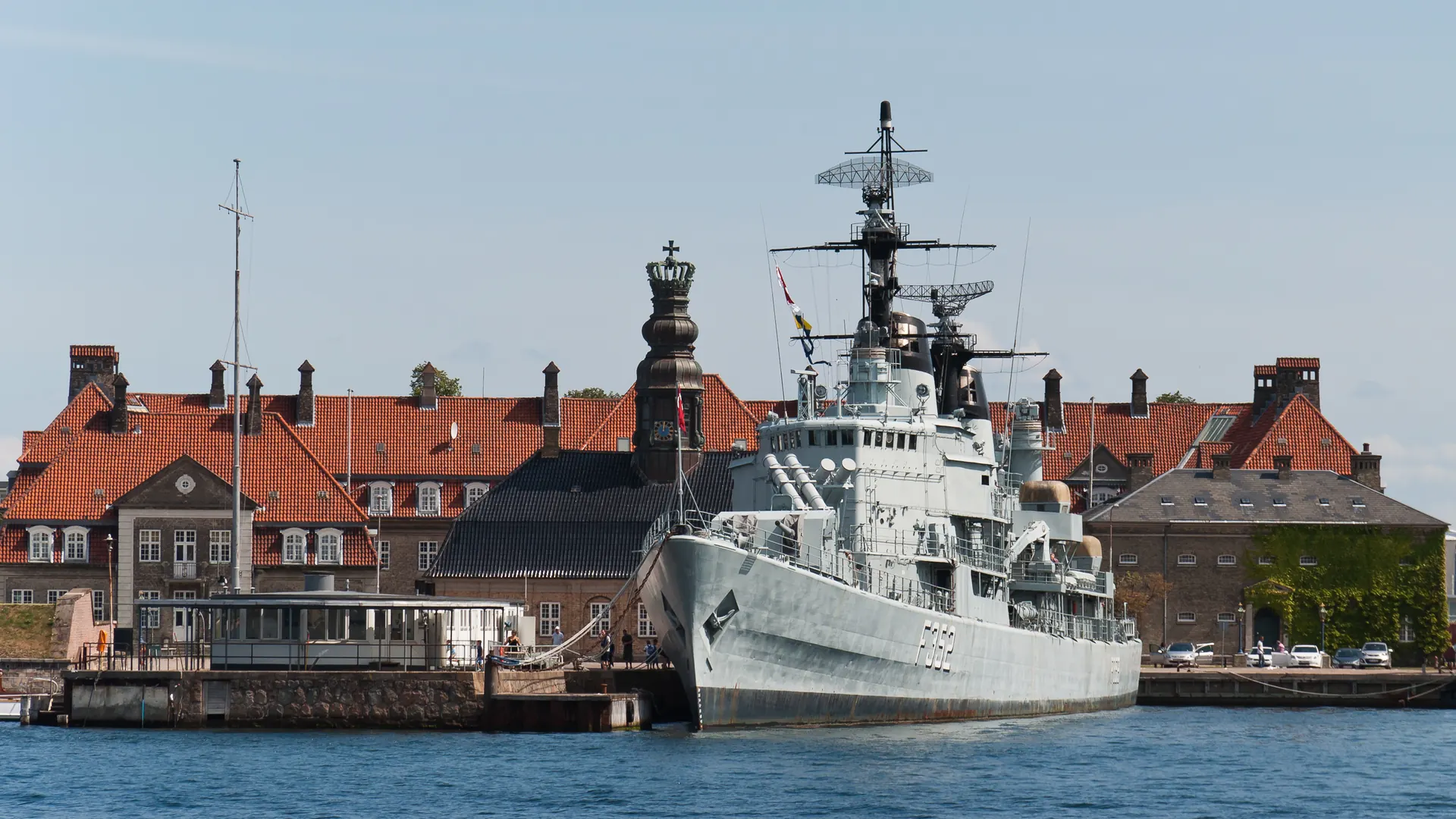
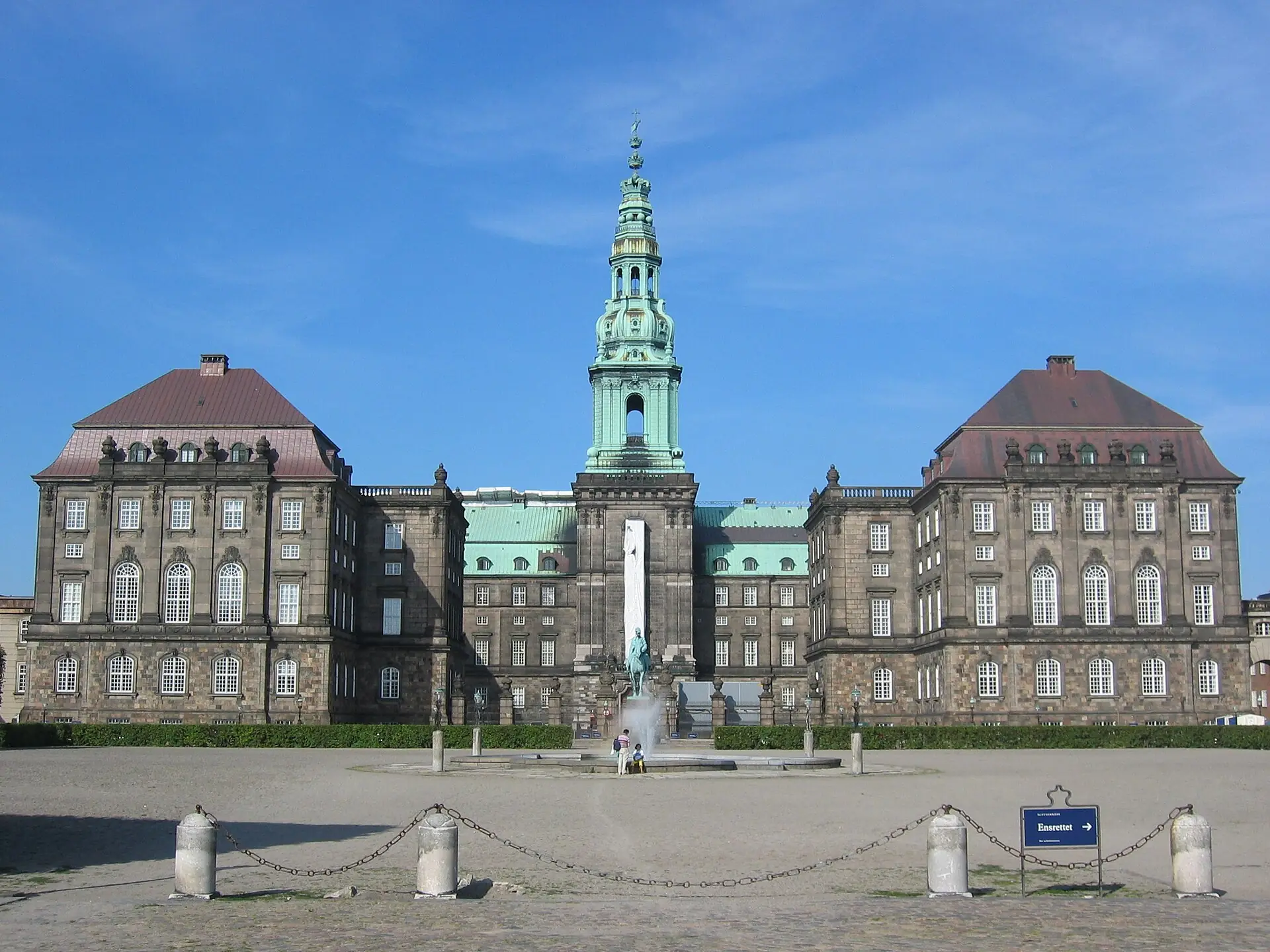
Days
Ready-made day plans, timed against opening hours and walking distances.
How long are you staying?
Loose outlines in the city’s rhythm. The timed day plans check museum closing days and lunch anchors.
1 day
A stopover between flights
- 09:00Rosenborg Castle — Rosenborg Castle and the King’s Garden
- 11:30Torvehallerne food market — Torvehallerne for an early lunch
- 13:00The Round Tower — Round Tower and Strøget
- 15:00Amalienborg Palace — Amalienborg and Nyhavn
- 18:00Tivoli Gardens — Tivoli in season, or a harbour walk
Skip: A second museum; one castle is enough for a single day.
Copenhagen in 3 days
3 daysCastle and a market lunch, harbour and the palace at midday, lanes in the morning; the last day ends with the bags already in the car to the airport.
Day by day
Day 1 — Rosenborg Castle at opening, a 13:00 lunch table in the Latin Quarter
- 09:00Rosenborg Castle
- 13:00Lunch table 13:00 (Latin Quarter)
Day 2 — Amalienborg, Nyhavn and Torvehallerne
Day 3 — Round Tower and Strøget, car to the airport at 11:00
- 09:00The Round Tower
- 11:00Car to the airport at 11:00
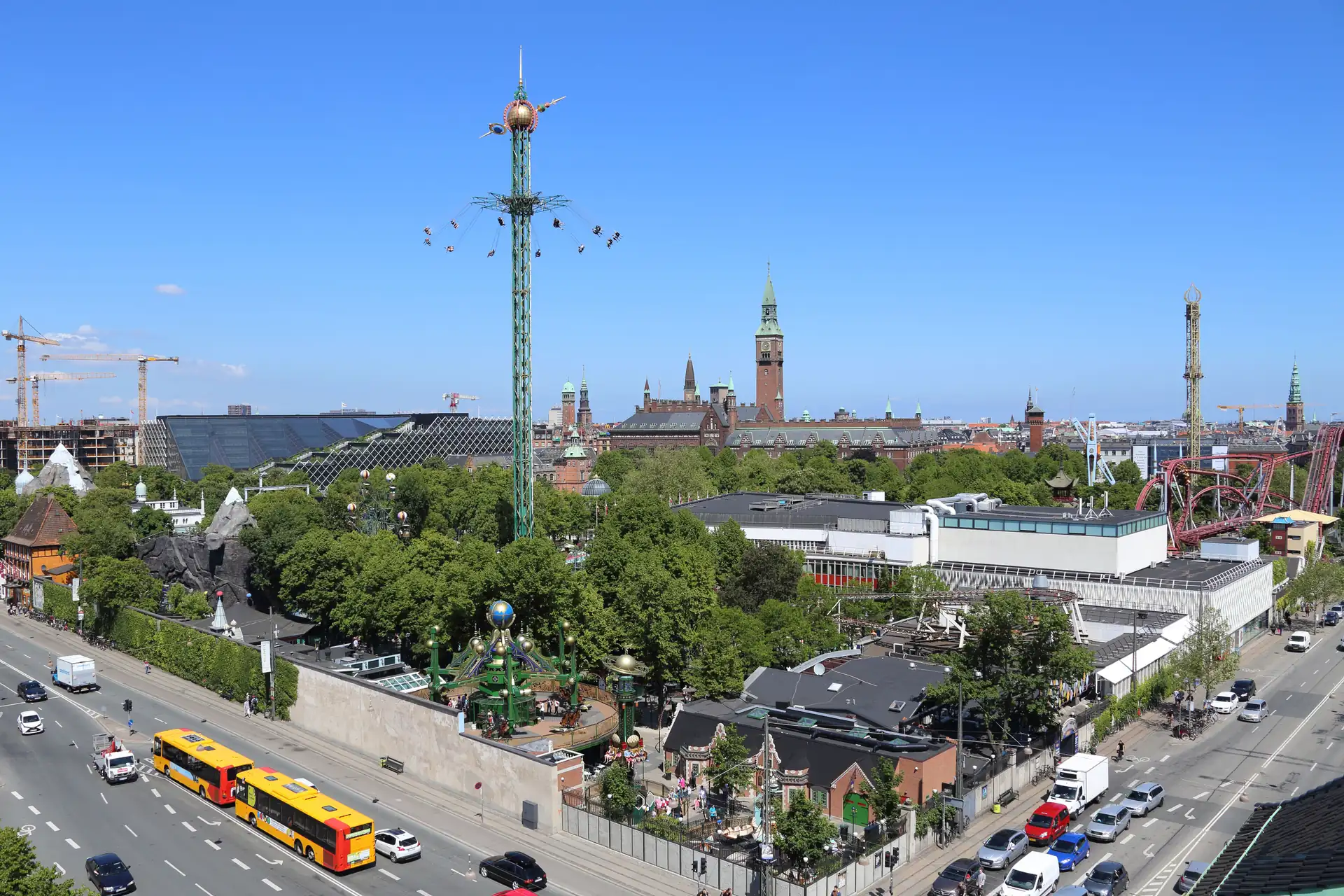
Places
“Best time” is when to arrive for the fewest crowds, for example “before 08:30”; “Go any time” means the hour makes little difference. More sights follow under “More sights and museums”.
7 places. Filters use the guide’s own ratings; a place with no rating is left out when a filter is on.
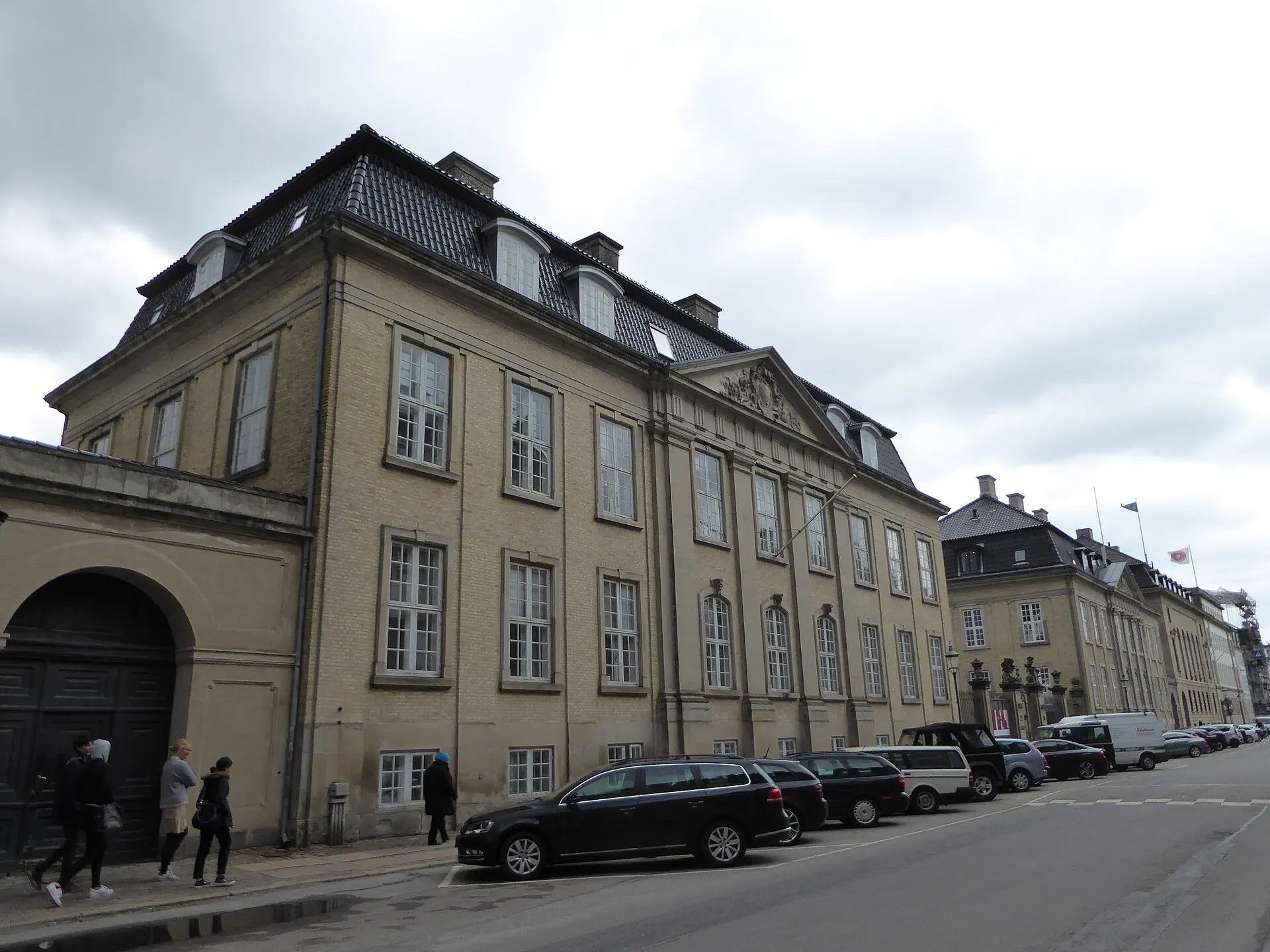
Tours, classes and shows in Copenhagen →
Things to do in Copenhagen: shows, nightlife and activities →
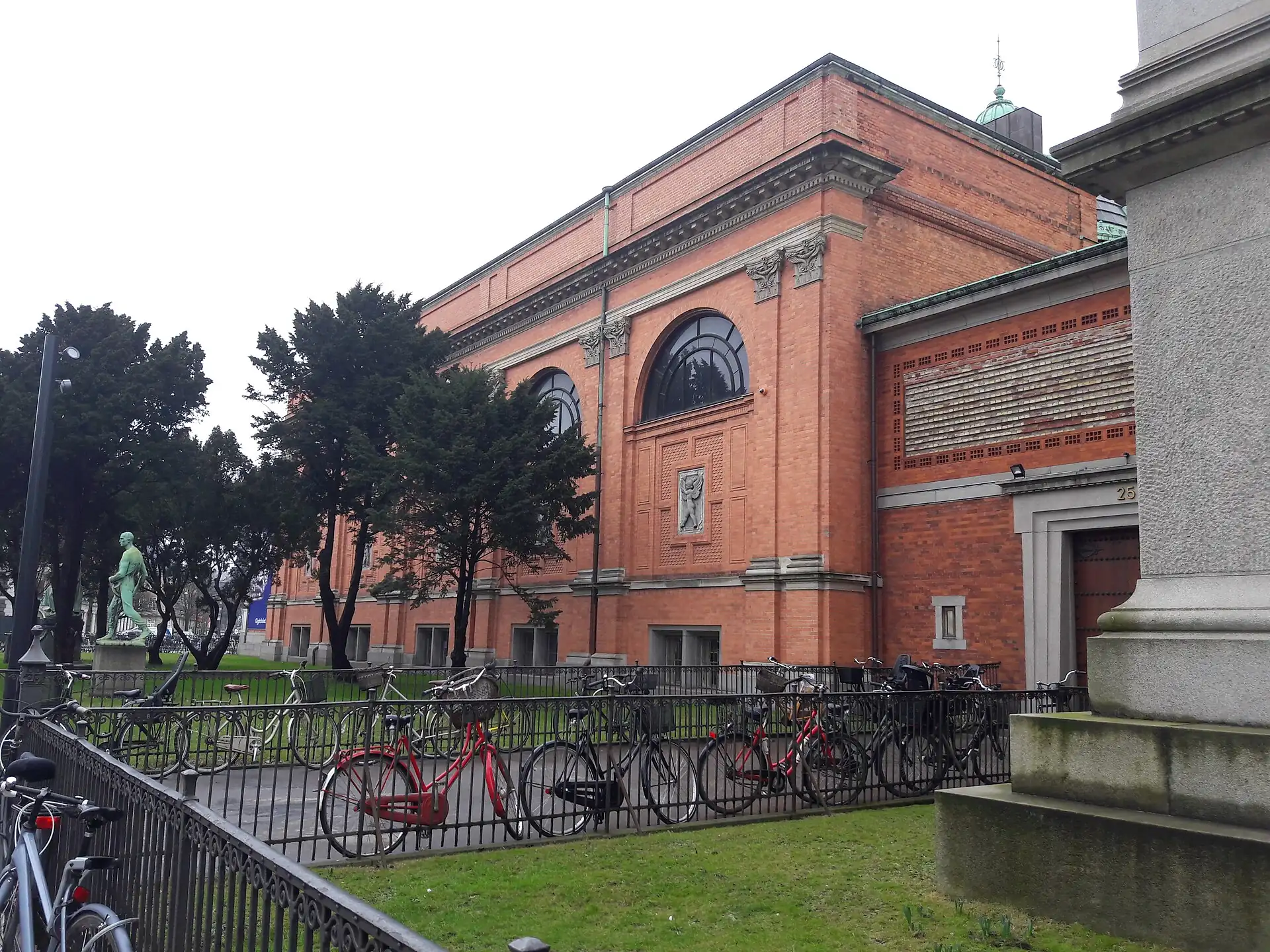
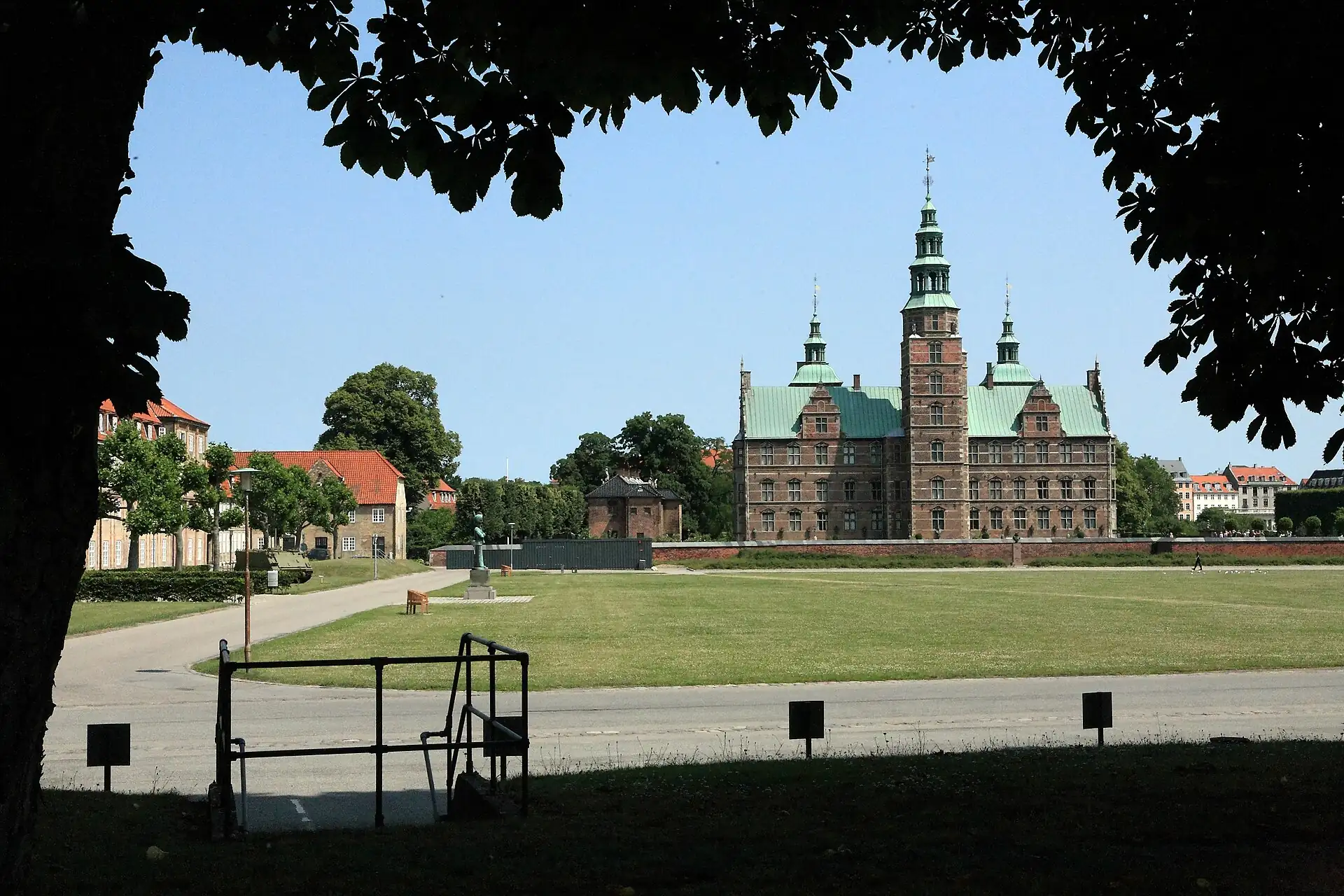
If you do ten things in Copenhagen
Ranked for a first visit of 2–3 days. Prices are 2026 estimates in DKK; hours marked (check) still need confirmation.
- 1
Rosenborg Castle and the King’s Garden
The crown jewels in a small Renaissance castle, and a park to walk afterwards.
- Time
- 1.5–2.5 h
- Best
- At opening
- Cost
- DKK 130–180 (≈ US$25–30)
- 2
The royal square and museum, with the guard changing at midday.
- Time
- 1–1.5 h
- Best
- Weekday morning
- Cost
- DKK 130–180 (≈ US$25–30)
- 3
A garden and small amusement park; best after dark in season.
- Time
- 2–4 h
- Best
- Late afternoon to evening
- Cost
- DKK 150–170 (≈ US$25–30)
- 4
A short spiral ramp up to a roof view of the old centre.
- Time
- 20–40 min
- Best
- At opening
- Cost
- DKK 40–60 (≈ US$7–10)
- 5
Christiansborg Palace and its tower
A free view from the parliament tower, and the ruins below the palace.
- Time
- 45–120 min
- Best
- Clear afternoon for the tower
- Cost
- Tower free
- 6
An indoor sculpture and art museum with a palm-filled winter garden.
- Time
- 1.5–2 h
- Best
- Any rainy day
- Cost
- DKK 130–150 (≈ US$25)
- 7
Nyhavn
The most photographed canal in Denmark; better early or late.
- Time
- 20–40 min
- Best
- Before 09:00 or after 19:00
- Cost
- Free
- 8
A covered lunch with many choices and standing room.
- Time
- 45–90 min
- Best
- Weekday lunch
- Cost
- DKK 90–200 (≈ US$15–35)
- 9
The classic local lunch at a table, with snaps.
- Time
- 60–90 min
- Best
- A booked lunch
- Cost
- DKK 300–450 (≈ US$50–75)
- 10
A Roskilde or Helsingør day trip
Vikings or Hamlet’s castle by train from the centre.
- Time
- Half or full day
- Best
- Weekday
- Cost
- Train fare only
Good for…
Verdict is how well Copenhagen works for that traveller, not how nice it is.
Compact, flat and easy to navigate; the sights are close together.
- 1Sleep in Indre By — the sights are a walk away.
- 2Copenhagen in 3 days — the 3-day plan already checks museum closing days.
- 3A canal boat tour — sees the harbour sights in an hour.
Smørrebrød, bakeries and food halls; sit-down dinners are dear.
- 1Restaurant Schønnemann — the classic smørrebrød lunch.
- 2Torvehallerne food market — many stalls under one roof.
- 3Conditori La Glace — a confectioner since 1870.
One of the dearest cities in Europe; lunch deals, food halls and free sights keep costs down.
- 1Lunch as the main meal — lunch menus cost less than dinner.
- 2Pølsevogn (hot dog cart) at City Hall Square — a hot dog is the cheapest hot meal.
- 3The Round Tower — a cheap view; the Christiansborg tower is free.
- 1Nyhavn in the evening — the harbour lit up.
- 2Tivoli Gardens — a garden evening in season.
- 1Hostels in Vesterbro — social and central.
- 2Bike hire — the easiest way to see more alone.
Flat, safe and easy with strollers; Tivoli and the zoo suit children.
- 1Tivoli Gardens — rides for young children.
- 2Copenhagen Zoo — a half-day with children.
- 3The Round Tower — a ramp children like.
Flat streets and a step-free metro; the cobbles are the strain.
- 1
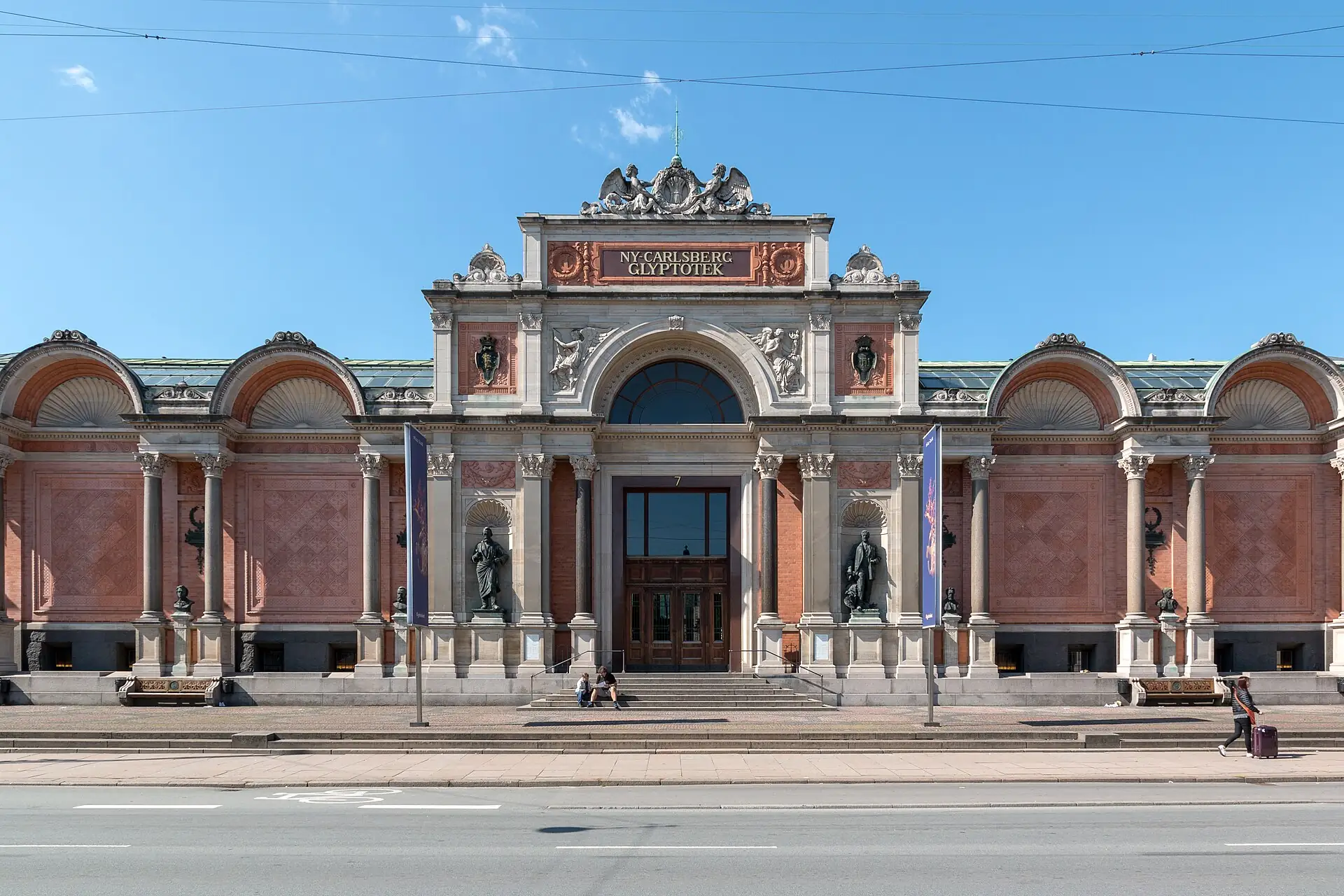 Ny Carlsberg Glyptotek — lifts and seating throughout.
- 2A canal boat tour — sits down, sees a lot.
The metro and museums are step-free; old-centre cobbles and older hotels are the obstacles.
- 1Ny Carlsberg Glyptotek — lifts and step-free routes.
- 2The metro — step-free with lifts at every station.
Tours and classes: book or skip
Book through the hotel or an operator with written inclusions and a cancellation policy. Prices per person, 2026 estimates.
| Tour or class | Verdict | Typical price | Why | Check before paying |
|---|---|---|---|---|
| Harbour canal boat tour | book | DKK 100–150 (≈ US$16–25) | Sees the harbour sights in an hour, seated. | The route and whether commentary is in English. |
| Guided walking tour of the old centre | maybe | DKK 100–250 (≈ US$16–40) | A guide adds context to a compact centre. | Group size and the meeting point. |
| Bike tour | maybe | DKK 250–450 (≈ US$40–75) | A guided ride explains the lane rules while you learn them. | Bike quality and route length. |
| Self-guided harbour walk | do it yourself | Free | Nyhavn, the harbour and the Opera House are easy to link by the water. | Use a map app. |
What each season brings
Spring
Mar–May
Longer days, Easter and first terraces.
Watch: Cool wind and showers.
Summer
Jun–Aug
Long light, Tivoli in season and harbour swimming.
Watch: Higher hotel prices and some restaurants closing in July.
Autumn
Sep–Nov
Mild days in September, then dark evenings.
Watch: Rain days climb through November.
Winter
Dec–Feb
Christmas markets and Tivoli lights.
Watch: Daylight of about 7 hours and closures on Dec 24–26.
Photo spots and the light
Light times are for clear days; grey skies are common year-round.
| Spot | Best light | Tip |
|---|---|---|
| The Round Tower and the roofs | Late afternoon | From the top platform, face north-east for the rooftops. |
| Nyhavn from the bridge | Early morning | Shoot from the bridge at the harbour end before the terraces fill. |
| Tivoli lit at night | After dark | The lake and the main gate are the best frames. |
| Christiansborg tower view | Clear afternoon | The view over Slotsholmen and the harbour. |
| Strøget at first light | Early morning | A near-empty pedestrian street. |
Copenhagen travel FAQ
Answers are 2026 desk estimates; fares and rules marked (check) change.
Is Copenhagen safe?
Yes. The common problems are pickpockets at the station and on Strøget, and bike collisions.
How much is the metro from the airport?
About DKK 36–45 (≈ US$6–8) to the centre, roughly 15 minutes to Kongens Nytorv (check the fare zones).
Do I need cash?
No. Cards and phone payments work almost everywhere; some cafés no longer take cash.
Is tap water safe to drink?
Yes.
How many days do I need?
Two full days for the centre, three with a Roskilde or Helsingør day trip.
Which museums are closed on Monday?
A number of them are; check each museum before planning a Monday.
Do I need to book Rosenborg?
Buy timed tickets online for peak months; check the official site.
What is the best area to stay?
Indre By for a first visit and walkable sights; Vesterbro for value and evenings.
Do people speak English?
Yes, almost everyone.
Is Copenhagen expensive?
Yes; lunch menus, food halls and free sights keep the daily cost in check.
Is Tivoli open all year?
No; it runs in seasons with gaps, so check the official calendar.
More to see and doSee & do · Learn & work · Rain & heat · Wheelchair and stroller
Wheelchair and stroller, place by place
How each place in this guide works for wheels, from its own page. Ratings are desk estimates unless a page says it was checked on the ground.
| Place | Step-free | Wheelchair | Stroller | What to know |
|---|---|---|---|---|
| Amalienborg Palace | partial | caution | ok | The square is step-free on cobbles; the museum has stairs and a lift on request (check). |
| Christiansborg Palace | partial | caution | ok | Cobbled courtyards and steps at some entrances; the tower lift is step-free. |
| Design Museum Denmark | yes | ok | ok | Lifts between floors; the historic building has a few thresholds. |
| Ny Carlsberg Glyptotek | yes | ok | ok | Lifts and step-free routes to the main galleries; confirm the older wings with the museum. |
| Rosenborg Castle | partial | caution | caution | A historic castle with stairs between floors; confirm lifts and the step-free route. |
| The Round Tower | partial | caution | ok | The ramp is long and gentle, which works for some wheelchair users and strollers; the top stair and the platform need steps. Confirm with… |
| Tivoli Gardens | yes | ok | ok | Flat paths through the gardens; wheelchair users can ride some attractions with staff help — ask at the gate. |
See & do
17 of 17
- castle
A Renaissance castle holding the crown jewels of Denmark, inside the King’s Garden.
Nørreport · DKK 130–180 (≈ US$25–30)
- palace
The royal family’s winter residence around an octagonal square; the guard changes at midday.
Frederiksstaden · DKK 130–180 (≈ US$25–30)
- Lakes & parks
A garden with rides and stages, open since 1843; lit at night.
Central · DKK 150–170 (≈ US$25–30)
- palace
The seat of parliament, with a free tower and ruins beneath.
Slotsholmen · Tower free; rooms DKK 130–180 (≈ US$25–30)
- monument
A 1642 observatory tower with a spiral ramp and a roof view.
Latin Quarter · DKK 40–60 (≈ US$7–10)
- Museums
Ancient sculpture, French and Danish art, and a palm-filled winter garden.
Central · DKK 130–150 (≈ US$25)
- Museums
A survey of Danish design in a former hospital.
Frederiksstaden · DKK 130 (≈ US$25)
Nyhavn
waterfrontA 17th-century harbour canal lined with bright houses and terraces; go early or late.
Nyhavn · Free
The Little Mermaid (Den lille Havfrue)
monumentA small bronze statue on the harbour promenade; a short stop, not a destination.
Langelinie · Free(check)
Church of Our Saviour (Vor Frelsers Kirke)
churchA baroque church with an outdoor spiral stair up its spire, around 400 steps; not for anyone afraid of heights.
Christianshavn · Daily; the tower closes in wind and ice (check) · DKK 60–90 (≈ US$10–15) for the tower (2026 estimate)(check)
National Museum of Denmark (Nationalmuseet)
MuseumsDanish history from the Stone Age to today, with Viking exhibits and a children’s museum.
Central · Daily except Monday (check) · DKK 120–140 (≈ US$19–25) (2026 estimate)(check)
Freetown Christiania
Citadel & old cityA self-governing community founded in 1971; walk the paths and follow the rules.
Christianshavn · Daily · Free(check)
Harbour canal boat tour
tourA guided boat ride under low bridges past the Opera House and the Little Mermaid.
Nyhavn or Gammel Strand · About 60 min, several times a day · DKK 100–150 (≈ US$16–25) (2026 estimate)(check)
Bike hire and a harbour ride
self guidedThe best way to feel the city; keep to the lane and use hand signals.
Citywide · Any time · DKK 100–200 (≈ US$16–35) a day (2026 estimate)
Harbour bath swim
ClassesPublic swimming in the harbour at marked baths; do not swim elsewhere in the harbour.
Islands Brygge · Summer, daylight (check) · Free(check)
Smørrebrød lunch
tourThe classic sit-down local lunch; see the eat guide.
Latin Quarter · Lunch hours · DKK 300–450 (≈ US$50–75) for a full lunch (2026 estimate)
Carlsberg brewery visit
tourThe old brewery site with a museum and a tasting.
Vesterbro (Carlsberg Byen) · Check current hours · DKK 150–200 (≈ US$25–35) (2026 estimate)(check)
- Booking
- Book Tivoli, the Church of Our Saviour tower and the canal tour online in summer and Christmas weeks.
Learn & work
| What | Where | Cost | Note |
|---|---|---|---|
| Danish language courses | Language schools near the universities | Check current rates | Short-term visitors use apps or phrase books. |
| Cooking and smørrebrød classes | Cooking schools in the centre and Vesterbro | DKK 600–1,200 (≈ US$95–190) a session (2026 estimate) | Book a few days ahead. |
| Bike-city walks | Guided walking and cycling tours | DKK 150–300 (≈ US$25–50) (2026 estimate) | Ask what the tour covers before you book. |
Working here
- Tourist entry
- EU and Schengen citizens can work without a permit; other nationalities need a work permit.
- Remote work
- Denmark’s rules for remote workers and long stays change; check current requirements before planning to work while you stay.
- Cost of living
- Denmark is among the most expensive countries in Europe; plan a long stay carefully.
Rain-day and heat-day plan
Rain day
Rain can arrive any month with little warning; keep a museum as the standing rain-day plan.
- 01Ny Carlsberg Glyptotek — Large indoor museum; two hours.
- 02Design Museum Denmark — Indoor, about 90 minutes.
- 03Rosenborg Castle — Indoor castle with the crown jewels.
- 04Torvehallerne food market — Covered food halls for a wet lunch.
Heat day
Above 25 degC (uncommon): plan outdoor time before 11:00 or after 17:00; few hotel rooms have air conditioning.
- 09:00Rosenborg Castle — The King’s Garden is shaded; quiet before the crowds.
- 12:00Ny Carlsberg Glyptotek — Indoor and cool through the middle of the day.
Day-trips and nearby
Places you can reach from Copenhagen in a day or with one night away, with the route and what it costs. Door to door, not ride time.
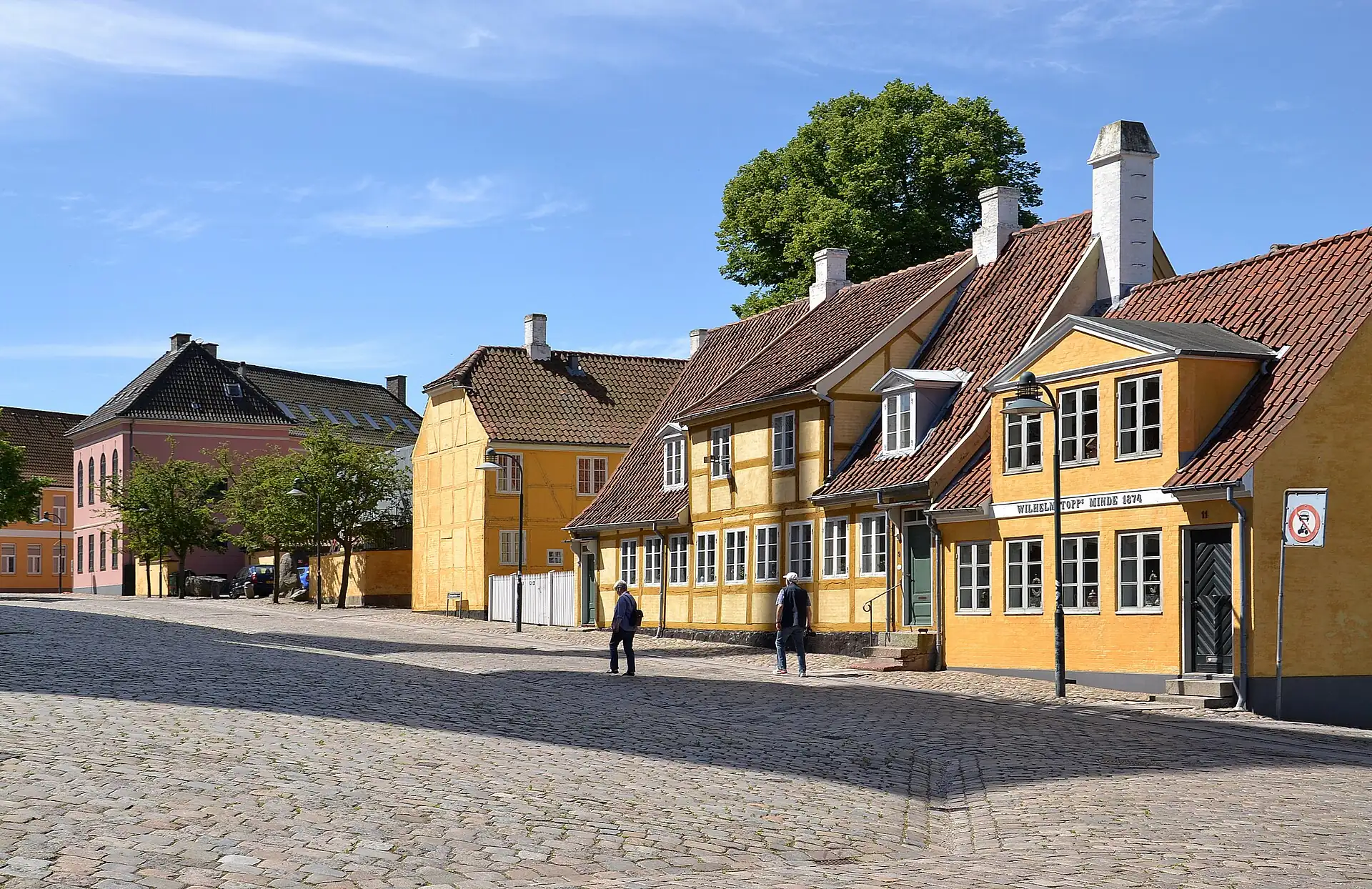 Photo: Pudelek, CC BY-SA 4.0
Roskilde
goTrain about 25 min
The Viking Ship Museum and a Gothic cathedral; easy on a rail ticket.
- Time
- Half day
Helsingør and Kronborg
goTrain about 45–50 min
The castle Shakespeare used for Hamlet, on the strait; combine with Louisiana Museum by train.
- Time
- Full day or half day
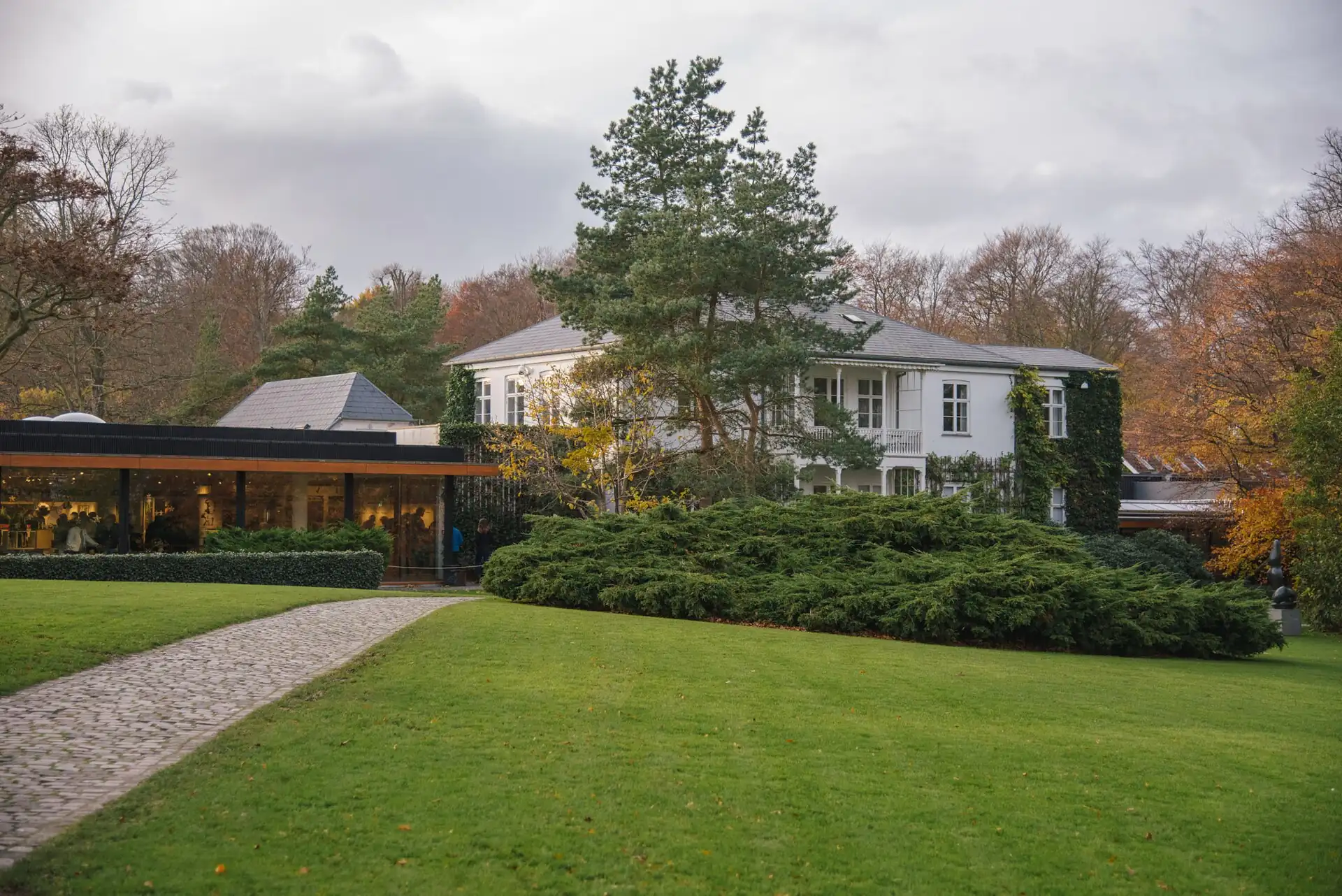 Photo: Hanlu Cao, CC BY-SA 3.0
Louisiana Museum of Modern Art (Humlebæk)
goTrain about 35 min
A well-known modern art museum by the sea; check opening hours.
- Time
- Half day
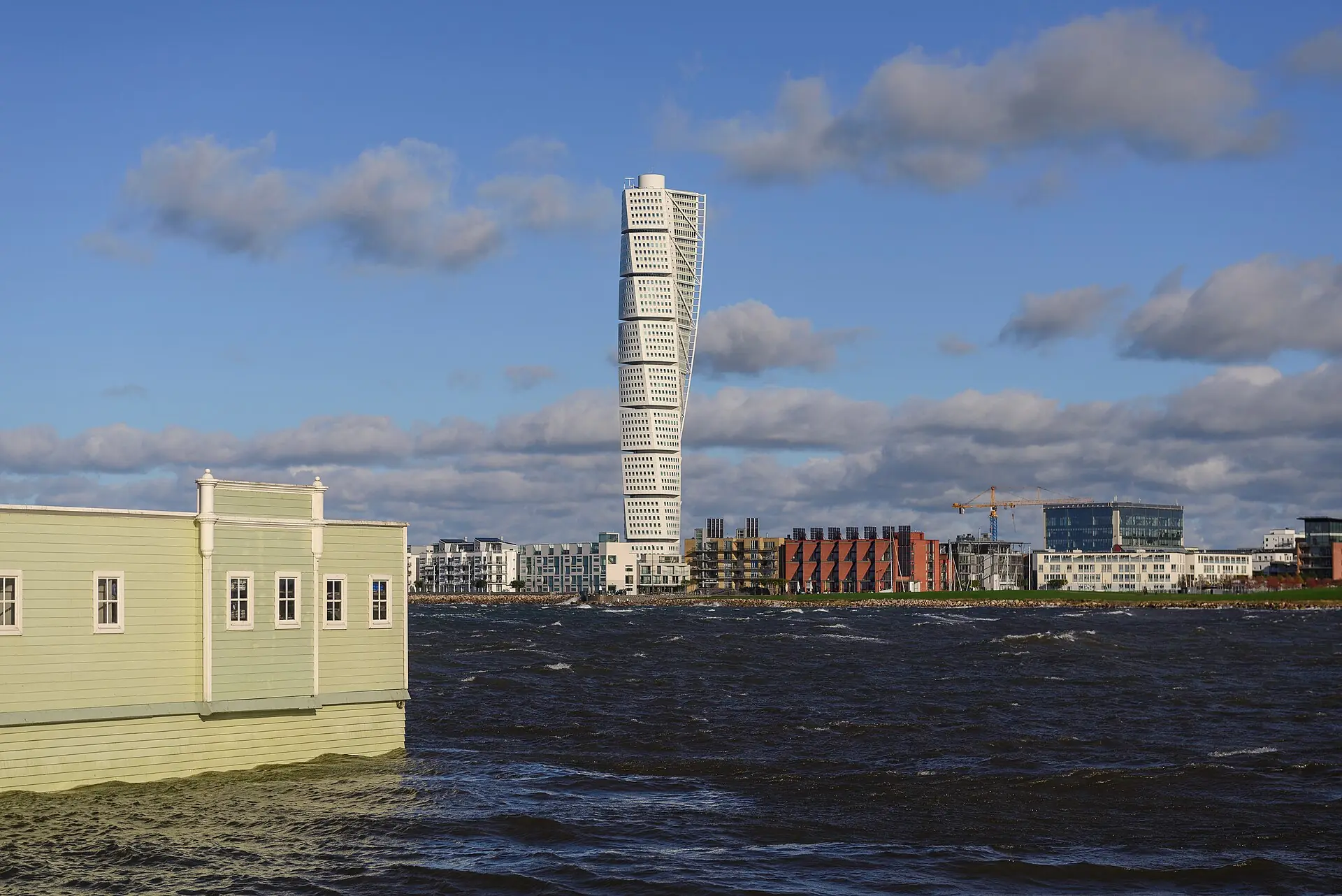 Photo: Arild Vågen, CC BY-SA 4.0
Malmö, Sweden
goTrain over the Øresund bridge, about 35 min
Carry a passport; ID checks at the border can happen.
- Time
- Half day
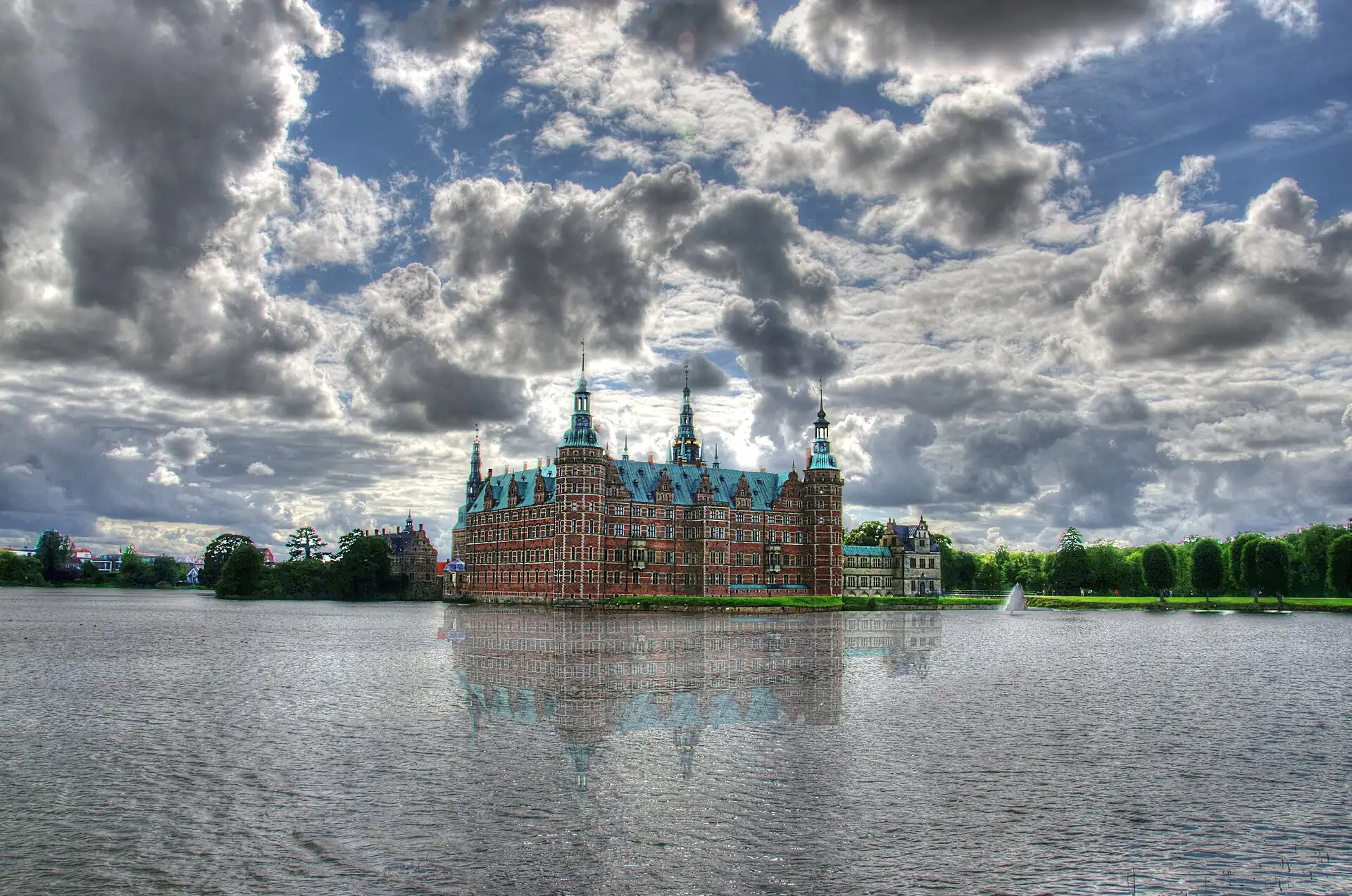 Photo: Er.gagansharma, CC BY-SA 3.0
Frederiksborg Castle (Hillerød)
goS-train about 40 min
A large Renaissance castle on a lake, with a museum inside.
- Time
- Half day
Eat & sleepWhere to eat and which area to sleep in
Eat & sleep
Where to eat and which area to sleep in
Eat
A short list of places worth crossing the city for, each with how to get a seat.
Restaurant finder: filter every place to eat in Copenhagen →
Vegetarian-friendly score
3.5 / 5 · Good
- Country diet noteOur country guide rates vegetarian eating as easy.2 / 2
- Places to eat in this guide2 of 5 places with a known answer are vegetarian-friendly, 2 partly.0.9 / 1.5
- Budget eating lines0 vegetarian lines in "Eat by budget".0 / 0.6
- Meat-free national dishes6 meat-free dishes in the country food list.0.4 / 0.4
- Dedicated vegetarian kitchens0 mentions of vegetarian restaurants, Buddhist or fasting kitchens.0 / 0.5
Country note: Easy in cities: plant-based menus, vegetarian smørrebrød and good bakeries.
Vegetarian places near me →Make a diet card →
How we score
- Country diet note (up to 2): easy 2, workable 1, mixed 0.75, hard 0; no note 0.5.
- City places to eat (up to 1.5): 1.5 × (vegetarian-friendly + half of partly friendly) ÷ places with a known answer; needs 3 or more known places.
- Budget eating lines marked vegetarian (up to 0.6): 0.2 each.
- Meat-free national dishes (up to 0.4): 0.1 each.
- Dedicated vegetarian kitchens mentioned — Buddhist chay, shōjin ryōri, Jain, fasting food, vegan cafés (up to 0.5): 0.1 each.
- Total rounded to the nearest half point, 0 to 5. Built from our own pages only, not from reviews.
Eating and drinking guideEat by budget · Drink
Before you sit down to eat
Short version; full text linked
Eat by budget
Under DKK 120 (≈ US$19) a meal
| Where | Order | Area | Price | Note |
|---|---|---|---|---|
| Pølsevogn (hot dog cart) at City Hall Square | Hot dog with everything | City Hall Square | DKK 40–65 (≈ US$7–11) | Eat standing. |
| Lagkagehuset bakery at Nørreport | Pastry and coffee, or a rye sandwich | Nørreport | DKK 60–130 (≈ US$10–25) | |
| Supermarket picnic | Rye bread, cheese and fruit | Citywide | DKK 40–80 (≈ US$7–13) |
Dishes to know
| Dish | What it is | Where to look | When | Price |
|---|---|---|---|---|
| SmørrebrødSmørrebrød | Open sandwich on dense rye bread with herring, roast beef, egg or shrimp | Latin Quarter lunch restaurants; food halls | Lunch | DKK 90–150 (≈ US$15–25) each |
| Hot dogPølse | A red sausage in a bun with remoulade, onions and pickles | Carts on City Hall Square and elsewhere | All day | DKK 40–65 (≈ US$7–11) |
| Danish pastryWienerbrød | A laminated pastry with a fruit or custard filling | Bakeries citywide | Breakfast | DKK 25–45 (≈ US$4–8) |
| HerringSild | Marinated herring on rye bread | Traditional restaurants | Lunch | DKK 80–130 (≈ US$13–25) |
| Flæskesteg sandwichFlæskestegssandwich | Roast pork with crackling in a bun, with red cabbage | Street stalls and cafés | Lunch | DKK 60–90 (≈ US$10–15) |
| RugbrødRugbrød | Dark, dense rye bread | Bakeries and markets | All day | DKK 30–60 (≈ US$5–10) a loaf slice |
- Service is included in the bill; a tip is not expected.
- Restaurant lunch is the best value; dinner menus cost far more.
- Menus near Nyhavn and Strøget can carry high drinks prices; check before you sit.
Drink & nightlife
| Where | What | Until | Note |
|---|---|---|---|
| Vesterbro and the Meatpacking District (Kødbyen) | Craft beer, cocktail and wine bars | About 02:00–05:00 on weekendsAbout 2:00 AM–5:00 AM on weekends | The main evening zone. |
| Nyhavn terraces | Tourist bars and cafés | About 23:00–01:00About 11:00 PM–1:00 AM | A pretty setting with high prices; go for one drink. |
| Brown cafés (bodegas) in the old centre | Old pubs with beer and snaps | Late; varies | The traditional local pub. |
By style
| Style | What | Where | Price | Until |
|---|---|---|---|---|
| Beer | Carlsberg and Tuborg lagers and a large craft scene | Any bar | DKK 55–85 (≈ US$9–14) a glass (2026 estimate) | Bar closing |
| Snaps (aquavit) | A chilled caraway-flavoured spirit | Restaurants serving smørrebrød | DKK 50–90 (≈ US$8–15) a shot (2026 estimate) | Bar closing |
| Gløgg | Spiced hot wine, in winter | Christmas markets | DKK 40–65 (≈ US$7–11) (2026 estimate) | Market closing |
Rules that bite
- Cycling drunk is illegal and dangerous; take the metro or a taxi.
- Public drinking is tolerated, but not on the metro platform or in parks late at night.
Sleep
Pick the area first: it decides your walk home at night and your first morning.
Which neighborhood fits you
Three questions, one recommendation, with the reasons.
Your best fit
- Rosenborg, the Round Tower and the palaces are all within a 25-minute walk.
- Most hotels have a staffed desk; confirm night check-in.
Watch out: Central hotels are the dearest in the city.
Next best: Vesterbro & Central Station
Built from our 1–5 desk scores per area; your answers stay in this browser.
More on sleepingSleep by budget · Your area · With kids
Sleep by budget
| Band | Price | Where | Room types | What to expect |
|---|---|---|---|---|
| budget | DKK 200–350 (≈ US$35–55) dorm bed · DKK 700–1,100 (≈ US$110–180) double | Vesterbro and Nørrebro | Hostels and budget hotels | Small rooms; check for a lift. |
| mid | DKK 1,200–2,200 (≈ US$190–350) | Indre By and Vesterbro | Chain and boutique hotels | Lift and a breakfast buffet at many; air conditioning is rare. |
| splurge | DKK 2,800–5,000 (≈ US$450–800)+ | Nyhavn and Kongens Nytorv | Design and heritage hotels | Harbour views, a concierge and a bar. |
Booking checks
- Book Tivoli-season weekends and Christmas weeks early; prices rise sharply.
- A hotel with a late-arrival desk is worth having; ask about the code system at small hotels.
Which area is yours
| If you are | Sleep in | Because |
|---|---|---|
| First visit, want to walk to the sights | Indre By (Inner City) | The sights are a short walk; accept the price. |
| Budget-minded, want a livelier evening | Vesterbro & Central Station | Cheaper beds, food and bars a short walk from the station. |
First-timers: a hotel around Strøget and the Latin Quarter, flat and central, ten minutes on foot from the palace and the castle garden.
Hotels near the station: the metro and trains at the door, cheaper beds and flat streets; a 10-minute walk to Tivoli and Strøget.
Areas are in our default order until you tick a priority.
Scores are 1-5 desk judgements per priority (2026).
With kids
- Tivoli Gardens has small rides, a playground and shows; go in the afternoon.
- Experimentarium (a science centre north of the centre) and Copenhagen Zoo suit children of different ages.
- Den Blå Planet, a large aquarium, is by the airport, a short metro ride from the centre.
- Cycle lanes are fast: hold hands at every crossing and never let a child run ahead.
- Strollers ride easily on the metro and on flat streets; cobbles slow them in the old centre.
PracticalMoney, essentials, safety and the pocket card
Practical
Money, essentials, safety and the pocket card
Money
What a day costs at three comfort levels, and how to pay.
- Budget
- DKK 350–600 (≈ US$55–95) excl. bed / day
- Mid
- DKK 600–1000 (≈ US$95–160) excl. bed / day
- High
- DKK 1000 (≈ US$160)+ excl. bed / day
- Transit card
- Buy metro and train tickets in the DOT app or at machines; no card needed for a short stay.
- Cash rule
- Cash is rarely needed; keep a card or phone payment ready and DKK 200 (≈ US$35) in notes for a rare cash-only stall.
More on moneyCosts · Budget · Buy
What things cost
- Rosenborg Castle ticketDKK 130–180 (≈ US$25–30)
- Taxi from the airport to the centreDKK 250–400 (≈ US$40–65)
Trip budget
| Hotel double room1 × 3 nights × DKK 1,500 | DKK 4,500 |
| Food, local transport, entries2 × 3 days × DKK 800 | DKK 4,800 |
| Airport transfer, both ways (metro)2 × DKK 80 | DKK 160 |
| eSIM or tourist SIM2 × DKK 180 | DKK 360 |
| Buffer 10%Price creep, a taxi you did not plan, one splurge | DKK 982 |
| Trip total≈ DKK 1,800 per person per day, bed included | DKK 10,802≈ US$1,700 |
2026 estimate in Danish krone; flights and tours excluded. Your choices stay in this browser.
Prices of common things
| Bakery pastry | DKK 25–45 (≈ US$4–8) |
| Hot dog from a cart | DKK 40–65 (≈ US$7–11) |
| Bike rental, per day | DKK 100–200 (≈ US$16–35) |
2026 estimate; check locally.
Buy
- Bargaining
- Prices are fixed everywhere, including markets; haggling is not the norm and is not expected.
- Fixed-price check
- Supermarkets (Netto, Irma, Føtex) are the price check for snacks and drinks; a tourist-strip kiosk can charge double.
Markets and shopping streets
| Where | What | When | Haggle | Note |
|---|---|---|---|---|
| Torvehallerne | Food stalls, produce, smørrebrød, coffee | Daily, about 10:00–19:00 (check)Daily, about 10:00 AM–7:00 PM (check) | no | Two glass halls by Nørreport station; see the eat page. |
| Flea markets (loppemarkeder) | Second-hand furniture, ceramics, clothes | Weekends in season (check) | yes | Held at set spots on Saturdays in spring and summer; check the local listings. |
Shops by what they sell
| For | Where | Hours | Note |
|---|---|---|---|
| Danish design and homeware | Amagertorv on Strøget; Illums Bolighus | About 10:00–18:00 | Prices are high; sales are in January and July. |
| Porcelain | Royal Copenhagen on Amagertorv | About 10:00–18:00 | Factory seconds are sold at the outlet; check the shop for details. |
| Knitwear and clothing | Strøget and the streets north of it | About 10:00–18:00 | Non-EU visitors can claim VAT back on larger purchases; ask the shop for the tax-free form at the till. |
Changing money
| Where | Verdict | Why |
|---|---|---|
| Bank ATMs and card payments | use | The fair option; decline a conversion offer and pay in DKK. |
| Currency exchange desks in the tourist centre | avoid | Rates and fees are poor; a card avoids them. |
ATMs
- Where
- Bank ATMs; avoid standalone tourist-area machines with high fees.
- Conversion
- If the machine offers to charge in your home currency, decline and pay in kroner.
Essentials and accessEssentials · Access
Essentials
- Plugs & power
- 230 V; sockets take types C and K. A plain European adapter is enough for most visitors.
- Toilets
- Cafés, museums and stations; some public toilets cost a coin or a card tap. Free toilets at many tourist sites.
- Health
- EU citizens can use a European Health Insurance Card; everyone else needs travel insurance with medical cover. Tap water is fine; the main risks are cold in winter and bikes.
- Accessibility
- Flat terrain and a step-free metro; cobbles in the old centre and some older buildings without lifts.
- Laundry
- Hotels offer paid laundry; self-service launderettes are found in Vesterbro and Nørrebro.
- Emergency numbers
- 112 for police, ambulance and fire.
Pack
- A rain jacket in every season
- A warm layer even in summer evenings
- Comfortable shoes for cobbles
- A hat and gloves from November to March
Accessibility
The city is flat and the metro is fully step-free, but the old centre is cobbled and many older buildings and hotels have no lift.
- Streets
- Flat but cobbled in the historic core; pavements are wide and shared with cycle lanes.
- Public transit
- Metro stations are step-free with lifts; most buses are low-floor; S-trains have level boarding at most stations.
- Hotels
- Newer hotels have lifts; older canal-house hotels may not; confirm before booking.
- Toilets
- Accessible toilets in museums, stations and larger cafés.
Sights, step-free or not
| Tivoli Gardens | step-free | Flat paths; some rides adapt for wheelchair users. |
| Ny Carlsberg Glyptotek | step-free | Lifts and step-free routes to the main galleries. |
| Rosenborg Castle | with help | Historic building with stairs to upper floors; ask about a lift. |
| The Round Tower | with help | A ramp, not stairs, but the last steps to the platform are not step-free. |
Survive
Safety basics, the lines not to cross, and practical habits that save the day.
Safety
- Pickpockets work the central station, Strøget and Nyhavn in summer.
- Bike traffic: look both ways at every lane before stepping off the kerb.
- Emergency: 112.
Red lines
- Do not stand in cycle lanes.
- Do not swim in the harbour outside marked baths.
Practical
- Toilets: cafés, museums and stations; some public ones cost a coin or card tap.
- Tap water is safe to drink.
More on staying safeStay safe · Stay healthy · Safety map · Solo & women · Etiquette · Cope · Scams
After dark, by area
2 flagged areas
Tivoli and the central station
Take careChristiania
Take care
Day = about 07:00-19:00. What to watch in each area, day and night →
Scams and red flags
Walk away if you see these
- Unlicensed taxis at the airport or the central station quoting a flat fare: use the rank, a booked ride or the metro.
- Pickpockets at the central station, on Strøget, at Nyhavn and on crowded metro cars: keep your phone and wallet in front pockets.
- Bike-rental and e-scooter charges added after return: photograph the bike and read the terms in the app.
- A "free" bracelet, flower or charity clipboard on a busy street ending in a request for cash: decline and walk on.
Stay safe
Crossing the road
- 01Look both ways at every cycle lane before you step off a pavement; bikes are fast and quiet.
- 02Wait for the green pedestrian light; cyclists and cars follow the signals closely.
Hustles specific to this city
| Hustle | Where | The tell | What to do |
|---|---|---|---|
| Unlicensed taxis | Airport and central station | A driver approaches you in the arrivals hall rather than at the rank | Use the rank, an app or the metro. |
| Fake charity clipboards | Strøget and the station | A petition followed by a request for cash | Decline and walk on. |
| Overpriced tourist menus | Nyhavn and the main squares | A waiter hands you a menu with no drinks prices | Check the full menu before you sit. |
- Police
- 114 for non-emergency police; 112 for any emergency. Report theft at a police station; insurers need a written report.
- Pickpockets
- The main risk at the central station, on Strøget, at Nyhavn and on the metro.
- Night
- Violent crime against visitors is rare; the common problems are theft and bike collisions.
Stay healthy
- Weather
- Cool and damp in most months; a warm layer and a waterproof matter more than sun cream except in June to August.
- Water
- Tap water is safe to drink.
- Walking
- A lot of walking on cobbles adds up; comfortable shoes matter.
- Pharmacies
- Apotek with a green sign; a night pharmacy rota is posted on the door.
- Travel insurance
- EU citizens can use a European Health Insurance Card; everyone else needs travel insurance with medical cover.
Hospitals and clinics: see Cope.
Safety by area and hour
| Area | Day | Night | What to watch |
|---|---|---|---|
| Indre By and Strøget | fine | fine | Pickpockets on Strøget and at Nyhavn in summer. |
| Nørreport and Rosenborg | fine | fine | Busy transit hub; watch bags at the station. |
| Nyhavn and Amalienborg | fine | fine | Crowded and dear; keep bags closed. |
| Tivoli and the central station | fine | caution | The station area and Istedgade in Vesterbro have a rougher edge late at night. |
| Vesterbro | fine | fine | Livelier at night; stay to the main streets late. |
| Christiania | caution | caution | Do not photograph in the market street; it is a residential community with its own rules. |
- Bikes are the everyday hazard, not crime: look both ways at every lane before you step off a pavement.
- Police can set up temporary stop-and-search zones in some districts; follow instructions and carry ID.
Solo, women and LGBTQ+ travellers
Solo
- Safe and easy to explore alone; cafés and hostels are social.
- Cycling solo is fine once you are confident in traffic; start on a quiet street.
Women
- Harassment is uncommon; standard city caution after dark around the central station and Vesterbro.
- Solo women walk and cycle freely at night in most areas.
LGBTQ+
- Copenhagen is one of the most LGBTQ-friendly cities in Europe; Denmark was the first country to allow registered partnerships, in 1989.
- Copenhagen Pride runs in mid-August.
Etiquette in Copenhagen
- Bikes
- Never stand or walk in a cycle lane; wait for the bike lights before you cross.
- Christiania
- Do not photograph in the market street and do not run; treat it as someone’s neighbourhood.
- Queues
- Take a number at bakeries and counters; jumping a queue is rude.
- Tipping
- Not expected; service is included in the price.
- Quiet
- Talk quietly on the metro and in cafés; loud phone calls stand out.
- Cash
- Some cafés no longer accept cash; carry a card.
Cope
Hospitals and clinics that handle foreigners
| Where | Area | Use it for |
|---|---|---|
| Rigshospitalet | Blegdamsvej, Østerbro | The main university hospital with an emergency department; call 112 first in an emergency. |
| Bispebjerg Hospital | Bispebjerg | A large hospital with an emergency department. |
| Medical helpline 1813 | Capital Region | For non-emergency advice outside office hours; call before you go in. |
Visa extensions
- Entry
- Denmark is in the Schengen area; tourists from many countries need no visa for short stays.
- Overstay
- Schengen overstays are fined and can affect future entry; check your allowed days.
Embassies and consulates
| Country | Address | Phone | Note |
|---|---|---|---|
| United States | Dag Hammarskjölds Allé 24 | check | (check) |
| United Kingdom | Kristianiagade 12 | check | (check) |
| Canada | Kristen Bernikows Gade 1 | check | (check) |
- Lost passport
- Police report, then your embassy or consulate for an emergency document.
- Pharmacies
- Apotek signs; most keep office hours, with a night pharmacy on a rota posted on the door.
- Laundry
- Launderettes in Vesterbro and Nørrebro; hotels offer paid service.
Apps and offline kitOffline kit
Offline kit
Set up before you leave, so Copenhagen still works with no signal or a dead roaming plan.
On your phone
- Maps: open the city in Google Maps, tap the place name, then Download offline map (or use an offline-maps app).
- Data: install an eSIM or buy a local SIM before the first taxi; the apps in this guide depend on it.
- Translation: download the local language for camera translation.
- Screenshots: booking confirmations, hotel address in the local script, and the emergency numbers.
This guide
Save the Copenhagen guide and its pages on this device; it opens without a connection.
Phrases that do the work
Greeting
Hello
Hej
hi
Thanks
Thank you
Tak
tahk
Shop
How much is it?
Hvad koster det?
vahth KOS-ter deh
Café
The bill, please
Regningen, tak
RY-ning-en, tahk
Taxi
To this address, please
Til denne adresse, tak
til DEN-neh ah-DRESS-eh, tahk
Toast
Cheers!
Skål!
skawl
Pocket card
Fill in, then print or save as PDF
Stays in this browser only; nothing is sent anywhere.
CopenhagenKøbenhavn
Pocket card · Voykit
My bed tonight
—
—
—
Til denne adresse, takTo this address, please
Emergency
- All services112
- Non-emergency medical helpline1813
Embassy
Write your own embassy’s phone number below; most are in the north-east of the city.
My embassy: —
Fare anchors (2026 estimate)
- Airport to the centre by metro: About DKK 36–45 (≈ US$6–8), 15 min
- Metro or bus, two zones: DKK 24–30 (≈ US$4–5)
Say or show
- Hej — Hello (hi)
- Tak — Thank you (tahk)
- Hvad koster det? — How much is it? (vahth KOS-ter deh)
- Regningen, tak — The bill, please (RY-ning-en, tahk)
- Skål! — Cheers! (skawl)
Almost everyone speaks English; Danish phrases are a courtesy, not a necessity.
Deep diveHistory, reading, photos and every source
Deep dive
History, reading, photos and every source
Sources
- officialWonderful Copenhagen (VisitCopenhagen)
- officialCopenhagen Airport (official)
- secondaryWikivoyage — Copenhagen
Ask about Copenhagen
Loading…
Was this useful?