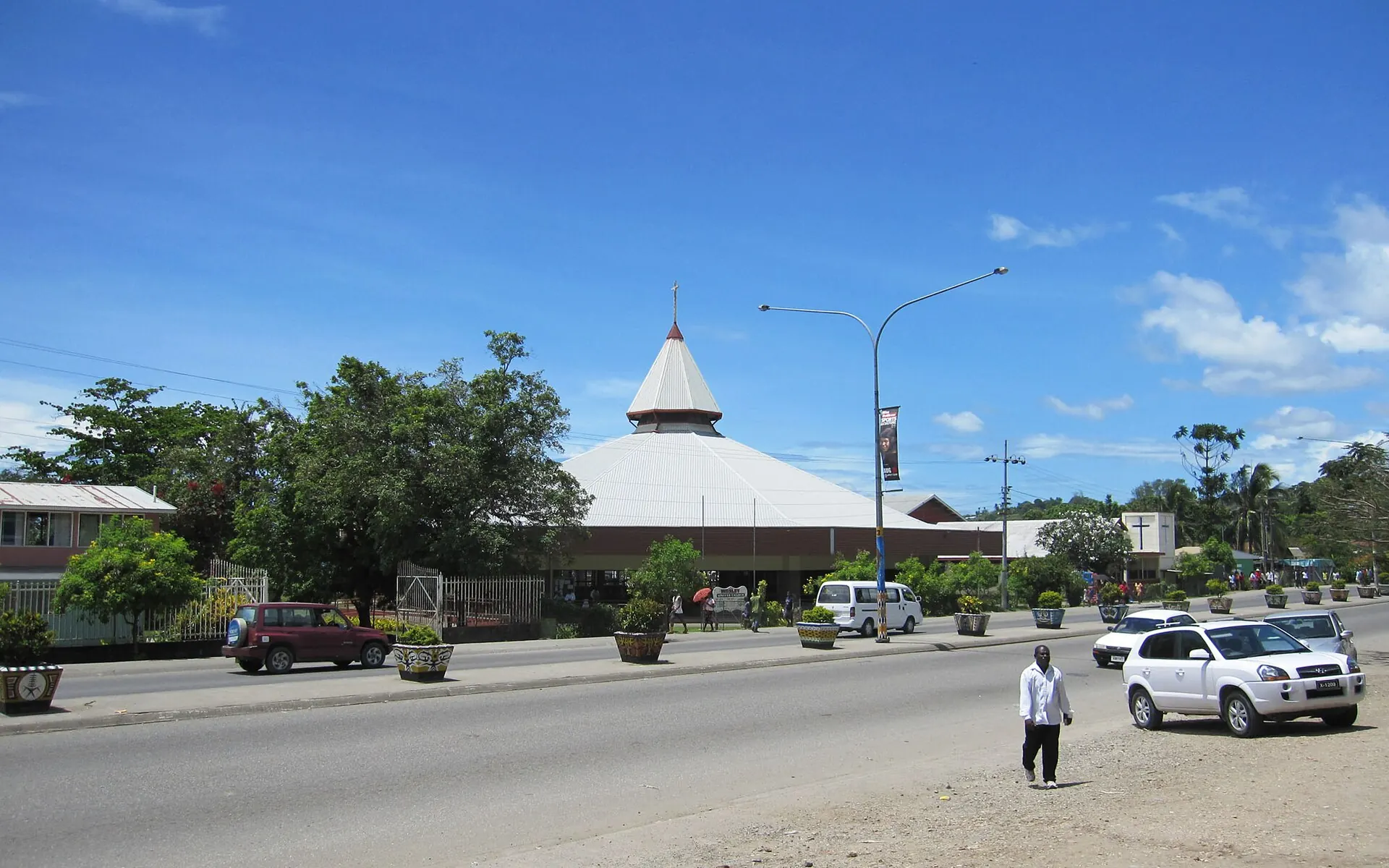
Honiara
Code SD · 4 walking zones
Honiara is a morning city: do the market, the museum and the war memorial before the heat, rest indoors at midday, take a car after dark — and carry small Solomon Islands dollar notes.
Our quick read of Honiara, scored 1–5 (friction is out of 100). Cash need: how often you still need notes. Heat risk: how hot days get. Stroller: how easy wheels are. Friction: overall effort for a first visit. Desk judgements, so check before relying on them.
- Local time
- --:--
- Weather
- forecast below
- Currency
- SBD
- Best months
- May · Jun · Jul · Aug · Sep · Oct
- Airport
- Honiara International Airport , Henderson Field (HIR)
Walking zones: the 4 areas this guide plans a day around. Each is a district you can cover on foot, so you do one zone per half-day and ride the train between them. The code (SD 01, SD 02…) is just the zone's number on the Honiara line; the line under each name says how bags fare there and how much time it needs.
Map of Honiara
Use the switches to show or hide each kind of pin. A switch that is on shows its pins on the map; tap it again to hide them. "Show only" keeps just the pins that match (for example, places that fit a suitcase). Tap any pin for its name and a link to its page.
- Where to sleep
- Places
- Eat
- Walking clusters
- Rest stops
From the airport Honiara (HIR) to your bed
Tap a pin for its card. Places without their own coordinates are shown by their walking cluster.
Why Honiara
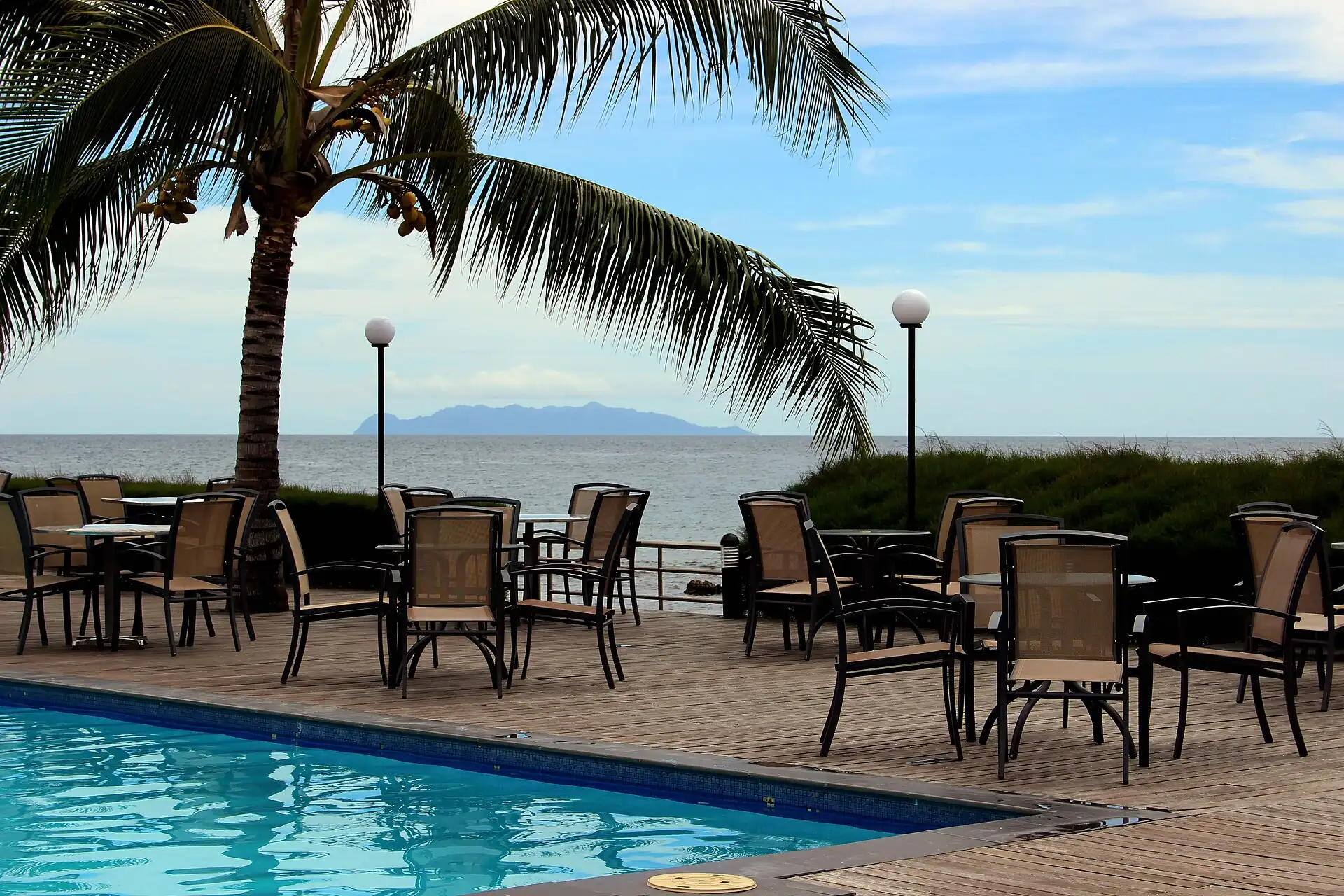
Honiara is a hot, spread-out port town with broken pavements, minibuses on set routes and few taxis after dark. The sights are close to the centre, but the Second World War sites and the wrecks are a car ride away. Four clusters cover a first visit; a hired car with a driver joins them, and a stop of one or two nights is enough before flying on to the Western Province.
See first
- 1
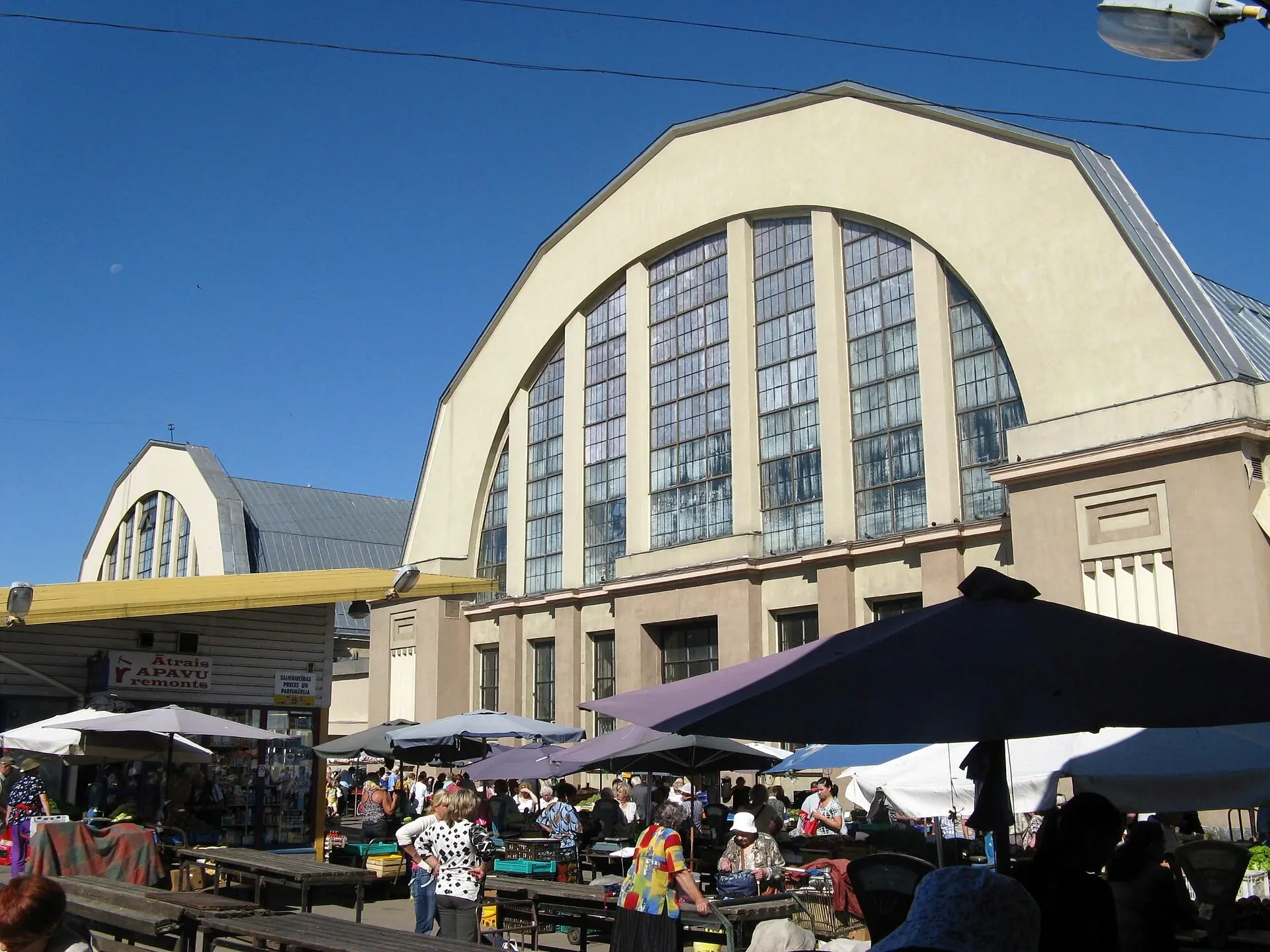 Central Market at dawn · 30–60 min
- 2
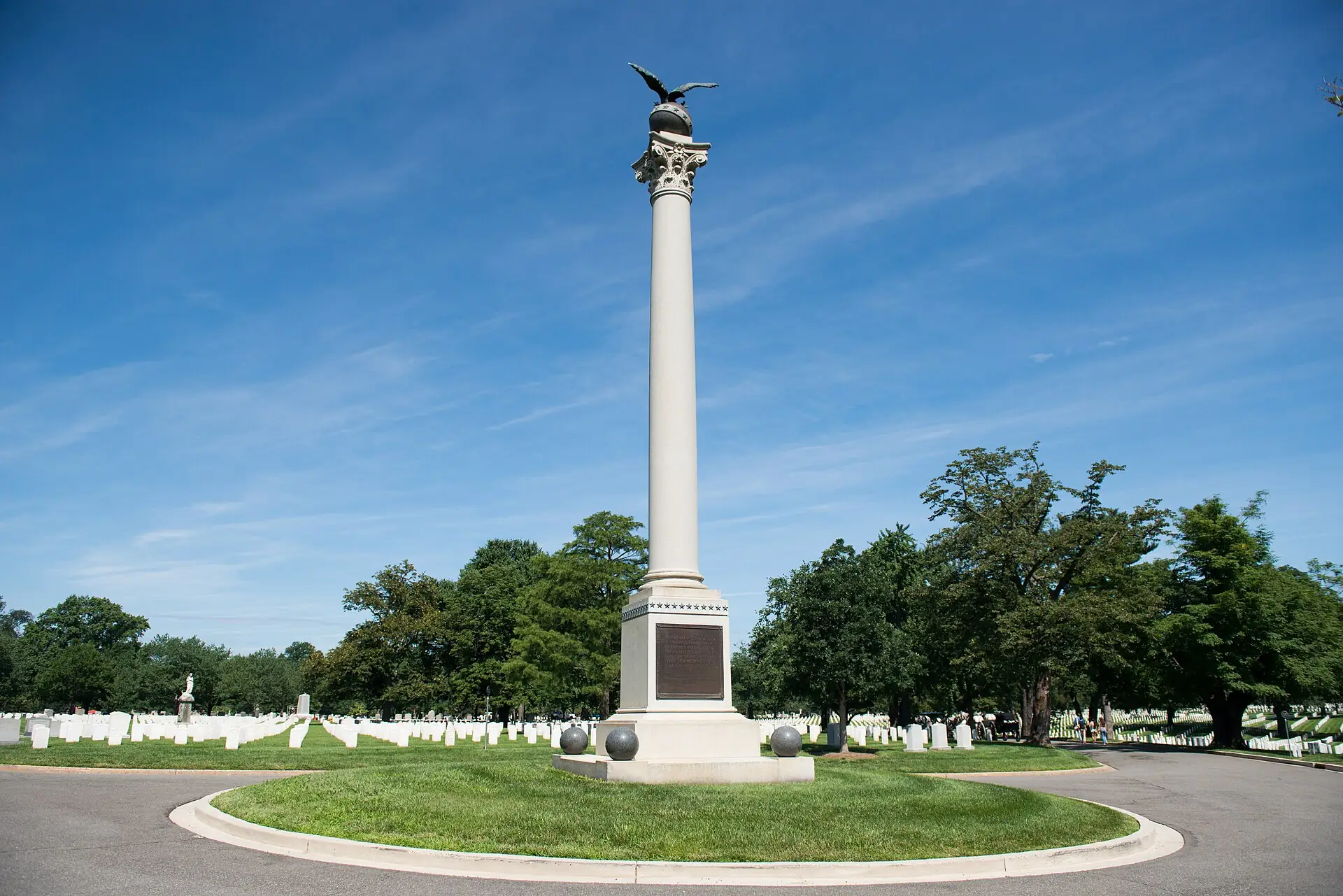 American War Memorial · 20–45 min
- 3Bonegi wrecks · 1–2 h
- 4National Museum · 45–60 min
- 5Vilu War Museum · 45–90 min
Fits
- Second World War history
- Divers and snorkellers
- Travellers who arrange a driver
Does not fit
- Strollers and wheelchairs (pavements)
- Travellers who need cards and cash machines
- Midday walkers
How long
- 2 daysMarket and harbour front, museum and memorial ridge
- 3 daysFour clusters, mornings and evenings only
- 5 daysFour clusters + a Bonegi wreck morning + one slow day before the Western Province flight
Good for
- First timers
- Foodies
- Budget
- Families
- Solo
- Luxury
About Honiara
Solomon Islands is a chain of nearly a thousand islands in the south-west Pacific, home to more than 70 languages and hundreds of customary land groups. Honiara, on the north coast of Guadalcanal, is not an old town: it grew from a wartime supply base. The name is usually explained as coming from a local phrase meaning roughly "facing the trade wind" (check with local sources).
Guadalcanal became known worldwide in 1942, when US Marines landed on 7 August, seized the Japanese-built airfield and renamed it Henderson Field. The six-month campaign, fought on land, on the sea in what became known as Ironbottom Sound, and in the air, ended in February 1943. The Americans left behind roads, buildings and equipment, and after the war the British colonial government moved the capital from Tulagi to Honiara.
Good to know
- Honiara is the capital of Solomon Islands on Guadalcanal; the lodge islands (Munda, Gizo, Marovo) are in the Western Province, a flight away.
- The Solomon Islands Visitors Bureau on Mendana Avenue has maps, brochures and driver contacts (check current opening hours).
- Ask your hotel for a licensed driver or a trusted guide before you plan a day out.
Go deeper 8 min read · 5 chapters
Honiara is a capital that was made by a war. It began as a US supply base on Guadalcanal in 1942, and it still sits between the memorials, the wrecks and the market. This deep dive reads the city through the Guadalcanal campaign, custom and land, food and the market, the tensions of recent decades, and the way the sea and weather shape any plan.
1Guadalcanal, 1942 to 19432 min
Guadalcanal was a quiet colonial island until Japan built an airfield on the northern plain in 1942. The Allies saw that a Japanese bomber base here would threaten the sea lanes to Australia and New Zealand, and on 7 August 1942 US Marines landed to seize it. They named it Henderson Field, after a Marine pilot killed at Midway, and the name survives today in the airport at Honiara.
The campaign that followed lasted six months. On the ground there were attacks and counter-attacks on the ridges south of the field, including the Battle of Edson's Ridge (Bloody Ridge) on 13 to 14 September 1942. At sea there were several naval battles in the channel north of the island, so many ships sank that the water became known as Ironbottom Sound. In the air, planes based at Henderson Field, known as the Cactus Air Force, helped hold the island.
Japanese forces withdrew in early February 1943, after heavy losses on both sides. Thousands of Americans, Japanese, Australians, New Zealanders, Fijians and Solomon Islanders were killed. Local scouts and coastwatchers, such as Jacob Vouza, played a decisive role in guiding and warning the Allies. Solomon Islanders served as scouts, carriers and labourers, and many villages were caught in the fighting.
The war left the island with wreckage and remains. Ships such as the Japanese transports beached at Bonegi in November 1942 can still be seen; aircraft and guns lie in the bush; and unexploded bombs and shells are still found. Never touch old munitions, and report finds to the police or your guide.
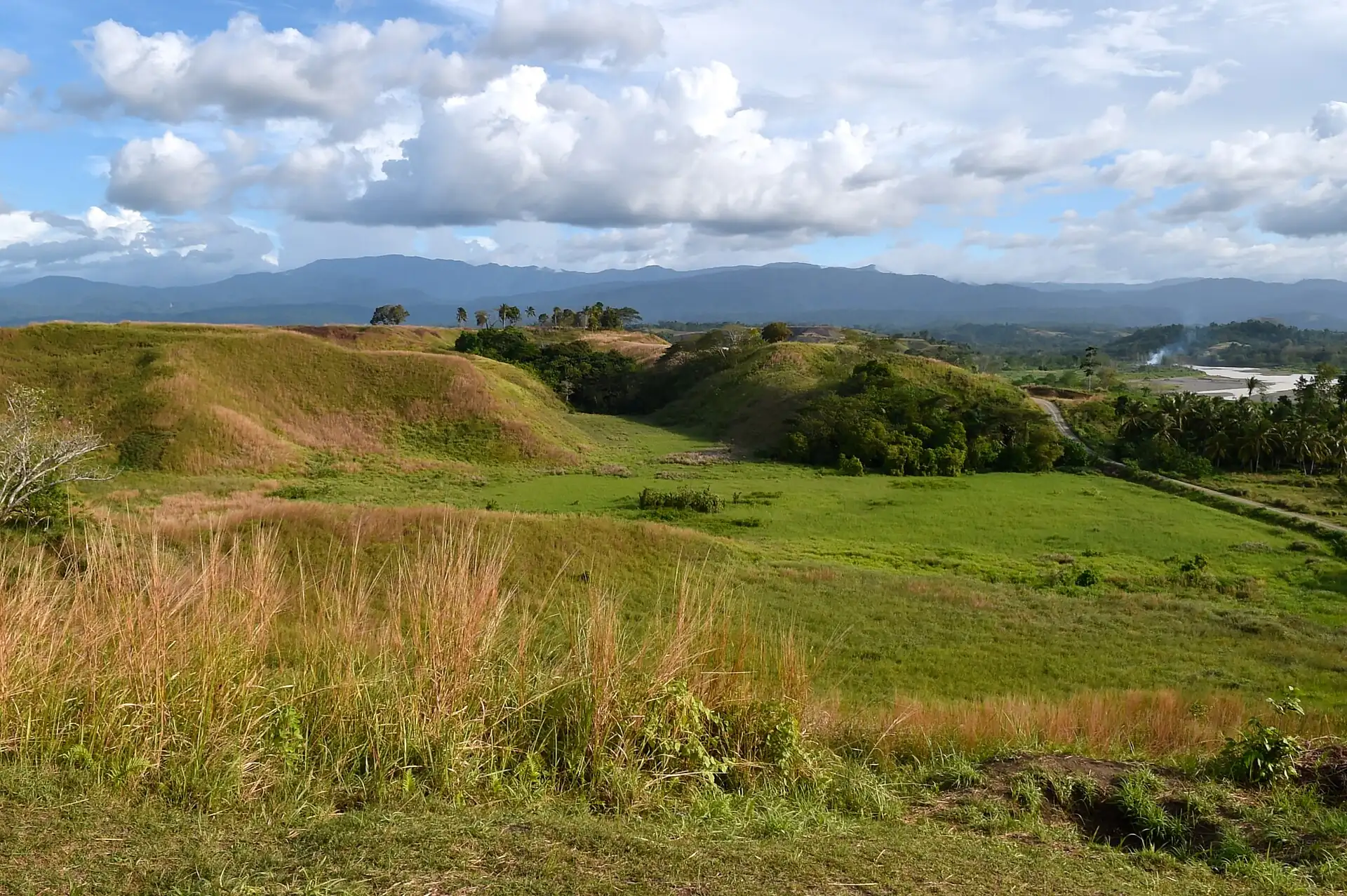
For a visitor, the places to see are the American War Memorial on the ridge, the Bonegi wrecks, the National Museum, the Vilu village museum and, with a guide, the ridge where the Marines held their line. Read a short account before you go, and go early: the sites are open, hot and quiet.
- Landing
- 7 August 1942
- Airfield
- Henderson Field, now Honiara airport
- Bloody Ridge battle
- 13–14 September 1942
- Japanese withdrawal
- February 1943
- Ironbottom Sound
- Channel between Guadalcanal and Florida Islands
2Kastom, land and the wantok2 min
Almost all land in Solomon Islands is held under customary ownership, passed down through family or clan lines rather than sold on a market. That means the beaches, reefs, rivers and ridges around Honiara have owners, and visitors are guests. Villages ask for a small fee for access to a beach, a waterfall or a war site, and it is normal and legitimate: pay it, and thank them.
Kastom, in Pijin, is the whole body of customs: land tenure, chiefly authority, exchange, dances, rituals and taboos. It varies by island and language group. Shell money, made from small discs of shell and strung on cords, is still used for bride price, compensation and exchange, and is one of the treasures of the National Museum.
The wantok system ("one talk", people who speak your language) is the network of kin and language that carries obligations of hospitality and support. It explains why family members share food, money and housing, and why a person's first duty is to their wantoks. It also shapes politics and jobs, which is one reason why the tensions between people of different islands in Honiara have been sharp.
Christianity is deeply part of life: the main denominations are Anglican, Catholic, South Sea Evangelical, Seventh-day Adventist and United, and Sunday is a day for church and rest. Custom and church often sit together: a feast, a funeral or a dance can mix both.
As a visitor, dress modestly, ask before you photograph people or enter land, accept a small fee gracefully, and take your time with greetings. Buy crafts from the makers, and do not buy shells, turtle shell or carvings that may be restricted, and check the export and import rules first.
Finally, keep small notes ready for fees and gifts, and ask your driver or hotel how the local arrangements work before you set out. A respectful visitor who greets people first, dresses modestly and asks before photographing will find most doors open, and will leave a little money in the right hands.
- Land
- Mostly customary
- Shell money
- Discs of shell strung on cords
- Wantok
- Kin and language network
- Main languages
- English (official), Solomon Islands Pijin, 70+ local languages
- Sunday
- Church and rest
3The market, the food and the harbour2 min
Honiara is easier to understand from the market than from any museum. The Central Market at Point Cruz opens at dawn, with women from the villages selling fish, taro, cassava, sweet potato, bananas, coconuts and greens, and the town buying its food. It is loud, hot and crowded, and it is the best place to see how the city feeds itself.
The staple foods are root crops and fish. Taro and sweet potato are boiled or roasted, cassava is grated and baked, and fish is grilled or cooked in coconut milk. A traditional dish is poi, a pounded pudding of taro or cassava with coconut and nuts, often cooked in an earth oven for feasts. Kokoda, raw fish marinated in lime and coconut cream, is served in some hotels.
Chinese-style noodle shops and fried rice takeaways along the highway are a mainstay of the working city, a legacy of the Chinese community that settled here in the 20th century. Chinatown was the centre of that community and was burned in riots in 2006 and again in 2021, an episode people still remember with pain. Rebuilding is under way.
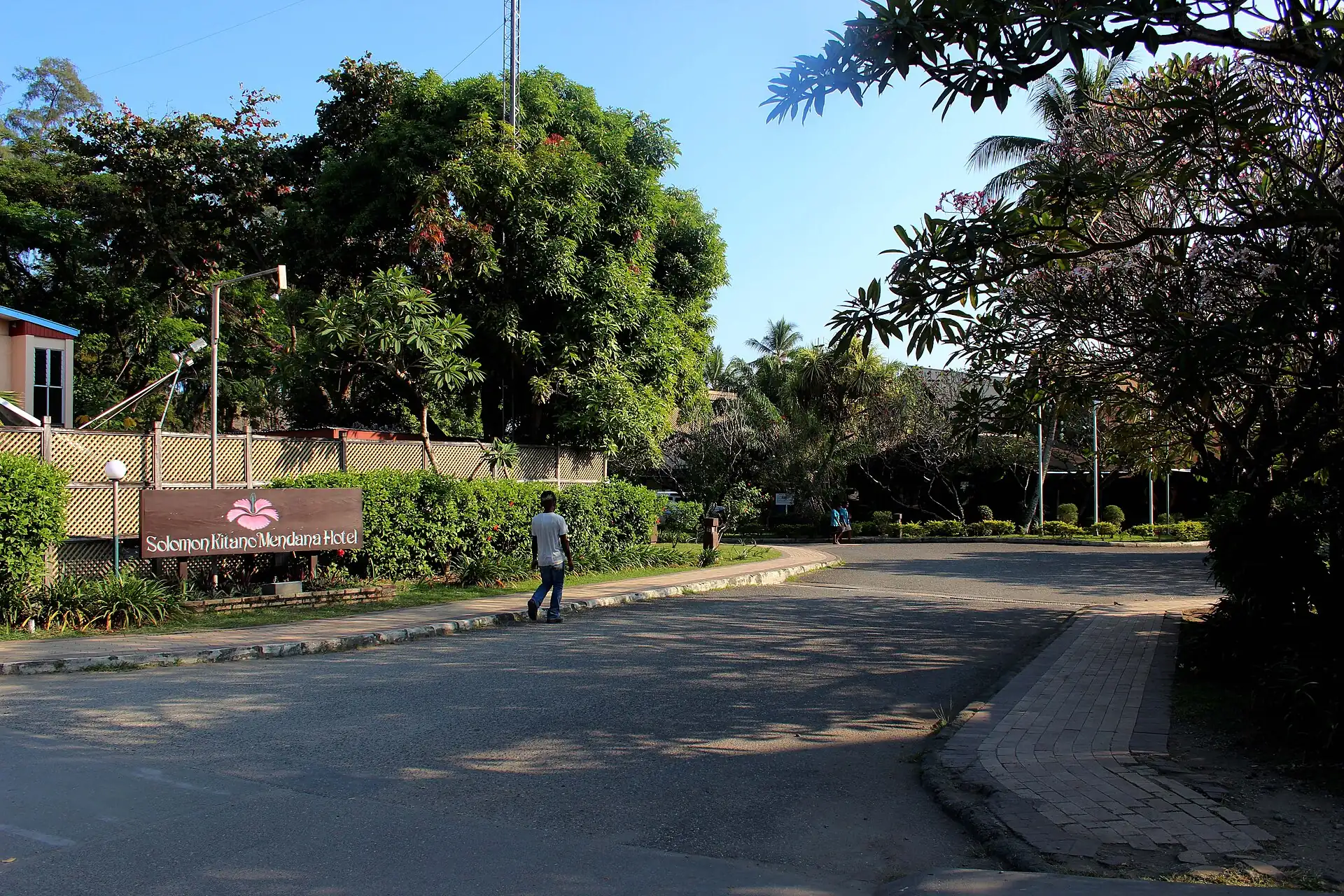
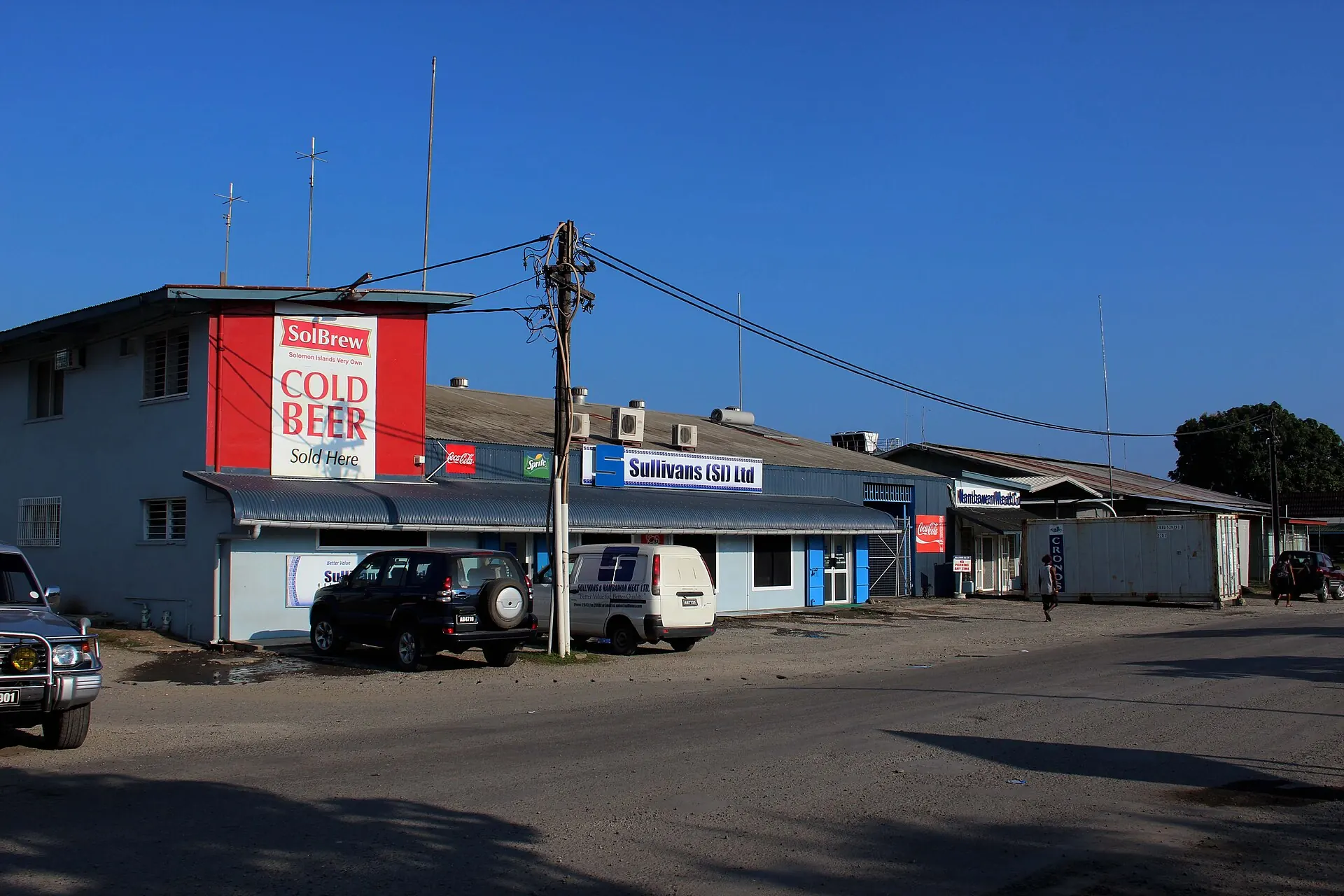
Betel nut (buai), chewed with lime and a leaf, is the local stimulant and a common sight. Its red spit stains the pavement, and selling it is a source of income for many women at the market. The local beer, Solbrew, is brewed in Honiara and sold in hotel bars and shops.
The harbour at Point Cruz is a working port, with cargo ships from Australia and Asia, and small boats carrying goods and people to the outer islands. Ask before photographing the port, and treat the yacht club as a place for a drink at sunset.
A practical tip for the market: go with small notes, take a bag, and buy a few things you can peel or cook. Ask the price for each item, say thanks in Pijin, and leave before the heat and the crowd build up at about ten in the morning; then take a cold drink in the shade.
- Staples
- Taro, cassava, sweet potato, fish
- Poi
- Pounded taro or cassava with coconut
- Kokoda
- Raw fish in lime and coconut cream
- Betel nut
- Buai, chewed with lime
- Local beer
- Solbrew
4Independence, unrest and recovery2 min
Solomon Islands became independent from Britain on 7 July 1978. The new country inherited a colonial economy based on timber, fish, copra and palm oil, and a capital on an island whose original people, the Guadalcanal islanders, had long resented the number of migrants from other islands, especially Malaita, who had come to work and settle around Honiara.
That resentment turned violent in 1998, in a conflict known as the Tensions. Militants from Guadalcanal drove settlers from their land, Malaitan militias responded, and in 2000 the government was overthrown in a coup. For several years the state was close to collapse, and the economy shrank. In 2003, at the government's request, an Australian-led Regional Assistance Mission (RAMSI) arrived with police and soldiers from Pacific countries, and it restored order over the following years, leaving in 2017.
The peace has held, but tensions have returned at times. In April 2006, riots after an election destroyed parts of Chinatown. In November 2021, protests turned into riots again, with fires in Chinatown and other parts of Honiara. In 2019 the government switched recognition from Taiwan to the People's Republic of China, which was one of the causes of the political dispute. In 2023 Honiara hosted the Pacific Games, which brought new sports venues and international attention.
For a visitor the message is to take care rather than avoid the country. Check your government's travel advice before you book and again before you fly, avoid crowds, marches and demonstrations, and use a car after dark. Most visitors stay in hotels in the centre and travel with drivers and guides, and report no problems.
The country continues to work on the economy, on services and on national identity. Tourism, especially diving, war history and remote lodges, is one of the industries with potential. A visit that uses local drivers, guides and lodges puts money where it helps.
- Independence
- 7 July 1978
- Tensions
- 1998 to 2003
- RAMSI mission
- 2003 to 2017
- Riots in Honiara
- April 2006 and November 2021
- Pacific Games
- 2023 in Honiara
5The sea, the wrecks and the weather2 min
Solomon Islands sits in the Coral Triangle, one of the richest marine areas on Earth, and around Honiara the sea is the main attraction. Reefs drop off close to the shore, and the channel between Guadalcanal and the Florida Islands holds dozens of wrecks from 1942. You can reach two of them, at Bonegi, from the beach.
The Bonegi wrecks are the remains of Japanese transports that ran aground or were bombed in November 1942 while trying to land troops and supplies. One lies partly above the surface, a few metres from the shore, and the other lies deeper. They are now covered with coral and fish, and are among the most accessible war wrecks in the world. Snorkelling is good on a calm morning, and diving is possible with an operator.
The wet season, from November to April, brings heavy rain, humidity and the risk of cyclones. Flights may be delayed, roads may flood, and boats may not run. The dry season, from May to October, is cooler and drier, with clear water and the best conditions for diving and road trips.
The heat is the constant. Temperatures are 30 to 31 degrees all year, with very high humidity, so the day runs on the morning: sights and markets before 10:00, a rest in the middle of the day, and a walk or a drink in the evening. Bring water, sun protection, repellent and a hat.
Health advice matters: malaria and dengue are present, tap water is not for drinking, and medical facilities are limited. Take advice before you travel, carry insurance with evacuation cover and follow local advice on where it is safe to swim. Land and reefs are customary property, so ask before you enter the water from a village beach.
A final planning note: book dive and snorkel trips with an operator who gives a briefing and carries safety gear, ask locals before you swim off a village beach, and keep a spare day in the dry season in case wind or rain closes the sea.
- Region
- Coral Triangle
- Bonegi wrecks
- Japanese transports from November 1942
- Dry season
- May to October
- Wet and cyclone season
- November to April
- Temperature
- About 30–31 °C (86–88 °F) year-roundAbout 86–88 °F (30–31 °C) year-round
Read, watch, wordsReading · Glossary · Sources
Reading
- Wikivoyage — Honiara — Wikivoyage contributorsA practical overview of what to see, eat and avoid.
- Solomon Islands Visitors Bureau guides — Solomon Islands Visitors BureauCurrent information on tours, drivers and events.
Glossary
| Term | Local | Meaning |
|---|---|---|
| Kastom | kastom | Custom: land tenure, chiefly authority and traditional practice |
| Wantok | wantok | One talk: kin and language network |
| Pijin | Pijin | Solomon Islands Pijin, the everyday language |
| Buai | buai | Betel nut, chewed with lime and a leaf |
| Kokoda | kokoda | Raw fish in lime juice and coconut cream |
| Tagio | tagio | Thanks |
Read for this deep dive
- Wikivoyage — Honiara ↗
- Solomon Islands Visitors Bureau (official) ↗
- Wikipedia — Guadalcanal campaign ↗
Background reading only: the text above is written by Voykit, not copied from these pages.
Rules in force · 6
- Oceania ↗Oceania's island states guard their farms and reefs at the border: tick 'yes' on the arrival card for any food, plant, animal product, soil or used outdoor gear, and let the officer decide.
- Oceania ↗Across the tropical South Pacific, cyclones are possible from November to April: choose insurance that covers weather delays and keep one spare night before a long-haul departure.
- Melanesia ↗Malaria is present in Papua New Guinea, the Solomon Islands and parts of Vanuatu (not Fiji or New Caledonia): ask a travel clinic about tablets before you go.
- Solomon Islands ↗Many nationalities receive a visitor permit on arrival with an onward ticket, but rules vary: check Solomon Islands Immigration for your passport before booking.
- Solomon Islands ↗Most land and reefs are under customary ownership: pay custom fees for visits, snorkelling or diving where asked, and ask before using a beach or taking photos.
- Guadalcanal (Honiara) ↗In the wet season (Nov–Apr) rivers rise and roads flood: keep the day flexible.
Entry rules depend on your passport. Full visa guide
Emergency numbers for Honiara999 ▾
Tap a number to call from your phone. These are the numbers listed in this guide; a row marked check has not been verified.
Planning is the full guide. I'm here keeps what is open and the cheat card.
Right now
Checking the weather…
Working out what is open near you…
What is open nowclock, closures, places open
Now in Honiara
Local time in Honiara
--:--
Loads in your browser · Pacific/Guadalcanal
This month
Month verdict appears here.
Closed today
See the weekly grid below.
| Weekly closure | Mon | Tue | Wed | Thu | Fri | Sat | Sun |
|---|---|---|---|---|---|---|---|
| Most shops and the museumcheckCheck with your hotel on the day. | · | · | · | · | · | · | ✕ |
If today is a closure day: Sunday: many shops and the market are closed or limited, so plan the museum and market for Monday to Saturday and keep Sunday for a quiet meal and a beach visit with a local.
Open every day: Edson's (Bloody) Ridge, Solomon Islands National Museum and Cultural Centre, Point Cruz harbour front and yacht club, American War Memorial (Skyline Ridge), Vilu Village War Museum.
Weekly closures come from our place pages; public holidays and church events add closures not shown here.
Cheat cardthe pocket version
Cheat card
The essentials on one card: save it as an image for your phone, share it, or print it.
Honiara
- Money
- Bring enough Solomon Islands dollars in small notes; use bank machines in daylight and keep a reserve.
- SIM
- Buy a prepaid SIM from a carrier shop with your passport; coverage is good in Honiara but patchy in the islands.
- Emergency
- 999 police · 911 ambulance · ask on arrival Hotel front desk
- Plugs
- Sockets G/I. US/Canada (A/B): adapter · UK/Ireland (G): fits · Australia/NZ (I): fits. 240 V: US 120 V-only devices (hair dryers) need a converter; most chargers are dual-voltage.
Top 5
- Central Market at dawn
- American War Memorial
- Bonegi wrecks
- National Museum
- Vilu War Museum
EssentialsQuick answers, what things cost and how to get around
Essentials
Quick answers, what things cost and how to get around
Quick answers
The questions people ask first about Honiara, one line each. Tap a card for the full answer.
- Cash or card?Cash is king: bring Solomon Islands dollars in small notes.
- SIM or eSIMBuy a prepaid SIM from a carrier shop with your passport; coverage is good in Honiara but patchy in the islands.
- Tap waterDo not drink tap water; use bottled or filtered water, and avoid ice unless you know the source.
- TippingNot expected; a small tip for a driver or guide is welcome.
- Plugs & powerSockets G/I. US/Canada (A/B): adapter · UK/Ireland (G): fits · Australia/NZ (I): fits. 240 V: US 120 V-only devices (hair dryers) need a converter; most chargers are dual-voltage.
- Safe at night?Take more care after dark in Point Cruz and the centre, Chinatown and Kukum, Ridge and museum and more.
Show all 14 answers
- What to wearCover shoulders and knees, especially at the market, in churches and at memorials.
- RestroomsHotels, restaurants and some shops; carry tissues and hand gel.
- Emergency numbers999 police · 911 ambulance · ask on arrival Hotel front desk
- Your embassycheckAustralia, NZ, UK, US embassies listed with addresses (check before you go).
- Closed which day?Sun: 1 on our list shut.
- Sundays & holidaysShops open about 08:00 to 17:00 on weekdays and half a day on Saturday; most are closed on Sunday.Shops open about 8:00 AM to 5:00 PM on weekdays and half a day on Saturday; most are closed on Sunday.
- Rainy-day planIn the wet season (November to April), heavy showers and flooded roads are common: do outdoor sights in the morning…
- Landing lateHIR: pre-booked hotel pickup or airport taxi to the door runs all night.
Cost cheat-sheetwhat everyday things cost
Cost cheat-sheet
Typical prices for the everyday things, as ranges. Change the currency right here; the local price stays first.
2026 desk estimate · check
- CoffeeCoffee or teaSI$20–40
- Sit-down mealHotel restaurant main courseSI$110–200
- Street or quick mealNoodles or fried rice, takeawaySI$40–100
- BeerSI$25–45
- Taxi, about 5 km (3 mi)Taxi, about 3 mi (5 km)Taxi, short town rideSI$20–50
- SIM or eSIM, a weekPrepaid SIM and dataSI$50–200
- Museum or sight ticketBonegi snorkel entrySI$50–100
- Budget bedGuesthouse room, a night, per roomSBD 450
- Mid-range bedMid-range hotel double, a night, per roomSBD 1,300
- High-end bedMid-range hotel double, a night, per roomSBD 2,000
A day, not counting the bed: Budget SBD 400 · Mid SBD 900 · High SBD 2,000
Local prices, with USD next to them (rates 2026-09 (approximate); change it in the header). Ranges are desk estimates: check locally. Every price and the budget calculator →
Source: Prices in Honiara
Draft
Written from desk research. Not yet compared with the official source.
No official source is recorded for this figure.
Prices are 2026 desk estimates, not yet compared with an official source. Check on the day.
Not checked in the last 12 months (no check date on file).
DecideWho it suits, the trade-offs and when to go
Decide
Who it suits, the trade-offs and when to go
Best months at a glance
The guide's verdict for each month
Jan
Avoid
31°C (88°F)88°F (31°C)
Feb
Avoid
31°C (88°F)88°F (31°C)
Mar
Care
31°C (88°F)88°F (31°C)
Apr
Care
31°C (88°F)88°F (31°C)
May
Best
31°C (88°F)88°F (31°C)
Jun
Best
30°C (86°F)86°F (30°C)
Jul
Best
30°C (86°F)86°F (30°C)
Aug
Best
30°C (86°F)86°F (30°C)
Sep
Best
31°C (88°F)88°F (31°C)
Oct
Best
31°C (88°F)88°F (31°C)
Nov
Care
31°C (88°F)88°F (31°C)
Dec
Care
31°C (88°F)88°F (31°C)
Best: May–Oct. Mixed: Mar–Apr, Nov–Dec. Avoid: Jan–Feb. Month by month →
Warmest Jan (31°C (88°F)88°F (31°C)), coolest Jun (23°C (73°F)73°F (23°C) low), wettest Jan (20 rain days), driest Aug (10). Averages, not a forecast.
Honiara across the year
Best-looking months for Honiara: May, Jun, Jul. Rated avoid: Jan, Feb.
| Measure | Jan | Feb | Mar | Apr | May | Jun | Jul | Aug | Sep | Oct | Nov | Dec |
|---|---|---|---|---|---|---|---|---|---|---|---|---|
| Weather | Avoid (avoid) | Avoid (avoid) | Mixed (care) | Mixed (care) | Great (good) | Great (good) | Great (good) | Great (good) | Great (good) | Great (good) | Mixed (care) | Mixed (care) |
| Crowds | Low (good) | Low (good) | Low (good) | Low (good) | Low (good) | Medium (ok) | Medium (ok) | Medium (ok) | Medium (ok) | Medium (ok) | Low (good) | Medium (ok) |
| Prices | Low (good) | Low (good) | Low (good) | Low (good) | Medium (ok) | Medium (ok) | Medium (ok) | Medium (ok) | Medium (ok) | Medium (ok) | Medium (ok) | Medium (ok) |
| Events | 2 events (ok) | 1 event (ok) | 1 event (ok) | 2 events (ok) | None listed (ok) | 1 event (ok) | 1 event (ok) | 1 event (ok) | None listed (ok) | None listed (ok) | 2 events (ok) | 2 events (ok) |
Green is good news, amber needs planning, red is a month to avoid; dashed grey with a question mark means our data does not say. Open the year heatmap →
Not checked in the last 12 months (no check date on file).
Source: Months, temperatures and crowds
Draft
Written from desk research. Not yet compared with the official source.
Monthly highs, rain and crowd levels are climate averages and desk estimates for the city, not a forecast.
Understand the cityUnderstand · Districts
Orientation & districts
Honiara is a linear town along the coast road (Mendana Avenue), 10 to 15 km long; the harbour and market are at the centre, the ridge and the museum are just above, and the airport and Bonegi wrecks are at either end.
Addresses are informal: landmarks, suburb names and hotel names are what taxi drivers know; house numbers are rare.
Shaded shapes: walking areas (click one). Black pins: sleep areas. Grey dots: places. Round badges: arrivals. Click the map to turn on scroll-wheel zoom.
Hover, tap or tab to an area to see what it is like. Pins are sleep areas; arrows at the edge point to the airport.
Off the map: Honiara International Airport (HIR), Henderson Field (25–50 min by the usual route).
Not drawn yet (no coordinates in this guide): Airport and Henderson Field, Outer islands. They are in the neighbourhood cards below.
Where’s what, as a list:
- Point Cruz and the centre (Point Cruz): The harbour, market, banks and most hotels are here; walk by day, use a car at night. Suits: First visit, 1–3 nights. Price band $$.
- Kukum and Chinatown (Kukum, Chinatown): East of the centre along the highway; the area was damaged in 2006 and 2021, and takes care after dark. Suits: Cheaper guesthouses and noodle shops. Price band $$.
- The ridge and museum area (National Museum and ridge): Above the town; go by car in the morning. Suits: War memorial and views.
- Bonegi coast (Bonegi): About 15 to 20 km (9.3 to 12 mi) west; a car is required.About 9.3 to 12 mi (15 to 20 km) west; a car is required. Suits: Snorkelling and the wrecks.
- Airport and Henderson Field (Henderson): About 10 km (6.2 mi) east of the centre.About 6.2 mi (10 km) east of the centre. Suits: Arrivals and departures.
- Outer islands (Western Province and Malaita): Flights are few and can be delayed; keep a flexible plan. Suits: Onward trips by air.
- Sleep area Chinatown and Kukum: suits Cheaper guesthouses and noodle shops, price band $$.
- Sleep area Point Cruz: suits First visit, 1–3 nights, price band $$.
- Honiara International Airport (HIR), Henderson Field, 25–50 min by the usual route.
Neighbourhoods at a glance
One tab per area, pulled together from this guide’s districts table, area notes, sleep-area scores and place pages. Scores are desk judgements (1–5); prices are estimates, check before you book.
Point Cruz and the centre
$$Point Cruz
The harbour, market, banks and most hotels are here; walk by day, use a car at night.
- Suits:
- First visit, 1–3 nights
- Best time:
- Early morning and sunset
- Rooms:
- SI$1,800+ (from the sleep guide)
Pick this if: First visits
Watch out for: Midday and after dark on foot.
- Quiet nights3/5 Medium
- Nightlife2/5 Low
- Families3/5 Medium
- Late arrival3/5 Medium
Why these scores
- Quiet nights: Traffic and a few bars; generally quiet at night.
- Nightlife: A few hotel bars; take a car for anything else.
- Families: Central, with restaurants and AC rooms.
- Late arrival: Larger hotels have night desks and can arrange a car.
See
Getting around from here
- Car east: about 8 min to Chinatown & Kukum road
- Car south: about 10 min to National Museum & the US war memorial ridge
- Car west: about 25 min to Bonegi coast and the wrecks
Kukum and Chinatown
$$Kukum, Chinatown
East of the centre along the highway; the area was damaged in 2006 and 2021, and takes care after dark.
- Suits:
- Cheaper guesthouses and noodle shops
- Best time:
- Daytime
- Rooms:
- SI$400–700 (from the sleep guide)
Pick this if: Cheap meals
Watch out for: After dark and around crowds.
- Quiet nights2/5 Low
- Nightlife1/5 Very low
- Families2/5 Low
- Late arrival2/5 Low
Why these scores
- Quiet nights: Busy highway and nearby shops.
- Nightlife: Very limited; take a car.
- Families: Simple rooms; fewer facilities.
- Late arrival: Confirm check-in and the gate before a late arrival.
Getting around from here
- Car west: about 8 min to Point Cruz, Central Market & Mendana Avenue
- Car west: about 12 min to National Museum & the US war memorial ridge
The ridge and museum area
National Museum and ridge
Above the town; go by car in the morning.
- Suits:
- War memorial and views
- Best time:
- Morning
Pick this if: History
Watch out for: Midday sun.
Getting around from here
- Car north: about 10 min to Point Cruz, Central Market & Mendana Avenue
- Car east: about 12 min to Chinatown & Kukum road
Bonegi coast
Bonegi
About 15 to 20 km (9.3 to 12 mi) west; a car is required.About 9.3 to 12 mi (15 to 20 km) west; a car is required.
- Suits:
- Snorkelling and the wrecks
- Best time:
- Early morning
Pick this if: Snorkelling
Watch out for: Wet-season storms.
Getting around from here
- Car east: about 25 min to Point Cruz, Central Market & Mendana Avenue
Airport and Henderson Field
Henderson
About 10 km (6.2 mi) east of the centre.About 6.2 mi (10 km) east of the centre.
- Suits:
- Arrivals and departures
Outer islands
Western Province and Malaita
Flights are few and can be delayed; keep a flexible plan.
- Suits:
- Onward trips by air
Decide
The honest trade-off: what you will enjoy, what will wear you down.
You will like
- War history
- Wrecks close to shore
- Fresh markets
You will hate
- Heat and humidity
- No public transport plan
- Few cash machines
Similar citiesif this one is not quite right
Similar cities
If Honiara does not fit your dates or budget, these match it on season, cost and feel.
- Funafuti
Tuvalu
- Good in the same months: May, Jun, Jul, Aug and 2 more
- A similar climate through the year
- South Tarawa
Kiribati
- Good in the same months: May, Jun, Jul, Aug and 2 more
- A similar climate through the year
- Dili
Timor-Leste
- Good in the same months: May, Jun, Jul, Aug and 2 more
- A similar climate through the year
When
Best months: May, Jun, Jul, Aug, Sep, Oct. Month-by-month verdicts below, with the live forecast first. When to go, month by month →
Honiara: next 7 days
Loading forecast…
Forecast: Open-Meteo (CC BY 4.0), model data for this point.
Air quality
Loading…
Model estimate (CAMS via Open-Meteo), not a street-level station; readings near busy roads run higher.
Month by month, all 12best May, Jun, Jul, Aug, Sep, Oct
Wet season and cyclone risk; heavy rain, flights delayed.
Wet season, cyclone risk.
Wet, humid; roads can flood.
Wet season tail; showers.
Drier, cooler months begin.
Dry and warm.
Dry; Independence Day Jul 7 (offices close).
Dry; good diving and snorkelling.
Dry.
Dry, hotter.
Wet season starts; cyclone season opens.
Wet; Christmas closures and full flights.
Climate, calendar and eventsClimate · Calendar · Events · Packing by season
Climate
| Jan | Feb | Mar | Apr | May | Jun | Jul | Aug | Sep | Oct | Nov | Dec | |
|---|---|---|---|---|---|---|---|---|---|---|---|---|
| High | 31°C (88°F)88°F (31°C) | 31°C (88°F)88°F (31°C) | 31°C (88°F)88°F (31°C) | 31°C (88°F)88°F (31°C) | 31°C (88°F)88°F (31°C) | 30°C (86°F)86°F (30°C) | 30°C (86°F)86°F (30°C) | 30°C (86°F)86°F (30°C) | 31°C (88°F)88°F (31°C) | 31°C (88°F)88°F (31°C) | 31°C (88°F)88°F (31°C) | 31°C (88°F)88°F (31°C) |
| Low | 24°C (75°F)75°F (24°C) | 24°C (75°F)75°F (24°C) | 24°C (75°F)75°F (24°C) | 24°C (75°F)75°F (24°C) | 24°C (75°F)75°F (24°C) | 23°C (73°F)73°F (23°C) | 23°C (73°F)73°F (23°C) | 23°C (73°F)73°F (23°C) | 23°C (73°F)73°F (23°C) | 24°C (75°F)75°F (24°C) | 24°C (75°F)75°F (24°C) | 24°C (75°F)75°F (24°C) |
| Rain days | 20 | 20 | 20 | 17 | 14 | 11 | 11 | 10 | 10 | 11 | 14 | 18 |
| Verdict |
- May to October is drier and cooler; November to April is wet with cyclone risk.
- Heat and humidity are high all year; sightseeing works only in the morning.
- Roads flood in the wet season and flights can be delayed.
Events by month
New Year
holiday1 January · Nationwide
Public holiday; shops close
Easter
holidayMoves each year · Nationwide(check dates)
Church services; many businesses close from Friday to Monday
King's Birthday
holidayA June weekend (check) · Nationwide(check dates)
A public holiday
Independence Day
holiday7 July · Honiara
Parades and events; offices close
Guadalcanal Day
holidayAround 7 August · War memorials on the ridge(check dates)
Memorial ceremonies; access may be limited
Cyclone season begins
otherNovember to April · Nationwide
Flights delayed; roads flood
Christmas
holiday25 and 26 December · Nationwide
Church services; shops close; full flights
Festivals and events that change the plan
| When | What | Effect on your plan |
|---|---|---|
| 7 July | Independence Day | Parades and events in Honiara; offices and many shops close. |
| Around 7 August | Guadalcanal Day | Memorial ceremonies at the war sites; access may be limited. |
| Nov to Apr | Cyclone and wet season | Heavy rain, flight delays and road flooding. |
| 25 Dec | Christmas | Shops close, church services and full flights. |
What to pack, by season
From Honiara’s own climate table: the coldest, warmest and wettest three months, and what to bring for each.
Coldest months
Jun–Aug
23° to 30°
Light layers; evenings can still feel cool.
Warmest months
Jan–Mar
24° to 31°
Light, breathable clothes, a sun hat and sunscreen; plan midday indoors and carry water.
Wettest months
Jan–Mar
20 rain days a month
A compact umbrella or rain jacket and shoes that can get wet.
Arrive & moveGetting in, getting around, and your bags
Arrive & move
Getting in, getting around, and your bags
I land at…
Enter your landing time: what still runs from the airport, where you can eat when you get in, and which areas let you check in that late.
Honiara International Airport (HIR), Henderson Field
Out of the airport about 00:00 (next day)12:00 AM (next day) (01:15 (next day)1:15 AM (next day) if immigration and bags are slow); in town about 00:25 (next day)12:25 AM (next day).
Transport from the airport
- Any hourPre-booked hotel pickup or airport taxi to the door. Runs all night.
- Last resortOvernight near the airport. If nothing else works.
Places to eat open when you get in
We have no confirmed hours for the places to eat here yet. Plan on a convenience store or your hotel. What is open late →
Where to sleep with a late arrival
- Lets you inPoint Cruz 24-hour desk. Larger hotels have night desks and can arrange a car.
- Call aheadChinatown and Kukum Desk hours not confirmed: message the hotel with your flight number. Confirm check-in and the gate before a late arrival.
Typical times from our airport data, not a timetable: check the last departure on the day. Full airport-to-bed plan for Honiara International Airport (HIR), Henderson Field →
Arrive
Each gateway has its own airport-to-bed page with timings and the last safe connection.
Getting in, in detailGet in
Get in by rail and road
| Station | Mode | Serves | Where | To the centre |
|---|---|---|---|---|
| Honiara International Airport (Henderson Field)HIRuse | Air | International flights (for example Brisbane, Nadi, Port Vila, check) and domestic flights | About 10 km east of the centre · Henderson | Hotel car or taxi 20 to 40 minutesArrange a pickup in advance; taxis thin out after the last arrival. |
| Honiara PortPoint Cruz portcaution | Ferry | Inter-island ferries and cargo | Town centre · Point Cruz | Walk or a short taxiTimetables are irregular and boats are often full; confirm the day before. |
| Domestic flightsSolomon Airlinesuse | Air | Gizo, Munda, Seghe and other airfields | From Honiara airport · Henderson | Hotel car or taxiWeight limits apply; confirm the flight the day before. |
- Arrange your airport pickup in advance and confirm with your flight number.
- Keep a buffer day before an international flight: domestic flights are often delayed.
- Bring cash in small notes; few places take cards.
Move
The default way around, when a pass pays off, and when the last trains go.
- Default
- Walk inside a cluster by day; a taxi or hired car between clusters and after dark.
- Passes
- No pass. Agree the fare before you get in; hire a driver by the hour for the ridge and Bonegi.
- Last trains
- No rail. Taxis are few after dark: ask the hotel to book the ride back before you go out.desk estimate
- Other modes
- Other modes (Rome2Rio) ↗
Getting around, in detailGet around · Connect
Get around
Walk inside the centre in the morning, take a taxi or a hired car with a driver everywhere else, and use minibuses only if you know the route.
| Mode | Verdict | Fare | Use it for | What breaks |
|---|---|---|---|---|
| Walking | use | Free | Inside the centre in the morning | Heat and broken pavements; avoid after dark. |
| Taxi | use | About SI$20–50 in town (agree first) | Short hops and after dark | Few taxis after dark: ask your hotel to book the return. |
| Hired car with a driver | use | About SI$700–1,200 a day (2026 estimate) | Bonegi, the ridge, Vilu | Agree the hours and the route in advance. |
| Minibus | caution | About SI$5–10 | Along Mendana Avenue and the highway | Set routes, crowded; ask which one goes where. |
| Boat | caution | Agree first | Tulagi and nearby islands | Book through a dive operator or a reliable agent. |
City buses a visitor actually uses
| Bus | Route | Useful for | Fare | Note |
|---|---|---|---|---|
| Minibus (various) | Mendana Avenue, Kukum Highway and the airport | Short trips on set routes | About SI$5–10 | Ask your hotel which stop and which colour to take.(check) |
Taxis and ride-hailing
Hotel taxi
phone
The safest choice: ask the front desk.
Street taxi
street
Agree the fare first and note the plate.
On foot and car-free hours
| Where | When | Note |
|---|---|---|
| Mendana Avenue between the market and the museum | Morning | About 15 minutes; the road is busy and the pavement is broken. |
More on getting around
Addresses are landmarks: name the hotel, the market or the nearest big building. Taxis do not use meters.
Connect
| Option | Verdict | What breaks |
|---|---|---|
| Prepaid SIM from a local carrier shop | use | Passport needed; check coverage for the islands before you buy. |
| Tourist eSIM | caution | Not all eSIM plans cover Solomon Islands; check first. |
| Hotel Wi-Fi | use | Slow and sometimes paid; use it for messages. |
WhatsApp and Messenger
Messaging
Hotels and drivers often use them to confirm bookings.
Google Maps
Basic orientation
Sparse detail; save an offline map.
Weather apps and the Solomon Islands Meteorological Service
Cyclone and rain alerts
Check daily in the wet season.
- Wi-Fi
- Available at some hotels and cafés; speeds are slow.
- Mobile coverage
- Good in Honiara, patchy elsewhere; check before travelling to the islands.
Luggage
Where big bags are a problem, and how to get rid of them for the day.
Rule
- Lockers
- No public lockers; hotels hold bags after check-out.
- Forwarding
- No forwarding culture; keep the big bag at the Honiara hotel.
- Dead zone
- Late flights: ask the hotel to hold bags and for a room to shower.
Bags, area by area
4 walking areas rated
- Bags forbidden
National Museum & the US war memorial ridgeBonegi coast and the wrecks
- Bags painful
Point Cruz, Central Market & Mendana AvenueChinatown & Kukum road
Lockers, forwarding and the gap between check-out and check-in are covered once, under Luggage.
See & doWalking clusters, day plans and the places worth the time
See & do
Walking clusters, day plans and the places worth the time
Clusters
Plan by cluster: each is a walkable area with a rescue point and a bag rule.
Morning cluster: Central Market and the harbour front before the heat; flat, little shade, keep phones out of sight.
rescue 100% · max p90 5.6′ · half
Evening cluster: waterside cafés and food stalls along the Chinatown strip; take a car home after dark.
rescue 100% · max p90 5.6′ · 90m
Half-day cluster: the museum and the Second World War memorial on the ridge above town; go before 10:00, the ridge road is steep and open.
rescue 100% · max p90 5.6′ · half
Early-morning cluster: Second World War wrecks close to shore west of town, snorkel or look from the beach; go at low wind and take a driver.
rescue 100% · max p90 5.6′ · half
Days
Ready-made day plans, timed against opening hours and walking distances.
How long are you staying?
Loose outlines in the town's rhythm: mornings for sights, midday for rest, evenings by car.
1 day
A stopover
- 06:30Central Market — Central Market
- 08:30American War Memorial (Skyline Ridge) — American War Memorial
- 10:30Solomon Islands National Museum and Cultural Centre — National Museum
- 12:30Heritage Park Hotel restaurant — Lunch in a hotel
- 17:30Point Cruz harbour front and yacht club — Sunset at Point Cruz
Skip: Bonegi and Vilu: they need a half-day.
Honiara in 3 days
3 daysMarket and harbour front in the morning, the Bonegi wrecks early on the second day, the museum and the war memorial on the last; every long leg is a car, and the last day ends with the bag already in it.
Day by day
Day 1 — Central Market, harbour front, a 12:30 lunch table
- 07:30Central Market
- Central Market food stalls (optional)
- Point Cruz harbour front and yacht club (optional)
- 12:30Lunch table 12:30 (town centre)
Day 2 — Bonegi wrecks at 07:00
Day 3 — Museum and memorial ridge, car to the airport at 12:00
- 08:00Solomon Islands National Museum and Cultural Centre
- American War Memorial (Skyline Ridge) (optional)
- Edson's (Bloody) Ridge (optional)
- 12:00Car to the airport at 12:00
Places
“Best time” is when to arrive for the fewest crowds, for example “before 08:30”; “Go any time” means the hour makes little difference. More sights follow under “More sights and museums”.
Tours, classes and shows in Honiara →
If you do ten things in Honiara
Ranked for a first visit of 2–4 days. Prices are 2026 estimates in Solomon Islands dollars.
- 1
Fresh produce and the town at work.
- Time
- 30–60 min
- Best
- 06:30–09:00
- Cost
- Free to browse
- 2
- 3
Wrecks you can snorkel from the shore.
- Time
- 1–2 h
- Best
- Early morning
- Cost
- Entry fee about SI$50–100
- 4
- 5
War relics in the open air.
- Time
- 45–90 min
- Best
- Weekday morning
- Cost
- Small local fee (check)
- 6
- 7
- 8
- 9
- 10
Good for…
Verdict is how well Honiara works for that traveller, not how nice it is.
A stopover before the islands, best with a driver and modest expectations.
- 1Central Market — An easy, low-stakes first outing.
- 2War memorial — A view and a start with history.
Fresh fish, root crops and fruit; the restaurant scene is small.
- 1Market breakfast — The local food.
Market food is cheap; beds and taxis are not.
- 1Noodle shops — Cheap and filling.
Simple activities; heat and rough ground are the limit.
- 1National Museum — A short, indoor stop.
Possible by day with a driver contact; take care after dark.
- 1Harbour front — A short walk near the hotel.
A few larger hotels; the luxury is in the lodges, not Honiara.
- 1Hotel dinner — A comfortable meal.
Broken pavements and steps make it very difficult.
- 1Hotel restaurant — The most accessible option.
Tours and classes: book or skip
Book through the hotel or an operator with written inclusions and a cancellation policy.
| Tour or class | Verdict | Typical price | Why | Check before paying |
|---|---|---|---|---|
| WWII sites tour with a guide | book | SI$900–1,500 | A guide explains the campaign and gets you access. | Licensed guide, the sites included and the fuel. |
| Bonegi snorkel or dive trip | book | SI$300–1,500 | The wrecks are the reason many people come. | Safety briefing, equipment and the fee. |
| Tulagi and Iron Bottom Sound boat trip | book | SI$1,500–3,000 | The war in the water. | Operator, insurance and weather policy. |
| Village and custom visit | optional | SI$150–400 | A cultural exchange with a local family. | Fees and who benefits. |
| Western Province flight | book | Flight cost plus lodge | The main reason to fly on. | Weight limits and delays. |
What each season brings
Dry season
May–Oct
Drier and cooler; the best months for diving, wrecks and road trips
Watch: Still humid; sun protection.
Wet season
Nov–Apr
Green and quiet; fewer visitors
Watch: Cyclone risk, flooded roads and flight delays.
Photo spots and the light
Light times are for clear days.
| Spot | Best light | Tip |
|---|---|---|
| Market colours | Early morning | Ask before photographing people. |
| Ridge view over the coast | Morning | Face north-east over the airfield. |
| Wreck above the surface | Early morning | A calm sea and low sun help. |
| Sunset over the harbour | Golden hour | Shoot from the harbour front, not the port. |
Honiara travel FAQ
Answers are 2026 desk estimates; fares and rules marked (check) change.
Is Honiara safe?
Most visitors have no problems by day; petty theft and after-dark risks are real, and there has been unrest in the past. Check your government's advice.
Do I need a visa?
Depends on your passport (check).
What currency should I bring?
Solomon Islands dollars, in small notes; some hotels accept cards.
Is malaria a risk?
Yes; take medical advice on prophylaxis and use repellent and nets.
Can I drink tap water?
No; use bottled or filtered water.
How do I get around?
Taxis and hired cars; minibuses on set routes.
When is the best time?
May to October.
What is Pijin?
Solomon Islands Pijin, the everyday language; English is the official one.
Can I visit the WWII sites alone?
With a driver and, for some sites, a guide; do not touch old munitions.
Is there nightlife?
Limited: hotel bars and a few clubs; take a car.
Can I use my phone?
Check roaming or buy a local SIM; coverage is good in Honiara only.
What are the plugs?
240 V; types I and G (check).
Are shops open on Sunday?
Many are closed or limited.
Can I swim on any beach?
Only with local advice: land and reefs are customary property.
How many days do I need?
Two or three days for the town, plus time for the islands.
More to see and doSee & do · Learn & work · Rain & heat · Free things · Wheelchair and stroller
Free things to do
Sights in Honiara that cost nothing to enter. Each is described under Places or More sights; extra costs inside are marked there.
Wheelchair and stroller, place by place
How each place in this guide works for wheels, from its own page. Ratings are desk estimates unless a page says it was checked on the ground.
| Place | Step-free | Wheelchair | Stroller | What to know |
|---|---|---|---|---|
| Edson's (Bloody) Ridge | no | hard | hard | Grass slopes and uneven paths. |
| Solomon Islands National Museum and Cultural Centre | partial | check | ok | Level galleries but steps at the entrance; check with staff. |
| Point Cruz harbour front and yacht club | partial | hard | hard | Uneven pavement; level in places. |
| American War Memorial (Skyline Ridge) | no | hard | hard | Steps up to the platform; the ridge road is rough. |
| Vilu Village War Museum | no | hard | hard | Uneven grass and gravel paths. |
See & do
17 of 17
- Markets
A busy covered market of fish, root crops, fruit and betel nut.
Point Cruz
A small museum of custom, shell money and the war.
Mendana Avenue
A memorial to the 1942 to 1943 campaign with wide views.
Ridge
- dive
Two Japanese transport wrecks from 1942, close to shore for snorkelling.
Bonegi coast
Point Cruz harbour front and yacht club
waterfrontA harbour front strip with the yacht club.
Point Cruz
- Museums
An open-air collection of war relics, run by the village.
West Guadalcanal
- memorial
The ridge where Marines fought in September 1942.
South of the airport
Honiara Botanic GardensBotanic Gardens
parkA shady garden on the slope above town; conditions vary, so check before you go.
Ridge · Daylight; check whether open · Free (check)(check)
Solomon Islands parliament and Mendana Avenue
walkThe government buildings on the waterfront; do not photograph police or the port.
Centre · Exterior only · Free(check)
Tenaru Falls
natureA waterfall trip by car with a local guide; check access and the weather.
East Guadalcanal · By arrangement · Guide and fee (check)(check)
Mataniko Falls
natureA river and cave walk to a waterfall; needs a local guide and dry weather.
Honiara · By arrangement · Guide and land fee (check)(check)
- Active
Snorkel or dive the WWII wrecks.
Bonegi · Morning · Entry fee about SI$50–100(check)
WWII history day with a guide
tourA driver and guide take you to the memorial, Bloody Ridge and Vilu.
Ridge, airport and west coast · Full day · About SI$900–1,500 with driver (2026 estimate)(check)
Dive trip to Iron Bottom Sound wrecks
ActiveA boat dive to WWII wrecks; certified divers only.
Honiara and Tulagi · Morning · About SI$1,500–3,000 (2026 estimate)(check)
Market morning
foodBuy fruit and watch the fish come in.
Point Cruz · 06:30–10:006:30 AM–10:00 AM · Free to browse(check)
Cultural dance or a village visit
Shows & musicA custom dance or a village stay; book through a reliable operator.
Around Honiara · By arrangement · About SI$150–400(check)
Relax at a beach resort
ActiveA quiet beach with local advice on where to swim.
East and west of Honiara · Daytime · Day fee about SI$50–100(check)
- Booking
- Book drivers and dive trips at least a day ahead; ask your hotel to recommend one.
- Weather
- Trips are cancelled in bad weather; keep a spare day.
Learn & work
| What | Where | Cost | Note |
|---|---|---|---|
| Solomon Islands Pijin lessons | Informal lessons through some hotels | Varies | A few words go a long way.(check) |
| WWII history talks and guided visits | National Museum and local guides | Guide fee about SI$100–300 | Ask the Visitors Bureau for a licensed guide.(check) |
| Scuba certification | Dive operators (check) | Course fees vary | Confirm the operator's safety record and equipment.(check) |
Working here
- Short-stay entry
- Visa rules depend on your passport; visitors cannot work on a visitor status.
- Remote work
- Internet is slow and expensive; do not plan on remote work without checking the connection.
- Long stay
- Long stays need a permit from the Immigration Division.
Rain-day and heat-day plan
Rain day
In the wet season (November to April), heavy showers and flooded roads are common: do outdoor sights in the morning, keep midday for a hotel or museum, and allow extra time for the roads.
- 01Solomon Islands National Museum and Cultural Centre — Indoors; 45 minutes.
- 02Heritage Park Hotel restaurant — A long, dry lunch.
- 03Central Market food stalls — Covered market stalls.
Heat day
Above 32 °C with high humidity, outdoor sightseeing before 10:00 and after 16:00, an AC stop every 60 to 90 minutes and plenty of water.
- 06:30Central Market — Cooler and busiest.
- 08:30American War Memorial — Cooler on the ridge.
- 11:00National Museum or a hotel — Indoor rest.
- 17:30Point Cruz harbour front — A breeze for a sunset walk.
Day-trips and nearby
Places you can reach from Honiara in a day or with one night away, with the route and what it costs. Door to door, not ride time.
Bonegi wrecks
goHired car, about 30 min west
The most popular half-day: WWII wrecks from the beach.
- Time
- Half day, leave 06:30Half day, leave 6:30 AM
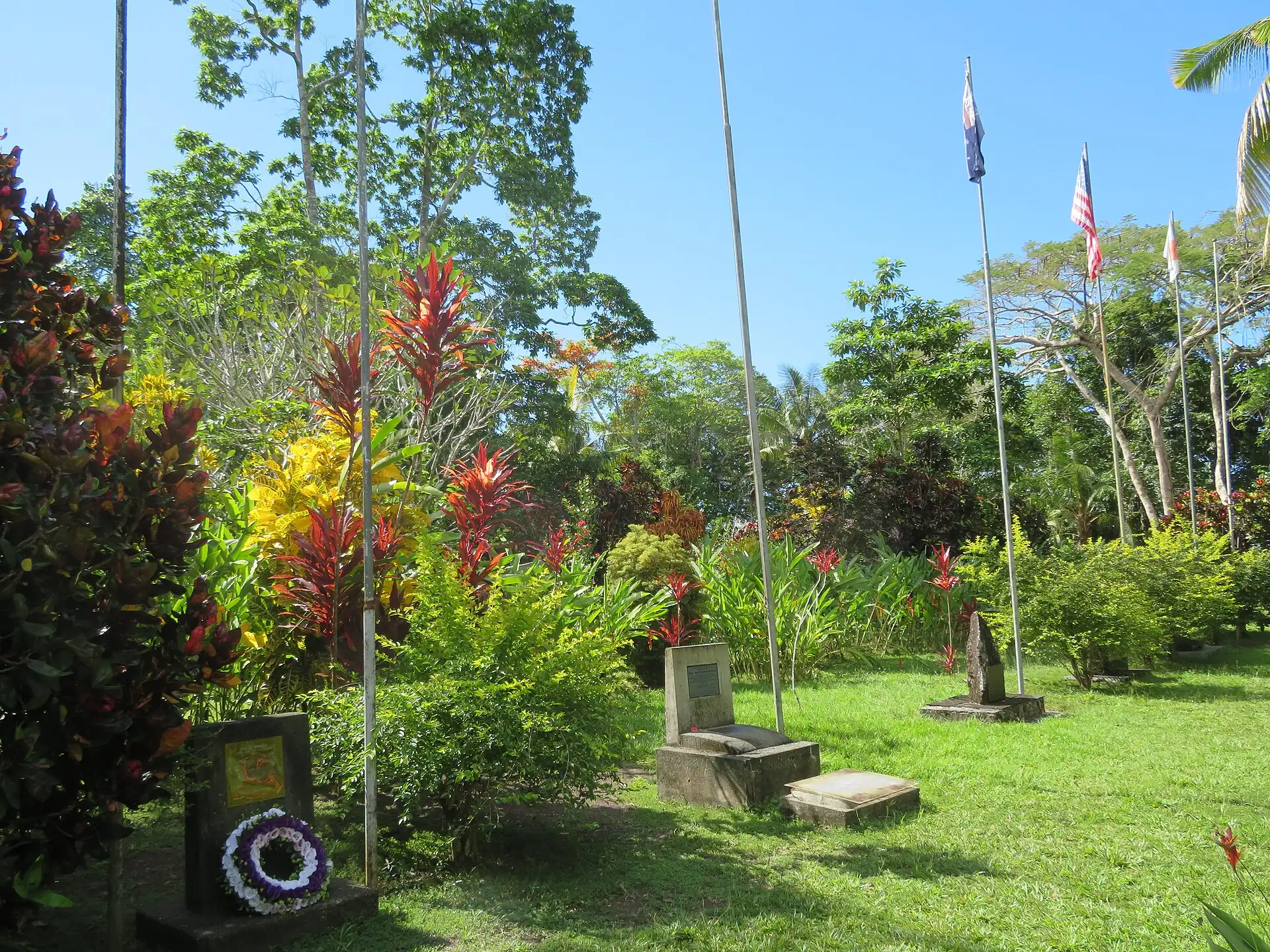 Photo: Torbenbrinker, CC BY-SA 4.0
Vilu War Museum
goHired car, about 40–60 min west (check)
An open-air collection of relics; combine with Bonegi.
- Time
- Half day
Tulagi and the Florida Islands
goBoat across Iron Bottom Sound, 1–2 h
WWII sites and diving; book with a dive operator.
- Time
- Full day
Mataniko Falls
cautionCar then a walk with a guide
A guide and a land fee are needed; go in dry weather.
- Time
- Half day
Go next
Western Province (Gizo and Munda)
goDoor to door: About 2–3 h
Flight about 1 to 1.5 h with Solomon Airlines
Diving, WWII wrecks and lodge stays; flights are few and weather can delay them.
Marovo Lagoon
goDoor to door: About 3–5 h
Flight to Seghe then a boat
A large lagoon with lodges; book transfers ahead.
Malaita (Auki)
cautionDoor to door: About 1 h by air, longer by sea
Flight or fast boat
Check current travel advice before you go.
Savo Island
cautionDoor to door: About 1–2 h
Boat
A volcanic island with a megapode nesting ground; check the operator and the weather.
Brisbane, Australia
overnightDoor to door: About 4.5 h
Flight about 3.5 h
A main onward link; check schedules and the number of weekly flights.
Eat & sleepWhere to eat and which area to sleep in
Eat & sleep
Where to eat and which area to sleep in
Eat
A short list of places worth crossing the city for, each with how to get a seat.
Restaurant finder: filter every place to eat in Honiara →
Vegetarian-friendly score
2.5 / 5 · Workable
- Country diet noteOur country guide rates vegetarian eating as mixed.0.75 / 2
- Places to eat in this guide4 of 5 places with a known answer are vegetarian-friendly, 1 partly.1.35 / 1.5
- Budget eating lines0 vegetarian lines in "Eat by budget".0 / 0.6
- Meat-free national dishes6 meat-free dishes in the country food list.0.4 / 0.4
- Dedicated vegetarian kitchens0 mentions of vegetarian restaurants, Buddhist or fasting kitchens.0 / 0.5
Country note: Root crops, greens and coconut are everywhere; protein is usually fish.
Vegetarian places near me →Make a diet card →
How we score
- Country diet note (up to 2): easy 2, workable 1, mixed 0.75, hard 0; no note 0.5.
- City places to eat (up to 1.5): 1.5 × (vegetarian-friendly + half of partly friendly) ÷ places with a known answer; needs 3 or more known places.
- Budget eating lines marked vegetarian (up to 0.6): 0.2 each.
- Meat-free national dishes (up to 0.4): 0.1 each.
- Dedicated vegetarian kitchens mentioned — Buddhist chay, shōjin ryōri, Jain, fasting food, vegan cafés (up to 0.5): 0.1 each.
- Total rounded to the nearest half point, 0 to 5. Built from our own pages only, not from reviews.
Eating and drinking guideEat by budget · Drink
Before you sit down to eat
Short version; full text linked
- Paying
- Cash is king: bring Solomon Islands dollars in small notes. More →
- Late nights
- Nightlife is limited: hotel bars and a few clubs. More →
House rules to know
- Eat cooked food while it is hot.
Eat by budget
Under SI$60 a meal
| Where | Order | Area | Price | Note |
|---|---|---|---|---|
| Central Market food stalls | Fish and root vegetables | Central Market | SI$15–50 | Go before 10:00.Go before 10:00 AM. |
| Kukum Highway noodle and rice shops | Fried rice or noodles | Kukum Highway | SI$40–100 | Go by car, by day. |
| Chinatown waterside food stalls | Noodles and fish | Chinatown | SI$40–100 | Go before dark. |
Dishes to know
| Dish | What it is | Where to look | When | Price |
|---|---|---|---|---|
| KokodaKokoda | Raw fish marinated in lime juice and coconut cream, similar to ceviche | Hotels and market stalls | Lunch | SI$40–90 |
| PoiPoi | A pounded starch dish of taro or cassava with coconut milk and nuts | Markets and homes | Any meal | SI$15–40 |
| Grilled fish with root vegetablesFish and taro | Fresh fish, taro, sweet potato and cassava | Market stalls and hotels | Lunch | SI$20–60 |
| Fried rice and noodlesChinese-style dishes | Chinese-style takeaway dishes | Kukum and Chinatown | Lunch and dinner | SI$40–100 |
| Coconut crabCoconut crab | A large land crab, served by special order; check the legality and the season before ordering | Some hotels | Dinner | Check |
| Fresh tropical fruitFruit | Pawpaw, banana, pineapple and coconut | Market stalls | Any time | SI$5–20 |
- Eat cooked food while it is hot.
- Do not drink tap water; use bottled or filtered water.
- Ask before ordering coconut crab, which can be protected; ask about the season and the source.
Drink & nightlife
| Where | What | Until | Note |
|---|---|---|---|
| Point Cruz Yacht Club | A harbour-side club bar | About 22:00 (check)About 10:00 PM (check) | A sunset drink; ask about visitor access. |
| Hotel bars on Mendana Avenue | Air-conditioned bars | About 23:00 (check)About 11:00 PM (check) | The safest place for a drink. |
By style
| Style | What | Where | Price | Until |
|---|---|---|---|---|
| Local beer | Solomon Breweries lager (Solbrew)Check that alcohol is sold on the day; some shops close Sunday. | Hotel bars and bottle shops | SI$25–45 a bottle (2026 estimate) | — |
| Coconut water | Fresh green coconutsA cheap way to cool down. | Market stalls | SI$5–10 | — |
| Betel nut | A mild stimulant chewed with lime and a leafDo not spit on the pavement; it stains. | Market stalls | A few dollars | — |
Rules that bite
- Do not drink and drive.
- Alcohol is not for sale in some places at some times: check with your hotel.
- Do not drink untreated tap water.
Sleep
Pick the area first: it decides your walk home at night and your first morning.
Which neighborhood fits you
Three questions, one recommendation, with the reasons.
Your best fit
- The market, harbour front and museum are close.
Watch out: Higher prices than the highway; a small spread of hotels.
Next best: Chinatown and Kukum
Built from our 1–5 desk scores per area; your answers stay in this browser.
More on sleepingSleep by budget · Your area · With kids
Sleep by budget
| Band | Price | Where | Room types | What to expect |
|---|---|---|---|---|
| budget | SI$400–700 | Kukum and Chinatown | Guesthouses and small hotels | Fan or AC, shared or private bathrooms, limited services. |
| mid | SI$800–1,600 | Point Cruz, Mendana Avenue | Mid-range hotels | AC, hot water, a restaurant and a night desk. |
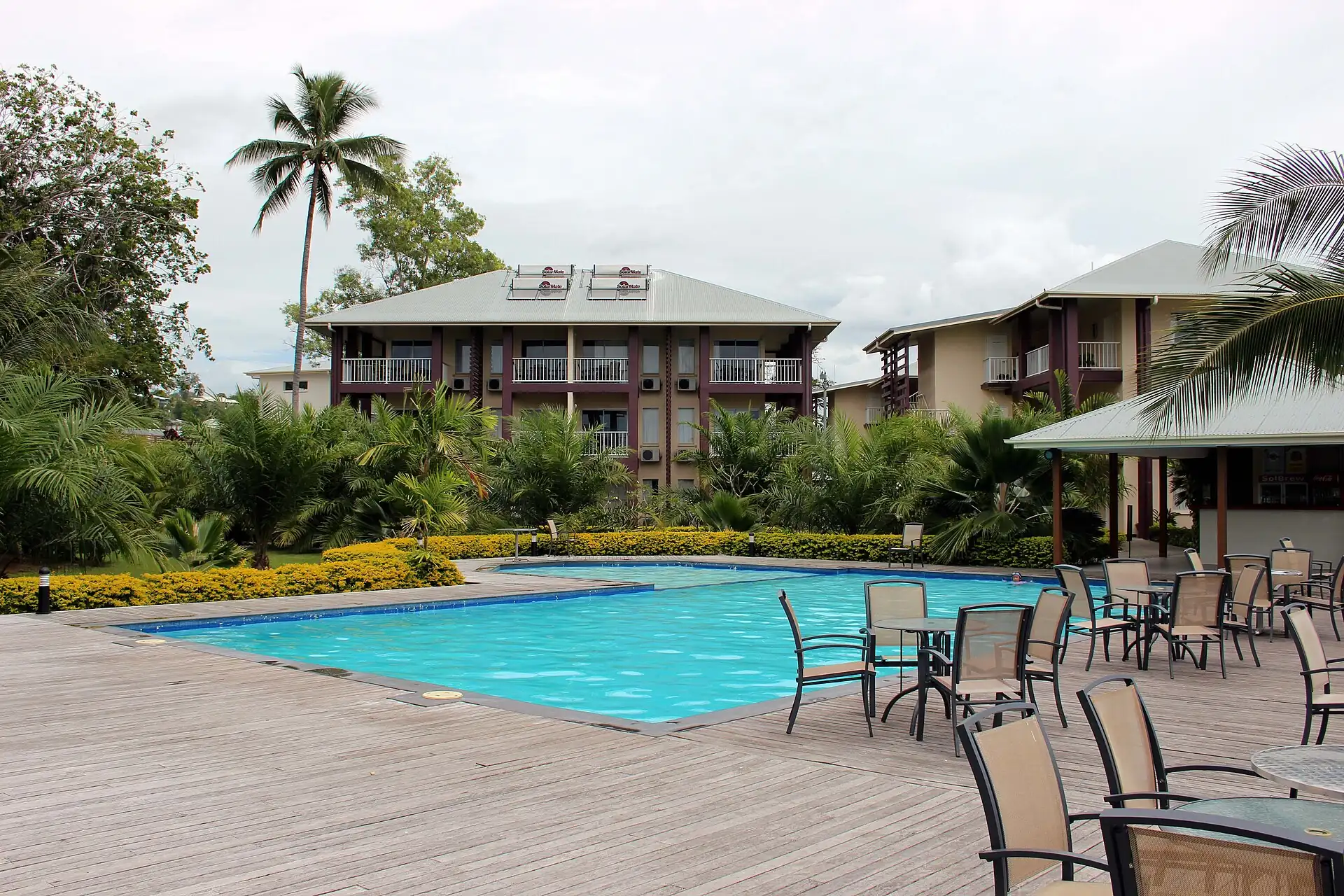
| splurge | SI$1,800+ | Point Cruz waterfront | Larger hotels | A pool, a restaurant, airport transfers. |
Booking checks
- Book early for Independence Day week (July) and Christmas.
- Ask if the price includes breakfast and airport transfers.
- Check that AC and hot water work before you pay.
- Choose a hotel with a night desk if you land late.
- Ask the hotel to book a driver and a trusted taxi.
Which area is yours
| If you are | Sleep in | Because |
|---|---|---|
| First visit, 1–3 nights | Point Cruz | Close to the market, museum and a hotel restaurant, with a night desk for late arrivals. |
| Budget travellers | Chinatown and Kukum | Cheaper rooms and eats; always take a car after dark. |
First-timers: the market and the harbour front are a short walk; choose a hotel with a 24-hour desk, a generator and a car door.
A car ride from the market and the ridge, with cafés and food stalls at the door; a good second base or a quieter night.
Areas are in our default order until you tick a priority.
Scores are 1–5 desk judgements per priority (2026).
With kids
- Honiara is hot and rough underfoot: a carrier is easier than a stroller.
- The National Museum and the Central Market are short, interesting stops for children.
- Beaches and reefs need local advice: swim only where locals say it is safe.
- Bring sun cream, repellent and a hat; malaria and dengue are present, so take medical advice before you travel.
- Hotel restaurants have simple children's food; pack snacks for outings.
PracticalMoney, essentials, safety and the pocket card
Practical
Money, essentials, safety and the pocket card
Money
What a day costs at three comfort levels, and how to pay.
- Budget
- SI$300–600 excl. bed / day
- Mid
- SI$600–1,400 excl. bed / day
- High
- SI$1,400+ excl. bed / day
- Transit card
- No transit card: minibuses run set routes, taxis and hotel cars fill the gaps.
- Cash rule
- Bring enough Solomon Islands dollars in small notes; use bank machines in daylight and keep a reserve. Cards work only at larger hotels.
More on moneyCosts · Budget · Buy
What things cost
- Market plate of fish and root vegetablesSI$20–50
- Bottle of waterSI$10–20
- Driver and car for a daySI$700–1,200
Trip budget
| Mid-range hotel double1 × 3 nights × SBD 1,300 | SBD 3,900 |
| Food, local transport, entries2 × 3 days × SBD 900 | SBD 5,400 |
| Airport transfer, both ways1 × SBD 400 · One car per group; agree the fare in advance | SBD 400 |
| Driver for a day (ridge and Bonegi)1 × SBD 900 · Agree the hours and the fuel | SBD 900 |
| Bonegi snorkel and entry fee2 × SBD 100 | SBD 200 |
| Buffer 15%Price creep, a taxi you did not plan, one splurge | SBD 1,620 |
| Trip total≈ SBD 2,070 per person per day, bed included | SBD 12,420 |
2026 estimate in Solomon Islands dollars; flights excluded. Your choices start from these defaults.
Prices of common things
| Market fish plate | SI$20–40 |
| Bottle of water | SI$10–20 |
| Driver for a day | SI$700–1,200 |
| Snorkel or dive fee | SI$100–300 |
2026 estimate; check locally.
Buy
- Bargaining
- Prices at the market and for crafts are set by the seller; a friendly question is fine, but hard bargaining is not the local style.
- Fixed-price check
- Shops on Mendana Avenue and supermarkets have printed prices; use them as a reference for drinks, water and toiletries.
Markets and shopping streets
| Where | What | When | Haggle | Note |
|---|---|---|---|---|
| Central Market | Fresh fish, vegetables, fruit, betel nut, some crafts | Early morning to afternoon; limited on Sunday (check) | light | Go before 09:00 for the best stock and the cooler air.Go before 9:00 AM for the best stock and the cooler air. |
| Craft stalls near the Visitors Bureau and the museum | Shell money, carvings, baskets, woven mats | Weekday daytime (check) | light | Ask the maker what the piece is and what it means. |
| Honiara Central supermarkets | Water, snacks, toiletries, sun cream | Shop hours; closed Sunday (check) | no | Stock up before travelling to the islands. |
Shops by what they sell
| For | Where | Hours | Note |
|---|---|---|---|
| Carvings, shell money and woven bags | Craft stalls and the museum shop (check) | Weekday daytime | Buy from makers; be aware of export rules for shells and carvings, and check your own country's import rules. |
| Betel nut (buai) and lime | Central Market and street stalls | Daytime | A local habit; the red spit stains pavements. |
| Dive shops and equipment | Near the harbour (check) | Weekday daytime | Book dive trips ahead; equipment is limited. |
Changing money
| Where | Verdict | Why |
|---|---|---|
| Bank ATMs and bank counters | use | Withdraw in daylight, in the bank if possible; carry a reserve. |
| Hotel exchange desks | caution | Convenient but poorer rates. |
| Informal money changers | skip | Avoid: no protection if the money is wrong. |
ATMs
- Cards
- Cards work at larger hotels and some shops only; small vendors take cash.
- Cash
- Bring Solomon Islands dollars in small notes; change is scarce.
Essentials and accessEssentials · Access
Essentials
- Plugs & power
- 240 V; types I and G sockets (check). Bring an adapter and a surge protector.
- Health
- Malaria and dengue are present: take advice before you travel, use repellent and nets. Heat and sun are the daily risk. Medical care is limited: travel insurance with evacuation cover is essential.
- Accessibility
- Broken pavements, steps and heat make Honiara hard for wheelchairs and strollers; use a car with a driver.
- Laundry
- Hotels offer laundry service; carry a small amount of detergent for the islands.
- Emergency numbers
- Police 999 and ambulance 911 (check); ask your hotel to confirm the numbers on arrival.
Pack
- Light, modest clothes that cover shoulders and knees
- Reef shoes, mask and snorkel, or reef-safe sun cream
- Strong repellent and a hat
- A dry bag for boat trips
- Small Solomon Islands dollar notes and a torch
Accessibility
Honiara is difficult for wheelchairs and strollers: broken pavements, steps, heat and few lifts. A car and driver make things possible, but most sights are not step-free.
- Pavements
- Broken, missing or blocked by vendors in many places.
- Transport
- Taxis and hired cars; minibuses have steps and no ramp.
- Toilets
- Accessible toilets are rare; hotels are the best option.
Sights, step-free or not
| National Museum | check | Steps at the entrance; ask staff. |
| American War Memorial | hard | Steps up to the platform. |
| Central Market | hard | Crowded, with uneven floors. |
| Point Cruz harbour front | hard | Uneven paving. |
Survive
Safety basics, the lines not to cross, and practical habits that save the day.
Safety
- Petty theft happens: keep phones and cash out of sight; use a car after dark.
- Malaria is present: take medical advice on prophylaxis and use repellent and nets.
- Heat: AC stop every 60–90 minutes; drink bottled water.
- Emergency numbers: ask your hotel for the current police and ambulance numbers and save them on arrival.
Red lines
- Memorial sites: quiet, covered dress.
- Ask before photographing people, and before using a beach or entering village land: land is under customary ownership.
- Do not touch old munitions.
Practical
- Toilets: hotels, cafés and the larger shops.
- Tap water is not for drinking.
More on staying safeStay safe · Stay healthy · Safety map · Solo & women · Etiquette · Cope · Scams
After dark, by area
4 flagged areas
- Avoid after dark
- Avoid after dark
- Take care
- Take care
Day = about 07:00–17:00. What to watch in each area, day and night →
Scams and red flags
Walk away if you see these
- Taxi drivers who name a price after the ride: agree the fare before you get in, or ask your hotel for the going rate.
- Guides or "landowners" who ask for a fee at a beach or a site: small local fees are normal on customary land, but ask your driver or hotel who is authorised.
- Bag snatching at the market and waterfront: keep bags in front and leave valuables at the hotel.
- Souvenir sellers of shells, turtle shell or carvings that may be restricted: check export and import rules before buying.
Stay safe
Crossing the road
- 01Traffic drives on the left; look right first, then left.
- 02Minibuses stop suddenly; stay away from the kerb.
- 03Do not walk on the road at night.
Hustles specific to this city
| Hustle | Where | The tell | What to do |
|---|---|---|---|
| Unclear taxi fares | Airport and centre | No price agreed before the ride | Agree the fare first or ask the hotel for the going rate. |
| Unofficial guides at sights | Ridge and beaches | A person asks for a fee for access | Ask your driver or hotel who is authorised; small local fees are normal on customary land. |
| Bag snatching | Central Market and the waterfront | Someone comes close on foot or a motorbike | Keep bags in front and leave valuables at the hotel. |
- Police
- Emergency number 999 (check); ask your hotel for the local number.
- Unrest
- Avoid crowds and demonstrations; follow your government's advice.
- Old munitions
- Never touch old munitions; report to the police or your guide.
Stay healthy
- Malaria
- Present all year: take advice on prophylaxis, use repellent and sleep under a net.
- Dengue
- Mosquito-borne; use repellent by day and night.
- Heat and sun
- Very strong UV; hat, sunscreen and water.
- Food and water
- Drink bottled or filtered water; eat hot food.
- Medical care
- Limited; take insurance with evacuation cover and your own medicines.
Hospitals and clinics: see Cope.
Safety by area and hour
| Area | Day | Night | What to watch |
|---|---|---|---|
| Point Cruz and the centre | fine | caution | Bag snatching; broken pavements; take a car after dark. |
| Chinatown and Kukum | fine | caution | Damaged in unrest in 2006 and 2021; avoid crowds and demonstrations. |
| Ridge and museum | fine | avoid | A steep, open ridge road; go in the morning. |
| Bonegi coast | fine | avoid | Customary land and remote beaches; go with a driver. |
- Check your government's travel advice before you book and again before you fly.
- Avoid crowds, marches and public demonstrations.
- Malaria is present: take advice on prophylaxis and use repellent and nets.
Solo, women and LGBTQ+ travellers
Solo
- Honiara can be done alone by day with a driver contact and good planning.
- Book a hotel with a night desk and a pickup from the airport.
- Tell your hotel where you are going and when you expect to be back.
Women
- Dress modestly, with shoulders and knees covered; it is respectful and reduces attention.
- Avoid walking alone after dark; use a hotel taxi.
- Be careful at the market and on quiet roads; go with a driver for remote sites.
LGBTQ+
- Same-sex sexual acts have been criminalised under the law in the past (check the current status); attitudes are conservative, so discretion is wise.
- Do not show affection in public.
- Check current advice from your government before you travel.
Etiquette in Honiara
- Dress
- Cover shoulders and knees, especially at the market, in churches and at memorials.
- Custom land
- Land and reefs are owned by families: ask before entering a beach or a village and pay a small fee if asked.
- Greetings
- Say "halo" and smile; take your time before business.
- Sunday
- A day for church and rest: avoid loud activity and expect closures.
- Photographs
- Ask before photographing people, houses or sacred sites.
- Betel nut
- Do not comment on chewing; do not spit on the pavement.
Cope
Hospitals and clinics that handle foreigners
| Where | Area | Use it for |
|---|---|---|
| National Referral Hospital (Kukum) | Kukum | The main public hospital; facilities are limited, so serious cases are usually evacuated. |
| Private clinics in Honiara | Central Honiara | A few clinics for minor illness; ask your hotel for the current recommendation. |
Visa extensions
- Entry
- Visa rules depend on your passport; many nationalities get a short-stay permit on arrival. Check the Solomon Islands immigration site before you fly.
- Extensions
- Extensions are made at the Immigration Division in Honiara.
Embassies and consulates
| Country | Address | Phone | Note |
|---|---|---|---|
| Australia | Australian High Commission, Mud Alley | +677 21561 | (check) |
| New Zealand | New Zealand High Commission, Honiara | +677 21502 | (check) |
| United Kingdom | Represented through Australia or Papua New Guinea | n/a | (check) |
| United States | Accredited from Papua New Guinea; a consular agency operates in Honiara (check) | n/a | (check) |
- Lost passport
- Report to the police, then contact your High Commission or embassy; some countries are represented from another capital.
- Pharmacies
- A few pharmacies in central Honiara; stock is limited, so bring your own medicine.
- Medical evacuation
- Buy travel insurance with evacuation cover; serious cases are usually flown to Australia.
Apps and offline kitOffline kit
Offline kit
Set up before you leave, so Honiara still works with no signal or a dead roaming plan.
On your phone
- Maps: open the city in Google Maps, tap the place name, then Download offline map (or use an offline-maps app).
- Data: install an eSIM or buy a local SIM before the first taxi; the apps in this guide depend on it.
- Translation: download the local language for camera translation.
- Screenshots: booking confirmations, hotel address in the local script, and the emergency numbers.
This guide
Save the Honiara guide and its pages on this device; it opens without a connection.
Phrases that do the work
Greeting
Hello
Halo
HAH-lo
Thanks
Thank you very much
Tagio tumas
tah-GEE-oh too-MAHS
Polite
Sorry / excuse me
Sori
SOR-ee
How are you
How are you?
Hao nao?
how NOW
Shop
How much?
Hao mas?
how MAHS
Help
I do not know
Mi no save
mee no SAH-veh
Food
Delicious
Hem gud tumas
hem GOOD too-MAHS
Farewell
See you
Lukim iu
LOO-keem yoo
Pocket card
Fill in, then print or save as PDF
Stays in this browser only; nothing is sent anywhere.
HoniaraHoniara
Pocket card · Voykit
My bed tonight
—
—
—
Plis tekem mi go long ples ia (check with locals)Please take me to this address
Emergency
- Police999
- Ambulance911
- Hotel front deskask on arrival
Embassy
Many embassies are represented from Canberra, Wellington or Port Moresby; the Australian and New Zealand High Commissions are in Honiara (check).
My embassy: —
Fare anchors (2026 estimate)
- Airport (HIR) to Point Cruz, hotel car or taxi: About SI$150–250, 20–35 min (check)
- Short taxi ride in town: About SI$20–50; agree first
Give the hotel name and the nearest landmark; house numbers are rarely used.
Deep diveHistory, reading, photos and every source
Deep dive
History, reading, photos and every source
Sources
- officialSolomon Islands Visitors Bureau (official)
- secondaryWikivoyage — Honiara
Ask about Honiara
Loading…
Was this useful?