London
Code UI · 5 walking zones
London is a tube-and-walk city: book one timed entry, do two or three sights a day, take the tube between clusters, and cross roads looking right first.
Our quick read of London, scored 1–5 (friction is out of 100). Cash need: how often you still need notes. Heat risk: how hot days get. Stroller: how easy wheels are. Friction: overall effort for a first visit. Desk judgements, so check before relying on them.
- Local time
- --:--
- Weather
- forecast below
- Currency
- GBP
- Best months
- Mar · Apr · May · Jun · Jul · Sep · Oct
- Airports
- London Heathrow (LHR) · London Gatwick (LGW)
Walking zones: the 5 areas this guide plans a day around. Each is a district you can cover on foot, so you do one zone per half-day and ride the train between them. The code (UI 01, UI 02…) is just the zone's number on the London line; the line under each name says how bags fare there and how much time it needs.
Map of London
Use the switches to show or hide each kind of pin. A switch that is on shows its pins on the map; tap it again to hide them. "Show only" keeps just the pins that match (for example, places that fit a suitcase). Tap any pin for its name and a link to its page.
- Where to sleep
- Places
- Eat
- Walking clusters
- Rest stops
From the airport London Heathrow (LHR) to your bed · London Gatwick (LGW) to your bed
Tap a pin for its card. Places without their own coordinates are shown by their walking cluster.
Why London
London's sights are far apart and the crowds are constant, so the trips that go wrong try to cram Westminster, the museums, the City and a show into one day. Five walking clusters cover a first visit; the tube and the Elizabeth line move the bags. Book the Abbey or a big exhibition ahead, and leave the free museums for the afternoon.
See first
- 1
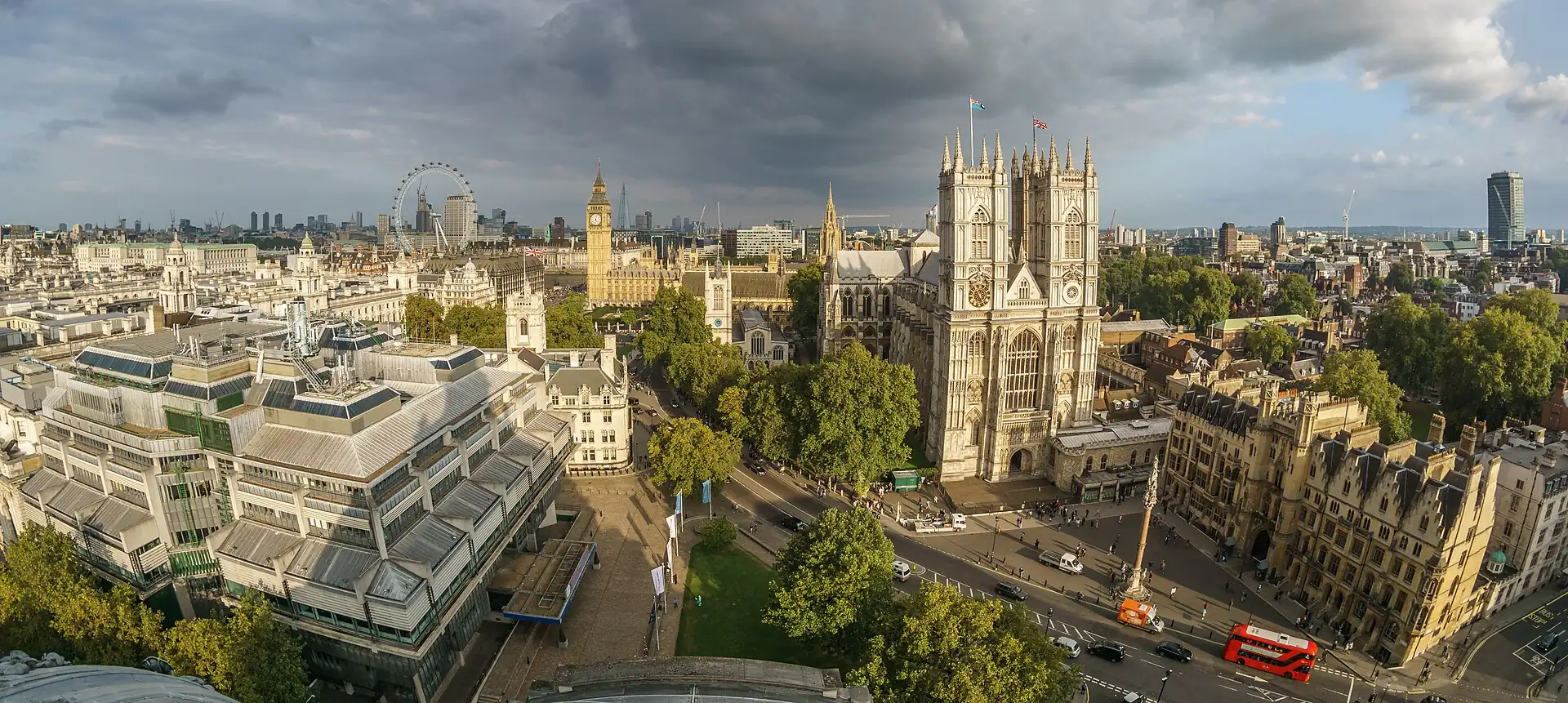 Westminster Abbey · 1.5–2 h
- 2
 British Museum · 2–3 h
- 3
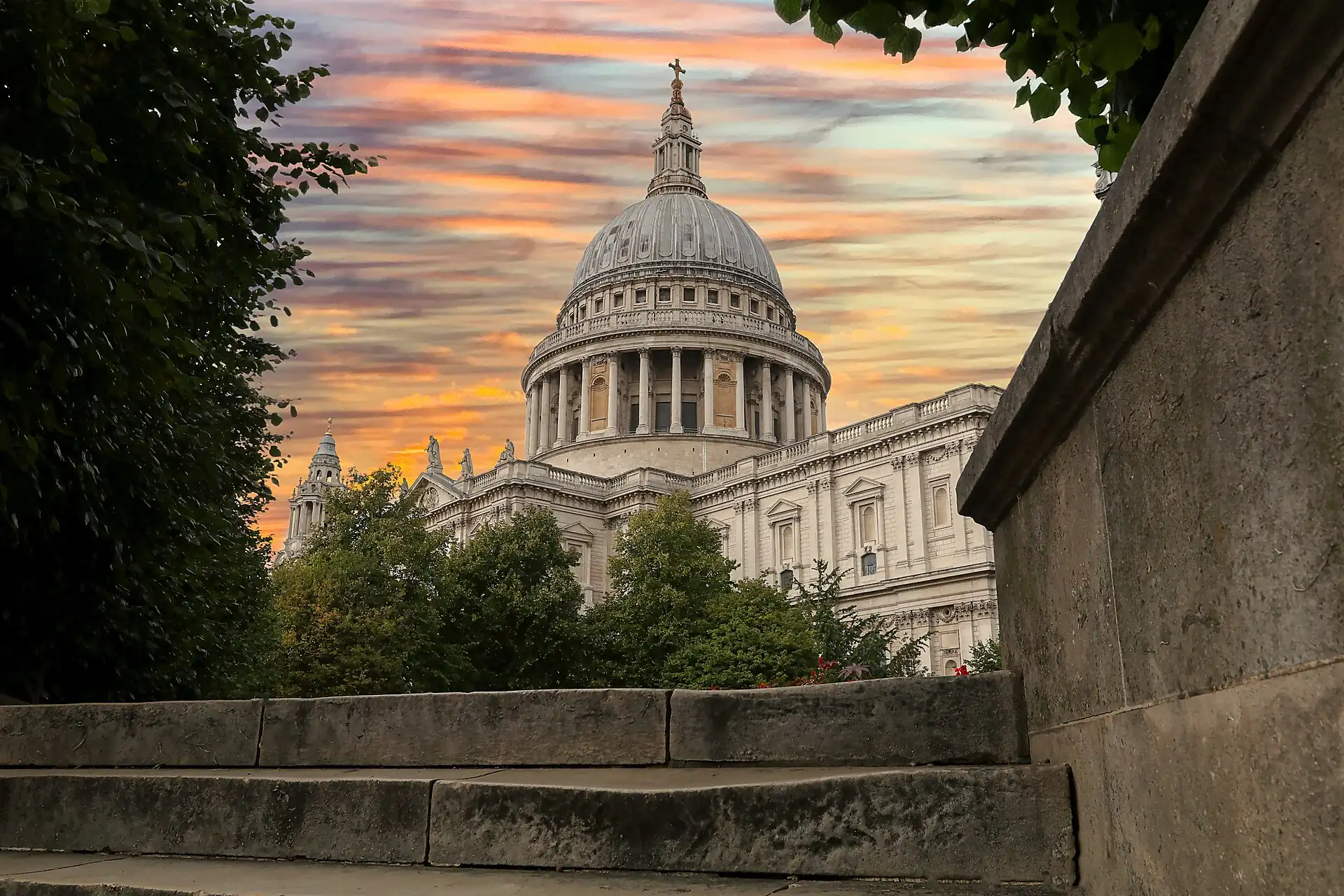 St Paul's Cathedral · 1.5–2 h
- 4
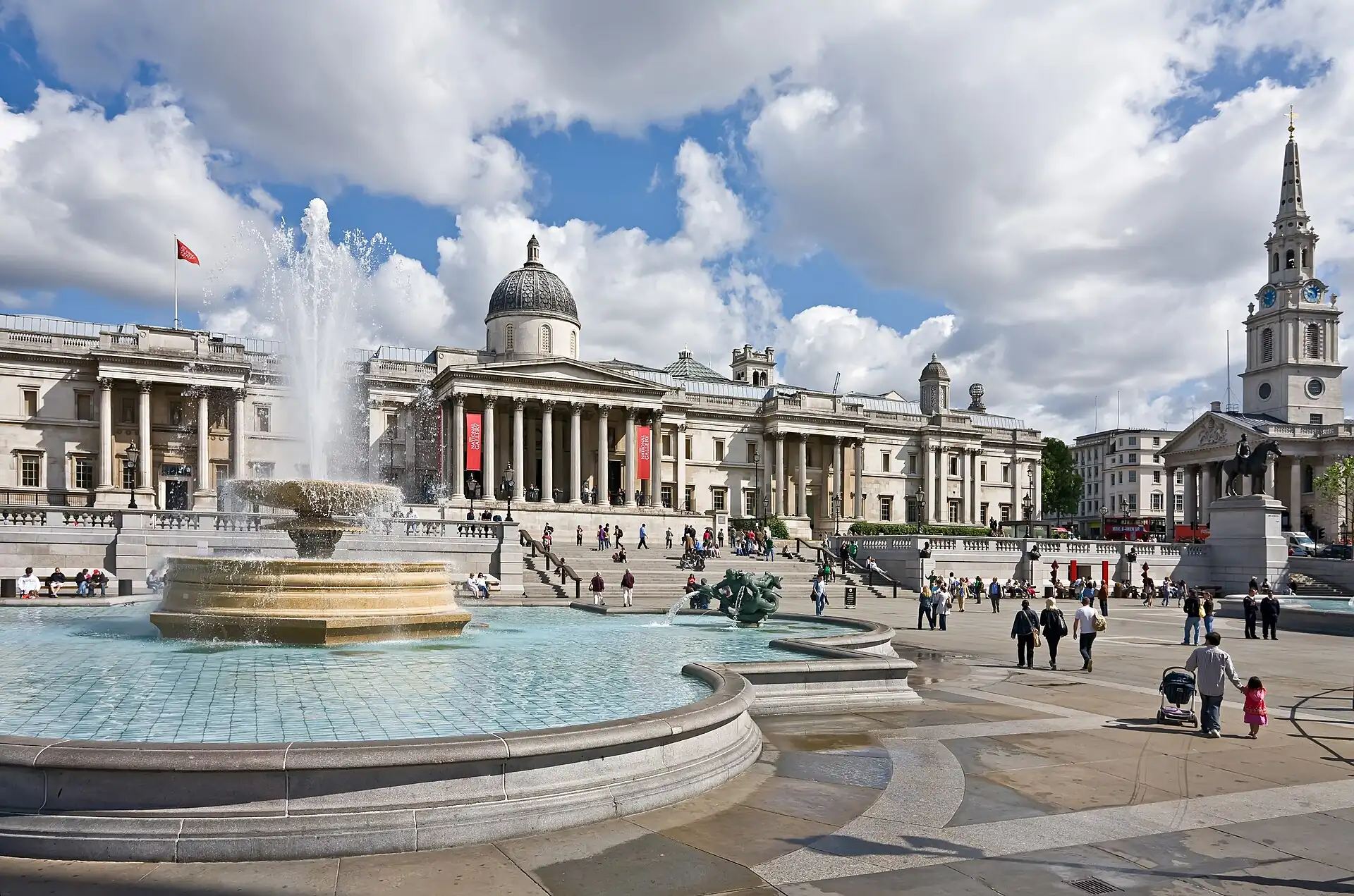 National Gallery · 1–1.5 h
- 5
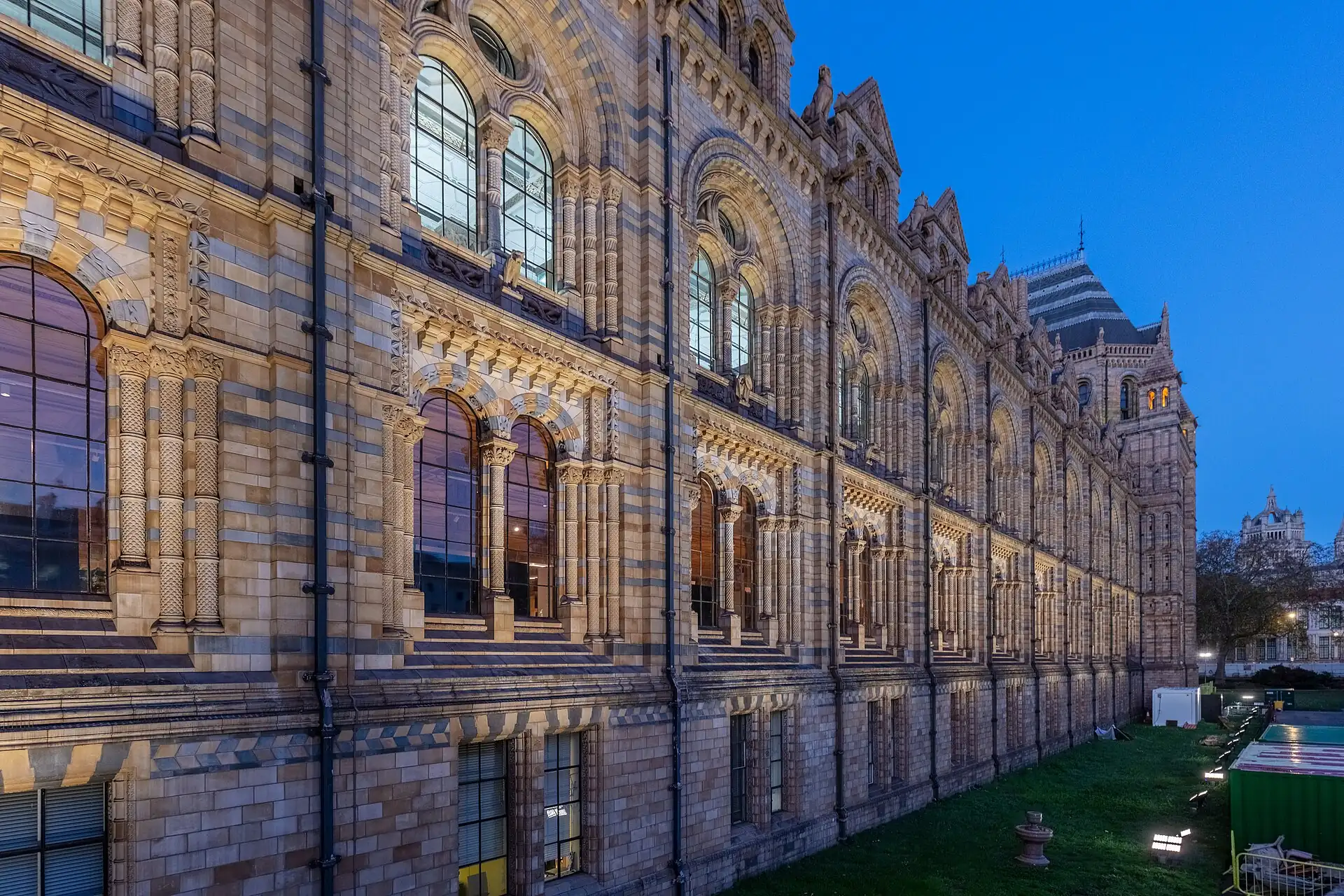 Natural History Museum · 2 h
Fits
- First trips to Britain
- Museum trips
- Travellers with a rail pass
Does not fit
- Strollers on the tube
- Budget travellers in summer
- Travellers who dislike crowds
How long
- 2 daysWestminster morning + Bloomsbury and Covent Garden
- 3 daysFive clusters, two a day
- 5 daysFive clusters + a Windsor or Oxford day + one slow day
Good for
- First timers
- Foodies
- Budget
- Couples
- Solo
- Families
About London
London began as the Roman town of Londinium, founded on the north bank of the Thames a few years after the invasion of AD 43. The river made it a port and the bridge made it a crossing, and it has been Britain's main city ever since. About nine million people live in Greater London, spread over a metropolis that grew from villages.
The centre you visit is layered. The medieval City of London, the square mile around St Paul's, burned in the Great Fire of 1666 and was rebuilt in brick and stone with Sir Christopher Wren's churches. Westminster, a mile to the west, grew around the abbey and the royal palace, and is now the seat of government. Georgian squares, Victorian museums and modern towers sit between them.
Good to know
- The City of London is the small financial square mile; Westminster is the government and Abbey district; both sit inside Greater London.
- The official Visit London site and the TfL journey planner are the best free sources; TfL publishes a step-free tube map.
- Most visitors need an Electronic Travel Authorisation (ETA) to enter the UK; apply through the official government app or site, not a third-party service (check current rules and the fee).
Go deeper 11 min read · 6 chapters
London is two thousand years of building on one bend of a river. Roman walls, medieval churches, the rebuilding after a great fire, the Victorian museums and the glass towers of the City all stand within a few kilometres of each other, and most of them are free to look at from the street. This deep dive reads the city in layers, so that a walk from Westminster to St Paul’s becomes a walk through what the city has kept and what it has lost.
1History2 min
The Romans founded Londinium on the north bank of the Thames a few years after the invasion of AD 43, at the lowest point where the river could be bridged. Within two decades it was a trading town, and it was burned to the ground by the rebel queen Boudica around AD 60. The Romans rebuilt it, added a forum and a wall in the second and third centuries, and the line of that wall still shapes the edge of the City. Traces of it survive near the Tower and at Tower Hill.
After the Roman withdrawal the city shrank, then grew again under the Anglo-Saxons and Danes. Edward the Confessor built a new abbey and palace at Westminster in the mid eleventh century, a couple of miles upstream from the merchants’ city, which is why London has had two centres since: one for trade and one for government. William the Conqueror was crowned at Westminster on Christmas Day 1066, and every English coronation since has taken place there.
The Great Fire of September 1666 burned for four days and destroyed most of the walled City, including old St Paul’s and around 13,000 houses. Sir Christopher Wren rebuilt St Paul’s and dozens of parish churches, and the Monument beside the river stands close to the spot where the fire began, in a baker’s shop in Pudding Lane. Some of the medieval street plan survived under the new brick, which is why the City’s lanes are narrow and twist.
In the eighteenth and nineteenth centuries London became the largest city in the world, with an empire’s wealth and squalor. Cholera and the Great Stink of 1858 forced the engineer Joseph Bazalgette to build the main sewers, which still serve the city. The first underground railway opened in 1863. The Blitz of 1940 and 1941 destroyed large areas, especially in the City and the East End, and postwar rebuilding left a mix of modern blocks and surviving Georgian streets.
- Roman foundation
- Londinium, about AD 47–50
- Norman coronation
- Westminster Abbey, 25 December 1066
- Great Fire
- 2–6 September 1666
- First underground railway
- Opened 1863
- Elizabeth line
- Opened 2022
- Greater London population
- About 9 million
2The river and the bridges2 min
The Thames explains London. It is tidal to Teddington, about 30 kilometres upstream, and the tide can rise several metres in the centre, which is why the city built the Thames Barrier in the 1980s to protect it from surge floods. For most of its history the river was the main road: goods came up from the sea to the wharves of the City, and ferries and boats carried people across because bridges were few.
For six centuries London Bridge was the only crossing in the centre. Westminster Bridge opened in 1750, and Blackfriars followed later in the century. In the nineteenth and twentieth centuries dozens of crossings were added, from the rail bridges at Charing Cross and Cannon Street to Tower Bridge, finished in 1894, whose bascules rise to let tall ships through. The most recent, the Millennium Bridge, opened in 2000 and was closed for two years after it swayed under the crowds.
The south bank was once the rougher side, with theatres, prisons and bear-baiting outside the City’s control. Shakespeare’s Globe stood at Bankside, and a modern reconstruction stands close to the original site. In the 2000s the south bank was reinvented as a walk, with the Tate Modern in the old Bankside Power Station, the South Bank arts centre and Borough Market, and it is now among the best free walks in Europe.
Today the river is a public path more than a working port. Boats carry commuters and tourists between piers, and the Thames Path runs beside the water for miles. A good simple plan is to walk from Westminster Bridge to Tower Bridge along the south bank in the afternoon, cross the Millennium Bridge to St Paul’s, and return on the north side.
Getting on the water is easy. Riverboat services run between Westminster, the London Eye, Tower Pier and Greenwich, and sightseeing cruises leave from the same piers with a commentary. A commuter boat with a contactless tap is cheaper than a tour and gives a similar view, and the walk is free. Whichever you choose, go in the late afternoon, when the light on Parliament and St Paul’s is softer and the crowds on the bridges have thinned.
- Tidal limit
- Teddington, about 30 km (19 mi) upstreamTeddington, about 19 mi (30 km) upstream
- Thames Barrier
- Completed in the early 1980s
- Westminster Bridge
- Opened 1750
- Tower Bridge
- Opened 1894
- Millennium Bridge
- Opened 2000; closed and reopened 2002
3Government, church and crown2 min
Westminster is where England’s government, church and monarchy meet. The abbey, the palace and the courts sit within a few minutes’ walk, and the arrangement is the product of a thousand years. Edward the Confessor built the first abbey, Henry III rebuilt it in the thirteenth century, and its architecture is mostly Gothic from that period. Coronations, royal weddings and state funerals still happen there.
The Palace of Westminster was rebuilt after a fire in 1834 in a Gothic style by Charles Barry and Augustus Pugin, and the clock tower, now the Elizabeth Tower, houses the bell known as Big Ben. Parliament has met here for centuries. Visitors can see the exterior freely and tour the interior on selected days, but Parliament is a working building, and the schedule follows the political calendar.
The monarchy’s London is a short walk away. Buckingham Palace is the King’s residence, and the Changing of the Guard takes place on set days, with a schedule that is announced in advance and can change. St James’s Palace, the Mall and Horse Guards Parade complete the ceremonial route, used for parades such as Trooping the Colour in June.
The City of London, a separate mile-square authority with its own mayor and traditions, is the third power. St Paul’s Cathedral, rebuilt by Wren and finished in 1710, dominates the skyline of the older city, and the towers around it hold much of Britain’s finance. Visitors will notice that the City is quiet at weekends and in the evening, when its offices are empty, and that Sunday is worship-only in both the abbey and St Paul’s.
A visitor who wants to see the machinery of government has options. Parliament runs tours on set days, the Supreme Court and some other public buildings admit visitors, and the Changing of the Guard is free to watch from the street. Open House London, held one weekend in September, opens hundreds of usually closed buildings for free. Check the official sites for dates and any security rules, and expect airport-style screening at most of them.
- Westminster Abbey
- Consecrated 1065; rebuilt from 1245
- Palace of Westminster
- Rebuilt after the 1834 fire
- St Paul’s Cathedral
- Completed 1710, Wren
- Trooping the Colour
- A Saturday in June
4Museums and free culture2 min
London’s museums are among its best-known institutions, and most of the national ones are free. The British Museum opened in 1759 in Bloomsbury, built on the collection of the physician Sir Hans Sloane, and it holds objects from Egypt, Greece, Rome and Asia that most visitors know by name, including the Rosetta Stone and the Parthenon sculptures. It is one of the most visited places in the country.
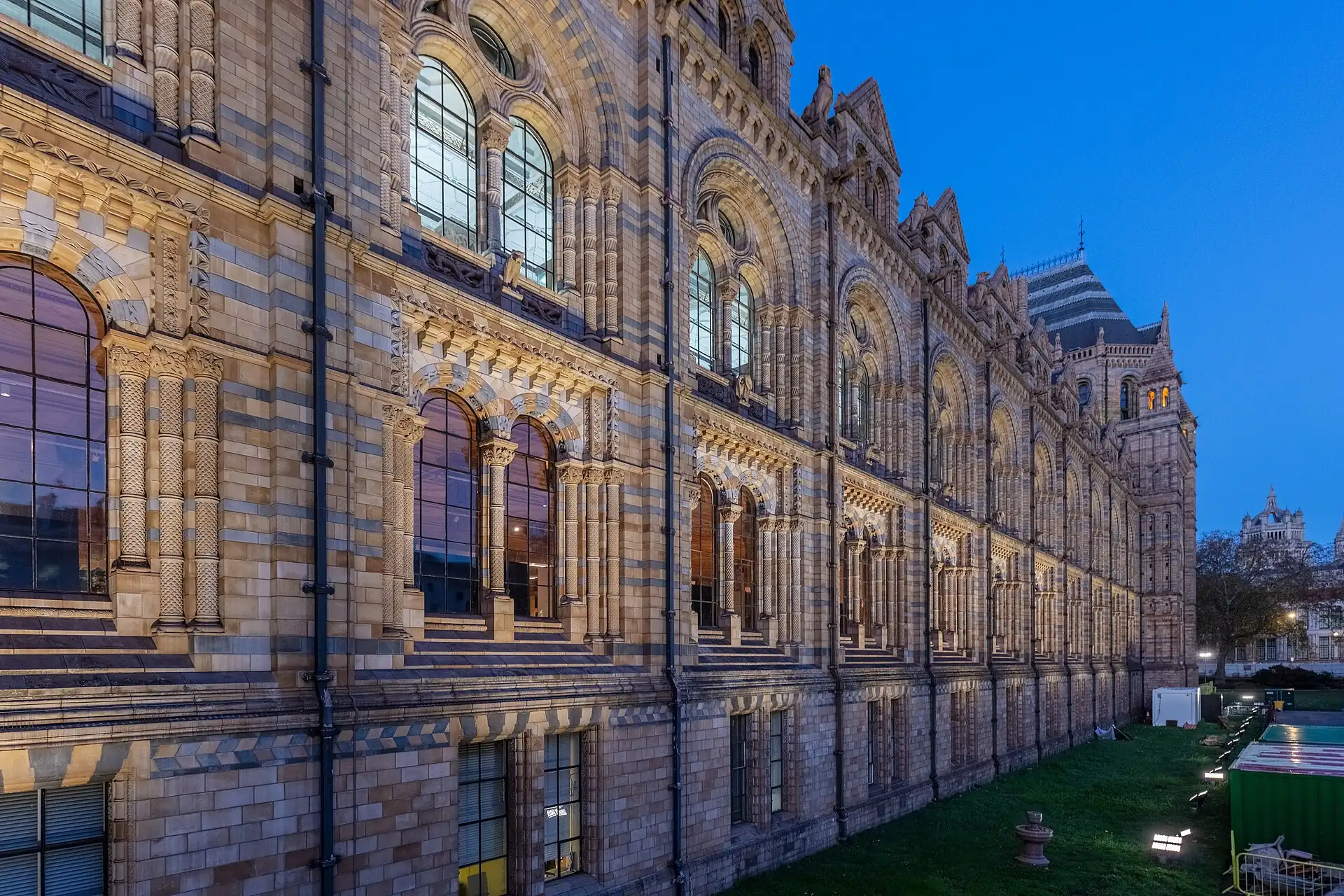
The National Gallery was founded in 1824 and moved to Trafalgar Square in the 1830s. Its collection covers European painting from the thirteenth to the early twentieth century, and it is best visited by choosing two rooms and leaving. In the nineteenth century the profits of the Great Exhibition of 1851 funded a cluster of museums in South Kensington, which is why the V&A, the Natural History Museum and the Science Museum sit side by side.
The south bank added a modern layer. Tate Modern opened in 2000 in the former Bankside Power Station, a brick building designed by Giles Gilbert Scott and built in stages from 1947, and its Turbine Hall has hosted large installations. Free entry is a policy choice: the national collections have been free to enter since 2001, with charges only for special exhibitions and for some smaller places.
Plan by theme, not by building. A good day pairs two galleries in one museum and a walk, not five rooms in five places. Museums are warm, dry and often have good cafés, so they are the natural plan for a wet afternoon. Many run late evenings on set days, which are quieter and cooler than the middle of the day.
A few habits make museum days better. Go at opening or after 15:00, when queues are shortest, and use a side entrance if there is one. Carry only a small bag, because cloakrooms have limits. Take a break in a café rather than pushing through fatigue, and check whether the gallery you want is open, since rooms close for rehangs. Children do best with a trail sheet and a single theme, such as dinosaurs, Egypt or armour, rather than a tour of everything.
- British Museum
- Founded 1753; opened 1759
- National Gallery
- Founded 1824
- Great Exhibition
- 1851, Hyde Park
- Tate Modern
- Opened 2000
- Free national museums
- Free entry to collections
5Food, pubs and markets2 min
London’s food is the food of the world. A long history of trade and migration means that curry, Turkish grills, Chinese banquets, Caribbean bakeries and Italian cafés are everyday choices, and some of the city’s best-known dishes are adopted ones. Chicken tikka masala is claimed as a national dish, and the curry houses of Brick Lane in the East End grew out of the Bangladeshi community there.
The older English repertoire is simpler. Fish and chips is a takeaway classic, pie and mash is a working-class staple served with a green parsley sauce called liquor, and the Sunday roast is a weekly family meal served in pubs. The full English breakfast, with bacon, eggs, sausage, beans and toast, is still on café menus. Afternoon tea is a hotel ritual with sandwiches, scones and cake.
The pub is the social centre. You order and pay at the bar, tip if you want, and carry your own drinks to the table. A pint of cask ale, cider or lager costs about £5.50 to £7.50, and most pubs serve food until about 21:00. Old pubs near Westminster and the City have Victorian tiles and etched glass, and many are listed for their interiors.
Markets show how the city eats. Borough Market, close to London Bridge, is the best-known food market, with a history stretching back centuries; Covent Garden’s hall was a fruit and vegetable market until 1974. For visitors, the rule is to eat lunch as the main meal, use markets and pubs to keep costs down, and book the dinner you care about, because good tables fill days ahead.
A few practical rules apply. Read the bill: a service charge of 12.5 per cent is often added, and it is fine to ask if it is optional. Ask for tap water, which is free and safe. Vegetarian and vegan options are widespread, and most menus mark allergens. For a good cheap meal, choose a market stall at 11:30, a meal deal in a park, or a pub lunch on a weekday, and save one evening for a table you booked in advance.
- Pint of beer
- About £5.50–7.50 (2026 estimate)
- Pub food service
- Often until about 21:00Often until about 9:00 PM
- Covent Garden market moved
- 1974, to Nine Elms
- Service charge
- Often 12.5% on the bill
6Everyday life and manners2 min
London runs on transport and queues. The tube, the buses and the Elizabeth line move millions of people a day, and a visitor tapping in with a contactless card uses the same system as a commuter. Stand on the right on escalators and walk on the left, let people off before you board, and keep bags off seats in busy carriages. On the pavement, walk on the left where you can and look right before you cross.
Manners are quiet and indirect. People say ‘sorry’ when someone else steps on their foot, ‘cheers’ for thanks, and ‘could I’ or ‘would you mind’ for requests. A queue, whether at a bus stop or a counter, is respected, and jumping one is a serious offence. Conversations on trains are muted, and loud phone calls stand out. Small talk about the weather is a way to be friendly.
Weather is the other daily topic. The climate is mild and damp, with rain spread over the year and a few hot days in summer, and locals dress in layers and carry an umbrella or a light jacket. Winter days are short, with dusk by about four in the afternoon in December. A visitor who plans a museum for every grey afternoon and a park for every bright morning gets the best of both.
The city is expensive but not closed to a budget traveller. Free museums, parks, market lunches and a capped contactless travel fare keep daily costs manageable, and the real costs are beds and dinner. Most people are helpful if you ask, and the police and station staff are approachable. The main things to watch are pickpockets in crowds and phones grabbed by riders on bikes and scooters, so keep your phone away from the kerb.
One last piece of practical advice concerns time. London is bigger than it looks on a map, and a walk that seems short can take an hour in crowds. Plan two clusters a day, keep the tube for the long hops, and leave a gap for a bus ride, which is slow but shows you the city. Check for planned closures on the tube and rail lines at weekends, when engineering works are common, and always have a second route in your phone.
- Escalator rule
- Stand on the right, walk on the left
- Traffic
- Drives on the left
- Emergency number
- 999 or 112
- Daylight in December
- About 8 hours
- Tipping
- Check for a 12.5% service charge first
Read, watch, wordsReading · Glossary · Sources
Reading
- London (Wikivoyage guide) — Wikivoyage contributorsA free travel guide with practical notes; check details before you go.
- London: The Biography — Peter AckroydA long, popular history of the city, read as an essay rather than a guide.
- Visit London (official guide) — London & PartnersCurrent events and openings; check dates before you go.
Glossary
| Term | Local | Meaning |
|---|---|---|
| The City | The City | The square mile of historic London, a separate authority around St Paul’s. |
| The tube | The tube | The London Underground. |
| Zone 1 | Zone 1 | The central fare zone that covers most sights. |
| Pint | Pint | About 570 ml of beer or cider. |
| Chippy | Chippy | A fish-and-chip shop. |
| Bank holiday | Bank holiday | A public holiday, usually a Monday. |
| Cheers | Cheers | Thanks, or a toast. |
| Mind the gap | Mind the gap | A warning about the gap between train and platform. |
Read for this deep dive
Background reading only: the text above is written by Voykit, not copied from these pages.
Photos
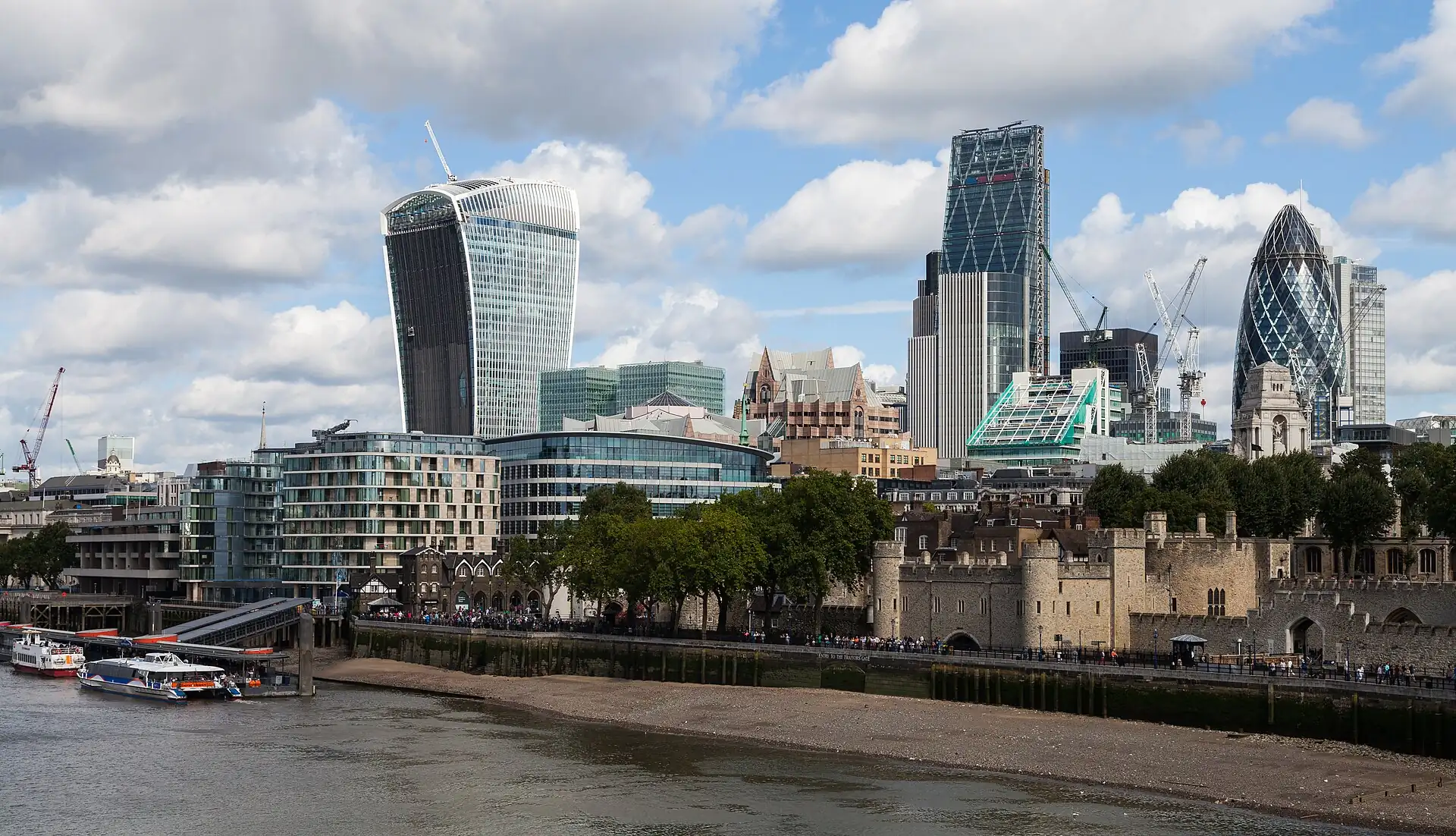
City of London sunset view from West India Quay, Canary Wharf Photo: Saytosid, CC BY-SA 4.0
London street scene Photo: Robert Lamb, CC BY-SA 2.0
Rules in force · 9Non-EU visitors get 90 days in any rolling 180-day window…
- Europe ↗Non-EU visitors get 90 days in any rolling 180-day window, counted across all 29 Schengen states together — not per country; the Entry/Exit System now logs each crossing, so an overstay is detected automatically.
- Europe ↗On the first Schengen entry since EES began, non-EU travellers give four fingerprints and a face photo at the border instead of a passport stamp; there is nothing to apply for or pay in advance.
- Britain and Ireland ↗Neither the UK nor Ireland is part of Schengen: days spent here do not count towards the 90/180-day Schengen limit, and a Schengen visa does not admit you to either country.
- Britain and Ireland ↗The island of Ireland runs on two currencies: euro in the Republic, pound sterling in Northern Ireland and Great Britain. Carry a card that pays in both without fees.
- Britain and Ireland ↗Both islands drive on the left. Speed limits are in miles per hour in the UK (including Northern Ireland) and in kilometres per hour in the Republic of Ireland.
- United Kingdom ↗Most visitors who do not need a UK visa now need an Electronic Travel Authorisation (ETA) before travelling; this includes EU nationals. Irish citizens are exempt. Check the UK government site for your passport.
- United Kingdom ↗The UK is outside the EU and the Schengen area; a Schengen visa is not valid for the UK.
- United Kingdom ↗Driving is on the left; London has congestion and emissions charges for most vehicles, so do not drive in the city.
- London and the South East ↗Check the last train home before you book a late dinner outside London; services thin after 22:00 and strikes can remove them.
Entry rules depend on your passport. Full visa guide
Emergency numbers for London999 ▾
Tap a number to call from your phone. These are the numbers listed in this guide; a row marked check has not been verified.
Planning is the full guide. I'm here keeps what is open and the cheat card.
Right now
Checking the weather…
Working out what is open near you…
What is open nowclock, closures, places open
Now in London
Local time in London
--:--
Loads in your browser · Europe/London
This month
Month verdict appears here.
Closed today
See the weekly grid below.
| Weekly closure | Mon | Tue | Wed | Thu | Fri | Sat | Sun |
|---|---|---|---|---|---|---|---|
| Westminster AbbeyWorship only. | · | · | · | · | · | · | ✕ |
| St Paul's CathedralWorship only. | · | · | · | · | · | · | ✕ |
If today is a closure day: Weekday mornings are the quietest time for the Abbey, St Paul's and the British Museum; weekends and school holidays are the busiest, and Sunday closes the Abbey and St Paul's to sightseeing.
- check Many museums: Most national museums open daily; smaller ones close on Monday, so check.
Weekly closures come from our place pages; bank holidays and Dec 24–26 add closures not shown here.
Cheat cardthe pocket version
Cheat card
The essentials on one card: save it as an image for your phone, share it, or print it.
London
- Money
- Cards and phones work almost everywhere; carry £20 in notes for markets and small shops.
- SIM
- Install an eSIM before you fly, or buy a SIM in arrivals or a phone shop.
- Ride app
- Uber, Bolt or Free Now
- Emergency
- 999 or 112 police, fire, ambulance · 101 Non-emergency police · 111 NHS advice (not 911, 999 or 000)
- Plugs
- Sockets G. US/Canada (A/B): adapter · UK/Ireland (G): fits · Australia/NZ (I): adapter. 230 V: US 120 V-only devices (hair dryers) need a converter; most chargers are dual-voltage.
Say it
- Hello: Hello (heh-loh)
- Thank you: Cheers (cheerz)
- The bill, please: Could we have the bill, please? (kud wee hav the bil pleez)
- A pint, please: A pint, please (a pynt pleez)
- To this address, please: To this address, please (too this ad-dress pleez)
Top 5
- Westminster Abbey
- British Museum
- St Paul's Cathedral
- National Gallery
- Natural History Museum
EssentialsQuick answers, what things cost and how to get around
Essentials
Quick answers, what things cost and how to get around
Quick answers
The questions people ask first about London, one line each. Tap a card for the full answer.
- Cash or card?Contactless cards and phones work almost everywhere, including the tube and buses; some places are card-only.
- SIM or eSIMInstall an eSIM before you fly, or buy a SIM in arrivals or a phone shop.
- Ride-hailing appUber, Bolt or Free Now.
- Tap waterTap water is safe to drink; ask for tap water in restaurants.
- TippingcheckCheck the bill: 12.5% service is often added in restaurants.
- Plugs & powerSockets G. US/Canada (A/B): adapter · UK/Ireland (G): fits · Australia/NZ (I): adapter. 230 V: US 120 V-only devices (hair dryers) need a converter; most chargers are dual-voltage.
Show all 14 answers
- Safe at night?Take more care after dark in Covent Garden and Soho, Victoria and the station.
- Emergency numbers999 or 112 police, fire, ambulance · 101 Non-emergency police · 111 NHS advice (not 911, 999 or 000)
- Your embassycheckUS, Canada, Australia embassies listed with addresses (check before you go).
- Closed which day?Sun: 2 on our list shut.
- Sundays & holidaysMuseums open about 10:00–17:00; many pubs serve food to 21:00; some shops close on Sundays early.Museums open about 10:00 AM–5:00 PM; many pubs serve food to 9:00 PM; some shops close on Sundays early.
- Late at nightPubs close at about 23:00 on weekdays and later at weekends; some serve past midnight.Pubs close at about 11:00 PM on weekdays and later at weekends; some serve past midnight.
- Rainy-day planRain moves you to the museums: they are free, warm and close together.
- Landing lateLHR: last elizabeth line to Tottenham Court Road about 23:30, then black cab or ride-hail car from LHR to your door.LHR: last elizabeth line to Tottenham Court Road about 11:30 PM, then black cab or ride-hail car from LHR to your door.
Cost cheat-sheetwhat everyday things cost
Cost cheat-sheet
Typical prices for the everyday things, as ranges. Change the currency right here; the local price stays first.
2026 desk estimate · check
- CoffeeCoffee at a café£3–4.50 (≈ US$4–6)
- Sit-down mealPub main course£14–20 (≈ US$19–30)
- Street or quick mealSandwich meal deal£4–7 (≈ US$6–10)
- BeerPint of beer£5.50–7.50 (≈ US$8–10)
- Metro or bus rideTube or bus, zone 1 tapDaily caps apply.£2.80–3.50 (≈ US$4–5)
- SIM or eSIM, a weekTourist eSIM, about a week of data£5–15 (≈ US$7–20)
- Museum or sight ticketMuseum entry (national museums)Special exhibitions £15–25.Free
- Budget bedHostel dorm bed, a night, per person£30 (≈ US$40)
- Mid-range bedHotel double room, a night, per room£190 (≈ US$300)
- High-end bedHotel double room, a night, per room£340 (≈ US$500)
A day, not counting the bed: Budget £55 (≈ US$75) · Mid £105 (≈ US$140) · High £200 (≈ US$300)
Local prices, with USD next to them (rates 2026-09 (approximate); change it in the header). Ranges are desk estimates: check locally. Every price and the budget calculator →
Source: Prices in London
Draft
Written from desk research. Not yet compared with the official source.
No official source is recorded for this figure.
Prices are 2026 desk estimates, not yet compared with an official source. Check on the day.
Not checked in the last 12 months (no check date on file).
DecideWho it suits, the trade-offs and when to go
Decide
Who it suits, the trade-offs and when to go
Best months at a glance
The guide's verdict for each month
Jan
Care
8°C (46°F)46°F (8°C)
Feb
Care
9°C (48°F)48°F (9°C)
Mar
Best
12°C (54°F)54°F (12°C)
Apr
Best
15°C (59°F)59°F (15°C)
May
Best
19°C (66°F)66°F (19°C)
Jun
Best
22°C (72°F)72°F (22°C)
Jul
Best
25°C (77°F)77°F (25°C)
Aug
Care
25°C (77°F)77°F (25°C)
Sep
Best
21°C (70°F)70°F (21°C)
Oct
Best
16°C (61°F)61°F (16°C)
Nov
Care
11°C (52°F)52°F (11°C)
Dec
Care
8°C (46°F)46°F (8°C)
Best: Mar–Jul, Sep–Oct. Mixed: Aug, Nov–Feb. Month by month →
Warmest Jul (25°C (77°F)77°F (25°C)), coolest Jan (3°C (37°F)37°F (3°C) low), wettest Jan (12 rain days), driest Jul (8). Averages, not a forecast.
London across the year
Best-looking months for London: May, Jun, Sep.
| Measure | Jan | Feb | Mar | Apr | May | Jun | Jul | Aug | Sep | Oct | Nov | Dec |
|---|---|---|---|---|---|---|---|---|---|---|---|---|
| Weather | Mixed (care) | Mixed (care) | Good (good) | Good (good) | Great (good) | Great (good) | Great (good) | Mixed (care) | Great (good) | Good (good) | Mixed (care) | Mixed (care) |
| Crowds | Low (good) | Low (good) | Medium (ok) | Medium (ok) | Medium (ok) | High (care) | High (care) | High (care) | Medium (ok) | Medium (ok) | Low (good) | Medium (ok) |
| Prices | Low (good) | Low (good) | Medium (ok) | Medium (ok) | Medium (ok) | High (care) | High (care) | High (care) | Medium (ok) | Medium (ok) | Low (good) | High (care) |
| Events | 2 events (ok) | None listed (ok) | 1 event (care) | 1 event (ok) | 1 event (ok) | 2 events (ok) | 3 events (care) | 4 events (care) | 2 events (ok) | None listed (ok) | 2 events (ok) | 2 events (ok) |
Green is good news, amber needs planning, red is a month to avoid; dashed grey with a question mark means our data does not say. Open the year heatmap →
Not checked in the last 12 months (no check date on file).
Source: Months, temperatures and crowds
Draft
Written from desk research. Not yet compared with the official source.
Monthly highs, rain and crowd levels are climate averages and desk estimates for the city, not a forecast.
Understand the cityUnderstand · Districts
Orientation & districts
Think of central London as a horseshoe around the Thames. Westminster and Whitehall lie on the west bank, Covent Garden and Soho north of them, Bloomsbury north again, the City of London and St Paul's to the east, and South Kensington to the west. The south bank has Bankside and Borough. Most first-time visits live in these areas and use the tube between them.
Zone 1 covers almost everything a first visit needs. Beds, meals and tickets are cheaper the further out you go, but tube trips add time.
Shaded shapes: walking areas (click one). Black pins: sleep areas. Grey dots: places. Round badges: arrivals. Click the map to turn on scroll-wheel zoom.
Hover, tap or tab to an area to see what it is like. Pins are sleep areas; arrows at the edge point to the airport.
Off the map: London Gatwick Airport (LGW) (38–55 min by the usual route).
Not drawn yet (no coordinates in this guide): East London (Shoreditch and Brick Lane). They are in the neighbourhood cards below.
Where’s what, as a list:
- Westminster and Whitehall (Westminster): Busy by day and quiet at night; a morning cluster. Suits: Big Ben, the Abbey, Parliament and royal London.
- Covent Garden, Soho and the West End (Covent Garden, Soho): The busiest, loudest evenings; hotels are dear. Suits: Theatres, restaurants and the National Gallery.
- Bloomsbury (Bloomsbury): Central, quiet and walkable; near several tube lines. Suits: The British Museum, garden squares and a calm base. Price band $$$.
- The City and St Paul's (The City): Quiet at weekends; busy with office workers on weekdays. Suits: St Paul's, the Millennium Bridge and Tate Modern.
- South Kensington and Knightsbridge (South Kensington): Museum district; a tube ride from the West End. Suits: The V&A, the Natural History Museum and Hyde Park.
- Victoria and Pimlico (Victoria, Pimlico): Practical, with many mid-price hotels and a short walk to Westminster. Suits: Coach and rail links to Gatwick and the south coast. Price band $$.
- East London (Shoreditch and Brick Lane) (Shoreditch, Whitechapel): A separate half day by tube or the Elizabeth line. Suits: Street art, curry houses and markets.
- Sleep area Bloomsbury: suits The British Museum, garden squares and a calm base, price band $$$.
- Sleep area Victoria and Pimlico: suits Coach and rail links to Gatwick and the south coast, price band $$.
- London Gatwick Airport (LGW), 38–55 min by the usual route.
- London Heathrow Airport (LHR), about 23 km (14 mi)14 mi (23 km) from the centre, 38–55 min by the usual route.
Neighbourhoods at a glance
One tab per area, pulled together from this guide’s districts table, area notes, sleep-area scores and place pages. Scores are desk judgements (1–5); prices are estimates, check before you book.
Westminster and Whitehall
Westminster
Busy by day and quiet at night; a morning cluster.
- Suits:
- Big Ben, the Abbey, Parliament and royal London
- Best time:
- At opening
Pick this if: Landmarks and history
Watch out for: Midday tour-group hours.
Getting around from here
- Walk: about 18 min to Covent Garden, Trafalgar Square and Soho
- Tube or bus: about 19 min to Bloomsbury
- Tube or bus: about 21 min to St Paul's and the City
Covent Garden, Soho and the West End
Covent Garden, Soho
The busiest, loudest evenings; hotels are dear.
- Suits:
- Theatres, restaurants and the National Gallery
- Best time:
- Late afternoon to night
Pick this if: Evenings and theatre
Watch out for: Eating on the piazza at full price.
Getting around from here
- Walk: about 18 min to Westminster
- Walk: about 19 min to Bloomsbury
- Tube or bus: about 19 min to St Paul's and the City
Bloomsbury
$$$Bloomsbury
Central, quiet and walkable; near several tube lines.
- Suits:
- The British Museum, garden squares and a calm base · A slow morning
- Best time:
- Opening
- Rooms:
- £120–260 per room per night (mid-range); more in summer and at Christmas.
Pick this if: First visits, museums, walking to Covent Garden, trains from King's Cross
Skip this if: You want a quiet suburb or a large room
- Quiet nights4/5 High
- Nightlife3/5 Medium
- Families4/5 High
- Late arrival4/5 High
Why these scores
- Quiet nights: Garden squares and calm side streets.
- Nightlife: Soho and Covent Garden are a 15-minute walk.
- Families: Parks and museums close by.
- Late arrival: Night buses and 24-hour reception at larger hotels.
Getting around from here
- 15–22 min walk to Covent Garden, Trafalgar Square and Soho
- 45–60 min walk to Westminster
- 40–55 min walk to St Paul's and the City
The City and St Paul's
The City
Quiet at weekends; busy with office workers on weekdays.
- Suits:
- St Paul's, the Millennium Bridge and Tate Modern
- Best time:
- Weekday morning
Pick this if: Architecture
Watch out for: Sunday sightseeing at St Paul's.
Getting around from here
- Tube or bus: about 21 min to Westminster
- Tube or bus: about 19 min to Covent Garden, Trafalgar Square and Soho
- Tube or bus: about 20 min to Bloomsbury
South Kensington and Knightsbridge
South Kensington
Museum district; a tube ride from the West End.
- Suits:
- The V&A, the Natural History Museum and Hyde Park
- Best time:
- Opening
Pick this if: Families and rain
Watch out for: School-holiday afternoons.
Getting around from here
- Tube or bus: about 24 min to Westminster
- Tube or bus: about 25 min to Covent Garden, Trafalgar Square and Soho
- Tube or bus: about 29 min to Bloomsbury
Victoria and Pimlico
$$Victoria, Pimlico
Practical, with many mid-price hotels and a short walk to Westminster.
- Suits:
- Coach and rail links to Gatwick and the south coast
- Rooms:
- £100–220 per room per night (mid-range).
Pick this if: Gatwick arrivals, Westminster mornings, quieter evenings
Skip this if: You want nightlife at the door
- Quiet nights3/5 Medium
- Nightlife2/5 Low
- Families3/5 Medium
- Late arrival4/5 High
Why these scores
- Quiet nights: Quiet in Pimlico; Victoria itself is busy.
- Nightlife: Little; take the tube to Soho.
- Families: Fine for a short stay.
- Late arrival: The easiest for a Gatwick early flight.
Getting around from here
- 18–25 min walk to Westminster
- 35–45 min walk to Covent Garden, Trafalgar Square and Soho
- 40–55 min walk to South Kensington museums
East London (Shoreditch and Brick Lane)
Shoreditch, Whitechapel
A separate half day by tube or the Elizabeth line.
- Suits:
- Street art, curry houses and markets
Ward by ward
26 area guides. Open one for the short answer, the key facts and what the area is like; the full guide is linked inside. Prices marked (check) are estimates.
BloomsburyBest for: Museum-focused first trips, families, students, rail travellers via King's Cross and Euston
Stay in Bloomsbury if you want the British Museum, quiet Georgian squares and walkable access to the West End, and you value calm over nightlife. Skip it if you want late bars or a village feel. Book 2–4 months ahead for spring and summer; prices jump during university term and school holidays.
- Best for:
- Museum-focused first trips, families, students, rail travellers via King's Cross and Euston
- Weakest for:
- Late-night bars and a local village atmosphere; Fitzrovia next door covers the pubs
- Walk to British Museum:
- 5–15 minutes from most Bloomsbury hotels
- Walk to West End theatres:
- 20–30 minutes, or one or two tube stops
- Tube lines:
- Piccadilly, Northern, Central, Victoria, Elizabeth, Circle, Hammersmith & City, Metropolitan
- Rail termini:
- King's Cross, St Pancras International and Euston within walking distance
- Room prices:
- Hostel dorm from about £25; mid-range double £120–£220; 4-star £200–£350 (2026 estimate) (check)
- Quiet at night:
- Yes, on the residential squares; main roads stay busy
What the area is like
Bloomsbury sits between Euston Road to the north and High Holborn to the south, with Fitzrovia to the west and Clerkenwell and the City beyond that. It is the university quarter: University College London, several teaching hospitals and the British Library fill the blocks around Russell Square and Gower Street. The British Museum occupies the middle of it.
The streets are mostly Georgian terraces and garden squares, with a few large institutional buildings and hotels. It is a working, residential district rather than a sightseeing circuit, so evenings are quiet once offices and museums close. Most of what you came for is within a 20-minute walk, and the tube fills the gaps.
St Pancras, at the northern edge, is a mix of restored townhouses, the Eurostar terminal and the British Library. Fitzrovia, west of Gower Street, has the densest run of pubs and small restaurants.
Full Bloomsbury guideShould you stay here
Yes for a first London trip built around museums and walking, for families who want space and quiet at night, and for anyone arriving or leaving by train from King's Cross, St Pancras or Euston. The trade-off is atmosphere: there is little street life after about 22:00, and you will travel to Soho, Shoreditch or the South Bank for a big night out.Yes for a first London trip built around museums and walking, for families who want space and quiet at night, and for anyone arriving or leaving by train from King's Cross, St Pancras or Euston. The trade-off is atmosphere: there is little street life after about 10:00 PM, and you will travel to Soho, Shoreditch or the South Bank for a big night out.
It suits short stays of 2–4 nights particularly well, because the British Museum, the West End and the main rail stations are all close. If you want markets, river views and evening crowds on your doorstep, look at South Bank or Westminster instead.
CamdenBest for: Markets, live music, canal walks, cheaper food than the West End
Stay in Camden if you want markets, live music and a Northern line base 10–15 minutes from King's Cross and the West End; skip it if you want quiet nights or walkable big sights. Base near Camden Town or King's Cross, not deep Kentish Town, and book early for summer weekends.
- Best for:
- Markets, live music, canal walks, cheaper food than the West End
- Worst for:
- Quiet evenings, walkable major sights, light sleepers near the High Street
- Tube:
- Camden Town, Chalk Farm, Mornington Crescent, Kentish Town (Northern line, zone 2); King's Cross/St Pancras (zone 1)
- To central London:
- Camden Town to Leicester Square about 12–15 minutes on the Northern line (check)
- Rail hubs:
- King's Cross, St Pancras International and Euston sit in the south of the district
- Market days:
- Camden Market runs daily; busiest at weekends (check)
- Room prices:
- 2026 estimate: hostel dorm £25–45, mid-range double £120–200, weekend rates higher (check)
- Coordinates:
- 51.5410, -0.1433 (Camden Town, approximate)
What the area is like
Camden is an inner-north London district built around Camden Town, where Camden High Street and Chalk Farm Road carry the markets, the music venues and most of the food. The district also takes in Euston, King's Cross and Kentish Town, so "Camden" covers a working neighbourhood, three major railway stations and a lot of council housing alongside the redeveloped canal side.
The tone is alternative and commercial at once: independent market stalls, tattoo and vintage shops, street food, and venues that have booked bands for decades. Kentish Town, 15–20 minutes' walk north, is the quieter sibling with its own high street and tube stop. King's Cross, once rough, is now offices, the British Library and a restored canal quarter.
Expect crowds on weekend afternoons and noise on Friday and Saturday nights near the lock. Weekday mornings are calm.
Full Camden guideShould you stay here or not
Stay in Camden if markets, live music, canal walks and a zone 2 base suit you, and you are happy to take the tube to the big sights. The Northern line puts you at Leicester Square in roughly 12–15 minutes and King's Cross in about 5, so the West End and the Eurostar are easy. Hotel and hostel rates usually undercut Westminster and South Kensington.
Do not stay here if you want to walk out to Buckingham Palace, the museums or the South Bank, or if you need silence at night. Families with early bedtimes should pick a room off the High Street, or choose South Kensington-Chelsea or Westminster instead. King's Cross suits rail travellers better than Camden Town itself.
City of London
Stay in the City of London only if you want finance-district calm, Roman walls and St Paul's on your doorstep and are happy with quiet weekends; most first-timers should sleep in Westminster or South Kensington and visit the Square Mile as a day area. Switch if your trip is a Monday–Friday business stay.
- Also called:
- the City, or the Square Mile (roughly its size)
- Resident population:
- About 7,400–10,000; around 300,000 workers arrive each weekday (check)
- Best days to walk it:
- Weekends, when offices empty and streets are quiet
- Not in the City:
- Tower of London and Tower Bridge sit just over the border in Tower Hamlets
- Governance:
- Not a London borough; run by the City of London Corporation with its own police force
- Tube hubs:
- St Paul's, Bank, Liverpool Street, Moorgate, Aldgate, Barbican
- Hotel price band:
- Mid-range double from about £150–250 a night; 2026 estimate (check)
- Weekend food risk:
- Some shops and restaurants close Saturday–Sunday
What the area is like
The City of London is the historic core that grew inside the Roman and medieval walls, and it still follows those lines closely. It is not a London borough: the City of London Corporation governs it, with a Lord Mayor and its own police force, and small dragon statues mark the boundary on several roads. Names such as Aldgate, Bishopsgate, Ludgate and Moorgate are the sites of the old city gates; stretches of wall survive near the Tower of London and along Noble Street.
It is also one of the world's leading financial centres, home to the Bank of England, the London Stock Exchange and Lloyd's, with more foreign banks than any other financial district. That shapes the rhythm of the place. Roughly 300,000 people commute in on weekdays, while the resident population is only a few thousand, so the Square Mile is dense and busy Monday to Friday and noticeably empty at weekends.
The City does not include the Tower of London or Tower Bridge, which lie just over the border in Tower Hamlets, though the City Corporation owns and operates the bridge. London Bridge and Blackfriars Bridge are unusual in that the City boundary covers their whole span. Architecturally it mixes Wren churches, the Guildhall, the Barbican estate and modern towers, all walkable within about a mile.
Full City of London guideShould you stay here or not
Stay if you value quiet nights, short walks to St Paul's, the Museum of London area and the Barbican, and easy links from Liverpool Street or Bank. It suits business travellers, couples on a short city break and anyone who wants a calm base with fast tube access to the West End.
Do not stay if you want evening street life, late restaurants and theatres on your doorstep, or a lively weekend atmosphere. The City empties after about 7pm on weekdays and many places shut at weekends. Families and first-time visitors usually do better in Westminster for the sights or South Kensington for museums, with the City as a half-day visit.
A middle option: book a Friday or Saturday night here for lower weekend rates and empty streets for photos, then move west for the rest of the trip.
Covent GardenBest for: Theatre nights, first-timers, short city breaks, walkers
Stay in Covent Garden if you want theatres, the Piazza and Soho within a 10-minute walk and will pay Zone 1 prices for it. Skip it if you want quiet nights, cheap rooms or easy driving. It suits first-timers on a short trip; families and drivers do better in South Kensington or further out.
- Best for:
- Theatre nights, first-timers, short city breaks, walkers
- Not for:
- Drivers, light sleepers, tight budgets, quiet evenings
- Nearest Tube:
- Covent Garden (Piccadilly line) — lifts only, no escalators, very busy
- Walk to Soho:
- About 10 minutes
- Walk to Trafalgar Square:
- About 8 minutes
- Zone:
- Zone 1
- Parking:
- Congestion Charge applies; parking is scarce and fines are common (check)
- Room prices:
- 2026 estimate: from about £150 a night for a mid-range double in the area (check)
What the area is like
Covent Garden sits in London's West End, bounded roughly by High Holborn and New Oxford Street to the north, Kingsway to the east, the Strand to the south and Charing Cross Road to the west. The name is a worn-down form of 'Convent Garden', from the market gardens once worked here by Westminster Abbey.
Two spots anchor a visit. The Covent Garden Market Piazza holds the covered market, street performers and the surrounding shops and restaurants. North of it, Seven Dials is a junction of seven streets marked by a pillar with seven sundials, ringed by small shops and cafés.
The district is dense, with narrow streets and tall buildings, and it runs into Theatreland. It also forms a smaller extension of the gay village centred on neighbouring Soho. Weekends are the busiest time, when the Piazza and surrounding streets fill up.
You can walk from here to Trafalgar Square and Leicester Square, to Soho and to Bloomsbury without using transport.
Full Covent Garden guideShould you stay here?
Covent Garden works best as a base for a short first trip to London, especially if theatre, restaurants and walking are your priorities. You can reach the Piazza, Soho, Trafalgar Square and the South Bank on foot, and the Tube and bus network covers the rest.
It is a poor fit if you want quiet. The area is busy late into the evening, and street noise reaches rooms facing the Piazza and main roads. Drivers should look elsewhere: the Congestion Charge applies, parking is scarce and restrictions are strict. Budget travellers will find better value in zones 2 and 3.
Families often prefer South Kensington and Chelsea for the museums and quieter streets. If you want a calmer West End base with similar access, Westminster is a short walk away.
EastBest for: Cheaper rooms, nightlife, markets, Olympic Park, quick links to the City
Stay in East London if you want lower room rates, fast trains to the City and a young food-and-bar scene; skip it if your days are built around Westminster, the museums or the West End, where the commute costs 30–45 minutes each way. Stratford and Shoreditch suit most first-time visitors.
- Best for:
- Cheaper rooms, nightlife, markets, Olympic Park, quick links to the City
- Worst for:
- Walking to Westminster, Buckingham Palace or the South Kensington museums
- Typical trip into central London:
- 20–40 minutes by Tube or Elizabeth line
- Room rates vs central London:
- Often 20–40% lower for the same standard (2026 estimate, check)
- Main hubs:
- Stratford, Shoreditch, Whitechapel, Canary Wharf, Walthamstow
- Airport link:
- Stansted and City airports are on this side of London
- Pay for transport:
- Contactless card or phone; no paper tickets on buses
What the area is like
East London is the part of the city north of the Thames and east of the old City wall, and it is really a group of districts rather than one place. The inner edge — Shoreditch, Whitechapel, Bethnal Green — sits against the City and mixes Victorian terraces, markets and a dense bar and restaurant scene. Further out, Stratford rebuilt itself around the 2012 Olympic Park, Canary Wharf is a cluster of towers and offices on the river, and Walthamstow, Leyton and Ilford are ordinary residential London with lower rents and longer commutes.
Several outer districts were once in Essex and still carry Essex in their postal addresses, which is why you will see 'Romford, Essex' on an address that is inside Greater London. The area is one of the most mixed in the country: Bangladeshi on Brick Lane and in Whitechapel, West African around Hackney and Dalston, South Asian in Ilford and East Ham, plus a large student and graduate population in the inner districts.
The practical consequence is that 'East London' covers everything from a five-minute walk to Liverpool Street to a 40-minute train ride from zone 5. Decide which end you mean before you book.
Full East guideEating and drinking
The food is the main reason many travellers choose this side. Brick Lane and Whitechapel have a long Bangladeshi restaurant strip, though quality varies and touts outside are a warning sign; look for places with a full room rather than an empty one with a greeter. Shoreditch, Hoxton and Dalston have modern British, Turkish, Vietnamese and Israeli kitchens, plus a strong coffee and bakery culture. Broadway Market on a Saturday and the Sunday markets around Columbia Road and Brick Lane are the busiest food days.
Stratford and Westfield have the usual chains plus a large food hall, useful when you want something quick and predictable before a show or a train. Walthamstow has a growing brewery and taproom scene, and Canary Wharf is mostly weekday offices with a few good riverside options that go quiet at weekends.
Expect to pay roughly £12–20 for a main in a mid-range East London restaurant and £6–9 for a market plate (2026 estimate, check). Pubs generally do not add service; restaurants often add 12.5%.
East EndBest for: Markets, South Asian food, bars and clubs, cheaper rooms than the West End
Stay in the East End if you want markets, curry houses and nightlife within walking distance of the City, and you accept a 20–35 minute Tube ride to the West End sights. Skip it if your trip is built around Westminster, the museums or a quiet evening; South Kensington or Westminster suits that better.
- Best for:
- Markets, South Asian food, bars and clubs, cheaper rooms than the West End
- Worst for:
- Walking to Big Ben, Buckingham Palace or the South Kensington museums
- Main stations:
- Liverpool Street, Shoreditch High Street, Aldgate East, Whitechapel, Bethnal Green
- To the West End:
- About 20–35 minutes by Tube or Overground, one change or none
- To Heathrow:
- Elizabeth line from Liverpool Street, roughly 45–55 minutes (check)
- Market days:
- Brick Lane Sunday; Spitalfields and Columbia Road weekend (check)
- Quietest nights:
- Sunday to Wednesday, when the Shoreditch bar crowd thins
- Safety:
- Busy, well-lit main streets; usual big-city care late at night (check)
What the area is like
The East End is the part of inner London east of the City, running out to the River Lea. It is not one place: Whitechapel, Brick Lane, Bethnal Green, Mile End, Shoreditch and the Docklands each feel different, and the walk between them is short. Boundaries are loose, so treat any map line as a guide rather than a rule.
Brick Lane is the centre of Banglatown, with bilingual street signs, curry restaurants and a Sunday market. The same streets were a Huguenot silk-weaving quarter and later a Jewish district; a few beigel shops and back-street synagogues remain, and several large synagogues are now mosques. Shoreditch, between the City and Kingsland Road, is the nightlife end: many bars and clubs, and several open past 11pm.
Whitechapel holds the Royal London Hospital and the 19th-century Jack the Ripper history. Mile End is quieter and more residential, with Victorian remains and post-war housing. The Docklands, from Wapping and Limehouse to Canary Wharf and the Isle of Dogs, is the redeveloped port: tall offices, riverside flats and a few cobbled streets and old warehouses left in place.
Full East End guideShould you stay here or not
Stay if food and nightlife matter more to you than a short walk to the classic sights, or if you want a lower room rate for the same zone 1–2 transport card. Shoreditch and Brick Lane put you among bars and restaurants; Aldgate and Liverpool Street are calmer and better placed for the Tube; Canary Wharf is quiet at weekends and best for business trips.
Do not stay here if you plan to walk to Westminster, the South Bank or the South Kensington museums each day, or if you want an early, quiet night. The trade is real: you save on the room and spend 20–35 minutes each way on the Tube. Families often prefer the South Bank or Westminster; museum-heavy trips fit South Kensington-Chelsea.
GreenwichBest for: Families, maritime and science history, slower pace, park and river walks
Stay in Greenwich if you want a quieter base with a park, riverfront and free museums, and you accept a 20–30 minute train or DLR ride into central London. Skip it if your trip is theatre, nightlife and walking everywhere; then stay in Westminster or the South Bank and visit Greenwich as a half day.
- Best for:
- Families, maritime and science history, slower pace, park and river walks
- Not for:
- Late-night nightlife, walking to most central sights
- To central London:
- DLR or train to Bank/London Bridge, roughly 20–30 min
- Free sights:
- Greenwich Park, Old Royal Naval College, National Maritime Museum, Queen's House, market
- Paid sight:
- Royal Observatory (ticketed; check current price)
- Zone:
- Travelcard zone 2–3
- Market days:
- Greenwich Market open daily, busiest at weekends
- Coordinates:
- 51.4892, 0.0653 (town centre, approximate)
What the area is like
Greenwich sits on the south bank of the Thames about 8.9 km (5.5 miles) south-east of central London, in the Royal Borough of Greenwich. The town centre is the part most visitors mean: a compact cluster of historic buildings, a market and a large park, all within about 15 minutes' walk of each other. The wider borough stretches east to Woolwich and Charlton and north to the Greenwich Peninsula, where the O2 Arena stands.Greenwich sits on the south bank of the Thames about 5.5 miles (8.9 km) south-east of central London, in the Royal Borough of Greenwich. The town centre is the part most visitors mean: a compact cluster of historic buildings, a market and a large park, all within about 15 minutes' walk of each other. The wider borough stretches east to Woolwich and Charlton and north to the Greenwich Peninsula, where the O2 Arena stands.
The draw is Maritime Greenwich, a UNESCO World Heritage Site. It covers Greenwich Park, the Old Royal Naval College, the Queen's House, the Royal Observatory and the historic town centre. The architecture is the point: the Queen's House was the first Palladian building in England, and the Old Royal Naval College is a large example of English Baroque, which is why film crews use it for period settings. The Royal Observatory is where the Greenwich Meridian and Greenwich Mean Time were established.
Because the sights sit beside a big park and the river, the area feels calmer than the centre even though it is well connected. Summer weekends are the busiest: locals and visitors fill the park and the riverside path. Outside the town centre, the borough is mostly residential, with Blackheath's large historic houses to the south-east and the Thames Barrier further east at Charlton.
Full Greenwich guideShould you stay here or just visit
Stay if you value space, quiet evenings and a base that is itself a sight. Greenwich suits families, travellers with a few days in London who want one calm neighbourhood, and anyone focused on maritime or science history. Hotels and rentals cluster around the town centre and Blackheath, with more options near North Greenwich.
Visit only if your days are packed with West End theatre, Soho restaurants and central museums. The journey in is easy but not instant, and late-night returns mean a train or DLR rather than a walk. A half day covers the main free sights; a full day adds the Royal Observatory, the market and a walk under the river to the Isle of Dogs.
The trade-off is simple: you give up walking distance to central London and get a park, a riverfront and lower prices for the same standard of room.
HackneyBest for: Food, nightlife, markets, a local east London feel
Stay in Hackney if you want east London's food, bars and markets and a short Overground hop to the City; skip it if your days are built around Westminster, the museums or the West End, where the commute costs 30–40 minutes each way. Base near Hackney Central or Dalston for the best transport.
- Best for:
- Food, nightlife, markets, a local east London feel
- Not for:
- First-timers whose sights are all in Westminster or South Kensington
- Transport:
- London Overground (Hackney Central, Dalston, Hackney Wick) plus many bus routes; the only Underground station in the borough is Hoxton, on the East London line
- To the City:
- About 10–15 minutes by Overground or bus with a change (check)
- To the West End:
- 35–45 minutes with a change (check)
- Fare zone:
- Most stations Zone 2; Hoxton is Zone 1/2 boundary
- Green space:
- Hackney Marshes, London Fields, Victoria Park on the edge
- Coordinates:
- 51.5447, -0.0575 (borough centre, approximate)
What Hackney is like
Hackney sits just northeast of the City of London and has changed fast over the last two decades: warehouses turned into studios, breweries, and a food and bar scene that now pulls people across town. The south of the borough, around Shoreditch, Hoxton and Dalston, is the busy, late-night end; the north, around Stoke Newington and Stamford Hill, is quieter and more residential.
Stamford Hill and parts of Stoke Newington hold the largest concentration of Hasidic and Adeni Jewish communities in Europe, and the streets look and feel different from anywhere else in Britain. Hackney also holds some of the city's biggest open ground: Hackney Marshes, with its many football pitches, is the grassroots home of the English game, and London Fields and Victoria Park are the local summer defaults.
The 2012 Olympics left a mark on the east of the borough, with the Lea Valley venues and the park at Stratford next door.
Full Hackney guideShould you stay in Hackney?
Yes, if you want to eat and drink well within walking distance of your bed and you are happy to travel to the classic sights rather than wake up next to them. Hackney suits repeat visitors, food-led trips, and anyone who values a neighbourhood over a hotel district.
No, if this is your first London trip and your list is Buckingham Palace, Westminster Abbey, the British Museum and the South Kensington museums. Those are 30–45 minutes away by public transport, and you would spend the week commuting. A base in Westminster, South Kensington-Chelsea or the South Bank is more efficient for that trip.
Hackney has almost no Underground coverage: Hoxton, on the East London line, is the only Tube station in the borough. The London Overground and a dense bus network do the rest of the work, which is fine for most trips but means one more change on some journeys.
HampsteadBest for: Heath walks, pubs, independent shops, families and slower trips
Stay in Hampstead if you want a village feel, Hampstead Heath walks and quiet evenings, and you accept a 20–25 minute Northern line ride to the centre. Skip it if you want theatres, nightlife or sights within walking distance; South Kensington, Westminster or the South Bank suit first trips better.
- Best for:
- Heath walks, pubs, independent shops, families and slower trips
- Not for:
- First-timers who want Big Ben, museums and nightlife on the doorstep
- Tube:
- Hampstead and Belsize Park (Northern line, Zone 2); Swiss Cottage and Finchley Road (Jubilee, Zone 2)
- Journey to central London:
- About 20–25 minutes to Oxford Circus or the West End by Northern line (check)
- Heath:
- Free, open all day; swimming ponds charge a small fee (2026 estimate)
- Kenwood House:
- Free entry to the house; check seasonal opening hours (check)
- Typical hotel night:
- £120–£250 for a mid-range double (2026 estimate)
- Quiet hours:
- Residential streets; most pubs close by midnight (check)
What the area is like
Hampstead sits in north inner London, in Zone 2, and keeps a village layout: a high street of independent shops and cafés, Georgian and Victorian houses on steep side streets, and Hampstead Heath, roughly 320 hectares of open grass, woods and swimming ponds, on its northern edge. The population of the district is about 49,000.
The area has a long literary and artistic history: John Keats lived here, John Constable painted the Heath, and residents have included William Blake, William Hogarth and Alfred Tennyson. That tradition continues, and the neighbourhood is protective of its character, so change is slow and the streets stay low-rise.
Belsize Park continues the same grand residential feel south of the village and holds the Royal Free Hospital. Primrose Hill, at the southern edge, is a quiet residential pocket next to Regent's Park with a small hill and a skyline view. West Hampstead is plainer and more practical, with budget beds and fast trains. Highgate Cemetery, with Karl Marx's grave, sits in the district's western reach.
Full Hampstead guideShould you stay here?
Choose Hampstead if you have already seen central London, are travelling with children, or want a base that feels calm at night. You get a large park, good pubs and a real neighbourhood, and you trade away the walk-to-everything convenience of the West End.
Skip it on a first trip of three or four nights. The classic sights, the big free museums and the theatre district are 20–30 minutes away by tube, and you will spend that time twice a day. Stay in South Kensington, Westminster, the City or the South Bank instead, and visit Hampstead as a half-day trip.
If you do stay, pick a hotel within about 10 minutes' walk of Hampstead or Belsize Park station. The hill between the station and the Heath is steep, and the last stretch to some addresses is uphill with luggage.
Holborn-ClerkenwellBest for: First-timers who want walkable central London; repeat visitors who want bars and restaurants
Stay here if you want central Zone 1 with a quiet night's sleep and fast Tube links: Holborn suits first-timers walking to Covent Garden and the British Museum, Clerkenwell suits repeat visitors who eat out late. Skip it if you want big-name sights on your doorstep or a lively hostel scene.
- Best for:
- First-timers who want walkable central London; repeat visitors who want bars and restaurants
- Not for:
- Travellers who want sights at the door, or a party hostel strip
- Tube:
- Holborn (Central, Piccadilly), Chancery Lane (Central), Farringdon (Circle, Metropolitan, Hammersmith & City, Elizabeth)
- Zone:
- 1
- Walk to Covent Garden:
- About 12–15 minutes from Holborn
- Walk to the City:
- About 10–15 minutes from Clerkenwell
- Airport links:
- Farringdon has direct Thameslink trains to Gatwick and Luton; Elizabeth line to Heathrow (check)
- Quiet at night:
- Yes on the Holborn side; Clerkenwell has bars but no big club strip
- Typical hotel band:
- Mid-range to upper; 2026 estimate (check)
What the area is like
Holborn-Clerkenwell sits between the West End and the City, so it works as a base rather than a sight in itself. Holborn is the legal quarter: Lincoln's Inn and Gray's Inn, both Inns of Court, keep their gardens and old brick buildings behind gateways off High Holborn and Gray's Inn Road. The streets here are offices by day and quiet after about 7pm.
Clerkenwell, to the east and north, is the opposite after dark. It has a long history of crafts and publishing, and today the old warehouses and workshops hold design studios, pubs, wine bars and restaurants. Farringdon station is the hinge between the two, and the streets around it are where most of the evening trade happens.
The area is compact and flat, so you can walk it. Expect a mix of office workers at lunchtime, students near the Inns, and a younger crowd in Clerkenwell in the evening. It is not a tourist district in the way Westminster or South Kensington is: there are no blockbuster museums or royal palaces here.
Full Holborn-Clerkenwell guideShould you stay here
Yes, if your plan is to walk or take short Tube rides to the main sights and come back to a calm street. Holborn puts you 12–15 minutes on foot from Covent Garden and the British Museum, and one stop from the West End on the Piccadilly line. Clerkenwell puts you close to the City, Exmouth Market and Smithfield, with Farringdon giving direct trains to Gatwick and Luton and the Elizabeth line to Heathrow.
No, if you want to step out of your hotel into crowds and landmarks, or if you want a hostel-heavy backpacker scene. For that, look at South Kensington-Chelsea for museums, Westminster for the classic sights, or the South Bank for river views and theatres.
The trade-off is price and atmosphere. Hotels here are mostly business and mid-range to upper-range properties, and rates track the City calendar, so weeknights can cost more than weekends. Book early for Monday to Thursday stays.
Hornchurch
Stay in Hornchurch only if you want a quiet, cheaper base in Zone 6, have a car or accept a 50–60 minute District line ride to central London, and are visiting family or Havering's parks and heritage sites. Everyone else should stay closer in and visit as a half-day.
- Zone:
- London fare Zone 6 (District line)
- To central London:
- About 50–60 minutes by District line to Embankment (check); c2c from Upminster to Fenchurch Street is an alternative (check)
- Nearest Tube:
- Hornchurch station, about 0.5 miles south of the town centre (walk time check) (check)
- Character:
- Residential suburb with a large retail area, a theatre and parkland
- Good for:
- Families with a car, longer stays, wedding and event guests, budget hotel rooms
- Not for:
- First-time visitors who want to walk to the main sights
- Hotel prices:
- 2026 estimate: roughly £70–120 per night for a mid-range room, cheaper than Zones 1–2 (check)
What Hornchurch is like
Hornchurch is an outer East London district in the London Borough of Havering, about 24 km (15 miles) from the centre. It is mainly residential, with a compact town centre of shops, cafés, restaurants and bars, a large theatre, and a lot of green space and walking routes around the Ingrebourne valley and nearby parks. The wider area takes in Rainham and Upminster and has a handful of small museums and heritage sites.Hornchurch is an outer East London district in the London Borough of Havering, about 15 miles (24 km) from the centre. It is mainly residential, with a compact town centre of shops, cafés, restaurants and bars, a large theatre, and a lot of green space and walking routes around the Ingrebourne valley and nearby parks. The wider area takes in Rainham and Upminster and has a handful of small museums and heritage sites.
The feel is suburban rather than urban: low-rise streets, chain and independent shops, and a high street that is busy on Saturdays and quiet on weekday evenings. It is a practical base, not a sightseeing district. Almost everything a visitor comes to London for is a train ride away.
Full Hornchurch guideShould you stay here or not
Stay if the trip is about something other than ticking off central sights: visiting family in Havering or Essex, attending a wedding or event at the theatre or a nearby venue, or parking a car for a longer London stay at a lower nightly rate. Rooms here are usually cheaper than Zones 1–2, and the District line runs from early morning until around 1am (check).
Skip it on a first visit. The nearest Tube station is about a 10-minute walk from the town centre (check), and the ride to the West End or Westminster takes roughly 50–60 minutes (check). That is two hours of your day gone before you have seen anything. If you want an outer base with faster trains, look at districts with the Elizabeth line instead.
IslingtonBest for: Food, pubs, theatre, a local-feeling base north of the centre
Stay in Islington if you want a residential north-London base with strong food and pubs on Upper Street, 10–15 minutes by Tube from the West End. Skip it if you want to walk to the big sights. Angel (Northern line) and Highbury & Islington (Victoria line) are the two stations that matter.
- Best for:
- Food, pubs, theatre, a local-feeling base north of the centre
- Not for:
- Walking to Big Ben, Buckingham Palace or the museums in South Kensington
- Main stations:
- Angel (Northern line, Zone 1); Highbury & Islington (Victoria line, Zone 2)
- To the West End:
- About 10–15 minutes by Tube from Angel or Highbury & Islington (check)
- To King's Cross / St Pancras:
- One or two stops from Angel, or a 20–25 minute walk (check)
- Typical hotel band:
- Mid-range and up; 2026 estimate £120–£250 a night for a double (check)
- Quietest nights:
- Upper Street and Essex Road are lively until late; side streets are calmer
What Islington is like
Islington is a north London district running from the edge of the City up to Highgate and Finsbury Park. The part visitors use is the south: The Angel, Upper Street and Essex Road, a long strip of restaurants, pubs, small theatres and independent shops. The streets behind it are Victorian terraces that turned from unfashionable to expensive in the 1990s and have stayed that way.
The character changes as you go north. Highbury and Finsbury Park are more residential and less polished, and Finsbury Park itself is a large green space in a dense part of the city. Highgate, in the north-west, feels closer to Hampstead: hills, trees and older houses.
The borough has a long association with left-wing politics, and that history still shapes its festivals and its council. For a visitor this mostly shows up as a busy calendar of small events rather than anything you need to plan around.
Full Islington guideShould you stay here
Stay in Islington if food and evenings out matter more to you than being able to walk to the headline sights. Upper Street gives you dozens of places to eat within a few minutes of most hotels, and the Northern and Victoria lines put the West End and the City within a short ride. It also suits repeat visitors who have already done the big attractions.
Skip it if this is a first trip and you want to walk out of your hotel into Westminster, South Bank or the museums. Those areas cost more and are noisier, but they save you two Tube rides a day. Islington is also not the place for a quiet early night on Upper Street itself; choose a side street or Highbury if you sleep lightly.
Families and longer stays often do well here because the streets are residential and the supermarkets, parks and buses are ordinary rather than tourist-facing.
LambethBest for: Nightlife and markets (Brixton), cricket and museums (Kennington), transport and riverside flats (Vauxhall)
Stay in Lambeth if you want south-of-the-river London with fast Tube links and lower hotel rates than Westminster: Brixton for nightlife and markets, Kennington for quiet Georgian streets and cricket, Vauxhall for transport. Skip it if you want walking-distance access to the West End sights — you will be crossing the river daily.
- Best for:
- Nightlife and markets (Brixton), cricket and museums (Kennington), transport and riverside flats (Vauxhall)
- Worst for:
- Travellers who want to walk to Big Ben, the British Museum and Covent Garden
- Tube lines:
- Victoria line (Brixton, Stockwell, Vauxhall); Northern line (Kennington, Oval, Stockwell); Waterloo & City at Waterloo
- To central London:
- Brixton to Oxford Circus about 15 minutes on the Victoria line; Vauxhall to Green Park about 8 minutes
- Hotel rates:
- Generally below Westminster and South Bank for the same standard (2026 estimate)
- Main sights:
- Imperial War Museum, The Oval, Brockwell Park and its lido, Lambeth Palace (exterior)
- Nightlife:
- Brixton Academy and the bars around Brixton and Vauxhall
- Safety:
- Normal inner-London precautions; quieter at night around Vauxhall gyratory and some estates (check)
What Lambeth is like
Lambeth is an inner south-west London borough on the south bank of the Thames, but the riverside strip around Waterloo belongs to the separate South Bank area. What remains is a set of distinct districts: Brixton, Kennington, Vauxhall, Stockwell and Herne Hill.
Brixton is the borough's best-known quarter, shaped by Caribbean migration from the 1940s and 1950s and still home to a large African-Caribbean community. It has markets, food stalls, record shops and one of London's denser clusters of live-music venues and clubs. Electric Avenue, the first electrically lit shopping street in the UK, runs off the main road.
Kennington is quieter and more residential, with late Georgian and early Victorian terraces and squares. It holds two landmarks: The Oval cricket ground and the Imperial War Museum. The area appears in the Domesday Book of 1086 and was a royal manor; the Duchy of Cornwall still owns property here.
Vauxhall is a transport hub — its bus station is one of London's busiest — with a long-standing gay scene and new riverside development. Herne Hill feels like a village on the edge of Brockwell Park, which has a historic velodrome and an open-air lido.
Full Lambeth guideShould you stay in Lambeth?
Yes, if you want to pay less than Westminster or South Bank rates and are happy to use the Tube. The Victoria line from Brixton and Vauxhall is one of the fastest ways into the West End, and the Northern line covers Kennington, Oval and Stockwell. Brixton suits nightlife, food and market travellers; Kennington suits couples and cricket fans who want quiet streets; Vauxhall suits anyone who values a short commute and riverside walks.
No, if your trip is built around walking between sights. Lambeth is south of the river, so a day at the British Museum, Covent Garden or Buckingham Palace means a Tube or bus ride each way. Families may also prefer the parks and larger rooms of South Kensington or Richmond.
Book early for Brixton and Vauxhall: rates rise sharply around concerts at Brixton Academy and events at The Oval. Cheaper rooms cluster along the main roads, where traffic noise is the trade-off.
Mayfair-MaryleboneBest for: Shopping, Regent's Park, Madame Tussauds, easy Tube access to the rest of central London
Stay here if you want central, walkable London and can pay for it: Mayfair is the city's most expensive address, Marylebone is calmer and slightly cheaper. Choose it for shopping, Regent's Park and Tube links; skip it if you want nightlife, budget rooms or a local feel.
- Best for:
- Shopping, Regent's Park, Madame Tussauds, easy Tube access to the rest of central London
- Not for:
- Budget travellers, late-night bar culture, anyone wanting a residential neighbourhood feel
- Where to stay:
- Marylebone for mid-range and quiet; Mayfair for luxury and walk-to-everything
- Tube stations:
- Bond Street, Oxford Circus, Marble Arch, Baker Street, Green Park, Piccadilly Circus, Marylebone
- Mainline rail:
- Marylebone station (Chiltern Railways to Oxford, Birmingham, Warwick); Paddington nearby for the west
- Walk to Oxford Street:
- Most addresses 5–15 minutes on foot
- Quietest hours:
- Before 10:00 and after 20:00 on Oxford Street; avoid Oxford Circus station in the evening rushBefore 10:00 AM and after 8:00 PM on Oxford Street; avoid Oxford Circus station in the evening rush (check)
What the area is like
Mayfair and Marylebone sit side by side in west-central London, split by Oxford Street. Mayfair, south of it, is the wealthier half: Bond Street, Regent Street and Jermyn Street carry the luxury shops, and much of the land still belongs to a single historic estate. It takes its name from a May fair held here from the late 1600s until it was banned in 1764.
Marylebone (say MAH-lih-buhn), north of Oxford Street, is larger and less grand but still well-off. It holds Madame Tussauds, Baker Street and the Sherlock Holmes connection, and runs up to Regent's Park and London Zoo. Oxford Street itself is the mainstream shopping spine, with department stores including Selfridges and most big brands.
The result is a district that is busy, central and mostly commercial. You come here for shops, museums, parks and transport, not for a village atmosphere.
Full Mayfair-Marylebone guideShould you stay here or not
Stay in Mayfair-Marylebone if location is your priority. You can walk to Oxford Street, Bond Street, Regent's Park, Hyde Park and Piccadilly, and reach almost anywhere else in central London in 10–25 minutes by Tube. Marylebone station also gives direct trains to Oxford, Warwick and Birmingham, which makes it a strong base for a day trip west or north-west.
Skip it if you are on a tight budget, want late-night bars and clubs, or prefer a lived-in neighbourhood. Hotel rates here are among the highest in the city, and the streets empty out in the evening once the shops close. For cheaper rooms with more nightlife, look south of the river or further west; for a quieter, more residential feel with museums, South Kensington-Chelsea works better.
NorthBest for: Cheaper hotels, residential streets, Arsenal and Spurs match days, kosher and South Asian food
North London is a good base only if you want cheaper rooms and a local, residential feel and accept 25–40 minute Tube rides to the centre. Stay near a Northern or Piccadilly line station — Finchley, Golders Green, Wood Green. For a first trip, central boroughs put more sights within walking distance.
- Best for:
- Cheaper hotels, residential streets, Arsenal and Spurs match days, kosher and South Asian food
- Worst for:
- Walking to big sights; almost everything needs a Tube or bus ride
- Typical Tube time to central London:
- 25–40 minutes from Finchley, Golders Green or Wood Green
- Main lines:
- Northern, Piccadilly, Victoria, Jubilee, Metropolitan, Overground and National Rail
- Zones:
- Mostly zones 3–5, so fares are higher than zone 1–2
- Room prices:
- Often below comparable central London rooms; 2026 estimate
- Match days:
- Arsenal (Holloway) and Tottenham Hotspur (Tottenham) fill trains and raise room rates
What the area is like
North London is not one district but a ring of boroughs — Barnet, Brent, Enfield, Haringey and Harrow — plus inner edges such as Camden and Islington. Most of it was countryside or villages until the railways arrived in the 19th century, and much of it still reads as suburbia: terraces, semis, high streets and parks rather than monuments.
The area is unusually mixed. Kilburn, on the old Roman road, was long a centre of Irish settlement and is still called Little Dublin by some. Golders Green and Hendon have large Jewish communities, with kosher bakeries and restaurants. Tottenham is among the most ethnically diverse parts of the country, with Turkish, Kurdish, African and Caribbean food along the High Road. Finchley mixes Jewish, Greek and East Asian shops.
Sights are scattered and mostly small: Kenwood House and its art collection on Hampstead Heath, Alexandra Palace with its view back over the city, Bruce Castle in Tottenham, and Wembley Stadium in Brent. The big draw for many visitors is football — Arsenal in Holloway and Tottenham Hotspur in N17 — or a concert at Alexandra Palace or Wembley.
Full North guideShould you stay here
Stay in North London if you want a lower room rate, a quieter street at night and a base that feels lived-in rather than touristed. It suits repeat visitors, families with a car, football fans and anyone visiting friends. It does not suit a first trip built around the Tower, Westminster, the British Museum and the West End, because you will spend 50–80 minutes a day on trains.
If you do stay, pick a hotel within about 10 minutes' walk of a Tube station on the Northern, Piccadilly or Victoria line. Finchley Central, Golders Green, East Finchley, Wood Green and Finsbury Park all give direct or one-change rides into the centre. Avoid a hotel far from a station; buses are frequent but slow in traffic.
For a first visit, compare with the central districts before booking: South Kensington-Chelsea for museums, Westminster for the classic sights, the City of London for history and business hotels, or the South Bank for theatres and river views.
Paddington-Maida ValeBest for: Budget and mid-priced hotels, Heathrow access, canal walks at Little Venice
Stay here if you want a cheap-to-mid-priced bed, a fast train to Heathrow and quick tube access to the West End; skip it if you want sights on your doorstep or a late-night bar scene. Paddington, Bayswater and Lancaster Gate hold most of the hotels; Maida Vale and St John's Wood are quieter and pricier.
- Best for:
- Budget and mid-priced hotels, Heathrow access, canal walks at Little Venice
- Worst for:
- Sightseeing on foot, nightlife, a village feel
- Tube zones:
- Paddington, Bayswater, Queensway, Lancaster Gate and Edgware Road in Zone 1; Maida Vale, Warwick Avenue, Royal Oak and St John's Wood in Zone 2
- Heathrow:
- Heathrow Express from Paddington, about 21 minutes to Terminal 5; Elizabeth line also runs to Heathrow (check fares and times)
- Walk to Hyde Park:
- About 5–10 minutes from Lancaster Gate or Queensway
- Typical hotel night:
- 2026 estimate: £70–120 budget, £130–250 mid-range (check current rates)
- Quietest streets:
- Maida Vale, Little Venice and St John's Wood; busiest around Paddington station
What the area is like
Paddington-Maida Vale covers a stretch of northwest central London from Paddington station up to Maida Vale and St John's Wood. The southern part, around Bayswater and Lancaster Gate, is dense with Victorian terraces converted into flats and small hotels. Maida Vale to the north is almost entirely residential, with canalside streets and the houseboats of Little Venice. St John's Wood is leafier and more expensive, and holds Lord's cricket ground.
The area has a musical streak: the BBC Maida Vale studios have hosted live sessions since the 1930s, and Abbey Road Studios and the zebra crossing from the Beatles' album cover sit in St John's Wood. Paddington station itself is worth ten minutes: the 1863 underground platforms, the Brunel statue and the Paddington Bear shop.
Full Paddington-Maida Vale guideShould you stay here
Yes, if the price and the transport matter more to you than the view from the window. Paddington has one of the largest clusters of budget and mid-priced rooms in central London, and the station puts Heathrow, the West Country and Wales within one train ride. Bayswater and Queensway add cheaper food and a 24-hour feel; Lancaster Gate is the quietest way to be five minutes from Hyde Park.
No, if you want to step out of your hotel into theatres, markets or nightlife. This district is short on headline sights, and evenings are quiet outside a few pockets. If your trip is built around the South Bank, the City or Shoreditch, stay there instead and visit Paddington only to catch a train.
Richmond-KewBest for: Families, walkers, garden and river days, slower 3+ night stays
Stay in Richmond-Kew if you want riverside walks, Kew Gardens and a slower base with easy trains to Waterloo; skip it if your trip is built around central sights and late nights, because the District line into town takes 30–35 minutes. Best for families, walkers and 3+ night stays.
- Best for:
- Families, walkers, garden and river days, slower 3+ night stays
- Skip if:
- You want to walk to Big Ben, Soho or the West End theatres
- Tube:
- Richmond (Zone 4), Kew Gardens (Zones 3–4), Gunnersbury (Zone 3), all District line
- Train to Waterloo:
- 20–30 min from Richmond, roughly every 15 min (South Western Railway)
- District line to central London:
- 30–35 min from Richmond
- Heathrow:
- Taxi about 30 min, from about £50; tube routes need 1–2 changes
- Parking:
- On-street around The Green about £5 per hour, £60 penalty for overstaying (check)
- Walk to:
- Richmond station to Kew Gardens entrance: about 25–30 min along Kew Road (check)
What the area is like
Richmond-Kew sits in the London Borough of Richmond-upon-Thames, the only London borough on both banks of the Thames. The river loops around most of it, and several large royal parks — Richmond Park, Bushy Park, Kew Gardens and the Old Deer Park — press in on the built-up area. The result is a district that feels more like a Surrey town with a London postcode than a piece of the inner city.
Richmond was a separate town until 1965 and still reads that way: a compact centre around The Green and Hill Street, a theatre, a long riverside path, and a high street of independent shops and restaurants rather than chains. Kew, just north across the river, is quieter and known for the Royal Botanic Gardens and its Victorian housing. Barnes, at the eastern edge of the borough, is a village-like pocket by the Thames.
Twickenham, Hampton Wick and Bushy Park are also in the borough, north of the river, and Hampton Court Palace sits at its western end. Postal addresses here often still say Surrey or Middlesex, which tells you how separate the area feels from the rest of London.
Full Richmond-Kew guideShould you stay here or not
Stay here if your London days are built around parks, the river, Kew Gardens or Hampton Court, or if you are travelling with children and want space and quieter evenings. Richmond also works well as a base for a longer stay: you get a real high street, a riverside walk at the end of the day, and a train to Waterloo in 20–30 minutes.
Do not stay here if this is your first London trip and you plan to be in Westminster, the City, South Bank or the West End from morning to night. The District line into central London takes 30–35 minutes, and coming home after a show means a long ride. South Kensington-Chelsea, Westminster or the South Bank put you closer to the sights; the City of London suits a short business trip.
A middle option: stay in Richmond-Kew for three or more nights and treat one or two days as central-London days by train, rather than commuting in twice a day.
SohoBest for: Theatre, late food and drink, walk-everywhere central stays
Stay in Soho if you want to walk to theatre, restaurants and bars and accept noise and high room rates; skip it if you want quiet nights, easy parking or a cheap bed. It suits first-time visitors on a 3–4 night London trip who value location over space.
- Best for:
- Theatre, late food and drink, walk-everywhere central stays
- Avoid if:
- Light sleeper, driving, or on a tight accommodation budget
- Bounded by:
- Oxford Street (N), Regent Street (W), Charing Cross Road (E), Shaftesbury Avenue (S)
- Tube corners:
- Tottenham Court Road, Oxford Circus, Piccadilly Circus, Leicester Square — all Zone 1
- Walk to theatre:
- Most West End theatres are within 5–15 minutes on foot
- Room rates:
- Among the highest in London; 2026 estimate, check dates
- Noise:
- Street noise and deliveries continue late; ask for a rear or upper room
- Coordinates:
- 51.5130, -0.1310 (approximate, district centre)
What Soho is like
Soho is a small, dense district in the West End of central London, roughly the rectangle between Oxford Street to the north, Regent Street to the west, Charing Cross Road to the east and Shaftesbury Avenue to the south. It holds the highest concentration of restaurants, cafés, bars and clubs in central London, plus media and advertising offices that fill the upper floors.
Old Compton Street and the streets around it form London's best-known gay village, with bars and cafés that spill onto the pavement. The sex shops and clubs of the district's 20th-century reputation have shrunk to a small remnant after decades of redevelopment and policing, though a few remain.
Chinatown sits just south of Shaftesbury Avenue and is usually treated as its own area rather than part of Soho. Ronnie Scott's jazz club on Frith Street still runs, and Denmark Street keeps its music-shop and studio history.
Full Soho guideShould you stay here
Soho works best as a base for a short London trip built around theatre, food and walking. You can leave your hotel and reach most West End theatres, Chinatown, Covent Garden, Trafalgar Square and the shops of Oxford Street and Regent Street on foot in under 20 minutes. Four Tube stations sit at the corners, so the rest of London is easy too.
The trade-offs are noise and price. Bars, clubs and delivery vans keep the streets busy into the small hours, and rooms are among the most expensive in the city for the space you get. Light sleepers should ask for a room away from the street, and drivers should note that parking is scarce and the Congestion Charge applies on weekdays.
If you want quieter nights, cheaper rooms or a more residential feel, look at South Kensington-Chelsea, Westminster or the South Bank instead.
SouthBest for: Families, longer stays, cheaper rooms, Hampton Court and the Surrey/Kent edge
Stay in outer South London only if you want cheaper, quieter suburbia with fast trains into central London — Kingston upon Thames is the pick for visitors, with Hampton Court Palace across the river. Skip it if this is your first London trip and you want to walk to the sights; base centrally instead and day-trip out.
- Best base for visitors:
- Kingston upon Thames: riverside market town, Hampton Court Palace across the river
- Character:
- Mostly residential suburbia; main towns are Kingston, Sutton, Croydon, Bromley, Bexleyheath
- Travel time to central London:
- About 25–40 minutes by train from Kingston, Croydon or Bromley to a central terminus (check)
- Fares:
- Kingston, Sutton and Merton sit in London fare zones 5–6; Croydon and Bromley in zones 4–5 (2026 estimate) (check)
- Payment:
- Contactless bank card or phone works on trains, Tube, bus and tram in Greater London
- Airport:
- Biggin Hill is a small private airfield, not a commercial airport
- Best for:
- Families, longer stays, cheaper rooms, Hampton Court and the Surrey/Kent edge
What South London is like
"South London" here means the outer boroughs south of the Thames: Bexley, Bromley, Croydon, Kingston upon Thames, Merton and Sutton. Inner areas such as South Bank, Greenwich and Wimbledon are covered by their own guides. The outer belt is mostly residential suburbia, stitched together from towns and villages that were in Surrey, Kent and Middlesex before London grew around them — Surrey and Kent still appear in some postal addresses.
Each main town is a commercial centre with its own shops, theatres and rail interchange. Kingston upon Thames is the most interesting for a visitor: a former market town and Royal Borough where Saxon kings were crowned before 1066, with a riverside stretch facing Hampton Court Palace and its park. Croydon is the biggest of the towns, with a cluster of glass office towers and a pedestrianised shopping precinct. Sutton is compact and leafy, with a theatre, public art and a town-centre park. Bromley is the largest borough by area and edges onto open Kent countryside.
What you will not find much of is sightseeing on the doorstep. This is a place to sleep, eat well and travel in from, not a district to wander for a day.
Full South guideShould you stay here or not
Stay if you want lower room rates than zone 1, quieter streets, and you are happy to take a train or tram for everything. It suits families with a car-free but slow-paced day, longer stays, and anyone whose main target is Hampton Court Palace or the Surrey and Kent edge. Kingston is the one base here that works for a short trip.
Do not stay if this is your first visit and you want to walk out of the door into the sights. You will spend 25–40 minutes each way on a train, and late nights mean checking the last service. Central areas — Westminster, the City of London, South Bank or South Kensington-Chelsea — put the main sights within walking distance and are worth the extra cost for two or three nights.
A middle path: base centrally and use South London for a half-day. Kingston and Hampton Court make an easy trip from Waterloo or Clapham Junction.
South BankBest for: First trips, culture, riverside walks, food markets
Stay on the South Bank if you want the Thames, Tate Modern, Borough Market and the London Eye on foot and Zone 1 tube stations at the door. It suits first trips and short stays; skip it if you want quiet nights or cheap rooms, since riverside hotels run high and the Queen's Walk is busy until late.
- Best for:
- First trips, culture, riverside walks, food markets
- Worst for:
- Budget rooms, quiet evenings, car access
- Tube:
- Waterloo, Southwark, London Bridge, Borough, Lambeth North (Zone 1)
- Walk to Westminster:
- About 20–25 minutes over Westminster Bridge
- Walk to the City:
- About 15–20 minutes over Millennium Bridge or London Bridge
- Typical hotel night:
- £150–300 for a riverside chain hotel in 2026 (estimate); check
- Busiest:
- Weekends and school holidays along the Queen's Walk
- Quietest:
- Early morning before 9am, when the river views are clearest
What the area is like
The South Bank sits on a sharp bend of the Thames in central London, roughly from Lambeth Bridge east to Shad Thames near Tower Bridge. It has been the city's entertainment edge for centuries: outside the old City's rules, it held theatres, markets and prisons, and in 1951 the Festival of Britain rebuilt much of the riverside. The concrete Southbank Centre dates from that event.
Today it is a cultural strip. Tate Modern occupies the old Bankside Power Station, the Globe replica stands near its original site, and the National Theatre, Royal Festival Hall and BFI Southbank cluster around Waterloo. Borough Market has traded here in some form since at least the 13th century and is now a food destination rather than a wholesale one.
The pedestrian Queen's Walk runs the whole riverfront, part of the Thames Path. It is flat, signposted and easy to follow, which makes the district simple to explore on foot. Shad Thames, the eastern end, is former warehousing turned into flats, restaurants and offices for City workers, and prices there reflect that.
Full South Bank guideShould you stay here
Yes for a first or second London trip of two to four nights, especially if theatre, galleries and river views matter more to you than nightlife or low prices. Waterloo, Southwark and London Bridge stations put the rest of Zone 1 within a few stops, and you can walk to Westminster, Covent Garden and the City without changing lines.
No if you want a quiet base, a cheap room or easy parking. Riverside hotels are priced for the view, the Queen's Walk stays busy into the evening, and driving here means congestion charge and almost no street parking. Families may prefer the space and lower rates of South Kensington-Chelsea; nightlife-focused travellers usually do better in Soho or Shoreditch.
A middle option: stay one stop inland around Borough or Lambeth North, where rates drop and you are still five to ten minutes from the river.
South Kensington-ChelseaBest for: Museums, families, first trips, quiet evenings
Stay here if you want London's biggest museums on foot, quiet residential streets and a short Tube ride to the West End. It suits families, first trips and museum-focused days; skip it if you want nightlife, cheap food or a walkable base for the City. Hotel prices are among the highest in London.
- Best for:
- Museums, families, first trips, quiet evenings
- Not for:
- Nightlife, budget beds, street-food evenings
- Museums:
- V&A, Natural History, Science, Design Museum — free entry (check)
- Tube:
- South Kensington (Piccadilly, District, Circle); Sloane Square (District, Circle); Gloucester Road (Piccadilly, District, Circle)
- To the West End:
- About 10–15 minutes by Tube from South Kensington to Piccadilly Circus (check)
- To Heathrow:
- Piccadilly line direct, roughly 40–50 minutes (check)
- Parks:
- Hyde Park and Kensington Gardens on the eastern edge
- Prices:
- 2026 estimate: hotels from about £150 a night; meals from about £15
- Quiet hours:
- Mostly residential; few late bars outside the King's Road (check)
What the area is like
South Kensington-Chelsea covers the southern half of the Royal Borough of Kensington and Chelsea, from Kensington High Street and Hyde Park in the north and east down to the River Thames at Chelsea. It takes in South Kensington, High Street Kensington, Earl's Court, West Brompton, Sloane Square and Chelsea. It is one of the most densely populated and most expensive parts of London, and the streets show it: white stucco terraces, embassies, private garden squares and very few empty shopfronts.
The travel core is Albertopolis, the cluster of institutions around Exhibition Road that grew out of the 1851 Great Exhibition. The Victoria and Albert Museum, Natural History Museum and Science Museum sit within a few minutes of each other, with the Royal Albert Hall and Imperial College alongside. Exhibition Road itself was rebuilt in 2012 as a shared surface with no kerb between pedestrians and traffic, so watch for cars rather than a pavement edge.
Chelsea runs west along the King's Road from Sloane Square to World's End. It was a Victorian artists' colony around Cheyne Walk, then a 1960s music and fashion district, and is now settled and affluent. Knightsbridge, on the eastern side, is the luxury shopping end: Harrods and the Sloane Street boutiques. The district also has large French and American communities, which is why you find French bakeries and American groceries in the side streets.
Full South Kensington-Chelsea guideShould you stay here
Stay if your trip is built around museums, if you are travelling with children, or if you want to come back to a quiet street after a busy day. South Kensington is on the Piccadilly line, so Heathrow is a direct ride and the West End is a few stops away. Families like it because the museums are free, the parks are close and the pavements are wide.
Skip it if you want nightlife, cheap eats or a base within walking distance of the City, Westminster or the South Bank. Chelsea and Knightsbridge are short on budget restaurants and late bars, and hotel rates are among the highest in London. Earl's Court, at the western edge, is the cheaper part of the district and has more small hotels and flats.
If you are deciding between areas, compare with Westminster for sightseeing on foot, the South Bank for theatres and river views, and the City of London for a weekday business base.
Southwark and LewishamBest for: Budget and mid-range beds, food markets, quick rail access to London Bridge and the City
Stay here if you want cheaper beds and a fast rail hop to London Bridge, the City and Charing Cross, and you accept that this is a residential, spread-out area with no Tube across most of it. Skip it if you want to walk to the big sights from your door, or if you are in London for two nights only.
- Best for:
- Budget and mid-range beds, food markets, quick rail access to London Bridge and the City
- Not for:
- First-timers wanting to walk to Westminster, the West End and the South Bank
- Main stations:
- London Bridge, Canada Water (Jubilee), Lewisham (DLR and rail)
- Tube coverage:
- Thin: Jubilee line at Bermondsey and Canada Water only; the rest is suburban rail, Overground and buses
- Typical journey to central London:
- 10–25 minutes by rail from London Bridge, Peckham Rye or Lewisham (check)
- Fares:
- Contactless or Oyster, zoned; daily caps apply (2026 estimate)
- Free sights:
- Dulwich Picture Gallery charges for exhibitions only; parks and markets are free (check)
- Quietest nights:
- Dulwich and Blackheath; loudest around Peckham and Lewisham town centre
What the area is like
Southwark and Lewisham sit on the south-east bank of the Thames, immediately downstream of the City. Southwark is the older of the two: settlement here predates the Roman wall, and locals still call the northern part "the Borough". The riverside strip east of Tower Bridge, once docks and wharves, is now housing and retail. The north-west riverside, closest to the big sights, is covered separately on the South Bank page.
Lewisham is mostly residential and stretches further out. Blackheath, on its eastern edge, is leafier and more expensive, with a wide open heath. Deptford and Surrey Quays face the river. Further south, Dulwich breaks into Dulwich Village, East Dulwich and North Dulwich; Lordship Lane in East Dulwich is the strip of independent shops, bars and restaurants that draws people from across south London.
Crystal Palace takes its name from the glass exhibition building moved here from Hyde Park after 1851 and destroyed by fire in 1936. The hilltop park and the surrounding streets, still called Upper Norwood by some, are a local landmark.
Full Southwark and Lewisham guideShould you stay here
Yes, if price matters more than walking distance. Beds here undercut Zone 1, and the rail lines into London Bridge, Charing Cross and Cannon Street are quick. You trade the Tube map for a train timetable, but most of the area is within walking distance of a station, and contactless works on all of it.
No, if this is a short first trip. Southwark and Lewisham are not served by the Underground across most of their area, so a two-night visit means spending your time on buses and trains rather than on foot. Stay in Westminster, South Kensington-Chelsea or the South Bank instead, and come here for an evening.
A middle option: base near London Bridge or Canada Water, where the Jubilee line and mainline trains meet, and you get both a short commute and a walkable riverside.
WandsworthBest for: Longer stays, families, green space, lower room rates than Zone 1
Stay in Wandsworth if you want a quieter, greener south-west London base with fast trains from Clapham Junction and Northern line Tube stops, and you accept 20–35 minutes to the West End. Skip it for a first trip built around walking to Big Ben, the British Museum and Covent Garden; stay in Westminster or the South Bank instead.
- Best for:
- Longer stays, families, green space, lower room rates than Zone 1
- Main stations:
- Clapham Junction (rail), Clapham Common, Balham, Tooting Broadway, East Putney (Tube)
- To central London:
- Clapham Junction to Waterloo about 10–15 minutes by train; Northern line to the City about 20–25 minutes (check)
- Zones:
- Zone 1 (Nine Elms, Battersea Power Station) to Zone 3 (Balham, Tooting, Southfields)
- Green space:
- Clapham Common, Wandsworth Common, Battersea Park
- Room rates:
- Usually below Westminster and South Bank for the same standard; 2026 estimate (check)
- Quietest nights:
- Clapham Old Town and Wandsworth town centre; loudest around Clapham High Street and Tooting Broadway
What the area is like
Wandsworth is a borough of south-west London, not one single centre. It runs from the Thames at Battersea and Putney down through Clapham, Balham and Tooting to the edge of Wandsworth Common and Earlsfield. Most of it was built as 19th-century suburban housing, and the old village commons survive as a chain of parks: Clapham Common, Wandsworth Common and Battersea Park.
The feel changes street by street. Battersea and Nine Elms are new-build riverside towers around the restored Battersea Power Station, with a Northern line branch that opened in 2021. Clapham is young-professional London: pubs, brunch, a big common. Balham is calmer and family-heavy. Tooting has a large South Asian community and one of the best cheap-eating strips in the city along Tooting High Street. Putney and Wandsworth town sit on the river with rowing clubs and riverside paths.
For a visitor, the practical point is that this is residential London. You get parks, supermarkets, laundrettes and neighbourhood restaurants rather than sights. Almost everything you came to see is a train or Tube ride away.
Full Wandsworth guideShould you stay here or not
Stay if your trip is five nights or more, if you are travelling with children, or if you want a kitchen and a park within a five-minute walk. Clapham Junction is one of the busiest interchange stations in Europe, so day trips to Richmond, Kew, Hampton Court and the south coast are easy, and Waterloo is a short hop for the South Bank and the London Eye.
Do not stay if this is a first visit of two or three nights and your list is Big Ben, the British Museum, Tower Bridge and the West End theatres. You would spend 40–70 minutes a day in transit. Westminster, the South Bank or the City of London put those sights within walking distance.
A middle option: stay in Battersea or Nine Elms, which are Zone 1 and walkable to Chelsea and the South Bank across Battersea Bridge or Albert Bridge.
WestBest for: Heathrow arrivals, budget and mid-range hotels, Indian and East Asian food, riverside walks at Chiswick and Strand-on-the-Green
Stay in West London if you want cheaper rooms, quick Heathrow access or a base for Ealing, Chiswick and Southall food, and you accept 30–45 minutes into the centre by Tube. Skip it if your trip is theatre, the West End and walking everywhere; stay in Westminster or the South Bank instead.
- Best for:
- Heathrow arrivals, budget and mid-range hotels, Indian and East Asian food, riverside walks at Chiswick and Strand-on-the-Green
- Worst for:
- Walking to the big sights; most of the area is suburban and spread out
- Typical trip into central London:
- 30–45 minutes by Tube from Ealing, Acton or Hounslow; 15–25 minutes from Chiswick or Hammersmith (check)
- Airport:
- Heathrow sits inside the area; Piccadilly line and Elizabeth line both serve it
- Room prices:
- 2026 estimate: budget chains around Heathrow and Hounslow from about £60–90; Chiswick and Ealing higher (check)
- Cash-free:
- Contactless card or phone works on all Tube, bus and rail; no paper ticket needed
- Safety note:
- Southall and some high streets have a reputation for pickpocketing; usual city precautions apply (check)
- Local quirk:
- Old addresses may still say 'Middlesex', a county that no longer exists administratively
What the area is like
West London is the outer western wedge of the city, running from the dense, tree-lined streets of Acton, Ealing and Chiswick out to the semi-rural edge between Heathrow and Uxbridge. It is mostly commuter territory: low-rise housing, high streets, parks and the Thames along the southern edge. It was once part of Middlesex, and some postal addresses still say so.
The boroughs are Ealing (Acton, Ealing, Southall), Hounslow (Chiswick, Brentford, Hounslow, Strand-on-the-Green) and Hillingdon (Uxbridge, Hayes, Ruislip). Each has its own centre and its own feel, so pick by transport line rather than by the label 'West London'.
Two things pull travellers here. Heathrow is on the doorstep, and the Piccadilly and Elizabeth lines run straight into the centre. Second, the food: Southall is one of the best places in Britain for Punjabi cooking, and Chiswick and Ealing have strong neighbourhood restaurant scenes.
Full West guideShould you stay here?
Yes, if your trip is built around a flight, a car or a longer stay. Hotel chains cluster around Heathrow, Hounslow and Hayes, and rates are usually well below equivalent rooms in Westminster or the South Bank. Acton and Ealing suit longer stays and working travellers, with rental flats and easy Tube access.
No, if you have two or three days and want to walk between sights. From Ealing Broadway to the West End is roughly 30 minutes on the Central line, and from Hounslow it is longer. That is fine twice a day, tiring four times a day. For a short first trip, base in Westminster or the South Bank and visit West London for a meal.
A middle option: Chiswick, Hammersmith or Shepherd's Bush. You keep west-side prices and get into the centre in 15–25 minutes, with the Thames path nearby.
WestminsterBest for: First-timers who want the headline sights on foot and a short Tube ride to everything else
Stay in Westminster if you want Buckingham Palace, Big Ben and Westminster Abbey within a 25-minute walk and will pay a premium for it. Skip it if you want nightlife, cheap food or a local feel — Soho, South Bank or South Kensington give more for less. Victoria and Pimlico are the value end.
- Best for:
- First-timers who want the headline sights on foot and a short Tube ride to everything else
- Skip if:
- You want late-night bars, budget eats or a residential feel
- Walk Buckingham Palace to Big Ben:
- About 25 minutes via St James's Park
- Tube:
- Westminster, Victoria, Embankment, Green Park, St James's Park, Pimlico, Hyde Park Corner — all Zone 1
- Cheaper beds:
- Victoria and Pimlico, south-west of the palaces
- Quietest nights:
- Pimlico and Millbank; Victoria is busy with coaches and commuters
- Room rates:
- 2026 estimate: mid-range doubles from £150–£250 a night; budget beds from £40 (check)
What the area is like
Westminster is a city in its own right, the historic twin of the City of London to the east. The Palace of Westminster became the main royal residence after 1066 and later housed Parliament and the law courts, while Westminster Abbey next door became the coronation church. Royal and then parliamentary power has sat here for around 900 years, which is why the streets feel like a stage set for the British state.
The district is smaller than the City of Westminster, the council area that also takes in Trafalgar Square, Mayfair, Covent Garden and Paddington. For a visitor, the useful boundaries are Trafalgar Square to the north, Covent Garden to the east and Knightsbridge and Chelsea to the west.
Inside it there are four distinct patches. St James's covers Buckingham Palace, the Palace of Westminster and the park between them, and is very wealthy. Belgravia, west of the palace, is among the grandest residential addresses in the country. Victoria and Pimlico in the south-west are the least grand and hold most of the affordable beds. Millbank, on the river to the south-east, is quiet and looks across the Thames.
Expect crowds, coach parties and road closures around state occasions. Expect also that almost everything on your first-London list is here.
Full Westminster guideShould you stay here
Yes if your trip is built around the classic sights and you value walking to them over a short Tube ride. No if you want to eat and drink late, keep costs down, or stay somewhere that feels lived-in rather than ceremonial.
The trade-off is money and evenings. Hotels near the palace charge for the postcode, and the streets empty after the offices close. Victoria and Pimlico soften both problems: still walkable to the Abbey and the river, with more ordinary pubs, cafés and hotel stock.
Two or three nights covers the district well. Base here for the first part of a London stay, then move east or south for a different mood.
WimbledonBest for: Quiet nights, green space, families, tennis fans, lower hotel rates
Stay in Wimbledon if you want a calm, green south-west London base with fast trains to Waterloo (about 15 minutes) and lower hotel prices than zone 1. Skip it for a first trip built on walking between sights; the Tube ride to the centre is 35–45 minutes. Book early for the tennis fortnight.
- Best for:
- Quiet nights, green space, families, tennis fans, lower hotel rates
- Worst for:
- First-timers who want to walk to Big Ben and the British Museum
- Train to Waterloo:
- About 15 minutes, every 3–5 minutes on weekdays
- Tube:
- Wimbledon (District, zone 3); South Wimbledon (Northern, zones 3–4); Southfields (District, zone 3)
- Airport links:
- Roughly equidistant between Heathrow and Gatwick; both need one change
- Tennis fortnight:
- Late June to mid-July; hotel prices and crowds peak (check dates)
- Trams:
- Wimbledon is the northern terminus of two London Trams routes to Croydon and Beckenham
- Village and Common:
- Wimbledon Village and Wimbledon Common sit about 20–25 minutes uphill on foot from the station
What the area is like
Wimbledon is an affluent district in south-west London, in the London Borough of Merton, with a population of about 93,000. It splits into three parts that feel different. The Broadway and Centre Court shopping area around the station is the busy, practical core: chain shops, banks, supermarkets, buses and the rail hub. Wimbledon Village, up the hill, is the older, quieter part with independent shops, pubs and the edge of Wimbledon Common. Southfields, a stop away on the District line, is the residential approach to the All England Club.
The district is best known for the tennis championships held every summer, the oldest tournament in the sport, first played in 1877. Outside that fortnight it is a normal, comfortable London suburb: good schools, low-rise streets, a large common, and a strong commuter link to Waterloo. That mix makes it a base rather than a sightseeing destination in its own right.
Full Wimbledon guideShould you stay here or not
Choose Wimbledon if you value quiet evenings, green space and a shorter commute over being inside the tourist core. Trains from Wimbledon to London Waterloo take about 15 minutes and run every 3–5 minutes on weekdays, which is often faster than the District line from central London. Hotel and apartment rates here are usually below comparable zone 1 places, and you get a real neighbourhood with supermarkets and laundrettes.
Do not choose it if this is your first London trip and you plan to walk between Westminster, the South Bank and the City. The District line into the centre is slow and often needs a change at Earl's Court; door-to-door to Trafalgar Square is realistically 35–45 minutes. It also suits tennis fans in late June and early July, but book months ahead and expect peak prices during the tournament.
District guidesAll district guides in London →
Decide
The honest trade-off: what you will enjoy, what will wear you down.
You will like
- Free museums
- Pubs and markets
- Trains to day trips
You will hate
- Crowds
- Rail and tube strikes
- High prices
Similar citiesif this one is not quite right
Similar cities
If London does not fit your dates or budget, these match it on season, cost and feel.
- Paris
France
- Good in the same months: Mar, Apr, May, Jun and 2 more
- A mid-range day costs about the same (≈US$140 vs US$140, excl. bed)
- Works well for first-timers, food trips, couples
- A similar climate through the year
- Brussels
Belgium
- Good in the same months: Mar, Apr, May, Jun and 3 more
- A mid-range day costs about the same (≈US$128 vs US$140, excl. bed)
- Works well for first-timers, food trips, couples
- A similar climate through the year
- Vienna
Austria
- Good in the same months: Mar, Apr, May, Jun and 2 more
- A mid-range day costs about the same (≈US$116 vs US$140, excl. bed)
- Works well for first-timers, food trips, couples
- A similar climate through the year
When
Best months: Mar, Apr, May, Jun, Jul, Sep, Oct. Month-by-month verdicts below, with the live forecast first. When to go, month by month →
London: next 7 days
Loading forecast…
Forecast: Open-Meteo (CC BY 4.0), model data for this point.
Air quality
Loading…
Model estimate (CAMS via Open-Meteo), not a street-level station; readings near busy roads run higher.
Month by month, all 12best Mar, Apr, May, Jun, Jul, Sep, Oct
Cold, dark by 16:30.Cold, dark by 4:30 PM.
Cold and wet.
Cool; spring starts.
Mild; Easter crowds.
Good month; bank holidays busy.
Long days; Trooping the Colour.
Warm, busy; some heat waves.
Crowds; Notting Hill Carnival weekend.
Mild and drier.
Cool; autumn colour.
Damp, dark early.
Christmas lights; Dec 25 almost no transport.
Climate, calendar and eventsClimate · Calendar · Events · Packing by season
Climate
| Jan | Feb | Mar | Apr | May | Jun | Jul | Aug | Sep | Oct | Nov | Dec | |
|---|---|---|---|---|---|---|---|---|---|---|---|---|
| High | 8°C (46°F)46°F (8°C) | 9°C (48°F)48°F (9°C) | 12°C (54°F)54°F (12°C) | 15°C (59°F)59°F (15°C) | 19°C (66°F)66°F (19°C) | 22°C (72°F)72°F (22°C) | 25°C (77°F)77°F (25°C) | 25°C (77°F)77°F (25°C) | 21°C (70°F)70°F (21°C) | 16°C (61°F)61°F (16°C) | 11°C (52°F)52°F (11°C) | 8°C (46°F)46°F (8°C) |
| Low | 3°C (37°F)37°F (3°C) | 3°C (37°F)37°F (3°C) | 4°C (39°F)39°F (4°C) | 6°C (43°F)43°F (6°C) | 9°C (48°F)48°F (9°C) | 12°C (54°F)54°F (12°C) | 14°C (57°F)57°F (14°C) | 14°C (57°F)57°F (14°C) | 12°C (54°F)54°F (12°C) | 9°C (48°F)48°F (9°C) | 6°C (43°F)43°F (6°C) | 4°C (39°F)39°F (4°C) |
| Rain days | 12 | 10 | 10 | 10 | 10 | 9 | 8 | 9 | 9 | 11 | 11 | 12 |
| Verdict |
- May, June and September are the best months: mild, long light and open terraces.
- Winter days are short: it is dark by about 16:00 in December, so plan indoor sights for the afternoon.Winter days are short: it is dark by about 4:00 PM in December, so plan indoor sights for the afternoon.
- Summer heat waves happen and the tube is hot and unventilated: carry water and go early.
Events by month
New Year's Day Parade
cultureJan 1 · Westminster to Piccadilly(check dates)
Road closures; the tube and buses are busy.
Chinese New Year
festivalLate January or February (check) · Chinatown and Trafalgar Square(check dates)
Parades and street events; Soho is crowded.
London Marathon
sportLate April (check) · Greenwich to the Mall(check dates)
Road closures and full trains.
Chelsea Flower Show
festivalLate May (check) · Royal Hospital Chelsea(check dates)
Tickets sell out; the area is busy.
Trooping the Colour
cultureA Saturday in mid June (check) · The Mall and Horse Guards Parade(check dates)
Roads near the Mall close; crowds around Westminster.
Wimbledon
sportLate June to mid July (check) · Wimbledon(check dates)
The tube to Wimbledon is packed.
BBC Proms
festivalMid July to mid September (check) · Royal Albert Hall(check dates)
Evening concerts; queues for standing tickets.
Notting Hill Carnival
festivalAugust bank holiday weekend · Notting Hill
Streets close in west London; the tube is very busy.
Open House London
cultureA weekend in September (check) · Buildings across the city(check dates)
Free entry to many buildings; queues for the best.
Bonfire Night and Lord Mayor's Show
cultureNov 5 and a Saturday in mid November (check) · Parks and the City(check dates)
Fireworks and a procession through the City.
Christmas lights and markets
festivalMid November to early January · Regent Street, Oxford Street and Covent Garden(check dates)
Crowded streets; Winter Wonderland in Hyde Park.
Christmas Day and Boxing Day
holidayDec 25–26 · Citywide
Almost no public transport on Dec 25; limited service on Dec 26; most sights closed.
Festivals and events that change the plan
| When | What | Effect on your plan |
|---|---|---|
| Dec 25–26 | Christmas Day and Boxing Day | Almost no public transport on Dec 25; limited service on Dec 26; most sights closed. |
| Late August (bank holiday weekend) | Notting Hill Carnival | Streets close in west London; the tube is very busy. |
| Mid June | Trooping the Colour | Streets near the Mall close; crowds around Westminster. |
| Bank holiday weekends | Public holidays | Rail engineering works and busy roads are common. |
What to pack, by season
From London’s own climate table: the coldest, warmest and wettest three months, and what to bring for each.
Coldest months
Dec–Feb
3° to 8°
A warm coat and layers.
Warmest months
Jun–Aug
13° to 24°
Light clothes, sunglasses and sunscreen; a thin layer for air conditioning.
Wettest months
Nov–Jan
12 rain days a month
A compact umbrella.
Arrive & moveGetting in, getting around, and your bags
Arrive & move
Getting in, getting around, and your bags
I land at…
Enter your landing time: what still runs from the airport, where you can eat when you get in, and which areas let you check in that late.
Out of the airport about 23:5611:56 PM (01:05 (next day)1:05 AM (next day) if immigration and bags are slow); in town about 00:56 (next day)12:56 AM (next day).
Transport from the airport
- GoneElizabeth line to Tottenham Court Road. Last one about 23:30: gone by the time you are out.
- Any hourBlack cab or ride-hail car from LHR to your door. Any hour.
- Last resortOvernight near the airport. If nothing else works.
Places to eat open when you get in
We have no confirmed hours for the places to eat here yet. Plan on a convenience store or your hotel. What is open late →
Where to sleep with a late arrival
- Lets you inBloomsbury 24-hour desk. Night buses and 24-hour reception at larger hotels.
- Lets you inVictoria and Pimlico 24-hour desk. The easiest for a Gatwick early flight.
Typical times from our airport data, not a timetable: check the last departure on the day. Full airport-to-bed plan for London Heathrow Airport (LHR) →
Arrive
Each gateway has its own airport-to-bed page with timings and the last safe connection.
Getting in, in detailGet in
Get in by rail and road
| Station | Mode | Serves | Where | To the centre |
|---|---|---|---|---|
| St Pancras InternationalSt Pancrasuse | Train | Eurostar to Paris and Brussels; trains to Kent and the Midlands | North of the centre, next to King's Cross | Tube or a 20-minute walk to Bloomsbury |
| London Paddingtonuse | Train | Heathrow Express and the Elizabeth line; trains to Oxford, Bath and Bristol | West of the centre | Elizabeth line to Tottenham Court Road in about 5 minutes |
| London Victoriause | Train | Gatwick Express, trains to Brighton and coaches to Oxford, Cambridge and Bath | South-west of the centre | Tube or a 15-minute walk to Westminster |
| King's Cross and Eustonuse | Train | Trains to Cambridge, York, Edinburgh and the north | North of the centre | Tube to the West End in 10 minutes |
| Victoria Coach Stationok | Bus | Coaches to the airports, Oxford, Cambridge and the south coast | South-west of the centre | A 10-minute walk from Victoria Station |
| Heathrow, Gatwick, Stansted, Luton and London City airportsuse | Air | International and domestic flights | Various points around London | 25–75 minutes by train or the Elizabeth lineSee the gateway pages for Heathrow and Gatwick. |
- Book long-distance trains in advance on National Rail or Trainline for lower fares.
- For Eurostar, arrive at least 90 minutes before departure for passport and security checks.
Move
The default way around, when a pass pays off, and when the last trains go.
- Default
- Walk inside a cluster; tube, Elizabeth line or bus between clusters.
- Passes
- Tap in and out with the same contactless card: the daily cap makes a separate pass unnecessary for most visitors.
- Last trains
- The tube stops around midnight on most lines (some run all night on Fri–Sat); night buses run all night.desk estimate
- Other modes
- Other modes (Rome2Rio) ↗
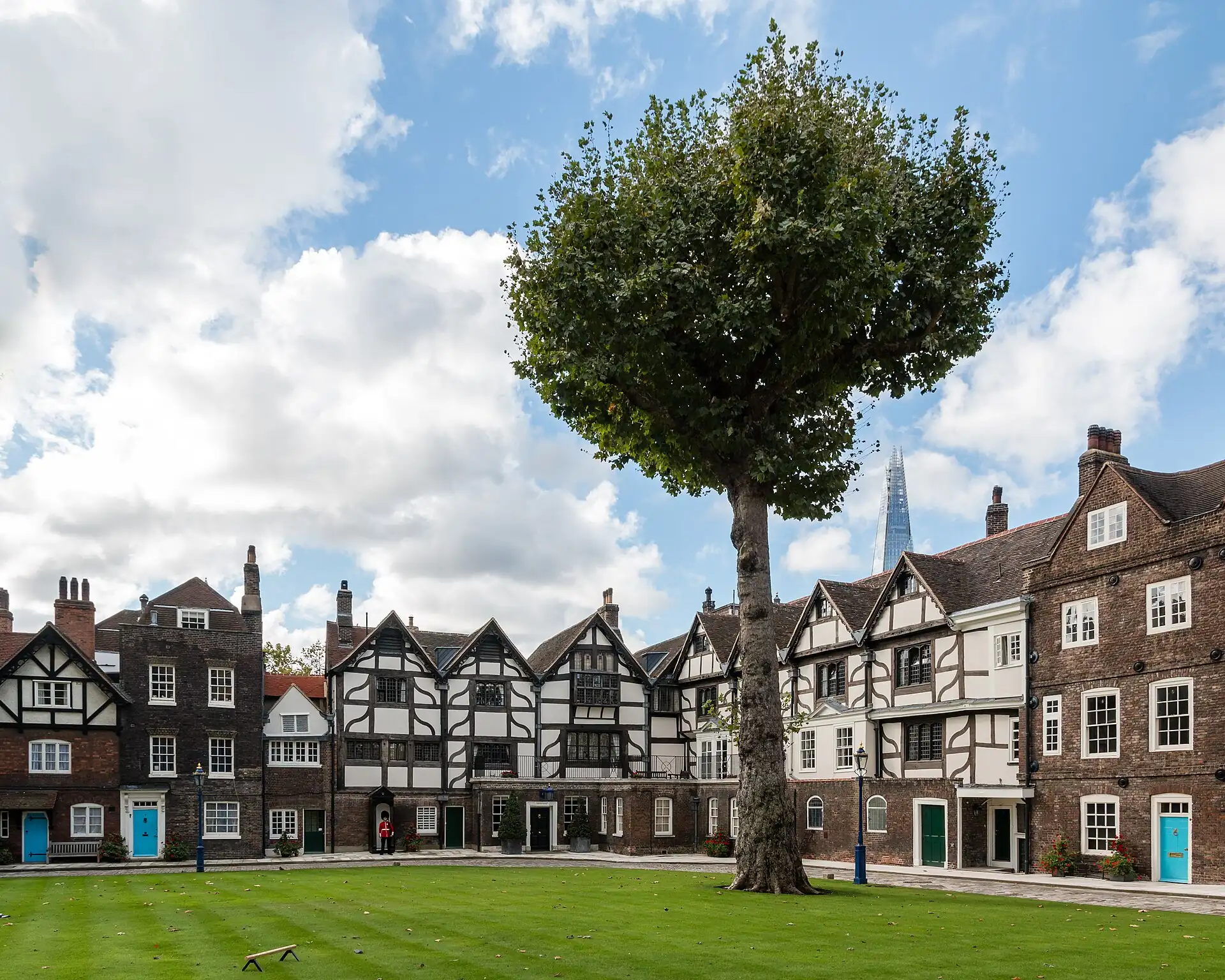
Getting around, in detailGet around · Connect
Get around
Walk inside a cluster; tube, Elizabeth line or bus between clusters. Tap in and out with a contactless card and daily caps apply.
| Mode | Verdict | Fare | Use it for | What breaks |
|---|---|---|---|---|
| Walking | use | Free | Inside a cluster and between neighbouring ones | Look right first at crossings. |
| Tube (London Underground) | use | £2.80–3.50 (≈ US$4–5) zone 1; capped daily | Between clusters | Some stations have many stairs; check the step-free map. |
| Elizabeth line and Overground | use | Same caps apply | Heathrow, the City and east London | Step-free and fast. |
| Bus | use | About £1.75 (≈ US$3) a ride; capped daily | Scenic routes and step-free travel | Contactless only; no cash. |
| Black cab | ok | Metered; £12–25 (≈ US$16–35) across the centre | Bags, late night, accessibility | Hail on the street or use an app. |
| Uber, Bolt and minicabs | ok | Shown in the app | Late nights and door-to-door | Use booked cars, not unbooked touts. |
| Santander Cycles (bike hire) | ok | About £1.65 (≈ US$3) for 30 min plus a day fee (check) | Short rides in the parks | Cycle lanes vary in quality; wear a helmet. |
| River bus (Thames Clippers) | ok | About £8–13 (≈ US$11–18) a ride (check) | A scenic ride to Greenwich | Contactless is accepted on many routes. |
Taxis and ride-hailing
Black cabs (licensed hackney carriages)
metered
The Knowledge-trained drivers; a light on top means for hire.
Uber, Bolt and Free Now
app
Fares show before the ride.
On foot and car-free hours
| Where | When | Note |
|---|---|---|
| The South Bank from Westminster to Tower Bridge | Any time | A flat, level riverside walk of about 5 km (3.1 mi).A flat, level riverside walk of about 3.1 mi (5 km). |
| Covent Garden to Soho and Bloomsbury | Any time | Short streets and squares; watch for phone thieves in crowds. |
More on getting around
London's buses are cheap, step-free and give a view; the tube is faster but hot and crowded at rush hours. Avoid 07:30–09:30 and 17:00–19:00 on the tube with bags or a stroller.
Connect
| Option | Verdict | What breaks |
|---|---|---|
| eSIM bought before you fly | use | Works on landing; no counter needed. |
| UK prepaid SIM (Three, EE, O2, Vodafone) | ok | Sold at airports, stations and phone shops; bring your passport (check). |
| Home-plan roaming | ok | Check the daily fee; UK roaming is often not included for EU plans. |
TfL Go or Citymapper
Tube, bus and Elizabeth line journeys
Live times and step-free routes.
National Rail or Trainline
Trains to airports and day trips
Compare fares and platforms.
Uber, Bolt or Free Now
Ride hailing and licensed minicabs
Black cabs use the Gett app or the rank.
Google Maps or Apple Maps
Walking and transit
Good on foot and by bus.
- Wi-Fi
- Free in most cafés, museums and stations; not on the tube in every tunnel.
Luggage
Where big bags are a problem, and how to get rid of them for the day.
Rule
- Lockers
- Left-luggage at major stations and shops (paid); hotels hold bags after check-out.
- Forwarding
- Courier services exist; most visitors keep the bag at the hotel.
- Dead zone
- Late flights: keep the bag at the hotel or a paid left-luggage.
Bags, area by area
5 walking areas rated
- Bags painful
- Bags ok
Lockers, forwarding and the gap between check-out and check-in are covered once, under Luggage.
See & doWalking clusters, day plans and the places worth the time
See & do
Walking clusters, day plans and the places worth the time
Clusters
Plan by cluster: each is a walkable area with a rescue point and a bag rule.
Morning cluster: Parliament Square, the Abbey and the river edge; flat, crowded from 10:00, so be at the Abbey door at opening.
rescue 100% · max p90 4.9′ · half
Afternoon-and-evening cluster: the National Gallery, Leicester Square, Soho and Covent Garden on foot; flat, busy, best after 16:00.
rescue 100% · max p90 5′ · half
Morning cluster: the British Museum and the garden squares around it; flat, quieter than Soho, museum queues from 10:30.
rescue 100% · max p90 5′ · half
Morning cluster: St Paul's Cathedral and the river walk over the Millennium Bridge; flat, quiet at weekends, closed to sightseeing on Sundays.
rescue 100% · max p90 5′ · half
Afternoon cluster: the V&A and the Natural History Museum side by side; flat, indoor, good for rain.
rescue 100% · max p90 4.9′ · half
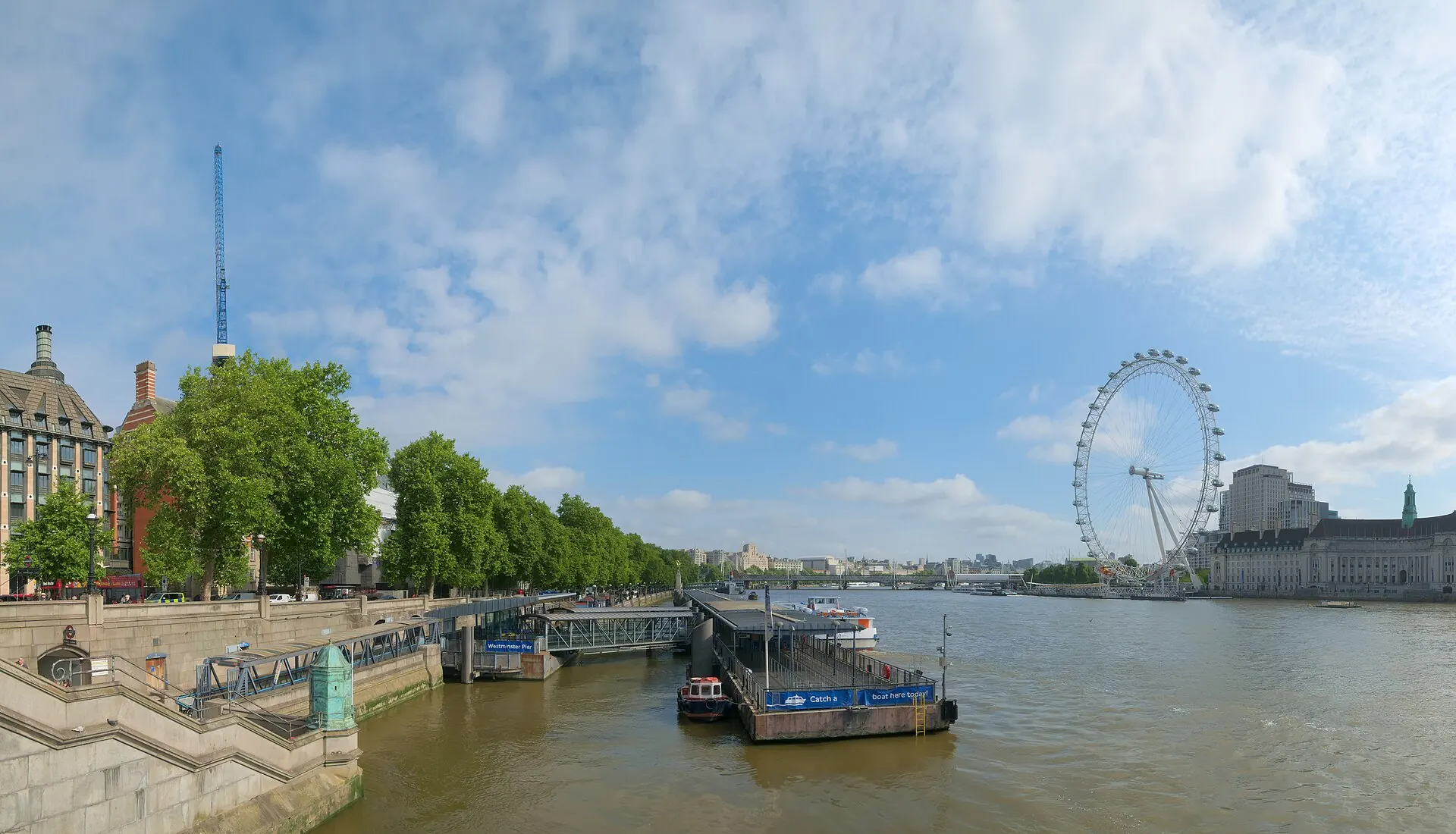
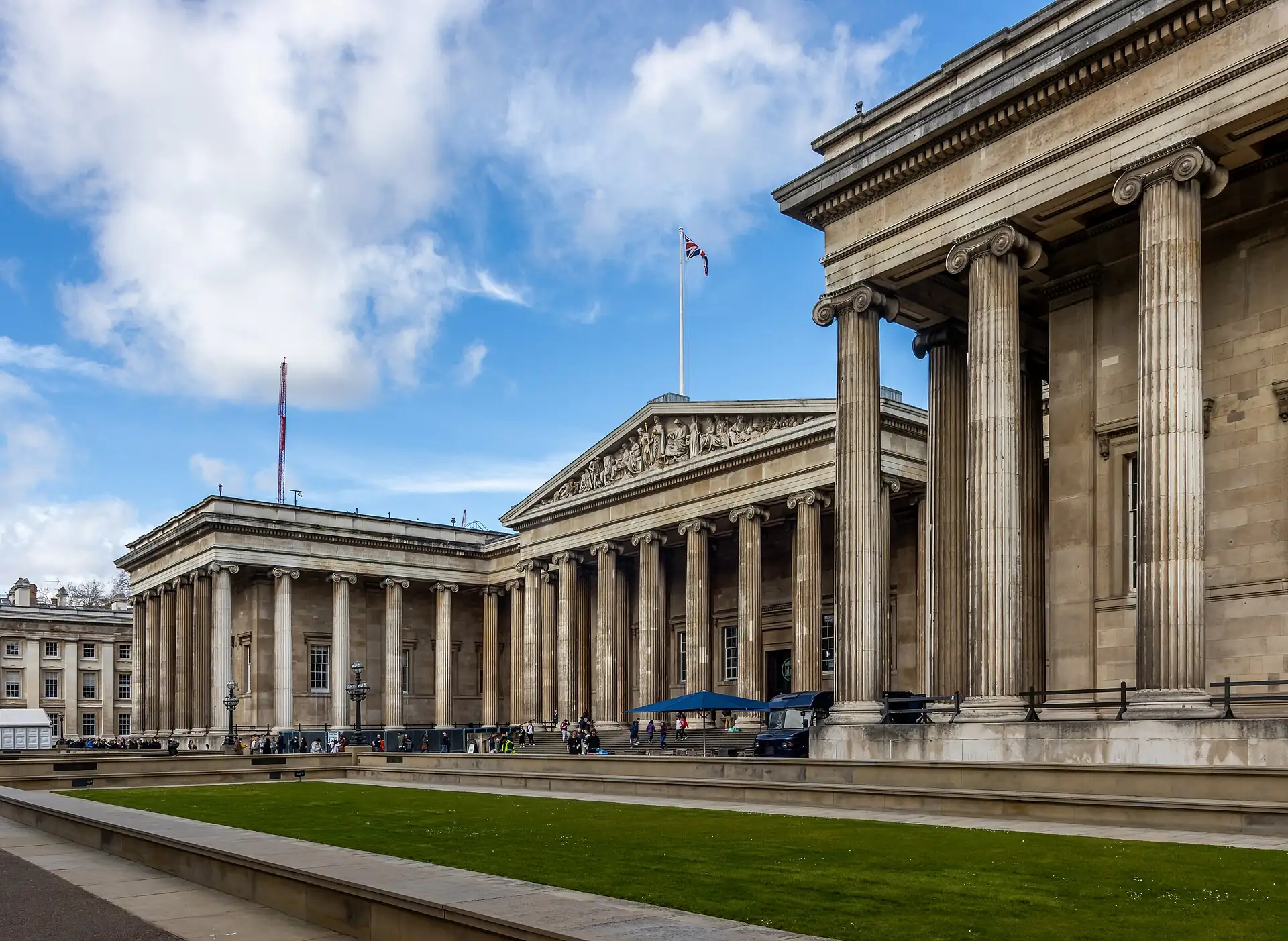
Days
Ready-made day plans, timed against opening hours and walking distances.
How long are you staying?
Loose outlines in the city's rhythm. The timed day plans check opening hours, Sunday closures and lunch anchors.
1 day
A stopover between flights
- 09:00Westminster Abbey — Westminster Abbey at opening
- 11:00National Gallery — Walk through St James's Park to Trafalgar Square
- 13:00Covent Garden Piazza and Market — Lunch in Covent Garden
- 15:00British Museum — British Museum, two galleries
- 18:00Gordon's Wine Bar — A pub or a wine bar by the river
Skip: The Tower of London and any second cathedral.
London in 3 days
3 daysWestminster at opening, the free museums in the middle, and the last day ends with the bags already on the Elizabeth line.
Day by day
Day 1 — Westminster at opening, a 13:00 lunch table
- Westminster Abbey
- 13:00Lunch table 13:00 (Covent Garden)
Day 2 — British Museum, the National Gallery and a Dishoom dinner
Day 3 — St Paul's, Elizabeth line to Heathrow at 12:30
- 09:00St Paul's Cathedral
- Tate Modern (optional)
- 12:30Leave for Heathrow at 12:30
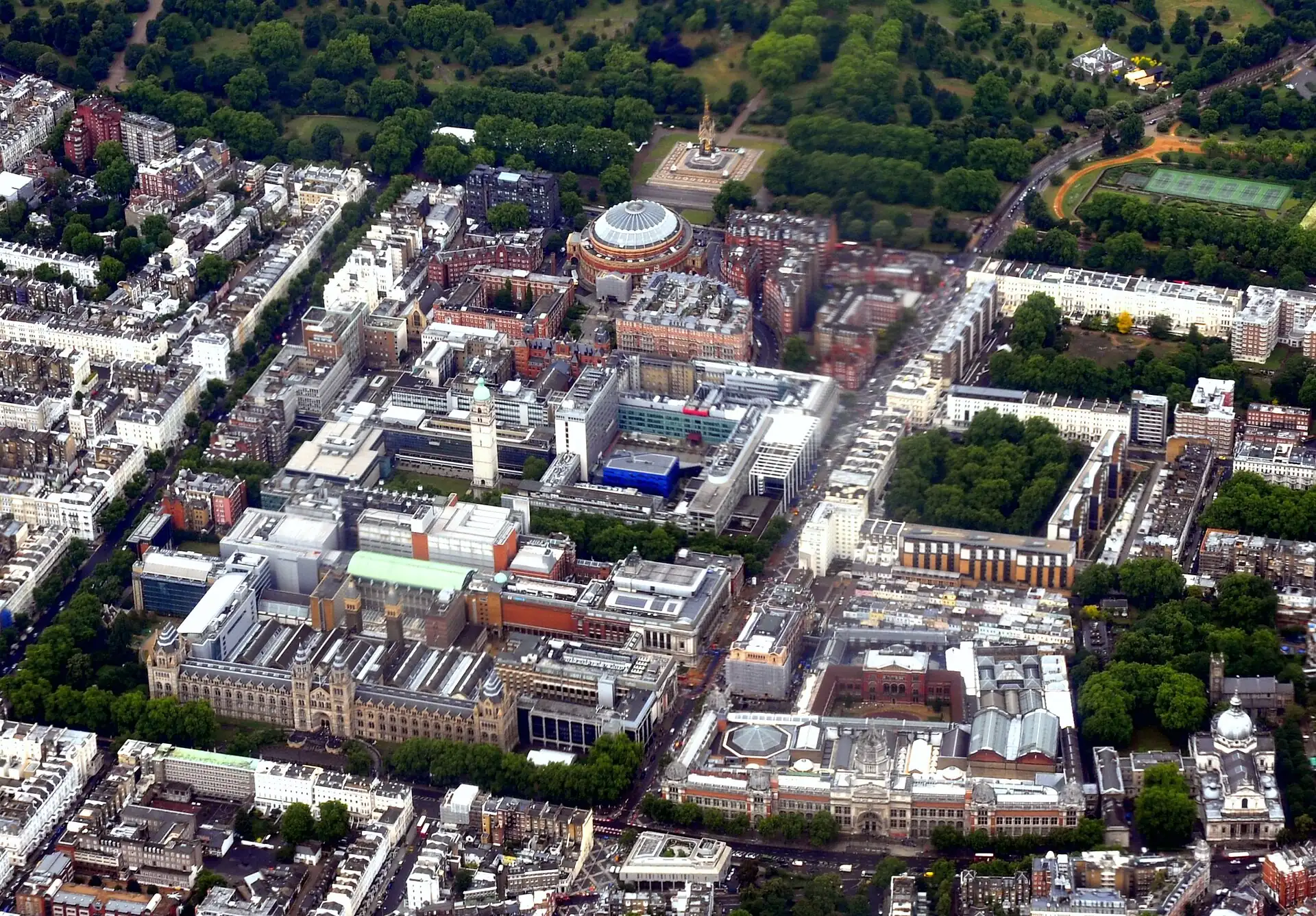
Places
“Best time” is when to arrive for the fewest crowds, for example “before 08:30”; “Go any time” means the hour makes little difference. More sights follow under “More sights and museums”.
8 places. Filters use the guide’s own ratings; a place with no rating is left out when a filter is on.
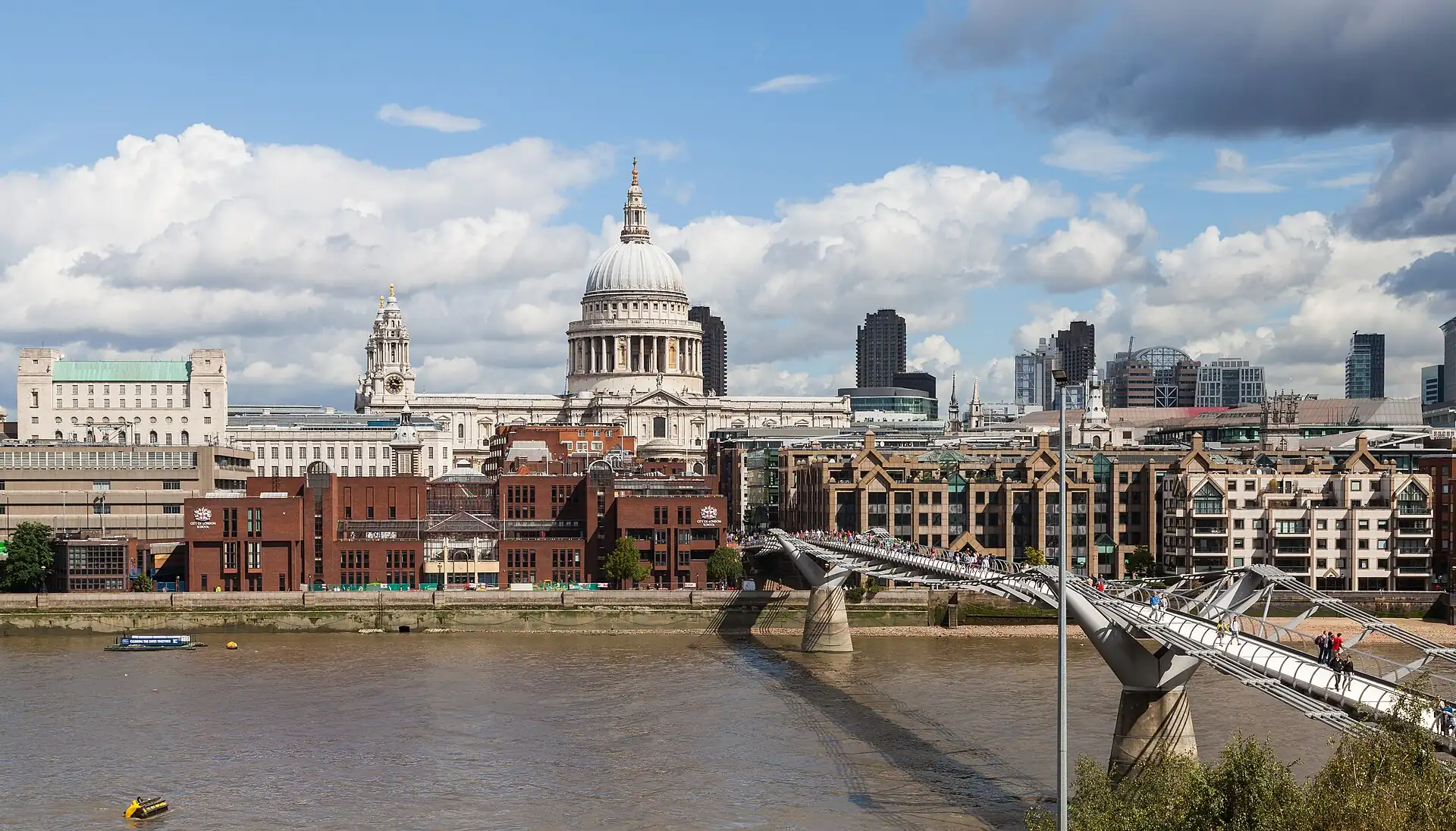
Show 2 more placesShow fewer
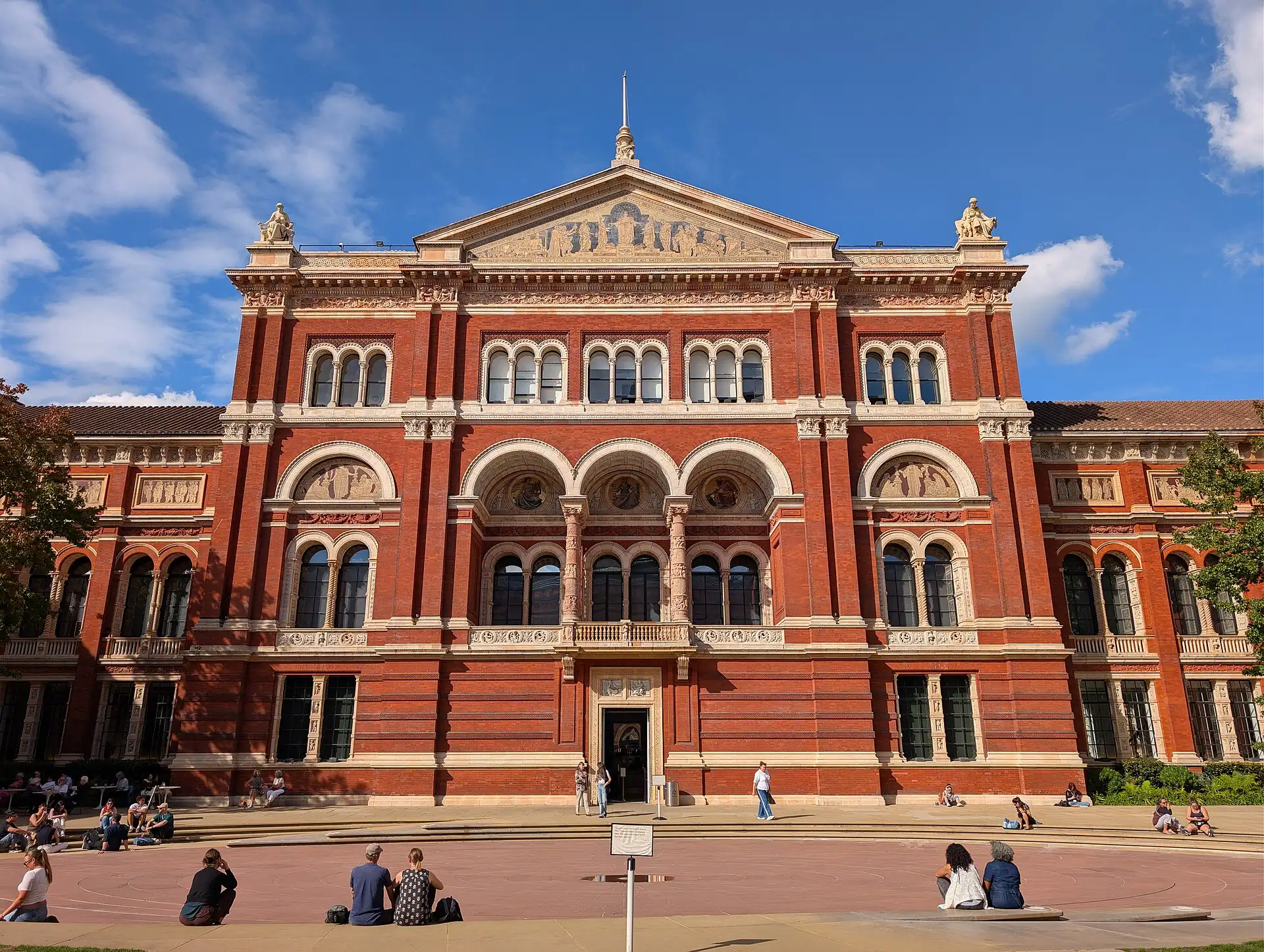
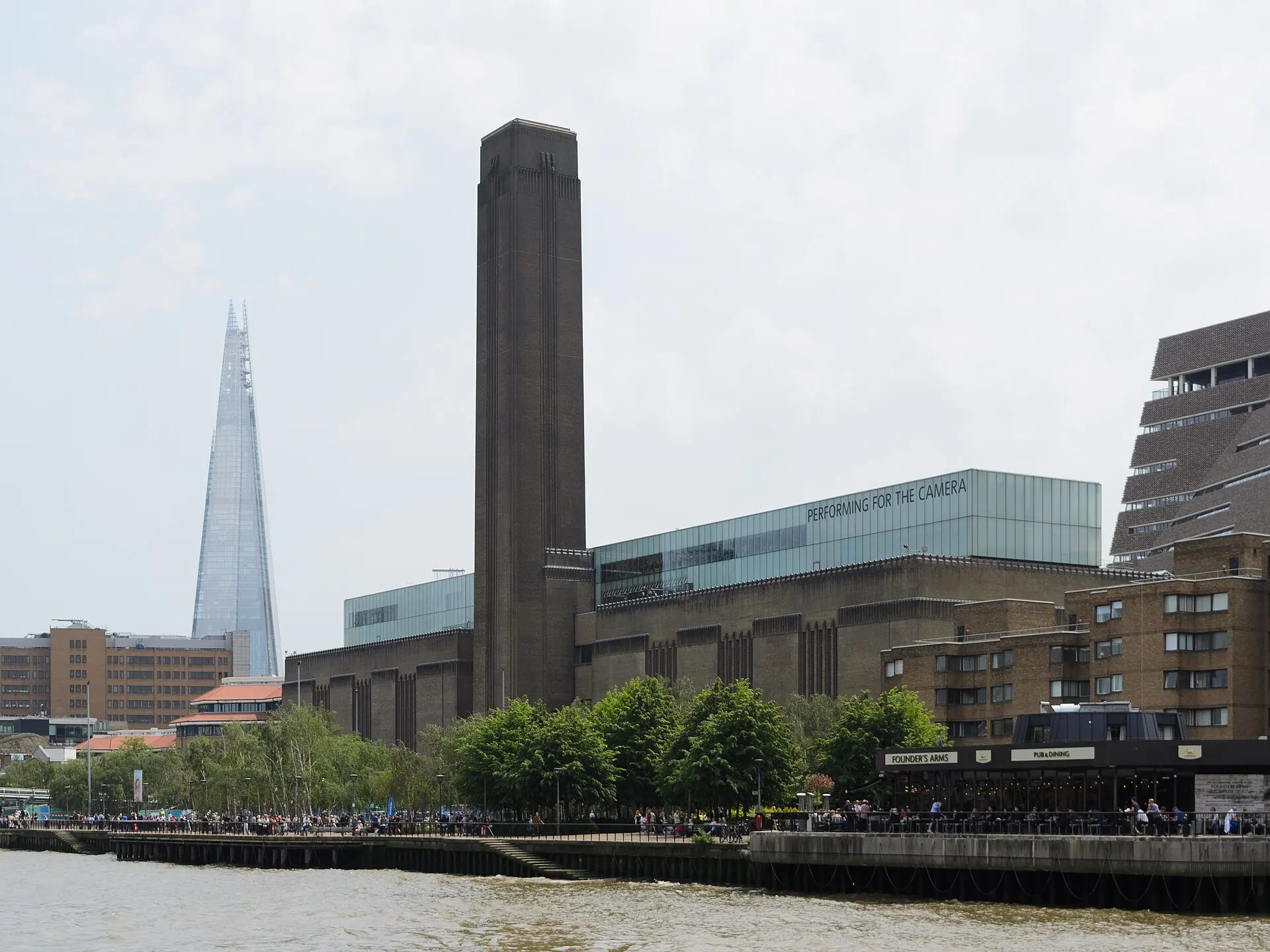
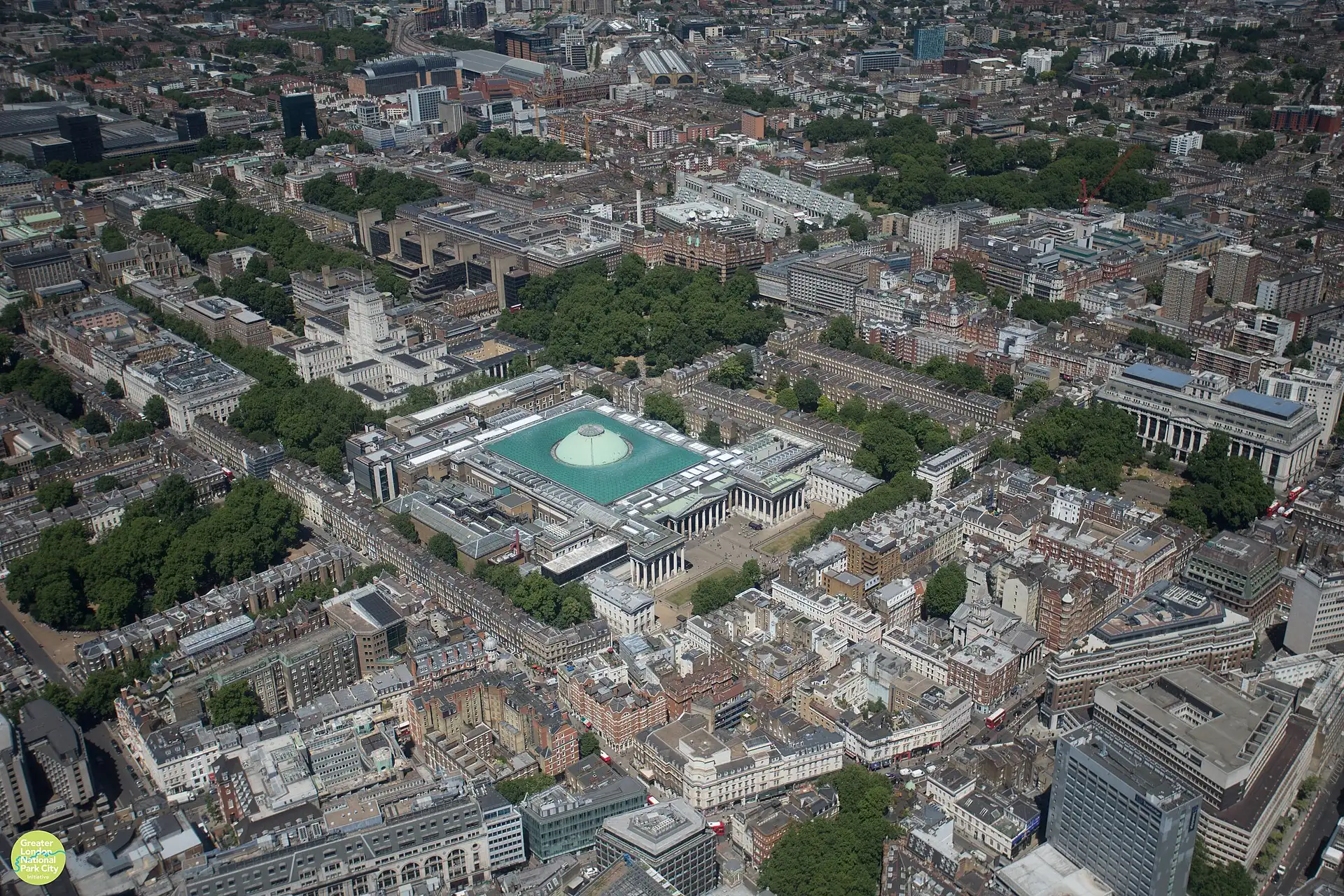
If you do ten things in London
Ranked for a first visit of 3–4 days. Prices are 2026 estimates in pounds; hours marked (check) still need confirmation.
- 1
The coronation church with Poets' Corner and royal tombs.
- Time
- 1.5–2 h
- Best
- The first timed entry
- Cost
- £30–35 (≈ US$40–50)
- 2
A world tour through Egypt, Greece, Rome and Asia, free.
- Time
- 2–3 h
- Best
- Opening or after 15:00
- Cost
- Free
- 3
Wren's dome, the Whispering Gallery and a city view.
- Time
- 1.5–2 h
- Best
- Weekday morning
- Cost
- £25–30 (≈ US$35–40)
- 4
- 5
A whale skeleton and dinosaurs under a cathedral-like hall.
- Time
- 2 h
- Best
- Opening
- Cost
- Free
- 6
- 7
Tate Modern and the river walk
Modern art in a power station and a bridge view of St Paul's.
- Time
- 1.5–2 h
- Best
- Afternoon
- Cost
- Free
- 8
A lively square with performers and a market.
- Time
- 30 min
- Best
- Before 10:00 or after 19:00
- Cost
- Free
- 9
The city's best-known food market.
- Time
- 1 h
- Best
- Weekday late morning
- Cost
- £6–15 (≈ US$8–20) a stall item
- 10
Tower of London
A royal fortress with the Crown Jewels.
- Time
- 2.5–3 h
- Best
- Opening, weekday
- Cost
- £35–40 (≈ US$50–55)
Good for…
Verdict is how well London works for that traveller, not how nice it is.
Sights are far apart but the tube is easy; book the Abbey and go by cluster.
- 1Sleep in Bloomsbury — central and calm.
- 2London in 3 days — the 3-day plan checks opening days.
- 3A contactless card — no ticket queues on the tube.
Markets, pubs and world food; dinner is the main cost.
- 1Borough Market — graze from many stalls.
- 2Dishoom Covent Garden — Bombay café plates.
- 3A traditional fish-and-chip shop (chippy) — the classic takeaway.
The museums are free; beds and meals are the extra cost.
- 1British Museum — free.
- 2National Gallery — free.
- 3Meal deals and market stalls — cheap lunches.
- 1Gordon's Wine Bar — a candlelit cellar.
- 2A river walk at dusk — the skyline lit up.
- 1Museums and pub counters — easy to do alone.
- 2A hostel near Victoria — cheap and social.
Free museums, parks and river rides; the tube's steps need planning.
- 1Natural History Museum — the whale and the dinosaurs.
- 2Covent Garden Piazza and Market — street performers.
Buses are easy; the tube stairs and long walks are the strain.
- 1A bus and river cruise — seated and scenic.
- 2National Gallery — seating in every room.
Buses and the Elizabeth line are step-free; check tube stations on TfL's map.
- 1British Museum — lifts throughout.
- 2Black cabs — wheelchair accessible by law.
Tours and classes: book or skip
Book through the hotel or an operator with written inclusions and a cancellation policy. Prices per person, 2026 estimates.
| Tour or class | Verdict | Typical price | Why | Check before paying |
|---|---|---|---|---|
| Thames river cruise | book | £15–25 (≈ US$20–35) | Sees the main landmarks from the water in an hour, seated. | The route and commentary language. |
| Guided walking tour of the City or Westminster | maybe | £10–25 (≈ US$14–35) | A guide adds history to a crowded centre. | Group size and meeting point. |
| West End show | book | £30–150 (≈ US$40–200) | The city's signature evening; book through the official theatre. | Seat view and the booking site's fees. |
| Self-guided South Bank walk | do it yourself | Free | Westminster Bridge to Tower Bridge on the river path. | Use a map app. |
What each season brings
Spring
Mar–May
Blossom in the parks, longer days and Easter events.
Watch: Rain showers and Easter crowds.
Summer
Jun–Aug
Long light, outdoor theatre and river terraces.
Watch: Heat, crowds and high hotel prices.
Autumn
Sep–Nov
Mild days, autumn colour and museum openings.
Watch: Rain and early dark.
Winter
Dec–Feb
Christmas lights, markets and cheaper January beds.
Watch: Dark by 16:00 and closures on Dec 25–26.
Photo spots and the light
Light times are for clear days; grey skies are common.
| Spot | Best light | Tip |
|---|---|---|
| Westminster Bridge and Big Ben | Early morning | Shoot from the south end for the clock tower. |
| St Paul's from the Millennium Bridge | Golden hour | Frame the dome from the river side. |
| Tower Bridge from the south bank | Blue hour | The bascules lit up beyond the river. |
| Covent Garden Piazza | Morning | Performers and the market hall without crowds. |
| Primrose Hill or Parliament Hill | Sunset | The skyline view for free. |
London travel FAQ
Answers are 2026 desk estimates; fares and rules marked (check) change.
Is London safe?
Yes. The common problems are pickpockets and phone snatching; keep phones away from the kerb.
How do I get from Heathrow to the centre?
The Elizabeth line takes about 30–40 minutes to Tottenham Court Road for about £13–15 (≈ US$18–20); the Piccadilly line is cheaper and slower.
Do I need cash?
No. Contactless cards and phones work almost everywhere, including the tube and buses.
Do I need to book?
Yes for Westminster Abbey, the Tower and big exhibitions; the free museums are walk-in.
Are the museums free?
The national museums have free entry to their collections; special exhibitions cost extra.
Is tap water safe?
Yes. Ask for it in restaurants.
Do I need an ETA?
Most visitors need an Electronic Travel Authorisation or a visa; apply through the official government service (check the fee).
How many days do I need?
Three days for the main sights, four with a day trip.
What is the best area to stay?
Bloomsbury for a first visit; Victoria for a budget bed and Gatwick access.
Is it expensive?
Yes for beds and dinner; free museums, parks and lunch deals keep costs down.
More to see and doSee & do · Learn & work · Rain & heat · Free things · Wheelchair and stroller
Free things to do
Sights in London that cost nothing to enter. Each is described under Places or More sights; extra costs inside are marked there.
Wheelchair and stroller, place by place
How each place in this guide works for wheels, from its own page. Ratings are desk estimates unless a page says it was checked on the ground.
| Place | Step-free | Wheelchair | Stroller | What to know |
|---|---|---|---|---|
| British Museum | yes | ok | ok | Step-free entrances and lifts to all main floors; the museum publishes an access guide. |
| Covent Garden Piazza and Market | yes | ok | ok | The piazza is flat and paved; the tube station has a lift but with a queue (check). |
| National Gallery | yes | ok | ok | Step-free entrances (Sainsbury Wing) and lifts to all floors; seating in most rooms. |
| Natural History Museum | yes | ok | ok | Step-free entrances and lifts to the main galleries; the museum publishes an access guide. |
| St Paul's Cathedral | partial | ok | ok | Whispering Gallery and dome are stairs only. |
| Tate Modern | yes | ok | ok | Step-free entrances and lifts to all levels; the museum publishes an access guide. |
| Victoria and Albert Museum | yes | ok | ok | Step-free entrances and lifts; the museum publishes an access guide. |
| Westminster Abbey | partial | ok | caution | A step-free route exists for most of the ground floor; the museum in the Queen's Diamond Jubilee Galleries has a lift (check). |
See & do
17 of 17
- church
Coronation church and burial place of monarchs and poets; book the first timed entry.
Westminster · About £30–35 (≈ US$40–50)
- Museums
The Rosetta Stone, the Egyptian galleries and the Parthenon sculptures; free.
Bloomsbury · Free
- Museums
Renaissance to Impressionist paintings; pick two rooms.
Trafalgar Square · Free
- church
Wren's cathedral with a dome climb and a Whispering Gallery.
The City · About £25–30 (≈ US$35–40)
- Museums
Design, fashion and sculpture; a warm rain-day museum.
South Kensington · Free
- Museums
A whale skeleton, dinosaurs and a grand hall; free.
South Kensington · Free
- Museums
Modern art in a power station, with a skyline view.
Bankside · Free
A square with street performers and market halls.
Covent Garden · Free
Tower of London
fortressA royal fortress, the Crown Jewels and the ravens; book a timed slot.
The City east · Daily; check · About £35–40 (≈ US$50–55) (2026 estimate)(check)
Buckingham Palace and the Changing of the Guard
palaceThe King's residence; check the guard schedule before you go.
Westminster · Ceremony on set days; check · Ceremony free; State Rooms ticketed(check)
Hyde Park and Kensington Gardens
parkRoyal parks with lakes, a palace and free walking.
West · Daily · Free(check)
The Thames path from Westminster to Tower Bridge
walkA flat riverside walk with the main views.
South Bank · Any time · Free(check)
West End theatre
Shows & musicBook on the theatre's official site or TodayTix for last-minute seats; avoid street touts.
West End · Evenings and Wednesday and Saturday matinees · About £30–150 (≈ US$40–200) (2026 estimate)(check)
River cruise on the Thames
boatA seated ride with commentary past the main landmarks.
Westminster or Tower · Daytime, about 40–60 min · About £15–25 (≈ US$20–35) (2026 estimate)(check)
Guided walking tour
tourTours of the City, Soho or Bloomsbury with a local guide.
Various · Morning or afternoon · About £10–25 (≈ US$14–35) (2026 estimate)(check)
Afternoon tea
Food toursA classic sit-down with sandwiches and scones; book ahead.
West End · Afternoon · About £45–90 (≈ US$60–120) (2026 estimate)(check)
Premier League or rugby match
SportTickets are hard to get; book through the club, not a tout.
Various · Match days · Varies; book officially(check)
- Booking
- Book Westminster Abbey, the Tower, big exhibitions and theatre in advance; the free museums are walk-in.
Learn & work
| What | Where | Cost | Note |
|---|---|---|---|
| English language courses | Schools across the centre | About £200–400 (≈ US$300–550) a week (2026 estimate) | Visitors on a short stay can study; check visa rules. |
| Cooking and pub-culture classes | Cooking schools in the centre and east | About £60–140 (≈ US$80–190) a session (2026 estimate) | Book a few days ahead. |
| Museum talks and lectures | The British Museum, V&A and Tate | Many are free | Check the events pages. |
Working here
- Visitor rules
- Most visitor categories cannot work; check the government's list of permitted activities.
- Working holiday
- Youth Mobility Scheme visas exist for some nationalities; apply through the government site.
- Cost of living
- London is among Europe's dearest cities, mainly for housing.
Rain-day and heat-day plan
Rain day
Rain moves you to the museums: they are free, warm and close together. Plan an indoor afternoon on any day the forecast is grey.
- 01British Museum — Free; two galleries take two hours.
- 02National Gallery — Free; pick two rooms.
- 03Victoria and Albert Museum — Free, with a warm café.
- 04Natural History Museum — Free; use the Exhibition Road entrance.
- 05Tate Modern — Free; the Turbine Hall is huge and dry.
Heat day
Above 28 °C the tube is hot and few hotels have air conditioning: outdoors before 11:00 and after 17:00, museums and parks in between.
- 09:00Westminster Abbey — Cool stone before the heat and the crowds.
- 12:00British Museum — Air-conditioned galleries.
- 15:00Tate Modern — Air-conditioned floors and the river breeze.
- 18:00Covent Garden Piazza and Market — Open square as the day cools.
Day-trips and nearby
Places you can reach from London in a day or with one night away, with the route and what it costs. Door to door, not ride time.
Oxford
goTrain from Paddington, about 1 h
Colleges and museums; book college visits ahead.
- Time
- Full day
Windsor
goTrain from Paddington or Waterloo, about 1 h
Castle closes on some days for events; check the site.
- Time
- Half or full day
Cambridge
goTrain from King's Cross, about 1 h
College courts and the river.
- Time
- Full day
Brighton
go off seasonTrain from Victoria or London Bridge, about 1 h
Pier and seafront; crowded in summer.
- Time
- Full day
Go next
Door to door: 3–3.5 h
Eurostar from St Pancras, about 2 h 20 min
Book ahead for a lower fare; allow time for passport control.
Canterbury
goDoor to door: 1.5 h
High-speed train from St Pancras, about 1 h
Cathedral and medieval streets.
Eat & sleepWhere to eat and which area to sleep in
Eat & sleep
Where to eat and which area to sleep in
Eat
A short list of places worth crossing the city for, each with how to get a seat.
Restaurant finder: filter every place to eat in London →
Vegetarian-friendly score
3.5 / 5 · Good
- Country diet noteOur country guide rates vegetarian eating as easy.2 / 2
- Places to eat in this guide4 of 6 places with a known answer are vegetarian-friendly, 2 partly.1.25 / 1.5
- Budget eating lines0 vegetarian lines in "Eat by budget".0 / 0.6
- Meat-free national dishes4 meat-free dishes in the country food list.0.4 / 0.4
- Dedicated vegetarian kitchens0 mentions of vegetarian restaurants, Buddhist or fasting kitchens.0 / 0.5
Country note: Very easy: every menu has options, and supermarkets label everything.
Vegetarian places near me →Make a diet card →
How we score
- Country diet note (up to 2): easy 2, workable 1, mixed 0.75, hard 0; no note 0.5.
- City places to eat (up to 1.5): 1.5 × (vegetarian-friendly + half of partly friendly) ÷ places with a known answer; needs 3 or more known places.
- Budget eating lines marked vegetarian (up to 0.6): 0.2 each.
- Meat-free national dishes (up to 0.4): 0.1 each.
- Dedicated vegetarian kitchens mentioned — Buddhist chay, shōjin ryōri, Jain, fasting food, vegan cafés (up to 0.5): 0.1 each.
- Total rounded to the nearest half point, 0 to 5. Built from our own pages only, not from reviews.
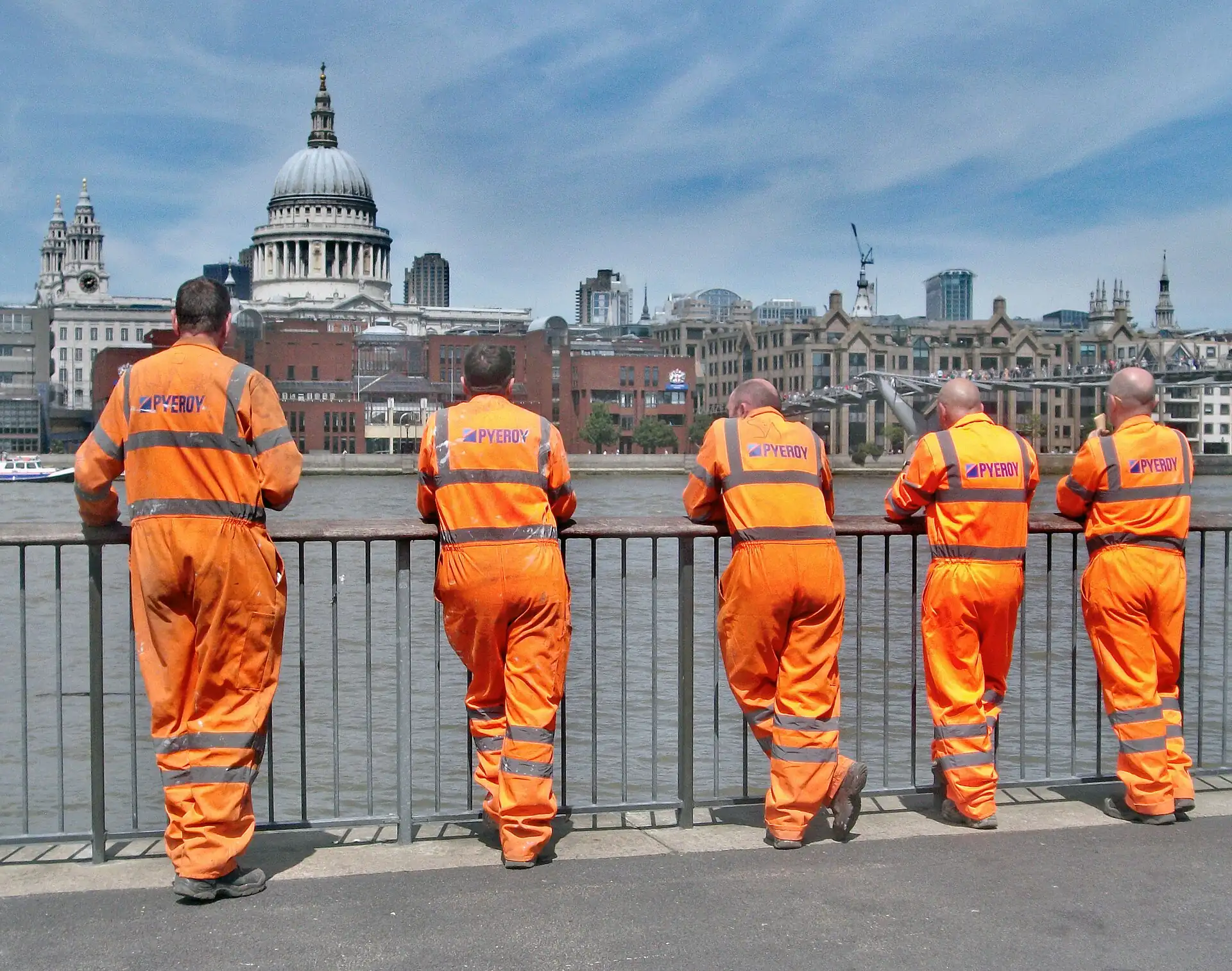
Eating and drinking guideEat by budget · Drink
Before you sit down to eat
Short version; full text linked
Eat by budget
Under £10 (≈ US$14) a meal
| Where | Order | Area | Price | Note |
|---|---|---|---|---|
| Meal deal | A sandwich, snack and drink from a supermarket | Citywide | £4–7 (≈ US$6–10) | |
| Monmouth Coffee (Seven Dials) | Coffee and a pastry | Seven Dials | £6–10 (≈ US$8–14) | |
| Street food and market stalls | A wrap or a hot dish | Borough and Camden | £7–12 (≈ US$10–16) | (check) |
Dishes to know
| Dish | What it is | Where to look | When | Price |
|---|---|---|---|---|
| Fish and chipsFish and chips | Battered cod or haddock with chips | Chippies and pubs | Lunch or early dinner | £12–20 (≈ US$16–30) |
| Pie and mashPie and mash | A meat pie with mashed potato and liquor sauce | Traditional pie shops and pubs | Lunch | £8–14 (≈ US$11–19) |
| Sunday roastSunday roast | Roast meat, potatoes and vegetables with gravy | Pubs on Sundays | Sunday lunch | £18–28 (≈ US$25–40) |
| Full English breakfastFull English | Bacon, eggs, sausage, beans, toast and tomato | Cafés and hotels | Breakfast | £9–16 (≈ US$12–25) |
| CurryCurry | Indian and Bangladeshi dishes, a London staple | Brick Lane and everywhere | Dinner | £12–25 (≈ US$16–35) |
| Afternoon teaAfternoon tea | Tea with sandwiches, scones and cake | Hotels and tea rooms | 15:00–17:003:00 PM–5:00 PM | £45–90 (≈ US$60–120) |
- A 12.5% service charge is often added to the bill; check before you tip again.
- Pubs stop serving food around 21:00; check the kitchen's last orders.Pubs stop serving food around 9:00 PM; check the kitchen's last orders.
- Book popular restaurants a few days ahead; Dishoom and pubs have walk-in windows.
Drink & nightlife
| Where | What | Until | Note |
|---|---|---|---|
| Soho and Covent Garden pubs and bars | Pubs, cocktail bars and clubs | Late | Busy and pricey; pick a pub off the main streets. |
| South Bank and Borough | Riverside pubs and craft bars | About 23:00About 11:00 PM | Good in summer with a river view. |
| Shoreditch and Hoxton | Craft beer and clubs | Late | Young and loud; check cover charges. |
| Traditional pubs near Westminster | Pubs with food | About 23:00About 11:00 PM | Order at the bar; a good lunch. |
By style
| Style | What | Where | Price | Until |
|---|---|---|---|---|
| Beer | Cask ale, lagers and a big craft scene | Any pub | £5.50–7.50 (≈ US$8–10) a pint (2026 estimate) | Last orders about 23:00 |
| Cider | Apple cider, dry or sweet | Pubs | £5.50–7.50 (≈ US$8–10) a pint (2026 estimate) | Last orders |
| Gin | A London staple; tonic and a slice | Pubs and cocktail bars | £8–14 (≈ US$11–19) (2026 estimate) | Last orders |
Rules that bite
- You order and pay at the bar in most pubs; tipping is optional.
- The legal age for buying alcohol is 18; carry ID.
- Drinking on the street is allowed in most places but not on the tube.
Sleep
Pick the area first: it decides your walk home at night and your first morning.
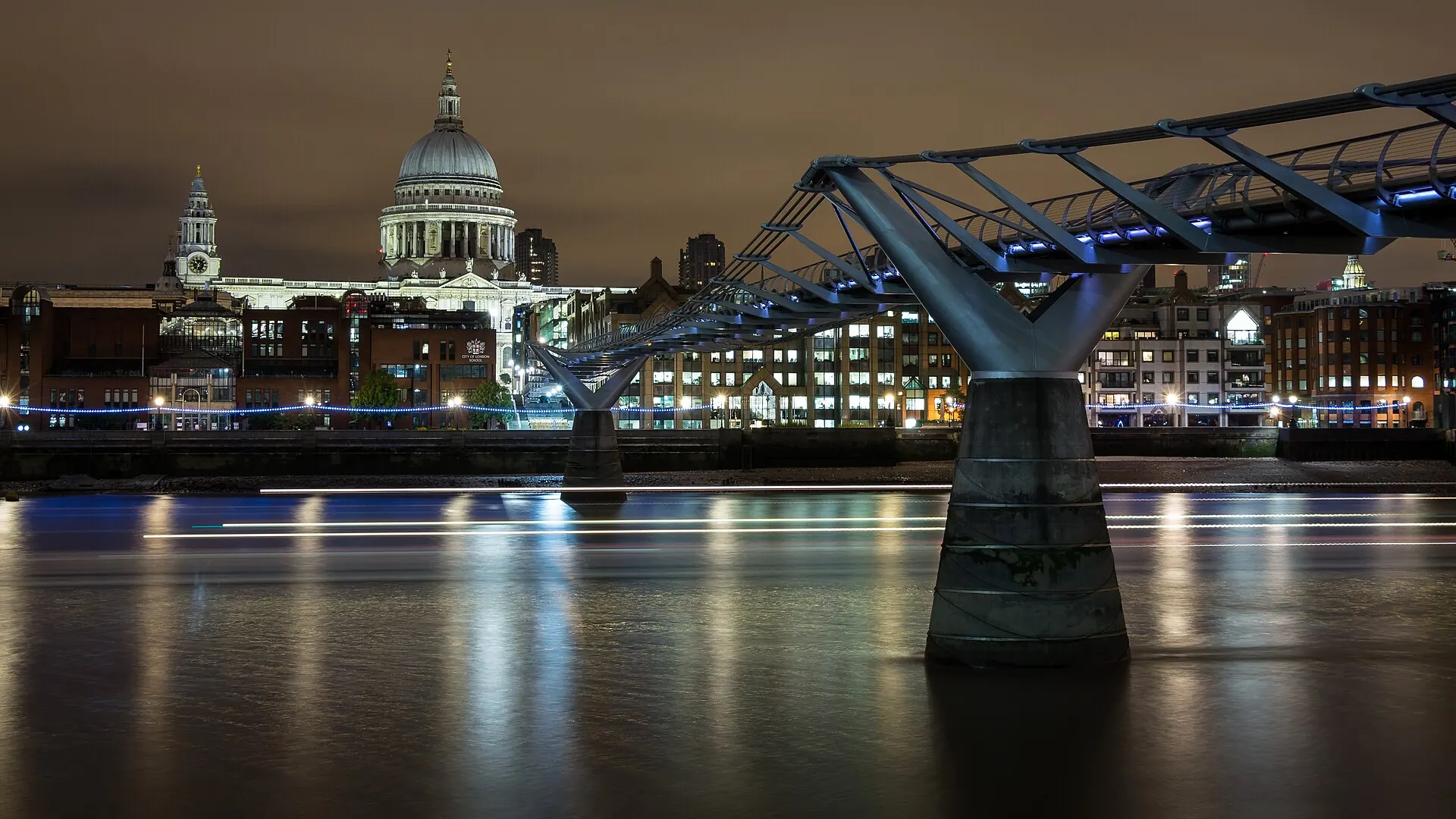
Which neighborhood fits you
Three questions, one recommendation, with the reasons.
Your best fit
- The British Museum is on the doorstep; Westminster is a tube ride.
- Garden squares and calm side streets.
- Night buses and 24-hour reception at larger hotels.
Next best: Victoria and Pimlico
Built from our 1–5 desk scores per area; your answers stay in this browser.
More on sleepingSleep by budget · Your area · With kids
Sleep by budget
| Band | Price | Where | Room types | What to expect |
|---|---|---|---|---|
| budget | £30–55 (≈ US$40–75) dorm bed · £90–140 (≈ US$120–190) double | Bloomsbury, Kings Cross and Victoria | Hostels and budget chains | Small rooms, shared bathrooms in some, and often no air conditioning. |
| mid | £150–250 (≈ US$200–350) | Bloomsbury and Westminster | Chain and boutique hotels | Compact rooms, a lift at most, and a breakfast buffet. |
| splurge | £350–700 (≈ US$500–950)+ | Mayfair, Covent Garden and the South Bank | Grand and design hotels | Big rooms, a concierge and a bar; book early. |
Booking checks
- Book July, August and December early; prices climb.
- A zone 2 hotel near a fast tube line is cheaper than zone 1 and can be as fast as walking to a sight.
Which area is yours
| If you are | Sleep in | Because |
|---|---|---|
| First visit, want museums and quiet streets | Bloomsbury | Central and calm, close to the British Museum. |
| Gatwick flight, budget bed, short stay | Victoria and Pimlico | Direct trains and good-value hotels. |
First-timers: a 15-minute walk to Covent Garden, the British Museum at the door, and King's Cross/St Pancras for trains; choose a hotel with a 24-hour desk and a lift.
Quieter nights and a train hub for Gatwick; 20 minutes' walk to Westminster; many mid-range hotels with a 24-hour desk.
Areas are in our default order until you tick a priority.
Scores are 1–5 desk judgements per priority (2026).
With kids
- The big museums are free and have family trails: the Natural History Museum, the Science Museum and the British Museum are the strongest.
- The tube has many steps; stroller users should use buses or the Elizabeth line, which are step-free.
- Children under 11 travel free on buses and trams and on many tube fares with an adult (check the current rule).
- Hamleys toy shop, the London Eye and the Tower of London suit children but are queue-heavy.
- Parks such as Hyde Park and St James's have playgrounds and boating.
PracticalMoney, essentials, safety and the pocket card
Practical
Money, essentials, safety and the pocket card
Money
What a day costs at three comfort levels, and how to pay.
- Budget
- £40–70 (≈ US$55–95) excl. bed / day
- Mid
- £70–130 (≈ US$95–180) excl. bed / day
- High
- £130 (≈ US$180)+ excl. bed / day
- Transit card
- No card to buy: tap in and out with a contactless card or phone; daily and weekly caps apply.
- Cash rule
- Cards and phones work almost everywhere; carry £20 (≈ US$30) in notes for markets and small shops.
More on moneyCosts · Budget · Buy
What things cost
- Pub lunch, per person£14–22 (≈ US$19–30)
- Tube or bus tap, zone 1£2.80–3.20 (≈ US$4–5)
- Elizabeth line from Heathrow£13–15 (≈ US$18–20)
- Black cab from Heathrow to the centre£60–100 (≈ US$80–140)
- Westminster Abbey ticket£30 (≈ US$40)
- St Paul's Cathedral ticket£25–30 (≈ US$35–40)
Trip budget
| Hotel double room1 × 3 nights × £190 | £570 |
| Food, local transport, entries2 × 3 days × £105 | £630 |
| Heathrow Elizabeth line, both ways2 × £28 · Piccadilly line is about £12 both ways | £56 |
| Travel cap for the week (zones 1–2)2 × £40 · Contactless daily and weekly caps apply (check) | £80 |
| eSIM, about a week of data2 × £12 | £24 |
| Buffer 10%Price creep, a taxi you did not plan, one splurge | £136 |
| Trip total≈ £249 per person per day, bed included | £1,496≈ US$2,000 |
2026 estimate in pounds; flights and tours excluded. Your choices stay in this browser.
Prices of common things
| Black cab across the centre | £12–25 (≈ US$16–35) |
| Elizabeth line, Heathrow to Paddington | £13–15 (≈ US$18–20) |
2026 estimate; check locally.
Buy
- Bargaining
- Prices are fixed in shops and restaurants; haggling is only expected at some street and antique markets, and even there it is light.
- Fixed-price check
- Prices in shops include VAT (20%). Since 2021 there is no tax-free shopping scheme for visitors, so the sticker price is final.
Markets and shopping streets
| Where | What | When | Haggle | Note |
|---|---|---|---|---|
| Borough Market | Food stalls, produce and street food | Wednesday to Sunday full days; limited Monday and Tuesday (check) | no | See the eat page. |
| Covent Garden Market and Apple Market | Craft stalls, souvenirs and food | About 10:00–19:00 (check)About 10:00 AM–7:00 PM (check) | no | Priced for visitors. |
| Portobello Road Market | Antiques, vintage clothes and food | Saturday is the main day (check) | yes | Crowded at midday; go early. |
| Brick Lane and Spitalfields | Vintage, food and street art | Weekends (check) | light | Curry and bagels nearby. |
Shops by what they sell
| For | Where | Hours | Note |
|---|---|---|---|
| Books | Charing Cross Road and Bloomsbury independents | About 10:00–19:00 | A good rain-day browse. |
| Tea, biscuits and food gifts | Fortnum and Mason (Piccadilly), Neal's Yard | About 10:00–20:00 | Small tins travel well. |
| British clothes and department stores | Oxford Street, Regent Street and Jermyn Street | About 10:00–20:00 | Sales are in January and July; Sunday hours are shorter. |
Changing money
| Where | Verdict | Why |
|---|---|---|
| Bank ATMs and contactless cards | use | Pay in pounds sterling; decline dynamic currency conversion. |
| Exchange bureaux in the tourist centre | avoid | Rates and fees are poor. |
ATMs
- Where
- Bank ATMs; avoid standalone machines that charge a fee.
- Conversion
- If the terminal offers to charge in your home currency, decline and pay in pounds.
Essentials and accessEssentials · Access
Essentials
- Plugs & power
- 230 V; British three-pin type G sockets. Bring an adapter.
- Toilets
- Stations, museums, cafés and shopping centres; a few charge a coin.
- Health
- Travel insurance recommended; NHS walk-in centres exist but non-residents may be charged.
- Accessibility
- Many tube stations have steps and no lift; buses and the Elizabeth line are step-free; check TfL's step-free map.
- Laundry
- Hotels and self-service laundries in most neighbourhoods.
- Emergency numbers
- 999 or 112 for police, fire, ambulance.
Pack
- A light waterproof jacket in every season
- Comfortable shoes for long walks
- A power adapter for type G sockets
- A contactless card for transit
Accessibility
London has step-free buses and the Elizabeth line, and many national museums are fully accessible. Many older tube stations have steps and no lift, so use TfL's step-free map to plan.
- Streets
- Pavements are level in the centre; kerbs have dropped crossings; cobbles in Covent Garden and around St Paul's.
- Public transit
- Buses are step-free with ramps; the Elizabeth line, DLR and Jubilee line extension stations are step-free; about a third of tube stations have step-free access.
- Taxis
- Black cabs are wheelchair accessible by law.
- Toilets
- Accessible toilets in museums, stations and shopping centres; a few public ones charge.
Sights, step-free or not
| British Museum | step-free | Step-free entrances and lifts. |
| National Gallery | step-free | Step-free entrance and lifts. |
| Victoria and Albert Museum | step-free | Lifts and step-free routes. |
| Natural History Museum | step-free | Step-free entrances and lifts. |
| Tate Modern | step-free | Step-free entrances and lifts. |
| Westminster Abbey | with help | A step-free route exists; ask when you book. |
| St Paul's Cathedral | with help | Ground floor is accessible; the dome is stairs only. |
Survive
Safety basics, the lines not to cross, and practical habits that save the day.
Safety
- Phone snatching (including from cyclists and scooters) around Covent Garden and Oxford Street: keep phones away from the kerb.
- Look right first when crossing: traffic comes from the right.
- Rail and tube strikes happen: check TfL and National Rail the day before.
- Emergency: 999 or 112.
Red lines
- Abbey and cathedral: quiet inside, covered shoulders.
- Stand on the right on escalators; walk on the left.
- Do not photograph the guards at the palaces or the police close up.
Practical
- Toilets: stations, museums, cafés and shopping centres; a few charge.
- Tap water is safe to drink.
More on staying safeStay safe · Stay healthy · Safety map · Solo & women · Etiquette · Cope · Scams
After dark, by area
2 flagged areas
- Take care
Victoria and the station
Take care
Day = about 07:00–19:00. What to watch in each area, day and night →
Scams and red flags
Walk away if you see these
- Unlicensed minicab drivers offering rides at airports and stations: use the black-cab rank or an app.
- Street 'friendship bracelet' and petition tricks near tourist sights: walk on.
- Ticket touts outside theatres: buy from the box office or an official seller.
- Card-only tourist traps with high cover charges: check the menu before you sit.
Stay safe
Crossing the road
- 01Look right first, then left; the flow of traffic is on the left.
- 02Use the signal at pedestrian crossings; cyclists and e-scooters can run red lights.
Hustles specific to this city
| Hustle | Where | The tell | What to do |
|---|---|---|---|
| Minicab touts | Airports and stations | A man offers you a ride at the arrivals hall | Use the black-cab rank, an app or the train. |
| Phone snatchers | Covent Garden, Oxford Street and near tourist sights | A scooter or bike rider grabs a phone held near the kerb | Keep phones in a pocket or bag and away from the road. |
| Ticket touts | Outside theatres and stadiums | Tickets sold at the door for a high price | Buy from the box office or an official seller. |
| Street games and petitions | Tourist streets | A game of cups or a clipboard petition ending in a request for cash | Walk on. |
- Police
- 999 for an emergency; 101 for non-emergency; report theft for an insurance reference.
- Pickpockets
- The main risk on the tube, at Oxford Street and near big sights.
- Night
- Very safe by world standards; ordinary care in nightlife areas.
Stay healthy
- Water
- Tap water is safe and free; ask for it at restaurants.
- Air
- Air quality is generally fair; some roads have high traffic pollution. The ULEZ zone helps.
- Weather
- Layers and a waterproof; summer heat can make the tube uncomfortable.
- Pharmacies
- Boots and independent pharmacies; some are open late.
- Travel insurance
- Emergency treatment at A&E is free for everyone, but follow-up care can be charged; take medical cover.
Hospitals and clinics: see Cope.
Safety by area and hour
| Area | Day | Night | What to watch |
|---|---|---|---|
| Westminster and Whitehall | fine | fine | Pickpockets in crowds near Big Ben and the Abbey. |
| Covent Garden and Soho | fine | caution | Phone snatching by scooter riders and crowded bars late at night. |
| Bloomsbury | fine | fine | Quiet; ordinary care. |
| The City and St Paul's | fine | fine | Quiet at weekends and after work hours; stay on lit routes. |
| South Kensington | fine | fine | Crowds near the museums and the tube. |
| Victoria and the station | fine | caution | Unlicensed minicab touts and pickpockets at the station. |
- Keep phones away from the kerb: snatch thefts by bike or scooter are the most common crime a visitor meets.
- Use licensed black cabs or app cars, not unbooked minicabs.
Solo, women and LGBTQ+ travellers
Solo
- Safe and easy to explore alone; free museums and pubs with counter seating are solo-friendly.
- Book a timed ticket for the Abbey and the big exhibitions; the rest is walk-in.
Women
- Harassment on night transport happens; use lit routes, sit near the driver on night buses, and use a licensed cab.
- Standard care after midnight in nightlife areas.
LGBTQ+
- London is a global LGBTQ+ hub, with Soho's Old Compton Street a long-standing centre.
- Pride in London is held in the summer (check dates).
Etiquette in London
- Queues
- Join the back of a queue and wait your turn; jumping one is rude.
- Escalators
- Stand on the right and walk on the left on the tube.
- Pubs
- Order and pay at the bar; do not wait for table service.
- Tipping
- Check the bill for a 12.5% service charge; tip 10–12.5% if it is not included, and round up for a taxi.
- Crossing roads
- Traffic drives on the left: look right first, and use the signal at crossings.
- Noise
- Keep voices low on the tube and buses; loud phone calls stand out.
Cope
Hospitals and clinics that handle foreigners
| Where | Area | Use it for |
|---|---|---|
| St Thomas' Hospital A&E | Westminster Bridge Road | Emergency department across the river from Parliament. |
| University College Hospital A&E | Euston Road, Bloomsbury | Emergency department near Bloomsbury hotels. |
| Chelsea and Westminster Hospital A&E | Fulham Road | Emergency department in the west. |
| NHS 111 | Citywide | Free advice by phone for non-emergencies; dial 999 or 112 in an emergency. |
Visa extensions
- Entry
- Most visitors need an Electronic Travel Authorisation (ETA) or a visa; apply through the official UK government service before you travel.
- Overstay
- Overstays can lead to fines and a ban; check your permitted stay.
Embassies and consulates
| Country | Address | Phone | Note |
|---|---|---|---|
| United States | 33 Nine Elms Lane, London | check | (check) |
| Canada | Canada House, Trafalgar Square | check | (check) |
| Australia | Australia House, Strand | check | (check) |
- Lost passport
- Police report, then your embassy or consulate for an emergency document.
- Police
- 999 for an emergency; 101 for non-emergency; report theft online or at a station.
- Pharmacies
- Boots and independent pharmacies in every district; some are open late.
Apps and offline kitOffline kit
Offline kit
Set up before you leave, so London still works with no signal or a dead roaming plan.
On your phone
- Maps: open the city in Google Maps, tap the place name, then Download offline map (or use an offline-maps app).
- Data: install an eSIM or buy a local SIM before the first taxi; the apps in this guide depend on it.
- Translation: download the local language for camera translation.
- Screenshots: booking confirmations, hotel address in the local script, and the emergency numbers.
This guide
Save the London guide and its pages on this device; it opens without a connection.
Phrases that do the work
Greeting
Hello
Hello
heh-loh
Thanks
Thank you
Cheers
cheerz
Café
The bill, please
Could we have the bill, please?
kud wee hav the bil pleez
Transit
Which platform?
Which platform is it?
which plat-form iz it
Pub
A pint, please
A pint, please
a pynt pleez
Help
Excuse me
Excuse me
ex-kyooz mee
Taxi
To this address, please
To this address, please
too this ad-dress pleez
Food
I am vegetarian
I'm vegetarian
ime vej-eh-tair-ee-an
Pocket card
Fill in, then print or save as PDF
Stays in this browser only; nothing is sent anywhere.
LondonLondon
Pocket card · Voykit
My bed tonight
—
—
—
To this address, pleaseTo this address, please
Emergency
- Police, fire, ambulance999 or 112
- Non-emergency police101
- NHS advice111
Embassy
Write your own embassy's 24-hour number below; most are in the west and centre.
My embassy: —
Fare anchors (2026 estimate)
- Heathrow to central London, Elizabeth line: About £13–15 (≈ US$18–20), 30–40 min
- Heathrow to central London, Piccadilly line: About £6–7 (≈ US$8–10), 50–60 min
- Tube or bus, zone 1: About £2.80–3.50 (≈ US$4–5)
Say or show
- Hello — Hello (heh-loh)
- Cheers — Thank you (cheerz)
- Could we have the bill, please? — The bill, please (kud wee hav the bil pleez)
- A pint, please — A pint, please (a pynt pleez)
- To this address, please — To this address, please (too this ad-dress pleez)
English is spoken; British phrases like 'cheers' and 'sorry' are courtesy words.
Deep diveHistory, reading, photos and every source
Deep dive
History, reading, photos and every source
Sources
- officialVisit London (official)
- officialUK government — ETA
- officialTransport for London (official)
- secondaryWikivoyage — London
Ask about London
Loading…
Was this useful?