Budapest
Code HU · 4 walking zones
Budapest is a two-bank city: Pest for the Basilica, Parliament and the old quarter on foot; Buda for the castle by taxi; and a thermal bath or a river walk as the rest.
Our quick read of Budapest, scored 1–5 (friction is out of 100). Cash need: how often you still need notes. Heat risk: how hot days get. Stroller: how easy wheels are. Friction: overall effort for a first visit. Desk judgements, so check before relying on them.
- Local time
- --:--
- Weather
- forecast below
- Currency
- HUF
- Best months
- Mar · Apr · May · Jun · Sep · Oct · Dec
- Airport
- Budapest Ferenc Liszt (BUD)
Walking zones: the 4 areas this guide plans a day around. Each is a district you can cover on foot, so you do one zone per half-day and ride the train between them. The code (HU 01, HU 02…) is just the zone's number on the Budapest line; the line under each name says how bags fare there and how much time it needs.
Map of Budapest
Use the switches to show or hide each kind of pin. A switch that is on shows its pins on the map; tap it again to hide them. "Show only" keeps just the pins that match (for example, places that fit a suitcase). Tap any pin for its name and a link to its page.
- Where to sleep
- Walking clusters
- Rest stops
From the airport Ferenc Liszt (BUD) to your bed
Tap a pin for its card. Places without their own coordinates are shown by their walking cluster.
Why Budapest
Budapest is easy to walk on the Pest side and steep on the Buda side, and the river splits both. The trips that go wrong book the Parliament tour last, walk the castle hill at noon in July, or pay for a taxi from an unlicensed driver. Four clusters cover a first visit: Belváros with the Danube, the Parliament and Szabadság tér, the Jewish Quarter, and Castle Hill across the bridge.
Fits
- City breaks
- Architecture and café trips
- Thermal-bath trips
Does not fit
- Midday walkers in July and August
- Strollers on Castle Hill
- Travellers who want a beach trip in the city
How long
- 2 daysBasilica, Parliament and Belváros; Castle Hill and the Jewish Quarter
- 3 daysFour clusters and a thermal bath; middays indoors in summer
- 4 daysAdd a Danube Bend day trip (Szentendre) and one slow day
Good for
- First timers
- Architecture fans
- Budget
- Couples
About Budapest
Budapest is a 1873 merger of three towns: Buda and Óbuda on the hilly west bank, Pest flat and open on the east. The split still shapes the city — Buda is villas, the castle and the hills; Pest is the grid of boulevards, the Parliament and almost all the nightlife.
The Austro-Hungarian boom of 1867–1914 built most of what visitors photograph: the Parliament, the Basilica, Andrássy Avenue, the Opera House and the first metro line on the European continent (1896). Budapest doubled in size in one generation.
The 20th century was harder: a 1944–45 siege that destroyed every Danube bridge, a Jewish ghetto in District VII where most of the Great Synagogue's neighbours did not survive, and 1949–89 as a Warsaw Pact capital, including the crushed 1956 uprising. The ruin bars of the Jewish Quarter now occupy buildings still pockmarked from both.
Good to know
- Budapest was once Buda, Óbuda and Pest: Buda is the hilly west bank, Pest the flat east bank, and the Danube runs between them. The Jewish Quarter is in District VII, in Pest.
- Budapest Info Points at the airport, Deák Ferenc tér and a few other hubs give free maps and sell the Budapest Card; check current locations before relying on one.
- Shopfronts advertising 'Tourist Information' near Váci utca are mostly private tour and exchange offices, not the city service.
Go deeper 9 min read · 6 chapters
Budapest is really three towns stitched into one: Buda and Óbuda on the hilly west bank, Pest flat and grid-laid on the east. The union came late, in 1873, but the layers underneath go back to Roman legionaries, Ottoman pashas and Habsburg archdukes. This deep dive walks through those layers, from the Roman camp at Aquincum to the ruin bars of District VII.
1History2 min
The Danube crossing was settled long before Hungarians arrived. Celtic tribes held the west bank, and Rome built the fortress town of Aquincum on the same ground from the 1st century AD, garrisoning the province of Pannonia; its amphitheatre and baths still show in Óbuda. The Magyars crossed the Carpathian passes around 895 and settled the plain, and Buda and Pest grew as separate medieval towns either side of the river, each with its own charter, guilds and walls.
Ottoman forces took Buda in 1541 after the Hungarian defeat at Mohács in 1526, and ruled the town for close to a century and a half, turning churches into mosques and building the bathhouses whose domes still stand over Rudas and Király. A Habsburg-led army retook the city in 1686, in a siege that left Buda largely in ruins; the rebuilding under Habsburg rule, with German and Austrian settlers, shaped the baroque streets of the Castle District.
The 1848 revolution against Habsburg rule was crushed the following year, but the 1867 Compromise made Hungary an equal partner in the Austro-Hungarian Empire, with Budapest as its second capital. Buda, Pest and Óbuda formally merged in 1873, and the next four decades, especially around the 1896 millennial celebrations marking 1,000 years since the Magyar conquest, gave the city its grand boulevards, the Parliament and the first metro line on the European continent.
The 20th century was harder. Hungary sided with the Axis powers, and in 1944 the Arrow Cross regime and occupying German forces confined the city's Jews, who numbered around 200,000, into a ghetto in District VII; tens of thousands were shot on the Danube bank or deported. The 1944–45 siege by the Red Army destroyed every bridge and much of the Castle District. Communist rule followed from 1949, interrupted by the 1956 uprising, crushed within weeks, until the system opened gradually from the 1980s and ended in 1989.
- Magyar settlement
- Around 895 AD
- Ottoman period
- 1541–1686
- Union of Buda, Pest and Óbuda
- 1873
- Millennial celebrations
- 1896
- 1956 uprising
- Crushed within weeks
- Population
- About 1.7 million (2025)
2Neighbourhood stories2 min
Belváros, Pest's inner city, was the walled medieval town; a short stretch of its wall survives near Károly körút. By the late 19th century it had become the commercial heart of the empire's second city, with department stores, banks and the Great Market Hall (1897), still busiest in the early morning when stallholders restock the balconies of paprika and pickles. Váci utca, its main pedestrian street, has sold fashion to visitors since the 19th century.
District VII, the Jewish Quarter, grew from the mid-1800s as Jewish families moved from Óbuda and from provincial towns, drawn by trade and, after 1867, full civic emancipation. Grand and modest synagogues sit block by block with courtyard apartment houses; after 1944 the district was the walled ghetto. Since the 2000s its half-derelict courtyard buildings have filled with ruin bars, the first of them Szimpla Kert, opened in 2002 in a former stove factory, which set off a wave of similar bars across the district.
Andrássy út, laid out from 1872 and now a UNESCO-listed avenue, runs from the inner city to Heroes' Square and City Park, lined with neo-Renaissance mansions, the Opera House (1884) and, at number 60, the former secret-police headquarters, now the House of Terror museum. The metro built beneath it in 1896 for the millennial celebrations was continental Europe's first underground line and still runs on its original narrow cars along part of the route.
Across the river, Castle Hill and the Watertown (Víziváros) below it kept their medieval street plan even after Ottoman and Habsburg rebuilding; steep lanes and stairs connect the two. Margaret Island, a car-free park in the Danube between the two Árpád and Margaret bridges, takes its name from a 13th-century princess who lived as a nun in a convent whose ruins still stand there; it has been the city's shared garden and running track since the 19th century, when a spa hotel first opened on it.
- Great Market Hall
- Opened 1897
- Szimpla Kert ruin bar
- Opened 2002
- Andrássy út metro (M1)
- Opened 1896, continental Europe's first
- Margaret Island
- Car-free since 1908
- House of Terror
- Andrássy út 60
3Architecture1 min
The Hungarian Parliament (completed 1904), on the Pest bank, was designed by Imre Steindl in a neo-Gothic style meant to rival Westminster; it was the largest building in the country when finished and remains one of the largest legislative buildings in Europe, with nearly 700 rooms and almost 20 km of corridors. Across the river, Fisherman's Bastion (1902) and the rebuilt spires of Matthias Church, both by Frigyes Schulek, are romantic, deliberately fanciful reconstructions of a medieval skyline rather than copies of anything that stood there before.
Budapest has one of the richest concentrations of Art Nouveau architecture in Europe, built in the boom years around 1900. Ödön Lechner, sometimes called the Hungarian Gaudí, fused the style with folk motifs and Zsolnay ceramic tiles on buildings such as the Museum of Applied Arts; the Gresham Palace on the Pest riverbank, an insurance-company headquarters from 1906, is the best-known example still open to visitors, now a hotel.
The bathhouses are a layer of their own. Rudas and Király date from the Ottoman period, with octagonal domed pools lit by shafts of coloured glass; Széchenyi (opened 1913), in City Park, added a neo-baroque palace above ground, with outdoor thermal pools that stay warm through winter and are, for many Hungarians, simply where you meet friends on a Sunday, not a tourist activity.
The communist decades left a harder layer: prefabricated housing estates on the outskirts, monumental squares stripped of their pre-war statues, and a scattering of socialist-realist buildings. Many of the toppled monuments ended up in Memento Park, a sculpture garden on the city's edge, opened in 1993 as a place to keep them rather than melt them down. Since the 1990s, glass office towers and renovated courtyard blocks have filled in the gaps left by war damage and decades of neglect.
- Hungarian Parliament
- Completed 1904, Imre Steindl
- Fisherman's Bastion
- 1902, Frigyes Schulek
- Gresham Palace
- 1906, Art Nouveau
- Széchenyi Thermal Bath
- Opened 1913
- Memento Park
- Opened 1993
4Food history2 min
Gulyás began as a herdsman's dish on the Hungarian plain, a soup of beef, onion and paprika cooked over an open fire, not the thick stew often served abroad under the name goulash. Paprika itself arrived by way of the Ottoman period and Balkan trade routes, and became the defining Hungarian spice only in the 19th century, when growers around Szeged and Kalocsa bred sweeter varieties. A plate of paprikás csirke, chicken in a paprika-cream sauce, or lecsó, a pepper and tomato stew, shows the same spice used a different way.
The coffee house was central to Budapest's intellectual life from the late 19th century into the 1930s: writers and editors kept regular tables at the New York Café, opened in 1894 with gilded ceilings, and at the Centrál and Gerbeaud, and newspapers were sometimes edited from a corner table. Many coffee houses closed or were nationalised under communism; several, including the New York, reopened after restoration from the 1990s onward, though at prices few working writers could now afford to linger over.
Jewish cooking shaped the city's food as much as any other strand. Cholent, a slow-cooked bean and meat stew kept warm overnight for the Sabbath, is sold in District VII delis under its Hungarian name sólet; flódni, a layered pastry with apple, walnut, poppy seed and plum jam, is a Jewish Budapest speciality that nearly disappeared after 1944 and has been revived by bakeries and an annual flódni competition since the 2010s.
Street food runs simpler: lángos, deep-fried dough topped with sour cream and grated cheese, sold at markets and baths since at least the interwar years; kürtőskalács, a spit-roasted, sugar-crusted 'chimney cake', from Transylvanian Hungarian tradition rather than the capital itself, but sold on every tourist corner today. Pálinka, a fruit brandy distilled at home in the countryside for generations, is the customary toast, drunk cold and neat, before rather than after a meal.
- Paprika's rise
- Bred sweeter from the 19th century, Szeged and Kalocsa
- New York Café
- Opened 1894
- Flódni
- Jewish layered pastry, revived since the 2010s
- Lángos
- Deep-fried dough, sold at markets and baths
5Festivals2 min
15 March marks the start of the 1848 revolution and is a national holiday, with wreath-laying at the National Museum steps, where poet Sándor Petőfi is said to have first recited his 'National Song'; cockades in the national colours are worn on coats and lapels through the city that week. The Budapest Spring Festival, running since 1981 in the same season, fills concert halls, the Opera House and churches with classical and folk programming over roughly two weeks.
20 August, St Stephen's Day, honours Hungary's first king and doubles as a state holiday: the mummified right hand said to be his, the Holy Right, is processed from the Basilica, and the day ends with one of Europe's largest fireworks displays fired from Gellért Hill and barges on the Danube, watched by crowds along both banks. 23 October marks both the start of the 1956 uprising and the 1989 declaration of the Third Republic, with official commemorations at Kossuth Square.
Sziget Festival, on Óbudai-sziget island in the Danube, has run since 1993 and grew from a student gathering into one of Europe's largest week-long music festivals, drawing several hundred thousand visitors most Augusts to a temporary tent city with dozens of stages. Christmas brings mulled wine and craft stalls to Vörösmarty tér and, since the 2010s, a second market with an ice rink in front of St Stephen's Basilica, running from late November into early January.
Smaller, older rhythms continue alongside the big dates: name days, still marked with flowers and cake more than birthdays are in many Hungarian families, and the Busó-inspired winter masking traditions of the wider region occasionally appear in city folk-craft fairs. Easter brings the country custom of sprinkling women with water or perfume in exchange for painted eggs, softened in the city to a token splash and a ribboned egg from grandparents rather than a full village visit.
- 15 March
- 1848 revolution holiday
- 20 August
- St Stephen's Day, fireworks over the Danube
- Sziget Festival
- Since 1993, Óbudai-sziget island
- Christmas markets
- Vörösmarty tér and St Stephen's Basilica
6City life1 min
Bathing is not a spa treatment here but a weekly habit. Regulars arrive at Széchenyi or Rudas with their own towel and a chess set, spend an hour in the hot outdoor pools regardless of season, and treat the ritual as a social occasion rather than a wellness splurge; mixed-gender hours and single-sex days still coexist at the older Ottoman-era baths, so it is worth checking the schedule before turning up.
Public transport runs on trust rather than turnstiles: trams, the metro and buses use validating machines rather than gates, and plain-clothes inspectors check tickets at random, with real fines for travelling without one. Tram 2, running along the Pest embankment with views of the Castle District and Parliament across the water, is often called one of the world's most scenic regular tram lines, and locals ride it as an ordinary commute.
Weather sets the rhythm more than the calendar suggests. Summers can turn hot and humid by July and August, when the thermal pools and Margaret Island's shaded paths fill up; winters are cold and grey, brightened mainly by the Christmas markets and by the baths' steam rising into freezing air, a sight many visitors only associate with Budapest once they have seen it.
The ruin bar has become a genuine local habit as well as a visitor draw: courtyards fitted with mismatched furniture and street art host everything from weekday after-work drinks to weekend crowds, though residents of District VII have pushed back against noise in recent years, and some bars now close earlier or have added quieter side rooms. Sunday remains a slower day across the city, with many small shops closed and families gathering for lunch, a habit that has outlasted communism and the post-1989 retail boom alike.
- Ticket validation
- Self-service, with random inspection
- Tram 2
- Runs along the Pest Danube embankment
- Bath etiquette
- Check mixed vs single-sex hours in advance
Read, watch, wordsReading · Watching · Glossary · Sources
Reading
- Budapest 1900 — John LukacsA portrait of the city at its imperial peak, coffee houses, politics and all.
- Under the Frog — Tibor FischerA comic novel of Budapest basketball teams under late Stalinism, into the 1956 uprising.
- Prague, Vienna, Budapest — John Lukacs (essays) / general histories of the regionUseful for placing the city against its neighbours.
Watching
- Sunshine — István Szabó, 1999A Jewish Budapest family across three generations and three regimes.
- Son of Saul — László Nemes, 2015Set in Auschwitz but made by Hungarian filmmakers reckoning with 1944.
Glossary
| Term | Local | Meaning |
|---|---|---|
| gulyás | gulyás | Herdsman's soup; the origin of 'goulash'. |
| lángos | lángos | Deep-fried dough topped with sour cream and cheese. |
| fürdő | fürdő | Bath or bathhouse. |
| romkocsma | romkocsma | Ruin bar, set in a derelict courtyard building. |
| körút | körút | Ring road or boulevard. |
| pálinka | pálinka | Fruit brandy, drunk neat as a toast. |
Read for this deep dive
- Wikipedia — Budapest ↗
- Wikipedia — History of Budapest ↗
- Wikipedia — Hungarian Parliament Building ↗
- Wikipedia — Sziget Festival ↗
Background reading only: the text above is written by Voykit, not copied from these pages.
Photos
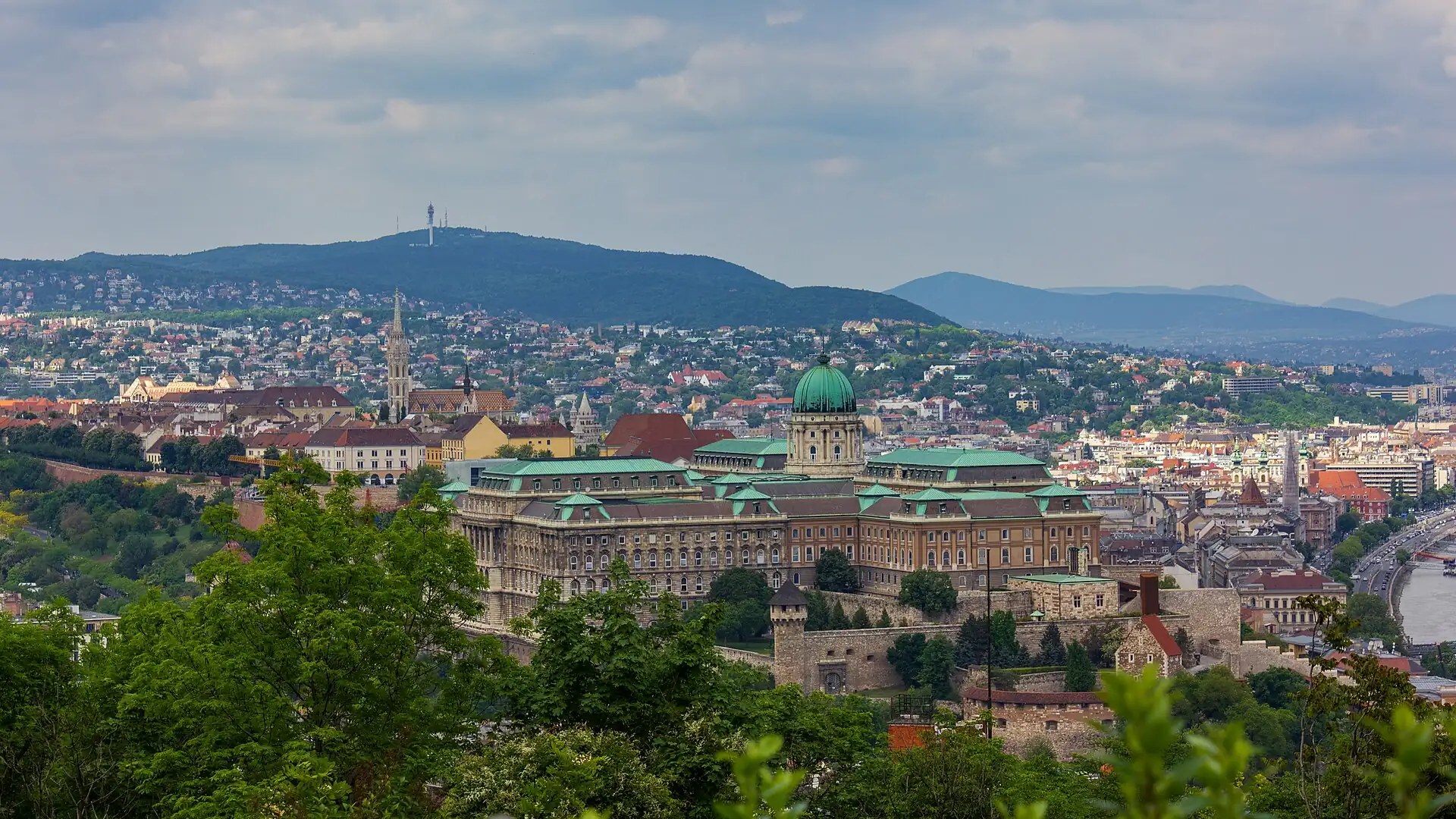
Buda Castle on the southern tip of Castle Hill, Budapest Photo: Felix König, CC BY 3.0
First moments in Budapest Photo: Daniel from Glasgow, United Kingdom, CC BY 2.0
Rules in force · 8Non-EU visitors get 90 days in any rolling 180-day window…
- Europe ↗Non-EU visitors get 90 days in any rolling 180-day window, counted across all 29 Schengen states together — not per country; the Entry/Exit System now logs each crossing, so an overstay is detected automatically.
- Europe ↗On the first Schengen entry since EES began, non-EU travellers give four fingerprints and a face photo at the border instead of a passport stamp; there is nothing to apply for or pay in advance.
- Central Europe ↗Six of the nine countries here — Austria, Switzerland, Czechia, Slovakia, Hungary and Slovenia — charge a time-based motorway vignette, mostly digital and linked to the number plate; buy it before the first motorway past the border, because cameras, not toll booths, do the checking.
- Central Europe ↗Temporary police checks at internal Schengen borders are common in this region in 2026 (Germany, Austria, Poland, Slovenia among others — check): keep your passport on you on every cross-border train, bus and road even though there is no fixed control post.
- Hungary ↗Hungary is in the EU and the Schengen area: check entry rules, the EU Entry/Exit System and any travel authorisation requirement for your passport on official sources.
- Hungary ↗The currency is the Hungarian forint (HUF), not the euro: decline dynamic currency conversion at cards and ATMs.
- Hungary ↗Motorways need an electronic vignette (e-matrica) bought before you drive on them.
- Budapest and the Danube Bend ↗If you drive out of town on a motorway, buy the electronic vignette (e-matrica) first.
Entry rules depend on your passport. Full visa guide
Emergency numbers for Budapest112 ▾
Tap a number to call from your phone. These are the numbers listed in this guide; a row marked check has not been verified.
Planning is the full guide. I'm here keeps what is open and the cheat card.
Right now
Checking the weather…
Working out what is open near you…
What is open nowclock, closures, places open
Now in Budapest
Local time in Budapest
--:--
Loads in your browser · Europe/Budapest
This month
Month verdict appears here.
Closed today
See the weekly grid below.
| Weekly closure | Mon | Tue | Wed | Thu | Fri | Sat | Sun |
|---|---|---|---|---|---|---|---|
| Many state-run museumscheckA near-universal Hungarian museum pattern; confirm each museum individually. | ✕ | · | · | · | · | · | · |
| Great Market HallClosed Sundays; Saturday closes early (about 15:00). | · | · | · | · | · | · | ✕ |
If today is a closure day: Monday: several state museums close, though the Basilica, Parliament tours and the synagogue stay open — check the specific museum before planning a Monday around it.
Weekly closures come from our place pages; national holidays and one-off events add closures not shown here.
Cheat cardthe pocket version
Cheat card
The essentials on one card: save it as an image for your phone, share it, or print it.
Budapest
- Money
- Use bank ATMs and decline the conversion to your home currency; avoid stand-alone Euronet ATMs and exchange booths.
- SIM
- Install an eSIM before you fly, or buy a SIM at a shop with your passport.
- Ride app
- Bolt · Uber
- Emergency
- 112 All services · 107 police · 104 ambulance (not 911, 999 or 000)
- Plugs
- Sockets C/F. US/Canada (A/B): adapter · UK/Ireland (G): adapter · Australia/NZ (I): adapter. 230 V: US 120 V-only devices (hair dryers) need a converter; most chargers are dual-voltage.
Say it
- Hello: Jó napot (yo NAH-pot)
- Thank you: Köszönöm (KUR-sur-nurm)
- Please: Kérem (KAY-rem)
- The bill, please: A számlát, kérem (uh SAHM-laht KAY-rem)
- Please take me to this address: Kérem, vigyen erre a címre (KAY-rem VEE-dyen ER-reh uh TSEEM-reh)
Top 5
- Hungarian Parliament
- Fisherman's Bastion
- Széchenyi Thermal Bath
- St Stephen's Basilica
- Great Synagogue
EssentialsQuick answers, what things cost and how to get around
Essentials
Quick answers, what things cost and how to get around
Quick answers
The questions people ask first about Budapest, one line each. Tap a card for the full answer.
- Cash or card?Cards and contactless work almost everywhere; carry some forint for small cafés, tips and public toilets.
- SIM or eSIMInstall an eSIM before you fly, or buy a SIM at a shop with your passport.
- Ride-hailing appBolt · Uber.
- Tap waterTap water is safe to drink.
- TippingAbout 10% in restaurants unless a service charge is already added; round up taxi fares.
- Plugs & powerSockets C/F. US/Canada (A/B): adapter · UK/Ireland (G): adapter · Australia/NZ (I): adapter. 230 V: US 120 V-only devices (hair dryers) need a converter; most chargers are dual-voltage.
Show all 14 answers
- Safe at night?Take more care after dark in Castle Hill.
- What to wearShoulders and knees covered; men cover their heads in the synagogue (kippot are usually provided at the door).
- Emergency numbers112 All services · 107 police · 104 ambulance (not 911, 999 or 000)
- Your embassycheckUS, UK, Australia, Canada embassies listed with addresses (check before you go).
- Closed which day?Mon: 1 on our list shut · Sun: 1 on our list shut.
- Sundays & holidayscheckShops close early on Saturday and on Sunday many are shut; check each place.
- Rainy-day planSummer storms can break quickly in the afternoon: plan Castle Hill or riverside walks for the morning, and keep a museum or thermal bath in reserve.
- Landing lateBUD: taxi or app car to the door runs all night.
Cost cheat-sheetwhat everyday things cost
Cost cheat-sheet
Typical prices for the everyday things, as ranges. Change the currency right here; the local price stays first.
2026 desk estimate · check
- CoffeeCoffee at a caféHUF 1,200–1,800 (≈ US$4–6)
- Sit-down mealGoulash at a sit-down restaurantHUF 3,500–6,000 (≈ US$11–18)
- Street or quick mealLángos or street snackHUF 1,500–2,500 (≈ US$5–8)
- BeerBeer (0.5 l draught)HUF 900–1,600 (≈ US$3–5)
- Taxi, about 5 km (3 mi)Taxi, about 3 mi (5 km)Taxi across the centreHUF 2,500–4,500 (≈ US$8–14)
- SIM or eSIM, a weekTourist eSIM, about a week of dataHUF 2,000–6,000 (≈ US$6–18)
- Museum or sight ticketMuseum or church entryHUF 3,000–8,000 (≈ US$9–25)
- Budget bedHostel dorm bed, a night, per personFt 5,000
- Mid-range bedHotel double room, a night, per roomFt 40,000
- High-end bedHotel double room, a night, per roomFt 90,000
A day, not counting the bed: Budget Ft 14,000 · Mid Ft 28,000 · High Ft 55,000
Local prices, with USD next to them (rates 2026-09 (approximate); change it in the header). Ranges are desk estimates: check locally. Every price and the budget calculator →
Source: Prices in Budapest
Draft
Written from desk research. Not yet compared with the official source.
No official source is recorded for this figure.
Prices are 2026 desk estimates, not yet compared with an official source. Check on the day.
Not checked in the last 12 months (no check date on file).
DecideWho it suits, the trade-offs and when to go
Decide
Who it suits, the trade-offs and when to go
Best months at a glance
The guide's verdict for each month
Jan
Care
Feb
Care
Mar
Best
Apr
Best
May
Best
Jun
Best
Jul
Care
Aug
Care
Sep
Best
Oct
Best
Nov
Care
Dec
Best
Best: Mar–Jun, Sep–Oct, Dec. Mixed: Jan–Feb, Jul–Aug, Nov. Month by month →
Budapest across the year
Best-looking months for Budapest: May, Sep, Oct.
| Measure | Jan | Feb | Mar | Apr | May | Jun | Jul | Aug | Sep | Oct | Nov | Dec |
|---|---|---|---|---|---|---|---|---|---|---|---|---|
| Weather | Mixed (care) | Mixed (care) | Good (good) | Good (good) | Great (good) | Great (good) | Mixed (care) | Mixed (care) | Great (good) | Great (good) | Mixed (care) | Good (good) |
| Crowds | Low (good) | Low (good) | Low (good) | Medium (ok) | Medium (ok) | High (care) | High (care) | High (care) | Medium (ok) | Medium (ok) | Low (good) | High (care) |
| Prices | Low (good) | Low (good) | Low (good) | Medium (ok) | Medium (ok) | Medium (ok) | High (care) | High (care) | Medium (ok) | Medium (ok) | Low (good) | High (care) |
| Events | None listed (ok) | None listed (ok) | 2 events (ok) | 2 events (ok) | 2 events (ok) | None listed (ok) | 1 event (ok) | 3 events (ok) | 1 event (ok) | 2 events (ok) | 1 event (ok) | 2 events (care) |
Green is good news, amber needs planning, red is a month to avoid; dashed grey with a question mark means our data does not say. Open the year heatmap →
Not checked in the last 12 months (no check date on file).
Source: Months, temperatures and crowds
Draft
Written from desk research. Not yet compared with the official source.
Monthly highs, rain and crowd levels are climate averages and desk estimates for the city, not a forecast.
Understand the cityUnderstand · Districts
Orientation & districts
Almost everything a first visit needs sits inside a compact loop: Belváros and the Parliament on the Pest riverbank, the Jewish Quarter a short walk inland, Castle Hill across the Chain Bridge in Buda. Andrássy Avenue and City Park are a further stretch by metro.
Budapest is divided into 23 numbered districts (kerület); addresses give the district in Roman numerals (e.g. 'VII. Dob utca'). Locals and maps use both the number and the historic name — Belváros is District V, the Jewish Quarter sits mostly in District VII (Erzsébetváros).
Shaded shapes: walking areas (click one). Black pins: sleep areas. Grey dots: places. Round badges: arrivals. Click the map to turn on scroll-wheel zoom.
Hover, tap or tab to an area to see what it is like. Pins are sleep areas; arrows at the edge point to the airport.
Off the map: Budapest Ferenc Liszt International Airport (BUD) (40–65 min by the usual route).
Not drawn yet (no coordinates in this guide): Andrássy Avenue and City Park (District VI/XIV), Gellért Hill and the Tabán (District XI), Óbuda (District III), Margaret Island. They are in the neighbourhood cards below.
Where’s what, as a list:
- Belváros (District V) (Belváros-Lipótváros): Flat, dense, the Basilica and Váci utca; a lift and a quiet-side room matter more than location here. Suits: First visit, walkable base. Price band $$$.
- Jewish Quarter (District VII) (Erzsébetváros): The Great Synagogue by day, courtyard bars by night; streets are loud until late on weekends. Suits: Nightlife, ruin bars, budget beds. Price band $$.
- Castle District (District I) (Várnegyed): Steep, cobbled, thin on evening food; a climb or a bus up, not a base for bags. Suits: One morning of monuments.
- Andrássy Avenue and City Park (District VI/XIV) (Terézváros / Zugló): A straight metro-line (M1) walk from the centre; City Park sits at the far end, a proper outing, not a stop on the way to somewhere else. Suits: Opera House, House of Terror, Heroes' Square, Széchenyi Baths.
- Gellért Hill and the Tabán (District XI) (Gellért-hegy): A climb from the Buda riverbank; combine with Castle Hill only if the day has the legs for both hills. Suits: The citadel view and the Gellért baths.
- Óbuda (District III): Aquincum museum and amphitheatre; quiet, residential, a tram ride north of Castle Hill. Not a base. Suits: Roman ruins for a half day.
- Margaret Island (Margitsziget): Car-free island in the Danube between the two banks; reached by tram or on foot across either bridge end. Suits: A park afternoon, running, the musical fountain.
- Sleep area Belváros (Inner City): suits First visit, walkable base, price band $$$.
- Sleep area Erzsébetváros (Jewish Quarter): suits Nightlife, ruin bars, budget beds, price band $$.
- Budapest Ferenc Liszt International Airport (BUD), 40–65 min by the usual route.
Neighbourhoods at a glance
One tab per area, pulled together from this guide’s districts table, area notes, sleep-area scores and place pages. Scores are desk judgements (1–5); prices are estimates, check before you book.
Belváros (District V)
$$$Belváros-Lipótváros
Flat, dense, the Basilica and Váci utca; a lift and a quiet-side room matter more than location here.
- Suits:
- First visit, walkable base
- Rooms:
- HUF 45,000–100,000 per room per night (mid-range); more in summer and at Christmas
Pick this if: First visits, walking to the Basilica and the river, metro access
Skip this if: You want a quiet, residential street
- Quiet nights3/5 Medium
- Nightlife3/5 Medium
- Families3/5 Medium
- Late arrival4/5 High
Why these scores
- Quiet nights: Váci utca and the squares are lively by day; nights are calmer than the Jewish Quarter.
- Nightlife: Riverside bars and coffee houses; the ruin bars are a 10–15 minute walk.
- Families: Flat, wide pavements, and central for a first visit with children.
- Late arrival: Larger hotels keep 24-hour desks; check smaller ones.
Getting around from here
- 10–15 min walk to Jewish Quarter (Erzsébetváros)
- 30–40 min walk to Castle Hill & Fisherman's Bastion
Jewish Quarter (District VII)
$$Erzsébetváros
The Great Synagogue by day, courtyard bars by night; streets are loud until late on weekends.
- Suits:
- Nightlife, ruin bars, budget beds
- Rooms:
- HUF 35,000–85,000 per room per night (mid-range)
Pick this if: Nightlife, cafés, walking to the synagogue
Skip this if: You are a light sleeper or travel with young children
- Quiet nights1/5 Very low
- Nightlife5/5 Very high
- Families2/5 Low
- Late arrival5/5 Very high
Why these scores
- Quiet nights: Ruin-bar noise runs late on weekends; ask for a courtyard-facing or upper room.
- Nightlife: On the doorstep — Kazinczy utca and Gozsdu udvar are the reason to sleep here.
- Families: Weekend noise and bar crowds make this a poor fit for small children.
- Late arrival: Bars and some 24-hour convenience shops keep the street alive past midnight.
Getting around from here
- 12–17 min walk to Belváros & Danube Corso
- Walk north-west: about 18 min to Parliament & Szabadság tér
Castle District (District I)
Várnegyed
Steep, cobbled, thin on evening food; a climb or a bus up, not a base for bags.
- Suits:
- One morning of monuments
Getting around from here
- Taxi or bus down and over the Chain Bridge: about 15 min to Belváros & Danube Corso
Andrássy Avenue and City Park (District VI/XIV)
Terézváros / Zugló
A straight metro-line (M1) walk from the centre; City Park sits at the far end, a proper outing, not a stop on the way to somewhere else.
- Suits:
- Opera House, House of Terror, Heroes' Square, Széchenyi Baths
Gellért Hill and the Tabán (District XI)
Gellért-hegy
A climb from the Buda riverbank; combine with Castle Hill only if the day has the legs for both hills.
- Suits:
- The citadel view and the Gellért baths
Óbuda (District III)
Aquincum museum and amphitheatre; quiet, residential, a tram ride north of Castle Hill. Not a base.
- Suits:
- Roman ruins for a half day
Margaret Island
Margitsziget
Car-free island in the Danube between the two banks; reached by tram or on foot across either bridge end.
- Suits:
- A park afternoon, running, the musical fountain
Ward by ward
19 area guides. Open one for the short answer, the key facts and what the area is like; the full guide is linked inside. Prices marked (check) are estimates.
AquincumBest for: Roman-site visitors, families wanting quiet and green space, long-stay travellers with a car
Stay in Aquincum only if Roman ruins or a quiet Buda base are your reason for coming; it is a residential district 20–30 minutes by H5 suburban rail from central Budapest, with the Aquincum Museum as the one headline sight. Most first-time visitors should sleep in Belváros or Víziváros and ride out here for half a day.
- Best for:
- Roman-site visitors, families wanting quiet and green space, long-stay travellers with a car
- Skip if:
- You want ruin bars, nightlife or sights within walking distance
- Main sight:
- Aquincum Museum and Archaeological Park, Szentendrei út 135
- Museum entry:
- Apr–Oct adult 1600 HUF, Nov–Mar 1000 HUF (2026 estimate) (check)
- Museum hours:
- Tue–Sun 10:00–18:00 Apr–Oct; 10:00–16:00 Nov–Mar; closed MondayTue–Sun 10:00 AM–6:00 PM Apr–Oct; 10:00 AM–4:00 PM Nov–Mar; closed Monday
- To central Budapest:
- H5 suburban rail from Aquincum to Batthyány tér, about 20 minutes
- Nearest districts:
- Óbuda (south), Békásmegyer (north), Víziváros across the river
- Coordinates:
- 47.5614, 19.0503 (approximate, district centre) (check)
What the area is like
Aquincum is the northern half of District III, Óbuda–Békásmegyer, on the Buda side of the Danube. It takes its name from the Roman city that stood here: a legionary fortress on the Danube frontier, later the capital of Pannonia Inferior, with 30,000–40,000 residents at its peak in the 2nd century. The ruins are real and substantial, but they sit inside a modern residential district of panel blocks, family houses and riverside green space, not a preserved old town.
The streets are quiet at night. Szentendrei út is the main artery, carrying the H5 suburban railway and buses north toward Szentendre; the Danube bank has the Rómaifürdő baths and the Óbudai-sziget island, which hosts the Sziget festival each August. Expect local shops, supermarkets and neighbourhood restaurants rather than a tourist strip.
It is administratively part of Óbuda, so the Óbuda neighborhood guide covers the shared services, market and transport hub just to the south.
Full Aquincum guideShould you stay here
Choose Aquincum if you are coming specifically for the Roman heritage, travelling with children who need space and quiet, or staying long enough that a calmer, cheaper base outweighs a commute. Hotel and apartment rates here undercut Belváros and Víziváros, and you get parks and the Danube within a few minutes' walk.
Do not choose it for a first two- or three-night Budapest trip. The sights you came for — Parliament, Castle Hill, the baths, the ruin bars — are 20–40 minutes away by rail and metro, and the last connections thin out late at night. If you want Buda quiet with better access, look at Víziváros or Budavár instead; if you want nightlife, East Pest.
BelvárosBest for: First trips, short stays, walkers, anyone without a car
Stay in Belváros if you want to walk to the Parliament, St Stephen's Basilica, Váci utca and the Danube promenade, with all four metro lines meeting at Deák Ferenc tér. Skip it if you want quiet nights or cheap parking — the southern half is Budapest's loudest nightlife zone.
- District:
- V. kerület (Belváros-Lipótváros), Pest side of the Danube
- Best for:
- First trips, short stays, walkers, anyone without a car
- Walk to Parliament:
- From Deák Ferenc tér about 15 minutes
- Metro hub:
- Deák Ferenc tér: lines M1, M2, M3
- Night noise:
- High around Váci utca and the inner ring road, weekends especially (check)
- Parking:
- Paid zones across the district; a car is a liability here (check)
- Currency:
- Hungarian forint (HUF, Ft); about 390–400 to the euro in 2026 — check
What the area is like
Belváros is the V. District, the historic core of Pest pressed against the Danube. It splits into two halves. The southern part, Belváros proper, is the old merchant town: Váci utca, Vörösmarty tér, the Great Market Hall at the southern end, and the university quarter around Kálvin tér. The northern part, Lipótváros, is grander and more institutional — the Parliament, St Stephen's Basilica, the Ethnographic Museum and rows of embassies and banks on wide 19th-century streets.
The whole district is compact and flat, roughly 20 minutes end to end on foot. The Danube promenade runs along its western edge, with the Chain Bridge at the north and the Elisabeth Bridge and Liberty Bridge further south. Almost everything a first-time visitor wants in Pest is here or one metro stop away.
It is also a working downtown, not a museum. Offices empty at 6pm, the basilica square fills with tourists by day, and after dark the streets between Váci utca and the inner ring road turn into the city's main nightlife strip.
Full Belváros guideShould you stay here?
Yes for a first visit of two to four nights, and yes if you value walking over commuting. You can leave your hotel, cross the Chain Bridge to Castle Hill, come back along the promenade, eat, and never touch public transport. Deák Ferenc tér puts all three central metro lines under one square, so day trips and the airport bus are simple.
No if you are a light sleeper and your hotel faces the inner ring road or the lower end of Váci utca — summer weekends are loud until the early hours. No if you are driving: parking is metered and expensive, and the one-way streets are slow. No if you want a local neighbourhood feel with a market and everyday prices; look at Víziváros or Óbuda instead.
A middle option is Lipótváros, the northern half: same district, same metro, noticeably calmer at night and closer to the Parliament.
BudavárBest for: Castle Quarter sightseeing on foot, Danube views, quiet nights
Stay in Budavár only if you want the Castle Quarter on foot and accept quiet nights, hill climbs and thin, pricier dining. First-timers who want bars, restaurants and easy metro access should sleep in Belváros or Pest and visit Budavár by day. It changes if you book a hotel with a Danube view and plan evenings elsewhere.
- Best for:
- Castle Quarter sightseeing on foot, Danube views, quiet nights
- Not for:
- Nightlife, cheap eats, step-free access — the hill is steep and cobbled
- Getting up:
- Bus 16/16A/116 from Széll Kálmán tér (M2), or walk from Chain Bridge
- Funicular:
- Budavári sikló, Clark Ádám tér to Szent György tér, 07:30–22:00, about 1.5 min, separate ticket (2026 estimate)Budavári sikló, Clark Ádám tér to Szent György tér, 7:30 AM–10:00 PM, about 1.5 min, separate ticket (2026 estimate)
- Private cars:
- Not allowed inside the Castle Hill zone; use bus, taxi or walk
- District:
- Budapest District I, on the Buda side of the Danube
- Part of:
- UNESCO World Heritage since 1987 (Budapest, Banks of the Danube and Buda Castle Quarter)
What Budavár is like
Budavár (Vár, Várnegyed) is the Castle Quarter on Castle Hill, the historic core of District I on the Buda side. It sits above the Danube, opposite the Parliament, and is reached on foot, by bus or by the small funicular from Clark Ádám tér.
The hill was settled in the 13th century after the Mongol invasion, when Buda's citizens moved to a more defensible site and the royal court took the southern end. Turkish rule ran 1541–1686, and the siege that ended it left the town in ruins. It was rebuilt, damaged again in 1849 and heavily in 1945, then restored in Baroque style. Since 1987 the area has been part of the UNESCO World Heritage listing.
Three parts make up the quarter: the Buda Castle Palace with its museums and national library, the St George's Square (Szent György tér) area, and the old residential streets between them. Those lanes are where the neighbourhood actually lives — small squares, parish churches, embassies, cafés and a few hotels.
Full Budavár guideShould you stay in Budavár?
Yes, if the Castle Quarter is the point of your trip. Staying on the hill means you can see the palace, the National Gallery and the Fisherman's Bastion area before the day crowds arrive, and walk to a Danube panorama in the evening. It suits couples, families and anyone who values quiet over nightlife.
No, if you want Budapest's bar and restaurant scene at your door. Belváros and the Pest side put you among ruin bars, cheaper menus and the M1/M2/M3 metro lines. Budavár's dining is limited and aimed at visitors, so many travellers sleep in Pest and ride bus 16 up for a half day.
A middle option is Víziváros, the strip between the hill and the river: still Buda, still walkable to the Castle, but with more everyday shops and better tram links. If you are in Budapest three nights or more, one night on the hill is enough for most people.
CsepelBest for: Budget and longer stays, quiet residential streets, travellers with a car
Stay in Csepel only if you want cheap, quiet, residential Budapest and accept a 20–30 minute H7 suburban train ride to the centre. It suits longer stays, budget rooms and travellers with a car; skip it for a first 2–3 night trip, when Belváros or Víziváros puts the sights within walking distance.
- Best for:
- Budget and longer stays, quiet residential streets, travellers with a car
- Skip if:
- First trip of 2–3 nights, or you want sights, bars and restaurants on foot
- Getting in:
- H7 suburban train from Boráros tér to Szent Imre tér, about 20–25 minutes (check)
- Also by bus:
- 148 or 151 from Kőbánya–Kispest (M3); 179 from Közvágóhíd (H6), weekdays only
- Location:
- Northern end of Csepel Island; the only Budapest district on neither the Buda nor Pest bank
- Population:
- About 76,000–85,000 (check)
- Character:
- Former industrial borough (Manfréd Weiss works) with housing estates and garden suburbs
- Free sights:
- Local history museum, Csepel Gallery, the 1721 John of Nepomuk statue
- Tap water:
- Drinkable in Budapest (check)
What Csepel is like
Csepel is the 21st district of Budapest, at the northern tip of the long Danube island that shares its name. It is the only complete district of the city that sits on neither the Buda nor the Pest bank, which is why it feels separate: one road bridge and a suburban rail line connect it to the rest of Budapest.
The name comes from Árpád's first ispán, and the island was a royal hunting and resort area in the Middle Ages, later a wedding gift to Hungarian queens. The Ottomans destroyed the medieval village; Serb and then German settlers rebuilt it, and it became an independent municipality in 1742. The flood of 1838 wiped out the old village, and the replacement grew on higher ground at today's Ófalu.
Modern Csepel is defined by the Manfréd Weiss steel and metal works, once among the largest machine factories in the region, which gave the district a working-class identity and even a bicycle brand. Factories have shrunk; what remains is a mix of panel housing estates, quiet garden suburbs and a long Danube bank with a free port and industrial edges.
For a visitor, that means few headline sights and a lot of everyday Budapest: markets, small churches, a local gallery and a history collection spread across several small exhibition spaces.
Full Csepel guideShould you stay in Csepel
Csepel is a value play, not a sightseeing base. Rooms and apartments here cost less than in Belváros or Víziváros, and the streets are calm at night. The trade-off is time: the H7 suburban train from Szent Imre tér to Boráros tér takes roughly 20–25 minutes (check), and from there you still need a tram or metro to reach the Castle District, Parliament or the ruin-bar quarter.
Choose Csepel if you are in Budapest for a week or more, working remotely, travelling with a car, or visiting friends and family in the district. It also works for a budget stopover where you plan one or two central days and want a cheap bed.
Skip it for a first trip of two or three nights, for nightlife, or if anyone in your group has trouble with stairs and long commutes. In those cases Belváros puts the main sights within a 20-minute walk, and Víziváros or Óbuda give you quieter streets without the river crossing.
East PestBest for: Long stays, family visits, suburban calm, cheap parking — not first-trip sightseeing
East Pest is not a sightseeing base: it is outer Pest (Districts XVI and XVII), 25–40 minutes from the centre by HÉV suburban rail or bus, with village-scale sights and few hotels. Stay here only for a specific reason — visiting family, a long stay, or a cheap suburban bed — otherwise base in Belváros or Víziváros and come out for a half-day.
- What it is:
- Outer Pest: District XVI (Árpádföld, Cinkota, Mátyásföld, Sashalom, Rákosszentmihály) and District XVII (Rákosmente)
- Best for:
- Long stays, family visits, suburban calm, cheap parking — not first-trip sightseeing
- From the centre:
- HÉV H8/H9 from Örs vezér tere (M2) to Sashalom, Mátyásföld, Cinkota; buses to Rákosszentmihály and Rákoskeresztúr
- Typical ride:
- Örs vezér tere to Cinkota about 20–25 minutes by H8/H9 (check)
- Sights:
- Kertváros observation tower, Reformation Monument, Gizella Mansion (exterior), Saint Michael Parish Church
- Hotels:
- Few and mostly suburban; most visitors sleep in the centre and day-trip out (check)
- Currency:
- Hungarian forint (HUF, Ft); about 390–400 to the euro in 2026 — check
- Tipping:
- 10–15% unless a service charge (szervízdíj) is on the bill
What East Pest is like
East Pest is the eastern edge of Pest, made of two districts that were separate villages until 1950. District XVI groups Árpádföld, Cinkota, Mátyásföld, Sashalom and Rákosszentmihály around the Szilas Creek, where the Pest plain meets the Gödöllő Hills. District XVII, Rákosmente, joins Rákoskeresztúr, Rákoscsaba, Rákosliget and Rákoshegy along the small Rákos stream.
The feel is low-rise and green: family houses, gardens, small stations and a few older mansions, not the dense inner-city grid. Mátyásföld sits on a plateau at roughly the height of Gellért Hill; Rákosszentmihály was once owned by the nuns of Margaret Island. Rákoskeresztúr appears in records from 1265 and was emptied under Ottoman rule, so most of what you see is later.
That history explains the layout: village cores with a church and a square, joined by suburban rail lines and bus routes. It is quiet, residential and spread out — you cover ground by HÉV, bus or bike, not on foot.
Full East Pest guideShould you stay here?
For a normal Budapest trip, no. The sights people come for — Parliament, Castle Hill, the baths, the ruin bars — are in Belváros, Víziváros, Budavár and the inner districts, and East Pest is a 25–40 minute ride from them. You would spend two hours a day in transit and lose the walkable evenings that make the centre work.
There are reasons to stay. If you are visiting family in Cinkota or Rákoskeresztúr, need a long-stay flat with parking, or want a cheaper suburban bed for several weeks, East Pest is practical and calm. It also suits travellers with a car heading for Gödöllő or the M3 corridor, since you skip the centre entirely.
If you are unsure, book two nights in the centre first and visit East Pest as a half-day. If the suburban pace appeals more than the tourist core, that is the signal to move out.
ErzsébetvárosBest for: Ruin bars, Jewish heritage, nightlife, central walkability
Stay in Erzsébetváros if you want Budapest's ruin bars, the Dohány Street Synagogue and Keleti station within a 15-minute walk, and you accept night noise on Kazinczy and Klauzál streets. Choose it for a first 2–3 nights; pick Belváros or Víziváros instead if you want quiet evenings or river views.
- Best for:
- Ruin bars, Jewish heritage, nightlife, central walkability
- Not for:
- Light sleepers, families wanting quiet, drivers (paid parking weekdays)
- Size:
- Budapest's smallest district, about 2 km² (1 sq mi)Budapest's smallest district, about 1 sq mi (2 km²)
- Walk to Deák Ferenc tér:
- 10–15 minutes from most of the district
- Metro:
- M2 at Astoria and Blaha Lujza tér; M2 and M4 at Keleti
- Tram:
- 4 and 6 run along the Nagykörút edge of the district
- Noise:
- Loud on Kazinczy utca and Klauzál tér late into the night (check)
- Parking:
- Paid street parking on weekdays across almost the whole district
What the area is like
Erzsébetváros is District VII, the smallest of Budapest's 23 districts at roughly 2 km² (1 sq mi), sitting on the Pest side just east of the inner city. Its name honours Empress Elisabeth (Sissi). The streets are built up with ornate 19th-century apartment blocks, many with inner courtyards, and the district holds a dense share of the city's best-known sights.Erzsébetváros is District VII, the smallest of Budapest's 23 districts at roughly 1 sq mi (2 km²), sitting on the Pest side just east of the inner city. Its name honours Empress Elisabeth (Sissi). The streets are built up with ornate 19th-century apartment blocks, many with inner courtyards, and the district holds a dense share of the city's best-known sights.
The eastern half is the old Jewish Quarter, centred on Király utca and the so-called Synagogue Triangle: the Dohány Street Synagogue, the Rumbach Street synagogue and the Kazinczy Street Orthodox Synagogue. Budapest has the largest Jewish community in Central Europe, and this is where its heritage sites, kosher shops and ritual bath sit. The Pest Ghetto was created here in 1944, and the area was later listed as a UNESCO World Heritage conservation zone.
Since the early 2000s the district has turned toward youth culture and tourism. Cafés, bars and summer music venues opened in buildings that had been marked for demolition, and Kazinczy utca became the centre of the ruin-bar scene. Expect a mix: memorial sites and synagogues by day, crowded courtyards and loud music by night.
Full Erzsébetváros guideShould you stay here
Yes for most first-time visitors who want to walk to the main Pest sights and go out at night. The district is compact, flat and walkable end to end, and Deák Ferenc tér, the Danube and the Castle Hill buses are all within a 10–20 minute walk. Keleti pályaudvar, the main international rail terminal, is inside the district, which makes arrival and departure simple.
No if you sleep lightly or travel with young children who need early nights. Kazinczy utca and Klauzál tér stay busy until the small hours in summer, and courtyard-facing rooms are the only real buffer. If you want calm, river views or easier access to Buda, look at Belváros or Víziváros instead.
Drivers should note that almost the whole district has paid street parking on weekdays, and the one-way streets and tram lines make it slow to cross by car. Public transport is the better tool here.
FerencvárosBest for: Budget and mid-range hotels, the Great Market Hall, National Museum, metro M3 and trams 2, 4, 6
Stay in Ferencváros if you want cheaper rooms, the Great Market Hall and easy metro/tram links, and you accept a district that mixes grand avenues with plain residential blocks. Skip it if you want the ruin-bar buzz of District VII on your doorstep or a Danube-view balcony.
- District:
- Budapest IX. kerület, on the Pest side south of the city centre
- Best for:
- Budget and mid-range hotels, the Great Market Hall, National Museum, metro M3 and trams 2, 4, 6
- Worst for:
- Nightlife on the doorstep; the bar strip is in District VII next door
- Walk to centre:
- Great Market Hall to Deák Ferenc tér about 20–25 minutes, or 3 metro stops (check)
- Metro:
- M3 (blue) runs along Üllői út with Kálvin tér, Corvin-negyed, Semmelweis Klinikák, Nagyvárad tér, Népliget
- Trams:
- 2 along the Danube, 4 and 6 on the Nagykörút, 24 and 51 through the district
- Airport:
- 100E airport bus from Deák Ferenc tér; from Ferencváros add metro or tram, total 45–60 min (check)
- Room prices:
- 2026 estimate: budget doubles Ft 18,000–30,000; mid-range Ft 35,000–60,000 (check)
What Ferencváros is like
Ferencváros is Budapest's IX. district, the strip of Pest that runs south from the Great Market Hall and Kálvin tér towards Népliget and the city limits. It is not one place. The inner part, around Bakáts tér and Ráday utca, is the postcard version: 19th-century blocks, a leafy square, the parish church of St Francis of Assisi, and a restaurant street that fills up every evening. Ráday utca is technically in District IX and is the closest thing Ferencváros has to a nightlife strip, though it is calmer and more restaurant-led than District VII.
Further out, along Üllői út — the long road that gives the district its spine — the mood changes. This is where you find the Semmelweis clinics, the Corvin-negyed towers, the Páva utca synagogue and Holocaust Memorial Center, and then long stretches of ordinary housing estates out towards Ecseri út and Pöttyös utca. The district's population is around 59,000, and much of it lives in these outer blocks.
For a visitor the useful mental map is simple: inner Ferencváros (Kálvin tér to Haller utca) is walkable, historic and where you want to sleep; outer Ferencváros (Nagyvárad tér to Népliget and beyond) is functional, cheaper and better for the metro than for strolling.
Full Ferencváros guideShould you stay here
Yes, if price and transport matter more to you than atmosphere. Ferencváros sits on the M3 metro line and on trams 2, 4 and 6, so the Castle District, Parliament and the ruin bars of District VII are all 10–25 minutes away. Hotels and apartments here cost less than comparable places in Belváros or across the river, and the Great Market Hall, National Museum and Ráday utca restaurants are within walking distance of the inner streets.
No, if you want to step out of your door into the bar scene, or if you picture a Danube view from your window. Ferencváros has only a short stretch of riverfront, near Boráros tér and the Petőfi Bridge, and the district's evenings are quiet outside Ráday utca. Travellers who want the centre at their feet should look at Belváros or District VII instead.
A practical compromise: stay in inner Ferencváros near Kálvin tér, Corvin-negyed or Ráday utca, and treat the outer district as somewhere you pass through on the metro rather than stay.
HegyvidékBest for: Quiet nights, families, walkers, longer stays with a car or good tram access
Stay in Hegyvidék only if you want quiet, green Buda and hills on the doorstep; it is the city's most residential, villa-and-embassy district, with no Danube frontage and no nightlife. Base in Belváros or Víziváros for a first trip, and come here for a half-day of forest, lookouts and the Children's Railway.
- Best for:
- Quiet nights, families, walkers, longer stays with a car or good tram access
- Skip if:
- You want ruin bars, river views or sights within walking distance
- Character:
- Hills, villas, embassies, protected forest; the only Buda district with no Danube frontage
- Highest point:
- János-hegy, 527 m, with the Erzsébet lookout
- Main transport hub:
- Széll Kálmán tér (metro M2, trams, buses)
- Tram 61:
- Hűvösvölgy to Móricz Zsigmond körtér, via Széll Kálmán tér and Déli pályaudvar
- Cogwheel railway:
- Tram 60 from Városmajor up to Széchenyi-hegy; local passes valid
- Children's Railway:
- Hűvösvölgy to Széchenyi-hegy; separate fare, passes not valid (check)
- Zugliget chairlift:
- Up toward János-hegy; separate fare, BKK tickets not valid (check)
- To the centre:
- About 15–25 min by metro or tram from Széll Kálmán tér (check)
What Hegyvidék is like
Hegyvidék means "mountain area" and is the whole 12th district of Budapest, on the Buda side west of the centre. It is the greenest part of the city: large stretches of protected forest, the Buda Hills, and János-hegy at 527 m, the highest point in urban Budapest. It is also the only Buda district with no Danube frontage, so there is no riverside promenade or bridgehead here.
The housing is low-rise and spread out: villas, gardens, embassy residences and quiet residential streets rather than apartment blocks. That makes it calm and safe, and also means fewer restaurants, bars and shops than the inner districts. Locals use it above all for hiking and weekend walks in the Buda Protected Landscape Area.
Two transport hubs anchor the district: Széll Kálmán tér in the east, where metro M2 meets trams and buses, and Hűvösvölgy in the north, the terminus of tram 61 and the Children's Railway. Most visitors only touch the edges of Hegyvidék on the way to the hills.
Full Hegyvidék guideShould you stay here?
For a first trip to Budapest, no. The sights you came for — Parliament, the Castle District, the baths, the ruin bars — sit in Belváros, Víziváros, Budavár and East Pest, and Hegyvidék adds a tram or metro leg to every one of them. Evenings here are quiet by design, with few places to eat or drink after dark.
Stay here if you want space, trees and silence, are travelling with children or a car, or are in town for more than a few days and value a calm base over convenience. It also suits walkers who want to start hiking from the doorstep. If you are deciding between Buda districts, compare Víziváros for river views and Budavár for the Castle District; both put you closer to the sights.
JózsefvárosBest for: Budget beds, students, rail arrivals, ruin-bar-adjacent nights
Stay in Józsefváros if you want cheap beds, student bars and Keleti station on your doorstep, and you are fine walking home through a mixed district after dark. Skip it for a first romantic trip or if you want quiet streets at night; the Palotanegyed quarter is the calm, renovated exception.
- District:
- Budapest VIII, east of the Inner City, around Keleti pályaudvar
- Best for:
- Budget beds, students, rail arrivals, ruin-bar-adjacent nights
- Avoid if:
- You want quiet nights or a polished first-trip base
- Calm pocket:
- Palotanegyed, between Múzeum körút and Nagykörút
- Metro:
- M2, M3 on the edges; M4 through the middle to Keleti
- Tram:
- 4 and 6 on Nagykörút; 47 and 49 at Kálvin tér and Astoria
- Parking:
- Three paid zones, Ft300–600 per hour, max 3 hours (2026 estimate) (check)
- Walk to Inner City:
- About 10–20 minutes from Palotanegyed
What the district is like
Józsefváros is Budapest's VIII. district, named for Emperor Joseph II and sitting directly east of the Inner City. It is the least uniform part of central Pest: the western edge, the Palotanegyed, is a grid of renovated 19th-century palaces, quiet side streets and small businesses, while the streets further east around Keleti and Népszinház utca are rougher, busier and more residential.
The district holds Keleti pályaudvar, one of Budapest's two main international rail stations, plus a large student population and the cheap eating and drinking that follows it. Rákóczi út and Blaha Lujza tér are the busy spine; Nagyvárad tér and the streets around it are more everyday Pest than tourist Budapest.
For a visitor the practical split is simple. Palotanegyed feels like a calmer, cheaper Belváros and is where most short-stay visitors end up. The eastern half is where you find the station, the hospitals, the market halls and the local life, and where you should keep your usual city awareness after dark.
Full Józsefváros guideShould you stay here
Yes, if price and transport matter more than polish. Józsefváros has Budapest's densest cluster of hostels and budget apartments, and Keleti puts you on the M4 and on trains to Vienna, Miskolc and beyond without a taxi. The Palotanegyed is walkable to the Jewish Quarter, the National Museum and the Great Market Hall.
No, if this is a first trip and you want a postcard base. Belváros and Víziváros are prettier and quieter at night; Budavár puts you on Castle Hill. Families and light sleepers should also think twice about the streets immediately around Keleti and Blaha Lujza tér.
A middle option: book in Palotanegyed, near Kálvin tér or Rákóczi tér, and treat the eastern district as somewhere you pass through rather than linger.
KőbányaBest for: Budget beds, local everyday Pest, beer history, fast trains to Keleti and Nyugati
Stay in Kőbánya only if you want cheap, quiet, local Pest with fast rail links and don't mind a 20–30 minute trip to the centre. It suits budget travellers and repeat visitors; first-timers should base in Belváros or Víziváros instead.
- Best for:
- Budget beds, local everyday Pest, beer history, fast trains to Keleti and Nyugati
- Not for:
- First-timers who want sights, nightlife or riverside walks on the doorstep
- District:
- Budapest X (Kőbánya), east Pest; about 79,000 residents
- To the centre:
- 15–25 min by train or tram to Keleti, Blaha Lujza tér or Kálvin tér
- Typical bed price:
- 2026 estimate: budget double from about 18,000–30,000 Ft a night
- Walkability:
- Spread out; metro does not reach the district, so plan on tram, bus or train
- Tap water:
- Drinkable in Budapest (check)
What Kőbánya is like
Kőbánya means "quarry", and the district grew up around limestone digging, then vineyards, then beer. Dreher's brewery still works here on Jászberényi út, and the district's identity is more industrial and everyday than postcard. This is where people live, shop and commute, not where they pose for photos.
The layout is a patchwork. Szent László tér is the old core, with the town hall and the Lechner-designed Szent László high school nearby. Óhegy, in the south, keeps the 1844 Csősztorony, a small vineyard watchtower. Népliget, the big public park, sits in the north-west corner of the district and is the closest thing to green space on this side of Pest.
Expect plain streets, panel blocks, family houses, a few markets and a lot of rail. It is quiet at night, which is either the point or the problem, depending on your trip.
Full Kőbánya guideShould you stay here
Choose Kőbánya if price matters more than location and you are comfortable using public transport every day. Hotels and guesthouses here undercut the centre, and Kőbánya alsó and Kőbánya felső stations put you on the suburban rail lines that run into Keleti and Nyugati. For a repeat visitor who has done the Castle District and the baths, that trade is easy.
Skip it on a first trip of three or four nights. Budapest's main sights cluster in Belváros, Víziváros, Budavár and along the Danube, and you would spend 40–60 minutes a day commuting. If you want a quieter base that is still central, look at Óbuda or South Buda instead.
One practical note: the metro does not serve Kőbánya. Trams 28 and 62, bus 9 and the HÉV-style rail lines do the work, so check your exact address against a transport map before booking.
North Buda
Stay in North Buda (District II) if you want quiet, green Buda with fast metro and tram links and lower prices than the centre; skip it if you want bars, restaurants and sights on your doorstep. Base near Széll Kálmán tér, not deep in the hills, and you get both.
- Best base:
- Around Széll Kálmán tér: metro M2, trams 4, 6, 17, 61 and night buses
- Character:
- Hilly, residential, green; embassies and villas on the slopes, ordinary streets near the river
- Walk to centre:
- About 25–35 min to Belváros over Margaret Bridge or by metro; 10–15 min to Víziváros (check)
- Room prices:
- Mid-range doubles roughly Ft 25,000–45,000 a night in 2026; cheaper than Belváros (check)
- Food style:
- Neighborhood cafés, bakeries and lunch places; few destination restaurants
- Hills:
- Buda Hills start at Hűvösvölgy; Children's Railway one-way Ft 700 (2026 estimate) (check)
- Watch out:
- Some addresses are up steep streets far from any tram; check the walk before booking
What North Buda is like
North Buda is Budapest's District II, the northwestern wedge of Buda on the west bank of the Danube. It runs from the river up into the Buda Hills: flat, built-up streets near Margaret Bridge and Széll Kálmán tér, then increasingly steep, quiet residential slopes with villas, embassies and gardens. It borders Óbuda to the north, the Danube and Angyalföld across the water to the east, Víziváros and Budavár to the south, and Hegyvidék beyond the hills.
The area has no single sight that pulls crowds. Instead it is a lived-in district: markets, schools, small squares, a few museums, and the start of the hills. That is exactly why some travellers like it — you sleep in a calm, ordinary part of the city and ride 10–20 minutes to everything else. It is also why others find it dull: at night, most of the life is in Pest or in Víziváros below.
The district is large, so 'North Buda' can mean very different things. Széll Kálmán tér is a transport hub with shops and offices. Pasarét and the streets around it are quiet and residential. Hűvösvölgy, at the end of tram 61, is effectively the edge of the city, where hiking trails begin.
Full North Buda guideShould you stay here?
Stay in North Buda if you want quiet, green surroundings, a real neighborhood feel and a lower room rate, and you are happy to use public transport for meals and nightlife. It suits families, couples, walkers and anyone staying several nights who values sleep over proximity to bars. The best base is within a few minutes of Széll Kálmán tér or a tram stop on the 4/6 or 17 lines, which puts Belváros, Margaret Island and the Castle Hill area within a short ride.
Skip it if this is a short first visit and you want to step out of your hotel into restaurants, ruin bars and sights. In that case Belváros or East Pest is a better fit, and Víziváros is the compromise: still Buda, still quiet, but a 10-minute walk from the river and Castle Hill.
One practical warning: District II addresses can look close on a map but sit high on a hill. Before booking, check the walking route to the nearest tram or metro stop, and whether the street is steep. A hotel 400 m from a stop can mean a 10-minute climb with luggage.
North PestBest for: Cheaper flats, local everyday Budapest, early buses and trains north to Vác, Fót, Szentendre and the Danube Bend
Stay in North Pest only if you want cheaper, local, residential Budapest with fast metro and rail links out to Vác, Szentendre and the Danube Bend. First-time visitors should base in Belváros or Víziváros instead. Pick North Pest for long stays, family flats or early suburban departures.
- Best for:
- Cheaper flats, local everyday Budapest, early buses and trains north to Vác, Fót, Szentendre and the Danube Bend
- Not for:
- First-timers who want Parliament, Castle Hill, ruin bars and the baths on foot
- Metro:
- M3 (blue) line ends at Újpest-központ; Újpest-városkapu is one stop south
- Rail:
- Újpest-Városkapu and Budapest-Angyalföld stops; Istvántelek and Rákospalota-Újpest on the Vác lines
- Tram:
- 12, 14 in Újpest; 12, 62, 62A, 69 in Rákospalota and Újpalota
- To city centre:
- M3 from Újpest-központ to Deák Ferenc tér, roughly 20–25 minutes
- Districts:
- 4th (Újpest) and 15th (Rákospalota, Pestújhely, Újpalota)
- Currency:
- Hungarian forint (HUF, Ft); about 390–400 to the euro in 2026 — check
What North Pest is like
North Pest is the two districts on the Pest side north of the city centre: the 4th (Újpest) and the 15th (Rákospalota, Pestújhely, Újpalota). Újpest grew as a village beside Pest from 1838, became a town in 1907 and joined Greater Budapest in 1950; Rákospalota and Pestújhely were separate until the same year. That history is why the area reads as its own small city rather than a downtown extension.
Expect wide roads, tram lines, panel blocks from the 1960s–70s in Újpalota, and pockets of older streets around Újpest-központ and Rákospalota. The Danube edge at Népsziget and the Megyeri Bridge give you water and a route across to Óbuda and Békásmegyer. This is where people live and commute, so prices for food and beds sit below the centre and the streets are quiet after dark.
Sights are modest: local churches, the Ady Endre cultural centre and theatre in Újpest, markets and the riverside. The real draw is transport — the M3 metro and the suburban bus and rail hub at Újpest-városkapu, which is the fastest way out toward Vác, Fót, Gödöllő and, with a change at Szentendre, Esztergom and Visegrád.
Full North Pest guideShould you stay here?
Choose North Pest if your trip is long, your budget is tight, or you are travelling as a family and want a flat with a kitchen. It also works if your plan is built around day trips north and east: buses to Vác, Fót, Gödöllő and Szentendre leave from Újpest-városkapu, and the M3 puts you downtown in about 20–25 minutes.
Skip it on a first visit of two or three nights. Budapest's headline sights — Parliament, Castle Hill, the baths, the ruin bars — cluster in Belváros, Víziváros and around Budavár, and you would spend an hour a day on the metro. Skip it too if you want restaurants and nightlife at the door; North Pest is residential, and evenings are quiet.
A middle option: stay near Újpest-központ or Újpest-városkapu, where the metro and the bus station meet, rather than deep in Újpalota or Rákospalota, where you add a tram or bus leg to every trip.
ÓbudaBest for: Cheaper hotels, families, Roman ruins at Aquincum, quiet nights
Stay in Óbuda if you want cheaper rooms, quiet evenings and quick H5 suburban-rail access to the centre, and you accept a 15–25 minute ride to the ruin bars. Skip it if your trip is two nights of nightlife in Belváros or East Pest; the last trains thin out late.
- Best for:
- Cheaper hotels, families, Roman ruins at Aquincum, quiet nights
- Not for:
- Late-night bar hopping; you will pay for taxis back
- To centre:
- H5 suburban rail from Szentlélek tér to Batthyány tér, about 10 minutes
- Metro:
- M3 at Göncz Árpád városközpont, then tram 1 to Szentlélek tér
- Walk to Castle Hill:
- Not walkable; cross at Árpád bridge and take M2 or tram 41/19
- Typical room:
- 2026 estimate: mid-range double 25,000–45,000 Ft (about $70–125)
- Main sights:
- Fő tér, Zichy Palace, Aquincum, Óbuda Island
What Óbuda is like
Óbuda means Old Buda, and it is the oldest settled part of the city: stone-age finds, then Aquincum, the Roman capital of Pannonia, then a royal centre before the Mongols pushed the capital south to Buda in the 13th century. It merged with Buda and Pest in 1873. Today it is District III, on the Buda side north of the Castle district, and the guide below covers the southern half around Fő tér and Szentlélek tér.
The old core is small and walkable. Fő tér and the streets behind it (Laktanya utca, Hídfő utca) keep 18th- and 19th-century houses, cube paving and cast-iron lampposts. Under the square lie the remains of the medieval Chapter district. Around it the district turns residential: panel blocks, family houses, the Danube bank and Óbuda Island, which hosts the Sziget festival in August.
Evenings are quiet. This is a place to sleep and eat, not to bar-hop. The trade-off is real: you get lower prices and space, and you spend 15–25 minutes each way on the H5 or tram to reach the centre.
Full Óbuda guideShould you stay in Óbuda
Yes for families, longer stays, drivers and anyone who values a calm base over nightlife. Hotel and apartment rates run below Belváros and East Pest, rooms are bigger, and the H5 suburban railway from Szentlélek tér reaches Batthyány tér in about 10 minutes, where you change to M2 for the centre.
No if your plan is ruin bars until 2am. The H5 and trams stop running overnight, so you would be paying for taxis back from District VII, which erases the saving. Also skip it if you want to walk out of your door into the main sights; Óbuda is a ride away from Castle Hill, not a stroll.
A middle option: stay here for the cheap nights and move to Belváros or Víziváros for the last one or two if nightlife matters.
South BudaBest for: A quieter base, Kelenföld rail arrivals, Gellért Baths and Gellért Hill
Stay in South Buda if you want a quieter base with fast metro 4 and tram links into Pest, or if you arrive by train at Kelenföld. Skip it if your trip is built around ruin bars, Parliament and nightlife — those are on the Pest side, a tram or metro ride away. Gellért Hill and the baths are the main sight.
- Best for:
- A quieter base, Kelenföld rail arrivals, Gellért Baths and Gellért Hill
- Skip if:
- You want ruin bars, Parliament or nightlife on foot — that is Pest
- Metro:
- Line 4 (green): Szent Gellért tér, Móricz Zsigmond körtér, Újbuda-központ, Bikás park, Kelenföld vasútállomás
- Trams:
- 4, 6, 47, 48, 49; 47/48/49 cross Szabadság híd from Deák tér
- Main rail station:
- Budapest-Kelenföld (Budapest-Kelenföld vasútállomás)
- Hotel prices:
- Compare live rates for your dates; South Buda is mostly residential, so supply is thinner than in Pest (check) (check)
What South Buda is like
South Buda (Újbuda and Budafok-Tétény) covers the southern and southwestern bank of the Danube, roughly 33 km² (13 sq mi) across several districts. Most of it is flat, built up from the 1900s onward, and formed as a district in 1930. Until the 1930s the area was called Szentimreváros.South Buda (Újbuda and Budafok-Tétény) covers the southern and southwestern bank of the Danube, roughly 13 sq mi (33 km²) across several districts. Most of it is flat, built up from the 1900s onward, and formed as a district in 1930. Until the 1930s the area was called Szentimreváros.
The neighbourhoods run from Gellért Hill and Lágymányos in the north, past Kelenföld and Albertfalva, to the small hills and wineries of Budafok-Tétény in the south. It borders Hegyvidék and Víziváros to the north, and faces Ferencváros (District IX) and Csepel (District XXI) across the river.
This is a lived-in part of the city rather than a sightseeing core: the technical university, shopping centres and the Kelenföld transport hub sit here, and the streets are mostly local traffic. The trade-off is that most of Budapest's headline sights are on the other bank, so you cross the river for them.
Full South Buda guideShould you stay in South Buda?
Yes, if you would rather sleep away from the bar district and use metro 4 and the 47/48/49 trams to reach Deák tér and Kálvin tér. You are not cut off — you just commute to dinner and bars.
No, if this is a short first trip and you want to walk out of your hotel into the ruin-bar district, the Great Market Hall or the Parliament area. Those are in Belváros and East Pest, and staying there saves you two crossings a day.
It also suits travellers arriving or leaving by train at Kelenföld, and anyone planning to use Gellért Baths as a daily ritual.
South PestBest for: Budget beds, long stays, residential calm, M3 and H6 access
Stay in South Pest only if you want cheap, quiet, residential Budapest with fast M3 access and are happy to commute 20–30 minutes to the centre. It suits budget travellers, long stays and anyone visiting Kispest or Pestszentlőrinc; skip it if you want sights, nightlife or a walkable old town on your doorstep.
- Best for:
- Budget beds, long stays, residential calm, M3 and H6 access
- Skip if:
- You want the Castle District, ruin bars or a walkable centre
- Districts covered:
- XVIII Pestszentlőrinc–Pestszentimre, XIX Kispest, XX Pesterzsébet, XXIII Soroksár
- Metro:
- M3 to Határ út and Kőbánya–Kispest; the line runs to the city centre (check)
- Commute to centre:
- About 20–30 minutes by metro or tram from most of the area (check)
- Single ticket:
- 2026 estimate: a single BKK ticket is a few hundred forint; day and 72-hour passes cost more (check)
- Airport:
- Ferenc Liszt International sits east of here; Kőbánya–Kispest is a useful rail link (check)
What South Pest is like
South Pest is the collective name for four outer districts on the Pest side of the Danube: XVIII (Pestszentlőrinc–Pestszentimre), XIX (Kispest), XX (Pesterzsébet) and XXIII (Soroksár). This is not the postcard Budapest of Parliament and Castle Hill. It is where people live: panel blocks and family houses, small squares, markets, tram depots and long avenues that run out toward the airport and the southern suburbs.
The area grew fast in the twentieth century as industry and housing spread east and south from the inner city. Kispest and Pestszentlőrinc are dense and practical, built around metro and rail stops. Pesterzsébet and Soroksár feel more like separate small towns, with their own main streets and a slower rhythm. Soroksár keeps a Swabian heritage and a botanical garden; Pesterzsébet has a riverside edge on the Danube's Ráckeve branch.
For a visitor, the appeal is price and transport, not sights. You get cheaper rooms, quieter nights and a genuine everyday Budapest that most tourists never see. In exchange you spend time on the M3, the H6 suburban train or a bus, and you plan evenings around the last metro.
Full South Pest guideShould you stay in South Pest?
Yes, if your priority is a cheap base with a direct metro line into the centre and you do not mind commuting. No, if this is your first short trip and you want to walk out of your door into the sights, bars and baths of Districts V–VII.
The strongest case is a longer stay, a tight budget, or a reason to be here — visiting family, a course, a match at a stadium, or an early flight. The weakest case is a two- or three-night first visit, when the 20–30 minute ride each way eats your day.
TerézvárosBest for: First-timers who want Andrássy út, the Opera and Nyugati station within walking distance
Yes — stay in Terézváros if you want Pest's central sights on foot: Andrássy út, the Opera, Oktogon and Nyugati station are all here, with the M1 metro running under the avenue. Choose it for a first visit of 3–4 nights; pick Belváros or Buda instead if you want river views or quieter nights.
- Best for:
- First-timers who want Andrássy út, the Opera and Nyugati station within walking distance
- District:
- Budapest VI. kerület (Terézváros), Pest side, north-east of the centre
- Metro:
- M1 (yellow) runs under Andrássy út: Opera, Oktogon, Bajza utca, Hősök tere
- Trams:
- 4 and 6 along the Nagykörút at Oktogon and Nyugati tér
- Main rail station:
- Nyugati pályaudvar, at Grand Boulevard and Váci Avenue
- Airport link:
- Bus 200E to Kőbánya-Kispest, then M3; or train to Nyugati (check)
- Walk to City Park:
- About 25–30 minutes along Andrássy út from Oktogon to Hősök tere
- Quiet at night:
- Side streets off Király utca and the Oktogon area are busier; inner residential streets are calmer (check)
What the area is like
Terézváros is the VI. district of Budapest, on the Pest side, named after Empress Maria Theresa. Its spine is Andrássy út, the 1870s avenue built to echo Paris, which runs from Erzsébet tér near the centre out to Hősök tere and City Park. The stretch of avenue, its mansions and the M1 underground railway beneath it are part of the city's UNESCO World Heritage listing.
The district is mixed-use rather than a single sight. Around Oktogon, the eight-sided junction where Andrássy út crosses the Nagykörút, you get trams, cafés and heavy foot traffic. North of it, Nyugati pályaudvar is a working station with a hall built by the Eiffel Company and a WestEnd shopping centre beside it. East along the avenue, the Opera house, embassies and grand apartment blocks give way to City Park (Városliget), which is free to enter and holds Heroes' Square, the castle grounds and several low-key museums.
Terézváros is also Budapest's theatre and nightlife belt: the Broadway-style theatres cluster around Nagymező utca, and Király utca and its side streets carry bars and ruin-bar spillover from the Jewish Quarter next door. That means noise is a real variable — an apartment on Andrássy út or above a Király utca bar is a different stay from one two streets back.
Full Terézváros guideShould you stay here or not
Stay in Terézváros if your trip is about central Pest: you can walk to the Opera, St Stephen's Basilica, the Parliament and the river, and the M1 metro puts City Park and the Széchenyi baths a few stops away. Nyugati station makes it convenient for arrivals by train and for day trips. It suits first visits of 3–4 nights and travellers who want restaurants and bars at street level.
Look elsewhere if you want the Danube at your window, quiet evenings, or a base on the Buda side for Castle Hill. Belváros is closer to the river and Váci utca; Víziváros and Budavár put you under the Castle; Óbuda and Aquincum are for Roman ruins and a slower pace; Angyalföld and East Pest are cheaper and more residential.
Within the district, choose your street by noise: Andrássy út and the Oktogon/Király utca blocks are lively, while the streets between Andrássy út and the City Park are calmer. Check whether a building has a lift — many 19th-century blocks do not, and top-floor flats mean stairs.
VárosligetBest for: Families, bath and museum days, travellers who value quiet over nightlife
Stay in Városliget if you want park space, the Széchenyi baths and Hősök tere within a 10-minute walk, and quiet nights; skip it if you want ruin bars, late restaurants and everything on foot. It suits families, bath-goers and M1 metro users, not nightlife-first visitors.
- Best for:
- Families, bath and museum days, travellers who value quiet over nightlife
- Worst for:
- Ruin-bar nights, late food, anyone who wants the Danube and Castle Hill on foot
- Metro:
- M1 stops at Hősök tere, Széchenyi fürdő and Mexikói út; M2 at Puskás Ferenc Stadion
- Walk to Heroes' Square:
- 5–15 minutes from most park-edge hotels
- Walk to the Danube:
- About 30–40 minutes to the Parliament area (check)
- Room prices:
- Mid-range doubles roughly 25,000–45,000 Ft (about $70–125) in 2026; check dates (check)
- Quiet at night:
- Yes — the park and Istvánmező are residential after dark
What the area is like
Városliget means City Park, and that is the whole point of the district: a flat green rectangle in Pest's 14th district, with Istvánmező, a quieter residential grid, on its southern side. Hungary's 1896 millennium celebrations shaped it — Andrássy Avenue, the M1 underground and the Grand Boulevard were all built to reach it, which is why the area still feels planned rather than grown.
The park holds Heroes' Square and the Millennium Monument, Vajdahunyad Castle on its lake island, the Széchenyi thermal baths, the City Park ice rink in winter, the Museum of Fine Arts and the House of Music Hungary. Add the Budapest Zoo and the circus on the southern edge. That is an unusual concentration of headline sights for one neighbourhood, and most of it is free to walk through.
Between the sights sit lawns, a boating lake, playgrounds and paths used by local runners and dog walkers. Istvánmező, south of the park, is offices, apartments and the Puskás Aréna stadium — useful for a match or concert, dull otherwise. The area is not on the Danube and has no ruin-bar cluster; nightlife means the bars around Hősök tere and along Dózsa György út, not a party district.
Full Városliget guideEating and drinking
Food here is practical rather than destination dining. Around Heroes' Square and along Andrássy Avenue you get cafés, museum cafés and hotel restaurants aimed at visitors; the streets of Istvánmező and the edges of Zugló are where locals eat, with bakeries, pizza, Asian noodles and Hungarian lunch menus at lower prices. Expect a simple lunch around 2,500–4,500 Ft and a mid-range dinner around 6,000–10,000 Ft in 2026.
For a proper Hungarian meal, walk or take tram 1 towards Zugló or the outer part of Andrássy Avenue rather than eating inside the park. The City Park itself has kiosks and seasonal terraces, handy for a coffee or a lángos between sights, but they close early and are not where you want dinner. Vegetarian and vegan options exist near the museums; elsewhere ask, as many traditional menus are meat-heavy.
Evenings are calm. If you want a long dinner with wine, plan it in Belváros or the Jewish Quarter and take the M1 back; the last metro runs around 23:30, so check the time before you settle in.Evenings are calm. If you want a long dinner with wine, plan it in Belváros or the Jewish Quarter and take the M1 back; the last metro runs around 11:30 PM, so check the time before you settle in.
VízivárosBest for: First trips: Danube views, Castle Hill, metro M2 at Batthyány tér
Yes — stay in Víziváros if you want the Danube bank, Castle Hill and Batthyány tér metro within a short walk, with quieter nights than Pest. Skip it if you want ruin bars outside your door; those are in Belváros and East Pest. This page covers the outer part of District I (Víziváros south of Batthyány tér, Tabán, Krisztinaváros, Gellért Hill); northern Víziváros belongs to District II.
- Best for:
- First trips: Danube views, Castle Hill, metro M2 at Batthyány tér
- Walk to Castle Hill:
- 10–15 minutes uphill from Clark Ádám tér, or take the funicular
- Metro:
- M2 stops: Batthyány tér, Széll Kálmán tér, Déli pályaudvar
- Trams on the Danube bank:
- 19 and 41 (Batthyány tér – Clark Ádám tér – Rudas)
- Nightlife:
- Quiet; ruin bars and clubs are in Pest
- Typical hotel area:
- Fő utca, Batthyány tér and around Széll Kálmán tér
- Currency:
- Hungarian forint (HUF, Ft); about 390–400 to the euro in 2026 — check
- Coordinates:
- 47.5039, 19.0394 (approximate, district centre)
What Víziváros is like
Víziváros means Water Town, and the name is the point: this is the Buda bank of the Danube under Castle Hill, in the outer part of District I. As covered here it takes in the southern stretch of Víziváros below Batthyány tér, plus Tabán, Krisztinaváros and the foot of Gellért Hill. The northern part of Víziváros belongs to District II and is covered with North Buda, not here.
The layout is simple. The river is on one side, the hill on the other, and in between is a grid of small streets with Baroque churches and old houses, plus a few grand 19th-century palace fronts on the embankment. That riverside row is part of the UNESCO-listed Budapest banks of the Danube.
History explains the feel. A Roman road ran north along the river towards Aquincum; medieval settlements grew up around their churches and were walled in the time of King Sigismund, with a busy port below. The area was almost destroyed in the 1686 siege, then rebuilt by German merchants and craftsmen, which is why the churches and houses here look Baroque rather than Hungarian. It is a residential district, not a nightlife one.
Full Víziváros guideShould you stay here
Stay in Víziváros if your days are built around Castle Hill, the Chain Bridge, the Danube and Buda's baths, and you want to walk to them. Batthyány tér gives you metro M2 straight to Pest in a few minutes, and trams 19 and 41 run along the river. Evenings are calm.
Do not stay here if you want to step out of your door into the ruin-bar quarter. Belváros and East Pest are the bar districts, and you will cross the river for them anyway. Víziváros also has hills: Castle Hill and Gellért Hill both rise straight from the streets, which matters if you have luggage, a stroller or limited mobility.
A practical middle option: base in Víziváros for a first visit of three or four nights, and treat Pest as a short metro or tram ride rather than a walk home late at night.
ZuglóBest for: Budget and mid-range stays, families, longer trips, green streets and City Park access
Stay in Zugló if you want cheaper, quieter Budapest with fast metro and tram links into the centre and you do not mind a 15–25 minute ride to the main sights. Skip it if you want to walk out of your door into nightlife, the Castle District or the thermal baths.
- Best for:
- Budget and mid-range stays, families, longer trips, green streets and City Park access
- Worst for:
- First-timers who want sights, ruin bars and baths within walking distance
- Typical ride to centre:
- 15–25 min by M1, M3, tram 3 or bus 7 to Keleti or Deák Ferenc tér (check)
- Metro and rail:
- M1 at Mexikói út; M3 at Nyugati; trains to Zugló station from Nyugati
- Main sights:
- Hungarian Railway History Park, Japanese Garden, City Park and Városliget edge
- Currency:
- Hungarian forint (HUF, Ft); about 390–400 to the euro in 2026 — check
- Tipping:
- 10–15% unless a service charge (szervízdíj) is on the bill
What Zugló is like
Zugló is Budapest's 14th district, a large, mixed area east of the City Park (Városliget). It grew from the mid-19th century as Pest expanded, and the first mansions went up around the park. Later, the Communist era added pre-fab housing blocks, so today high-rise apartments sit between quiet streets of one- and two-storey houses.
That mix is the point. Parts of Zugló still feel suburban: gardens, low traffic, families, a slower pace. Other parts are dense and ordinary, with supermarkets, schools and tram stops rather than sights. It is a place where people live, not a district built for visitors.
The district is big, so "Zugló" covers several different areas. Bosnyák tér is the busiest hub, with the M1 metro nearby at Mexikói út and trams and buses fanning out. Herminamező, closer to the City Park, is greener and quieter. Around Zugló train station you are near the M1 and the City Park edge. The Hungarian Railway History Park sits in the north of the district, near Tatai út.
For a first trip, Zugló works as a base rather than a destination. You sleep here, eat here, and ride into the centre for the Parliament, Castle Hill and the baths. For a longer stay, or if you have been to Budapest before, the lower prices and calmer streets make more sense.
Full Zugló guideShould you stay in Zugló
Stay if price and quiet matter more than walking distance. Hotels and apartments here are usually cheaper than Belváros or the Castle District, and you get space, supermarkets and local restaurants. The trade-off is time on public transport: plan on 15–25 minutes each way to the main sights, more at night when metro and tram frequencies drop.
Skip Zugló if this is your first visit and you want to step out into the action. The ruin bars, the Great Market Hall, the thermal baths and the Castle District are all in other districts. If you only have two or three nights, staying central saves you hours.
Families and longer stays do well here: City Park and Városliget are close, the streets are calm, and the M1 metro is quick into the centre. Solo travellers on a budget also find good value. Couples wanting atmosphere and nightlife should look at Belváros or the Jewish Quarter instead.
A practical middle path: book Zugló for the cheaper nights and use the M1 or tram 3 to reach the centre in the morning. If you find yourself going back and forth three times a day, the saving stops being worth it.
Decide
The honest trade-off: what you will enjoy, what will wear you down.
You will like
- Walkable Pest streets
- Thermal baths
- Coffee-house stops
You will hate
- Summer heat
- Ruin-bar noise late at night
- Unlicensed taxis
Similar citiesif this one is not quite right
Similar cities
If Budapest does not fit your dates or budget, these match it on season, cost and feel.
- Kraków
Poland
- Good in the same months: Apr, May, Jun, Sep and 2 more
- A mid-range day costs about the same (≈US$88 vs US$81, excl. bed)
- Works well for first-timers, tight budgets, couples
- Bucharest
Romania
- Good in the same months: Mar, Apr, May, Jun and 3 more
- Works well for first-timers, tight budgets, couples
- Zagreb
Croatia
- Good in the same months: Mar, Apr, May, Jun and 2 more
- A mid-range day costs about the same (≈US$93 vs US$81, excl. bed)
- Works well for first-timers, tight budgets, couples
When
Best months: Mar, Apr, May, Jun, Sep, Oct, Dec. Month-by-month verdicts below, with the live forecast first. When to go, month by month →
Budapest: next 7 days
Loading forecast…
Forecast: Open-Meteo (CC BY 4.0), model data for this point.
Air quality
Loading…
Model estimate (CAMS via Open-Meteo), not a street-level station; readings near busy roads run higher.
Month by month, all 12best Mar, Apr, May, Jun, Sep, Oct, Dec
Cold; baths are at their best.
Cold and grey; short days.
Cool; Mar 15 is a national holiday.
Mild; spring blossom.
Warm; good for walking.
Warm; long evenings.
Hot; do the hill early.
Hot; Aug 20 fireworks and crowds.
Warm; wine-harvest season.
Mild; Oct 23 holiday.
Cool and grey.
Cold; Christmas markets.
Climate, calendar and eventsCalendar · Events
Events by month
National Day (Mar 15)
holidayMar
Parades and speeches near the National Museum; some street closures.
Budapest Spring Festival
cultureApr, May(check dates)
Concerts and opera citywide; hotel prices rise.
Sziget Festival
festivalJul, Aug(check dates)
A week-long music festival on Óbudai-sziget island; hundreds of thousands attend, hotels fill and prices spike across the city.
St Stephen's Day (Aug 20)
holidayAug
Fireworks over the Danube and a military parade; the riverbanks are packed from early evening.
Budapest Wine Festival
festivalSep(check dates)
Tastings on Castle Hill; adds crowds to an already busy cluster.
National Day (Oct 23)
holidayOct
Commemorates the 1956 uprising; parades and some street closures.
Christmas markets
festivalNov, Dec
Vörösmarty tér and the Basilica square fill with stalls from late November; evenings are the busiest.
Festivals and events that change the plan
| When | What | Effect on your plan |
|---|---|---|
| Mar 15, Aug 20 and Oct 23 | National holidays | Parades and fireworks; streets near the river close and crowds are large. |
| Late Apr–May | Spring festival season | Hotels fill during concerts and festivals; book early. |
| Dec | Christmas markets | Vörösmarty tér and the Basilica square fill in the evenings. |
Arrive & moveGetting in, getting around, and your bags
Arrive & move
Getting in, getting around, and your bags
I land at…
Enter your landing time: what still runs from the airport, where you can eat when you get in, and which areas let you check in that late.
Budapest Ferenc Liszt International Airport (BUD)
Out of the airport about 23:4511:45 PM (00:47 (next day)12:47 AM (next day) if immigration and bags are slow); in town about 00:25 (next day)12:25 AM (next day).
Transport from the airport
- Any hourTaxi or app car to the door. Runs all night.
- GoneAirport bus 100E to Deák Ferenc tér (hours unverified). Stops about 22:30.Stops about 10:30 PM.
- Last resortOvernight near the airport. If nothing else works.
Places to eat open when you get in
We have no confirmed hours for the places to eat here yet. Plan on a convenience store or your hotel. What is open late →
Where to sleep with a late arrival
- Lets you inBelváros (Inner City) 24-hour desk. Larger hotels keep 24-hour desks; check smaller ones.
- Lets you inErzsébetváros (Jewish Quarter) 24-hour desk. Bars and some 24-hour convenience shops keep the street alive past midnight.
Typical times from our airport data, not a timetable: check the last departure on the day. Full airport-to-bed plan for Budapest Ferenc Liszt International Airport (BUD) →
Arrive
Each gateway has its own airport-to-bed page with timings and the last safe connection.
Getting in, in detailGet in
Get in by rail and road
| Station | Mode | Serves | Where | To the centre |
|---|---|---|---|---|
| Keleti (Eastern) stationKeleti pályaudvaruse | Train | International trains from Vienna, other EU cities; most domestic east routes | District VIII, edge of the centre | Metro M2 to Deák Ferenc tér, about 10 min |
| Nyugati (Western) stationNyugati pályaudvaruse | Train | Some international and domestic routes | District VI, on the M3 line | Metro M3, a few minutes to the centre |
| Déli (Southern) stationDéli pályaudvaruse | Train | Routes toward Lake Balaton and the south-west | Buda side, District I/XII | Metro M2, a few minutes |
| Népliget bus stationuse | Bus | International coaches (FlixBus and others) | District X | Metro M3, about 15–20 min |
- International trains from Vienna run frequently and take about 2.5 hours; book ahead in summer for the cheapest fares.
- Keep small forint notes for a station taxi rank; agree the fare or insist on the meter before you get in.
Move
The default way around, when a pass pays off, and when the last trains go.
- Default
- Walk inside a cluster; tram, metro or taxi between the banks.
- Passes
- A 24- or 72-hour travel card pays off on two long rides a day; short walks need no pass.
- Last trains
- The metro stops around midnight; night buses and trams run on main routes, and taxis and ride-hailing run all night. Check the current hours.desk estimate
- Other modes
- Other modes (Rome2Rio) ↗
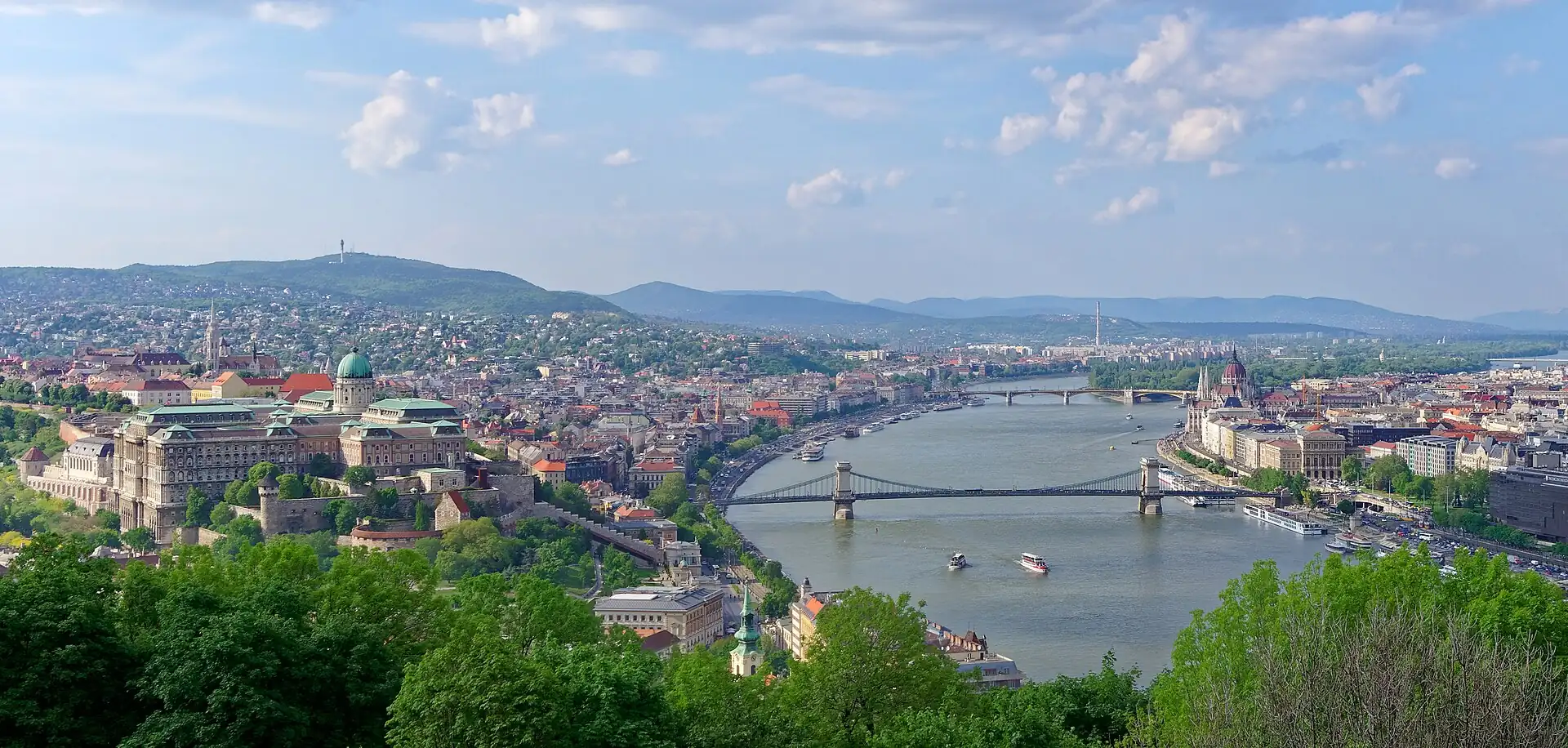
Getting around, in detailGet around · Connect
Get around
Walk inside a cluster; the metro, tram and bus network covers the rest well and is cheap by Western European standards. A car is a liability in the centre.
| Mode | Verdict | Fare | Use it for | What breaks |
|---|---|---|---|---|
| Walking | use | Free | Inside Belváros, along the Parliament riverbank, the Jewish Quarter | Flat and pleasant on the Pest side; Castle Hill is a climb. |
| Metro | use | HUF 450 (≈ US$2) single (2026 estimate, check) | Andrássy Avenue and City Park, longer hops | Four lines (M1–M4) meet at Deák Ferenc tér; M1 is the historic 1896 line under Andrássy Avenue. |
| Tram | use | Same ticket as the metro | Riverside routes (trams 2, 4, 6) — some of the best views in the city are from a tram window | Tram 2 runs along the Pest riverbank past the Parliament. |
| Bus | ok | Same ticket as the metro | Castle Hill (bus 16) and routes off the tram and metro grid | |
| Ride-hailing (Bolt, Uber) | use | HUF 2,500–4,500 (≈ US$8–14) across the centre | Late nights, bags, Castle Hill | Fare shown before you ride. |
| Licensed taxi | ok | Metered; confirm it is running before you set off | Street hail when apps are slow | Use a marked, licensed cab, not a driver who approaches you. |
| Funicular (Castle Hill) | ok | A separate paid ticket, pricier than a metro ride | The short climb from the Chain Bridge to Castle Hill | Queues build quickly; bus 16 is the cheaper alternative. |
| Danube cruise / ferry | ok | Sightseeing cruises HUF 4,000–8,000 (≈ US$12–25); public ferry (D11/D12) at transit fares | A different view of the Parliament and both banks |
Metro and rail lines
Four lines meet at Deák Ferenc tér, the only full interchange.
M1 (Yellow, 'Millennium line')
openVörösmarty tér → Mexikói út, under Andrássy Avenue to City Park
Europe's oldest underground line (1896); shallow, small trains, some stations step-access only.
M2 (Red)
openDéli station → Keleti station, crossing under the river
Serves both main-line stations and the Parliament area (Kossuth Lajos tér).
M3 (Blue)
openNorth–south through Nyugati station
The longest line; mostly step-free after renovation (check per station).
M4 (Green)
openKelenföld station → Keleti station, crossing the river near Gellért Hill
The newest line (2014), fully step-free.
Taxis and ride-hailing
Bolt
app
Fare fixed before the ride; the most-used ride-hailing app locally.
Uber
app
Also operates in Budapest.
Főtaxi
metered
A well-known licensed fleet; look for the company name and a posted tariff card in the window.
On foot and car-free hours
| Where | When | Note |
|---|---|---|
| Danube promenade, Pest side | Any time; best at dusk for the Parliament lit up | Level path the length of Belváros. |
| Váci utca | Daytime | Pedestrian shopping street; busiest late morning to early evening. |
More on getting around
Buy tickets and passes in the BudapestGO app before boarding — inspectors do not accept excuses for an unvalidated or missing ticket. A 24- or 72-hour travel pass covers metro, tram and bus and pays for itself after two or three longer rides in a day.
Connect
| Option | Verdict | What breaks |
|---|---|---|
| Tourist eSIM bought before you fly | use | No counter, no queue; EU roaming on a Hungarian SIM also works if your home plan includes it. |
| Telekom, Yettel or Vodafone shop in the city | use | Passport needed; 15–30 minutes for a registered SIM. |
| Airport carrier kiosk | ok | Convenient on arrival; compare the price board against a city shop before buying. |
BudapestGO
Official transit tickets and journey planning
Buy single tickets and travel cards in-app; the standard way to pay for metro, tram and bus since the paper-ticket system was phased down.
Bolt
Ride-hailing cars
Widely used in Budapest; fare fixed before the ride.
Uber
Ride-hailing cars
Operates in Budapest; compare fares with Bolt.
Google Maps
Walking, transit routing
Covers metro, tram and bus schedules well.
- Wi-Fi
- Free in most cafés and hotels; some squares and metro stations offer free public Wi-Fi.
Luggage
Where big bags are a problem, and how to get rid of them for the day.
Rule
- Lockers
- Left-luggage at the major stations; hotels hold bags after check-out.
- Forwarding
- No forwarding service culture; keep the big bag at the hotel for a day trip.
- Dead zone
- Late flights: ask the hotel to hold bags and for a shower room; many do for a small fee.
Bags, area by area
4 walking areas rated
- Bags painful
Belváros & Danube CorsoParliament & Szabadság térJewish Quarter (Erzsébetváros)Castle Hill & Fisherman's Bastion
Lockers, forwarding and the gap between check-out and check-in are covered once, under Luggage.
See & doWalking clusters, day plans and the places worth the time
See & do
Walking clusters, day plans and the places worth the time
Clusters
Plan by cluster: each is a walkable area with a rescue point and a bag rule.
Any-hour cluster: Vörösmarty tér, the Basilica and the Danube promenade; shaded streets and many cafés, so it doubles as the heat shelter.
rescue 100% · max p90 4.2′ · half
Morning cluster: the Parliament's timed tour and the riverside memorials; book the tour first and plan the day around its slot.
rescue 100% · max p90 4.2′ · half
Afternoon and evening cluster: the Great Synagogue, small cafés and courtyard bars; bars fill after 21:00 and streets get noisy.
rescue 100% · max p90 3.9′ · half
Morning cluster across the river: Matthias Church and Fisherman's Bastion before the tour groups; a climb or a bus up, and little shade.
rescue 100% · max p90 3.7′ · half
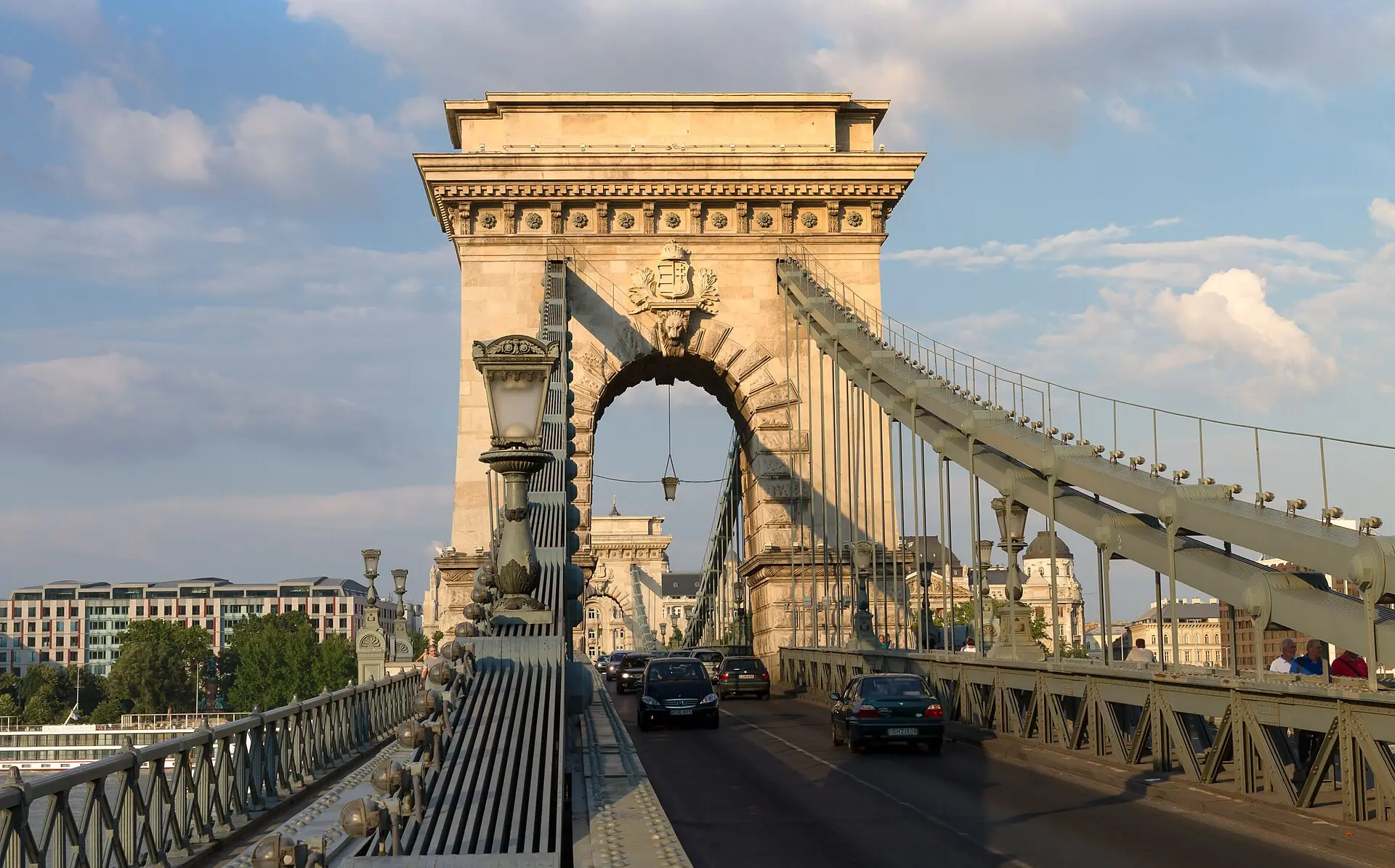
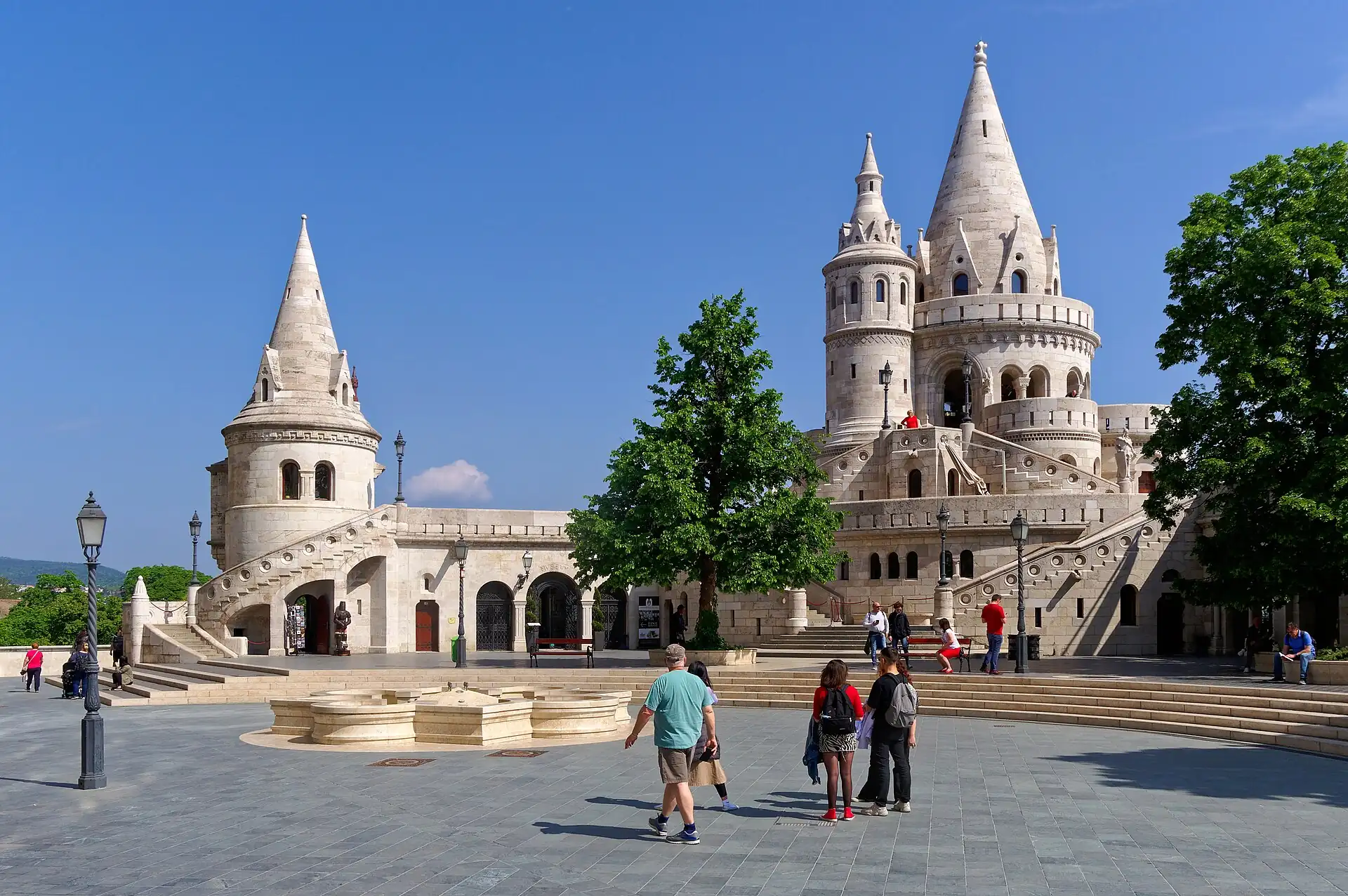
Days
Ready-made day plans, timed against opening hours and walking distances.
How long are you staying?
Loose outlines in the city's rhythm: Pest on foot, Buda by taxi or bus, middays indoors in summer.
1 day
A stopover on the way to or from Vienna
- 09:00St Stephen's Basilica — Basilica, then the Parliament tour
- 13:00Lunch in Belváros
- 14:30Matthias Church — Taxi to Castle Hill: Matthias Church and Fisherman's Bastion
- 17:30Chain Bridge — Chain Bridge on foot back to Pest, riverside evening
Skip: The thermal baths and City Park: both need more time than a single day allows.
Budapest in 3 days
3 daysThe Basilica and Parliament in the morning, the hill on the second day, the Jewish Quarter at the end; the last day ends with the bags already in the car.
Day by day
Day 1 — Basilica, the Parliament tour, a 13:00 lunch table in Belváros
- 09:00St Stephen's Basilica
- Hungarian Parliament
- 13:00Lunch table 13:00 (Belváros)
Day 2 — Castle Hill at opening, then coffee at Gerbeaud
Day 3 — Jewish Quarter, car to the airport at 11:30
- 08:30Great Synagogue
- Frőhlich Cukrászda (optional)
- 11:30Car to the airport at 11:30
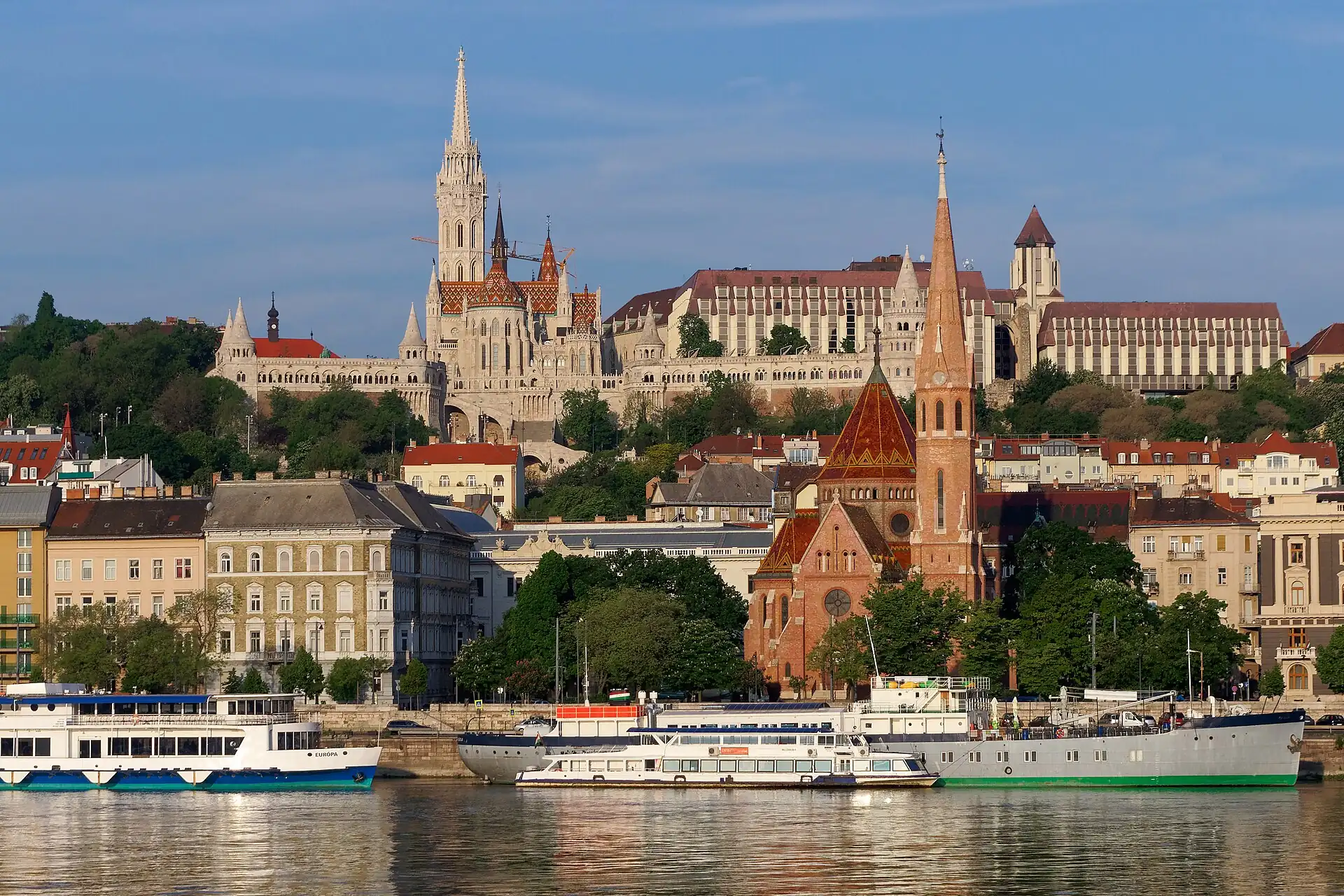
Places
“Best time” is when to arrive for the fewest crowds, for example “before 08:30”; “Go any time” means the hour makes little difference. More sights follow under “More sights and museums”.
8 places. Filters use the guide’s own ratings; a place with no rating is left out when a filter is on.
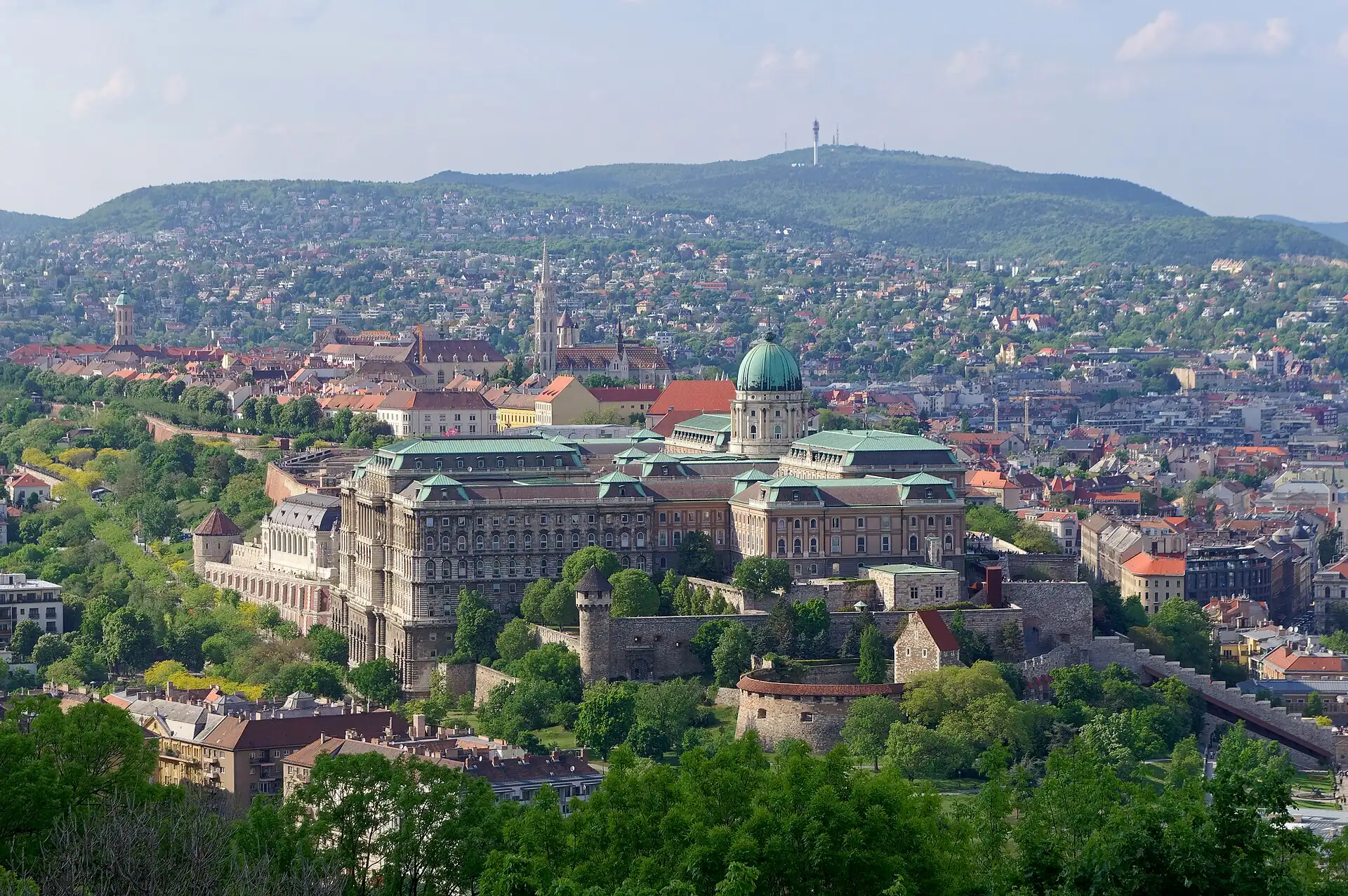
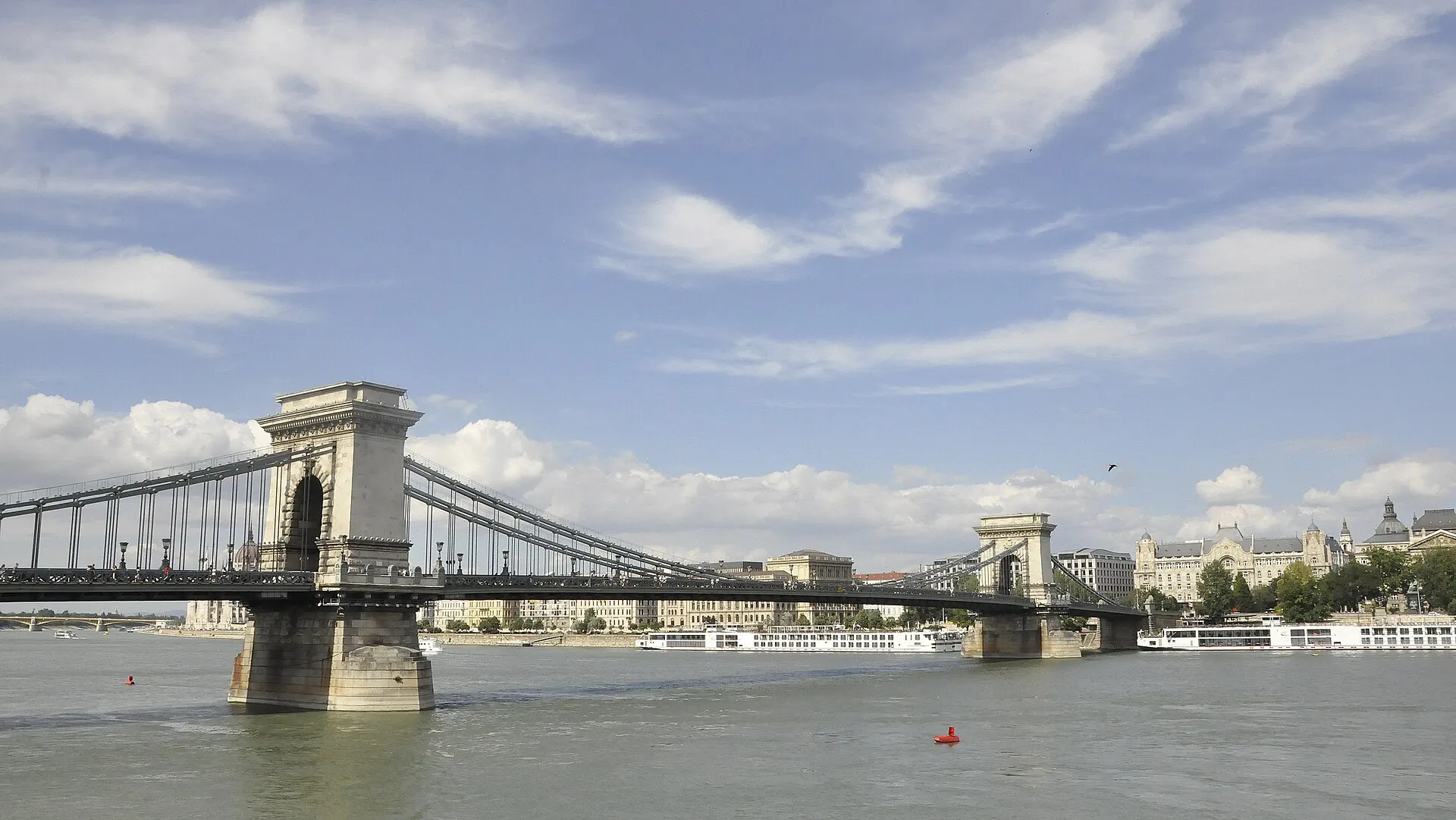
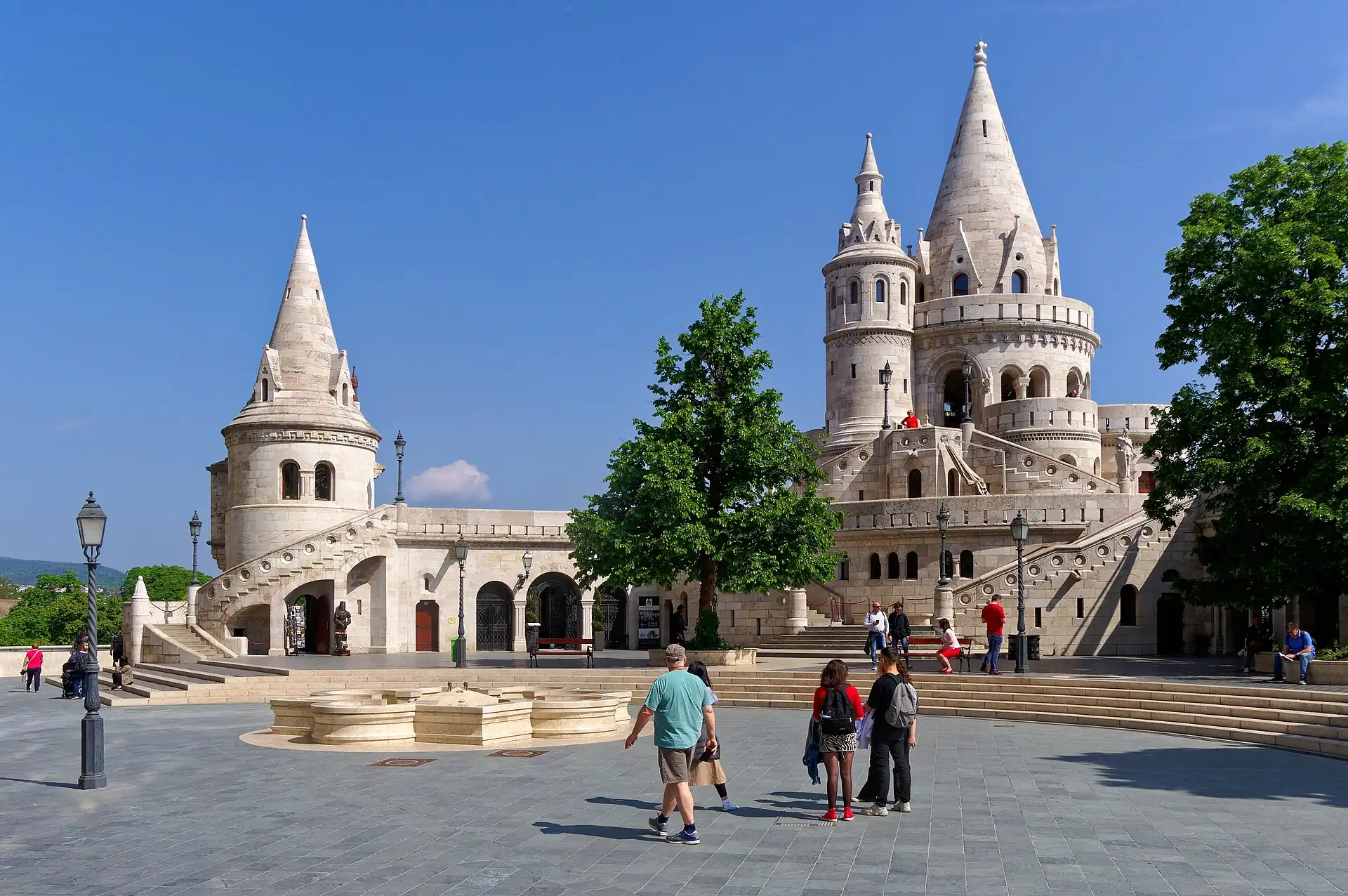
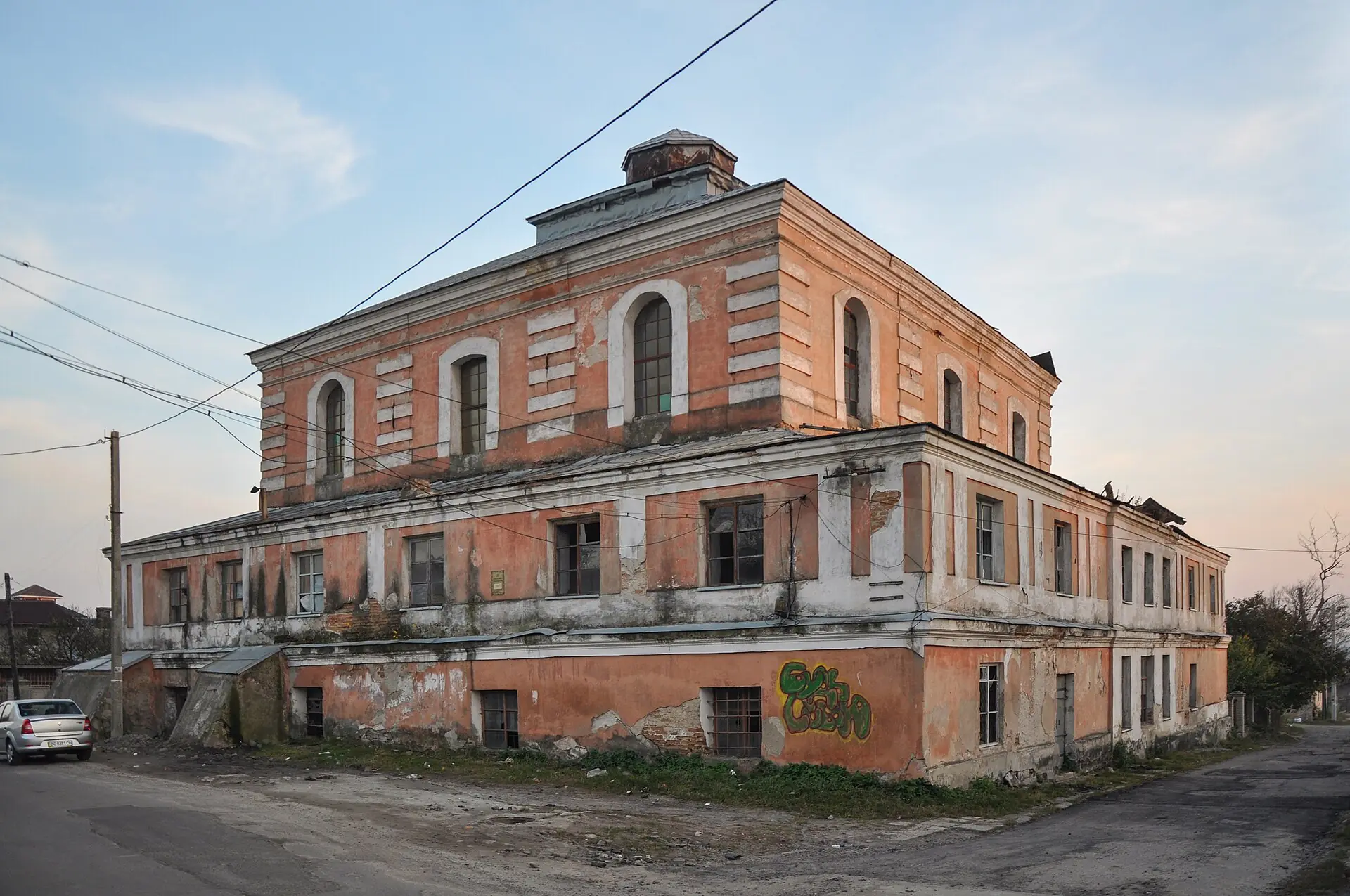
Show 2 more placesShow fewer
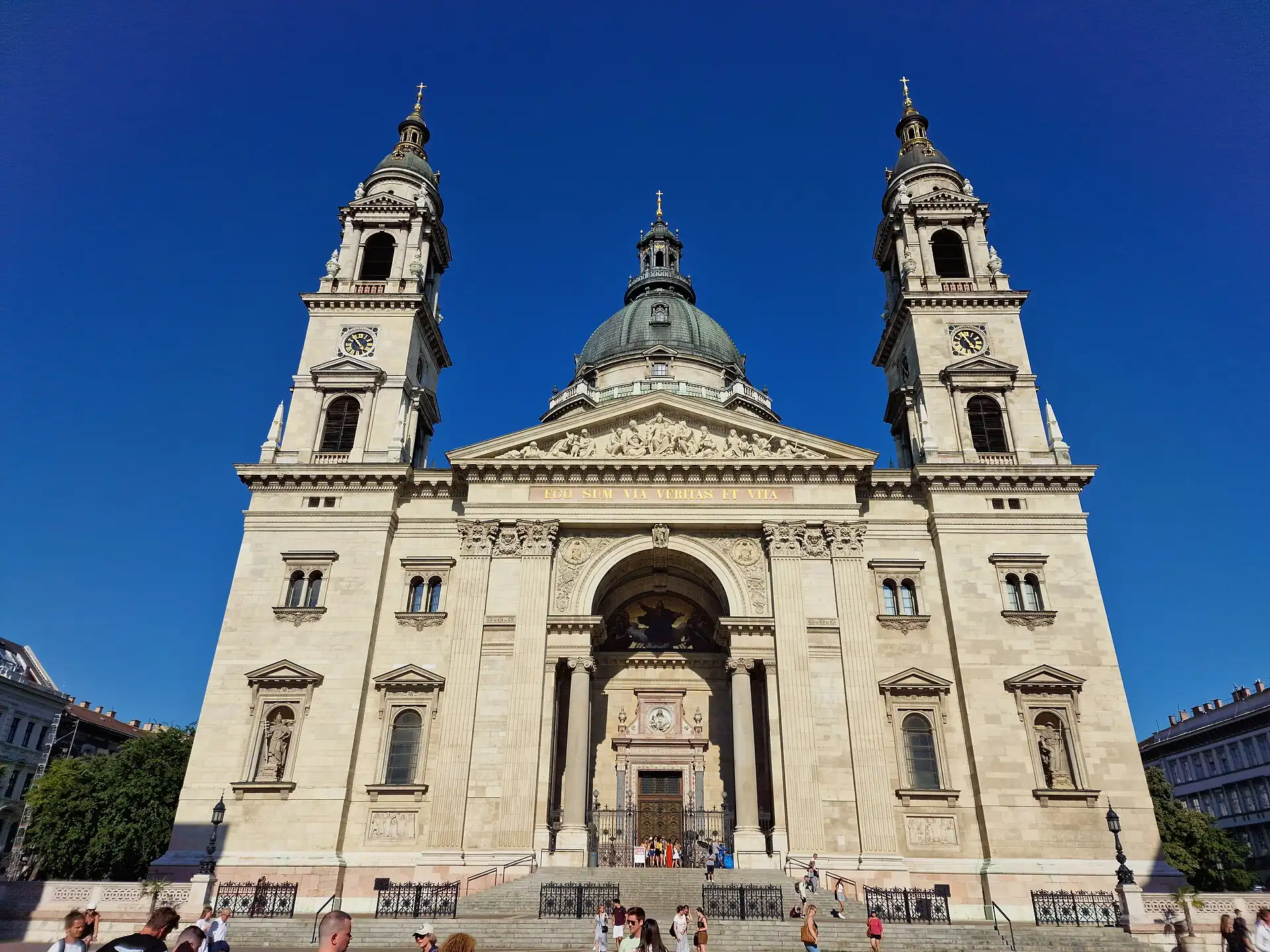
Tours, classes and shows in Budapest →
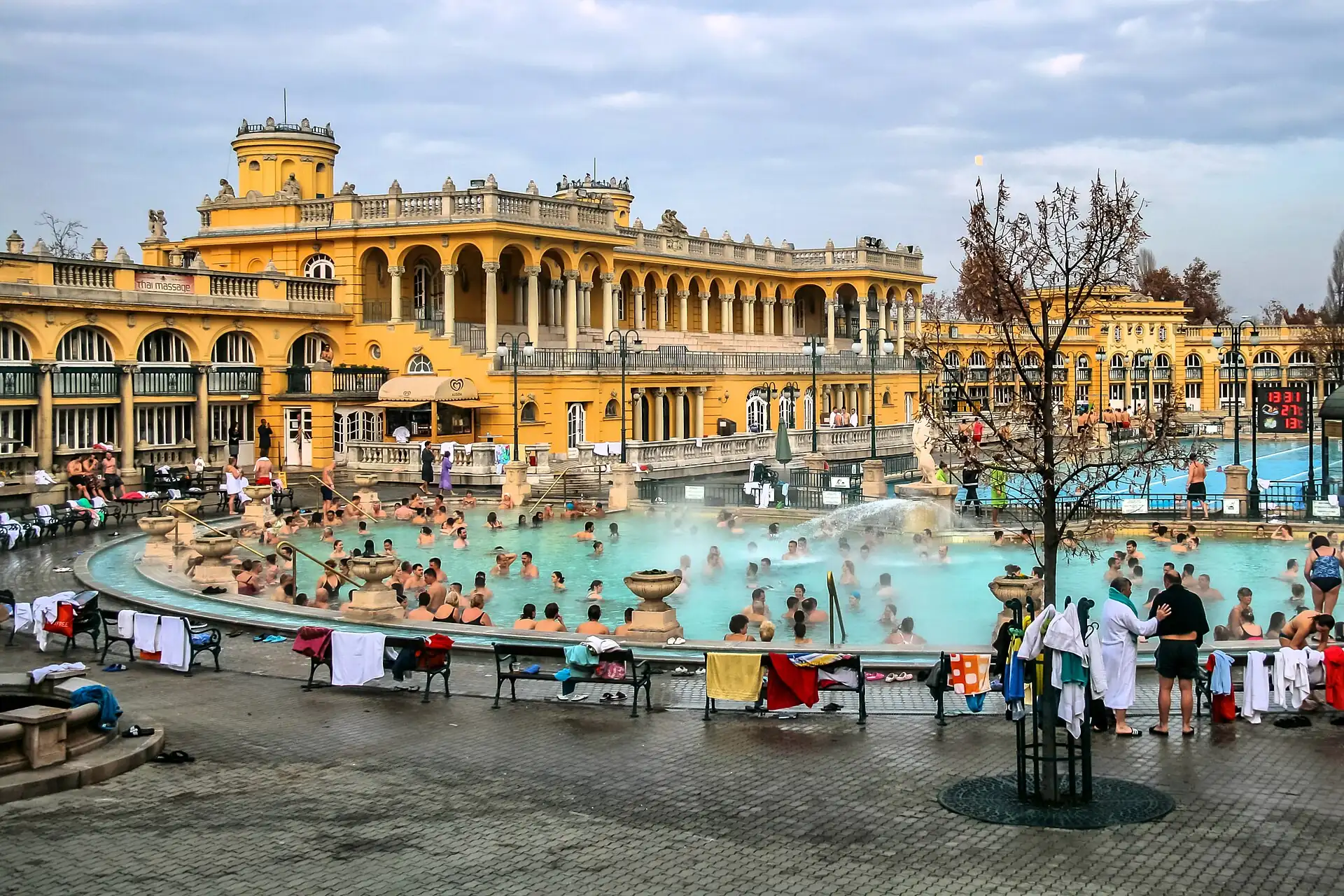
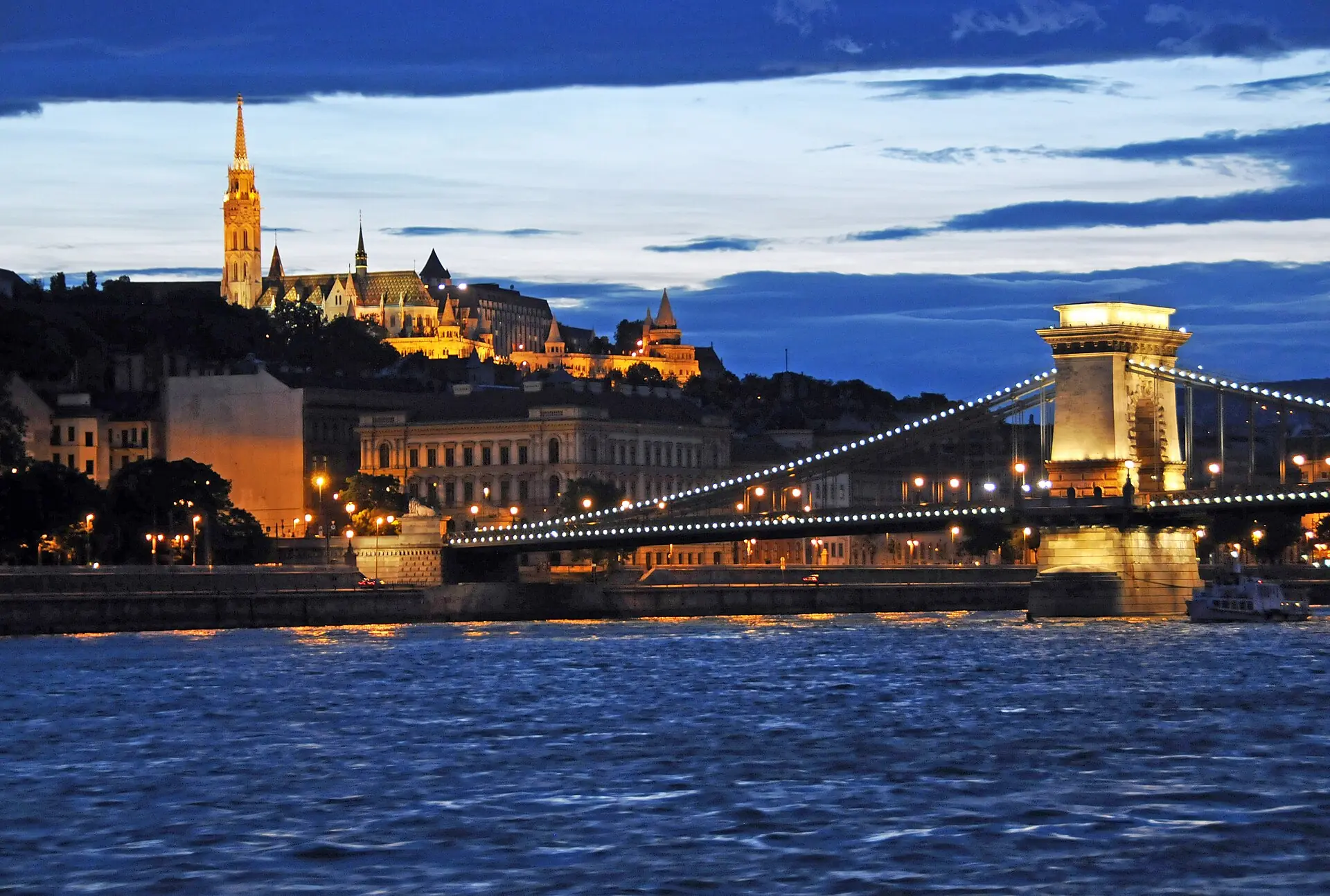
If you do ten things in Budapest
Ranked for a first visit of 2–4 days. Prices are 2026 estimates in forint; hours marked (check) in the linked pages still need confirmation.
- 1
- 2
- 3
- 4
- 5
- 6
- 7
- 8
Ruin-bar evening, Jewish Quarter
Szimpla Kert and its neighbours: the city's best-known nightlife.
- 9
Danube evening cruise
The Parliament and both banks lit up from the water.
- 10
Great Market Hall
Produce, paprika and a food-stall floor under a 19th-century iron roof.
Good for…
Verdict is how well Budapest works for that traveller, not how nice it is.
Compact, cheap by Western European standards, and easy on public transport.
- 1Belváros & Danube Corso — everything on a first list is a walk from here.
- 2Budapest in 3 days — the 3-day plan already balances the two banks.
One of Europe's best-preserved Austro-Hungarian cityscapes.
- 1
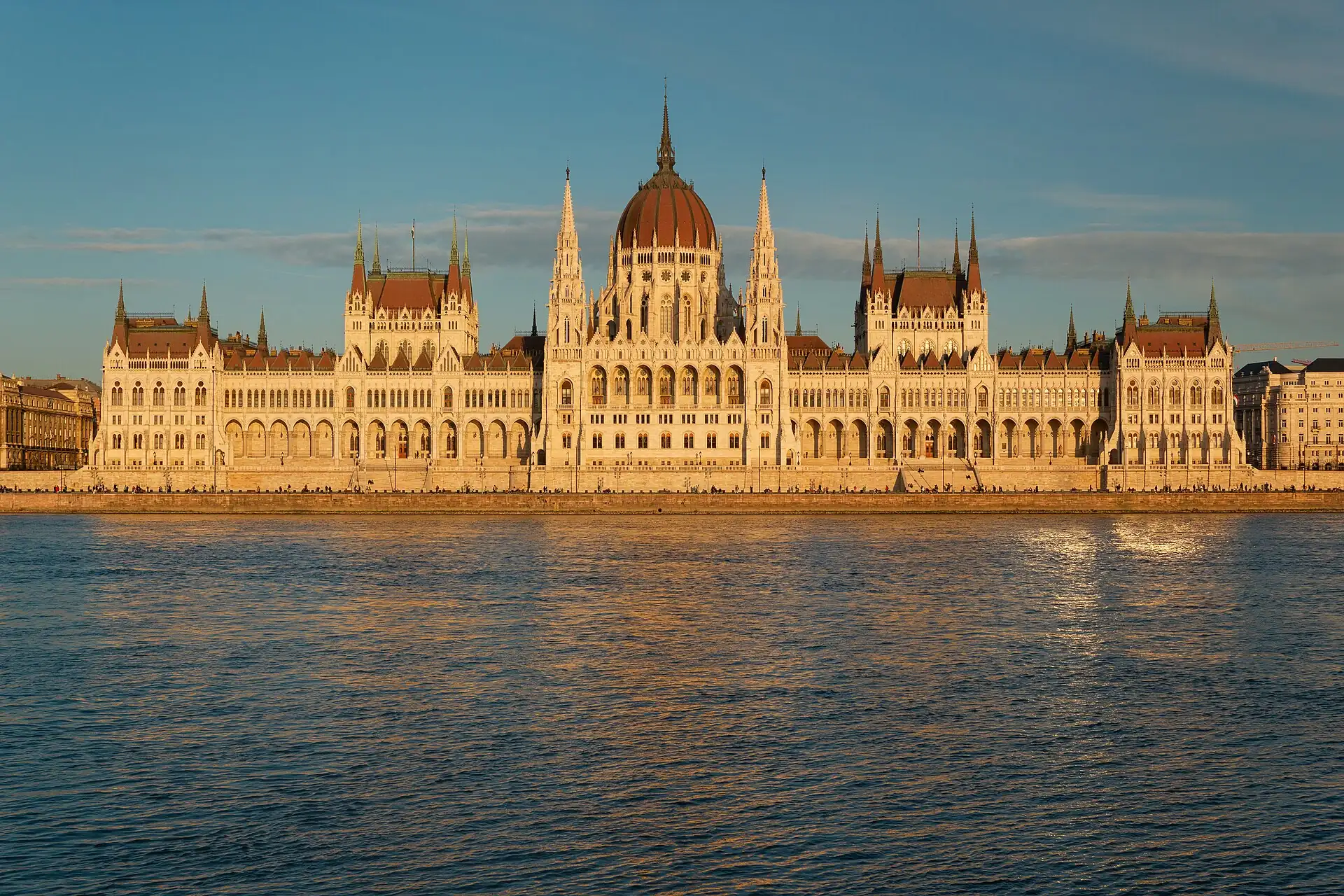 Hungarian Parliament — the grandest single building from the 1896 millennium boom.
- 2
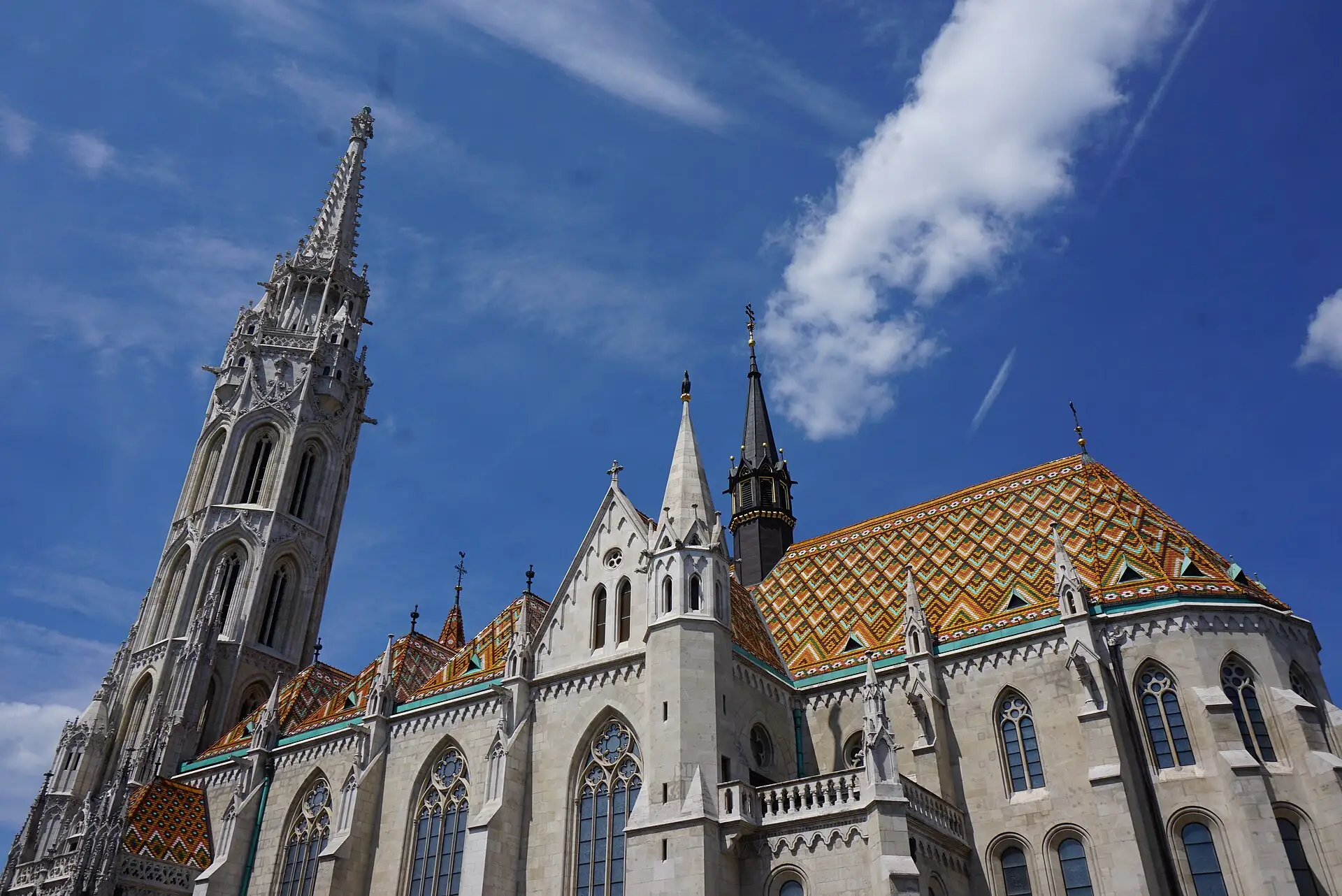 Matthias Church — neo-Gothic roof tiles and coronation history on Castle Hill.
Beds, beer and transit are cheap relative to Western Europe.
- 1erzsebetvaros — the widest range of hostel beds in the city.
- 2Airport bus 100E — far cheaper than a taxi for the airport run.
- 1A Belváros hotel — walkable to the river, the Basilica and the Parliament.
- 2
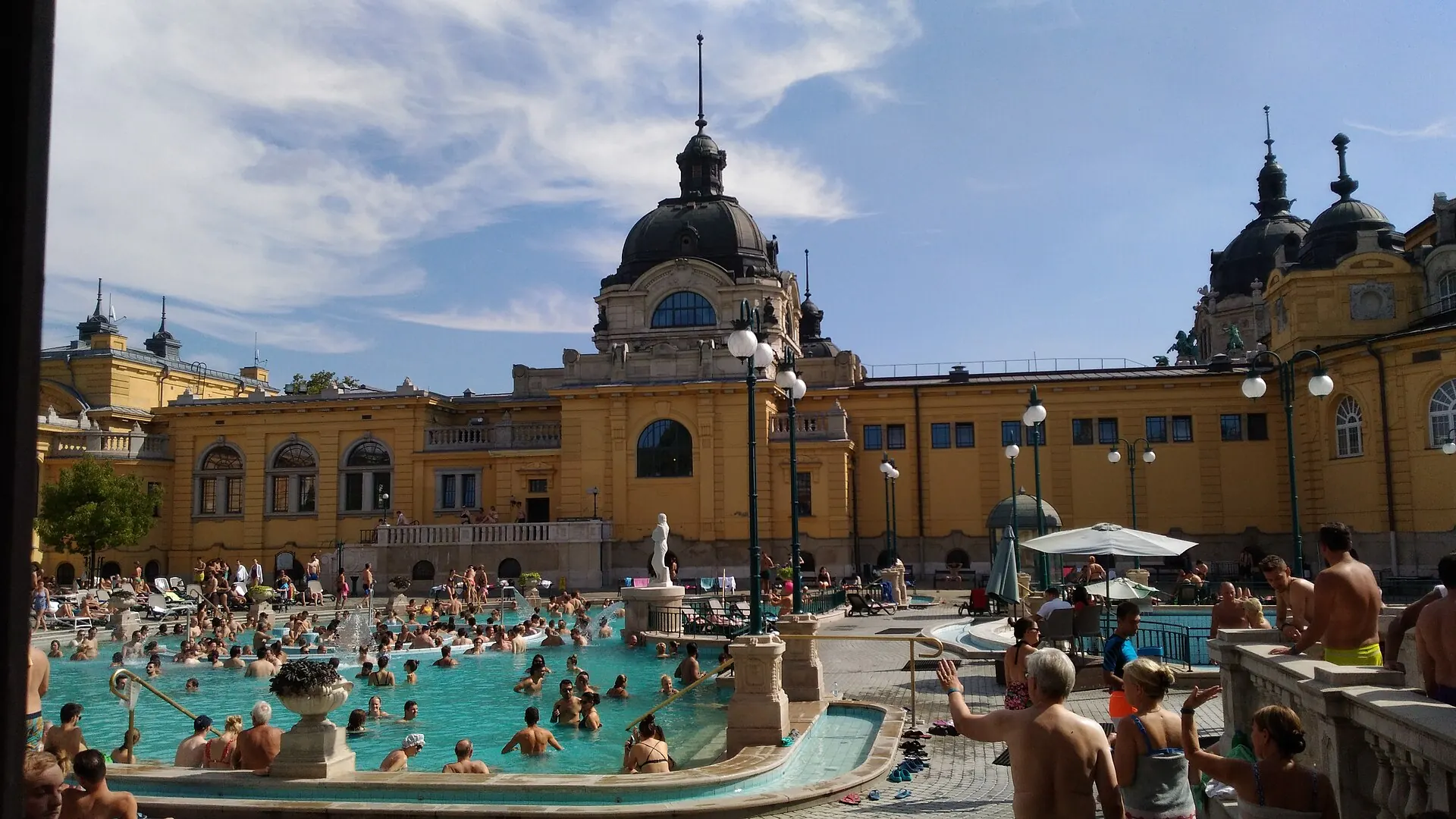 Széchenyi Thermal Bath — a relaxed shared afternoon that needs no itinerary.
Tours and classes: book or skip
Book through the hotel or an operator with written inclusions and a cancellation policy. Prices per person, group tour unless stated.
| Tour or class | Verdict | Typical price | Why | Check before paying |
|---|---|---|---|---|
| Parliament guided tour | book | HUF 6,000–15,000 (≈ US$18–45), passport-dependent | The only way inside; book ahead, especially in summer. | Which nationalities pay the lower domestic-linked rate; bring the right ID. |
| Danube evening cruise | book | HUF 4,000–8,000 (≈ US$12–25) | The Parliament lit up from the water is the single best photograph in the city. | Whether the ticket includes a drink; compare the boat's departure point to your hotel. |
| Castle Hill walking tour | maybe | Often free-tip-based, or HUF 5,000–8,000 (≈ US$15–25) booked | Explains the 1686 siege and the rebuilt palace better than the plaques do. | Group size and whether Fisherman's Bastion's ticketed towers are included. |
| Jewish Quarter and Great Synagogue tour | book | HUF 5,000–9,000 (≈ US$15–30) | Context for the wartime ghetto that a self-guided visit will miss. | Whether the synagogue's own entry ticket is included. |
| Ruin-bar crawl | maybe | Drinks at bar prices, tour fee HUF 4,000–7,000 (≈ US$12–25) | A guided first night in the Jewish Quarter if you would rather not bar-hop alone. | How many venues and whether a drink is included at each. |
What each season brings
Central European continental climate: warm summers, cold winters, and a short, pleasant window in spring and autumn.
Spring (Mar–May)
Summer (Jun–Aug)
Autumn (Sep–Oct)
Winter (Nov–Feb)
Photo spots and the light
Light times are for clear days; winter haze softens everything.
| Spot | Best light | Tip |
|---|---|---|
| Fisherman's Bastion terraces | Sunrise or dusk | Shoot toward the Parliament across the river; arrives crowded by mid-morning. |
| Parliament from the Buda bank | Blue hour, just after sunset | The building is lit gold against a darkening sky; a tripod works well from the quieter Buda side. |
| Chain Bridge from the Pest embankment | Dusk | The lions and the lit cables frame Castle Hill behind. |
| Danube promenade toward Castle Hill | Golden hour | Walk the Pest riverside path any evening; the light hits the Buda hills first. |
Budapest travel FAQ
Answers are 2026 desk estimates; fares and rules marked (check) change.
Is Budapest safe?
Yes for violence; the common problems are pickpocketing on crowded transport and around the tourist strip, and occasional inflated bar bills. Use a licensed taxi or an app, and check menus before ordering.
How many days do I need in Budapest?
Two full days covers the highlights on both banks; three lets you add a thermal bath without rushing; four adds a Danube Bend or Szentendre day trip.
Do I need cash?
Cards and contactless work almost everywhere; carry some forint for small cafés, tips and public toilets. Pay in forint, not euros, even where a shop quotes euro prices.
Is tap water safe to drink?
Yes, citywide.
What should I wear to the synagogue and churches?
Shoulders and knees covered; men cover their heads in the synagogue (kippot are usually provided).
Buda or Pest to stay?
Pest, almost always: Belváros or the Jewish Quarter put you within walking distance of most sights, with Castle Hill a short taxi or bus ride away.
How much is a taxi from the airport to the centre?
About HUF 9,000–14,000 (≈ US$30–45) by a licensed taxi or app, 30–40 minutes. The 100E airport bus costs about HUF 2,000–2,500 (≈ US$6–8) (2026 estimate, check).
Are the thermal baths worth it?
Yes: Széchenyi and Gellért are both worth a half day, indoors or out, in any season.
More to see and doSee & do · Learn & work · Rain & heat · Wheelchair and stroller
Wheelchair and stroller, place by place
How each place in this guide works for wheels, from its own page. Ratings are desk estimates unless a page says it was checked on the ground.
| Place | Step-free | Wheelchair | Stroller | What to know |
|---|---|---|---|---|
| Buda Castle | partial | caution | ok | Stairs inside both museums |
| Chain Bridge | yes | ok | ok | Level pedestrian walkway the full length of the bridge. |
| Fisherman's Bastion | partial | caution | caution | Stone stairs between the lower and upper levels |
| Great Synagogue | partial | caution | caution | Ground-floor sanctuary is level; the upper women's gallery is reached by stairs. |
| Széchenyi Thermal Bath | partial | caution | caution | Pool decks are mostly level; some pool edges have steps down into the water. |
See & do
19 of 19
- church
Budapest's largest church and a heat shelter in the centre.
Belváros · Nave free; dome ticket separate
- monument
The city's grandest building; book the timed tour ahead.
Kossuth tér · HUF 6,000–15,000 (≈ US$18–45) (passport-dependent)
- church
Neo-Gothic coronation church with a tiled roof.
Castle Hill · Check current entry fee
- Views
The postcard view over the Danube and Parliament.
Castle Hill · Lower level free; upper towers ticketed
- monument
The former royal palace, now home to the National Gallery and history museum.
Castle Hill · Grounds free; museums inside ticketed
- monument
The first permanent bridge between Buda and Pest (1849), rebuilt after 1945.
Danube (Belváros–Castle Hill) · Free
- synagogue
Europe's largest synagogue and the Holocaust memorial garden behind it.
Jewish Quarter · HUF 5,000–8,000 (≈ US$15–25), check
- thermal bath
The largest thermal bath complex in Europe; indoor and outdoor pools.
City Park · HUF 10,000–15,000 (≈ US$30–45)
Heroes' Square and the Museum of Fine ArtsHősök tere
monumentMillennium monument at the end of Andrássy Avenue, facing the museum quarter.
City Park · Square free; museum ticketed
Gellért Hill and the CitadellaGellért-hegy
ViewsA climb to the Liberty Statue and a wide view over both banks.
Buda · Free
House of TerrorTerror Háza
MuseumsFormer secret-police headquarters; a heavy subject, English audio guide.
Andrássy Avenue · Check current entry fee
Hungarian National Museum
MuseumsThe national collection from prehistory to the 20th century.
Belváros/District VIII edge · Check current entry fee
Margaret IslandMargitsziget
parkCar-free park island; a musical fountain, running track and a small zoo.
Danube (between the banks) · Free
- Spa & massage
Outdoor thermal pools year-round, including winter chess games in the steam.
City Park · HUF 10,000–15,000 (≈ US$30–45)
Gellért Thermal Bath
Spa & massageArt Nouveau bathhouse below Gellért Hill; more formal than Széchenyi.
Buda · Check current entry fee
Danube evening cruise
cruiseThe Parliament lit up at night is the reason to book the evening slot, not the daytime one.
Both banks · HUF 4,000–8,000 (≈ US$12–25)
Ruin-bar crawl, Jewish Quarter
NightSzimpla Kert and its neighbours on Kazinczy utca; go after 20:00.Szimpla Kert and its neighbours on Kazinczy utca; go after 8:00 PM.
Erzsébetváros · Drinks at bar prices
Walking tour, Castle Hill or the Jewish Quarter
tourA guide explains the siege damage and the ghetto history better than a plaque can.
Varies · Often free-tip-based, or HUF 5,000–8,000 (≈ US$15–25) booked
Cooking class, Hungarian classics
ClassesGoulash, chicken paprikash and strudel in a half-day class.
Belváros · Check current price
Learn & work
| What | Where | Cost | Note |
|---|---|---|---|
| Hungarian language courses | Balassi Institute and private language schools | Check current fees | Hungarian is not related to neighbouring languages; even a short course covers only basic phrases. |
| Cooking classes | Central Budapest schools | Check current price | See Do; classes usually include a market stop or ingredient walkthrough. |
Working here
- Tourist entry
- EU/EEA/Schengen citizens need no visa for short stays; others should check Schengen rules. A tourist stay does not permit paid work.
- Work permit
- Non-EU nationals generally need an employer-sponsored residence and work permit.
- Remote work
- Hungary has offered a White Card long-stay option for remote workers in recent years; check the current rules before relying on it.
Rain-day and heat-day plan
Rain day
Summer storms can break quickly in the afternoon: plan Castle Hill or riverside walks for the morning, and keep a museum or thermal bath in reserve.
- 01St Stephen's Basilica — Indoor and central; about 30 minutes.
- 02Hungarian Parliament — Book the tour regardless of weather; indoors throughout.
- 03Great Market Hall — Covered hall for a browse and a snack.
- 04Széchenyi or Gellért thermal bath — Indoor and outdoor pools; a rainy day is still a bath day.
Heat day
Above 30 °C: outdoor sights before 11:00 and after 17:00, air-conditioned museums or a thermal bath in between, water every hour.
- 08:30Matthias Church — Castle Hill before the tour groups and the worst of the sun.
- 11:00Indoor museum or the Basilica — Shelter for the hottest hours.
- 16:30Danube promenade or a thermal bath — Cooler air off the river; baths stay open into the evening.
Day-trips and nearby
Places you can reach from Budapest in a day or with one night away, with the route and what it costs. Door to door, not ride time.
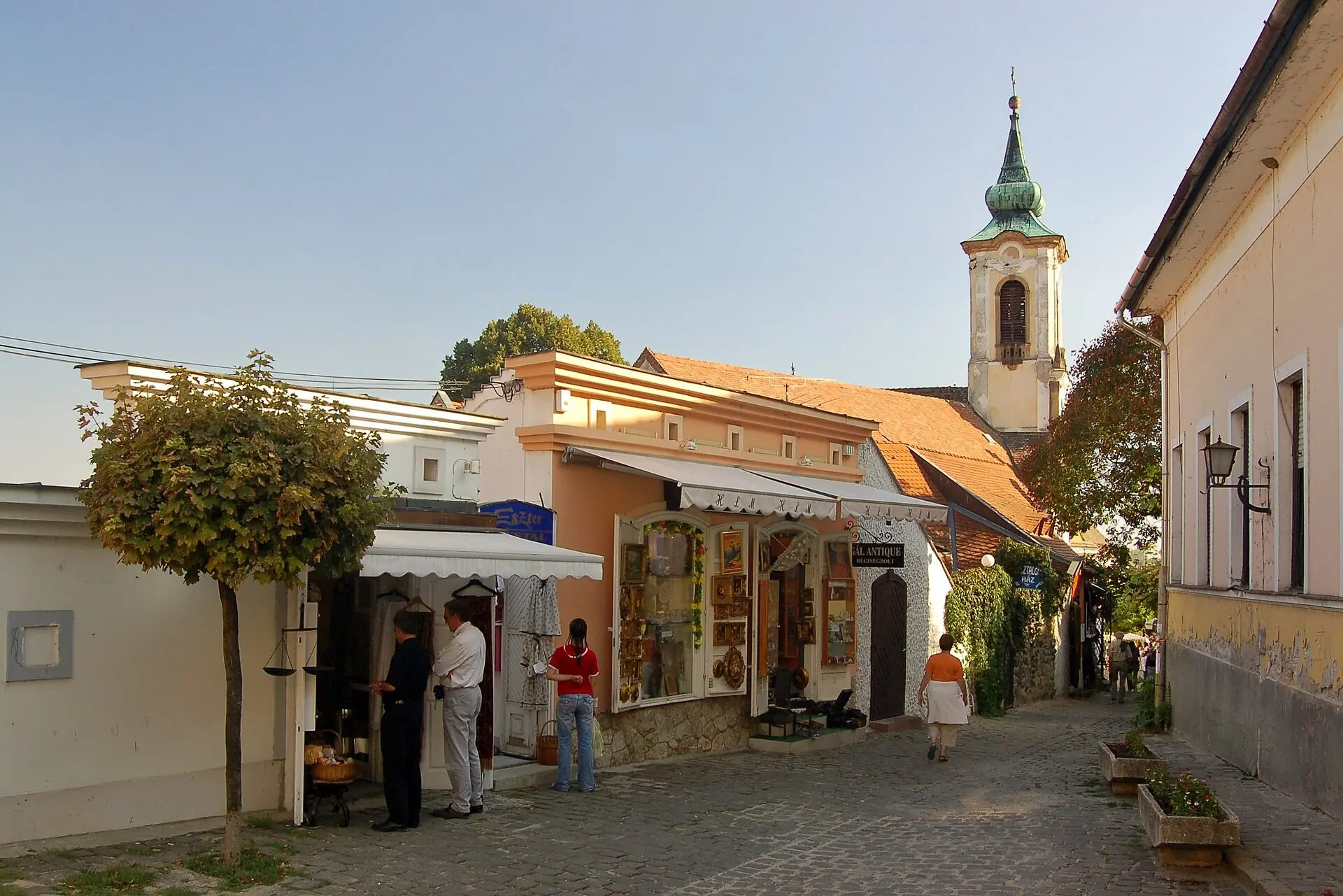 Photo: Bahnfrend, CC BY-SA 4.0
Szentendre
goSuburban rail (HÉV) or boat, about 40–60 min
Riverside town of galleries; easy without a car.
- Time
- Half or full day
Visegrád and Esztergom
goBus, boat or car, about 1–1.5 h each way
Danube Bend castles; long by public transport.
- Time
- Full day
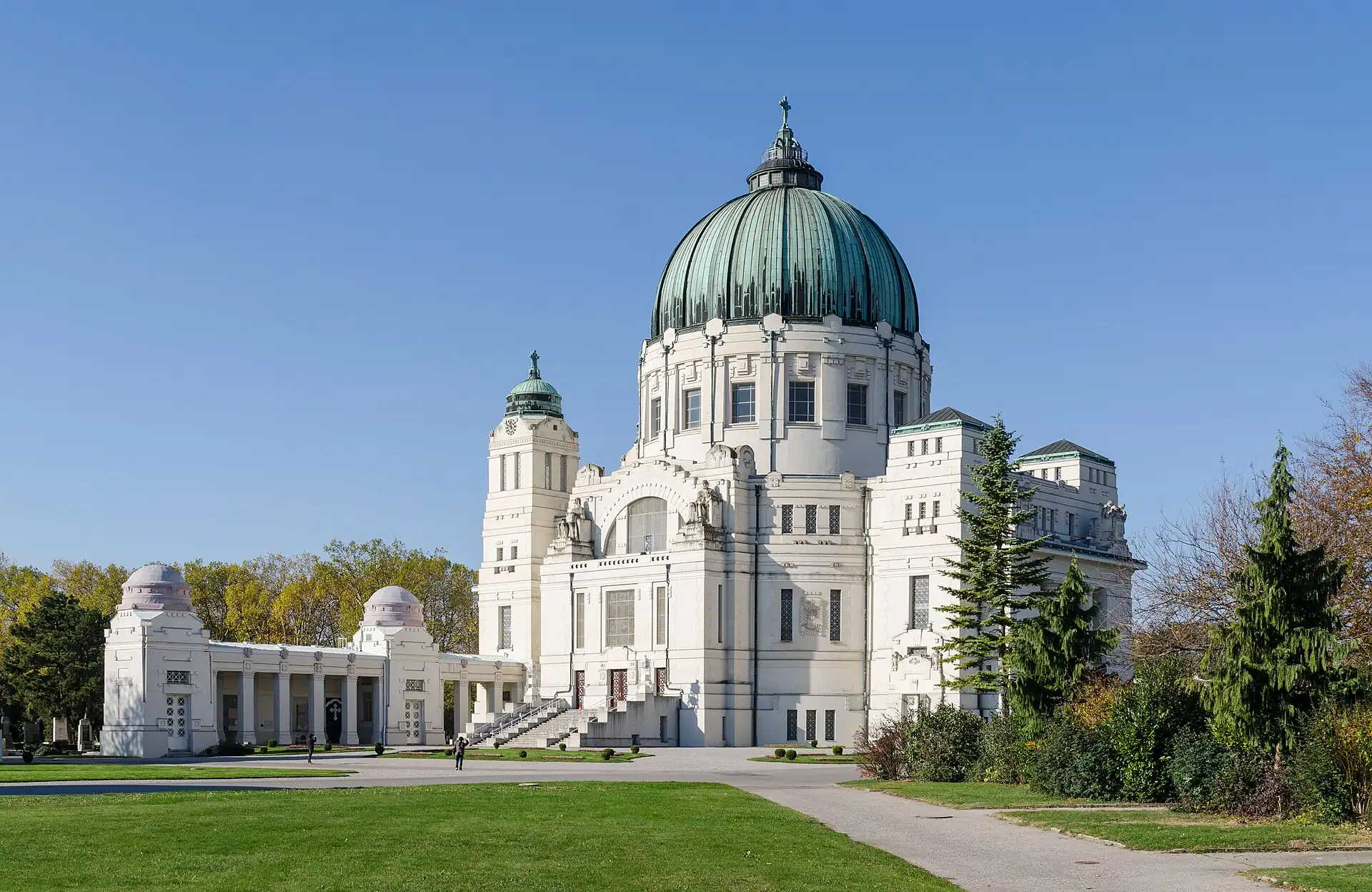 Photo: Steffen Schmitz ( more photos ), CC BY-SA 4.0
Vienna
overnightDirect train, about 2.5 h
A separate trip; a long day if you return the same night.
- Time
- Overnight is better
Go next
Door to door: Full day, better as one or two nights
Train about 1.5–2 h to the nearer towns
Hungary's inland sea; summer weekends are crowded and hotel prices peak.
Door to door: Full day, better overnight
Train or car, about 2 h
Baroque town, thermal baths and the Valley of the Beautiful Women wine cellars.
Door to door: Full day
Train or boat, about 2.5–3 h
Doable as a long day trip; most visitors prefer to add a night.
Eat & sleepWhere to eat and which area to sleep in
Eat & sleep
Where to eat and which area to sleep in
Eat
A short list of places worth crossing the city for, each with how to get a seat.
Restaurant finder: filter every place to eat in Budapest →
Vegetarian-friendly score
2.0 / 5 · Workable
- Country diet noteOur country guide rates vegetarian eating as workable.1 / 2
- Places to eat in this guide0 of 6 places with a known answer are vegetarian-friendly, 6 partly.0.75 / 1.5
- Budget eating lines0 vegetarian lines in "Eat by budget".0 / 0.6
- Meat-free national dishes4 meat-free dishes in the country food list.0.4 / 0.4
- Dedicated vegetarian kitchens0 mentions of vegetarian restaurants, Buddhist or fasting kitchens.0 / 0.5
Country note: Workable: lángos, főzelék (ask about toppings), fried cheese, pastries; Budapest has many vegetarian places.
Vegetarian places near me →Make a diet card →
How we score
- Country diet note (up to 2): easy 2, workable 1, mixed 0.75, hard 0; no note 0.5.
- City places to eat (up to 1.5): 1.5 × (vegetarian-friendly + half of partly friendly) ÷ places with a known answer; needs 3 or more known places.
- Budget eating lines marked vegetarian (up to 0.6): 0.2 each.
- Meat-free national dishes (up to 0.4): 0.1 each.
- Dedicated vegetarian kitchens mentioned — Buddhist chay, shōjin ryōri, Jain, fasting food, vegan cafés (up to 0.5): 0.1 each.
- Total rounded to the nearest half point, 0 to 5. Built from our own pages only, not from reviews.
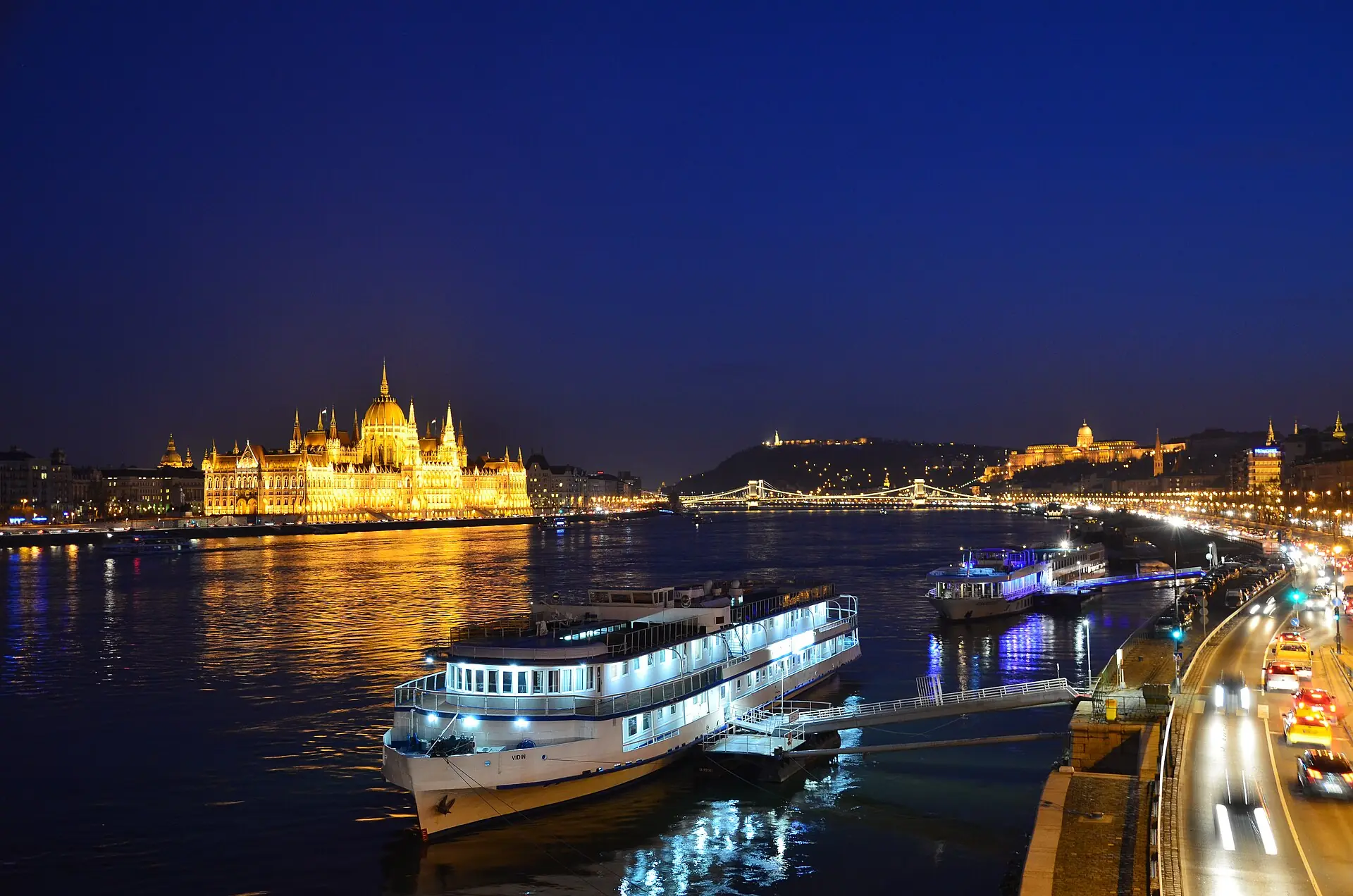
Eating and drinking guideEat by budget · Drink
Before you sit down to eat
Short version; full text linked
- Queues and hours
- Per person, one dish or one meal, 2026 estimate. More →
Eat by budget
Under HUF 3,000 (≈ US$9) a meal
| Where | Order | Area | Price | Note |
|---|---|---|---|---|
| Retró Lángos Büfé | Lángos | Andrássy Avenue area | HUF 1,200–2,500 (≈ US$4–8) | |
| Kürtőskalács (chimney cake) stands | Chimney cake | Christmas markets, Castle Hill | HUF 1,000–2,000 (≈ US$3–6) | |
| Great Market Hall food stalls | Market-hall food stalls | Great Market Hall | HUF 1,500–3,500 (≈ US$5–11) | |
| Frőhlich Cukrászda | Flódni and kosher bakery | Jewish Quarter | HUF 1,000–2,500 (≈ US$3–8) |
Dishes to know
| Dish | What it is | Where to look | When | Price |
|---|---|---|---|---|
| GoulashGulyás | Beef and vegetable soup with paprika, closer to a soup than the stew served abroad under the same name | Traditional restaurants citywide | Any | HUF 2,500–4,500 (≈ US$8–14) |
| Chicken paprikashCsirkepaprikás | Chicken in a paprika-cream sauce with galuska dumplings | Traditional restaurants | Any | HUF 3,500–6,000 (≈ US$11–18) |
| Lángos | Deep-fried dough, usually topped with sour cream and cheese | Market halls, street stands, thermal baths | Any | HUF 1,200–2,500 (≈ US$4–8) |
| Chimney cakeKürtőskalács | Spit-roasted sweet dough with a caramelised sugar crust | Christmas markets, Castle Hill, tourist streets | Any | HUF 1,000–2,000 (≈ US$3–6) |
| Flódni | Layered Jewish pastry with apple, walnut, poppy seed and plum | Jewish Quarter bakeries | Any | HUF 800–1,500 (≈ US$3–5) a slice |
| Dobos torte | Layered sponge cake with a caramel top, invented in Budapest in the 1880s | Historic coffee houses | Any | HUF 1,500–2,800 (≈ US$5–9) a slice |
- Check the menu and any 'service' line before ordering, especially in central tourist streets; a written price avoids the after-the-fact bill dispute.
- Tap water is safe and restaurants must provide it free on request — ask for csapvíz if a waiter tries to sell bottled water instead.
Drink & nightlife
| Where | What | Until | Note |
|---|---|---|---|
| Szimpla Kert and the Kazinczy utca ruin bars | Courtyard ruin bars | Late; often past 02:00 on weekendsLate; often past 2:00 AM on weekends | The original and best known; expect a cover or a token system on party nights. |
| Gozsdu udvar | A chain of connected courtyards, bars and restaurants | Varies by venue | Busy and loud on weekend nights; check menu prices before sitting. |
| Danube-bank bars and boat bars | River view, cocktails | About midnight–01:00About midnight–1:00 AM | Pest-side bank near the Parliament and Belváros; check the drinks list before ordering. |
| Thermal-bath night parties (Széchenyi 'Sparty') | Bathing with a DJ and lights | Late, some Saturdays | A separate ticket from day admission; book ahead and check the current schedule. |
| Coffee houses (Gerbeaud, New York Café, Central) | Historic coffee-house culture | About 22:00–23:00About 10:00 PM–11:00 PM | The alcohol-free option; the New York Café is priced for the room, not the coffee. |
By style
| Style | What | Where | Price | Until |
|---|---|---|---|---|
| Ruin bar | Mismatched furniture, courtyards, DJs, in half-derelict District VII buildingsEntry can carry a token or minimum-spend system on the busiest nights — read the sign at the door. | Kazinczy utca and around | Beer HUF 900–1,800 (≈ US$3–6) | Late, especially weekends |
| Craft beer | Hungarian microbrews on tap | Jewish Quarter and Belváros taprooms | HUF 1,200–2,200 (≈ US$4–7) | About midnight |
| Wine bar | Hungarian regional wines by the glass, including tokaji and villányi reds | Belváros and District VII wine bars | HUF 1,500–3,500 (≈ US$5–11) a glass | About midnight |
| Pálinka | Fruit brandy, drunk neat and cold or at room temperatureStrong (often 40–50% ABV); a starter, not a round. | Traditional restaurants and dedicated pálinka bars | HUF 800–1,800 (≈ US$3–6) a shot | — |
| Coffee house | Coffee and cake in ornate 19th-century roomsYou are paying for the room; a plain café coffee costs far less. | Gerbeaud, New York Café, Centrál Kávéház | HUF 1,200–2,500 (≈ US$4–8) a coffee | About 22:00 |
Rules that bite
- Zero alcohol limit for drivers, including scooters and e-bikes: do not ride after drinking.
- Check the bill before paying: unpriced 'welcome' shots or bread on the table have led to inflated bills at a minority of central venues — decline anything not on the menu.
Sleep
Pick the area first: it decides your walk home at night and your first morning.
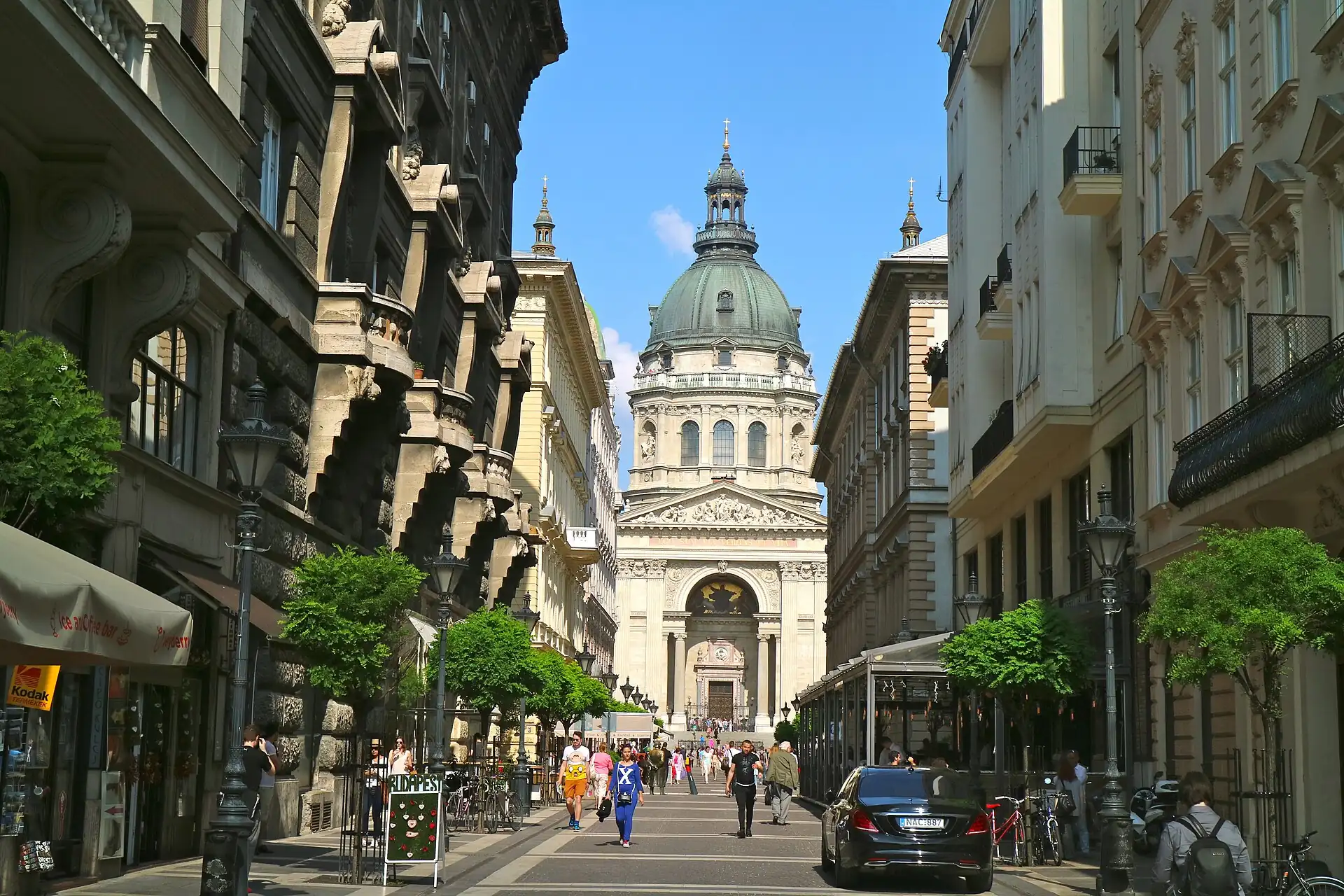
Which neighborhood fits you
Three questions, one recommendation, with the reasons.
Your best fit
- Basilica, Parliament and the Danube promenade all inside a 15-minute walk.
- Larger hotels keep 24-hour desks; check smaller ones.
Next best: Erzsébetváros (Jewish Quarter)
Built from our 1–5 desk scores per area; your answers stay in this browser.
More on sleepingSleep by budget · Your area · With kids
Sleep by budget
| Band | Price | Where | Room types | What to expect |
|---|---|---|---|---|
| budget | HUF 5,000–10,000 (≈ US$15–30) dorm bed - HUF 18,000–30,000 (≈ US$55–90) double | Erzsébetváros (Jewish Quarter) | Hostels, budget guesthouses | Small rooms, weekend bar noise, the cheapest beds in the city. |
| mid | HUF 30,000–60,000 (≈ US$90–180) | Belváros | 3–4 star hotels, boutique guesthouses | Lift, breakfast, a quieter night, walkable to the main sights. |
| splurge | HUF 90,000 (≈ US$300)+ | Danube-view hotels, Buda side | International chains, historic grand hotels | River-view rooms command a real premium; spa and pool are common at this tier. |
Booking checks
- Ask for a courtyard-facing or upper-floor room in the Jewish Quarter if you want to sleep before 02:00 on a weekend.Ask for a courtyard-facing or upper-floor room in the Jewish Quarter if you want to sleep before 2:00 AM on a weekend.
- River-view rooms cost noticeably more than a street-facing room in the same hotel — confirm which you are booking.
Which area is yours
| If you are | Sleep in | Because |
|---|---|---|
| First visit, 2–4 nights | Belváros (Inner City) | Walkable to the Basilica, Parliament and the river; quieter nights than the Jewish Quarter. |
| Nightlife and budget travellers | Erzsébetváros (Jewish Quarter) | Cheapest beds and the ruin bars on the doorstep; accept the weekend noise. |
First-timers: a hotel near Deák tér or Vörösmarty tér with a 24h desk; the Basilica, the river and three metro lines are within minutes.
Lively nights and cafés: a hotel near Kazinczy utca with a 24h desk; louder after 21:00, and a short walk to Deák tér.
Areas are in our default order until you tick a priority.
Scores are 1–5 desk judgements per priority (2026).
With kids
- Margaret Island's car-free paths, playgrounds and the musical fountain are the easiest stroller outing in the city.
- Budapest Zoo and the adjoining Széchenyi Thermal Bath (a paddling-friendly pool exists at some baths — check on the day) sit together in City Park.
- The Hungarian Railway Museum and the Children's Railway (a narrow-gauge line staffed partly by children, in the Buda hills) are a half-day outing for train-minded kids.
- Castle Hill's cobbles and steps are hard on a stroller; bring a carrier for that cluster.
- Most sit-down restaurants welcome children and offer a highchair on request, though few print a dedicated kids' menu.
PracticalMoney, essentials, safety and the pocket card
Practical
Money, essentials, safety and the pocket card
Money
What a day costs at three comfort levels, and how to pay.
- Budget
- HUF 12,000–22,000 (≈ US$35–65) excl. bed / day
- Mid
- HUF 22,000–45,000 (≈ US$65–140) excl. bed / day
- High
- HUF 45,000 (≈ US$140)+ excl. bed / day
- Transit card
- A single ticket, a 24- or 72-hour travel card or the contactless option covers metro, tram and bus; much of a first visit is on foot.
- Cash rule
- Use bank ATMs and decline the conversion to your home currency; avoid stand-alone Euronet ATMs and exchange booths.
More on moneyCosts · Budget · Buy
What things cost
- Bottle of water, shopHUF 300–500 (≈ US$1–2)
- Airport bus 100E ticketHUF 2,000–2,500 (≈ US$6–8)
- Thermal bath ticketHUF 10,000–15,000 (≈ US$30–45)
- Parliament tour ticketHUF 6,000–15,000 (≈ US$18–45) (depends on passport)
Trip budget
| Hotel double room1 × 3 nights × Ft 40,000 | Ft 120,000 |
| Food, local transport, entries2 × 3 days × Ft 28,000 | Ft 168,000 |
| Airport transfer, both ways1 × Ft 20,000 · shared shuttle or one taxi per 4 people | Ft 20,000 |
| eSIM or tourist SIM2 × Ft 4,000 | Ft 8,000 |
| Buffer 10%Price creep, a taxi you did not plan, one splurge | Ft 31,600 |
| Trip total≈ Ft 57,900 per person per day, bed included | Ft 347,600≈ US$1,100 |
2026 estimate in forint; flights and tours excluded. Your choices stay in this browser.
Prices of common things
| Single public-transport ticket | HUF 450 (≈ US$2) (2026 estimate, check) |
| 24-hour travel card | HUF 2,500 (≈ US$8) (2026 estimate, check) |
| Thermal bath day ticket | HUF 10,000–15,000 (≈ US$30–45) |
2026 estimate; check locally.
Buy
- Bargaining
- Prices are fixed almost everywhere, including souvenir shops; haggling is not the local custom. The exception is a genuinely informal flea market, where a small counter-offer is normal.
- Fixed-price check
- Before buying paprika, tokaji wine or embroidery on Váci utca, check the same item's price in a supermarket (Spar, Tesco) or the Great Market Hall ground floor — that is your ceiling.
Markets and shopping streets
| Where | What | When | Haggle | Note |
|---|---|---|---|---|
| Great Market Hall (Nagycsarnok) | Produce, paprika, meat, wine, a food-stall floor upstairs | Mon 06:00–17:00, Tue–Fri 06:00–18:00, Sat 06:00–15:00; closed SunMon 6:00 AM–5:00 PM, Tue–Fri 6:00 AM–6:00 PM, Sat 6:00 AM–3:00 PM; closed Sun | no | Ground floor sells to locals at local prices; the upstairs food stalls are priced for visitors. |
| Ecseri flea market | Antiques, communist-era memorabilia, junk | Mon–Fri mornings, Sat busiest (check) | light | Out near the M3 line edge; a taxi or bus ride, not a walk from the centre. |
| Szimpla farmers' market (Sunday) | Local produce and street food inside the ruin bar | Sunday mornings (check) | no | Runs some Sundays in the Szimpla Kert courtyard; check the current schedule. |
| Christmas markets (Vörösmarty tér, Basilica square) | Mulled wine, crafts, festive food | Late Nov–early Jan, daytime and evening | no | A small entry area may be fenced with a token system for food and drink at the Basilica market. |
| Supermarkets (Spar, Tesco, Lidl) | Wine, paprika, chocolate, snacks | Long hours; some Sunday closures | no | Your fixed-price reference for anything sold in a tourist shop. |
Shops by what they sell
| For | Where | Hours | Note |
|---|---|---|---|
| Paprika, tokaji wine, pálinka spirits | Great Market Hall, Váci utca delicatessens | Shop hours | Sweet vs hot paprika is marked on the tin; ask before buying a decorative braid — it is often for looks, not cooking. |
| Herend and Zsolnay porcelain | Andrássy Avenue and Váci utca boutiques | Shop hours | Genuine pieces carry a factory mark; cheap lookalikes are common in souvenir shops. |
| Embroidery, folk textiles | Váci utca, Great Market Hall upstairs | Shop hours | Machine-made copies are far cheaper than hand embroidery; ask which you are buying. |
| Books and antiques | Andrássy Avenue, Ferenciek tere | About 10:00–18:00 | Mostly Hungarian; a handful of English-language and antiquarian shops near the university district. |
| Malls (AC, food courts) | WestEnd City Center (Nyugati), Arena Mall, Allee (Buda) | About 10:00–21:00 | The rain-day and heat-day refuge; fixed prices throughout. |
Changing money
| Where | Verdict | Why |
|---|---|---|
| Bank branches and bank-operated ATMs | use | Fair rate, a receipt, no surprise commission. |
| Exchange booths advertising a headline rate on Váci utca and near the stations | avoid | A large hidden commission or a one-way 'no commission on selling' catch is common; read the small print or skip them. |
| Stand-alone Euronet ATMs (bright yellow) | avoid | Charge a poor 'dynamic currency conversion' rate if you accept it; always choose to be charged in forint, and prefer a bank-branded ATM. |
| Hotel front desk | avoid | Convenient, poor rate. |
ATMs
- Choose forint
- When an ATM or card terminal offers to charge you in your home currency ('DCC'), decline: choose HUF and let your own bank convert it.
- Fees
- Local ATM fee plus your bank's own foreign-transaction fee; bank-branded ATMs (OTP, K&H, Erste) are generally cheaper than stand-alone machines (2026 estimate, check).
- Where
- Bank branches, metro stations and malls; avoid machines in isolated tourist strips at night.
Essentials and accessEssentials · Access
Essentials
- Plugs & power
- 230 V; type C and F sockets.
- Toilets
- Cafés, malls, museums and stations; carry small coins.
- Health
- Travel insurance with medical cover; EU/EEA visitors can use the EHIC or GHIC.
- Accessibility
- Pest streets are mostly flat with kerb ramps; Castle Hill is steep and cobbled, and the funicular and some buses help.
- Laundry
- Hotels and neighbourhood laundries do same- or next-day service.
Pack
- Comfortable shoes for cobbles
- A swimsuit and flip-flops for thermal baths
- A light layer for evenings and for entering churches
Accessibility
Pest is mostly flat with kerb ramps and works reasonably well on wheels. Castle Hill in Buda is steep and cobbled; the funicular and some buses help, but plan it as a separate, harder outing.
- Pavements
- Belváros and the Parliament area are flat and paved; Castle Hill is cobbled and steep.
- Metro
- The newest line (M4) is step-free throughout; M2 and M3 have lifts at most stations; M1, the historic 1896 line, has stations with steps only at some stops — check the specific station.
- Trams and buses
- Most modern trams and buses are low-floor; older rolling stock still runs on some routes.
- Hotels
- Larger Belváros hotels generally have lifts; ask about step-free entry at smaller Jewish Quarter guesthouses.
- Toilets
- Accessible toilets in malls, larger museums and major hotels; public toilets vary.
Sights, step-free or not
| Danube riverside promenade | step-free | Level path on both banks; the smoothest long walk in the city. |
| St Stephen's Basilica | step-free | Level nave; a lift serves the dome viewing platform (check). |
| Hungarian Parliament | step-free | Lifts and ramps on the guided route. |
| Matthias Church | with help | A few steps and cobbled approach on Castle Hill. |
| Fisherman's Bastion | with help | Terraces and some stairs; the lower level is flatter than the towers. |
Survive
Safety basics, the lines not to cross, and practical habits that save the day.
Safety
- Pickpockets work the metro, trams and Váci utca: keep bags closed in front.
- Bar and club touts on the Jewish Quarter streets: check prices before you sit.
- Emergency: 112 (all services), 107 police, 104 ambulance, 105 fire.
Red lines
- Synagogue and Basilica: cover shoulders and knees; men cover heads in the synagogue.
- Do not photograph inside the Parliament beyond the marked areas.
- Ticket-validate on the metro and trams; inspectors fine on the spot.
Practical
- Toilets: cafés, malls and museums; public toilets often charge a small fee.
- Tap water is safe to drink.
More on staying safeStay safe · Stay healthy · Safety map · Solo & women · Etiquette · Cope · Scams
After dark, by area
1 flagged area
- Take care
Day = about 07:00–19:00. What to watch in each area, day and night →
Scams and red flags
Walk away if you see these
- Unlicensed taxis at the airport and stations that charge several times the normal fare: use the official counter, the rank or an app.
- Bars and restaurants that add a large 'service' or drinks bill after you order without prices: check the menu before you sit.
- Exchange booths with a great rate on the sign and a large commission in the small print: use a bank ATM instead.
Stay safe
Crossing the road
- 01Pest streets and crossings are orderly; watch for cyclists and e-scooters on shared paths.
- 02Castle Hill cobbles are uneven and slick when wet: slow down, especially with a stroller or wheeled bag.
Hustles specific to this city
| Hustle | Where | The tell | What to do |
|---|---|---|---|
| Unlicensed 'taxi' at the airport or stations | Airport, Keleti/Nyugati stations | A driver approaches you before you reach the rank | Use the official taxi counter, the rank, or a ride-hailing app. |
| Unpriced 'welcome' drinks or bread | Central tourist-strip bars and restaurants | Something appears on the table you did not order | Decline anything not on the printed menu, or ask the price before accepting it. |
| Exchange-booth headline rate | Váci utca and near the stations | A great rate on the sign, a large commission in small print | Use a bank ATM instead and decline any currency-conversion offer at the machine. |
| Bar hostesses steering you to a specific club | Jewish Quarter at night | A friendly local suggests one particular venue | Choose your own bar and check prices before you sit. |
- Police
- 112 (all services) or 107. Report thefts at the nearest police station with your passport; insurers need the written report.
- Night
- Violent crime against visitors is rare; pickpocketing and overpriced bills are the real risks.
Stay healthy
- Heat
- Jul–Aug can pass 30 °C (86 °F): shade, water, and indoor breaks in the afternoon, especially on Castle Hill.Jul–Aug can pass 86 °F (30 °C): shade, water, and indoor breaks in the afternoon, especially on Castle Hill.
- Tap water
- Safe to drink citywide.
- Thermal baths
- Shower before entering; some pools are hot enough that long sessions can cause dizziness — alternate with a cool pool and drink water.
- Winter
- Dec–Feb can be near or below freezing with icy pavements; good footwear matters more than a warm coat alone.
Hospitals and clinics: see Cope.
Safety by area and hour
| Area | Day | Night | What to watch |
|---|---|---|---|
| Belváros and Váci utca | fine | fine | Pickpockets on the pedestrian streets and the metro; unlicensed taxis touting near the tourist strip. |
| Parliament and Szabadság tér | fine | fine | Quiet after the tour groups leave; well lit along the river. |
| Jewish Quarter / ruin bars | fine | fine | Bar and club touts pushing a specific venue; check drink prices before you sit. Loud but not dangerous. |
| Castle Hill | fine | caution | Thin on people and transport after dark; plan the descent before dusk. |
| Metro and trams generally | fine | fine | Ticket inspectors fine on the spot for an unvalidated ticket; pickpockets work crowded carriages. |
- Keep bags closed and in front on the metro, trams and Váci utca; a crowded carriage is the classic pickpocket setting.
- Use a licensed taxi or a ride-hailing app rather than a driver who approaches you first at the airport or a station.
Solo, women and LGBTQ+ travellers
Solo
- An easy city alone: cafés, ruin bars and thermal baths are all comfortable solo, and hostels in District VII are social.
- Book day trips through the hotel or an operator with written inclusions; solo supplements can apply on some tours.
Women
- Harassment is uncommon; pickpocketing on crowded transport and around the tourist strip is the more likely issue.
- Dress is relaxed; only synagogues and churches ask for shoulders covered.
LGBTQ+
- Same-sex relations are legal; Budapest has an active LGBTQ+ scene, especially around the Jewish Quarter.
- Same-sex marriage is not recognised, though registered partnerships exist. Public attitudes are more mixed than in Western Europe; Budapest Pride (usually in summer) has drawn both large turnout and political controversy in recent years — check the current climate before the date.
Etiquette in Budapest
- Synagogues and churches
- Shoulders and knees covered; men cover their heads in the synagogue (kippot are usually provided at the door).
- Greetings
- A handshake is normal; close friends may greet with a cheek kiss.
- Tipping
- About 10% in restaurants unless a service charge is already added; round up taxi fares. Tipping is not expected at counters or cafés with self-service.
- Queues and transport
- Validate your ticket before boarding — inspectors fine on the spot with no leniency for tourists.
- Toasting
- Hungarians traditionally do not clink beer glasses, a custom said to date to 1849; wine and spirits are clinked normally. Few visitors are corrected for it, but it is a known point of local pride.
Cope
Hospitals and clinics that handle foreigners
| Where | Area | Use it for |
|---|---|---|
| Semmelweis University clinics | Central Pest | Teaching-hospital emergency care; English spoken by many staff. |
| FirstMed Centers | District II, Buda | Private international clinic; pay upfront, claim from your insurer. |
| Rózsakert Medical Center | District II, Buda | Private clinic with English-speaking doctors; non-emergency visits. |
Visa extensions
- EU/EEA/Schengen visitors
- No visa needed for a Schengen-area short stay; carry a valid passport or national ID.
- Other nationalities
- Check Schengen visa rules before travel; a tourist visa does not allow paid work.
- Overstay
- Fines and future entry problems for overstaying the permitted Schengen days; track your 90-in-180-day count if you visit other Schengen countries too.
Embassies and consulates
| Country | Address | Phone | Note |
|---|---|---|---|
| United States | Szabadság tér 12, District V | — | (check) |
| United Kingdom | Füge utca 5–7, District II | — | (check) |
| Australia | Consular services via the Vienna embassy (check current arrangement) | — | (check) |
| Canada | Ganz utca 12–14, District II | — | (check) |
| Germany | Úri utca 64–66, District I | — | (check) |
- Lost passport
- Police report first, then your embassy or consulate; budget a few working days for an emergency travel document.
- Pharmacies (gyógyszertár)
- Green cross sign on most streets; a duty pharmacy (ügyeleti gyógyszertár) posted on the door covers nights and Sundays.
- Laundry
- Hotel laundry or neighbourhood self-service laundromats; priced by the kilo or per machine load.
Apps and offline kitOffline kit
Offline kit
Set up before you leave, so Budapest still works with no signal or a dead roaming plan.
On your phone
- Maps: open the city in Google Maps, tap the place name, then Download offline map (or use an offline-maps app).
- Data: install an eSIM or buy a local SIM before the first taxi; the apps in this guide depend on it.
- Translation: download the local language for camera translation.
- Screenshots: booking confirmations, hotel address in the local script, and the emergency numbers.
This guide
Save the Budapest guide and its pages on this device; it opens without a connection.
Phrases that do the work
Greeting
Hello
Jó napot
yo NAH-pot
Thanks
Thank you
Köszönöm
KUR-sur-nurm
Please
Please
Kérem
KAY-rem
Food
The bill, please
A számlát, kérem
uh SAHM-laht KAY-rem
Taxi
Please take me to this address
Kérem, vigyen erre a címre
KAY-rem VEE-dyen ER-reh uh TSEEM-reh
Pocket card
Fill in, then print or save as PDF
Stays in this browser only; nothing is sent anywhere.
BudapestBudapest
Pocket card · Voykit
My bed tonight
—
—
—
Kérem, vigyen erre a címrePlease take me to this address
Emergency
- All services112
- Police107
- Ambulance104
- Fire105
Embassy
Most embassies sit in Districts I, II and V (US: Szabadság tér; UK: District II). Write your own embassy's line below.
My embassy: —
Fare anchors (2026 estimate)
- Airport → centre, taxi: HUF 9,000–14,000 (≈ US$30–45), about 30–40 min
- Airport bus 100E: HUF 2,000–2,500 (≈ US$6–8)
- Taxi across the centre: HUF 2,500–4,500 (≈ US$8–14)
Say or show
- Jó napot — Hello (yo NAH-pot)
- Köszönöm — Thank you (KUR-sur-nurm)
- Kérem — Please (KAY-rem)
- A számlát, kérem — The bill, please (uh SAHM-laht KAY-rem)
- Kérem, vigyen erre a címre — Please take me to this address (KAY-rem VEE-dyen ER-reh uh TSEEM-reh)
Show the address written out; drivers and staff work well from a screenshot of the map pin.
Deep diveHistory, reading, photos and every source
Deep dive
History, reading, photos and every source
Sources
- officialBudapest Airport
- officialHungarian Parliament visitor information
- secondaryWikivoyage — Budapest
Ask about Budapest
Loading…
Was this useful?