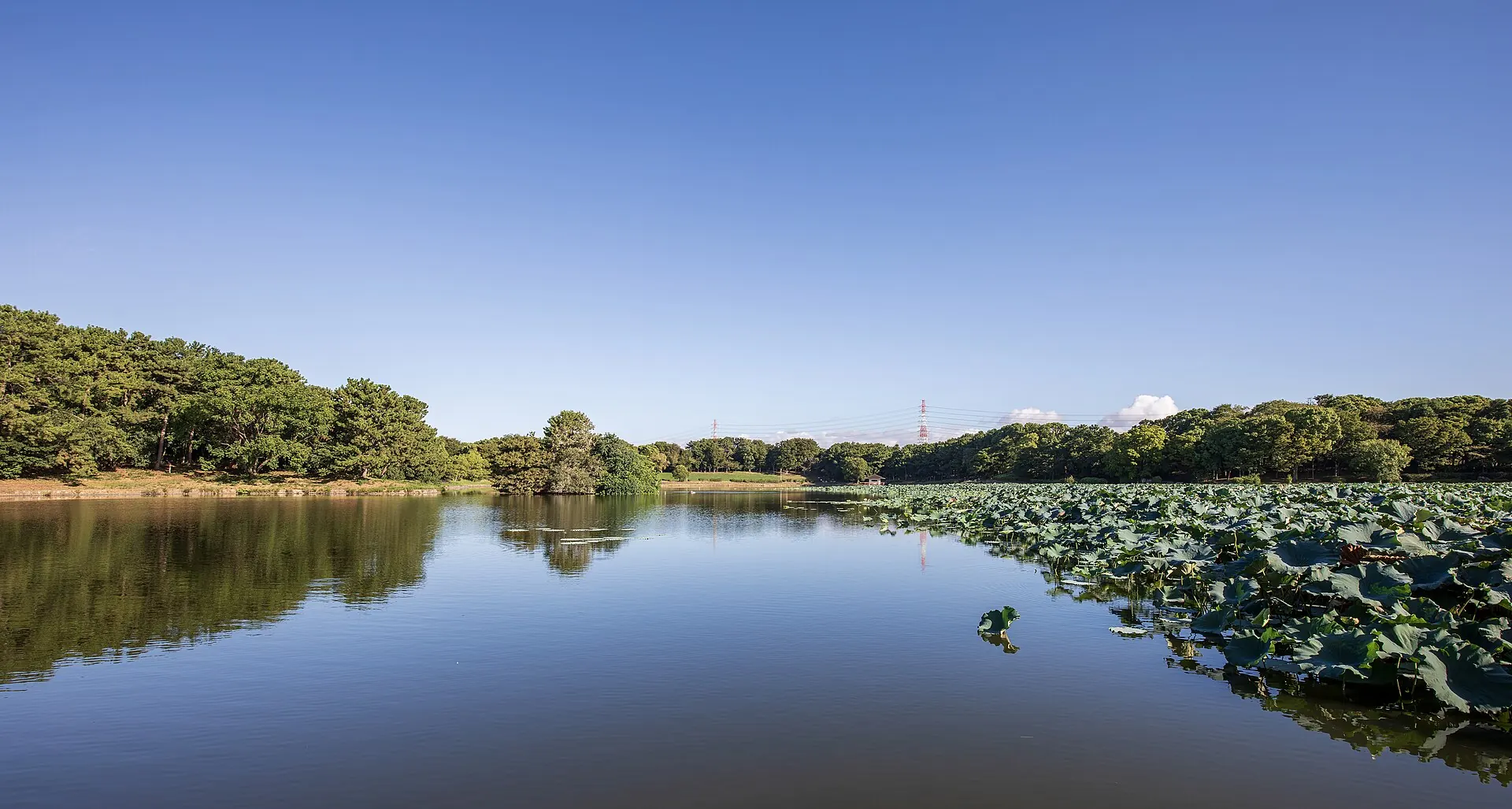
Osaka
大阪
Code OS · 4 walking zones
Osaka is a flat, late-night food city with the easiest airport in Kansai: sleep in Namba for a late KIX landing, in Umeda for rail day-trips.
Our quick read of Osaka, scored 1–5 (friction is out of 100). Cash need: how often you still need notes. Heat risk: how hot days get. Stroller: how easy wheels are. Friction: overall effort for a first visit. Desk judgements, so check before relying on them.
- Local time
- --:--
- Weather
- forecast below
- Currency
- JPY
- Best months
- Jan · Feb · Mar · May · Oct · Nov · Dec
- Airport
- Kansai (KIX)
Walking zones: the 4 areas this guide plans a day around. Each is a district you can cover on foot, so you do one zone per half-day and ride the train between them. The code (OS 01, OS 02…) is just the zone's number on the Osaka line; the line under each name says how bags fare there and how much time it needs.
Map of Osaka
Use the switches to show or hide each kind of pin. A switch that is on shows its pins on the map; tap it again to hide them. "Show only" keeps just the pins that match (for example, places that fit a suitcase). Tap any pin for its name and a link to its page.
- Where to sleep
- Places
- Eat
- Walking clusters
- Rest stops
From the airport Kansai (KIX) to your bed
Tap a pin for its card. Places without their own coordinates are shown by their walking cluster.
Why Osaka
Osaka forgives what Kyoto punishes. It is flat, the subway has elevators almost everywhere, and dinner runs late. The traps are different: Namba crowds after 18:00, Osaka Castle's keep closing earlier than the park, and treating Umeda and Namba as one neighbourhood — they are 15 minutes apart by subway and a different trip.
See first
- 1
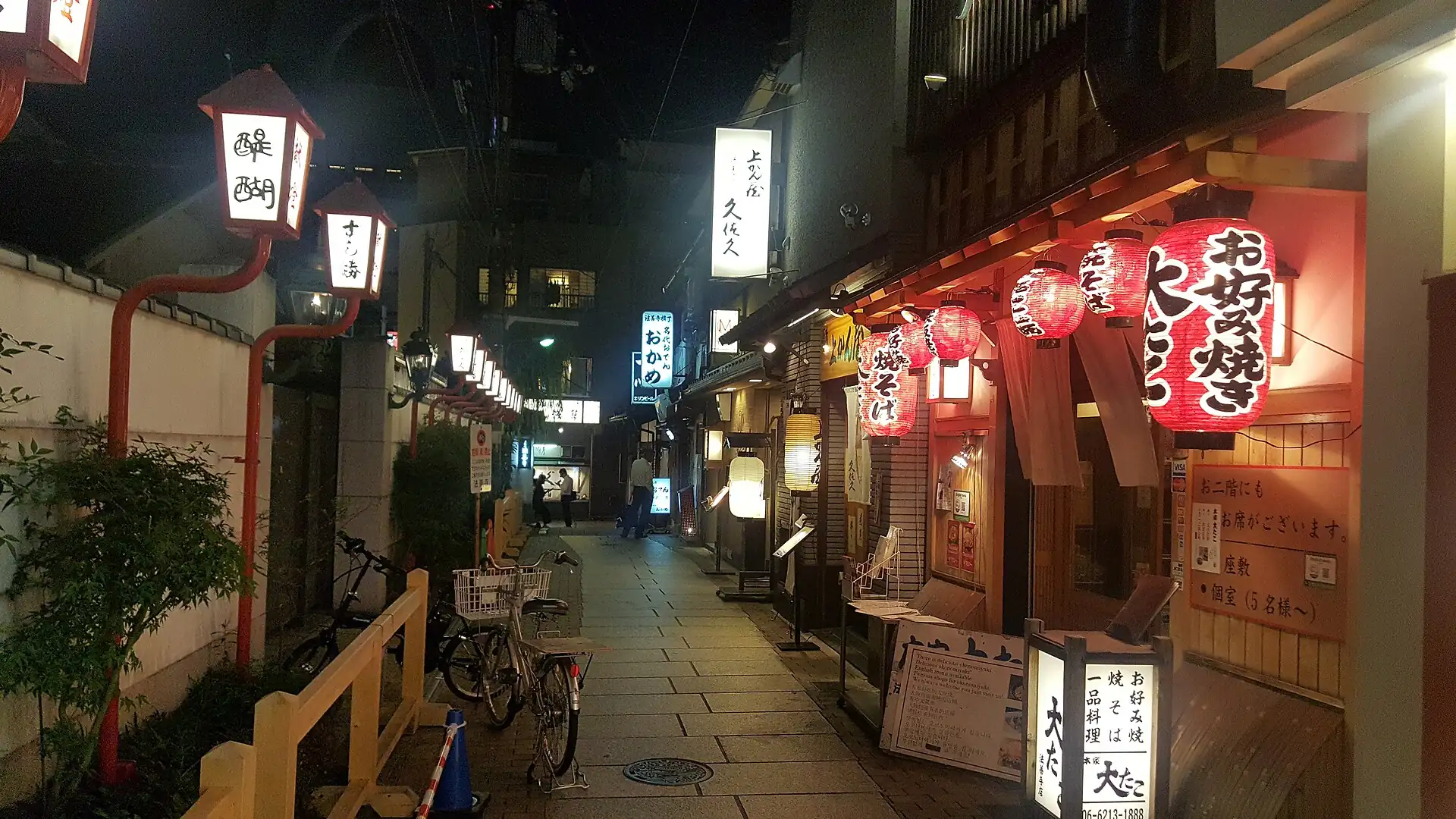 Dōtonbori at dusk · 1–2 h
- 2Breakfast at Kuromon Market · 1 h
- 3Shinsekai and a kushikatsu lunch · 1.5–2 h
- 4Kaiyūkan aquarium · 2–3 h
- 5Nara or Kyoto as a day trip · Full day
Fits
- Late arrivals at KIX
- Food-first trips
- Families with strollers
- A cheaper Kansai base
Does not fit
- Temple-dense itineraries (sleep in Kyoto)
- Quiet evenings in Namba
How long
- 1 daysNamba evening + Osaka Castle morning
- 3 daysCastle, Namba, Shinsekai; Nara or Kyoto as a day-trip
- 5 daysAdd Universal Studios or Kobe; keep one bed
Good for
- First timers
- Foodies
- Families
- Couples
- Solo
- Budget
About Osaka
Osaka grew as a port at the mouth of the Yodo River, where rice, timber and goods from western Japan were landed and traded. For most of the Edo period it was the country's commercial hub while Edo governed and Kyoto held the court: merchants, not samurai, set the tone, and they still do.
The city splits into Kita (north, around Osaka and Umeda stations) and Minami (south, around Namba and Shinsaibashi). Kita is offices, department stores and rail hubs; Minami is food streets, neon and late nights. Midōsuji, the ginkgo-lined boulevard with the red subway line under it, joins the two in about 15 minutes.
Good to know
- Umeda (north, Osaka Station) and Namba (south) are separate clusters; 'Osaka Station' is in Umeda.
- Osaka Visitors' Information Center Umeda, on the ground floor of JR Osaka Station's north side: maps, passes and event dates (check hours).
- Osaka Visitors' Information Center Namba, near Nankai Namba station: KIX arrivals, passes and luggage advice (check hours).
Go deeper 9 min read · 6 chapters
Osaka has been a port, a capital, a temple fortress, a castle town and the nation's warehouse, and each role left something behind: a sixth-century temple plan, a ring of Tokugawa walls, a grid of merchant canals, a theatre street and a habit of eating out. This deep dive reads the city through those layers, so that a walk from the castle to Dōtonbori becomes a walk through who paid for Osaka and how they spent their money.
1History1 min
The first Osaka was Naniwa, a harbour on the edge of a shallow bay where ships from the Inland Sea met the rivers leading inland to the Yamato plain. Envoys from Korea and China landed here, and Buddhism came with them. By tradition Prince Shōtoku founded Shitennō-ji in 593, and in the seventh and eighth centuries emperors built palaces on the Uemachi upland more than once, making Naniwa a capital for short periods before the court settled in Nara and then Kyoto.
In 1496 the priest Rennyo of the True Pure Land school built a temple on the northern tip of the same upland. It grew into Ishiyama Hongan-ji, a walled temple town defended by armed believers, and it resisted the warlord Oda Nobunaga from 1570 until a negotiated surrender in 1580. The name Ōsaka, 'big slope', came into wide use in this period.
Toyotomi Hideyoshi began Osaka Castle on the temple site in 1583 and ordered merchants from nearby towns to settle below it. After his death the Tokugawa besieged the castle twice, in the winter of 1614 and the summer of 1615, and destroyed the Toyotomi line. The shogunate then rebuilt the castle on a larger scale and governed Osaka directly as a commercial city, not as a samurai domain; only a few hundred samurai lived among several hundred thousand townspeople.
Modern Osaka was an industrial giant. Cotton mills and shipyards earned it the nickname 'Manchester of the East', and after absorbing its suburbs in 1925 it was briefly the largest city in Japan. Air raids in 1945 destroyed much of the centre. The postwar city rebuilt around its railways, staged Expo '70 in the northern suburbs, opened Kansai International Airport on an artificial island in 1994, and hosted a second world expo on Yumeshima island in 2025.
- Shitennō-ji founded
- 593 (by tradition)
- Ishiyama Hongan-ji
- 1496–1580
- Osaka Castle begun
- 1583, Toyotomi Hideyoshi
- Summer Siege
- 1615
- City population
- About 2.8 million
- World expos
- 1970 (Suita) and 2025 (Yumeshima)
2The merchant city and its food1 min
Under the Tokugawa, Osaka became the market where western Japan turned rice into money. Domain lords shipped their tax rice to warehouses along the rivers, and merchants sold it, lent against it and traded rice certificates. The Dōjima Rice Exchange, recognised by the shogunate in 1730, dealt in rice for future delivery and is often described as the first organised futures market. The city was nicknamed 'the kitchen of the nation' because so much of the country's food passed through it.
Merchant money shaped the street plan. Wealthy families dug canals such as Dōtonbori and Nishi-Yokobori at their own cost and built most of the bridges; the shogunate paid for only a handful. Neighbourhoods specialised by trade, and some still do: Dōshōmachi for medicines, where pharmaceutical companies keep their head offices, and Sennichimae Dōguyasuji for kitchen tools.
The food culture grew from the same trade. Kelp from Hokkaido arrived on coastal ships and became the base of Osaka's pale, delicate dashi, which is why udon here is served in clear broth. Kitsune udon with sweet fried tofu is credited to an Osaka udon shop in the 1890s, pressed box sushi (hakozushi) was the local style before Tokyo's nigiri spread, and the cheap flour dishes that visitors now come for, takoyaki and okonomiyaki, took their present forms in the 1930s to 1950s.
The attitude is summed up in kuidaore, often translated as 'eat until you drop' or 'ruin yourself on food'. Osaka's reputation is for value rather than refinement, though Kitashinchi's counters are among the most expensive in Japan. The same practical spirit gave the world instant ramen, invented in nearby Ikeda in 1958, and the conveyor-belt sushi restaurant, first opened in Higashi-Osaka the same year.
- Dōjima Rice Exchange
- Officially recognised 1730
- Nickname
- Tenka no daidokoro, the nation's kitchen
- Instant ramen
- 1958, Ikeda
- Conveyor-belt sushi
- 1958, Higashi-Osaka
3Castle and architecture1 min
Hideyoshi's castle was designed to overawe, with a black-lacquered and gilded keep over a double ring of moats. Almost none of it survives. The stone walls visitors see today were built by the Tokugawa from 1620 over the buried Toyotomi walls, using stones supplied by dozens of feudal lords; the largest, the Tako-ishi inside the Sakura-mon gate, is estimated at over 100 tonnes. Excavations have exposed parts of the older walls beneath.
The Tokugawa keep was struck by lightning in 1665 and not rebuilt. In 1931 the city raised a new keep in reinforced concrete, paid for by public donation, loosely based on a Toyotomi-era screen painting. It survived the 1945 air raids, which destroyed the arsenal beside it, and was renovated in the 1990s; it is now a registered cultural property and a museum with a lift inside. Thirteen older structures, including gates and turrets, are listed Important Cultural Properties.
Osaka's early-twentieth-century boom left a line of Western-style buildings along the rivers. The red-brick Central Public Hall on Nakanoshima (1918) was funded by a stockbroker, Iwamoto Einosuke, and the neighbouring Nakanoshima Library (1904) was a gift from the Sumitomo family. In Kitahama and Senba, small office buildings of the 1920s and 30s now house cafés and shops.
Midōsuji, widened into a 44-metre boulevard in the 1930s with the city's first subway underneath, was a statement of municipal ambition under mayor Seki Hajime. Postwar landmarks include the 1956 Tsūtenkaku tower, Hiroshi Hara's Umeda Sky Building (1993) with its roof ring joining two towers, and Abeno Harukas (2014), 300 metres high above Tennōji station. North of Osaka Station, the old freight yard is being turned into Grand Green Osaka, a park and tower district opening in stages (check).
- Current walls
- Tokugawa, from 1620
- Largest wall stone
- Tako-ishi, over 100 t (estimate)
- Concrete keep
- 1931, public donation
- Central Public Hall
- 1918
- Umeda Sky Building
- 1993, 173 m
- Abeno Harukas
- 2014, 300 m
4Puppets, kabuki and comedy1 min
Dōtonbori was a theatre street before it was a food street. From the 1620s the shogunate licensed playhouses on its south bank, and at its peak the canal was lined with kabuki and puppet theatres, their tea-houses serving the audience between acts. In 1684 the chanter Takemoto Gidayū opened his puppet theatre here, and the playwright Chikamatsu Monzaemon wrote for him; 'The Love Suicides at Sonezaki' (1703), based on a real double suicide in Osaka, made the form a hit.
The puppet theatre later took the name bunraku from a nineteenth-century company. Each main puppet is worked by three people in full view, with a chanter and a shamisen player telling the story from a side stage. UNESCO lists it as intangible heritage, and the National Bunraku Theatre in Nippombashi, opened in 1984, remains its home stage; performances run in seasonal blocks rather than year-round (check the programme).
Osaka is also the capital of Japanese comedy. Manzai, a rapid-fire double act of a straight man and a fool, was modernised in Osaka in the 1930s, and the entertainment company Yoshimoto Kōgyō, founded in the city in 1912, still runs Namba Grand Kagetsu and trains many of the comedians on national television. The quick back-and-forth of the Osaka dialect is part of the act.
The theatre street survives mostly in fragments. The Shōchikuza building on Dōtonbori keeps a 1923 facade, Hōzen-ji's lane preserves the scale of the old side streets, and the giant moving signs along the canal, a crab, a pufferfish and a clown drummer, are the modern descendants of theatre advertising.
- Takemoto-za opens
- 1684, Dōtonbori
- Sonezaki Shinjū
- 1703, Chikamatsu Monzaemon
- National Bunraku Theatre
- Opened 1984, Nippombashi
- Yoshimoto Kōgyō founded
- 1912, Osaka
5Neighbourhood stories1 min
The Kita–Minami split is old. Minami, the south, grew around the theatres of Dōtonbori and the pleasure quarters nearby, and it still keeps the late hours. Kita, the north, grew after 1874 when the first railway station was built at Umeda, then a district of reclaimed rice paddies; the private railways followed, and department stores went up over their terminals. Hankyu's founder Kobayashi Ichizō pioneered this pattern of railway, suburb and terminal store.
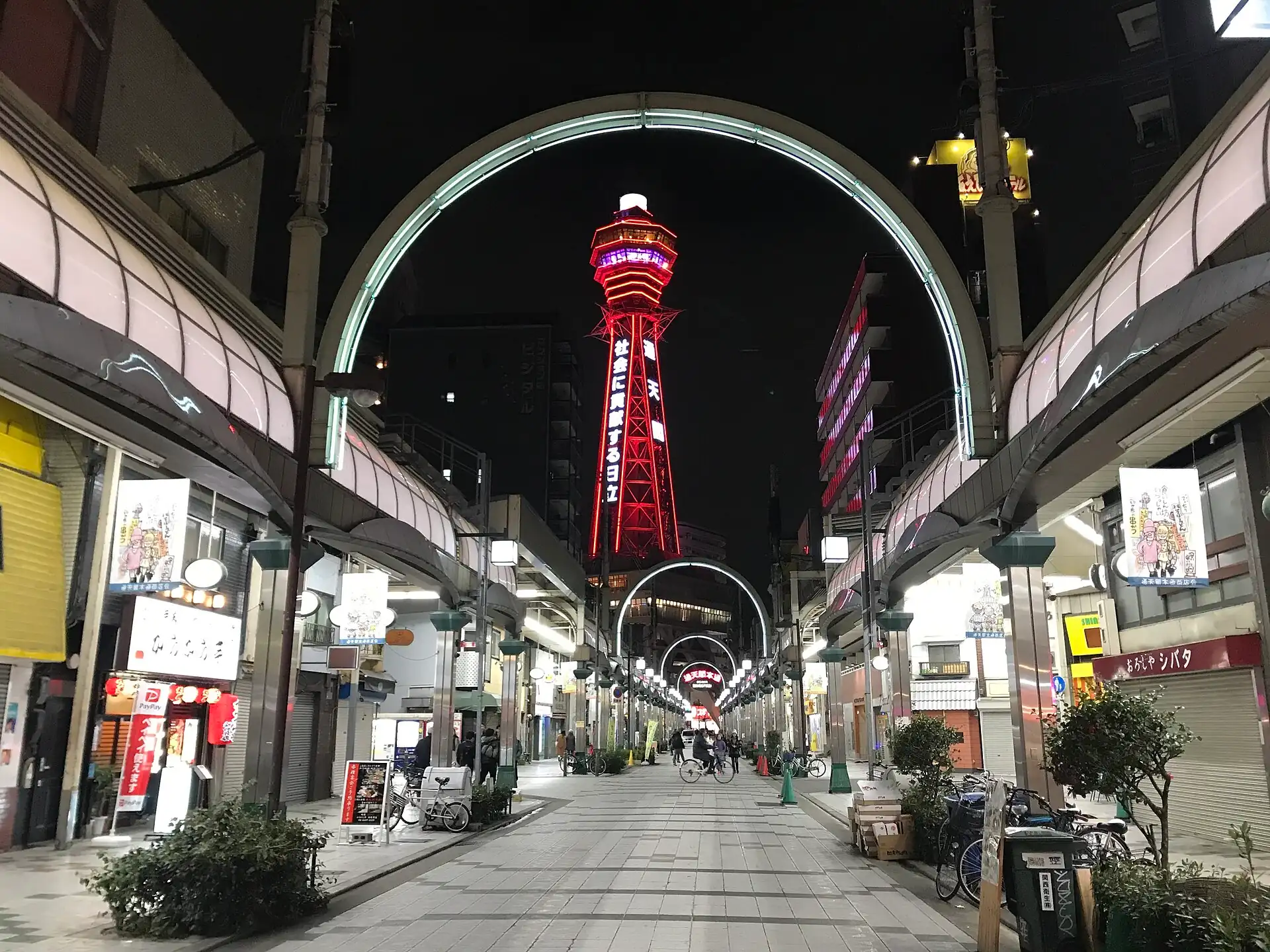
Shinsekai, 'New World', was laid out on part of the 1903 industrial exposition grounds and opened in 1912 with a Paris-inspired radial plan and a tower modelled on the Eiffel Tower and the Arc de Triomphe. An amusement park, Luna Park, stood beside it. The first tower was dismantled in 1943 for its steel; the present Tsūtenkaku dates from 1956. After years of decline the district became a stage set of Shōwa-era signs and kushikatsu counters.
Tsuruhashi, east of the centre, is home to one of Japan's largest Korean communities, many descended from people who came from Jeju Island in the colonial period. Its covered market and yakiniku restaurants took shape in the black market around the station after 1945. South of Shinsekai, the Airin district in Nishinari was for decades Japan's largest day-labourer quarter; cheap lodgings there now also house budget travellers.
Tenjinbashisuji, a covered shopping street of about 2.6 kilometres, runs north from Osaka Tenmangū shrine and is often called the longest in Japan. Around JR Tenma station, small bars and grills fill the lanes. Nakanoshima, the island between the Dōjima and Tosabori rivers, was once lined with domain warehouses; today it holds the art museums, the city hall and the Bank of Japan's Osaka branch.
- Umeda station opens
- 1874
- Shinsekai opens
- 1912
- Current Tsūtenkaku
- 1956, 103 m
- Tenjinbashisuji arcade
- About 2.6 km (1.6 mi)About 1.6 mi (2.6 km)
6The water city, then and now1 min
Osaka calls itself the city of water, Mizu no Miyako. In the Edo period there were so many canals and bridges that people said Osaka had 'eight hundred and eight bridges', as against Edo's 'eight hundred and eight streets'. Goods moved by boat to warehouses in the heart of the city, and river festivals were the biggest events of the year.
The Tenjin Matsuri, held on 24 and 25 July since the tenth century, is the survivor. On the second evening about a hundred boats carry the shrine's deities up the Ōkawa river under fireworks, watched by over a million people from the banks. Most of the canals were filled in during the twentieth century to build roads, but Dōtonbori and the Ōkawa remain, and the Tombori riverwalk, opened along Dōtonbori in the 2000s, turned the canal back towards the city.
The bay has been the city's frontier for a century and a half. Land was reclaimed for docks and factories, then for Tempozan's aquarium and Universal Studios Japan, which opened in 2001 on former industrial land. Kansai International Airport, built on an artificial island and opened in 1994, was a response to noise limits at Itami; in 2018 a typhoon flooded it and knocked a tanker into its only bridge, stranding travellers for a day.
Yumeshima, a landfill island, hosted Expo 2025 from April to October under the theme of designing future society, with a giant wooden ring by Sou Fujimoto around the pavilions. After the Expo the site is being cleared and redeveloped; Japan's first integrated casino resort is planned there for around 2030, and part of the ring is to be kept (check). Planning a visit to the island itself is not worthwhile for now.
- Nickname
- Mizu no Miyako, city of water
- Tenjin Matsuri
- 24–25 July
- Universal Studios Japan
- Opened 2001
- KIX opened
- 1994
- Expo 2025
- 13 April – 13 October 2025, Yumeshima
Read, watch, wordsReading · Watching · Glossary · Sources
Reading
- Osaka: The Merchants' Capital of Early Modern Japan — James L. McClain and Wakita Osamu (eds.)Scholarly essays on how the Edo-period merchant city worked.
- The Love Suicides at Sonezaki (in Major Plays of Chikamatsu) — Chikamatsu Monzaemon, translated by Donald KeeneThe Osaka puppet play that made bunraku popular.
- The City as Subject: Seki Hajime and the Reinvention of Modern Osaka — Jeffrey E. HanesThe mayor behind Midōsuji and interwar Greater Osaka.
- The Makioka Sisters — Tanizaki Jun'ichirōAn Osaka merchant family in the late 1930s, between Osaka and Ashiya.
Watching
- Black Rain — Ridley Scott, 1989Neon Osaka at the end of the bubble era, shot around Dōtonbori and Umeda.
- Osaka Elegy — Mizoguchi Kenji, 1936Prewar Osaka through the eyes of a young switchboard operator.
- Josee, the Tiger and the Fish — Isshin Inudō, 2003Everyday Osaka and its dialect in a small love story.
Glossary
| Term | Local | Meaning |
|---|---|---|
| kuidaore | 食い倒れ | Eating until you drop; Osaka's food-first attitude. |
| tenka no daidokoro | 天下の台所 | The nation's kitchen, the Edo-period nickname for Osaka. |
| Kita / Minami | キタ・ミナミ | North (Umeda) and south (Namba) centres of the city. |
| Osaka-ben | 大阪弁 | The Osaka dialect; 'ōkini' for thank you, 'akan' for no good. |
| manzai | 漫才 | Double-act stand-up comedy of a straight man and a fool. |
| bunraku | 文楽 | Puppet theatre with three operators per puppet, born in Osaka. |
| danjiri | だんじり | Heavy wooden festival float pulled through the streets. |
| makete | まけて | 'Give me a discount', said as much in jest as in earnest. |
Read for this deep dive
- Wikipedia — Osaka ↗
- Wikipedia — Osaka Castle ↗
- Wikipedia — Bunraku ↗
- Wikipedia — Dōjima Rice Exchange ↗
- Wikipedia — Expo 2025 ↗
Background reading only: the text above is written by Voykit, not copied from these pages.
Rules in force · 6
- East Asia ↗Every border in East Asia is a full international border, Hong Kong and Macau included: an entry permission for one never covers the next.
- East Asia ↗Ferries between Korea, Japan and China cancel in rough seas and typhoons; keep a flight or a spare day behind every sea leg.
- Japan ↗IC cards (ICOCA/Suica) are topped up with cash at station machines.
- Japan ↗Smoking while walking is banned in most city centres; use designated areas.
- Japan ↗Shinkansen bags 160–250 cm (L+W+H) need a seat reserved with the oversized-baggage area.
- Kansai ↗ICOCA is the default IC card; Suica works too.
Entry rules depend on your passport. Full visa guide
Emergency numbers for Osaka110 ▾
- Police110
- Fire and ambulance119
- Japan Visitor Hotline (24 h)050-3816-2787
- AMDA medical information03-6233-9266
Tap a number to call from your phone. These are the numbers listed in this guide; a row marked check has not been verified.
Planning is the full guide. I'm here keeps what is open and the cheat card.
Right now
Checking the weather…
Working out what is open near you…
What is open nowclock, closures, places open
Now in Osaka
Local time in Osaka
--:--
Loads in your browser · Asia/Tokyo
This month
Month verdict appears here.
Closed today
See the weekly grid below.
| Weekly closure | Mon | Tue | Wed | Thu | Fri | Sat | Sun |
|---|---|---|---|---|---|---|---|
| Osaka Museum of History | · | ✕ | · | · | · | · | · |
| Osaka Museum of HistoryWednesday instead after a Tuesday holiday (check). | · | ✕ | · | · | · | · | · |
| Osaka Museum of Housing and LivingcheckEdo-period street rebuilt indoors at Tenjinbashisuji 6-chōme. | · | ✕ | · | · | · | · | · |
| Tennōji ZoocheckTuesday instead after a Monday holiday. | ✕ | · | · | · | · | · | · |
| Osaka Science Museum (Nakanoshima)check | ✕ | · | · | · | · | · | · |
| Nakanoshima Museum of Art and National Museum of Art, OsakacheckAlso closed between exhibitions. | ✕ | · | · | · | · | · | · |
| Museum of Oriental Ceramicscheck | ✕ | · | · | · | · | · | · |
| Kids Plaza OsakacheckExtra closing days in some months. | ✕ | · | · | · | · | · | · |
If today is a closure day: Monday: the castle keep, Dōtonbori, Shitennō-ji and Umeda Sky are open, but most museums, Tennōji Zoo and the science museum are shut. Tuesday is the one day to avoid the Osaka Museum of History and the Museum of Housing and Living.
Open every day: Dōtonbori, Hōzen-ji, Osaka Castle (main keep), Shitennō-ji, Tsūtenkaku, Umeda Sky Building (Floating Garden).
- check Kaiyūkan aquarium: Open most days; a few maintenance closures a year.
- check Kuromon Market: Open daily, but some stalls close on Sundays and holidays.
Weekly closures come from our place pages and the list below. When the usual closing day is a public holiday, most museums open and close on the next weekday instead. New Year (about 28 Dec–3 Jan) closes the castle keep, museums and many restaurants.
Open now
The sights and places to eat on our list that are open at this moment, in the city's time, nearest first from where you are staying.
Loads in your browser with the city's local time.
Hours marked (check) are typical, not confirmed. Walking times are straight-line estimates. Open at another time →
Cheat cardthe pocket version
Cheat card
The essentials on one card: save it as an image for your phone, share it, or print it.
Osaka
大阪
- Money
- Withdraw when projected cash < next 24h need + ¥5,000 reserve; convenience-store ATMs are everywhere in Namba and Umeda.
- SIM
- Install an eSIM before you fly, or rent pocket Wi-Fi or buy a data SIM at the airport.
- Ride app
- GO, Uber and DiDi
- Emergency
- 110 police · 119 fire and ambulance · 050-3816-2787 Japan Visitor Hotline (24 h) (not 911, 999 or 000)
- Plugs
- Sockets A. US/Canada (A/B): fits · UK/Ireland (G): adapter · Australia/NZ (I): adapter. 100 V: UK and AU 230 V-only devices need a converter; most chargers are dual-voltage.
Say it
- Excuse me / Sorry: すみません (sumimasen)
- Thank you: ありがとうございます (arigatō gozaimasu)
- This one, please: これをください (kore o kudasai)
- Can I pay by card?: カードで払えますか? (kādo de haraemasu ka)
- To this address, please: ここまでお願いします (koko made onegai shimasu)
Top 5
- Dōtonbori at dusk
- Osaka Castle (main keep)
- Breakfast at Kuromon Market
- Shinsekai and a kushikatsu lunch
- Umeda Sky Building (Floating Garden)
EssentialsQuick answers, what things cost and how to get around
Essentials
Quick answers, what things cost and how to get around
Quick answers
The questions people ask first about Osaka, one line each. Tap a card for the full answer.
- Cash or card?Cards, phone wallets and IC cards work in most shops, stations and chains; carry cash for temples, shrines, small restaurants…
- SIM or eSIMInstall an eSIM before you fly, or rent pocket Wi-Fi or buy a data SIM at the airport.
- Ride-hailing appGO, Uber and DiDi.
- Tap waterTap water is safe to drink everywhere.
- TippingNot practised — leaving money can cause confusion.
- Plugs & powerSockets A. US/Canada (A/B): fits · UK/Ireland (G): adapter · Australia/NZ (I): adapter. 100 V: UK and AU 230 V-only devices need a converter; most chargers are dual-voltage.
Show all 14 answers
- Safe at night?Take more care after dark in Dōtonbori canal and Ebisu-bashi, Sōemonchō and Minami host-club streets, Nishinari / Airin (south of Shin-Imamiya) and more.
- Emergency numbers110 police · 119 fire and ambulance · 050-3816-2787 Japan Visitor Hotline (24 h) (not 911, 999 or 000)
- Your embassycheckUS, UK, Australia embassies listed with addresses (check before you go).
- Closed which day?Mon: 5 on our list shut · Tue: 3 on our list shut.
- Sundays & holidaysWhen the usual closing day is a public holiday, most museums open and close on the next weekday instead.
- Late at nightShops roughly 10:00–20:00; convenience stores 24 h.Shops roughly 10:00 AM–8:00 PM; convenience stores 24 h.
- Rainy-day planRain moves you under a roof: Osaka has kilometres of covered arcades (Shinsaibashi-suji, Tenjinbashisuji) and the Umeda and Namba underground malls…
- Landing lateKIX: last nankai train to Namba about 23:00, then airport limousine bus to Namba (OCAT) until about 23:30.KIX: last nankai train to Namba about 11:00 PM, then airport limousine bus to Namba (OCAT) until about 11:30 PM.
Cost cheat-sheetwhat everyday things cost
Cost cheat-sheet
Typical prices for the everyday things, as ranges. Change the currency right here; the local price stays first.
2026 desk estimate · check
- Coffeecafé / convenience store¥400–700 (≈ US$3–5)¥120–250 (≈ US$1–2)
- Street or quick mealBeer: draught in an izakaya / can at a konbini¥450–750 (≈ US$4–6)¥220–320 (≈ US$2–3)
- Taxi, about 5 km (3 mi)Taxi, about 3 mi (5 km)5 km (3.1 mi) taxi3.1 mi (5 km) taxiFlag fall about ¥500–600 depending on the company (check); 20% night surcharge 22:00–05:00.Flag fall about ¥500–600 depending on the company (check); 20% night surcharge 10:00 PM–5:00 AM.¥2,000–2,600 (≈ US$14–18)
- Metro or bus rideSubway rideIC card and contactless fares are the same or a few yen lower.¥190–390 (≈ US$2–3)
- Museum or sight ticketMuseum or observation deck¥600–2,000 (≈ US$5–14)
- Budget bedHostel dorm bed or capsule, a night, per person¥3,000 (≈ US$25)
- Mid-range bedHotel double room, a night, per room¥18,000 (≈ US$130)
- High-end bedHotel double room, a night, per room¥45,000 (≈ US$350)
A day, not counting the bed: Budget ¥7,000 (≈ US$50) · Mid ¥14,000 (≈ US$95) · High ¥28,000 (≈ US$190)
Local prices, with USD next to them (rates 2026-09 (approximate); change it in the header). Ranges are desk estimates: check locally. Every price and the budget calculator →
Source: Prices in Osaka
Draft
Written from desk research. Not yet compared with the official source.
No official source is recorded for this figure.
Prices are 2026 desk estimates, not yet compared with an official source. Check on the day.
Not checked in the last 12 months (no check date on file).
DecideWho it suits, the trade-offs and when to go
Decide
Who it suits, the trade-offs and when to go
Best months at a glance
The guide's verdict for each month
Jan
Best
10°C (50°F)50°F (10°C)
Feb
Best
11°C (52°F)52°F (11°C)
Mar
Best
14°C (57°F)57°F (14°C)
Apr
Go early
20°C (68°F)68°F (20°C)
May
Best
25°C (77°F)77°F (25°C)
Jun
Care
28°C (82°F)82°F (28°C)
Jul
Care
32°C (90°F)90°F (32°C)
Aug
Avoid
34°C (93°F)93°F (34°C)
Sep
Care
30°C (86°F)86°F (30°C)
Oct
Best
24°C (75°F)75°F (24°C)
Nov
Best
18°C (64°F)64°F (18°C)
Dec
Best
12°C (54°F)54°F (12°C)
Best: Oct–May. Mixed: Jun–Jul, Sep. Avoid: Aug. Month by month →
Warmest Aug (34°C (93°F)93°F (34°C)), coolest Jan (3°C (37°F)37°F (3°C) low), wettest Jun (12 rain days), driest Jan (5). Averages, not a forecast.
Osaka across the year
Best-looking months for Osaka: Jan, May, Oct. Rated avoid: Aug.
| Measure | Jan | Feb | Mar | Apr | May | Jun | Jul | Aug | Sep | Oct | Nov | Dec |
|---|---|---|---|---|---|---|---|---|---|---|---|---|
| Weather | Good (good) | Good (good) | Good (good) | Good (good) | Great (good) | Mixed (care) | Mixed (care) | Avoid (avoid) | Mixed (care) | Great (good) | Great (good) | Good (good) |
| Crowds | Low (good) | Low (good) | High (care) | High (care) | Medium (ok) | Low (good) | Medium (ok) | High (care) | Medium (ok) | Medium (ok) | High (care) | Medium (ok) |
| Prices | Low (good) | Low (good) | High (care) | High (care) | Medium (ok) | Medium (ok) | Medium (ok) | High (care) | Medium (ok) | Medium (ok) | High (care) | Medium (ok) |
| Events | 4 events (ok) | 1 event (ok) | 2 events (ok) | 3 events (ok) | 1 event (ok) | 2 events (ok) | 4 events (ok) | 4 events (ok) | 2 events (ok) | 3 events (ok) | 1 event (ok) | 3 events (ok) |
Green is good news, amber needs planning, red is a month to avoid; dashed grey with a question mark means our data does not say. Open the year heatmap →
Not checked in the last 12 months (no check date on file).
Source: Months, temperatures and crowds
Draft
Written from desk research. Not yet compared with the official source.
Monthly highs, rain and crowd levels are climate averages and desk estimates for the city, not a forecast.
Understand the cityUnderstand · Districts
Orientation & districts
Think of Osaka as two centres on one red line. Umeda (Kita) is the rail hub around Osaka Station at the north; Namba and Shinsaibashi (Minami) are the food and nightlife centre to the south; the Midōsuji line joins them in about 15 minutes. The castle park sits east of the centre, Shinsekai and Tennōji to the south, and the bay (aquarium, Universal Studios) to the west. Shin-Osaka, for the Shinkansen, is one stop north of Umeda across the Yodo River.
Ward names (Kita-ku, Chūō-ku, Naniwa-ku) appear on addresses; everyone uses station names. 'Osaka' in a hotel name can mean anywhere from Shin-Osaka to the bay.
Shaded shapes: walking areas (click one). Black pins: sleep areas. Grey dots: places. Round badges: arrivals. Click the map to turn on scroll-wheel zoom.
Hover, tap or tab to an area to see what it is like. Pins are sleep areas; arrows at the edge point to the airport.
Not drawn yet (no coordinates in this guide): Shin-Osaka, Nakanoshima and Kitahama, Nippombashi and Den Den Town, Tenma and Tenjinbashisuji, Tsuruhashi, Bay area: Tempozan and Universal City, Nishinari (Shin-Imamiya, Dōbutsuen-mae south). They are in the neighbourhood cards below.
Where’s what, as a list:
- Namba and Dōtonbori (Minami) (難波・道頓堀): One Nankai train from KIX; canal-side neon, takoyaki and late food. Loud until after midnight; pick a hotel a block off the canal. Suits: Late KIX arrivals, food-first trips, first-timers. Price band $$.
- Shinsaibashi and Amerikamura (心斎橋・アメリカ村): The covered Shinsaibashi-suji arcade runs north from Dōtonbori; Amerikamura's side streets are clubs, vintage and street food. Suits: Shopping, young nightlife.
- Umeda and Osaka Station (Kita) (梅田・大阪駅): JR, Hankyu and Hanshin all start here: Kyoto, Kobe and Nara on direct trains. The underground mall is a maze; follow the station letter signs. Suits: Rail day trips, department stores, business travel. Price band $$.
- Shin-Osaka (新大阪): Business hotels by the Shinkansen gates; little to see and few good restaurants outside the station. Suits: Early Shinkansen, one-night stopovers.
- Osaka Castle and Tanimachi (大阪城・谷町): Big green park with moats; hotels on its west side are quiet and well connected. Suits: The castle park, the history museum, a morning run.
- Nakanoshima and Kitahama (中之島・北浜): An island between two rivers with the art museums and the brick Central Public Hall; calm in the evening. Suits: Museums, river cafés, 1910s–30s buildings.
- Shinsekai and Tennōji (新世界・天王寺): Shinsekai is best at lunch and early evening; Tennōji station has the tower and department stores. Suits: Kushikatsu, retro streets, Shitennō-ji, Abeno Harukas.
- Nippombashi and Den Den Town (日本橋・でんでんタウン): One stop east of Namba; the market mornings, the shops afternoons. Suits: Kuromon market, anime and electronics.
- Tenma and Tenjinbashisuji (天満・天神橋筋): Locals' drinking district by JR Tenma station; the arcade runs north from Osaka Tenmangū shrine. Suits: Cheap izakaya and a 2.6 km covered shopping street.
- Tsuruhashi (鶴橋): Smoke-filled grill restaurants by the JR and Kintetsu station; lanes of kimchi and hanbok shops. Suits: Yakiniku and Korean markets.
- Bay area: Tempozan and Universal City (天保山・ユニバーサルシティ): Park hotels suit a USJ-first trip; everything else is 20–30 min away. Do not base a food trip here. Suits: Kaiyūkan aquarium, Universal Studios Japan.
- Nishinari (Shin-Imamiya, Dōbutsuen-mae south) (西成): Cheapest hostels in the city beside a day-labourer district; basic, some with curfews. Fine by day; many travellers prefer to pay more elsewhere. Suits: Rock-bottom beds only.
- Sleep area Namba / Shinsaibashi: suits Late KIX arrivals, food-first trips, first-timers, price band $$.
- Sleep area Umeda / Osaka Station: suits Rail day trips, department stores, business travel, price band $$.
- Kansai International Airport (KIX), about 37 km (23 mi)23 mi (37 km) from the centre, 40–48 min by the usual route.
Neighbourhoods at a glance
One tab per area, pulled together from this guide’s districts table, area notes, sleep-area scores and place pages. Scores are desk judgements (1–5); prices are estimates, check before you book.
Namba and Dōtonbori (Minami)
$$難波・道頓堀
One Nankai train from KIX; canal-side neon, takoyaki and late food. Loud until after midnight; pick a hotel a block off the canal.
- Suits:
- Late KIX arrivals, food-first trips, first-timers
- Best time:
- Dusk and late evening
- Rooms:
- ¥2,500–6,000 dorm bed or capsule · ¥7,000–12,000 double (from the sleep guide)
Pick this if: First night, food, nightlife
Watch out for: Ebisu-bashi at 20:00 on a Saturday if you dislike crowds.
- Quiet nights2/5 Low
- Nightlife5/5 Very high
- Families3/5 Medium
- Late arrival5/5 Very high
Why these scores
- Quiet nights: Canal-side rooms hear the street until after midnight; ask for a high floor or a block back.
- Nightlife: Dōtonbori, Ura-Namba and Amerikamura on foot.
- Families: Easy food and lifts, but crowds at child height in the evening.
- Late arrival: The easiest late KIX landing in Japan: trains until about 23:00 and 24-hour desks.
Getting around from here
- 20–26 min walk to Shinsekai / Tennōji
- Midōsuji subway: about 15 min to Umeda
- KIX: about 36 km (22 mi) in a straight line (arrival ride 40–48 min)KIX: about 22 mi (36 km) in a straight line (arrival ride 40–48 min)
Shinsaibashi and Amerikamura
心斎橋・アメリカ村
The covered Shinsaibashi-suji arcade runs north from Dōtonbori; Amerikamura's side streets are clubs, vintage and street food.
- Suits:
- Shopping, young nightlife
- Best time:
- Dusk and late evening
Pick this if: First night, food, nightlife
Watch out for: Ebisu-bashi at 20:00 on a Saturday if you dislike crowds.
Getting around from here
- Walk south or one subway stop: about 20 min to Shinsekai / Tennōji
- Midōsuji subway: about 15 min to Umeda
- KIX: about 36 km (22 mi) in a straight line (arrival ride 40–48 min)KIX: about 22 mi (36 km) in a straight line (arrival ride 40–48 min)
Umeda and Osaka Station (Kita)
$$梅田・大阪駅
JR, Hankyu and Hanshin all start here: Kyoto, Kobe and Nara on direct trains. The underground mall is a maze; follow the station letter signs.
- Suits:
- Rail day trips, department stores, business travel
- Best time:
- Any time
- Rooms:
- ¥12,000–28,000 (from the sleep guide)
Pick this if: Rail day trips, shopping, business
Watch out for: Crossing the station complex with big bags at rush hour.
- Quiet nights4/5 High
- Nightlife3/5 Medium
- Families4/5 High
- Late arrival4/5 High
Why these scores
- Quiet nights: Office towers empty at night; calmer than Namba.
- Nightlife: Fukushima and Tenma are one stop away; Kitashinchi for money.
- Families: Department stores, baby rooms and wide underground malls.
- Late arrival: Big hotels run 24-hour desks; KIX limousine buses stop at the hotels.
Getting around from here
- 25–32 min walk to Osaka Castle Park
- Midōsuji subway: about 15 min to Namba / Dōtonbori
- KIX: about 39 km (24 mi) in a straight line (arrival ride 40–48 min)KIX: about 24 mi (39 km) in a straight line (arrival ride 40–48 min)
Shin-Osaka
新大阪
Business hotels by the Shinkansen gates; little to see and few good restaurants outside the station.
- Suits:
- Early Shinkansen, one-night stopovers
Osaka Castle and Tanimachi
大阪城・谷町
Big green park with moats; hotels on its west side are quiet and well connected.
- Suits:
- The castle park, the history museum, a morning run
- Best time:
- 07:00–10:007:00 AM–10:00 AM
Pick this if: Mornings, families, blossom
Watch out for: Midday in August: little shade.
Getting around from here
- JR loop line: about 20 min to Umeda
- Subway via Tanimachi 4-chome: about 20 min to Namba / Dōtonbori
- KIX: about 39 km (24 mi) in a straight line (arrival ride 40–48 min)KIX: about 24 mi (39 km) in a straight line (arrival ride 40–48 min)
Nakanoshima and Kitahama
中之島・北浜
An island between two rivers with the art museums and the brick Central Public Hall; calm in the evening.
- Suits:
- Museums, river cafés, 1910s–30s buildings
- Best time:
- Afternoon into the lit evening
Pick this if: A calm half day, couples
Watch out for: Mondays, when most museums close.
Shinsekai and Tennōji
新世界・天王寺
Shinsekai is best at lunch and early evening; Tennōji station has the tower and department stores.
- Suits:
- Kushikatsu, retro streets, Shitennō-ji, Abeno Harukas
- Best time:
- 11:00–20:0011:00 AM–8:00 PM
Pick this if: Kushikatsu lunches, older-Osaka atmosphere
Watch out for: Late night on the side streets south of the zoo.
Getting around from here
- Walk north or subway: about 20 min to Namba / Dōtonbori
- KIX: about 36 km (22 mi) in a straight line (arrival ride 40–48 min)KIX: about 22 mi (36 km) in a straight line (arrival ride 40–48 min)
Nippombashi and Den Den Town
日本橋・でんでんタウン
One stop east of Namba; the market mornings, the shops afternoons.
- Suits:
- Kuromon market, anime and electronics
Tenma and Tenjinbashisuji
天満・天神橋筋
Locals' drinking district by JR Tenma station; the arcade runs north from Osaka Tenmangū shrine.
Feels: Locals' drinking streets under the tracks
- Suits:
- Cheap izakaya and a 2.6 km covered shopping street
- Best time:
- 18:00–23:006:00 PM–11:00 PM
Pick this if: Cheap izakaya evenings
Watch out for: Expecting English menus everywhere.
Tsuruhashi
鶴橋
Smoke-filled grill restaurants by the JR and Kintetsu station; lanes of kimchi and hanbok shops.
- Suits:
- Yakiniku and Korean markets
Bay area: Tempozan and Universal City
天保山・ユニバーサルシティ
Park hotels suit a USJ-first trip; everything else is 20–30 min away. Do not base a food trip here.
- Suits:
- Kaiyūkan aquarium, Universal Studios Japan
Nishinari (Shin-Imamiya, Dōbutsuen-mae south)
西成
Cheapest hostels in the city beside a day-labourer district; basic, some with curfews. Fine by day; many travellers prefer to pay more elsewhere.
- Suits:
- Rock-bottom beds only
Ward by ward
8 area guides. Open one for the short answer, the key facts and what the area is like; the full guide is linked inside. Prices marked (check) are estimates.
Bay AreaBest for: Universal Studios Japan, Kaiyukan aquarium, Tempozan, family trips
Stay in the Bay Area only if Universal Studios Japan or Kaiyukan is your priority; it is a reclaimed waterfront of big attractions, not a food-and-nightlife district. Base in Minami or Kita for eating and nightlife, and day-trip here by Metro Chuo Line. Choose Bay Area hotels for family trips and early park starts.
- Best for:
- Universal Studios Japan, Kaiyukan aquarium, Tempozan, family trips
- Worst for:
- Nightlife, izakaya crawls, walkable old-town streets
- Main rail:
- Metro Chuo Line to Osakako and Cosmosquare; Nankō Port Town Line for Nankō
- To Minami (Namba):
- About 25–30 minutes by Metro Chuo Line and Midosuji Line (check)
- To Shin-Osaka:
- About 35–40 minutes by metro and JR (check)
- Kaiyukan adult ticket:
- ¥2,700 (2026 estimate)
- Tempozan Ferris Wheel:
- ¥800 (2026 estimate)
- Wards:
- Suminoe (Nankō) and Konohana; Yumeshima is the Expo 2025 island
What the area is like
The Bay Area is Osaka's western waterfront, built largely on reclaimed land in the wards of Suminoe and Konohana. Locals often call it Osaka-kō (Osaka Port) or Port Town, with the residential southern half known as Nankō. It is a district of big single-purpose sites rather than a grid of small streets: an aquarium, a Ferris wheel, a shopping village, a theme park, a boat-race stadium and convention halls, with wide roads and few pedestrians after dark.
Yumeshima, an artificial island at the western edge, hosted Expo 2025 from April to October 2025. A casino resort is planned there around 2030, so parts of the island may be a construction site when you visit.
The area is popular with young people and families on day trips, but it is not where Osaka eats and drinks. For that you cross the city to Minami (Namba, Dotonbori) or Kita (Umeda).
Full Bay Area guideShould you stay here
Stay here if your trip is built around Universal Studios Japan or Kaiyukan, if you are travelling with children, or if you want a quiet hotel with parking and easy airport access. Hotels cluster around Universal City station and Osakako, and prices are usually lower than equivalent rooms in Minami or Kita (2026 estimate).
Do not stay here if you want to walk out of your hotel into bars, street food and late-night shopping. The last metro trains run before 1am, and taxis back from Namba cost real money. Most first-time visitors are better off basing in Minami or Kita and treating the Bay Area as a day trip.
A middle option: stay two nights near Universal City for the park, then move to Minami for the rest of the trip. Bags can be forwarded between hotels by same-day courier for around ¥2,000 per bag (2026 estimate).
HiranoBest for: Cheap beds, local food, Edo-period streets, July danjiri festival
Stay in Hirano only if you want a quiet, low-cost base in Osaka's old cotton town and are fine with 35–45 minutes to central Osaka. Most first-time visitors should stay in Minami or Kita and visit Hirano as a half-day for the Old City, Kire moated settlement and the July danjiri festival.
- Best for:
- Cheap beds, local food, Edo-period streets, July danjiri festival
- Not for:
- First-timers wanting nightlife, shopping or a walkable base for Dotonbori
- To central Osaka:
- 35–45 minutes by metro or JR from Shin-Osaka (check)
- Two Hirano stations:
- Osaka Metro Hirano and JR Hirano are separate, about 1.5 km (0.9 mi) apartOsaka Metro Hirano and JR Hirano are separate, about 0.9 mi (1.5 km) apart
- Festival:
- Hirano-gō Summer Festival, July; Osaka's largest danjiri festival (check)
- Typical hotel price:
- 2026 estimate: ¥6,000–12,000 per double per night (check)
What Hirano is like
Hirano sits on Osaka's southeast side and was an independent moated commercial city before it joined Osaka. It was nationally known as Cotton City, and the name comes from Sakanoe no Hironomaro, the nobleman who developed the area. The Hirano Old City (Hirano-gō) is one of Osaka's oldest urban areas, rebuilt in the early Edo period on a grid plan.
Most of the moats were filled in as the city grew, but the street pattern survives, lined with Edo-period machiya, temples and shrines. Kire, a short ride south, keeps Osaka's best-preserved moated settlement. The Hirano Machigurumi Museum is a town-wide ecomuseum network started in 1993, run by residents rather than the city; walking between its small sites is the point. Two free stops are the Katana Museum at Masumian, with sword displays and polishing demonstrations, and the Cotton City Museum in the storehouse of the Ebisui House.
The district is also a festival town. The Hirano-gō Summer Festival, held in July at Kumata Shrine, is Osaka's largest danjiri float festival and draws crowds from across the city.
Full Hirano guideShould you stay in Hirano?
Hirano works as a base if you want lower room rates, a quiet residential feel and easy access to the Old City on foot. It does not work if your trip is built around Dotonbori, Umeda or Kuromon Market: you will spend 35–45 minutes each way, and the last trains back are early by Osaka standards.
The two Hirano stations are a real trap. Osaka Metro Hirano and JR Hirano are separate stations about 1.5 km (0.9 mi) apart, so check which one is near your hotel before booking. If you are in Osaka mainly for food and nightlife, stay in Minami or Kita and treat Hirano as a half-day trip; if you are here for the July festival, book early, as the area fills.The two Hirano stations are a real trap. Osaka Metro Hirano and JR Hirano are separate stations about 0.9 mi (1.5 km) apart, so check which one is near your hotel before booking. If you are in Osaka mainly for food and nightlife, stay in Minami or Kita and treat Hirano as a half-day trip; if you are here for the July festival, book early, as the area fills.
KitaBest for: Rail connections, shopping, food basements, business hotels
Stay in Kita if you want Osaka's main rail hub under your hotel: Osaka and Umeda stations put Kyoto and Kobe within one direct train, and Kansai Airport within one ride on the JR Haruka limited express or the airport limousine bus. Skip it for street-food nightlife or cheap beds; Minami and Tennoji do that better. Two nights covers it.
- Best for:
- Rail connections, shopping, food basements, business hotels
- Main stations:
- Osaka (JR), Umeda (Hankyu, Hanshin, subway), both a few minutes apart
- Shinkansen:
- Arrives at Shin-Osaka, north of the centre; connect by Midosuji subway
- Kansai Airport (KIX):
- JR Haruka limited express to Osaka Station, about 45 min, ¥2450 (source fare; check current price) (check)
- Cheaper airport option:
- Airport limousine bus to Hotel New Hankyu, about ¥1500 (source fare; check current price) (check)
- Nightlife and street food:
- Thin here; Minami (Namba, Dotonbori) is the alternative
- Cheap beds:
- Fewer than Minami or Tennoji; book early in spring and autumn (check)
What Kita is like
Kita means "north" and is Osaka's newest centre, built around the Umeda terminal cluster. Osaka Station, Umeda Station and the surrounding private railway terminals sit within a few minutes' walk of each other, ringed by department stores, underground shopping streets and office towers. The scale is commercial rather than old-town: you come here for convenience, not for temples.
The southern edge of the ward is Nakanoshima, a sandbank between two rivers holding museums, a public hall and government offices, with a promenade and park along the water. It is a calm half-day between shopping sessions and a good reason to walk south instead of taking the subway.
The area works as a base because most of Kansai starts from here. Kyoto and Kobe are direct rides on JR, Hankyu or Hanshin, the airport has a direct limited express and a direct bus, and the food basements under the department stores are a destination in themselves.
Full Kita guideShould you stay in Kita?
Stay in Kita if your trip is rail-heavy and you value a short walk to a platform over a short walk to a bar. It suits first-time visitors with a JR Pass or a Kansai loop, business travellers, and anyone arriving late or leaving early who wants the airport transfer to be simple.
Look elsewhere if you want Osaka's nightlife and street food on your doorstep. Minami, around Namba and Dotonbori, is the classic choice for that, and Tennoji is cheaper and well connected to the south. Kita also empties out after the shops close, so evenings here are quieter than the postcard version of Osaka.
A practical split: two nights in Kita for the transport, then move to Minami if you want the food-and-neon side. If you are only in Osaka for one night, Kita wins on logistics alone.
MinamiBest for: Nightlife, street food, first-time visitors who want to walk to dinner
Stay in Minami if you want Osaka's nightlife, street food and Namba rail links on your doorstep; skip it if you want quiet nights or easy walking with a stroller. Base near Namba for one to two nights, and move to Kita or Tennoji if you want calmer streets and cheaper beds.
- Best for:
- Nightlife, street food, first-time visitors who want to walk to dinner
- Not for:
- Light sleepers, families wanting quiet, anyone avoiding crowds
- Main station:
- Namba (Nankai, Osaka Metro) plus JR Namba and Osaka-Namba
- Airport link:
- Nankai Rapi:t from Kansai Airport, about 34 minutes, ¥1390 (2026 estimate) (check)
- Airport bus:
- Limousine bus to OCAT terminal, about ¥1050 one way (2026 estimate) (check)
- Typical stay:
- 1–2 nights as part of an Osaka stop
- Walk to Dotonbori:
- 5–10 minutes from Namba Station
- Quiet hours:
- Assume noise until late; ask for a high floor away from the street
What Minami is like
Minami is the commercial south-central district of Osaka, running from Honmachi and Semba down through Shinsaibashi and Namba. It is the city's entertainment core: covered shopping arcades, department stores, izakaya alleys, karaoke towers and the canal-side strip at Dotonbori. Day and night look different — offices and shops by day, crowds and neon after dark.
The district is dense and flat, so you cover it on foot and by metro rather than by taxi. Namba is not one station but three connected ones: Nankai and Osaka Metro at Namba, JR at JR Namba, and Kintetsu and Hanshin at Osaka-Namba. That cluster is why Minami works as a base: you can reach the airport, Nara, Kobe and Koyasan without crossing the city first.
Expect crowds at almost any hour around Dotonbori and Shinsaibashi, and a lot of noise from bars, pachinko parlours and street traffic. Side streets a few blocks back, toward Horie or the Semba office grid, are noticeably calmer.
Full Minami guideShould you stay in Minami
Yes for a first Osaka trip of one or two nights, and for anyone whose priority is eating and drinking within walking distance of the hotel. The trade-off is noise and price: Minami beds cost more than Tennoji or Hirano for the same standard, and street-facing rooms can stay loud past midnight.
Choose Minami if you arrive late or leave early, since the Nankai line and the OCAT bus terminal make Kansai Airport transfers simple. Choose Kita (Umeda) if you prefer a more ordered, business-district feel with the same rail convenience. Choose Tennoji if you want cheaper rooms, a calmer base and quick access to the south and Nara. Choose the Bay Area only if you are visiting Universal Studios.
Families and light sleepers should look at Tennoji or the quieter edges of Minami rather than Dotonbori itself. Solo travellers and groups here have the widest choice of hostels, capsule hotels and mid-range business hotels in the city.
NorthBest for: One-night Shinkansen stopovers, early departures, business hotels near the station
Stay in North only if you want to sleep beside Shin-Osaka Station and leave early on the Shinkansen; the wards along the Yodogawa river are residential and short on sights. Everyone else should base in Kita or Minami and treat Shin-Osaka as a transfer stop.
- Best for:
- One-night Shinkansen stopovers, early departures, business hotels near the station
- Worst for:
- Sightseeing on foot, nightlife, first-time visitors wanting Dotonbori or Umeda
- Main station:
- Shin-Osaka (JR Tokaido and Sanyo Shinkansen, Midosuji subway)
- Kansai airport to Shin-Osaka:
- Haruka limited express, about 50 min, ¥2490 (2026 estimate, check)
- Itami airport bus:
- About 25 min, ¥500 (2026 estimate, check)
- Kansai airport bus:
- About 90 min, ¥1550 (2026 estimate, check)
- Nightlife pocket:
- Juso, around Hankyu Juso station; some adult venues refuse non-Japanese (check)
- Sights:
- Open-Air Museum of Old Farmhouses in Ryokuchi-koen, ¥800, closed Mondays (check)
What the area is like
North Osaka here means the three wards on the north bank of the Yodogawa river: Higashiyodogawa, Nishiyodogawa and Yodogawa. It is not the Kita district, which is also called "north" but sits on the other side of the river around Umeda. If a hotel advertises itself as north Osaka, check the map before booking.
The area is mostly housing, small factories, schools and commuter stations. Its one heavyweight is Shin-Osaka Station, where the Tokaido and Sanyo Shinkansen meet and where the Midosuji subway line runs south towards the city centre. That single fact shapes everything: people come here to catch a train, not to wander.
Juso, around Hankyu Juso station, is the liveliest pocket, with cheap izakaya and a well-known red-light district aimed at locals. Ryokuchi-koen, at the north end of the Midosuji line, is a large park with an open-air museum of relocated Edo-period farmhouses.
Full North guideShould you stay here
Stay in North if your trip is built around the Shinkansen. A hotel within a few minutes of Shin-Osaka lets you leave bags, sleep, and roll onto an early departure for Tokyo, Kyoto, Nagoya or Hiroshima without crossing the city. Check the first train time for your date before you commit to a very early start.
Skip it if you want Osaka itself. Dotonbori, Kuromon Market, Umeda's department stores and the castle are all a subway ride away, and the streets around your hotel will be quiet at night. First-time visitors usually do better in Kita for transport and shopping or Minami for food and nightlife, and use Shin-Osaka only as a transfer.
A middle option: one night in North before an early train, then move to Kita or Minami for the rest of the stay.
Osaka castleBest for: Castle and park, museums, cherry blossom, families, quiet nights
Stay here only if the castle park is your priority: it is quiet at night, short on street food and nightlife, and 15–25 minutes by train from Minami. Day-trippers should see the castle in the morning and sleep in Minami or Kita instead. Choose this area for cherry blossom season, families and early starts.
- Best for:
- Castle and park, museums, cherry blossom, families, quiet nights
- Not for:
- Street food, nightlife, late-night shopping
- Castle admission:
- Adults ¥1200, university and high school students ¥600, under 16 free (2026 estimate)
- Castle hours:
- Daily 09:00–17:00, closed around New Year (check)Daily 9:00 AM–5:00 PM, closed around New Year (check)
- Nearest station:
- JR Osaka-jō Kōen on the Osaka Loop Line, a few minutes' walk to the park
- To Minami (Namba):
- About 15–20 minutes by subway or loop line with a change (check)
- To Shin-Osaka:
- About 20–25 minutes by JR with one change at Osaka (check)
- From Kansai Airport:
- About 75 minutes by JR to Kyōbashi, roughly ¥1190 (2026 estimate)
- From Kyoto:
- Keihan Railway to Kyōbashi, about 40 minutes, roughly ¥400 (2026 estimate)
What the area is like
The Osaka castle district sits east of the city centre, built around the moats and stone walls of Osaka-jō and the wide park that surrounds it. It is a government and business edge of town as much as a sightseeing one: office towers, the Osaka Museum of History, concert and theatre halls, and a handful of hotels facing the water.
The castle keep is a concrete reconstruction from the postwar years, so treat it as a museum shaped like a castle rather than an original. The grounds, moats and gates are the real draw, and the park is where Osakans picnic under the cherry trees in late March and early April. South of the park, the Naniwa Palace Site is a grass field with partly recreated foundations from the 7th century.
Evenings are calm. There is little street food, no nightlife strip and few late shops, which is either the point or the problem depending on your trip.
Full Osaka castle guideShould you stay here or not
Stay if you want the park at dawn, a quiet room, and quick access to the Loop Line for the rest of the city. Skip it if you came for Dōtonbori, Kuromon Market or late-night izakaya, because you will be commuting to all three.
The trade-off is simple: this area buys you space and calm, and costs you 15–25 minutes each way to the food and nightlife districts. For a two-night Osaka stop, most travellers do better in Minami or Kita and visit the castle as a morning trip.
SouthBest for: Budget beds, airport-line access, Sumiyoshi Grand Shrine, Tsuruhashi yakiniku
Stay in South Osaka only if you want the cheapest beds in the city and a base on the Nankai line to Kansai Airport; it has one top-rank sight (Sumiyoshi Grand Shrine) and few restaurants. Most first trips should sleep in Minami or Tennoji and visit Sumiyoshi as a half-day.
- Best for:
- Budget beds, airport-line access, Sumiyoshi Grand Shrine, Tsuruhashi yakiniku
- Skip if:
- You want nightlife, shopping or walkable sightseeing from the hotel door
- Wards covered:
- Nishinari, Abeno, Ikuno, Sumiyoshi
- Airport access:
- Nankai line from Kansai Airport (KIX) to Namba runs through Nishinari Ward; JR loops inland via Abeno and Sumiyoshi
- Sumiyoshi Grand Shrine entry:
- Free (check)
- Rough area:
- Kamagasaki / Airin around Shin-Imamiya and Dobutsuen-mae; rarely dangerous, but seedy (check)
- Typical budget bed:
- Dormitory from about ¥2,500, single rooms from about ¥3,500 (2026 estimate) (check)
What the area is like
South Osaka is the southern block of wards: Nishinari, Abeno, Ikuno and Sumiyoshi. It is not the Minami district, which is central Osaka and confusingly also means "south"; if you want Dotonbori and Namba, that is Minami. The northern edge of Abeno around Tennoji station is its own area too.
This is the poorest part of Osaka and it has few headline sights. Its long-standing cheap lodging, built for day labourers and itinerant workers, has partly turned toward backpackers, so you get some of the lowest room rates in the city. Parts of it look rough, especially around Kamagasaki, renamed Airin on official maps in 1966. In practice it is rarely dangerous, but it is not a place to wander looking for a night out.
The upside is character and access. Nishinari was spared the World War II bombing, so its street pattern survives from the Edo period: narrow, winding lanes, with a few stone-paved stretches still in use. Tsuruhashi, near the station of the same name, is Osaka's Korean neighbourhood and the city's yakiniku heartland.
Full South guideShould you stay here or not
Stay if price is the deciding factor and you are comfortable on trains. The Nankai line from Kansai Airport to Namba cuts through Nishinari Ward, so a hotel near Shin-Imamiya or Tengachaya puts you one ride from the airport and a few minutes from central Osaka. Tsuruhashi and Momodani suit anyone who wants Korean food on the doorstep.
Do not stay if this is a first trip and you want to walk out of the hotel into restaurants, bars and shops. That is Minami or Kita. South Osaka also has no beach or bay attractions; that is the Bay Area. If you are travelling with children or you want an easy late evening, pay more and sleep in Tennoji or Minami.
A middle path works well: sleep in Tennoji or Minami, then ride out for Sumiyoshi Grand Shrine and a Tsuruhashi yakiniku dinner.
TennojiBest for: Rail connections, budget hotels, Shinsekai kushikatsu, Abeno Harukas views
Stay in Tennoji if you want a major rail hub, cheaper beds and the Shinsekai food strip, and you value direct trains to Kansai Airport and Nara over nightlife. Skip it if you want Minami's bars or Kita's polish; the south side is quiet and working-class after dark.
- Best for:
- Rail connections, budget hotels, Shinsekai kushikatsu, Abeno Harukas views
- Not for:
- Late-night bar hopping; that is Minami, one subway stop away
- Airport:
- JR Haruka limited express to Kansai Airport, about 32 min, ¥1760 (2026 estimate)
- Main stations:
- Tennoji (JR, subway Midosuji and Tanimachi lines), Osaka-Abenobashi, Shin-Imamiya
- Walk to Minami:
- About 25 min south from Namba, or 2 subway stops on the Midosuji line
- Landmarks:
- Tsutenkaku tower, Shitennoji temple, Abeno Harukas, Tennoji Zoo
- Cash:
- Shinsekai kushikatsu shops are often cash-first; carry yen (check)
What Tennoji is like
Tennoji sits on the southeast edge of central Osaka, named after Shitennoji temple, founded in 593 and still the area's oldest sight. Around Tennoji Station the district is dense and commercial: department stores, malls and the 300 m Abeno Harukas tower, which holds an art museum and the Harukas 300 observation deck.
South of the station, Shinsekai was laid out in 1912 as a planned entertainment quarter. It went through hard decades after the war and is now a busy tourist strip around Tsutenkaku tower, full of kushikatsu shops, carnival games and claw machines. The surrounding streets are still a working-class residential neighborhood, so expect quiet lanes rather than a nightlife district.
The practical draw is the station. Tennoji is one of Osaka's main rail hubs, which makes it a base for Nara, Kansai Airport and the rest of the city without changing in the middle of town.
Full Tennoji guideShould you stay in Tennoji
Choose Tennoji if your trip is rail-heavy. The JR Yamatoji line runs to Nara, the JR Kyoto line links to Shin-Osaka for Shinkansen services and to Kyoto, and the Haruka limited express reaches Kansai Airport in about 32 minutes for ¥1760 (2026 estimate). The Midosuji subway line connects to Namba and Umeda, and the JR Loop line circles the city.
Choose it for value, too. Hotel rates around Tennoji and Shin-Imamiya are generally lower than Namba or Umeda for the same standard of room, and the area has a large stock of budget and mid-range hotels plus hostels near Shin-Imamiya.
Skip Tennoji if you want to walk out of your hotel into bars and clubs. That is Minami, around Namba and Dotonbori, two subway stops or about 25 minutes on foot. Skip it too if you want the polished shopping and restaurant floors of Kita. Families may prefer it: the zoo, the park around it and the malls at Abeno are all within a few minutes of the station.
District guidesAll district guides in Osaka →
Famous streetsAll famous streets in Osaka →
Decide
The honest trade-off: what you will enjoy, what will wear you down.
You will like
- Street food until late
- Flat walks
- Easy trains to Kyoto
- Nara and Kobe
You will hate
- Crowds on Dotonbori after dark
- Big station mazes in Umeda
Similar citiesif this one is not quite right
Similar cities
If Osaka does not fit your dates or budget, these match it on season, cost and feel.
- Kyoto
Japan
- Good in the same months: Jan, Feb, Mar, Apr and 4 more
- A mid-range day costs about the same (≈US$101 vs US$95, excl. bed)
- Works well for first-timers, food trips, couples
- A similar climate through the year
- Tokyo
Japan
- Good in the same months: Jan, Feb, Mar, Apr and 4 more
- A mid-range day costs about the same (≈US$108 vs US$95, excl. bed)
- Works well for first-timers, food trips, families
- A similar climate through the year
- Lisbon
Portugal
- Good in the same months: Jan, Feb, Mar, Apr and 4 more
- A mid-range day costs about the same (≈US$116 vs US$95, excl. bed)
- Works well for first-timers, food trips, couples
- A similar climate through the year
When
Best months: Jan, Feb, Mar, May, Oct, Nov, Dec. Month-by-month verdicts below, with the live forecast first. When to go, month by month →
Osaka: next 7 days
Loading forecast…
Forecast: Open-Meteo (CC BY 4.0), model data for this point.
Air quality
Loading…
Model estimate (CAMS via Open-Meteo), not a street-level station; readings near busy roads run higher.
Month by month, all 12best Jan, Feb, Mar, May, Oct, Nov, Dec
Cold; quiet after Jan 3.
Cold, cheap rooms.
Late-March blossom at the castle.
Blossom crowds at Osaka Castle; book early.
Avoid Golden Week.
Rainy season — covered arcades help.
Heat; Tenjin Matsuri late July.
Extreme heat; Obon peak.
Heat and typhoon risk.
Best walking weather.
Leaves at the castle park.
Illuminations; closures Dec 29–Jan 3.
Climate, calendar and eventsClimate · Calendar · Events · Packing by season
Climate
| Jan | Feb | Mar | Apr | May | Jun | Jul | Aug | Sep | Oct | Nov | Dec | |
|---|---|---|---|---|---|---|---|---|---|---|---|---|
| High | 10°C (50°F)50°F (10°C) | 11°C (52°F)52°F (11°C) | 14°C (57°F)57°F (14°C) | 20°C (68°F)68°F (20°C) | 25°C (77°F)77°F (25°C) | 28°C (82°F)82°F (28°C) | 32°C (90°F)90°F (32°C) | 34°C (93°F)93°F (34°C) | 30°C (86°F)86°F (30°C) | 24°C (75°F)75°F (24°C) | 18°C (64°F)64°F (18°C) | 12°C (54°F)54°F (12°C) |
| Low | 3°C (37°F)37°F (3°C) | 3°C (37°F)37°F (3°C) | 6°C (43°F)43°F (6°C) | 11°C (52°F)52°F (11°C) | 16°C (61°F)61°F (16°C) | 20°C (68°F)68°F (20°C) | 25°C (77°F)77°F (25°C) | 26°C (79°F)79°F (26°C) | 22°C (72°F)72°F (22°C) | 16°C (61°F)61°F (16°C) | 10°C (50°F)50°F (10°C) | 5°C (41°F)41°F (5°C) |
| Rain days | 5 | 6 | 10 | 10 | 10 | 12 | 11 | 7 | 10 | 8 | 6 | 6 |
| Verdict |
- July and August are among the hottest big-city months in Japan: highs of 32–34 °C (90–93 °F), nights above 25 °C (77 °F) and heavy humidity. Plan outdoor time before 10:00 and after 17:00.July and August are among the hottest big-city months in Japan: highs of 32–34 °C (90–93 °F), nights above 25 °C (77 °F) and heavy humidity. Plan outdoor time before 10:00 AM and after 5:00 PM.July and August are among the hottest big-city months in Japan: highs of 90–93 °F (32–34 °C), nights above 77 °F (25 °C) and heavy humidity. Plan outdoor time before 10:00 and after 17:00.July and August are among the hottest big-city months in Japan: highs of 90–93 °F (32–34 °C), nights above 77 °F (25 °C) and heavy humidity. Plan outdoor time before 10:00 AM and after 5:00 PM.
- The rainy season runs from about early June to mid-July; Osaka's covered arcades and underground malls make it easier than most cities.
- Late March to early April (blossom) and late October to November are the best walking weeks and the busiest for hotels.
- Winter is cold, dry and bright, rarely below freezing; the cheapest rooms of the year outside New Year.
- Typhoons pass mainly from August to early October; a direct hit can close KIX and stop trains for a day.
Events by month
New Year shrine visits (hatsumōde)
holiday1–3 January · Sumiyoshi Taisha, Osaka Tenmangū, every shrine
Sumiyoshi Taisha draws some of the largest crowds in Kansai; one-way routes from the station. The castle keep, museums and many restaurants close around 28 Dec–3 Jan.
Tōka Ebisu
festival9–11 January · Imamiya Ebisu Shrine, near Namba
About a million visitors buy lucky bamboo branches for business; lanes packed day and night.
Doya Doya
festival14 January · Shitennō-ji(check dates)
Young men in loincloths scramble for paper talismans; short, crowded, free to watch.
Osaka Marathon
sportLate February (check) · Osaka Castle to Nakanoshima via Midōsuji and Namba(check dates)
Main roads closed through the morning; hotels on the course fill.
Spring Grand Sumo tournament (Haru Basho)
sport15 days in March, starting on the second Sunday · Edion Arena Osaka, Namba(check dates)
The only top-division tournament in Kansai; tickets sell out on release day (check).
Cherry blossom
seasonUsually late March to early April · Osaka Castle Park, Kema Sakuranomiya Park, Expo '70 Park(check dates)
The castle park and riverside are packed from dawn; hotel prices peak.
Mint Bureau cherry-blossom passage
seasonAbout one week in mid-April · Japan Mint, Temmabashi(check dates)
A 560 m riverside lane of late-blooming varieties opens to the public; long queues, pre-registration in some years (check).
Golden Week
holidayAbout 29 April – 5 May · Nationwide
Trains to Kyoto and Nara full, USJ at peak; Osaka hotels expensive.
Rainy season (tsuyu)
seasonAbout early June to mid-July · Whole city
Grey, humid days; the covered arcades and underground malls come into their own.
Aizen Matsuri
festival30 June – 2 July · Aizendō Shōman-in, near Shitennō-ji(check dates)
Opens Osaka's summer festival season; palanquins carried by women in yukata.
Tenjin Matsuri
festival24–25 July · Osaka Tenmangū and the Ōkawa river
One of Japan's three great festivals: a boat procession and fireworks on the 25th. Riverside streets near Tenma are closed and packed from mid-afternoon.
Sumiyoshi Matsuri
festivalLate July to 1 August · Sumiyoshi Taisha to Sakai(check dates)
Processions and a purification rite that closes the summer festival run.
Naniwa Yodogawa fireworks
festivalEarly to mid-August (check) · Yodo River banks near Jūsō(check dates)
Hundreds of thousands of spectators; Hankyu stations near the river crowded for hours after.
Obon
holidayAbout 13–16 August · Nationwide
Shinkansen and highways full; some small restaurants close.
Typhoon season
seasonPeaks late August–September · Whole city
Trains and KIX flights can stop for a day; watch the forecast two days out.
Kishiwada Danjiri Matsuri
festivalMid-September weekend; a second round in October in nearby districts (check) · Kishiwada, 30 min south on Nankai(check dates)
Heavy wooden floats pulled at a run round corners; trains packed.
Midōsuji Autumn Party
cultureOctober (check) · Midōsuji boulevard(check dates)
Parades and street events on a closed boulevard.
Autumn leaves and illuminations
seasonMid-November to December · Midōsuji ginkgo avenue, Osaka Castle Park, Nakanoshima(check dates)
Ginkgo turns gold along Midōsuji; light displays from Umeda to Namba.
Osaka Hikari Renaissance
cultureMid-December to about 25 December (check) · Nakanoshima, around the Central Public Hall(check dates)
Projection mapping and light installations; crowded weekend evenings.
Festivals and events that change the plan
| When | What | Effect on your plan |
|---|---|---|
| Late Mar–early Apr | Cherry blossom at Osaka Castle | Park packed all day; keep the castle for early morning. |
| Jul 24–25 | Tenjin Matsuri | River procession and fireworks; huge crowds near Tenma and the river. |
| Mid-Sep | Kishiwada Danjiri Matsuri (south Osaka) | Crowds and road closures in Kishiwada; trains packed. |
| Dec 31–Jan 3 | New Year | Shrine crowds; some restaurants closed; transport runs late on New Year's Eve. |
What to pack, by season
From Osaka’s own climate table: the coldest, warmest and wettest three months, and what to bring for each.
Coldest months
Dec–Feb
4° to 11°
A warm coat and layers.
Warmest months
Jul–Sep
24° to 32°
Light, breathable clothes, a sun hat and sunscreen; plan midday indoors and carry water.
Wettest months
May–Jul
11 rain days a month
A compact umbrella.
Arrive & moveGetting in, getting around, and your bags
Arrive & move
Getting in, getting around, and your bags
I land at…
Enter your landing time: what still runs from the airport, where you can eat when you get in, and which areas let you check in that late.
Kansai International Airport (KIX)
Out of the airport about 23:4011:40 PM (00:11 (next day)12:11 AM (next day) if immigration and bags are slow); in town about 00:30 (next day)12:30 AM (next day).
Transport from the airport
- GoneNankai train to Namba. Last one about 23:00: gone by the time you are out.
- GoneAirport limousine bus to Namba (OCAT). Stops about 23:30.Stops about 11:30 PM.
- Any hourTaxi from KIX to your door. Any hour.
- Last resortOvernight at the airport. If nothing else works.
Places to eat open when you get in
None of the 7 places with published hours is open then. Plan on a convenience store or your hotel. What is open late →
Where to sleep with a late arrival
- Lets you inNamba / Shinsaibashi 24-hour desk. The easiest late KIX landing in Japan: trains until about 23:00 and 24-hour desks.24-hour desk. The easiest late KIX landing in Japan: trains until about 11:00 PM and 24-hour desks.
- Lets you inUmeda / Osaka Station 24-hour desk. Big hotels run 24-hour desks; KIX limousine buses stop at the hotels.
Typical times from our airport data, not a timetable: check the last departure on the day. Full airport-to-bed plan for Kansai International Airport (KIX) →
Arrive
Each gateway has its own airport-to-bed page with timings and the last safe connection.
Getting in, in detailGet in
Get in by rail and road
| Station | Mode | Serves | Where | To the centre |
|---|---|---|---|---|
| Shin-Osaka新大阪駅use | Train | Tōkaidō and San'yō Shinkansen (Tokyo, Nagoya, Hiroshima, Hakata; Kyushu Shinkansen through-trains to Kagoshima); Haruka to KIX; Thunderbird to Tsuruga | North of the Yodo River · Shin-Osaka | Midōsuji line to Umeda 6 min, Namba 15 minThe Midōsuji line and JR Kyoto line both link to the centre; follow the red signs for the subway. |
| Osaka / Umeda stations大阪駅・梅田駅use | Train | JR to Kyoto, Kobe, Himeji and the Loop line; Hankyu to Kyoto and Kobe; Hanshin to Kobe; Haruka at the underground Umekita platforms | Kita · Umeda | It is the northern centreJR Osaka, Hankyu Osaka-umeda, Hanshin Osaka-umeda, Midōsuji Umeda, Higashi-Umeda and Nishi-Umeda are separate stations joined underground: allow 10 minutes. |
| Namba難波駅use | Train | Nankai to KIX, Wakayama and Kōyasan; Kintetsu and Hanshin through-trains to Nara and Kobe | Minami · Namba | It is the southern centreNankai Namba, Osaka-Namba (Kintetsu/Hanshin), subway Namba and JR Namba are four different buildings. |
| Tennōji / Ōsaka-Abenobashi天王寺駅use | Train | JR Kansai Airport Rapid and Haruka; Kintetsu Minami-Osaka line to Yoshino; JR Yamatoji line to Nara | South of Shinsekai · Tennōji | Midōsuji line to Namba 5 min |
| Itami Airport (Osaka International)大阪国際空港use | Train | Domestic flights only (Tokyo, Sapporo, Okinawa and others) | North of the city · Itami / Toyonaka | Limousine bus to Umeda or Namba about 25–40 min; Osaka Monorail plus Hankyu or Midōsuji lineNo international flights; a transfer to KIX is about 70 min by bus. |
| Kobe Airport神戸空港limited | Train | Domestic flights, with some international routes (check) | Island off Kobe · Kobe | Port Liner to Sannomiya, then JR to Osaka, about 50 min |
| Osaka Station highway bus terminals大阪駅JR高速バスターミナルuse | Bus | Highway buses and night buses to Tokyo, Nagoya, Hiroshima, Shikoku and airport buses | JR Osaka Station, north side; Hankyu Sanbangai for Hankyu buses · Umeda | Inside UmedaNight buses to Tokyo cost a fraction of the Shinkansen but arrive around 06:00.Night buses to Tokyo cost a fraction of the Shinkansen but arrive around 6:00 AM. |
| OCAT (Osaka City Air Terminal)OCATuse | Bus | Airport buses to KIX; some highway buses | Above JR Namba station · Namba | Walk 5 min to Namba |
| Osaka Nankō ferry terminals大阪南港フェリーターミナルlimited | Ferry | Overnight ferries to Beppu, Shinmoji (Kyushu) and Shikoku; international ferries to Busan and Shanghai (check schedules) | Bay area, Cosmosquare · Nankō | New Tram and Chūō line to Hommachi, about 30 minCabins book out in holidays; boarding closes about an hour before sailing. |
- Shinkansen seats can be reserved in the smartEX app or at ticket machines; paper tickets pass through the gate with you.
- Bags above the size limit need a seat with the oversized-baggage area on the Tōkaidō and San'yō Shinkansen; see the Japan policy, or forward the bag.
- From Shin-Osaka, the JR Kyoto line reaches Osaka Station in 4 minutes if the Midōsuji platform is crowded.
Move
The default way around, when a pass pays off, and when the last trains go.
- Default
- Subway between clusters (Midōsuji line is the spine); walk inside a cluster.
- Passes
- An unlimited subway day pass pays only with 4+ rides or paid sights included; check before buying.
- Last trains
- Last trains toward Kyoto/Nara leave around midnight; status unknown until verified.desk estimate
- Other modes
- Other modes (Rome2Rio) ↗
Getting around, in detailGet around · Connect
Get around
Subway for everything inside the city, walking inside a district, JR and private railways for day trips, taxis after midnight or with bags. Osaka Metro, JR West and five big private railways share one IC card; the planning is choosing the right station building and exit.
| Mode | Verdict | Fare | Use it for | What breaks |
|---|---|---|---|---|
| Osaka Metro (subway) | use | ¥190–390 (≈ US$2–3); Enjoy Eco Card day pass ¥820 (≈ US$6) weekdays / ¥620 (≈ US$5) weekends (check) | Umeda, Namba, the castle, Shinsekai, Tennōji | The Midōsuji line is the spine; contactless bank cards work at marked gates (check). |
| JR West (Osaka Loop line and lines out) | use | ¥150–250 (≈ US$2) in the city | Osaka Castle (Osakajōkōen), Tenma, Tsuruhashi, USJ, Kyoto, Kobe, Nara | Covered by the JR Pass and Kansai area passes; the Loop line takes about 40 min round. |
| Private railways (Hankyu, Hanshin, Keihan, Kintetsu, Nankai) | use | ¥200–1,100 (≈ US$2–8) to Kyoto, Kobe, Nara or KIX | Day trips and the airport | Often cheaper and closer to the sights than JR at the far end; not covered by the JR Pass. |
| IC card (ICOCA) | use | No deposit in a phone wallet; ¥500 (≈ US$4) deposit on a plastic card | Every train, bus, locker and konbini | Tap in and out; Suica and PASMO work here too. |
| Walking | use | Free | Namba to Shinsaibashi, Shinsekai to Tennōji, Nakanoshima | Flat everywhere; arcades give shade and rain cover. |
| Taxi | ok | Flag fall about ¥500–600 (≈ US$4–5); ¥2,000–2,600 (≈ US$14–18) for 5 km (3.1 mi) (check)Flag fall about ¥500–600 (≈ US$4–5); ¥2,000–2,600 (≈ US$14–18) for 3.1 mi (5 km) (check) | Bags, groups of 3–4, after the last train | Doors open automatically; 20% surcharge 22:00–05:00.Doors open automatically; 20% surcharge 10:00 PM–5:00 AM. |
| City bus (Osaka City Bus) | limited | ¥210 (≈ US$2) flat | Short hops the subway misses | Board at the rear or front depending on route; English information is thin. |
| Bike share | ok | About ¥130–165 (≈ US$1–2) per 30 min (check) | Nakanoshima, the castle park, flat riverside routes | HELLO CYCLING and Docomo apps; parking outside marked racks is towed. |
| River cruise and Aqua Liner | ok | About ¥1,200–2,000 (≈ US$9–14) (check) | Dōtonbori canal or the Ōkawa river past the castle as a ride | Sightseeing, not transport; stops in high water. |
| Rental car | avoid | Expressway tolls and parking ¥300–600 (≈ US$3–5) per 30 min | Only for trips into rural Wakayama or Nara | Needs an International Driving Permit (1949 convention). |
Metro and rail lines
Osaka Metro runs 8 subway lines plus the New Tram; each line has a letter and colour, each station a number (M20 = Midōsuji line, Namba). Trains run about 05:00–00:00. The JR Osaka Loop line and the private railways share platforms and IC fares but are separate companies.Osaka Metro runs 8 subway lines plus the New Tram; each line has a letter and colour, each station a number (M20 = Midōsuji line, Namba). Trains run about 5:00 AM–12:00 AM. The JR Osaka Loop line and the private railways share platforms and IC fares but are separate companies.
Midōsuji line (M)
openEsaka → Shin-Osaka → Umeda → Hommachi → Shinsaibashi → Namba → Dōbutsuen-mae → Tennōji → Nakamozu; through-trains north to Minoh-kayano
- Shin-Osaka — Shinkansen
- Umeda — Osaka Station, department stores
- Yodoyabashi — Nakanoshima, Keihan to Kyoto
- Shinsaibashi — shopping arcades, Amerikamura
- Namba — Dōtonbori, Nankai to KIX
- Dōbutsuen-mae — Shinsekai, Tsūtenkaku
- Tennōji — Abeno Harukas, zoo
The red spine under Midōsuji boulevard; every visitor uses it. Crowded 07:30–09:30 on weekdays.The red spine under Midōsuji boulevard; every visitor uses it. Crowded 7:30 AM–9:30 AM on weekdays.
Tanimachi line (T)
openDainichi → Higashi-Umeda → Tenjinbashisuji 6-chōme → Tanimachi 4-chōme → Shitennōji-mae Yūhigaoka → Tennōji → Yaominami
- Higashi-Umeda — Umeda east side, Ohatsu Tenjin
- Tenjinbashisuji 6-chōme — Museum of Housing and Living, the long arcade
- Tanimachi 4-chōme — Osaka Castle, Museum of History
- Shitennōji-mae Yūhigaoka — Shitennō-ji
The north–south line east of Midōsuji; best for the castle's west side.
Yotsubashi line (Y)
openNishi-Umeda → Higobashi → Hommachi → Yotsubashi → Namba → Daikokuchō → Suminoekōen
- Nishi-Umeda — Umeda west side, Hilton Plaza
- Higobashi — Nakanoshima museums
- Yotsubashi — Amerikamura, Horie
Runs parallel to Midōsuji a block west; a quieter alternative between Umeda and Namba.
Chūō line (C)
openYumeshima → Cosmosquare → Ōsakakō → Hommachi → Sakaisuji-Hommachi → Tanimachi 4-chōme → Morinomiya → Nagata; through-trains east to Ikoma and Gakken Nara-Tomigaoka
- Yumeshima — former Expo 2025 site (check service after the Expo)
- Ōsakakō — Kaiyūkan aquarium, Tempozan
- Hommachi — change to Midōsuji and Yotsubashi
- Tanimachi 4-chōme — Osaka Castle, Museum of History
- Morinomiya — Osaka Castle east side
The east–west line: castle to aquarium without a change.
Sennichimae line (S)
openNodahanshin → Sakuragawa → Namba → Nippombashi → Tanimachi 9-chōme → Tsuruhashi → Minami-Tatsumi
- Namba — Dōtonbori east end
- Nippombashi — Kuromon Market, National Bunraku Theatre
- Tsuruhashi — yakiniku, Korea Town
Short east–west line through Minami; the Tsuruhashi dinner line.
Sakaisuji line (K)
openTenjinbashisuji 6-chōme → Kitahama → Sakaisuji-Hommachi → Nagahoribashi → Nippombashi → Ebisuchō → Dōbutsuen-mae → Tengachaya; through-trains north on Hankyu to Kyoto (check)
- Kitahama — Nakanoshima, Central Public Hall
- Nippombashi — Kuromon Market
- Ebisuchō — Shinsekai, Den Den Town south
Links Kuromon and Shinsekai; some trains continue onto Hankyu lines.
Nagahori Tsurumi-ryokuchi line (N)
openTaishō → Nishi-Ōhashi → Shinsaibashi → Nagahoribashi → Tanimachi 6-chōme → Morinomiya → Kyōbashi → Ōsaka Business Park → Tsurumi-ryokuchi → Kadoma-minami
- Shinsaibashi — shopping
- Kyōbashi — JR Loop line, Keihan, cheap bars
- Ōsaka Business Park — Osaka Castle north-east side
Small-profile linear-motor trains; useful from Shinsaibashi to the castle's east side.
Imazatosuji line (I)
openItakano → Taishibashi-Imaichi → Gamō 4-chōme → Imazato
- Gamō 4-chōme — change to the Chūō line
A residential line in the north-east; few visitors need it.
Nankō Port Town line (New Tram, P)
openCosmosquare → Trade Center-mae → Nakafuto → Suminoekōen; driverless and elevated
- Trade Center-mae — Sakishima Cosmo Tower observatory
- Ferry Terminal — Nankō ferries
- Cosmosquare — change to the Chūō line
The bay-area link to the ferry terminals and immigration bureau.
JR Osaka Loop line (O)
openOsaka → Tenma → Kyōbashi → Osakajōkōen → Tsuruhashi → Tennōji → Shin-Imamiya → Nishikujō → Fukushima → Osaka; about 40 min round
- Osaka — Umeda, Kyoto and Kobe lines
- Tenma — izakaya district, Tenjinbashisuji arcade
- Osakajōkōen — Osaka Castle, JO-TERRACE
- Tsuruhashi — yakiniku, Kintetsu to Nara
- Tennōji — airport trains, Abeno Harukas
- Nishikujō — change to the Yumesaki line for USJ
Two directions (inner and outer loop); some trains leave the loop for Nara, Wakayama or KIX, so check the destination screen.
Private railways: Hankyu, Hanshin, Keihan, Kintetsu, Nankai
openHankyu from Osaka-umeda to Kyoto (Kawaramachi), Kobe and Takarazuka; Hanshin from Osaka-umeda to Kobe and Kōshien; Keihan from Yodoyabashi to Gion-shijō and Fushimi-Inari; Kintetsu from Osaka-Namba to Nara and from Ōsaka-Abenobashi to Yoshino; Nankai from Namba to KIX, Wakayama and Kōyasan
- Osaka-umeda (Hankyu) — Kyoto downtown in about 45 min
- Yodoyabashi (Keihan) — Fushimi Inari and Gion
- Osaka-Namba (Kintetsu) — Nara park in about 40 min
- Namba (Nankai) — KIX and Kōyasan
- Osaka-umeda (Hanshin) — Kōshien stadium and Kobe
Each company has its own colour and livery (Hankyu maroon, Hanshin blue and orange, Keihan green, Kintetsu red and white, Nankai orange and blue); the colour here is a marker only.
City buses a visitor actually uses
| Bus | Route | Useful for | Fare | Note |
|---|---|---|---|---|
| Osaka City Bus route 62 | Osaka Station ↔ Namba ↔ Sumiyoshi area | A north–south ride above ground along the centre | ¥210 (≈ US$2) | (check) |
| Osaka City Bus route 8 | Umeda ↔ Namba via Nagahori | An alternative when the Midōsuji line is crowded | ¥210 (≈ US$2) | (check) |
| KIX limousine buses | KIX ↔ Umeda hotels, Namba (OCAT), Shin-Osaka, USJ | Big bags direct to hotels | About ¥1,300–1,800 (≈ US$9–13) (check) | (check) |
| Itami airport limousine buses | Itami ↔ Osaka Station, Namba, Shin-Osaka | Domestic flights | About ¥500–700 (≈ US$4–5) (check) | (check) |
Taxis and ride-hailing
GO
app
Licensed taxis; card payment in the app.
DiDi
app
Many cars in Osaka; English interface.
Uber
app
Hails licensed taxis; booking surcharge.
Street taxis
metered
A red 空車 light means free; meter always on; most take cards and IC.
KIX taxi flat fares
airport
Fixed fares by zone from the airport to the city; ask for 'teigaku' at the taxi desk (check).
On foot and car-free hours
| Where | When | Note |
|---|---|---|
| Namba to Umeda along Midōsuji | Any time; best in late November under the gold ginkgo | About 4 km (2.5 mi) flat; the boulevard has wide pavements and seating in places.About 2.5 mi (4 km) flat; the boulevard has wide pavements and seating in places. |
| Nakanoshima riverside | Evening | Island park with rose garden, museums and the lit Central Public Hall. |
| Tenjinbashisuji shopping street | Afternoon | About 2.6 km (1.6 mi) under one roof from Osaka Tenmangū north.About 1.6 mi (2.6 km) under one roof from Osaka Tenmangū north. |
| Dōtonbori riverside walk (Tombori) | Dusk | Lower-level path along the canal; ramps and lifts at some bridges. |
More on getting around
Station complexes are the only hard part. In Umeda and Namba, each railway company has its own station, and the underground passages between them are signed by company and exit number. Pick the exit before you walk; the wrong one in Umeda can add 10 minutes.
Rush hours are about 07:30–09:30 and 17:30–19:30 on weekdays. Move bags outside those times. After the last trains, around midnight, taxis and 24-hour internet cafés or capsule hotels near Namba and Umeda are the fallbacks.
Connect
| Option | Verdict | What breaks |
|---|---|---|
| Tourist eSIM installed before you fly | use | Data only; works on landing at KIX. No Japanese number needed for apps or messaging. |
| Data SIM from a KIX vending machine or counter | ok | Read the days and GB on the pack; test it before leaving the terminal. |
| Pocket Wi-Fi rented at KIX | ok | One device for a group; return it at the airport counter or by post. |
| Japanese voice SIM | avoid | Requires a residence card; not for short-stay visitors. |
ICOCA in a phone wallet
Trains, buses, shops
Supported on recent iPhones and many Android phones (check your model); top up by card in the wallet app. A plastic ICOCA works too.
Tap-to-ride contactless card
Osaka Metro and some private lines
Visa and other contactless cards open marked gates on Osaka Metro and Nankai (check which cards and lines); JR West needs ICOCA or a ticket.
Osaka Metro app and Google Maps
Routes, platforms, exits
Google Maps shows the exit number; in Umeda and Namba the exit matters more than the line.
GO, Uber and DiDi
Taxis
All three hail licensed taxis in Osaka; DiDi has many cars here. A booking fee is added.
Tabelog, TableCheck, Hot Pepper
Restaurant ratings and bookings
Kitashinchi and popular counters book out; most Minami food is walk-in.
- Free Wi-Fi
- Osaka Free Wi-Fi at stations and tourist spots, plus convenience stores and department stores; most need an email sign-in page.
- Power
- Charging points on Shinkansen seats and in many cafés; carry a power bank in your hand luggage, never in checked bags.
Luggage
Where big bags are a problem, and how to get rid of them for the day.
- Lockers
- Namba and Osaka/Umeda stations have many coin lockers; large ones fill by late morning (status unknown).
- Forwarding
- Hotel-to-hotel forwarding usually next day; Osaka→Tokyo is D+1.
- Dead zone
- Check-out to check-in: leave bags at the hotel desk; Namba hotels generally accept them.
Bags, area by area
4 walking areas rated
- Bags painful
- Bags ok
Lockers, forwarding and the gap between check-out and check-in are covered once, under Luggage.
See & doWalking clusters, day plans and the places worth the time
See & do
Walking clusters, day plans and the places worth the time
Clusters
Plan by cluster: each is a walkable area with a rescue point and a bag rule.
Evening cluster, flat and covered; go after 17:00 for the lights, before 18:30 for space; bags fine on the main streets.
rescue 96% · max p90 7′ · half
Rail hub, not a sight: 90 minutes for the sky view and food halls; the underground is the challenge.
rescue 97% · max p90 7′ · 90m
Morning cluster: park gates open early, the keep opens later; 2–3 hours, mostly gravel and gentle slopes; bags painful.
rescue 98% · max p90 6.9′ · half
Half-day of old-style Osaka: Tsūtenkaku tower, kushikatsu counters, Tennōji park; flat; go at lunch, not late at night.
rescue 98% · max p90 7′ · half
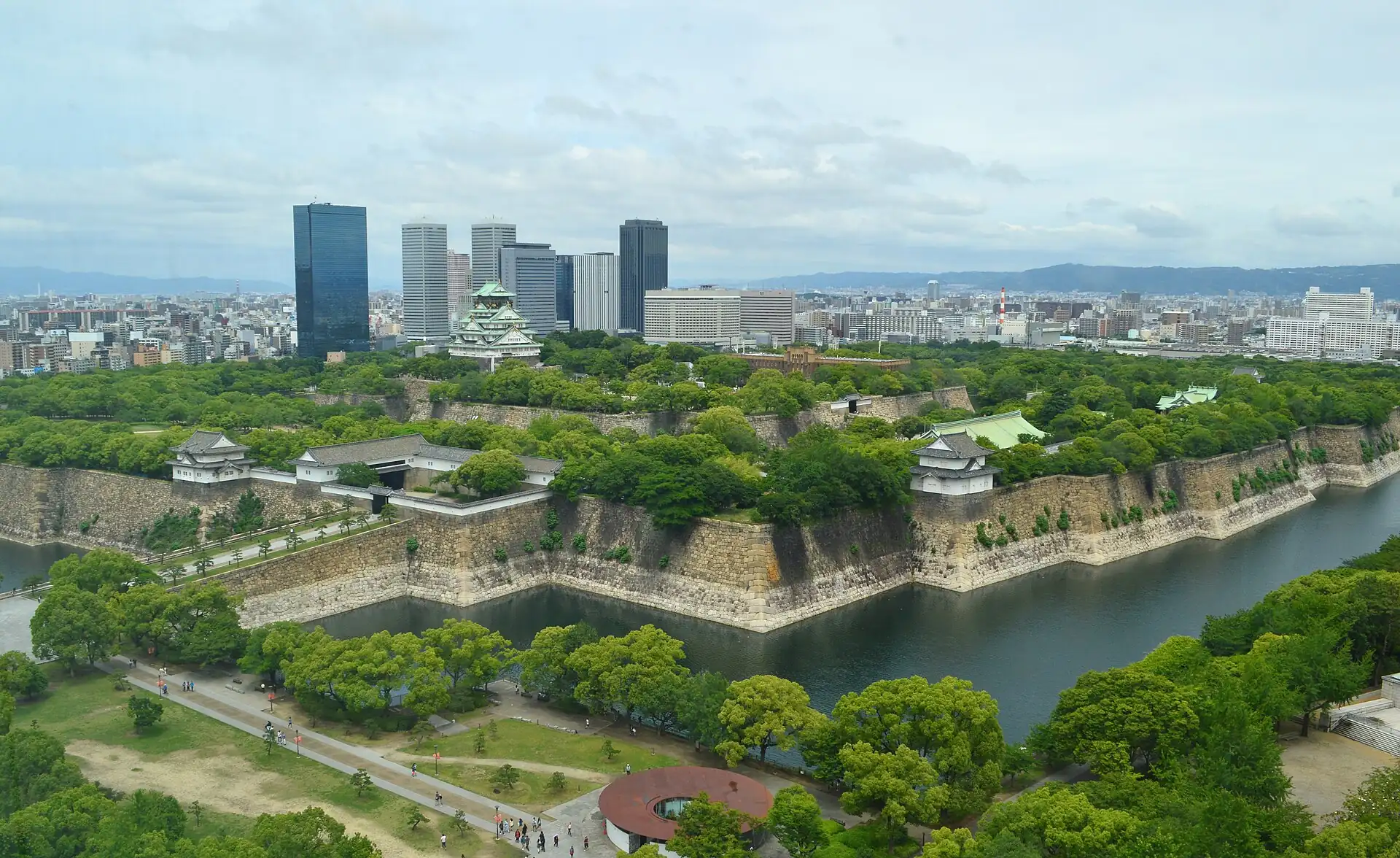
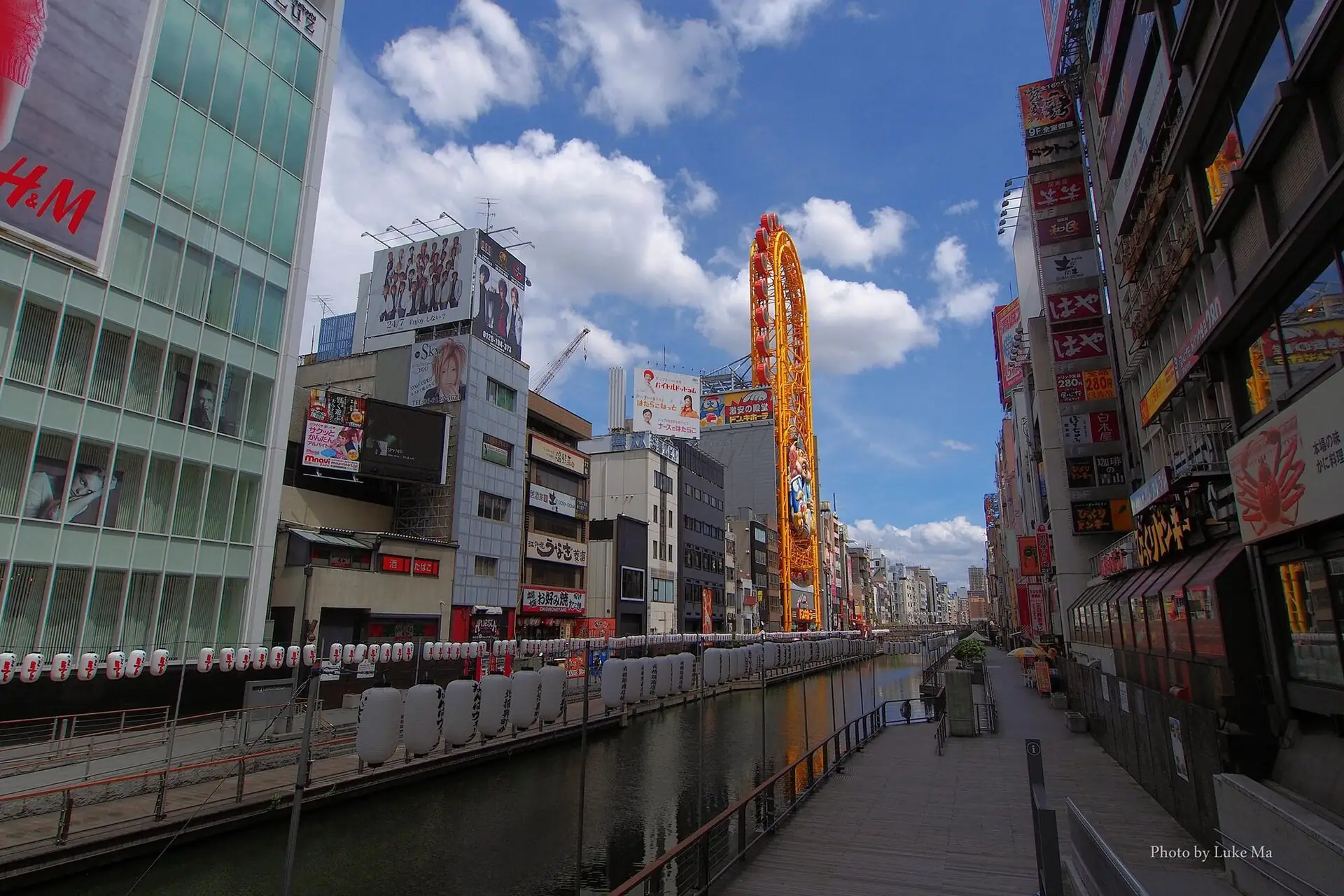
Days
Ready-made day plans, timed against opening hours and walking distances.
How long are you staying?
Each day stays in one part of the city. The timed day plans handle opening days, crowds and bags.
1 day
A stopover or a first day after a KIX landing
- 08:00Osaka Castle (main keep) — Walk the castle moats, then the keep at opening
- 11:00Kuromon Market — Kuromon Market lunch at the stalls
- 13:30Tsūtenkaku — Shinsekai streets and Tsūtenkaku if the queue is short
- 16:00Rest; Shinsaibashi-suji arcade on the way north
- 17:30Dōtonbori — Dōtonbori at dusk
- 19:30Hōzen-ji — Hōzen-ji lane, then okonomiyaki
Skip: Universal Studios and the bay: they are a day on their own.
Osaka in 3 days
3 daysCastle mornings, food afternoons, Namba evenings; the last day ends at the Nankai platform with time to spare.
Day by day
Day 1 — Osaka Castle, then Kuromon
Day 2 — Shitennō-ji and Shinsekai, a 12:30 kushikatsu counter
- 08:45Shitennō-ji
- Tsūtenkaku
- 12:30Lunch counter 12:30
Day 3 — Leave with bags, Nankai 12:05 to KIX
- 10:00Kuromon Market
- 12:05Nankai 12:05 to KIX
Osaka after 16:00
1 daySunset from the Umeda Sky Building, dinner in the basement food street, then Dōtonbori's lights and the quiet Hōzen-ji lane — all by subway, no taxis needed.
Day by day
Evening — Umeda sunset to Dōtonbori lights
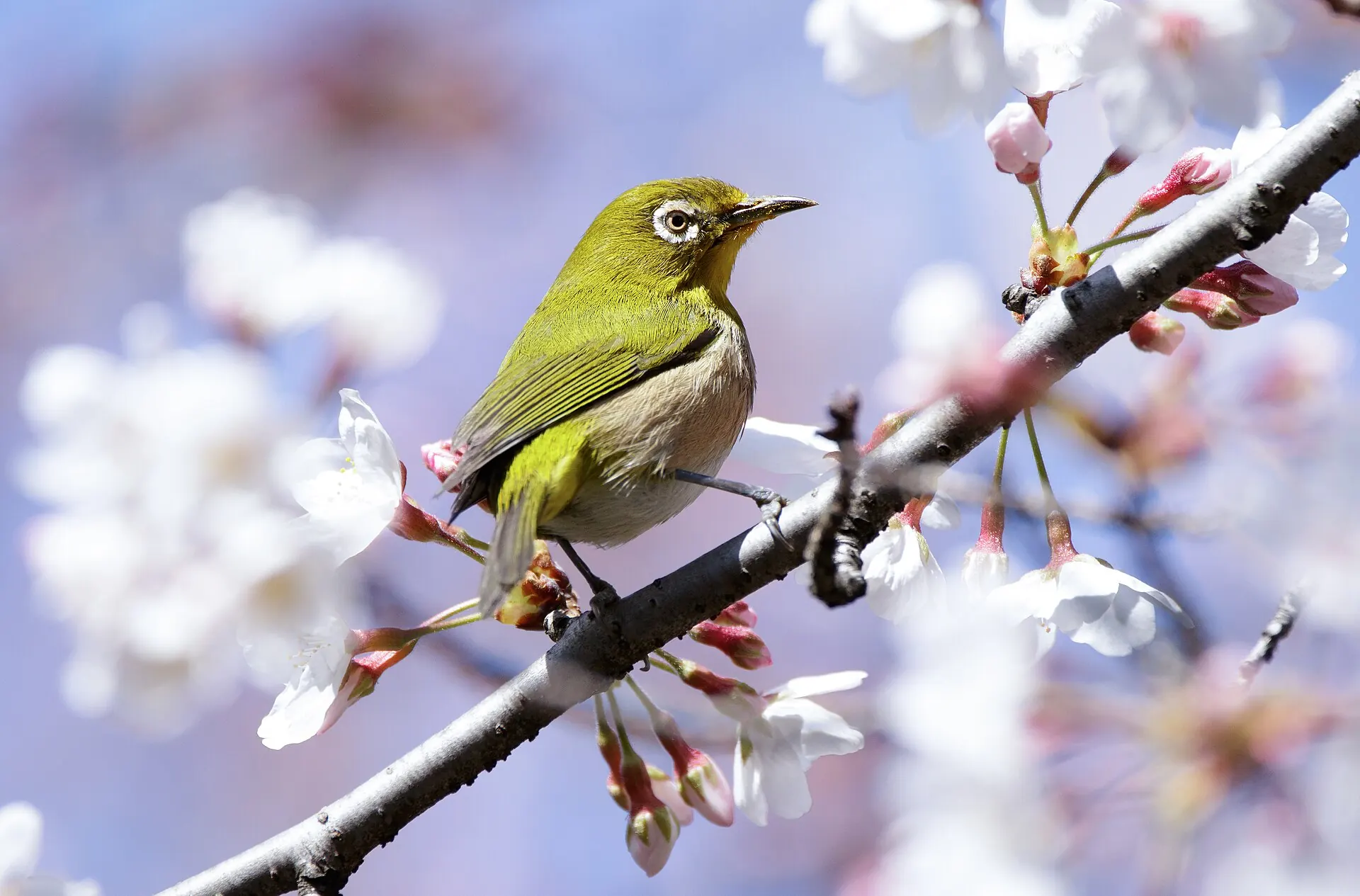
Places
“Best time” is when to arrive for the fewest crowds, for example “before 08:30”; “Go any time” means the hour makes little difference. More sights follow under “More sights and museums”.
7 places. Filters use the guide’s own ratings; a place with no rating is left out when a filter is on.
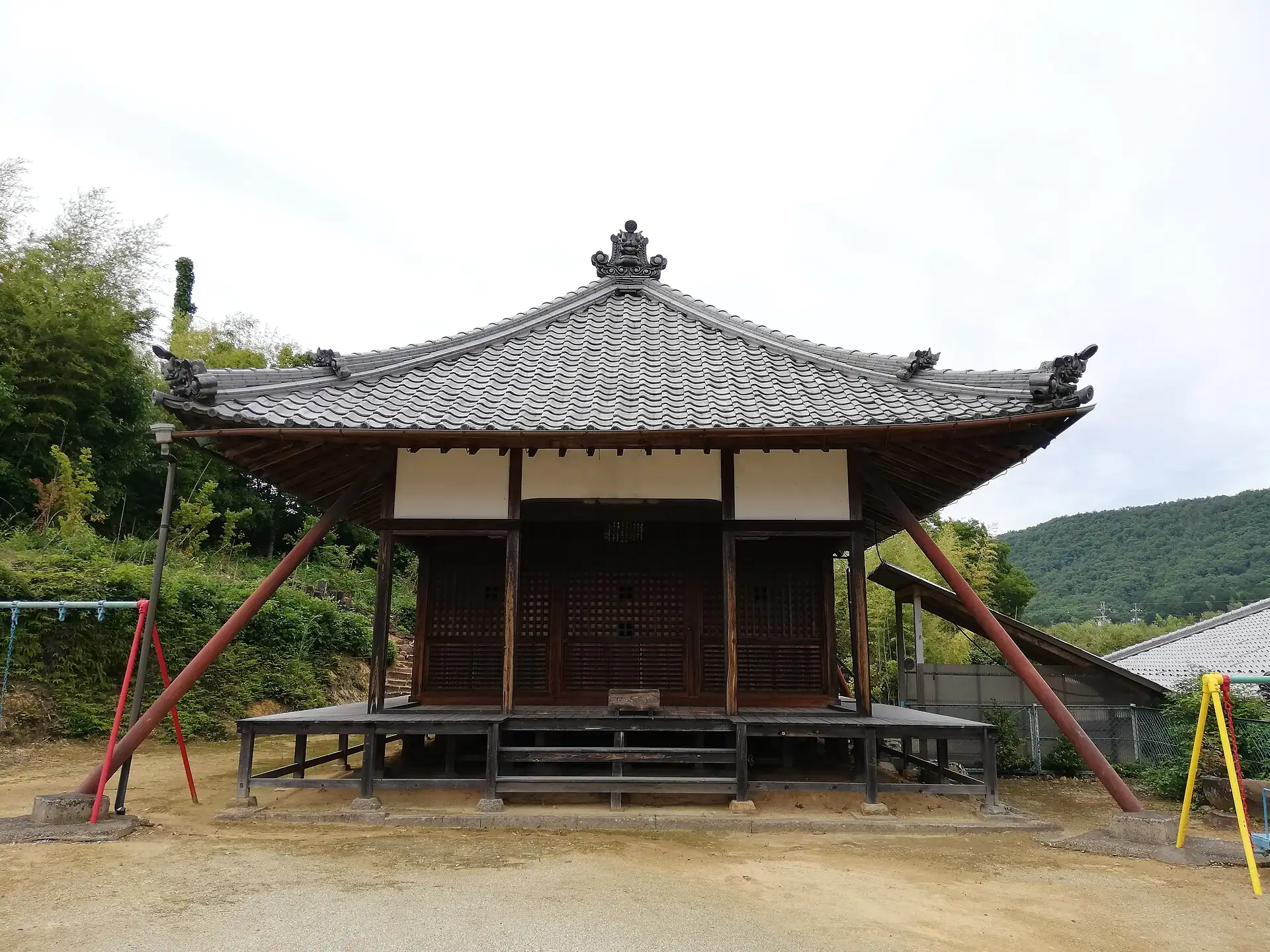
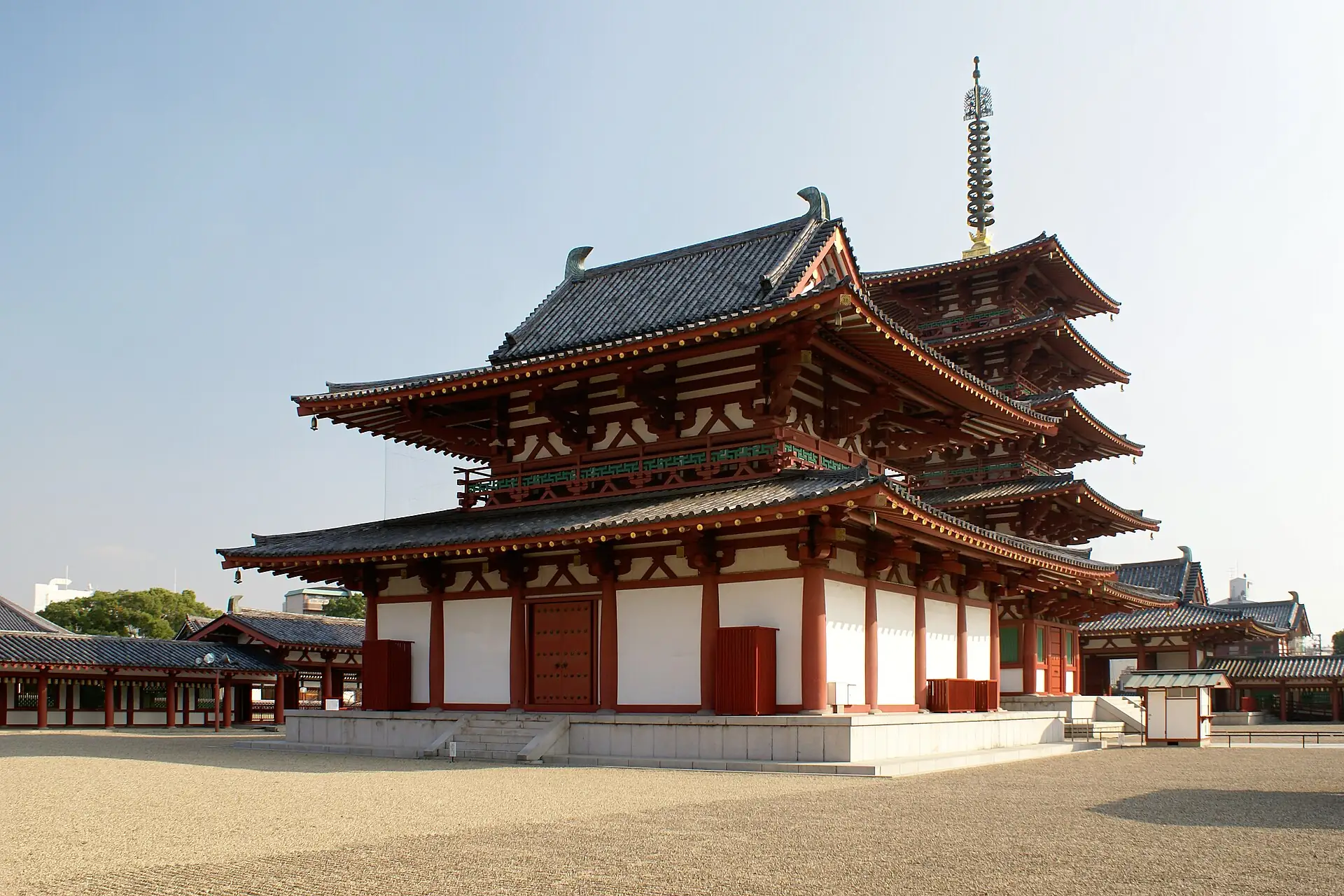
Tours, classes and shows in Osaka →
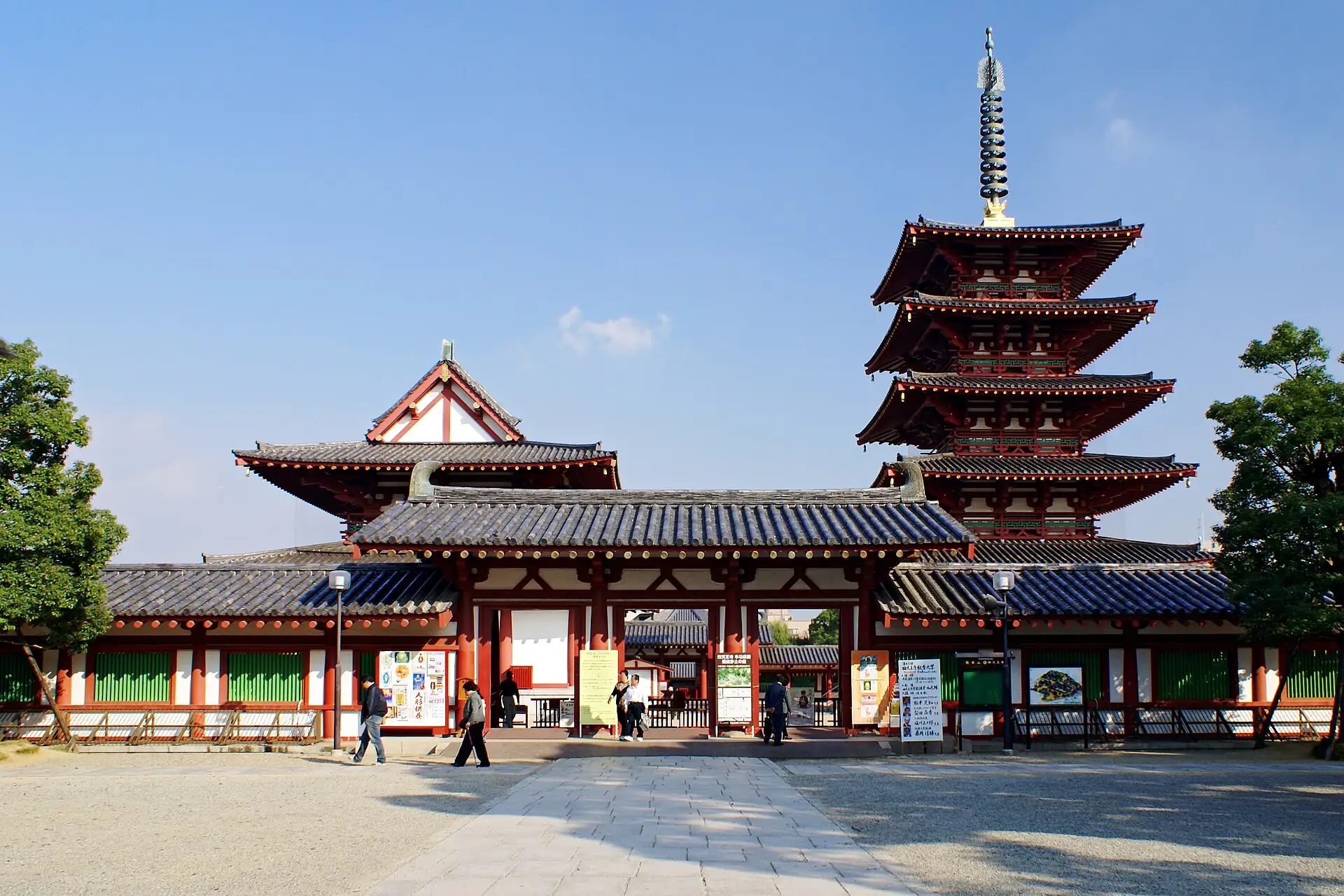
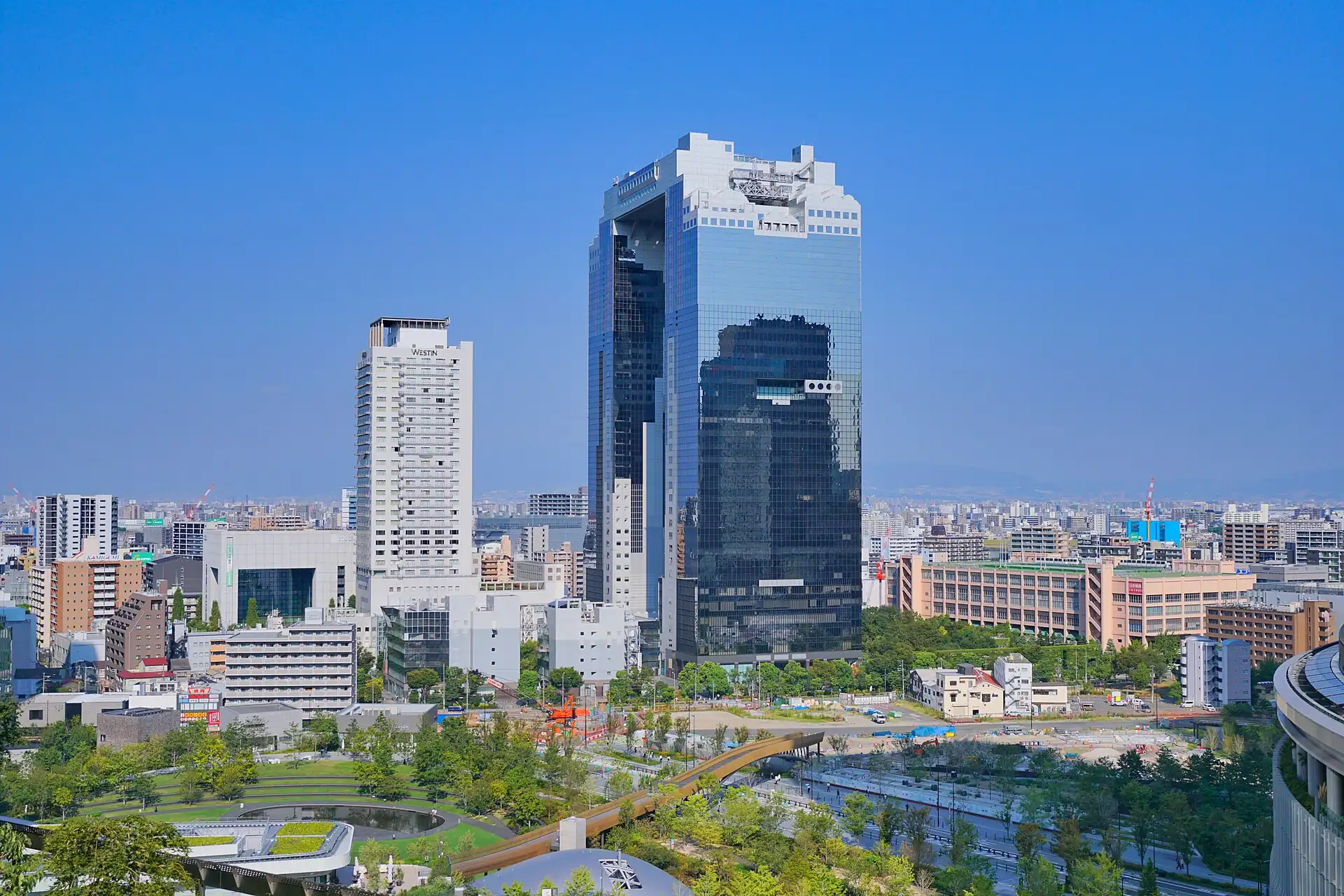
If you do ten things in Osaka
Ranked for a first visit of 2–4 days, with Kita and Minami on separate half-days. Prices are 2026 estimates in yen.
- 1
The canal, the running-man sign and the food stalls; the city's front door after dark.
- Time
- 1–2 h
- Best
- 17:00–18:30, before the peak
- Cost
- Free; food ¥1,500–3,000 (≈ US$11–25)
- 2
Moats and stone walls built to impress, then the keep's museum and rooftop view.
- Time
- 1.5–2 h
- Best
- Park from 07:00, keep at opening
- Cost
- Keep about ¥1,200 (≈ US$9) (check)
- 3
Grilled scallops, fruit and tuna at the stalls before the lunch crowds.
- Time
- 1 h
- Best
- 09:00–11:00
- Cost
- ¥2,000–5,000 (≈ US$14–35)
- 4
Shinsekai and a kushikatsu lunch
Retro streets under Tsūtenkaku and fried skewers at a counter.
- Time
- 1.5–2 h
- Best
- 11:00–15:00
- Cost
- ¥1,500–3,000 (≈ US$11–25)
- 5
Umeda Sky Building (Floating Garden)
An open-air roof ring 173 m up for sunset over the city and rail yards.
- Time
- 1 h
- Best
- Sunset
- Cost
- About ¥2,000 (≈ US$14) (check)
- 6
A lantern-lit stone lane and a moss-covered Fudō statue one street from the neon.
- Time
- 15 min
- Best
- After dark
- Cost
- Free
- 7
Kaiyūkan aquarium
Whale sharks in a tank you circle down eight floors; the rain-day plan for all ages.
- Time
- 2–3 h
- Best
- Weekday morning or after 17:00
- Cost
- About ¥2,700–3,500 (≈ US$19–25) (check)
- 8
A sixth-century foundation with a pagoda you can climb inside and monthly flea markets.
- Time
- 45 min
- Best
- Morning; the 21st or 22nd for the market
- Cost
- About ¥500 (≈ US$4) inner compound
- 9
Nara or Kyoto as a day trip
Deer and giant Buddha 40 min away on Kintetsu, or Kyoto's temples in 30 min by JR.
- Time
- Full day
- Best
- Leave by 08:00
- Cost
- ¥1,300–2,000 (≈ US$9–14) in train fares both ways
- 10
An evening in Tenma or Ura-Namba
Small izakaya and standing bars where Osaka drinks: cheap, loud and friendly.
- Time
- 2–3 h
- Best
- 18:00–22:00
- Cost
- ¥3,000–6,000 (≈ US$25–45)
Good for…
Verdict is how well Osaka works for that traveller, not how nice it is.
Flat, cheap by Japanese standards and one train from KIX; a good first night in Japan.
- 1Sleep in Namba for a KIX landing — one train and a flat walk to the bed.
- 2Osaka in 3 days — three days that keep Kita and Minami apart.
- 3ICOCA in the phone wallet — no ticket machines after the first ride.
The city is organised round eating out; most of the famous food costs under ¥2,000 (≈ US$14).
- 1Kuromon Market — grilled seafood breakfast at the stalls.
- 2Mizuno — okonomiyaki cooked in front of you.
- 3Tsuruhashi yakiniku — smoky grill lanes by the station.
Lifts everywhere, flat streets, an aquarium, a zoo and Universal Studios.
- 1Kaiyūkan aquarium — whale sharks and a rain-day plan.
- 2Universal Studios Japan — book dated tickets and Nintendo timed entry ahead.
- 3
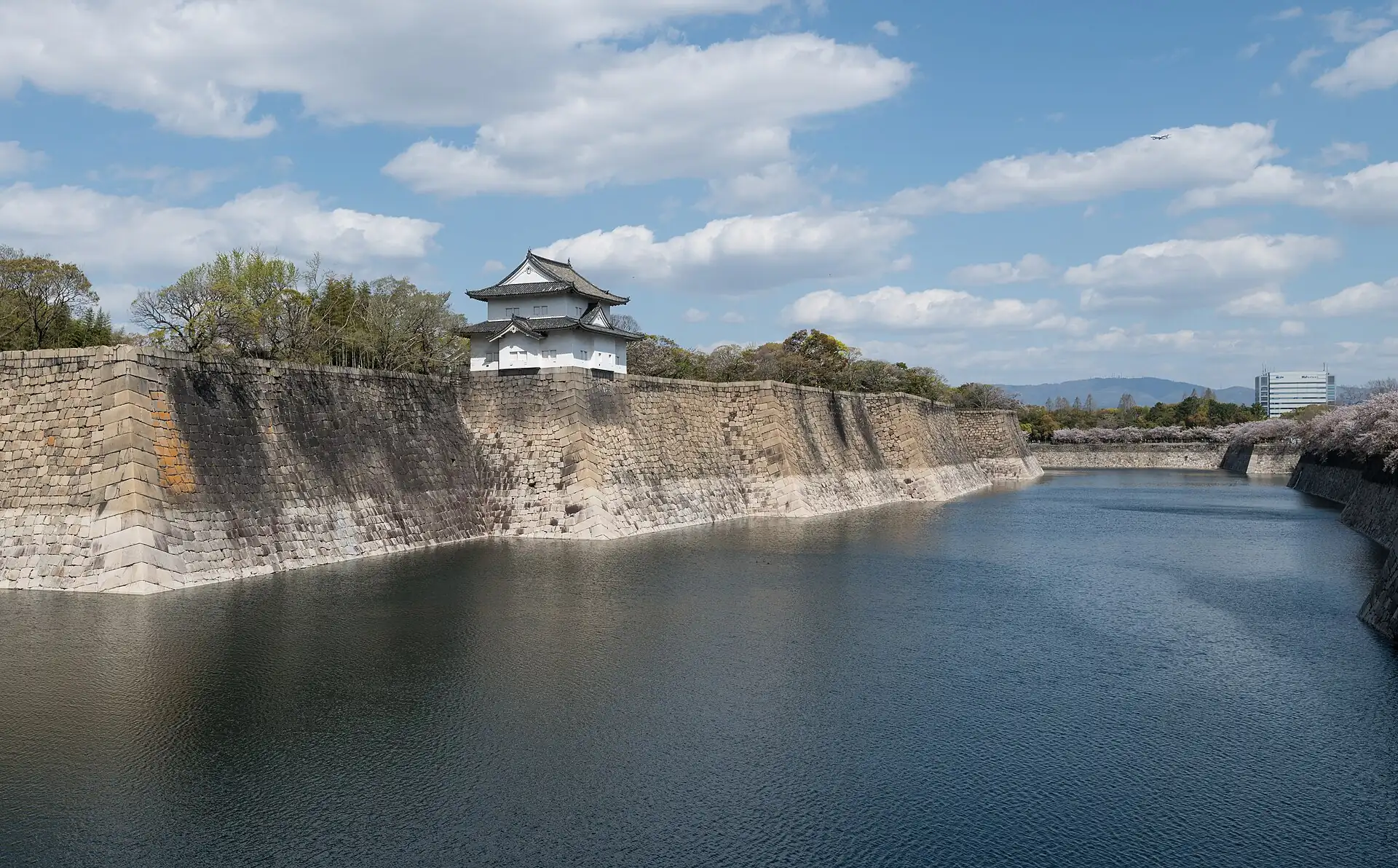 Osaka Castle (main keep) — big park, lift inside the keep.
- 1
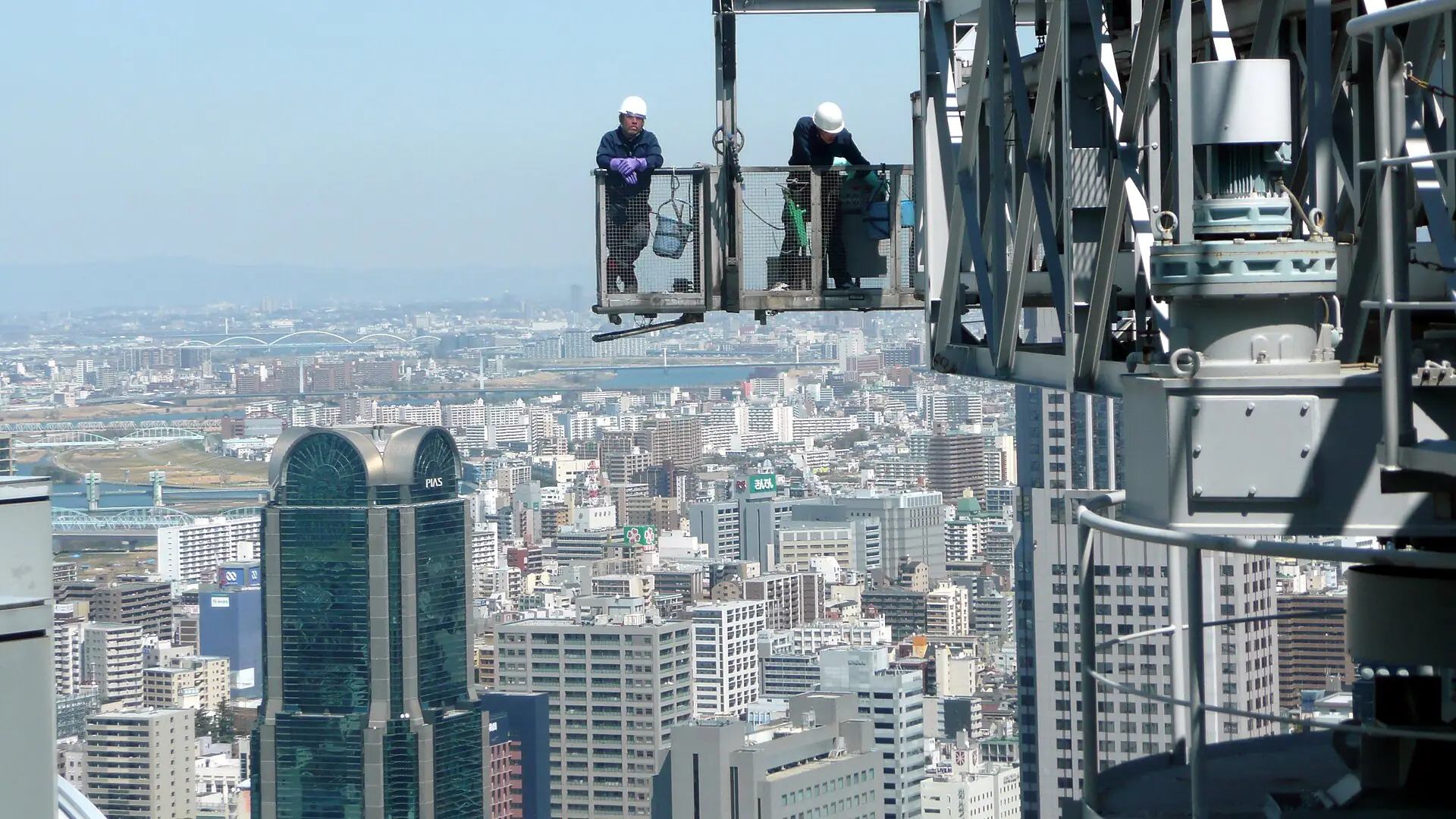 Umeda Sky Building (Floating Garden) — sunset on the open-air ring.
- 2Aqua Liner or Dōtonbori cruise — the city from the water.
- 3A kappō counter in Kitashinchi — seasonal cooking at the chef's counter.
- 1Counter restaurants — takoyaki, ramen and kushikatsu all seat one.
- 2Tenma standing bars — cheap, chatty, no booking.
- 3Capsule hotels in Namba and Umeda — women-only floors at many.
Among the cheapest big cities in Japan for beds and food.
- 1Tennōji and Nippombashi hotels — better value than Umeda.
- 2Free sights — castle park, Dōtonbori, Hōzen-ji and Shitennō-ji's outer precinct cost nothing.
- 3Enjoy Eco Card on weekends — ¥620 (≈ US$5) for a day of subway rides (check).
Fewer top hotels than Tokyo or Kyoto; the food carries it.
- 1Umeda and Nakanoshima tower hotels — river and city views, quiet nights.
- 2Kitashinchi dining — kappō and sushi counters; book through the concierge.
- 3A ryokan night in Arima Onsen — an hour away for hot springs.
Flat and well served by lifts; big stations are long walks.
- 1
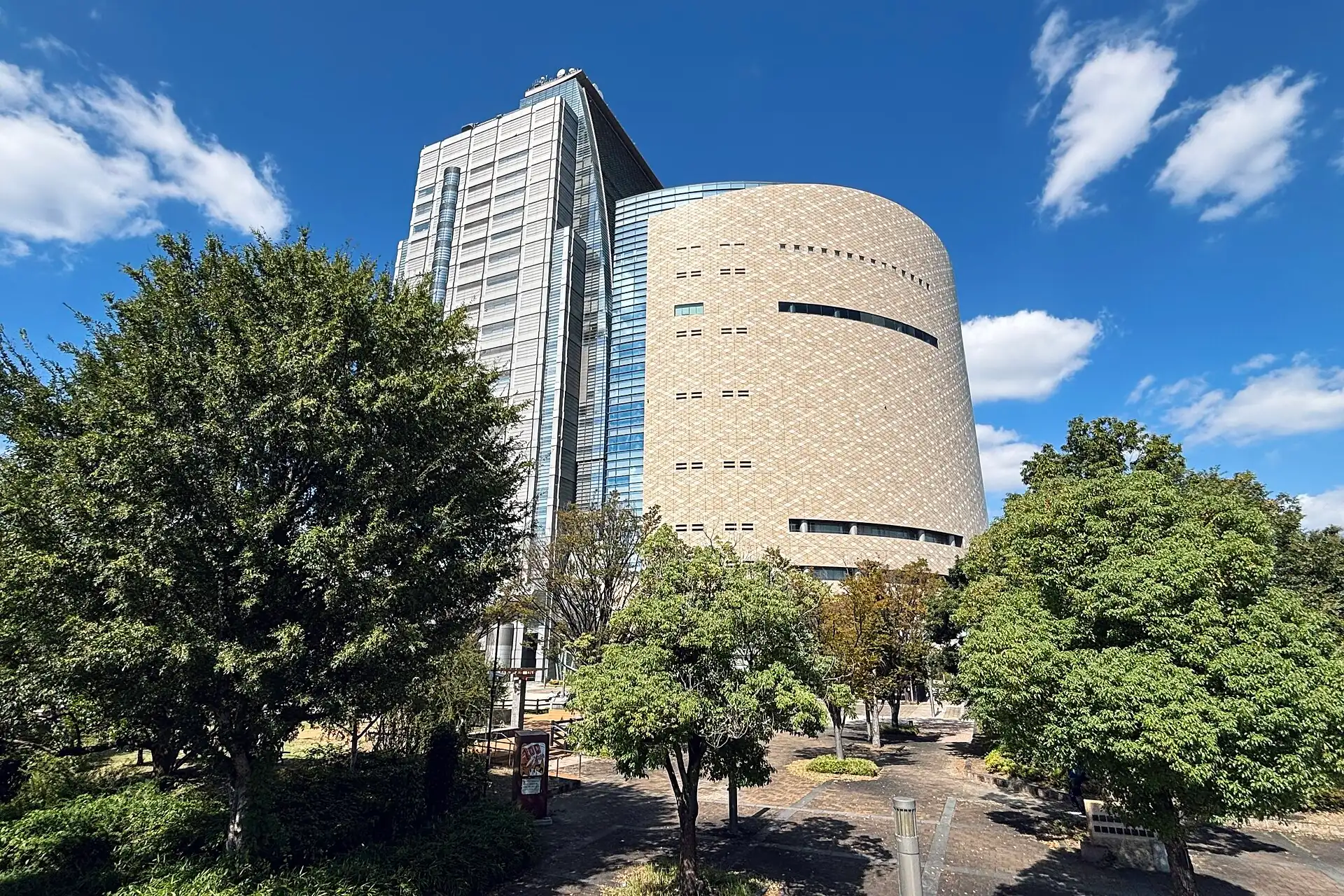 Osaka Museum of History — lifts, benches and the castle view.
- 2Aqua Liner river cruise — an hour seated on the water.
- 3Hotels above stations — no taxi, no stairs.
Flat city with step-free subway routes; crowds and old lanes are the hurdles.
- 1Station staff with ramps — tell the gate your destination; they phone ahead.
- 2Umeda Sky Building (Floating Garden) — lifts to the deck (check the roof ramp).
- 3Kaiyūkan — a spiral ramp route through the tanks.
Tours and classes: book or skip
Prices per person, 2026 estimates. Osaka is easy on your own; pay for access, language or transport, not for sights you can walk to.
| Tour or class | Verdict | Typical price | Why | Check before paying |
|---|---|---|---|---|
| Evening food and bar tour (Namba or Shinsekai) | book | ¥10,000–18,000 (≈ US$70–130) | Gets you into small counters and standing bars and explains the ordering. | Number of stops, drinks included, group size under 10. |
| Kuromon Market morning tour | maybe | ¥6,000–12,000 (≈ US$45–85) | Useful for stall etiquette and stories; otherwise graze it yourself. | Tastings included and the start time (before 10:00 is better).Tastings included and the start time (before 10:00 AM is better). |
| Takoyaki or okonomiyaki class | maybe | ¥3,000–8,000 (≈ US$25–55) | Fun on a rain day and good with kids. | Hands-on or demo; how much you eat. |
| Nara and Kyoto day coach tour | maybe | ¥8,000–15,000 (≈ US$55–110) | Easier with older travellers, but the trains are simple and cheaper. | Time at each stop; entry fees included. |
| Castle 'skip-the-line' ticket | skip | Tour price | The keep has no fast lane; arriving at opening does the job. | What is actually included beyond the entry. |
| Street kart tour in costume | skip | ¥8,000–15,000 (≈ US$55–110) | You ride at bumper height in city traffic; rules and insurance vary. | If you go: the licence rules and your insurance. |
| Free volunteer guides | do it yourself | Free; pay the guide's tickets | Local volunteers show you the castle or Minami. | Book weeks ahead for weekends. |
| Bar invitations from street touts | skip | Unknown until the bill | The reported pattern is padded bills and card overcharges. | Choose bars yourself. |
What each season brings
Spring
Mar–May
Plum blossom in the castle park in February, cherry blossom late March to early April, the Mint Bureau passage in mid-April.
Watch: Golden Week (late Apr–early May): full trains and hotels.
Summer
Jun–Aug
Tenjin Matsuri boats and fireworks (24–25 July), summer shrine festivals, rooftop beer gardens.
Watch: Rainy season in June; heat above 33 °C in July and August.
Autumn
Sep–Nov
Danjiri floats in Kishiwada, gold ginkgo on Midōsuji in late November, comfortable walking weather.
Watch: Typhoons in September.
Winter
Dec–Feb
Illuminations from Umeda to Nakanoshima, fugu season, Tōka Ebisu in January, cheap rooms.
Watch: Closures around 28 Dec–3 Jan.
Photo spots and the light
Clear-day times; summer haze softens distant views.
| Spot | Best light | Tip |
|---|---|---|
| Dōtonbori | Blue hour, 30 min after sunset | Shoot the running-man sign from the lower riverside walk, not from the bridge where people stop. |
| Osaka Castle (main keep) | Morning, sun from the east behind you on the west side | The keep over the inner moat from the Nishinomaru side or the Gokuraku-bashi bridge. |
| Umeda Sky Building (Floating Garden) | Sunset into night | The escalator tube between the towers from below, then the city from the roof ring. |
| Hōzen-ji | After dark | Lanterns and the moss statue; keep the lane clear for people splashing water. |
| Tsūtenkaku | Dusk | The tower from Shinsekai's main street with the lit signs in front. |
| Abeno Harukas 300 | Clear winter afternoons | The whole basin to the mountains; glass reflections are fewer after dark with a dark top on. |
| Midōsuji ginkgo | Late November, morning | Two lines of gold trees along the boulevard between Yodoyabashi and Hommachi. |
| Nakanoshima Central Public Hall | Blue hour | The red-brick front from across the river. |
Osaka travel FAQ
Answers are 2026 desk estimates; fares and rules marked (check) change.
Is Osaka safe at night?
Very safe by world standards. The risks are bar touts in Minami, pickpockets in the Dōtonbori crowd and bicycles on pavements; choose bars yourself and keep drinks in hand.
How do I get from KIX to Namba or Umeda?
Nankai to Namba is the simplest: the Airport Express is about ¥1,000 (≈ US$7) and 45 min, the reserved rapi:t about ¥1,500 (≈ US$11) and 38 min (check). For Umeda, the JR Kansai Airport Rapid to Osaka Station is about ¥1,200 (≈ US$9) and 65–70 min, or a limousine bus to the hotels.
Should I stay in Namba or Umeda?
Namba for food, nightlife and a late KIX landing; Umeda for rail day trips and quieter nights. They are 15 minutes apart on the Midōsuji line.
Do I need cash in Osaka?
Less than before, but more than in Tokyo: market stalls, standing bars and small restaurants may be cash only. Keep ¥5,000–10,000 (≈ US$35–70) and withdraw at 7-Eleven or Japan Post ATMs.
Is the Osaka Amazing Pass worth it?
Only if you will visit several of its included sights (castle keep, Umeda Sky, river cruises and others) in one day; the price has changed in recent years, so add up the entries first (check).
How many days do I need in Osaka?
Two days for the castle, Minami and Kita; three with Shinsekai and Shitennō-ji; four or five if you add Universal Studios or day trips to Nara, Kobe or Himeji.
Can I use Osaka as a base for Kyoto?
Yes: 30 minutes by JR, 45 by Hankyu. But the Kyoto temples are best at opening, so sleep in Kyoto if temples are the priority.
Which side of the escalator do I stand on?
The right, unlike Tokyo and Kyoto; leave the left for walkers.
Is Universal Studios Japan worth it?
For fans and families, yes; buy dated tickets online and book a Super Nintendo World timed entry or express pass on busy days (check the current rules).
Is Expo 2025 still open?
No. The Expo ran from April to October 2025. The Yumeshima site is being redeveloped, with a casino resort planned for around 2030 (check); little is open to visitors.
Is tap water safe to drink?
Yes, throughout the city.
Should I tip?
No. Tips are not expected and are usually returned.
When is cherry blossom in Osaka?
Usually the last week of March to the first week of April; the late varieties at the Mint Bureau bloom about two weeks later.
What should I eat first?
Takoyaki at a Dōtonbori counter, okonomiyaki cooked at your table and kushikatsu in Shinsekai; each costs under ¥2,000 (≈ US$14).
What happens in a typhoon?
Trains and flights can stop for half a day or more; KIX is on an island and the bridge may close. Watch the forecast two days out and keep the hotel booked.
Is English widely spoken?
Signs and transport announcements are in English; conversation is limited outside hotels. Picture menus and a translation app cover most meals.
Are tattoos a problem?
Many public baths and gyms still refuse visible tattoos; some Osaka sentō and hotels allow them. Check before you go.
More to see and doSee & do · Learn & work · Rain & heat · Free things · Wheelchair and stroller
Free things to do
Sights in Osaka that cost nothing to enter. Each is described under Places or More sights; extra costs inside are marked there.
Wheelchair and stroller, place by place
How each place in this guide works for wheels, from its own page. Ratings are desk estimates unless a page says it was checked on the ground.
| Place | Step-free | Wheelchair | Stroller | What to know |
|---|---|---|---|---|
| Dōtonbori | partial | caution | caution | Stairs down to the canal walk at most bridges. |
| Hōzen-ji | yes | ok | ok | None of note. |
| Osaka Castle (main keep) | partial | caution | ok | Gentle slopes from the stations; stairs from the 5th to the 8th floor inside the keep. |
| Osaka Museum of History | yes | good | good | None needed. |
| Shitennō-ji | partial | caution | caution | Steep narrow stairs inside the pagoda. |
| Tsūtenkaku | yes | ok | ok | Stairs to the basement entrance; a lift or slope alternative (check). |
| Umeda Sky Building (Floating Garden) | yes | ok | ok | None needed with the lifts. |
See & do
32 of 32
- Castle
Moats and giant stone walls, then a concrete keep with a museum and a rooftop view.
Osaka Castle · Park always open; keep about 09:00–17:00Park always open; keep about 9:00 AM–5:00 PM · Keep about ¥1,200 (≈ US$9) (check)
- Neighbourhoods
Canal, neon and food stalls; dusk is the time.
Namba · Always · Free
- Temples & shrines
Stone lane and a moss-covered statue one street from Dōtonbori.
Namba · Grounds always open · Free
- Museums
Fourteen centuries of the city floor by floor, with a castle view.
Osaka Castle · 09:30–17:00; closed Tue9:30 AM–5:00 PM; closed Tue · About ¥600 (≈ US$5)
Open-air ring 173 m up between two towers; go for sunset.
Umeda · About 09:30–22:30About 9:30 AM–10:30 PM · About ¥2,000 (≈ US$14) (check)
- Views
The 1956 tower over Shinsekai; the streets below are the real visit.
Shinsekai · About 10:00–20:00About 10:00 AM–8:00 PM · About ¥1,000 (≈ US$7) (check)
- Temples & shrines
Sixth-century foundation in a straight line of gate, pagoda and halls.
Tennōji · Inner compound about 08:30–16:00/16:30Inner compound about 8:30 AM–4:00 PM/4:30 PM · Precinct free; inner compound about ¥500 (≈ US$4)
Sumiyoshi Taisha住吉大社
ShrinesHead shrine of the Sumiyoshi gods with a steep arched bridge and an older roof style than most shrines; 20 min south on Nankai.
Sumiyoshi · About 06:00–17:00 (seasonal)About 6:00 AM–5:00 PM (seasonal) · Free
Kaiyūkan海遊館
MuseumsOne of the largest aquariums in the world, built round a whale-shark tank; buy dated tickets online.
Tempozan (bay) · About 10:00–20:00About 10:00 AM–8:00 PM · About ¥2,700–3,500 (≈ US$19–25) by date (check)(check)
Abeno Harukas 300あべのハルカス展望台
ViewsGlass-walled deck at 300 m above Tennōji station; clearer than Umeda Sky on hazy days.
Tennōji · About 09:00–22:00About 9:00 AM–10:00 PM · About ¥2,000 (≈ US$14) (check)(check)
Osaka Museum of Housing and Living大阪くらしの今昔館
MuseumsA full-size Edo-period Osaka street indoors, with kimono rental on site (check).
Tenma · About 10:00–17:00; closed TueAbout 10:00 AM–5:00 PM; closed Tue · About ¥600 (≈ US$5)(check)
Nakanoshima museums中之島
MuseumsNakanoshima Museum of Art (2022), the National Museum of Art and the Museum of Oriental Ceramics within a few minutes' walk.
Nakanoshima · About 10:00–17:00; most closed MonAbout 10:00 AM–5:00 PM; most closed Mon · ¥500–1,800 (≈ US$4–13) by exhibition(check)
Osaka Central Public Hall大阪市中央公会堂
ArchitectureRed-brick 1918 hall on the island tip, paid for by a stockbroker's gift.
Nakanoshima · Exterior always; interior on open days (check) · Free outside
Osaka Tenmangū大阪天満宮
ShrinesShrine of the scholar-god Sugawara no Michizane and home of the Tenjin Matsuri.
Tenma · About 09:00–17:00About 9:00 AM–5:00 PM · Free
Namba Yasaka Shrine難波八阪神社
ShrinesA stage shaped as a 12 m lion's head, 10 min west of Namba.
Namba · About 06:00–17:00About 6:00 AM–5:00 PM · Free
- Markets
See the eat page; mornings before the tour groups.
Nippombashi · About 09:00–18:00 by stallAbout 9:00 AM–6:00 PM by stall · Free to walk
Shinsekai
NeighbourhoodsRetro streets of kushikatsu counters and pachinko under Tsūtenkaku.
Shinsekai · Best 11:00–21:00Best 11:00 AM–9:00 PM · Free
Expo '70 Commemorative Park and Tower of the Sun万博記念公園・太陽の塔
ParksTaro Okamoto's 70 m tower and a huge park; 30–40 min by Midōsuji and monorail.
Suita (north) · About 09:30–17:00; closed Wed (check)About 9:30 AM–5:00 PM; closed Wed (check) · Park about ¥260 (≈ US$2); tower interior by reservation (check)(check)
Osaka Castle Park
ParksPlum grove in February, 3,000 cherry trees in spring; the running loop round the moats.
Osaka Castle · Always · Free
Den Den Town
NeighbourhoodsElectronics, anime and retro-game shops along Sakaisuji and Otaroad.
Nippombashi · Shops about 11:00–20:00Shops about 11:00 AM–8:00 PM · Free
Manzai comedy at Namba Grand Kagetsu
Shows & musicYoshimoto's flagship comedy hall; in Japanese only, but the slapstick and timing carry.
Namba · Several shows daily · About ¥5,000–6,000 (≈ US$35–45) (check)(check)
Bunraku puppet theatre
Shows & musicThree puppeteers per figure with a chanter and shamisen; English earphone guide. Check the programme and whether the theatre is open.
Nippombashi · Seasonal runs; not every month · About ¥2,000–7,000 (≈ US$14–50) (check)(check)
Spring Grand Sumo (March)
SportEdion Arena Osaka; tickets go on sale about a month ahead.
Namba · 15 days in March; top division from about 15:4515 days in March; top division from about 3:45 PM · ¥3,800–20,000 (≈ US$30–140)+(check)
Hanshin Tigers baseball at Kōshien
SportThe most devoted fans in Japanese baseball; 15 min on Hanshin from Umeda. Tickets sell out for big games.
Nishinomiya (Hyogo) · Evenings Apr–Sep · ¥2,000–6,000 (≈ US$14–45)(check)
Dōtonbori river cruise
ActiveTwenty minutes under the bridges and signs; after dark is best.
Namba · About 11:00–21:00About 11:00 AM–9:00 PM · About ¥1,200–1,500 (≈ US$9–11) (check)(check)
Aqua Liner river cruise
ActiveAn hour on the Ōkawa past the castle and Nakanoshima; blossom week sells out.
Osaka Castle / Nakanoshima · Daytime departures · About ¥2,000 (≈ US$14) (check)(check)
Takoyaki or okonomiyaki class
ClassesTurn takoyaki on a hot plate yourself; many restaurants also let you cook at the table.
Namba · Set sessions · ¥3,000–8,000 (≈ US$25–55)
Spa World
Spa & massageLarge hot-spring complex with themed European and Asian bath floors; tattoo rules have changed over time (check).
Shinsekai · Long hours; check overnight rules · About ¥1,500–3,000 (≈ US$11–25) by day and time (check)(check)
Universal Studios Japan
ActiveDated tickets online; Super Nintendo World needs a timed entry pass on busy days.
Universal City (bay) · About 09:00–20:00, variesAbout 9:00 AM–8:00 PM, varies · About ¥8,600–10,900 (≈ US$60–75) by date (check)(check)
Kuromon Market food walk
Food toursSee the market page; eat at the stall.
Nippombashi · Mornings · ¥6,000–12,000 (≈ US$45–85) guided; self-guided ¥2,000–4,000 (≈ US$14–30)
Karaoke
NightPrivate rooms by the half hour; cheaper in the afternoon.
Namba / Umeda · Until morning · About ¥300–1,200 (≈ US$3–9) per person per 30 min (check)
Tenma izakaya crawl
NightStanding bars and small grills under and around the JR tracks; cash.
Tenma · From about 17:00From about 5:00 PM · ¥3,000–6,000 (≈ US$25–45)
- Timed tickets
- Universal Studios, Kaiyūkan, sumo and Tower of the Sun interior sell dated tickets online; weekends and school holidays go first.
- Monday and Tuesday
- Most museums and the zoo close on Monday; the history museum and the housing museum on Tuesday. The castle keep, Dōtonbori and the observation decks open daily.
Learn & work
| What | Where | Cost | Note |
|---|---|---|---|
| Japanese language school (long course) | Schools in Namba, Umeda and Tennōji | About ¥650,000–850,000 (≈ US$4,500–6,000) a year plus fees (check) | Needs a student visa sponsored by the school; apply months ahead.(check) |
| Short Japanese classes | Private schools and community classes | About ¥2,000–4,000 (≈ US$14–30) an hour | Visitors can take short courses on a temporary-visitor stay. |
| Takoyaki and okonomiyaki classes | Namba and Dōtonbori | ¥3,000–8,000 (≈ US$25–55) a session | See Do. |
| Knife sharpening and forging demonstrations | Sakai, 20 min south | Free to ¥5,000 (≈ US$35) (check) | Sakai's knife makers run shops and some workshops; ask in advance.(check) |
| Tea ceremony and calligraphy | Culture centres and hotel tea rooms | ¥3,000–7,000 (≈ US$25–50) a session |
Working here
- Temporary visitor
- Up to 90 days visa-free for many nationalities; no paid work of any kind, including remote work for a Japanese client.
- Working holiday
- For citizens of about 30 countries aged 18–30 (25 or 35 for some): one year with casual work allowed. Apply at the Japanese embassy at home.
- Digital nomad visa
- Six months for remote workers with foreign employers or clients above a high income threshold (about ¥10 million (≈ US$70,000) a year) and private insurance (check current terms).
- Teaching English
- Schools sponsor Instructor or Specialist visas for degree holders; contracts start in April and September.
Rain-day and heat-day plan
Rain day
Rain moves you under a roof: Osaka has kilometres of covered arcades (Shinsaibashi-suji, Tenjinbashisuji) and the Umeda and Namba underground malls, plus the aquarium and museums. The castle park turns to puddles and Dōtonbori's riverside walk empties.
- 01Osaka Museum of History — Two hours indoors with a view of the castle; closed Tuesdays.
- 02Kaiyūkan aquarium — Half a day indoors in the bay area; busiest on rainy weekends.
- 03Shinsaibashi-suji arcade — Covered from Dōtonbori north for about 600 m.
- 04Hanshin Umeda food hall — Lunch without going outside, linked to Osaka Station underground.
- 05Osaka Museum of Housing and Living — An Edo street rebuilt indoors; closed Tuesdays.
Heat day
Above 32 °C (July to early September): outdoors 06:30–10:00 and after 17:00, air-conditioned sights in between, a drink every hour. The castle park has little shade at midday.
- 07:00Osaka Castle (main keep) — The park is open from early morning; walk the moats before 09:00.The park is open from early morning; walk the moats before 9:00 AM.
- 09:00Osaka Castle (main keep) — Keep at opening while it is still cool inside.
- 10:30Osaka Museum of History — Air-conditioned floors next door.
- 12:30Kuromon Market — A covered market lunch, then rest at the hotel.
- 17:00Dōtonbori — Evening canal walk once the pavement cools.
- 19:00Umeda Sky Building (Floating Garden) — Or the city at night from 173 m instead of Dōtonbori.
Day-trips and nearby
Places you can reach from Osaka in a day or with one night away, with the route and what it costs. Door to door, not ride time.
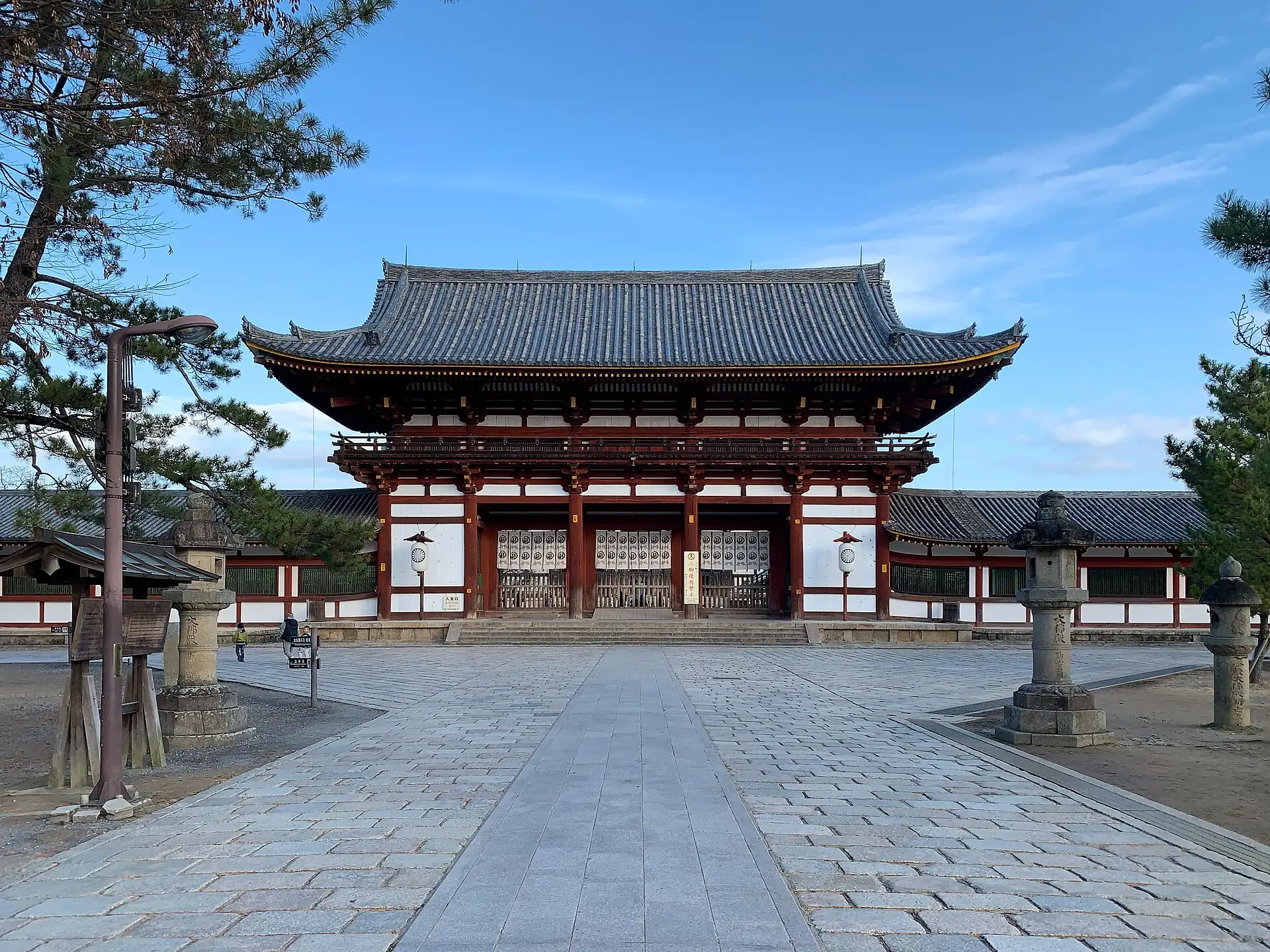 Photo: Chainwit., CC BY-SA 4.0
Nara
goKintetsu from Namba, about 40 min
Kintetsu Nara station is closer to the park than JR.
- Time
- Half to full day
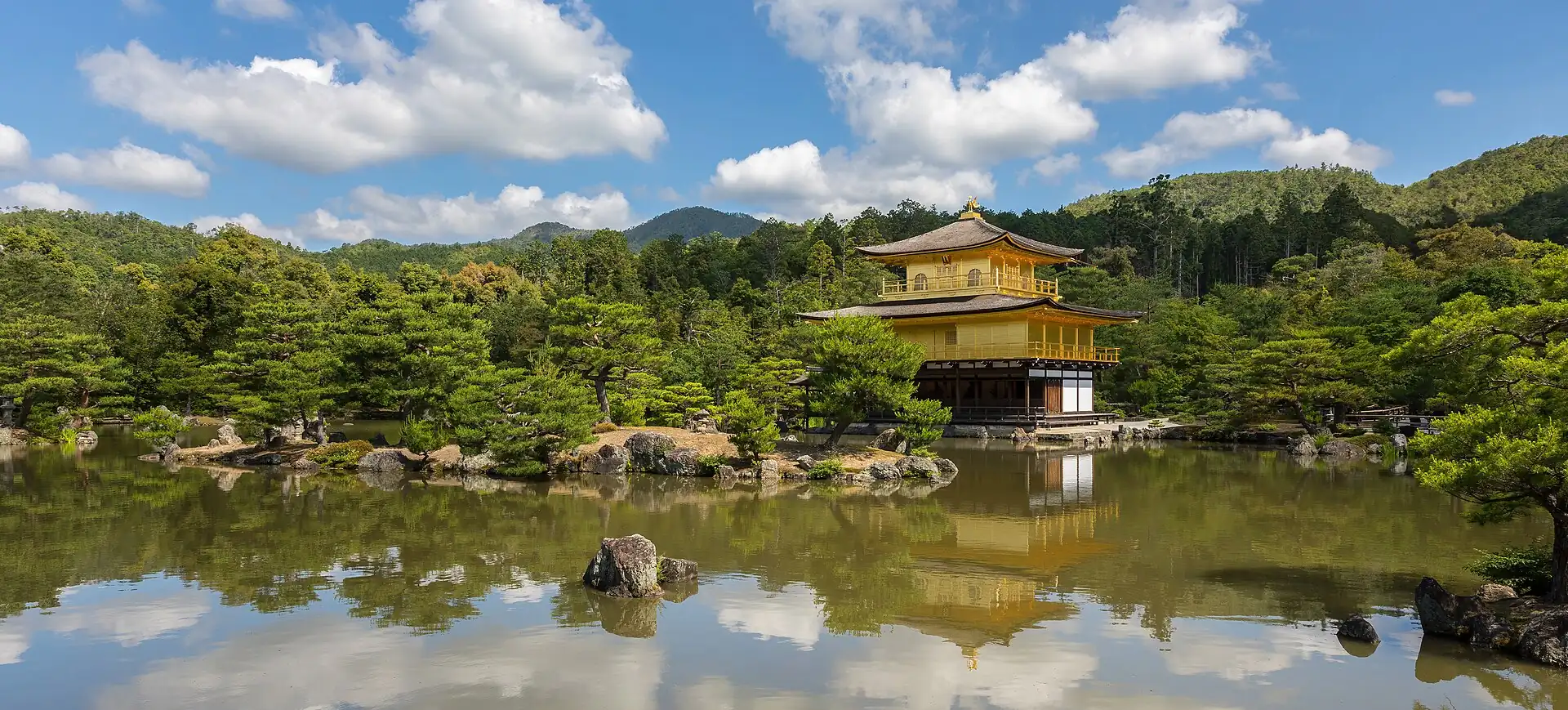 Photo: Basile Morin, CC BY-SA 4.0
Kyoto
goJR special rapid from Osaka Station, about 30 min
Better as its own base if you want early temple mornings.
- Time
- Full day
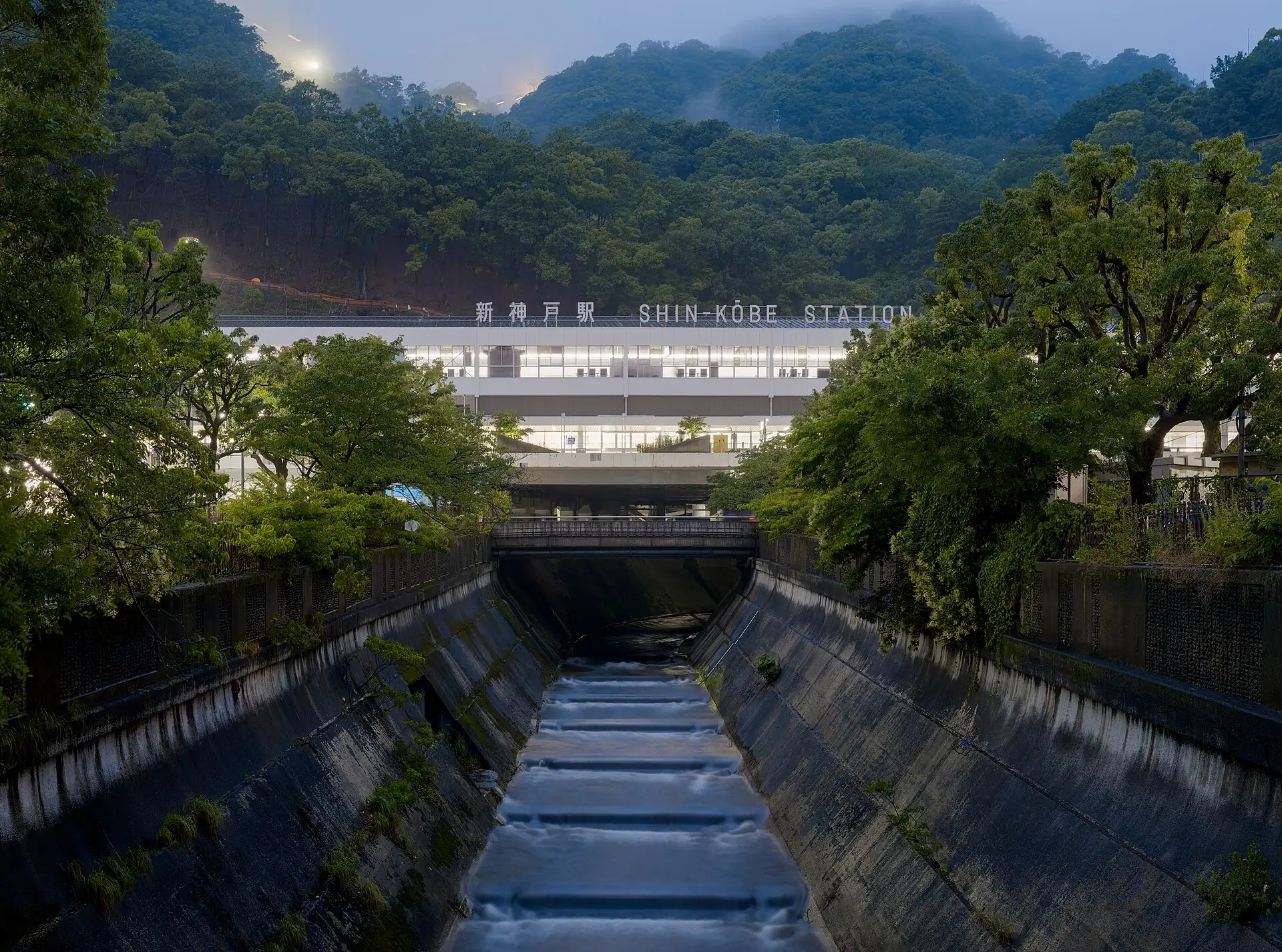 Photo: Daniel Lu ( User:dllu ), CC BY-SA 4.0
Kobe
goJR from Osaka Station, about 25 min
Harbour, Kitano and Kobe beef.
- Time
- Half day or evening
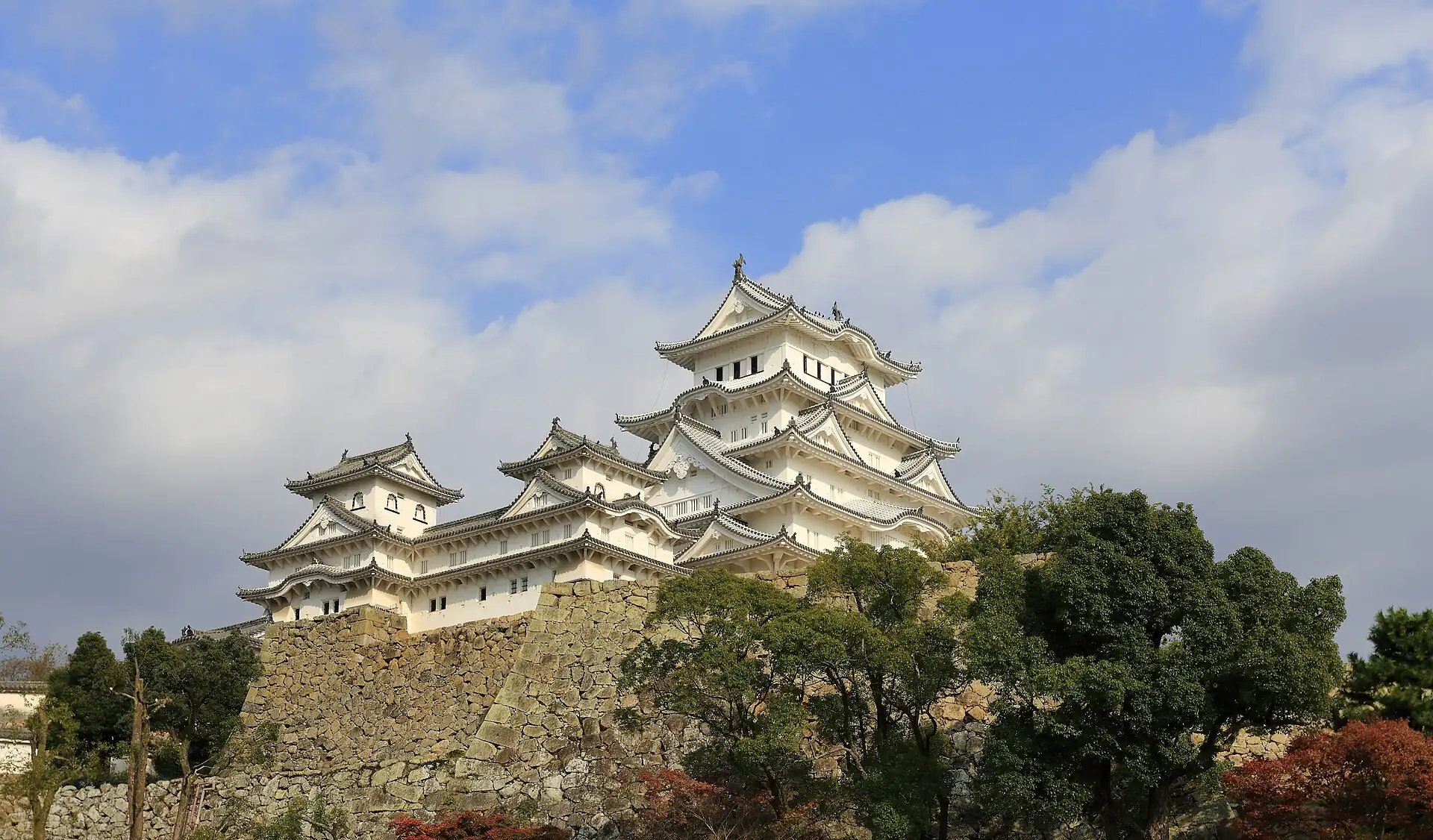 Photo: Martin Falbisoner, CC BY-SA 4.0
Himeji Castle
goJR special rapid about 1 h, or Shinkansen from Shin-Osaka about 30 min
Go early.
- Time
- Half to full day
Go next
Kōyasan
overnightDoor to door: 2–2.5 h
Nankai from Namba to Gokurakubashi, then the cable car and bus, about 2 h
Sleep one night in a temple lodging; forward the big bag or leave it at Namba.
Arima Onsen
goDoor to door: About 1–1.5 h
Highway bus from Osaka Station or Umeda (about 1 h), or trains via Kobe
Hot-spring town behind Kobe; day baths or one night in a ryokan.
Hiroshima and Miyajima
overnightDoor to door: 2–2.5 h
Shinkansen from Shin-Osaka, about 1 h 25 min
A long day is possible; one night lets you see Miyajima early.
Wakayama and Shirahama
overnightDoor to door: 2.5–3 h
JR limited express Kuroshio from Shin-Osaka or Tennōji, about 2.5 h to Shirahama
Beach, hot springs and the Kumano routes beyond.
Door to door: 3–3.5 h
Tōkaidō Shinkansen Nozomi from Shin-Osaka, about 2.5 h
Reserve seats in peak weeks and forward big bags the day before.
Eat & sleepWhere to eat and which area to sleep in
Eat & sleep
Where to eat and which area to sleep in
Eat
A short list of places worth crossing the city for, each with how to get a seat.
Restaurant finder: filter every place to eat in Osaka →
Vegetarian-friendly score
1.5 / 5 · Hard work
- Country diet noteOur country guide rates vegetarian eating as hard.0 / 2
- Places to eat in this guide1 of 7 places with a known answer are vegetarian-friendly, 4 partly.0.64 / 1.5
- Budget eating lines1 vegetarian line in "Eat by budget".0.2 / 0.6
- Meat-free national dishes3 meat-free dishes in the country food list.0.3 / 0.4
- Dedicated vegetarian kitchens2 mentions of vegetarian restaurants, Buddhist or fasting kitchens.0.2 / 0.5
Country note: Hard. Dashi (fish stock) is in soups, sauces and even vegetable dishes, and staff may not count it as meat.
Vegetarian places near me →Make a diet card →
How we score
- Country diet note (up to 2): easy 2, workable 1, mixed 0.75, hard 0; no note 0.5.
- City places to eat (up to 1.5): 1.5 × (vegetarian-friendly + half of partly friendly) ÷ places with a known answer; needs 3 or more known places.
- Budget eating lines marked vegetarian (up to 0.6): 0.2 each.
- Meat-free national dishes (up to 0.4): 0.1 each.
- Dedicated vegetarian kitchens mentioned — Buddhist chay, shōjin ryōri, Jain, fasting food, vegan cafés (up to 0.5): 0.1 each.
- Total rounded to the nearest half point, 0 to 5. Built from our own pages only, not from reviews.
Eating and drinking guideEat by budget · Drink
Before you sit down to eat
Short version; full text linked
Eat by budget
Under ¥1,500 (≈ US$11) a meal
| Where | Order | Area | Price | Note |
|---|---|---|---|---|
| Kukuru Dōtonbori (takoyaki) | Takoyaki | Dōtonbori | ¥700–1,200 (≈ US$5–9) | A 10-minute stop, not a meal. |
| Hanshin Umeda food hall | Ika-yaki, bento and sweets | Umeda | ¥300–1,500 (≈ US$3–11) | The squid pancake counter is a local habit. |
| 551 Hōrai | Pork buns (butaman) | Namba main shop, all big stations | About ¥250–700 (≈ US$2–5) | Osaka's takeaway staple; queues at Namba are quick.(check) |
| Kinryū Ramen | Pork-bone ramen with free kimchi | Dōtonbori (under the dragon signs) | ¥800–1,200 (≈ US$6–9) | Open 24 h at the main shops (check); ticket machine. |
| Standing udon and soba shops | Kitsune udon in clear dashi | Stations and arcades | ¥400–800 (≈ US$3–6) | Kitsune udon, with sweet fried tofu, is an Osaka invention. |
| Conveyor-belt sushi (Genroku and the big chains) | Sushi by the plate | Dōtonbori, Umeda, Tennōji | ¥1,000–2,500 (≈ US$7–17) | The conveyor belt was first used in Osaka in 1958. |
| Convenience stores and depachika | Onigiri, bento, sandwiches | Everywhere | ¥300–900 (≈ US$3–7) | Evening discount stickers in department-store basements. |
Dishes to know
| Dish | What it is | Where to look | When | Price |
|---|---|---|---|---|
| Takoyakiたこ焼き | Batter balls with octopus, cooked in a dimpled pan and topped with sauce and bonito | Dōtonbori, every shopping street | Any time | ¥500–900 (≈ US$4–7) |
| Okonomiyakiお好み焼き | Cabbage-and-batter pancake mixed with pork or seafood and grilled on a hot plate | Dōtonbori, Umeda, Tsuruhashi | Lunch and dinner | ¥900–1,800 (≈ US$7–13) |
| Kushikatsu串カツ | Breaded, deep-fried skewers of meat, fish and vegetables dipped in thin sauce | Shinsekai, Tenma | Lunch into evening | ¥100–350 (≈ US$1–3) a skewer |
| Kitsune udonきつねうどん | Udon in pale Kansai dashi with a sheet of sweet fried tofu | Udon shops everywhere | Lunch | ¥500–1,000 (≈ US$4–7) |
| Battera and hakozushiバッテラ・箱寿司 | Pressed sushi made in a wooden box, often with cured mackerel | Honmachi, department-store basements | Lunch or takeaway | ¥1,000–4,000 (≈ US$7–30) |
| Negiyakiねぎ焼き | Thin pancake packed with green onion, often with beef tendon | Jūsō, Namba | Dinner | ¥900–1,500 (≈ US$7–11) |
| Doteyakiどて焼き | Beef tendon stewed in sweet miso | Shinsekai kushikatsu counters | Evening | ¥300–600 (≈ US$3–5) |
| Ika-yakiいか焼き | Squid pressed into a thin chewy pancake | Hanshin Umeda food hall | Snack | ¥180–350 (≈ US$2–3) |
| Butaman豚まん | Steamed pork bun | 551 Hōrai shops | Snack or takeaway | ¥250–700 (≈ US$2–5) |
| Horumon and yakinikuホルモン・焼肉 | Grilled beef and offal from the Korean-Japanese kitchen | Tsuruhashi | Dinner | ¥3,000–6,000 (≈ US$25–45) |
| Kasu udonかすうどん | Udon with crisp fried beef intestine | South Osaka, Namba | Late night | ¥800–1,200 (≈ US$6–9) |
| Rikuro's cheesecakeりくろーおじさんのチーズケーキ | Wobbly fresh-baked cheesecake stamped with the baker's face | Namba main shop | Afternoon | About ¥1,000 (≈ US$7) a whole cake (check) |
- Kushikatsu sauce is shared: one dip per skewer.
- At okonomiyaki counters staff often cook for you; ask before you flip it yourself.
- Many small places are cash only; the sign at the till shows accepted cards.
- Tell staff about allergies in writing; soy sauce contains wheat and dashi contains fish almost everywhere.
Drink & nightlife
| Where | What | Until | Note |
|---|---|---|---|
| Ura-Namba | Small izakaya, wine and sake bars in the backstreets east of Namba | About 24:00–02:00About 12:00 AM–2:00 AM | Where locals go instead of the Dōtonbori canal; tiny rooms, so go early or in twos. |
| Dōtonbori and Sōemonchō | Chain izakaya, bars, host and hostess clubs | Late | Touts along the canal and in Sōemonchō: never follow one into a building. |
| Amerikamura | Clubs, bars, live music | Until the first train | Young crowd; ID checks at clubs. |
| Tenma | Cheap izakaya and standing bars around JR Tenma station | About 23:00–01:00About 11:00 PM–1:00 AM | The best-value evening in the city; many places are cash only. |
| Shinsekai | Kushikatsu counters, standing bars | About 22:00–23:00About 10:00 PM–11:00 PM | Starts at lunch; winds down early compared with Minami. |
| Fukushima | Izakaya, yakitori and wine bars west of Umeda | About 24:00About 12:00 AM | One stop from Osaka Station on the JR Loop line; popular with office workers. |
| Kitashinchi | Hostess clubs, exclusive bars, kappō counters | Late | Expensive and introduction-based at many doors; the restaurants are more open than the bars. |
| Dōyama-chō | LGBTQ+ bars east of Umeda | Late | Several dozen small bars; some are members-only or men-only, so check the door sign. |
By style
| Style | What | Where | Price | Until |
|---|---|---|---|---|
| Izakaya | Japanese pub with small platesA small starter (otōshi) is charged per person. | Tenma, Fukushima, Ura-Namba, every station | ¥3,000–5,000 (≈ US$25–35) an evening | About 23:00–24:00 |
| Standing bar (tachinomi) | Counter drinks and cheap snacksPay per order at many; cash. | Tenma, Kyōbashi, Shinsekai, Umeda under the tracks | ¥300–600 (≈ US$3–5) a drink | About 22:00–23:00 |
| Kushikatsu counters | Fried skewers and beerOne dip in the shared sauce only. | Shinsekai, Tenma, Namba | ¥1,500–3,500 (≈ US$11–25) | About 22:00 |
| Craft beer | Local Kansai and Japanese craft on tapMinoh Beer, from north of the city, is the local name to look for. | Namba, Umeda, Kitahama | ¥900–1,400 (≈ US$7–10) a glass | About 23:00–24:00 |
| Sake and shōchū bars | Tasting sets from Kansai breweries (Nada, Fushimi) | Ura-Namba, Kitahama, Tenma | ¥1,200–2,500 (≈ US$9–17) a set | About 23:00 |
| Cocktail and whisky bars | Careful cocktails, Japanese whiskyCover charges of ¥500–1,500 (≈ US$4–11) are common: ask first. | Kitashinchi, Shinsaibashi, Umeda | ¥1,500–2,500 (≈ US$11–17) a drink | About 01:00–02:00 |
| Sky bars | Hotel and tower bars with a viewEvening seat charges at some (check). | Umeda towers, Abeno Harukas, Nakanoshima | ¥2,000–3,500 (≈ US$14–25) a drink | About 24:00 |
| Clubs and live houses | DJs, indie and jazzID required; bring your passport. | Amerikamura, Shinsaibashi, Umeda | ¥2,000–4,000 (≈ US$14–30) entry with drinks | Until the first train |
| Kissaten (old coffee houses) | Hand-drip coffee, toast and pudding in Shōwa-era roomsSome still allow smoking. | Namba, Umeda arcades, Tenma | ¥500–900 (≈ US$4–7) a cup | About 18:00–22:00 |
Rules that bite
- Legal drinking age is 20; clubs check ID, so carry your passport.
- Izakaya add a per-person starter charge (otōshi) of about ¥300–600 (≈ US$3–5) (2026 estimate): it is not a mistake on the bill.
- Around Dōtonbori and Sōemonchō, choose bars yourself and ask the cover charge before sitting; tout-led bars are the reported problem.
- Drink-driving rules are zero tolerance, bicycles included.
Sleep
Pick the area first: it decides your walk home at night and your first morning.
Which neighborhood fits you
Three questions, one recommendation, with the reasons.
Your best fit
- Kuromon, Shinsekai and the castle are 5–20 min; Nara is direct on Kintetsu.
- Every level, from capsules to big chain hotels.
- The easiest late KIX landing in Japan: trains until about 23:00 and 24-hour desks.
Watch out: Canal-side rooms hear the street until after midnight; ask for a high floor or a block back.
Next best: Shinsaibashi / Honmachi · Tennōji / Shinsekai
Built from our 1–5 desk scores per area; your answers stay in this browser.
More on sleepingSleep by budget · Your area · With kids
Sleep by budget
| Band | Price | Where | Room types | What to expect |
|---|---|---|---|---|
| budget | ¥2,500–6,000 (≈ US$17–45) dorm bed or capsule · ¥7,000–12,000 (≈ US$50–85) double | Namba, Nippombashi, Tennōji, Shin-Imamiya | Hostels, capsule hotels, small inns | Shared bathrooms, lockers, some door curfews; the very cheapest are in Nishinari. |
| mid | ¥12,000–28,000 (≈ US$85–190) | Namba, Shinsaibashi, Umeda, Shin-Osaka | Business hotels and 3–4 star chains | Small spotless rooms (12–18 m²), a 24-hour desk, coin laundry, sometimes a public bath. |
| splurge | ¥45,000–120,000 (≈ US$350–850)+ | Umeda towers, Nakanoshima, Namba | International luxury hotels and tower hotels | High floors, river or city views, English-speaking concierge. |
Booking checks
- Check the walk from the nearest exit: 'Umeda' hotels range from a covered 2 minutes to 15 minutes across the station complex.
- Check the bed width: semi-double beds are about 120 cm, tight for two.
- Canal-side Namba rooms are noisy until late; ask for a high floor or a room away from Dōtonbori.
- Osaka accommodation tax is charged per person per night by room rate; some hotels collect it separately at check-in.
Which area is yours
| If you are | Sleep in | Because |
|---|---|---|
| Late KIX landing, food-first trip | Namba / Shinsaibashi | One train from the airport, a flat walk and dinner until late. |
| Day trips to Kyoto, Kobe and Nara | Umeda / Osaka Station | JR, Hankyu and Hanshin start here; calmer nights. |
| Shinkansen tomorrow morning | Shin-Osaka | Walk to the platform in five minutes. |
| Families on a budget | Tennōji / Shinsekai | Good room value, zoo and park, direct airport trains. |
| Universal Studios is the point of the trip | Universal City (bay) | First in the queue at opening. |
Late KIX landings and food-first trips: one train from the airport, flat walk, noisy until late.
Rail-heavy trips (Kyoto, Kobe, Shin-Osaka Shinkansen): sleep in Umeda; accept a longer ride from KIX.
Shinkansen gates beside the hotels; Haruka from KIX stops here.
Midōsuji line straight from Namba or Umeda; flat pavements.
JR Kansai Airport Rapid and Haruka stop at Tennōji.
KIX limousine bus to the park hotels (check).
Areas are in our default order until you tick a priority.
Scores are 1–5 desk judgements per priority (2026). Only Namba and Umeda have sleep-area pages; the others link to the districts table.
With kids
- Osaka is flat with lifts at nearly every station, so strollers work better here than in Kyoto; avoid weekday trains 07:30–09:30 and 17:30–19:30 with them.Osaka is flat with lifts at nearly every station, so strollers work better here than in Kyoto; avoid weekday trains 7:30 AM–9:30 AM and 5:30 PM–7:30 PM with them.
- Children under 6 ride free; ages 6–11 pay half fare on a child ticket or child IC card (issued at station offices with ID).
- Rain or heat: Kaiyūkan aquarium, Kids Plaza Osaka (closed most Mondays, check) and Osaka Science Museum (closed Mondays) are indoor half days.
- Universal Studios Japan is 15 min from Nishikujō on the JR Yumesaki line; dated tickets and timed-entry passes for Super Nintendo World sell out: book online.
- Tennōji Zoo (closed Mondays) and the lawns of Osaka Castle Park suit small children; Expo '70 Commemorative Park in Suita is the big playground day out.
- Department stores and malls have baby rooms with changing tables and hot water; taxis rarely have child seats.
PracticalMoney, essentials, safety and the pocket card
Practical
Money, essentials, safety and the pocket card
Money
What a day costs at three comfort levels, and how to pay.
- Budget
- 7,000–10,000 excl. bed / day
- Mid
- 10,000–18,000 excl. bed / day
- High
- 18,000+ excl. bed / day
- Transit card
- ICOCA works on every train, subway and bus.
- Cash rule
- Withdraw when projected cash < next 24h need + ¥5,000 (≈ US$35) reserve; convenience-store ATMs are everywhere in Namba and Umeda.
More on moneyCosts · Budget · Buy
What things cost
- Takoyaki (6–8 pieces)¥500–900 (≈ US$4–7)
- Okonomiyaki¥900–1,800 (≈ US$7–13)
- Kushikatsu skewer¥100–300 (≈ US$1–3)
- Nankai train KIX–Namba¥970–1,500 (≈ US$7–11)
Trip budget
| Hotel double room1 × 4 nights × ¥18,000 | ¥72,000 |
| Food, local transport, entries2 × 4 days × ¥14,000 | ¥112,000 |
| KIX to Namba by Nankai, both ways2 × ¥2,000 · Airport Express; the reserved rapi:t costs a little more (check) | ¥4,000 |
| Osaka accommodation tax8 × ¥200 · Tiered by room rate per person; Osaka raised the rates in 2025 — check | ¥1,600 |
| Universal Studios Japan, one day2 × ¥9,500 · Dated ticket, price varies by date; add express passes on top (check) | ¥19,000 |
| eSIM, about a week of data2 × ¥2,500 | ¥5,000 |
| Buffer 10%Price creep, a taxi you did not plan, one splurge | ¥21,360 |
| Trip total≈ ¥29,370 per person per day, bed included | ¥234,960≈ US$1,600 |
2026 estimate in yen; flights and rail passes excluded. Your choices stay in this browser.
Prices of common things
| Takoyaki, 6–8 pieces | ¥500–900 (≈ US$4–7) |
| Okonomiyaki | ¥900–1,800 (≈ US$7–13) |
2026 estimate; check locally.
Buy
- Bargaining
- Prices are fixed in shops, arcades and markets. Osaka shoppers like to joke 'make it cheaper' (makete), but a real discount is only likely at flea markets or electronics shops when you buy several items.
- Fixed-price check
- Tax-free shopping needs your passport and ¥5,000 (≈ US$35)+ spent in one shop in one day. From 1 November 2026 Japan plans to switch to a refund model where you pay the tax and reclaim it at departure after customs sees the goods: keep receipts and goods unopened, and check the rule in force when you shop.
Markets and shopping streets
| Where | What | When | Haggle | Note |
|---|---|---|---|---|
| Kuromon Market | Seafood, fruit, grilled skewers, pickles | About 09:00–18:00 by stallAbout 9:00 AM–6:00 PM by stall | no | Priced for visitors at the grill stalls; eat at the stall that sold it. |
| Shitennō-ji flea markets | Antiques, old kimono, tools, plants | 21st and 22nd of each month, from early morning | light | Cash; best before 10:00.Cash; best before 10:00 AM. |
| Shinsaibashi-suji and Ebisubashi-suji arcades | Fashion, drugstores, souvenirs | About 11:00–21:00About 11:00 AM–9:00 PM | no | Covered for rain; drugstore prices vary shop to shop, so compare. |
| Tenjinbashisuji shopping street | Everyday food, clothes, snacks | About 10:00–20:00About 10:00 AM–8:00 PM | no | About 2.6 km (1.6 mi) under one roof; the locals' version of the Minami arcades.About 1.6 mi (2.6 km) under one roof; the locals' version of the Minami arcades. |
| Den Den Town (Nippombashi) | Electronics, anime, figures, retro games | About 11:00–20:00About 11:00 AM–8:00 PM | light | Check voltage and region locks; bundle discounts sometimes offered at independent shops. |
| Tsuruhashi market | Kimchi, Korean groceries, hanbok | About 10:00–19:00; some shops closed Sun (check)About 10:00 AM–7:00 PM; some shops closed Sun (check) | no | A warren of lanes by the station; cash in small shops. |
| Sennichimae Dōguyasuji | Kitchen knives, plastic food models, takoyaki pans | About 10:00–18:00About 10:00 AM–6:00 PM | no | Knives go in checked luggage only. |
Shops by what they sell
| For | Where | Hours | Note |
|---|---|---|---|
| Department stores | Umeda (Hankyu, Hanshin, Daimaru), Namba (Takashimaya), Shinsaibashi (Daimaru), Tennōji (Abeno Harukas Kintetsu) | About 10:00–20:00 | Tax-free counters on one floor; food halls in the basement. |
| Electronics and cameras | Yodobashi Umeda, Bic Camera Namba, Den Den Town | About 09:30–22:00 | Separate tax-free counters in the big chains. |
| Anime, manga and figures | Den Den Town and Otaroad (Nippombashi), Umeda | About 11:00–20:00 | Used shops are cheaper than new; prices are fixed. |
| Fashion and vintage | Amerikamura, Horie, Shinsaibashi-suji, Grand Front and LUCUA in Umeda | About 11:00–20:00 | Horie's side streets hold independent shops; Japanese sizes run small. |
| Kitchen tools and knives | Sennichimae Dōguyasuji; Sakai (knife-making town 20 min south) | About 10:00–18:00 | Sakai knife shops sharpen and engrave; many close on Sunday or Wednesday (check). |
| Everything, late | Don Quijote Dōtonbori (with the Ferris wheel), 100-yen shops | Don Quijote Dōtonbori to about 05:00 (check) | Tax-free counter on site; crowded late evening. |
| Drugstores | Shinsaibashi-suji, Namba, every station | About 09:00–22:00 | The densest drugstore street in Japan; tax-free on ¥5,000 (≈ US$35)+ of consumables (check the 2026 rule). |
Changing money
| Where | Verdict | Why |
|---|---|---|
| 7-Eleven and Japan Post ATMs | use | Accept foreign cards with English menus; the easiest way to get yen. |
| KIX exchange counters | ok | Fine for a first ¥10,000–20,000 (≈ US$70–140); open for most arrivals. |
| Exchange shops in Namba and Umeda | ok | Compare the posted rate; useful for larger cash sums. |
| Bank branches | caution | Few handle foreign exchange; weekday office hours and paperwork. |
| Hotel front desk | caution | Small amounts, weaker rate than an ATM. |
ATMs
- Which machines
- 7-Eleven, Japan Post and many Lawson and FamilyMart machines take foreign cards; some bank ATMs do not. 7-Eleven has English on screen.
- Per withdrawal
- Set by the machine and your card, usually ¥50,000–100,000 (≈ US$350–700) (2026 estimate); the screen shows the cap.
- Fees
- About ¥110–330 (≈ US$1–3) per withdrawal locally (2026 estimate, shown on screen) plus your bank's fee: take out fewer, larger amounts.
- Home-currency offer
- Decline any offer to charge in your own currency; pay in yen.
Essentials and accessEssentials · Access
Essentials
- Plugs & power
- 100 V; type A sockets (two flat pins, often without the earth pin). Most phone and laptop chargers are dual-voltage; bring a plug adapter.
- Toilets
- Free and clean in stations, convenience stores, department stores and most temples.
- Opening hours
- Temples and museums open early and close in the late afternoon (varies by season — check each). Shops roughly 10:00–20:00; convenience stores 24 h.Temples and museums open early and close in the late afternoon (varies by season — check each). Shops roughly 10:00 AM–8:00 PM; convenience stores 24 h.
- Health
- Heat stroke in July–September; drugstores are common for basics; travel insurance with medical cover.
- Accessibility
- Stations and subways have elevators; temples, stone lanes and gravel paths are harder — check each place page for steps.
- Laundry
- Coin laundries are common; many hotels have washer-dryers on a floor.
Pack
- Slip-on shoes and clean socks (shoes come off in temples, some restaurants and ryokan)
- A coin purse — change piles up fast
- A small towel or handkerchief (many washrooms have no paper towels)
- A small bag for your rubbish (public bins are rare)
Accessibility
Osaka is one of the easier Japanese cities on wheels: it is flat, Osaka Metro reports a step-free route at every station (check), and staff bring a boarding ramp. The hard parts are the size of Umeda and Namba stations, crowds at Dōtonbori in the evening, the stone steps into Osaka Castle's inner citadel and small restaurants up a flight of stairs.
- Stations
- Every Osaka Metro station has a lift route from street to platform (check the station map for which exit); in Umeda and Namba the lift may be at a different exit from the one you want, so allow 10–15 extra minutes.
- Boarding
- Tell the staff at the gate your destination: they bring a ramp and phone ahead so someone meets you on arrival.
- Taxis
- Many taxis are the high-roof JPN Taxi model with a fold-out ramp; book through an app or your hotel to be sure of one.
- Toilets
- Multi-purpose toilets in every major station, department store and many convenience stores.
- Restaurants
- Street-level counters in Dōtonbori are narrow; department-store restaurant floors in Umeda, Namba and Tennōji are the reliable step-free choice.
- Pavements
- Wide and level along Midōsuji and in the arcades, but shared with bicycles; old lanes like Hōzen-ji Yokochō are paved stone with no kerbs.
Sights, step-free or not
| Osaka Castle (main keep) | with help | Level park paths and a slope to the keep; lift inside the keep to the 5th floor, stairs above (check the accessible route to the top). |
| Osaka Museum of History | step-free | Lifts between all floors; start at the top floor and ride down. |
| Umeda Sky Building (Floating Garden) | step-free | Lifts and escalator to the 39th floor; the open-air roof deck is reached by a ramp (check). |
| Tsūtenkaku | step-free | Lift to the observation floors; crowded queue area at weekends. |
| Dōtonbori | with help | Level streets and a riverside walk with lifts at some bridges; very dense after 18:30.Level streets and a riverside walk with lifts at some bridges; very dense after 6:30 PM. |
| Hōzen-ji | with help | Narrow stone-paved lane; the statue area is level but tight. |
| Shitennō-ji | with help | Gravel precinct; the inner compound has a threshold step and some halls need shoes off. |
Survive
Safety basics, the lines not to cross, and practical habits that save the day.
Safety
- Heat (Jun–Sep): arcades (Shinsaibashi-suji, Tenjinbashi-suji) are the shaded routes.
- Touts in Namba and Shinsekai at night: ignore bar invitations.
- Emergency: 110 police, 119 fire/ambulance.
Red lines
- Do not block Ebisu-bashi bridge for photos.
- Kuromon Market: eat at the stall that sold it, not while walking.
Practical
- Toilets: stations, department stores, convenience stores.
- Most places take IC cards and cards; small stalls may be cash-only.
More on staying safeStay safe · Stay healthy · Safety map · Solo & women · Etiquette · Cope · Scams
After dark, by area
5 flagged areas
Dōtonbori canal and Ebisu-bashi
Take careNishinari / Airin (south of Shin-Imamiya)
Take careTobita Shinchi
Take careAmerikamura
Take care
Day = about 07:00–19:00. What to watch in each area, day and night →
Scams and red flags
Walk away if you see these
- Touts in Namba and Shinsekai inviting you into bars: prices and seat charges are not shown up front — walk on.
- Unlicensed guides offering 'free' tours near Dōtonbori: use booked tours only.
Stay safe
Hustles specific to this city
| Hustle | Where | The tell | What to do |
|---|---|---|---|
| Bar tout | Dōtonbori, Sōemonchō, Namba, Umeda east | Someone offers cheap drinks or a 'girls' bar' and walks you to a building upstairs. | Never follow a tout; street touting is illegal in Osaka. If the bill is outrageous, call 110 and do not hand over your card. |
| Host-club lure | Minami around Sōemonchō | A friendly young man invites a woman to a cheap first visit. | Decline; debts run up fast. |
| Seat or cover charge surprise | Kitashinchi, small Minami bars | No price list, or pricing per hour and per hostess. | Ask the cover and a drink price before sitting; leave if they will not say. |
| Market tourist pricing | Kuromon grill stalls | Wagyu or seafood 'from ¥1,000 (≈ US$7)' weighed to ¥3,000 (≈ US$25)+. | Ask the price of the exact piece before it goes on the grill. |
| Fake monks | Dōtonbori, Shinsaibashi | A robed figure presses a charm into your hand and asks for money. | Keep walking; real temples do not collect on the street. |
- Police
- 110 for emergencies; kōban (police boxes) at big crossings help with directions and lost items.
- ID
- Carry your passport at all times; police sometimes check at night in Minami.
- Drugs
- Zero tolerance: cannabis, including CBD with any THC, means arrest and deportation.
- Bicycles
- Cyclists ride fast on pavements; the most common injury risk for visitors on foot.
- Typhoons and earthquakes
- Follow staff and official alerts; KIX sits on an island and can close in a direct typhoon hit.
Stay healthy
Air quality by month
| Jan | Feb | Mar | Apr | May | Jun | Jul | Aug | Sep | Oct | Nov | Dec |
|---|---|---|---|---|---|---|---|---|---|---|---|
| ok | mixed | mixed | mixed | ok | ok | mixed | mixed | ok | ok | ok | ok |
Air is usually clean. Late February to April brings cedar and cypress pollen, and spring can carry yellow dust from the continent on some days. Hot, still summer days bring occasional photochemical smog advisories. Masks and eye drops are in every drugstore.
- Water
- Tap water is safe to drink; fountains in parks and stations.
- Heat
- Osaka summers are hotter than Tokyo's: heat-stroke alerts from July to September. Drink with salt, rest in air-conditioning every hour or two, and watch children and older travellers.
- Pollen
- Bring antihistamines if cedar pollen affects you; Japanese versions are sold over the counter.
- Pharmacies
- Drugstores on every arcade and near every station; prescription counters need a Japanese prescription.
- Doctors
- Clinics expect payment in full on the day (often ¥5,000–20,000 (≈ US$35–140) a visit, 2026 estimate); keep receipts for your insurer.
Hospitals and clinics: see Cope.
Safety by area and hour
| Area | Day | Night | What to watch |
|---|---|---|---|
| Dōtonbori canal and Ebisu-bashi | fine | caution | Crowd crush at peaks (New Year, big sports wins), pickpockets, and teenagers gathering under the bridge at night; walk through rather than linger late. |
| Sōemonchō and Minami host-club streets | fine | caution | Touts steer visitors to bars and host clubs with unposted prices; large card charges are reported. Walk past anyone who stops you. |
| Shinsekai | fine | fine | Loud, cheap and friendly; quiet by 22:00. Some drunk older men on the side streets.Loud, cheap and friendly; quiet by 10:00 PM. Some drunk older men on the side streets. |
| Nishinari / Airin (south of Shin-Imamiya) | fine | caution | A day-labourer district with visible poverty and street drinking. Not dangerous by most accounts, but do not photograph people and keep to lit main roads at night. |
| Tobita Shinchi | caution | caution | A licensed red-light street near Dōbutsuen-mae. Photography is strictly forbidden and staff react; do not walk through with a camera out. |
| Umeda and Kitashinchi | fine | fine | Very low risk; Kitashinchi hostess clubs charge by the hour and per seat. |
| Amerikamura | fine | caution | Late-night club crowd; keep drinks in hand. |
| Osaka Castle Park | fine | fine | Large and dark after the keep closes; cyclists on the paths. |
- Bicycles ride on the pavement throughout Osaka, often fast: keep to one side and listen for bells.
- Groping on crowded trains: use women-only cars where marked, shout, or tell staff at the next station.
- Earthquakes and typhoons: follow staff instructions and check the hotel's evacuation map; the JNTO Safety Tips app pushes English alerts.
Solo, women and LGBTQ+ travellers
Solo
- Counter seating is the Osaka default: takoyaki, okonomiyaki, kushikatsu and ramen shops all seat one easily.
- Business hotels and capsules at Namba, Umeda and Shin-Osaka suit a single traveller; many capsules have women-only floors.
- Standing bars in Tenma and Shinsekai are the easiest place to fall into conversation.
Women
- Walking alone at night is generally fine; the realistic risks are groping on crowded trains and tout-led bars in Minami.
- Women-only cars run on the Midōsuji line and many JR and private lines at set times; pink signs mark where they stop.
- Host-club touts in Minami target young women: a cheap first visit leads to large bills.
LGBTQ+
- Same-sex couples are rarely an issue for visitors; public affection of any kind is uncommon.
- Dōyama-chō, east of Umeda, is the main LGBTQ+ bar area; Kansai Rainbow Pride has been held in Osaka in autumn (check dates).
- Osaka Prefecture recognises same-sex partnerships locally, but Japan has no national same-sex marriage; hotels book two men or two women into a double without comment in practice.
Etiquette in Osaka
- Escalators
- Stand on the right and leave the left clear for walkers; it flips back to the left in Kyoto and Tokyo.
- Kushikatsu sauce
- Dip each skewer once in the shared sauce pot; use the cabbage leaves to scoop more on.
- Eating on the street
- Eat at the stall or its bench in Kuromon and Dōtonbori; carry rubbish to the next bin or back to the stall.
- Trains
- Phones on silent, no calls; backpacks in front or on the rack; queue at the marked lines.
- Temples and shrines
- Bow at the gate, rinse hands at the basin, and take shoes off where there is a step up.
- Tipping
- Not done; staff will return the money.
- Tattoos
- Many public baths, pools and gyms refuse visible tattoos; Spa World and some sentō allow them (check the rule at each).
Cope
Hospitals and clinics that handle foreigners
| Where | Area | Use it for |
|---|---|---|
| Osaka Red Cross Hospital | Tennōji | Large emergency hospital near Tennōji and Shinsekai; international patients accepted (check desk hours). |
| Sumitomo Hospital | Nakanoshima, Kita-ku | Central, with an international medical support desk (check hours). |
| Osaka City General Hospital | Miyakojima, north-east | Public hospital with emergency and children's departments. |
| Kitano Hospital | Ōgimachi, near Umeda | Teaching hospital close to Kita hotels. |
Visa extensions
- Office
- Osaka Regional Immigration Services Bureau in the Cosmosquare area (Nankō-kita, Suminoe-ku), reached by the Chūō line or New Tram. Check hours and the documents list before going.
- Extending a visitor stay
- Only for reasons such as illness, an accident or a cancelled flight; apply before your stay ends and bring proof.
- Overstay
- Leads to detention and a re-entry ban: deal with it at the bureau, not at KIX.
Embassies and consulates
| Country | Address | Phone | Note |
|---|---|---|---|
| United States | Consulate-General Osaka-Kobe, 2-11-5 Nishitenma, Kita-ku | +81 6-6315-5900 | Embassy in Tokyo(check) |
| United Kingdom | Consulate-General, Epson Osaka Building 19F, 3-5-1 Bakurōmachi, Chūō-ku | +81 6-6120-5600 | Embassy in Tokyo(check) |
| Australia | Consulate-General, Twin 21 MID Tower 16F, 2-1-61 Shiromi, Chūō-ku | +81 6-6941-9271 | Embassy in Tokyo(check) |
| Germany | Consulate-General Osaka-Kobe, Umeda Sky Building Tower East 35F, 1-1-88 Ōyodo-naka, Kita-ku | +81 6-6440-5070 | Embassy in Tokyo(check) |
| France | Consulate-General, Crystal Tower 10F, 1-2-27 Shiromi, Chūō-ku | check | Embassy in Tokyo(check) |
| South Korea | Consulate-General, 2-3-4 Nishi-Shinsaibashi, Chūō-ku | +81 6-4256-2345 | Embassy in Tokyo(check) |
| China | Consulate-General, 3-9-2 Utsubo-honmachi, Nishi-ku | +81 6-6445-9481 | Embassy in Tokyo(check) |
| India | Consulate General Osaka-Kobe, Semba I.S. Building 10F, 1-9-26 Kyūtarōmachi, Chūō-ku | +81 6-6261-7299 | Embassy in Tokyo(check) |
| Thailand | Consulate-General, Bangkok Bank Building 4F, 1-9-16 Kyūtarōmachi, Chūō-ku | +81 6-6262-9226 | Embassy in Tokyo(check) |
| Philippines | Consulate General, Twin 21 MID Tower 24F, 2-1-61 Shiromi, Chūō-ku | +81 6-6910-7881 | Embassy in Tokyo(check) |
| Vietnam | Consulate General, 4-2-15 Ichijō-dōri, Sakai-ku, Sakai | +81 72-221-6666 | In Sakai, 20 min south of Namba; embassy in Tokyo(check) |
| Others | Canada, New Zealand, Ireland, Singapore and most other countries: embassy in Tokyo only, some with honorary consuls in Osaka | check | (check) |
- Help lines
- Japan Visitor Hotline (JNTO) 050-3816-2787, 24 h; AMDA International Medical Information Center 03-6233-9266 for finding a doctor who speaks your language (check hours).
- Lost property
- Ask the rail company whose train you were on first (Osaka Metro, JR West and each private railway keep separate lost-and-found offices), then a kōban. Items handed to police go to the prefectural police lost-property office after a few days.
- Lost passport
- Police report at a police station or kōban, then your consulate in Osaka or embassy in Tokyo; ask whether you also need an immigration stop before flying (check).
- Medicines
- Stimulant ADHD medicines and some codeine painkillers are restricted, and more than a month's supply of some medicines needs an import certificate. Check the Ministry of Health list before packing.
- Laundry
- Coin laundries in every neighbourhood: a wash-and-dry cycle about ¥600–1,200 (≈ US$5–9) (2026 estimate).
Apps and offline kitOffline kit
Offline kit
Set up before you leave, so Osaka still works with no signal or a dead roaming plan.
On your phone
- Maps: open the city in Google Maps, tap the place name, then Download offline map (or use an offline-maps app).
- Data: install an eSIM or buy a local SIM before the first taxi; the apps in this guide depend on it.
- Translation: download the local language for camera translation.
- Screenshots: booking confirmations, hotel address in the local script, and the emergency numbers.
This guide
Save the Osaka guide and its pages on this device; it opens without a connection.
Phrases that do the work
Anywhere
Excuse me / Sorry
すみません
sumimasen
Anywhere
Thank you
ありがとうございます
arigatō gozaimasu
Ordering
This one, please
これをください
kore o kudasai
Shop
How much is it?
いくらですか?
ikura desu ka
Paying
Can I pay by card?
カードで払えますか?
kādo de haraemasu ka
Taxi
To this address, please
ここまでお願いします
koko made onegai shimasu
Temple
A temple stamp (goshuin), please
御朱印をお願いします
goshuin o onegai shimasu
Anywhere
Where is the toilet?
トイレはどこですか?
toire wa doko desu ka
Pocket card
Fill in, then print or save as PDF
Stays in this browser only; nothing is sent anywhere.
Osaka大阪
Pocket card · Voykit
My bed tonight
—
—
—
ここまでお願いしますTo this address, please
Emergency
- Police110
- Fire and ambulance119
- Japan Visitor Hotline (24 h)050-3816-2787
- AMDA medical information03-6233-9266
Embassy
Several countries have consulates-general in Osaka (Chūō-ku and Kita-ku); most embassies are in Tokyo. Write your own consulate's 24-hour number below.
My embassy: —
Fare anchors (2026 estimate)
- KIX → Namba, Nankai Airport Express: About ¥1,000 (≈ US$7), 45 min; rapi:t reserved about ¥1,500 (≈ US$11), 38 min (check)
- KIX → Osaka Station, JR Kansai Airport Rapid: About ¥1,200 (≈ US$9), 65–70 min (check)
- Taxi flag fall: About ¥500–600 (≈ US$4–5) by company; +20% 22:00–05:00 (check)About ¥500–600 (≈ US$4–5) by company; +20% 10:00 PM–5:00 AM (check)
Say or show
- すみません — Excuse me / Sorry (sumimasen)
- ありがとうございます — Thank you (arigatō gozaimasu)
- これをください — This one, please (kore o kudasai)
- カードで払えますか? — Can I pay by card? (kādo de haraemasu ka)
- ここまでお願いします — To this address, please (koko made onegai shimasu)
- トイレはどこですか? — Where is the toilet? (toire wa doko desu ka)
Show the hotel's address in Japanese and its phone number; drivers enter the number into the navigation.
Deep diveHistory, reading, photos and every source
Deep dive
History, reading, photos and every source
Sources
- officialOsaka Info (official tourism)
- officialOsaka Metro
- secondaryWikivoyage — Osaka
Ask about Osaka
Loading…
Was this useful?