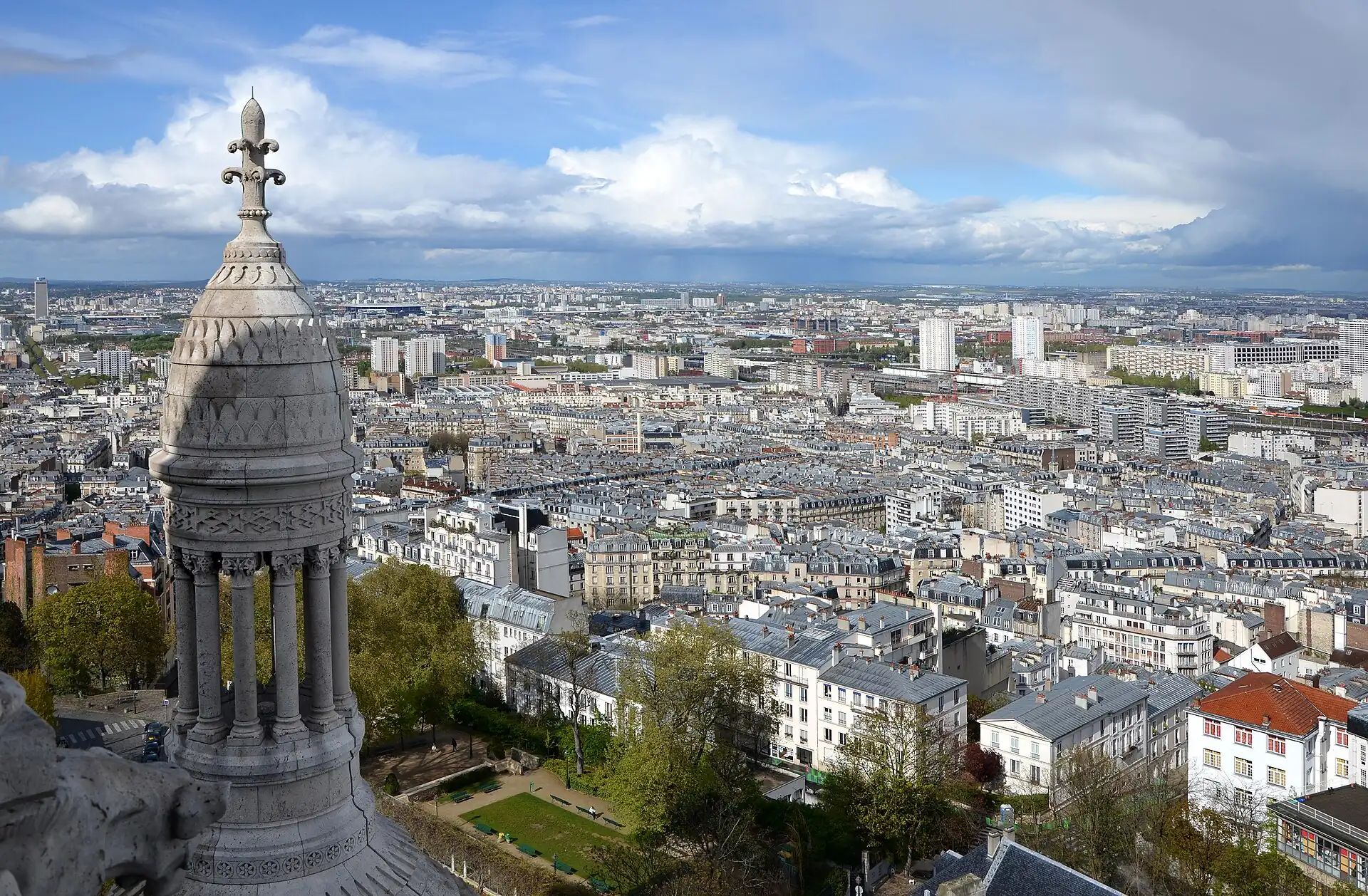
Paris
Code FN · 4 walking zones
Paris rewards a slow rhythm: one big timed museum per morning, a long lunch, and the river or a park in the afternoon — book the Louvre, Sainte-Chapelle and the Eiffel Tower slots before you leave.
Our quick read of Paris, scored 1–5 (friction is out of 100). Cash need: how often you still need notes. Heat risk: how hot days get. Stroller: how easy wheels are. Friction: overall effort for a first visit. Desk judgements, so check before relying on them.
More
More ways ingates A✓ B✓ C✓ D✓
- Local time
- --:--
- Weather
- forecast below
- Currency
- EUR
- Best months
- Mar · Apr · May · Jun · Sep · Oct
- Airports
- Paris Charles de Gaulle (CDG) · Paris Orly (ORY)
Map of Paris
Use the switches to show or hide each kind of pin. A switch that is on shows its pins on the map; tap it again to hide them. "Show only" keeps just the pins that match (for example, places that fit a suitcase). Tap any pin for its name and a link to its page.
- Where to sleep
- Places
- Eat
- Walking clusters
- Rest stops
From the airport Charles de Gaulle (CDG) to your bed · Paris Orly (ORY) to your bed
Tap a pin for its card. Places without their own coordinates are shown by their walking cluster.
About Paris
Paris is the capital of France, on the Seine in the north of the country. The city itself is small, about 105 square kilometres in twenty arrondissements that spiral out from the centre, but about 12 million people live in the Île-de-France region around it.
The river divides the Right Bank (north) from the Left Bank (south), and the two islands in the middle, Île de la Cité and Île Saint-Louis, are where the city began. Most first visits sit inside a box about 6 km wide.
The city's monuments, museums and food are the reason people come; the trouble is that the best ones are timed, closed on set days and busy in summer, so the plan matters more here than in most cities.
Good to know
- Paris (the city, twenty arrondissements) and the Île-de-France region are different: the airports and Versailles are in the region, not in the city.
- The Paris Convention and Visitors Bureau (Paris Je t'aime) runs the official tourist site; check its current information points.
- Most monuments sell timed tickets on their own sites; hotels can book them if you ask early.
Go deeper 11 min read · 6 chapters
Paris is a city where almost every street has been rebuilt at least once, and the rebuilding is the story. Roman streets, a medieval island, royal squares, Haussmann's boulevards and a 19th-century iron tower all sit within a few kilometres of the Seine. This deep dive reads the city in layers, so that a walk between the four clusters becomes a walk through eight centuries of decisions.
1History2 min
The city began on an island. A Celtic people, the Parisii, lived along the Seine, and after the Roman conquest in the first century BC the town of Lutetia grew on the left bank, on the slope of what is now the Latin Quarter. You can still see Roman baths at the Cluny museum and the arena in the Rue Monge area. In the third and fourth centuries the town shrank back onto the Île de la Cité, which was easier to defend, and it took the name Paris.
Paris became a royal seat under the Capetian kings from the late tenth century. By the 12th century it was the largest city in northern Europe and a centre of learning: the schools on the left bank grew into the University of Paris, and Notre-Dame was begun around 1163. Philippe Auguste built a wall around both banks and the first Louvre, a fortress on the western edge, around 1190. Sainte-Chapelle followed in the 1240s under Louis IX to house relics.
The 16th and 17th centuries were shaped by kings who wanted to show power in stone. Henri IV built the Pont Neuf and the Place des Vosges, then called Place Royale, which set the model for a planned square with uniform brick and stone facades. Louis XIV moved the court to Versailles in 1682, which left Paris with palaces but without the king, and made it a city of salons, theatres and cafés.
The Revolution began here in 1789 with the fall of the Bastille, and the city stayed at the centre of French politics through 1830, 1848 and the Commune of 1871. Napoleon III then hired Baron Haussmann, who from 1853 cut wide boulevards through the medieval fabric, built sewers, parks and railway stations, and standardised building heights. The Eiffel Tower went up for the 1889 World's Fair and was meant to be temporary.
In the 20th century the city added the metro (first line 1900), survived occupation from June 1940 to August 1944 without being destroyed, and built the towers of La Défense and the Pompidou Centre in the 1970s. The 2019 fire at Notre-Dame led to a five-year restoration and reopening in December 2024. Today the city proper has about 2.1 million residents in 20 arrondissements, and about 12 million people live in the wider region.
- Roman name
- Lutetia
- Notre-Dame begun
- About 1163
- Sainte-Chapelle
- Consecrated 1248
- Haussmann's works
- From 1853
- First metro line
- 1900
- Notre-Dame reopened
- December 2024
2How the city is laid out2 min
Paris is small and round. The inner city is about 10 km across, and the ring road, the Périphérique, follows the line of the old fortifications from the 1840s. The Seine curves through it from east to west and divides it into the Right Bank to the north and the Left Bank to the south. Facing downstream, the right bank is on your right; that rule is the easiest way to keep the two sides straight.
The 20 arrondissements wind outwards like a snail shell, starting with the 1st around the Louvre and the Île de la Cité and spiralling clockwise. The number tells you roughly how far from the centre you are, and the last two digits of the postcode give the arrondissement, so 75004 is the 4th. Street numbers run away from the river on streets that start at it, and parallel to the river they follow the flow, from east to west.
The four clusters on this site sit in the middle of that spiral. The Louvre and Orsay cluster faces across the river on the 1st, 7th and 8th. The Île de la Cité and Latin Quarter cluster covers the island and the 5th on the left bank. The Marais lies in the 3rd and 4th, and the Eiffel Tower and Trocadéro cluster sits in the 7th and 16th on the western side, some distance from the others. Plan on the metro or a long walk between the Eiffel Tower and anything else.
The city is dense, but neighbourhoods keep their own character. Montmartre, Belleville and the canals in the north-east are up and down on hills; the Left Bank around Saint-Germain is flatter and quieter in the evening; the Marais has narrow streets that are shoulder to shoulder on weekend afternoons. Most museums close one day a week, the Louvre on Tuesdays and Orsay on Mondays, and that closing day is the single biggest planning fact.
Getting around is easiest on the metro, which has 16 lines and stations every few hundred metres in the centre, and on foot. The metro has many stairs and few lifts, so strollers and wheelchairs are better off on buses. The RER express lines connect the airports and Versailles. A Navigo pass or contactless card covers the metro, buses and trams; check current fares before you buy, as zones and prices change.
- Arrondissements
- 20, numbered in a spiral
- Inner city width
- About 10 km (6.2 mi)About 6.2 mi (10 km)
- Metro lines
- 16
- Louvre closed
- Tuesdays
- Orsay closed
- Mondays
3Museums and how to visit them2 min
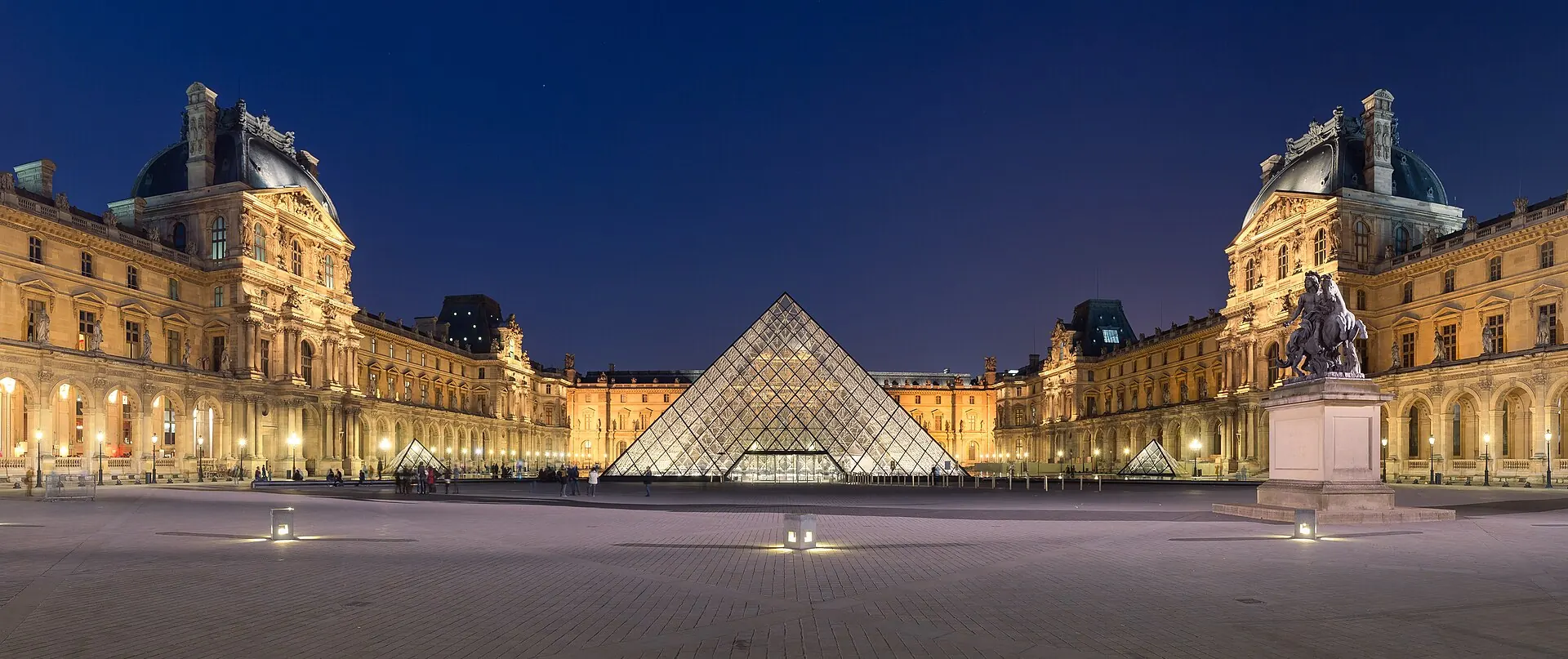
The Louvre began as a fortress and became a royal palace, then opened as a public museum in 1793 during the Revolution. It is the most visited museum in the world, with well over eight million visitors in a normal year. The collection runs to hundreds of thousands of objects and about 35,000 are on display, so trying to see everything is a mistake. Choose two or three wings and ignore the rest.
Book a timed ticket on the official site before you go. Queues move faster with a slot, and the museum limits daily numbers. Enter by the Pyramid, or by the Carrousel entrance and the Passage Richelieu when the Pyramid line is long, and go first thing in the morning or on a late-opening evening. The Mona Lisa is a crowd scene at most hours; the Egyptian, Greek and Mesopotamian rooms are quieter than the paintings.
The Musée d'Orsay is in a former railway station built for the 1900 fair, and its large clock and glass roof are part of the visit. It holds mostly art from 1848 to 1914, including a large Impressionist and post-Impressionist collection. It is easier to cover in half a day than the Louvre. The top-floor Impressionist rooms get the biggest crowds, so start there and work down.
Sainte-Chapelle is a small upper chapel whose walls are almost all stained glass, made in the 13th century. It is best on a bright morning, and it has an airport-style security check, so allow time. Notre-Dame reopened in December 2024 and uses free timed reservations for entry, so check the current cathedral site before you turn up. The two sit a few minutes apart on the same island.
A museum pass can save money and time if you plan several visits in a short window, but it rarely covers timed slots, so still check whether you must reserve. Rules on bags are strict: large bags and suitcases are turned away at security and there is little or no storage, so travel with a small daypack. Many national museums are free on the first Sunday of some months or for under-26s from the EU; confirm current rules on each museum site.
- Louvre opened as museum
- 1793
- Orsay opened as museum
- 1986
- Sainte-Chapelle glass
- 13th century
- Bags
- Large bags refused at most sites
4What and how to eat2 min
Meals in Paris follow a rhythm, and fighting it costs time. Breakfast is small: a coffee and a croissant or a tartine at a bakery or café counter. Lunch is served from about 12:00 to 14:00, and many restaurants offer a fixed formule or menu du jour at a lower price than dinner. Dinner rarely starts before 19:30. Between meals, kitchens often close, so a proper meal at 15:30 can be hard to find.
Bakeries are the everyday backbone. A baguette, a pain au chocolat and a jambon-beurre sandwich are simple, cheap and good. Many bakeries close one day a week, often Sunday afternoon or Monday, and a good one is easy to spot by the queue at 8:00. For sit-down lunches, look for a chalkboard menu with a few dishes rather than a laminated photo menu.
Cafés and bistros differ. A café serves coffee, drinks and light food all day; a bistro serves classic dishes such as steak frites, onion soup and roast chicken; a brasserie is larger and often serves through the afternoon. Drinking at the bar is cheaper than at a table, and a terrace seat costs more still. Tap water is safe and free if you ask for une carafe d'eau.
Service is included by law in the menu price, so you do not have to tip. Leaving a few coins for good service is normal, but it is not expected. Cards are accepted almost everywhere. In restaurants, the bill is not brought until you ask for it, with l'addition, s'il vous plaît, and that is polite rather than slow.
Specific places work well as anchors. The covered Marché des Enfants Rouges in the Marais is a good lunch stop with many stalls, and it is closed on Mondays. Berthillon on the Île Saint-Louis is a famous ice-cream house, but check opening days because it closes on some weekdays. Breizh Café serves Breton buckwheat galettes and cider, and it is worth booking. L'As du Fallafel on Rue des Rosiers is closed on Saturday for Shabbat and busy at lunch on Sunday.
- Lunch window
- About 12:00 to 14:00About 12:00 PM to 2:00 PM
- Dinner starts
- About 19:30About 7:30 PM
- Service
- Included in menu prices
- Tap water
- Safe, ask for une carafe d'eau
5The Eiffel Tower and the western side2 min
The Eiffel Tower was built by the firm of Gustave Eiffel for the 1889 World's Fair, which marked the centenary of the Revolution. It took about two years to build, stands about 330 metres tall with its antennas, and was the tallest structure in the world until 1930. It was designed to be dismantled after 20 years, and it survived because it proved useful as a radio mast. Many Parisian writers and artists disliked it at first.
Tickets are timed and sell out well in advance in summer. Buy on the official site rather than from street sellers, and expect a security check at the base. You can climb the stairs to the second floor or take a lift to the second floor and the summit. The summit lift is a separate ticket, and the top is sometimes closed in high wind. If you only want the view, the tower is also visible from the Trocadéro terrace across the river.
The best photo of the tower is often not from the tower. The Trocadéro terrace gives the front view, the Champ de Mars gives the long lawn, and the Pont de Bir-Hakeim gives a bridge and metro view. The tower lights up at night and sparkles for five minutes at the top of each hour after dusk. This is free to watch from the Trocadéro or the Champ de Mars, though both fill up on summer evenings.
The neighbourhood around the tower is expensive and quiet after the sights close. The 7th and 16th arrondissements hold embassies, apartment blocks and a few museums, including the Musée du quai Branly and the Cité de l'Architecture at the Trocadéro. Restaurants near the tower vary widely in quality; walk a few streets away, towards Rue Cler or Rue Saint-Dominique, for better value.
Pickpockets work the queues, the metro to Bir-Hakeim and Trocadéro, and the tower's lawns. Keep bags closed and in front, and ignore people who ask you to sign a petition. Give yourself half a day for the tower and the western side. Leave the Louvre, Orsay and the Marais for other mornings.
- Built
- 1887 to 1889
- Height
- About 330 m with antennas
- Sparkle
- Five minutes each hour after dusk
- Tickets
- Timed, book on the official site
6Beyond the centre and day trips2 min
Versailles is the standard day trip and the one to plan around. It is about 20 km south-west of the centre and reachable by RER C in roughly 40 minutes. The palace was Louis XIV's court from 1682 and holds the Hall of Mirrors, the royal apartments and huge gardens with fountains that run on set days. The palace is closed on Mondays. Book a timed ticket, and allow a full day if you want the gardens and the Trianon estate.
Giverny is the other well-known excursion, about 75 km north-west, where Claude Monet lived from 1883 and painted his water-lily pond. The house and gardens open from spring to autumn only, usually April to early November, so check dates before going. The usual route is a train to Vernon and then a shuttle or bike ride. It is a slow day for garden lovers, and less rewarding in winter when the site is closed.
Closer in, Montmartre is worth half a day if you like hills and views. The Sacré-Cœur basilica was finished in 1914 and sits at the top of the butte. The stairs and the funicular are the usual ways up. The streets around the Place du Tertre are crowded with sellers and portrait artists; the quieter streets to the north and west are pleasanter.
The Canal Saint-Martin and Belleville in the north-east are where many Parisians spend their evenings, with bars along the water and street food in Belleville. The Père Lachaise cemetery in the 20th holds many famous graves and is a large green walk, open daily with shorter winter hours. These areas are on the metro and away from the main tourist crowd.
For airports, Charles de Gaulle is served by RER B and Orly by the metro line 14 extension and by tram and bus links. Check current routes on the day, since works often affect RER B on weekends. Taxis from the airport to the centre have fixed rates on each bank; confirm the current figure at the taxi rank. Keep one bed in the centre and take day trips from it rather than changing hotels.
- Versailles
- About 20 km (12 mi), RER C, closed MondaysAbout 12 mi (20 km), RER C, closed Mondays
- Giverny
- About 75 km (47 mi), open spring to autumnAbout 47 mi (75 km), open spring to autumn
- Sacré-Cœur
- Completed 1914
- Airports
- CDG by RER B, Orly by metro 14 and tram
Photos
Les Invalides, Paris Photo: Diego Delso, CC BY-SA 4.0
Rules in force · 8Non-EU visitors get 90 days in any rolling 180-day window…
- Europe ↗Non-EU visitors get 90 days in any rolling 180-day window, counted across all 29 Schengen states together — not per country; the Entry/Exit System now logs each crossing, so an overstay is detected automatically.
- Europe ↗On the first Schengen entry since EES began, non-EU travellers give four fingerprints and a face photo at the border instead of a passport stamp; there is nothing to apply for or pay in advance.
- France and Monaco ↗France has run temporary identity checks at its internal Schengen land borders since 2015; carry a passport or EU/EEA national ID on trains and buses from Italy, Spain, Belgium, Germany, Switzerland and Luxembourg.
- France and Monaco ↗Nights in France and Monaco draw on the same Schengen 90-in-180-day allowance as the rest of the area; Monaco does not reset or pause it.
- France ↗France is in the Schengen area. Check the entry rules for your passport on official sources; the EU's Entry/Exit System registers non-EU visitors' fingerprints and photo at the first Schengen border, and further pre-travel authorisation rules are being introduced.
- France ↗TGV (including the low-cost Ouigo) and Intercités night trains need a seat reservation: a rail pass alone does not let you board.
- France ↗Paris, Lyon and other large cities run low-emission zones that require a Crit'Air sticker on cars; check before you drive a hire car or your own car into a city.
- France ↗Carry your passport or national ID card: police can ask for identification, and hotels register foreign guests.
Entry rules depend on your passport. Full visa guide
Emergency numbers for Paris112 ▾
Tap a number to call from your phone. These are the numbers listed in this guide; a row marked check has not been verified.
Planning is the full guide. I'm here keeps what is open and the cheat card.
Right now
Checking the weather…
Working out what is open near you…
What is open nowclock, closures, places open
Now in Paris
Local time in Paris
--:--
Loads in your browser · Europe/Paris
This month
Month verdict appears here.
Closed today
See the weekly grid below.
| Weekly closure | Mon | Tue | Wed | Thu | Fri | Sat | Sun |
|---|---|---|---|---|---|---|---|
| Musée Carnavalet | ✕ | · | · | · | · | · | · |
| Musée de Cluny | ✕ | · | · | · | · | · | · |
| Musée des Arts Décoratifs | ✕ | · | · | · | · | · | · |
| Musée du quai Branly – Jacques Chirac | ✕ | · | · | · | · | · | · |
| Musée Picasso | ✕ | · | · | · | · | · | · |
| LouvreAlso closed on 1 January, 1 May and 25 December. | · | ✕ | · | · | · | · | · |
| Musée d'OrsayLate opening on Thursday (check). | ✕ | · | · | · | · | · | · |
| Palace of VersaillesGardens have separate hours (check). | ✕ | · | · | · | · | · | · |
If today is a closure day: Tuesday: the Louvre is shut, so swap to the Orsay or Notre-Dame; Monday: the Orsay is shut, so use the Louvre.
Open every day: Conciergerie, Eiffel Tower, Jardin des Tuileries, Jardin du Palais-Royal, Louvre Museum, Musée d'Orsay, Notre-Dame de Paris, Place des Vosges, Sainte-Chapelle, Shakespeare and Company.
- check Centre Pompidou: Closed for a multi-year renovation from late 2025 (check).
Weekly closures come from our place pages; 1 May, 14 July and 25 December close many sights, and first Sunday of the month can bring free-entry queues at some museums (check).
Cheat cardthe pocket version
Cheat card
The essentials on one card: save it as an image for your phone, share it, or print it.
Paris
- Money
- Cards work almost everywhere; keep €20–40 in coins and small notes for bakeries with minimums…
- SIM
- Install an eSIM before you fly, or buy a prepaid SIM at a shop or the airport (passport may be needed).
- Ride app
- Uber, Bolt, G7
- Emergency
- 112 EU emergency · 17 police · 15 Medical (SAMU) (not 911, 999 or 000)
- Plugs
- Sockets C/E. US/Canada (A/B): adapter · UK/Ireland (G): adapter · Australia/NZ (I): adapter. 230 V: US 120 V-only devices (hair dryers) need a converter; most chargers are dual-voltage.
Say it
- Thank you: Merci (mair-SEE)
- Please: S'il vous plaît (seel voo PLAY)
- Do you speak English?: Parlez-vous anglais ? (par-lay voo ahn-GLAY)
- The bill, please: L'addition, s'il vous plaît (lah-dee-see-ON seel voo PLAY)
Top 5
- Notre-Dame and the Île de la Cité
- Sainte-Chapelle
- The Louvre, two or three wings
- Musée d'Orsay
- Eiffel Tower at opening
EssentialsQuick answers, what things cost and how to get around
Essentials
Quick answers, what things cost and how to get around
Quick answers
The questions people ask first about Paris, one line each. Tap a card for the full answer.
- Cash or card?Cards and contactless work almost everywhere; some ticket machines and small shops still need chip and PIN or have a minimum spend.
- SIM or eSIMInstall an eSIM before you fly, or buy a prepaid SIM at a shop or the airport (passport may be needed).
- Ride-hailing appUber, Bolt, G7.
- Tap waterTap water is safe to drink; ask for a carafe d'eau in restaurants.
- TippingService is included in restaurant prices by law; leave a small extra (€1–5 (≈ US$2–6)) only for good service.
- Plugs & powerSockets C/E. US/Canada (A/B): adapter · UK/Ireland (G): adapter · Australia/NZ (I): adapter. 230 V: US 120 V-only devices (hair dryers) need a converter; most chargers are dual-voltage.
Show all 14 answers
- Safe at night?Take more care after dark in Louvre and Tuileries, Eiffel Tower and Trocadéro.
- What to wearCover shoulders and knees, keep quiet and do not photograph services.
- Emergency numbers112 EU emergency · 17 police · 15 Medical (SAMU) (not 911, 999 or 000)
- Your embassycheckUS, UK, Canada, Australia embassies listed with addresses (check before you go).
- Closed which day?Mon: 7 on our list shut · Tue: 1 on our list shut.
- Sundays & holidaysMany museums close one day a week (Monday or Tuesday); many small shops close on Sunday…
- Rainy-day planShowers are usually short: carry an umbrella and swap the park for a museum; covered passages (Galerie Vivienne…
- Landing latecheckCDG: last rER B to Châtelet–Les Halles about 23:30, then taxi from the official rank at a flat fare to the Right Bank or Left Bank (check the posted fare).CDG: last rER B to Châtelet–Les Halles about 11:30 PM, then taxi from the official rank at a flat fare to the Right Bank or Left Bank (check the posted fare).
Cost cheat-sheetwhat everyday things cost
Cost cheat-sheet
Typical prices for the everyday things, as ranges. Change the currency right here; the local price stays first.
2026 desk estimate · check
- CoffeeEspresso at the bar€1.50–3 (≈ US$2–4)
- Sit-down mealEspresso at the bar, sit-down café, and terrace€2–3 (≈ US$3–4) bar, €4–7 (≈ US$5–9) terrace
- BeerBeer on a terrace€6–9 (≈ US$7–11)
- Taxi, about 5 km (3 mi)Taxi, about 3 mi (5 km)Taxi across the centre€12–25 (≈ US$14–30)
- Metro or bus rideMetro single ticketAbout €2.50 (≈ US$3) (check)
- SIM or eSIM, a weekTourist eSIM, about a week of data€8–25 (≈ US$10–30)
- Museum or sight ticketMuseum entry€15–25 (≈ US$18–30)
- Budget bedHostel dorm bed, a night, per person€35 (≈ US$45)
- Mid-range bedHotel double room, a night, per room€200 (≈ US$250)
- High-end bedHotel double room, a night, per room€450 (≈ US$550)
A day, not counting the bed: Budget €65 (≈ US$80) · Mid €120 (≈ US$140) · High €250 (≈ US$300)
Local prices, with USD next to them (rates 2026-09 (approximate); change it in the header). Ranges are desk estimates: check locally. Every price and the budget calculator →
Source: Prices in Paris
Draft
Written from desk research. Not yet compared with the official source.
No official source is recorded for this figure.
Prices are 2026 desk estimates, not yet compared with an official source. Check on the day.
Not checked in the last 12 months (no check date on file).
DecideWho it suits, the trade-offs and when to go
Decide
Who it suits, the trade-offs and when to go
Overview
The city in one paragraph, who it fits, and how many days it takes.
Paris is dense and walkable, but the trips that go wrong are the ones that fight the ticket system and the calendar: arriving at the Louvre without a timed slot on a Tuesday when it is closed, queueing two hours at the Eiffel Tower in July, or hauling suitcases up metro stairs. Four clusters cover a first visit; Versailles and Giverny are day trips from one kept bed, and the airport rides are the first decision of the trip.
Fits
- First visits to Europe
- Museum and architecture trips
- Food trips (bakeries, bistros, markets)
- Short city breaks with a day trip to Versailles
Does not fit
- Strollers and wheelchairs on the metro (many stairs)
- Travellers who hate queues and crowds in summer
- Anyone who expects to walk between all four clusters in one day
- 2 days
- Île de la Cité + Louvre, Marais evening
- 3 days
- Four clusters, one big museum per morning
- 5 days
- Four clusters + Versailles day trip + one slow day
Best months at a glance
The guide's verdict for each month
Jan
Care
7°C (45°F)45°F (7°C)
Feb
Care
9°C (48°F)48°F (9°C)
Mar
Best
12°C (54°F)54°F (12°C)
Apr
Best
16°C (61°F)61°F (16°C)
May
Best
19°C (66°F)66°F (19°C)
Jun
Best
23°C (73°F)73°F (23°C)
Jul
Care
25°C (77°F)77°F (25°C)
Aug
Care
25°C (77°F)77°F (25°C)
Sep
Best
21°C (70°F)70°F (21°C)
Oct
Best
16°C (61°F)61°F (16°C)
Nov
Care
10°C (50°F)50°F (10°C)
Dec
Care
7°C (45°F)45°F (7°C)
Best: Mar–Jun, Sep–Oct. Mixed: Jul–Aug, Nov–Feb. Month by month →
Warmest Jul (25°C (77°F)77°F (25°C)), coolest Jan (3°C (37°F)37°F (3°C) low), wettest Dec (11 rain days), driest Jul (8). Averages, not a forecast.
Paris across the year
Best-looking months for Paris: Mar, May, Sep.
| Measure | Jan | Feb | Mar | Apr | May | Jun | Jul | Aug | Sep | Oct | Nov | Dec |
|---|---|---|---|---|---|---|---|---|---|---|---|---|
| Weather | Mixed (care) | Mixed (care) | Good (good) | Good (good) | Great (good) | Great (good) | Mixed (care) | Mixed (care) | Great (good) | Good (good) | Mixed (care) | Mixed (care) |
| Crowds | Low (good) | Medium (ok) | Low (good) | Medium (ok) | Medium (ok) | High (care) | High (care) | High (care) | Medium (ok) | Low (good) | Low (good) | Medium (ok) |
| Prices | Low (good) | Medium (ok) | Low (good) | Medium (ok) | Medium (ok) | High (care) | High (care) | High (care) | Medium (ok) | Medium (ok) | Low (good) | Medium (ok) |
| Events | 2 events (ok) | 1 event (care) | 2 events (care) | 1 event (ok) | 1 event (ok) | 1 event (ok) | 2 events (ok) | 2 events (care) | 1 event (ok) | 1 event (ok) | None listed (ok) | 3 events (care) |
Green is good news, amber needs planning, red is a month to avoid; dashed grey with a question mark means our data does not say. Open the year heatmap →
Not checked in the last 12 months (no check date on file).
Source: Months, temperatures and crowds
Draft
Written from desk research. Not yet compared with the official source.
Monthly highs, rain and crowd levels are climate averages and desk estimates for the city, not a forecast.
Understand the cityUnderstand · Districts
Understand
More background
Most of the centre dates from the Haussmann period, which is why streets feel regular: six or seven storeys of cream stone, iron balconies and zinc roofs. Older Paris survives in pockets such as the Marais, the Latin Quarter and the islands, and the newest districts sit at the edges.
Orientation & districts
Paris is walkable but large; treat it as clusters linked by the metro. The four clusters on the trip line cover the first-visit sights.
Arrondissements are numbered from the centre in a clockwise spiral; the number is the last digits of the postcode (75004 is the 4th).
Shaded shapes: walking areas (click one). Black pins: sleep areas. Grey dots: places. Round badges: arrivals. Click the map to turn on scroll-wheel zoom.
Hover, tap or tab to an area to see what it is like. Pins are sleep areas; arrows at the edge point to the airport.
Off the map: Paris Orly Airport (ORY) (30–40 min by the usual route).
Not drawn yet (no coordinates in this guide): Montmartre (18th), Saint-Germain and Montparnasse (6th). They are in the neighbourhood cards below.
Where’s what, as a list:
- Le Marais (3rd and 4th) (Le Marais): Medieval streets, courtyards, Place des Vosges and the Jewish quarter; busy on Sundays when shops open. Suits: First visit, food, shops, evening walks. Price band $$$.
- Latin Quarter and the islands (5th and 4th) (Quartier latin, Île de la Cité): Narrow streets around the Sorbonne and Notre-Dame; touristy near the cathedral, calmer toward the Luxembourg Gardens. Suits: History, students' Paris, Notre-Dame, cafés. Price band $$$.
- Louvre, Tuileries and Orsay (1st and 7th) (Louvre, Tuileries, Orsay): The Louvre and the Tuileries Garden, with the Orsay across the river; grand and busy by day. Suits: Museums, gardens, river walks.
- Eiffel Tower and Trocadéro (7th and 16th) (Tour Eiffel, Trocadéro): Wide avenues and long queues; the quietest hours are the first and last of the day. Suits: The tower, views, a river cruise.
- Montmartre (18th) (Montmartre): Sacré-Cœur and steep lanes; a metro ride away and very busy at midday. Suits: Views, hills, painters' Paris.
- Saint-Germain and Montparnasse (6th) (Saint-Germain-des-Prés): Pricey and elegant; near the Luxembourg Gardens. Suits: Cafés, bookshops, quiet evenings.
- Sleep area 7th arrondissement (Eiffel Tower and Invalides): suits Families, older travellers, price band $$$.
- Sleep area Latin Quarter and Saint-Germain: suits History, students' Paris, Notre-Dame, cafés, price band $$$.
- Sleep area Le Marais: suits First visit, food, shops, evening walks, price band $$$.
- Sleep area Palais-Royal and Louvre: suits Families, older travellers, price band $$$.
- Sleep area Saint-Germain-des-Prés: suits Families, older travellers, price band $$$.
- Paris Charles de Gaulle Airport (CDG), about 23 km (14 mi)14 mi (23 km) from the centre, 40–55 min by the usual route.
- Paris Orly Airport (ORY), 30–40 min by the usual route.
Neighbourhoods at a glance
One tab per area, pulled together from this guide’s districts table, area notes, sleep-area scores and place pages. Scores are desk judgements (1–5); prices are estimates, check before you book.
Le Marais (3rd and 4th)
$$$Le Marais
Medieval streets, courtyards, Place des Vosges and the Jewish quarter; busy on Sundays when shops open.
- Suits:
- First visit, food, shops, evening walks · Food and evenings, first visits
- Best time:
- Morning and evening
- Rooms:
- €150–280 per room per night (mid-range); higher during fashion weeks and in summer
Pick this if: First visits, walking, cafés
Skip this if: You travel with a stroller or wheelchair, or have big suitcases to carry up stairs
- Quiet nights3/5 Medium
- Nightlife5/5 Very high
- Families4/5 High
- Late arrival5/5 Very high
Why these scores
- Quiet nights: Busy streets and bars; ask for a courtyard room.
- Nightlife: The best dining and bar area in the centre.
- Families: Squares and playgrounds nearby; narrow pavements.
- Late arrival: Busy late; safe and lively.
Getting around from here
- 18–25 min walk to Île de la Cité & Latin Quarter
- Metro line 1: about 16 min to Louvre, Tuileries & Musée d'Orsay
- CDG: about 22 km (14 mi) in a straight line (arrival ride 40–55 min)CDG: about 14 mi (22 km) in a straight line (arrival ride 40–55 min)
Latin Quarter and the islands (5th and 4th)
$$$Quartier latin, Île de la Cité
Narrow streets around the Sorbonne and Notre-Dame; touristy near the cathedral, calmer toward the Luxembourg Gardens.
- Suits:
- History, students' Paris, Notre-Dame, cafés · History, bookshops
- Best time:
- Early morning
- Rooms:
- €150–270 per room per night (mid-range)
Pick this if: First visits, RER B airport link, walking
Skip this if: You want quiet nights: the Latin Quarter has late bars and street noise
- Quiet nights3/5 Medium
- Nightlife3/5 Medium
- Families4/5 High
- Late arrival3/5 Medium
Why these scores
- Quiet nights: Quiet streets away from the main squares.
- Nightlife: Student bars and jazz clubs.
- Families: The Luxembourg Gardens and the Jardin des Plantes.
- Late arrival: Lively until about midnight.
Getting around from here
- 22–30 min walk to Le Marais
- Walk west along the quays: about 20 min to Louvre, Tuileries & Musée d'Orsay
- CDG: about 23 km (14 mi) in a straight line (arrival ride 40–55 min)CDG: about 14 mi (23 km) in a straight line (arrival ride 40–55 min)
Louvre, Tuileries and Orsay (1st and 7th)
Louvre, Tuileries, Orsay
The Louvre and the Tuileries Garden, with the Orsay across the river; grand and busy by day.
- Suits:
- Museums, gardens, river walks
- Best time:
- Opening and after 17:00Opening and after 5:00 PM
Pick this if: Museums, gardens
Watch out for: Midday queues.
Getting around from here
- Metro line 1: about 16 min to Le Marais
- Walk east along the quays: about 20 min to Île de la Cité & Latin Quarter
- Metro or RER C: about 25 min to Eiffel Tower & Trocadéro
Eiffel Tower and Trocadéro (7th and 16th)
Tour Eiffel, Trocadéro
Wide avenues and long queues; the quietest hours are the first and last of the day.
- Suits:
- The tower, views, a river cruise
- Best time:
- Sunrise and evening
Pick this if: The view, photographs
Watch out for: Midday summer queues.
Getting around from here
- Metro or RER C: about 25 min to Louvre, Tuileries & Musée d'Orsay
- CDG: about 25 km (16 mi) in a straight line (arrival ride 40–55 min)CDG: about 16 mi (25 km) in a straight line (arrival ride 40–55 min)
Montmartre (18th)
Montmartre
Sacré-Cœur and steep lanes; a metro ride away and very busy at midday.
- Suits:
- Views, hills, painters' Paris
Saint-Germain and Montparnasse (6th)
Saint-Germain-des-Prés
Pricey and elegant; near the Luxembourg Gardens.
- Suits:
- Cafés, bookshops, quiet evenings
7th arrondissement (Eiffel Tower and Invalides)
$$$7th arrondissement (Eiffel Tower and Invalides)
A calm residential area between the Invalides and the Eiffel Tower, with the rue Cler market street and the Rodin museum; good for a base away from the busiest streets.
- Suits:
- Families · Older travellers
- Rooms:
- €180–340 per room per night (mid-range to upper); higher in summer (check)
Pick this if: Quiet nights, the Eiffel Tower, families and older travellers
Skip this if: You want nightlife outside the door
Getting around from here
- 12–18 min walk to Eiffel Tower & Trocadéro
- 25–34 min walk to Louvre, Tuileries & Musée d'Orsay
- CDG: about 25 km (16 mi) in a straight line (arrival ride 40–55 min)CDG: about 16 mi (25 km) in a straight line (arrival ride 40–55 min)
Palais-Royal and Louvre
$$$Palais-Royal and Louvre
A central base between the Louvre and the Opéra, with the Tuileries and Palais-Royal gardens at the door; good for museums and for the Métro, with shops and cafés around.
- Suits:
- Museums, gardens · Families · Older travellers
- Best time:
- Opening and after 17:00Opening and after 5:00 PM
- Rooms:
- €180–350 per room per night (mid-range to upper); higher in summer (check)
Pick this if: Museums, shopping, first visits, short stays
Skip this if: You want a village feel or lower prices
Getting around from here
- 20–28 min walk to Le Marais
- Walk east along the quays: about 20 min to Île de la Cité & Latin Quarter
- Metro or RER C: about 25 min to Eiffel Tower & Trocadéro
Saint-Germain-des-Prés
$$$Saint-Germain-des-Prés
A literary, café-lined area on the Left Bank, a short walk from the Seine, the Latin Quarter and the Louvre across the Pont des Arts; choose a hotel with a lift and a quiet room.
- Suits:
- History, bookshops · Families · Older travellers
- Best time:
- Early morning
- Rooms:
- €170–330 per room per night (mid-range to upper); higher in fashion weeks and in summer (check)
Pick this if: Walking, cafés, bookshops, first visits
Skip this if: You travel with a stroller or wheelchair, or have heavy suitcases to carry up stairs
Getting around from here
- 18–26 min walk to Louvre, Tuileries & Musée d'Orsay
- Walk east: about 22 min to Le Marais
- CDG: about 23 km (14 mi) in a straight line (arrival ride 40–55 min)CDG: about 14 mi (23 km) in a straight line (arrival ride 40–55 min)
Ward by ward
21 area guides. Open one for the short answer, the key facts and what the area is like; the full guide is linked inside. Prices marked (check) are estimates.
10th arrondissementBest for: Train arrivals, canal walks, budget and mid-range hotels, Indian and Pakistani food
Stay in the 10th if you arrive or leave by train, want Canal Saint-Martin on foot, and value lower hotel rates over postcard views. Skip it for a first trip built on the Louvre and the Eiffel Tower, or if you want quiet nights — Gare du Nord and Gare de l'Est bring crowds and noise.
- Best for:
- Train arrivals, canal walks, budget and mid-range hotels, Indian and Pakistani food
- Skip if:
- You want calm streets, classic monuments on your doorstep, or a first-trip base
- Main stations:
- Gare du Nord (Eurostar, UK and north Europe) and Gare de l'Est (east France, Germany)
- Canal car-free:
- Saturday afternoon and all day Sunday along the Canal Saint-Martin (check)
- Metro hubs:
- Gare du Nord, Gare de l'Est, République, Jacques Bonsergent, Goncourt
- Walk to:
- Canal Saint-Martin, Place de la République, Porte Saint-Denis; 20–30 min to the Marais
- Typical hotel rate:
- Roughly €120–220 a double in 2026 estimate, cheaper than the 1st or 8th (check)
- Safety:
- Busy and generally fine by day; watch bags around the stations and after dark (check)
What the 10th is like
The 10th sits north-east of the centre, split between two big stations and the Canal Saint-Martin. Gare du Nord and Gare de l'Est make it the city's main arrival point from London, Brussels, Amsterdam and eastern France, so the streets around them are busy, commercial and not pretty. Ten minutes south, the canal is the opposite: iron footbridges, plane trees, locks, and locals sitting on the quay with a beer or a coffee.
The area is mixed and cosmopolitan. Rue du Faubourg Saint-Denis and Passage Brady carry South Asian grocers, restaurants and hairdressing suppliers; the streets around rue de Marseille have small clothing shops. It is a working neighbourhood, not a museum district, and that is the appeal — you eat and shop where people live.
Place de la République, at the southern edge, is a large square ringed with bars and cafés and a metro interchange on five lines. It is the easiest anchor if you want to be between the 10th, 11th and 3rd.
Full 10th arrondissement guideShould you stay here?
Yes if your trip is built around trains, or if you want a central base without paying 1st or 8th arrondissement prices. Gare du Nord to central London is about 2h20 by Eurostar, and Gare de l'Est puts Strasbourg, Reims and Germany within a morning. Hotels within a few minutes of the canal are the pick; rooms facing the station forecourts are cheaper and louder.
No if this is your first Paris trip and you picture waking up near the Louvre, the Seine or the Eiffel Tower. The 10th has no headline monument. It is also not a quiet district: traffic, station crowds and late-night bars around République and the canal keep noise levels up. Travellers who want calm evenings should look at the 15th or 16th instead.
A middle option: stay two or three nights here for the canal and the food, then move west or to the 5th for the museum half of the trip.
11th arrondissementBest for: Bars, small restaurants, a lived-in Paris; repeat visitors and nightlife-led trips
Stay in the 11th if you want bars, small restaurants and a local, residential Paris rather than monuments — best for repeat visitors, nightlife-led trips and 3–5 night stays. Skip it for a first trip built on the Louvre and Eiffel Tower, or if you want quiet evenings; the trade-off is a 15–25 minute Métro ride to the big sights.
- Best for:
- Bars, small restaurants, a lived-in Paris; repeat visitors and nightlife-led trips
- Skip if:
- First trip centred on the Louvre, Eiffel Tower and Champs-Élysées; light sleepers on rue Oberkampf or rue de la Roquette
- Métro hubs:
- République (lines 3, 5, 8, 9, 11), Bastille (1, 5, 8), Nation (1, 2, 6, 9)
- To the Louvre:
- About 15–20 minutes by Métro from Bastille or République, one change or none (check)
- To the Eiffel Tower:
- About 30–35 minutes by Métro, usually one change (check)
- Density:
- About 154,000 residents; the most densely populated arrondissement in Paris
- Quiet quarters:
- Saint-Ambroise and Sainte-Marguerite are residential; Folie-Méricourt and La Roquette are the bar zones
- Room prices:
- 2026 estimate: boutique hotels roughly €150–300 a night; hostels and simple rooms from about €60 (check)
What the 11th is like
The 11th was an industrial quarter in the 18th and 19th centuries — factories, workers' housing and parish churches, never a plan for monuments. That is why there is little to tick off and a lot to eat and drink. Young Parisians began moving in from the mid-2000s because flats cost less here, and bars and restaurants followed along rue Oberkampf, rue de la Roquette and rue de Charonne.
It is the most densely populated arrondissement in Paris, with roughly 154,000 residents, and one of the densest urban districts in Europe. The upside is that Métro and bus coverage is excellent and almost everything you want is a short walk away. The downside is noise: streets that are calm at 10am are loud at 1am.
Four quartiers behave differently. Folie-Méricourt, in the north, is the bobo/hipster quarter of bars and restaurants. Saint-Ambroise is calm and residential. La Roquette, along rue de la Roquette towards Bastille, draws a young crowd. Sainte-Marguerite, in the south-east, is mostly quiet homes with a few worthwhile addresses on rue de Charonne and rue du Faubourg-Saint-Antoine.
Full 11th arrondissement guideShould you stay here?
Stay in the 11th if your trip is about food, wine and evenings out, if you have seen the main sights before, or if you want a neighbourhood where the bakery and the laundrette matter more than the view. It also works well for a 3–5 night Paris stay with day trips, because République and Bastille put the whole city within reach.
Skip it on a first trip if your days are built around the Louvre, the Eiffel Tower and the Champs-Élysées — the 1st, 4th or 8th arrondissements put you closer. Skip it too if you sleep early: pick Saint-Ambroise or Sainte-Marguerite, or a hotel on a side street rather than on rue Oberkampf, rue de la Roquette or boulevard Voltaire.
Families and light sleepers do fine in the residential quarters. Travellers who want a hotel door onto a quiet square should look at the 15th or 16th instead.
12th arrondissementBest for: Train arrivals at Gare de Lyon and Gare de Bercy, repeat visitors, families wanting park space
Stay in the 12th if you arrive by train from Italy, Switzerland or southern France, want Gare de Lyon on foot, and prefer a residential, calmer Paris with the Bois de Vincennes at the door. Skip it if your first trip is built around the Louvre, the Marais or the Eiffel Tower — those sit 20–35 minutes away by Métro.
- Best for:
- Train arrivals at Gare de Lyon and Gare de Bercy, repeat visitors, families wanting park space
- Less good for:
- First-timers who want the classic sights within walking distance
- Main stations:
- Gare de Lyon (Métro 1, 14, RER A), Gare de Bercy (Métro 14)
- Métro lines crossing the district:
- 1, 6, 8, 14 plus RER A
- Big green space:
- Bois de Vincennes, roughly 995 hectares, at the eastern edge
- Landmarks:
- Opéra Bastille, AccorHotels Arena, Promenade Plantée, Parc de Bercy, Picpus Cemetery
- Population:
- About 144,600 (2010s census) (check)
- Typical hotel price:
- 2026 estimate: €120–260 a night for a mid-range double, lower than the 1st or 8th (check)
What the 12th is like
The 12th is one of the largest arrondissements in Paris even before you count the Bois de Vincennes, which more than doubles its area. It runs from the Bastille along the north bank of the Seine to the city's eastern edge, and it is mostly a place where Parisians live and work rather than a sightseeing district.
Two things shape a stay here. First, transport: Gare de Lyon is the arrival point for TGVs from Lyon, Marseille, Switzerland and Italy, and Gare de Bercy handles some long-distance and night services. Second, space: the Bois de Vincennes gives you 995 hectares of paths, a lake with rowboats and a Buddhist temple, all reachable on Métro line 1.
The rest is a mix. Bercy and the Cour Saint-Émilion area are modern, with the glass-and-grass Parc de Bercy and the AccorHotels Arena, which seats about 17,000 for sport and over 20,000 for concerts. Around Bastille and the Promenade Plantée the streets are older and livelier, with the Opéra Bastille on the square. Picpus, in the south, is quiet and residential, and holds the Picpus Cemetery, where Lafayette is buried and an American flag has flown over the grave since 1834.
Full 12th arrondissement guideShould you stay here
Yes if your trip starts or ends at Gare de Lyon, if you are travelling with children and want park space, or if you have already seen the centre and want a calmer base with fast Métro links. The trade-off is distance: the Louvre, the Marais and the Eiffel Tower are not walkable in a comfortable time, so you will ride the Métro most days.
No if this is your first Paris trip and you want to step out of the hotel into the postcard. The 1st, 4th and 5th arrondissements put the river and the main museums within 10–20 minutes on foot; the 12th does not. It is also not the district for late-night bar streets — that is the 11th, next door.
A practical compromise: stay two or three nights in the 12th at the start or end of a France trip, when the train station matters most, and move to the centre for the sightseeing stretch.
13th arrondissementBest for: Repeat visitors, budget stays, Asian food, Orly airport access
Stay in the 13th if you want cheaper, quieter Paris with fast Métro 14 links to Châtelet and Orly, and Chinatown food on avenue de Choisy. Skip it for a first trip built on the Louvre and the Marais — you would spend 20–30 minutes each way. Best for repeat visitors, students and anyone flying out of Orly.
- Best for:
- Repeat visitors, budget stays, Asian food, Orly airport access
- Skip if:
- First trip and you want the classic sights on foot from your door
- Métro lines:
- 6, 7 and 14; line 14 reaches Orly Airport
- To Châtelet:
- About 15 minutes on Métro 14 from Bibliothèque François-Mitterrand
- To Île de la Cité on foot:
- About 40 minutes via the Latin Quarter
- Main rail station:
- Gare d'Austerlitz, for the southwest and night trains
- Quietest nights:
- Butte-aux-Cailles and the streets west of avenue d'Italie
- Busiest nights:
- Place d'Italie and the Olympiades towers
What the 13th is like
The 13th sits on the Left Bank in the southeast, between the Seine and the ring road. It is mostly residential and office Paris, not a sightseeing district: no single monument pulls crowds here, and that is exactly why some travellers like it. Streets are wider and calmer than in the centre, hotel prices run below the 1st, 4th and 8th, and you are still inside the city, on the Métro.
Two areas stand out. Butte-aux-Cailles, in the west, is a low hill of small houses and narrow lanes around rue de la Butte-aux-Cailles, with cafés and a village feel that survives because no Métro station sits on top of it. The southern edge, around avenue de Choisy, avenue d'Ivry and the Olympiades towers, is Paris's Chinatown and one of the largest in Europe: supermarkets, pho shops, banh mi counters and bakeries, busiest on Sundays when much of the city is closed.
Between them runs the Paris Rive Gauche development along the Seine: the four glass towers of the Bibliothèque nationale de France (site François-Mitterrand), the Cité de la Mode et du Design on quai d'Austerlitz, and new apartment blocks and university buildings filling the old rail yards. It is modern, flat and easy to walk, with the pedestrian Pont Simone de Beauvoir linking the library to Parc de Bercy in the 12th.
Full 13th arrondissement guideShould you stay here?
Stay if transport and value matter more than postcard views. Métro 14 is the fastest line in Paris and stops at Bibliothèque François-Mitterrand and Olympiades; it now runs on to Orly Airport, which makes the 13th a sensible last night before an early flight. Gare d'Austerlitz handles trains to the southwest and most night services, and Gare de Lyon is one stop away.
Skip it on a first visit if your list is the Louvre, Notre-Dame, the Marais and Montmartre. You can reach all of them, but you will ride the Métro both ways, roughly 20–30 minutes each time. Also skip the streets immediately around Place d'Italie if you want quiet: it is a busy road junction and a major bus interchange.
Within the district, choose Butte-aux-Cailles or the blocks near Corvisart and Glacière for calm, and the area around Bibliothèque François-Mitterrand for newer hotels and quick line 14 access. The Olympiades towers are convenient and cheap but feel like a different city.
14th arrondissementBest for: Quiet nights, Catacombs, Montparnasse cafés, RER B to both airports
Stay in the 14th if you want a residential, quieter Paris with fast RER B and metro links and Montparnasse TGV trains next door; skip it if you want to walk to the Louvre or the Marais. Base near Denfert-Rochereau or rue Daguerre for food and transport.
- Best for:
- Quiet nights, Catacombs, Montparnasse cafés, RER B to both airports
- Not for:
- First-timers who want the river, Louvre and Marais on foot
- Main transport hubs:
- Denfert-Rochereau (metro 4, 6, RER B); Gare Montparnasse just north in the 15th
- Airport link:
- RER B from Denfert-Rochereau to CDG; Orly via Orlyval or tram/bus connections (check)
- Catacombs entry:
- 1 place Denfert-Rochereau; timed online tickets skip the queue
- Typical double room:
- €120–220 per night, 2026 estimate (check)
- Quietest streets:
- South of Parc Montsouris and around Cité Universitaire
What the 14th is like
The 14th sits on the Left Bank south of the 6th and 5th, and it is mostly where people live. The northeast corner, around Boulevard du Montparnasse and rue Daguerre, is the busy part: cafés, brasseries, cinemas and a market street. The rest is apartments, schools, hospitals and the Cité Universitaire student quarter.
The sights are specific rather than grand. The Catacombs at Denfert-Rochereau draw the biggest queues. Parc Montsouris gives you a real park with lawns and a lake. Montparnasse Cemetery is a calm walk among the graves of Sartre, Beauvoir, Baudelaire and Gainsbourg. The Paris Observatory and the Lion of Belfort sit near Denfert-Rochereau, and the Fondation Henri Cartier-Bresson shows photography on a small scale.
Note that the Tour Montparnasse and Gare Montparnasse stand in the 15th, just north of the boundary, but you will use them as if they were in the 14th.
Full 14th arrondissement guideShould you stay here?
Yes, if you value sleep, space and transport over postcard views. The 14th is cheaper than the 4th, 5th or 6th for the same standard of room, and it is quiet at night. Denfert-Rochereau puts you on RER B, which runs to both Charles de Gaulle and, with a change, Orly, and on metro lines 4 and 6. Gare Montparnasse, a few minutes north, is the terminus for TGV trains to Bordeaux, Nantes, Rennes and Toulouse, which makes the 14th a strong first or last night before a train.
No, if this is your first trip and you want to step out of the hotel into the Louvre, Notre-Dame or the Marais. From the 14th you will ride the metro 15–25 minutes for most of the classic sights. It is also not a nightlife district: evenings are restaurants and cinemas, not bars until late.
15th arrondissementBest for: Quiet residential base, families, longer stays, Eiffel Tower proximity in Grenelle
Stay in the 15th if you want quiet, residential Paris with easy metro and RER links and Eiffel Tower views from the Grenelle edge; skip it if you want nightlife, markets or sights on your doorstep. Base near La Motte-Picquet–Grenelle or Montparnasse for the best connections.
- Best for:
- Quiet residential base, families, longer stays, Eiffel Tower proximity in Grenelle
- Worst for:
- Nightlife, first-trip sightseeing on foot, market streets
- Arrondissement:
- 15th (Vaugirard), Left Bank, southwest Paris
- Population:
- About 238,900 — the largest arrondissement by area and population
- Quartiers:
- Grenelle, Necker, Saint-Lambert, Javel
- Key stations:
- Montparnasse-Bienvenüe (M4, M6, M12, M13), La Motte-Picquet–Grenelle (M6, M8, M10), Porte de Versailles (M12, T2, T3a)
- Airport link:
- RER C toward Pont de Rungis for Orly (check) (check)
- Tap water:
- Drinkable in Paris (check) (check)
What the 15th is like
The 15th is the largest arrondissement in Paris by both area and population, home to roughly 238,900 people and about 150,000 jobs. It sits on the Left Bank in the southwest, running along the Seine from the Eiffel Tower's edge down to the ring road. It is dense, up-market and residential rather than touristic: you will find offices, apartment blocks, schools and hospitals, not souvenir shops.
Administratively it splits into four quartiers. Grenelle, closest to the 7th arrondissement and the Champ de Mars, has 19th-century Haussmannian streets inland and the 1970s Beaugrenelle high-rise cluster on the river, with its shopping mall. Necker, between Grenelle and Montparnasse, holds the Tour Montparnasse and Gare Montparnasse along its eastern border, plus the large Hôpital Necker-Enfants Malades. Saint-Lambert, in the southeast, is dominated by the Parc des Expositions at Porte de Versailles, one of France's biggest exhibition centres. Javel, in the southwest, was industrial and is now offices, housing and the Parc André Citroën, with the Paris heliport at its southern tip.
Note that the district called Montparnasse itself lies across the border in the 14th arrondissement, even though the tower and station carry the name and sit on the 15th's edge.
Full 15th arrondissement guideShould you stay here
Stay in the 15th if you value sleep, space and transport over atmosphere. Hotel rates here undercut the 1st, 4th and 8th arrondissements, rooms are often larger, and the metro and RER put the whole city within reach. Grenelle is the pick for first-timers: you can walk to the Eiffel Tower in about 15–20 minutes from the Champ de Mars side, and several hotels trade on that proximity.
Skip it if this is your first visit and you want to step out into cafés, markets and lit-up streets. The 15th's evenings are quiet, its restaurant scene is neighbourhood rather than destination, and you will spend 20–30 minutes on the metro to reach the Louvre, Marais or Canal Saint-Martin. Travellers who want that energy should look at the 4th, 5th, 10th or 11th arrondissements instead.
It also suits families, longer stays and anyone using Gare Montparnasse for trains to Brittany, the Loire, Bordeaux, Spain or Portugal — you can walk to your platform.
16th arrondissementBest for: Quiet nights, families, museum-goers, long stays
Stay in the 16th if you want quiet, residential Paris with museums and the Bois de Boulogne on the doorstep, and you accept 20–35 minutes by Métro to the centre. Skip it if you want nightlife, markets or walking-distance sightseeing; the 4th, 5th or 11th fit that better.
- Best for:
- Quiet nights, families, museum-goers, long stays
- Worst for:
- Nightlife, budget eating, first-timers wanting walkable sights
- Métro to the centre:
- 20–35 min to Châtelet or Gare du Nord (lines 1, 2, 6, 9, 10)
- Airport link:
- RER C from Avenue Foch area to Orly via Orlyval; Roissybus from Opéra (check)
- Room prices:
- Mid-range doubles roughly €150–260 a night; 2026 estimate (check)
- Quietest streets:
- Auteuil and Passy, away from Place du Trocadéro
- Watch out:
- Hills between Passy and Trocadéro; long walks to the next Métro
What the area is like
The 16th covers most of western Paris, from the Jardins du Trocadéro facing the Eiffel Tower out to the Bois de Boulogne, which takes up a large share of the district. It runs from the Étoile in the north down to the city's southern edge. This is affluent, residential Paris: embassies, private mansions, wide avenues and a lot of green space.
It splits into recognisable parts. Passy, around rue de Passy, is the shopping and café spine. Auteuil, to the south, is quieter and village-like around rue d'Auteuil. Chaillot, by Trocadéro, is the museum and view end. The Bois de Boulogne gives you rowing lakes, cycling paths and the Jardin d'Acclimatation for children.
Two big sporting addresses sit here: Roland-Garros, home of the French Open tennis, and the Parc des Princes, home of Paris Saint-Germain. On match and tournament days the area around Porte d'Auteuil and Porte de Saint-Cloud fills up and prices jump.
Full 16th arrondissement guideShould you stay here?
Yes, if your trip is about museums, green space and coming back to a calm street at night. The 16th suits families, older travellers, and anyone staying a week or more who wants an apartment rather than a hotel corridor. It also works well if you are combining Paris with Versailles, since the trains run from this side of the city.
No, if this is your first short trip and you want to step out of the door into cafés, markets and evening life. The 16th is short on both, and the distances between sights are real: Trocadéro to the Eiffel Tower is a 15-minute walk across the river, but Trocadéro to the Marais is a 30-minute Métro ride.
A middle option: stay two or three nights here for the museums and the Bois, then move to the 4th, 5th or 11th for the rest of the trip.
17th arrondissementBest for: Residential feel, Haussmann buildings, bistro and market streets, lower hotel rates than the 1st–8th
Stay in the 17th if you want residential Paris, quieter nights and easy Métro 2/3/13/14 links, not if you want sights on your doorstep. Batignolles suits café-and-park days; Wagram–Ternes suits shopping and Arc de Triomphe walks. Change your mind if you need the Louvre or Marais within 10 minutes on foot.
- Best for:
- Residential feel, Haussmann buildings, bistro and market streets, lower hotel rates than the 1st–8th
- Worst for:
- First-timers who want major sights, museums or nightlife within walking distance
- Métro lines:
- 1, 2, 3, 6, 13, 14 plus RER A and C (separate stations)
- Airport buses:
- CDG and Beauvais shuttles stop at Porte Maillot
- Walk to Arc de Triomphe:
- About 10–20 minutes from Ternes or Wagram
- Quietest nights:
- Batignolles and Épinettes; Place de Clichy is the loudest corner (check)
- Typical double room:
- €120–220 in 2026 estimate, cheaper east of the tracks (check)
What the area is like
The 17th sits directly north of the Arc de Triomphe and is mostly residential: long Haussmann avenues, stone apartment blocks, small squares and a dense grid of bakeries, bistros and shops. There are no headline museums or monuments inside it, which is exactly why some travellers like it and others do not.
It is not one place. The southwest, around Wagram, Monceau and Ternes, is wealthy and polished, with high-end shopping and buildings that feel like an extension of the 8th and 16th. The centre, Batignolles, is younger and more relaxed, with bars, bistros, a covered market and the large Parc Clichy-Batignolles. The east, Épinettes, is plainer and cheaper, with more ethnic restaurants and small shops, and blends into the 18th around Place de Clichy.
Expect a local rhythm: markets in the morning, families and dogs in the parks, restaurants that fill with residents rather than tour groups. If you want to feel like you are living in Paris rather than visiting it, this is the trade.
Full 17th arrondissement guideShould you stay here
Stay if you value quiet nights, a residential street and a short Métro ride over being able to walk to the Louvre. Batignolles is the best pick for cafés, the market and the park; Ternes and Wagram suit shoppers and anyone who wants the Arc de Triomphe and Champs-Élysées on foot.
Skip it on a first trip of two or three nights if your list is the Louvre, Notre-Dame, the Marais and the Eiffel Tower. You will spend 20–35 minutes each way on the Métro, and late nights mean a taxi or the last train. Also skip the Place de Clichy corner if you are a light sleeper.
Rates are usually lower than the central arrondissements for the same standard, and the airport buses drop you at Porte Maillot, which removes a transfer on arrival.
18th arrondissementBest for: Montmartre walks, Sacré-Cœur, budget hotels near Gare du Nord
Stay in the 18th if you want Montmartre's hill, Sacré-Cœur views and lower hotel prices near Gare du Nord; skip it if you want central, quiet nights. Base near Lamarck-Caulaincourt or Abbesses for calm, Pigalle or Barbès only if you accept late noise and street hassle.
- Best for:
- Montmartre walks, Sacré-Cœur, budget hotels near Gare du Nord
- Avoid if:
- You want quiet, central nights or easy late Metro returns
- Calmest pockets:
- Lamarck-Caulaincourt, upper Rue Lepic, Rue des Abbesses
- Noisiest pockets:
- Boulevard de Clichy, Place Pigalle, Barbès-Rochechouart
- Metro lines:
- 2, 4 and 12
- Sacré-Cœur opening:
- Daily 06:00–23:00 (check)Daily 6:00 AM–11:00 PM (check) (check)
- Arrondissement population:
- About 202,000
- Walk from Gare du Nord:
- About 15–20 minutes to lower Montmartre
What the 18th is like
The 18th sits in the north of Paris and covers two different worlds. On the west side, Montmartre is a hill of steep lanes, small squares and the white basilica of Sacré-Cœur at the top, built between 1875 and 1914. Painters including Picasso and Toulouse-Lautrec worked here in the early 1900s, and Place du Tertre still sells portraits to visitors today.
East of the hill, around Barbès-Rochechouart and Château Rouge, the streets are busy, diverse and everyday: markets, phone shops, cheap food. Along Boulevard de Clichy, between Place Pigalle and Place Blanche, the strip clubs and neon are the old red-light district, and the Moulin Rouge sits at Place Blanche.
The two halves do not blend much. You can walk from a quiet vineyard on the hill to a crowded market street in fifteen minutes, and the feel changes street by street.
Full 18th arrondissement guideShould you stay here
Yes, if Montmartre is the point of your trip or you want to keep costs down. Hotels on and around the hill and near Gare du Nord are often cheaper than the 1st, 4th or 8th, and arriving from London, Brussels or Amsterdam by train means you can walk to your room with luggage.
No, if you want to step out of your door into the middle of Paris. The 18th is a 20–30 minute Metro ride from the Louvre or Notre-Dame, and the last trains run before 01:30, so late dinners across town mean a taxi back. The hill itself is steep; if stairs are a problem, choose a hotel at the bottom near Place de Clichy or Pigalle rather than up by Place du Tertre.No, if you want to step out of your door into the middle of Paris. The 18th is a 20–30 minute Metro ride from the Louvre or Notre-Dame, and the last trains run before 1:30 AM, so late dinners across town mean a taxi back. The hill itself is steep; if stairs are a problem, choose a hotel at the bottom near Place de Clichy or Pigalle rather than up by Place du Tertre.
Within the arrondissement, pick your street carefully. Upper Rue Lepic, Rue des Abbesses and the lanes around Lamarck-Caulaincourt are residential and calm at night. Boulevard de Clichy, Place Pigalle and the area around Barbès-Rochechouart are loud, and the strip-club touts on Clichy are persistent; the clubs there are a known rip-off and best avoided. Solo travellers and anyone arriving late should stay west of the hill or near Gare du Nord rather than in those blocks.
19th arrondissementBest for: Families, repeat visitors, anyone who wants parks and canals over monuments
Stay in the 19th if you want green space, canals and lower hotel prices, and you accept 20–30 minutes by Métro to the centre. Skip it for a first trip built on the Louvre and the Latin Quarter, or if you want restaurants and bars outside your door at midnight. Families and repeat visitors get the most from it.
- Best for:
- Families, repeat visitors, anyone who wants parks and canals over monuments
- Skip if:
- First trip, short stay, or you want the centre on foot
- Métro to the centre:
- M5 to Gare du Nord and République; M7bis to Buttes-Chaumont; M2 along the western edge
- Green space:
- Parc des Buttes-Chaumont and Parc de la Villette, both large and free to enter
- Canal side:
- Bassin de la Villette and Canal de l'Ourcq, walkable and kayakable in warm months
- Typical ride to Châtelet:
- About 25–30 minutes with one change (check)
- Quiet at night:
- Yes on most streets; the canal and Stalingrad area are busier (check)
What the area is like
The 19th sits in the north-east of Paris, between the 18th and the ring road. Two canals, the Canal Saint-Denis and the Canal de l'Ourcq, cross it and meet at the Bassin de la Villette, which is where most visitors end up. The district was the city's slaughterhouse quarter, and the wide, low skyline still shows it: big plots, few grand buildings, more space than the centre.
That space is the point. Parc de la Villette holds the Cité des Sciences et de l'Industrie and the Cité de la Musique, and Parc des Buttes-Chaumont, further south, is the largest and hilliest park inside Paris. Both are free to enter. Around them are ordinary residential streets, schools, markets and a mixed population, which is why the area feels less like a museum district and more like a place where people live.
It is not a nightlife quarter in the way the 11th is, and it has no single monument that pulls a first-time visitor. What it has is room: a park to sit in, a canal to walk along, and a bed that costs less than the same bed in the 4th or 8th.
Full 19th arrondissement guideShould you stay here
Yes if you are travelling with children, staying more than four nights, or have already done the centre and want a quieter base. The parks, the Cité des Sciences and the canal boats fill a family day without a Métro ride, and hotels and apartments near Buttes-Chaumont or the Bassin de la Villette are usually cheaper than equivalent places in the 5th or 8th.
No if this is your first trip and you have three days. The Louvre, the Marais, the Latin Quarter and the river are all 20–30 minutes away by Métro, twice a day, and that adds up. The 1st, 4th or 5th arrondissements put you inside the sights; the 15th and 16th are quiet but better connected to the west. Choose the 19th when the neighbourhood itself is part of the plan.
Book with the Métro in mind. Stations on the M5, M7 and M7bis put you on a direct line to Gare du Nord and République; places far from a station, near the ring road, add a bus or a long walk to every trip.
1st arrondissementBest for: First trips, museum-focused stays, short breaks, travelers who value walking over metro rides
Stay in the 1st if you want the Louvre, Tuileries and Palais-Royal on foot and a fast RER hub at Châtelet-Les Halles; skip it if you want quiet nights, cheap food or a local neighborhood feel. It suits first trips of 2–4 nights, not budget stays.
- Best for:
- First trips, museum-focused stays, short breaks, travelers who value walking over metro rides
- Worst for:
- Budget travelers, light sleepers, anyone wanting a residential Paris feel
- Where you sleep:
- Place Vendôme and Palais-Royal for luxury hotels; Les Halles and Saint-Germain-l'Auxerrois for mid-range and chains
- Walk to the Louvre:
- 5–15 minutes from most 1st-arrondissement addresses
- Main transit hub:
- Châtelet-Les Halles: RER A, B, D plus metro 1, 4, 7, 11, 14
- Airport link:
- RER B from CDG to Châtelet-Les Halles, about 35–40 minutes (2026 estimate, check)
- Population:
- About 16,400 residents — the least populated arrondissement
- Night noise:
- High around Les Halles and Rue de Rivoli; ask for a courtyard room
What the 1st arrondissement is like
The 1st sits on the Right Bank of the Seine and reaches onto the western end of the Île de la Cité. It holds the Louvre, the Tuileries garden, the Palais-Royal and Place Vendôme, and it is the arrondissement where the city's numbering starts — the royal quarter around the Louvre and Palais-Royal was the center of power when the districts were drawn.
It is small and it changes fast from west to east. Place Vendôme and the streets around it are the luxury end: jewellers, fashion houses, grand hotels, a regular 18th-century grid. East of the Palais-Royal the tone drops to offices, chain shops and the busy pedestrian zone around Les Halles and the Samaritaine, where crowds are heavy all day.
The four quartiers are Saint-Germain-l'Auxerrois (Seine bank, Tuileries, Louvre, western Île de la Cité), Les Halles (shopping center and transit), Palais-Royal (the palace and Avenue de l'Opéra) and Place Vendôme (luxury west). Fewer than 18,000 people live here, so it is a district you visit and sleep in rather than one with a strong local life.
The Axe historique runs through the arrondissement, from the Louvre west toward La Défense and east toward the 4th.
Full 1st arrondissement guideShould you stay here?
Stay if your trip is built on the Louvre, the Tuileries and the river, and you want to walk to them in under 15 minutes. It is also the best-connected district in Paris for arrivals: RER B from Charles de Gaulle and RER D and metro 4 from Gare du Nord both land at Châtelet-Les Halles, and metro 14 links Gare de Lyon and Orly.
Skip it if you want cheap food, quiet evenings or the feeling of a neighborhood where people live. Les Halles is loud and crowded, hotel rates are among the highest in the city, and the restaurant strip around the pedestrian zone is aimed at visitors. For a calmer base with better value, look at the 4th, 5th, 11th or 15th.
A practical middle path: book 2–3 nights in the 1st for the museum days and the arrival, then move to the 4th, 5th or 11th for the rest of the trip.
20th arrondissementBest for: Budget beds, Père-Lachaise, live music and bar-hopping
Stay in the 20th if you want lower hotel prices, a working-class Paris and nightlife in Ménilmontant and Bagnolet, and you accept a 20–30 minute Métro ride to the centre. Skip it for a first trip built on the Louvre, the Marais and the Seine; base in the 1st, 4th or 5th instead.
- Best for:
- Budget beds, Père-Lachaise, live music and bar-hopping
- Worst for:
- First-timers who want museums and the river on foot
- Métro:
- Line 3 (Gambetta, Père-Lachaise), line 2 (Alexandre Dumas, Ménilmontant)
- To the centre:
- About 20–30 min by Métro to Châtelet or Bastille (check)
- Père-Lachaise entry:
- Free; gates close 17:30 in winter, 18:00 in summerFree; gates close 5:30 PM in winter, 6:00 PM in summer
- Typical budget double:
- €65–€90 (2026 estimate) (check)
- Quietest nights:
- Rue des Pyrénées and Gambetta; loudest around rue de Bagnolet (check)
What the area is like
The 20th sits on the eastern edge of Paris, uphill from Bastille and Belleville. It was a working-class quarter of workshops and immigrant communities, and it is still mixed: social housing and cheap groceries on one street, a new boutique hotel or wine bar on the next. Rents and cafés have moved east over the past two decades, but the area has not turned into a museum of itself.
Two names matter for visitors. Ménilmontant, north of the cemetery, is the bar-and-music side, with small venues and cafés along rue de Ménilmontant and rue Boyer. Bagnolet, south and east of the cemetery around rue de Bagnolet, mixes clubs, housing estates and the Père-Lachaise wall. Between them, the cemetery itself is a 44-hectare park of graves and cobbled lanes, and the single sight most travellers come for.
The streets are steep in places and pavements uneven. It is a residential district first: expect laundries, bakeries, school crowds at 4pm and few postcard views.
Full 20th arrondissement guideShould you stay here or not
Stay if price and nightlife matter more than walking distance to the sights. A double room here often costs less than the same standard in the 1st, 4th or 8th, and you get a real neighbourhood for breakfast. The trade-off is time on the Métro: line 3 runs straight to République, Opéra and the grands boulevards, and line 2 reaches Pigalle and the Arc de Triomphe side, but you will not stroll to Notre-Dame.
Do not stay here on a first trip of three or four nights if your list is the Louvre, Orsay, the Marais and the Seine. You would spend an hour a day in transit. Families and light sleepers should also look at the 15th or 16th, which are calmer at night.
If you do book here, choose by street: rue des Pyrénées and around Gambetta are residential and quieter, while rue de Bagnolet and rue Boyer are where the music venues are, with the noise that comes with them.
2nd arrondissementBest for: First-timers who want to walk to the Louvre, Marais and Opéra; food shoppers around rue Montorgueil
Stay in the 2nd if you want central Paris on foot: it is the smallest arrondissement, walkable end to end in about an hour, with five Métro lines and the covered passages. Skip it if you want quiet nights or green space — the east end around rue Saint-Denis is loud and late.
- Best for:
- First-timers who want to walk to the Louvre, Marais and Opéra; food shoppers around rue Montorgueil
- Skip if:
- You want quiet evenings, parks or a residential feel
- Size:
- Smallest arrondissement in Paris; perimeter walkable in about 1 hour
- Métro:
- Lines 3, 4, 7, 8, 9; 10 stations inside or on the edge
- Airport transfer:
- CDG by RER B to Châtelet then Métro, roughly 50–60 min; Roissybus to Opéra, roughly 60–75 min (check)
- Night noise:
- Rue Saint-Denis and rue Montorgueil are lively late; ask for a courtyard-facing room
- Walk to Louvre:
- About 15–20 min from the western edge
- Typical hotel price:
- 2026 estimate: €150–350 per night for a mid-range double (check)
What the 2nd is like
The 2nd is the old financial heart of Paris. The Bourse, the former stock exchange, sits in the middle, and the CAC 40 index takes its name from the area. Banking, press and fashion offices fill the blocks around it, which means weekdays are busy with workers and weekends are noticeably calmer.
Two things define a visit. First, the covered passages: glass-roofed arcades from the early 19th century, lined with shops and cafés, that were the prototypes of the modern shopping mall. Galerie Vivienne and Passage des Panoramas are the best known. Second, food. Rue Montorgueil is a pedestrian market street of greengrocers, fishmongers, bakers, bars and cafés, and rue du Nil, a short lane off rue Montorgueil, has become a small cluster of specialist food shops.
The east end, around rue Saint-Denis, has been Paris's red-light district since the Renaissance — the word 'bordello' comes from the boards used to divide rooms here. It is not dangerous in the daytime, but it is not a family stroll after dark either.
Full 2nd arrondissement guideShould you stay here?
Yes, if your trip is about walking. The 2nd is the smallest arrondissement, so you can cross it on foot in about an hour, and much of the southeast corner is closed to traffic. From the western edge you reach the Louvre in roughly 15–20 minutes on foot, the Palais-Royal and the 1st in under 10, and the Marais in the 4th in about 20.
No, if you want calm. Rue Montorgueil and rue Saint-Denis stay loud late, and there is almost no park space inside the arrondissement. Light sleepers should book a room facing a courtyard, or look at the 15th or 16th for quiet and space, or the 11th for a younger bar scene at lower prices.
Families and light sleepers: the 5th or 15th will suit you better. Solo travellers and couples who plan to eat and walk: the 2nd is hard to beat for location.
3rd arrondissementBest for: Museum-heavy days, market shopping, a quiet base inside the Marais
Yes — stay in the 3rd if you want a calm, residential slice of the Marais with top-tier museums and market streets, and you value quiet nights over nightlife. Skip it if you want the Seine, big monuments or late bars within a two-minute walk; the 1st, 4th or 11th fit those better.
- Best for:
- Museum-heavy days, market shopping, a quiet base inside the Marais
- Worst for:
- River views, monument sightlines, late-night bars
- Métro:
- Arts et Métiers (lines 3, 11), République (3, 5, 8, 9, 11), Temple (3), Saint-Paul (1) on the southern edge
- From Gare du Nord:
- About 15–20 minutes by Métro line 5 to République, then walk (check)
- From CDG airport:
- RER B to Châtelet–Les Halles then line 11, roughly 50–60 minutes door to door (check)
- Museum closing day:
- Most museums in the area close on Mondays
- Typical double room:
- 2026 estimate: €150–300 a night in the 3rd; cheaper east of République (check)
Quick answer: should you stay in the 3rd?
Yes for a quiet, residential base inside the Marais with three strong museums and a real market street on the doorstep. It suits couples, solo travellers and anyone who wants calm evenings and a short walk to dinner.
No if you want the Seine, monument sightlines or late bars within two minutes of the door. The 1st, 4th and 11th arrondissements put those closer. The 3rd also has few budget hostels, so travellers counting euros often end up east of République or in the 10th and 18th.
What would change the answer: a trip built around riverbank walks, or a first visit where you want to step out onto a postcard. Otherwise the 3rd is one of the better-value places to sleep in central Paris.
Full 3rd arrondissement guideWhat the area is like
The 3rd is the northern, quieter half of the Marais. The 4th holds the postcard Marais — Place des Vosges, rue des Rosiers, the crowds — while the 3rd keeps the same 17th-century street plan with fewer people on it. Rue de Bretagne, rue de Poitou and the streets around the old Marché des Enfants Rouges are where locals shop; rue de Turenne and the side streets running south toward the 4th are where the clothing and design shops sit.
It is a lived-in district rather than a sightseeing one. You get the Musée Picasso, the Musée des Arts et Métiers and the Musée Carnavalet within a short walk of each other, plus the Archives Nationales and the Museum of Jewish Art and History, and then ordinary Paris around them: bakeries, schools, small offices, a market hall that fills at lunch.
The trade-off is geography. The 3rd has no riverbank and no major monument. You walk 10–15 minutes south to reach the Seine and Île de la Cité, or west to the Centre Pompidou and Les Halles. That is fine on a walking trip and annoying if you planned to step out of the hotel onto the water.
4th arrondissementBest for: First-trip sightseeing on foot: Île de la Cité, Île Saint-Louis, Marais, Place des Vosges
Yes — stay in the 4th if you want medieval Paris, the Marais and two islands on foot, and you accept small rooms and high prices. Skip it if you need quiet nights or car access: the lower Marais bar streets run late, and parking is scarce. Metro Hôtel de Ville, Cité, Saint-Paul, Rambuteau, Pont Marie and Sully-Morland cover the district.
- Best for:
- First-trip sightseeing on foot: Île de la Cité, Île Saint-Louis, Marais, Place des Vosges
- Not for:
- Light sleepers on lower Marais bar streets; drivers (parking is very hard)
- Metro:
- Hôtel de Ville (1, 11), Cité (4), Saint-Paul (1), Rambuteau (11), Pont Marie (7), Sully-Morland (7)
- Getting around:
- Walk; the district is compact and metro is often slower for short hops
- Notre-Dame:
- Reopened December 2024 after the 2019 fire; free entry, booking advised
- Notre-Dame towers:
- Separate ticket, adult €16, under-18 free, 424 steps, booking required (2026 estimate) (check)
- Bike hire:
- Maison Roue Libre near Bastille, about €10–15 per day (2026 estimate) (check)
- Night buses:
- Noctilien from Châtelet and Bastille, roughly 00:30–05:30Noctilien from Châtelet and Bastille, roughly 12:30 AM–5:30 AM (check)
What the 4th is like
The 4th covers a large part of medieval Paris. Both islands — Île de la Cité and Île Saint-Louis — sit inside it, along with the lower Marais, where narrow streets and 17th-century townhouses survive. Notre-Dame, the Hôtel de Ville and the Centre Georges Pompidou are all here, so old and contemporary sit a few minutes apart.
The Marais is the social core. Rue des Rosiers keeps its Jewish quarter character with small delis and shops, and is liveliest every day except Saturday. Place des Vosges, the oldest planned square in Paris, is the calm centre of the area. The eastern end of the Axe historique starts here and runs west towards La Défense.
After dark the lower Marais has one of the busiest bar scenes in the city, long known as gay Paris but mixed and family-friendly in the early evening. That energy is the district's main trade-off: it draws people all day and keeps them out late.
Full 4th arrondissement guideShould you stay here?
Stay in the 4th if your trip is about walking to the big sights and eating well at night. You can reach Notre-Dame, the islands, the Pompidou and the Marais on foot, and Châtelet and Bastille — two of the main metro, RER and bus hubs — are at the edges. Rooms are small and priced for the location, so book early for spring and autumn.
Do not stay here if you need quiet. Streets around the lower Marais bars stay loud past midnight, and rue des Rosiers is packed on Sundays. Drivers should also look elsewhere: parking in a district this central is very hard, and the metro is the practical option.
For a first trip, the 4th works as a base for two or three nights, then move if you want a calmer street or a cheaper room. Travellers who mainly want museums and the river can also compare the 5th across the river, or the 1st next door.
5th arrondissementBest for: First-timers wanting a walkable central base; students; museum and garden days
Stay in the 5th if you want a central Left Bank base with the Panthéon, Roman ruins and the Jardin des Plantes within walking distance, and RER B direct from both airports. Skip it if you want nightlife or big-hotel comfort; the Latin Quarter is quiet after dark and mostly small hotels.
- Also called:
- Latin Quarter (Quartier latin)
- Bank:
- Left Bank (Rive Gauche), Seine to the north
- Best for:
- First-timers wanting a walkable central base; students; museum and garden days
- Less good for:
- Late-night bars, large modern hotels, drivers
- Airport link:
- RER B from CDG stops at Saint-Michel and Luxembourg
- Métro lines:
- 7 and 10; RER B and C
- Population:
- About 62,000
- Typical hotel price:
- 2026 estimate: €150–300 a night for a mid-range double (check)
What the area is like
The 5th sits on the Left Bank, wrapped around the Sorbonne and the old Roman town of Lutetia. It is the smallest of the central arrondissements in feel: narrow streets climbing the hill to the Panthéon, bookshops and cheap eats around rue de la Huchette, and the wide green strip of the Jardin des Plantes running down to the Seine at Gare d'Austerlitz.
Two things define it. First, universities: the Sorbonne and its neighbours keep a student crowd in the cafés, though rising rents have pushed much of it east to the 13th. Second, Roman and medieval Paris: the Arènes de Lutèce, the Thermes de Cluny and the Panthéon are all here, which is why the district works well for a first visit.
It is also quiet. The 5th is residential and academic rather than a nightlife district, so evenings are calm and streets empty early. If you want bars until 2am, look at the 11th or the 18th instead.
Full 5th arrondissement guideShould you stay here
Yes for a first trip of three to five nights, especially if you plan to walk rather than take the Métro. You can reach Notre-Dame, the Louvre and the Île de la Cité on foot in 15–25 minutes, and the RER B from Charles de Gaulle drops you at Saint-Michel or Luxembourg without a change.
No if you want a large hotel with a pool or gym, a late-night bar scene, or a car. Streets are narrow, parking is scarce and expensive, and most accommodation is small two- and three-star properties or apartments.
Book early for April to June and September to October; the district fills with students in September and with tourists all summer. Prices are highest near the Seine and around Saint-Michel.
6th arrondissementBest for: First trips, couples, walkers, café and gallery days
Stay in the 6th if you want a central, walkable Left Bank base: the Luxembourg Garden, Saint-Germain-des-Prés and the Seine are 10–20 minutes on foot. It suits first-timers, couples and museum days. Hotel prices are high and budget rooms are scarce (check); the 11th or 15th are usually cheaper (check).
- Best for:
- First trips, couples, walkers, café and gallery days
- Skip if:
- You want cheap eats, late nightlife or a car
- Arrondissement:
- 6th (6e), Left Bank, Luxembourg quarter
- Population:
- About 44,000
- Métro:
- Line 4 (Odéon, Saint-Germain-des-Prés, Saint-Placide); RER B at Luxembourg
- Walk to the Louvre:
- About 20–25 minutes across the Seine (check)
- Typical hotel night:
- €150–350 (2026 estimate) (check)
- Quiet at night:
- Yes, except around rue de Buci and Place Saint-Michel (check)
What the area is like
The 6th sits on the Left Bank, between the Seine and the Jardin du Luxembourg. Its two poles are Saint-Germain-des-Prés, the quarter around the Abbey of Saint-Germain-des-Prés — founded in 542 and the oldest church in Paris — and the Luxembourg quarter, quieter and more residential, grouped around the Palais du Luxembourg, home of the French Senate.
The Jardin du Luxembourg is the main green space, open to the public year-round, with the Medici fountain, a children's playground and rental toy boats on the Grand Bassin pond. The Palais itself is visitable only by reservation, on one Saturday a month (check).
The 6th borders the 5th (Latin Quarter) at Place Saint-Michel, and the 1st across the river at the Pont Neuf. Most of central Paris is walkable from here, and the Latin Quarter's cheaper food is a few minutes east.
Full 6th arrondissement guideShould you stay here
Yes for a first visit, a couple's trip, or anyone who wants to walk to the Louvre, Notre-Dame, the Musée d'Orsay and the Luxembourg Garden without changing trains. The trade-off is price: hotels here are among the most expensive in Paris, and there is little budget accommodation (check).
Choose the 6th over the 1st or 8th if you prefer a neighbourhood feel to a shopping-and-office one, and over the 4th if you want quieter nights (check). Choose the 11th or 15th instead if your budget is tight or you want more restaurant choice per euro (check). Choose the 18th or 5th if you want nightlife or student energy.
7th arrondissementBest for: First-timers who want the Eiffel Tower and Left Bank museums on foot
Stay in the 7th if you want the Eiffel Tower, the Musée d'Orsay and Les Invalides within a walk, and you value quiet, safe streets over nightlife. Skip it if you want cheap food, bars or a short Metro ride to the Marais and the 11th — the 7th is residential, expensive and calm after dark.
- Best for:
- First-timers who want the Eiffel Tower and Left Bank museums on foot
- Not for:
- Nightlife, budget eating, late bars
- Rough nightly range:
- €120–350 for a mid-range double (2026 estimate) (check)
- Metro lines:
- 6, 8, 10, 12, 13, plus RER C
- Walk to the Eiffel Tower:
- 10–25 min from most of the district
- Quiet at night:
- Yes — mostly offices, ministries and apartments
- Arrondissement population:
- About 58,000
What the 7th is like
The 7th sits on the Left Bank, between the Seine and the 15th, running from the Musée d'Orsay in the east to the Eiffel Tower in the west. It holds the Eiffel Tower, Les Invalides with Napoleon's tomb, the Musée d'Orsay, the Musée Rodin and the National Assembly, plus a cluster of ministries and embassies around the quai d'Orsay.
That mix sets the tone: grand 18th- and 19th-century facades, wide boulevards, guarded entrances, and streets that empty out in the evening. It is one of the most expensive districts in Paris to live in, and hotel prices follow. The upside is space, safety and walkability; the trade-off is that you eat and drink where the district decides, not where you would choose.
The main shopping street is rue Cler, a market street near the Eiffel Tower with food shops, cafés and a few restaurants. Le Bon Marché, the Left Bank department store, sits at the eastern edge near Sèvres-Babylone.
Full 7th arrondissement guideShould you stay here
Stay in the 7th if your trip is built around the Eiffel Tower, the Orsay and the Invalides, and you want to walk to them rather than ride. It suits couples, families and first-time visitors who prefer calm evenings, and anyone who values a short, safe walk home at night.
Look elsewhere if you want restaurants open late, cheap eats, bar streets or a younger crowd. The 11th, 10th and 18th are livelier and cheaper for food and drink; the 5th and 6th are also central and a little more animated; the 15th next door is quieter still and often cheaper for hotels.
A practical compromise: stay in the 7th for two or three nights to cover the Left Bank sights on foot, then move east for the rest of the trip.
8th arrondissementBest for: First-timers who want the Arc de Triomphe, Champs-Élysées and Grand Palais within walking distance
Stay in the 8th if you want the Champs-Élysées, the Arc de Triomphe and big museums on your doorstep, and you value quiet, safe streets over nightlife. Skip it if you want cheap food, market streets or a local neighbourhood feel — the 11th, 18th or 5th do that better for less.
- Best for:
- First-timers who want the Arc de Triomphe, Champs-Élysées and Grand Palais within walking distance
- Skip if:
- You want budget restaurants, nightlife or a residential feel
- Quartiers:
- Champs-Élysées, Madeleine, Faubourg-du-Roule, Europe
- Main stations:
- Charles de Gaulle-Étoile, Saint-Lazare, Concorde, Madeleine
- Metro lines:
- M1, M2, M3, M6, M8, M9, M12, M13, M14 (check)
- Hotel prices:
- Among the highest in Paris; 2026 estimate, check rates
- Population:
- About 40,800 (check)
What the area is like
The 8th runs from Place de la Concorde in the east to the Arc de Triomphe in the west, with the Champs-Élysées cutting straight through it. It is the business and luxury face of Paris: embassies, the Élysée Palace, corporate headquarters, flagship boutiques on Avenue Montaigne and Avenue George V, and the Grand Palais and Petit Palais exhibition halls near the river.
It splits into four quartiers. Champs-Élysées covers the avenue and the Seine bank; Madeleine holds the church, the great food shops along Rue du Faubourg Saint-Honoré and much of the government quarter; Faubourg-du-Roule sits north of the avenue; Europe clusters around Gare Saint-Lazare, with streets named after European cities.
Expect wide boulevards, heavy traffic, office workers at lunchtime and a lot of visitors. Evenings are calm and the streets feel safe. This is not a neighbourhood of corner bakeries and cheap wine bars — those are a metro ride away.
Full 8th arrondissement guideShould you stay here or not
Stay here if location beats atmosphere for you. You can walk to the Arc de Triomphe, the Champs-Élysées, the Grand Palais, Place de la Concorde and the Madeleine, and reach most of central Paris in 10–25 minutes by metro. Hotels range from reliable mid-range chains near Saint-Lazare to the grand palaces on Avenue George V.
Do not stay here if you want to eat well cheaply, go out late or feel like you are in a lived-in Paris neighbourhood. The 11th has the bar and restaurant scene, the 18th has Montmartre's village streets, the 5th has the student Latin Quarter, and the 15th is quieter and better value. The 1st and 4th are more central for sightseeing but busier and pricier.
A practical middle path: stay near Saint-Lazare or Europe for lower rates and excellent metro links, and walk west to the sights.
9th arrondissementBest for: Shopping, Opéra Garnier, Belle Époque architecture, Métro convenience
Stay in the 9th if you want Opéra Garnier, the Grands Boulevards department stores and quick Métro links at mid-range prices. Skip it if you want quiet nights or a village feel — Pigalle and the boulevards are busy and, around Pigalle, rough at night. Book near Opéra or Saint-Lazare for transport; avoid the Pigalle fringe.
- Best for:
- Shopping, Opéra Garnier, Belle Époque architecture, Métro convenience
- Skip if:
- You want quiet streets, green space or a residential village feel
- Where to stay:
- South of rue de Châteaudun near Opéra or Saint-Lazare; not the Pigalle fringe
- Métro hubs:
- Opéra (3, 7, 8), Saint-Lazare, Chaussée d'Antin–La Fayette (7, 9), Richelieu–Drouot (8, 9)
- Walk to Louvre:
- About 20–25 minutes south from Opéra
- Walk to Montmartre:
- About 15–20 minutes uphill from Pigalle
- Night safety:
- Boulevards fine; Pigalle is a red-light district, more caution late at night
- Prices:
- 2026 estimate: mid-range double €150–280 per night; budget rooms from about €90 (check)
What the 9th is like
The 9th sits between the tourist core and the residential north. Its southern edge is the Grands Boulevards: the Opera Garnier, the big department stores on boulevard Haussmann, and the 19th-century covered passages that run off rue Vivienne and boulevard Montmartre. This is the busiest, most commercial part, and it is shared with the 2nd and 8th arrondissements.
North of the boulevards the streets turn quieter and more ordinary, then reach Pigalle, the red-light and cheap-shopping strip that borders Montmartre in the 18th. In between lies a stretch of offices, small hotels and cafés around Saint-Lazare and Notre-Dame-de-Lorette that visitors rarely notice — though the streets around Saint-Lazare were a base for the Impressionists.
The arrondissement is compact and flat in the south, rising toward Pigalle. You can cross it on foot in about 25 minutes. It has no large park; the nearest green space is the Square d'Estienne d'Orves or, further out, Parc Monceau in the 8th.
Full 9th arrondissement guideShould you stay here?
Yes, for a first or second trip, if you want to walk to the Opéra, the department stores and the Louvre area, and you value Métro lines over a quiet street. The 9th is cheaper than the 1st, 4th and 8th for similar access, and Opéra and Saint-Lazare put most of central Paris within 15–20 minutes.
No, if you want calm at night, a market street or a neighbourhood feel. The boulevards carry traffic and crowds late; Pigalle is loud and, after dark, a red-light district with touts and pickpockets. Families and light sleepers do better in the 15th, 16th or 5th.
Within the 9th, the choice of street matters more than the arrondissement. South of rue de Châteaudun, near Opéra and the passages, is central and safe. Around Saint-Lazare is practical but traffic-heavy. The Pigalle fringe and lower rue de Clichy are the cheapest and the least restful.
La DéfenseBest for: Business travellers, Arena events, modern-architecture fans, budget hotel hunters
Stay in La Défense only if you are here for work, a concert or a rugby match at Paris La Défense Arena, or want cheaper, quieter hotels with a fast RER A ride into central Paris. Sightseers should visit for the Grande Arche and skyline, then sleep inside the city.
- Where it is:
- West of Paris, across Nanterre, Courbevoie and Puteaux in Hauts-de-Seine; outside the city limits
- Best for:
- Business travellers, Arena events, modern-architecture fans, budget hotel hunters
- Skip if:
- You want cafés, markets and evening street life on your doorstep
- Getting in:
- RER A or E, Transilien L or U, Tram T2, Métro line 1 to La Défense; zone 3, so a T+ ticket does not cover it
- RER A to Châtelet–Les Halles:
- About 15–20 minutes
- Grande Arche rooftop:
- Reopened 2017 after an earlier closure; access has closed and reopened more than once — check before going (check)
- Main sights:
- Grande Arche, CNIT, Musée de La Défense, Notre-Dame de Pentecôte, Paris La Défense Arena
- Population:
- About 42,000 residents in the district
What kind of area it is
La Défense is a purpose-built business district, not a historic Paris quarter. From the 1960s the state concentrated high-rise offices here rather than let towers rise inside the city, and the result is a dense cluster of glass and concrete on the western end of the Axe historique — the same straight line that runs through the Louvre, the Champs-Élysées and the Arc de Triomphe to the Grande Arche.
It is not an administrative unit and not part of Paris. The esplanade and towers sit across three communes of Hauts-de-Seine: Nanterre, Courbevoie and Puteaux. That matters for tickets, taxis and your mental map: you are in the suburbs, even though every sign says Paris.
The district has two lives. On weekdays it fills with office workers and the cafés and sandwich counters along the parvis do a fast trade. Evenings and weekends it empties out, except when Paris La Défense Arena — the domed stadium near the Grande Arche, home to Racing 92 and host of concerts and the 2024 Olympic gymnastics — pulls a crowd. Residential pockets in Courbevoie and Puteaux keep some life going, and the Tours Aillaud housing towers in Nanterre, painted in bright colours, remain a 1970s experiment people either defend or dislike.
Full La Défense guideShould you stay here
Stay if the trip is about work, an event at the Arena, or a cheap, quiet base with a fast train into the centre. Hotels here are often better value than equivalent rooms in the 1st or 8th arrondissement, and the RER A puts you at Châtelet–Les Halles or Auber in roughly 15–20 minutes.
Do not stay if this is your first visit and you want to walk out of the lobby into bakeries, markets and evening streets. La Défense is a place you look at, not a place you wander after dinner. Most first-timers are happier in the 1st, 4th, 5th or 11th arrondissement, or in the 8th for the department-store and Opéra side.
A middle path works well: sleep in the 15th or 16th arrondissement, which are quieter and residential but still inside Paris, and treat La Défense as a half-day trip on the RER A. If you are in Paris for a stadium concert, staying within walking distance of the Arena is the one case where the trade is clearly worth it.
History
Paris began on the Île de la Cité, where the Parisii, a Celtic people, settled around the 3rd century BC. The Romans took the town in 52 BC and built Lutetia mostly on the Left Bank, around today's Latin Quarter.
Clovis made it his capital around 508, the cathedral and the Louvre fortress grew with the Capetian kings, and by the 17th century the city was the centre of a state that ran from Versailles. The Revolution of 1789 began in the streets here.
The city you see was shaped in the 19th century: Baron Haussmann cut the wide boulevards and set the cream-stone apartment blocks between 1853 and 1870, and the world's fairs left the Eiffel Tower, the Grand Palais and the first Métro line.
- c. 250 BC
- The Parisii settle the Île de la Cité.
- 52 BC
- Rome conquers the town and founds Lutetia on the Left Bank.
- c. 508
- Clovis, king of the Franks, makes Paris his capital.
- 1163
- Work starts on Notre-Dame de Paris.
- 1789
- The Revolution begins; the Bastille falls on 14 July.
- 1853–1870
- Haussmann rebuilds the centre with boulevards and uniform façades.
- 1889
- The Eiffel Tower opens for the Exposition Universelle.
- 1900
- The first Métro line opens during the Exposition Universelle and the Olympic Games.
- 1940–1944
- German occupation; Paris is liberated in August 1944.
- 1989
- The Louvre pyramid opens, part of the late-20th-century grands projets.
- 2019
- Fire destroys the roof and spire of Notre-Dame, which reopened in December 2024.
- 2024
- Paris hosts the Summer Olympic Games, with events along the Seine and at the Eiffel Tower.
District guidesAll district guides in Paris →
Decide
The honest trade-off: what you will enjoy, what will wear you down.
You will like
- Museums and monuments in one city
- Long café lunches
- Riverside walks
- Bakeries and markets
You will hate
- Queues at the Eiffel Tower and Louvre
- Pickpockets on the metro
- Closures on Sundays and Mondays
Similar citiesif this one is not quite right
Similar cities
If Paris does not fit your dates or budget, these match it on season, cost and feel.
- London
United Kingdom
- Good in the same months: Mar, Apr, May, Jun and 2 more
- A mid-range day costs about the same (≈US$140 vs US$140, excl. bed)
- Works well for first-timers, food trips, couples
- A similar climate through the year
- Prague
Czech Republic
- Good in the same months: Mar, Apr, May, Jun and 2 more
- A mid-range day costs about the same (≈US$124 vs US$140, excl. bed)
- Works well for first-timers, couples, solo travel
- A similar climate through the year
- Vienna
Austria
- Good in the same months: Mar, Apr, May, Jun and 2 more
- A mid-range day costs about the same (≈US$116 vs US$140, excl. bed)
- Works well for first-timers, food trips, couples
- A similar climate through the year
When
Best months: Mar, Apr, May, Jun, Sep, Oct. Month-by-month verdicts below, with the live forecast first. When to go, month by month →
Paris: next 7 days
Loading forecast…
Forecast: Open-Meteo (CC BY 4.0), model data for this point.
Air quality
Loading…
Model estimate (CAMS via Open-Meteo), not a street-level station; readings near busy roads run higher.
Month by month, all 12best Mar, Apr, May, Jun, Sep, Oct
Cold and grey; winter sales; short queues at museums.
Cold; fashion-week weeks raise hotel prices.
Cool, changeable; gardens waking up.
Mild; Easter weekend is busy; marathon closes streets.
Pleasant; several bank holidays close shops and museums.
Long evenings; Fête de la Musique on 21 June.
Hot and busy; Bastille Day closes roads.
Heat; many small shops and restaurants close for holidays.
Warm, fewer families; fashion week and heritage weekend crowds.
Mild and colourful; the best month for walking.
Grey and wet; museums are quiet.
Christmas lights and markets; cold; closures on 25 December and 1 January.
Climate, calendar and eventsClimate · Calendar · Events · Packing by season · Festival dates
Climate
| Jan | Feb | Mar | Apr | May | Jun | Jul | Aug | Sep | Oct | Nov | Dec | |
|---|---|---|---|---|---|---|---|---|---|---|---|---|
| High | 7°C (45°F)45°F (7°C) | 9°C (48°F)48°F (9°C) | 12°C (54°F)54°F (12°C) | 16°C (61°F)61°F (16°C) | 19°C (66°F)66°F (19°C) | 23°C (73°F)73°F (23°C) | 25°C (77°F)77°F (25°C) | 25°C (77°F)77°F (25°C) | 21°C (70°F)70°F (21°C) | 16°C (61°F)61°F (16°C) | 10°C (50°F)50°F (10°C) | 7°C (45°F)45°F (7°C) |
| Low | 3°C (37°F)37°F (3°C) | 3°C (37°F)37°F (3°C) | 5°C (41°F)41°F (5°C) | 7°C (45°F)45°F (7°C) | 11°C (52°F)52°F (11°C) | 14°C (57°F)57°F (14°C) | 16°C (61°F)61°F (16°C) | 16°C (61°F)61°F (16°C) | 13°C (55°F)55°F (13°C) | 10°C (50°F)50°F (10°C) | 6°C (43°F)43°F (6°C) | 4°C (39°F)39°F (4°C) |
| Rain days | 10 | 9 | 10 | 9 | 10 | 9 | 8 | 8 | 8 | 10 | 10 | 11 |
| Verdict |
- Spring and early autumn are the best for walking; July and August can pass 35 °C (95 °F) in a heatwave.Spring and early autumn are the best for walking; July and August can pass 95 °F (35 °C) in a heatwave.
- Rain is light and frequent all year: pack a compact umbrella and choose a museum for grey afternoons.
- Winter is short on daylight (sunset near 17:00 in December) but has the shortest queues.Winter is short on daylight (sunset near 5:00 PM in December) but has the shortest queues.
Events by month
Winter sales (soldes)
seasonMid-January to mid-February (set by law) · Department stores and shops(check dates)
Crowds and discounts on clothes.
Paris Fashion Week (autumn-winter)
eventLate February to early March · Across the city(check dates)
Hotel prices rise.
Easter and the Paris Marathon
eventMovable · Champs-Élysées and centre(check dates)
Roads close; museums busy.
Labour Day (1 May)
holiday1 May · City-wide
Many museums and shops shut.
Fête de la Musique
festival21 June · Streets and squares
Free concerts everywhere; loud and busy evening.
Bastille Day
holiday14 July · Champs-Élysées and Eiffel Tower
Military parade in the morning and fireworks at night; roads close.
Tour de France finish
eventLate July (check) · Champs-Élysées(check dates)
Roads closed for the finish.
Holiday closures
seasonMid-August · Small shops and restaurants(check dates)
Many close for a few weeks.
Heritage Days (Journées du patrimoine)
festivalThird weekend of September · Monuments and ministries
Free entry, long queues.
Nuit Blanche
eventFirst Saturday of October (check) · City-wide(check dates)
Night-time art events.
Christmas markets and lights
festivalLate November to early January · Champs-Élysées, Tuileries, department stores(check dates)
Crowded evenings; closures on 25 December and 1 January.
Festivals and events that change the plan
| When | What | Effect on your plan |
|---|---|---|
| May 1 | Labour Day | Nearly everything closes, including many museums and shops. |
| Jun 21 | Fête de la Musique | Free concerts across the city; crowded and noisy in the evening. |
| Jul 14 | Bastille Day | Parade and fireworks; roads and some metro stations close. |
| Third weekend of September | Heritage Days (Journées du patrimoine) | Free entry to many monuments and ministries; long queues. |
| Late Dec–early Jan | Christmas and New Year | Lights and markets; closures on 25 December and 1 January. |
Festivals and events, with dates
Dates are for the usual calendar; moving events say how they are set. Check the organiser before you plan around them.
| When | Event | Notes |
|---|---|---|
| 1 January | New Year’s Day | Most museums and many shops are closed. |
| Late February–early March | Paris Fashion Week (women) | Hotels fill and rates rise; also in late September. |
| 1 May | Labour Day | Nearly everything closes; lily-of-the-valley sellers on the street. |
| Late May–early June | French Open (Roland-Garros) | Book months ahead; the 2026 final weekend is in early June (check). |
| 21 June | Fête de la Musique | Free music in streets and squares all evening. |
| 14 July | Bastille Day | Military parade in the morning, fireworks at the Eiffel Tower at night. |
| Last Sunday of the Tour de France | Tour de France finish | The Champs-Élysées is closed from the morning. |
| Mid-July–mid-August | Paris Plages | Summer beaches on the Seine (check dates). |
| First Saturday of October | Nuit Blanche | An all-night art evening; many venues are free. |
| Third Thursday of November | Beaujolais Nouveau | New wine in bars and bistros. |
| Late November–24 December | Christmas markets and window displays | The big shop windows on Boulevard Haussmann open in mid-November. |
| 25 December | Christmas Day | Museums and most shops are closed. |
What to pack, by season
From Paris’s own climate table: the coldest, warmest and wettest three months, and what to bring for each.
Coldest months
Dec–Feb
3° to 8°
A warm coat and layers.
Warmest months
Jun–Aug
15° to 24°
Light clothes, sunglasses and sunscreen; a thin layer for air conditioning.
Wettest months
Oct–Dec
10 rain days a month
A compact umbrella.
Arrive & moveGetting in, getting around, and your bags
Arrive & move
Getting in, getting around, and your bags
Your first 24 hours
A plan for the day you land, built for a jet-lagged arrival: get connected, get to your bed, stay up until evening, and book the one thing that sells out.
On landing
Get data and a little cash
An eSIM installed before you fly is easiest; otherwise buy a SIM at the airport shops. One cash withdrawal of about €100 from a bank ATM (distributeur) is enough for the first days; cards work almost everywhere.
First hour
Take the train or a fixed-fare taxi into town
RER B from Charles de Gaulle or Métro 14 from Orly are the quickest in rush hour; the official taxi rank has a fixed fare (about €56 to the Right Bank, €65 to the Left Bank from CDG). Avoid drivers who approach you in the hall.
Mid-morning
Drop bags and eat a bakery lunch
Hotels hold bags before check-in. A baguette sandwich and a pastry from a boulangerie costs a few euros; this is the cheapest good meal of the day.
Afternoon
A walk along the Seine, no museums yet
Daylight resets your body clock. Île de la Cité to the Louvre quays is a flat, easy 30–40 minutes; keep a hand on your bag at busy corners.
Early evening
Buy a Navigo Easy card and book your first big slot
Top up at a Métro machine; book the Louvre or Eiffel Tower slot for the next morning online, as these sell out.
Dinner
Eat after 19:00
Most restaurant kitchens reopen around 19:00; a café croque or a crêperie is a light first dinner.
Night
Be in bed by about 21:30
Staying awake until evening and sleeping early beats a long afternoon nap for the first morning.
Say this on day one
- Hello (say it when you enter a shop)Bonjourbohn-ZHOOR
- Thank youMercimair-SEE
- PleaseS'il vous plaîtseel voo PLAY
- Excuse me / sorryExcusez-moiex-koo-zay MWAH
- Do you speak English?Parlez-vous anglais ?par-lay voo ahn-GLAY
- How much is this?Combien ça coûte ?kohm-bee-EN sah KOOT
I land at…
Enter your landing time: what still runs from the airport, where you can eat when you get in, and which areas let you check in that late.
Out of the airport about 23:5711:57 PM (01:00 (next day)1:00 AM (next day) if immigration and bags are slow); in town about 00:42 (next day)12:42 AM (next day).
Transport from the airport
- GoneRER B to Châtelet–Les Halles. Last one about 23:30: gone by the time you are out.
- Any hourTaxi from the official rank at a flat fare to the Right Bank or Left Bank (check the posted fare). Any hour.
- GoneRoissybus to Opéra (check the RATP timetable for late services). Stops about 23:00.Stops about 11:00 PM.
Places to eat open when you get in
We have no confirmed hours for the places to eat here yet. Plan on a convenience store or your hotel. What is open late →
Where to sleep with a late arrival
- Lets you in7th arrondissement (Eiffel Tower and Invalides) 24-hour desk.
- Lets you inLatin Quarter and Saint-Germain 24-hour desk. Lively until about midnight.
- Lets you inLe Marais 24-hour desk. Busy late; safe and lively.
- Lets you inPalais-Royal and Louvre 24-hour desk.
- Lets you inSaint-Germain-des-Prés 24-hour desk.
Typical times from our airport data, not a timetable: check the last departure on the day. Full airport-to-bed plan for Paris Charles de Gaulle Airport (CDG) →
Arrive
Each gateway has its own airport-to-bed page with timings and the last safe connection.
Getting in, in detailGet in
Get in by rail and road
| Station | Mode | Serves | Where | To the centre |
|---|---|---|---|---|
| Charles de Gaulle Airport (CDG)Roissyuse | Air | Most long-haul flights | About 25 km north-east · Roissy | RER B 35–50 min, about €13 (≈ US$16); taxi flat fareRER B is fastest but can be crowded and disrupted; check the app. |
| Orly Airport (ORY)Orlyuse | Air | European and domestic flights | About 14 km south · Orly | Metro line 14 or tram T7, about 25–35 min (check)Line 14 links Orly to central Paris. |
| Gare du NordGare du Norduse | Train | Eurostar, Brussels, Amsterdam, north France; RER B and D | 10th arrondissement · 10th | Metro lines 4, 5; RER B, D, EBusy and prone to pickpockets; arrive early for Eurostar. |
| Gare de LyonGare de Lyonuse | Train | TGV to Lyon, Marseille and the south-east; RER A and D | 12th arrondissement · 12th | Metro lines 1, 14; RER A, DA large station; check the platform board. |
| Gare de l'EstGare de l'Estuse | Train | Strasbourg, Reims and Germany | 10th arrondissement · 10th | Metro lines 4, 5, 7Right beside Gare du Nord. |
| Gare Montparnasse and Saint-LazareMontparnasse, Saint-Lazareuse | Train | Brittany and Bordeaux from Montparnasse; Normandy from Saint-Lazare | 15th and 8th arrondissements · 15th, 8th | Several metro linesBoth are large stations with metro links. |
| Paris Bercy Seine coach stationBercy Seinecaution | Bus | Long-distance coaches | 12th arrondissement · 12th | Metro line 14 or 6Coach delays are common; allow a buffer. |
| Beauvais airport (BVA)Beauvais-Tillécaution | Air | Some low-cost flights | About 85 km north · Beauvais | Coach about 1 h 15; about €17–20 (≈ US$20–25) (check)Book the coach with the flight. |
- Buy Eurostar and TGV tickets ahead; prices rise closer to travel.
- Validate paper tickets at the gate; keep them until you exit.
- Beware fake ticket sellers at station machines; use the official machines and apps.
Move
The default way around, when a pass pays off, and when the last trains go.
- Default
- Walk inside a cluster; metro between clusters; RER for the airports and Versailles.
- Passes
- Single tickets or a Navigo Easy card are simplest for two or three days; a Navigo Découverte weekly pass (Monday to Sunday) only pays back if you arrive early in the week and ride a lot. Check current prices on the IDFM or RATP site.
- Last trains
- Metro and RER run until roughly 01:00–02:00 (later on some weekend nights); night buses (Noctilien) run after that. Check the last train on the app before you leave a late dinner.desk estimate
- Other modes
- Other modes (Rome2Rio) ↗
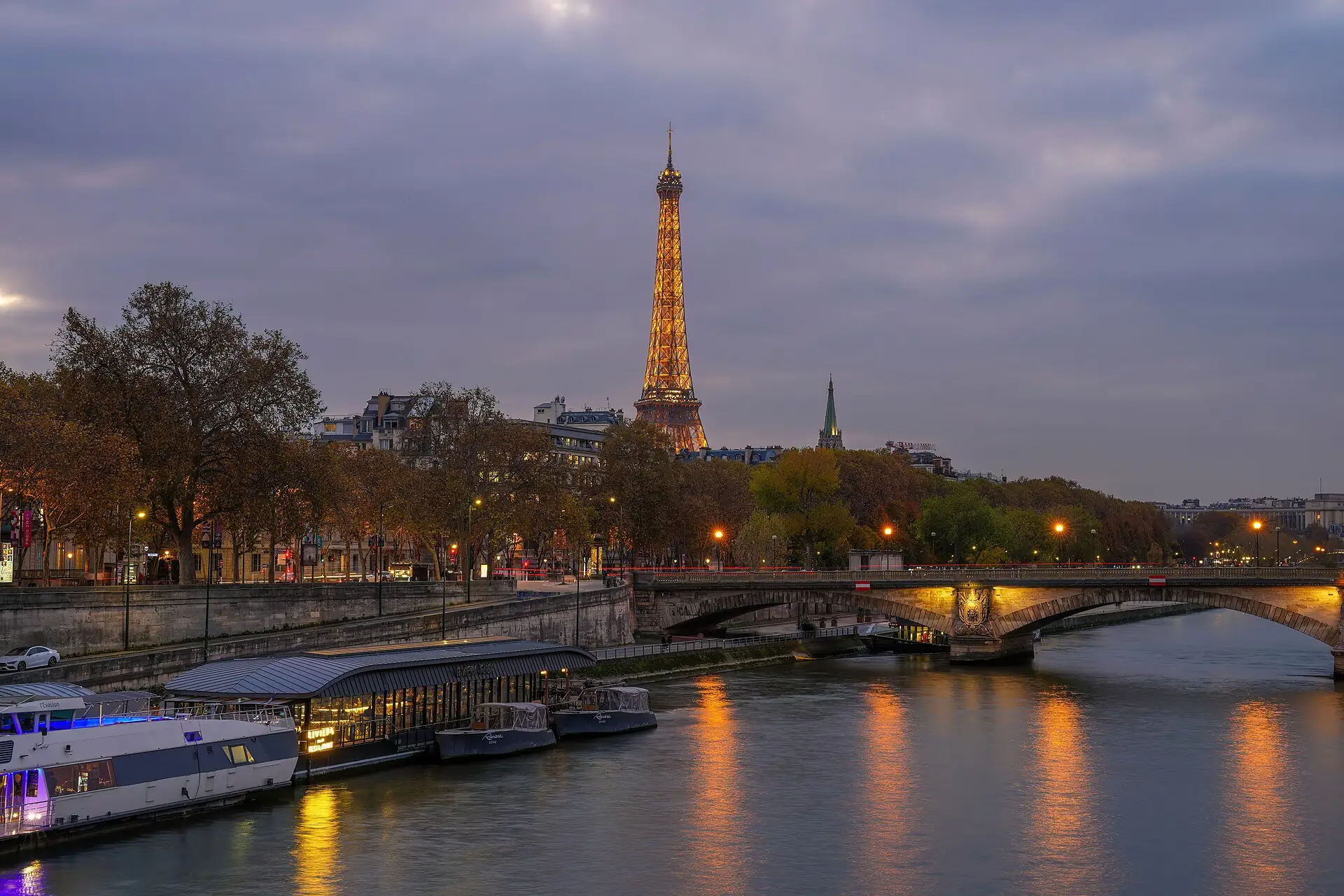
Getting around, in detailAirports and stations · Get around · Passes and tickets · Standard fares · By mode · Connect
Airports and stations
Every way into Paris: the airports, the stations and what runs from each.
Paris–Charles de Gaulle CDG
About 25 km north-east of the centre; the main international airport.
- RER B (train) · About 35 min to Châtelet–Les Halles · About €13 (check)Fastest at rush hour. Runs roughly 05:00 to midnight; keep your ticket for the exit gate.
- Roissybus · About 60 min to Opéra · About €16–17 (check)Direct to the Right Bank, no stairs; traffic can stretch it.
- Taxi · 40–60 min, longer at rush hour · Fixed fare, about €56 to the Right Bank and €65 to the Left Bank (check)Official ranks only; the fixed fare covers luggage and traffic.
Paris–Orly ORY
About 13 km south of the centre; domestic, European and some long-haul flights.
- Métro line 14 · About 25 min to Châtelet, 35 min to Gare Saint-Lazare · About €11–13 (check)The direct driverless line replaced the older shuttle links; trains are frequent and step-free.
- Tram T7 and Métro 7 · About 50 min to the centre · A standard ticket (check)Cheapest, but slower.
- Taxi · 25–45 min · Fixed fare, about €36 to the Left Bank and €45 to the Right Bank (check)Official ranks only.
Paris–Beauvais–Tillé BVA
About 85 km north; used by low-cost airlines, and much farther than the name suggests.
- Airport shuttle bus to Porte Maillot · About 75–90 min · About €17 one way (check)Timed to flights and sold online; the last bus waits for the last flight. Add the Métro from Porte Maillot (line 1).
Châlons Vatry XCR
About 165 km east, near Reims; a small airport with a few low-cost routes.
- Airline coach to Paris · About 2.5–3 h · Check with the airline (check)Only worth it if the fare saves a lot; Reims is much closer.
Paris–Le Bourget LBG
About 10 km north-east; business and private aviation only.
- No scheduled passenger flightsIt hosts the Paris Air Show in odd-numbered years, in June.
By train
| Station | Trains from here | City transit |
|---|---|---|
| Gare du Nord | Eurostar to London; fast trains to Brussels, Amsterdam, Cologne; Lille and northern France; RER B to CDG. | Métro 4, 5; RER B, D, E |
| Gare de l’Est | Eastern France: Reims, Strasbourg, and fast trains to Germany and Luxembourg. | Métro 4, 5, 7; RER E |
| Gare de Lyon | South-east: Lyon, Marseille, the Riviera, Switzerland, Italy and Spain; also the Train Bleu restaurant. | Métro 1, 14; RER A, D |
| Gare d’Austerlitz | Intercités to the south-west (Orléans, Limoges, Toulouse) and some night trains. | Métro 5, 10; RER C |
| Gare Montparnasse | Brittany, Nantes, Bordeaux and the Atlantic coast. | Métro 4, 6, 12, 13 |
| Gare Saint-Lazare | Normandy: Rouen, Le Havre, Deauville; Vernon for Giverny. | Métro 3, 12, 13, 14; RER E |
| Gare de Bercy | A few Intercités and regional trains; much quieter than the others. | Métro 6, 14 |
By bus
Long-distance coaches (FlixBus, BlaBlaCar Bus) use Bercy Seine in the east and some stops at Porte Maillot; the booking names the exact stop, so check it before you go. Coaches are cheaper than trains and slower.By car
Driving in is rarely worth it. The périphérique ring road jams at peak hours, central streets are mostly 30 km/h, parking is expensive and the low-emission zone needs a Crit’Air sticker for most cars (check). If you arrive by car, leave it at a park-and-ride at the edge and take the Métro.Get around
Walk inside a cluster, take the metro between clusters. The metro is dense and cheap; buses and trams are step-free and good for views.
| Mode | Verdict | Fare | Use it for | What breaks |
|---|---|---|---|---|
| Walking | use | Free | Inside clusters and along the river | Distances add up: 15–25 km (9.3–16 mi) a day is easy to reach.Distances add up: 9.3–16 mi (15–25 km) a day is easy to reach. |
| Metro | use | About €2.50 (≈ US$3) a ride (check) | Between clusters | 16 lines, about 05:30–01:15; stairs at many stations.16 lines, about 5:30 AM–1:15 AM; stairs at many stations. |
| RER | use | Metro fare in the centre; more for airports and Versailles | Airports, Versailles, Disneyland | Use a Navigo Easy card or a mobile ticket. |
| Bus and tram | use | Same as metro | Views and step-free trips | Slower, but you see the city. |
| Taxi and ride-hail | use | €12–25 (≈ US$14–30) across the centre | Late nights, bags | Use taxi ranks or apps; avoid unmarked cars. |
| Vélib' bikes | caution | About €3–5 (≈ US$4–6) per ride (check) | Short hops on bike lanes | Watch traffic; helmets are not required but wise. |
| Boat | caution | Varies | Scenery and a break | Bateaux Mouches and Batobus are tourist boats; not fast transport. |
Metro and rail lines
Sixteen lines; several are useful for the first-visit sights. Times are 05:30–01:15 (about 02:15 on Friday and Saturday).Sixteen lines; several are useful for the first-visit sights. Times are 5:30 AM–1:15 AM (about 2:15 AM on Friday and Saturday).
Line 1 (La Défense – Château de Vincennes)
openEast–west through Louvre, Tuileries, Champs-Élysées and Bastille
- Louvre–Rivoli — The Louvre
- Palais Royal — Museum and gardens
- Charles de Gaulle–Étoile — The Arc de Triomphe
- Saint-Paul — The Marais
Driverless; the tourist line, so watch pickpockets.
Line 4 (Porte de Clignancourt – Bagneux)
openNorth–south through Châtelet, Saint-Michel and Montparnasse
- Saint-Michel–Notre-Dame — Latin Quarter and Notre-Dame
- Cité — Sainte-Chapelle and the island
- Gare du Nord — Eurostar
Busy at rush hour.
Line 6 (Charles de Gaulle–Étoile – Nation)
openElevated stretch by the Eiffel Tower
- Bir-Hakeim — The Eiffel Tower
- Trocadéro — The viewing terrace
The scenic line above ground.
Line 14 (Saint-Denis Pleyel – Aéroport d'Orly)
openFast, driverless line linking Orly, Gare de Lyon, Châtelet and Madeleine
- Gare de Lyon — TGV and RER A
- Châtelet — Central Paris
- Aéroport d'Orly — Orly
Step-free and quick; the best line for Orly.
City buses a visitor actually uses
| Bus | Route | Useful for | Fare | Note |
|---|---|---|---|---|
| RER B | Charles de Gaulle Airport ↔ Gare du Nord ↔ Châtelet–Les Halles ↔ Saint-Michel–Notre-Dame | Charles de Gaulle Airport | About €13 (≈ US$16) | Runs about 05:00–00:00, every 5–15 min; check disruptions.Runs about 5:00 AM–12:00 AM, every 5–15 min; check disruptions.(check) |
| Roissybus | Charles de Gaulle Airport ↔ Opéra | A direct bus to central Paris | About €16–17 (≈ US$19–20) (check) | About 60–75 min; traffic dependent.(check) |
| Bus 69 | Champ de Mars ↔ Père Lachaise | A tourist route across the centre | Metro fare | Passes the Eiffel Tower, Louvre and Marais.(check) |
| Noctilien | Night buses from Châtelet | After the metro stops | Metro fare | About 00:30–05:30; check the app.About 12:30 AM–5:30 AM; check the app.(check) |
Taxis and ride-hailing
G7
app
The main taxi app; card in-app.
Uber
app
Fixed fare; card in-app.
Bolt
app
Often cheaper; card in-app.
Taxi ranks
rank
At stations and airports; ask for the fare or meter.
On foot and car-free hours
| Where | When | Note |
|---|---|---|
| Seine banks (Berges de Seine) | Any time; best evening | Car-free walk between the Eiffel Tower and Musée d'Orsay. |
| Tuileries to Place de la Concorde | Morning | Flat, gravel and shaded. |
| Marais lanes | Morning or Sunday afternoon | Narrow and cobbled. |
More on getting around
Distances: Louvre to Notre-Dame about 1.7 km; Louvre to the Eiffel Tower about 3.5 km; Marais to the Latin Quarter about 2 km; Charles de Gaulle to the centre about 25 km.
Connect
| Option | Verdict | What breaks |
|---|---|---|
| EU roaming or a home plan | use | Check your plan before you fly; EU SIMs roam at home rates. |
| Tourist eSIM bought before you fly | use | No queue at the airport; check that data is included. |
| Prepaid SIM (Orange, SFR, Bouygues, Free) at a shop | caution | Passport may be needed; the airport kiosks cost more. |
Citymapper or Google Maps
Metro, RER and bus routes
Both show live disruptions.
IDFM and RATP apps
Tickets and disruptions
Buy metro tickets on your phone.
Uber, Bolt, G7
Taxis and ride-hail
G7 is the main taxi app.
- Wi-Fi
- Free in most hotels and many cafés; the metro has limited signal in some tunnels.
- Roaming
- EU roaming applies to EU SIMs; non-EU SIMs may charge high rates.
Getting around, by mode
What each way of moving costs you in time, stairs and surprises.
Métro
Sixteen lines, about 300 stations, rarely more than a few minutes apart.
Runs roughly 05:30 to 01:15 (to 02:15 on Friday and Saturday nights). Many stations have stairs and no lifts; mind pickpockets on line 1 and at Châtelet.
RER
Five regional express lines (A to E) that cross the city and reach the airports, Versailles and Disneyland.
Check the destination on the board: branches split in the suburbs. Keep the ticket for the exit gates.
Transilien and TER
Suburban trains from the big stations to the Île-de-France: Saint-Lazare, Montparnasse, Gare de l’Est.
Same ticket zone system as the Métro for the inner area; farther trips need a zone ticket (check).
Tram
Lines T1 to T13 on the edge of the city and in the suburbs, linking Métro lines.
Useful for the outer arrondissements and for Orly (T7); not for sightseeing.
Bus
More than 60 city lines plus the Noctilien night network after the Métro closes.
Slower than the Métro but you see the streets; line 69 and 24 are scenic.
Boat
Hop-on, hop-off Seine boats (Batobus) and sightseeing cruises.
A day pass is a pleasant way to move between Eiffel Tower, Louvre and Notre-Dame in good weather; not a commuter service (check the season).
Bicycle
Vélib’ shared bikes at stations across the city, plus hundreds of kilometres of bike lanes.
Lanes are good on the main axes; watch tram rails and car doors. Rental e-scooters have been banned since 2023.
Taxi and ride-hail
G7 and other taxis at ranks, plus Uber and Bolt.
Cheap late at night when the Métro is closed; surge prices after events.
On foot
The best way to see the centre: the Louvre to Notre-Dame is about 25 minutes along the Seine.
Cobbles and kerbs are hard on suitcases and strollers.
- Single ticket
- About €2.50 for most Métro, RER, tram and bus trips inside the city (check); buy on the Navigo Easy card or the app, paper tickets are being phased out.
- Navigo Easy
- A reloadable card, about €2 for the card (check); load single tickets or day tickets on it.
- Navigo Découverte
- A weekly pass, Monday to Sunday, covering all zones (check the price); pays off if you stay most of a calendar week.
- Paris Visite
- A 1 to 5 day tourist travel pass; usually only worth it with many trips a day (check).
Passes and tickets
Prices and rules change often; the official sites are the source.
| Pass | What it covers | Price | Is it worth it |
|---|---|---|---|
| Paris Museum Pass | Entry to 50+ museums and monuments, including the Louvre, Orsay, Versailles and the Arc de Triomphe, for 2, 4 or 6 consecutive days. | Check the official price for 2, 4 or 6 days; it has changed recently and resellers add a markup (check) | Worth it from about three paid sights a day; the Louvre and Versailles still need a timed slot. |
| Paris Pass and similar bundles | Museum entry plus a transport option and some tours. | Higher than the Museum Pass (check) | Rarely better value unless you use every part. |
| Navigo Découverte (weekly) | Unlimited Métro, RER, bus and tram, Monday to Sunday, all zones. | About €30 plus a small card fee (check) | Pays off for a week that starts on Monday; otherwise buy single tickets. |
| Free and reduced entry | Many national museums are free for under-18s and for EU residents under 26; several city museums (such as Carnavalet and the Petit Palais) have free permanent collections. | Free or reduced (check each site) | Carry ID; reserve a free slot where the museum asks. |
Standard fares and prices
Usual prices, so you can spot an overcharge. All amounts are 2026 estimates (check).
| What | Usual price | Notes |
|---|---|---|
| Métro, RER, bus or tram single ticket | About €2.50 | Cheaper on a Navigo Easy card than a paper ticket. |
| Charles de Gaulle by RER B | About €13 | Same ticket covers the Métro within the zones. |
| Roissybus to Opéra | About €16–17 | Direct, no stairs. |
| Taxi from CDG | €56 (Right Bank), €65 (Left Bank) | Official fixed fare, luggage included. |
| Taxi from Orly | €36 (Left Bank), €45 (Right Bank) | Official fixed fare. |
| Taxi across the centre | About €12–25 | Metered; a surcharge applies at night and for booked rides. |
| Louvre ticket | About €22 | Buy a timed slot on the official site (check). |
| Eiffel Tower, second floor by lift | About €23 | Stairs are cheaper; the summit costs more. |
| Notre-Dame | Free to enter | Towers are ticketed; a reservation is advised. |
Luggage
Where big bags are a problem, and how to get rid of them for the day.
Rule
- Lockers
- Left-luggage is limited and staffed offices near major stations charge per bag; hotels hold bags after check-out.
- Forwarding
- No forwarding culture; keep the big bag at the Paris hotel and take a day pack to Versailles or Giverny.
- Dead zone
- Late-afternoon flights: ask the hotel to hold your bags, then take the RER B or the Roissybus from central Paris.
Bags, area by area
4 walking areas rated
- Bags forbidden
- Bags painful
Lockers, forwarding and the gap between check-out and check-in are covered once, under Luggage.
See & doWalking clusters, day plans and the places worth the time
See & do
Walking clusters, day plans and the places worth the time
Clusters
Plan by cluster: each is a walkable area with a rescue point and a bag rule.
Morning cluster: Notre-Dame and Sainte-Chapelle a few minutes apart on the island, then the Latin Quarter cafés; go at opening and book the timed slots.
rescue 100% · max p90 4.2′ · half
Afternoon and evening cluster: Place des Vosges, Rue des Rosiers and small streets of shops and cafés; many shops open on Sundays when others close.
rescue 100% · max p90 4.2′ · half
Museum morning: book a timed slot, enter at opening, leave at lunch; the Tuileries garden is the rest stop between the Louvre and the Orsay.
rescue 100% · max p90 4.7′ · half
Sunrise or evening cluster: the tower at opening or after 19:00, Trocadéro terrace for the view; midday queues and heat are the failure mode.
rescue 100% · max p90 4.7′ · half
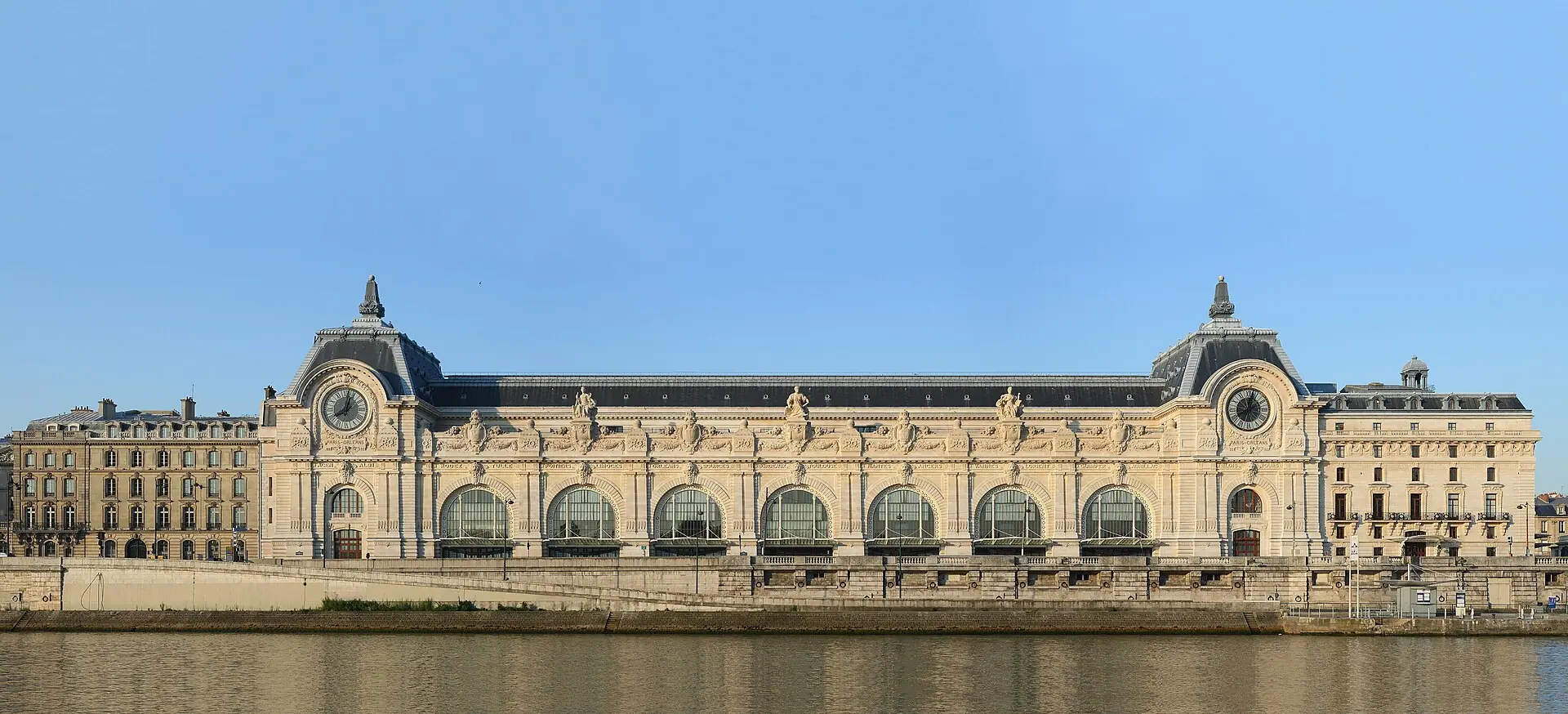
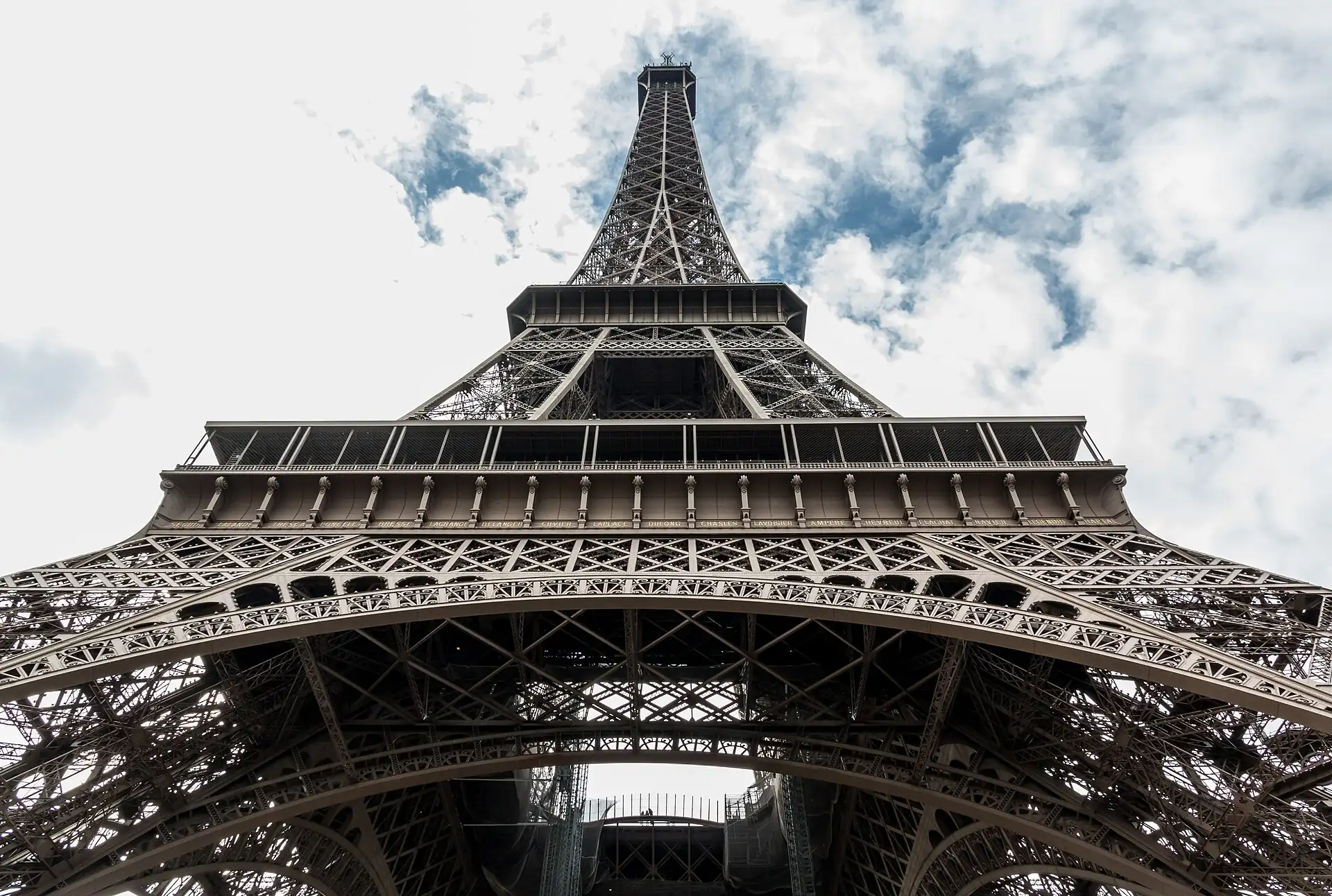
Days
Ready-made day plans, timed against opening hours and walking distances.
How long are you staying?
Loose outlines in the city's rhythm: one big sight per morning, a long lunch, the river or a park after.
1 day
A stopover
- 09:00Notre-Dame de Paris — Notre-Dame and the island
- 10:30Sainte-Chapelle — Sainte-Chapelle
- 12:30Marché des Enfants Rouges — Lunch in the Marais
- 14:30Place des Vosges — Place des Vosges
- 17:00Seine walk
- 19:30Dinner in the Latin Quarter
Skip: The Louvre and the Eiffel Tower need their own slots.
Paris in 3 days
3 daysOne big timed sight per morning, a long lunch, the river in the afternoon; the last day ends with the bags already at the hotel and the RER B a known ride.
Day by day
Day 1 — Île de la Cité, lunch in the Marais at 13:00
- 09:00Notre-Dame de Paris
- Sainte-Chapelle
- Place des Vosges (optional)
- 13:00Lunch table 13:00 (Marais)
Day 2 — Louvre morning, Orsay optional
Day 3 — Eiffel Tower at opening, RER B at 13:00
- 08:30Eiffel Tower
- 13:00Leave the hotel for the RER B at 13:00
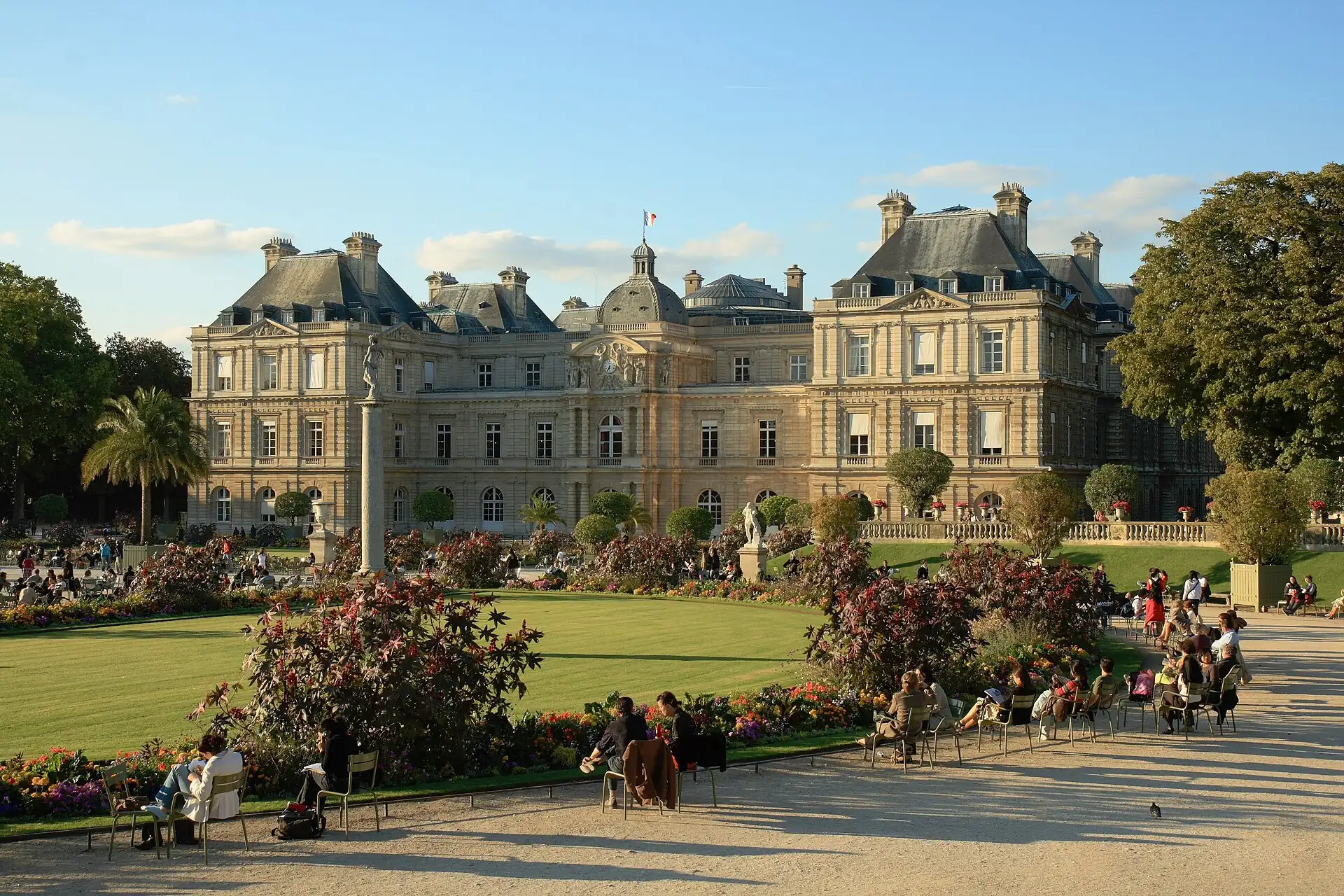
Places
“Best time” is when to arrive for the fewest crowds, for example “before 08:30”; “Go any time” means the hour makes little difference. More sights follow under “More sights and museums”.
15 places. Filters use the guide’s own ratings; a place with no rating is left out when a filter is on.
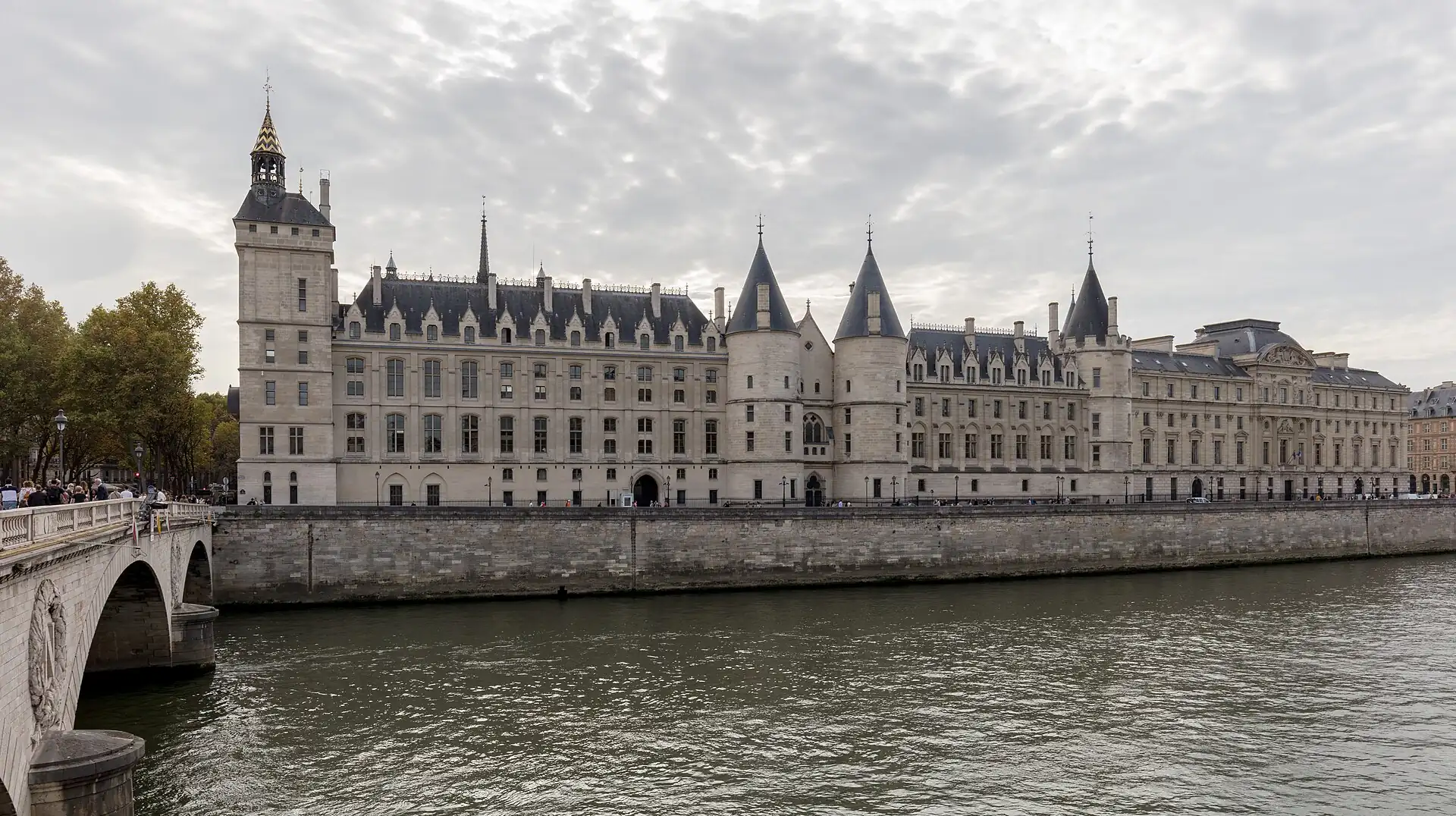
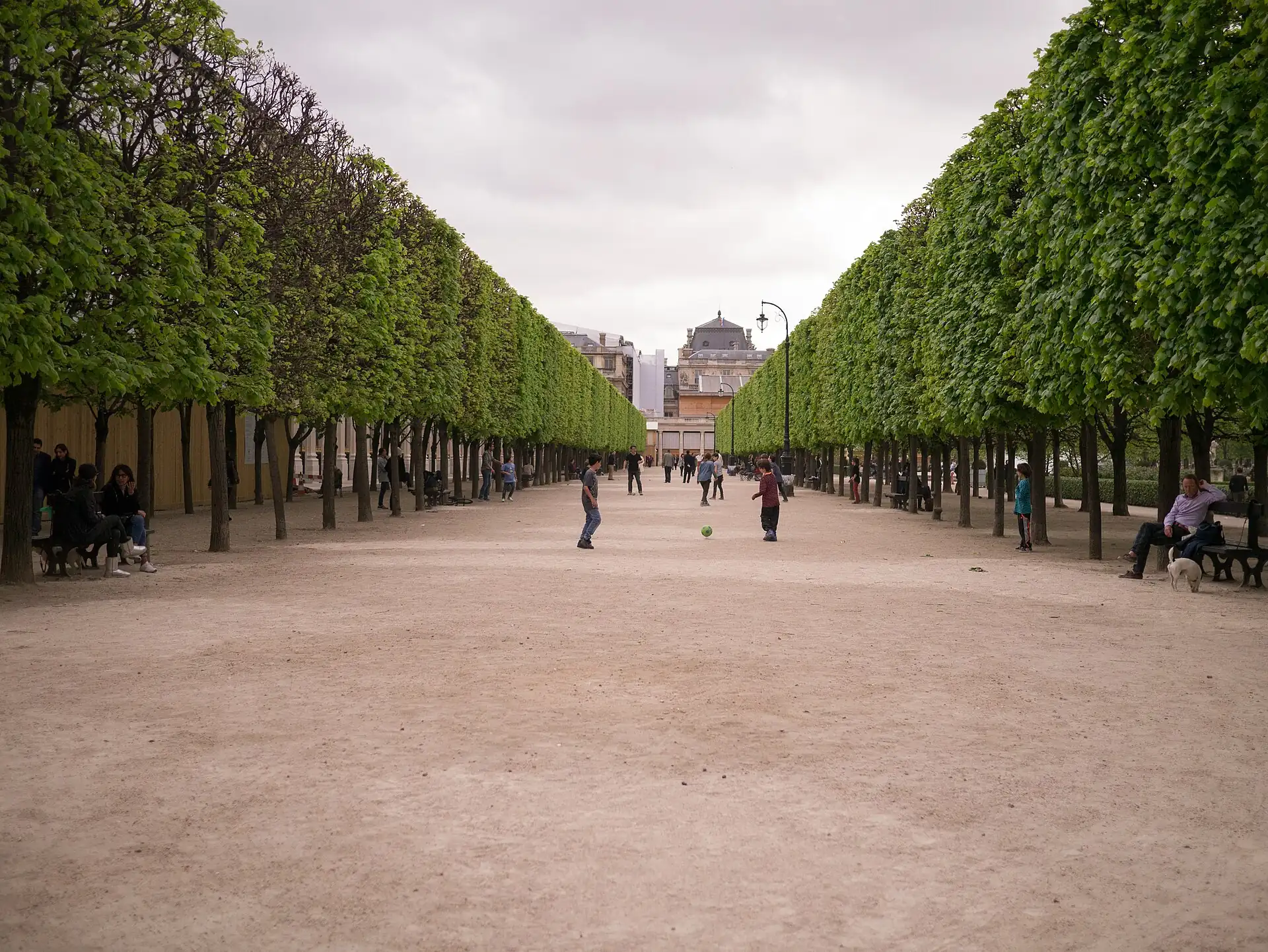
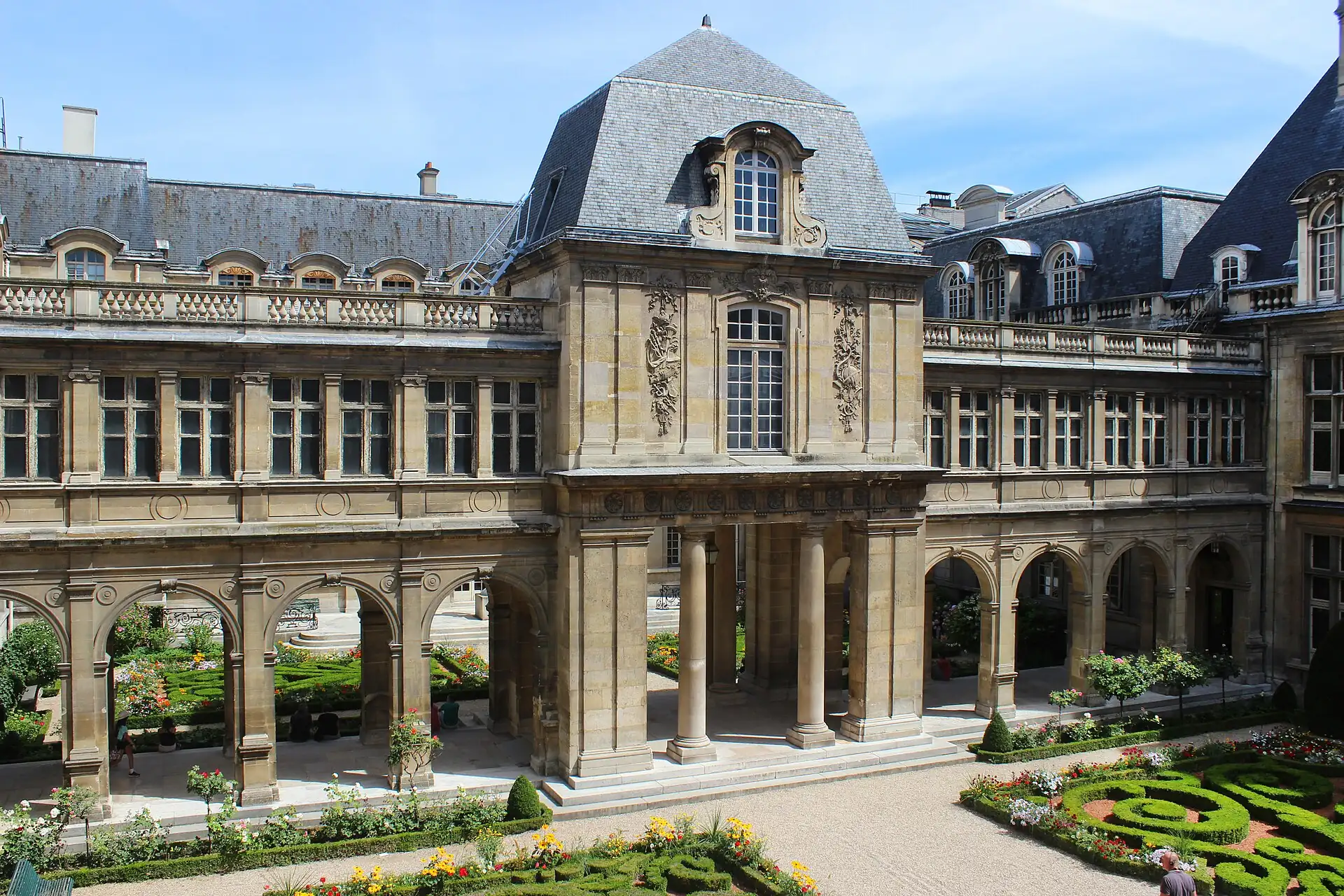
Show 9 more placesShow fewer
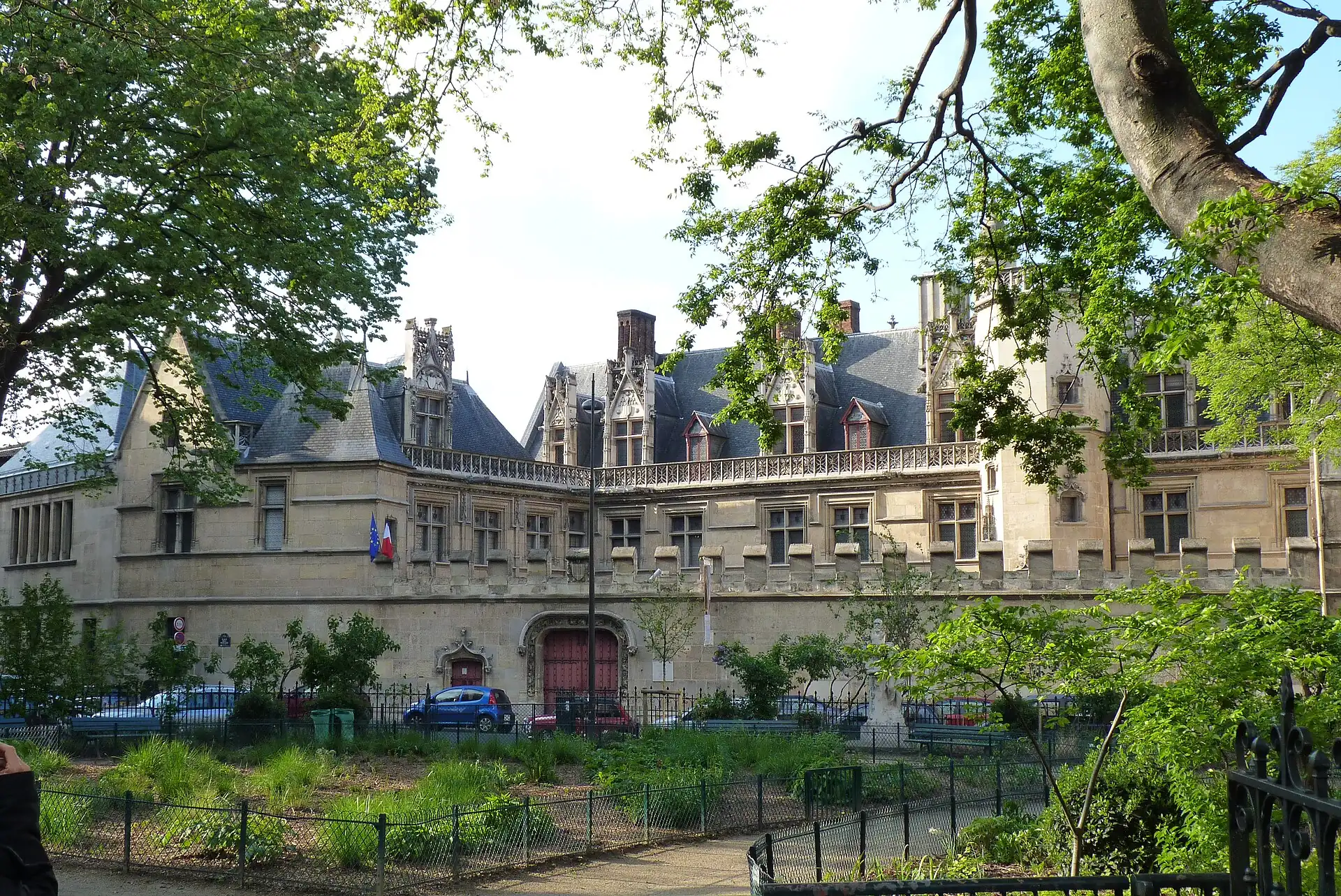
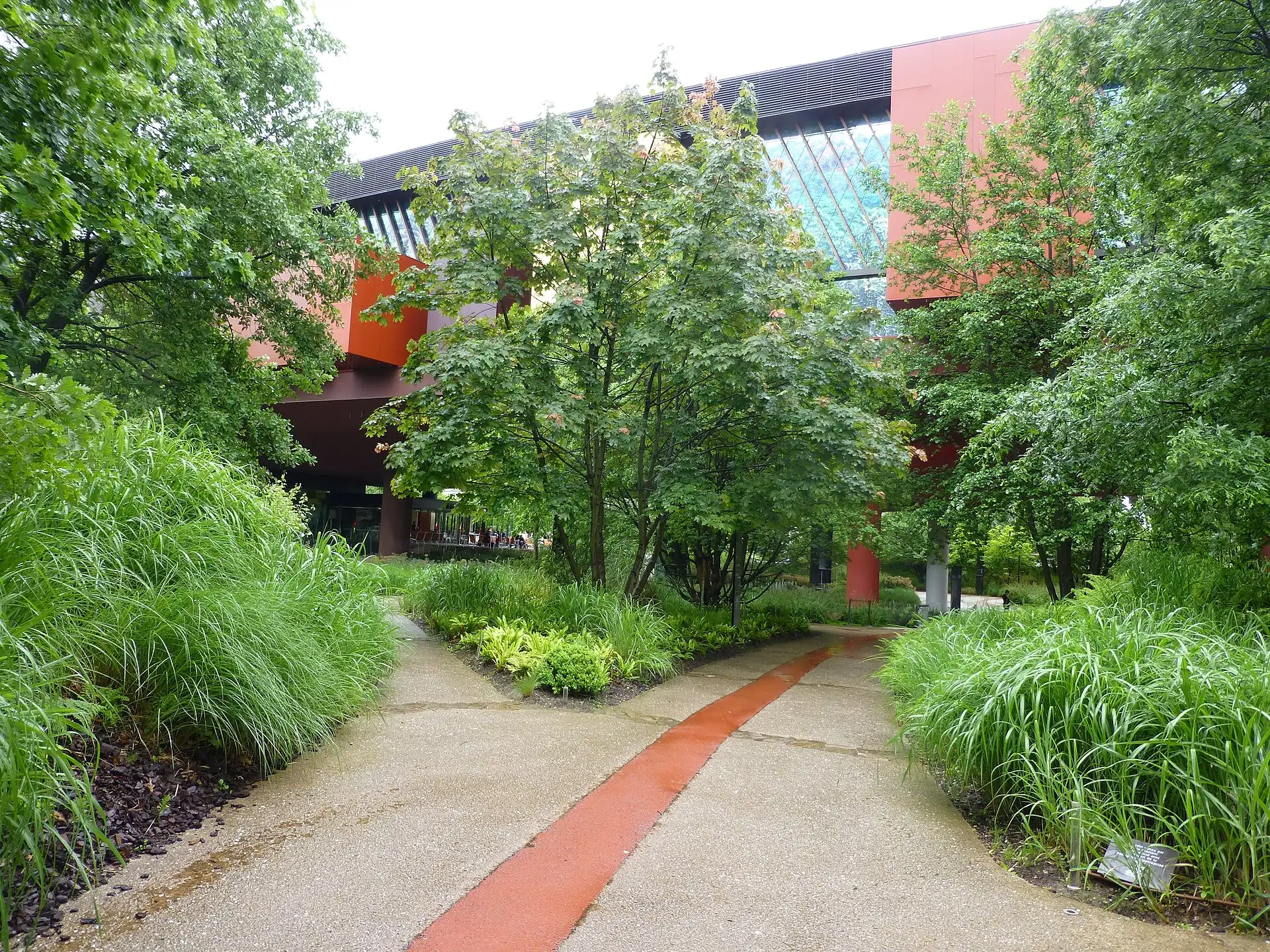
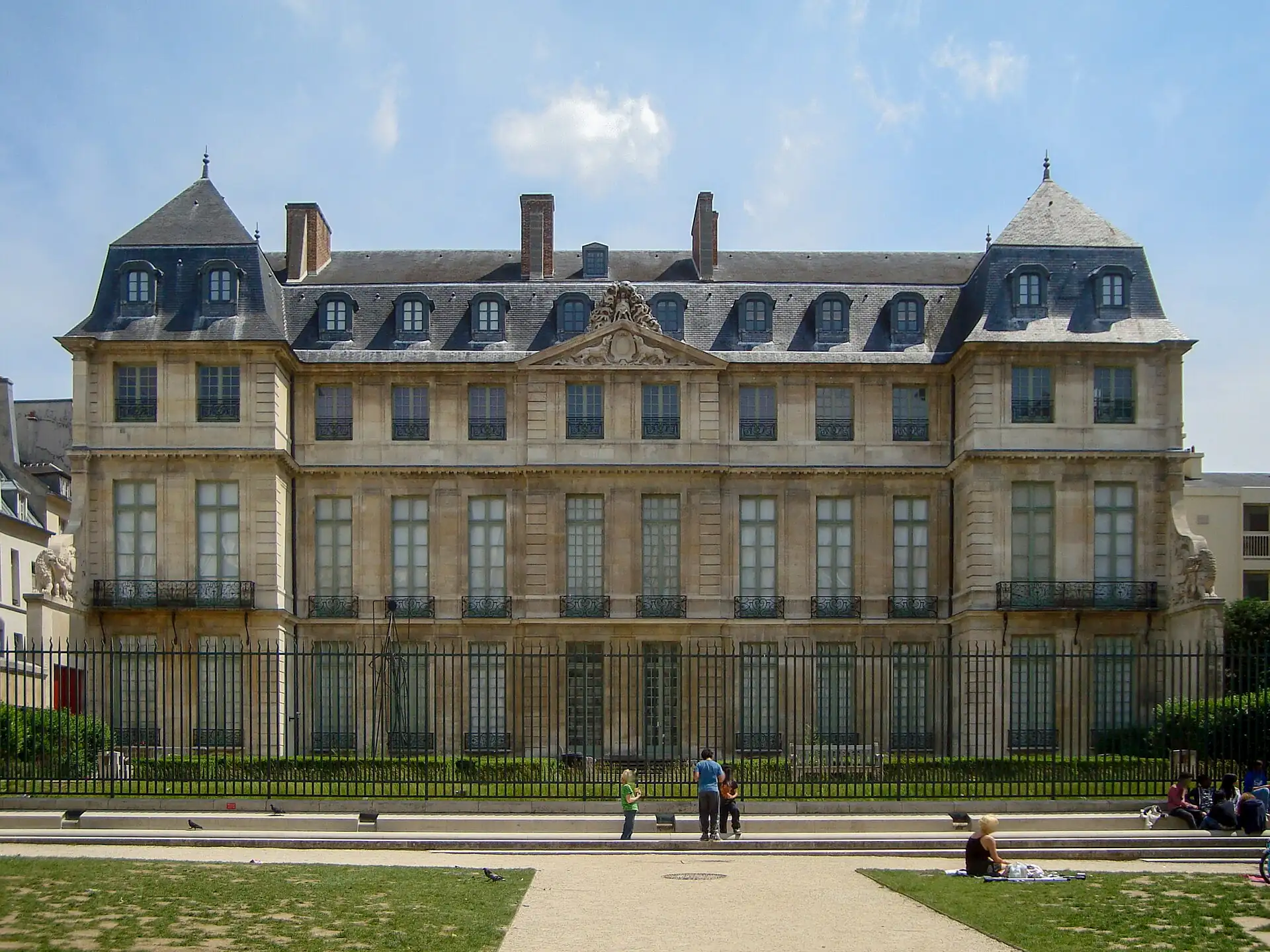
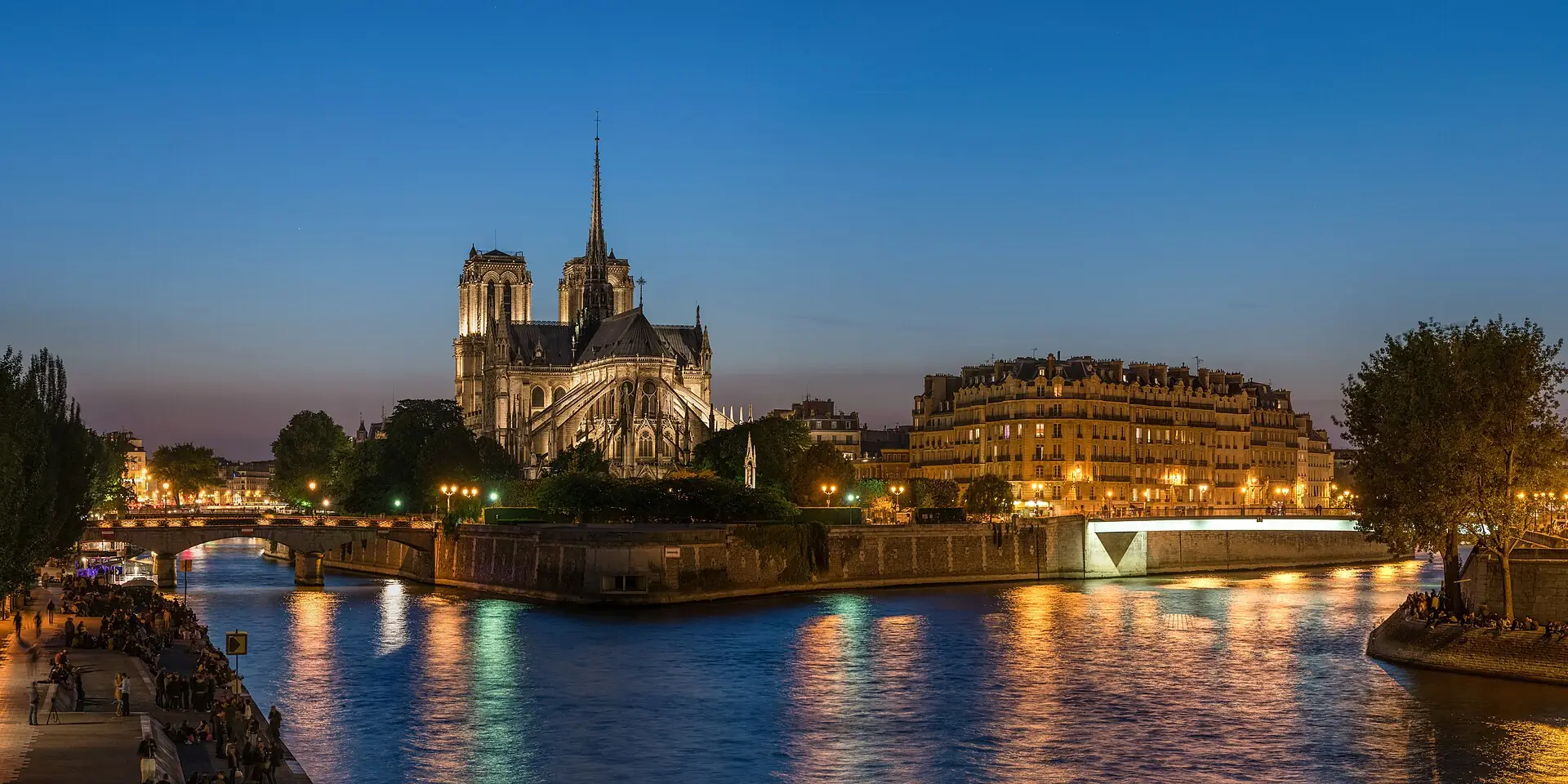
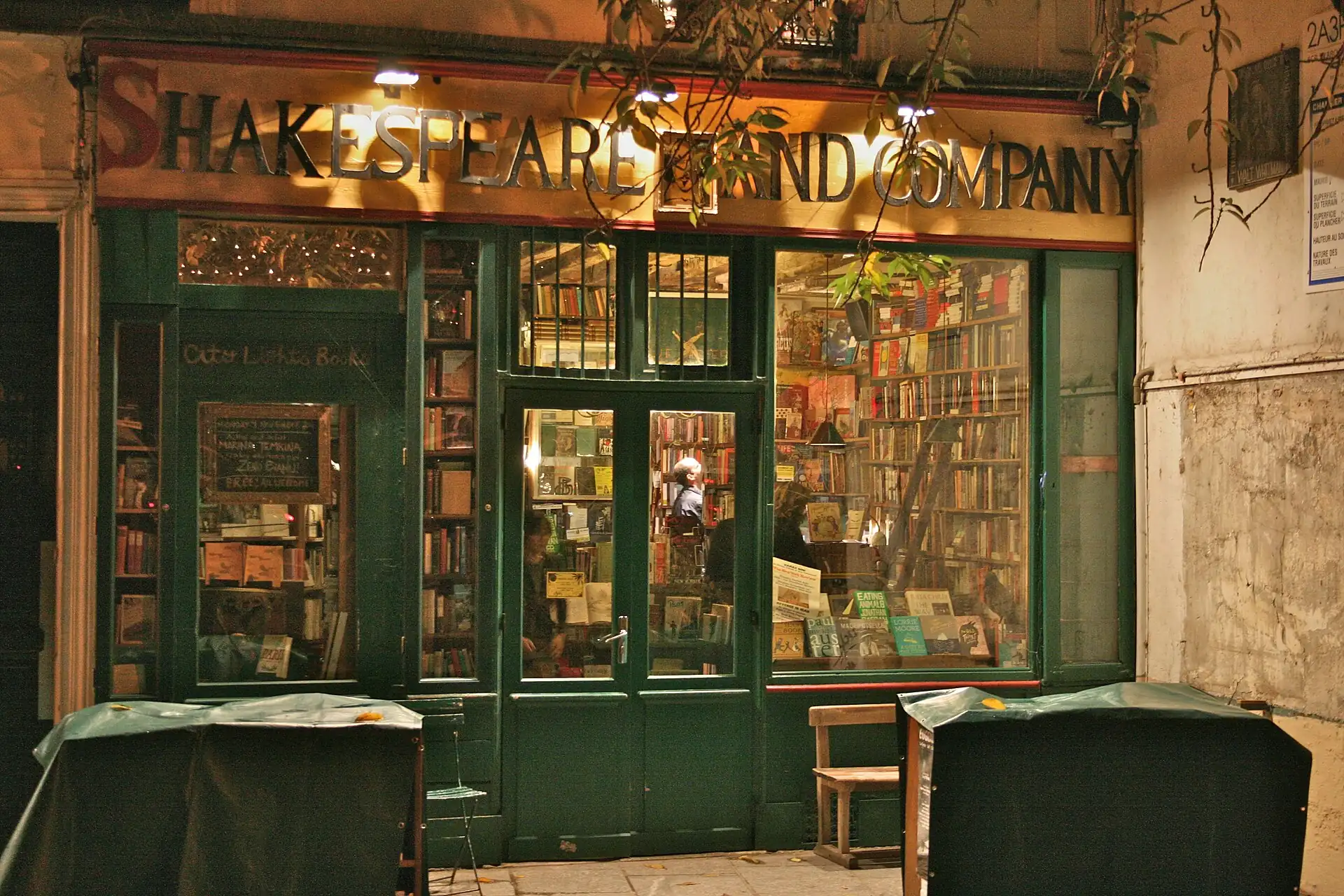
Tours, classes and shows in Paris →
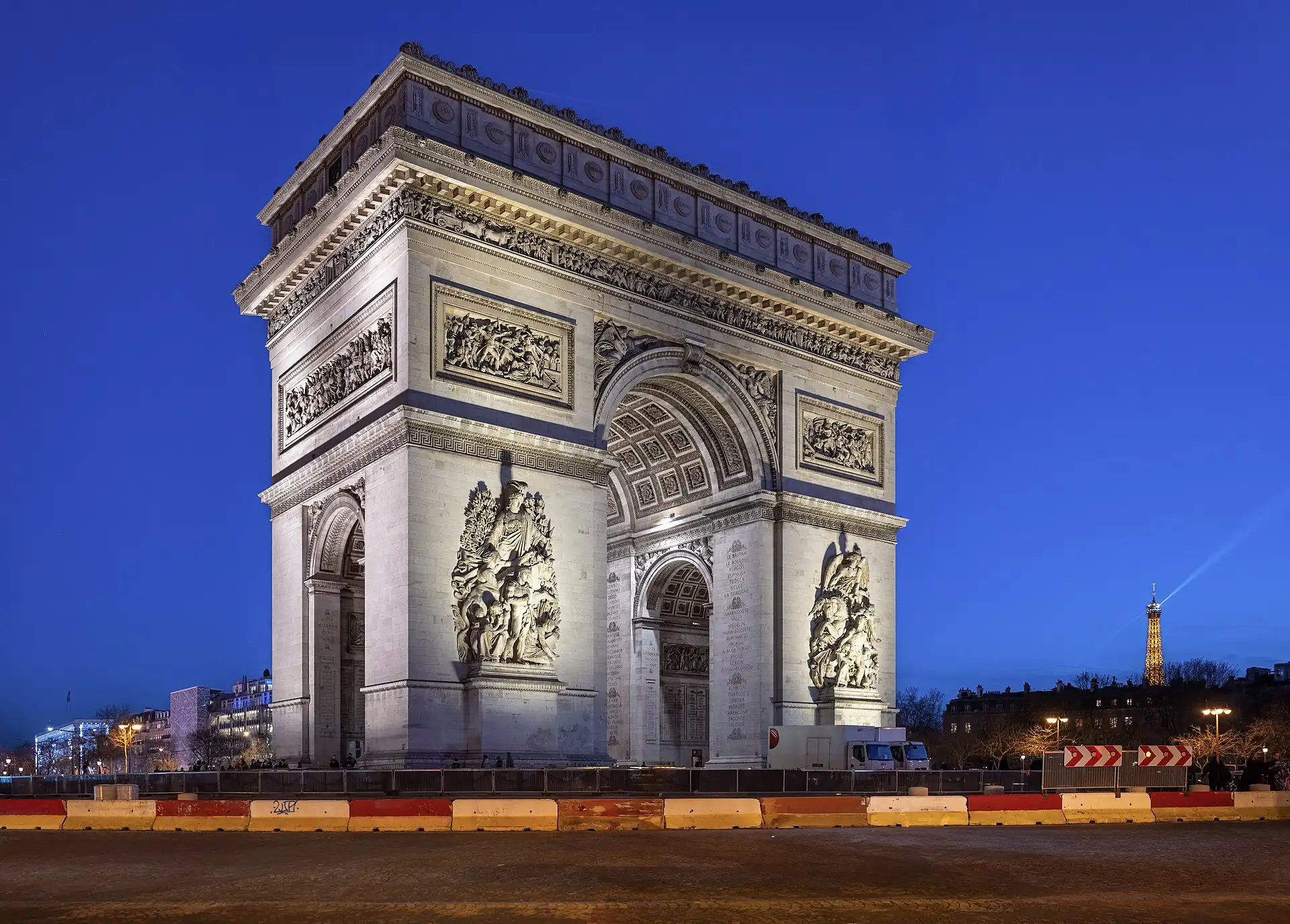
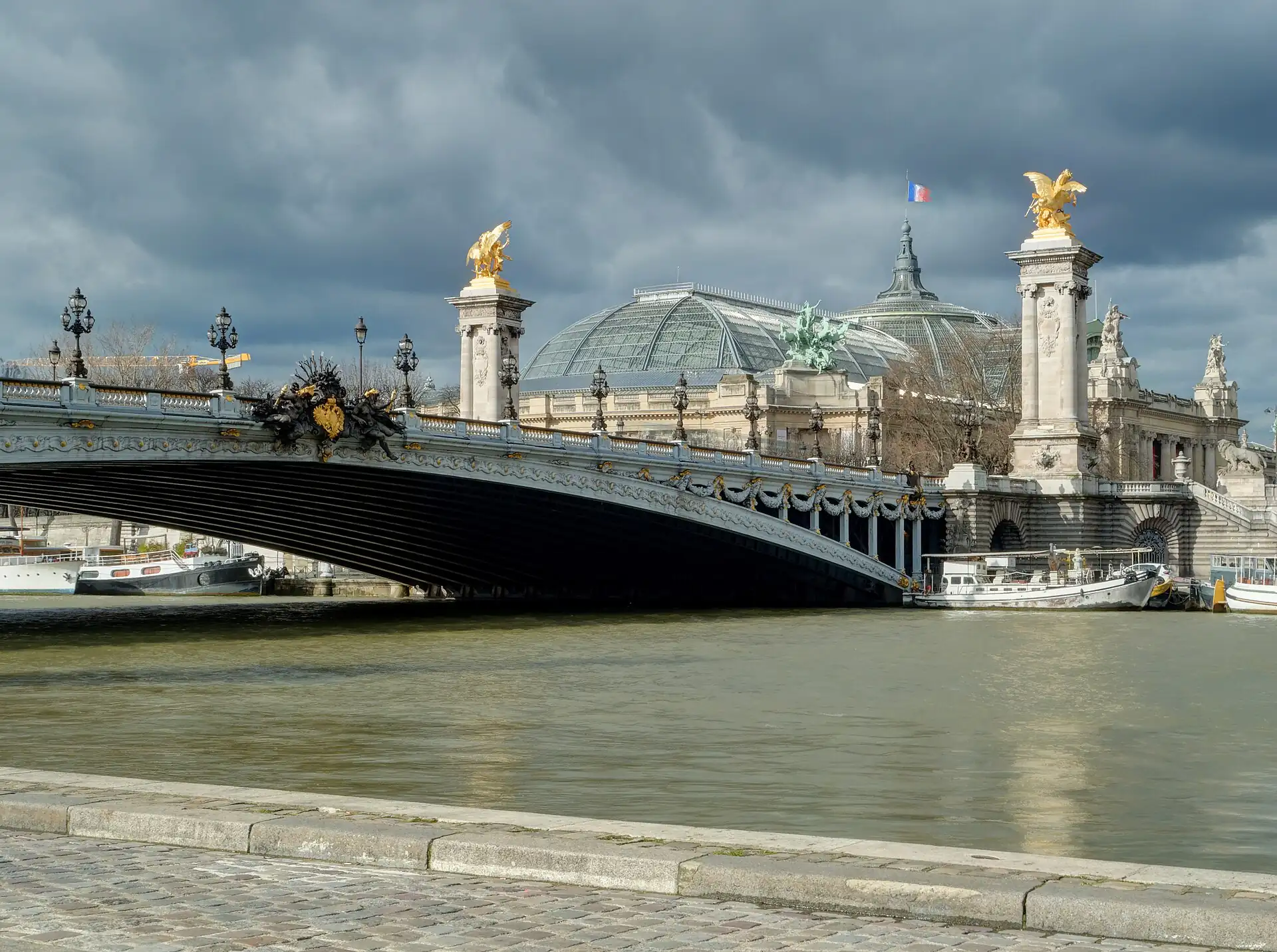
If you do ten things in Paris
Ranked for a first visit of 3–4 days. Prices are 2026 estimates.
- 1
Notre-Dame and the Île de la Cité
The cathedral reopened in December 2024; a walk around the island covers Sainte-Chapelle too.
- Time
- 1–1.5 h
- Best
- Morning
- Cost
- Free; towers ticketed (check)
- 2
A wall of 13th-century stained glass, best on a sunny morning.
- Time
- 45 min
- Best
- First slot
- Cost
- About €13–16 (≈ US$16–19) (check)
- 3
The Louvre, two or three wings
You cannot see it all: pick a list and go at opening.
- Time
- 2.5–3 h
- Best
- First slot or after 15:00
- Cost
- About €22 (≈ US$30) (check)
- 4
Impressionists in an old station; more manageable than the Louvre.
- Time
- 2 h
- Best
- Opening or Thursday evening
- Cost
- About €16–18 (≈ US$19–25) (check)
- 5
The best view of the city; the queue is shortest first thing.
- Time
- 1.5–2 h
- Best
- First slot or after 19:00
- Cost
- €12–55 (≈ US$14–65) (check)
- 6
Place des Vosges and the Marais
Arcades, lawns and a village atmosphere in the centre.
- Time
- 1–2 h
- Best
- Morning
- Cost
- Free
- 7
Lunch at Marché des Enfants Rouges
The city's oldest covered market, with stalls from many cuisines.
- Time
- 1 h
- Best
- 12:00–13:30
- Cost
- €10–16 (≈ US$12–19)
- 8
Sacré-Cœur and Montmartre at dawn
The steps and view are quiet before 09:00.The steps and view are quiet before 9:00 AM.
- Time
- 1.5 h
- Best
- 07:30–09:00
- Cost
- Free
- 9
A Seine walk and cruise at dusk
The bridges and lights are at their best.
- Time
- 1–2 h
- Best
- Sunset
- Cost
- Free walk; cruise €15–20 (≈ US$18–25) (check)
- 10
Luxembourg Gardens
A restful afternoon with the chairs and the pond.
- Time
- 1 h
- Best
- Afternoon
- Cost
- Free
Good for…
Verdict is how well Paris works for that traveller, not how good the sights are.
The classic sights are compact and well connected.
- 1
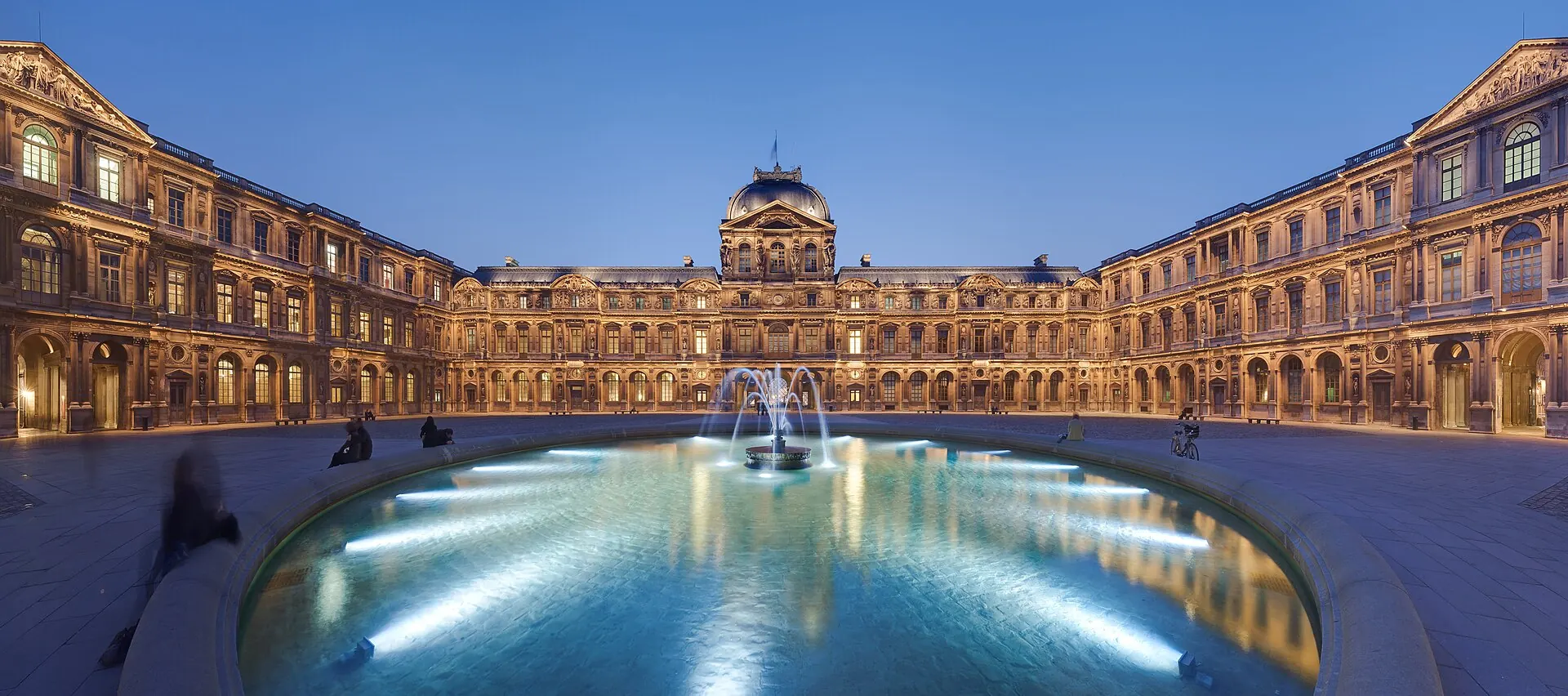 The Louvre — The essential museum.
- 2Paris in 3 days — The 3-day plan already checks closure days.
Bakeries, markets, bistros and cafés everywhere.
- 1Enfants Rouges — A market lunch.
- 2Berthillon — Ice cream.
Expensive, but bakeries, markets and free parks help.
- 1Falafel takeaway — A cheap lunch.
River walks, small hotels and long dinners.
- 1
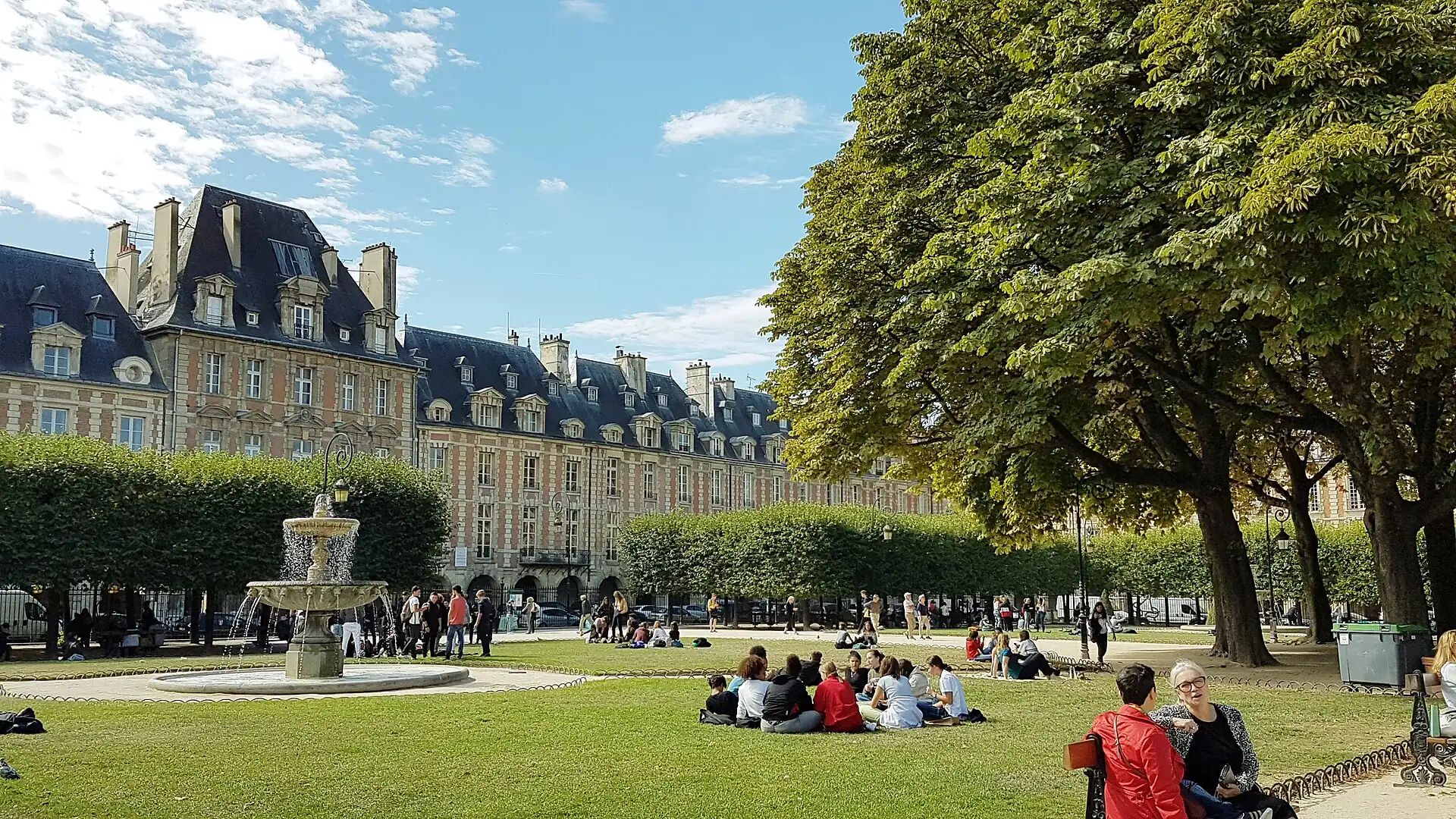 Place des Vosges — A quiet square.
Safe, walkable and easy to eat alone.
- 1
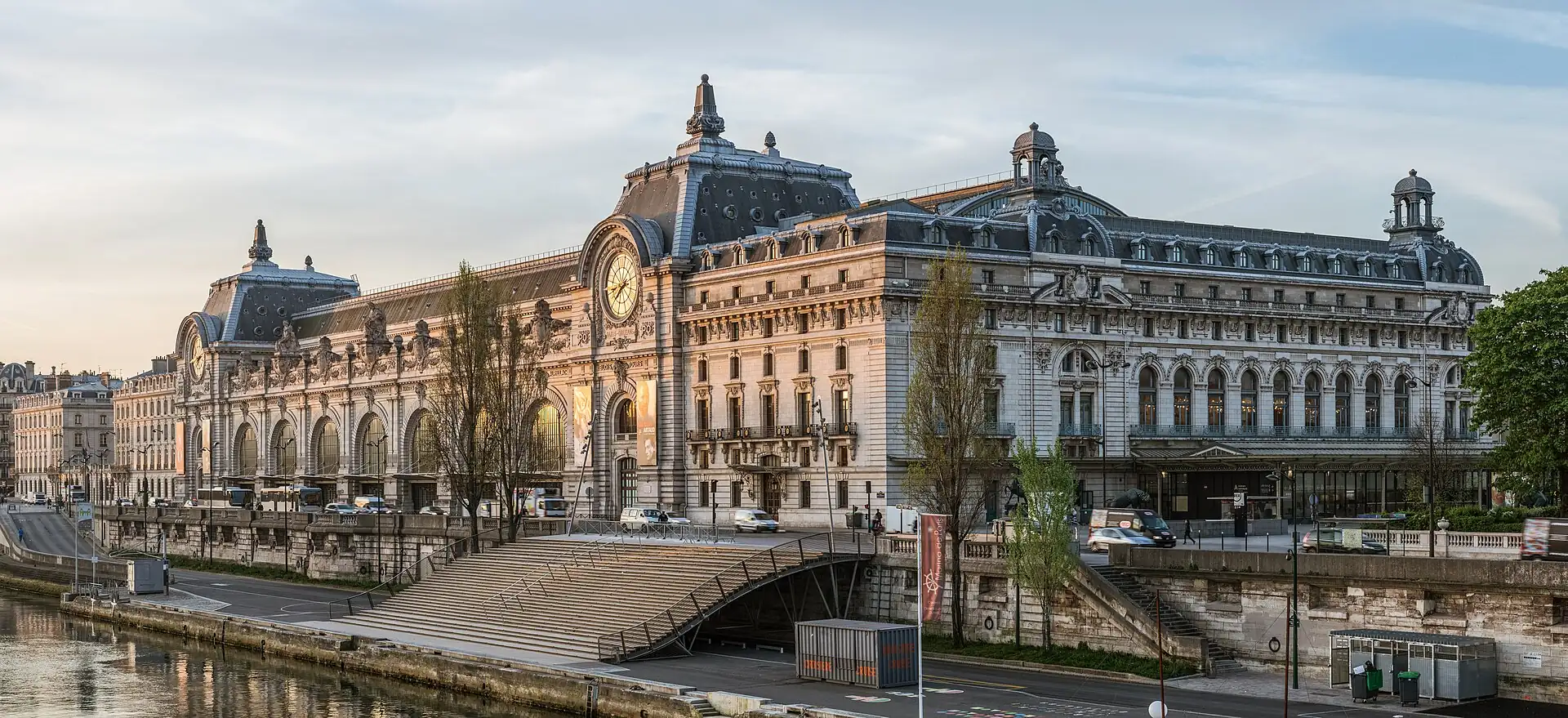 Orsay — Compact and rewarding.
Gardens and carousels; plan for stairs and queues.
- 1
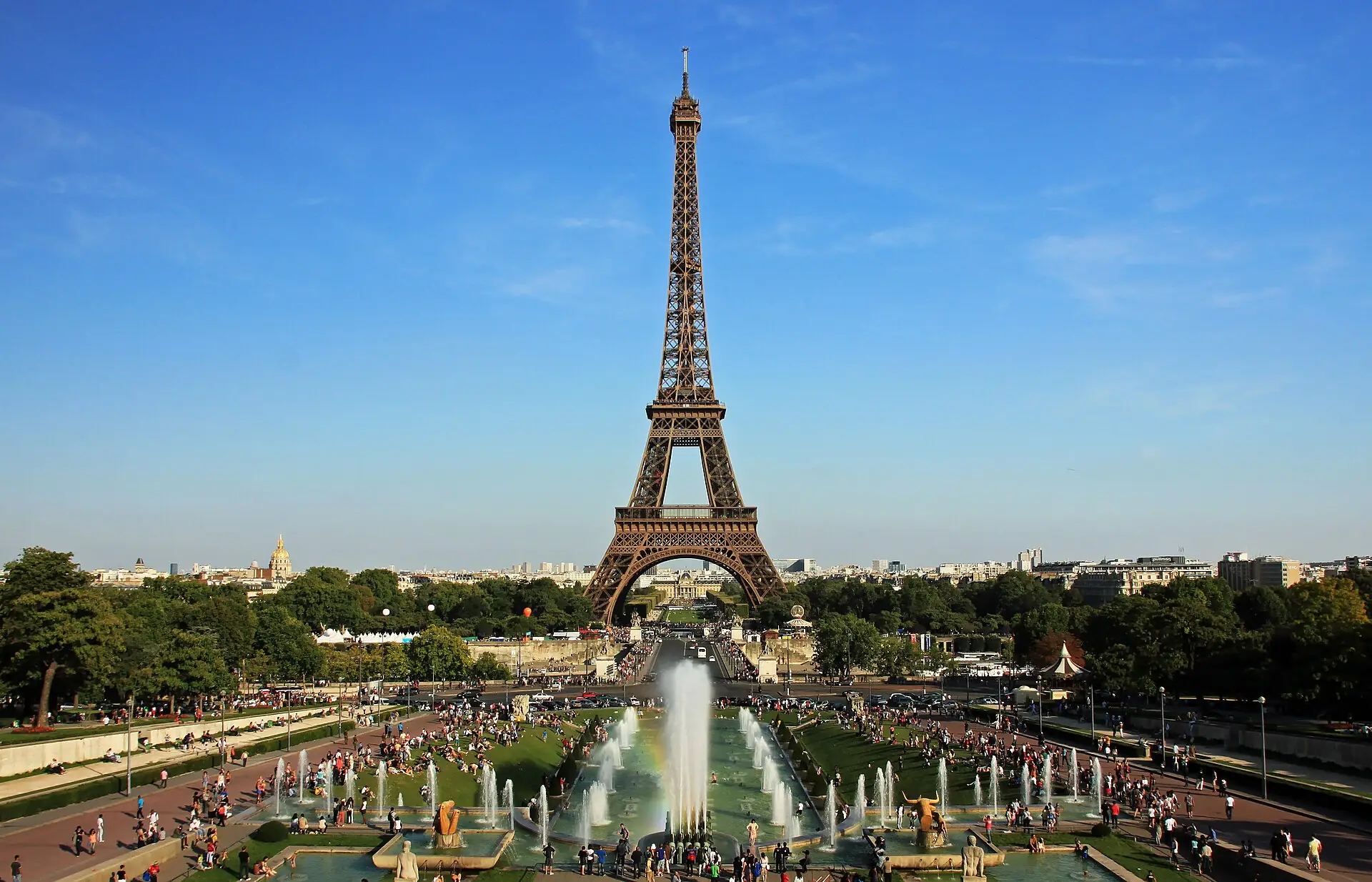 Eiffel Tower at opening — Short queues early.
Many stairs and long distances; use taxis and buses.
- 1
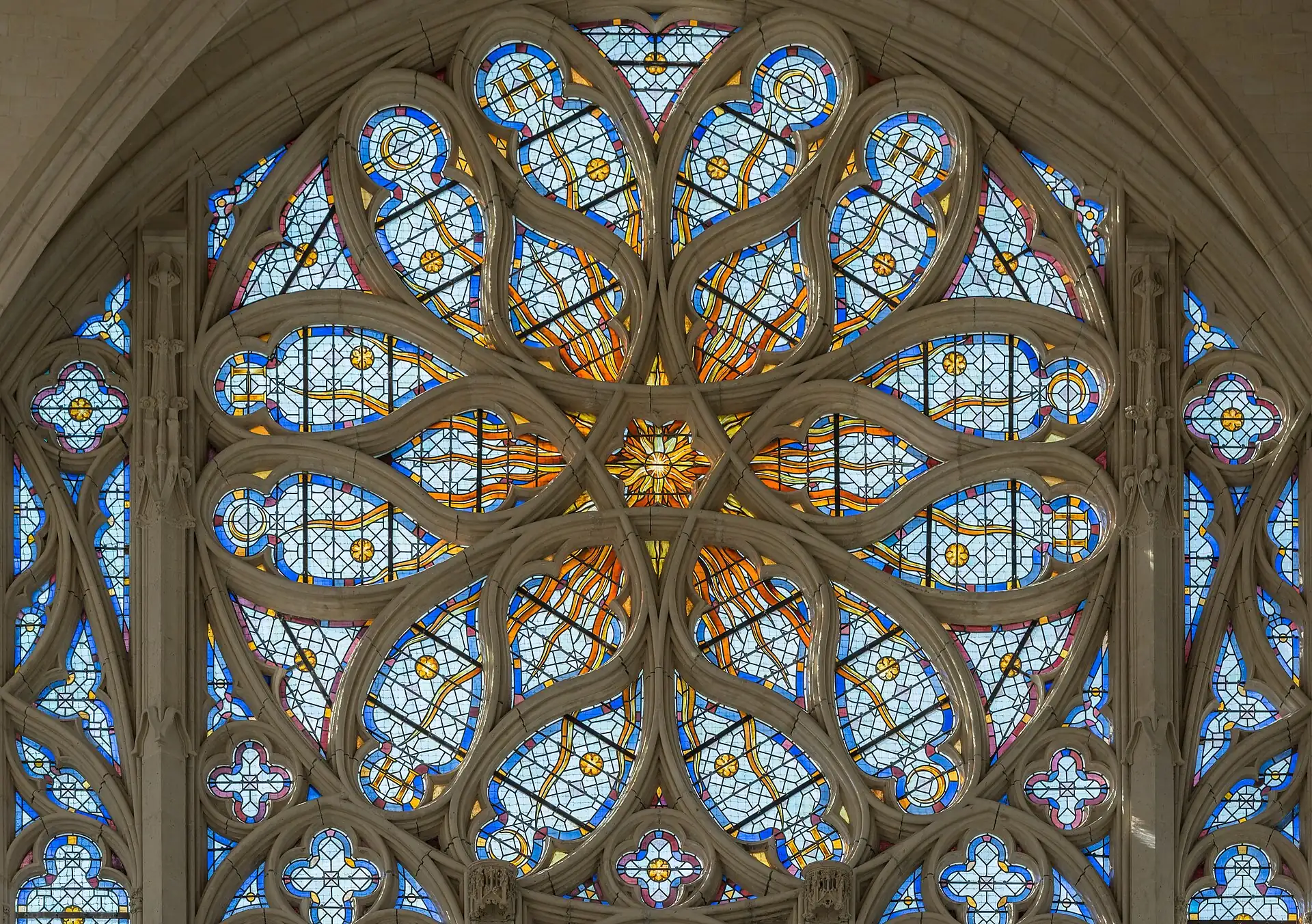 Sainte-Chapelle — Short and seated.
Grand hotels, tasting menus and private tours.
- 1Café Marly — A Louvre terrace lunch.
Museums are accessible; the metro and old streets are not.
- 1Orsay — Step-free entrance.
Tours and classes: book or skip
Book through the official site or an operator with written inclusions.
| Tour or class | Verdict | Typical price | Why | Check before paying |
|---|---|---|---|---|
| Museum guided tour (Louvre) | book | €60–100 (≈ US$70–120) (check) | A guide helps you use the time in the Louvre. | Entry ticket included; group under 15. |
| Seine cruise | maybe | €15–20 (≈ US$18–25) (check) | A one-hour scenic ride; evenings are best. | Departure point and commentary language. |
| Food walking tour | maybe | €70–120 (≈ US$85–140) (check) | A tasting route through the Marais or Montmartre. | Number of tastings and group size. |
| Versailles day tour | maybe | €60–140 (≈ US$70–170) (check) | Easy logistics; but you can go by RER for less. | Entry included; timing. |
| Skip-the-line on the street | skip | Varies | Not real; buy on the official site. | Never buy from strangers. |
What each season brings
Spring
Mar–May
Blossom, terraces and mild days; the best walking.
Watch: Easter crowds and bank holidays.
Summer
Jun–Aug
Long evenings and river banks; open-air events.
Watch: Heatwaves, big queues and closures in August.
Autumn
Sep–Nov
Golden light and fewer crowds.
Watch: Rain and shorter days.
Winter
Dec–Feb
Christmas lights, sales and short museum queues.
Watch: Cold, dark and closures on 25 December and 1 January.
Photo spots and the light
Light times are for clear days; sunrise is about 08:40 and sunset about 16:55 in December, and about 06:00 and 21:55 in June.
| Spot | Best light | Tip |
|---|---|---|
| Trocadéro terrace | Sunrise | Go at dawn for the tower without crowds. |
| Pont de l'Archevêché | Morning | The cathedral's east end from the bridge. |
| Pyramid and courtyard | Late afternoon | Glass reflects the light. |
| Stained glass upper chapel | Sunny morning | No flash; hand-held. |
| Arcades and lawns | Morning | Empty before 09:00. |
| Montmartre steps | 07:30–09:00 | Quiet before the crowd. |
Paris travel FAQ
Answers are 2026 desk estimates; fares and rules marked (check) change.
How many days do I need in Paris?
Three days cover the four clusters; five with a day trip to Versailles or Giverny.
Is the Louvre closed on Tuesdays?
Yes. The Orsay is closed on Mondays; plan around them.
Do I need to book the Eiffel Tower?
Yes: buy a timed ticket on the official site; the queue without one can be long.
Is Paris safe?
Generally, yes; pickpockets and scams are the main risks. Keep your bag in front.
Is tap water safe?
Yes; ask for a carafe d'eau.
Do I need French?
It helps: Bonjour and Merci matter; English is common in tourism.
How do I get from Charles de Gaulle?
RER B to the centre, about €13 (≈ US$16) and 35–50 minutes; taxis have a flat fare.
Should I buy a Paris Museum Pass?
Only if you will visit several museums a day; timed-entry sights still need booking.
Do I tip?
Service is included; leave a few euros for good service.
When is the best time to visit?
April to June and September to October for weather; winter for short queues.
Are restaurants open all day?
Not always: many close between 14:30 and 19:00; cafés and brasseries stay open.Not always: many close between 2:30 PM and 7:00 PM; cafés and brasseries stay open.
Can I use contactless payments on the metro?
Tap-in is being introduced on some lines; use the app or a Navigo Easy card (check).
Is Notre-Dame open?
Yes, since December 2024; entry to the cathedral is free, and towers are ticketed (check).
What is the best way to see the Louvre?
Book the first slot, pick two or three wings, and leave by lunch.
More to see and doMore sights · Free things · Wheelchair and stroller · See & do · Learn & work · Rain & heat · More to do
More sights and museums
Beyond the top ten: the sights worth a detour, grouped by what they are. Prices are marked check; the official site decides.
Arc de Triomphe
Champs-Élysées
Napoleon’s monument at the top of the avenue; climb for the view down the twelve avenues.
Ticket for the roof (check)
Sacré-Cœur and Montmartre
18th
A white basilica on the hill, artists’ square and village lanes; go early.
Basilica free; dome and crypt ticketed (check)
Panthéon
Latin Quarter
Neoclassical tomb of Voltaire, Hugo and Curie, with a Foucault pendulum.
Ticket (check)
Les Invalides
7th
Napoleon’s tomb and the army museum under a gold dome.
Ticket (check)
Conciergerie
Île de la Cité
The medieval palace-turned-prison where Marie Antoinette waited; pair with Sainte-Chapelle.
Ticket; combined ticket with Sainte-Chapelle (check)
Musée de l’Orangerie
Tuileries
Monet’s Water Lilies in two oval rooms; small and quiet.
Ticket (check)
Musée Rodin
7th
The Thinker and the Gates of Hell among rose gardens.
Ticket; garden-only is cheaper (check)
Musée Carnavalet
Marais
The history of Paris in period rooms, in two mansions.
Permanent collection free (check)
Petit Palais
8th
Fine-art museum in a Belle Époque palace, with a garden café.
Permanent collection free (check)
Musée de Cluny
Latin Quarter
Medieval art and the Lady and the Unicorn tapestries.
Ticket (check)
Musée du quai Branly
7th
Art and cultures of Africa, Asia, Oceania and the Americas, beside the Eiffel Tower.
Ticket (check)
Palais Garnier
Opéra
The 19th-century opera house; visit by day or book a performance.
Ticket for visits (check)
Père Lachaise cemetery
20th
A leafy hill of graves, with Oscar Wilde, Jim Morrison and Édith Piaf; take a map.
Free
The Catacombs
14th
Six million bones in old quarries under the city; book a timed slot and expect stairs.
Timed ticket (check)
Jardin du Luxembourg
6th
Formal gardens, chairs, a pond with toy boats and a playground.
Free
Canal Saint-Martin
10th
Iron footbridges, cafés and locks; a local evening walk.
Free
Parc des Buttes-Chaumont
19th
A steep park with a cliff, a lake and a small temple.
Free
Centre Pompidou
Beaubourg
The modern-art museum in a building turned inside out; it is closed for a long renovation (check the reopening date before you plan).
Closed (check)
Fondation Louis Vuitton
Bois de Boulogne
A Gehry glass-sail building with big contemporary shows.
Ticket (check)
Cité des Sciences
19th
Hands-on science for children and a geodesic cinema at La Villette.
Ticket (check)
Free things to do
Sights in Paris that cost nothing to enter. Each is described under Places or More sights; extra costs inside are marked there.
- Conciergerie
- Jardin des Tuileries
- Jardin du Palais-Royal
- Louvre Museum
- Musée Carnavalet
- Musée d'Orsay
- Musée de Cluny
- Musée des Arts Décoratifs
- Musée du quai Branly – Jacques Chirac
- Musée Picasso
- Notre-Dame de Paris
- Place des Vosges
- Sainte-Chapelle
- Shakespeare and Company
- Père Lachaise cemetery
- Jardin du Luxembourg
- Canal Saint-Martin
- Parc des Buttes-Chaumont
Wheelchair and stroller, place by place
How each place in this guide works for wheels, from its own page. Ratings are desk estimates unless a page says it was checked on the ground.
| Place | Step-free | Wheelchair | Stroller | What to know |
|---|---|---|---|---|
| Conciergerie | partial | caution | ok | Stairs between halls. |
| Eiffel Tower | partial | ok | poor | Stairs to the second floor are optional. |
| Jardin des Tuileries | partial | ok | ok | A few terrace steps. |
| Jardin du Palais-Royal | yes | ok | ok | None on the main paths. |
| Louvre Museum | yes | good | ok | Some stairs; lifts are available. |
| Musée Carnavalet | yes | ok | ok | Few. |
| Musée d'Orsay | yes | good | ok | None; lifts. |
| Musée de Cluny | yes | ok | ok | Few. |
| Musée des Arts Décoratifs | yes | ok | ok | Few. |
| Musée du quai Branly – Jacques Chirac | yes | good | good | None on the ramp. |
| Musée Picasso | yes | ok | ok | Few; stairs optional. |
| Notre-Dame de Paris | yes | ok | ok | None to the nave; towers are by stair. |
| Place des Vosges | yes | ok | ok | None. |
| Sainte-Chapelle | partial | caution | poor | A narrow spiral stair to the upper chapel. |
| Shakespeare and Company | no | poor | poor | Steep stairs to the upper rooms. |
More to do
Sport, cinema, theatre and the events that fill the calendar.
Sports
- Football and rugbyParis Saint-Germain play at the Parc des Princes; internationals and big concerts at the Stade de France (check fixtures and tickets).
- TennisThe French Open at Roland-Garros runs from late May into June; book months ahead, or watch the early rounds with a grounds pass (check).
- Tour de FranceThe race ends on the Champs-Élysées in July; the avenue is closed from the morning, so claim a spot early.
- Running, rowing and swimmingLoops along the Seine and in the Bois de Vincennes; public pools such as the Piscine Pontoise in the Latin Quarter (check hours).
Movies
- Repertory cinemasThe Latin Quarter has many small cinemas showing classics; look for “VOST” or “VO” for the original language with subtitles.
- Cinémathèque françaiseScreenings and a film museum in Bercy (check programme).
- Le Grand RexA huge Art Deco cinema on the grands boulevards; the backstage tour is a good rainy-day idea (check).
Theatre, opera and cabaret
- Opera and balletPalais Garnier and Opéra Bastille; cheaper standing and last-minute seats on the day (check the opera’s site).
- ThéâtreComédie-Française for the classics in French; smaller theatres in the 9th and 10th. Most shows are in French.
- CabaretMoulin Rouge in Pigalle and several smaller cabarets; dress codes and dinner packages vary (check).
- Half-price ticketsA kiosk near La Madeleine sells same-day theatre tickets at a discount (check the opening times).
Events and seasons
- Paris PlagesSummer beaches along the Seine; dates change each year (check).
- Nuit Blanche and Fête de la MusiqueAn all-night art evening in the autumn; free music in every street on 21 June.
- Bastille Day14 July: military parade in the morning and fireworks at the Eiffel Tower at night; transport and streets close early.
See & do
22 of 22
- Museums
The world's most-visited museum; book a timed slot and pick two or three wings.
1st · Wed–Mon, closed Tue (check) · About €22 (≈ US$30) (check)(check)
- Museums
Impressionists in a former railway station; less overwhelming than the Louvre.
7th · Tue–Sun, closed Mon (check) · About €16–18 (≈ US$19–25) (check)(check)
- Architecture
The cathedral reopened in December 2024 after the 2019 fire.
4th · Daily (check) · Free; towers and treasury ticketed (check)(check)
- Architecture
A wall of medieval stained glass; timed tickets.
1st · Daily (check) · About €13–16 (≈ US$16–19) (check)(check)
- Views
The 330 m iron tower; book a slot and choose stairs, second floor or summit.
7th · Daily (check) · €12–55 (≈ US$14–65) (check)(check)
- Lakes & parks
The oldest planned square in Paris, arcades and lawns.
3rd and 4th · Open daylight · Free(check)
Musée de l'Orangerie
MuseumsMonet's Water Lilies in two oval rooms; small and quiet.
1st · Wed–Mon (check) · About €12–13 (≈ US$14–16) (check)(check)
Sacré-Cœur and Montmartre
ViewsThe white basilica and city view; go early or late.
18th · Basilica daily; dome ticketed (check) · Basilica free(check)
Luxembourg Gardens
GardensGreen chairs, a pond and a playground; a good break.
6th · Open daylight · Free(check)
Arc de Triomphe
ViewsClimb for the view down the avenues; use the underpass, not the traffic.
8th · Daily (check) · About €16 (≈ US$19) (check)(check)
Panthéon
ArchitectureTombs of Voltaire, Hugo and Curie under a great dome.
5th · Daily (check) · About €13 (≈ US$16) (check)(check)
Conciergerie
MuseumsA medieval palace turned prison; Marie Antoinette was held here.
1st · Daily (check) · About €13 (≈ US$16) (check)(check)
Catacombs
MuseumsOssuary tunnels under the city; book ahead; stairs and no bags.
14th · Timed tickets (check) · About €29 (≈ US$35) (check)(check)
Palais Garnier
ArchitectureThe gilded opera house; the staircase and the auditorium.
9th · Daily, visits by ticket (check) · About €15 (≈ US$18) (check)(check)
Père Lachaise Cemetery
GardensGraves of Wilde, Morrison and Piaf; get a map at the gate.
20th · Daily · Free(check)
Musée Rodin
MuseumsThe Thinker in a garden; a quiet museum.
7th · Tue–Sun (check) · About €14 (≈ US$17) (check)(check)
Seine river cruise
ActiveA one-hour boat trip past the main sights; evening is best.
Central · Daytime and evening · €15–20 (≈ US$18–25) (check)(check)
Paris Opera or classical concert
Shows & musicSainte-Chapelle and church concerts are cheaper than the opera.
Various · Evening · €15–150 (≈ US$18–180) (check)(check)
Cooking class or market tour
ClassesA half-day class with a market visit.
Various · Morning · €80–160 (≈ US$95–190) (check)(check)
Wine and cheese tasting
Food toursA guided tasting of regional wines and cheeses.
Marais and Latin Quarter · Evening · €50–100 (≈ US$60–120) (check)(check)
Cabaret show
Shows & musicFeathers and dinner; book ahead.
Montmartre, Pigalle · Evening · €90–200 (≈ US$110–250) (check)(check)
Bike tour
ActiveA guided ride along the river.
Central · Morning or evening · €35–60 (≈ US$45–70) (check)(check)
- Booking
- Timed museum slots, the Eiffel Tower, the Catacombs and the Sainte-Chapelle sell out days ahead in summer: book on the official site.
Learn & work
| What | Where | Cost | Note |
|---|---|---|---|
| French language courses | Alliance Française and other schools in central Paris | €200–500 (≈ US$250–600) a week (check) | Intensive and evening courses; student visas need a school sponsor for longer stays.(check) |
| Cooking classes | Schools and private cooks | €80–160 (≈ US$95–190) for a half day | Book a French-language class if you want the real thing.(check) |
| Art history and museum courses | Louvre and private providers | Varies (check) | Guided tours in English.(check) |
Working here
- Tourist entry
- Check the France-Visas site for your passport; the EU is phasing in the Entry/Exit System and ETIAS, so check the dates.
- Work permit
- Non-EU visitors need a visa and work authorisation; a French employer sponsors it.
- Remote work
- Wi-Fi and coworking spaces are widespread; check visa rules for longer stays.
Rain-day and heat-day plan
Rain day
Showers are usually short: carry an umbrella and swap the park for a museum; covered passages (Galerie Vivienne, Passage des Panoramas) are a dry walk.
- 01Musée d'Orsay — Indoors; about 2 hours.
- 02Louvre Museum — Indoors; choose two or three wings.
- 03Sainte-Chapelle — A 30-minute stained-glass visit.
Heat day
Above 32 °C: outdoor sights before 11:00, museums and covered markets 12:00–17:00, the river in the evening.
- 08:00Tuileries and Louvre — Shade and shorter queues.
- 11:30Air-conditioned museum — The Orsay and the Louvre are cooler than the street.
- 15:00Café or cinema — Rest until the evening.
- 19:30Seine banks — Cooler air and long light.
Day-trips and nearby
Places you can reach from Paris in a day or with one night away, with the route and what it costs. Door to door, not ride time.
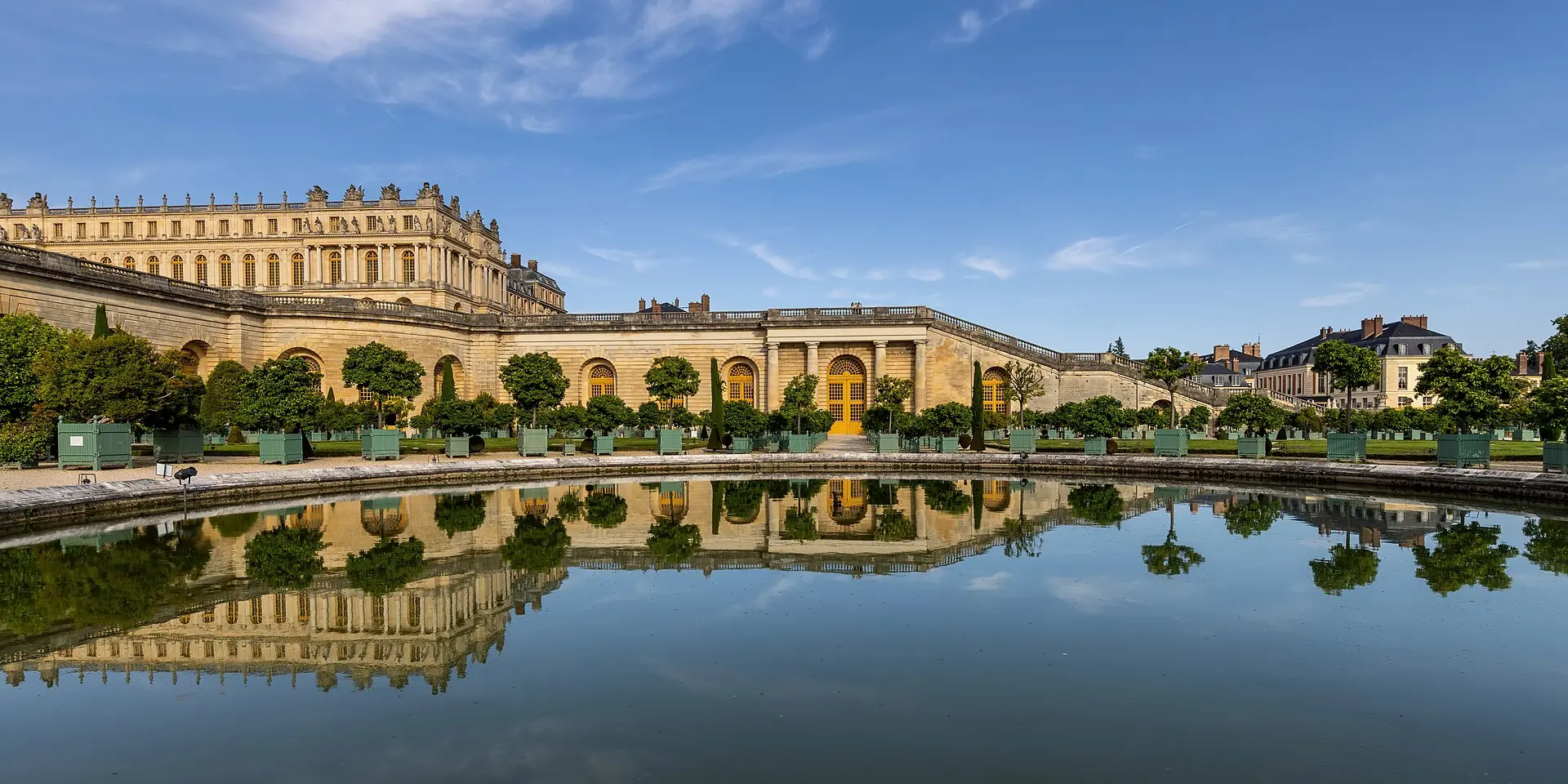 Photo: Basile Morin, CC BY-SA 4.0
Palace of Versailles
goRER C to Versailles Château, about 45 min each way
Closed on Mondays; book a timed ticket; gardens and fountains have separate schedules.
- Time
- Full day
Giverny (Monet's house and gardens)
goTrain to Vernon about 45 min, then shuttle or bike
Open roughly April to November; check the season before you plan.
- Time
- Full day
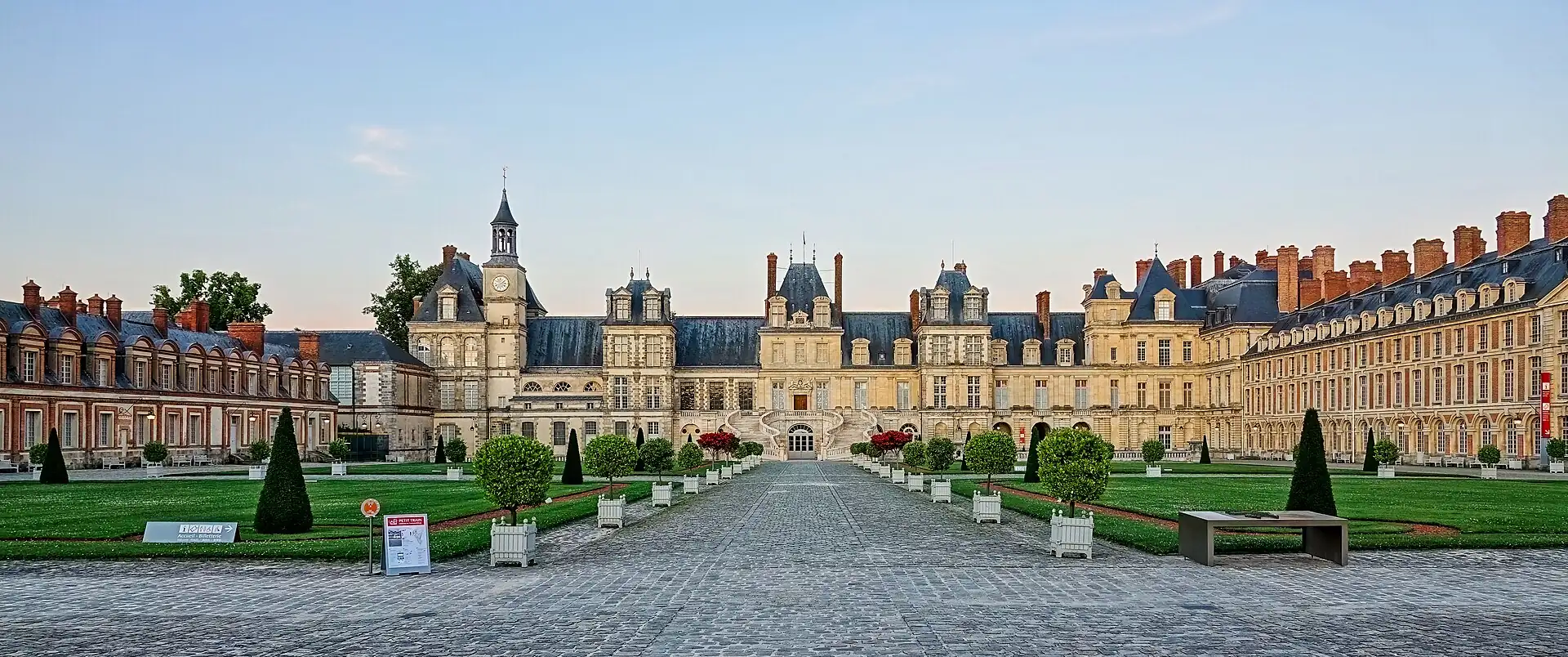 Photo: Gzen92 Edited by User:Radomianin, CC BY-SA 4.0
Fontainebleau
goTrain from Gare de Lyon about 40 min, then bus
Palace and forest; quieter than Versailles.
- Time
- Full day
Reims (champagne cellars)
goTGV about 45 min from Gare de l'Est
Book cellar visits ahead; return trains are reservation-based.
- Time
- Full day
Go next
Door to door: About 1 h
RER C to Versailles Château, about 40–45 min
Closed on Mondays; book a timed ticket; gardens have separate schedules.
Disneyland Paris
cautionDoor to door: About 1 h
RER A to Marne-la-Vallée–Chessy, about 40 min
A full day; book tickets ahead and go on a weekday.
London
cautionDoor to door: About 3 h
Eurostar from Gare du Nord about 2 h 20
Arrive 90 minutes before for border checks; book ahead for fares.
Brussels
goDoor to door: About 1.75 h
High-speed train from Gare du Nord, about 1 h 25
A quick weekend extension.
Eat & sleepWhere to eat and which area to sleep in
Eat & sleep
Where to eat and which area to sleep in
Eat
A short list of places worth crossing the city for, each with how to get a seat.
Show 7 more places to eatShow fewer
Restaurant finder: filter every place to eat in Paris →
Vegetarian-friendly score
2.5 / 5 · Workable
- Country diet noteOur country guide rates vegetarian eating as workable.1 / 2
- Places to eat in this guide4 of 11 places with a known answer are vegetarian-friendly, 7 partly.1.02 / 1.5
- Budget eating lines0 vegetarian lines in "Eat by budget".0 / 0.6
- Meat-free national dishes3 meat-free dishes in the country food list.0.3 / 0.4
- Dedicated vegetarian kitchens0 mentions of vegetarian restaurants, Buddhist or fasting kitchens.0 / 0.5
Country note: Easier in cities than villages; traditional menus are meat-heavy and stocks and lardons hide in 'vegetable' dishes.
Vegetarian places near me →Make a diet card →
How we score
- Country diet note (up to 2): easy 2, workable 1, mixed 0.75, hard 0; no note 0.5.
- City places to eat (up to 1.5): 1.5 × (vegetarian-friendly + half of partly friendly) ÷ places with a known answer; needs 3 or more known places.
- Budget eating lines marked vegetarian (up to 0.6): 0.2 each.
- Meat-free national dishes (up to 0.4): 0.1 each.
- Dedicated vegetarian kitchens mentioned — Buddhist chay, shōjin ryōri, Jain, fasting food, vegan cafés (up to 0.5): 0.1 each.
- Total rounded to the nearest half point, 0 to 5. Built from our own pages only, not from reviews.
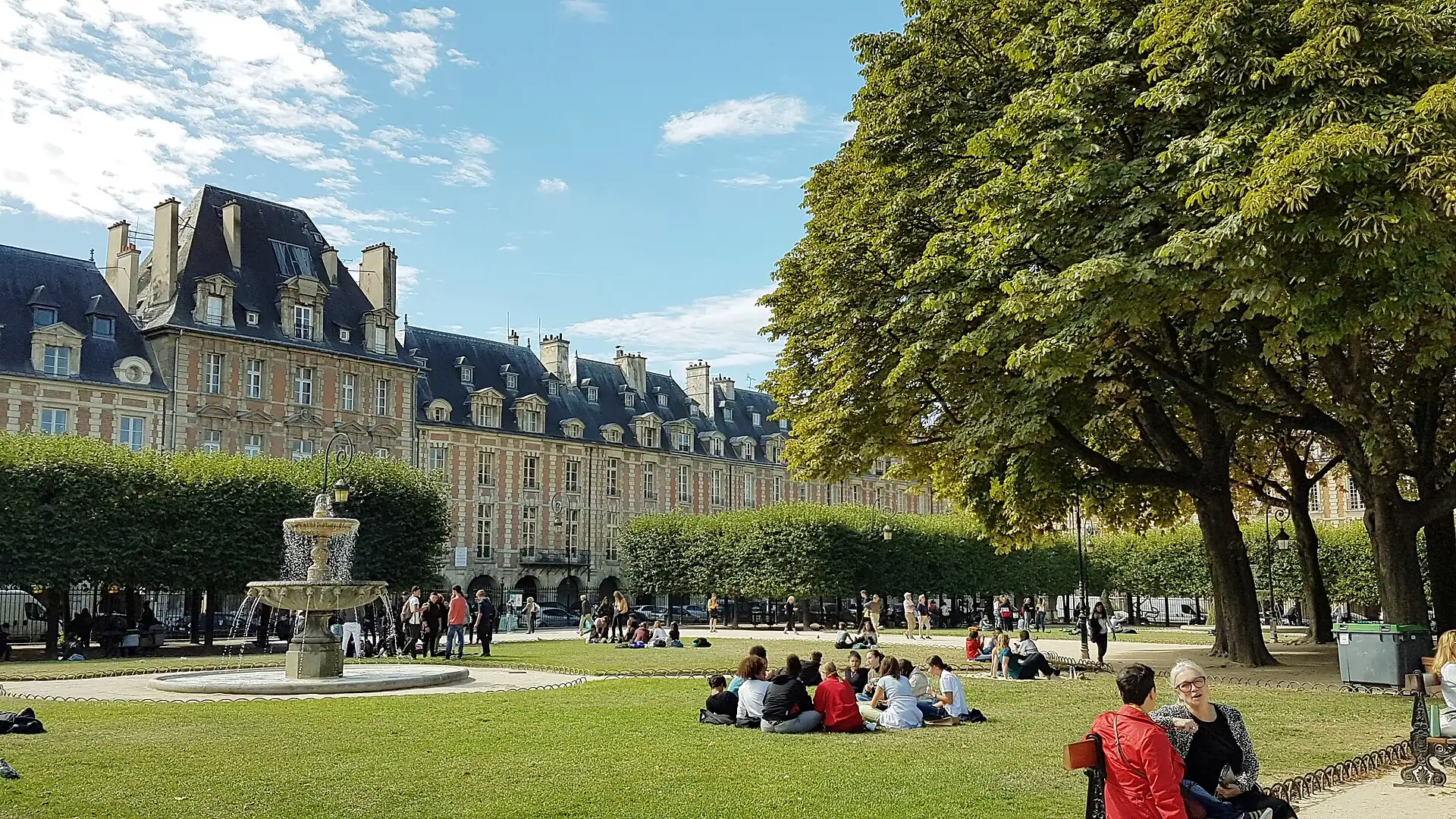
Eating and drinking guideSpecial diets · Eat by budget · Drink
Special diets
Vegetarian, kosher, halal and allergies: where to look and what to ask.
Vegetarian and vegan
Easier than it was: most neighbourhoods have a vegetarian-friendly café, and the Marais, the 10th and Canal Saint-Martin have several fully plant-based places. Classic bistros are meat-heavy, so look for an omelette, a salad or a vegetable plate and ask whether the soup or sauces contain lardons or stock.
Kosher
The Marais around the rue des Rosiers is the best-known Jewish quarter, with kosher delis and bakeries; most close early on Friday and all day Saturday. There are more kosher restaurants in parts of the 9th, 17th and 19th. Check certification on the door.
Halal
Halal restaurants and butchers are common in Belleville, Barbès and the 18th and 20th, with North African and Middle Eastern food; elsewhere ask whether the meat is halal (check).
Allergies and gluten
Say “je suis allergique à …” and show the name in French; the translation cards in the tools have the common ones. Restaurants must list the 14 main allergens on request.
Before you sit down to eat
Short version; full text linked
- Queues and hours
- Per person, one dish or one meal, 2026 estimate in euros. More →
Eat by budget
Under €15 (≈ US$18) a meal
| Where | Order | Area | Price | Note |
|---|---|---|---|---|
| L'As du Fallafel | Falafel sandwich | Marais | €8–12 (≈ US$10–14) | Takeaway on Rue des Rosiers. |
| Marché des Enfants Rouges | Lunch at the market | Marais | €10–16 (≈ US$12–19) | Stalls, several cuisines. |
| Berthillon ice cream (Île Saint-Louis) | Ice cream scoop | Île Saint-Louis | €3–7 (≈ US$4–9) | A dessert stop. |
Dishes to know
| Dish | What it is | Where to look | When | Price |
|---|---|---|---|---|
| Croissant and pain au chocolatCroissant, pain au chocolat | Buttery laminated pastry; the classic breakfast. | Any bakery (boulangerie) | Early morning | €1.30–2.50 (≈ US$2–3) |
| Jambon-beurreJambon-beurre | Baguette with ham and butter; the simplest sandwich. | Bakeries and cafés | Lunch | €4–7 (≈ US$5–9) |
| Steak-fritesSteak-frites | Beef steak with fries; the brasserie standard. | Brasseries and bistros | Lunch and dinner | €16–28 (≈ US$19–35) |
| French onion soupSoupe à l'oignon | Onion soup with a cheese crust. | Traditional bistros | Dinner, cold weather | €9–14 (≈ US$11–17) |
| Croque-monsieurCroque-monsieur | Toasted ham-and-cheese sandwich; croque-madame adds an egg. | Cafés | Lunch | €8–14 (≈ US$10–17) |
| Crêpe or galetteCrêpe, galette | Sweet wheat crêpes and savoury buckwheat galettes from Brittany. | Crêperies | Lunch and dinner | €6–16 (≈ US$7–19) |
| Cheese platePlateau de fromages | A selection of French cheeses with bread. | Restaurants and wine bars | After the main course | €8–18 (≈ US$10–25) |
| Macarons and pastriesMacarons, éclairs | Almond meringue sandwiches and cream pastries. | Pâtisseries | Afternoon | €2–5 (≈ US$3–6) each |
- Ask for a carafe d'eau: tap water is free and safe.
- The prix-fixe formule (starter and main, or main and dessert) is the best value at lunch.
- Restaurants often close between about 14:30 and 19:00; cafés and brasseries stay open.Restaurants often close between about 2:30 PM and 7:00 PM; cafés and brasseries stay open.
- Book dinner in popular places; ask for a table on arrival and do not expect to rush.
Drink & nightlife
| Where | What | Until | Note |
|---|---|---|---|
| Rue Oberkampf and Canal Saint-Martin | Bars and cafés | About 02:00About 2:00 AM | Lively and young; terraces on warm nights. |
| Marais and Les Halles bars | Bars and wine bars | About 02:00About 2:00 AM | Busy on Friday and Saturday. |
| Saint-Germain cafés | Terraces | About 00:00About 12:00 AM | Old cafés with high prices; go for the setting. |
By style
| Style | What | Where | Price | Until |
|---|---|---|---|---|
| Café at the counter | Espresso standing at the barThe cheapest way to have a coffee. | Any café | €1.50–3 (≈ US$2–4) | Late |
| Terrace drink | Beer, wine or cocktail at a tableYou pay for the seat; no rush. | Terraces and squares | €5–12 (≈ US$6–14) | Late |
| Wine bar | Glass of wine with charcuterieAsk for the wine of the day. | Marais and Latin Quarter | €6–12 (≈ US$7–14) a glass | About 00:00 |
Rules that bite
- The legal drink-drive limit is low; use the metro or a taxi.
- Drinking in public is tolerated on the riverbanks and in some parks; bring rubbish home.
Sleep
Pick the area first: it decides your walk home at night and your first morning.
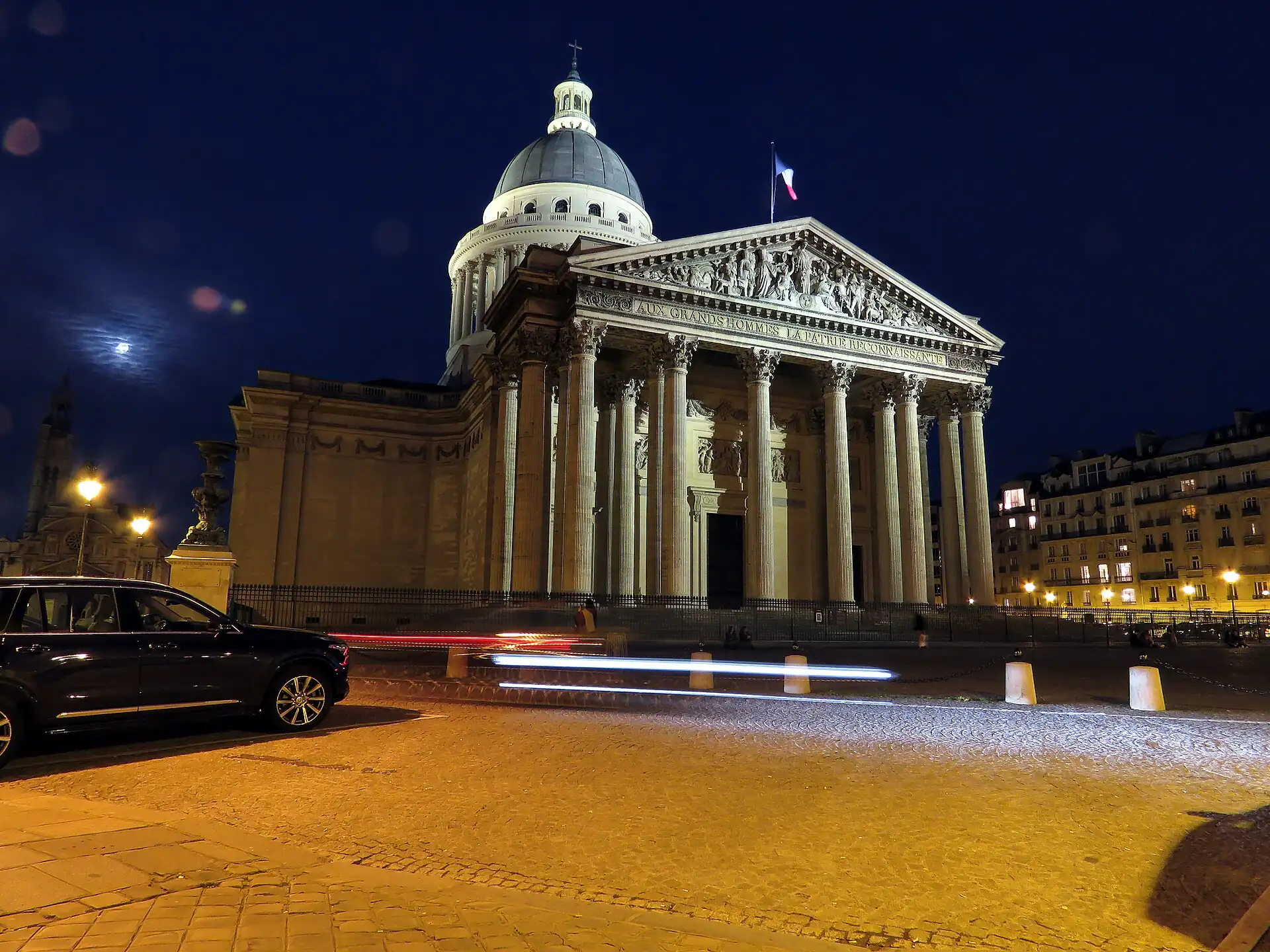
Which neighborhood fits you
Three questions, one recommendation, with the reasons.
Your best fit
- Place des Vosges, Notre-Dame and the Louvre are a walk or short metro ride.
- Busy late; safe and lively.
Next best: Latin Quarter and Saint-Germain
Built from our 1–5 desk scores per area; your answers stay in this browser.
More on sleepingSleep by budget · Your area · With kids
Sleep by budget
| Band | Price | Where | Room types | What to expect |
|---|---|---|---|---|
| budget | €35–70 (≈ US$45–85) dorm bed · €90–140 (≈ US$110–170) double | Latin Quarter, Marais edges | Hostels, small budget hotels | Small rooms, thin walls and stairs; AC is uncommon. |
| mid | €150–260 (≈ US$180–350) | Marais and Latin Quarter | Boutique hotels, 3-star chains | Small rooms, lifts (sometimes), breakfast extra, AC common. |
| high | €350 (≈ US$450)+ | Saint-Germain, Louvre, Champs-Élysées | Grand hotels and palaces | Large rooms, service, views, high prices. |
Booking checks
- Rooms are small and stairs are common: ask about lifts and air conditioning.
- A tourist tax of a few euros per person per night is added; ask whether it is included.
- Book the airport transfer with the room if you arrive late.
- Fashion weeks and major trade fairs push prices up: check dates.
Which area is yours
| If you are | Sleep in | Because |
|---|---|---|
| Food and evenings | Le Marais | Restaurants, bars and markets on the doorstep. |
| History and quiet mornings | Latin Quarter and Saint-Germain | Notre-Dame and Sainte-Chapelle on foot. |
| Arriving by RER B | Latin Quarter and Saint-Germain | Saint-Michel–Notre-Dame is a direct stop from Charles de Gaulle. |
First visit: walk to Place des Vosges and the Seine; choose a hotel with a lift and a desk staffed at night, as many are small buildings with steep stairs.
Walk to Notre-Dame and Sainte-Chapelle and the Luxembourg Gardens; the RER B stops here, so the airport ride from CDG needs no change.
Areas are in our default order until you tick a priority.
Scores are 1–5 desk judgements per priority (2026). Marais suits food and evenings; the Latin Quarter suits history and quiet mornings.
With kids
- Metro stairs and cobbles make strollers hard: a carrier or a compact stroller helps.
- Parks and gardens (Luxembourg, Tuileries, Jardin d'Acclimatation) are the best breaks; many have playgrounds and old carousels.
- Timed slots matter with children: book museums for the first slot and leave by lunch.
- Restaurants have children's menus, but service is slower than expected; bring a snack.
- Under-18s from the EU/EEA are free at many national museums; check the rules for other passports.
PracticalMoney, essentials, safety and the pocket card
Practical
Money, essentials, safety and the pocket card
Money
What a day costs at three comfort levels, and how to pay.
- Budget
- €50–80 (≈ US$60–95) excl. bed / day
- Mid
- €80–160 (≈ US$95–190) excl. bed / day
- High
- €160 (≈ US$190)+ excl. bed / day
- Transit card
- Metro tickets and the Navigo Easy card work on metro, RER, bus and tram; you can also tap some contactless cards and phones at gates. Buy tickets in the RATP or IDFM app or at machines.
- Cash rule
- Cards work almost everywhere; keep €20–40 (≈ US$25–50) in coins and small notes for bakeries with minimums, toilets and market stalls; use ATMs inside bank branches, not on the street.
More on moneyCosts · Budget · Buy
What things cost
- Croissant or pain au chocolat€1.30–2.50 (≈ US$2–3)
- Weekday lunch formule (starter + main or main + dessert)€16–28 (≈ US$19–35)
- Bottle of water, shop€1–2 (≈ US$2–3)
- Louvre or Musée d'Orsay ticket€15–25 (≈ US$18–30)
- Eiffel Tower ticket, depending on level€12–55 (≈ US$14–65)
Trip budget
| Hotel double room1 × 3 nights × €200 | €600 |
| Food, local transport, entries2 × 3 days × €120 | €720 |
| Airport metro or RER, both ways2 × €26 | €52 |
| Navigo Easy card and a few tickets2 × €25 | €50 |
| eSIM or tourist SIM2 × €15 | €30 |
| Buffer 10%Price creep, a taxi you did not plan, one splurge | €145 |
| Trip total≈ €266 per person per day, bed included | €1,597≈ US$1,900 |
2026 estimate in euros; flights, museum passes and tours excluded. Your choices stay in this browser.
Prices of common things
| Croissant | €1.30–2.50 (≈ US$2–3) |
| Lunch formule | €16–28 (≈ US$19–35) |
2026 estimate; check locally.
Buy
- Bargaining
- Prices are fixed in shops. At flea markets such as Saint-Ouen a polite request for a small discount is normal; do not haggle in department stores or restaurants.
- Fixed-price check
- Bakeries, cafés and shops post prices; the price on the label is final, and VAT is included.
Markets and shopping streets
| Where | What | When | Haggle | Note |
|---|---|---|---|---|
| Marché des Enfants Rouges | Covered food market: prepared dishes, produce, flowers | Tue–Sat mornings to evening, Sun to mid-afternoon (check) | no | The oldest covered market in the city; a good lunch stop in the Marais. |
| Marché d'Aligre | Produce, cheese, flea stalls | Tue–Sun mornings (check) | no | A local market near Bastille; crowded at weekends. |
| Marché aux Puces de Saint-Ouen | Antiques and second-hand goods | Sat–Mon (check) | soft | The huge flea market north of the centre; bags close in front. |
Shops by what they sell
| For | Where | Hours | Note |
|---|---|---|---|
| Department stores | Galeries Lafayette and Printemps on Boulevard Haussmann | About 10:00–20:30, Sunday reduced (check) | Roof terraces, tax-free desks for non-EU visitors. |
| Bookshops | Left Bank and the Latin Quarter | About 10:00–19:00 | English-language and antiquarian shops. |
| Cheese, wine and chocolate | Neighbourhood shops across the city | Closed Sunday afternoon and Monday in many shops | Ask the shopkeeper for vacuum-packing for travel. |
Changing money
| Where | Verdict | Why |
|---|---|---|
| Bank ATMs inside a branch | use | Best rates; check your bank's fees. |
| Exchange kiosks near tourist sites | skip | Poor rates and high fees. |
| Airport exchange desks | caution | Fine for a small emergency amount only. |
ATMs
- Cards
- Contactless works almost everywhere; carry a chip-and-PIN card.
- Cash
- Keep €20–40 (≈ US$25–50) in coins and notes for bakeries with a minimum, toilets and markets.
Essentials and accessEssentials · Access
Essentials
- Plugs & power
- 230 V; two-pin sockets (types C and E). Bring an adapter if you use type A, B or G plugs.
- Toilets
- Cafés (buy a drink first), department stores and museums; some street toilets are paid.
- Health
- Pharmacies (green cross) advise on minor ailments; pack for changeable weather and sore feet; travel insurance with medical cover.
- Accessibility
- Many metro stations have only stairs; buses and the newer tram lines are step-free; older museums have lifts but narrow queue lines.
- Laundry
- Self-service laundromats (laverie) and hotel laundry, priced by load or by weight.
- Emergency numbers
- 112 works everywhere; 17 police, 15 ambulance, 18 fire.
Pack
- Comfortable shoes for cobbles and stairs
- A light rain jacket in every season
- A day bag that zips, worn in front on the metro
- A reusable water bottle
Accessibility
Paris is hard going on wheels. Many metro stations have only stairs, pavements are narrow, and older buildings have steps; newer trams and buses are step-free.
- Metro
- Only line 14 and a few stations on other lines are step-free; use buses, trams and RER C where you can.
- Buses
- All buses have ramps and a wheelchair space; the app shows live times.
- Pavements
- Narrow and cobbled in the Marais and Latin Quarter; wider on the boulevards.
- Museums
- The big museums have lifts and wheelchair loans; book and check the route.
Sights, step-free or not
| Louvre Museum | step-free | Lifts and free wheelchair loans; book a slot. |
| Musée d'Orsay | step-free | Step-free entrance and lifts. |
| Eiffel Tower | with help | Lifts reach the second floor and the summit; queues and security checks are long. |
| Notre-Dame de Paris | with help | Level entrance; towers are by stair only. |
| Sainte-Chapelle | with help | A step-free entrance exists; the upper chapel has a lift (check). |
Survive
Safety basics, the lines not to cross, and practical habits that save the day.
Safety
- Pickpockets work the metro, the Louvre area and the Eiffel Tower crowds: keep your bag zipped in front of you.
- Cyclists and scooters share pavements and bus lanes: look before you step off the kerb.
- Heat: on hot summer days, museum galleries and metro cars can be stuffy; carry water.
- Emergency: 112 (EU number), 17 police, 15 ambulance, 18 fire.
Red lines
- Notre-Dame and other churches are places of worship: cover shoulders, keep voices low and skip photos during services.
- The Catacombs and some monuments require timed tickets and reject large bags.
- Do not buy 'skip-the-line' tickets from people outside the queue; buy on the official site.
Practical
- Toilets: cafés (buy a coffee first), department stores and museums; public paid toilets on main boulevards.
- Tap water is safe; ask for a carafe d'eau (free jug) in restaurants.
- Many restaurants close between about 14:30 and 19:00; bakeries and cafés stay open.Many restaurants close between about 2:30 PM and 7:00 PM; bakeries and cafés stay open.
More on staying safeStay safe · Stay healthy · Safety map · Solo & women · Etiquette · Cope · Scams
After dark, by area
2 flagged areas
- Take care
- Take care
Day = about 07:00–20:00. What to watch in each area, day and night →
Scams and red flags
Walk away if you see these
- Petition, 'found gold ring' and friendship-bracelet tricks near the Louvre, Sacré-Cœur and the Eiffel Tower: keep walking and say non.
- 'Skip-the-line' sellers outside the Louvre or the Eiffel Tower: buy the timed ticket on the official site.
- Unmarked or unlicensed taxis at the airports: use the taxi rank, where the flat fare to central Paris is posted.
- Restaurants near major sights that push fixed menus at inflated prices: check the menu board and prices before you sit.
Stay safe
Crossing the road
- 01Look for cyclists and scooters on pavements and bus lanes.
- 02Cross at crossings and do not step out between parked cars.
Hustles specific to this city
| Hustle | Where | The tell | What to do |
|---|---|---|---|
| Gold ring or 'found' ring | Near the Louvre, Notre-Dame and Sacré-Cœur | Someone 'finds' a ring and offers it to you, then asks for money. | Keep walking and say non. |
| Friendship bracelet | Sacré-Cœur steps and Montmartre | A man ties a bracelet on your wrist and demands payment. | Keep your hands in your pockets and walk away. |
| Petition clipboard | Tourist sites and metro exits | A group asks you to sign a petition while another steals your bag. | Ignore and keep your bag in front. |
| Fake ticket sellers | Outside the Louvre and Eiffel Tower | Skip-the-line tickets offered on the pavement. | Buy on the official site. |
| Fake taxis | Airports and stations | A man offers a ride at a high price. | Use the official taxi rank. |
- Police
- 17 or 112. Report thefts at a commissariat for the written report; most stations have English-speaking staff.
- Pickpockets
- Keep your bag zipped in front, a phone in a front pocket, and be careful at metro doors.
- Night
- Use main streets, taxis or the metro; avoid deserted quays and parks late.
Stay healthy
Air quality by month
| Jan | Feb | Mar | Apr | May | Jun | Jul | Aug | Sep | Oct | Nov | Dec |
|---|---|---|---|---|---|---|---|---|---|---|---|
| mixed | mixed | ok | ok | ok | mixed | mixed | mixed | ok | ok | ok | mixed |
Air quality is generally fair; ozone and heat can cause alerts in summer, and traffic pollution sits in the centre in winter.
- Heat
- Heatwaves are increasing: drink water, avoid noon and seek air conditioning.
- Water
- Tap water is safe; refill at public fountains.
- Pharmacies
- Green-cross pharmacies advise on minor problems; some stay open late.
- Insurance
- Take medical cover; EU visitors carry the EHIC or GHIC.
- Food
- Food hygiene is high; raw-milk cheeses and rare meat carry the usual risks for pregnant visitors.
Hospitals and clinics: see Cope.
Safety by area and hour
| Area | Day | Night | What to watch |
|---|---|---|---|
| Le Marais | fine | fine | Crowds around Rue des Rosiers and Rue de Rivoli; pickpockets at busy corners. |
| Île de la Cité and Latin Quarter | fine | fine | Bag snatchers near Notre-Dame and Saint-Michel; petition scams. |
| Louvre and Tuileries | fine | caution | Ring, bracelet and petition scams; the Tuileries are dark late at night. |
| Eiffel Tower and Trocadéro | fine | caution | Pickpockets and street sellers; the tower crowd at dusk. |
- Keep your bag zipped and in front on the metro, especially line 1.
- Avoid the metro stations around Gare du Nord and Barbès late at night.
Solo, women and LGBTQ+ travellers
Solo
- Easy and social: cafés, museums and river walks are all comfortable alone.
- Sit at the counter or a small table in restaurants to avoid awkward seating.
Women
- Street harassment happens in some areas; walk with purpose and use the metro carriage near the driver late at night.
- Use a taxi or ride-hail after midnight if the last metro has gone.
LGBTQ+
- Same-sex marriage is legal and the Marais is a long-established gay district; Paris is generally welcoming.
- Public affection is common and rarely draws attention, though incidents occur.
Etiquette in Paris
- Greetings
- Say Bonjour when you enter a shop, café or lift, and Merci and Au revoir when you leave; it is not optional.
- Language
- Begin in French, even one phrase, then ask in English: Parlez-vous anglais ?
- Restaurant hours
- Lunch is 12:00–14:30 and dinner from 19:00; outside those hours only cafés and brasseries serve food.Lunch is 12:00 PM–2:30 PM and dinner from 7:00 PM; outside those hours only cafés and brasseries serve food.
- Tipping
- Service is included; leave a few euros for good service.
- Metro
- Let people off before boarding, stand on the right of escalators and give your seat to elderly and pregnant riders.
- Churches
- Cover shoulders and knees, keep quiet and do not photograph services.
- Dress
- Smart-casual is fine; shorts and beachwear look out of place in churches and nicer restaurants.
- Dogs and smoking
- Dogs are welcome in many cafés; smoking is common on terraces.
Cope
Hospitals and clinics that handle foreigners
| Where | Area | Use it for |
|---|---|---|
| Hôtel-Dieu (Île de la Cité) | 4th | Public hospital next to Notre-Dame with an emergency department. |
| Hôpital Européen Georges-Pompidou | 15th | Large public hospital with emergency care. |
| American Hospital of Paris | Neuilly-sur-Seine | Private hospital with English-speaking staff; check billing with your insurer. |
| Pharmacies (green cross) | Everywhere | Pharmacists advise on minor problems; a 24-hour pharmacy is on Place de Clichy (check). |
Visa extensions
- Entry
- France is in the Schengen Area. Check your passport's rules on the official France-Visas site; the EU is phasing in the Entry/Exit System and ETIAS travel authorisation, so check the dates.
- Stay length
- Non-EU visitors can stay up to 90 days in any 180 in the Schengen Area without a visa if their nationality allows it (check).
Embassies and consulates
| Country | Address | Phone | Note |
|---|---|---|---|
| United States | 2 avenue Gabriel, 8th | See the embassy website | (check) |
| United Kingdom | 35 rue du Faubourg Saint-Honoré, 8th | See the embassy website | (check) |
| Canada | 130 rue du Faubourg Saint-Honoré, 8th | See the embassy website | (check) |
| Australia | 4 rue Jean Rey, 15th | See the embassy website | (check) |
- Lost passport
- Report to the local police (commissariat) for a written report, then contact your embassy for an emergency travel document.
- Emergency numbers
- 112 (EU), 15 medical (SAMU), 17 police, 18 fire.
- Insurance
- Non-EU visitors need travel insurance with medical cover; EU visitors carry the EHIC or GHIC (check).
Embassies
Addresses are for walk-in help and passports; call or book first, and check opening hours on each embassy’s own site.
| Country | Address | Notes |
|---|---|---|
| United States | 2 avenue Gabriel, 8th (near Place de la Concorde) | American Citizen Services by appointment (check). |
| United Kingdom | 35 rue du Faubourg Saint-Honoré, 8th | Consular help for British nationals (check opening times). |
| Canada | 130 rue du Faubourg Saint-Honoré, 8th | Consular services by appointment (check). |
| Australia | 4 rue Jean Rey, 15th (near the Eiffel Tower) | Consular help for Australians (check). |
| New Zealand | 103 rue de Grenelle, 7th | Consular help for New Zealanders (check). |
| Ireland | 12 avenue Foch, 16th | Embassy and consular help for Irish citizens (check). |
Apps and offline kitOffline kit · Useful apps
Useful apps
Install these before you land; most work offline or on a local SIM.
Bonjour RATP
The official Métro, RER, bus and tram app with live times and tickets.
Île-de-France Mobilités
Buy and load Navigo tickets on your phone.
Citymapper
Door-to-door routes with Métro exits and walking times.
Vélib’ Métropole
Shared bikes: find stations and unlock a bike.
G7, Uber or Bolt
Taxi and ride-hail booking; G7 is the large taxi company.
Google Translate (camera)
Reads menus and signs; download French for offline use.
Offline kit
Set up before you leave, so Paris still works with no signal or a dead roaming plan.
On your phone
- Maps: open the city in Google Maps, tap the place name, then Download offline map (or use an offline-maps app).
- Data: install an eSIM or buy a local SIM before the first taxi; the apps in this guide depend on it.
- Translation: download the local language for camera translation.
- Screenshots: booking confirmations, hotel address in the local script, and the emergency numbers.
This guide
Save the Paris guide and its pages on this device; it opens without a connection.
Phrases that do the work
Greeting
Hello (say it when you enter a shop)
Bonjour
bohn-ZHOOR
Thanks
Thank you
Merci
mair-SEE
Polite
Please
S'il vous plaît
seel voo PLAY
Polite
Excuse me / sorry
Excusez-moi
ex-koo-zay MWAH
Help
Do you speak English?
Parlez-vous anglais ?
par-lay voo ahn-GLAY
Shop
How much is this?
Combien ça coûte ?
kohm-bee-EN sah KOOT
Café
The bill, please
L'addition, s'il vous plaît
lah-dee-see-ON seel voo PLAY
Metro
Where is the metro station?
Où est la station de métro ?
oo eh lah stah-see-ON duh may-TROH
Pocket card
Fill in, then print or save as PDF
Stays in this browser only; nothing is sent anywhere.
ParisParis
Pocket card · Voykit
My bed tonight
—
—
—
Emmenez-moi à cette adresse, s'il vous plaîtPlease take me to this address
Emergency
- EU emergency112
- Police17
- Medical (SAMU)15
- Fire18
Embassy
Most embassies are in the 8th and 16th arrondissements; keep a note of yours.
My embassy: —
Fare anchors (2026 estimate)
- Charles de Gaulle to the centre, RER B: About €13 (≈ US$16), 35–50 min
- Orly to the centre, metro line 14: About €13 (≈ US$16), 25–35 min (check)
- Taxi from Charles de Gaulle: Flat fare, about €56 (≈ US$70) (Right Bank) or €65 (≈ US$80) (Left Bank) (check)
Say or show
- Merci — Thank you (mair-SEE)
- S'il vous plaît — Please (seel voo PLAY)
- Parlez-vous anglais ? — Do you speak English? (par-lay voo ahn-GLAY)
- L'addition, s'il vous plaît — The bill, please (lah-dee-see-ON seel voo PLAY)
Say Bonjour before you ask anything; show the address on your phone.
Deep diveHistory, reading, photos and every source
Deep dive
History, reading, photos and every source
Sources
- officialParis Convention and Visitors Bureau (official)
- officialRATP
- secondaryWikivoyage — Paris
Ask about Paris
Loading…
Was this useful?