Sarajevo
Sarajevo / Сарајево
Code BS · 4 walking zones
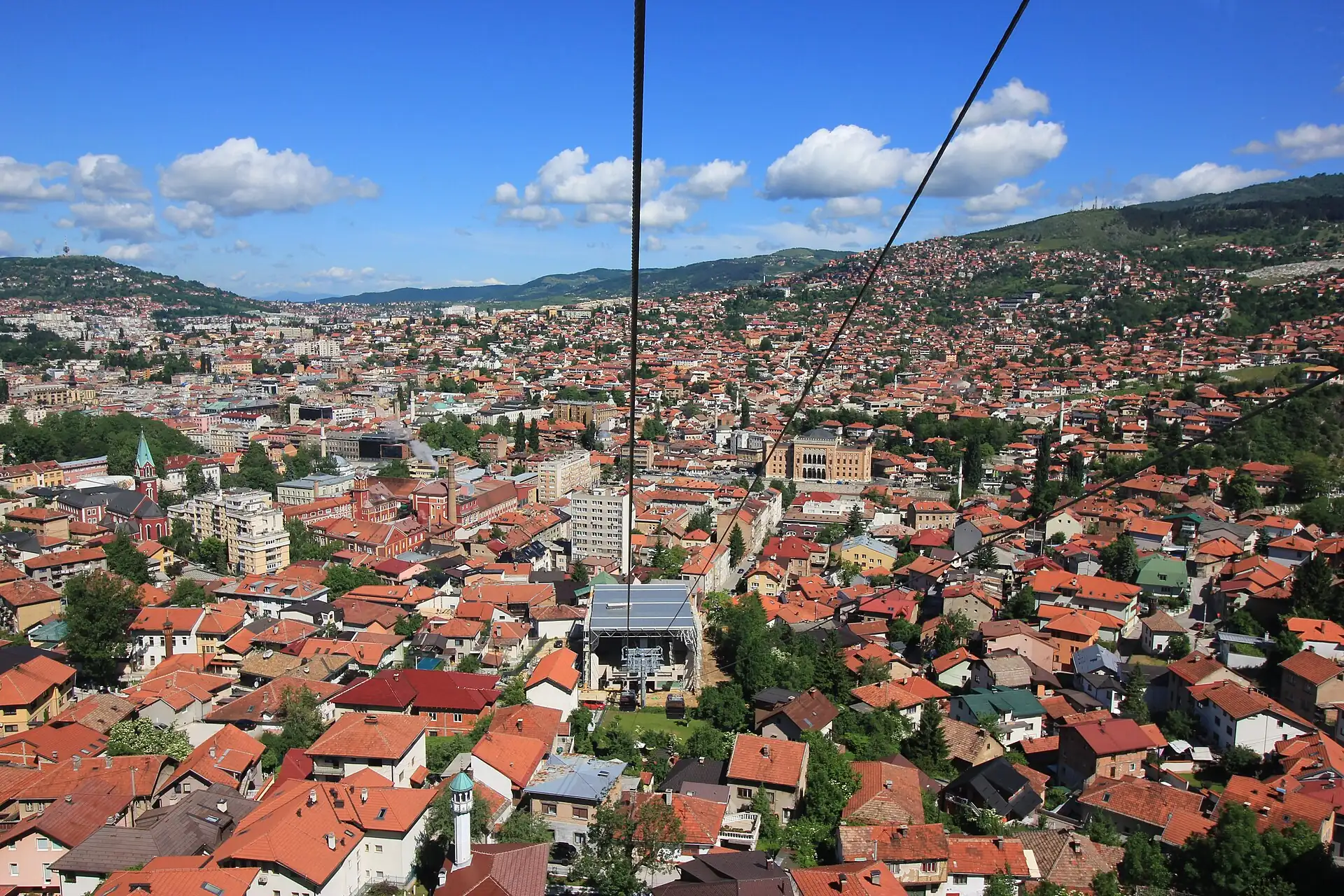
Sarajevo is a valley city: do Baščaršija and the river bridges on foot in the morning, take the tram west for the museums, and carry cash in convertible marks — most stalls and small cafés do not take cards.
Our quick read of Sarajevo, scored 1–5 (friction is out of 100). Cash need: how often you still need notes. Heat risk: how hot days get. Stroller: how easy wheels are. Friction: overall effort for a first visit. Desk judgements, so check before relying on them.
- Local time
- --:--
- Weather
- forecast below
- Currency
- BAM
- Best months
- Mar · Apr · May · Jun · Sep · Oct
- Airport
- Sarajevo (SJJ)
Walking zones: the 4 areas this guide plans a day around. Each is a district you can cover on foot, so you do one zone per half-day and ride the train between them. The code (BS 01, BS 02…) is just the zone's number on the Sarajevo line; the line under each name says how bags fare there and how much time it needs.
Map of Sarajevo
Use the switches to show or hide each kind of pin. A switch that is on shows its pins on the map; tap it again to hide them. "Show only" keeps just the pins that match (for example, places that fit a suitcase). Tap any pin for its name and a link to its page.
- Where to sleep
- Places
- Eat
- Walking clusters
- Rest stops
From the airport Sarajevo (SJJ) to your bed
Tap a pin for its card. Places without their own coordinates are shown by their walking cluster.
Why Sarajevo
Sarajevo's centre is a narrow strip along the Miljacka river, so almost everything of interest is within a 30-minute walk of Baščaršija, and one tram line covers the rest. Trips go wrong on money and on timing: cards fail at bakeries and taxis, and winter smog or a Ramadan evening changes what is open. Four clusters cover a first visit; Mostar and the Neretva valley are a day away, not a walk.
See first
- 1Baščaršija and the Sebilj · 1.5–2 h
- 2
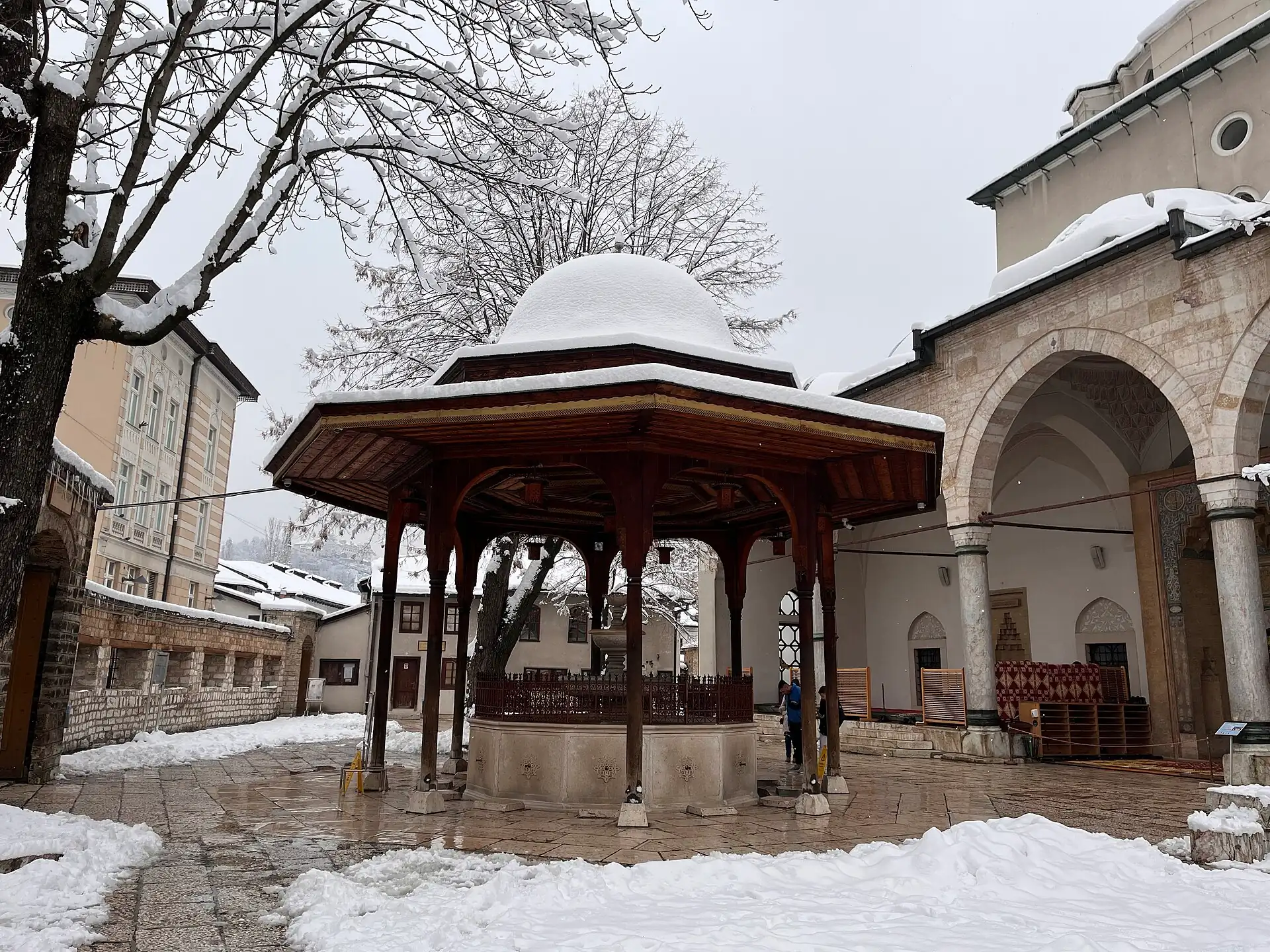 Gazi Husrev-beg Mosque · 30 min
- 3
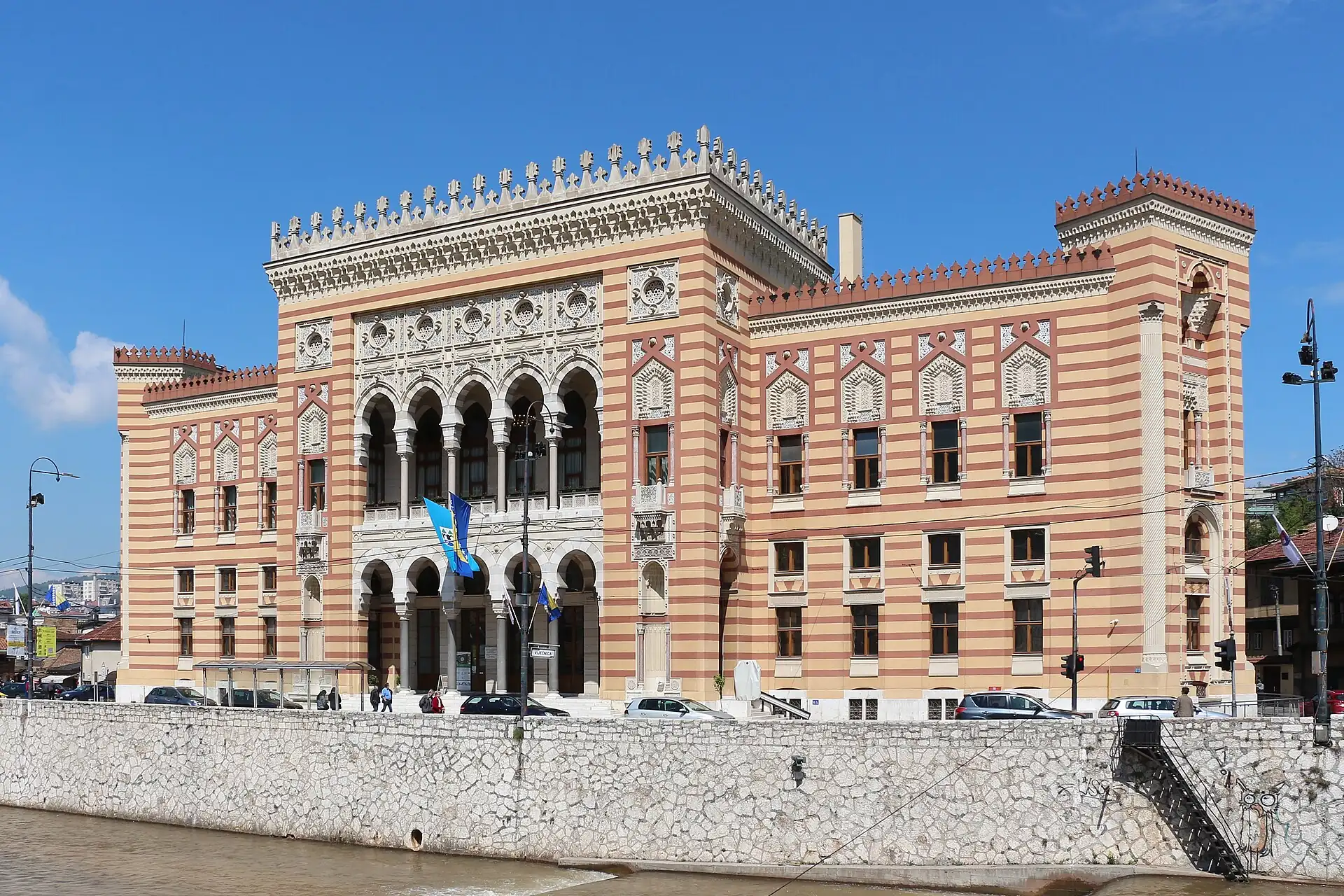 Vijećnica · 45 min
- 4
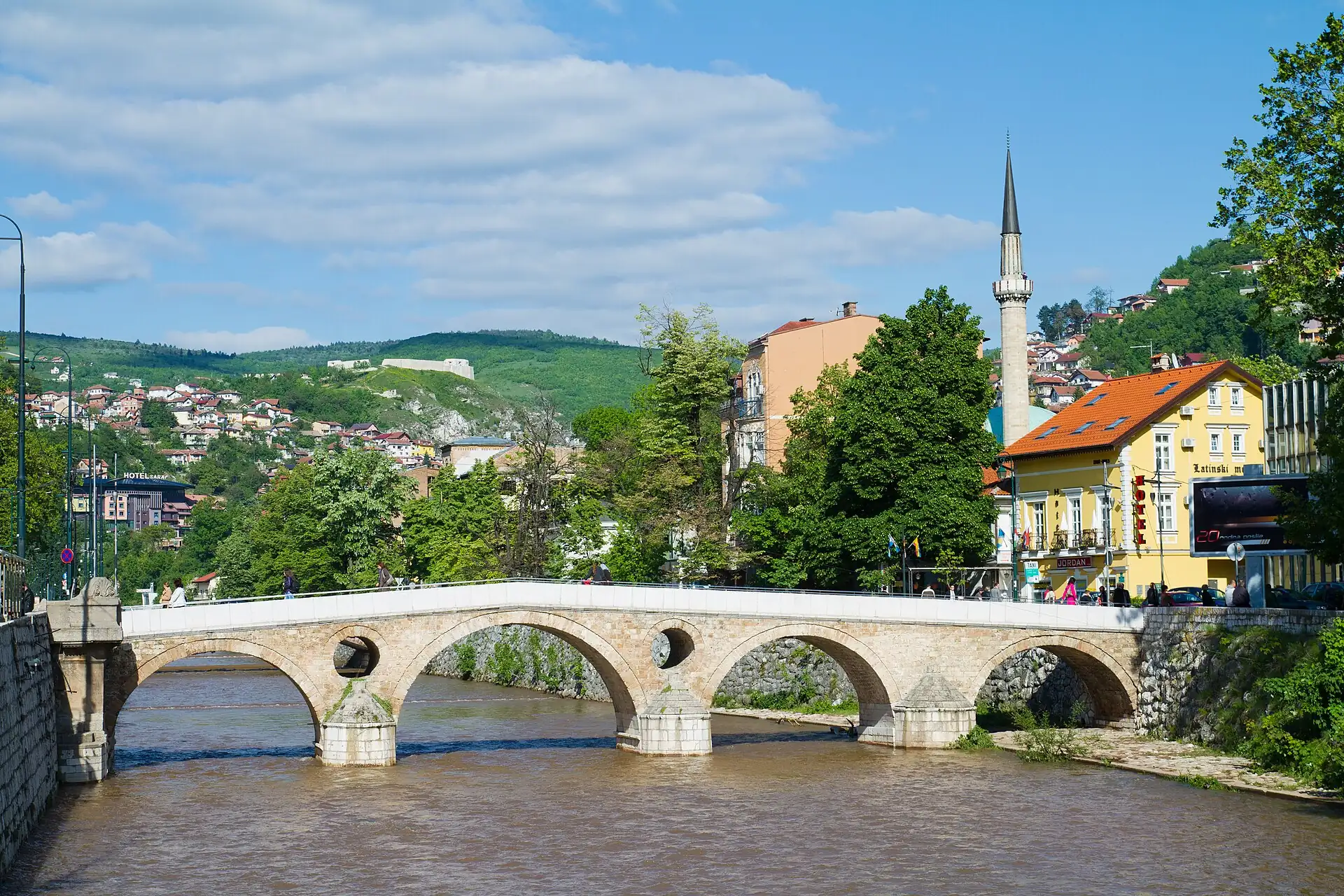 Latin Bridge · 10–30 min
- 5
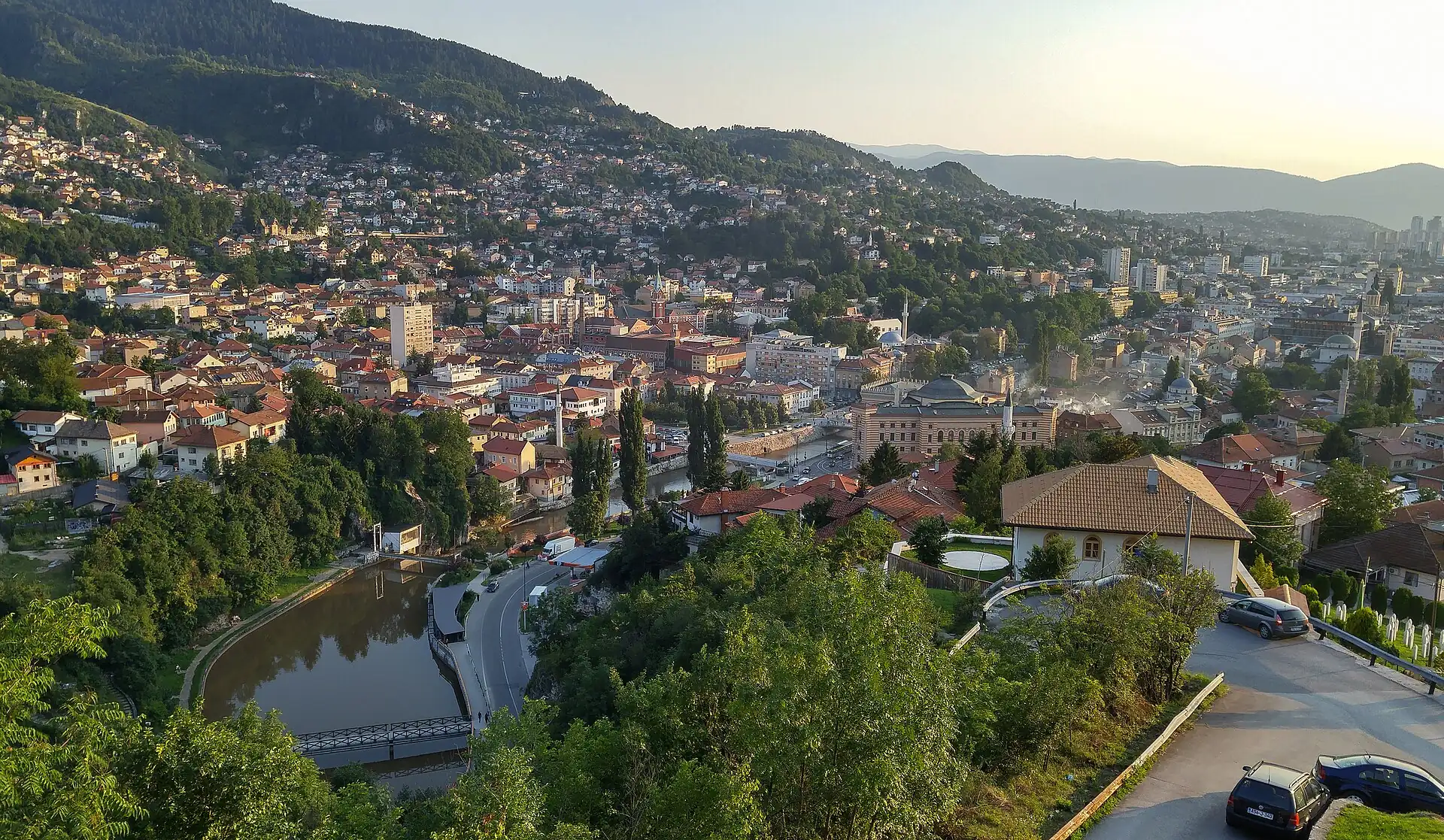 Yellow Fortress at sunset · 1–1.5 h
Fits
- Travellers interested in history and religion
- Coffee and grilled-food walkers
- Short city breaks with a Mostar day trip
- Winter stays with a mountain bailout
Does not fit
- Card-only travellers
- Anyone with breathing issues in December and January smog
- Strollers and wheelchairs on hills and cobbles
How long
- 2 daysBaščaršija and the river bridges, then the Yellow Fortress
- 3 daysFour clusters: bazaar, bridges and cathedral, National Museum, Yellow Fortress
- 5 daysFour clusters + Mostar day trip + one slow café day
Good for
- First timers
- Foodies
- Budget
- Couples
- Solo
- Families
About Sarajevo
Sarajevo lies in a narrow valley on the Miljacka river, ringed by hills that reach 1,000 m. The old town sits at the east end, where the Ottomans founded the city around 1461 and built the bazaar (Baščaršija), mosques and bridges you still walk today. The Austro-Hungarian empire arrived in 1878 and built the pseudo-Moorish city hall (Vijećnica), the cathedral and the wide streets along the river to the west. The result is four eras in one walk: Ottoman, Habsburg, Yugoslav and the new city.
Good to know
- Baščaršija is the old Ottoman bazaar quarter; the modern city centre (Marijin Dvor, Ferhadija) lies to the west along the tram line.
- The Sarajevo Tourism Association runs an information point near the old town (check the current address and hours); staff give maps and can point you to guides.
- Shops signed "Tourist Information" on Baščaršija are usually agencies selling tours; compare prices before booking.
Go deeper 13 min read · 6 chapters
Sarajevo is a small capital in a steep valley, and its history is written in layers you can cross on foot in an hour: an Ottoman bazaar, an Austro-Hungarian avenue, socialist towers, and the marks of a siege that ended in 1996. This deep dive reads those layers one at a time, so a walk from the Sebilj to the Latin Bridge and on to the museums makes sense as a story and not just a list of sights.
1Ottoman city to modern capital2 min
Sarajevo is a young city by European standards. The Ottomans took control of Bosnia in the 1460s, and around 1461 the governor Isa-beg Ishaković set up a new town at a crossing of the Miljacka river, where a trade road met the valley. The name comes from saray, a Turkish word for a palace or a governor’s house. Merchants and craftsmen settled around a market that became Baščaršija, and the city grew quickly as a trading stop between Istanbul, Dubrovnik and the Adriatic.
The great builder of the early period was Gazi Husrev-beg, the governor who completed his mosque in 1531 and paid for a madrasa, a covered market called the Bezistan, a caravanserai and a clock tower. Sarajevo was by then a city of guilds: coppersmiths on Kazandžiluk, saddlers, tanners and goldsmiths each had their own lane, and many of those trade names are still on the street signs. The city was also a refuge. Sephardic Jews expelled from Spain after 1492 settled here in numbers, and the Orthodox and Catholic communities built churches under Ottoman rule.
Ottoman Sarajevo suffered in 1697, when Prince Eugene of Savoy raided the city and burned much of it. Little wood-built housing from before that date survived, which is why the oldest stone buildings, the mosques and bridges, matter so much to the skyline. Through the 18th and 19th centuries the empire weakened, and Bosnia became a place of unrest and reform.
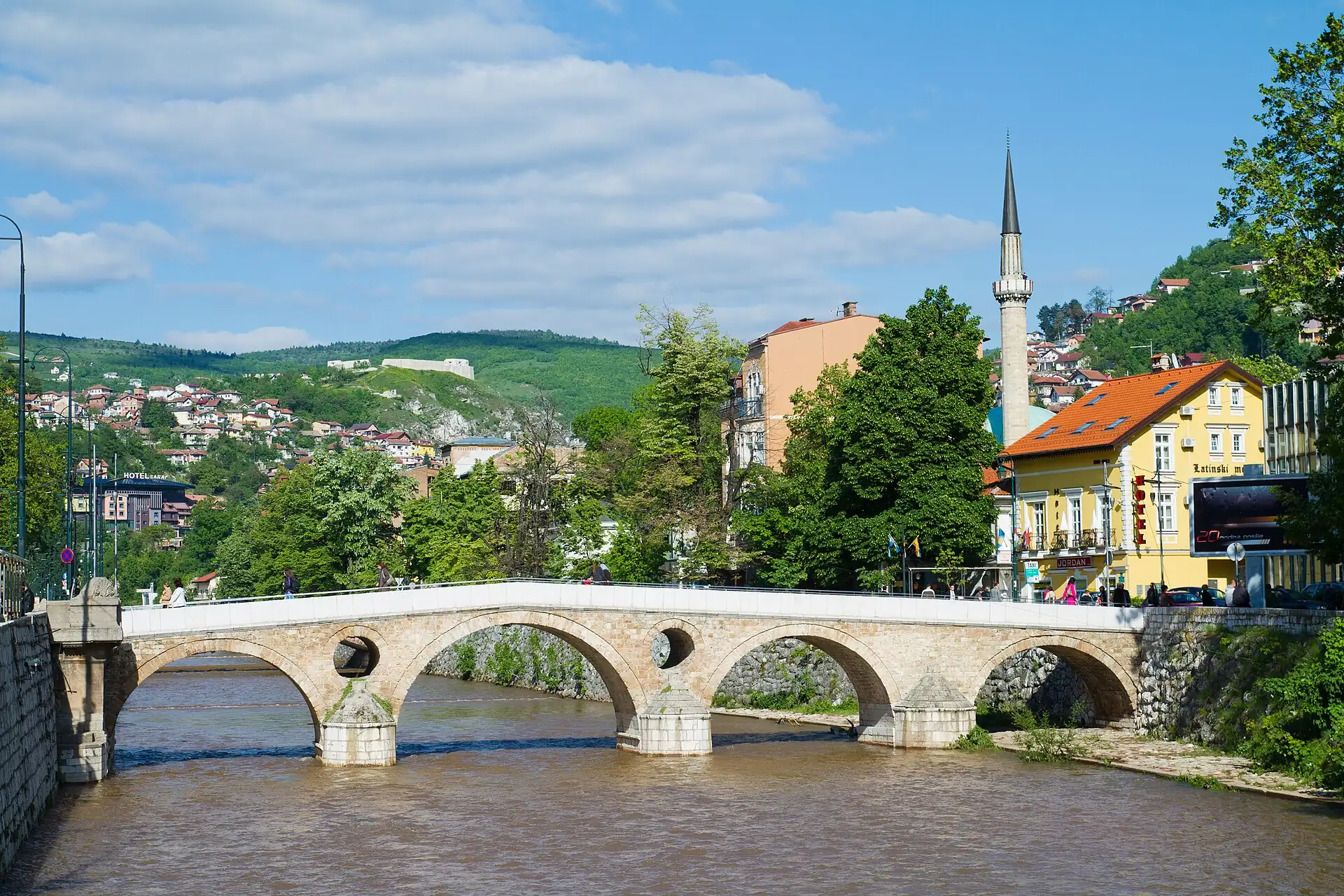
In 1878, after the Congress of Berlin, Austria-Hungary took over the administration of Bosnia and Herzegovina, and Sarajevo changed fast. Engineers laid out straight streets west of the old town, built a tram, put up the neo-Gothic cathedral and the pseudo-Moorish city hall, and set up a national museum. The formal annexation came in 1908. On 28 June 1914 a young Bosnian Serb, Gavrilo Princip, shot Archduke Franz Ferdinand and his wife near the Latin Bridge, and within weeks Europe was at war.
After the war Sarajevo became part of the Kingdom of Yugoslavia, then a city occupied and damaged in the Second World War, when most of its Jewish community was deported and killed. In socialist Yugoslavia the city was rebuilt with wide avenues, tower blocks and factories, and in 1984 it hosted the Winter Olympics, the high point of its modern self-image. The story after 1992 is told in the next chapter. What the old town gives you is the earlier record: streets that have kept their trades and their shape for five centuries.
- Founded
- About 1461 by Isa-beg Ishaković (Ottoman)
- Old-town anchor
- Baščaršija bazaar and the Gazi Husrev-beg Mosque (1531)
- Austro-Hungarian period
- 1878–1918
- Event that started World War I
- Assassination near the Latin Bridge, 28 June 1914
2The siege of Sarajevo, 1992–19962 min
In the spring of 1992, as Yugoslavia broke apart, Bosnia and Herzegovina voted for independence in a referendum and was recognised as a state. Fighting began across the country, and from early April Bosnian Serb forces, positioned on the hills around the valley, began to shell and besiege Sarajevo. The siege lasted until February 1996, about 1,425 days, the longest of a capital city in modern warfare. Around 11,000 people in the city died, many of them civilians, though figures differ by source.
Daily life meant water and heat shortages, shelling and sniper fire on open streets. The wide avenue west of the old town was nicknamed Sniper Alley because gunmen on the hills could shoot at it, and people learned to cross corners at speed. Trams and buses ran only in short stretches. Residents collected water in plastic bottles, burned furniture and books for heat, and ran theatre, art and even a film festival by candlelight. Some of the most repeated attacks happened at the Markale market, where shells killed dozens of people on 5 February 1994 and again on 28 August 1995.
On the night of 25 August 1992 the city hall, which held the national library, was hit by incendiary shells and burned. A large part of the collection was lost, in one of the worst destructions of books in modern Europe. The National Museum and the Oriental Institute were also damaged. In 1993 the defenders dug a tunnel of about 800 m under the airport runway, linking the besieged city with government-held land at Butmir. It carried food, weapons, supplies and people, and a short section is preserved as the Tunnel of Hope museum.
International mediation, the July 1995 killings at Srebrenica, and a NATO air campaign in August and September 1995 helped bring the war toward an end. The Dayton Agreement, signed in December 1995, set up the current structure: two entities, the Federation of Bosnia and Herzegovina and the Republika Srpska, and a joint state. The siege was declared over in February 1996.
The traces are easy to find if you look. The Sarajevo Roses are red resin patches in the pavement where a mortar shell left a mark. Cemeteries of white markers climb the hillsides. Some buildings still have bullet scars, while others have been rebuilt, like the city hall reopened in 2014. Many local people have strong personal stories, so visitors should listen more than they comment, and avoid taking sides in political debates. The museums below give the facts; a good local guide gives the context.
- Duration
- April 1992 to February 1996, about 1,425 days
- Deaths in the city
- About 11,000; sources differ
- Tunnel
- About 800 m under the airport; a short section is a museum
- Peace agreement
- Dayton Agreement, December 1995
3Four faiths within a few hundred metres2 min
Sarajevo is sometimes called the Jerusalem of Europe because a mosque, a Catholic cathedral, an Orthodox church and a synagogue stand within a few hundred metres of each other, and all four have a long record in the city. That is not a slogan but a piece of urban geometry you can walk in ten minutes. The Ottomans left the mosques of the bazaar, the Austrians built the cathedral on the modern avenue, and the Orthodox and Jewish communities kept their old temples in the streets between.
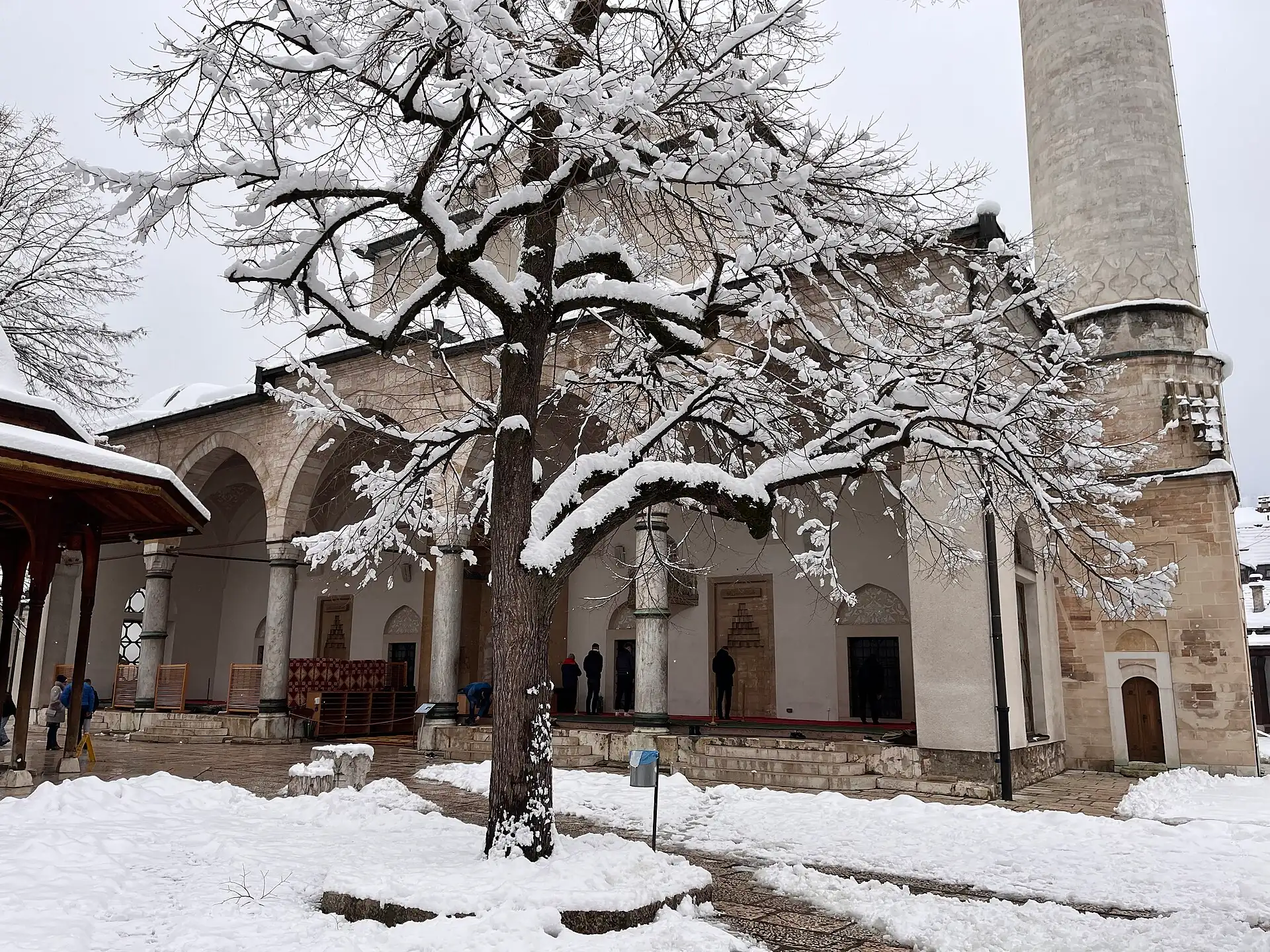
The Muslim community is the largest in the city, and the Gazi Husrev-beg Mosque is its main historic place of worship. Five times a day the call to prayer (ezan) rings out from the minarets; in the evening you also hear church bells. The Sacred Heart Cathedral, completed in the 1880s, serves the Catholic community, and the Old Orthodox Church near the bazaar is one of the oldest Serbian Orthodox churches in the city, with a small museum of icons. The Sephardic Jewish community, which arrived after 1492, left a synagogue and the story of the Sarajevo Haggadah.
The Sarajevo Haggadah is an illuminated Jewish manuscript made in Spain around 1350, brought here by refugees, and now kept in the National Museum. It survived the Second World War when a museum curator smuggled it out of the city, and again in the 1990s, when it was protected during the siege. It is not always on public display, so ask at the museum. The story of the book has become a symbol of the city’s habit of protecting what belongs to all its communities.
Today the population is mostly Bosniak, with Serb, Croat and other communities, and the relationship between them is complicated by the war and by the political structure of the country. Visitors will meet warm hosts and easy conversation, and they will also hear strong opinions. The best approach is to ask questions and listen, avoid political arguments about the 1990s, and not assume who belongs to which group.
The practical etiquette is simple. Dress modestly in religious buildings: cover shoulders and knees, take off your shoes in a mosque, and cover your hair if you are a woman where signs ask. Do not enter during prayers, do not photograph worshippers, and keep your voice down. In the bazaar, the calls to prayer are part of the soundtrack and shops may pause for a few minutes. You can plan a single walk that passes all four traditions: mosque, church, cathedral and synagogue, with coffee between.
- Largest historic mosque
- Gazi Husrev-beg, 1531
- Catholic cathedral
- Sacred Heart Cathedral, 1880s
- Jewish heritage
- Sephardic community since the 1490s; the Sarajevo Haggadah, c. 1350
- Dress in mosques
- Shoulders and knees covered; shoes off; women cover hair where signs ask
4Coffee, burek and ćevapi: eating in Sarajevo2 min
Food in Sarajevo is short and simple, and most of it can be eaten standing or sitting on a plastic stool for less than the cost of a coffee at home. The three foods you will meet on the first day are burek, ćevapi and Bosnian coffee, and each has its own rules that locals take seriously.
Burek is the flaky pie sold in a buregdžinica. In Bosnia the word burek means the meat pie only. Cheese pie is sirnica, spinach is zeljanica and potato is krompiruša, and calling a cheese pie a burek can get a polite correction. You buy a portion by the weight or the size, eat it with a glass of plain yoghurt, and pay in cash. Pies are baked in the morning and often sell out by mid-afternoon, so breakfast is the time to go.
Ćevapi are small grilled sausages of minced beef, served five or ten at a time inside a soft flatbread called somun with raw onion and often a spoon of kajmak, the salty clotted cream. The two most talked-about grills in the bazaar are Željo and Hodžić, and locals argue about which is better. The order is quick: say the number, say sa lukom for onions, and eat. It is a meat dish and there is nothing for vegetarians except side salads, so people who do not eat meat use the bakeries and the market.
Sit-down restaurants like Dveri and Inat Kuća serve the older dishes: bosanski lonac, a slow-cooked stew of meat and vegetables; begova čorba, a creamy chicken and okra soup; sogan-dolma, stuffed onions; and japrak, stuffed vine leaves. Trout from the mountain rivers is common. For dessert, look for baklava, hurmašice (small syrup cakes) and tufahija, a poached apple stuffed with walnut cream.
Coffee is a ritual. Bosnian coffee is boiled in a small copper pot (džezva) and served with a small cup (fildžan), a sugar cube and a glass of water. You pour a little into your cup, let the grounds settle, and sip slowly. It is close to Turkish coffee but locals call it Bosnian coffee, and a coffee here is not a break but a conversation. A good coffee house will let you sit for an hour without pressure. Plan one stop in the morning and one in the afternoon, and make one of them in a busy house on the bazaar.
The market at Markale is the best place to see what people buy: cheese, honey, dried meat, fruit and bread. Go before noon, taste before you buy, and remember that the plaques near the entrance mark the victims of the 1994 and 1995 attacks. Budget about KM 40 to 70 a day for food and coffee, and carry small notes: most counters do not take cards.
- Burek
- Meat pie only; cheese is sirnica, spinach is zeljanica, potato is krompiruša
- Ćevapi
- Five or ten in somun with onion and kajmak
- Bosnian coffee
- Copper džezva, sugar cube, do not stir the grounds
- Budget
- About KM 40–70 a day for food and coffee (2026 estimate)
5Reading the city in stone: Ottoman, Habsburg, socialist2 min
The best way to read Sarajevo’s architecture is to walk west from the Sebilj to the National Museum and watch the styles change under your feet. The walk takes about an hour, and you cross five centuries in a straight line.
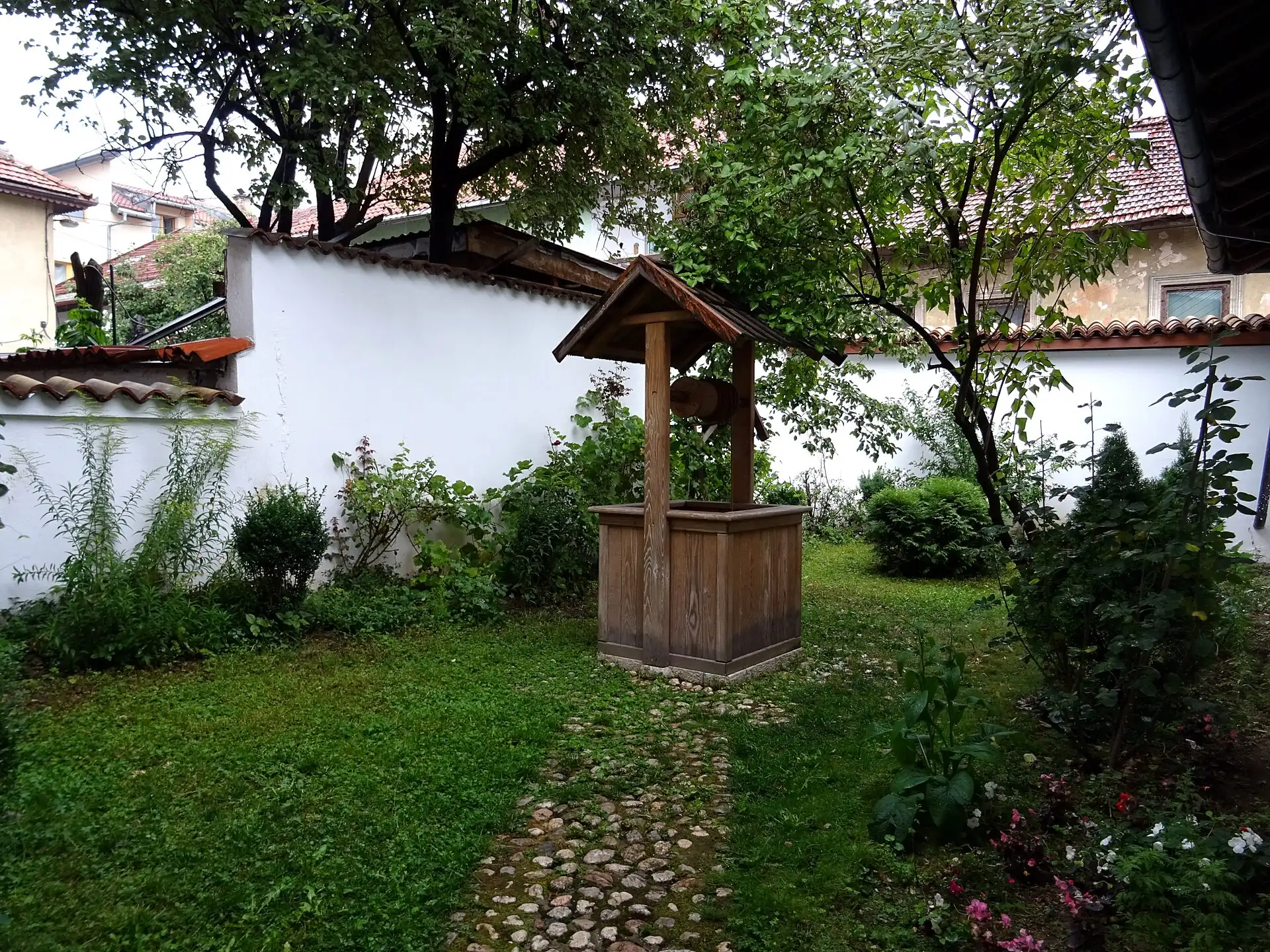
The Ottoman quarter starts at the bazaar. Small single-storey shops with wooden shutters line lanes that follow old trades: Kazandžiluk for coppersmiths, Kundurdžiluk for shoemakers, Sarači for saddle makers. The mosque of Gazi Husrev-beg and the covered Bezistan are stone and lead-roofed, with domes and a single slender minaret. The Svrzo House shows the domestic side, with a courtyard, a separate men’s guest room and women’s rooms, and painted ceilings. The stone bridges over the Miljacka, including the Latin Bridge, are part of the same system.
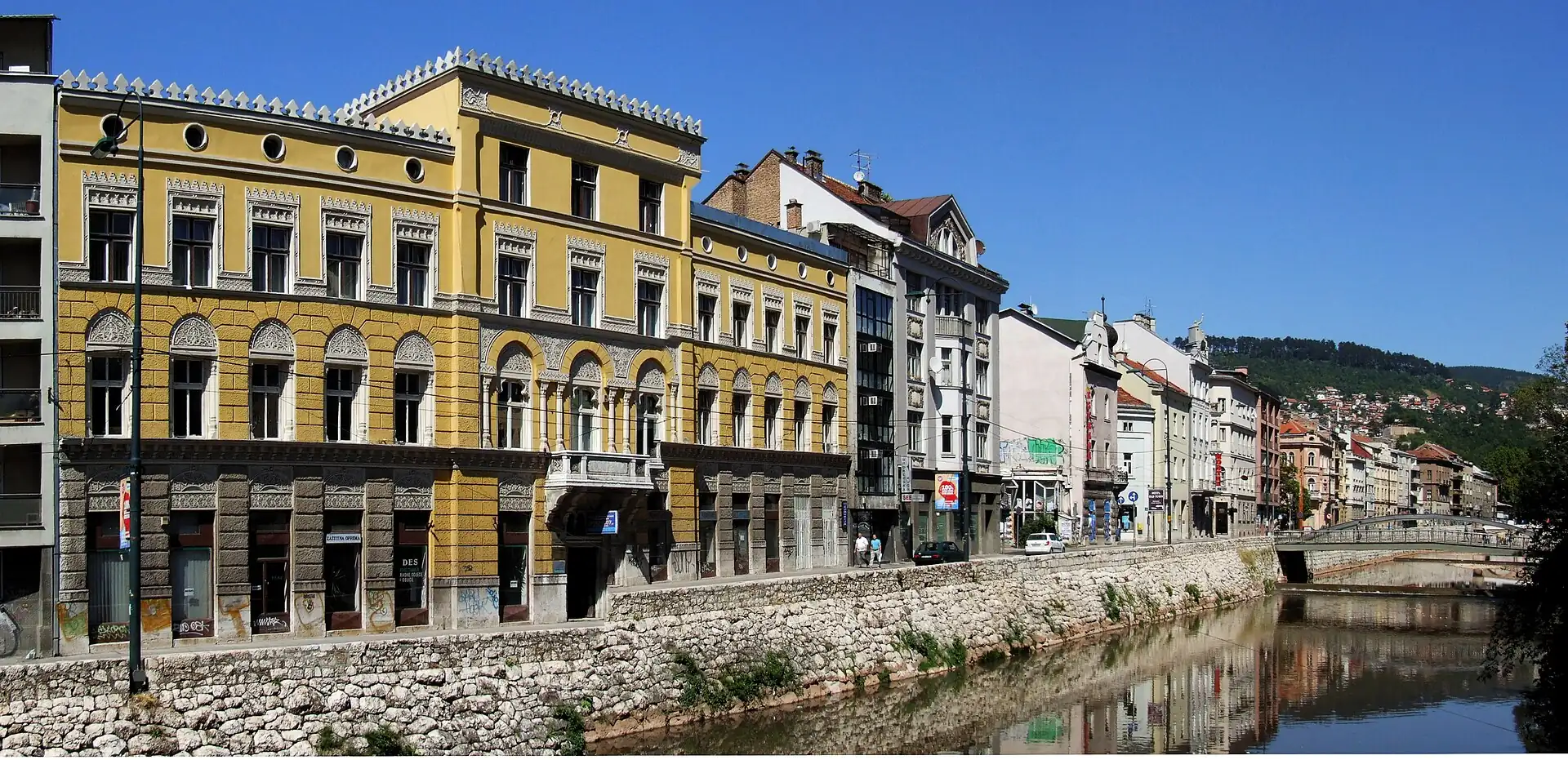
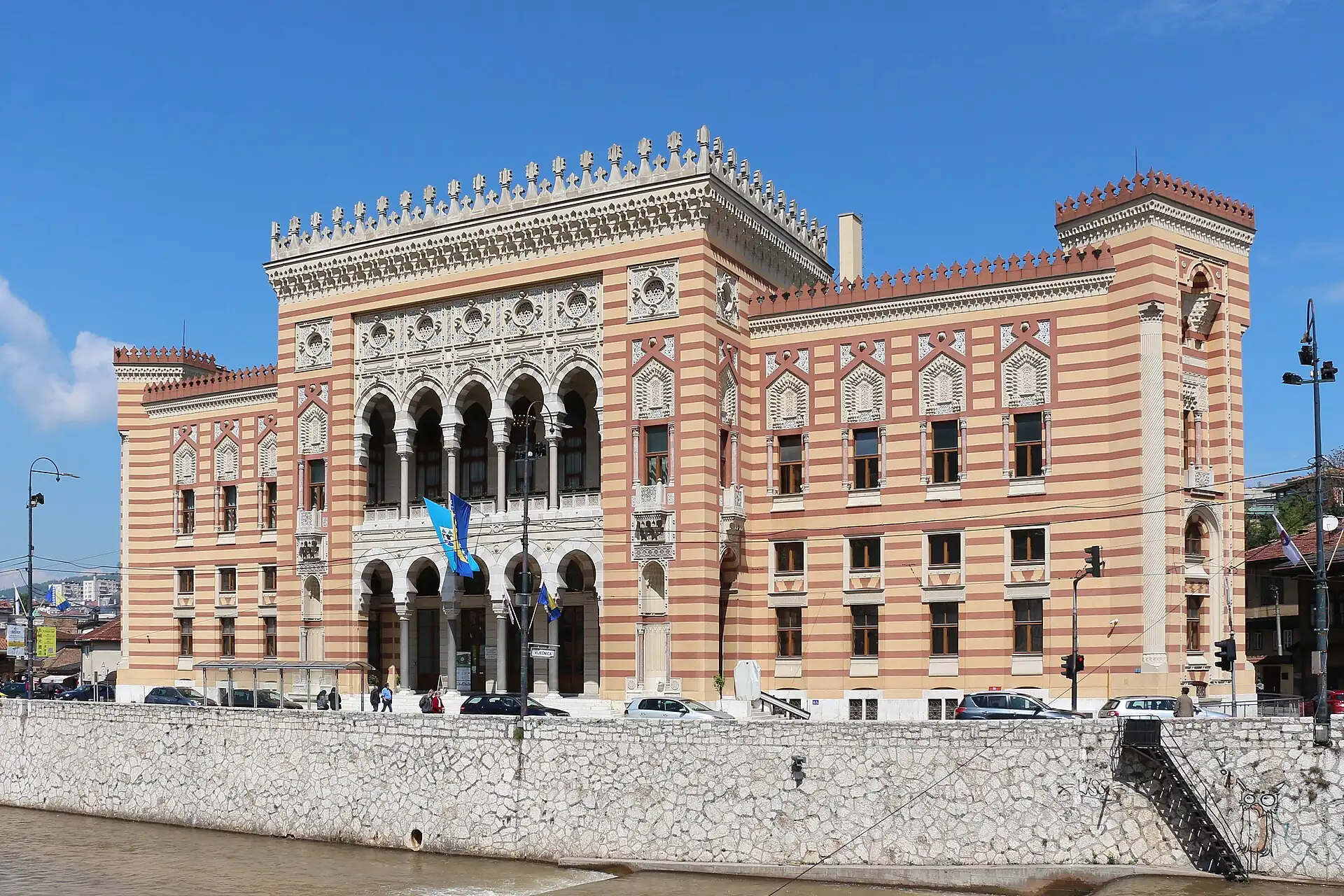
Under Austro-Hungarian rule from 1878 the city grew west along the river. Ferhadija and the streets around it are lined with buildings in the historicist style of Vienna and Budapest: arcades, cornices and balconies. The Sacred Heart Cathedral is neo-Gothic, copying the twin-tower plan of northern European churches. The city hall, the Vijećnica, is a different story: its designers chose a pseudo-Moorish style with horseshoe arches and red-and-cream stripes, an attempt to give the new rulers an Oriental look that fitted Bosnia. The National Museum, built in 1913, is a set of pavilions around a botanical garden, a modern plan for its time.
The socialist period added modernist towers and civic buildings. The twin office towers on the west side of the centre, the sports halls built for the 1984 Winter Olympics and the large post office are examples, and many are still in daily use. Some of the Olympic sites, such as the bobsled track on Trebević, were abandoned after the war and are now covered in graffiti; you can walk them with care, staying on the marked paths.
Then look at the small things that show the city’s recent past: mortar scars filled with red resin, called Sarajevo Roses; bullet marks on façades; and the newest buildings, glass hotels and shopping centres, that came in the 2000s. The mix can feel chaotic, and it is also honest. A good route is to start at the Sebilj, walk to the Vijećnica, cross to Ferhadija, pass the cathedral, ride the tram to Marijin Dvor and end in the museum garden.
- Vijećnica
- Opened 1896 in pseudo-Moorish style; reopened 2014
- National Museum
- Pavilion complex from 1913 around a botanical garden
- Old-town lanes
- Named for crafts: Kazandžiluk (coppersmiths), Kundurdžiluk (shoemakers), Sarači (saddlers)
- Sarajevo Roses
- Red resin marks where mortar shells landed
6The mountains above the city and the 1984 Olympics2 min
Sarajevo sits in a bowl, and the mountains around it shape everything from the weather to the war. Trebević (1,629 m) rises to the south-east, Igman (about 1,500 m) and Bjelašnica (2,067 m) to the south-west, and Jahorina (1,916 m) a little further to the south-east. All four are within an hour of the centre, and in winter they turn the city into a base for skiing.
The 1984 Winter Olympics, held from 8 to 19 February, were the first hosted in a socialist country and a source of great civic pride. Alpine events took place on Jahorina and Bjelašnica, ski jumping on Igman, and bobsled and luge on Trebević. The city built sports halls and hotels for the games, and the mascot, a wolf named Vučko, became a lasting symbol. During the siege of 1992–96 the mountains were used by the besieging forces, and many of the venues were damaged or mined. Some have been rebuilt, but the bobsled track was abandoned.
The Trebević cable car, first opened in 1959, was destroyed in the war and reopened in 2018. It runs from the lower station in Bistrik to the top in about 15 minutes, and a short walk from the upper station leads to the old bobsled track, now a concrete channel with curves covered in graffiti. Stay on the marked paths: outside them, mines were laid and some areas remain uncleared. The view from the top takes in the whole valley, the minarets and the red roofs of the old town.
Winter is the season for skiing on Jahorina and Bjelašnica, from about December to March depending on snow. Lift passes and equipment rental cost less than in the Alps, and the resorts are used by families and beginners. Summer brings hiking and mountain biking; the Bjelašnica area is also the starting point for walks in the Dinaric mountains. The Vrelo Bosne park at the western end of the tram is flat and easy for children, with river springs and horse-drawn carriages.
A good plan is to give the mountains a half day: ride the cable car in the morning when the air is clearest, walk the top for an hour, and be back in the old town for a late lunch. In winter, check the smog; the mountain tops often sit above the layer and give a clean view. Always keep to paths, carry water and a warm layer, and follow local advice on mines and weather. Check the cable car is running: it stops in wind and for maintenance.
- Trebević
- 1,629 m; cable car reopened 2018
- Bjelašnica
- 2,067 m; alpine events in 1984
- Jahorina
- 1,916 m; ski resort, a short drive from the city
- 1984 Winter Olympics
- 8–19 February; bobsled and luge on Trebević
Read, watch, wordsGlossary · Sources
Glossary
| Term | Local | Meaning |
|---|---|---|
| Baščaršija | Baščaršija | The old Ottoman bazaar quarter; the centre of the old town. |
| Sebilj | Sebilj | A wooden fountain pavilion on the main bazaar square. |
| Ćevapi | ćevapi | Small grilled minced-beef sausages served in flatbread. |
| Burek | burek | A meat pie; cheese, spinach and potato pies have their own names. |
| Džezva | džezva | A long-handled copper pot for Bosnian coffee. |
| Somun | somun | A soft round flatbread. |
| Kajmak | kajmak | A salty clotted cream eaten with bread and grilled meat. |
| Vijećnica | Vijećnica | The city hall; a pseudo-Moorish landmark reopened in 2014. |
| Sarajevo Rose | Sarajevska ruža | A red-resin patch in the pavement where a mortar shell landed. |
| Ezan | ezan | The Muslim call to prayer, sounded five times a day. |
Read for this deep dive
Background reading only: the text above is written by Voykit, not copied from these pages.
Rules in force · 9Non-EU visitors get 90 days in any rolling 180-day window…Mine-suspected land still exists in Bosnia and Herzegovin…
- Europe ↗Non-EU visitors get 90 days in any rolling 180-day window, counted across all 29 Schengen states together — not per country; the Entry/Exit System now logs each crossing, so an overstay is detected automatically.
- Europe ↗On the first Schengen entry since EES began, non-EU travellers give four fingerprints and a face photo at the border instead of a passport stamp; there is nothing to apply for or pay in advance.
- Balkans ↗Mine-suspected land still exists in Bosnia and Herzegovina and in pockets of Croatia's former front line: outside towns keep to tarmac and waymarked paths, and treat red triangle signs and taped-off fields as absolute.
- Balkans ↗Serbia refuses onward entry to travellers who reached Kosovo from a third country and then try to cross straight into Serbia; route Kosovo–Serbia legs through North Macedonia or Montenegro, or start the loop in Serbia.
- Balkans ↗Hire cars need written permission from the rental company and valid insurance for every country on the line; Kosovo sells its own border insurance and some contracts exclude Albania, Kosovo or Bosnia outright.
- Bosnia and Herzegovina ↗Bosnia and Herzegovina is outside the EU and Schengen area and sets its own entry rules; check the official requirements for your passport.
- Bosnia and Herzegovina ↗Do not leave paved roads or marked trails in rural areas, and never enter damaged or abandoned buildings: landmine risk remains in places.
- Bosnia and Herzegovina ↗Coastal Croatia and Montenegro connect by bus; allow extra time for border queues in summer.
- Sarajevo area ↗In the mountains around Sarajevo, snow can arrive as early as October and stay into April; check forecasts and road conditions before you go.
Entry rules depend on your passport. Full visa guide
Emergency numbers for Sarajevo112 ▾
Tap a number to call from your phone. These are the numbers listed in this guide; a row marked check has not been verified.
Planning is the full guide. I'm here keeps what is open and the cheat card.
Right now
Checking the weather…
Working out what is open near you…
What is open nowclock, closures, places open
Now in Sarajevo
Local time in Sarajevo
--:--
Loads in your browser · Europe/Sarajevo
This month
Month verdict appears here.
Closed today
See the weekly grid below.
| Weekly closure | Mon | Tue | Wed | Thu | Fri | Sat | Sun |
|---|---|---|---|---|---|---|---|
| National MuseumcheckClosed on Monday in most seasons; confirm the day. | ✕ | · | · | · | · | · | · |
| Svrzo HousecheckSmall house museums often close on Sunday or Monday. | ✕ | · | · | · | · | · | ✕ |
| Gallery 11/07/95checkCheck the hours before you go. | ✕ | · | · | · | · | · | · |
| Markale marketcheckShorter hours on Sunday. | · | · | · | · | · | · | ✕ |
If today is a closure day: Monday: several museums close; use the day for Baščaršija, the river walk and the cable car, and move the National Museum to Tuesday or later. Friday midday: mosques close to sightseeing for prayer. Sunday: many bazaar shops close in the afternoon.
Open every day: Gallery 11/07/95 (Srebrenica memorial), Gazi Husrev-beg Mosque, Latin Bridge, National Museum of Bosnia and Herzegovina, Sacred Heart Cathedral, Sebilj and Baščaršija square, Svrzo House, Trebević cable car, Vijećnica (City Hall), Yellow Fortress (Žuta tabija).
Weekly closures come from our place pages; bank holidays (New Year, Bajram, Christmas, 1 March and 25 November) add closures not shown here.
Open now
The sights and places to eat on our list that are open at this moment, in the city's time, nearest first from where you are staying.
Loads in your browser with the city's local time.
Hours marked (check) are typical, not confirmed. Walking times are straight-line estimates. Open at another time →
Cheat cardthe pocket version
Cheat card
The essentials on one card: save it as an image for your phone, share it, or print it.
Sarajevo
Sarajevo / Сарајево
- Money
- Withdraw marks at bank ATMs (inside banks or malls) in daylight…
- SIM
- Install an eSIM before you fly, or buy a tourist SIM in the city with your passport.
- Ride app
- A taxi app (check what works locally)
- Emergency
- 112 Any emergency · 122 police · 124 ambulance (not 911, 999 or 000)
- Plugs
- Sockets C/F. US/Canada (A/B): adapter · UK/Ireland (G): adapter · Australia/NZ (I): adapter. 230 V: US 120 V-only devices (hair dryers) need a converter; most chargers are dual-voltage.
Say it
- Hello: Dobar dan (doh-bar dahn)
- Thank you: Hvala (hvah-lah)
- One coffee, please: Jednu kafu, molim (yed-noo kah-foo moh-leem)
- How much is this?: Koliko košta? (koh-lee-koh kosh-tah)
- The bill, please: Račun, molim (rah-choon moh-leem)
Top 5
- Baščaršija and the Sebilj
- Gazi Husrev-beg Mosque
- Vijećnica
- Latin Bridge
- Yellow Fortress at sunset
EssentialsQuick answers, what things cost and how to get around
Essentials
Quick answers, what things cost and how to get around
Quick answers
The questions people ask first about Sarajevo, one line each. Tap a card for the full answer.
- Cash or card?Cash for bakeries, cafés, market stalls, taxis and guesthouses; cards in hotels, larger restaurants and shops.
- SIM or eSIMInstall an eSIM before you fly, or buy a tourist SIM in the city with your passport.
- Ride-hailing appcheckA taxi app (check what works locally).
- Tap waterTap water is generally safe; bottled water is cheap and common.
- TippingNot expected; round up in restaurants and cafés or leave about 10% for good service.
- Plugs & powerSockets C/F. US/Canada (A/B): adapter · UK/Ireland (G): adapter · Australia/NZ (I): adapter. 230 V: US 120 V-only devices (hair dryers) need a converter; most chargers are dual-voltage.
Show all 14 answers
- Safe at night?Take more care after dark in Bistrik and Yellow Fortress, Hills and paths outside the city, Vratnik and Kovači.
- What to wearCover shoulders and knees; women cover hair where signs say; remove shoes; do not enter during prayer or photograph people praying.
- Emergency numbers112 Any emergency · 122 police · 124 ambulance (not 911, 999 or 000)
- Your embassycheckUS, UK embassies listed with addresses (check before you go).
- Closed which day?Mon: 3 on our list shut · Sun: 2 on our list shut.
- Sundays & holidaysBazaar shops open from about 08:00–09:00 and close early evening; many close on Sundays.Bazaar shops open from about 8:00 AM–9:00 AM and close early evening; many close on Sundays.
- Rainy-day planRain and snow are short-lived; plan a museum or a coffee house for the wet hour and go out again.
- Landing lateSJJ: pre-booked pickup or metered taxi to the door runs all night.
Cost cheat-sheetwhat everyday things cost
Cost cheat-sheet
Typical prices for the everyday things, as ranges. Change the currency right here; the local price stays first.
2026 desk estimate · check
- CoffeeBosnian coffee in a caféKM 2–4
- Sit-down mealSit-down restaurant main courseKM 15–30
- Beerhalf litreKM 3.5–6
- Taxi, about 5 km (3 mi)Taxi, about 3 mi (5 km)Taxi across the centreCheck the meter is on before you set off.KM 5–12
- Metro or bus rideTram or trolleybus ticketKiosk tickets are cheaper than tickets from the driver (check).KM 1.8–2.5
- SIM or eSIM, a weekTourist SIM or eSIM, about a week of dataKM 15–30
- Museum or sight ticketMuseum or landmark ticketKM 5–15
- Budget bedHostel dorm bed, a night, per personBAM 20
- Mid-range bedHotel or guesthouse double room, a night, per roomBAM 170
- High-end bedHotel or guesthouse double room, a night, per roomBAM 320
A day, not counting the bed: Budget BAM 60 · Mid BAM 130 · High BAM 260
Local prices, with USD next to them (rates 2026-09 (approximate); change it in the header). Ranges are desk estimates: check locally. Every price and the budget calculator →
Source: Prices in Sarajevo
Draft
Written from desk research. Not yet compared with the official source.
No official source is recorded for this figure.
Prices are 2026 desk estimates, not yet compared with an official source. Check on the day.
Not checked in the last 12 months (no check date on file).
DecideWho it suits, the trade-offs and when to go
Decide
Who it suits, the trade-offs and when to go
Best months at a glance
The guide's verdict for each month
Jan
Care
3°C (37°F)37°F (3°C)
Feb
Care
6°C (43°F)43°F (6°C)
Mar
Best
11°C (52°F)52°F (11°C)
Apr
Best
16°C (61°F)61°F (16°C)
May
Best
20°C (68°F)68°F (20°C)
Jun
Best
24°C (75°F)75°F (24°C)
Jul
Care
27°C (81°F)81°F (27°C)
Aug
Care
27°C (81°F)81°F (27°C)
Sep
Best
22°C (72°F)72°F (22°C)
Oct
Best
16°C (61°F)61°F (16°C)
Nov
Care
9°C (48°F)48°F (9°C)
Dec
Care
4°C (39°F)39°F (4°C)
Best: Mar–Jun, Sep–Oct. Mixed: Jul–Aug, Nov–Feb. Month by month →
Warmest Jul (27°C (81°F)81°F (27°C)), coolest Jan (−3°C (27°F)27°F (−3°C) low), wettest May (14 rain days), driest Aug (9). Averages, not a forecast.
Sarajevo across the year
Best-looking months for Sarajevo: May, Jun, Sep.
| Measure | Jan | Feb | Mar | Apr | May | Jun | Jul | Aug | Sep | Oct | Nov | Dec |
|---|---|---|---|---|---|---|---|---|---|---|---|---|
| Weather | Mixed (care) | Mixed (care) | Good (good) | Good (good) | Great (good) | Great (good) | Mixed (care) | Mixed (care) | Great (good) | Good (good) | Mixed (care) | Mixed (care) |
| Crowds | Low (good) | Low (good) | Low (good) | Medium (ok) | Medium (ok) | Medium (ok) | High (care) | High (care) | Medium (ok) | Low (good) | Low (good) | Low (good) |
| Prices | Low (good) | Low (good) | Low (good) | Low (good) | Medium (ok) | Medium (ok) | Medium (ok) | High (care) | Medium (ok) | Low (good) | Low (good) | Low (good) |
| Events | 3 events (ok) | 3 events (ok) | 4 events (ok) | None listed (ok) | 2 events (ok) | None listed (ok) | 2 events (ok) | 1 event (ok) | 1 event (ok) | 1 event (ok) | 2 events (ok) | 3 events (ok) |
Green is good news, amber needs planning, red is a month to avoid; dashed grey with a question mark means our data does not say. Open the year heatmap →
Not checked in the last 12 months (no check date on file).
Source: Months, temperatures and crowds
Draft
Written from desk research. Not yet compared with the official source.
Monthly highs, rain and crowd levels are climate averages and desk estimates for the city, not a forecast.
Understand the cityUnderstand · Districts
Orientation & districts
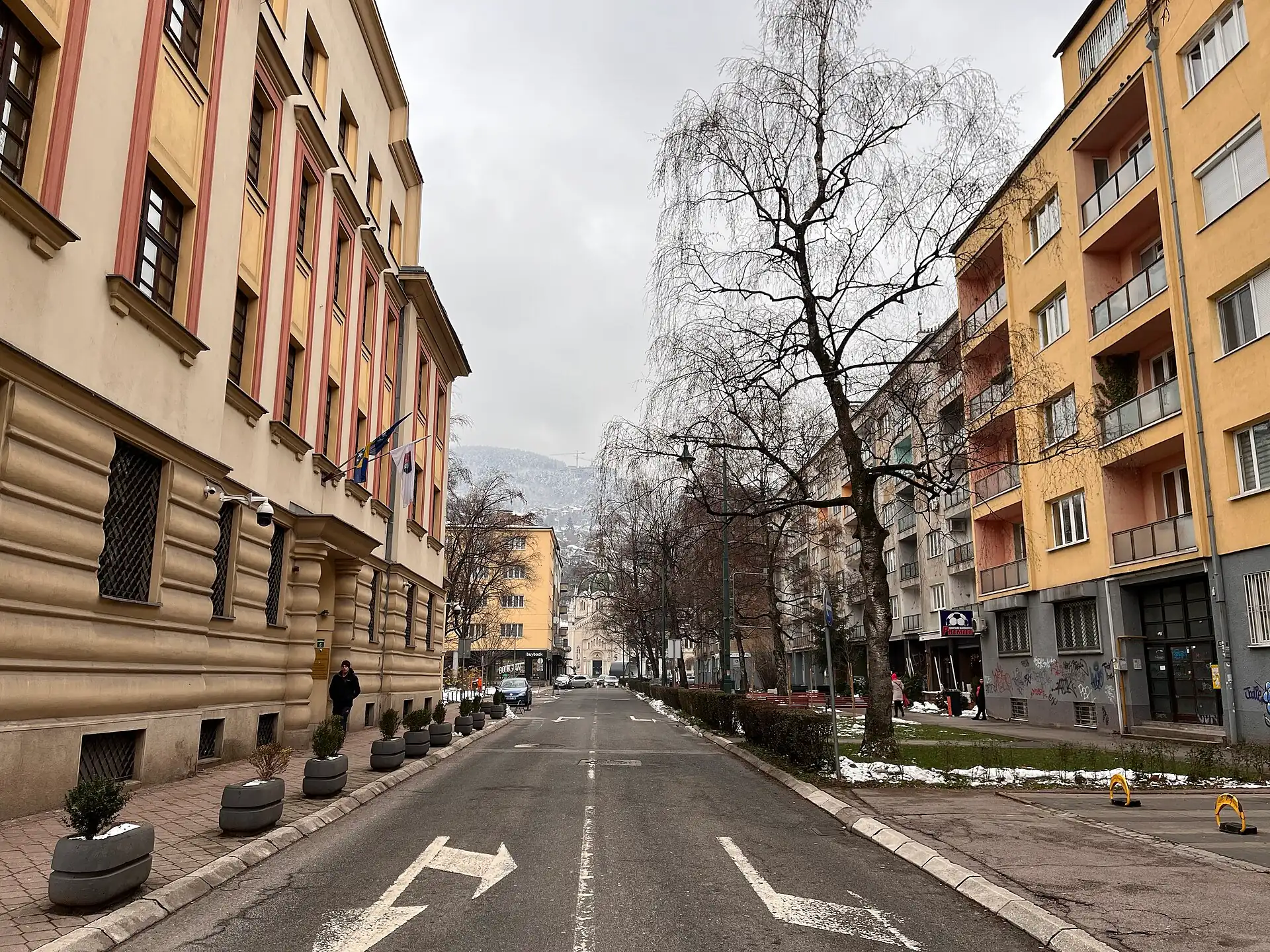
The centre is a strip about 5 km long along the Miljacka. The old Ottoman town (Baščaršija) is at the east end, the Austro-Hungarian streets (Ferhadija, Marijin Dvor) run to the west, and the tram line ties the two together. Steep residential hills (Bistrik, Vratnik, Kovači) rise to the north and south; Ilidža and Vrelo Bosne are at the far west end of the tram.
Streets have Bosnian names; Google Maps and Apple Maps route trams, trolleybuses and walking well. Addresses are written street first, then number.
Shaded shapes: walking areas (click one). Black pins: sleep areas. Grey dots: places. Round badges: arrivals. Click the map to turn on scroll-wheel zoom.
Hover, tap or tab to an area to see what it is like. Pins are sleep areas; arrows at the edge point to the airport.
Off the map: Sarajevo International Airport (SJJ) (25–40 min by the usual route).
Not drawn yet (no coordinates in this guide): Vratnik and Kovači, Ilidža and Vrelo Bosne, Grbavica and Skenderija. They are in the neighbourhood cards below.
Where’s what, as a list:
- Baščaršija and the old town (Baščaršija): Pedestrian lanes, coppersmiths and grills; 5 minutes to the river; noisy at night in summer. Suits: First visit, food, mosques and coffee. Price band $$.
- Ferhadija and the Latin Bridge (Ferhadija): A pedestrian street with cafés between the bazaar and the modern centre. Suits: Cathedral, the bridge and shopping.
- Marijin Dvor and the museums (Marijin Dvor): Bigger hotels with lifts on the tram line, a flatter area and a 10-minute tram to the bazaar. Suits: Business hotels, museums, quiet nights. Price band $$$.
- Bistrik and the Yellow Fortress (Bistrik): Steep lanes above the river, with the cable car station and viewpoints. Suits: Views and the cable car.
- Vratnik and Kovači (Vratnik): Quiet hill quarters with Ottoman gates and cemeteries; walk on a clear morning. Suits: Old walls and cemeteries.
- Ilidža and Vrelo Bosne (Ilidža): A green suburb at the end of the tram, with the river springs and hotels near the airport road. Suits: Families, park visits and the airport side.
- Grbavica and Skenderija (Grbavica): Residential districts south of the river; few sights. Suits: Locals.
- Sleep area Baščaršija: suits First visit, food, mosques and coffee, price band $$.
- Sleep area Marijin Dvor: suits Business hotels, museums, quiet nights, price band $$$.
- Sarajevo International Airport (SJJ), 25–40 min by the usual route.
Neighbourhoods at a glance
One tab per area, pulled together from this guide’s districts table, area notes, sleep-area scores and place pages. Scores are desk judgements (1–5); prices are estimates, check before you book.
Baščaršija and the old town
$$Baščaršija
Pedestrian lanes, coppersmiths and grills; 5 minutes to the river; noisy at night in summer.
- Suits:
- First visit, food, mosques and coffee · First timers, food and history
- Best time:
- Before 10:00 or after 18:00Before 10:00 AM or after 6:00 PM
- Rooms:
- KM 120–260 per room per night (mid-range); more during the Film Festival
Pick this if: First visits, walking to the bazaar and the river
Skip this if: You use a wheelchair or stroller, or carry heavy bags up steep lanes
- Quiet nights2/5 Low
- Nightlife4/5 High
- Families2/5 Low
- Late arrival3/5 Medium
Why these scores
- Quiet nights: Noise until midnight on summer weekends; ask for an inner room.
- Nightlife: Cafés and bars on the doorstep.
- Families: Cobbles and stairs; fine with a carrier.
- Late arrival: Guesthouse doors may lock at midnight: ask for a code or a key.
Getting around from here
- 12–18 min walk to Ferhadija, Latin Bridge and the cathedral
- 20–30 min walk to Bistrik and the Yellow Fortress
- Tram west: about 12 min to Marijin Dvor and the National Museum
Ferhadija and the Latin Bridge
Ferhadija
A pedestrian street with cafés between the bazaar and the modern centre.
- Suits:
- Cathedral, the bridge and shopping
- Best time:
- Morning and evening
Pick this if: Walkers and coffee drinkers
Watch out for: The tram crossing at rush hour.
Getting around from here
- Walk east: about 12 min to Baščaršija bazaar
- Walk or tram west: about 15 min to Marijin Dvor and the National Museum
Marijin Dvor and the museums
$$$Marijin Dvor
Bigger hotels with lifts on the tram line, a flatter area and a 10-minute tram to the bazaar.
- Suits:
- Business hotels, museums, quiet nights · Museum visitors and business travellers
- Best time:
- Weekday mornings
- Rooms:
- KM 150–350 per room per night (mid to upper); more during the Film Festival
Pick this if: Families, late arrivals, easier access and business travel
Skip this if: You want to walk out into the bazaar
- Quiet nights4/5 High
- Nightlife2/5 Low
- Families4/5 High
- Late arrival4/5 High
Why these scores
- Quiet nights: Wider streets and thicker walls; calmer at night.
- Nightlife: Fewer bars; the old town is 10 minutes by tram.
- Families: Lifts, bigger rooms and a flatter area.
- Late arrival: 24-hour desks are the norm.
Getting around from here
- 20–28 min walk to Ferhadija, Latin Bridge and the cathedral
- 30–40 min walk to Baščaršija bazaar
Bistrik and the Yellow Fortress
Bistrik
Steep lanes above the river, with the cable car station and viewpoints.
- Suits:
- Views and the cable car
- Best time:
- Golden hour
Pick this if: Sunset lovers
Watch out for: Icy lanes in winter.
Getting around from here
- Walk downhill: about 15 min to Baščaršija bazaar
Vratnik and Kovači
Vratnik
Quiet hill quarters with Ottoman gates and cemeteries; walk on a clear morning.
- Suits:
- Old walls and cemeteries
- Best time:
- Morning
Pick this if: Reflective walkers
Watch out for: After dark.
Ilidža and Vrelo Bosne
Ilidža
A green suburb at the end of the tram, with the river springs and hotels near the airport road.
- Suits:
- Families, park visits and the airport side
- Best time:
- Morning
Pick this if: Families and picnics
Watch out for: Weekend afternoons in summer.
Grbavica and Skenderija
Grbavica
Residential districts south of the river; few sights.
- Suits:
- Locals
Decide
The honest trade-off: what you will enjoy, what will wear you down.
You will like
- Ottoman bazaar and coffee culture
- Compact centre
- History that you can see on the street
You will hate
- Cash-only stalls
- Winter smog
- Hills and cobbles with bags
Similar citiesif this one is not quite right
Similar cities
If Sarajevo does not fit your dates or budget, these match it on season, cost and feel.
- Zagreb
Croatia
- Good in the same months: Mar, Apr, May, Jun and 2 more
- Works well for first-timers, food trips, tight budgets
- A similar climate through the year
- Belgrade
Serbia
- Good in the same months: Mar, Apr, May, Jun and 2 more
- Works well for first-timers, food trips, tight budgets
- A similar climate through the year
- Prague
Czech Republic
- Good in the same months: Mar, Apr, May, Jun and 2 more
- Works well for first-timers, tight budgets, couples
- A similar climate through the year
When
Best months: Mar, Apr, May, Jun, Sep, Oct. Month-by-month verdicts below, with the live forecast first. When to go, month by month →
Sarajevo: next 7 days
Loading forecast…
Forecast: Open-Meteo (CC BY 4.0), model data for this point.
Air quality
Loading…
Model estimate (CAMS via Open-Meteo), not a street-level station; readings near busy roads run higher.
Month by month, all 12best Mar, Apr, May, Jun, Sep, Oct
Cold; smog on some days.
Cold; smog and snow.
Cool; light snow possible.
Mild; good walking.
Warm and green; good month.
Warm; long days.
Hot afternoons; the valley traps heat.
Hot; Film Festival fills hotels mid-month.
Warm and settled.
Crisp; good walking.
Cold and grey; smog builds.
Cold; smog; New Year crowds.
Climate, calendar and eventsClimate · Calendar · Events · Packing by season
Climate
| Jan | Feb | Mar | Apr | May | Jun | Jul | Aug | Sep | Oct | Nov | Dec | |
|---|---|---|---|---|---|---|---|---|---|---|---|---|
| High | 3°C (37°F)37°F (3°C) | 6°C (43°F)43°F (6°C) | 11°C (52°F)52°F (11°C) | 16°C (61°F)61°F (16°C) | 20°C (68°F)68°F (20°C) | 24°C (75°F)75°F (24°C) | 27°C (81°F)81°F (27°C) | 27°C (81°F)81°F (27°C) | 22°C (72°F)72°F (22°C) | 16°C (61°F)61°F (16°C) | 9°C (48°F)48°F (9°C) | 4°C (39°F)39°F (4°C) |
| Low | −3°C (27°F)27°F (−3°C) | −2°C (28°F)28°F (−2°C) | 1°C (34°F)34°F (1°C) | 5°C (41°F)41°F (5°C) | 9°C (48°F)48°F (9°C) | 12°C (54°F)54°F (12°C) | 14°C (57°F)57°F (14°C) | 14°C (57°F)57°F (14°C) | 10°C (50°F)50°F (10°C) | 6°C (43°F)43°F (6°C) | 2°C (36°F)36°F (2°C) | −1°C (30°F)30°F (−1°C) |
| Rain days | 13 | 12 | 12 | 13 | 14 | 13 | 10 | 9 | 9 | 10 | 12 | 13 |
| Verdict |
- April to June and September to October are the best months: mild days for walking and few crowds.
- December to February is cold, and still days trap smog in the valley; check an air-quality app and take a mask if you have asthma.
- July and August reach 30 °C (86 °F) in the valley with cool nights; the old town shades well, and the mountains are 10 °C (18 °F) cooler.July and August reach 86 °F (30 °C) in the valley with cool nights; the old town shades well, and the mountains are 18 °F (10 °C) cooler.
- Snow closes the steep lanes above Baščaršija; the tram and the main streets stay open.
Events by month
New Year and Orthodox Christmas
holiday1 January and 7 January (public holidays for some communities) · Whole city(check dates)
Some shops and restaurants close; cafés and hotels are busy.
Sarajevo Winter Festival
festivalLate winter (check) · Theatres and venues in the centre(check dates)
Music, theatre and film events across the city.
Independence Day (1 March)
holiday1 March · Whole city(check dates)
A holiday with some closures.
Ramadan (dates move each year)
religiousAbout 30 days, roughly 11 days earlier each year; in 2027 mid-February to mid-March (check) · Whole city(check dates)
Some cafés and restaurants change hours; iftar at sunset; the bazaar is lively after dark.
Bajram (Eid al-Fitr)
religiousMoves each year; about mid-March in 2027 (check) · Whole city(check dates)
Public holiday; shops and mosques are busy in the morning.
Labour Day
holiday1–2 May · Whole city(check dates)
Closures and picnics in the hills.
Kurban Bajram (Eid al-Adha)
religiousMoves each year; about mid-May in 2027 (check) · Whole city(check dates)
Holiday; many shops closed for a day or two.
Baščaršija Nights
festivalJuly (check) · Old town venues(check dates)
A month of concerts and shows in the bazaar; crowded evenings.
Srebrenica memorial day
culture11 July · Sarajevo and Potočari(check dates)
Solemn observances; expect quiet streets and respect for mourners.
Sarajevo Film Festival
festivalMid-August (check) · Cinemas and squares(check dates)
Hotels full and crowds in the evening; book early.
MESS theatre festival
cultureAutumn (check) · Theatres in the centre(check dates)
Performances for a few weeks.
Sarajevo Jazz Festival
festivalNovember (check) · Concert venues(check dates)
Evening concerts.
Statehood Day (25 November)
holiday25 November · Whole city(check dates)
Holiday; some closures.
Christmas and New Year markets
seasonLate December · Baščaršija and Ferhadija(check dates)
Lights and stalls; cold and busy.
Winter smog season
seasonDecember to February · The valley(check dates)
Poor air on still days; check an air app.
Festivals and events that change the plan
| When | What | Effect on your plan |
|---|---|---|
| Mid-Aug | Sarajevo Film Festival | Hotels in the centre are full and evening streets are crowded; book early. |
| Ramadan (dates move each year) | Ramadan | Some cafés and restaurants change hours; the evening meal (iftar) begins at sunset and the bazaar is busy after dark. |
| Late Dec–Jan | Winter and New Year | Cold, smog days and busy restaurants; book tables and rooms early. |
| Jul 11 | Srebrenica memorial day | Solemn observances across the country; treat with respect and expect quiet streets. |
What to pack, by season
From Sarajevo’s own climate table: the coldest, warmest and wettest three months, and what to bring for each.
Coldest months
Dec–Feb
-2° to 4°
Warm coat, hat, gloves and a thermal layer.
Warmest months
Jun–Aug
13° to 26°
Light clothes, sunglasses and sunscreen; a thin layer for air conditioning.
Wettest months
Apr–Jun
13 rain days a month
A compact umbrella or rain jacket and shoes that can get wet.
Arrive & moveGetting in, getting around, and your bags
Arrive & move
Getting in, getting around, and your bags
I land at…
Enter your landing time: what still runs from the airport, where you can eat when you get in, and which areas let you check in that late.
Sarajevo International Airport (SJJ)
Out of the airport about 23:5111:51 PM (00:52 (next day)12:52 AM (next day) if immigration and bags are slow); in town about 00:16 (next day)12:16 AM (next day).
Transport from the airport
- Any hourPre-booked pickup or metered taxi to the door. Runs all night.
- Last resortOvernight near the airport. If nothing else works.
Places to eat open when you get in
None of the 8 places with published hours is open then. Plan on a convenience store or your hotel. What is open late →
Where to sleep with a late arrival
- Lets you inBaščaršija 24-hour desk. Guesthouse doors may lock at midnight: ask for a code or a key.
- Lets you inMarijin Dvor 24-hour desk. 24-hour desks are the norm.
Typical times from our airport data, not a timetable: check the last departure on the day. Full airport-to-bed plan for Sarajevo International Airport (SJJ) →
Arrive
Each gateway has its own airport-to-bed page with timings and the last safe connection.
Getting in, in detailGet in
Get in by rail and road
| Station | Mode | Serves | Where | To the centre |
|---|---|---|---|---|
| Sarajevo Railway StationŽeljeznička stanica Sarajevouse | Train | Mostar and Konjic (scenic line), Zenica and the north (check the timetable) | West of the old town, next to the main bus station · Near Put života | Taxi about 8–10 min to Baščaršija; tram or trolleybus link nearby (check)Few trains a day; the Mostar line is scenic but slower than the bus. Check the timetable and buy at the station or online. |
| Main Bus StationAutobuska stanica Sarajevouse | Bus | Mostar, Zagreb, Belgrade, Dubrovnik, Split, Podgorica and most towns in the Federation | Next to the railway station on Put života · Near Put života | Taxi about KM 5–10; ask for the meterBuy tickets at the counter or online; carry your passport for international routes. |
| East Sarajevo (Lukavica) Bus StationAutobuska stanica Istočno Sarajevook | Bus | Trebinje, Višegrad, Foča, Banja Luka and Serb-entity towns | On the east side of the city, in Republika Srpska · East Sarajevo | Taxi about 20–30 min or a city bus (check)A separate station for Republika Srpska routes; confirm which station your bus uses. |
- Book the Mostar train or bus a day ahead in summer; both sell out on weekends.
- International buses cross borders with a passport check; allow extra time at the frontier.
- Trains are slow and infrequent: use them for the scenery rather than the schedule.
Move
The default way around, when a pass pays off, and when the last trains go.
- Default
- Walk inside a cluster and along the river; tram or taxi between the bazaar and the museums to the west.
- Passes
- No pass. Single tram tickets are cheap; taxis are metered and inexpensive for short rides.
- Last trains
- Trams stop late in the evening; taxis run all night and are the fallback (agree that the meter is on).desk estimate
- Other modes
- Other modes (Rome2Rio) ↗
Getting around, in detailGet around · Connect
Get around
Walk inside the old town and along the river, ride the tram between the bazaar and Marijin Dvor, and take a taxi to the hills. The centre is 2 km (1.2 mi) end to end, and the tram covers the west.Walk inside the old town and along the river, ride the tram between the bazaar and Marijin Dvor, and take a taxi to the hills. The centre is 1.2 mi (2 km) end to end, and the tram covers the west.
| Mode | Verdict | Fare | Use it for | What breaks |
|---|---|---|---|---|
| Walking | use | Free | Baščaršija, the river, Ferhadija and the Latin Bridge | Allow 10–15 minutes between clusters; cobbles and hills slow you down. |
| Tram | use | About KM 1.8–2.5 (check) | Baščaršija ↔ Marijin Dvor ↔ Ilidža | Buy a ticket from a kiosk (cheaper) or the driver; validate it on board. |
| Trolleybus and bus | ok | About KM 1.8–2.5 (check) | The hills and suburbs the tram does not reach | Use Google Maps for the route; the driver sells tickets. |
| Taxi | use | KM 5–12 across the centre | Bags, the airport, the hills and late night | Use a marked taxi and ask for the meter; ask the hotel for a number. |
| Trebević cable car | ok | About KM 15–25 return (check) | The mountain view | Weather can stop the line. |
| Car hire | avoid | From about KM 60 a day | Day trips outside the city | Parking in the centre is hard and one-way streets confuse; use a taxi in town. |
| Bike or scooter | maybe | Check | River path on flat sections | Hills and cobbles limit this option. |
City buses a visitor actually uses
| Bus | Route | Useful for | Fare | Note |
|---|---|---|---|---|
| Trolleybuses (1xx numbers) | The centre and hill suburbs | Steep neighbourhoods | About KM 1.8–2.5 (check) | Check the map for your stop.(check) |
| City buses | Suburbs and the airport road (check the route) | Cheap rides | About KM 1.8–2.5 (check) | A taxi is simpler for the airport.(check) |
Taxis and ride-hailing
Marked metered taxis
metered
The standard option; ask for the meter before you set off.
Radio taxi through the hotel
metered
Ask the hotel to phone a taxi and confirm a price.
Airport taxi
airport
KM 20–30 to the old town; agree the meter or a fixed price.
A local taxi app (check what works)
app
Ask the hotel which app is current.
On foot and car-free hours
| Where | When | Note |
|---|---|---|
| Baščaršija and Sarači | All day | Pedestrian; crowded from 11:00.Pedestrian; crowded from 11:00 AM. |
| Ferhadija street | All day | Pedestrian, with the tram crossing at both ends. |
| The Miljacka river promenade | Day and evening | A flat stroll between bridges; lit at night. |
More on getting around
Addresses are written street name first, then number. Old-town lanes are pedestrian: taxis drop at the edge, so give the nearest street.
Connect
| Option | Verdict | What breaks |
|---|---|---|
| Tourist eSIM bought before you fly | use | No counter or queue; data only on most plans. |
| BH Telecom, m:tel or HT Eronet shop in the centre | use | Bring your passport; prepaid SIMs cost about KM 15–30 (2026 estimate). |
| Airport kiosks | caution | Convenient but pricier; test data before you leave. |
| Roaming on a US, UK or EU plan | caution | Bosnia is outside EU roaming; check charges with your carrier. |
Google Maps or Apple Maps
Walking, tram, trolleybus
Works well; save an offline map.
A taxi app (check what works locally)
Taxis
Ask your hotel which app or radio taxi to use; confirm the meter.
Google Translate
Menus and signs
Download Bosnian offline; menus are in Latin script, with some Cyrillic.
A local air-quality app
Winter smog
Check the daily reading from December to February.
- Wi-Fi
- Free in most cafés, hotels and museums; ask for the password.
- Power
- 230 V; type C and F sockets; bring an adapter for US and UK plugs.
Luggage
Where big bags are a problem, and how to get rid of them for the day.
Rule
- Lockers
- Few public lockers; hotels and guesthouses hold bags after check-out.
- Forwarding
- No forwarding culture; keep the big bag at the Sarajevo hotel for day trips to Mostar.
- Dead zone
- Late check-out flights: ask the hotel to hold bags; the airport is about 20 minutes by taxi.
Bags, area by area
4 walking areas rated
- Bags forbidden
- Bags painful
- Bags ok
Ferhadija, Latin Bridge and the cathedralMarijin Dvor and the National Museum
Lockers, forwarding and the gap between check-out and check-in are covered once, under Luggage.
See & doWalking clusters, day plans and the places worth the time
See & do
Walking clusters, day plans and the places worth the time
Clusters
Plan by cluster: each is a walkable area with a rescue point and a bag rule.
Morning cluster: the Sebilj fountain, the copper-workers' street, the Gazi Husrev-beg mosque and a Bosnian coffee; flat and cobbled, crowded at midday.
rescue 100% · max p90 5.5′ · half
Late-morning cluster: the pedestrian street, the bridge where the 1914 assassination took place, and the cathedral; flat and easy on foot.
rescue 100% · max p90 5.5′ · half
Museum-day cluster: the National Museum, its botanical garden and the Historical Museum, on the flat tram corridor west of the centre.
rescue 100% · max p90 5.5′ · half
Evening cluster: the steep lanes up to the Yellow Fortress for the sunset view; uphill, stony, and best in dry weather.
rescue 100% · max p90 5.9′ · 90m
Days
Ready-made day plans, timed against opening hours and walking distances.
How long are you staying?
Loose outlines in the city’s rhythm: bazaar in the morning, museums when it rains, the hill at sunset. The timed day plan checks opening days and walking.
1 day
A stopover or a day before a bus trip
- 09:00Sebilj and Baščaršija square — Sebilj and the bazaar lanes
- 10:30Gazi Husrev-beg Mosque — Gazi Husrev-beg Mosque
- 12:00Ćevabdžinica Hodžić — Ćevapi lunch
- 13:30Vijećnica (City Hall) — Vijećnica and the river walk
- 15:30Latin Bridge — Latin Bridge and Ferhadija
- 18:30Yellow Fortress (Žuta tabija) — Yellow Fortress at sunset
Skip: The museums, the cable car and Mostar: all need more time.
Sarajevo in 3 days
3 daysBazaar in the morning, bridges and the cathedral in the middle, the fortress at the start of the last day; the last day ends with the bags already in the car.
Day by day
Day 1 — Baščaršija, the mosque, a 12:30 lunch table
- 08:30Gazi Husrev-beg Mosque
- Vijećnica (City Hall) (optional)
- Sebilj and Baščaršija square (optional)
- 12:30Lunch table 12:30 (Baščaršija)
Day 2 — Latin Bridge, Ferhadija and the cathedral, burek
Day 3 — Yellow Fortress, car to the airport at 11:30
- 08:00Yellow Fortress (Žuta tabija)
- 11:30Car to the airport at 11:30
Places
“Best time” is when to arrive for the fewest crowds, for example “before 08:30”; “Go any time” means the hour makes little difference. More sights follow under “More sights and museums”.
10 places. Filters use the guide’s own ratings; a place with no rating is left out when a filter is on.
Show 4 more placesShow fewer
Tours, classes and shows in Sarajevo →
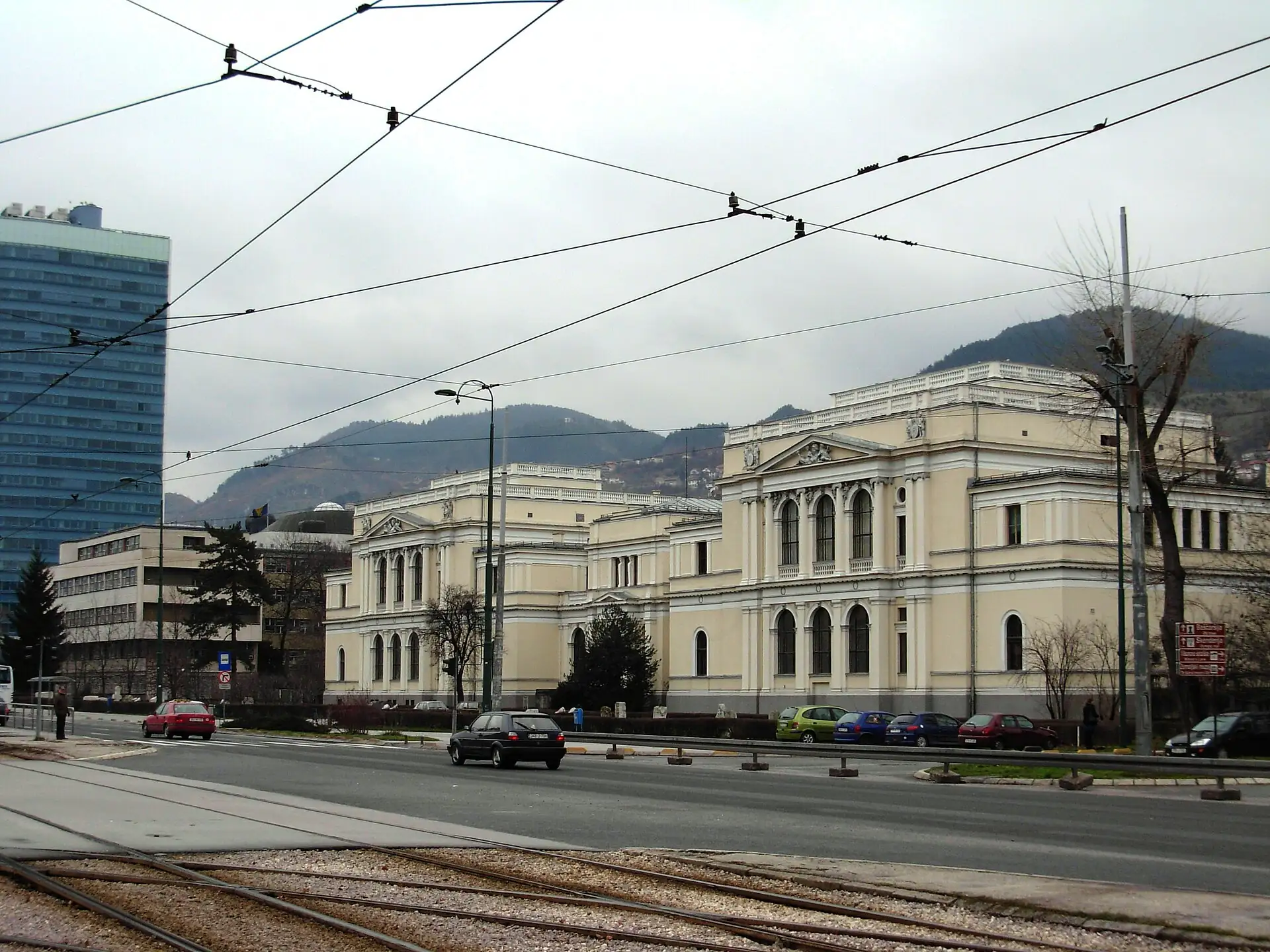
If you do ten things in Sarajevo
Ranked for a first visit of 2–4 days. Prices are 2026 estimates; hours marked (check) still need confirmation.
- 1
The old bazaar and the reason to visit: lanes, workshops and coffee.
- Time
- 1.5–2 h
- Best
- Before 10:00
- Cost
- Free
- 2
The largest historic mosque in the country and a quiet courtyard.
- Time
- 30 min
- Best
- Morning outside prayer
- Cost
- About KM 5
- 3
- 4
- 5
- 6
National Museum and the Haggadah
The most complete look at the country’s past.
- Time
- 1.5 h
- Best
- Weekday morning
- Cost
- About KM 10
- 7
- 8
The valley view and the Olympic track.
- Time
- Half day
- Best
- Clear morning
- Cost
- About KM 15–25
- 9
- 10
The city’s signature meal; cheap and quick.
- Time
- 45 min
- Best
- Before 12:00
- Cost
- KM 7–16
Good for…
Verdict is how well Sarajevo works for that traveller, not how nice it is.
Compact and easy; four clusters cover a first visit.
- 1Start at the Sebilj — the bazaar sets the tone.
- 2Sarajevo in 3 days — the 3-day plan checks opening days.
- 3Sleep in Baščaršija or Marijin Dvor — both are on foot or tram.
Cheap, filling and local: ćevapi, burek and coffee.
- 1Ćevabdžinica Željo — the ćevapi classic.
- 2Buregdžinica Sač — pies under a sač lid.
- 3Markale market — fruit, cheese and honey.
One of Europe’s cheaper capitals: a day on KM 40–70.
- 1Yellow Fortress (Žuta tabija) — a free view.
- 2Buregdžinica Bosna — a KM 4 meal.
- 3Hostel dorm in the old town — from about KM 20.
Sunsets, coffee houses and a walk by the river.
- 1Yellow Fortress (Žuta tabija) — sunset over the roofs.
- 2Inat Kuća — a seated dinner.
Easy and social; cafés welcome one person.
- 1Bosnian coffee house on Baščaršija (choose a busy one) — a slow seat.
- 2Gallery 11/07/95 (Srebrenica memorial) — a quiet hour.
Fine with a carrier; cobbles and hills are tiring.
- 1Sebilj and Baščaršija square — pigeons and fountain.
- 2
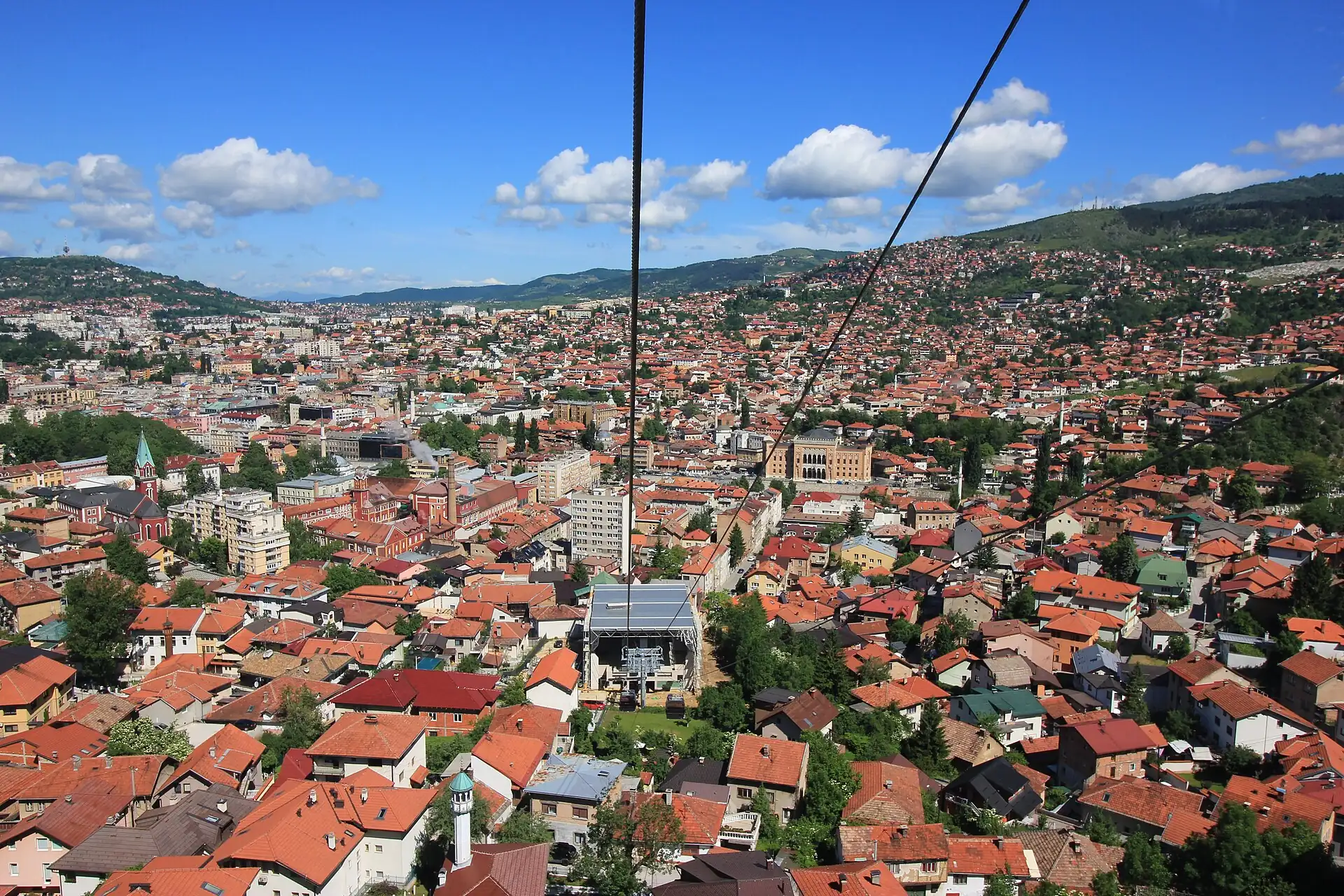 Trebević cable car — a ride for kids over five.
Steep lanes and cobbles; use taxis and the tram.
- 1
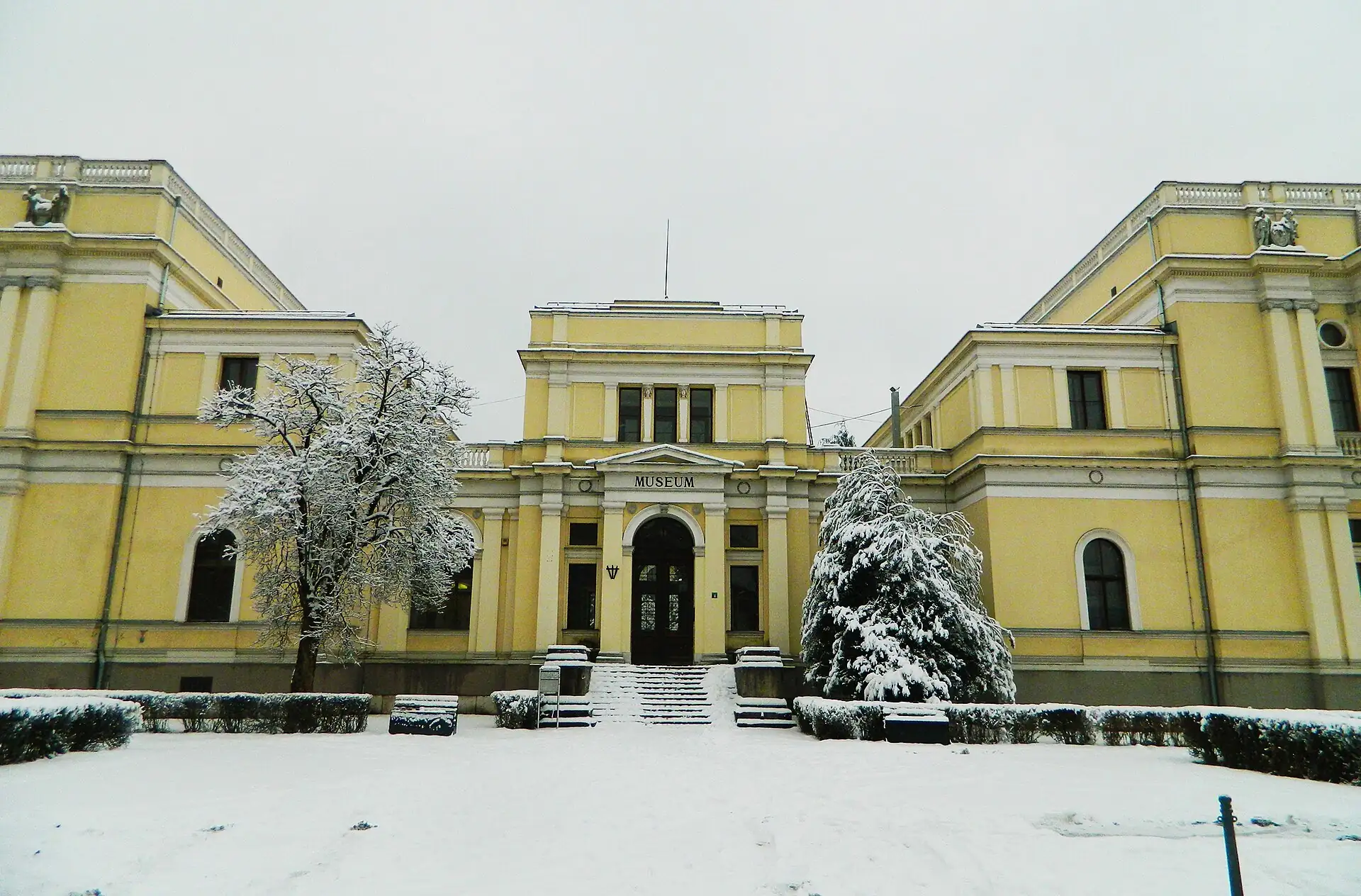 National Museum of Bosnia and Herzegovina — indoor and quiet.
- 2Vijećnica (City Hall) — a shaded atrium.
A few top hotels and good restaurants; the city is not lavish.
- 1Dveri — a sit-down dinner.
Workable on the river and the tram; the hills and old houses are not.
- 1Latin Bridge — level.
- 2Sebilj and Baščaršija square — flat square.
Tours and classes: book or skip
Book through the operator’s own site or the hotel, with written inclusions and a cancellation policy. Prices per person, group tour unless stated.
| Tour or class | Verdict | Typical price | Why | Check before paying |
|---|---|---|---|---|
| Walking tour of the old town | book | Free (tip) or KM 20–40 | A guide explains the bazaar, the mosques and the assassination corner. | Group size, meeting point and language. |
| Siege and Tunnel of Hope tour | maybe | KM 40–100 | A knowledgeable guide gives context; choose carefully. | Guide credentials, route and whether it includes the tunnel entry. |
| Mostar and Kravica falls day tour | maybe | KM 60–110 | Easy but rushed; better as an overnight. | Time at each stop and departure time. |
| Food and coffee walk | book | KM 40–70 | Efficient way to try burek, ćevapi and sweets. | Number of stops and food included. |
| Cooking class | book | KM 60–120 | A hands-on afternoon. | Menu, dietary options and group size. |
| Ski day at Jahorina or Bjelašnica | maybe | KM 60–150 | Winter option; a bus or taxi with a lift pass. | Pass and rental included. |
| Rafting on the Neretva or Tara | maybe | KM 80–150 | A full-day adventure from the city or Mostar. | Safety kit, season and transport. |
| Cable car with guided hike | do it yourself | KM 15–25 ticket | Do it on your own; a guide adds little. | Skip a guide. |
What each season brings
Spring
Mar–May
Mild days, green hills and quiet lanes; the best walking months.
Watch: Showers and cool nights in March.
Summer
Jun–Aug
Long days, evening concerts and the Film Festival in August.
Watch: Hot afternoons and full hotels mid-August.
Autumn
Sep–Nov
Settled weather in September and October and warm light.
Watch: Smog starts in November.
Winter
Dec–Feb
Snow, skiing nearby and cosy cafés; New Year lights.
Watch: Smog, ice and short days.
Photo spots and the light
Light times are for clear days.
| Spot | Best light | Tip |
|---|---|---|
| Sebilj fountain | Early morning | Stand back to catch the fountain and the mosque; shoot before the crowd arrives. |
| Yellow Fortress terrace | Sunset | Face west over the old town with the minarets in frame. |
| Vijećnica from the opposite bank | Late afternoon | Shoot from the river wall for the red-and-cream stripes. |
| Latin Bridge at dusk | Blue hour | Stand on the quay for the reflections. |
| Kazandžiluk workshops | Morning | Ask the makers before you photograph them. |
| Trebević viewpoint | Clear morning | A wide view of the valley. |
Sarajevo travel FAQ
Answers are 2026 desk estimates; fares and rules marked (check) change.
How many days do I need in Sarajevo?
Two full days for the old town, the bridge and the museums; three with the cable car and Vrelo Bosne; add a night for Mostar.
Is Sarajevo safe for tourists?
Yes for violence toward visitors; the common problems are pickpocketing in the bazaar and unmarked hill areas. Stay on paved paths and marked trails.
Do I need cash in Sarajevo?
Yes: bakeries, ćevapi grills, coffee houses, taxis and market stalls prefer cash in marks (KM). Cards work in hotels and larger restaurants.
What currency do I use?
The convertible mark (KM or BAM), fixed to the euro at 1.95583 KM per euro; some shops take euros at a poor rate.
How much is a taxi from the airport?
About KM 20–30 to the old town in 2026 (estimate); ask for the meter or agree a fixed price.
Do I need a visa?
Citizens of the US, UK, Canada, Australia, New Zealand and Ireland can generally stay up to 90 days without a visa (check the current rules for your passport).
What should I wear in mosques?
Cover shoulders and knees, take off your shoes, and women cover their hair where signs ask; do not enter during prayer.
Is Sarajevo good in winter?
Yes for cafés and skiing nearby, but smog and ice affect the valley; check air quality and pack a warm coat and grippy shoes.
Can I visit Mostar as a day trip?
You can (2.5–3 hours each way) but it is long; sleep in Mostar if you can and see the Old Bridge early or late.
What is the best month to visit?
May, June, September and October: mild weather and good light; August fills with Film Festival crowds.
Is tap water safe?
Generally yes; many visitors buy bottled water for the taste.
What is the Sarajevo Rose?
A red-resin scar in the pavement where a mortar shell landed during the siege.
Are there landmines near the city?
The city centre is clear; areas outside marked trails in the hills can still have mines, so stay on paved roads and signed paths.
How do I get from the bazaar to the museums?
Take the tram west to Marijin Dvor, about 12 minutes; buy a ticket at a kiosk.
Do people speak English?
Yes in hotels, cafés and museums; older shopkeepers may not.
What is Bosnian coffee?
Coffee boiled in a copper pot and served with a sugar cube; sip slowly and leave the grounds.
Is Sarajevo good for vegetarians?
Yes with planning: cheese, spinach and potato pies, salads and cooked vegetables; ćevapi grills are meat only.
Is Sarajevo wheelchair friendly?
Partly: the river promenade and the tram line are workable; cobbles, steps and hills are hard.
When is the Film Festival?
Usually mid-August; book hotels months ahead and expect crowds in the evenings.
More to see and doSee & do · Learn & work · Rain & heat · Free things · Wheelchair and stroller
Free things to do
Sights in Sarajevo that cost nothing to enter. Each is described under Places or More sights; extra costs inside are marked there.
Wheelchair and stroller, place by place
How each place in this guide works for wheels, from its own page. Ratings are desk estimates unless a page says it was checked on the ground.
| Place | Step-free | Wheelchair | Stroller | What to know |
|---|---|---|---|---|
| Gallery 11/07/95 (Srebrenica memorial) | partial | caution | ok | A few at the door. |
| Gazi Husrev-beg Mosque | partial | caution | ok | A few steps at the hall door. |
| Latin Bridge | yes | ok | ok | None on the roadway. |
| National Museum of Bosnia and Herzegovina | partial | caution | ok | A few at pavilion entrances. |
| Sacred Heart Cathedral | partial | caution | ok | A few steps at the front. |
| Sebilj and Baščaršija square | yes | ok | ok | None on the square. |
| Svrzo House | no | poor | poor | Wooden stairs to the upper rooms. |
| Trebević cable car | partial | caution | caution | A few at the stations. |
| Vijećnica (City Hall) | partial | caution | ok | A short flight at the front door. |
| Yellow Fortress (Žuta tabija) | no | poor | poor | Steep steps and slopes from Bistrik. |
See & do
30 of 30
- Markets
The wooden fountain and lanes at the heart of the old bazaar.
Baščaršija · Always open; shops about 09:00–20:00Always open; shops about 9:00 AM–8:00 PM · Free(check)
- Citadel & old city
The largest historic mosque in the country, built in 1531.
Baščaršija · Outside prayer times (check) · About KM 5(check)
- Architecture
The rebuilt Neo-Moorish city hall with a glass atrium.
Obala Kulina bana · About 09:00–17:00 (check)About 9:00 AM–5:00 PM (check) · About KM 10(check)
- history
Near where Franz Ferdinand was shot in 1914.
Miljacka river · Always open · Free(check)
- cathedral
Neo-Gothic Catholic cathedral, the largest in the country.
Ferhadija · Between services (check) · Free(check)
Archaeology, ethnology and the Sarajevo Haggadah.
Marijin Dvor · Tue–Sun about 10:00–16:00 (check)Tue–Sun about 10:00 AM–4:00 PM (check) · About KM 10(check)
The sunset terrace above the old town.
Bistrik · Always open · Free(check)
- Citadel & old city
An 18th-century Ottoman family house museum.
Baščaršija · About 10:00–16:00 (check)About 10:00 AM–4:00 PM (check) · About KM 5(check)
Gallery 11/07/95 (Srebrenica memorial)
War historyGallery on the Srebrenica genocide of July 1995.
Ferhadija · About 10:00–18:00 (check)About 10:00 AM–6:00 PM (check) · About KM 10(check)
- Views
Cable car to Mount Trebević and the Olympic bobsled track.
Bistrik · About 09:00–18:00 (check)About 9:00 AM–6:00 PM (check) · About KM 15–25 return(check)
Ferhadija Mosque and the Eternal Flame
Citadel & old cityA 16th-century mosque and a 1945 war memorial on the pedestrian street.
Ferhadija · Mosque outside prayer times; flame always lit · Free(check)
Old Orthodox Church and museum
churchA 16th-century church with icons and a small museum.
Baščaršija · About 09:00–17:00 (check)About 9:00 AM–5:00 PM (check) · About KM 3–5(check)
Old Synagogue and the Jewish Museum
historyThe Jewish story of the city; check that it is open.
Baščaršija · Check · About KM 5–10(check)
Museum Sarajevo 1878–1918
historyA small museum on the assassination corner.
Latin Bridge corner · Check · About KM 5(check)
Morića Han caravanserai
Citadel & old cityA restored 16th-century Ottoman inn with a courtyard.
Baščaršija · Café hours (check) · Free(check)
Kovači Martyrs’ Cemetery
War historyA hillside cemetery of white markers for those killed in the siege; go quietly.
Kovači · Always open · Free(check)
Tunnel of Hope (Tunel spasa)
War historyA preserved 25 m section of the siege tunnel under the airport; a taxi or tour.
Butmir, near the airport · About 09:00–17:00 (check)About 9:00 AM–5:00 PM (check) · About KM 10–15(check)
Vrelo Bosne springs and park
parkA green park at the source of the Bosna river; tram to Ilidža.
Ilidža · Always open · Free entry (check for parking)(check)
Sarajevo Roses
War historyRed resin-filled scars in the pavement where mortar shells landed.
Across the centre · Always visible · Free(check)
Vratnik walls and gates
Citadel & old cityOttoman gates and walls on the ridge above the old town.
Vratnik · Always open · Free(check)
Bosnian coffee session
CraftsSit for 30 minutes with a džezva; the local pace.
Baščaršija · All day · KM 2–4(check)
Ćevapi and burek food walk
Food toursTry ćevapi, burek and baklava in three stops.
Baščaršija · Late morning · KM 30–60 with a guide, or free on your own (check)(check)
Bosnian cooking class
ClassesLearn burek, dolma or ćevapi with a local cook.
Old town or a guesthouse · Morning or afternoon (check) · KM 60–120(check)
Siege history tour
ActiveA guided visit to memorials and the Tunnel of Hope; choose a guide with references.
Centre and Tunnel Museum · Half day (check) · KM 40–100(check)
Trebević cable car and hike
ActiveRide up and walk the Olympic track.
Bistrik and Trebević · Day · KM 15–25 return(check)
Copper workshop visit
CraftsWatch a coppersmith make a džezva.
Kazandžiluk · About 09:00–18:00About 9:00 AM–6:00 PM · Free to watch(check)
Skiing on Jahorina or Bjelašnica
SportOlympic mountains with day trips from the city.
Mountains near the city · Dec–Mar · KM 60–120 a day with lift pass (check)(check)
Sarajevo Film Festival screenings
CinemaThe Balkans’ main film festival.
Centre · Mid-August evenings · Ticketed (check)(check)
Evening in a kafana with live music
NightSevdah songs or a local band; check the programme.
Ferhadija and the old town · From about 21:00From about 9:00 PM · Free; buy a drink(check)
Hammam or spa visit
Spa & massageA warm break on a cold day.
Hotels in the centre and Ilidža · Afternoon · KM 30–80 (check)(check)
- Booking
- Guided tours and cooking classes sell out in August and around the Film Festival; book a few days ahead. The cable car and museums are walk-up.
Learn & work
| What | Where | Cost | Note |
|---|---|---|---|
| Bosnian language lessons | Language schools in the centre | From about KM 15 an hour (check) | Bosnian, Croatian and Serbian are mutually intelligible; ask which the school teaches.(check) |
| Cooking and pastry classes | Guesthouses and cooking schools | KM 60–120 for a half day | Book ahead; some offer vegetarian menus. |
| University summer schools | University of Sarajevo and private schools | Varies (check) | Short courses on the region’s history and politics.(check) |
| Copper-working demonstrations | Kazandžiluk workshops | Free to watch; a workshop is KM 30–60 (check) | Ask a shop about a short session.(check) |
Working here
- Tourist entry
- Most visitors from the US, UK, Canada, Australia, New Zealand and Ireland get up to 90 days without a visa (check your passport). Tourist entry does not allow paid work.
- Work permit
- Foreign workers need a work permit and a residence permit sponsored by an employer; processing takes weeks.
- Remote work
- Working remotely for a foreign employer on a tourist stay sits in a grey area; check the current rules before you plan a long stay.
- Coworking
- A few coworking spaces and cafés with Wi-Fi are in the centre; ask locally for a current list.
- Volunteering
- Some NGOs offer short volunteer programmes; check visa terms.
Rain-day and heat-day plan
Rain day
Rain and snow are short-lived; plan a museum or a coffee house for the wet hour and go out again. The Vijećnica, the museums and the covered Bezistan are the dry stops.
- 01National Museum of Bosnia and Herzegovina — Indoor pavilions and the Haggadah room.
- 02Vijećnica (City Hall) — The atrium and exhibitions.
- 03Svrzo House — A small house museum.
- 04Gallery 11/07/95 (Srebrenica memorial) — Indoor; allow an hour.
- 05Coffee houses on Baščaršija — Sit for a coffee under an awning.
- 06Gazi Husrev-beg Bezistan — A covered 16th-century market hall next to the mosque.
Heat day
Above 30 °C the valley traps heat: walk before 11:00 and after 18:00, and rest in a café or the mosque courtyard at midday.
- 08:30Sebilj and Baščaršija square — Cool lanes and open workshops.
- 10:30Vijećnica (City Hall) — Indoor, shaded atrium.
- 13:00Svrzo House — Cool stone rooms.
- 15:00A coffee house or the National Museum garden — Sit in the shade.
- 19:00Yellow Fortress (Žuta tabija) — Sunset view once the heat drops.
Day-trips and nearby
Places you can reach from Sarajevo in a day or with one night away, with the route and what it costs. Door to door, not ride time.
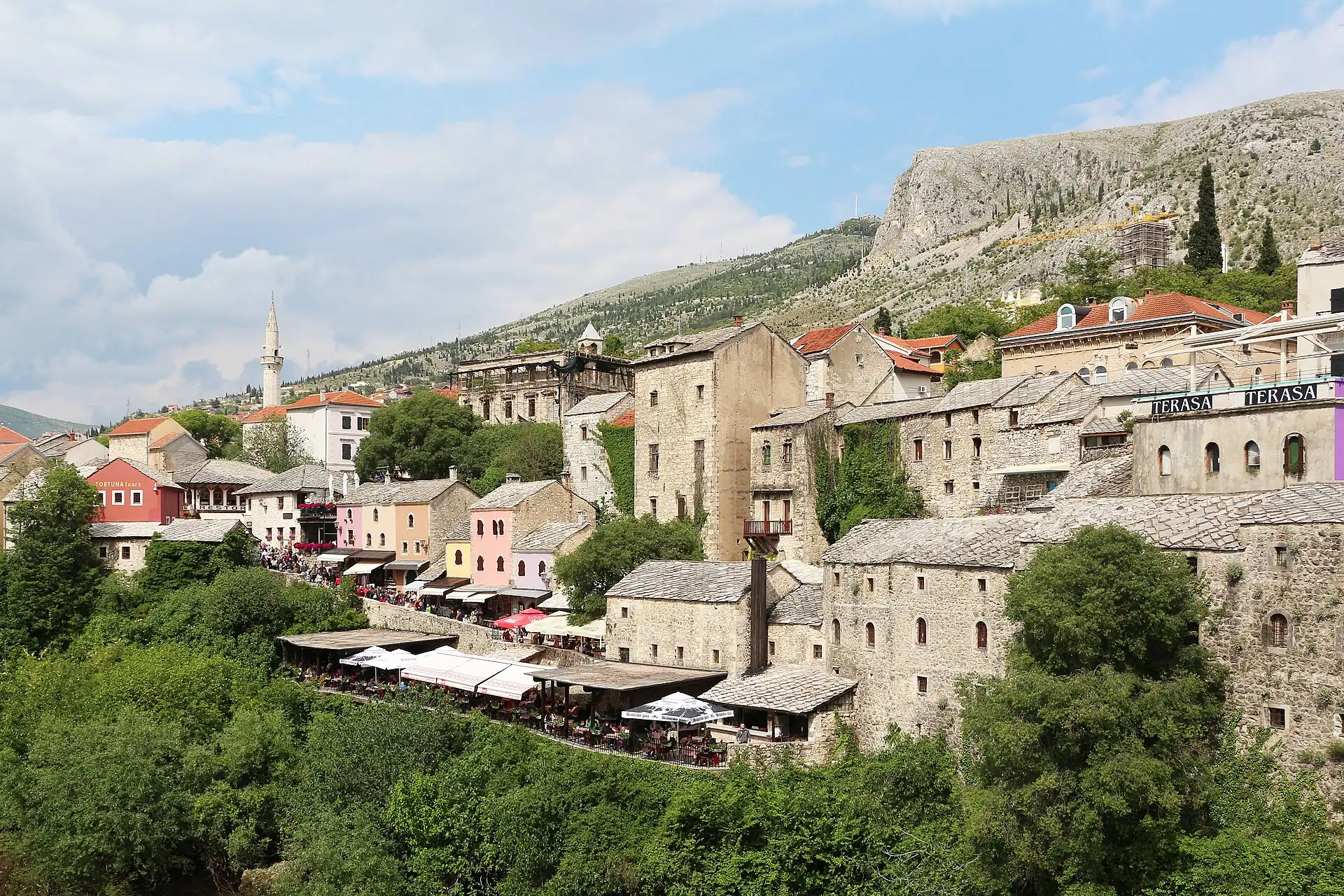 Photo: Bernard Gagnon, CC BY-SA 4.0
Mostar
overnightTrain or bus about 2.5–3 h each way
A long day; better as an overnight so you see the old bridge early or late.
- Time
- Full day — leave by 07:30Full day — leave by 7:30 AM
Vrelo Bosne springs
goTram to Ilidža, then a short walk or carriage
Green park with river springs, flat and easy.
- Time
- Half day
Bjelašnica and Igman mountains
goTaxi or organised tour about 45 min
Winter skiing and summer walks; keep to marked trails.
- Time
- Half to full day
Tunnel of Hope museum
goTaxi or tour about 25 min
War history in a preserved section of the siege tunnel; opening days vary.
- Time
- Half day
Go next
Jahorina
goDoor to door: 1–1.25 h
Bus or taxi, about 45 minutes to 1 hour
The main ski resort of the 1984 Olympics; skiing December to March.
Travnik and Jajce
overnightDoor to door: 2–3 h
Bus or tour, about 1.5–2.5 hours
A fortress town and a waterfall town; better as a two-day loop.
Višegrad
cautionDoor to door: 3 h
Bus from East Sarajevo, about 2.5 hours
The Mehmed Paša Sokolović bridge; leave from the East Sarajevo (Lukavica) bus station.
Belgrade, Zagreb or Dubrovnik
cautionDoor to door: A full day
Bus, about 7–8 hours to Belgrade, 8 to Zagreb, 5–6 to Dubrovnik
Border checks add time; book a seat and carry your passport.
Eat & sleepWhere to eat and which area to sleep in
Eat & sleep
Where to eat and which area to sleep in
Eat
A short list of places worth crossing the city for, each with how to get a seat.
Show 2 more places to eatShow fewer
Restaurant finder: filter every place to eat in Sarajevo →
Vegetarian-friendly score
3.5 / 5 · Good
- Country diet noteOur country guide rates vegetarian eating as easy.2 / 2
- Places to eat in this guide4 of 8 places with a known answer are vegetarian-friendly, 2 partly.0.94 / 1.5
- Budget eating lines0 vegetarian lines in "Eat by budget".0 / 0.6
- Meat-free national dishes5 meat-free dishes in the country food list.0.4 / 0.4
- Dedicated vegetarian kitchens0 mentions of vegetarian restaurants, Buddhist or fasting kitchens.0 / 0.5
Country note: Good at breakfast and lunch thanks to cheese, spinach and potato pies; dinner menus are meaty.
Vegetarian places near me →Make a diet card →
How we score
- Country diet note (up to 2): easy 2, workable 1, mixed 0.75, hard 0; no note 0.5.
- City places to eat (up to 1.5): 1.5 × (vegetarian-friendly + half of partly friendly) ÷ places with a known answer; needs 3 or more known places.
- Budget eating lines marked vegetarian (up to 0.6): 0.2 each.
- Meat-free national dishes (up to 0.4): 0.1 each.
- Dedicated vegetarian kitchens mentioned — Buddhist chay, shōjin ryōri, Jain, fasting food, vegan cafés (up to 0.5): 0.1 each.
- Total rounded to the nearest half point, 0 to 5. Built from our own pages only, not from reviews.
Eating and drinking guideEat by budget · Drink
Before you sit down to eat
Short version; full text linked
- Queues and hours
- Per person, one dish or one meal, 2026 estimate in KM. More →
Eat by budget
Under KM 10 a meal
| Where | Order | Area | Price | Note |
|---|---|---|---|---|
| Buregdžinica Bosna | Burek and yoghurt | Baščaršija | KM 3–6 | Breakfast. |
| Buregdžinica Sač | Pie baked under a sač lid | Bravadžiluk | KM 3–6 | Go before noon. |
| Ćevabdžinica Hodžić | Ćevapi, 5 pieces | Sarači | KM 7–9 | Cash. |
| Markale market | Fruit, cheese and bread | Ferhadija | KM 3–8 | Before noon. |
| Supermarket picnic | Bread, cheese and fruit | Any supermarket | KM 3–6 | The cheapest lunch. |
Dishes to know
| Dish | What it is | Where to look | When | Price |
|---|---|---|---|---|
| Ćevapićevapi | Small grilled beef sausages in somun with onion and kajmak | Grills on Sarači and Kundurdžiluk | Lunch | KM 7–16 |
| Burek and piesburek, sirnica, zeljanica | Flaky pies with meat, cheese, spinach or potato; only the meat pie is called burek | Buregdžinicas | Breakfast and lunch | KM 3–6 |
| Bosnian potbosanski lonac | A slow-cooked stew of meat and vegetables | Traditional restaurants | Lunch or dinner | KM 18–28 |
| Begova čorbabegova čorba | Creamy chicken and okra soup | Traditional restaurants | Lunch | KM 6–10 |
| Dolma and sogan-dolmadolma | Stuffed vegetables or onions with rice and mince | Restaurants | Lunch or dinner | KM 15–22 |
| Japrak and sarmajaprak | Stuffed vine or cabbage leaves | Home-style restaurants | Lunch | KM 10–18 |
| Klepeklepe | Small dumplings with meat in yoghurt | Home-style restaurants | Lunch | KM 10–16 |
| Grilled troutpastrmka | A whole river fish with potatoes | Restaurants and Ilidža | Lunch or dinner | KM 15–25 |
| Baklava and tufahijabaklava, tufahija | Nut pastry and a stuffed apple | Sweet shops | Afternoon | KM 2–7 |
| Kajmak and cheesekajmak, sir | Cream and cheese to eat with bread | Markets and restaurants | Any | KM 2–8 |
- Look for a busy grill or bakery with a short menu; a long list of every dish is a sign of a tourist kitchen.
- Ask the price of extras such as kajmak and bread before they arrive.
- Check whether service is already on the bill; if it is, no extra tip is needed.
- Most places take cash only for small items; carry KM 20 in notes.
Drink & nightlife
| Where | What | Until | Note |
|---|---|---|---|
| Bosnian coffee houses on Baščaršija (confirm venues locally) | Coffee and sweets | About 22:00About 10:00 PM | Sit for 30 minutes; the coffee ritual is the point. |
| Kafanas on Ferhadija and Zelenih beretki | Cafés and terraces | About 23:00 to 01:00About 11:00 PM to 1:00 AM | People-watching with a beer or a coffee. |
| A local beer hall (pivnica) near the old brewery (confirm locally) | Beer and grills | About 23:00About 11:00 PM | Try Sarajevsko, the local beer. |
| Rooftop and river terraces (confirm locally) | Bars with views | About 00:00About 12:00 AM | Evening drinks over the river. |
| Live-music bars near Tito Street and Ferhadija (confirm locally) | Live music | About 01:00About 1:00 AM | Check the programme on the day. |
By style
| Style | What | Where | Price | Until |
|---|---|---|---|---|
| Bosnian coffee | Boiled in a copper pot and served with a sugar cube and a glass of water.Do not stir the grounds. | Any coffee house on Baščaršija | KM 2–4 | Café hours |
| Local beer | A pale lager from the Sarajevo brewery (Sarajevsko) or a regional brand.Cheaper in supermarkets. | Cafés and shops | KM 3.5–6 for 0.5 l | Café hours |
| Rakija | A fruit brandy from plum or grape; strong.Sip; it is 40% or more. | Restaurants and family kitchens | KM 3–6 a glass | Restaurant hours |
| Bosnian wine | White Žilavka and red Blatina from Herzegovina.Ask for local wine. | Restaurants and shops | KM 5–8 a glass (check) | Restaurant hours |
| Boza and šerbe | Fermented millet drink and fruit sherbet, non-alcoholic.An acquired taste. | Sweet shops | KM 2–4 | Shop hours |
Rules that bite
- Drink-drive limit is 0.03% (check) and enforced with police checks; take a taxi.
- Drinking in the street is common but do not be rowdy near mosques, especially at prayer times.
- During Ramadan some cafés reduce alcohol service; ask before you sit.
- Do not drink in the tram or on the Miljacka bridges.
Sleep
Pick the area first: it decides your walk home at night and your first morning.
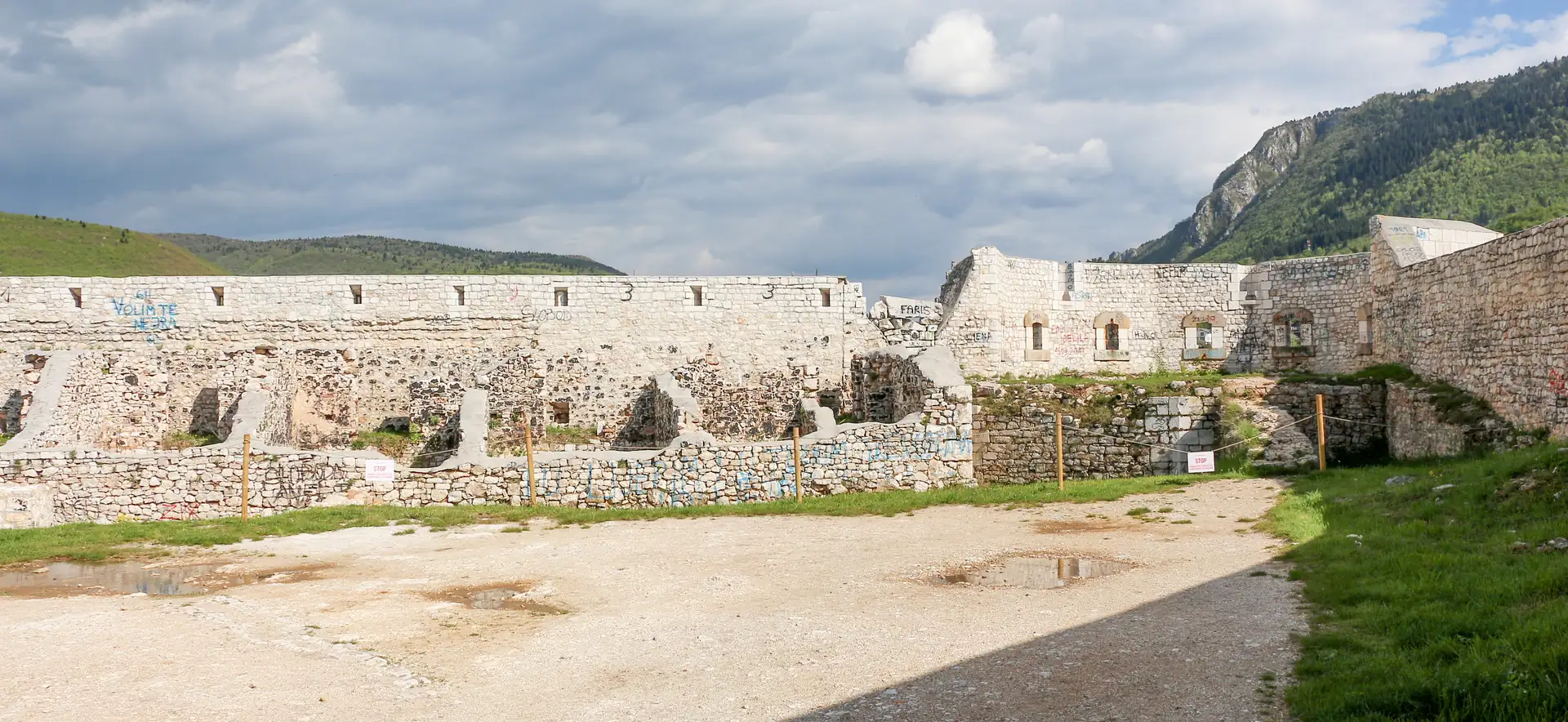
Which neighborhood fits you
Three questions, one recommendation, with the reasons.
Your best fit
- The bazaar, mosques and river are on foot.
Watch out: Noise until midnight on summer weekends; ask for an inner room.
Next best: Marijin Dvor
Built from our 1–5 desk scores per area; your answers stay in this browser.
More on sleepingSleep by budget · Your area · With kids
Sleep by budget
| Band | Price | Where | Room types | What to expect |
|---|---|---|---|---|
| budget | KM 20–40 dorm bed · KM 60–110 double | Baščaršija and Bistrik | Hostels, guesthouses | Small rooms, shared bathrooms in the cheapest, steps and street noise. |
| mid | KM 120–260 | Baščaršija, Ferhadija, Marijin Dvor | 3–4 star hotels, boutique guesthouses | Lift (not always), breakfast, air-conditioning in summer; check the stairs. |
| high | KM 260–450 | Marijin Dvor and the old town | 4–5 star hotels | Larger rooms, restaurants and spa; ask for a quiet room. |
| splurge | KM 450–900+ | Old town and Marijin Dvor | Luxury hotels and boutique heritage houses | Historic buildings or top-floor views; book months ahead in August. |
Booking checks
- Book early for the Film Festival week in mid-August; rooms in the centre sell out.
- Ask about stairs and a lift: many old-town guesthouses have steep stairs.
- A room on an inner courtyard is quieter than one facing the pedestrian lane.
- Ask for a night code or key if you arrive after midnight; guesthouse doors may lock.
- Ilidža and Marijin Dvor are cheaper and flatter if the old town is full.
Which area is yours
| If you are | Sleep in | Because |
|---|---|---|
| First visit, 2–3 nights, on foot | Baščaršija | Everything is a walk away; book an inner room for quiet. |
| Families, bags, quieter nights | Marijin Dvor | Lifts, a taxi at the door and the tram to the bazaar. |
First-timers: the bazaar, the mosques and the river are on foot; choose a hotel with a 24-hour desk and a taxi drop within 100 m — the streets are pedestrian and hilly.
Bigger hotels with lifts, a taxi at the door and the tram to the bazaar in 10 minutes; flatter and quieter at night.
Areas are in our default order until you tick a priority.
Scores are 1–5 desk judgements per priority (2026). Both sleep areas have their own pages.
With kids
- Sarajevo is easy with children: the old town is flat, the Sebilj pigeons and copper workshops interest them, and the river promenade has room to run.
- Cobbles are hard on strollers on Baščaršija and steep on the hills; bring a carrier or a light folding stroller.
- The tram to Ilidža (about 30 minutes) leads to Vrelo Bosne, a flat green park by the springs with a horse-and-carriage ride and picnic spots.
- The Trebević cable car is a good half-day for children over five; keep them on the marked paths at the top.
- Heavy content: the Tunnel Museum and Gallery 11/07/95 are not for young children; decide by age.
- Family rooms in the centre are small; Marijin Dvor hotels and Ilidža apartments have more space.
- Ćevapi, burek and plain flatbread suit picky eaters; ask for mild dishes without spice.
PracticalMoney, essentials, safety and the pocket card
Practical
Money, essentials, safety and the pocket card
Money
What a day costs at three comfort levels, and how to pay.
- Budget
- KM 40–70 excl. bed / day
- Mid
- KM 70–140 excl. bed / day
- High
- KM 140+ excl. bed / day
- Transit card
- Single tickets on trams and trolleybuses from a kiosk or the driver; no transit card needed for a short stay.
- Cash rule
- Withdraw marks at bank ATMs (inside banks or malls) in daylight; keep KM 50 in small notes because stalls and taxis struggle to change KM 100 and KM 200.
More on moneyCosts · Budget · Buy
What things cost
- Ćevapi (5 or 10 pieces with bread)KM 7–13
- Burek or sirnica at a bakeryKM 3–6
- Bottle of water, shopKM 1–2
Trip budget
| Hotel or guesthouse double room1 × 3 nights × BAM 170 | BAM 510 |
| Food, local transport, entries2 × 3 days × BAM 130 | BAM 780 |
| Airport taxi, both ways1 × BAM 50 · One car per 4 people; agree the meter or a fixed price | BAM 50 |
| eSIM or tourist SIM2 × BAM 15 | BAM 30 |
| Buffer 10%Price creep, a taxi you did not plan, one splurge | BAM 137 |
| Trip total≈ BAM 251 per person per day, bed included | BAM 1,507 |
Film Festival week in August and New Year: add 30–80%.
2026 estimate in convertible marks (KM); flights, visas and tours excluded. Your choices stay in this browser.
Prices of common things
| Burek or sirnica at a bakery | KM 3–6 |
| Ćevapi, 5 or 10 pieces with bread | KM 7–16 |
| Trebević cable car, returnCheck operating hours; wind can stop the line. | KM 15–25 |
2026 estimate; check locally.
Buy
- Bargaining
- Light haggling is normal only in the copper and souvenir shops on Baščaršija: ask "Može li malo jeftinije?" and expect 5–10% off. Cafés, bakeries, supermarkets and restaurants have fixed prices.
- Fixed-price check
- Compare copper coffee sets and rugs in three shops before you buy. The copper on Kazandžiluk is hand-made; some shops sell machine-made or imported pieces at the same price, so ask who made it.
Markets and shopping streets
| Where | What | When | Haggle | Note |
|---|---|---|---|---|
| Markale market | Fresh fruit, cheese, honey, dried meat | Mon–Sat about 07:00–15:00, shorter on Sunday (check)Mon–Sat about 7:00 AM–3:00 PM, shorter on Sunday (check) | none | The main fresh market; also has memorial plaques for the 1994 and 1995 shell victims. |
| Baščaršija bazaar | Copperware, rugs, jewellery, souvenirs | About 09:00–20:00; some shops closed on Sunday (check)About 9:00 AM–8:00 PM; some shops closed on Sunday (check) | light | Ask the price before you touch; small items are KM 5–20. |
| Ferhadija street shops | Clothes, books, shoes | About 09:00–21:00About 9:00 AM–9:00 PM | none | Fixed prices in modern shops. |
Shops by what they sell
| For | Where | Hours | Note |
|---|---|---|---|
| Copper džezva and coffee sets | Kazandžiluk, Baščaršija | About 09:00–19:00 | A small set starts around KM 20–40; check it is not painted brass. |
| Rahat lokum and sweets | Baščaršija sweet shops | About 09:00–20:00 | Buy by weight; taste first. |
| Rakija and local wine | Supermarkets and specialist shops | About 08:00–21:00 | Travel with a sealed bottle in checked luggage; check your airline limits. |
| Kilims and hand-woven rugs | Bazaar rug shops | About 09:00–19:00 | Ask about age and origin; keep the receipt. |
| Filigree silver jewellery | Bazaar jewellers | About 09:00–19:00 | Ask for the hallmark and a receipt. |
Changing money
| Where | Verdict | Why |
|---|---|---|
| Bank ATMs (inside banks or shopping centres) | use | Best rates; take marks in small notes. |
| Licensed exchange offices | ok | Fair rates; check the board and ask for a receipt. |
| Exchange booths that promise "no commission" | caution | Compare with the bank rate before you hand over cash. |
| Street changers | avoid | Illegal and a scam risk. |
| Euros in shops | caution | Some shops take euros at a poor rate; pay in marks. |
ATMs
- Per withdrawal
- Bank ATMs cap a foreign card at about KM 500–1,000 a time (the screen shows the limit).
- Fees
- Standalone ATMs may add KM 3–8; your home bank may add its own fee.
- Currency choice
- If a machine offers to charge in euro or your home currency, decline the conversion and pay in marks.
- Peg
- The mark is fixed to the euro at 1.95583 KM per euro, so you can convert in your head.
Essentials and accessEssentials · Access
Essentials
- Plugs & power
- 230 V; types C and F. Bring an adapter for UK, US and Asian plugs.
- Toilets
- Cafés, museums and hotels; carry coins for paid toilets.
- Health
- Winter air pollution (Dec–Feb) and hot afternoons in summer; steep hills. Travel insurance with medical cover.
- Accessibility
- Cobbles and steep lanes above the bazaar; the river promenade and the tram line are flatter and easier.
- Laundry
- Hotels and small laundries do next-day service, priced by the kilo.
- Emergency numbers
- 112 for any emergency; 122 police; 124 ambulance; 123 fire.
Pack
- Layers and a warm coat for November to March
- Comfortable shoes for cobbles and hills
- Something that covers shoulders and knees for mosques
- A mask on smoggy winter days
Accessibility
Sarajevo is workable on wheels along the river and the tram line, but the old town has cobbles and steps, and the hills are steep. Newer hotels, museums and trams are the easier options; many small cafés and guesthouses have steps.
- Pavements
- Smooth stone on the main pedestrian streets; cobbles and uneven paving in the bazaar; kerb ramps at most crossings.
- Trams
- Some trams are low-floor with a ramp; older trams have steps (check).
- Buses and trolleybuses
- Newer vehicles are low-floor; ask a driver.
- Taxis
- A standard taxi takes a folded chair; accessible taxis are rare (check).
- Hills
- Bistrik, Vratnik and the Yellow Fortress are steep; use a taxi to the base.
- Hotels
- Marijin Dvor hotels have lifts; old-town guesthouses often have stairs (ask before you book).
Sights, step-free or not
| Latin Bridge | step-free | Level crossing with stone gaps. |
| Sebilj and Baščaršija square | step-free | Flat square; cobbled lanes. |
| Vijećnica (City Hall) | with help | Steps at the front; ask about the side door and the lift. |
| National Museum of Bosnia and Herzegovina | with help | Pavilions with some steps; garden paths are level (check). |
| Gazi Husrev-beg Mosque | with help | Courtyard yes; steps to the hall. |
| Yellow Fortress (Žuta tabija) | hard | Steep steps. |
| Svrzo House | hard | Wooden stairs. |
Survive
Safety basics, the lines not to cross, and practical habits that save the day.
Safety
- Stay on paved roads and marked paths outside the city; landmine areas are fenced and signed, and the city centre is clear.
- Cross carefully: drivers rarely yield at unmarked crossings.
- Emergency: 112 (any emergency), 122 police, 124 ambulance, 123 fire.
Red lines
- Do not photograph people praying and remove shoes at mosque doors.
- Do not take sides on the 1992–95 siege or on ethnic politics; listen more than you comment.
- Do not walk onto unmarked ground on the hills above the city.
Practical
- Toilets: cafés (buy a drink), museums and a few paid public toilets; carry coins.
- Tap water is generally safe; many visitors buy bottled water for the taste.
More on staying safeStay safe · Stay healthy · Safety map · Solo & women · Etiquette · Cope · Scams
After dark, by area
3 flagged areas
Hills and paths outside the city
Avoid after dark- Take care
Vratnik and Kovači
Take care
Day = about 07:00–19:00. What to watch in each area, day and night →
Scams and red flags
Walk away if you see these
- Taxis without a meter or with a fast meter: use a marked taxi, ask for the meter before you set off, or book by phone or app.
- Exchange booths and 'euro at a good rate' offers: use a bank or ATM and keep small notes.
- Restaurants on the bazaar edge that add a cover charge or price by weight without saying so: check the menu and ask the price before you order.
- Souvenir shops that sell 'antique' or war-era items: buy only from established shops and check export rules.
Stay safe
Crossing the road
- 01Drivers rarely yield at unmarked crossings: use the marked crossings and wait for a gap.
- 02Trams cross the pedestrian streets: look both ways at the rails.
- 03Pavements can be narrow and blocked by parked cars: expect to step into the road briefly.
- 04Winter ice and snow make the steep lanes slippery: wear shoes with grip.
Hustles specific to this city
| Hustle | Where | The tell | What to do |
|---|---|---|---|
| Taxi without a meter | Airport, bus station and old town edge | A driver quotes a fixed price above the meter rate. | Ask for the meter before you get in, or phone a marked taxi. |
| Exchange booth with no rate board | Old town | A booth that shows only "0% commission". | Use a bank ATM or compare the rate at a bank. |
| Cover charge or price by weight | Restaurants on the bazaar edge | A menu without prices, or a bill that adds items. | Ask the price before you order and check the bill. |
| Souvenir shops selling war items | Bazaar | Shell casings or "antique" military items. | Do not buy war-era items; check export rules for antiques. |
| Overpriced guided walk | Sebilj and Baščaršija | A guide approaches you with a high price. | Agree the price and duration first, or use the tourism office list. |
- Police
- 122 for police; 112 for any emergency. Report theft at the nearest police station for an insurance report.
- Mines
- Landmines remain outside cleared areas in the hills and countryside; stay on paved roads and marked trails; the city centre is clear.
- Night
- The centre is generally safe at night; stay on lit streets and use a taxi after midnight.
Stay healthy
Air quality by month
| Jan | Feb | Mar | Apr | May | Jun | Jul | Aug | Sep | Oct | Nov | Dec |
|---|---|---|---|---|---|---|---|---|---|---|---|
| poor | mixed | ok | ok | ok | ok | ok | ok | ok | ok | mixed | poor |
Winter inversions trap smog in the valley: readings can be poor on still days from December to February. Check a live AQI app and carry a mask if you have asthma. Summer and spring air is cleaner.
- Tap water
- Generally safe to drink; many visitors buy bottled water for the taste.
- Cold and ice
- Snow and ice on steep lanes: wear shoes with grip and use handrails.
- Summer heat
- Above 30 °C (86 °F) in July and August: carry water, use sun cream and rest in a café at midday.Above 86 °F (30 °C) in July and August: carry water, use sun cream and rest in a café at midday.
- Food
- Street food and bakeries are generally safe; eat hot food and busy stalls.
- Pharmacies
- Pharmacies (apoteka) sell common medicines; larger branches have English-speaking staff; carry your prescription in English.
- Insurance
- Take travel insurance with medical cover; winter sports need extra cover.
Hospitals and clinics: see Cope.
Safety by area and hour
| Area | Day | Night | What to watch |
|---|---|---|---|
| Baščaršija and Sarači | fine | fine | Pickpockets at the Sebilj and in the lanes; overpriced taxis at the edge. |
| Ferhadija and Latin Bridge | fine | fine | Phone theft in crowds; traffic where the tram crosses the pedestrian street. |
| Marijin Dvor and the museums | fine | fine | Fast traffic on Zmaja od Bosne; use the crossings. |
| Bistrik and Yellow Fortress | fine | caution | Steep unlit lanes at night; go up in daylight. |
| Hills and paths outside the city | caution | avoid | Landmine areas outside cleared paths; stay on paved roads and marked trails. |
| Vratnik and Kovači | fine | caution | Quiet lanes; go in daylight. |
- Stay on marked paths and paved roads on the hills and in the countryside: fenced and signed areas are still uncleared.
- After midnight, use a taxi to go home rather than walking the hills.
Solo, women and LGBTQ+ travellers
Solo
- A very easy city alone: cafés are social, food is cheap and a table for one is normal.
- Talk to shopkeepers and café staff: many speak English and like to explain the city.
- After midnight, use a taxi, not the hills.
Women
- Harassment is uncommon; theft is more common. Keep bags zipped and in front.
- Cover shoulders and knees for mosques; a light scarf is useful.
- At night, use a licensed taxi and share your route with someone.
LGBTQ+
- Homosexuality is legal, but attitudes are conservative and public affection can draw attention; discretion is wise.
- Sarajevo has a small LGBTQ scene and a Pride event with security; check current news.
- Rural areas are more conservative than the city.
Etiquette in Sarajevo
- Mosques
- Cover shoulders and knees; women cover hair where signs say; remove shoes; do not enter during prayer or photograph people praying.
- Homes
- Take your shoes off at the door; bring a small gift such as sweets; expect coffee and something to eat.
- Coffee
- It is called Bosnian coffee; sip slowly and do not stir the grounds; a coffee is an invitation to talk.
- Tipping
- Round up or leave about 10% in restaurants when service is not included; not expected for coffee.
- Greetings
- A handshake and eye contact; among friends, cheek kisses.
- The war and politics
- Listen more than you comment; do not take sides on the 1992–95 siege or ethnic politics.
- Smoking
- Common in cafés and bars; ask for a non-smoking table where there is one (check).
- Photos
- Ask before photographing people; do not photograph worshippers or memorials as a backdrop.
Cope
Hospitals and clinics that handle foreigners
| Where | Area | Use it for |
|---|---|---|
| Clinical Centre of the University of Sarajevo (KCUS) | Koševo, north of the centre | Main public hospital with an emergency department (check the current address). |
| General Hospital (Opća bolnica) | Central Sarajevo | Public hospital with an emergency department (check). |
| Private clinics and pharmacies | Across the centre | Non-emergency care is paid upfront; ask your insurer about direct billing. Pharmacies (apoteka) have English-speaking staff at larger branches. |
Visa extensions
- Stay
- Citizens of the US, UK, Canada, Australia, New Zealand and Ireland can generally stay up to 90 days without a visa (check the current rules for your passport).
- Registration
- Foreign visitors must be registered with the police within a short time of arrival; hotels do it for you, and a private host should confirm it (check).
- Passport
- Carry a copy of your passport photo page and keep the original in the hotel safe.
Embassies and consulates
| Country | Address | Phone | Note |
|---|---|---|---|
| United States | Sarajevo, Hamdije Čemerlića street area (check the current address) | +387 33 704 000 | (check) |
| United Kingdom | Sarajevo, Hamdije Čemerlića street area (check the current address) | +387 33 282 200 | (check) |
| Canada, Australia, New Zealand, Ireland | Check your foreign ministry for the embassy or consular contact for Bosnia and Herzegovina | — | (check) |
- Emergency
- 112 for any emergency; 122 police, 124 ambulance, 123 fire.
- Lost passport
- Report it to the police, then contact your embassy; keep a photo of the passport page in your phone.
- Lost card
- Call your bank; carry backup cash in marks.
- Insurance
- Travel insurance with medical cover; ask about winter sports cover if you plan to ski.
Apps and offline kitOffline kit
Offline kit
Set up before you leave, so Sarajevo still works with no signal or a dead roaming plan.
On your phone
- Maps: open the city in Google Maps, tap the place name, then Download offline map (or use an offline-maps app).
- Data: install an eSIM or buy a local SIM before the first taxi; the apps in this guide depend on it.
- Translation: download the local language for camera translation.
- Screenshots: booking confirmations, hotel address in the local script, and the emergency numbers.
This guide
Save the Sarajevo guide and its pages on this device; it opens without a connection.
Phrases that do the work
Greeting
Hello
Dobar dan
doh-bar dahn
Thanks
Thank you
Hvala
hvah-lah
Café
One coffee, please
Jednu kafu, molim
yed-noo kah-foo moh-leem
Café
The bill, please
Račun, molim
rah-choon moh-leem
Market
How much is this?
Koliko košta?
koh-lee-koh kosh-tah
Food
Without meat, please
Bez mesa, molim
bez meh-sah moh-leem
Transport
Where is the tram?
Gdje je tramvaj?
gdyeh yeh trahm-vy
Taxi
To this address, please
Na ovu adresu, molim
nah oh-voo ah-dreh-soo moh-leem
Pocket card
Fill in, then print or save as PDF
Stays in this browser only; nothing is sent anywhere.
SarajevoSarajevo / Сарајево
Pocket card · Voykit
My bed tonight
—
—
—
Na ovu adresu, molimPlease take me to this address
Emergency
- Any emergency112
- Police122
- Ambulance124
- Fire123
Embassy
Most embassies are in the Marijin Dvor and Sarajevo Centre area; write your own embassy’s 24-hour line below.
My embassy: —
Fare anchors (2026 estimate)
- SJJ → old town, taxi: KM 20–30, 20–30 min; ask for the meter
- Old town → Marijin Dvor, tram: About KM 1.8–2.5 (check), 12 min
- Sarajevo → Mostar, bus or train: About KM 20–30 (check), 2.5–3 h
Say or show
- Dobar dan — Hello (doh-bar dahn)
- Hvala — Thank you (hvah-lah)
- Jednu kafu, molim — One coffee, please (yed-noo kah-foo moh-leem)
- Koliko košta? — How much is this? (koh-lee-koh kosh-tah)
- Račun, molim — The bill, please (rah-choon moh-leem)
- Gdje je tramvaj? — Where is the tram? (gdyeh yeh trahm-vy)
Most staff in cafés and hotels speak some English; older shopkeepers may not. Show the street name on your phone.
Deep diveHistory, reading, photos and every source
Deep dive
History, reading, photos and every source
Sources
- officialSarajevo Tourism Association
- officialSarajevo International Airport
- secondaryWikivoyage — Sarajevo
- secondaryWikitravel: Sarajevo
Ask about Sarajevo
Loading…
Was this useful?