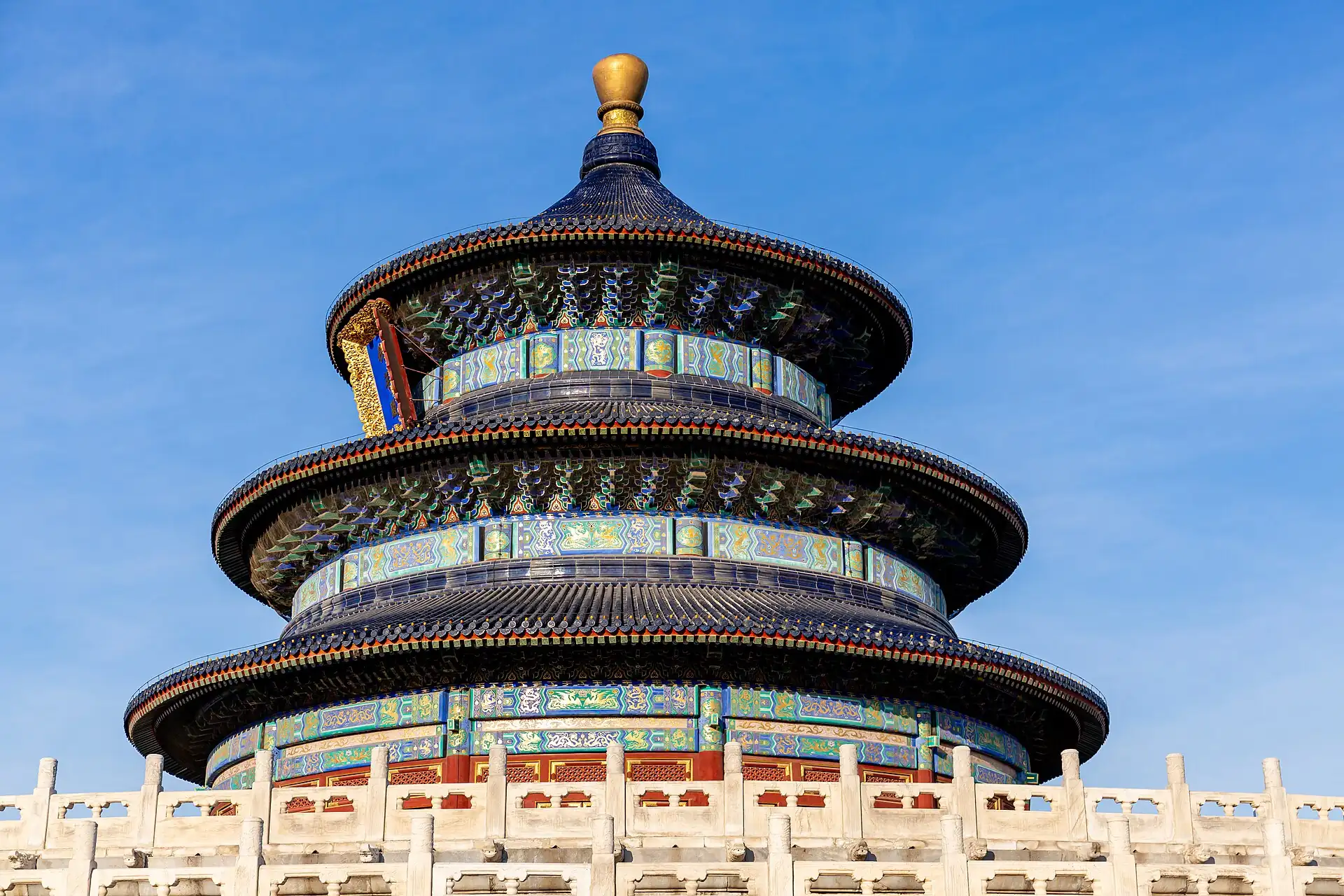
Beijing
北京
Code BJ · 4 walking zones
Beijing is big and spread out: do one district per half-day, book the Forbidden City by passport before you fly, ride the subway or a taxi between districts, and expect security checks and QR payment everywhere.
Our quick read of Beijing, scored 1–5 (friction is out of 100). Cash need: how often you still need notes. Heat risk: how hot days get. Stroller: how easy wheels are. Friction: overall effort for a first visit. Desk judgements, so check before relying on them.
- Local time
- --:--
- Weather
- forecast below
- Currency
- CNY
- Best months
- Apr · May · Sep · Nov
- Airports
- Beijing Capital (PEK) · Beijing Daxing (PKX)
Walking zones: the 4 areas this guide plans a day around. Each is a district you can cover on foot, so you do one zone per half-day and ride the train between them. The code (BJ 01, BJ 02…) is just the zone's number on the Beijing line; the line under each name says how bags fare there and how much time it needs.
Map of Beijing
Use the switches to show or hide each kind of pin. A switch that is on shows its pins on the map; tap it again to hide them. "Show only" keeps just the pins that match (for example, places that fit a suitcase). Tap any pin for its name and a link to its page.
- Where to sleep
- Places
- Eat
- Walking clusters
- Rest stops
From the airport Beijing Capital (PEK) to your bed · Beijing Daxing (PKX) to your bed
Tap a pin for its card. Places without their own coordinates are shown by their walking cluster.
Why Beijing
Beijing's sights are on a grand north-south axis with wide roads, security checks and long walks between gates. The trips that go wrong pay for it in three ways: the Forbidden City closed or sold out on the day, a suitcase in a hutong that cars cannot enter, and a phone that cannot pay or load a map. Four walking clusters cover a first visit; two airports and a car ride make the arrival the main risk.
See first
- 1
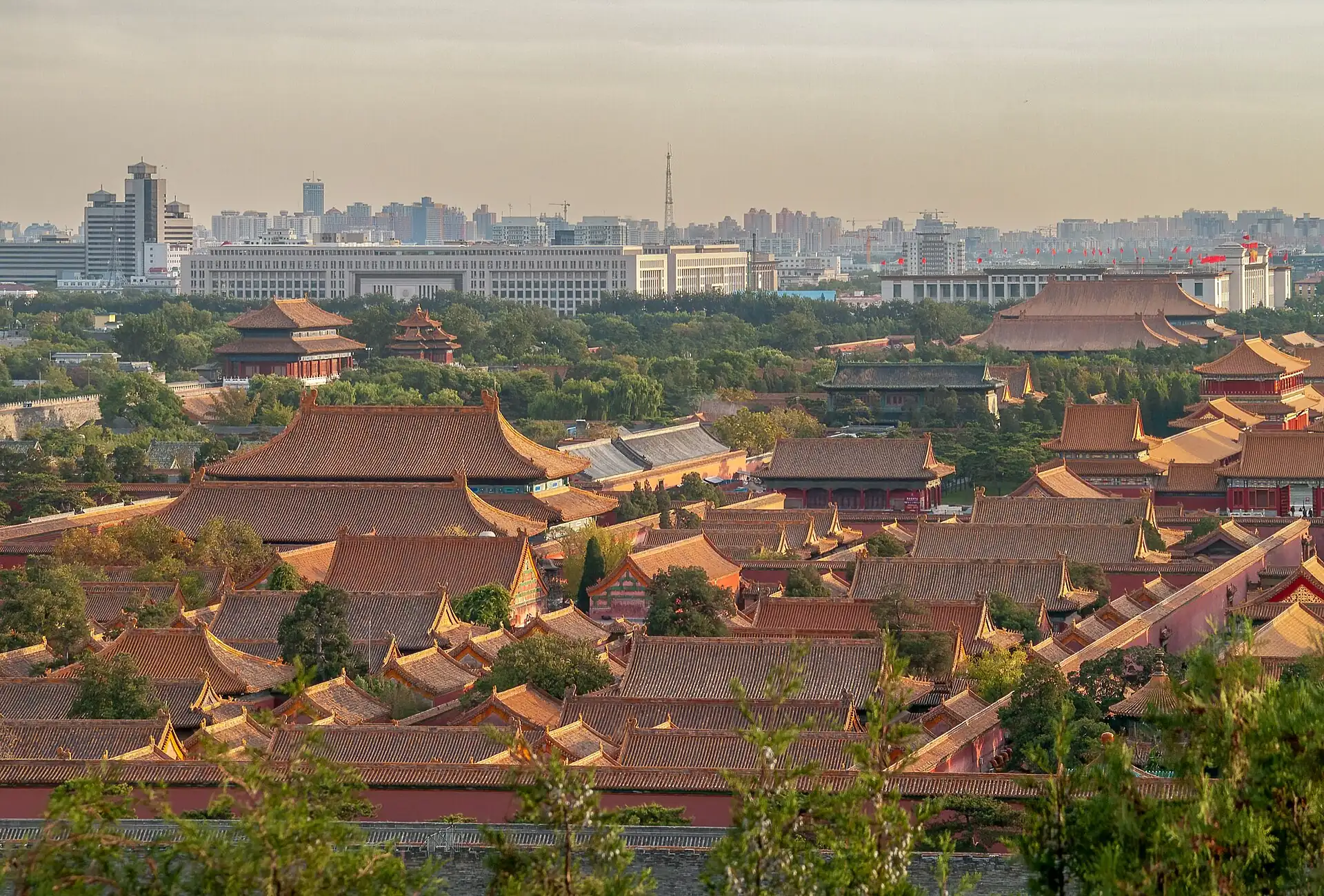 Forbidden City in the first entry slot · 2–3 h
- 2
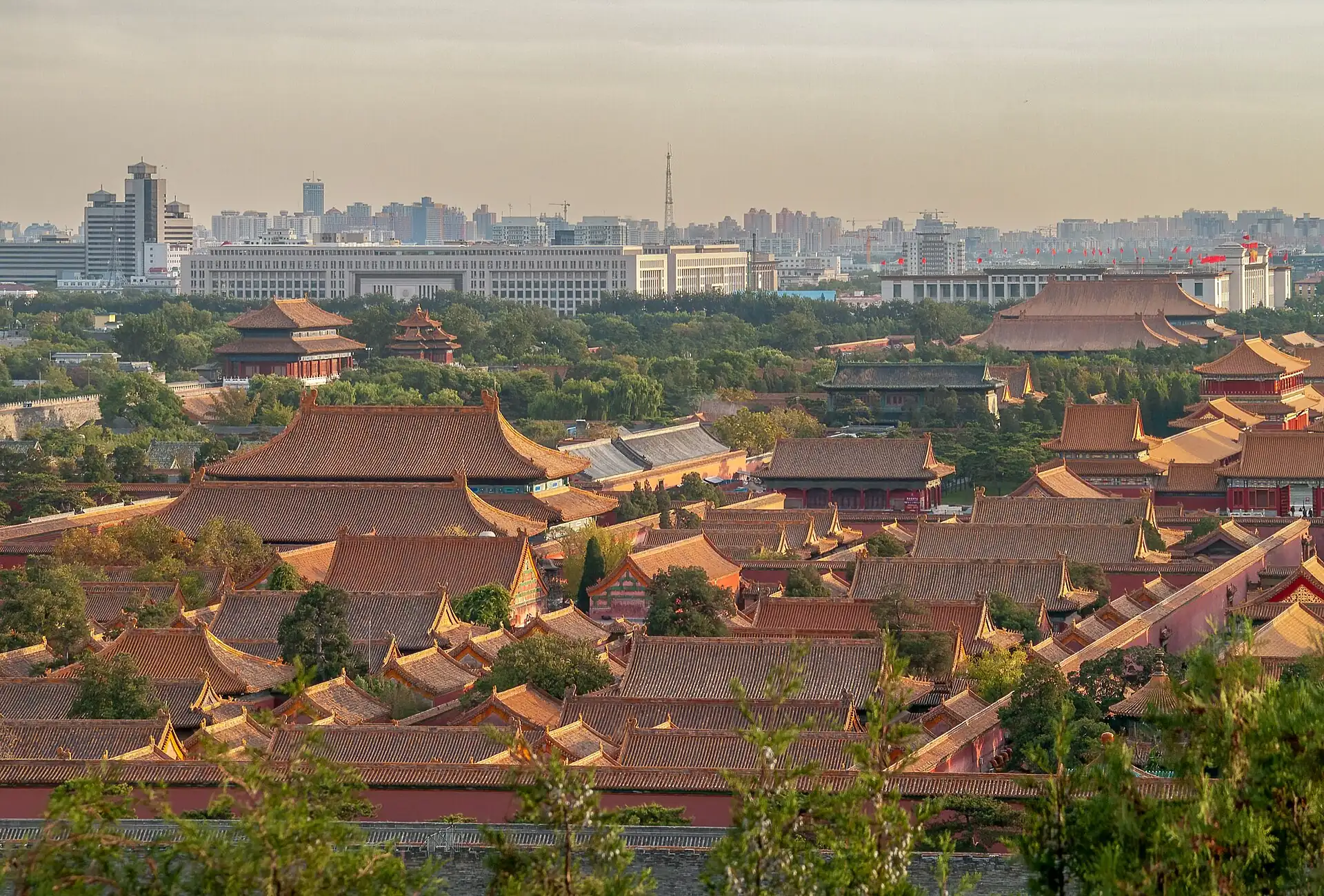 Jingshan Park for the palace-rooftop view · 30–45 min
- 3Great Wall day trip (Mutianyu) · Full day
- 4Peking duck dinner · 1–1.5 h
- 5Nanluoguxiang hutong wander · 60–90 min
Fits
- History and palace trips
- Food and hutong evenings
- Short city breaks with a Great Wall day
Does not fit
- Strollers and wheelchairs in hutongs
- Travellers without a working payment app
- Anyone who needs Google services
How long
- 2 daysForbidden City morning, Wangfujing evening; Temple of Heaven the next morning
- 3 daysFour clusters, one per half-day
- 5 daysFour clusters + Great Wall day + one slow day
About Beijing
Beijing has been an imperial or national capital for the better part of eight centuries, on and off since the Jin dynasty (12th century) and continuously as China's capital since the Ming dynasty moved the court here in 1420. The city is built on a strict north-south axis: the Forbidden City, Tiananmen Square, the Drum and Bell Towers and the Temple of Heaven all sit along or near this historic line.
The 20th century reshaped the city twice: first under Republican and wartime disruption, then after 1949 when the new government tore down much of the old city wall and many gates to build wide ring roads and Soviet-influenced government buildings around the historic core. What survives of the old city — the hutong lanes, the Drum Tower, the temple complexes — is a fraction of what stood before 1950.
Good to know
- Beijing has two main airports on opposite sides: Capital (PEK) is north-east, Daxing (PKX) is 46 km south; check your ticket.
- Beijing Tourism Information Centers operate at a few locations including near Qianmen and Wangfujing; check current locations and hours before relying on a walk-in visit.
- Hotel concierges are often the most practical source for timed-ticket booking help and current transport information.
Go deeper 7 min read · 5 chapters
Beijing has been an imperial or national capital for most of the last eight centuries, and it still reads as a city built around a single idea: an emperor's palace at the exact centre of a symmetrical, walled city on a north-south line. This deep dive follows that axis and the layers built up and torn down around it, from Mongol city planners to Ming emperors to the ring roads of the last seventy years.
1History2 min
The site has been fortified and settled for millennia, but it became a national capital in stages. The Jin dynasty made it their capital (as Zhongdu) in 1153; almost nothing survives from that period, since Kublai Khan's Mongol Yuan dynasty largely rebuilt the city from 1267 as Dadu, laying out the north-south axis and grid that Beijing still follows today.
The Ming dynasty's Yongle Emperor moved the capital here for good in 1420, building the Forbidden City, the Temple of Heaven and much of the wall system in a single sustained construction campaign. The Qing dynasty, which conquered the Ming in 1644 as peasant rebels first took the capital, kept Beijing as its capital and largely kept the Ming layout, adding the Summer Palace and expanding the city's temple network.
The 19th and early 20th centuries were harder on the city than the previous four hundred years combined: British and French forces occupied Beijing and burned the Old Summer Palace during the Second Opium War in 1860; the Qing dynasty finally collapsed in 1912, ending over two thousand years of imperial rule; and the city passed through republican government, Japanese occupation during the Second World War, and renewed civil war before 1949.
Mao Zedong proclaimed the founding of the People's Republic of China from Tiananmen Gate on 1 October 1949, and the following decades reshaped the city again: most of the old city walls and gates were demolished in the 1950s and 1960s to build ring roads, and government, industrial and residential construction expanded the city far beyond its historic core. The 2008 Summer Olympics triggered another wave of rapid modern construction, including much of today's subway network and skyline.
Beijing today is a metropolis of roughly 22 million people, organised around six ring roads rather than a single walkable centre. What survives of the pre-1950 city — the Forbidden City, the Temple of Heaven, fragments of hutong neighbourhoods — is a carefully preserved minority of a much larger historic city that no longer physically exists.
- First capital status
- 1153, Jin dynasty (as Zhongdu)
- Yuan-dynasty rebuilding
- From 1267, as Dadu
- Ming capital, palace built
- 1420, Yongle Emperor
- Qing dynasty ends
- 1912
- People's Republic proclaimed
- 1 October 1949, Tiananmen Gate
- Population
- About 22 million (2025 estimate)
2Neighbourhood stories1 min
Hutong — narrow lanes formed by rows of traditional courtyard houses (siheyuan) — once covered almost the entire old city; the word is thought to come from a Mongolian word for a water well, from the Yuan-dynasty layout when wells anchored each neighbourhood block. Most hutongs were demolished for modern development from the 1950s onward, and only scattered protected pockets remain, of which the lanes around Nanluoguxiang and the Drum Tower are among the best-preserved and most visited.
The Drum and Bell Towers, at the northern end of the imperial axis, are older than most of what survives around them: built under the Yuan dynasty and rebuilt several times under the Ming and Qing, they told the city's official time by drum and bell for roughly seven centuries, until mechanical clocks and, eventually, the modern city made the practice obsolete in the early 20th century.
Wangfujing, now Beijing's best-known pedestrian shopping street, has been a commercial street since the Ming dynasty; its name refers to a well near a prince's mansion ('wangfu') that once stood on the site. Redeveloped repeatedly through the 20th century, it is now a fully pedestrianised strip of department stores, malls and a tourist-oriented night-snack lane that sells novelty skewered foods mainly for the spectacle rather than everyday eating.
Government buildings, wide avenues and Soviet-influenced architecture cluster around the historic core, a legacy of 1950s and 1960s reconstruction under close Soviet advisory influence before the Sino-Soviet split. Chang'an Avenue, the wide east-west road running past Tiananmen Square, was substantially widened during this period and remains the ceremonial spine for military parades and state occasions.
- Hutong meaning
- Likely from a Mongolian word for a well
- Drum and Bell Towers
- Yuan-dynasty origin, rebuilt Ming and Qing
- Wangfujing name origin
- A historic well near a former prince's mansion
3Architecture1 min
The Forbidden City is the single largest surviving example of Chinese imperial palace architecture, and its layout is itself a text: a sequence of gates and courtyards along the central axis grow progressively more restricted and sacred, from the public-facing Meridian Gate through the ceremonial outer court to the emperor's private inner court and residences at the rear, expressing the Confucian and cosmological order the whole city was built to embody.
Traditional Beijing residential architecture is the siheyuan, a rectangular courtyard house with buildings on all four sides facing inward, historically graded in size and elaboration by the owner's social rank — a principle the wider hutong network of lanes and courtyards scaled up across entire neighbourhoods. Very few complete siheyuan survive in anything like their original form; most that remain have been subdivided among multiple households or converted to commercial use.
Temple architecture across the city — the Temple of Heaven, the Lama Temple, the smaller guardian and neighbourhood temples — shares a common vocabulary of raised platforms, glazed roof tiles (colour-coded by status, with imperial yellow reserved for the emperor), and timber bracket systems (dougong) that allow deep, overhanging eaves without external supports, a structural technique refined over more than a thousand years of Chinese building practice.
The 20th century added a very different architectural layer: Soviet-influenced government buildings from the 1950s, utilitarian collective-housing blocks, and, since the 2000s, a wave of ambitious contemporary architecture built partly around the 2008 Olympics — the Bird's Nest stadium and Water Cube among the best known — that positioned Beijing as a showcase for internationally commissioned modern design alongside its imperial heritage.
- Forbidden City halls (approx.)
- About 980 surviving buildings
- Roof colour hierarchy
- Imperial yellow reserved for the emperor
- Structural system
- Dougong timber bracket sets
4Food history1 min
Peking duck, Beijing's best-known dish internationally, developed from imperial court cuisine, with roasting techniques traced back centuries and refined through the Qing dynasty; the two main surviving traditions are the closed-oven method (fruit-wood smoked, associated with the Bianyifang lineage) and the open, hung-oven method most visitors now encounter, associated with the Quanjude lineage founded in the 19th century. Either way, the dish is built around crisp, thin skin carved to show as little fat as possible, wrapped in a thin pancake with spring onion, cucumber and a sweet bean sauce.
Beyond duck, Beijing's everyday food culture is built on wheat rather than rice, reflecting the city's position in China's wheat-growing north: noodles (zhajiangmian, the city's signature noodle dish, topped with a fried soybean-paste and pork sauce), dumplings (jiaozi), and flatbreads and pancakes (including the street-food jianbing) are the daily staples in a way rice-based southern Chinese cuisine is not.
Hot pot, though strongly associated with Sichuan and Chongqing, has a distinct Beijing tradition of its own — a copper-pot mutton hot pot with a milder, less numbingly spicy broth than its southern cousin, historically tied to the city's Mongol and Manchu culinary influences and Beijing's large Hui Muslim community's mutton-focused cooking.
Street food and snack culture, from tanghulu (candied hawthorn skewers) to jianbing to the more theatrical novelty skewers sold in tourist-oriented lanes like Wangfujing's snack street, sits alongside a long tradition of neighbourhood 'cook shop' style eating and a newer wave of nationally famous chains — hot pot chains among the most prominent — that have made eating out in Beijing far more standardised and bookable than it was even two decades ago.
- Peking duck traditions
- Closed-oven (Bianyifang) and open-oven (Quanjude)
- Staple grain
- Wheat, not rice, reflecting northern China
- Beijing hot pot
- Copper-pot mutton style, milder than Sichuan hot pot
5Festivals and modern city life1 min
Spring Festival (Chinese New Year), timed to the lunar calendar and falling in late January or February, is by far Beijing's biggest annual event: many shops, restaurants and some sights close for several days, transport is packed for weeks either side of the holiday as much of the migrant workforce travels home, and firework restrictions have progressively tightened in the city centre over the past two decades for air-quality and safety reasons.
National Day (1 October) begins a week-long public holiday known as Golden Week, when domestic tourism peaks and Beijing's major sights — the Forbidden City and the Great Wall especially — see their heaviest crowds of the year; visitors with flexible dates are generally advised to avoid this week, or to book everything, including hotel rooms, unusually far in advance.
Each March, the 'Two Sessions' — the annual meetings of the National People's Congress and the Chinese People's Political Consultative Conference — bring heightened security and occasional road closures to central Beijing, a visible reminder that the city functions as the seat of national government as much as a historic and tourist destination.
Daily life in the city is shaped by a payment and internet ecosystem quite different from much of the world: QR-code mobile payment through Alipay or WeChat Pay has become the practical default even for small purchases, and a VPN is generally needed to access Google services, most Western social media and many foreign news sites, both realities that visitors need to prepare for before arrival rather than adapt to on the fly.
- Spring Festival timing
- Late January to February, lunar calendar
- Golden Week
- 1–7 October, National Day holiday
- Two Sessions
- Annual political meetings, March
Photos
Beijing street scene Photo: Nikolaj Potanin from Russia, CC BY-SA 2.0
Street in a residential district in Beijing Photo: Ermell, CC BY-SA 4.0
View of Kunming Lake from Longevity Hill in the new Summer Palace in Beijing Photo: Ermell, CC BY-SA 4.0
Beijing Jin Zheng Yang Restaurant, night shot Photo: Ermell, CC BY-SA 4.0
Rules in force · 8
- East Asia ↗Every border in East Asia is a full international border, Hong Kong and Macau included: an entry permission for one never covers the next.
- East Asia ↗Ferries between Korea, Japan and China cancel in rough seas and typhoons; keep a flight or a spare day behind every sea leg.
- China ↗Most nationalities need a visa, a unilateral visa-free entry (the list and end dates change) or the transit exemption below. Confirm your route on the official sites before you buy a ticket.
- China ↗Transit stay without a visa: up to 240 hours (10 days) for citizens of about 55 listed countries who pass through China to a third country or region, with a confirmed onward ticket and a stay inside the permitted area (Beijing, Tianjin and Hebei count as one area). It replaced the 144-hour rule in December 2024, which some older pages still quote. Use the transit lane at immigration, show the onward ticket, and check the current nationality list. Hong Kong and Macau count as separate regions; check whether your ticket qualifies.
- China ↗Foreign visitors must register their address with the police within 24 hours; hotels do it at check-in with your passport. Carry the original passport at all times: hotels, trains, museums, Tiananmen Square and police checks ask for it.
- China ↗Set up Alipay or WeChat Pay with a foreign card before you fly. QR payment is the default in shops, taxis and many stalls, and some places refuse cash or a foreign card. Carry cash as a backup.
- China ↗Google, WhatsApp, Instagram, Facebook, YouTube and many news sites are blocked. Use an eSIM with roaming (it routes through your home network) or install and test a VPN before you fly; VPN sites and app stores are hard to reach inside China, and only government-approved VPNs are officially permitted.
- North China ↗Great Wall sections are exposed and steep: wind, ice and midday heat change the day. Go early and pick the section by the weather, not the brochure.
Entry rules depend on your passport. Full visa guide
Emergency numbers for Beijing110 ▾
Tap a number to call from your phone. These are the numbers listed in this guide; a row marked check has not been verified.
Planning is the full guide. I'm here keeps what is open and the cheat card.
Right now
Checking the weather…
Working out what is open near you…
What is open nowclock, closures, places open
Now in Beijing
Local time in Beijing
--:--
Loads in your browser · Asia/Shanghai
This month
Month verdict appears here.
Closed today
See the weekly grid below.
| Weekly closure | Mon | Tue | Wed | Thu | Fri | Sat | Sun |
|---|---|---|---|---|---|---|---|
| National Museum of ChinacheckA common weekly pattern for major Beijing museums; confirm before the trip. | ✕ | · | · | · | · | · | · |
If today is a closure day: Monday: many museums close, though the Forbidden City itself is usually open (check its own schedule separately); plan a hutong or park day instead and move museum visits to another day.
- check Forbidden City: Closure days have varied over time (Mondays in past years); check the current schedule before booking your timed ticket.
Weekly closures come from our place pages; National Day week, Spring Festival and the Two Sessions add closures and crowding not shown here.
Cheat cardthe pocket version
Cheat card
The essentials on one card: save it as an image for your phone, share it, or print it.
Beijing
北京
- Money
- Keep ¥300 in small notes as a backup; withdraw at Bank of China or ICBC ATMs inside banks or malls.
- SIM
- Install an eSIM before you fly (and set up a VPN in advance — see below)…
- Ride app
- DiDi
- Emergency
- 110 police · 119 fire · 120 ambulance (not 911, 999 or 000)
- Plugs
- Sockets A/C/I. US/Canada (A/B): fits · UK/Ireland (G): adapter · Australia/NZ (I): fits. 220 V: US 120 V-only devices (hair dryers) need a converter; most chargers are dual-voltage.
Say it
- Hello: 你好 (nee how)
- Thank you: 谢谢 (shieh-shieh)
- How much is this?: 多少钱? (dwaw shaow chyen)
- Not spicy, please: 不要辣 (boo yaow lah)
- The bill, please: 买单 (my dahn)
Top 5
- Forbidden City in the first entry slot
- Jingshan Park for the palace-rooftop view
- Temple of Heaven
- Tiananmen Square
- Drum Tower and Bell Tower
EssentialsQuick answers, what things cost and how to get around
Essentials
Quick answers, what things cost and how to get around
Quick answers
The questions people ask first about Beijing, one line each. Tap a card for the full answer.
- Cash or card?China runs on QR-code mobile payment: set up Alipay or WeChat Pay linked to a foreign card before you fly…
- SIM or eSIMInstall an eSIM before you fly (and set up a VPN in advance — see below), or buy a China-registered SIM at the airport with your passport.
- Ride-hailing appDiDi.
- Tap waterDo not drink tap water; use bottled or boiled water.
- TippingNot expected or customary in mainland China, including restaurants, taxis and hotels.
- Plugs & powerSockets A/C/I. US/Canada (A/B): fits · UK/Ireland (G): adapter · Australia/NZ (I): fits. 220 V: US 120 V-only devices (hair dryers) need a converter; most chargers are dual-voltage.
Show all 14 answers
- Safe at night?Take more care after dark in Temple of Heaven Park.
- What to wearModest dress is respectful; do not step on door thresholds — step over them; ask before photographing monks or worshippers.
- Emergency numbers110 police · 119 fire · 120 ambulance (not 911, 999 or 000)
- Your embassycheckUS, UK, Australia, Canada embassies listed with addresses (check before you go).
- Closed which day?Mon: 1 on our list shut.
- Sundays & holidaysSpring Festival (Chinese New Year): Many shops, restaurants and some sights close for several days; transport is packed for weeks around it…
- Rainy-day planSummer storms (Jun–Aug) usually arrive in the afternoon: do outdoor sights before 11:00, then move to a mall or museum.Summer storms (Jun–Aug) usually arrive in the afternoon: do outdoor sights before 11:00 AM, then move to a mall or museum.
- Landing latePEK: official taxi or DiDi to the door runs all night.
Cost cheat-sheetwhat everyday things cost
Cost cheat-sheet
Typical prices for the everyday things, as ranges. Change the currency right here; the local price stays first.
2026 desk estimate · check
- CoffeeCoffee at a café¥25–40 (≈ US$4–6)
- Sit-down mealSit-down restaurant meal, per person¥60–150 (≈ US$9–25)
- Street or quick mealNoodles or dumplings, hutong shop¥15–35 (≈ US$3–5)
- Beerbottle at a restaurant¥8–20 (≈ US$2–3)
- Taxi, about 5 km (3 mi)Taxi, about 3 mi (5 km)Short taxi or DiDi ride¥15–35 (≈ US$3–5)
- Metro or bus rideSubway ride¥3–9 (≈ US$1–2)
- SIM or eSIM, a weekTourist SIM or eSIM, about a week¥60–150 (≈ US$9–25)
- Museum or sight ticketMuseum or temple entry¥20–60 (≈ US$3–9)
- Budget bedHostel dorm bed, a night, per personCN¥80 (≈ US$12)
- Mid-range bedHotel double room, a night, per roomCN¥550 (≈ US$80)
- High-end bedHotel double room, a night, per roomCN¥1,500 (≈ US$250)
A day, not counting the bed: Budget CN¥350 (≈ US$50) · Mid CN¥700 (≈ US$100) · High CN¥1,500 (≈ US$250)
Local prices, with USD next to them (rates 2026-09 (approximate); change it in the header). Ranges are desk estimates: check locally. Every price and the budget calculator →
Source: Prices in Beijing
Draft
Written from desk research. Not yet compared with the official source.
No official source is recorded for this figure.
Prices are 2026 desk estimates, not yet compared with an official source. Check on the day.
Not checked in the last 12 months (no check date on file).
DecideWho it suits, the trade-offs and when to go
Decide
Who it suits, the trade-offs and when to go
Best months at a glance
The guide's verdict for each month
Jan
Care
2°C (36°F)36°F (2°C)
Feb
Care
5°C (41°F)41°F (5°C)
Mar
Care
12°C (54°F)54°F (12°C)
Apr
Best
20°C (68°F)68°F (20°C)
May
Best
26°C (79°F)79°F (26°C)
Jun
Care
31°C (88°F)88°F (31°C)
Jul
Avoid
31°C (88°F)88°F (31°C)
Aug
Avoid
30°C (86°F)86°F (30°C)
Sep
Best
26°C (79°F)79°F (26°C)
Oct
Care
19°C (66°F)66°F (19°C)
Nov
Best
10°C (50°F)50°F (10°C)
Dec
Care
3°C (37°F)37°F (3°C)
Best: Apr–May, Sep, Nov. Mixed: Jun, Oct, Dec–Mar. Avoid: Jul–Aug. Month by month →
Warmest Jun (31°C (88°F)88°F (31°C)), coolest Jan (−9°C (16°F)16°F (−9°C) low), wettest Jul (14 rain days), driest Dec (2). Averages, not a forecast.
Beijing across the year
Best-looking months for Beijing: May, Sep, Nov. Rated avoid: Jul, Aug.
| Measure | Jan | Feb | Mar | Apr | May | Jun | Jul | Aug | Sep | Oct | Nov | Dec |
|---|---|---|---|---|---|---|---|---|---|---|---|---|
| Weather | Mixed (care) | Mixed (care) | Mixed (care) | Good (good) | Great (good) | Mixed (care) | Avoid (avoid) | Avoid (avoid) | Great (good) | Mixed (care) | Good (good) | Mixed (care) |
| Crowds | Medium (ok) | High (care) | Medium (ok) | Medium (ok) | High (care) | Medium (ok) | High (care) | High (care) | Medium (ok) | High (care) | Low (good) | Low (good) |
| Prices | Medium (ok) | High (care) | Medium (ok) | Medium (ok) | High (care) | Medium (ok) | High (care) | High (care) | Medium (ok) | High (care) | Low (good) | Low (good) |
| Events | 1 event (ok) | 1 event (ok) | 1 event (ok) | 1 event (ok) | 2 events (care) | None listed (ok) | None listed (ok) | None listed (ok) | 1 event (ok) | 2 events (ok) | None listed (ok) | None listed (ok) |
Green is good news, amber needs planning, red is a month to avoid; dashed grey with a question mark means our data does not say. Open the year heatmap →
Not checked in the last 12 months (no check date on file).
Source: Months, temperatures and crowds
Draft
Written from desk research. Not yet compared with the official source.
Monthly highs, rain and crowd levels are climate averages and desk estimates for the city, not a forecast.
Understand the cityUnderstand · Districts
Orientation & districts
A first visit works as four separate half-day clusters rather than one walkable centre: the Forbidden City and Tiananmen axis, Wangfujing's shopping streets just east, the Nanluoguxiang and Gulou hutongs to the north, and Temple of Heaven Park to the south. Each is reached by subway or taxi from the others; walking between them is a long haul.
Beijing's formal districts (Dongcheng, Xicheng and others) are large administrative areas, not useful walking units for a visitor; this table uses the same cluster names as the rest of this guide.
Shaded shapes: walking areas (click one). Black pins: sleep areas. Grey dots: places. Round badges: arrivals. Click the map to turn on scroll-wheel zoom.
Hover, tap or tab to an area to see what it is like. Pins are sleep areas; arrows at the edge point to the airport.
Off the map: Beijing Daxing International Airport (PKX) (65–95 min by the usual route).
Where’s what, as a list:
- Forbidden City and Tiananmen: The imperial axis: Tiananmen Square, the Forbidden City, Jingshan Park. Heavy security and long, exposed walking distances. Suits: A first full morning.
- Wangfujing and Dongdan: Flat, pedestrianised shopping street with malls; a common sleep base. Suits: Central hotels, shopping, an AC evening. Price band $$$.
- Nanluoguxiang and Gulou hutongs: Narrow lanes, no cars in the narrowest parts; quiet cafés by day, lively by night. Suits: Hutong atmosphere, cafés, an evening walk. Price band $$.
- Temple of Heaven: A large park south of the centre; go at opening for the calmest visit. Suits: An early morning among locals doing tai chi.
- Sleep area Gulou hutongs: suits Hutong atmosphere, cafés, an evening walk, price band $$.
- Sleep area Wangfujing: suits Central hotels, shopping, an AC evening, price band $$$.
- Beijing Capital International Airport (PEK), about 23 km (14 mi)14 mi (23 km) from the centre, 45–70 min by the usual route.
- Beijing Daxing International Airport (PKX), 65–95 min by the usual route.
Neighbourhoods at a glance
One tab per area, pulled together from this guide’s districts table, area notes, sleep-area scores and place pages. Scores are desk judgements (1–5); prices are estimates, check before you book.
Forbidden City and Tiananmen
The imperial axis: Tiananmen Square, the Forbidden City, Jingshan Park. Heavy security and long, exposed walking distances.
- Suits:
- A first full morning
Getting around from here
- Walk or subway east: about 20 min to Wangfujing & Dongdan
- Taxi north: about 20 min to Nanluoguxiang & Gulou hutongs
- PEK: about 24 km (15 mi) in a straight line (arrival ride 45–70 min)PEK: about 15 mi (24 km) in a straight line (arrival ride 45–70 min)
Wangfujing and Dongdan
$$$Flat, pedestrianised shopping street with malls; a common sleep base.
- Suits:
- Central hotels, shopping, an AC evening
- Rooms:
- ¥450–900 (from the sleep guide)
- Quiet nights3/5 Medium
- Nightlife3/5 Medium
- Families4/5 High
- Late arrival5/5 Very high
Why these scores
- Quiet nights: A busy commercial street by day, quieter after the shops close.
- Nightlife: Hotel bars and the snack lane; livelier nightlife is a taxi ride to Sanlitun or Gulou.
- Families: Flat, step-free, and full of malls for a rain or heat bailout.
- Late arrival: 24-hour desks are the norm at larger hotels here.
Getting around from here
- 25–34 min walk to Tiananmen & the Forbidden City
- Taxi north: about 18 min to Nanluoguxiang & Gulou hutongs
- PEK: about 23 km (14 mi) in a straight line (arrival ride 45–70 min)PEK: about 14 mi (23 km) in a straight line (arrival ride 45–70 min)
Nanluoguxiang and Gulou hutongs
$$Narrow lanes, no cars in the narrowest parts; quiet cafés by day, lively by night.
- Suits:
- Hutong atmosphere, cafés, an evening walk
- Quiet nights2/5 Low
- Nightlife4/5 High
- Families2/5 Low
- Late arrival3/5 Medium
Why these scores
- Quiet nights: Lively bar and café scene nearby; quiet lanes by day, can be noisy at night.
- Nightlife: Beijing's most walkable bar and café district.
- Families: Uneven hutong paving is hard going with a stroller or for unsteady walkers.
- Late arrival: Smaller courtyard hotels may not staff a 24-hour desk; confirm arrival arrangements.
Getting around from here
- 25–35 min walk to Wangfujing & Dongdan
- Taxi south-west: about 20 min to Tiananmen & the Forbidden City
- PEK: about 21 km (13 mi) in a straight line (arrival ride 45–70 min)PEK: about 13 mi (21 km) in a straight line (arrival ride 45–70 min)
Temple of Heaven
A large park south of the centre; go at opening for the calmest visit.
- Suits:
- An early morning among locals doing tai chi
Getting around from here
- Subway or taxi north: about 25 min to Wangfujing & Dongdan
- Taxi north: about 32 min to Nanluoguxiang & Gulou hutongs
Ward by ward
17 area guides. Open one for the short answer, the key facts and what the area is like; the full guide is linked inside. Prices marked (check) are estimates.
ChaoyangBest for: Nightlife, restaurants, shopping, business, 798 Art Zone, Olympic Park
Stay in Chaoyang if you want Beijing's restaurant, bar and shopping density, or a base near the CBD and Sanlitun — Sanlitun and Guomao suit nightlife, business and food-led trips. Skip it if your days are Forbidden City and hutong sightseeing: Dongcheng and Xicheng put you closer on foot and by metro. Check the airport route from your exact hotel.
- Best for:
- Nightlife, restaurants, shopping, business, 798 Art Zone, Olympic Park
- Weak for:
- Imperial sights; the Forbidden City is 6–8 km (3.7–5 mi) west of SanlitunImperial sights; the Forbidden City is 3.7–5 mi (6–8 km) west of Sanlitun
- Subway lines:
- 1, 3, 6, 10, 12, 14, 15, 17 and the Capital Airport Express
- Airport:
- Capital Airport Express from Sanyuanqiao and Dongzhimen; check current fares and times
- Walk from station:
- Often 5–15 minutes; the district is large
- Getting around locally:
- Shared bikes are widely available; metro for longer hops
- Prices:
- 2026 estimate; CBD and Sanlitun hotels run above Dongcheng averages
What Chaoyang is like
Chaoyang covers the urban area north and east of central Beijing, starting at the Second Ring Road and stretching beyond the Fifth. It holds the Central Business District around Guomao, the embassy belt and Sanlitun, the 798 Art Zone, Liangmaqiao, Wangjing and the Olympic Park in the northwest of the district.
It is not a sightseeing district in the imperial sense. Most visitors end up here for food, bars, galleries, malls and the Olympic site, or because a hotel near an office or the airport road makes sense. The scale is the thing to plan around: two addresses in Chaoyang can be 8 km (5 mi) apart, and a 5–15 minute walk from the metro is normal even with the dense line coverage.It is not a sightseeing district in the imperial sense. Most visitors end up here for food, bars, galleries, malls and the Olympic site, or because a hotel near an office or the airport road makes sense. The scale is the thing to plan around: two addresses in Chaoyang can be 5 mi (8 km) apart, and a 5–15 minute walk from the metro is normal even with the dense line coverage.
The main precincts you are likely to use: Guomao and the CBD for towers, malls and business hotels; Sanlitun for restaurants, bars and shopping; 798 for contemporary art; Liangmaqiao for the riverfront and Solana; Olympic Park for the Bird's Nest and open space.
Full Chaoyang guideShould you stay in Chaoyang?
Yes for nightlife, food and shopping trips, for business travel, and for anyone who values a wide choice of international restaurants over walking distance to monuments. Sanlitun and the CBD are the two practical bases; Liangmaqiao is quieter and sits on the river, with Solana mall and Chaoyang Park nearby.
No if the Forbidden City, Tiananmen, the hutongs and the Temple of Heaven are your priority. Those sit in Dongcheng and Xicheng, and staying there removes a daily metro ride across the centre. A split stay also works: two or three nights central, then Chaoyang for the last nights before a flight.
Budget matters too. CBD and Sanlitun hotels and serviced apartments are often priced above comparable rooms in Dongcheng (2026 estimate, check current rates), though mid-range options exist around Wangjing and further east along Lines 14 and 15.
ChongwenBest for: Temple of Heaven mornings, local food streets, lower room rates than Dongcheng
Stay in Chongwen if you want the Temple of Heaven at your door and a quieter, more local base 10–20 minutes south of the main sights. It suits repeat visitors and slower trips; first-timers who want Tiananmen and the hutongs on foot should pick Dongcheng or Xicheng instead.
- Best for:
- Temple of Heaven mornings, local food streets, lower room rates than Dongcheng
- Worst for:
- Walking to the Forbidden City or Wangfujing; nightlife
- Metro:
- Line 2 (Chongwenmen, Qianmen) and Line 5 (Ciqikou, Tiantan Dongmen)
- From Beijing Capital Airport:
- Airport Express ¥25 to Dongzhimen, change to Line 2; taxi around ¥75 (check)
- From Beijing Station:
- Just north of the area; walk or one metro stop
- Temple of Heaven ticket:
- Park ¥15 (¥10 winter), park plus temple ¥35 (¥30 winter); 2026 estimate (check)
- Temple of Heaven hours:
- Park 06:00–22:00 Apr–Oct, 06:30–22:00 Nov–Mar; temple 08:00–18:00 / 08:00–17:00Park 6:00 AM–10:00 PM Apr–Oct, 6:30 AM–10:00 PM Nov–Mar; temple 8:00 AM–6:00 PM / 8:00 AM–5:00 PM (check)
- Admin note:
- Former Chongwen District is now the southern third of Dongcheng District
What Chongwen is like
Chongwen was its own district until Beijing merged it into Dongcheng, and it still reads as a separate place: the southern third of Dongcheng, wrapped around the Temple of Heaven park and the old commercial streets south of Qianmen. The population is roughly 350,000–430,000 depending on how the boundary is drawn.
The feel is residential and unhurried. Between the ring roads you get 1950s work-unit blocks, newer apartment towers, a few surviving hutong lanes and a lot of everyday Beijing life — breakfast stalls, wet markets, old men with birdcages in the park at dawn. It is not a sightseeing district with a checklist; it is a place to sleep and eat while the big sights sit a short ride away.
The Temple of Heaven is the anchor. It is the largest of Beijing's imperial temple complexes and a UNESCO World Heritage site, and staying here means you can walk in at opening, before the tour groups arrive, and watch locals doing tai chi and singing in the long corridors.
Full Chongwen guideShould you stay here or not
Stay if the Temple of Heaven is high on your list, if you have already done the Forbidden City and the hutongs, or if you want a calmer base with better value rooms than Dongcheng or Xicheng. The metro does the rest: Line 2 and Line 5 put Tiananmen, Wangfujing and the Drum Tower within 15–25 minutes.
Do not stay here on a first trip if your plan is to walk out of the hotel into the postcard Beijing of Tiananmen, Jingshan and the lakes. That is Dongcheng and Xicheng, and the difference is 20–30 minutes of metro each way, twice a day. Chongwen also goes quiet at night — if you want bars and late food, Chaoyang or Gulou is a better fit.
A practical compromise: two nights here for the temple and the south, then move north for the rest of the trip.
DaxingBest for: PKX airport nights, E-Town business and robotics events, cheaper suburban hotels
Stay in Daxing only if you have an early flight from Beijing Daxing International Airport (PKX), a trade event in E-Town, or a hotel rate you cannot match downtown. Otherwise sleep in Dongcheng or Chaoyang and treat Daxing as a transfer, because the sights you came for are 40–60 minutes away by subway.
- Best for:
- PKX airport nights, E-Town business and robotics events, cheaper suburban hotels
- Skip if:
- You want the Forbidden City, hutongs or nightlife within walking distance
- Airport to city centre:
- About 46 km (29 mi); Daxing Airport Express to Caoqiao takes roughly 20 minutesAbout 29 mi (46 km); Daxing Airport Express to Caoqiao takes roughly 20 minutes
- Airport Express fare:
- Distance-based, higher than standard subway fares; transfers are not free
- Subway into the district:
- Line 17 to E-Town; Daxing line (Line 4 south) to Huangcun and Tiangongyuan; Yizhuang line from Songjiazhuang
- Free sights:
- Nanhaizi Park, Milu Yuan deer park, China Printing Museum
- Milu Yuan booking:
- Free but reservations required, made through WeChat
- Local speciality:
- Watermelons, celebrated at a spring festival
What Daxing is like
Daxing is a large, flat district in southern Beijing, running from the 4th Ring Road to the Hebei border. It is farmland, logistics parks and industrial zones rather than an old city quarter, and it holds almost none of the historic sights that bring visitors to Beijing. Most travellers who end up here are passing through on the way to the airport or attending a trade event.
Two places account for nearly all visitor interest. Beijing Daxing International Airport (PKX) opened in 2019 at the far southern edge of the district, and its Zaha Hadid-designed terminal is worth a look in its own right. In the opposite corner sits Beijing E-Town (Yizhuang), formally the Beijing Economic-Technological Development Area, a state-level zone built around robotics, biotechnology and vehicle manufacturing.
The district is also known within Beijing for its watermelons, marked by a festival each spring. Beyond that, expect wide roads, new apartment blocks and long distances between anything.
Full Daxing guideShould you stay in Daxing?
Stay if your trip is built around the airport or E-Town. A hotel near PKX removes the stress of a 5am departure, and E-Town has business hotels within walking distance of the convention centre. Rates here are usually lower than in Dongcheng or Chaoyang for the same standard of room.
Skip it for a normal sightseeing trip. The Forbidden City, Temple of Heaven, hutongs and the main restaurant and bar districts are all in the centre and north of the city. Commuting in from Daxing costs you an hour or more each way and puts you on the last train back with the crowd.
A middle option works well for a short layover: one night near Caoqiao or in Daxing New Town, where the Airport Express meets Lines 10 and 19, then move downtown. If your flight is at a reasonable hour, staying in the centre and taking the Airport Express is simpler than relocating.
Dongzhimen and DitanBest for: Temple visits, hutong wandering, metro convenience, airport and Great Wall transfers
Yes — stay here if you want a quieter, local-feeling base with fast metro links and the Lama Temple on your doorstep. Skip it if you want to walk to the Forbidden City or need late-night nightlife. It suits repeat visitors, temple-goers and anyone using Dongzhimen as an airport or Great Wall departure point.
- Best for:
- Temple visits, hutong wandering, metro convenience, airport and Great Wall transfers
- Not for:
- Walking to Tiananmen or the Forbidden City (4–5 km (2.5–3.1 mi) south), heavy nightlifeWalking to Tiananmen or the Forbidden City (2.5–3.1 mi (4–5 km) south), heavy nightlife
- Metro lines:
- 2, 5, 8, 13 and the Airport Express at Dongzhimen
- Lama Temple entry:
- ¥25, last entry around 16:00 (2026 estimate)¥25, last entry around 4:00 PM (2026 estimate)
- Airport Express:
- Dongzhimen to Capital Airport, roughly 25–30 min (check)
- Walk to Forbidden City:
- About 4.5 km (2.8 mi), 55–65 min, or 4 metro stopsAbout 2.8 mi (4.5 km), 55–65 min, or 4 metro stops
- Quiet hours:
- Ditan Park and the hutongs are calm; Dongzhimen transport hub is busy all day
What the area is like
Dongzhimen and Ditan cover the northern edge of Dongcheng District, northeast of the Forbidden City. Two different places share the name. Dongzhimen is a transport and commercial hub: the Airport Express terminus, a busy metro interchange, offices, malls and the restaurant strip along Dongzhimen Inner Street (Gui Jie). Ditan is the park around the Temple of Earth, ringed by low-rise hutong lanes that feel far from the traffic a few blocks away.
The Lama Temple (Yonghegong) sits between them and is the reason many travellers come. It is an active Tibetan Buddhist temple, not a museum, with monks in residence and worshippers burning incense through the day. Allow an hour or less for the main halls; the 18 m Maitreya Buddha carved from a single sandalwood trunk is the highlight. Photography of the statues inside most halls is not allowed.
The streets are a mix of 1950s work-unit blocks, newer towers and surviving courtyard houses. It is a lived-in district rather than a sightseeing zone, which is exactly why some visitors prefer it to the centre.
Full Dongzhimen and Ditan guideShould you stay here
Stay if your trip leans on the metro and you value a calm base. Dongzhimen station puts lines 2, 5, 13 and the Airport Express in one place, and line 5 runs straight south to the Temple of Heaven and north to the Olympic Park. The Lama Temple is walkable from most hotels here, and Ditan Park gives you a morning running or tai chi loop without a ticket queue.
Skip it if this is your first Beijing trip and you want to step out of the hotel into the postcard. The Forbidden City, Tiananmen Square and Qianmen are 4–5 km (2.5–3.1 mi) south — a 55–65 minute walk or a short metro ride, not a stroll. Evening food and bar options are thinner than in Sanlitun or the Gulou hutongs, and the Dongzhimen interchange area is loud with buses and construction.Skip it if this is your first Beijing trip and you want to step out of the hotel into the postcard. The Forbidden City, Tiananmen Square and Qianmen are 2.5–3.1 mi (4–5 km) south — a 55–65 minute walk or a short metro ride, not a stroll. Evening food and bar options are thinner than in Sanlitun or the Gulou hutongs, and the Dongzhimen interchange area is loud with buses and construction.
It works well as a second base: two nights here for the temple and the airport, then move south or west for the main sights.
FangshanBest for: Day trips: Peking Man site, Shidu gorge, limestone caves, autumn colour at Pofengling
Fangshan is not a place to base a Beijing trip. Stay in the city centre and come out on one or two day trips, by car or tour bus, for Zhoukoudian's Peking Man site, the Shidu gorge or the caves. Choose Fangshan as a base only if caves, karst and autumn hills are your main reason for visiting Beijing.
- Best for:
- Day trips: Peking Man site, Shidu gorge, limestone caves, autumn colour at Pofengling
- Not for:
- First-time Beijing sightseeing; the centre is 50 km (31 mi) away and the metro does not reach most sightsFirst-time Beijing sightseeing; the centre is 31 mi (50 km) away and the metro does not reach most sights
- Distance from central Beijing:
- About 50 km (31 mi) south-west to Zhoukoudian; Shidu is further, near the Hebei borderAbout 31 mi (50 km) south-west to Zhoukoudian; Shidu is further, near the Hebei border
- Getting there:
- Bus 917 from Tianqiao Bus Terminus toward Zhoukoudian, then a local bus; metro Fangshan line covers part of the district (check)
- Getting around:
- Sights are spread over a large rural district; a car, taxi or organised tour is the practical option
- Stay:
- Thin choice; a few guesthouses near Shidu and the caves, mostly used by domestic visitors (check)
- Best season:
- Apr–May and Sep–Oct; autumn colour at Pofengling is usually the first week of November and lasts about a week
What Fangshan is like
Fangshan is a large rural district on Beijing's south-western edge, running from the city's outer suburbs to the hills along the Hebei border. It is not a neighbourhood in the sense that Dongcheng or Chaoyang is: it is a county-sized area of villages, farmland, quarries and limestone hills, with a few small towns between them.
Its draw is geological and archaeological rather than urban. Zhoukoudian, about 50 km (31 mi) south-west of the centre, is where fossils of Homo erectus — Peking Man — were found, and it is a UNESCO World Heritage Site. Further south-west, the Juma River cuts the Shidu gorge, a smaller version of the karst scenery at Guilin. Several show caves, forest parks and temple sites fill the rest of the district.Its draw is geological and archaeological rather than urban. Zhoukoudian, about 31 mi (50 km) south-west of the centre, is where fossils of Homo erectus — Peking Man — were found, and it is a UNESCO World Heritage Site. Further south-west, the Juma River cuts the Shidu gorge, a smaller version of the karst scenery at Guilin. Several show caves, forest parks and temple sites fill the rest of the district.
That spread matters for planning. Two sights that look close on a map can be an hour apart by road, and public transport between them is limited. Fangshan rewards travellers who treat it as a series of separate outings, not as a place to wander.
Full Fangshan guideShould you stay in Fangshan?
For a normal Beijing trip, no. Almost everything a first-time visitor comes for — the Forbidden City, the hutongs, the Temple of Heaven, the main Great Wall sections — is in or near the centre, and the trip out to Fangshan takes an hour or more each way. Staying here means losing that time twice a day.
There are cases for it. If caves, karst valleys and quiet hills are your priority, or you have already seen central Beijing, a night or two near Shidu or the cave area lets you start early and avoid the long return trip. Families with a car sometimes do this. Note that accommodation is limited and aimed mostly at domestic visitors, so book ahead and check what is actually available before committing (check).
The practical middle route: keep your hotel in the centre and take one or two day trips to Fangshan. You get the sights without moving your bags.
FengtaiBest for: Beijing West rail departures, budget dorms, the Marco Polo Bridge and war museum
Stay in Fengtai only if you arrive or leave by Beijing West Railway Station, or want cheap beds and the 1937 war sites at Wanping and Lugou Bridge. Most first-time visitors should sleep in Dongcheng or Chaoyang and ride Line 14 out for a half-day instead.
- Best for:
- Beijing West rail departures, budget dorms, the Marco Polo Bridge and war museum
- Skip if:
- You want the Forbidden City, hutongs or nightlife on foot from your hotel
- Main rail hub:
- Beijing West Railway Station, Line 7 and 9
- Metro into Fengtai:
- Lines 9, 10, 14 and the Fangshan line
- Wanping and Lugou Bridge:
- Line 14 to Dawayao, then about 700 m on foot (check)
- Typical ride to Dongcheng:
- 35–55 min by metro with one change (check)
- Dorm bed:
- From about ¥31–60 a night in the cheapest hostels (check)
What Fengtai is like
Fengtai is a large, mostly residential district in Beijing's south-west, wrapped around the Yongding River and the expressways that feed Beijing West Railway Station. It is not a sightseeing quarter: you get apartment blocks, wholesale markets, car showrooms, big roads and a scatter of parks rather than lanes of cafés.
Its weight in a trip comes from two things. First, transport: Beijing West is one of the city's main high-speed rail terminals, and metro lines 9, 10, 14 and the Fangshan line cross the district. Second, history: the 1937 clash at Lugou Bridge, better known in English as the Marco Polo Bridge, and the walled town of Wanping next to it, are the reason most visitors come out this way at all.
The rest is green space and family attractions: Lianhuachi Park beside Beijing West, the very large Garden Expo Park, the Gardens Museum of China, and the World Park with its scale replicas of foreign landmarks. Distances between these are long, so plan on metro plus a taxi or bus rather than walking between them.
Full Fengtai guideEating in Fengtai
Fengtai eats like a residential district: neighbourhood restaurants, noodle and dumpling shops, mall food courts and hotpot chains, with prices below what you pay around Sanlitun. The one long-standing name in the sources is Wangjin Ge on Dujiakan South Road, open roughly 10:30–21:30 and reachable by bus 917 to the Dujiakan stop.Fengtai eats like a residential district: neighbourhood restaurants, noodle and dumpling shops, mall food courts and hotpot chains, with prices below what you pay around Sanlitun. The one long-standing name in the sources is Wangjin Ge on Dujiakan South Road, open roughly 10:30 AM–9:30 PM and reachable by bus 917 to the Dujiakan stop.
Around Beijing West Railway Station you will find the usual station cluster of fast food, congee and noodle places, useful if you are killing time before a train. Near the Garden Expo Park and Lianhuachi Park, options thin out — eat before you go in or carry something.
For a proper Beijing food crawl, ride into Dongcheng or Chaoyang instead. Fengtai is where you eat because you are here, not a reason to come.
Forbidden CityBest for: First-timers who want to walk to the palace before the 08:30 opening
Stay here only if the palace is your priority: it puts Meridian Gate, Tiananmen and Jingshan within a 15-minute walk, but rooms cost more and evenings are quiet. Most travellers do better in Gulou or Dongzhimen and ride the metro in. Book palace tickets online days ahead — they sell out.
- Best for:
- First-timers who want to walk to the palace before the 08:30 openingFirst-timers who want to walk to the palace before the 8:30 AM opening
- Worst for:
- Nightlife, cheap food, anyone wanting a local neighbourhood feel
- Walk to Meridian Gate:
- 5–20 min from most hotels in the precinct
- Metro:
- Line 1 to Tian'anmen East or Tian'anmen West; Line 8 to National Art Museum (check)
- Palace tickets:
- Sold online in advance, passport required, closed Mondays except holidays (check)
- Typical visit:
- A full day for the main halls plus a few museum galleries
- Room prices:
- Mid-range ¥500–900, luxury ¥1,500+ (2026 estimate)
What the area is like
The Forbidden City precinct is the rectangle of palace, moat and gates at the exact centre of Beijing, on the north–south axis between Dongcheng and Xicheng. Administratively it sits inside Dongcheng, but it behaves like its own place: 72 hectares, four gates, and the Meridian Gate facing Tiananmen Square to the south.
Inside are 980 buildings and roughly 10,000 rooms, the largest surviving group of ancient wooden buildings anywhere, per UNESCO. The Outer Court in the south held ceremonies; the Inner Court to the north was where the court lived, and it is where you find the gardens and the food court today.
The palace has stood since the 15th century. The Yongle emperor moved his capital here and had it built between about 1406 and 1420 with a workforce of a million labourers and 100,000 craftsmen; the three main halls burned within a year of completion and took 23 years to rebuild. Soil dug from the moat was piled north of the palace to make Jingshan Park, which is still the best free view over the roofs.
Around the walls the streets are wide, formal and heavy with security. Tiananmen Square, the National Museum and the Great Hall of the People sit south; Jingshan and Beihai parks sit north and northwest. It is a sightseeing district, not a residential one, and it empties out after dark.
Full Forbidden City guideShould you stay here or not
Stay if the palace is the reason you came and you want to be at the gate before the crowds. The trade-off is price and atmosphere: hotels inside the ring are aimed at tour groups and business travellers, restaurants close early, and there is little street life.
Base elsewhere if you want food, bars and a neighbourhood. Gulou and the hutongs around Shichahai are 20–30 minutes away by metro or taxi and have far better eating. Dongzhimen and Ditan are on Line 2 and the airport express, which suits a short trip. Chaoyang is the pick for nightlife and international restaurants, and Haidian for the university side and the Summer Palace.
One practical rule: the palace is a single-day sight, so a hotel two or three metro stops away costs less and loses you almost nothing.
GulouBest for: Hutong walks, Houhai lake evenings, bar-hopping, courtyard guesthouses
Stay in Gulou if you want hutongs, lakes and bars on foot and accept older courtyard rooms, thin walls and no lifts. Skip it if you need a metro at the door, big-hotel gyms or quiet nights. Base here for 2–3 nights, then move for the rest of Beijing.
- Best for:
- Hutong walks, Houhai lake evenings, bar-hopping, courtyard guesthouses
- Not for:
- Wheelchair users, light sleepers, anyone wanting a metro entrance within 2 minutes
- Metro:
- Lines 2, 5, 6 and 8 ring the area; most spots within a 20-minute walk of a station (check)
- Drum and Bell Towers:
- Daily 09:00–17:00; Drum ¥20, Bell ¥15, both ¥30, half price for students (2026 estimate)Daily 9:00 AM–5:00 PM; Drum ¥20, Bell ¥15, both ¥30, half price for students (2026 estimate) (check)
- Walk to Forbidden City:
- About 30–40 minutes south on foot, or 2 metro stops plus a walk (check)
- Airport:
- Capital Airport by Airport Express plus metro, roughly 60–80 minutes (check)
- Quiet:
- Courtyard rooms are quieter than street-facing ones; bars run late around Houhai
What the area is like
Gulou means Drum Tower, and the two towers — Drum and Bell — sit at the middle of the district. Around them is a grid of hutongs: narrow lanes of one-storey courtyard houses, some still family homes, some converted into cafés, shops and small hotels. Houhai and the neighbouring lakes give the area its evening life, with a ring of bars and restaurants along the water.
The Drum and Bell Towers form part of the Beijing Central Axis, listed by UNESCO in 2024. The towers told the city the time for centuries; today you climb more than 60 steep steps for a view over grey tiled roofs. Drum performances run roughly hourly, usually at half past, and free guided tours start at set times.
This is central Beijing, in Dongcheng District, but it does not feel like a business district. Expect bicycles, delivery scooters, old men with birdcages and a lot of small doorways. Expect also shared bathrooms in the cheapest courtyard stays and thin walls everywhere.
Full Gulou guideShould you stay here
Yes, if your trip is about walking. From a Gulou courtyard you can reach the Drum and Bell Towers in minutes, the lakes in ten, and the Forbidden City in about half an hour on foot. Evenings are the payoff: dinner, a lake-side drink, then a short walk home instead of a taxi.
No, if comfort and convenience outrank atmosphere. Many guesthouses are conversions with no lift, small rooms and noise from the lane. The nearest metro is often a 10–20 minute walk, which matters in January cold or August heat. If you want a pool, a gym and a taxi at the door, look at Chaoyang or the bigger hotels near Dongzhimen.
A practical split: 2–3 nights in Gulou for the old-city feel, then move to a larger hotel for the rest of your Beijing stay. Book courtyard rooms early for April–May and September–October, and check whether your room has a private bathroom before paying.
HaidianBest for: Summer Palace and Old Summer Palace, university campuses, Wudaokou nightlife, Zhongguancun tech district
Stay in Haidian only if your trip is built around the Summer Palace, the Old Summer Palace or the university and tech campuses; the sights are spread out and it is 30–45 minutes by taxi from the central sights. Otherwise base in Dongcheng or Chaoyang and visit Haidian as a day trip on metro Line 4.
- Best for:
- Summer Palace and Old Summer Palace, university campuses, Wudaokou nightlife, Zhongguancun tech district
- Not for:
- First-timers who want the Forbidden City, Tiananmen and hutongs on foot
- Metro lines:
- 4, 10, 13, 16, 7, 9, 1, 6 (check)
- Taxi from central Beijing:
- 30–45 minutes; buses longer (check)
- Summer Palace entry:
- ¥60 Apr–Oct, ¥50 Nov–Mar (2026 estimate) (check)
- Old Summer Palace entry:
- ¥25 (2026 estimate) (check)
- Coordinates:
- 39.9581, 116.2921 (district centre, approximate)
What Haidian is like
Haidian is a large district in the north-west of Beijing, built up from the Yuan dynasty and later used for the emperors' summer palaces. Today it is the city's academic and technology belt: Peking and Tsinghua universities, the Zhongguancun electronics and IT quarter, and a student-driven nightlife strip at Wudaokou.
The district is not a walking neighbourhood in the way Dongcheng is. Sights sit kilometres apart, and you move between them by metro or taxi. What it does have is space, green parkland around the Summer Palace, cheaper food and drink than the centre, and a large Korean minority around Wudaokou, which shows in the restaurants there.
Full Haidian guideShould you stay here or not
Stay in Haidian if the Summer Palace is a priority and you want to start early before the crowds, if you are visiting a university, or if you have business in Zhongguancun. It also suits longer stays where a quieter, cheaper base matters more than being next to the headline sights.
Do not stay here for a first trip of three or four nights. The Forbidden City, Tiananmen, the Temple of Heaven and the main hutong areas are all in the centre, and you would spend 30–45 minutes each way by taxi, or a metro ride with a change, every day. Base in Dongcheng or Chaoyang and come out on Line 4 instead.
HuairouBest for: Mutianyu Great Wall, Yanqi Lake, mountain and lake weekends
Stay in Huairou only if the Great Wall at Mutianyu or a lakes-and-mountains weekend is your goal; it is a rural district 60–70 km (37–43 mi) north of central Beijing, not a sightseeing base. Everyone else should sleep in Dongcheng or Chaoyang and visit Huairou as a day trip.Stay in Huairou only if the Great Wall at Mutianyu or a lakes-and-mountains weekend is your goal; it is a rural district 37–43 mi (60–70 km) north of central Beijing, not a sightseeing base. Everyone else should sleep in Dongcheng or Chaoyang and visit Huairou as a day trip.
- Best for:
- Mutianyu Great Wall, Yanqi Lake, mountain and lake weekends
- Not for:
- First-timers who want the Forbidden City, hutongs and nightlife on foot
- Distance to central Beijing:
- About 60–70 km (37–43 mi) north; 1–2 h by bus or suburban railAbout 37–43 mi (60–70 km) north; 1–2 h by bus or suburban rail
- Subway:
- None; suburban rail and buses only
- Rail fare:
- ¥8–9 on the Huairou–Miyun and Tongmi lines (check for 2026) (check)
- Bus fare:
- Pay per distance on 916/866 with Yikatong or app (check)
- Best months:
- Apr–May and Sep–Oct; spring sandstorms and cold, dry winters
- Book ahead:
- Weekend hotels near Yanqi Lake fill in summer and autumn (check)
What Huairou is like
Huairou is a district in the far north of Beijing Municipality, not a city neighbourhood. It mixes small urban settlements with farmland, reservoirs and the hills that run up to the Great Wall. The built-up core has ordinary shops, a bus terminal and local restaurants; the reason visitors come is what sits outside it.
The headline sight is Mutianyu, one of the most popular Great Wall sections with international visitors, in the northwest of the district. Yanqi Lake is the other anchor, and the district has a string of reservoirs, gorges and mountain villages behind them.
Climate is continental and sharply seasonal. July and August are hot and humid with most of the year's rain (about 206 mm in July alone), winters are cold and dry with lows near -10 °C (14 °F), and spring can bring wind and dust. Humidity is low outside summer.Climate is continental and sharply seasonal. July and August are hot and humid with most of the year's rain (about 206 mm in July alone), winters are cold and dry with lows near 14 °F (-10 °C), and spring can bring wind and dust. Humidity is low outside summer.
Full Huairou guideShould you stay here or not
Stay if your trip is built around the Wall or the lakes. Sleeping in Huairou lets you reach Mutianyu before the tour buses, walk a quieter stretch in late afternoon, and combine the Wall with Yanqi Lake or a mountain village without a 2-hour run back to the city. Families and hikers get the most out of it.
Do not stay if this is your first Beijing trip. The Forbidden City, Temple of Heaven, hutongs and evening food streets are all in the central districts, and Huairou has no subway. Commuting in and out costs 2–4 hours a day. Base yourself in Dongcheng or Chaoyang and take one day trip north instead.
A middle option works well: keep your city hotel and spend one night near Mutianyu or Yanqi Lake, then return. What would change the decision is a trip focused only on the Wall, or a summer weekend when lake hotels are the point.
MentougouBest for: Mountain villages (Cuandixia, Baiyu), Tanzhe and Jietai temples, Mount Ling and Baihua hiking
Mentougou is not a place to stay for a first Beijing trip: it is a rural mountain district 1.5–2 hours west of the centre, with almost no hotel stock and no metro. Stay in Dongcheng or Xicheng and treat Mentougou as a day trip or one overnight in Cuandixia. Choose it only if you want mountain villages and old temples, not city sightseeing.
- Best for:
- Mountain villages (Cuandixia, Baiyu), Tanzhe and Jietai temples, Mount Ling and Baihua hiking
- Not for:
- First-timers, nightlife, museum-and-metro sightseeing, travellers without a car or driver
- Distance from central Beijing:
- About 30 km (19 mi) to the district edge, 60–90 km (37–56 mi) to Cuandixia; 1.5–2 h by busAbout 19 mi (30 km) to the district edge, 37–56 mi (60–90 km) to Cuandixia; 1.5–2 h by bus
- Metro:
- None inside the district; Line 6 ends at Jin'anqiao, Line 1 at Pingguoyuan (check)
- Getting around:
- Buses plus local taxis; a hired car and driver for a day is the practical option
- Where to sleep:
- Guesthouses in Cuandixia and Baiyu; very little in the district town
- Entry fees:
- Tanzhe Temple ¥55, Jietai Temple ¥45, Cuandixia village ¥30 (2026 estimate, check)
- Best season:
- April for magnolia at Tanzhe Temple; summer is cooler in the mountains; winter is cold
What Mentougou is like
Mentougou (门头沟) is a district of Beijing Municipality, but it does not feel like Beijing. It sits west of the city where the plain runs into the Western Hills, and most of it is mountain: Mount Ling, at about 2,300 m the highest peak in Beijing, is here. Villages of stone courtyards, terraced slopes and old Buddhist temples replace the grid of ring roads.
The district town around Hetan and the Yongding River is ordinary and functional — apartment blocks, bus stands, a market. The reason to come is further out: Cuandixia, a Ming–Qing village of roughly 70 preserved courtyard houses, and quieter Baiyu about 6 km (3.7 mi) away, plus the two temples, Tanzhe and Jietai, which are among the oldest religious sites in the Beijing area.The district town around Hetan and the Yongding River is ordinary and functional — apartment blocks, bus stands, a market. The reason to come is further out: Cuandixia, a Ming–Qing village of roughly 70 preserved courtyard houses, and quieter Baiyu about 3.7 mi (6 km) away, plus the two temples, Tanzhe and Jietai, which are among the oldest religious sites in the Beijing area.
This is a weekend and holiday area for Beijingers. Weekdays outside school holidays are quiet; autumn weekends and April magnolia season bring crowds to the temples and the village car parks.
Full Mentougou guideEating in Mentougou
Food here is village food, not restaurant food. Cuandixia and Baiyu guesthouses cook for guests: stewed free-range chicken, mountain vegetables, wild herbs, cornbread and noodles, usually as a set meal priced per person. Portions are large and prices are low by Beijing standards (2026 estimate: ¥50–100 per person for a multi-dish meal, check).
In the district town around Hetan there are ordinary noodle and dumpling shops and a few hotpot places, mostly without English menus. Vegetarian food is limited: ask for dishes without meat, but expect meat stock in soups and stir-fries. If you have a serious allergy, carry a written Chinese card.
Bring snacks and water from Beijing. Inside the villages, shops are small and close early, and on the mountain trails there is nothing at all.
Northeastern BeijingBest for: Great Wall hiking at Simatai, Gubeikou and Jinshanling; mountain parks
No — not as a base for a first Beijing trip. Northeastern Beijing is Miyun and Pinggu districts, 1.5–2 hours out, and it is for hikers and Great Wall walkers who want Simatai, Gubeikou or Jinshanling without crowds. Stay downtown and come out for one or two nights, or skip it if you have under four nights.
- What it is:
- Miyun and Pinggu districts, the two administrative districts in Beijing's northeast
- Best for:
- Great Wall hiking at Simatai, Gubeikou and Jinshanling; mountain parks
- Not for:
- A first-trip city base — it is far from the Forbidden City and the hutongs
- Bus from Dongzhimen:
- #980快 to central Miyun; #852 and #918 to Pinggu (#852 about 1.5 h each way) (check)
- Train:
- Some high-speed trains stop at Miyun from Beijing Chaoyang Railway Station (subway line 3) (check)
- Minimum time:
- One overnight; two nights if you want two wall sections
- Cash:
- Carry some — mountain parks and rural buses are not all set up for foreign cards (check)
What the area is like
Northeastern Beijing is not a downtown neighborhood. It is Miyun District (密云区) and Pinggu District (平谷区), the two districts in the municipality's northeast, mostly reservoir, forest, orchards and mountain ridges. Miyun holds the Miyun Reservoir and the wilder Great Wall sections; Pinggu is a valley district of peaks, gorges and glass bridges that Beijing residents use for weekend day trips.
The draw is the wall. Simatai is original construction rather than a rebuild, and it sits above Gubei Watertown, a reconstructed town that has become a weekend destination in its own right, with an evening light show and separate night-tour tickets. Gubeikou is further out and quieter again. The Jinshanling–Simatai hike is roughly 10 km (6.2 mi) of unrestored wall, 2.5–6 hours depending on fitness, with steep climbs and loose bricks.The draw is the wall. Simatai is original construction rather than a rebuild, and it sits above Gubei Watertown, a reconstructed town that has become a weekend destination in its own right, with an evening light show and separate night-tour tickets. Gubeikou is further out and quieter again. The Jinshanling–Simatai hike is roughly 6.2 mi (10 km) of unrestored wall, 2.5–6 hours depending on fitness, with steep climbs and loose bricks.
Beyond the wall, Miyun has Mount Yumeng (云蒙山), a forest park with views over the reservoir and a wild stretch of wall; the last shuttle stop starts a 4.2 km (2.6 mi) trail to the top, about 2.5 hours. Pinggu has Tianyun Mountain, Shilingxia with its cantilever glass platform, and Jingdong Grand Canyon, an easy family circuit past waterfalls and pools.Beyond the wall, Miyun has Mount Yumeng (云蒙山), a forest park with views over the reservoir and a wild stretch of wall; the last shuttle stop starts a 2.6 mi (4.2 km) trail to the top, about 2.5 hours. Pinggu has Tianyun Mountain, Shilingxia with its cantilever glass platform, and Jingdong Grand Canyon, an easy family circuit past waterfalls and pools.
Full Northeastern Beijing guideShould you stay here or not
Stay here if the Great Wall is the point of your trip and you want a section without tour buses. One night at Gubei Watertown or a Miyun guesthouse lets you do Simatai at night or Jinshanling early, before the day groups arrive. Two nights lets you add a mountain park.
Do not stay here as your Beijing base. You would spend 3–4 hours a day on buses and trains to reach the Forbidden City, the Temple of Heaven or the hutongs, and the last buses back leave in the evening. Base yourself in Dongcheng or Chaoyang and treat the northeast as an overnight side trip.
If you have under four nights in Beijing, skip it. If you have five or more and want a second, quieter wall section after Badaling or Mutianyu, it is worth the transfer.
Northern SuburbsBest for: Ming Tombs, Juyongguan Great Wall, hot springs, birdwatching, expat family life
Stay in the Northern Suburbs only if the Ming Tombs, Juyongguan Great Wall or Shunyi's expat schools and green space are your reason for coming. For a first Beijing trip, base downtown and treat Changping as a day trip; the subway ride from the centre runs about an hour.
- Districts:
- Changping and Shunyi, north of the 5th and 6th ring roads
- Best for:
- Ming Tombs, Juyongguan Great Wall, hot springs, birdwatching, expat family life
- Not for:
- First-timers who want the Forbidden City, hutongs and nightlife on foot
- Subway:
- Line 15 to Shunyi; Changping Line to Changping (journey time from the centre varies by destination, check)
- Airport:
- Beijing Capital Airport (PEK) is in the north-east of the city; check which terminal and line serves your hotel (check)
- Getting between sights:
- Ming Tombs and the Wall sections are spread out; a car or tour is the practical option
- Typical stay:
- 1 night near the Wall or Tombs, or a suburban hotel before an early flight (availability and suitability check)
What the area is like
The Northern Suburbs cover Changping and Shunyi districts, the outer ring of Beijing's north. Inside the 5th and 6th ring roads these read as satellite cities folded into one mega-city: wide roads, apartment blocks, malls and, in Shunyi, low-rise villa compounds with golf courses and international schools. Pinnacle Plaza is the informal hub for the expat community there.
Beyond the 6th ring the mix turns rural. Changping's outer edge holds the Ming Tombs and the Juyongguan pass of the Great Wall. Shunyi's outer edge is wetland and reservoir country, and Beijing is one of the better world cities for birdwatching, with spring and autumn migration the peak.
This is not a sightseeing district in the downtown sense. There are no hutongs to wander and little street life after dark. What it offers is space, history at the far end, and a base for the airport.
Full Northern Suburbs guideShould you stay here or not
Stay if your trip is built around the Great Wall at Juyongguan, the Ming Tombs, a hot-spring resort at Xiaotangshan, or an early flight from the airport. Families visiting international schools or relatives in Shunyi also fit here.
Skip it for a first visit. The Forbidden City, Temple of Heaven, hutongs and most restaurants sit in Dongcheng, Xicheng and Chaoyang, and commuting in from Changping or Shunyi costs an hour or more each way depending on your destination. A downtown bed plus one day trip north is the better trade.
A middle option: keep your main hotel downtown and spend one night near the Wall or Tombs, or move to a Shunyi hotel the night before a morning departure. Both depend on what is open and bookable when you travel, so confirm before committing.
ShijingshanBest for: Shougang Industry Heritage Park, Badachu, Fahai Temple, Moshikou old street
Stay in Shijingshan only if you want the Shougang steelworks, Badachu or Fahai Temple and cheaper rooms; Line 1 and Line 6 reach central Beijing in about 30–40 minutes. Most first-timers should sleep in Dongcheng or Chaoyang and visit Shijingshan as a half-day west-side trip.
- Best for:
- Shougang Industry Heritage Park, Badachu, Fahai Temple, Moshikou old street
- Not for:
- First-timers who want the Forbidden City, hutongs and nightlife on foot
- To central Beijing:
- Line 1 or Line 6, roughly 30–40 minutes to Dongcheng (check) (check)
- Subway lines:
- 1, 6, 11, S1 maglev (west to Mentougou)
- Room prices:
- Budget doubles from about ¥234–330; mid-range ¥420–600 (2026 estimate) (check)
- Airport transfer:
- Capital Airport by subway plus Line 1/6, about 1.5 hours (check) (check)
- Walkability:
- Spread out; sights need a bus or taxi from the subway
What Shijingshan is like
Shijingshan is the westernmost urban district of Beijing, sitting where the flat city meets the Western Hills. For decades it was steel country: the Shougang plant dominated the area, and much of the district still feels like a working suburb rather than a tourist quarter. The plant closed and part of it reopened as the Shougang Industry Heritage Park, a vast industrial site with blast furnaces, guided tours and a themed attraction inside the old works.
The other half of Shijingshan is green and historic. Badachu, the Eight Great Sites, is a cluster of eight Buddhist temples and monasteries at the foot of the hills, restored in the 1980s and now a park where Beijingers go to walk and escape the city. Fahai Temple holds Ming frescoes, and the Moshikou area around it has an old street, a eunuch tomb and a small glacier museum. This is a district of two moods: heavy industry and hill temples, with ordinary residential blocks in between.
It is not a sightseeing base in the way Dongcheng or Chaoyang is. There are no hutongs to wander at night, no cluster of famous restaurants, and the sights are spread out. What it offers is space, lower room rates and a west-side position that suits a specific kind of trip.
Full Shijingshan guideShould you stay here
Stay in Shijingshan if your trip is built around the Shougang park, Badachu or the Moshikou temples, or if you are heading west to Mentougou and the hills. It also works for travellers who have already done the classic Beijing sights and want a quieter, cheaper base with easy subway access.
Skip it on a first visit. The Forbidden City, Tiananmen, the Temple of Heaven and the main hutong districts are all in the centre, and commuting 30–40 minutes each way eats a morning. Families with small children and anyone on a short trip should pay a little more to sleep in Dongcheng or Chaoyang.
If you do stay, pick a hotel near a Line 1 or Line 6 station rather than trusting the district name. Shijingshan is large, and a hotel far from the subway turns every trip into a taxi ride.
TongzhouBest for: Universal Resort days, Grand Canal walks, Songzhuang art, cheaper new hotels
Stay in Tongzhou only if Universal Resort or the Grand Canal is your priority, or you want cheaper, newer rooms on Metro Line 1-Batong or Line 7. For a first Beijing trip built on the Forbidden City, hutongs and the Great Wall, base in Dongcheng or Chaoyang instead; Tongzhou is 30-50 minutes out and thin on evening life.
- Best for:
- Universal Resort days, Grand Canal walks, Songzhuang art, cheaper new hotels
- Not for:
- First-timers wanting hutongs, nightlife and walkable sightseeing
- Metro:
- Line 1-Batong (through from Sihui), Line 6, Line 7 to Universal Resort
- To central Beijing:
- Roughly 30-50 min by metro, longer by road in rush hour (check)
- Landmark:
- Randengfo Pagoda, the district's oldest and tallest pagoda
- Evening food:
- Xinhua Street and the Grand Canal park area; quiet after 21:00Xinhua Street and the Grand Canal park area; quiet after 9:00 PM (check)
- Taxis:
- Official taxis scarce; unofficial cars common, agree the fare first (check)
What Tongzhou is like
Tongzhou is Beijing's eastern district, sitting where the Grand Canal from Hangzhou once ended. The old village core has largely been cleared and rebuilt as a modern district of housing, offices and a new municipal administration area on the east bank of the canal. What remains of the historic layer is a handful of sights: the Randengfo Pagoda, the canal-side park and the small local museum.
Two things pull visitors out here. Universal Resort, at the eastern end of Metro Line 7, is the big one. The other is Songzhuang, an artists' village east of the canal that grew from the 1980s and now holds a dense cluster of studios and galleries along Renli Road and Xiaopu South Street.
The rest of the district is residential and, in parts, still rural, with villages and farmland beyond the built-up belt. Public transport covers the centre well but thins out quickly; official taxis are scarce, and unofficial cars wait around the metro stations.
Full Tongzhou guideShould you stay here
Yes, if your trip is built around Universal Resort, you want a newer hotel at a lower price than central Beijing, or you are working in the municipal area. No, if this is your first visit and you plan to spend your days at the Forbidden City, Temple of Heaven, hutongs and Wangfujing — you would spend an hour or more a day commuting each way.
The trade is straightforward: cheaper, larger, newer rooms against a long ride to the sights and a quiet evening. If you are in Beijing for four or five nights, stay central and treat Tongzhou as a day out. If you have a Universal day or two, one or two nights here works well, especially with an early entry.
XichengBest for: Houhai lake evenings, Beihai and Jingshan parks, Xidan shopping, hutong walks
Stay in Xicheng if you want lakeside hutongs, Beihai Park and the Forbidden City's west side within walking distance, and you accept quieter evenings away from the Houhai bar strip. Skip it if you want big malls or a one-seat airport ride; Chaoyang or Dongzhimen suit that better.
- Where it is:
- Central Beijing west of the Forbidden City, out to just beyond the 2nd Ring Road
- Best for:
- Houhai lake evenings, Beihai and Jingshan parks, Xidan shopping, hutong walks
- Subway:
- Lines 1, 2, 4, 6, 7 and 13 serve the district
- From the airport:
- Airport Express to Dongzhimen, then Line 2 (check)
- From Beijing West station:
- Subway Line 9, change to Line 1 or 6 (check)
- Beihai Park entry:
- ¥15 (2026 estimate); Nov–Mar 08:30–17:00, Apr–Oct 08:00–18:00¥15 (2026 estimate); Nov–Mar 8:30 AM–5:00 PM, Apr–Oct 8:00 AM–6:00 PM
- Jingshan Park entry:
- ¥2 (2026 estimate); climb for the Forbidden City view
- Quietest hours:
- Houhai before 10:00; Xidan after 21:00Houhai before 10:00 AM; Xidan after 9:00 PM
What Xicheng is like
Xicheng means West City. It sits on the west bank of the central axis, covering the old imperial city's western half and running out past the 2nd Ring Road. This is the political core of Beijing: ministries, party compounds and the Zhongnanhai leadership area occupy a large share of the map, which is why parts of the district feel formal and low-key rather than commercial.
For a visitor the useful shape is simple. The north holds Houhai and the Shichahai lakes, ringed by hutong lanes, courtyard houses and a dense strip of bars and restaurants. The middle holds Beihai Park and Jingshan Park, both former imperial gardens, plus the Forbidden City's west flank. The south, historically the Xuanwu district, is more ordinary and residential, with Taoranting Park and Grand View Garden. Xidan, in the east of the district, is a large shopping zone with department stores and malls.
In 2024 the Beijing Central Axis, including Jingshan Park, was listed as a UNESCO World Heritage site, which has kept the area busy with domestic tourists in peak season.
Full Xicheng guideShould you stay in Xicheng?
Yes, if your trip is about the classic central sights and you want to walk to them. Beihai, Jingshan and the west gate of the Forbidden City are all in or beside the district, and Houhai gives you an evening circuit of lake, bars and snack stalls without a taxi. Hutong guesthouses and mid-range hotels around Shichahai and the Drum Tower side of the lakes are the main draw.
No, if you want nightlife volume, international restaurants or a single-seat airport ride. Dongcheng has the livelier bar streets and more hotel choice; Chaoyang has the embassy district, Sanlitun and most of the city's Western dining. Xicheng evenings thin out early once you leave the Houhai strip, and the district's political buildings mean some streets are closed to through traffic (check).
A practical compromise: stay in Xicheng for two or three nights of sightseeing, then move east if you want a different evening scene. The subway makes switching easy.
YanqingBest for: Badaling Great Wall, Longqing Gorge, Guyaju Caves, 2022 Winter Olympics ski venues
Stay in Yanqing only if the Great Wall or mountain scenery is your main goal: Badaling is 30–40 minutes by high-speed rail from Qinghe, and Yanqing town is a further stop. For a normal first Beijing trip, sleep in the city and visit Yanqing as a day trip; base here for two nights if you want Badaling at opening time or Longqing Gorge.
- Best for:
- Badaling Great Wall, Longqing Gorge, Guyaju Caves, 2022 Winter Olympics ski venues
- Not for:
- Nightlife, museums, shopping, first-trip sightseeing in central Beijing
- High-speed rail to Badaling:
- From Beijing North or Qinghe; second class about ¥23–35 (2026 estimate) (check)
- Bus 919 express:
- Deshengmen West (Jishuitan exit B) to Yanqing, about 90 minutes to Dafutuo (check)
- Bus 877 to Badaling:
- From Beitucheng, about 1 hour; last bus back around 17:00From Beitucheng, about 1 hour; last bus back around 5:00 PM (check)
- Badaling wall ticket:
- Around ¥40 (2026 estimate) (check)
- Cable car or sliding car:
- About ¥30 one way, ¥60 both ways (2026 estimate) (check)
- Winter:
- Cold and windy; alpine events were held here in 2022
- Payment:
- Alipay or WeChat Pay set up before you arrive; cards are patchy outside hotels
What the area is like
Yanqing District sits in the northwest corner of Beijing Municipality, where the plains run into mountains. It is not a city neighbourhood in the usual sense: it is a rural district with a small town centre, ski slopes, a gorge and several sections of the Great Wall. Badaling, the most visited wall section, is inside the district.
The district hosted the alpine skiing, bobsled, luge and skeleton events of the 2022 Winter Olympics, which left behind upgraded roads, a high-speed rail line and a cluster of resort hotels. Outside winter and the wall, Yanqing is quiet. Evenings are early, streets empty fast, and English is limited outside hotels and ticket offices.
Distances are large. Badaling, Yanqing town and Longqing Gorge are separate places connected by road; a car, a taxi or a tour bus is needed for anything beyond the rail and bus corridors.
Full Yanqing guideShould you stay here
For a standard first trip to Beijing, no. The Forbidden City, hutongs, museums and restaurant districts are all in the central city, and commuting from Yanqing would cost you two to three hours a day. Stay in Xicheng, Dongcheng or Chaoyang and treat Yanqing as a day trip.
Stay in Yanqing if the Great Wall is the point of the trip and you want to be at Badaling when the gates open, before the tour buses arrive. Two nights is enough. It also works for a ski weekend in winter, or for hikers heading to the wild wall sections near Chenjiapu.
A middle option: one night in Yanqing town or near Badaling, then back to the city. That gets you an early wall start without committing the whole trip.
Decide
The honest trade-off: what you will enjoy, what will wear you down.
You will like
- Imperial sights
- Roast duck and noodles
- Cycling the hutongs
You will hate
- Security queues
- Winter cold and dust
- Summer heat and storms
Similar citiesif this one is not quite right
Similar cities
If Beijing does not fit your dates or budget, these match it on season, cost and feel.
- Seoul
South Korea
- Good in the same months: Apr, May, Nov
- A mid-range day costs about the same (≈US$94 vs US$98, excl. bed)
- A similar climate through the year
- Istanbul
Türkiye (Turkey)
- Good in the same months: Apr, May, Sep, Nov
- A mid-range day costs about the same (≈US$110 vs US$98, excl. bed)
- A similar climate through the year
- Sofia
Bulgaria
- Good in the same months: Apr, May, Sep
- A mid-range day costs about the same (≈US$105 vs US$98, excl. bed)
- A similar climate through the year
When
Best months: Apr, May, Sep, Nov. Month-by-month verdicts below, with the live forecast first. When to go, month by month →
Beijing: next 7 days
Loading forecast…
Forecast: Open-Meteo (CC BY 4.0), model data for this point.
Air quality
Loading…
Model estimate (CAMS via Open-Meteo), not a street-level station; readings near busy roads run higher.
Month by month, all 12best Apr, May, Sep, Nov
Very cold and dry; Spring Festival some years.
Cold; Spring Festival closures some years.
Cold, dusty; Two Sessions security.
Mild; blossoms; Qingming long weekend.
Warm and dry; May Day week is crowded.
Hot; afternoon storms start.
Hot, humid and rainy.
Hot, heavy rain.
Clear and mild; a good month.
Best weather, but National Day week is at peak crowds.
Cool, dry and clear.
Cold, dry; air quality varies.
Climate, calendar and eventsClimate · Calendar · Events · Packing by season
Climate
| Jan | Feb | Mar | Apr | May | Jun | Jul | Aug | Sep | Oct | Nov | Dec | |
|---|---|---|---|---|---|---|---|---|---|---|---|---|
| High | 2°C (36°F)36°F (2°C) | 5°C (41°F)41°F (5°C) | 12°C (54°F)54°F (12°C) | 20°C (68°F)68°F (20°C) | 26°C (79°F)79°F (26°C) | 31°C (88°F)88°F (31°C) | 31°C (88°F)88°F (31°C) | 30°C (86°F)86°F (30°C) | 26°C (79°F)79°F (26°C) | 19°C (66°F)66°F (19°C) | 10°C (50°F)50°F (10°C) | 3°C (37°F)37°F (3°C) |
| Low | −9°C (16°F)16°F (−9°C) | −6°C (21°F)21°F (−6°C) | 0°C (32°F)32°F (0°C) | 7°C (45°F)45°F (7°C) | 13°C (55°F)55°F (13°C) | 19°C (66°F)66°F (19°C) | 22°C (72°F)72°F (22°C) | 21°C (70°F)70°F (21°C) | 15°C (59°F)59°F (15°C) | 7°C (45°F)45°F (7°C) | −1°C (30°F)30°F (−1°C) | −6°C (21°F)21°F (−6°C) |
| Rain days | 3 | 4 | 5 | 6 | 8 | 10 | 14 | 12 | 7 | 5 | 3 | 2 |
| Verdict |
- Winters (Dec–Feb) are very cold and dry, well below freezing at night; heated indoor spaces are the norm.
- Summers (Jun–Aug) are hot and humid with sudden afternoon storms; spring (Mar–Apr) can bring dust and sandstorms from the north.
- Sep–Oct is generally the most comfortable and clearest month, but National Day week (early Oct) is the most crowded of the year.
Events by month
Spring Festival (Chinese New Year)
holidayDate moves yearly; check this year's date · Whole city(check dates)
Many shops and restaurants close for several days; transport is packed for weeks around it; some fireworks restrictions apply in the centre.
Qingming Festival
holidayEarly April (public holiday) · Nationwide
A long weekend for domestic travel and tomb-sweeping visits.
Labour Day holiday
holidayAround 1 May · Nationwide
A domestic travel peak; sights and transport are busier.
Two Sessions (NPC and CPPCC)
cultureEarly-to-mid March · Central Beijing, especially near Tiananmen(check dates)
Heightened security and occasional road closures during the annual political meetings.
Mid-Autumn Festival
festival15th day of the 8th lunar month; moves yearly · Citywide(check dates)
Mooncakes everywhere; a short public holiday, often combined with National Day.
National Day (Golden Week)
holiday1–7 October · Nationwide
The single busiest travel week of the year; major sights are at peak crowds and prices.
Festivals and events that change the plan
| When | What | Effect on your plan |
|---|---|---|
| Late Jan–Feb (moves yearly) | Spring Festival (Chinese New Year) | Many shops, restaurants and some sights close for several days; transport is packed for weeks around it; fireworks are restricted in the city centre. Check this year's dates before booking. |
| Early Apr | Qingming Festival (Tomb-Sweeping Day) | A public holiday; domestic travel picks up over the long weekend. |
| 1 May week | Labour Day holiday | A domestic travel peak; sights and transport are busier. |
| Around 1–7 Oct | National Day (Golden Week) | The single busiest week of the year at major sights; book everything well ahead or avoid this week entirely. |
| March (dates vary) | Two Sessions (NPC and CPPCC) | Heightened security and occasional road closures around central Beijing during the annual political meetings. |
What to pack, by season
From Beijing’s own climate table: the coldest, warmest and wettest three months, and what to bring for each.
Coldest months
Dec–Feb
-7° to 3°
Warm coat, hat, gloves and a thermal layer.
Warmest months
Jun–Aug
21° to 31°
Light, breathable clothes, a sun hat and sunscreen; plan midday indoors and carry water.
Wettest months
Jun–Aug
12 rain days a month
A compact umbrella or rain jacket and shoes that can get wet.
Arrive & moveGetting in, getting around, and your bags
Arrive & move
Getting in, getting around, and your bags
I land at…
Enter your landing time: what still runs from the airport, where you can eat when you get in, and which areas let you check in that late.
Out of the airport about 00:05 (next day)12:05 AM (next day) (01:20 (next day)1:20 AM (next day) if immigration and bags are slow); in town about 00:50 (next day)12:50 AM (next day).
Transport from the airport
- Any hourOfficial taxi or DiDi to the door. Runs all night.
- GoneAirport shuttle bus to central Beijing (check the last departure on the board). Stops about 22:30.Stops about 10:30 PM.
- Last resortOvernight near the airport. If nothing else works.
Places to eat open when you get in
We have no confirmed hours for the places to eat here yet. Plan on a convenience store or your hotel. What is open late →
Where to sleep with a late arrival
- Lets you inWangfujing 24-hour desk. 24-hour desks are the norm at larger hotels here.
- Call aheadGulou hutongs Desk hours not confirmed: message the hotel with your flight number. Smaller courtyard hotels may not staff a 24-hour desk; confirm arrival arrangements.
Typical times from our airport data, not a timetable: check the last departure on the day. Full airport-to-bed plan for Beijing Capital International Airport (PEK) →
Arrive
Each gateway has its own airport-to-bed page with timings and the last safe connection.
Getting in, in detailGet in
Get in by rail and road
| Station | Mode | Serves | Where | To the centre |
|---|---|---|---|---|
| Beijing South Railway Station北京南站use | Train | High-speed trains to Shanghai, Tianjin, and the south-east | South of the centre | Subway (Lines 4 and 14) or a car, 25–40 minBuy tickets on the official 12306 app or through your hotel; arrive well before departure for security screening. |
| Beijing Railway Station北京站ok | Train | Some regional and older long-distance routes | East of Tiananmen | Subway (Line 2) or walkable to Wangfujing |
| Beijing West Railway Station北京西站use | Train | South-west and long-distance routes, including to Xi'an on some lines | West of the centre | Subway (Lines 7, 9) or a car, 30–45 min |
- Book high-speed train tickets on the official 12306 app or site (an English interface exists) or through a booking agent; seats sell out around holidays.
- Bring your passport to every station: security screening and ID checks apply to rail travel as well as flights.
Move
The default way around, when a pass pays off, and when the last trains go.
- Default
- Walk inside a cluster; subway or DiDi between clusters; car for bags and late nights.
- Passes
- No pass. A subway ride is about ¥3–7; a short taxi starts near ¥14.
- Last trains
- The subway stops around 23:00; after that use a taxi or DiDi. Check the last train in Amap.desk estimate
- Other modes
- Other modes (Rome2Rio) ↗
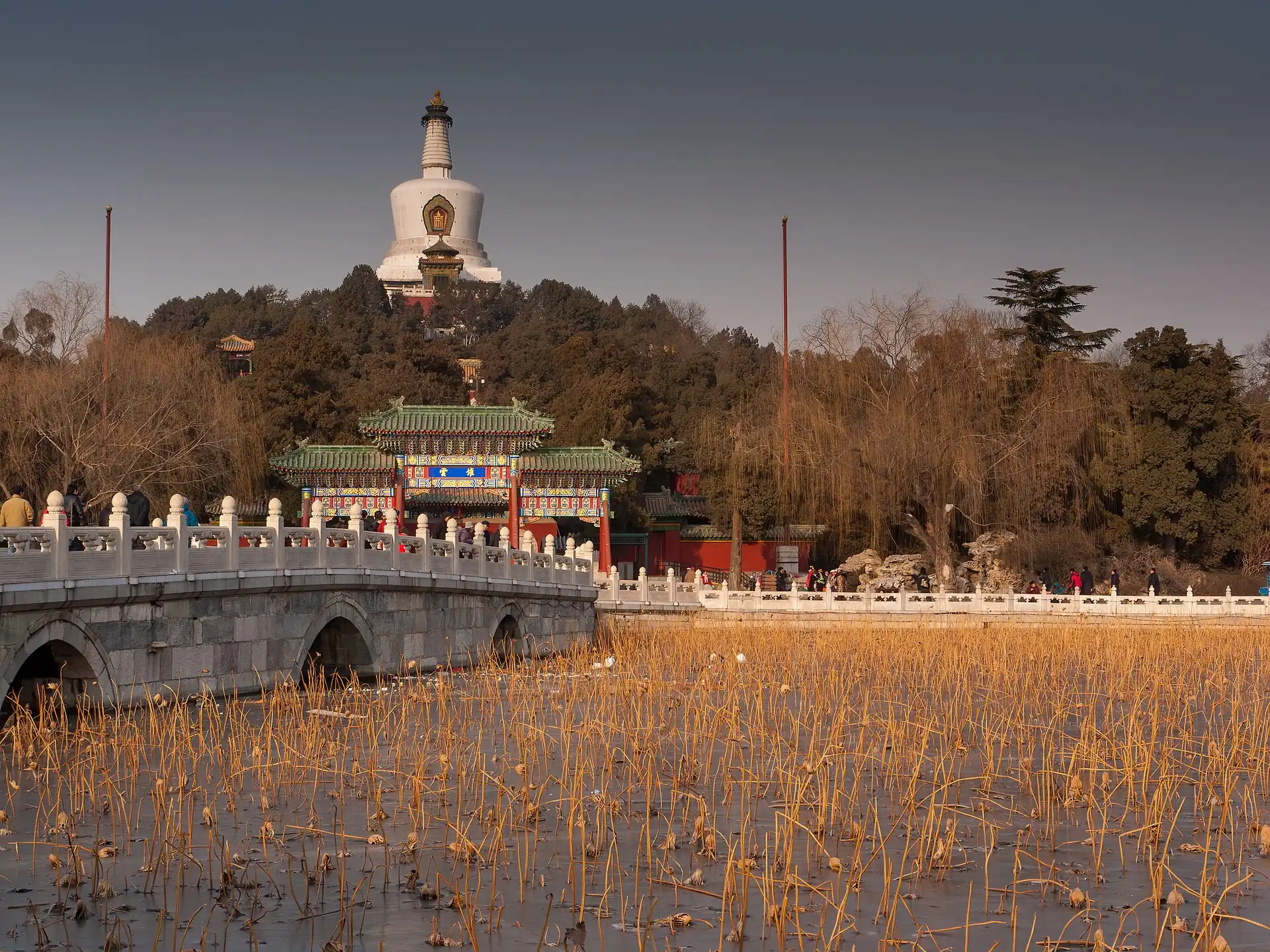
Getting around, in detailGet around · Connect
Get around
Subway between clusters, walk inside each cluster, DiDi or taxi for bags and late nights. Set up Alipay or WeChat Pay before you fly for both transit and payments.
| Mode | Verdict | Fare | Use it for | What breaks |
|---|---|---|---|---|
| Walking | use | Free | Inside a single cluster | Distances between clusters are long — 20–40 minutes or more — so walking between them is rarely worth it. |
| Subway | use | ¥3–9 (≈ US$1–2) by distance | Between clusters, most of the city | Extensive and cheap; pay by tapping a linked Alipay/WeChat QR code or a rechargeable transit card. Security screening (bags through an X-ray) at every station entrance. |
| DiDi (ride-hailing) | use | Similar to a metered taxi | Bags, late nights, door-to-door | China's main ride-hailing app; a foreign card usually works for payment, or pay the driver in cash. |
| Taxi | ok | Flag fall about ¥14 (≈ US$2), then per km | Street hail when apps are slow | Insist on the meter; have your destination written in Chinese characters. |
| Bus | ok | ¥1–2 (≈ under US$1) with a transit card | Budget travel on routes the subway does not cover | Cheap but slow in traffic; announcements are in Chinese and (on major routes) English. |
| Rental bike share | ok | A few yuan per ride via Alipay/WeChat mini-programs | Short hops, hutong exploring | Widely available; requires the payment app already set up. |
More on getting around
Amap (Gaode Maps) works far better than Google Maps for walking directions, transit routing and addresses in China; install and test it before you fly, alongside a VPN if you also want Google services. Every subway station entrance has airport-style bag screening, which adds a few minutes to each trip, especially at busy interchange stations.
Connect
| Option | Verdict | What breaks |
|---|---|---|
| Tourist eSIM bought before you fly | use | No counter, no queue; confirm it covers mainland China (some regional eSIMs exclude it). |
| Carrier counter at the airport | use | Passport needed; straightforward registration. |
| China Unicom or China Mobile store in the city | use | Board prices and correct registration. |
Alipay / WeChat Pay
Almost all payments
Link a foreign card before you fly; many small vendors no longer accept cash easily.
DiDi
Taxis
China's main ride-hailing app; a foreign card usually works, or pay the driver in cash.
Amap (Gaode Maps)
Walking, transit, addresses
Works far better than Google Maps in China and has an English mode.
A VPN app
Google, social media, foreign news
Set up and test before you fly — VPN apps are hard to download once you land.
- Wi-Fi
- Free in most hotels and many cafés; some require a Chinese phone number to register, so a hotel network is often the easiest.
Luggage
Where big bags are a problem, and how to get rid of them for the day.
Rule
- Lockers
- Lockers at Beijing railway stations and some subway stations; hotels hold bags after check-out.
- Forwarding
- Some hotels arrange bag delivery to the airport; ask before you fly.
- Dead zone
- Late check-out flights: ask the hotel to hold bags; carry your passport, not the bag, to the ticket desk.
Bags, area by area
4 walking areas rated
- Bags forbidden
Tiananmen & the Forbidden CityNanluoguxiang & Gulou hutongsTemple of Heaven Park
- Bags painful
Lockers, forwarding and the gap between check-out and check-in are covered once, under Luggage.
See & doWalking clusters, day plans and the places worth the time
See & do
Walking clusters, day plans and the places worth the time
Clusters
Plan by cluster: each is a walkable area with a rescue point and a bag rule.
Morning cluster: security and passport checks at the square, then the palace from its timed entry; long open axes with little shade, so go in the first slot.
rescue 95% · max p90 6.9′ · half
Evening cluster: the pedestrian street, the snack lane and the malls; flat and air-conditioned, so it is the rain and heat fallback.
rescue 91% · max p90 7′ · half
Late-afternoon and evening cluster: lanes off Nanluoguxiang and the Drum Tower square; low buildings, uneven paving, cyclists, no cars in the narrowest lanes.
rescue 94% · max p90 7′ · half
Early-morning cluster: the park fills with locals from 06:00; walk the axis from the Hall of Prayer south to the Circular Mound before the tour groups; long, flat and shaded by cypress.
rescue 99% · max p90 6.8′ · half
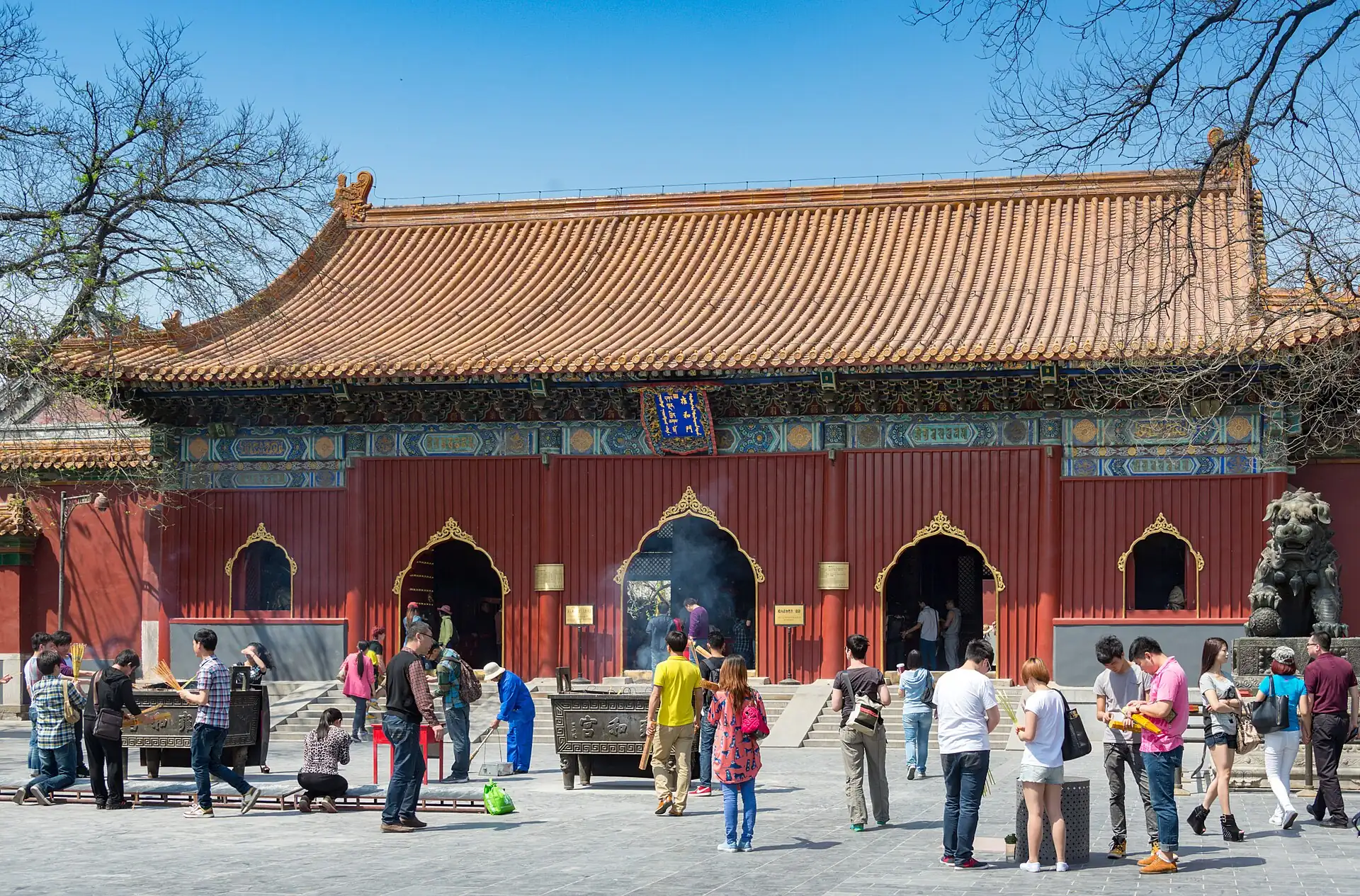
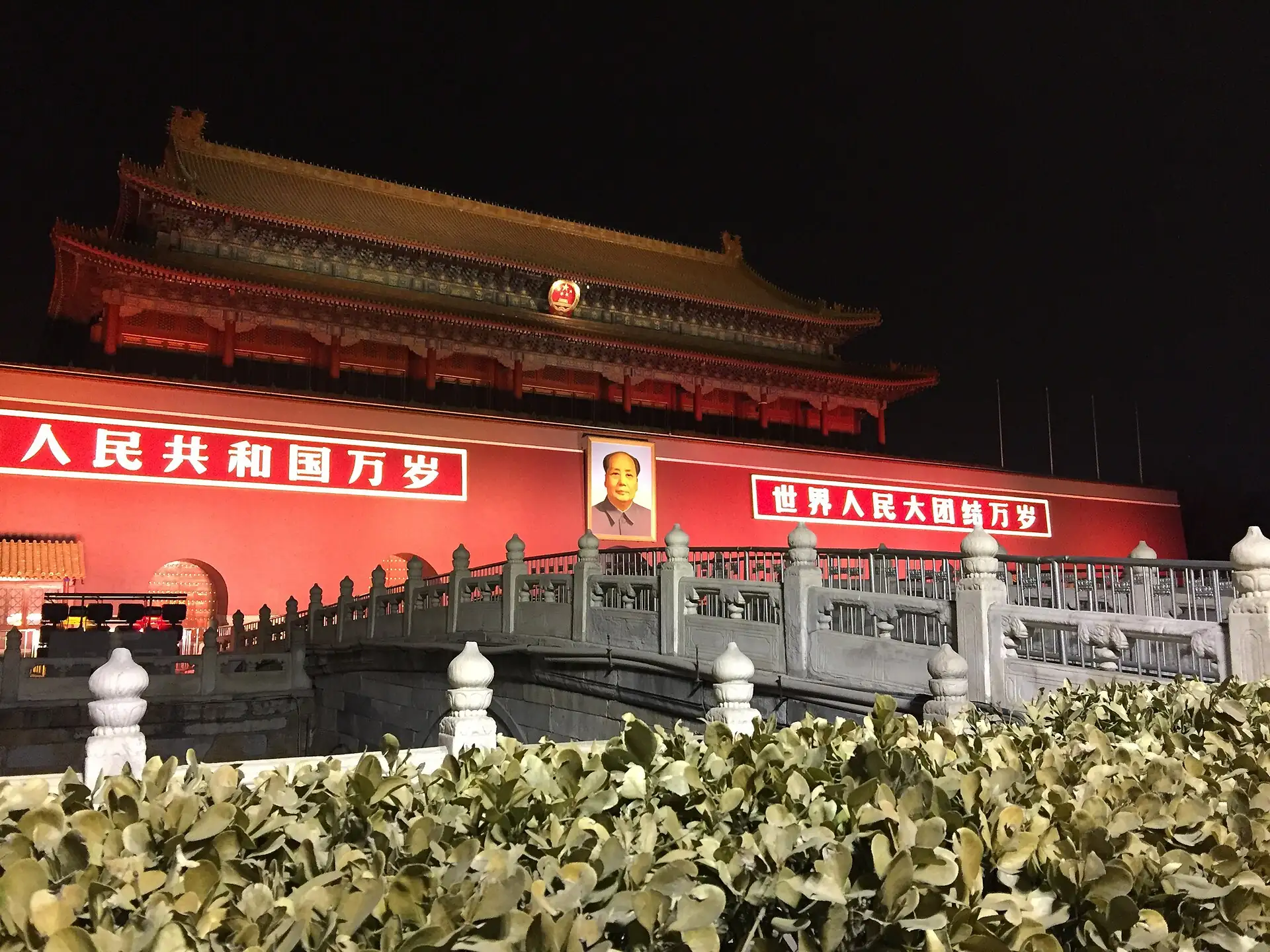
Days
Ready-made day plans, timed against opening hours and walking distances.
How long are you staying?
2 days
Forbidden City and Jingshan Park on day one; Temple of Heaven and Wangfujing on day two.
Beijing in 3 days
3 daysPalace at its timed slot, temple at opening, hutongs at dusk; the last day ends with the bags already in the car.
Day by day
Day 1 — Tiananmen and the Forbidden City in the first slot
- 07:30Tiananmen Square
- Forbidden City (Palace Museum)
- Jingshan Park (optional)
- 09:00Your timed slot at the Forbidden City (book by passport)
Day 2 — Temple of Heaven at opening, hutongs in the afternoon
Day 3 — Nanluoguxiang and Gulou morning, car to the airport at 11:30
- 08:30Nanluoguxiang & Gulou hutongs
- Drum Tower and Bell Tower (optional)
- Lama Temple (Yonghegong) (optional)
- 11:30Car to the airport at 11:30
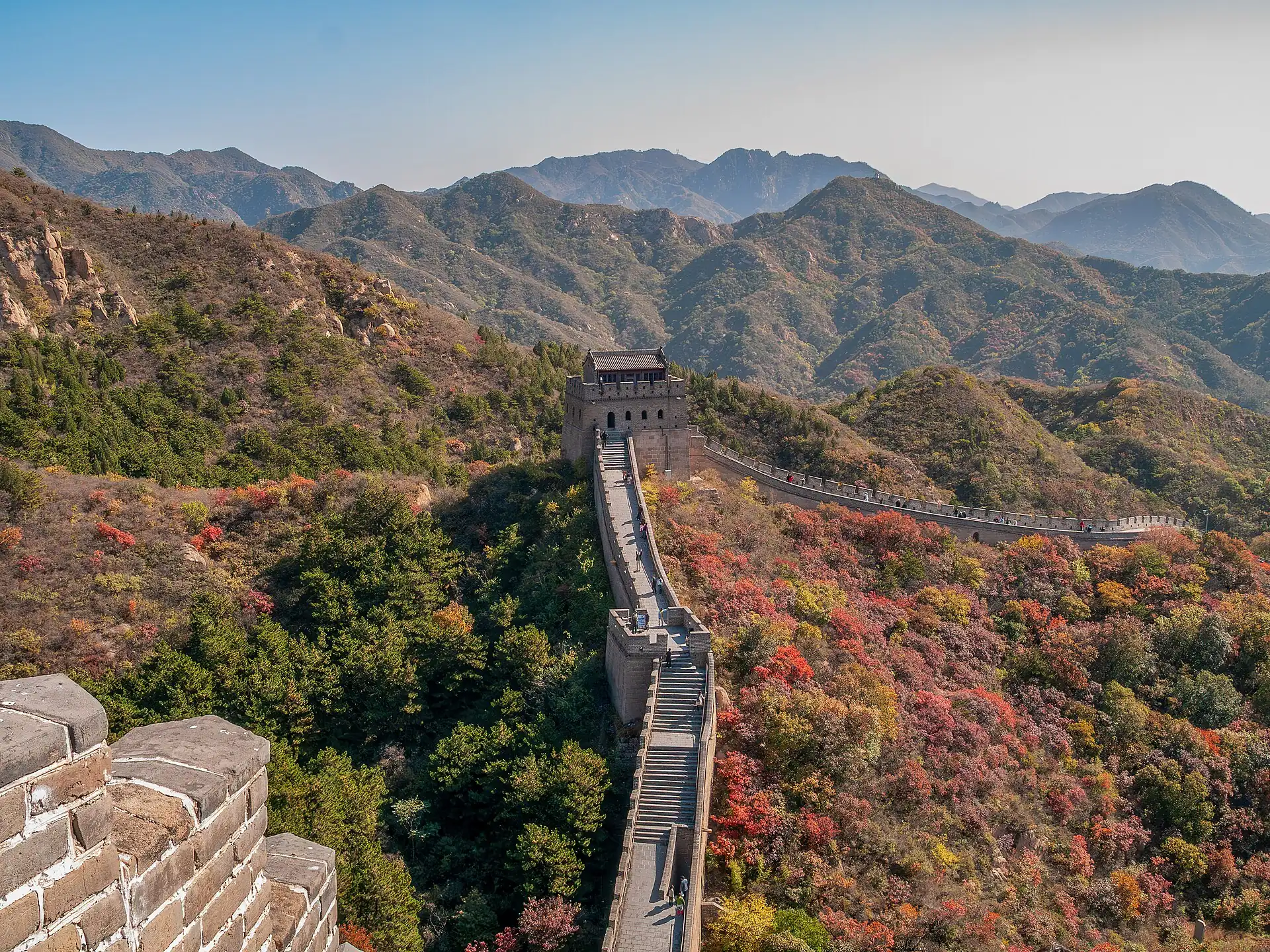
Places
“Best time” is when to arrive for the fewest crowds, for example “before 08:30”; “Go any time” means the hour makes little difference. More sights follow under “More sights and museums”.
7 places. Filters use the guide’s own ratings; a place with no rating is left out when a filter is on.
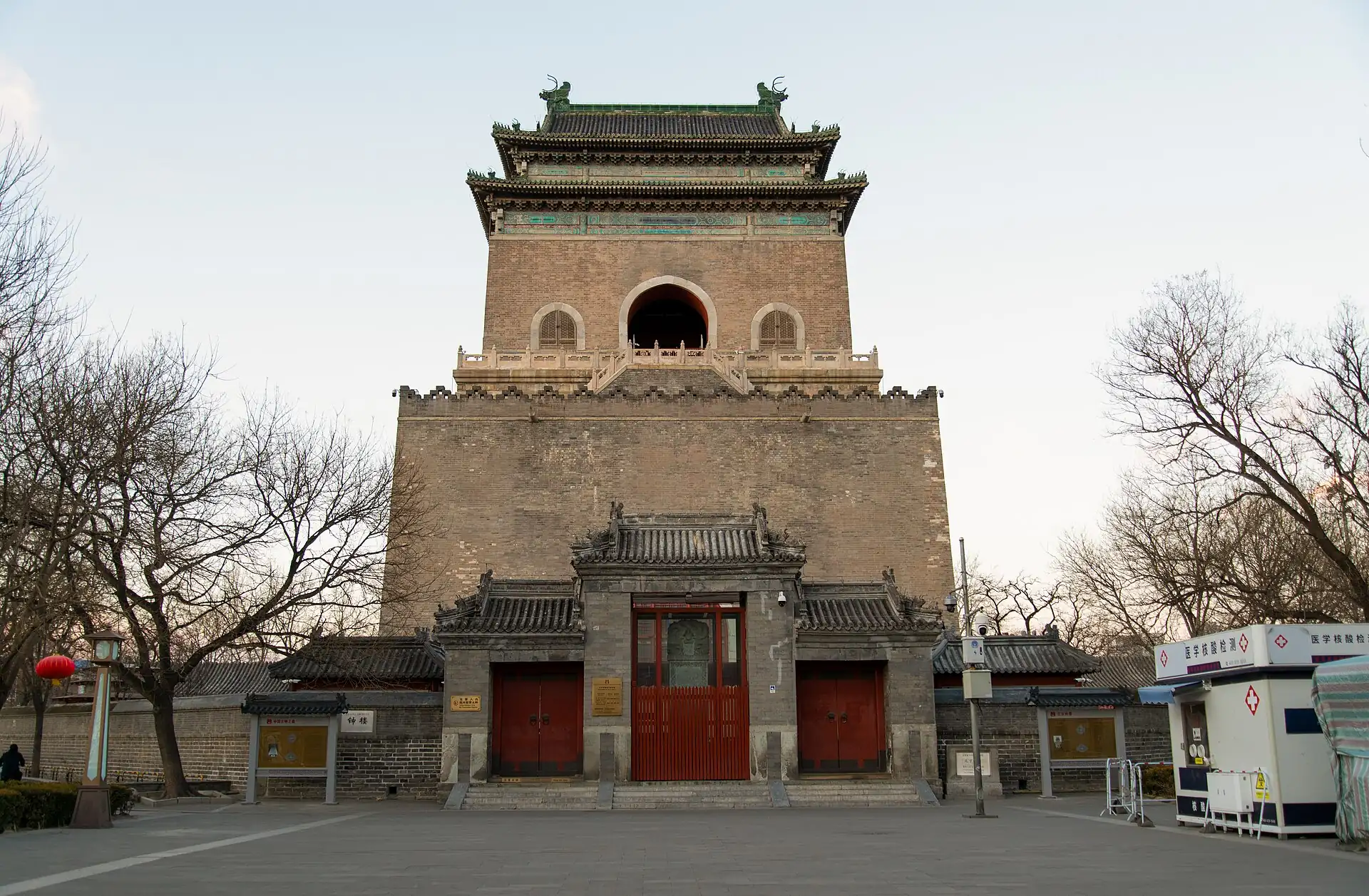
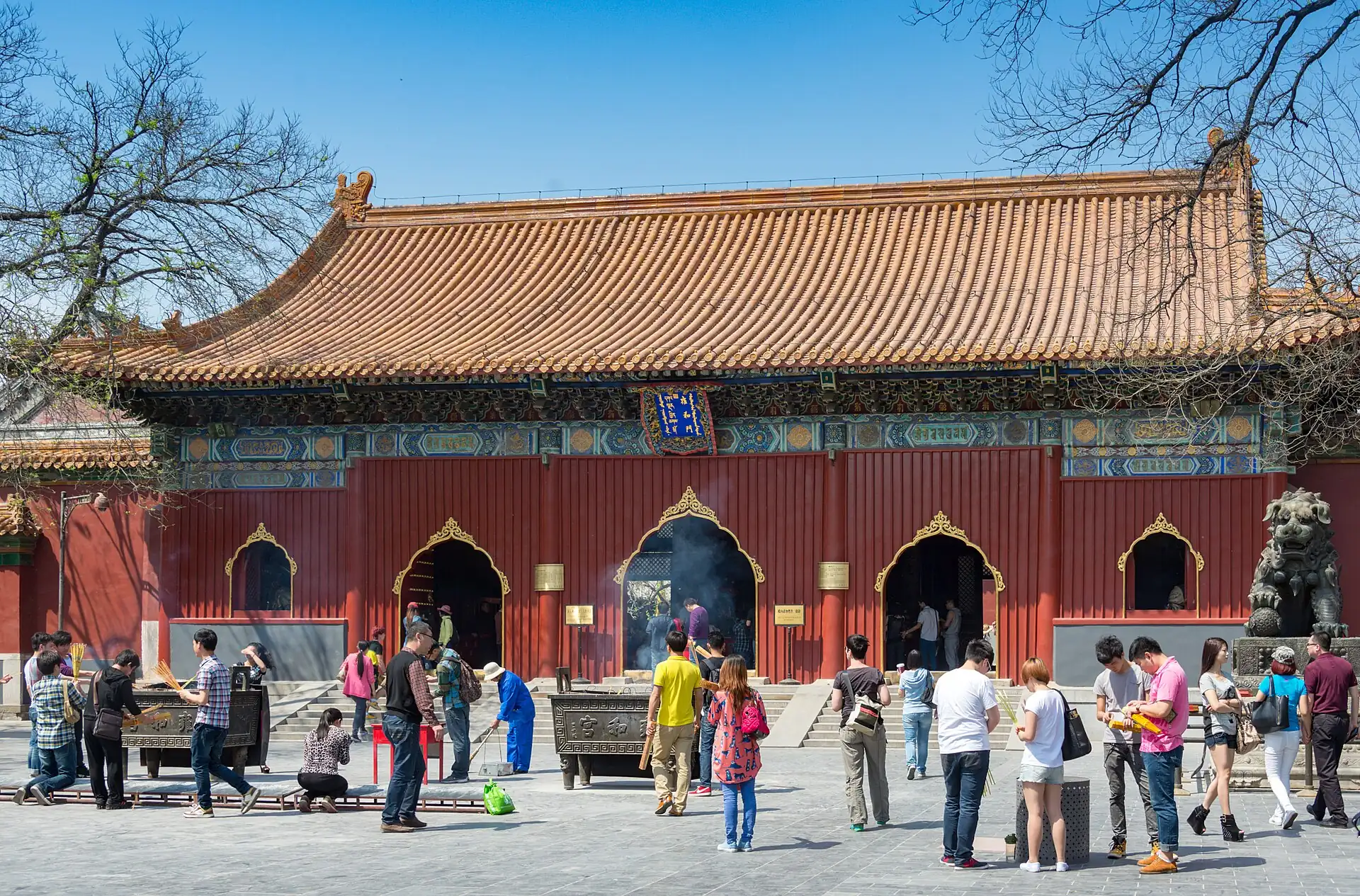
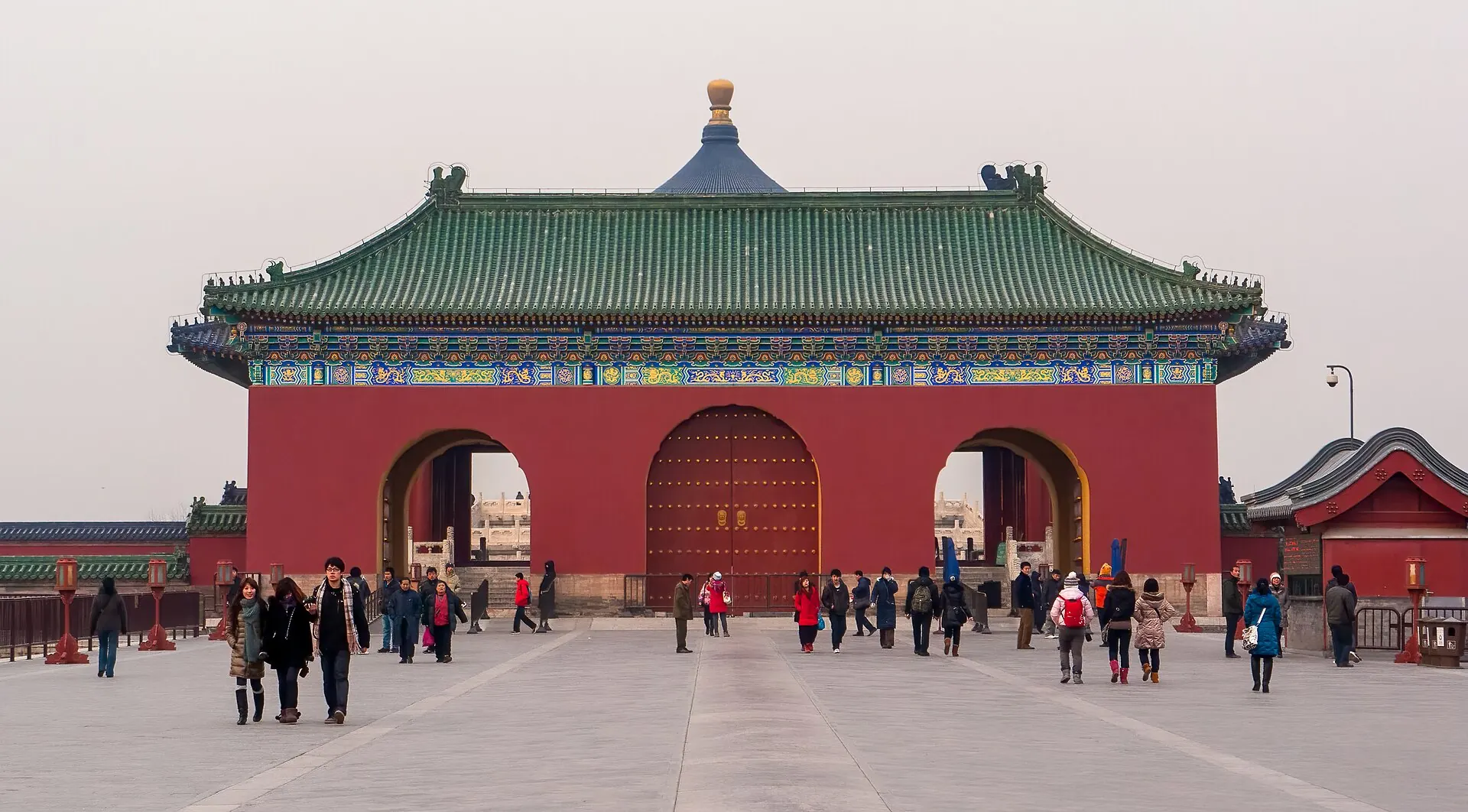
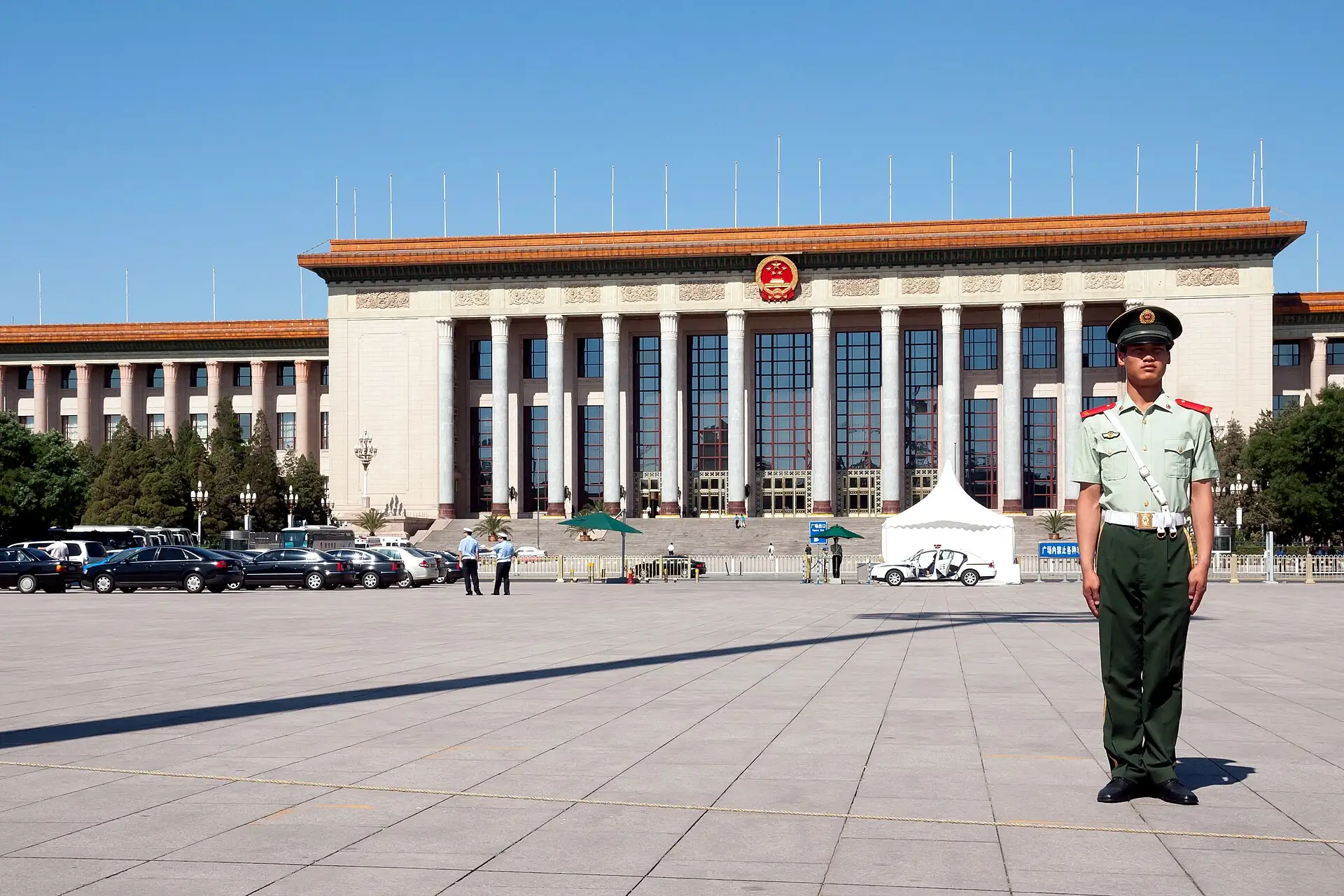
Tours, classes and shows in Beijing →
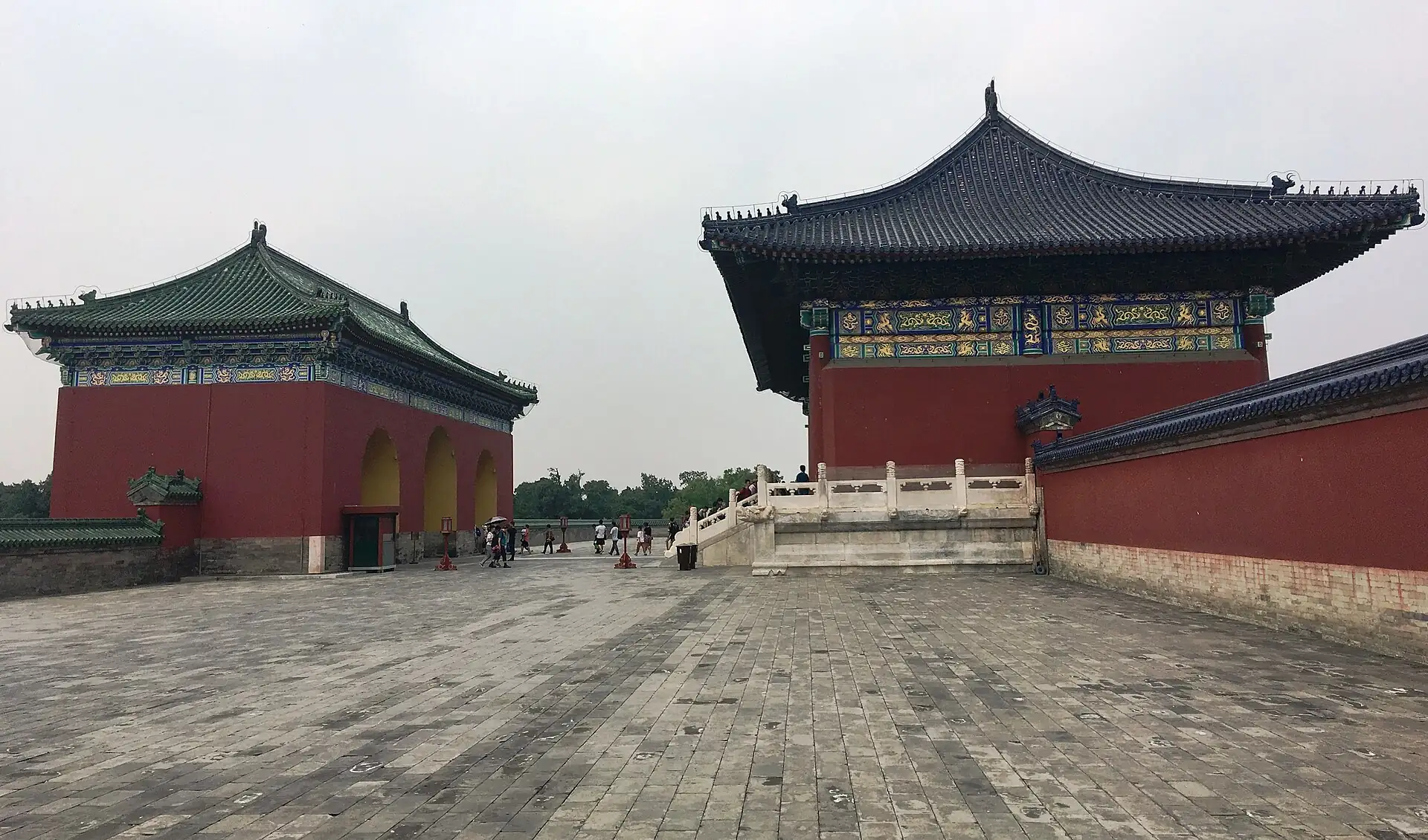
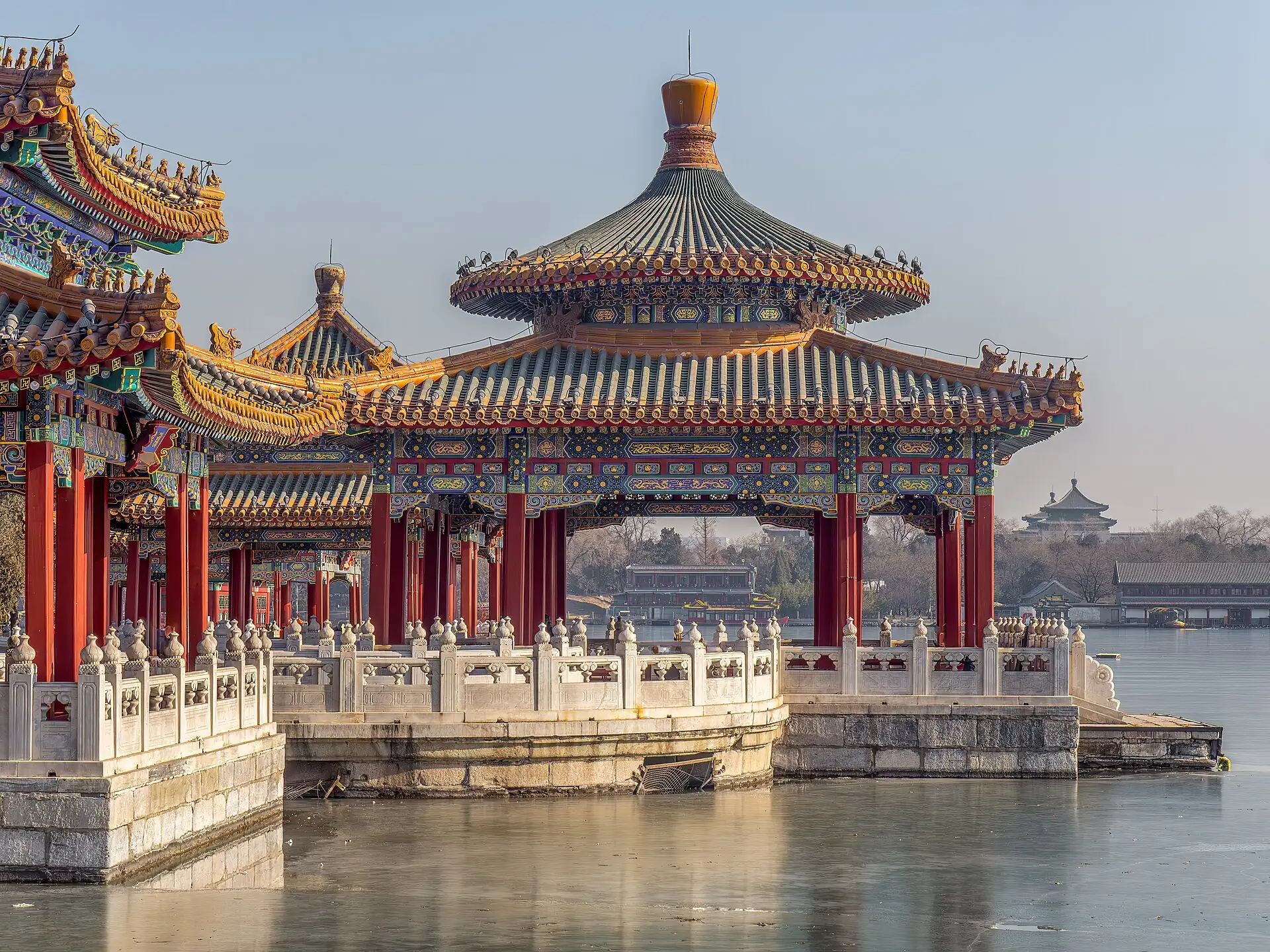
If you do ten things in Beijing
Ranked for a first visit of 2–4 days. Prices are 2026 estimates in yuan; hours marked check in the linked pages still need confirmation.
- 1
Forbidden City in the first entry slot
The largest palace complex in the world; go early to beat the tour groups and the heat.
- Time
- 2–3 h
- Best
- First morning slot
- Cost
- ¥40–60 (≈ US$6–9)
- 2
Jingshan Park for the palace-rooftop view
A short climb for the single best photo of the Forbidden City.
- Time
- 30–45 min
- Best
- Right after the palace, or late afternoon
- Cost
- Small fee
- 3
Ming-dynasty prayer halls set in a huge cypress park; go at opening with the locals doing tai chi.
- Time
- 60–90 min
- Best
- 06:00–09:00
- Cost
- ¥28–34 (≈ US$4–5)
- 4
The world's largest public square and the gateway to the Forbidden City.
- Time
- 15–30 min
- Best
- Early, on the way to the palace
- Cost
- Free
- 5
700 years of Beijing timekeeping and a steep climb to a hutong rooftop view.
- Time
- 30–45 min
- Best
- Late afternoon for the light
- Cost
- Small fee per tower
- 6
Beijing's largest working Tibetan Buddhist temple, with an 18 m sandalwood Buddha.
- Time
- 60–90 min
- Best
- Morning, avoiding the 1st and 15th lunar-month crowds
- Cost
- Check current price
- 7
Great Wall day trip (Mutianyu)
Not to be skipped if you have a spare day; less crowded and better restored than Badaling.
- Time
- Full day
- Best
- Weekday, early departure
- Cost
- ¥40–180 (≈ US$6–30) with cable car
- 8
Beijing's signature dish, at a small hutong institution or a polished alternative.
- Time
- 1–1.5 h
- Best
- Evening, booked ahead
- Cost
- ¥150–400 (≈ US$25–60) shared
- 9
Wangfujing Street and snack lane
A flat, air-conditioned evening street with a spectacle-food snack lane.
- Time
- 45–75 min
- Best
- Evening
- Cost
- Free to walk through
- 10
Nanluoguxiang hutong wander
Beijing's best-known surviving hutong lane, cafés and courtyard architecture.
- Time
- 60–90 min
- Best
- Afternoon into evening
- Cost
- Free
Good for…
Neighbourhoods in one line
| Area | Feel | Suits | Go | Avoid |
|---|---|---|---|---|
Tours and classes: book or skip
| Tour or class | Verdict | Typical price | Why | Check before paying |
|---|---|---|---|---|
| consider | ||||
| consider |
What each season brings
Apr–May, Sep–Oct
Jun–Aug
Dec–Feb
Photo spots and the light
| Spot | Best light | Tip |
|---|---|---|
| Jingshan Park's Wanchun Pavilion | ||
| The Drum and Bell Tower square | ||
| Tiananmen Gate from the square | ||
| Temple of Heaven's Hall of Prayer |
Beijing travel FAQ
Do I need a VPN?
Yes, if you want Google services, social media or many foreign news sites — set one up and test it before you fly, as it is difficult to install once you land.
Can I use cash?
You can, but Alipay or WeChat Pay linked to a foreign card makes daily life far easier, since many small vendors no longer handle cash smoothly.
How far ahead should I book the Forbidden City?
As soon as you have fixed dates — tickets are timed, sold by passport, and capacity is limited, especially around holidays.
Is Beijing walkable?
Within each of the four clusters in this guide, yes; between them, no — use the subway or a taxi/DiDi.
More to see and doSee & do · Learn & work · Rain & heat · Wheelchair and stroller
Wheelchair and stroller, place by place
How each place in this guide works for wheels, from its own page. Ratings are desk estimates unless a page says it was checked on the ground.
| Place | Step-free | Wheelchair | Stroller | What to know |
|---|---|---|---|---|
| Drum Tower and Bell Tower | poor | check | check | The towers themselves are climbed by steep, narrow stairs with no lift; the square and exterior are flat and step-free. |
| Jingshan Park | caution | check | check | The summit is reached only by a stepped path; the lower park paths are flatter and more accessible. |
| Lama Temple (Yonghegong) | caution | check | check | Flat courtyards with raised thresholds at each hall entrance; manageable with assistance, awkward alone in a wheelchair. |
| Tiananmen Square | yes | check | check | Large flat paved plaza; the security checkpoint queue is the main obstacle, not the terrain. |
| Wangfujing Street and snack lane | yes | check | check | Flat, wide pedestrian paving; the most step-free cluster in this guide, and the recommended rain or heat fallback. |
See & do
15 of 15
The Ming and Qing imperial palace; book a timed slot by passport before you fly.
Forbidden City and Tiananmen · ¥40–60 (≈ US$6–9)
- square
The world's largest public square; security screening and a passport check to enter.
Forbidden City and Tiananmen · Free
- park
The best rooftop view over the Forbidden City, from a hill built out of its moat spoil.
Forbidden City and Tiananmen · Small fee, check current
- Temples & pagodas
Ming-dynasty complex where emperors prayed for good harvests; go at opening with the locals.
Temple of Heaven · ¥28–34 (≈ US$4–5) combined
- landmark
Two towers that told Beijing the time for 700 years; a steep climb for a hutong rooftop view.
Nanluoguxiang and Gulou hutongs · Small fee per tower, check current
- Temples & pagodas
Beijing's largest working Tibetan Buddhist temple, with an 18 m sandalwood Buddha.
Nanluoguxiang and Gulou hutongs · Check current price
The main pedestrian shopping street and its touristy night-snack lane.
Wangfujing and Dongdan · Free to walk through
Great Wall (Mutianyu or Badaling)
Citadel & old cityNot to be skipped if you have a spare day; Mutianyu is less crowded than Badaling.
Day trip, 1–2 h · ¥40–180 (≈ US$6–30) depending on section and cable car
Summer Palace
Citadel & old cityA vast imperial garden and lake; rent a boat in warm months.
Day trip or half day, 45–60 min · ¥30–60 (≈ US$5–9)
Hutong bike or rickshaw tour
ActiveA guided ride through the lanes with stops at a local courtyard home; agree the price and route before starting.
Nanluoguxiang and Gulou hutongs · Daytime or evening, about 2 h · ¥150–350 (≈ US$25–50) (2026 estimate, check)
Peking duck dinner
Food toursBeijing's signature dish, carved table-side; book ahead at a known restaurant.
Wangfujing or the hutongs · Evening · ¥150–400 (≈ US$25–60) shared
Chinese opera or acrobatics show
Shows & musicBeijing opera or an acrobatics show are the classic evening cultural options; check current venues.
Various · Evening performances · ¥180–500 (≈ US$30–70)
Calligraphy or tea ceremony class
ClassesBook through a reputable operator or your hotel, not an unsolicited street invitation.
Various · 1–2 h · ¥150–400 (≈ US$25–60)
798 Art District wander
cultureConverted Soviet-era factory buildings now full of contemporary art galleries and studios.
Day trip, 40–50 min · Daytime · Free to walk; galleries vary
Cinema
CinemaForeign films are usually dubbed rather than subtitled in mainland Chinese cinemas; check listings.
Malls · Daily · ¥50–100 (≈ US$7–14)
- Booking
- Book the Forbidden City by passport well before you fly — daily capacity is limited and it sells out, especially around holidays.
Learn & work
| What | Where | Cost | Note |
|---|---|---|---|
| Mandarin language courses | Universities and language centres citywide | Varies widely; check current pricing | Short-term visitors typically need a short-term or tourist visa that does not cover formal study — check current visa rules. |
| Calligraphy and tea ceremony workshops | Cultural centres and some hotels | ¥150–400 (≈ US$25–60) a session | Book through a reputable operator, not a street invitation. |
Working here
- Tourist entry
- Visa requirements vary significantly by nationality, including some visa-free transit and short-stay policies that change over time: check current rules for your passport well before you fly. Tourist entry does not permit paid work.
- Work permit
- Legal work needs an employer-sponsored work permit and residence permit; expect a degree requirement, background checks and legalised documents from home.
- Remote work
- China has no digital-nomad visa; working for a foreign employer on a tourist visa is not a sanctioned category — check current rules rather than assuming it is tolerated.
Rain-day and heat-day plan
Rain day
Summer storms (Jun–Aug) usually arrive in the afternoon: do outdoor sights before 11:00, then move to a mall or museum.
- 01Wangfujing Street and snack lane — Oriental Plaza mall (AC); the flat, covered fallback.
- 02National Museum of China — Vast indoor collection facing Tiananmen Square; check the closing day.
- 03Capital Museum — West of the centre; a large indoor rain-day option.
Heat day
Above 30 °C (Jun–Aug): outdoor sights before 10:30 and after 16:30, AC in between, water every hour.
- 07:00Temple of Heaven — Locals exercising and cool morning air; done by 09:00.Locals exercising and cool morning air; done by 9:00 AM.
- 08:00Tiananmen Square — Before the security queue and heat build.
- 09:00Forbidden City (Palace Museum) — Long open courtyards with little shade; go in the first entry slot.
- 12:00Wangfujing Street and snack lane — AC mall lunch and rest through the hottest hours.
- 17:00Jingshan Park — Cooler light for the palace-rooftop view.
Day-trips and nearby
Places you can reach from Beijing in a day or with one night away, with the route and what it costs. Door to door, not ride time.
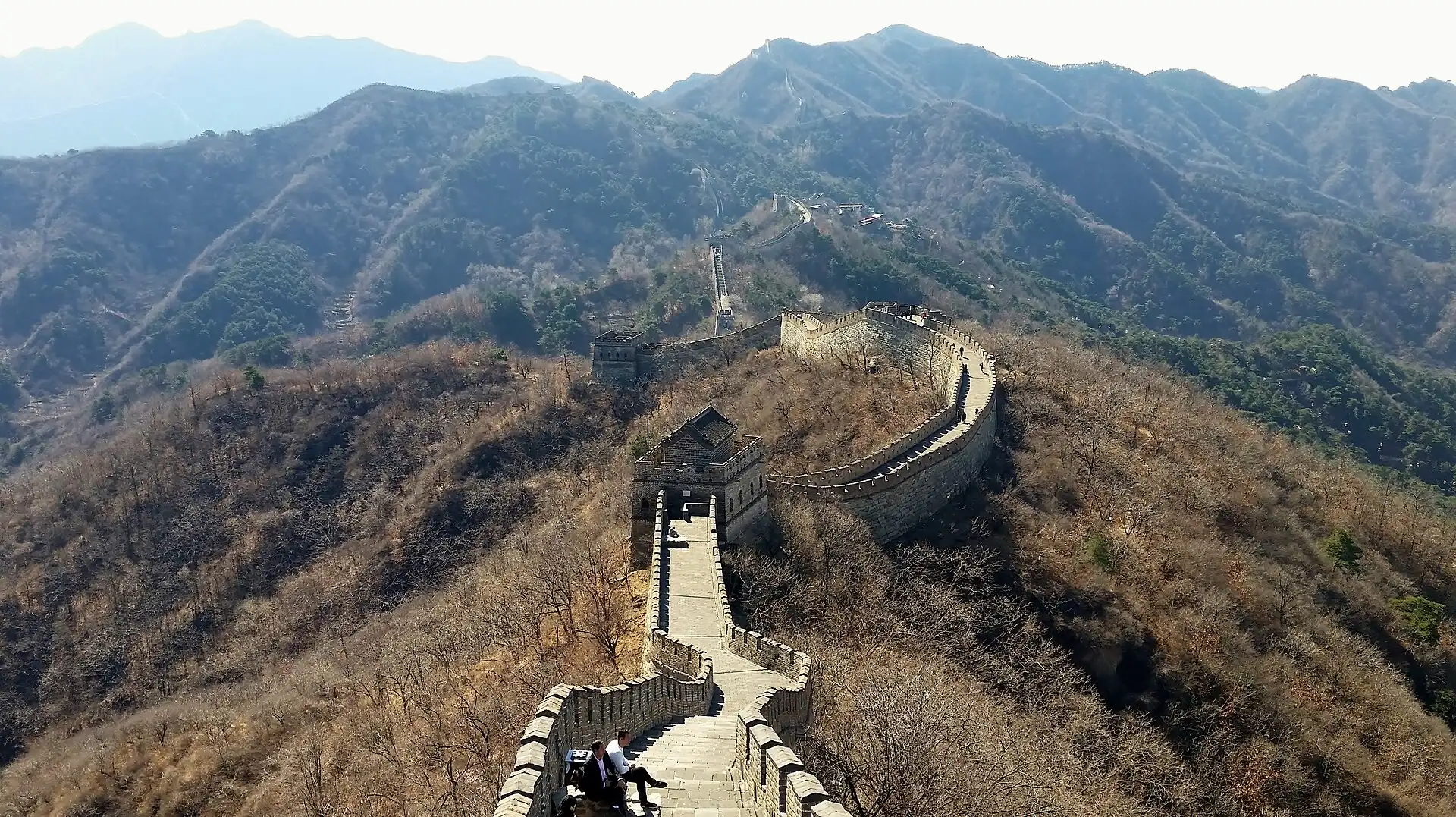 Photo: Steven Kevil, CC BY-SA 4.0
Mutianyu Great Wall
goCar or tour bus, about 1.5–2 h each way
Less crowded and better restored than Badaling; a cable car covers the steepest climb.
- Time
- Full day
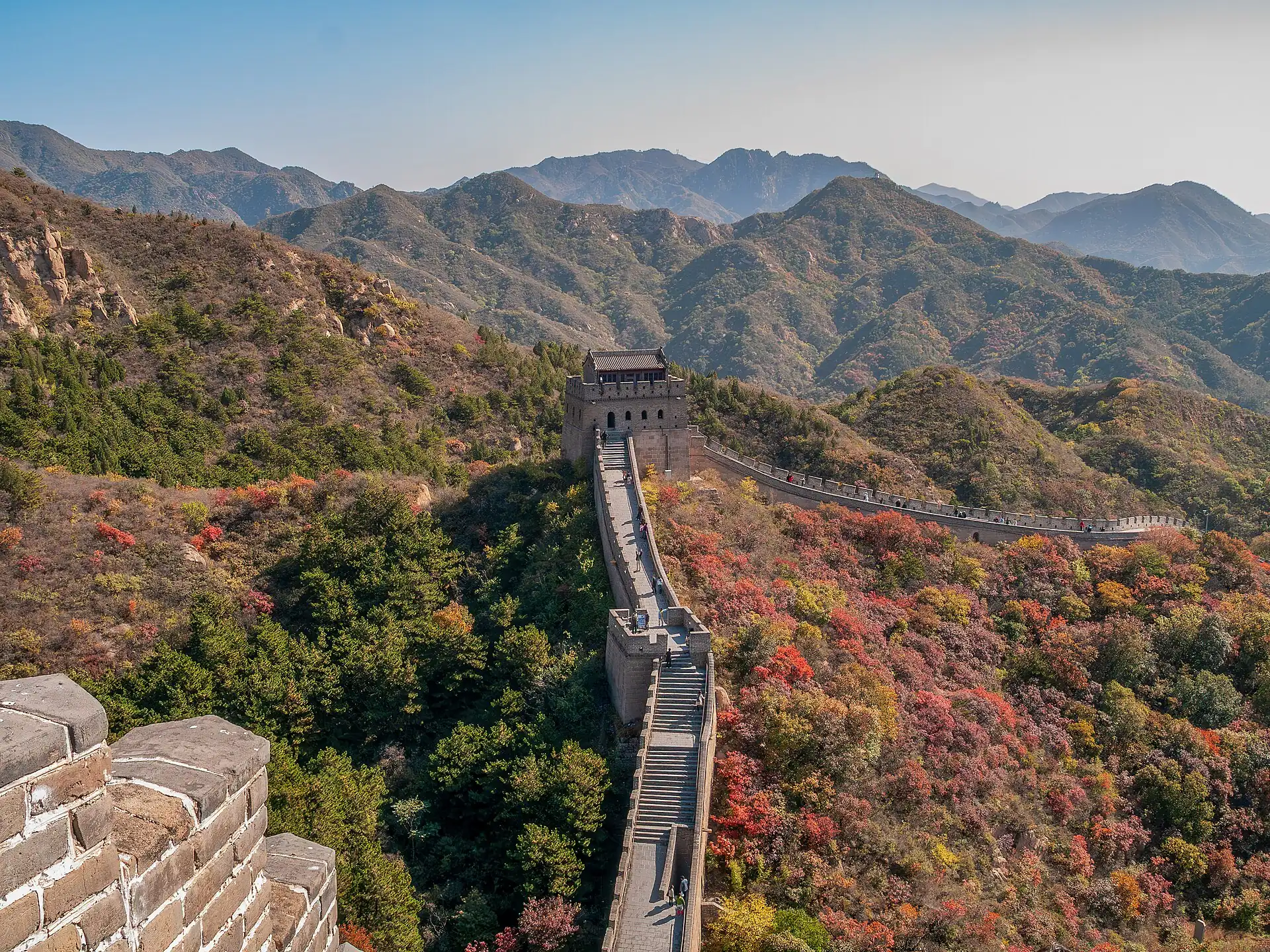 Photo: Reinhold Möller Ermell, CC BY-SA 4.0
Badaling Great Wall
goHigh-speed train from Qinghe or Beijing North, about 30–50 min, or a car
The most-visited and most crowded section; go early on a weekday.
- Time
- Full day
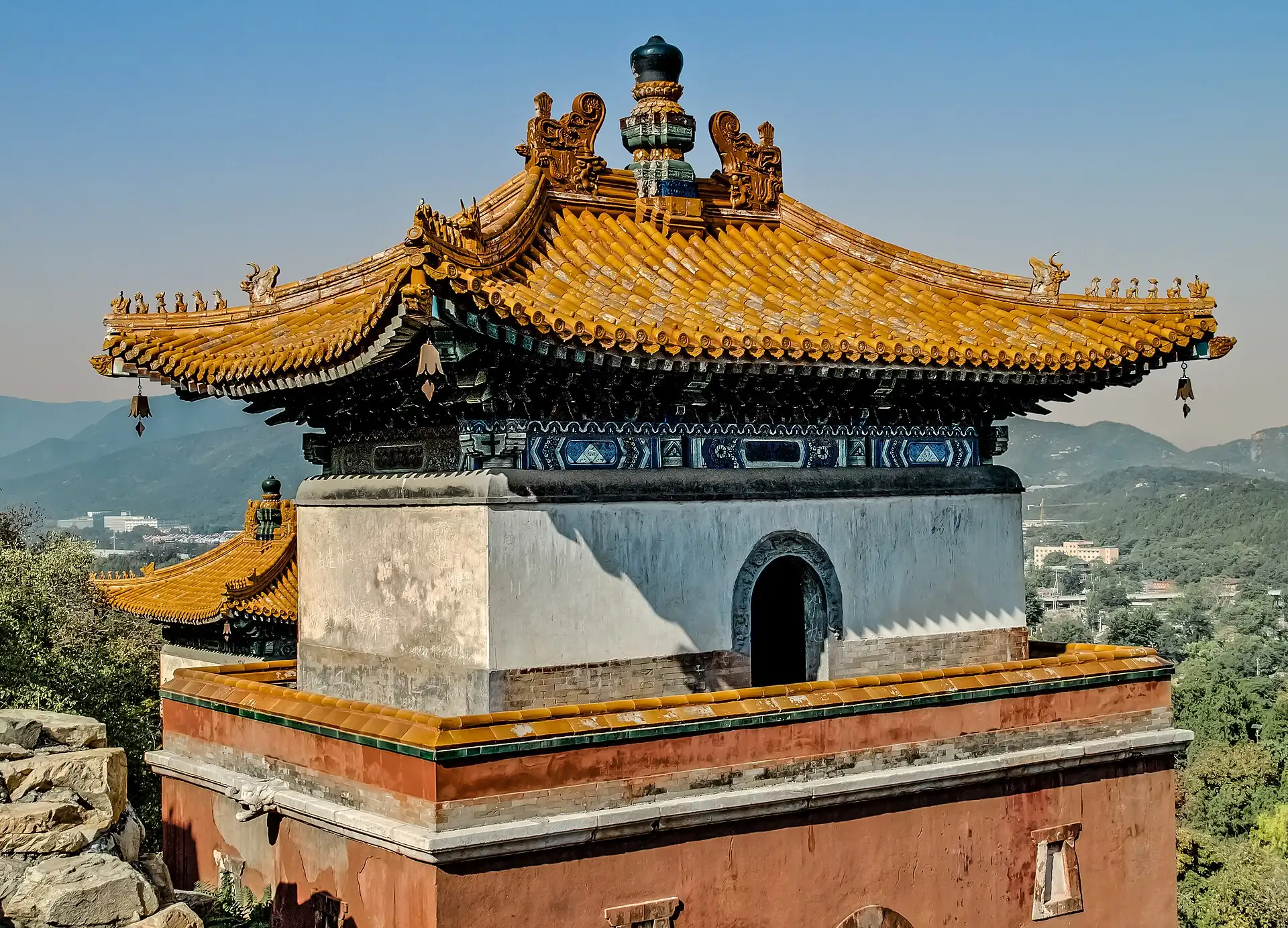 Photo: Reinhold Möller Ermell, CC BY-SA 4.0
Summer Palace
goSubway (Line 4 to Beigongmen) or a car, about 45–60 min
A vast imperial garden and lake; rent a boat in warm months.
- Time
- Half day
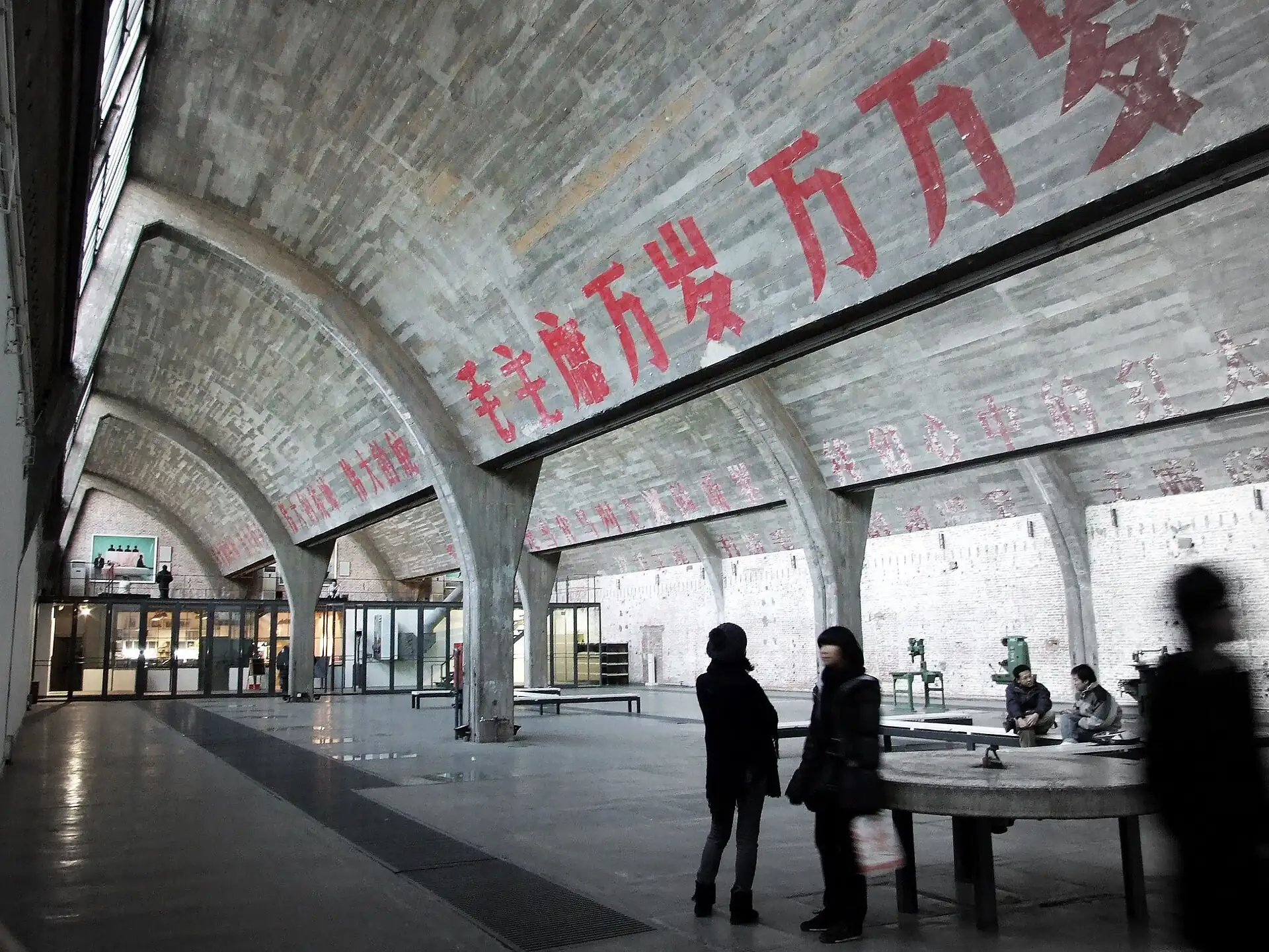 Photo: Charlie fong 冯成, Public domain
798 Art District
goSubway plus a short taxi, or a direct car, about 40–50 min
Converted Soviet-era factories now full of galleries and studios; skip on a tight schedule.
- Time
- Half day
Go next
Door to door: 5–6 h including transfers
High-speed train about 4.5–5 h, or a flight about 2 h
The other essential ancient-capital stop; the high-speed train is comfortable and scenic.
Door to door: 5–6.5 h
High-speed train about 4.5–5.5 h, or a flight about 2.5 h
A very different, modern, coastal city; the bullet train is the more relaxed option.
Door to door: Half to full day
Car, tour bus or train, 1–2 h each way
See day_trips above for the comparison between sections.
Door to door: 2–2.5 h
High-speed train about 2 h
A quieter, less-visited historic side trip if you have extra days.
Eat & sleepWhere to eat and which area to sleep in
Eat & sleep
Where to eat and which area to sleep in
Eat
A short list of places worth crossing the city for, each with how to get a seat.
Restaurant finder: filter every place to eat in Beijing →
Vegetarian-friendly score
1.0 / 5 · Hard work
- Country diet noteOur country guide rates vegetarian eating as hard.0 / 2
- Places to eat in this guide1 of 5 places with a known answer are vegetarian-friendly, 4 partly.0.9 / 1.5
- Budget eating lines0 vegetarian lines in "Eat by budget".0 / 0.6
- Meat-free national dishes2 meat-free dishes in the country food list.0.2 / 0.4
- Dedicated vegetarian kitchens0 mentions of vegetarian restaurants, Buddhist or fasting kitchens.0 / 0.5
Country note: Hard: meat stock, lard and minced pork hide in vegetable dishes.
Vegetarian places near me →Make a diet card →
How we score
- Country diet note (up to 2): easy 2, workable 1, mixed 0.75, hard 0; no note 0.5.
- City places to eat (up to 1.5): 1.5 × (vegetarian-friendly + half of partly friendly) ÷ places with a known answer; needs 3 or more known places.
- Budget eating lines marked vegetarian (up to 0.6): 0.2 each.
- Meat-free national dishes (up to 0.4): 0.1 each.
- Dedicated vegetarian kitchens mentioned — Buddhist chay, shōjin ryōri, Jain, fasting food, vegan cafés (up to 0.5): 0.1 each.
- Total rounded to the nearest half point, 0 to 5. Built from our own pages only, not from reviews.
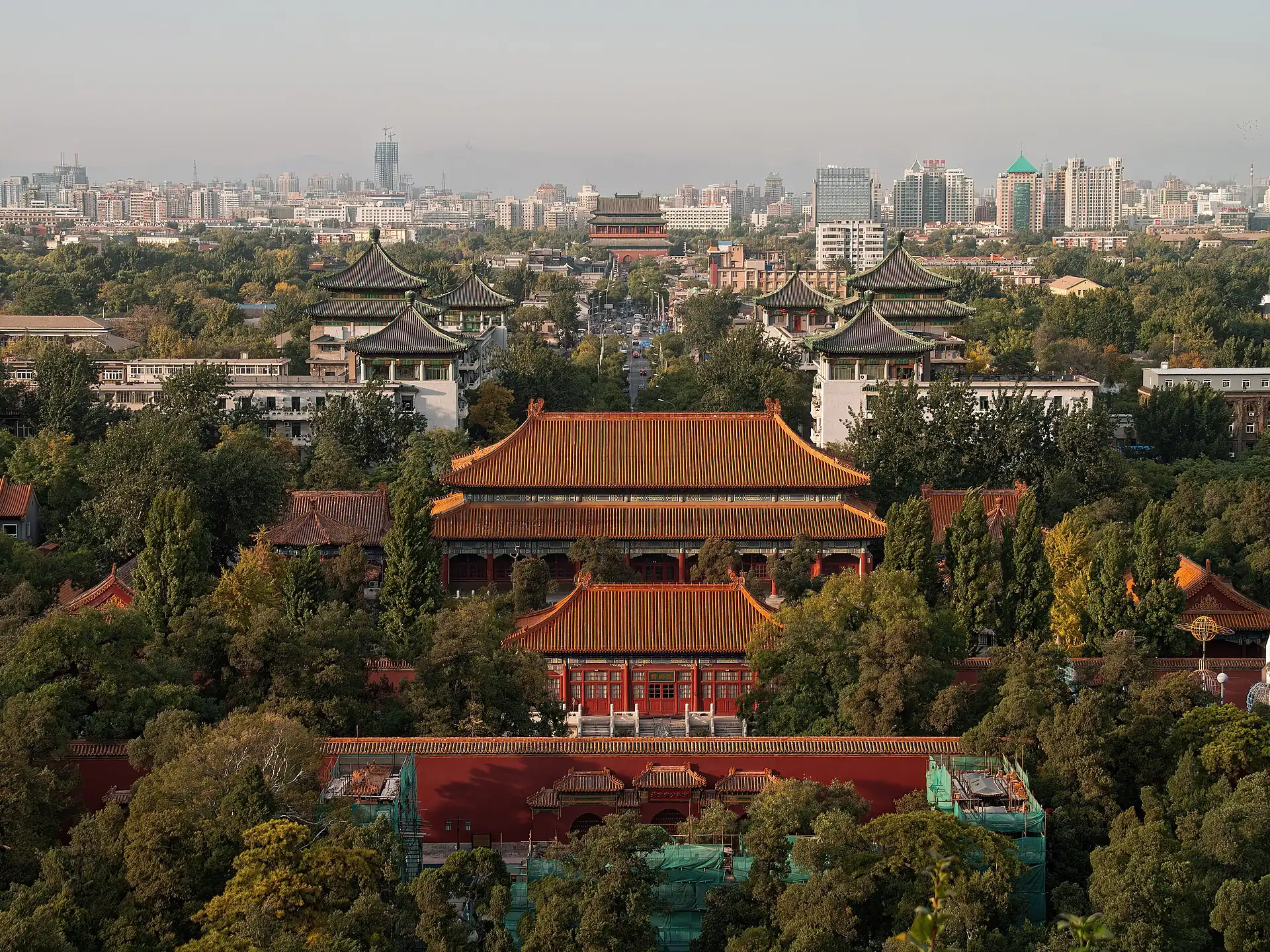
Eating and drinking guideEat by budget · Drink
Before you sit down to eat
Short version; full text linked
- Queues and hours
- Per person, one dish or one meal, 2026 estimate. More →
Eat by budget
Under ¥40 (≈ US$6) a meal
| Where | Order | Area | Price | Note |
|---|---|---|---|---|
| Hutong noodle and dumpling house | Zhajiangmian (noodles) or jiaozi (dumplings) | Nanluoguxiang hutongs | ¥15–35 (≈ US$3–5) | Point at the picture menu; fast turnover. |
| Teahouse and snack stalls, Temple of Heaven Park | Jianbing, tanghulu, tea by the pot | Temple of Heaven Park gates | ¥10–25 (≈ US$2–4) | Informal stalls, not one named shop. |
| Roadside jianbing stalls | Savoury breakfast crepe | Citywide | ¥8–15 (≈ US$2–3) | A fast, cheap breakfast on the move. |
Dishes to know
| Dish | What it is | Where to look | When | Price |
|---|---|---|---|---|
| Zhajiangmian | Wheat noodles with a fried soybean-paste and pork sauce | Hutong noodle shops | Any meal | ¥15–30 (≈ US$3–5) |
| Jiaozi (dumplings) | Boiled or pan-fried, pork or vegetable filled | Everywhere | Any meal | ¥15–35 (≈ US$3–5) for a plate |
| Peking duck | Whole roast duck, crisp skin carved table-side, wrapped in thin pancakes | Dedicated duck restaurants | Lunch, dinner | ¥150–400 (≈ US$25–60) shared |
| Jianbing | Savoury breakfast crepe with egg and a crispy cracker | Street stalls | Morning | ¥8–15 (≈ US$2–3) |
| Hot pot (huoguo) | A simmering shared broth you cook meat and vegetables in yourself | Hot pot chains and restaurants | Lunch, dinner | ¥80–150 (≈ US$12–25) per person |
| Tanghulu | Candied fruit (often hawthorn) on a skewer | Street vendors near parks | Any time | ¥5–15 (≈ US$1–3) |
- Set up Alipay or WeChat Pay before you fly: cash is a shrinking fallback, not the default, at most restaurants.
- Tipping is not customary; do not add one beyond a printed service charge.
Drink & nightlife
| Where | What | Until | Note |
|---|---|---|---|
| Sanlitun and Gulou bar streets | Bars, clubs, craft beer | Late, especially weekends | The main nightlife areas; Gulou's bars are smaller and more local, Sanlitun's louder and more international. |
| Hutong cafés around Nanluoguxiang | Coffee, tea, casual evening drinks | About 22:00–23:00About 10:00 PM–11:00 PM | A quieter alternative to a full bar night. |
By style
| Style | What | Where | Price | Until |
|---|---|---|---|---|
| Beer | Local lagers such as Yanjing and Tsingtao | Restaurants and bars citywide | ¥8–20 (≈ US$2–3) a bottle | — |
| Baijiu | Strong Chinese grain spirit, often shared with a toast at mealsPotent — pace yourself if invited to a toasting round. | Restaurants, banquets | Varies widely by brand and quality | — |
| Tea | Green, jasmine, oolong and pu'er, served throughout the day | Restaurants (often free with a meal), dedicated teahouses | Free–¥50 (≈ US$7) a pot | — |
| Craft beer and cocktails | A growing scene in Gulou and Sanlitun | Bars in those areas | ¥30–70 (≈ US$5–10) a drink | — |
Rules that bite
- Do not drive after drinking; China enforces strict zero-tolerance drink-driving laws.
- Toasting culture at group meals can involve repeated rounds of baijiu; it is acceptable to sip rather than down each glass if you prefer.
Sleep
Pick the area first: it decides your walk home at night and your first morning.
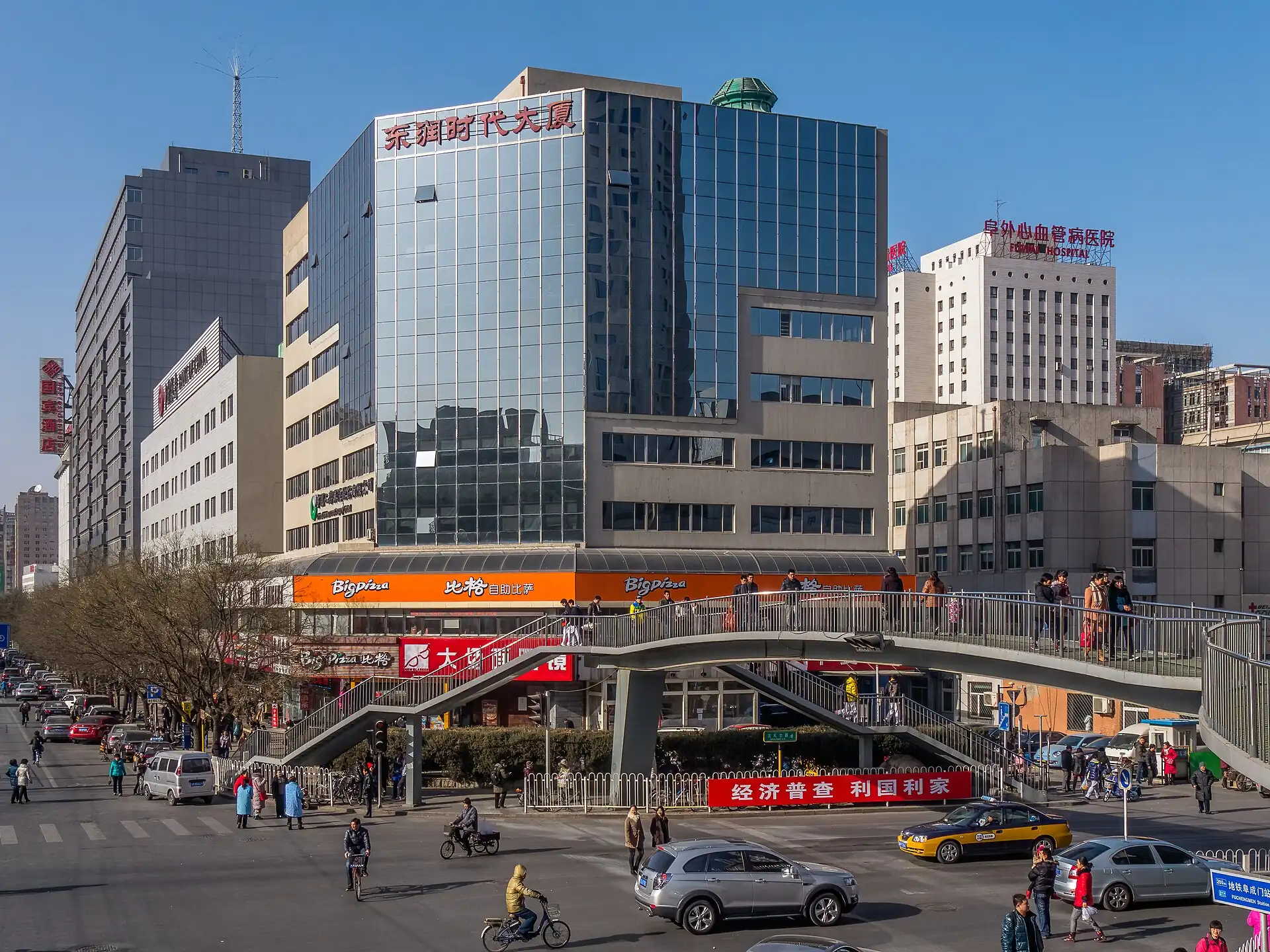
Which neighborhood fits you
Three questions, one recommendation, with the reasons.
Your best fit
- Forbidden City a subway stop or walk away; central for the whole first-visit itinerary.
- 24-hour desks are the norm at larger hotels here.
Next best: Gulou hutongs
Built from our 1–5 desk scores per area; your answers stay in this browser.
More on sleepingSleep by budget · Your area · With kids
Sleep by budget
| Band | Price | Where | Room types | What to expect |
|---|---|---|---|---|
| budget | ¥150–300 (≈ US$25–45) dorm bed · ¥250–450 (≈ US$35–65) double | Wangfujing, Gulou hutongs | Hostels, small guesthouses, budget chains | Simple rooms; hutong guesthouses may lack a lift. |
| mid | ¥450–900 (≈ US$65–130) | Wangfujing, Dongcheng | 3–4 star hotels, boutique courtyard hotels | Lift, breakfast, 24-h desk at larger properties. |
| splurge | ¥1,500 (≈ US$250)+ | Wangfujing, Chaoyang | International chains, luxury courtyard hotels | Full amenities; service charge sometimes added to the quoted rate. |
Booking checks
- Ask specifically about lift access if booking a small hutong or courtyard hotel.
- The hotel must register your stay with police automatically at check-in; this is routine, not a red flag.
- Book well ahead for Spring Festival and National Day week, or avoid travelling during them.
Which area is yours
| If you are | Sleep in | Because |
|---|---|---|
| First visit, central sights, bags and lifts matter | Wangfujing | Flat, step-free, and close to the Forbidden City and subway. |
| Hutong atmosphere, cafés, a livelier evening scene | Gulou hutongs | The most walkable, characterful base — accept stairs and uneven lanes. |
First-timers: the Forbidden City is 25 minutes on foot and the subway is at the door; choose a hotel with a 24-hour desk that accepts foreign guests.
Slower nights in a courtyard guesthouse; cars stop at the lane mouth, so expect a walk with the bags — ask the host for a night contact and check the desk hours.
Areas are in our default order until you tick a priority.
Scores are 1–5 desk judgements per priority (2026).
With kids
- Long, flat distances at the Forbidden City and Temple of Heaven suit a stroller better than the narrow, uneven hutong lanes.
- The Beijing Zoo (pandas) and the Natural History Museum are easy half-day family stops away from the core clusters.
- Subway stations have lifts at most stops, making the metro the easiest step-free way to move a stroller or pram across the city.
- Heat or bad air: Oriental Plaza and other malls near Wangfujing have AC and indoor play areas.
PracticalMoney, essentials, safety and the pocket card
Practical
Money, essentials, safety and the pocket card
Money
What a day costs at three comfort levels, and how to pay.
- Budget
- ¥250–450 (≈ US$35–65) excl. bed / day
- Mid
- ¥450–1,000 (≈ US$65–140) excl. bed / day
- High
- ¥1,000 (≈ US$140)+ excl. bed / day
- Transit card
- No transit card needed: the subway takes a QR code in Alipay or WeChat, or single tickets from machines and counters.
- Cash rule
- Keep ¥300 (≈ US$45) in small notes as a backup; withdraw at Bank of China or ICBC ATMs inside banks or malls.
More on moneyCosts · Budget · Buy
What things cost
- Noodles or dumplings at a hutong shop¥15–35 (≈ US$3–5)
- Jianbing (breakfast crepe) from a street stall¥8–15 (≈ US$2–3)
- Peking duck (whole, shared 2–3 people)¥150–400 (≈ US$25–60)
- Bottle of water, convenience store¥2–5 (≈ under US$1)
- Forbidden City ticket¥40–60 (≈ US$6–9) (peak/off-peak season)
- Temple of Heaven combined ticket¥28–34 (≈ US$4–5)
Trip budget
| Hotel double room1 × 3 nights × CN¥550 | CN¥1,650 |
| Food, local transport, entries2 × 3 days × CN¥700 | CN¥4,200 |
| Airport car, both ways1 × CN¥400 · one car per 4 people; distance depends on PEK vs PKX | CN¥400 |
| eSIM or tourist SIM2 × CN¥100 | CN¥200 |
| Buffer 10%Price creep, a taxi you did not plan, one splurge | CN¥645 |
| Trip total≈ CN¥1,183 per person per day, bed included | CN¥7,095≈ US$1,000 |
2026 estimate in yuan; flights, visas and tours excluded. Your choices stay in this browser.
Buy
- Bargaining
- Fixed prices are the norm in shops, malls and department stores; markets and souvenir stalls (Panjiayuan, tourist arcades) expect negotiation — counter at roughly a third to half the first price and settle in between.
- Fixed-price check
- Check a supermarket or pharmacy chain price for tea, snacks or souvenirs before paying a tourist-area markup.
Markets and shopping streets
| Where | What | When | Haggle | Note |
|---|---|---|---|---|
| Panjiayuan Antiques Market | Antiques, curios, calligraphy, jade (mostly reproductions) | Weekend mornings are best (check) | hard | Assume anything is new regardless of age claims; buy for what you'd pay either way. |
| Wangfujing snack lane | Novelty street snacks, souvenirs | Evenings | light | Prices are inflated for the tourist spectacle; check before ordering. |
| Silk Street Market | Clothing, bags, electronics (mostly counterfeit) | Daytime | hard | Expect an opening price several times the settling price. |
Shops by what they sell
| For | Where | Hours | Note |
|---|---|---|---|
| Tea | Maliandao tea market, or reputable shops citywide | Shop hours | Ask for a tasting before buying; prices vary hugely by grade. |
| Books in English | Wangfujing Foreign Languages Bookstore | Shop hours | The main English-language bookstore in the centre. |
| Malls (AC, food courts) | Oriental Plaza (Wangfujing), SKP, Taikoo Li Sanlitun | About 10:00–22:00 | Fixed prices; the rain-day and heat-day refuge. |
Changing money
| Where | Verdict | Why |
|---|---|---|
| Bank of China or ICBC branches | use | Fair rate and a receipt; passport needed; office hours only. |
| Airport exchange counters | ok | Slightly worse rate: change enough for the ride and the first day. |
| Hotel front desk | caution | Convenient, usually a weaker rate. |
ATMs
- Per withdrawal
- Bank ATMs cap a foreign card at a set amount per withdrawal (varies by bank); the screen shows the maximum.
- Fees
- A local fee plus your home bank's foreign fee applies (2026 estimate); take the cap, not small amounts.
- Where
- Bank of China and ICBC ATMs are the most reliable for foreign cards; test a small withdrawal first.
Essentials and accessEssentials · Access
Essentials
- Plugs & power
- 220 V; sockets vary (types A, C, I): bring a universal adapter.
- Toilets
- Malls, stations and parks; carry tissues, as some public toilets do not supply paper.
- Opening hours
- Sights generally 08:30–17:00 with last entry before closing; many close one day a week or for periodic maintenance — check each place.Sights generally 8:30 AM–5:00 PM with last entry before closing; many close one day a week or for periodic maintenance — check each place.
- Health
- Air quality varies by season and day; heat and humidity in summer. Travel insurance with medical cover.
- Accessibility
- Major sights and the subway have step-free routes, but hutongs have uneven paving and narrow lanes with no kerb cuts.
- Laundry
- Hotels offer laundry by the item; self-service launderettes are uncommon — ask your hotel for the nearest option.
- Emergency numbers
- 110 police, 119 fire, 120 ambulance; tourist hotline 12301.
Pack
- Layers: winters are very cold and dry, summers hot and humid
- A mask for occasional poor-air-quality days, autumn through spring
- Comfortable shoes for long, flat palace and park walks
- A VPN app installed and tested before you fly, if you need Google, social media or foreign news sites
Accessibility
Beijing's major sights and the subway are relatively step-free by regional standards, but the hutong lanes are not. Plan the Forbidden City, Temple of Heaven and Wangfujing on foot with more confidence than the Nanluoguxiang and Gulou lanes.
- Subway
- Most stations have lifts; a few older interchange stations do not — check the station map or Amap before relying on one.
- Major sights
- Forbidden City, Temple of Heaven and Tiananmen Square have paved, mostly flat routes, though long distances and occasional raised thresholds apply.
- Hutongs
- Narrow, sometimes unpaved or uneven lanes with no consistent kerb cuts; the Drum Tower's interior stairs are steep and have no lift.
- Getting around
- DiDi or a taxi is the step-free option for longer hops; book a larger vehicle for a folding wheelchair.
- Toilets
- Accessible toilets are common in malls, stations and major sights; less reliable in hutong cafés and small restaurants.
Survive
Safety basics, the lines not to cross, and practical habits that save the day.
Safety
- Cross at signals; electric scooters and turning cars ignore lines.
- Winter and spring: check air quality; carry a mask on bad days.
- Emergency: 110 police, 119 fire, 120 ambulance; tourist hotline 12301.
Red lines
- Tiananmen Square and the Forbidden City: security checks, passport at the gate, no flags or banners.
- Do not photograph military sites or police.
- Temples: do not step on thresholds; silence in prayer halls.
Practical
- Public toilets are in parks, stations and malls; carry tissues.
- Tap water is not for drinking.
More on staying safeStay safe · Stay healthy · Safety map · Solo & women · Etiquette · Cope · Scams
After dark, by area
1 flagged area
- Take care
Day = about 07:00–19:00. What to watch in each area, day and night →
Scams and red flags
Walk away if you see these
- 'Tea ceremony' or 'art student' invitations near Wangfujing and Tiananmen: a friendly stranger leads you to a tea house or gallery, then a bill for hundreds of yuan appears. Politely decline any unsolicited invitation.
- Unofficial 'guides' at the Forbidden City offering to skip the queue: tickets are timed and passport-checked — nobody can actually skip the line; walk away.
- Rickshaw drivers in the hutongs who quote a price 'per person' and multiply it at the end: agree the total fare in writing before you start.
- Fake or over-priced 'antiques' sold as ancient: assume anything sold on the street is new, and buy only for what you would pay regardless of age.
Stay safe
Crossing the road
- 01Cross at signalled crossings; electric scooters and turning cars do not reliably yield even on a green pedestrian signal.
- 02Look both ways for e-bikes riding against traffic on the kerb side.
Hustles specific to this city
| Hustle | Where | The tell | What to do |
|---|---|---|---|
| Tea ceremony / art student invitation | Wangfujing, Tiananmen area | A friendly local invites you to practise English over tea or to see student art | Politely decline any unsolicited invitation to a specific venue. |
| Unofficial 'queue skip' offers | Forbidden City, major sights | Someone offers to get you in faster for a fee | Tickets are timed and passport-checked; nobody can actually skip the line — walk away. |
| Rickshaw 'per person' fare | Hutongs | Price agreed vaguely, multiplied at the end | Agree the total fare in writing before starting. |
- Police
- 110. Report thefts at the local police station with your passport; insurers need the written report.
- Night
- Violent crime against visitors is rare; the main risks are overcharging scams and traffic.
Stay healthy
Air quality by month
| Jan | Feb | Mar | Apr | May | Jun | Jul | Aug | Sep | Oct | Nov | Dec |
|---|---|---|---|---|---|---|---|---|---|---|---|
| poor | poor | mixed | mixed | ok | ok | ok | ok | ok | mixed | poor | poor |
Air quality varies by season: worst in winter (heating season) and during spring dust storms, better in summer after rain. Check a live AQI app and carry a mask on bad days.
- Heat
- Jun–Aug: shade and AC breaks, water through the day; humidity makes it feel hotter than the number.
- Cold
- Dec–Feb: layers and a warm coat; wind chill on open squares like Tiananmen is sharp.
- Food and water
- Bottled or boiled water only; busy, fast-turnover stalls and restaurants are generally safe.
- Air quality
- Check a live AQI app (such as one built into your weather app); a KN95 mask from any pharmacy on bad-air days.
Hospitals and clinics: see Cope.
Safety by area and hour
| Area | Day | Night | What to watch |
|---|---|---|---|
| Forbidden City and Tiananmen | fine | fine | Heavy security zones: follow police instructions; pickpocketing risk in dense queues. |
| Wangfujing | fine | fine | Tea-ceremony and art-student scams target visitors on the pedestrian street; decline unsolicited invitations. |
| Nanluoguxiang and Gulou hutongs | fine | fine | Crowded lanes at peak evening hours; keep bags zipped and in front. |
| Temple of Heaven Park | fine | caution | Quiet and poorly lit after the park closes for the evening; leave before dusk. |
- Violent crime against visitors is rare; the common risks are overcharging, pickpocketing in crowds, and traffic at busy junctions.
- Electric scooters and bikes often ignore traffic signals and lane markings: look both ways even on a green signal.
Solo, women and LGBTQ+ travellers
Solo
- Straightforward to travel alone; hotel and hostel staff are used to solo visitors booking timed tickets.
- Set up Alipay or WeChat Pay and a VPN before you fly — doing so solo without local help is harder once you land.
- Use DiDi rather than a street-hailed unlicensed car after dark.
Women
- Harassment is uncommon; normal city caution applies in crowded queues and on the subway at rush hour.
- Dress is generally relaxed and modern in central Beijing; modest dress is respectful at temple sites.
LGBTQ+
- Same-sex sexual activity is legal, but same-sex marriage is not recognised and there are no explicit anti-discrimination protections.
- Public displays of affection of any kind are generally low-key in mainland China; a small LGBTQ+ scene exists in Beijing but keeps a relatively low public profile.
Etiquette in Beijing
- Temples
- Modest dress is respectful; do not step on door thresholds — step over them; ask before photographing monks or worshippers.
- Queues
- Security-zone queues (Tiananmen, the Forbidden City) are orderly and monitored; general queues elsewhere can be looser — stand your ground politely.
- Tipping
- Not customary or expected anywhere in mainland China; do not tip unless a service charge is already added.
- Paying
- QR-code mobile payment (Alipay/WeChat Pay) is the default; cash is a fallback, not the norm, in the city centre.
- Photos
- Ask before photographing people up close; never photograph police, military or security checkpoints.
- Meals
- Shared dishes are the norm at group meals; wait for the host to start, and expect toasting rounds with baijiu at more formal dinners.
Cope
Hospitals and clinics that handle foreigners
| Where | Area | Use it for |
|---|---|---|
| Beijing United Family Hospital | Chaoyang | International private hospital with English-speaking staff; ask your insurer about direct billing. |
| Beijing Union Medical College Hospital | Dongcheng, near Wangfujing | A major public hospital with an international medical department. |
| Raffles Medical / other international clinics | Various, mainly Chaoyang | For non-emergency visits; pay upfront by card, claim later. |
Visa extensions
- Office
- Exit-Entry Administration Bureau, Beijing Municipal Public Security Bureau; weekday office hours. Check the current address before going.
- Extending a stay
- Visa and stay-length rules change by nationality and visa type; check current requirements before you fly and before assuming you can extend locally.
- Overstay
- Fines and possible entry bans apply; resolve any issue at the Exit-Entry office well before your flight, not at the airport.
Embassies and consulates
| Country | Area | Note |
|---|---|---|
| United States | Chaoyang | |
| United Kingdom | Chaoyang | |
| Australia | Chaoyang | |
| Canada | Chaoyang |
- Lost passport
- Report to the local police station, then your embassy, then the Exit-Entry Bureau for an exit permit before you can fly: budget several working days.
- Pharmacies
- Chain pharmacies (such as Watsons) and hospital pharmacies; many medicines need a doctor's note that would be assumed over-the-counter elsewhere.
- VPN issues
- If your VPN fails to connect, hotel business centres and some cafés can help; set one up before you fly rather than relying on finding one locally.
Apps and offline kitOffline kit
Offline kit
Set up before you leave, so Beijing still works with no signal or a dead roaming plan.
On your phone
- Maps: open the city in Google Maps, tap the place name, then Download offline map (or use an offline-maps app).
- Data: install an eSIM or buy a local SIM before the first taxi; the apps in this guide depend on it.
- Translation: download the local language for camera translation.
- Screenshots: booking confirmations, hotel address in the local script, and the emergency numbers.
This guide
Save the Beijing guide and its pages on this device; it opens without a connection.
Phrases that do the work
Greeting
Hello
你好
nee how
Thanks
Thank you
谢谢
shieh-shieh
Market
How much is this?
多少钱?
dwaw shaow chyen
Food
Not spicy, please
不要辣
boo yaow lah
Food
Delicious!
好吃!
how chir
Café
The bill, please
买单
my dahn
Taxi
Please take me to this address
请带我去这个地址
ching dye waw chyew jer guh dee jee
Taxi
Stop here, please
在这里停车
dzeye jer lee ting cher
Pocket card
Fill in, then print or save as PDF
Stays in this browser only; nothing is sent anywhere.
Beijing北京
Pocket card · Voykit
My bed tonight
—
—
—
请带我去这个地址Please take me to this address
Emergency
- Police110
- Fire119
- Ambulance120
- Tourist hotline12301
Embassy
Most embassies are in Chaoyang district; write your own embassy's 24-hour line below.
My embassy: —
Fare anchors (2026 estimate)
- PEK → centre, car: About ¥100–150 (≈ US$14–25), 40–60 min depending on traffic
- PKX → centre, car: About ¥150–220 (≈ US$25–35), 60–90 min
- Subway ride: ¥3–9 (≈ US$1–2)
Say or show
- 你好 — Hello (nee how)
- 谢谢 — Thank you (shieh-shieh)
- 多少钱? — How much is this? (dwaw shaow chyen)
- 不要辣 — Not spicy, please (boo yaow lah)
- 买单 — The bill, please (my dahn)
- 在这里停车 — Stop here, please (dzeye jer lee ting cher)
Show the address in Chinese characters; drivers and DiDi search that, not romanised pinyin.
Deep diveHistory, reading, photos and every source
Deep dive
History, reading, photos and every source
Sources
- officialVisit Beijing (official tourism)
- officialPalace Museum (Forbidden City)
- secondaryWikivoyage - Beijing
Ask about Beijing
Loading…
Was this useful?